Look at the photos in this article. Perfume bottles truly possess all the qualities of a beloved object. Beauty, splendour, luxury and distinction can be sensed in the design of a perfume bottle. The work is complex and demands a special sensibility — the refinements of the buyer's taste, refinement in design, refinement in modes of manufacture and the choice of materials. To create personality and identity in the design of a perfume bottle, you do not have a wide range of materials at your disposal. What is used here must, in the end, be embodied in a pure and splendid volume. The harmony of the bottle's design with the type of perfume, the brand identity, and the buyer's expectations is a delicate equation.
Joel Desgrippes, the French designer who has so far designed many bottles for celebrated perfume houses such as Hermès, Dunhill and Boucheron, says of his profession: "The fundamental and important factor in the work of designing a perfume bottle is that the designer be conscious of his domain and know what he is doing. The object he designs has a soul; that soul is the quality, nature and message it carries — and we are responsible for dictating it."
Joel Desgrippes, in the introduction to Directory of International Package Design, writes: "Design seems to have a meaning higher and more important than the definition of the proper functioning and aesthetics of mass-produced packaging samples. The relation between design and the human being and the environment, and the cultural and historical values it carries, are very important factors in determining man's ethics and behaviour and his relation with the surrounding world."
The design of perfume bottles has a very close relation with the world of fashion design. We must remember that fashion design is a dynamic and very active part of the world of design, perhaps because the necessity of innovation and the offering of new values is its principal motor. Without doubt, no product in the realm of design has a shorter shelf-life than fashion-driven products — and this is perhaps why fashion design and its products are so luxurious and expensive. Of course perfumes have a different story in the world of fashion. The growing thirst for production and offering has reached the soul of perfumes too, but a fine fragrance has, in itself, such an attraction that no one can resist it. Men and women, old and young, the famous and the ordinary, the rich and the poor — all enjoy good fragrance equally. The life of perfumes is much longer than that of most fashion phenomena. Even grandmothers like Chanel No. 5 still have life and beauty for themselves. Pierre Dinand, the doyen of perfume-bottle design, likens the factors of a perfume's success and survival to the game of jackpot:
"Every time you pull the lever of the machine, in order to win five identical cherries must come together. In the world of perfumes these five cherries are: the fragrance of the scent; the design of the bottle; the name of the perfume; the team and marketing programme of the product; and finally the economic backing of the supplier. Every time these five signs come together, the product will be successful — but if even one of them is missing, you are no longer a winner."
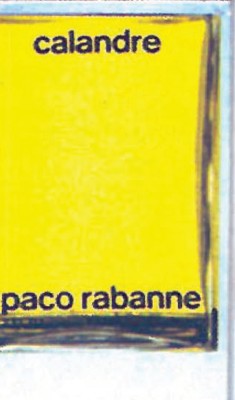
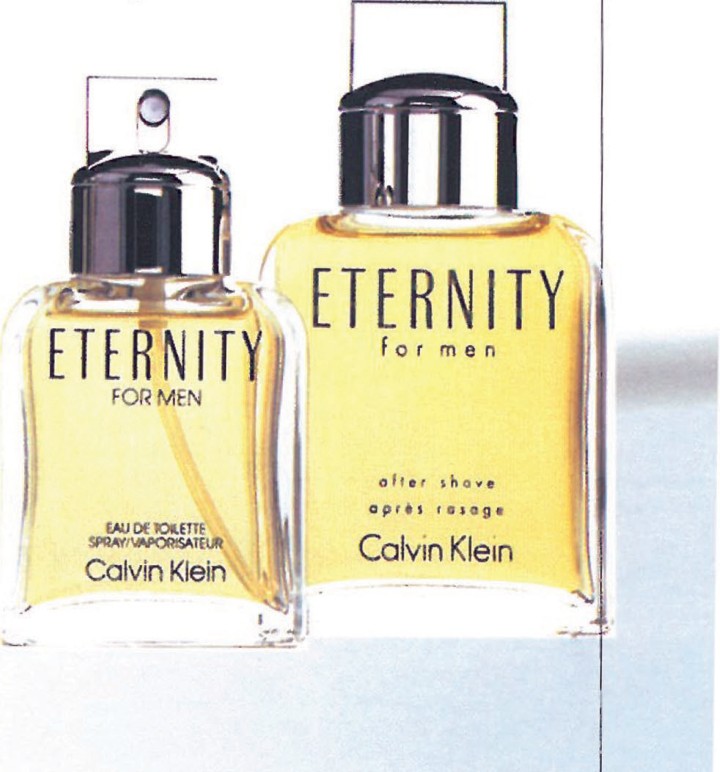
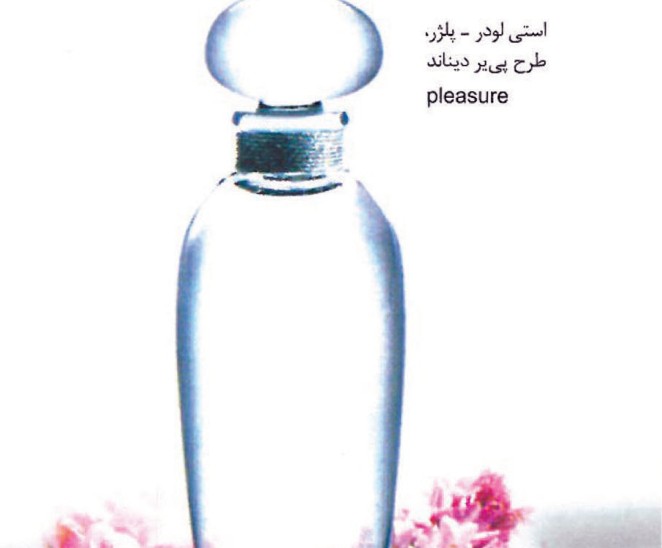
Pierre Dinand, a soldier in the French Army during the Indochina wars, was sufficiently curious to be touched by the architecture and motifs of the temples of South-East Asia. Later he was for a time an architecture student, and finally found work in an advertising agency, until he was met with his first serious client — "design for Rochas perfume." He himself believes that for this work the support of painting, sculpture, architecture and a good knowledge of history and archaeology came to his aid. In his forty years of work in this field, Dinand has so far designed more than 350 perfume bottles, and his clients include almost all the first-rank names in the perfume world: Yves Saint Laurent, Christian Dior, Pierre Balmain, Givenchy, Paco Rabanne, Valentino, Fendi and Calvin Klein. Among all his designs he chooses six favourites: Calandre, Obsession, Eternity, Opium, Madame Rochas and Pleasures. Dinand is also the special designer for Fifi (Fragrance Foundation Awards).
Of course, people like Desgrippes and Dinand are professional perfume-bottle and cosmetics designers. But there are other distinguished perfume bottles whose designers do not belong to this guild. When I first bought a Dalí perfume bottle, I must really confess that the only thing that persuaded me to buy was its packaging and the bottle itself. The bottle had a lip-shaped volume that recalled the splendid mouth of Mick Jagger, and a very large, finely-cut nose at the top played the role of a relief on the bottle. After much investigation I realised that this perfume bottle had been taken from one of Salvador Dalí's own paintings. Dalí launched his design house in 1983, and the design of most of the perfume bottles he offered was inspired by his paintings. Perhaps one of the aspects of Dalí's perfumes' success after the painter's death is precisely the form of these bottles — bottles that, after their contents are emptied, are so beautiful and valuable that they would never be thrown into the rubbish bin.
The design and manufacture of perfume bottles is a very expensive process. Renowned designers like Joel Desgrippes, Peter Rosen, Pierre Dinand and Robert Du Grenier earn between $50,000 and $200,000 to design a single perfume bottle, and close to a year is spent on the manufacture of those bottles. They are often obliged to use the very best raw materials and the most complex production techniques. Robert Du Grenier's company designed and itself produced a very innovative and special bottle for the Kiss & Tell perfume. The original idea was: "The fragrance of many perfumes is not appropriate for use throughout the entire day. In principle, perfumes that have a milder scent during the day are more useful." For example, Yves Saint Laurent — finding the fragrance of his Opium too strong for daytime — released Opium Light with a milder scent. Hence an idea arose for Kiss & Tell: a dual-chamber bottle holding both the main perfume and the milder version. Many of the major manufacturers were contacted but the answer was that there was no current possibility of making such a bottle — except Du Grenier, who answered the request positively. The project lasted three years. The bottle is made by hand. The bottle moulds are formed by master craftsmen blowing through their mouths. Du Grenier offers no further explanation about the manufacturing technique. On each side of the bottle a sprayer is provided to use the perfume in the corresponding chamber.
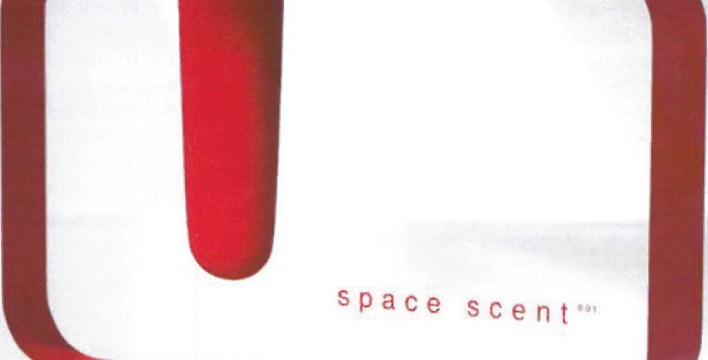
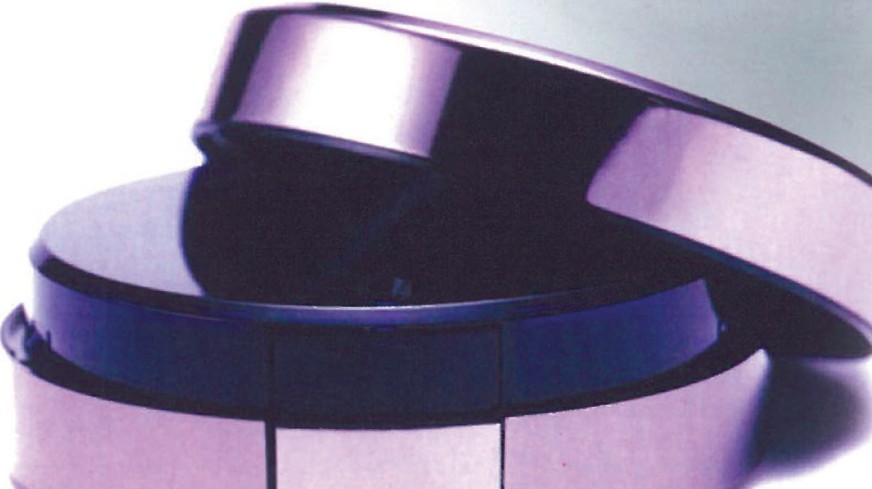
In the perfume world there are also other examples that, by offering a definition and creating a [particular concept], engage the buyer differently. Bijan, the Iranian designer based in Beverly Hills, Los Angeles, has designed for the perfumes of his maison bottles made of crystal that the buyer returns to the company after use; the company refills it and sends it back. On all these bottles the serial number of the product and the name of the buyer are engraved. Tiffany & Co., the French jewellery designer, for the Flacon perfumes, has chosen the strategy of supply restriction. Each Flacon model is produced only in one thousand pieces, with very fine crystal whose surface is polished by flame to reach maximum smoothness. The lids of the bottles are of sterling silver, decorated with motifs from Tiffany's archive that are engraved by hand. The number of every bottle is hand-engraved on its underside. Yves Behar, in his Fuseproject, has designed and produced a bottle for the Space Scent perfume that consists of a frame finished with coloured enamel, with an inset chamber to hold the bottle of perfume. The proportions of the frame are determined and produced individually for every example, so that no two of these perfume bottles — produced in a limited edition and offered with the designer's signature — share entirely identical dimensions and form. Being unique and distinguished can, for the buyers of these perfumes, be a very strong and exciting incentive.
But what fuels this competition in the design and offering of perfume bottles, which can in many cases truly be regarded as decorative volumes of art or sculpture? In 1909 René Lalique introduced his first crystal perfume bottle. Lalique was a man who, between 1900 and 1940, designed, produced and offered some of the most valuable glass artefacts — sculpture, vases, clocks, mirrors and perfume bottles — and was personally present in the manufacture of all of his products. What of his works is now extant carries very high prices and is mostly kept in collections. Lalique made altogether some 250 bespoke perfume bottles for maisons such as François Coty, Worth, Forvil and Houbigant. Other maisons such as Guerlain, Roger & Gallet and Molinard were also among Lalique's clients. Following Lalique, the workshop of Bross Glassworks designed and produced bottles for Arpège de Jeanne Lanvin, and for Coty. From then on, the endless thirst for the production of splendid and valuable artefacts became the emblem of the perfume world.
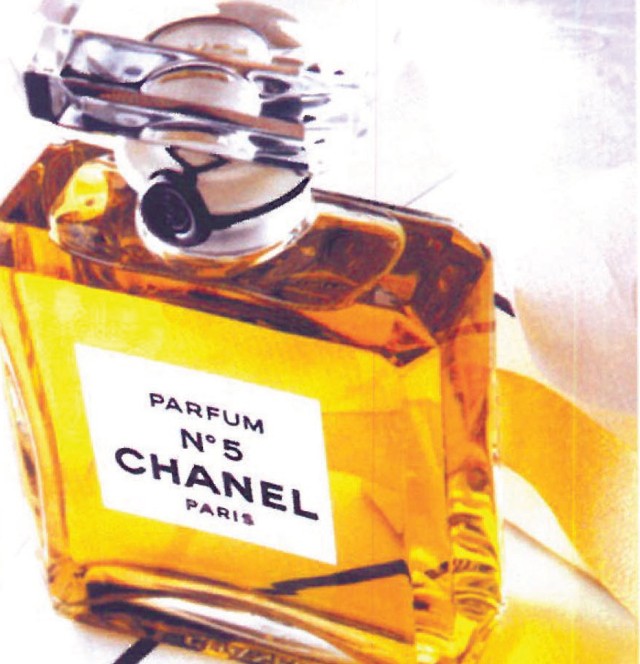
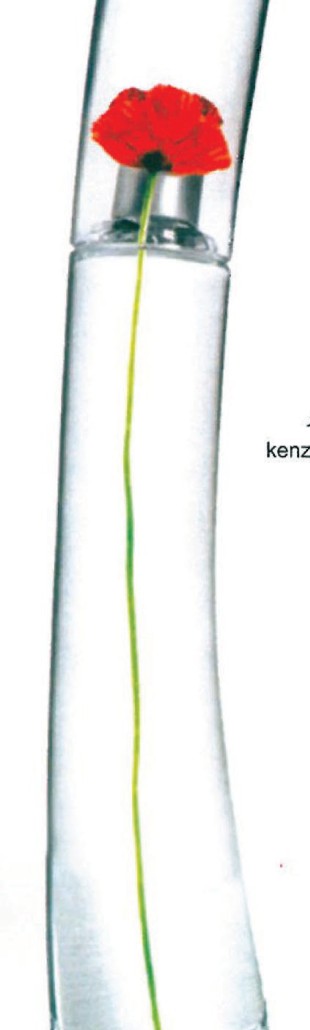
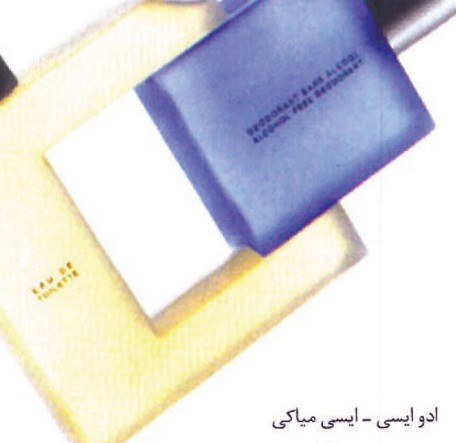
References / index of names: 1- Joel Desgrippes; 2- Hermès; 3- Dunhill; 4- Boucheron; 5- Pierre Dinand; 6- Rochas; 7- Yves Saint Laurent; 8- Christian Dior; 9- Pierre Balmain; 10- Hubert de Givenchy; 11- Paco Rabanne; 12- Valentino; 13- Fendi; 14- Calvin Klein; 15- Calandre; 16- Obsession; 17- Eternity; 18- Opium; 19- Pleasures; 20- Fifi (US perfume foundation award); 21- Salvador Dalí; 22- Mick Jagger (singer / Rolling Stones); 23- Peter Rosen; 24- Robert Du Grenier; 25- Kiss & Tell; 26- Opium Light; 27- Bijan; 28- Beverly Hills; 29- Tiffany & Co; 30- Flacon; 31- Sterling Silver; 32- Yves Behar; 33- Fuseproject; 34- Space Scent; 35- Random; 36- René Lalique; 37- François Coty; 38- Worth; 39- Forvil; 40- Houbigant; 41- Guerlain; 42- Roger & Gallet; 43- Molinard; 44- Bross Glassworks; 45- Arpège de Jeanne Lanvin. Sources: "Bottling Luxury" by Jim Wagner, Cosmetic / Personal Care Packaging; "Innovative Bottle" by Melanie King, www.packworld.com; "An Interview with top-class Perfume Bottle Designer Mr. Pierre Dinand" by Denise Petals, www.beautybuzz.com; International Packaging Design Directory, Publishing House / Japan Creators Association. Captions: Calvin Klein, Eternity; Estée Lauder, Pleasures; Paco Rabanne, Calandre — design by Pierre Dinand, 1967; Space Scent perfume — design by Yves Behar; YSL Nu by Yves Saint Laurent; Kenzo Flower; Issey Miyake — Edo Issey; Chanel No. 5 — design by Bross Glassworks, 1924.



