Location: Sanaei Street, Tehran · Client: Nazgol Ansarinia · Client Advisor: Siavash Ansarinia
Architectural Design: Roozbeh Elias-Azar, Amirali Amini-Aghdam · Studio: Third-Line Architects
Stage One Contractor: Mahmoud Oladi · Stage Two Contractor: Homayoun Sirizi
Mechanical & Electrical: Taher Moradi · Drafting & Presentation: Narges Saghafi, Mohammad Rabiean
Photography: Mohammad Hassan Ettefagh, Third-Line Architects · Illustration: Amirali Amini-Aghdam
Area: 90 m² · Total Built Area: 120 m²
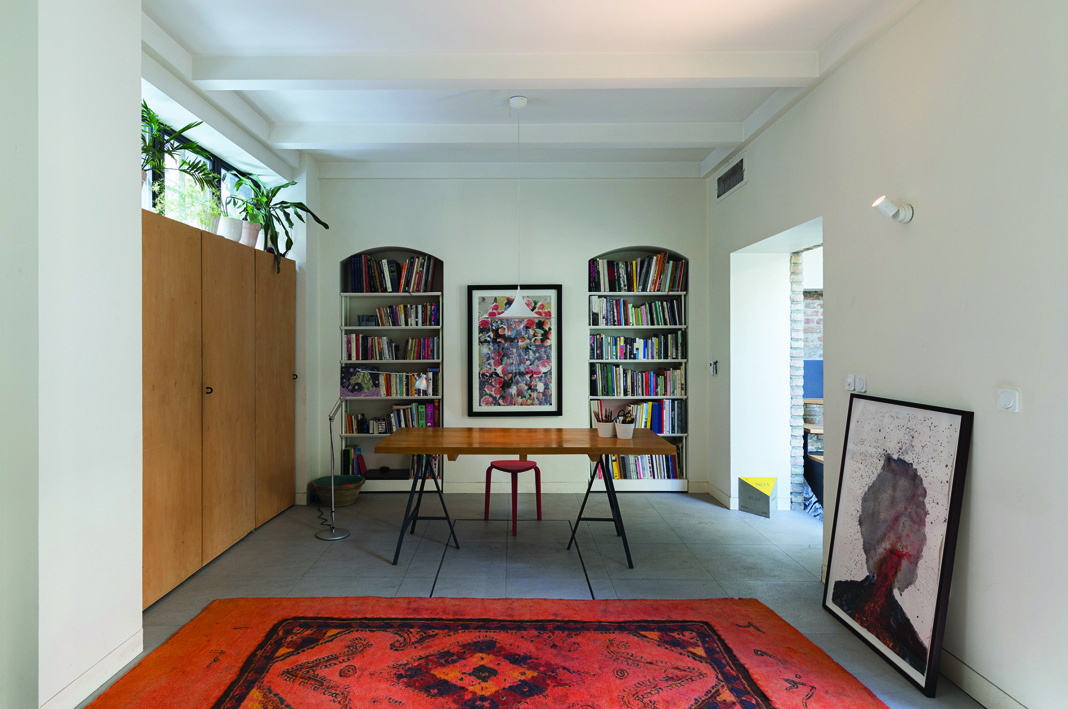
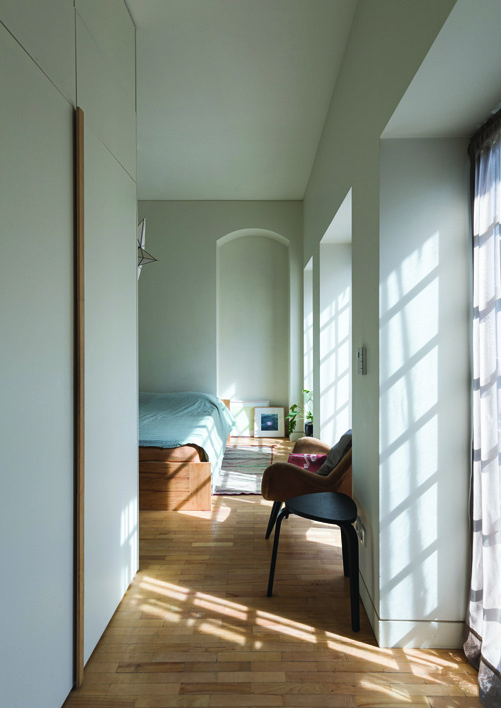
Villa Nia is the product of an effort toward the reconstruction, structural reinforcement, restoration, and spatial redefinition of an old building, and the design of a house for the life and work of a visual artist in central Tehran.
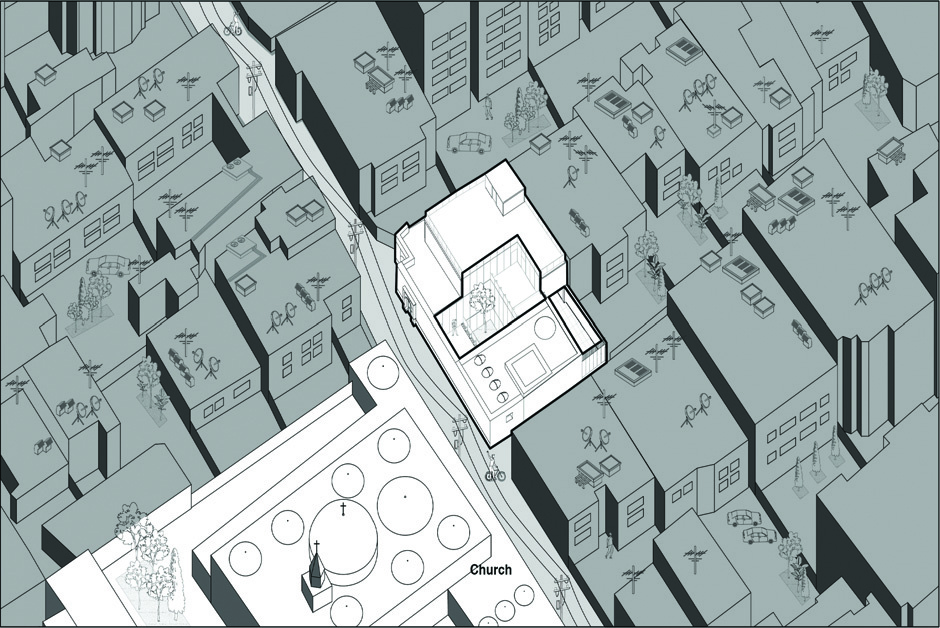
The original structure is one of eight houses built in the early 1950s by the Construction Bank as an exercise in affordable housing construction methods and design, on the northern fringe of the city. Written accounts from the experiences of residents and engineers in the early years serve as testimony to this physical and cultural practice, providing material for recent design decisions and exploration toward the expansion of new imaginations in reviving life within old urban structures.
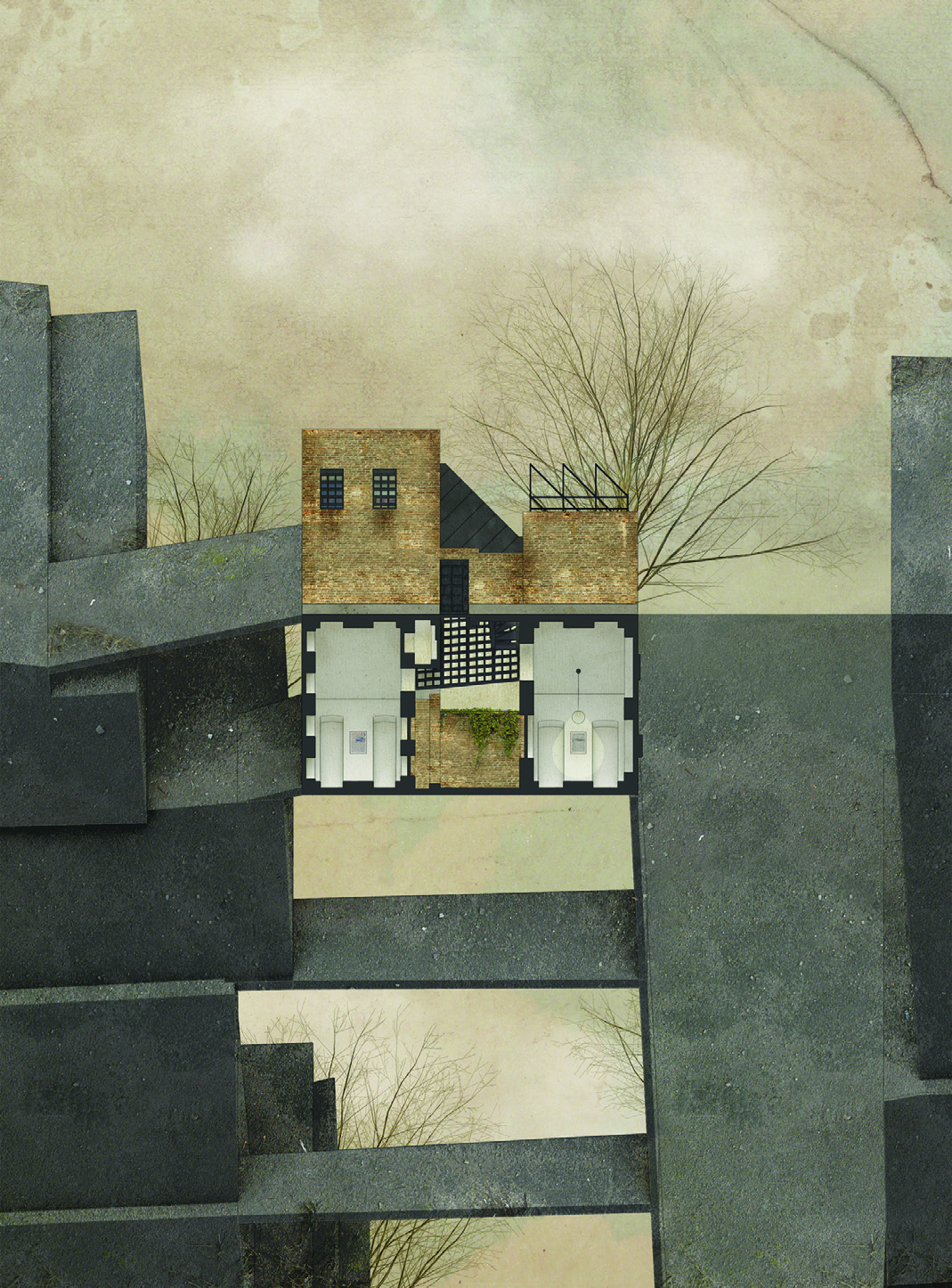
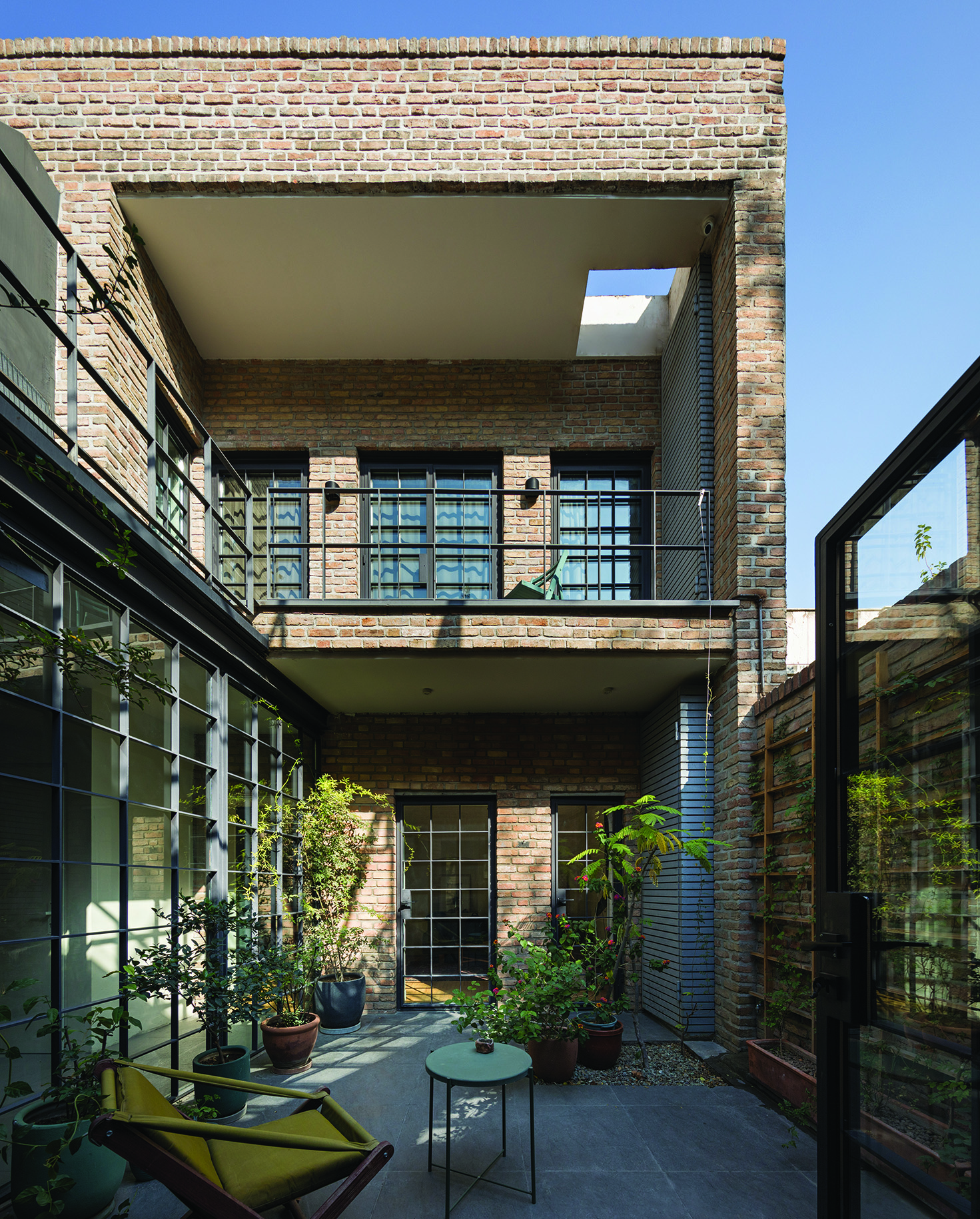
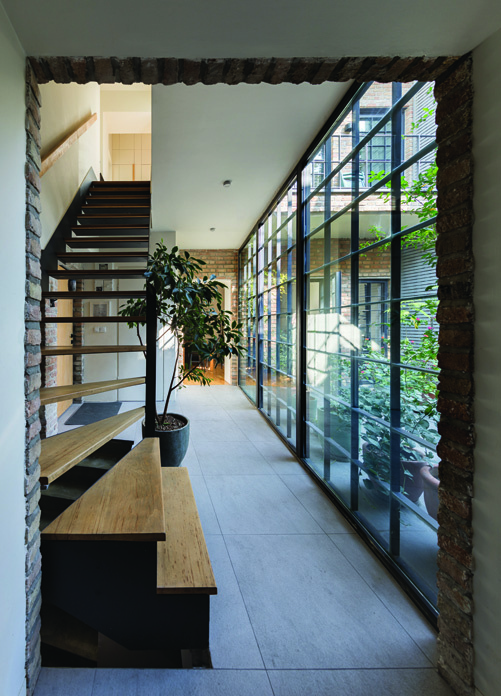
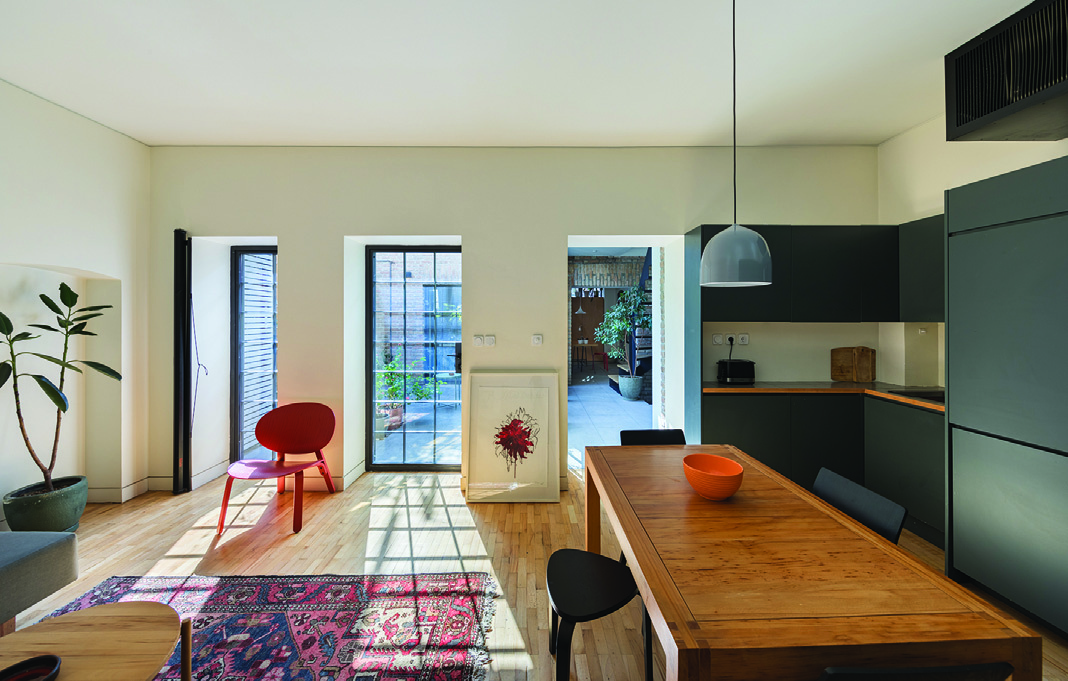
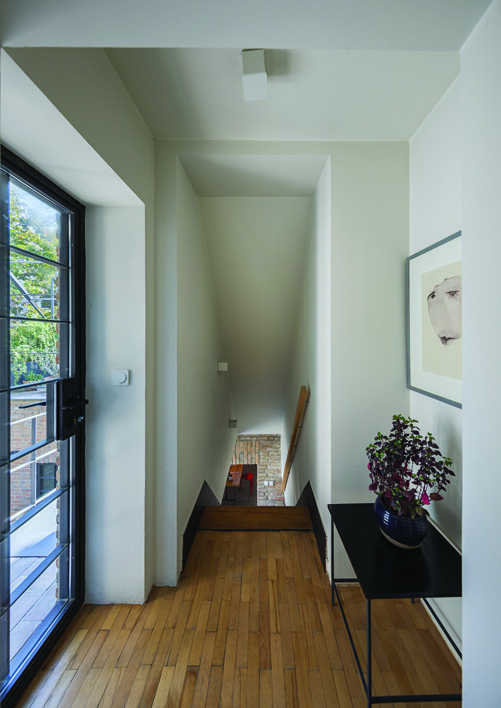
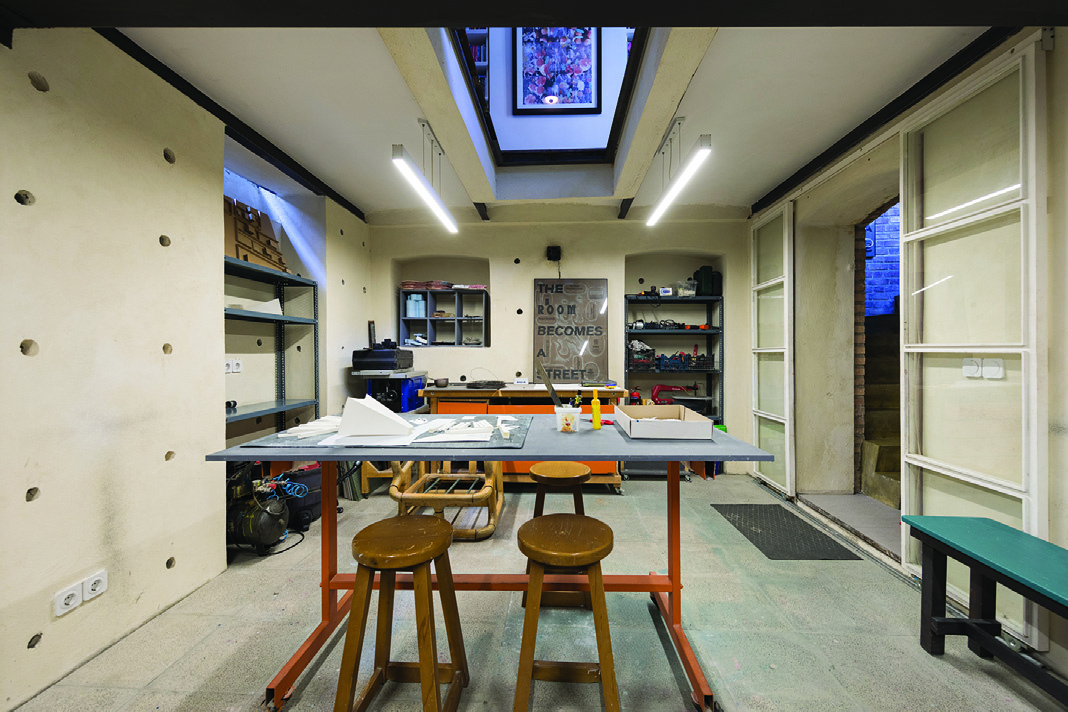
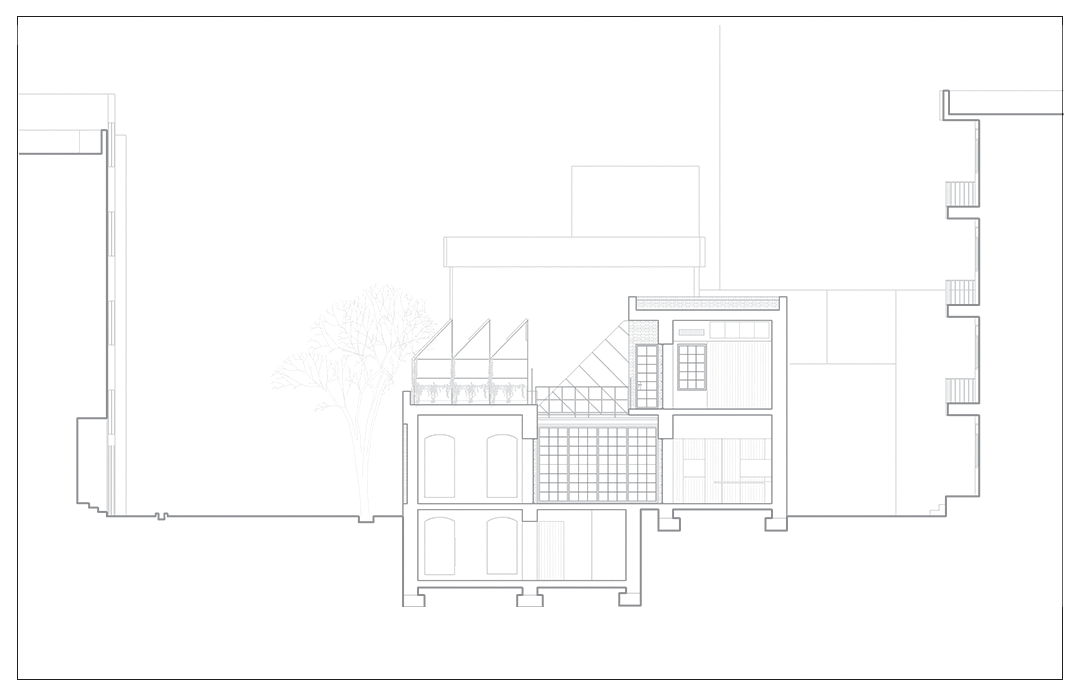
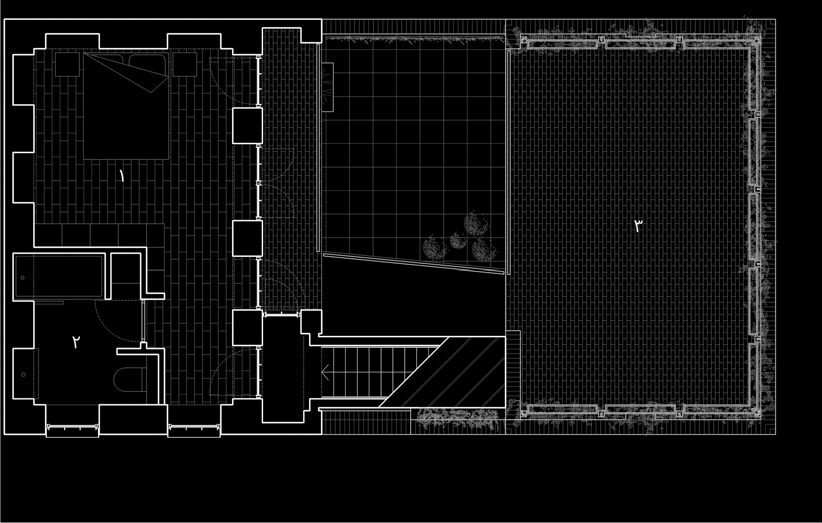
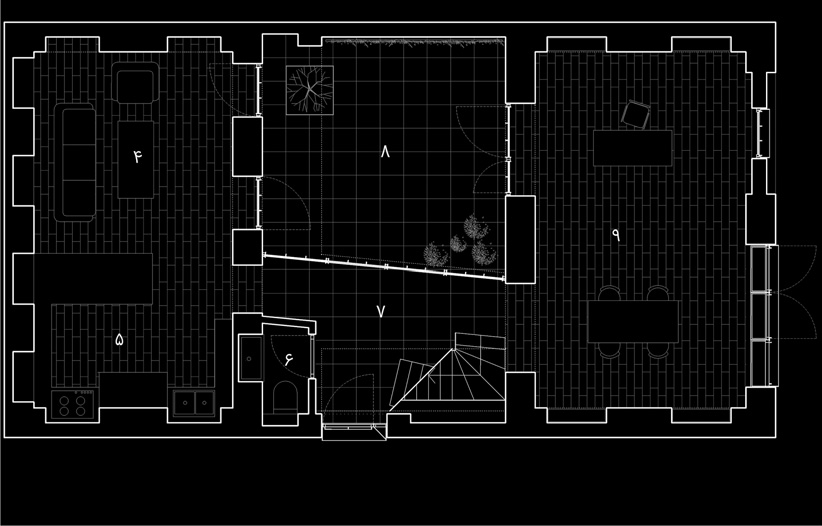
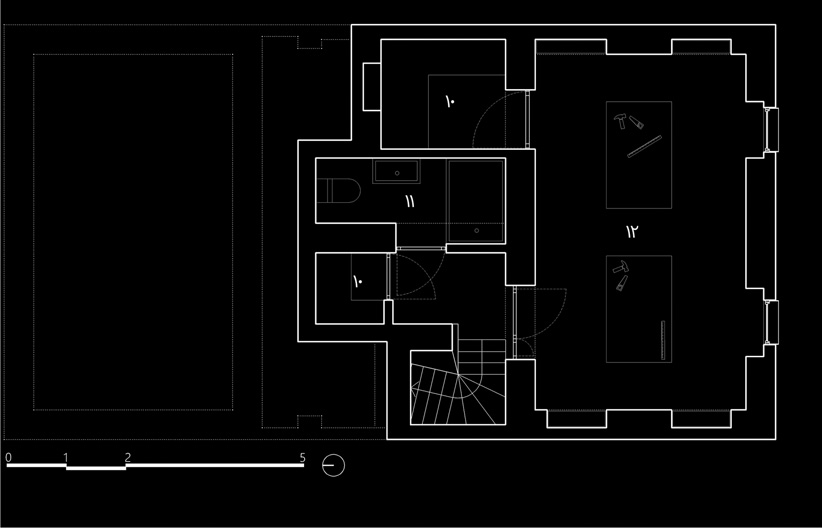
The new spatial organization of the house, through the introduction of staircases and corridors, aims to create a continuous connection between distinct zones comprising private space, living space, work and meeting space, and workshop space. These new connective elements generate a hierarchy of relationships between the alley and public realm and the interior spaces, and also lead to the formation of a new central courtyard that, as the nucleus of the house, enables the simultaneous functioning of private, professional, and social life.
The physical restoration finds meaning in respect for the building's significance in the narrative of modern architecture and the collective memory of the neighborhood's residents, and the structural reinforcement with minimal visual impact continues this line of thought.
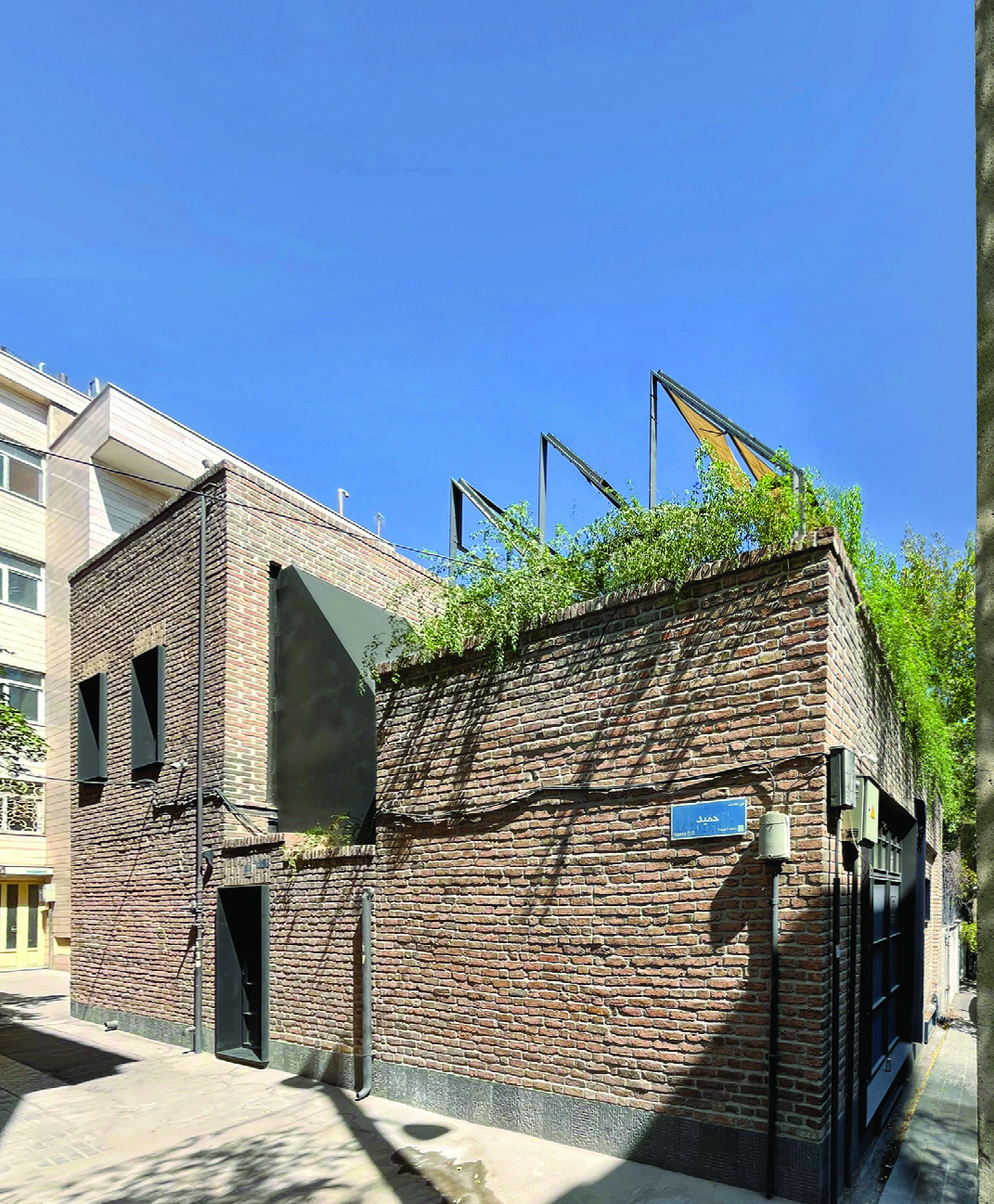
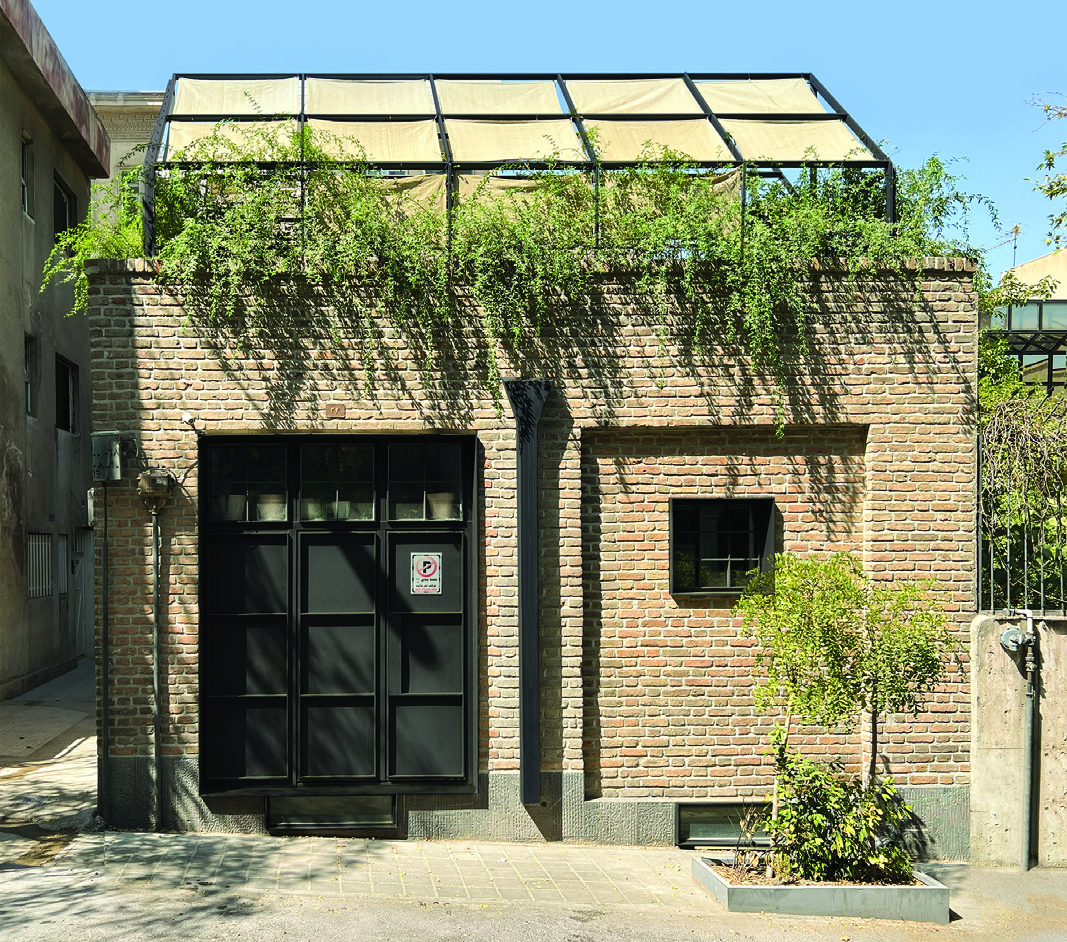
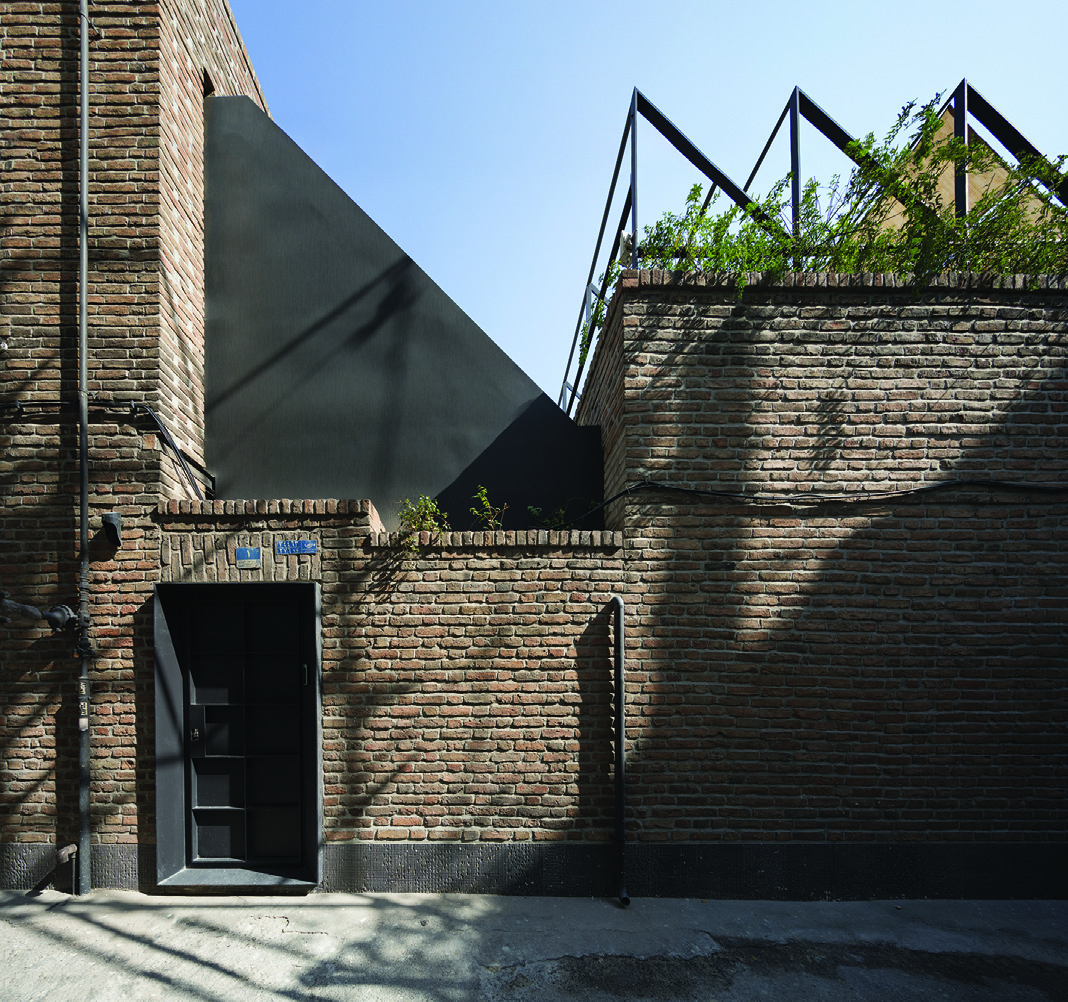
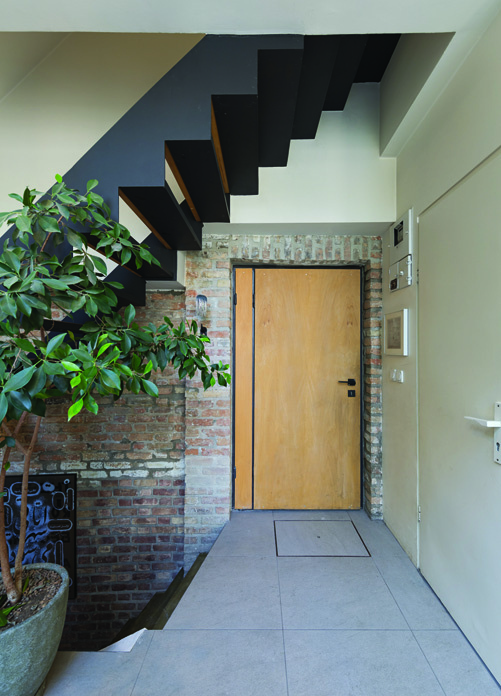
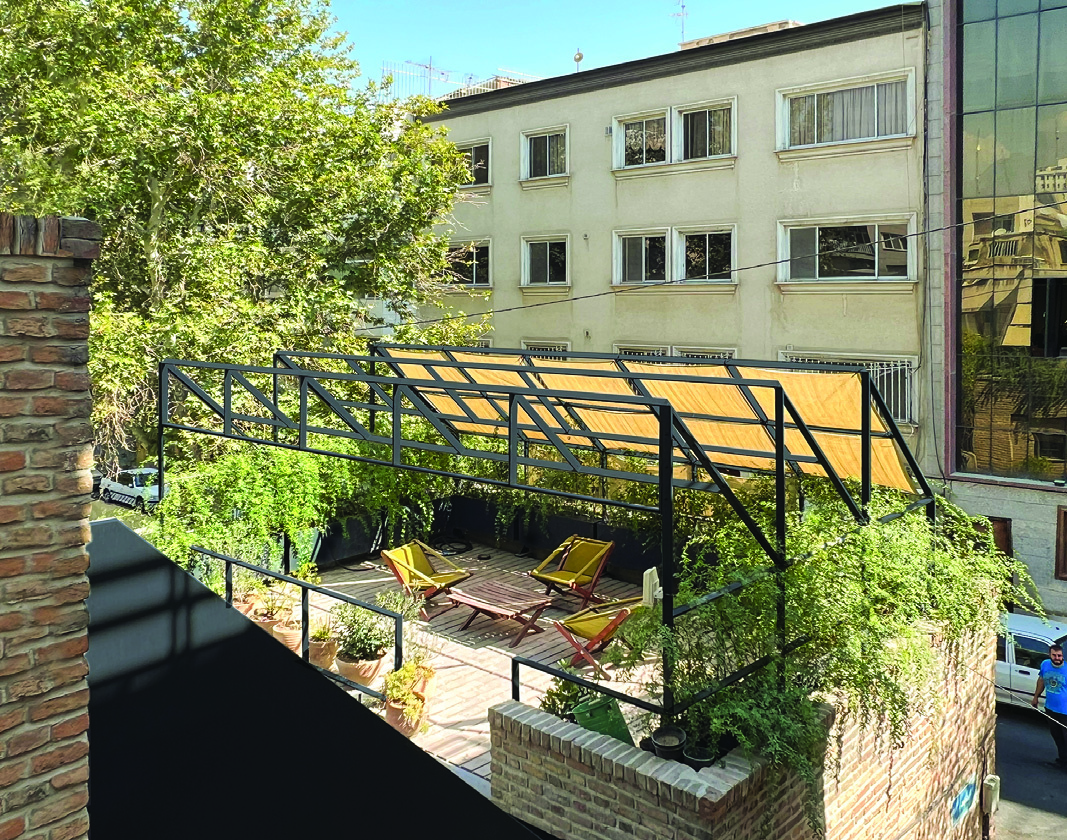
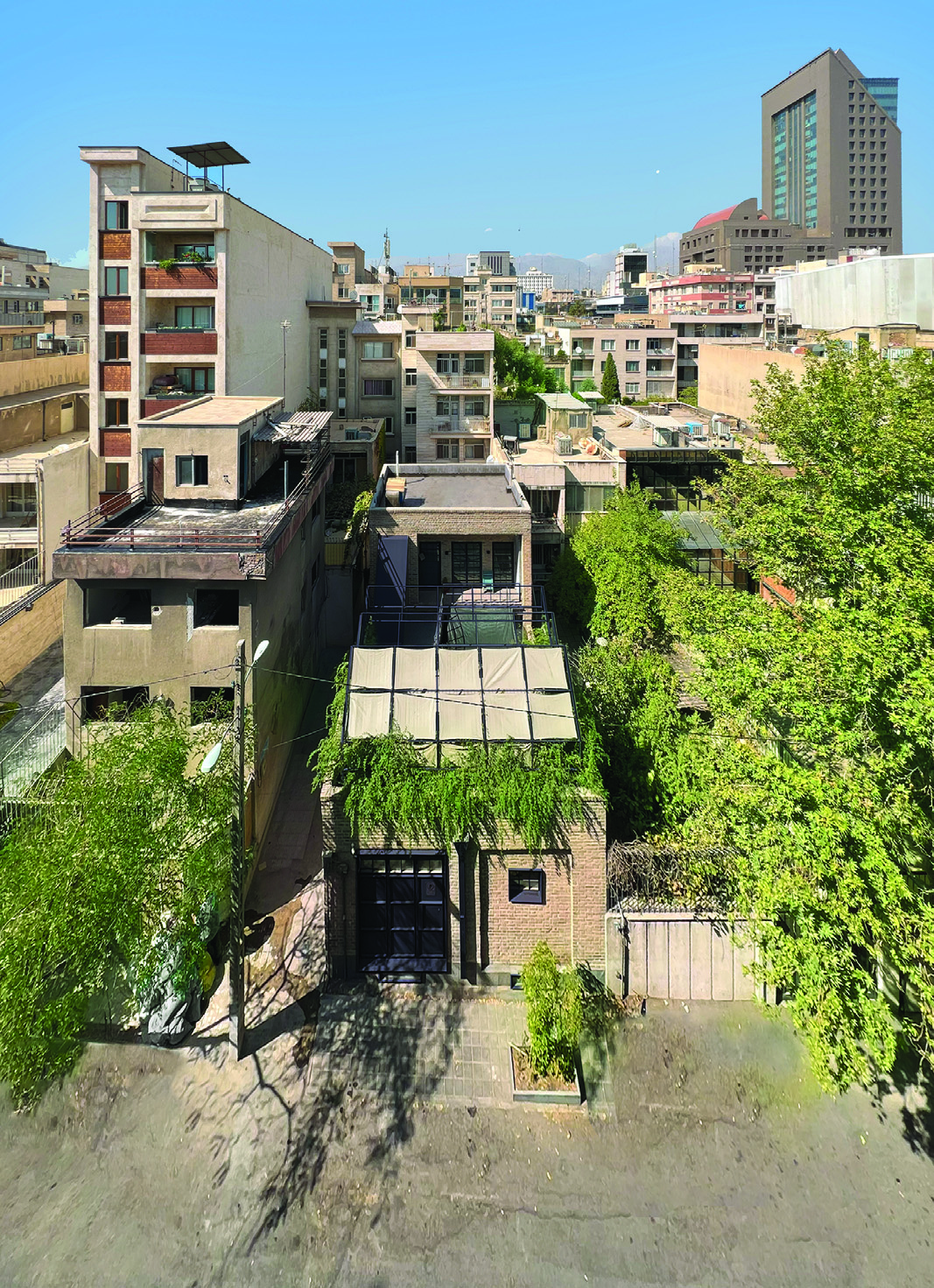
The new additions to the building include stairs, a connecting bridge, a roof, an entrance, a connecting corridor, as well as interior and exterior doors and windows, and a roof-garden structure. For these additions, a cohesive visual language has been employed that carries historical references and strives to distinguish itself from the brick body of the building.
The introduction of thermal insulation, management of sunlight, and better use of the building's structure have contributed to reducing the building's energy consumption, and the roof-garden — in close visual and acoustic connection with the alley — has been transformed into a suspended courtyard in the midst of the city.