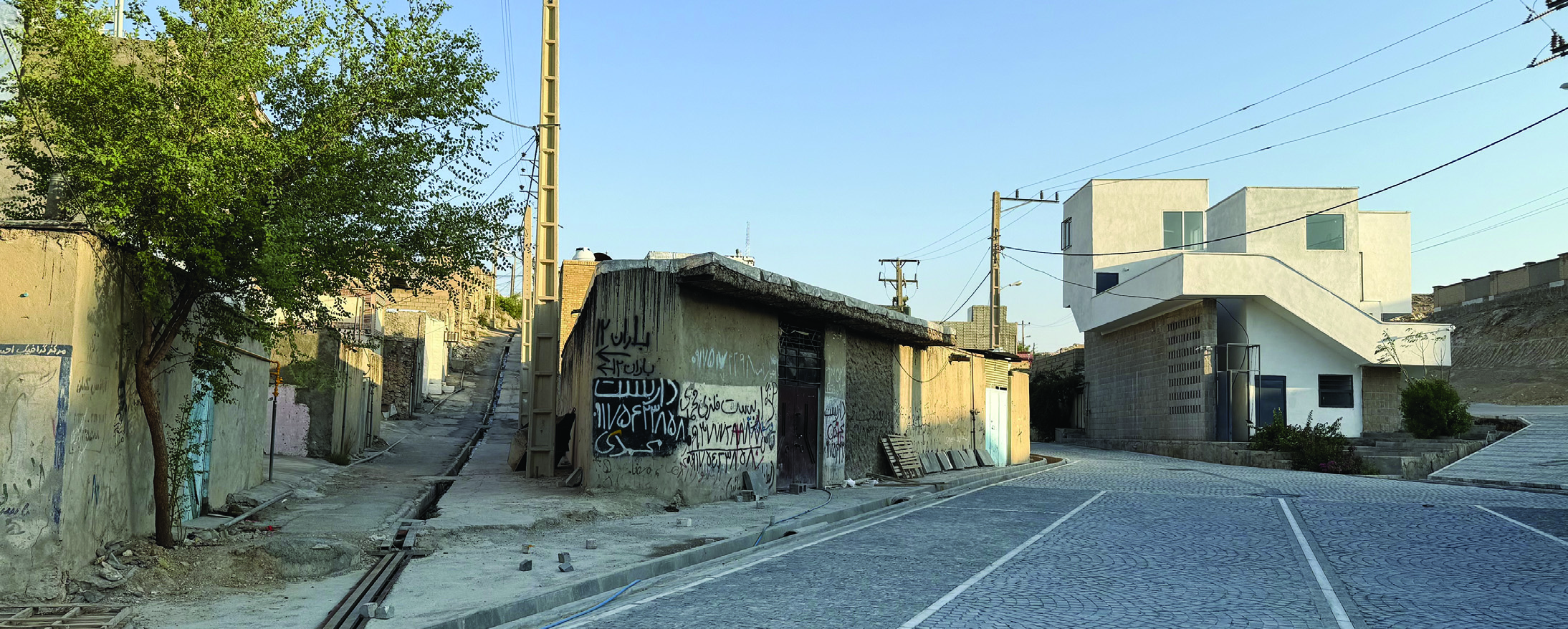
Voocho in the Luri language means “over there.” This complex is situated in the Lebanon Neighbourhood, one of the most deprived areas within the deteriorated urban fabric of the city — a neighbourhood that took shape after the Iran–Iraq War with the arrival of migrants from other cities, and has since been grappling with the social and cultural hardships of poverty, addiction, and deprivation.
The Houneh (“Home”) Cultural Centre in Sadat Neighbourhood, which managed to restore vitality and spirit to its community by creating educational, artistic, and social spaces, inspired the construction of this second complex named Voocho (“Over There”). Drawing on the lessons of Houneh and addressing its shortcomings, Voocho seeks to provide broader cultural and social opportunities for the neighbourhood.
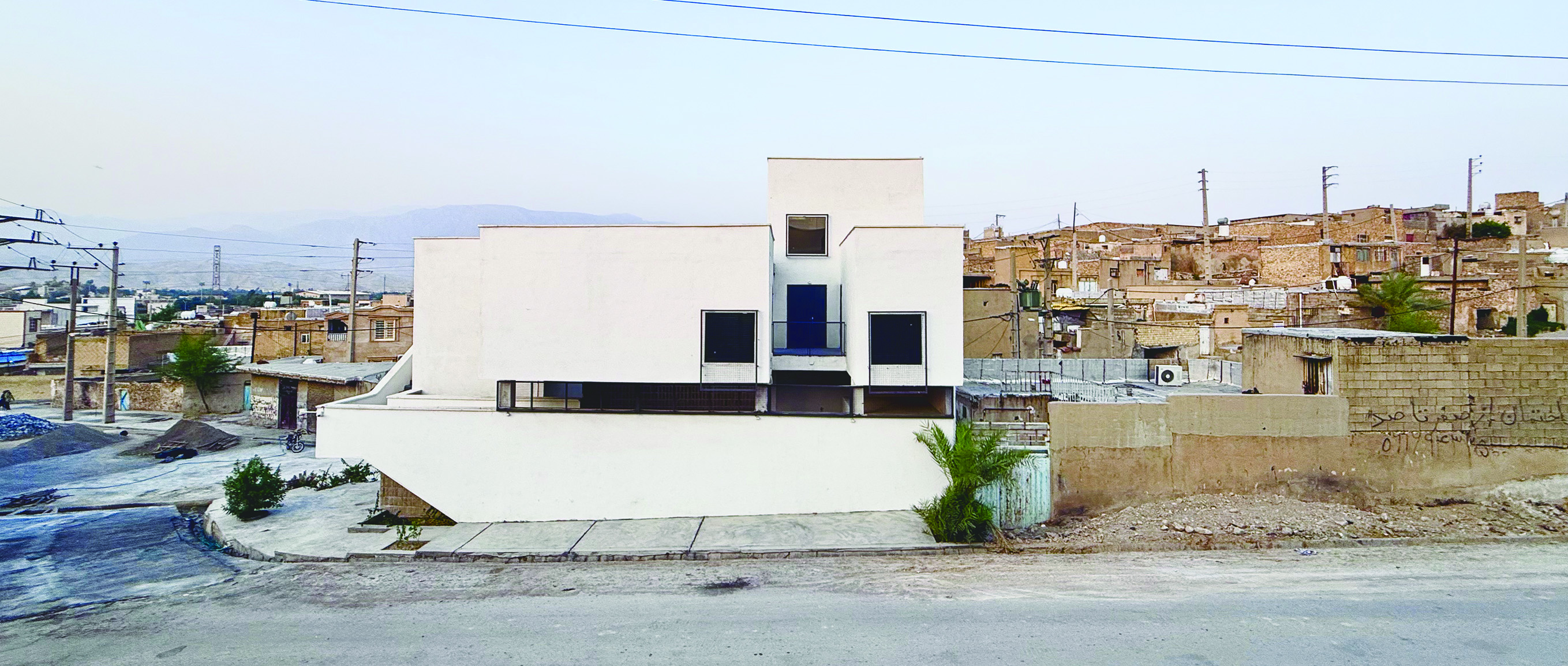
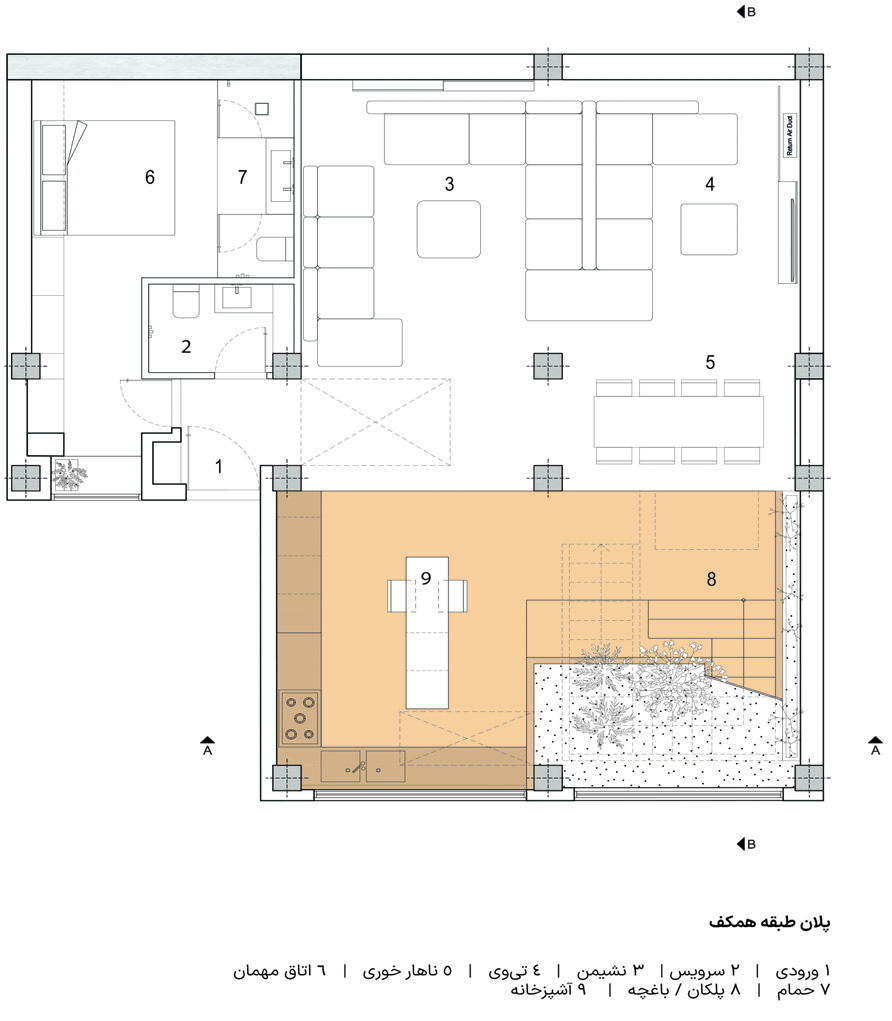
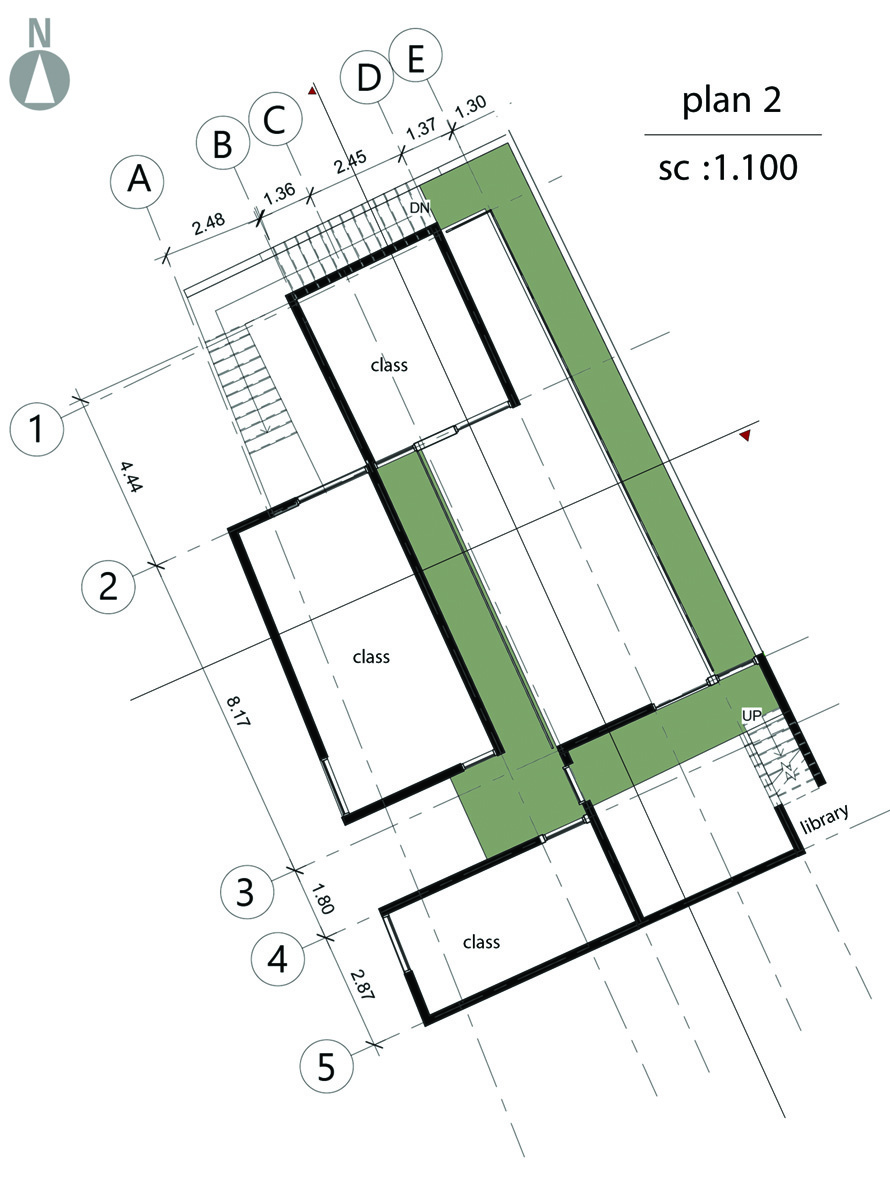
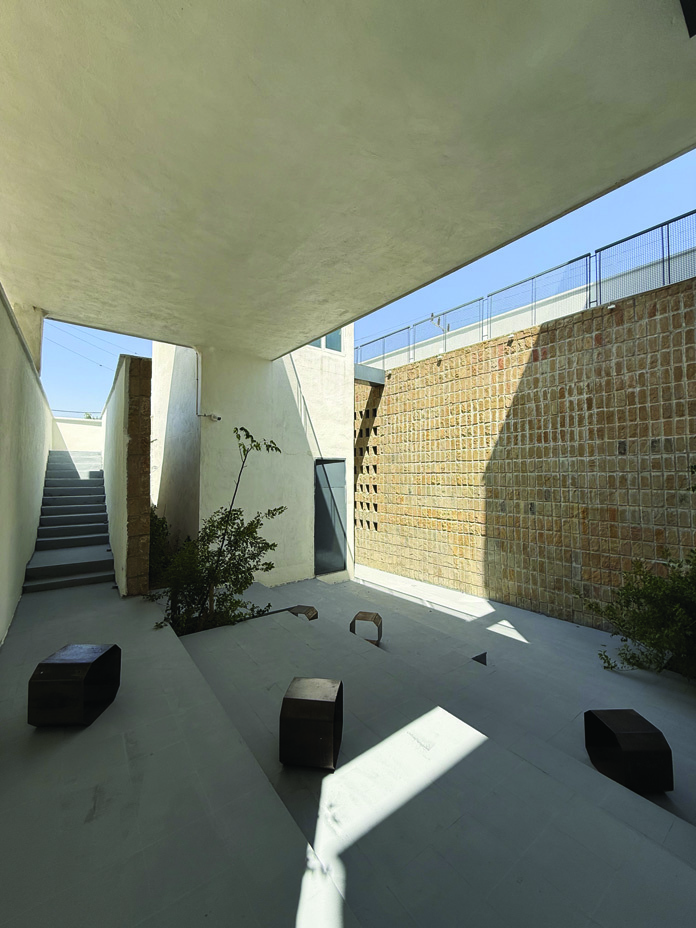
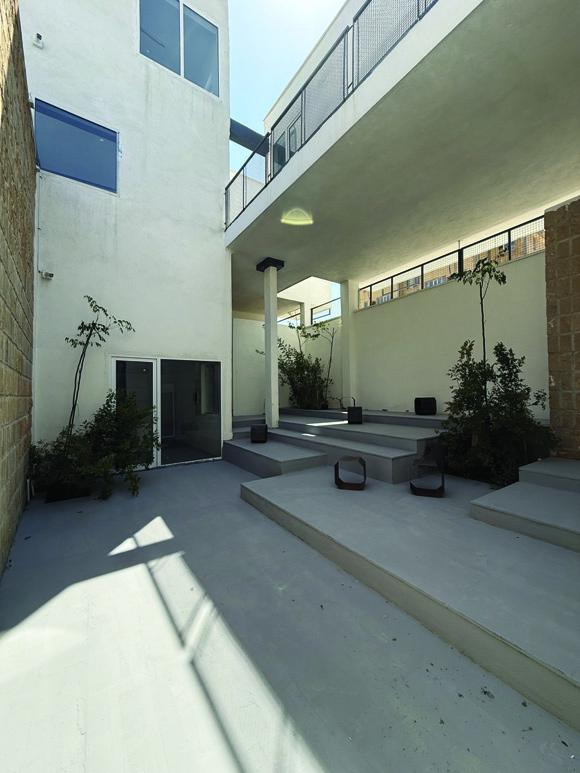
The complex comprises multi-functional spaces, each with independent management, so that every area can operate without dependency on the others. Creating semi-open, shaded gathering spaces within the building for film screenings, theatre, performances, and group meetings; an independent commercial space to help secure the complex’s financial sustainability; a library with a reading area; classrooms with independent access; and an urban plaza outside the building are among the architectural features of this complex.
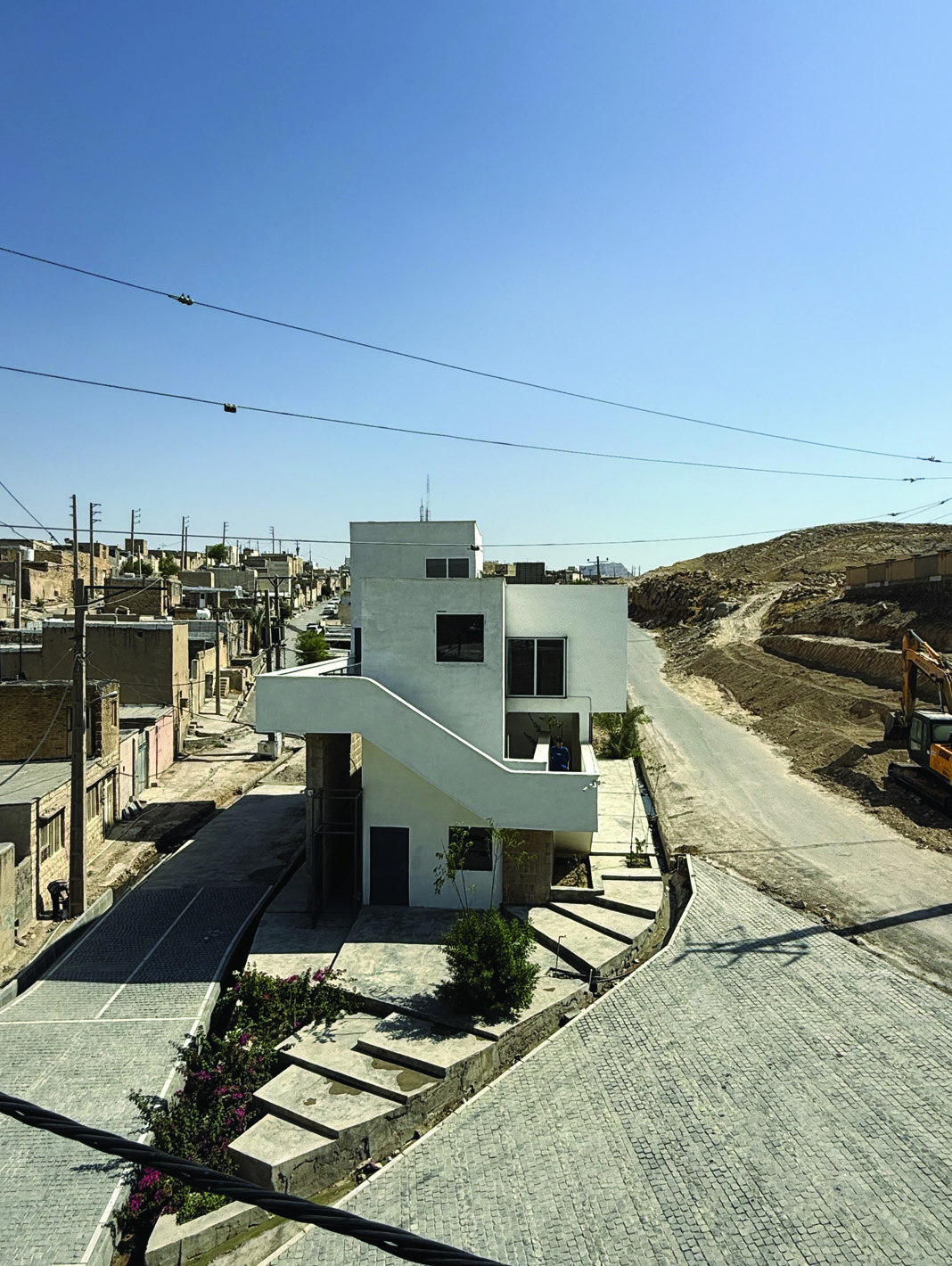
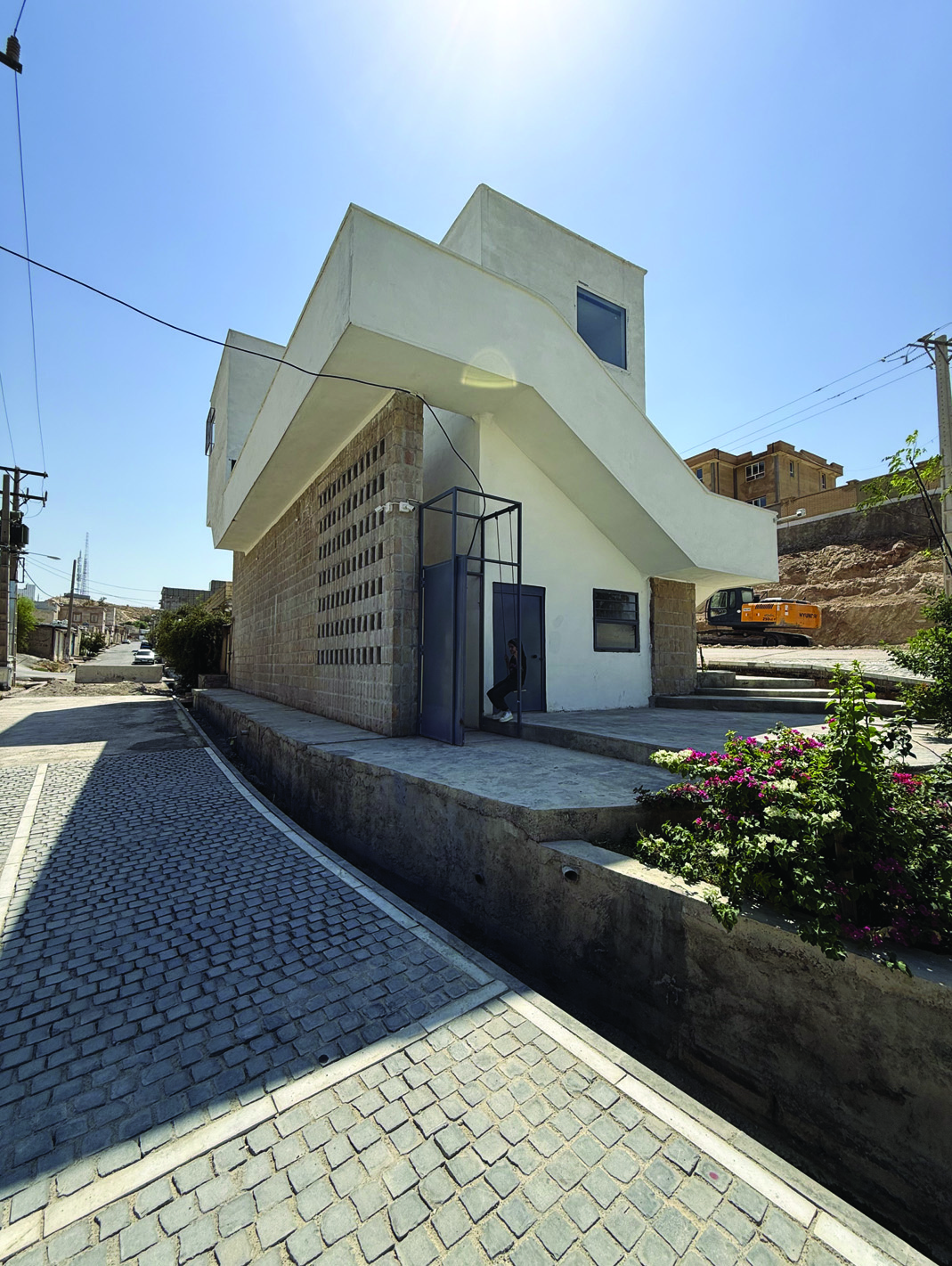
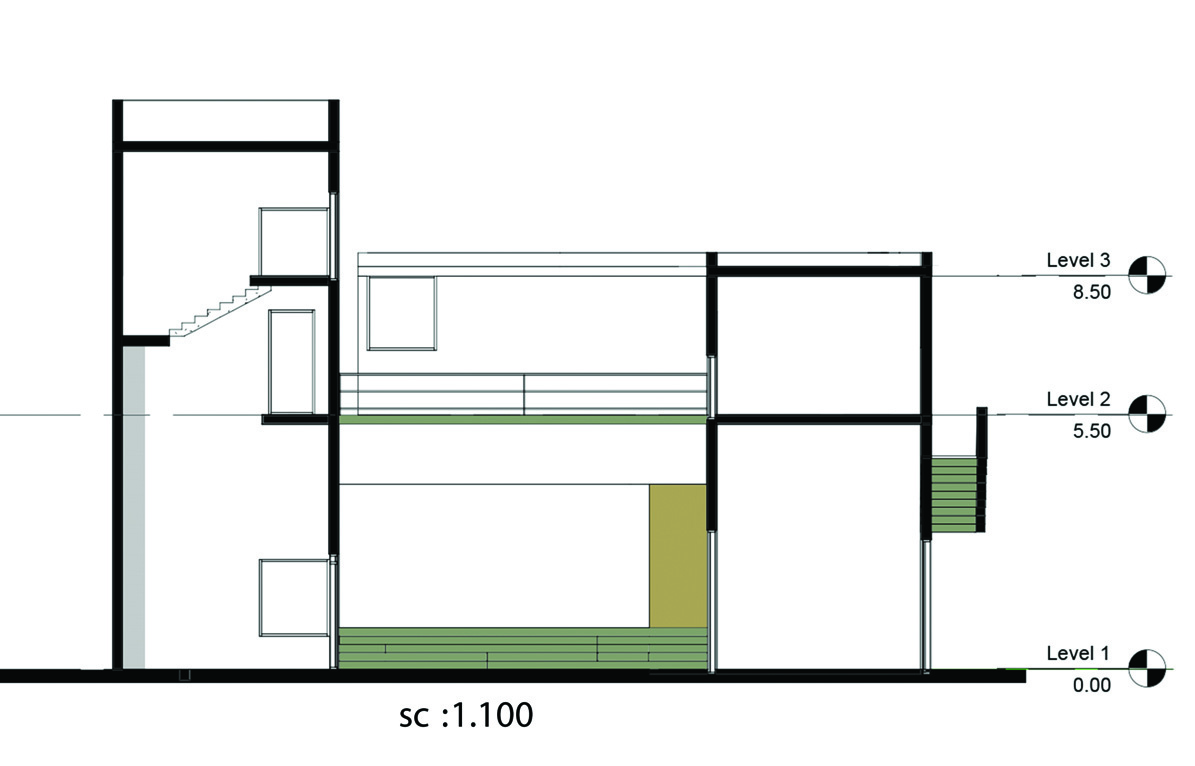
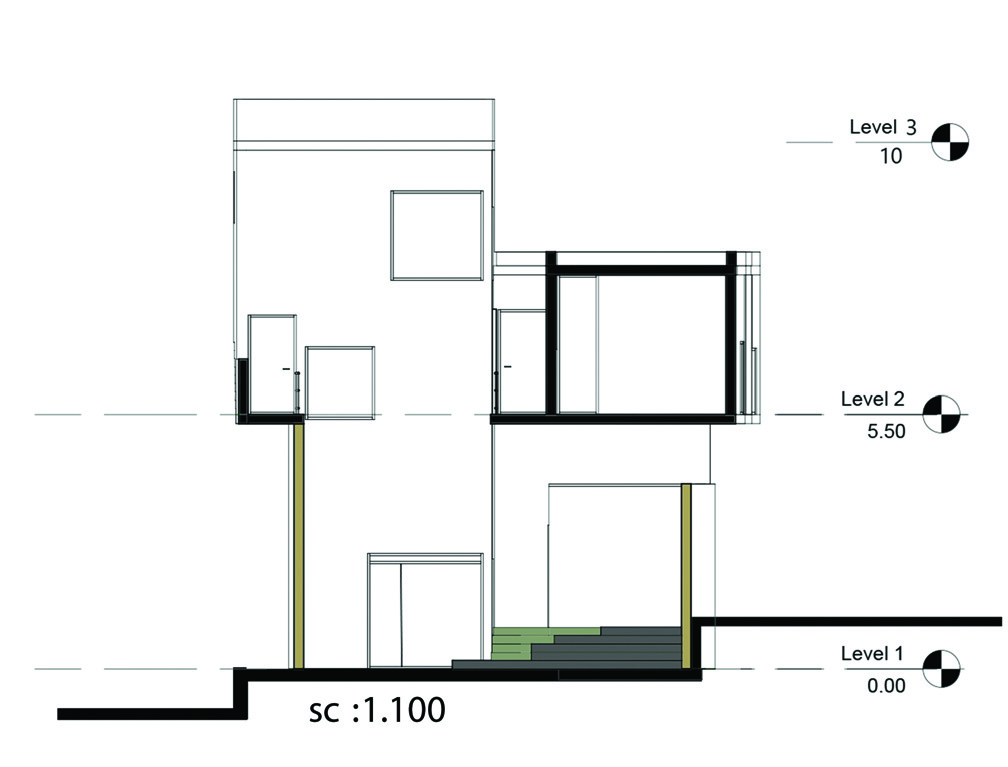
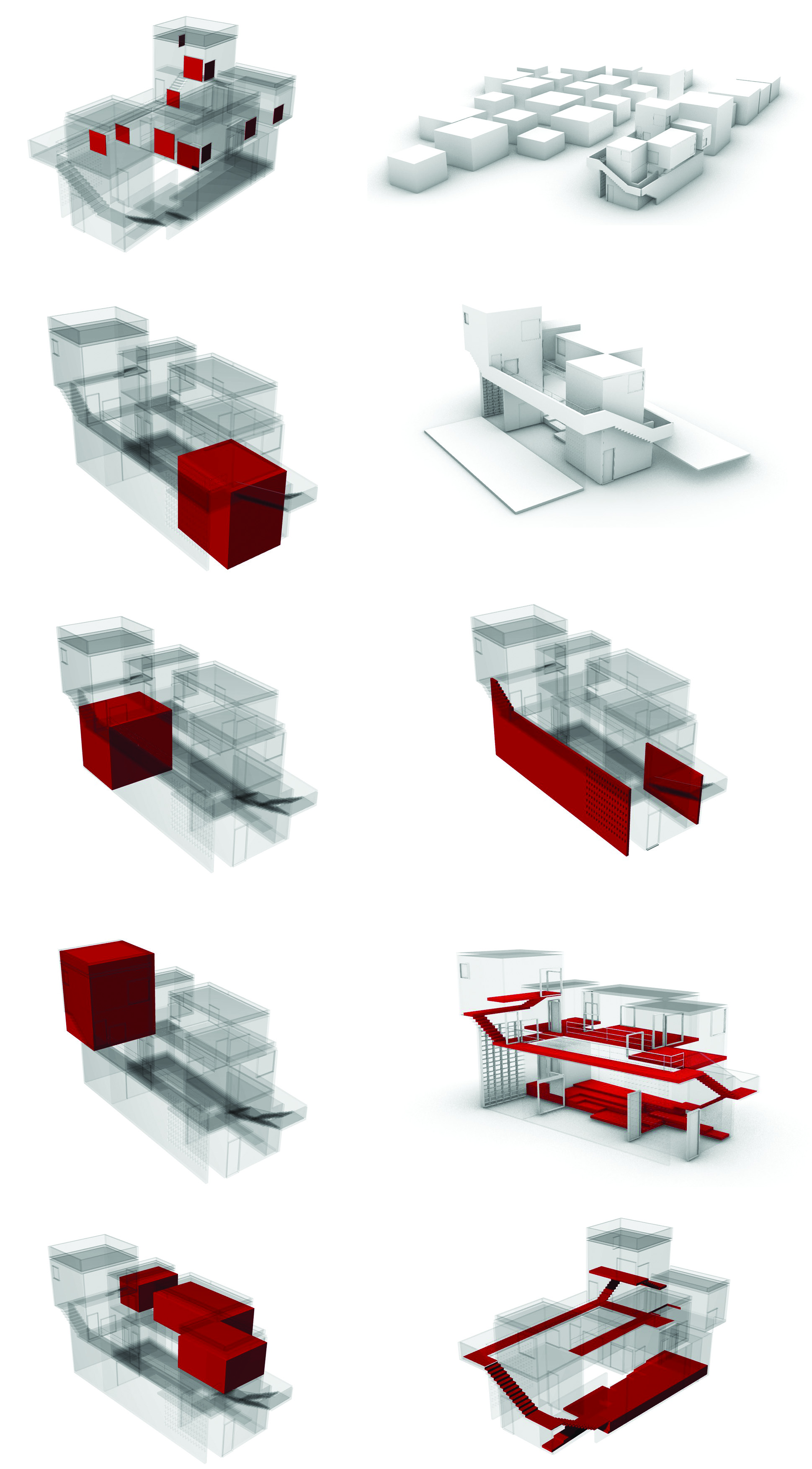
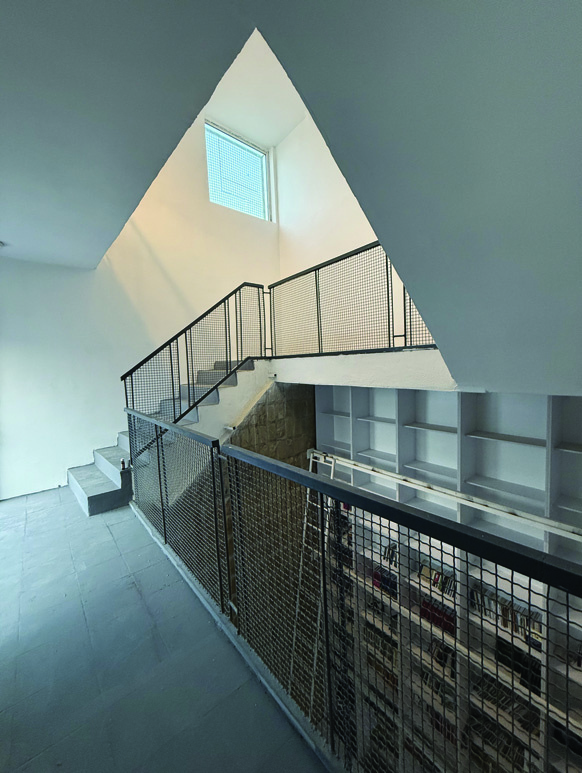
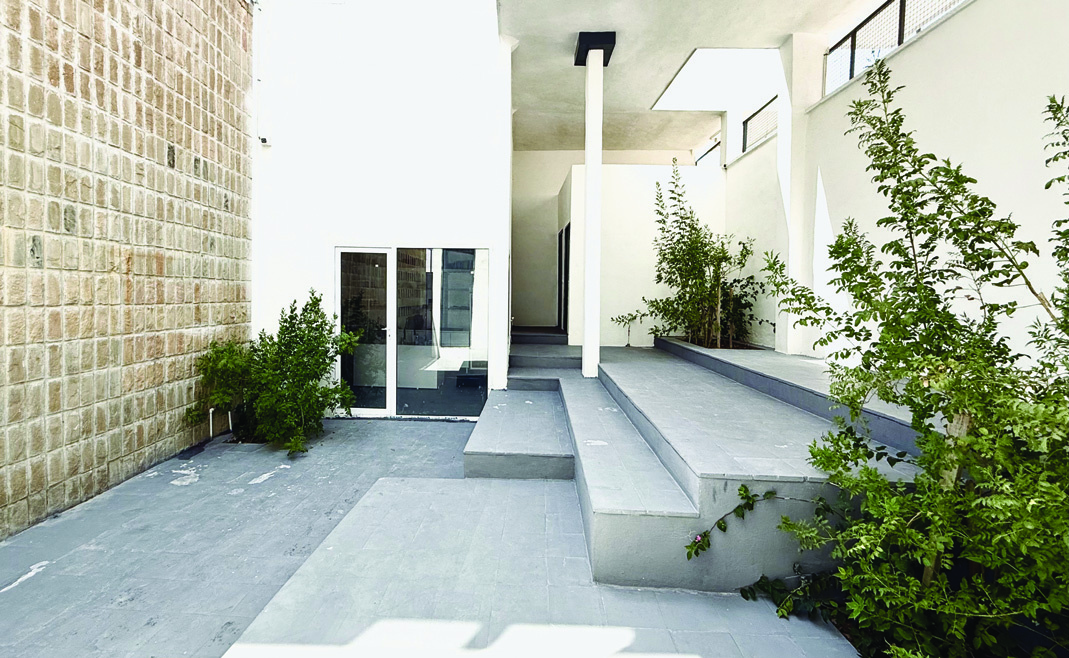
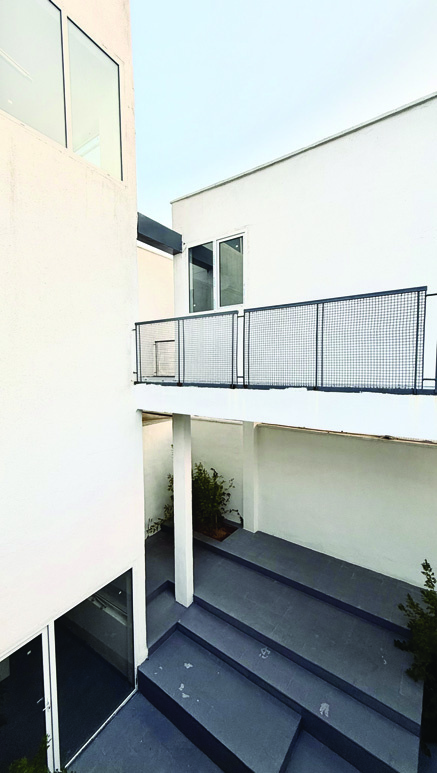
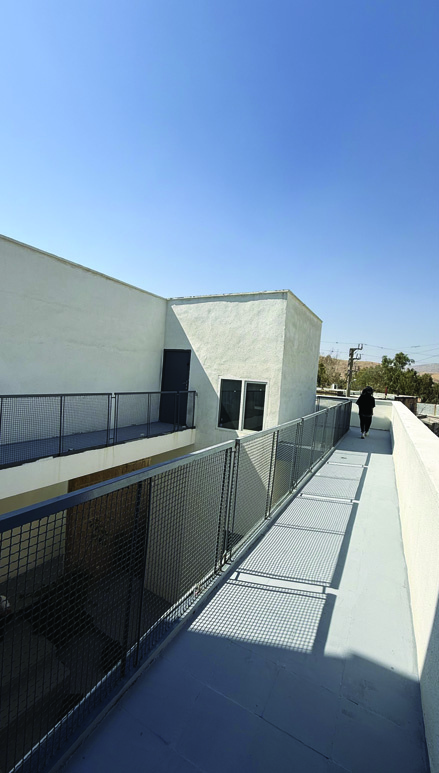
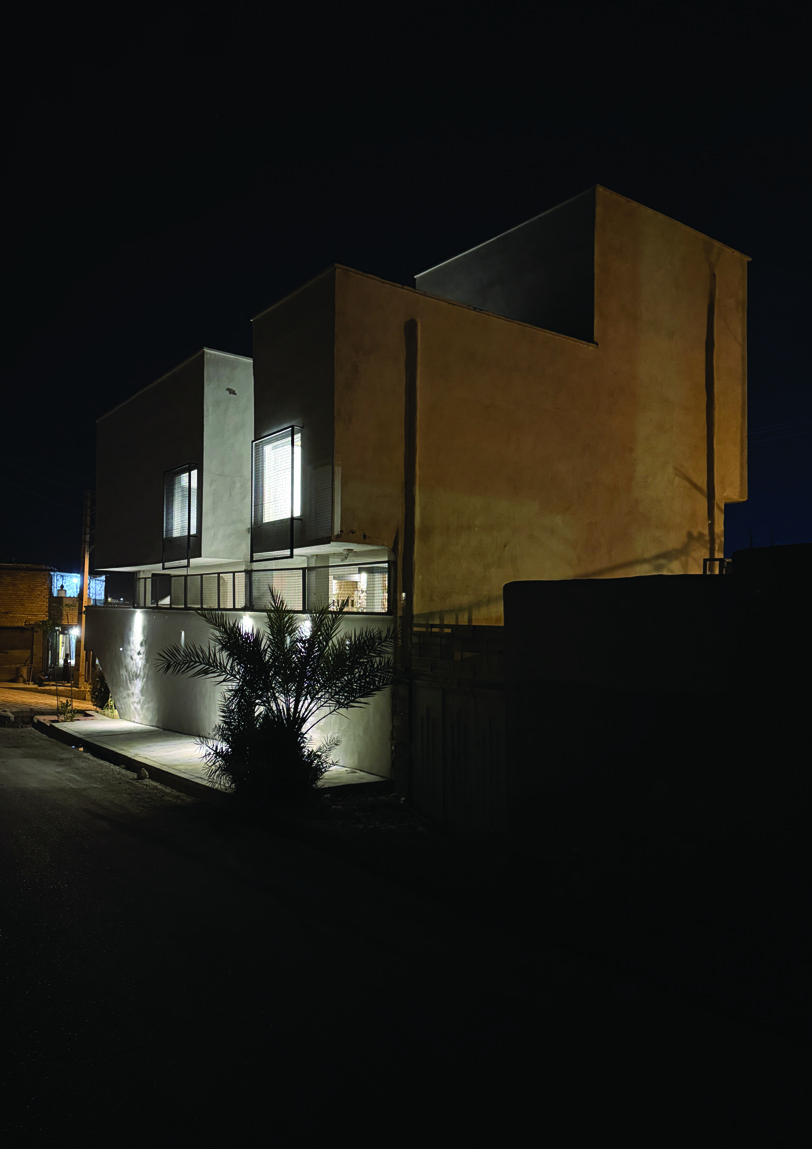
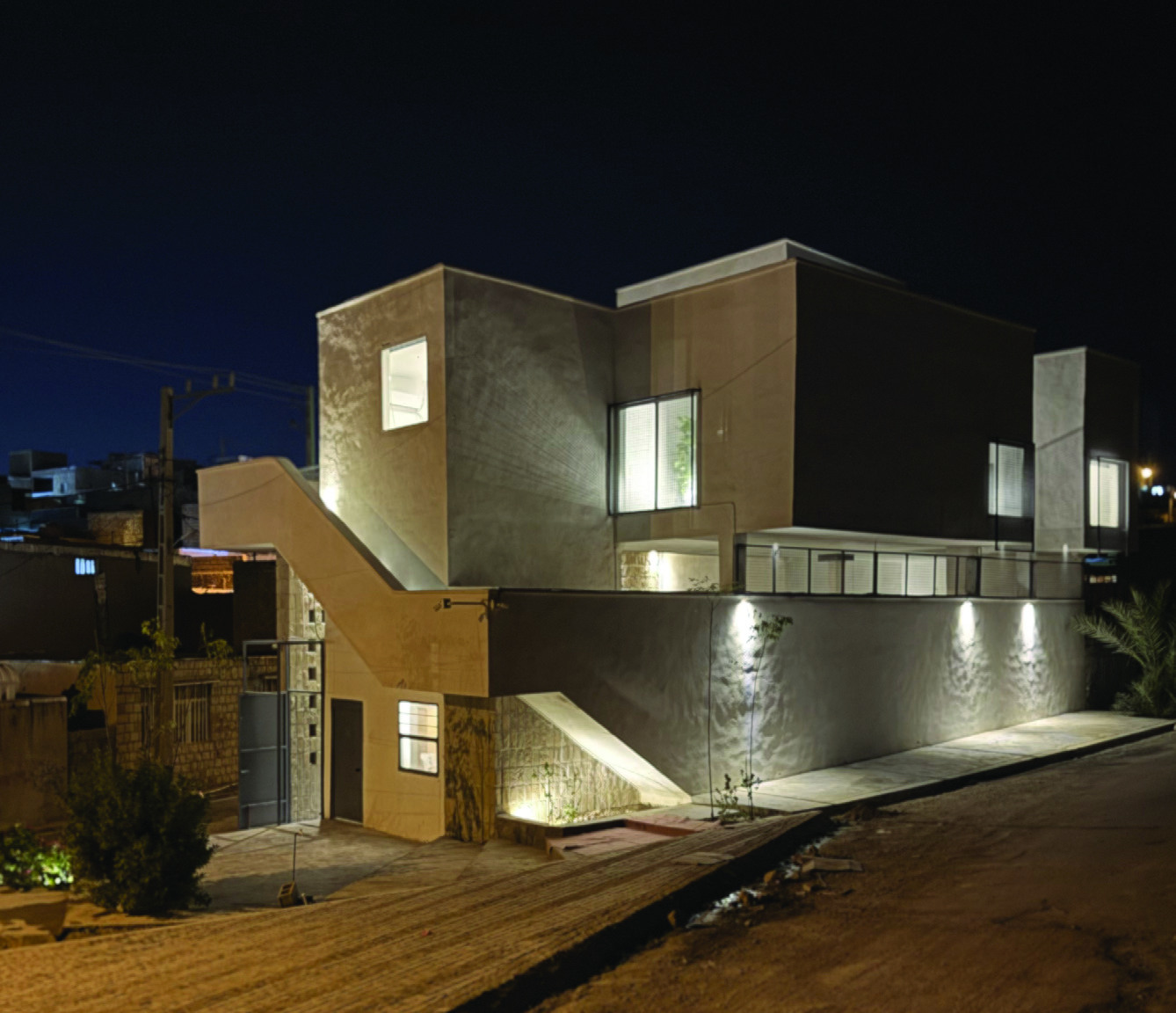
Hewn malon stone has been used with care and sensitivity on the walls so that the neighbourhood’s identity is reflected in the building. The pathways and square windows, by creating visual sequences and varied images, display movement and dynamism within the structure. Furthermore, given Gachsaran’s hot and arid climate, the building’s volume has been designed so that natural shade canopies and pleasant air currents are generated through gaps in the building aligned with the prevailing wind direction. The placement of the white volume upon the stone walls is a symbol of a luminous future resting upon the identity of the past.
The Courtyard
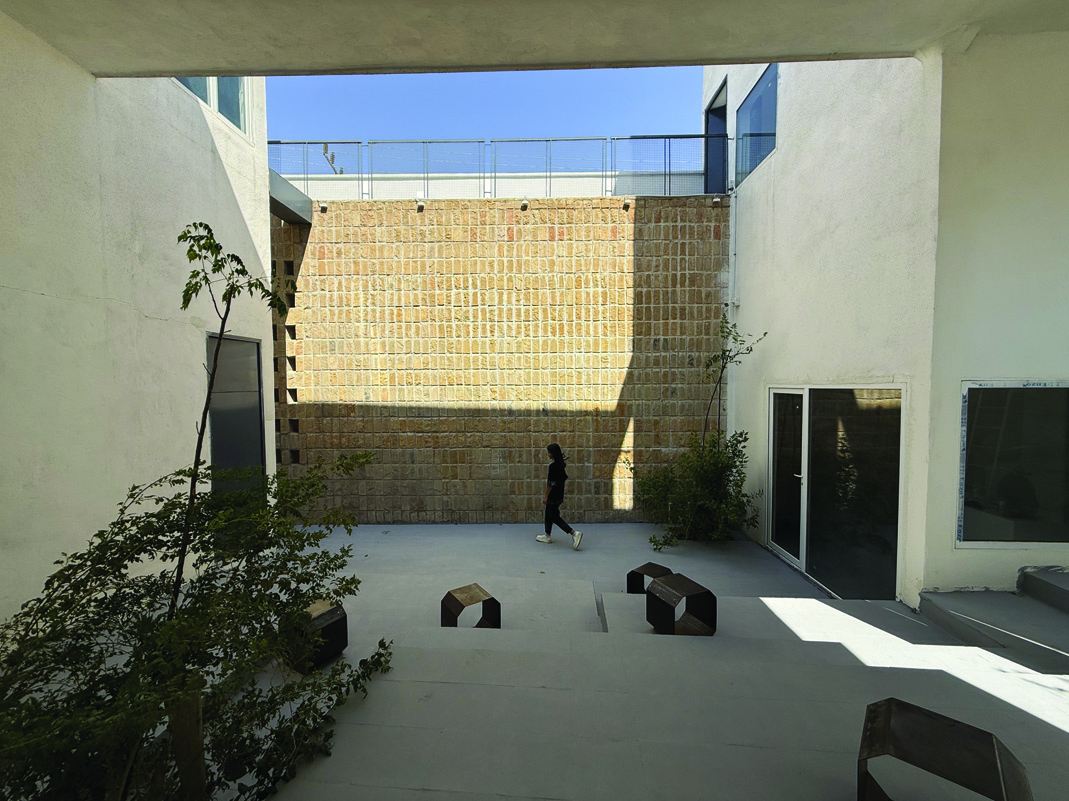
The courtyard was conceived as a functional element: with the use of high ceilings, shade-casting elements, and steps, it functions as a communal space for film screenings, theatre, performances, socialising, and more. Through movement and passage across different zones and layers, and the creation of visual sequences at various heights, the complex seeks to convey dynamism and invitation.
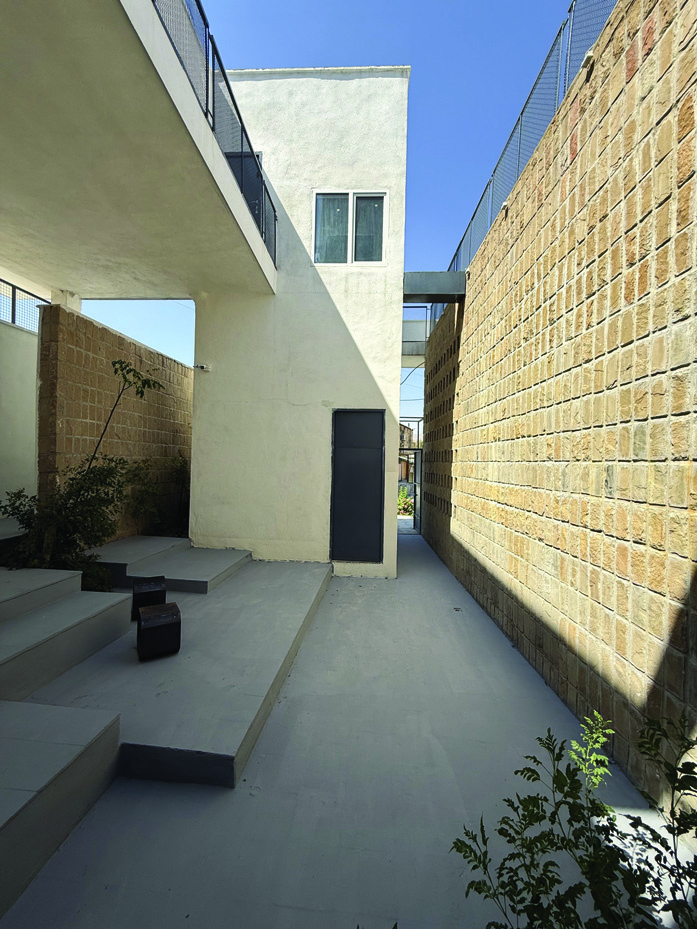
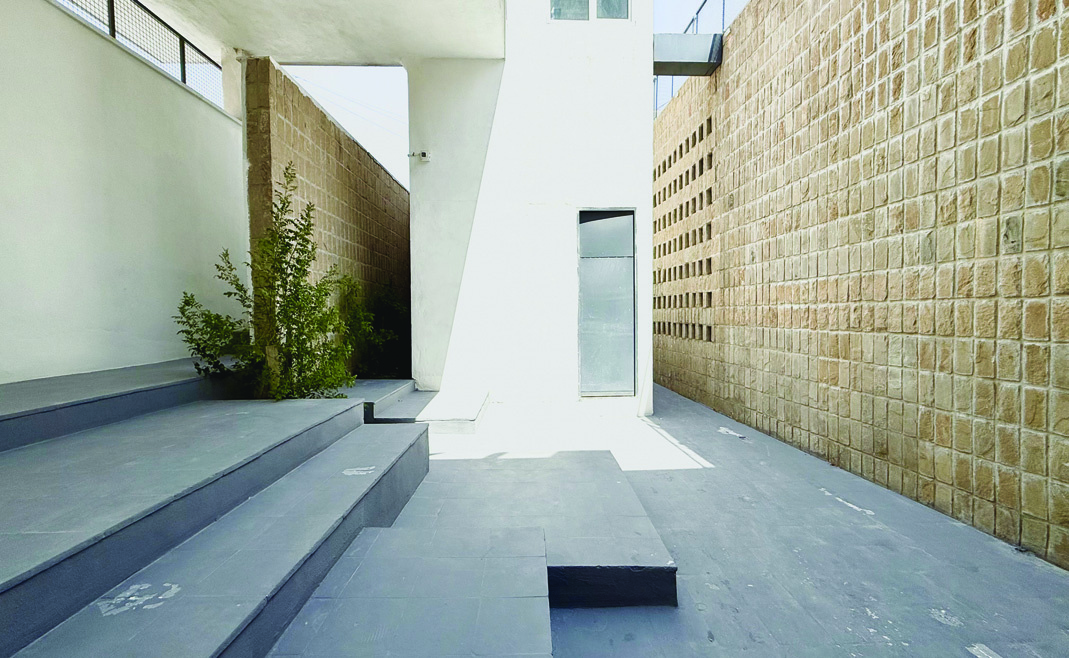
The windows serve not only as light sources but, through their placement on different surfaces, control views relative to the neighbourhood while creating pictorial sequences toward the complex and its surroundings. The provision of a commercial space at the entrance maintains a continuous relationship with the outside environment, contributing to the complex’s running costs and financial independence.
Interior Spaces
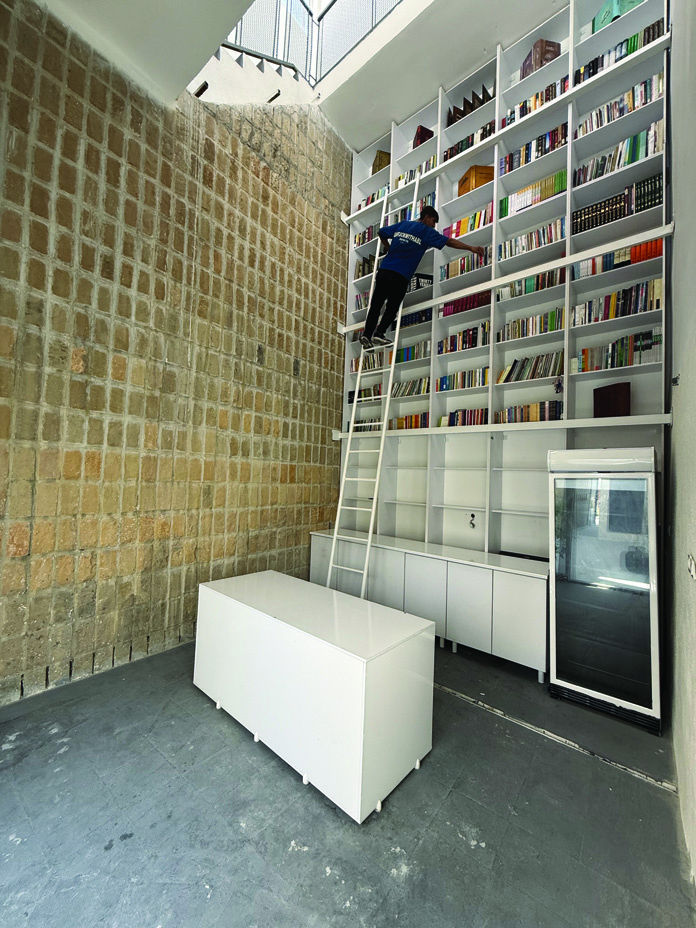
Spaces were designed in layers, drawing on the Houneh experience. The importance of the complex’s management model and its complete independence shaped the spatial organisation: the café, bookshop, and independent courtyard form the second layer; the library constitutes the third zone; and the classrooms form the fourth zone — each with independent access.
Voocho, like Houneh, is a charitable and independent project — the second effort by the townspeople, the client, and the architect to nurture thought, hope, and motivation in the neighbourhood’s children and youth, with a vision for a bright and culturally sustainable future.
The architect, as a modest member of this collective, seeks to show this path, not to make a spectacle of it.
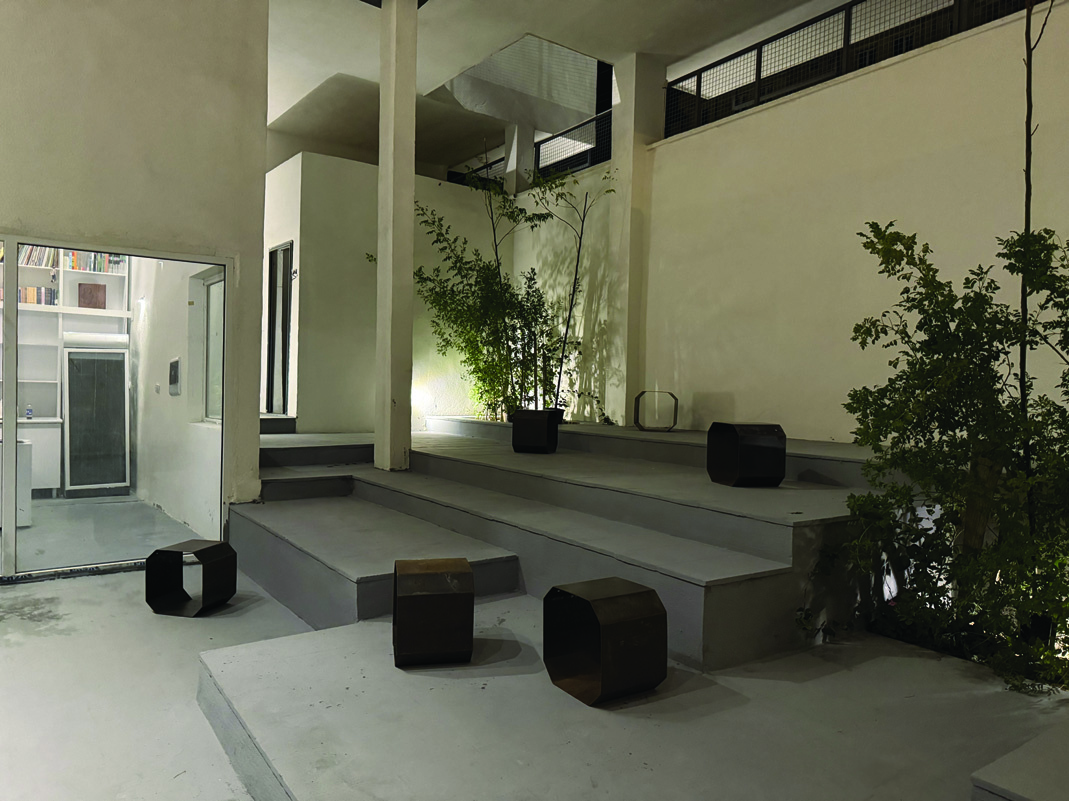
Night Views
Drawings