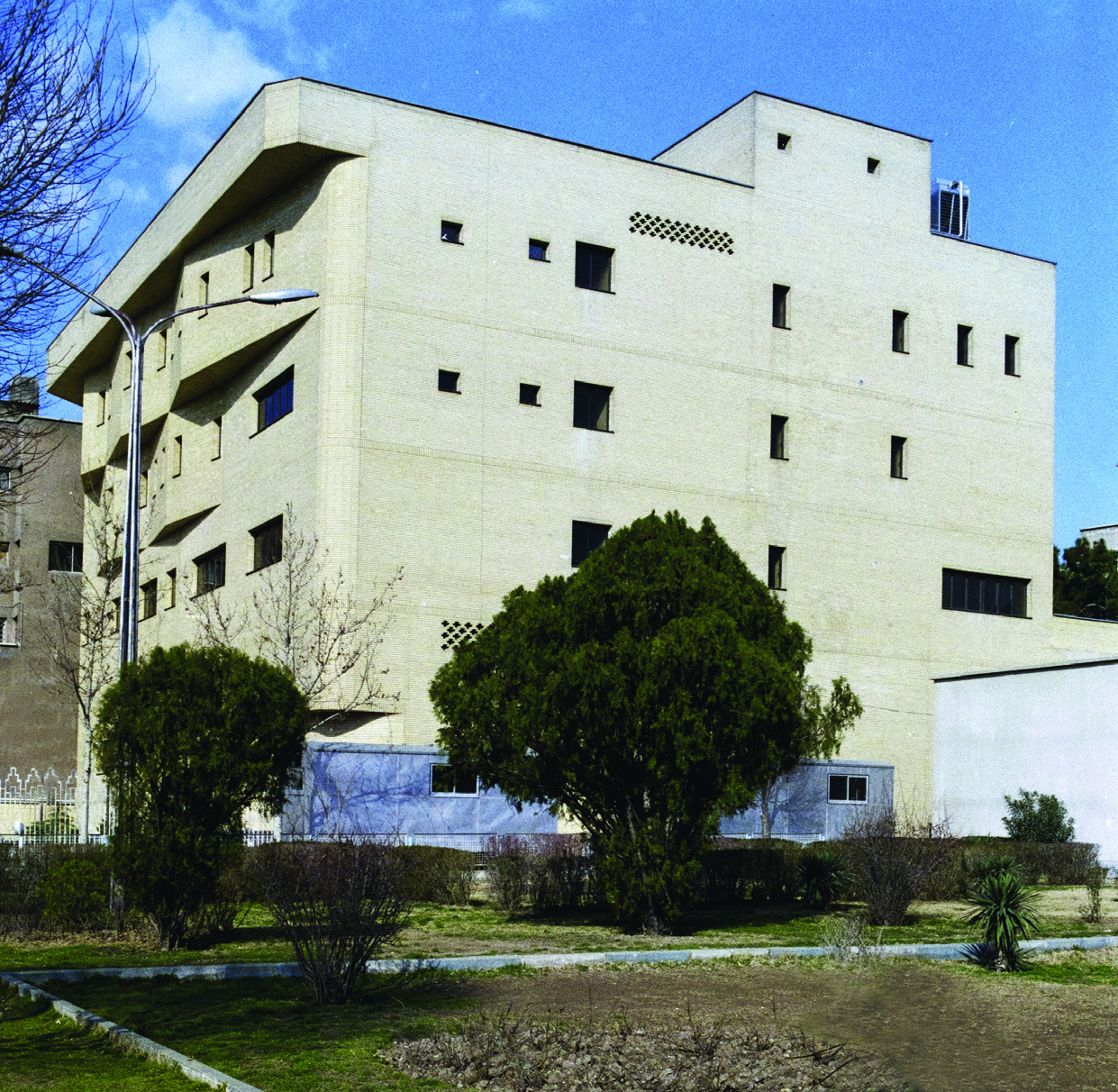
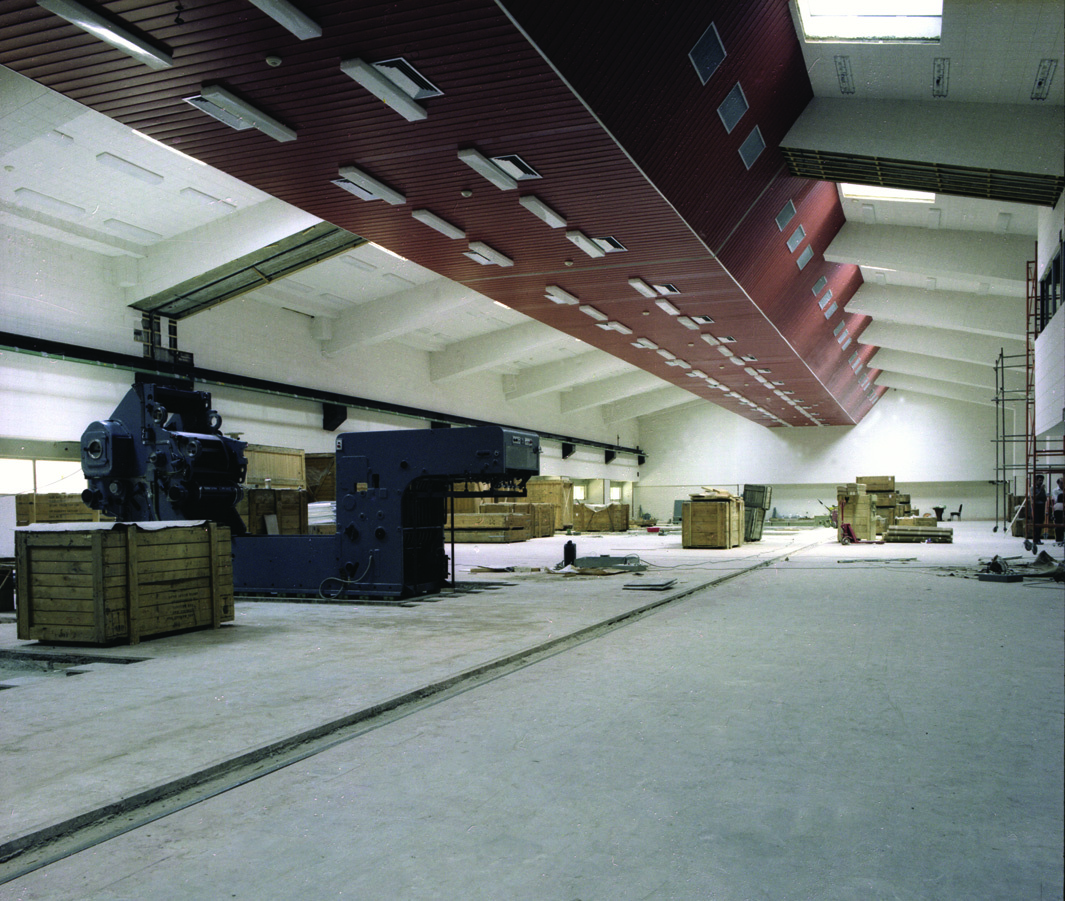
Central Bank Banknote Printing House, Tehran, 1975
General Hospital, 300 Beds, Isfahan, 1960
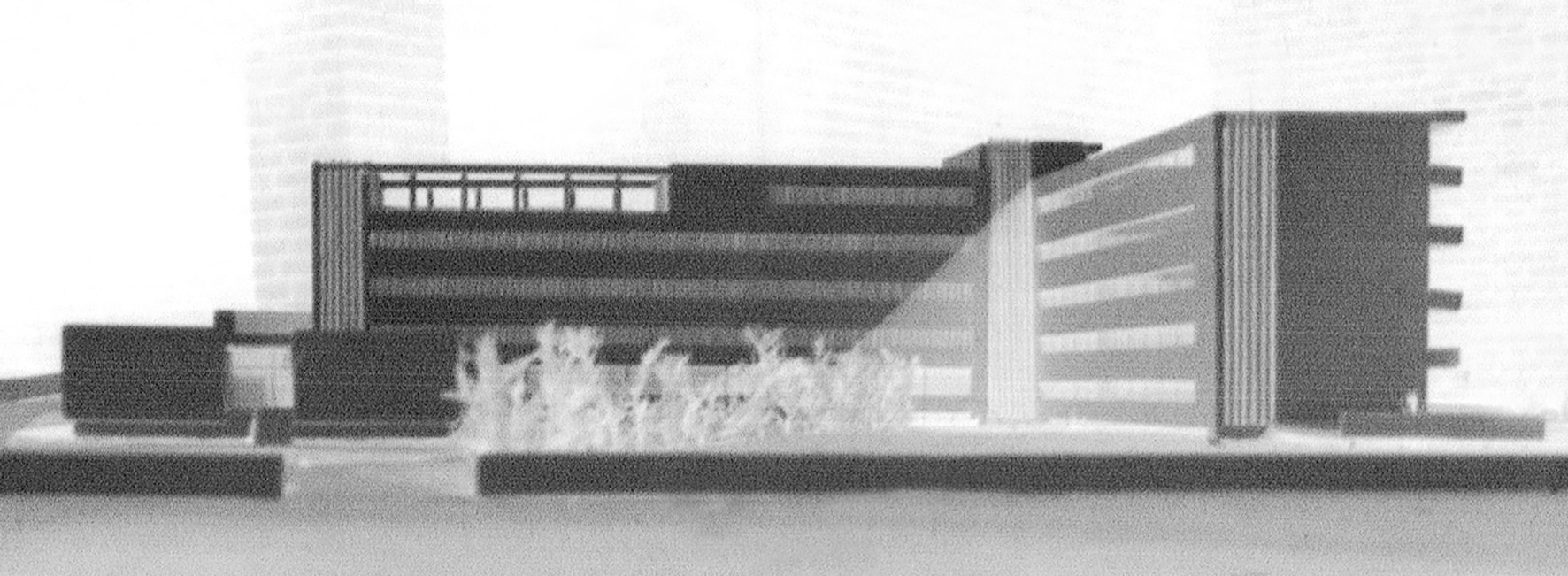
General Hospital, 250 Beds, Tabriz, 1962
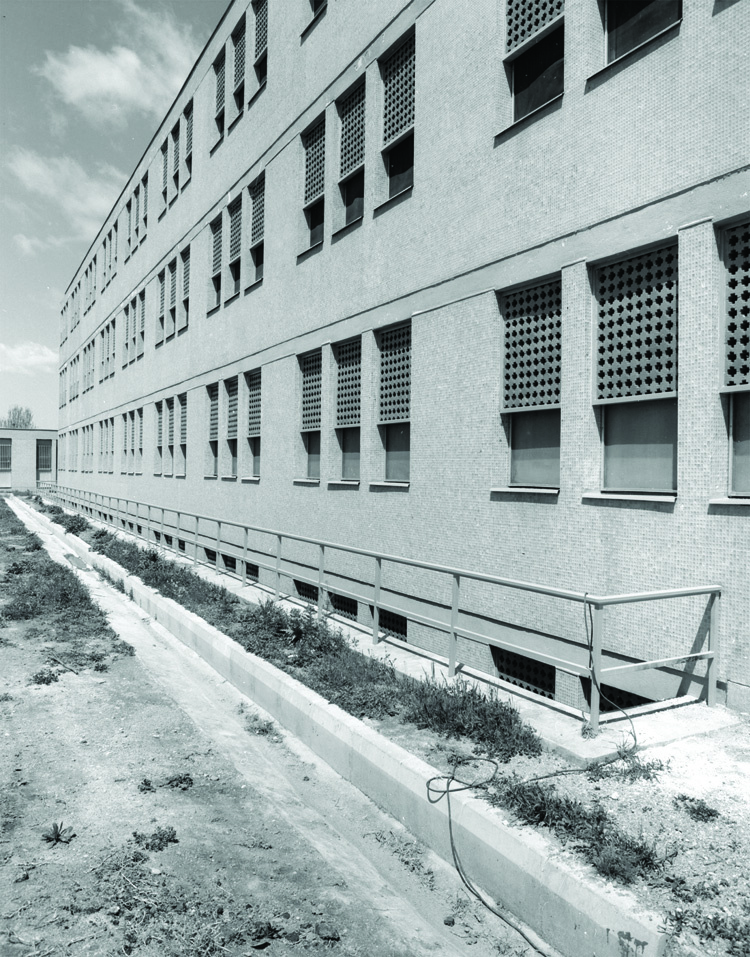
Restaurant, Hotel & Gas Station (now Takestan Tourist Hotel), Takestan, 1967
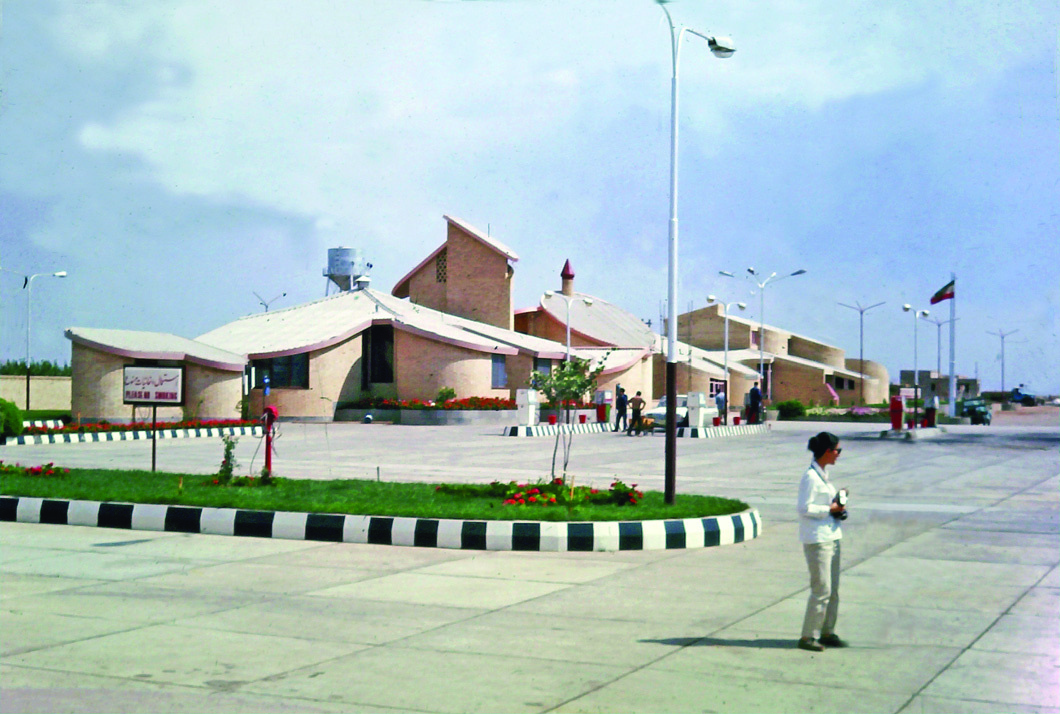
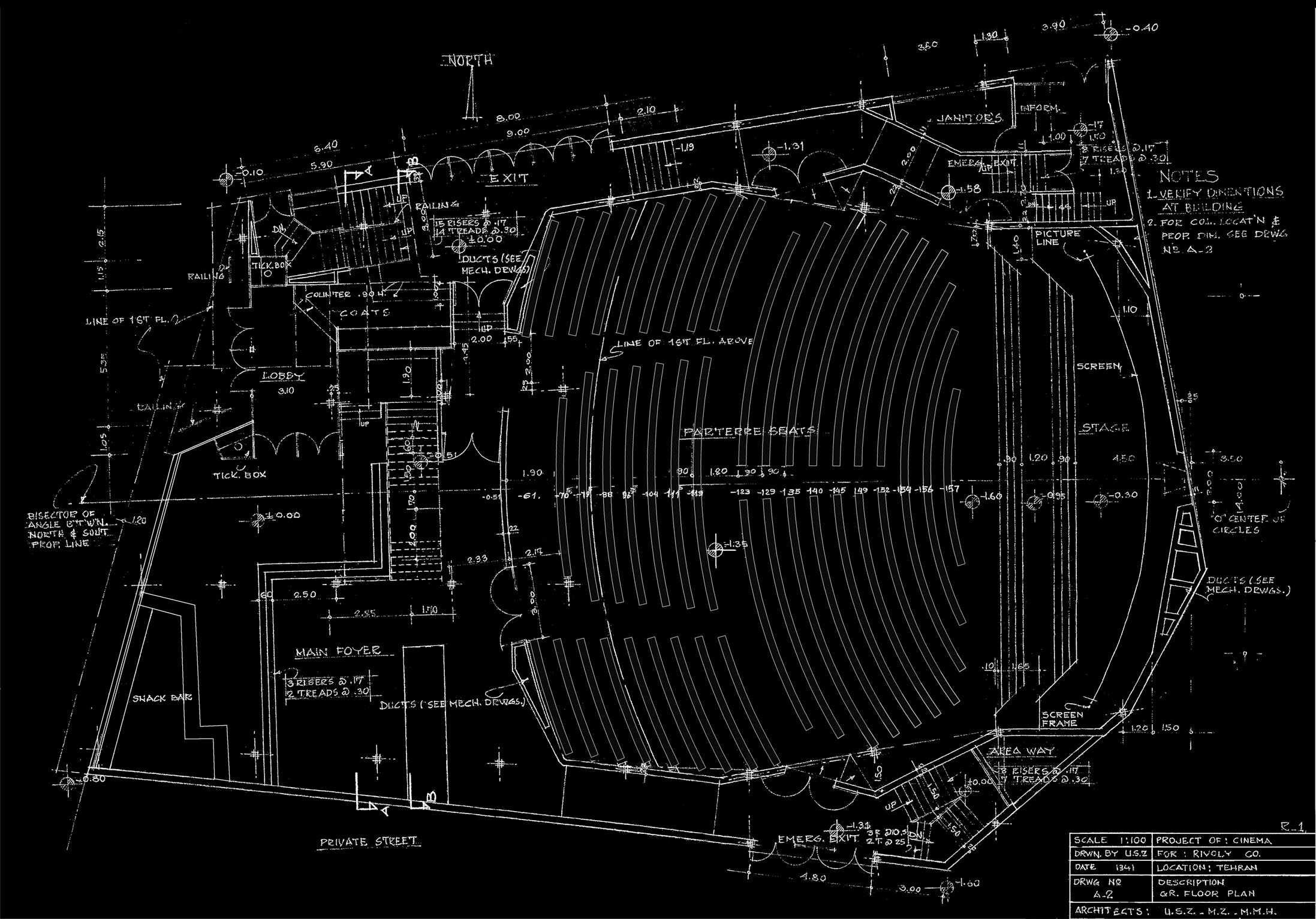
Rivoli Cinema (Sahra), Tehran, 1962
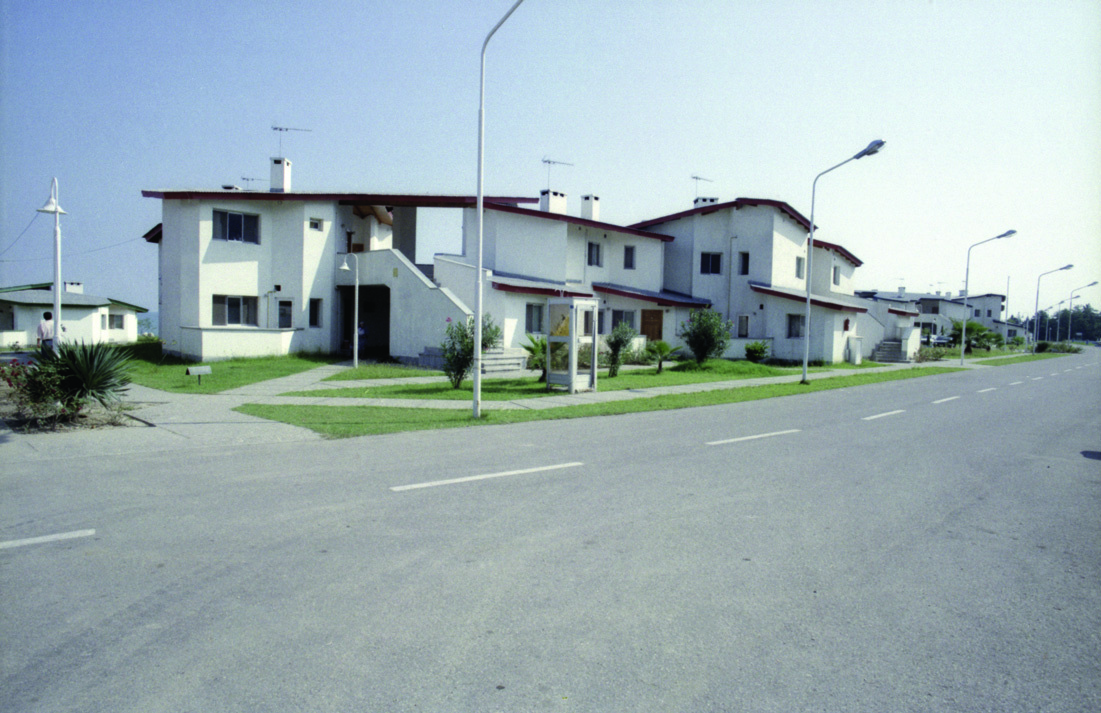
Welfare and Training Center for Employees of the Planning and Budget Organization (Baharestan Complex), Nooshahr, 1993
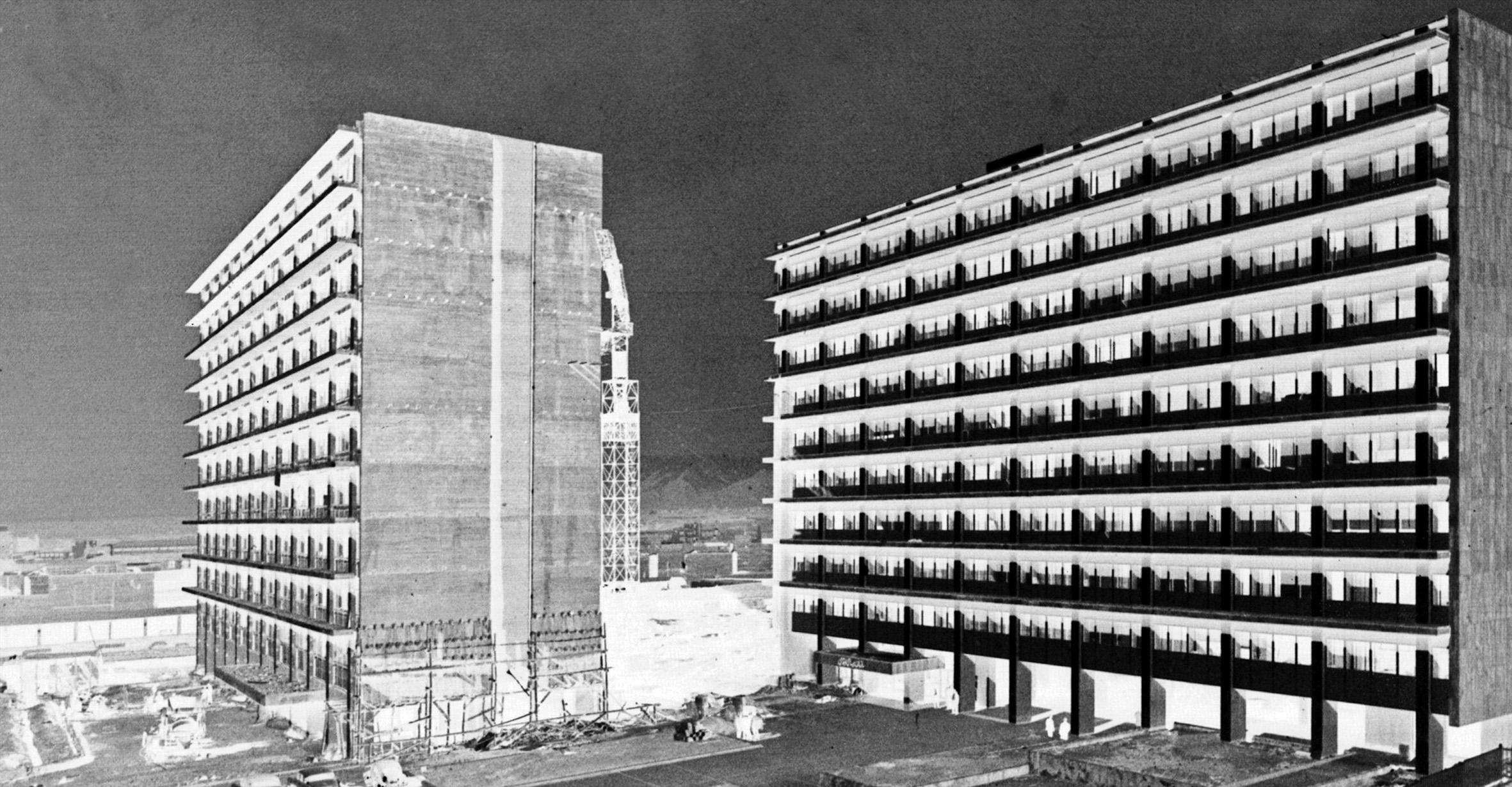
National Iranian Oil Company Distribution Center, Tehran, 1972
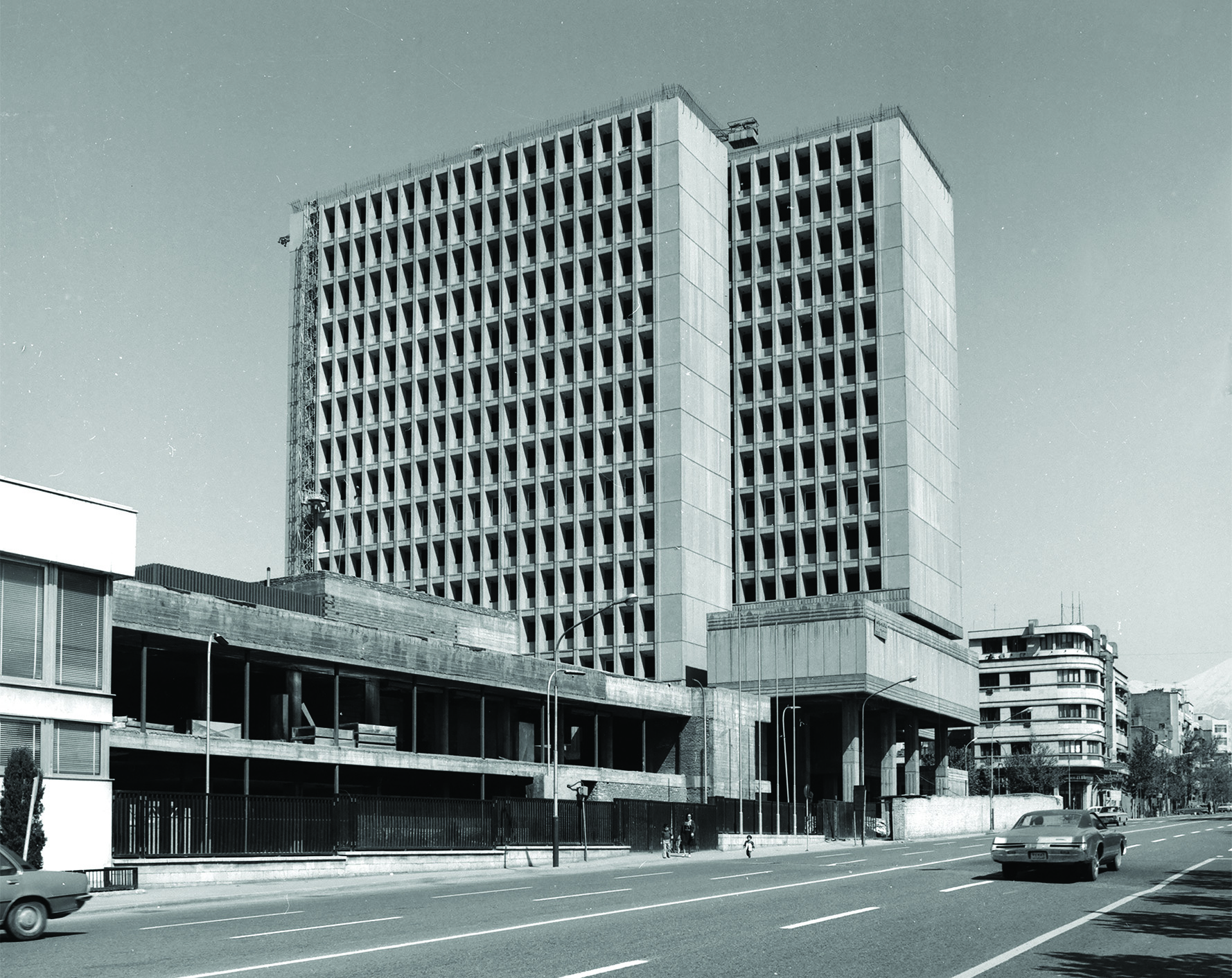
Ministry of Labor and Social Affairs Building, Tehran, 1960
Yazdan Street Building: Bonyan Co. Office & Shariatzadeh House, 1969
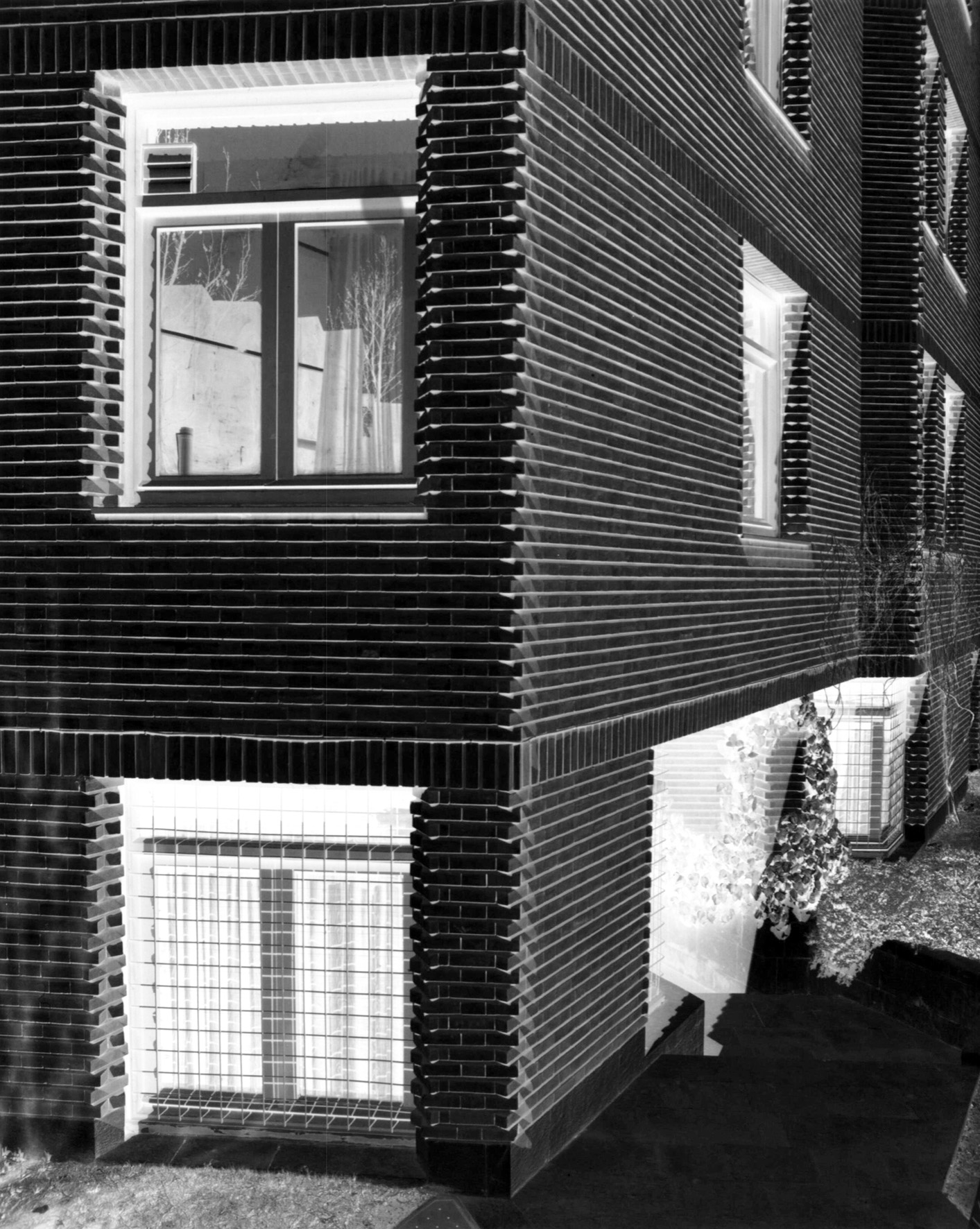
Residential Houses
Ehteshamieh House
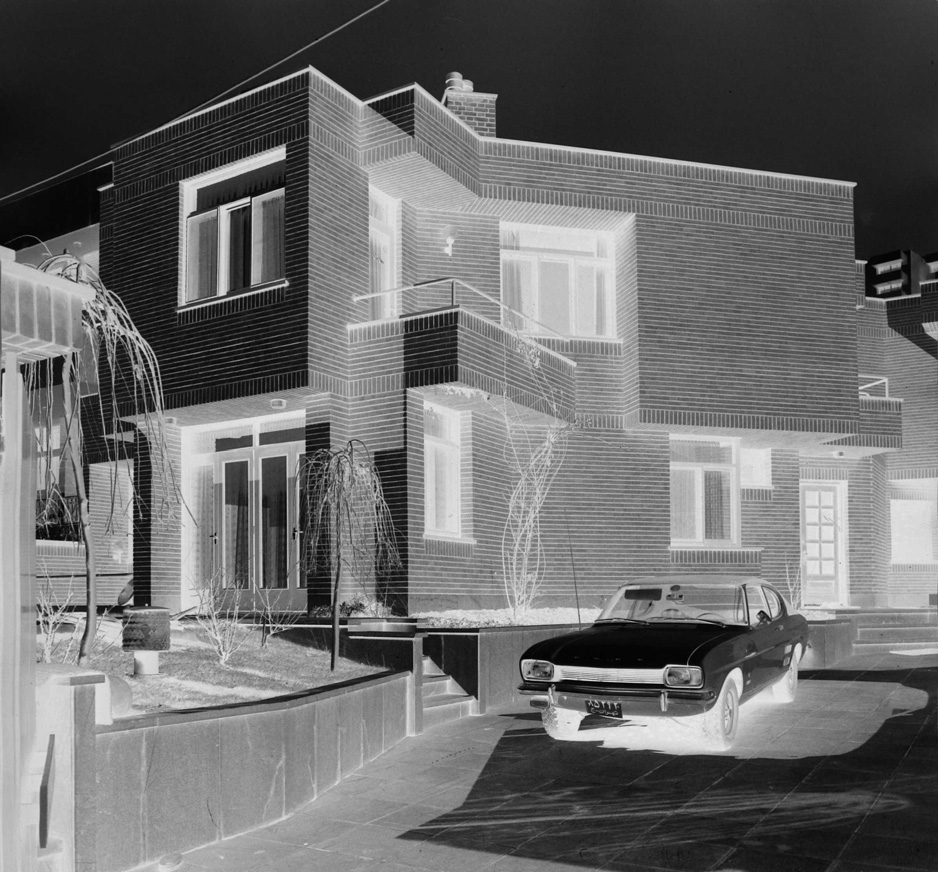
Fereshteh House
Pahlavi House
Yousefabad House
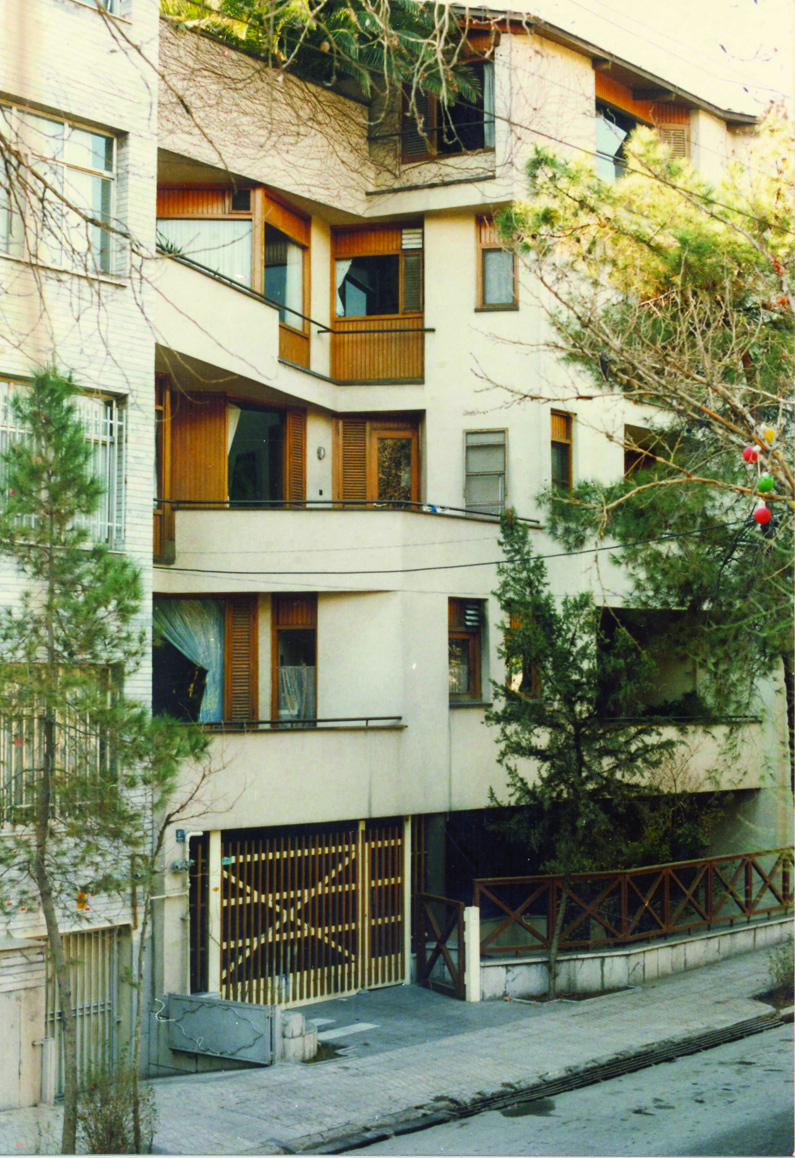
Razavi House
Tandis House
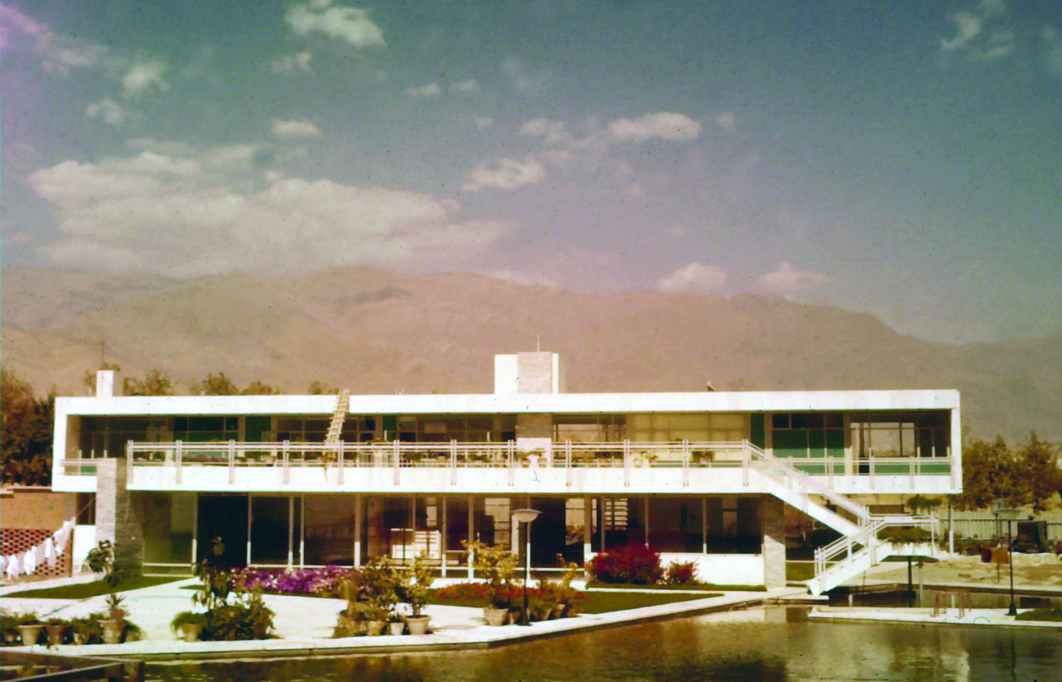
Residential Building, Tehran
Machinery Manufacturing, Tabriz, 1966
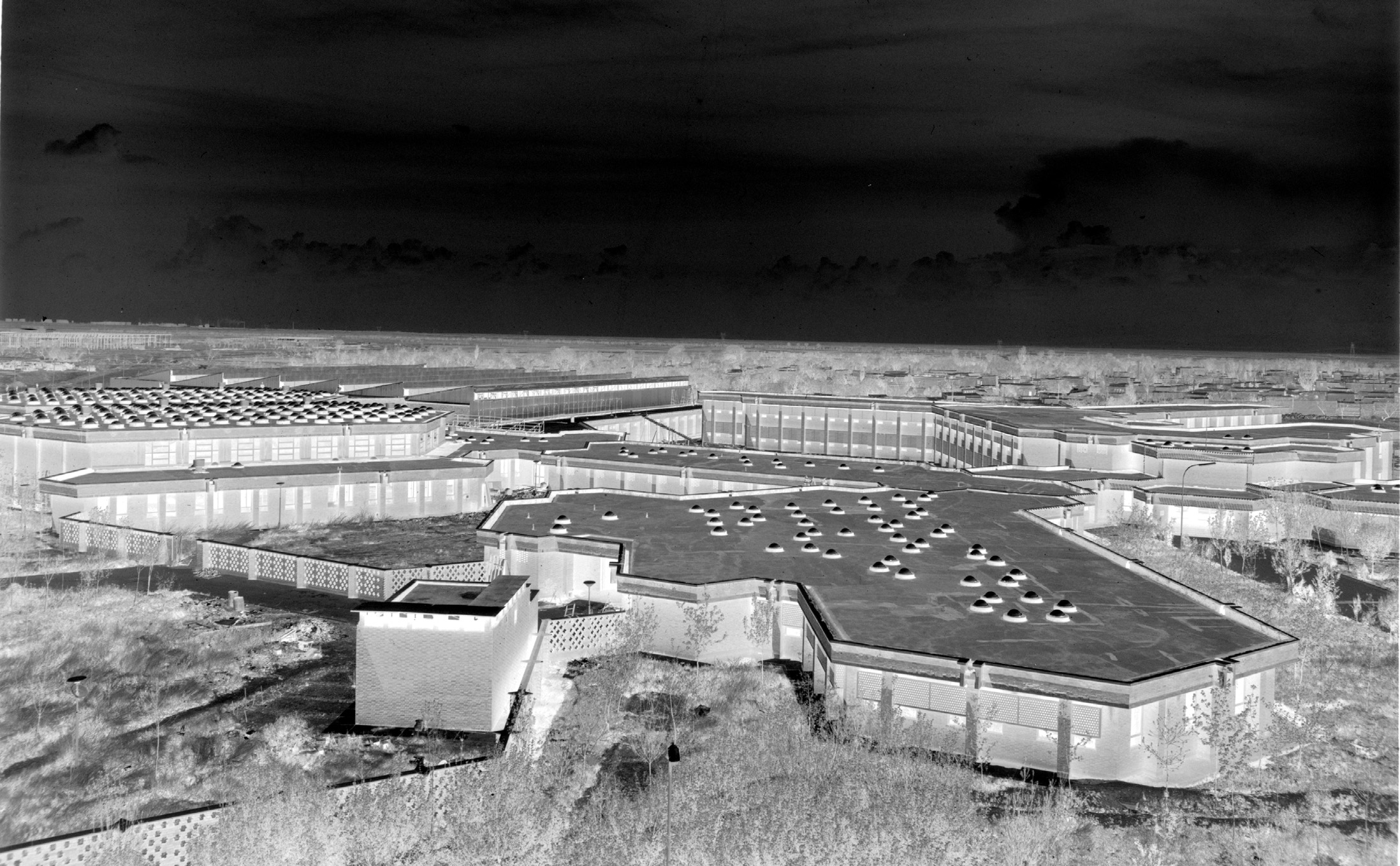
Tractor Manufacturing, Tabriz, 1967
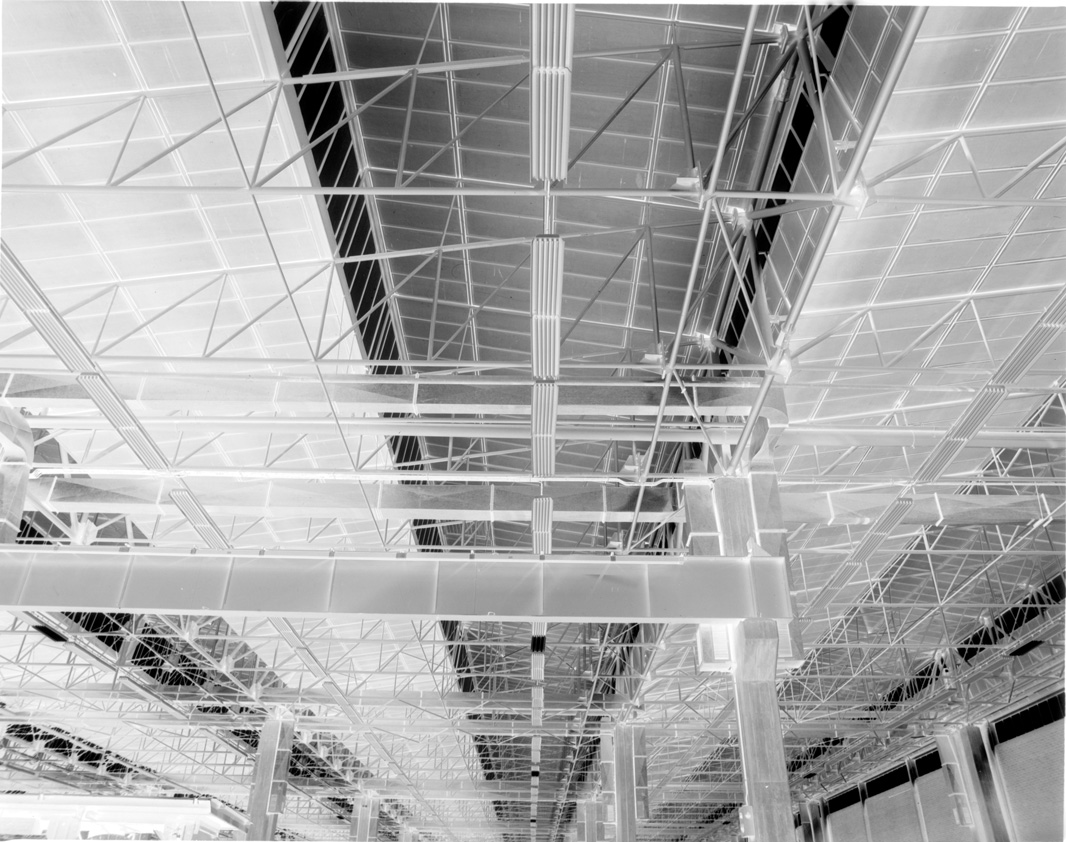
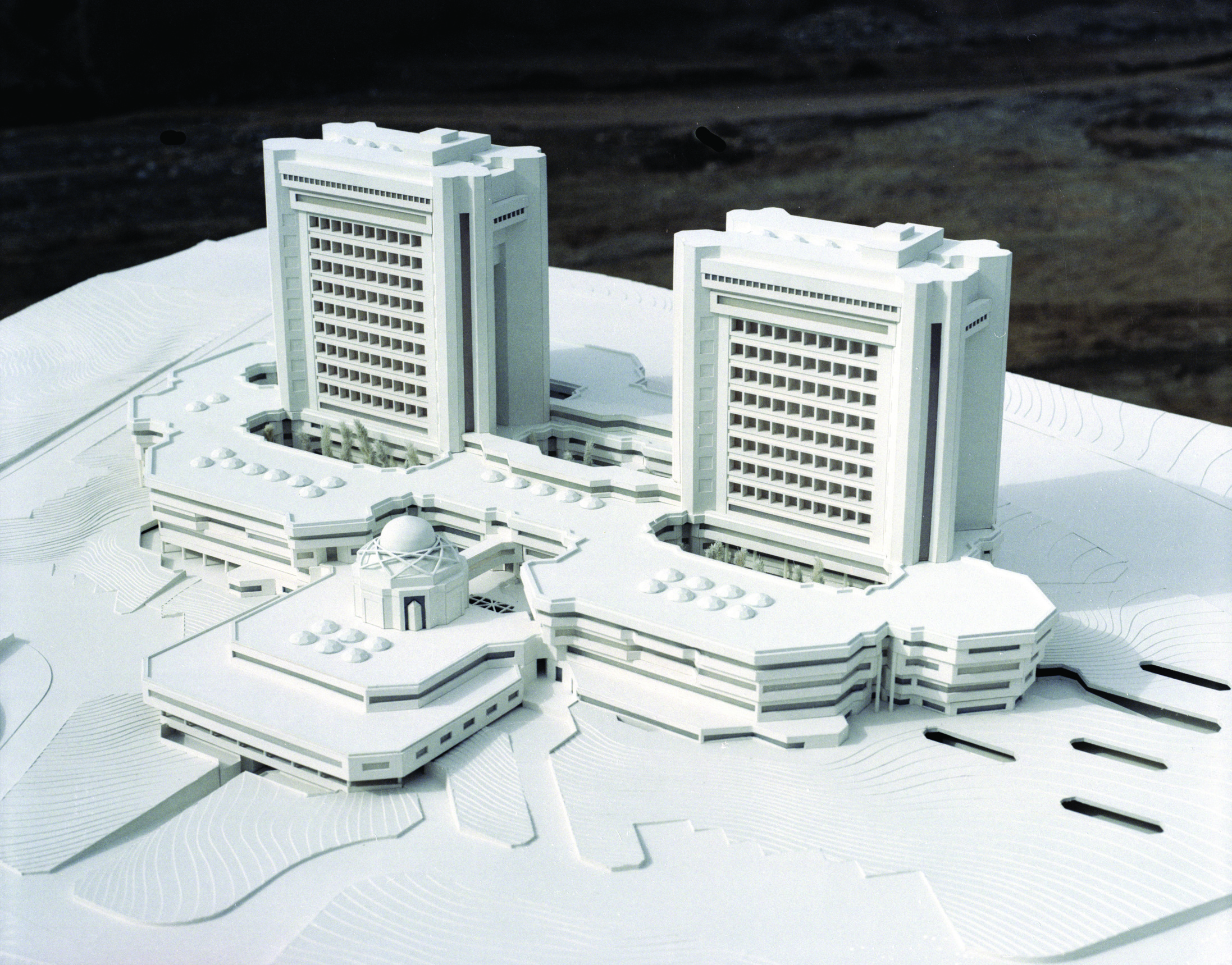
Design for the Ministry of Education Building, Tehran, 1996, Not Constructed
The plan, with approximately 100,000 square meters of floor area, comprises blocks rising roughly three stories above ground level and arranged around internal courtyards of sufficient width to admit sunlight. Two 15-story blocks contain offices that receive no significant external visitors and communicate only with each other; one of these blocks is placed at the rear of the complex, to the north, and the other in front of the block reserved for the assembly halls — spaces that either require no natural light at all or are illuminated from the roof. Most blocks connect to neighboring blocks on several sides, making it very easy to relocate units, expand them, reduce them, modify or combine them, and reorganize their connections.
The plan is designed to meet the needs of an intelligent building, with the technical provisions required to ensure maximum flexibility in the structure and to accommodate internal changes — including the composition and arrangement of spaces, the network of access and communication, the design module, and so on, all developed with this aim in mind.
Particular attention is given to energy consumption — reducing electricity demand for artificial lighting and reducing the building's heat exchange with the surrounding environment. This ranges from attention to the mass and geographic orientation of the blocks, to the question of the internal atrium of the towers, the integration of sunken planters and central courtyards with the blocks, the patterns of shading and daylighting, and even the choice of tree species and approach to landscaping — all of which are characteristic features of this design.
Girl's Music School, Tehran, 1995