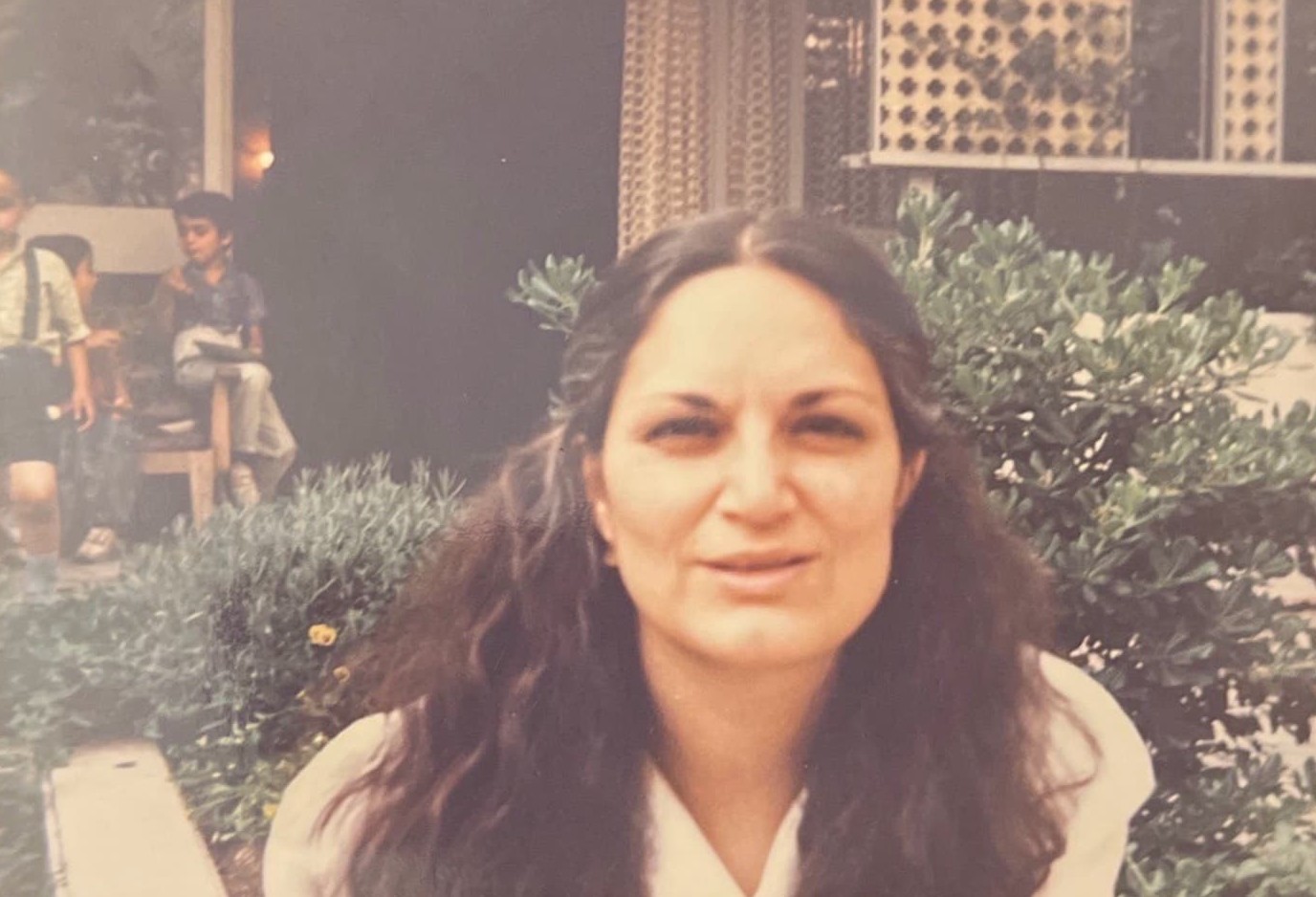
Soheila Beski
سهیلا بسکی
1953 — 2015
Écrivaine, Traductrice, Éditrice
Soheila Beski was a writer, translator, editor, and one of the most consequential cultural figures in the recent history of Iranian architecture. Though she never designed a building, she shaped the profession more profoundly than most who did — creating the institutions, platforms, and conversations through which an entire generation of Iranian architects found their voice.
Jeunesse
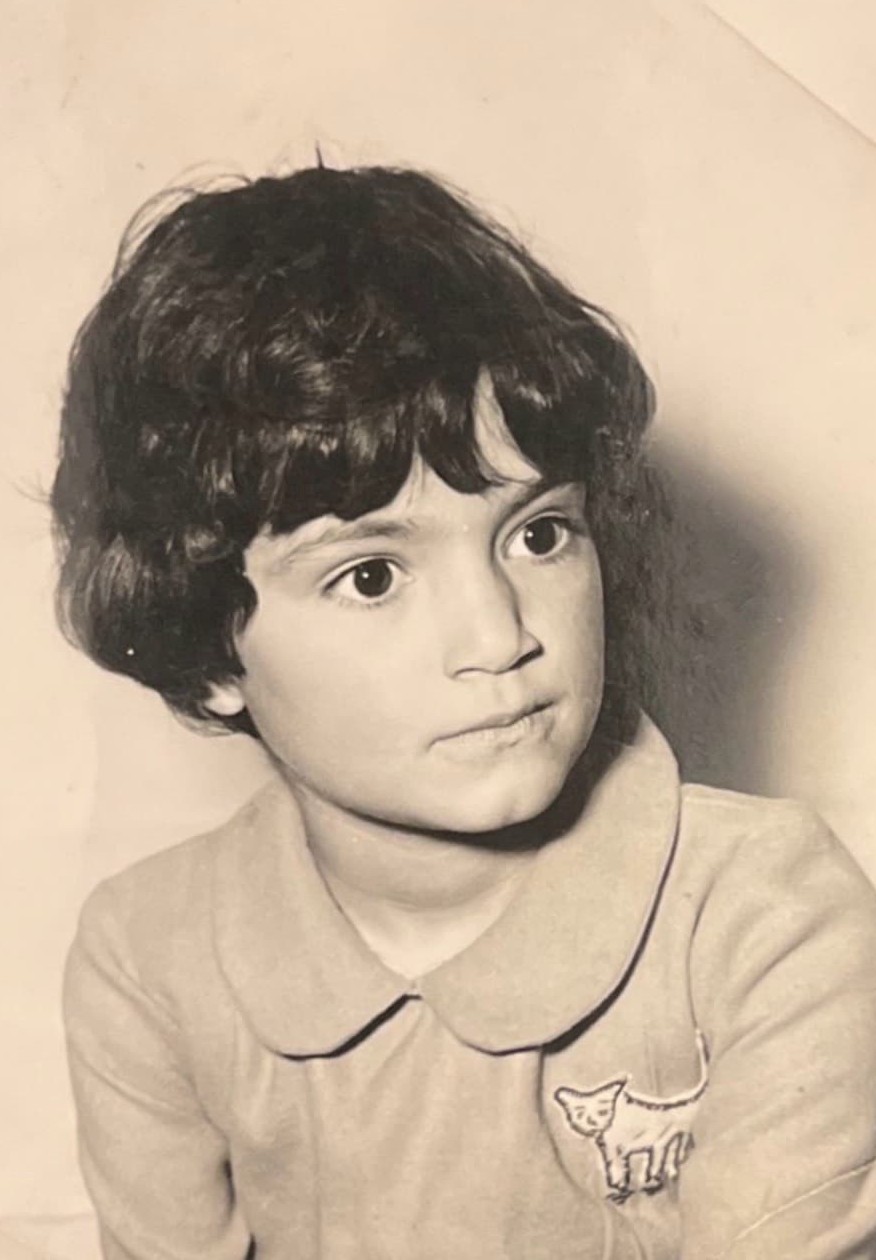
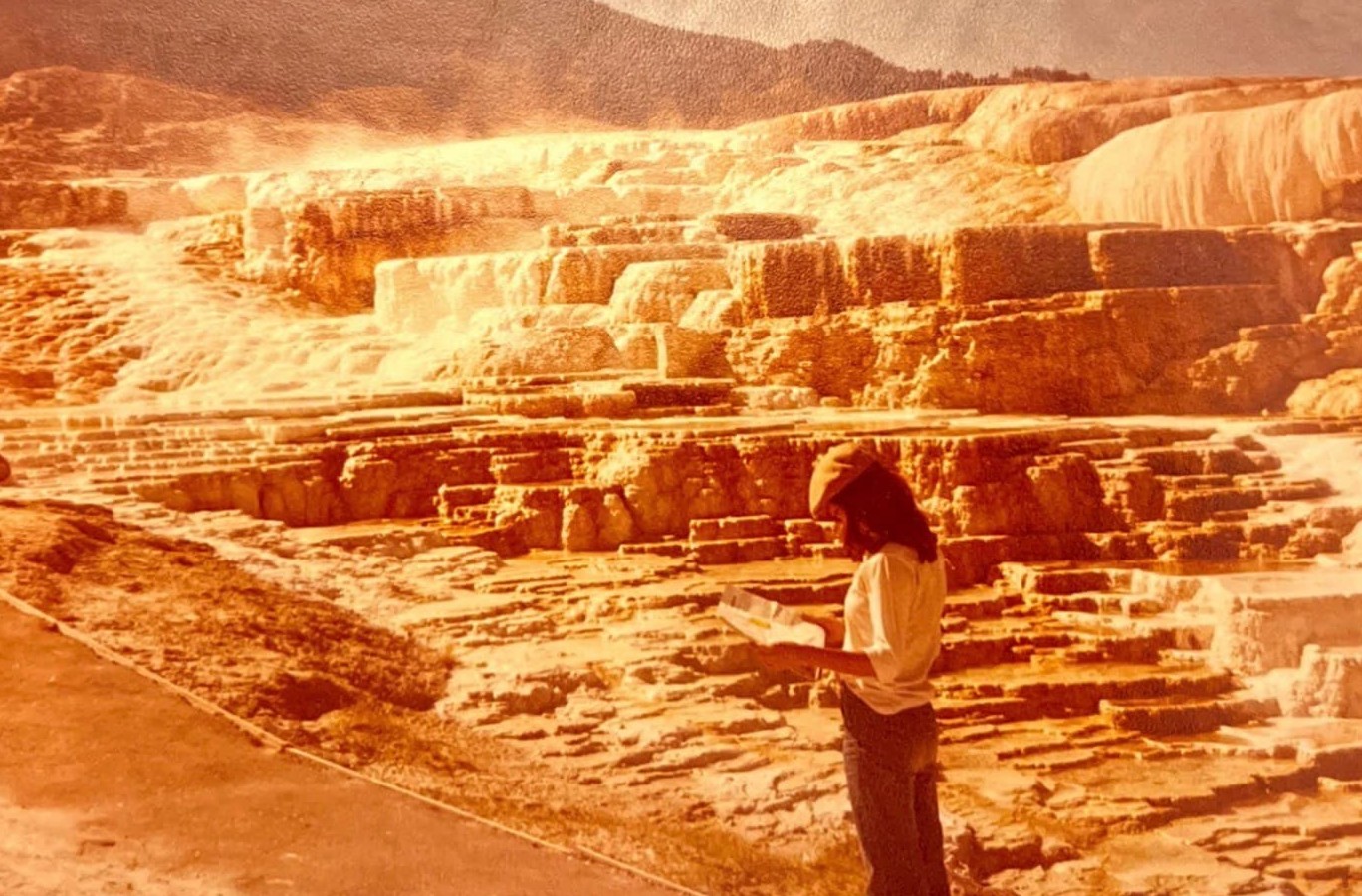
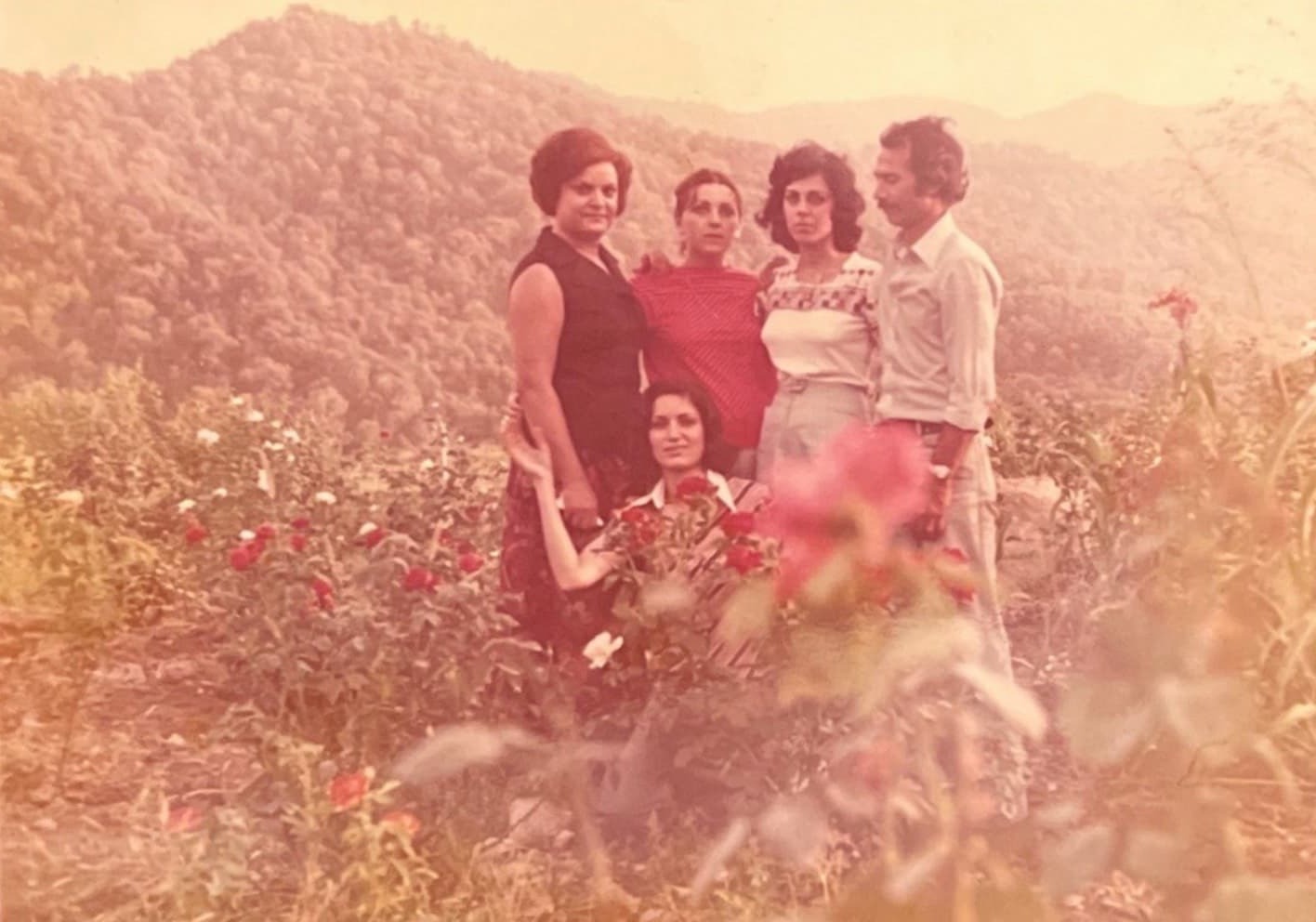
Soheila Beski was born in 1953 into a family deeply committed to intellectual and civic life. Her father, Dr. Gholamali Beski (1931–2019), was a physician and pioneering environmentalist known throughout Iran as the “Father of Nature” for his decades of work in conservation and ecological awareness. His tomb, designed by ZAV Architects, would later become an architectural landmark in its own right — a fitting connection to the world his daughter helped build.
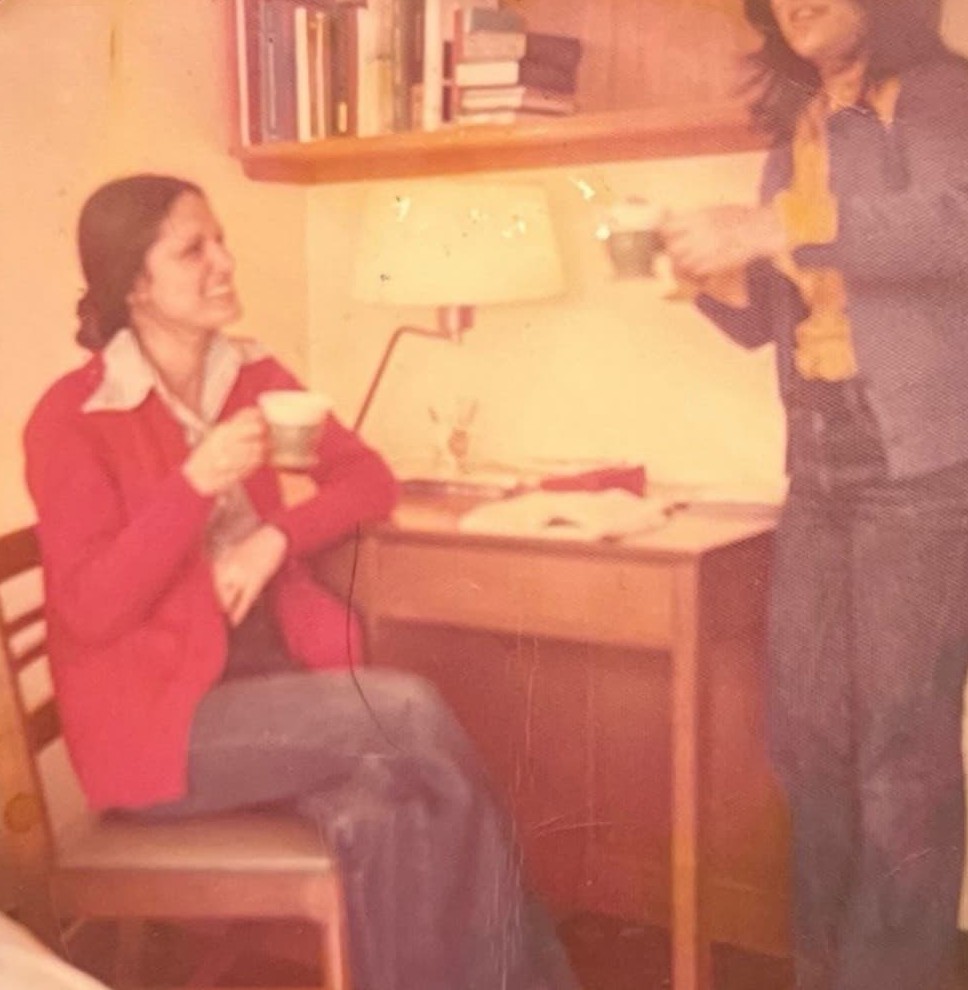
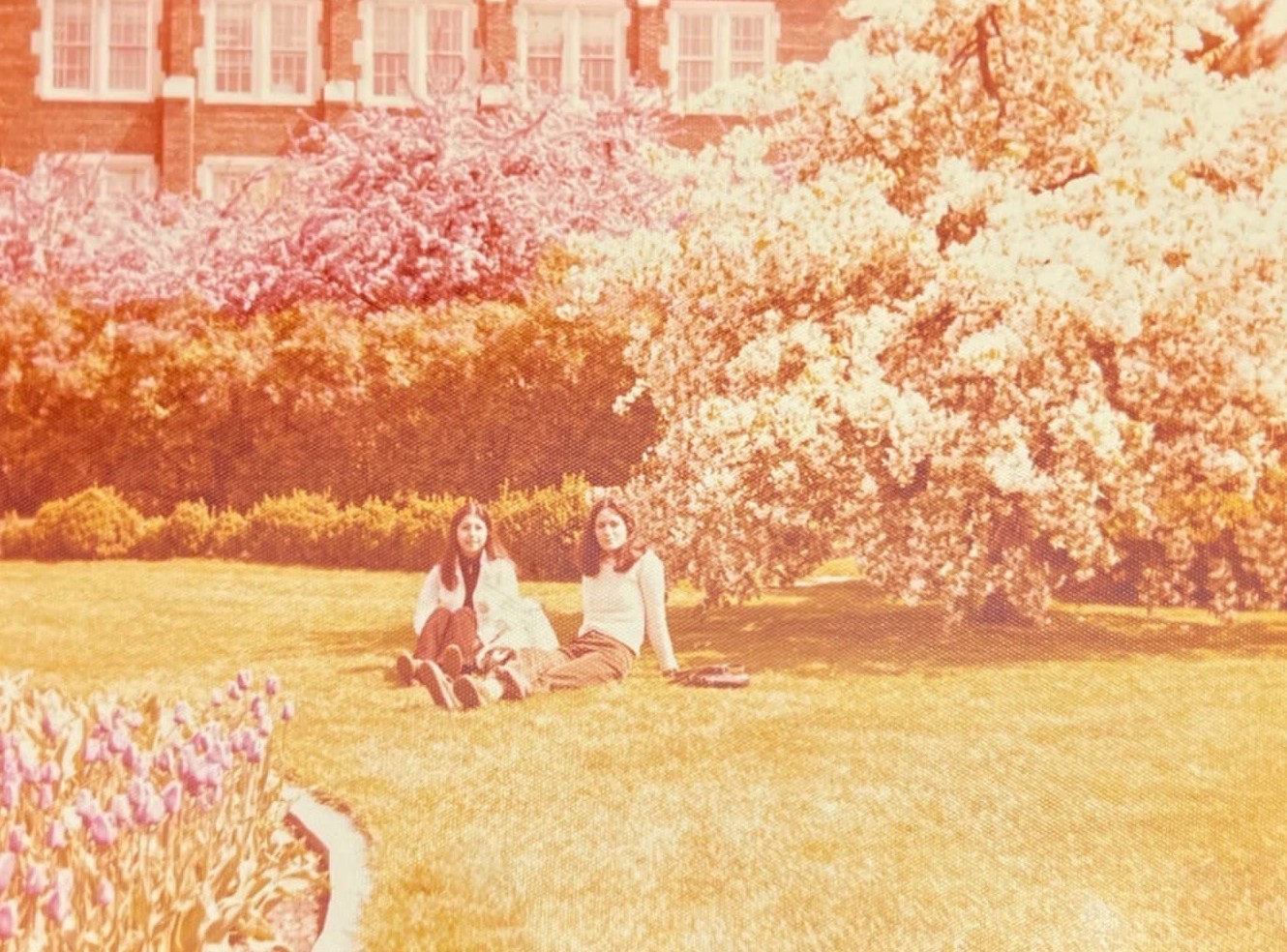
Beski studied management at the University of Guilan in Rasht, where she showed early signs of her editorial calling: she founded Baran (Rain), a student magazine, during her university years. She later pursued economics at Michigan State University in the United States. After returning to Iran following the 1979 revolution, she worked at Bu Ali Sina University in Hamadan before moving to Tehran, where she taught economics and began her influential career in publishing.
Le chemin vers l'architecture
During the 1990s, Beski managed the publication of Abadi magazine at the Center for Urban Planning and Architecture Studies, an experience that deepened her commitment to architectural culture and revealed a gap she was determined to fill. Iran lacked an independent, critically engaged architecture publication — one free from government oversight and devoted to the idea that “architects are able to think about architecture better through writing.”
In 1998, she invested her own resources to launch Memar (The Architect) alongside architect and critic Kamran Afshar Naderi, who served as the magazine's first editorial voice. The inaugural issue appeared in the summer of 1377 (July 1998), with a cover featuring the Hafeziyeh Guesthouse in Shiraz — and with it, a new era in Iranian architectural publishing began.
“Without a doubt, the most influential Iranian architectural journal is Memar. Started in 1998 by the late Soheila Beski, this is a privately funded journal that has done a great deal to shape the discourse around architecture in Iran.”
Bâtir Memar
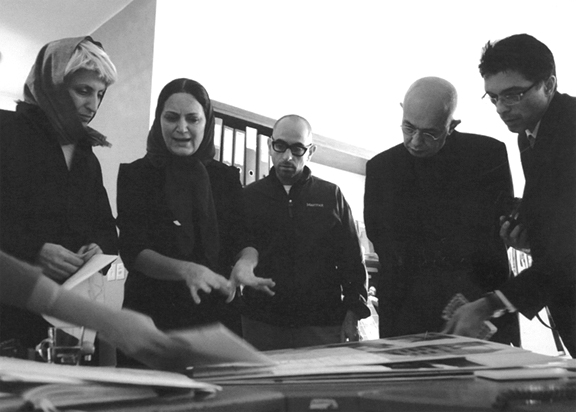
What Beski built was not merely a magazine but an institution. Under her leadership, Memar grew from a quarterly journal into a bimonthly powerhouse that would publish over 130 issues before her death, covering the full spectrum of Iranian architecture — from contemporary projects and emerging talent to traditional architecture, urban planning, and critical theory.
In 2001, she simultaneously founded Shahr (City) magazine and established the Memar Award, which would become one of Iran's most prestigious recognitions in architecture. The award has been instrumental in identifying and launching the careers of a new generation of Iranian architects, many of whom have gone on to gain international recognition. Memar Award winners have been exhibited at the Zurich Museum of Architecture and the Alvar Aalto Museum in Finland, and alumni include architects who have received the Dorfman Award and been featured by the Royal Institute of British Architects.
A distinctive feature of the magazine was its Critique & Theory section, which published Farsi translations of international architectural discourse alongside original Iranian contributions. Content analysis of nearly 5,000 articles published in Memar has confirmed that the magazine focused not merely on building documentation but on the theoretical foundations of architectural thinking.
“She did more for architecture than any other recent figure, bringing a generation together, despite having no buildings bearing her name.”
At least five academic papers have been written about Memar and Beski's editorial project. Most notably, architect and researcher Sina Zarei presented a paper titled “A Magazine of One's Own” at the European Architectural History Network conference in 2022, examining Beski's role in shaping architectural discourse — the title a deliberate echo of Virginia Woolf's A Room of One's Own, one of the works Beski herself had translated into Farsi.
Vie littéraire
Parallel to her work in architecture, Beski pursued a distinguished literary career. She authored at least seven books of fiction and nonfiction:
- ◆Pareh-ye Kochak (A Small Fragment) — short story collection, Golshiri Literary Prize winner, 2003
- ◆Bi Bi Paik
- ◆Akshai-ye Fouri (Instant Photos) — short story collection, 2014
- ◆Dar Mahaq
- ◆Gozashte-i ke Nemigozarad (A Past That Does Not Pass)
- ◆Dar Hekayat-e Sakhtan-e Mabal dar Bam (On Building a Home in Bam)
- ◆Zarreh (Particle) — novel
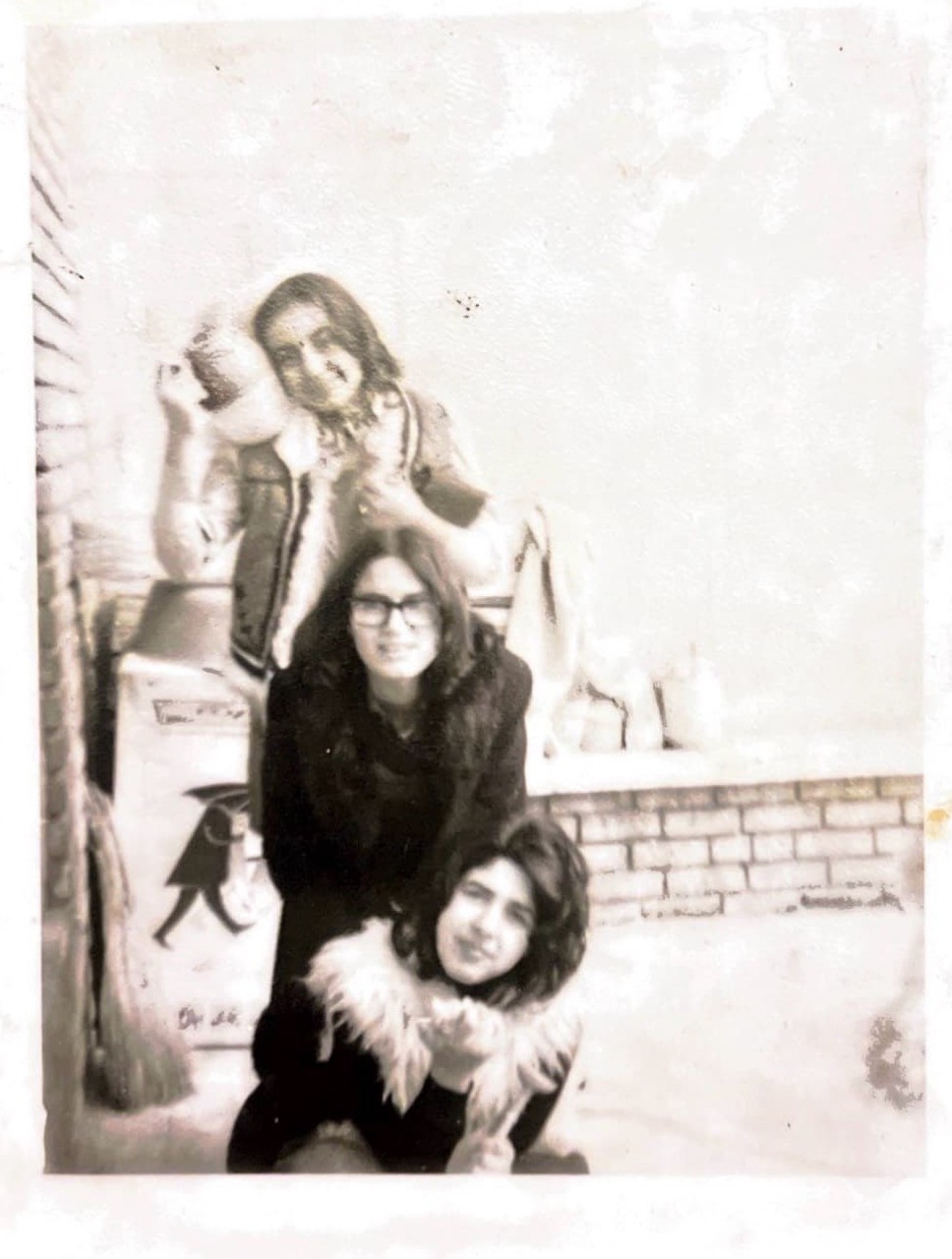
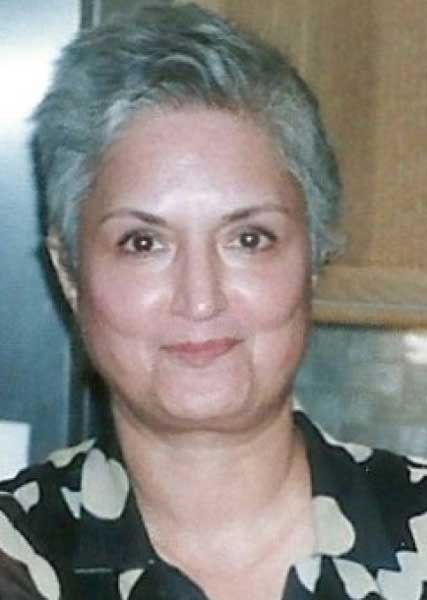
Her short story collection Pareh-ye Kochak won the prestigious Golshiri Literary Prize in 2003, praised by the jury for its “precise observation, fluid language, and multi-layered meaning.” Her novel Zarreh was translated into Italian as Particelle by Ponte33 in Rome (2013). Her short story “The Mirror” was published in English by Words Without Borders in December 2011.
As a translator, she brought Quentin Bell's biography of Virginia Woolf and Emma Goldman's autobiography into Farsi — a choice that reveals the intellectual currents that informed her own editorial work: feminism, independence of thought, and the conviction that culture is built through sustained critical engagement.
Au-delà de la page
Beski's commitment extended beyond publishing. After the devastating 2003 Bam earthquake, which destroyed one of Iran's most significant architectural heritage sites, she organized relief efforts through the magazine's networks. Her book Dar Hekayat-e Sakhtan-e Mabal dar Bam (On Building a Home in Bam) documented the experience of reconstruction in the aftermath of the disaster.
Though not a professional architect herself, Beski's tireless dedication transformed Memar into a publication of national and international distinction. She used the magazine as a platform to elevate underrepresented voices, foster critical thinking, and orchestrate the architectural discourse of an entire generation. The journal Daidalos featured her work in its “Building Feminism” series, recognizing her as a pivotal figure in the intersection of feminism and architectural culture in Iran.
Héritage
In her final years, even as her health declined, Beski continued to work — editing manuscripts with oxygen support, refusing to let the magazine's standards falter. She passed away on May 27, 2015 (6 Khordad 1394), in Istanbul, where she was visiting family.
The response from the architectural community was extraordinary. Across Iran, architects hung white curtains on their buildings — a silent, collective tribute that transformed the built environment into a memorial. A commemorative gathering was held in London — organized by her sisters Dr. Shahre Beski, Shahla Beski, and Banaaz Beski — featuring a documentary film by Morteza Farshbaf and traditional Persian music performed on tar, ney, and vocals.
“A compassionate and empathetic friend to colleagues, a courageous woman who took risks, hardworking, steadfast and creative in her professional sphere.”
“She changed the way a generation of architects thought about their work. The white curtains were not just mourning — they were a statement about what one person, armed with nothing but conviction and a printing press, could build.”
Today, Memar continues under the stewardship of the Amirrahimi family — her husband Reza Amirrahimi and son Esfandiar Amirrahimi — upholding the vision and standards she established.
En mémoire
After Soheila Beski's passing on May 27, 2015, architects across Iran hung white curtains on their buildings in a silent, collective tribute. Memar dedicated its 92nd issue — known as "The White Memar" — entirely to her memory.
Vidéo et audio
Hommages
Références
Hommages
- Tadj, Amin. “In Memory of Soheila Beski.” NADAAA Blog, June 2015.
- “Architecture is Vessel of Life.” Memar Magazine.
- Memar 92: “The White Memar” — memorial issue.
- London Memorial for Soheila Beski. Kayhan London, May 2016.
- Obituary. Radio Farda, June 2015.
- “Biography: Soheila Beski.” Hamshahri Online, 2015.
Articles et publications académiques
- “MEMAR.” art4d, June 2017.
- Akcan, Esra and Pamela Karimi. “Building Feminism.” Daidalos, 2025.
- Zarei Hajiabadi, Sina. “A Magazine of One's Own.” EAHN, Madrid, 2022.
- Azimi Hasanabadi, A. et al. “Content Analysis of Memar Magazine (1998–2018).” MANZAR Journal, 2020.
Œuvres littéraires et traductions
- Beski, Soheila. “The Mirror.” Trans. Sara Khalili. Words Without Borders, December 2011.
- Beski, Soheila. Particelle. Trans. M. Vitalone. Rome: Ponte33, 2013.
- “Soheila Beski” [سهیلا بسکی]. Persian Wikipedia.



