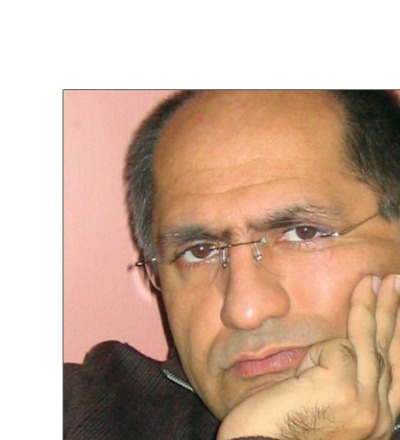
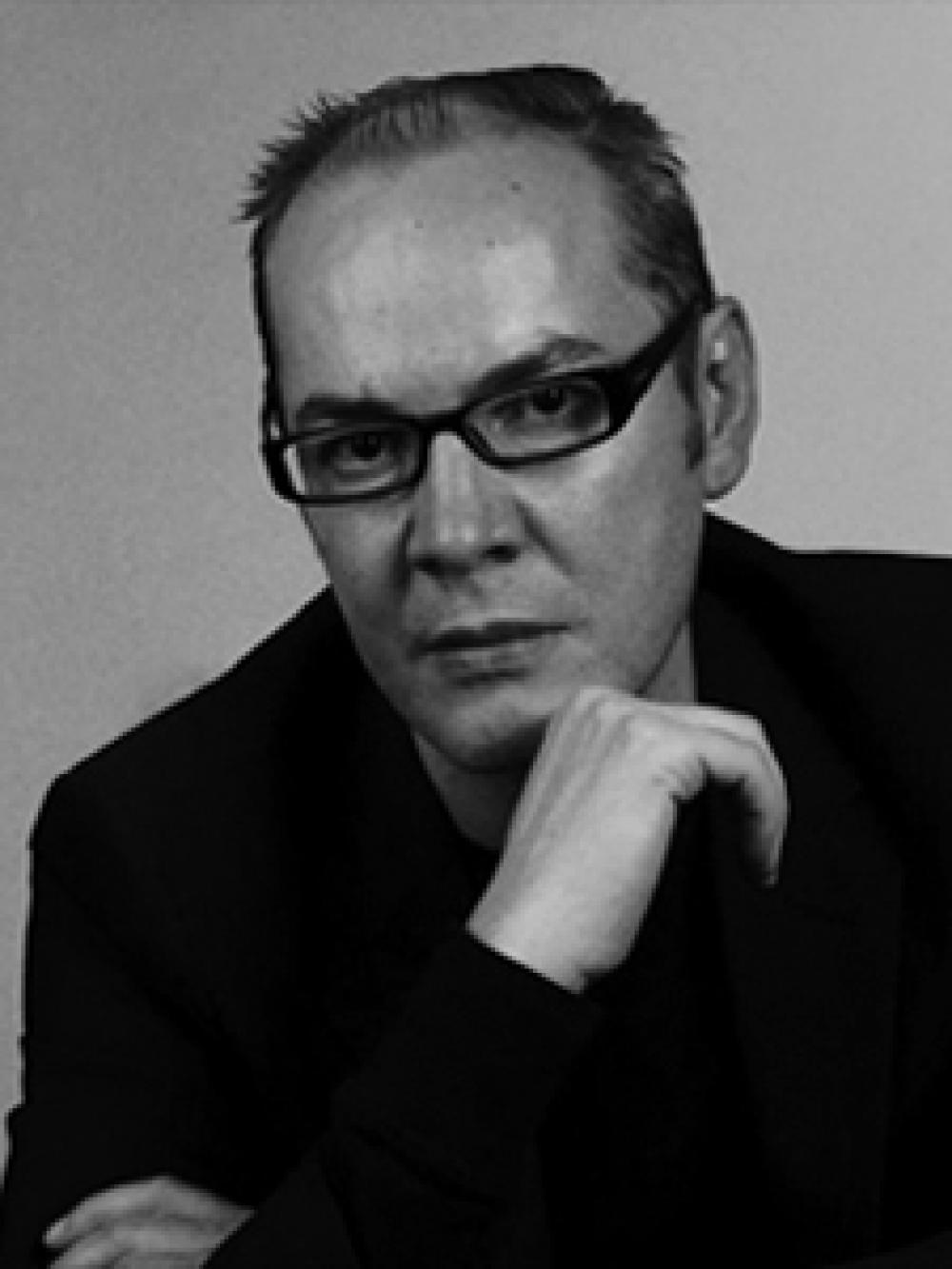
Ali KermanianAli Kermanian is an Iranian architect and urban designer. He served as Managing Director of Ali Kermanian & Associates from 1990 to 2008, overseeing nearly 160 architectural design and development projects in Tehran. He earned a Grade 1 professional architect status in 2000 and became a member of the Iranian Architects' Association in 2004. In 2005, he was one of four Iranian representatives in the Union of International Architects (UIA). He previously worked at Price & Dusek architects in London (1988-1990) and served as Head of the Faculty of Architecture at Central Azad University in Tehran (1993-1995).
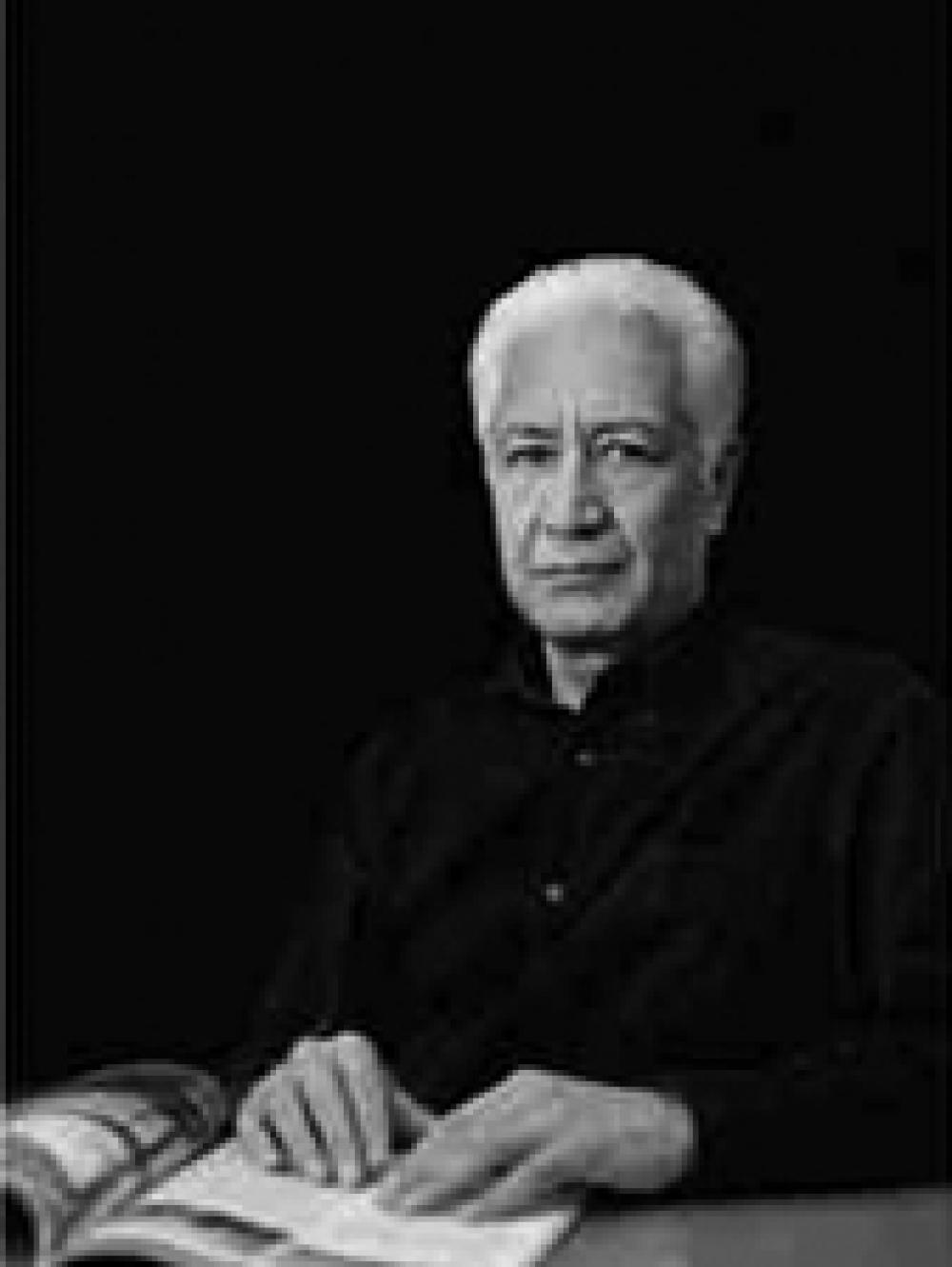
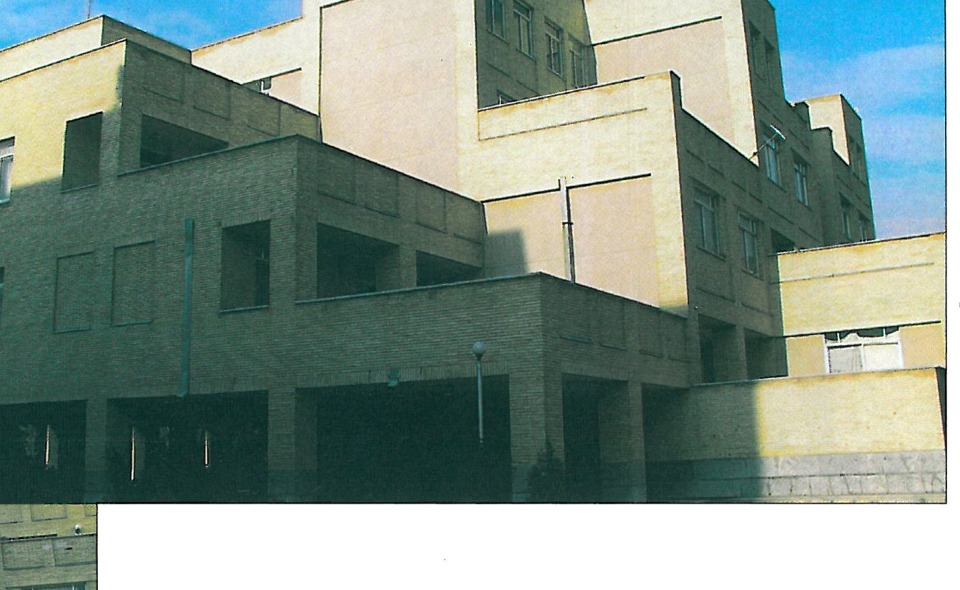
Hossein Sheikh ZeineddinHossein Sheikh Zeineddin, the managing director of Bavand Consultant, received his Master in Architecture from the School of Fine Arts of Tehran University, in 1967. He joined Bavand in 1974, and became a member of Bavand's Board of Directors in 1982. Throughout his design career at Bavand, he has been responsible for many award winning
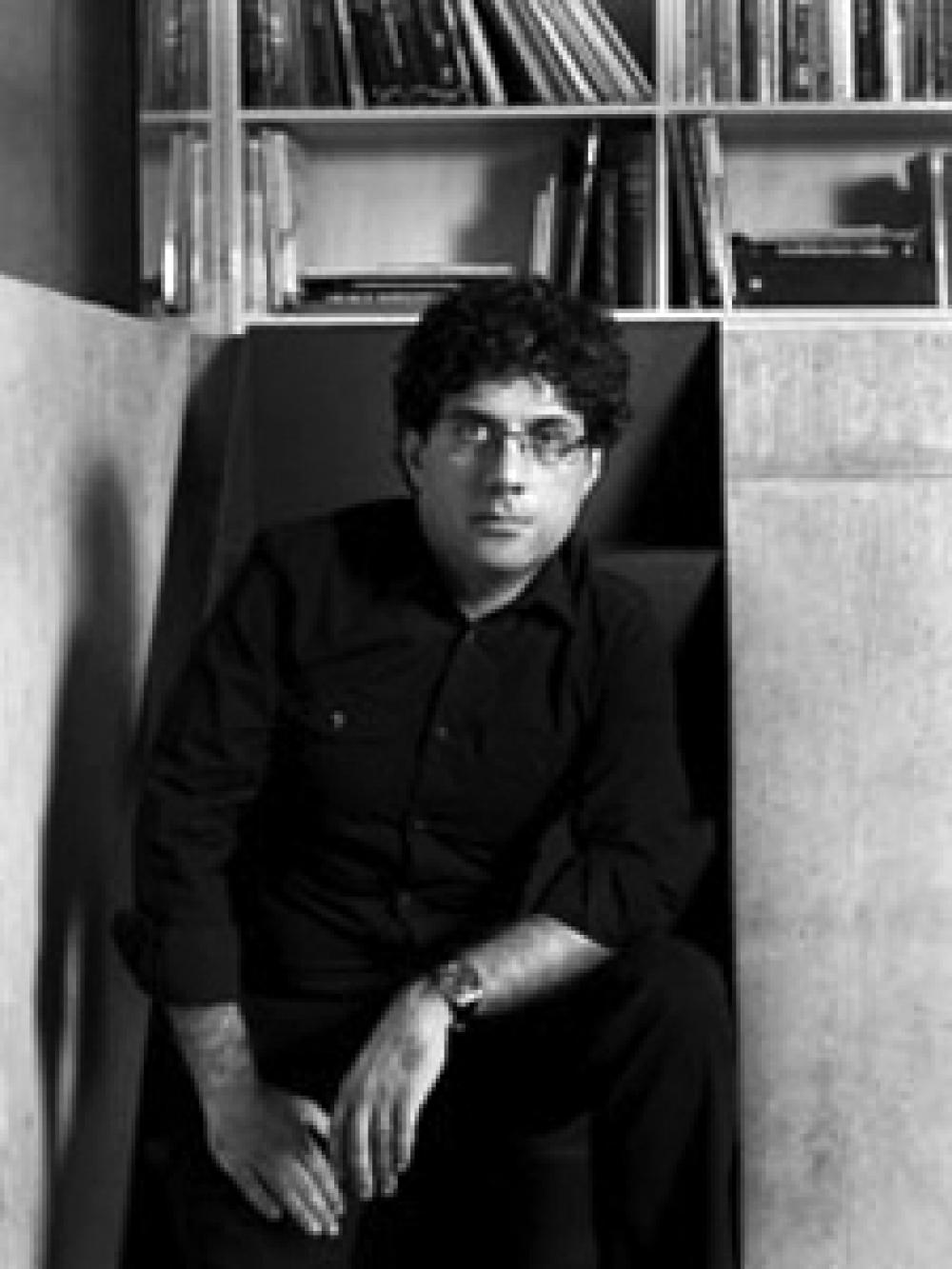
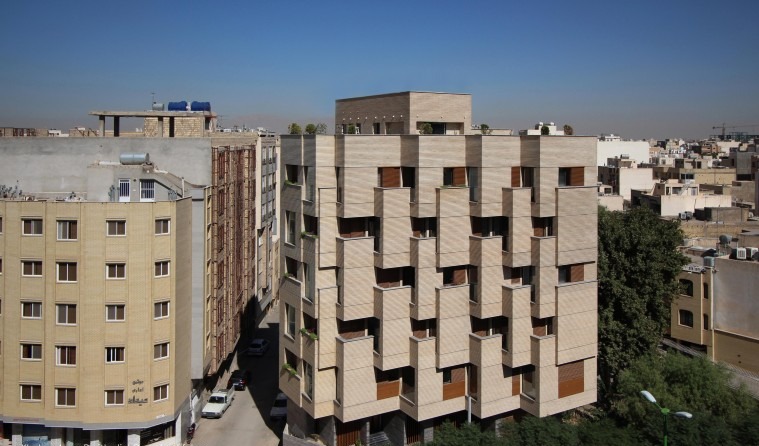
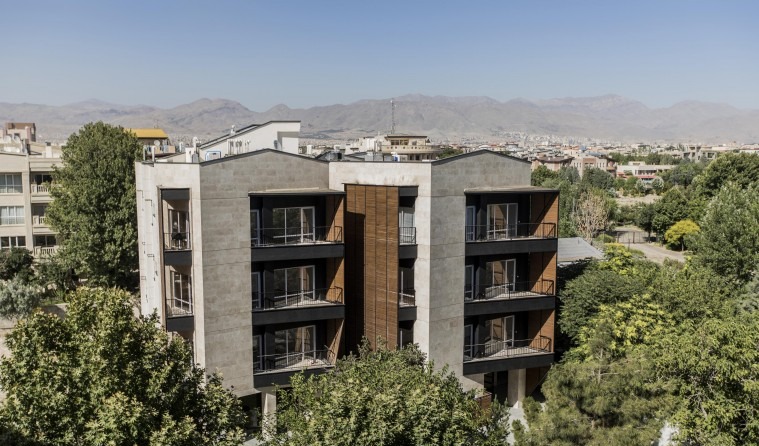
Rambod EilkhaniRambod Eilkhani is an Iranian architect who holds a Master of Architecture from Shahid Beheshti University. From 2002 to 2012, he was a partner at Arsh Design Studio in Tehran, and in 2012 co-founded Shift Process Practice with Nashid Nabian. Eilkhani is recognized as a pioneer of his generation in Iranian architecture, having won multiple Memar Awards — his studio has received seven in total. His notable projects include the Dowlat Residential Complex and the Shahinshahr Bus Terminal in Isfahan.






![[Gol] Khaneh Villa](https://images.memar.io/projects/gol-khaneh-villa-alborz/001.jpg)