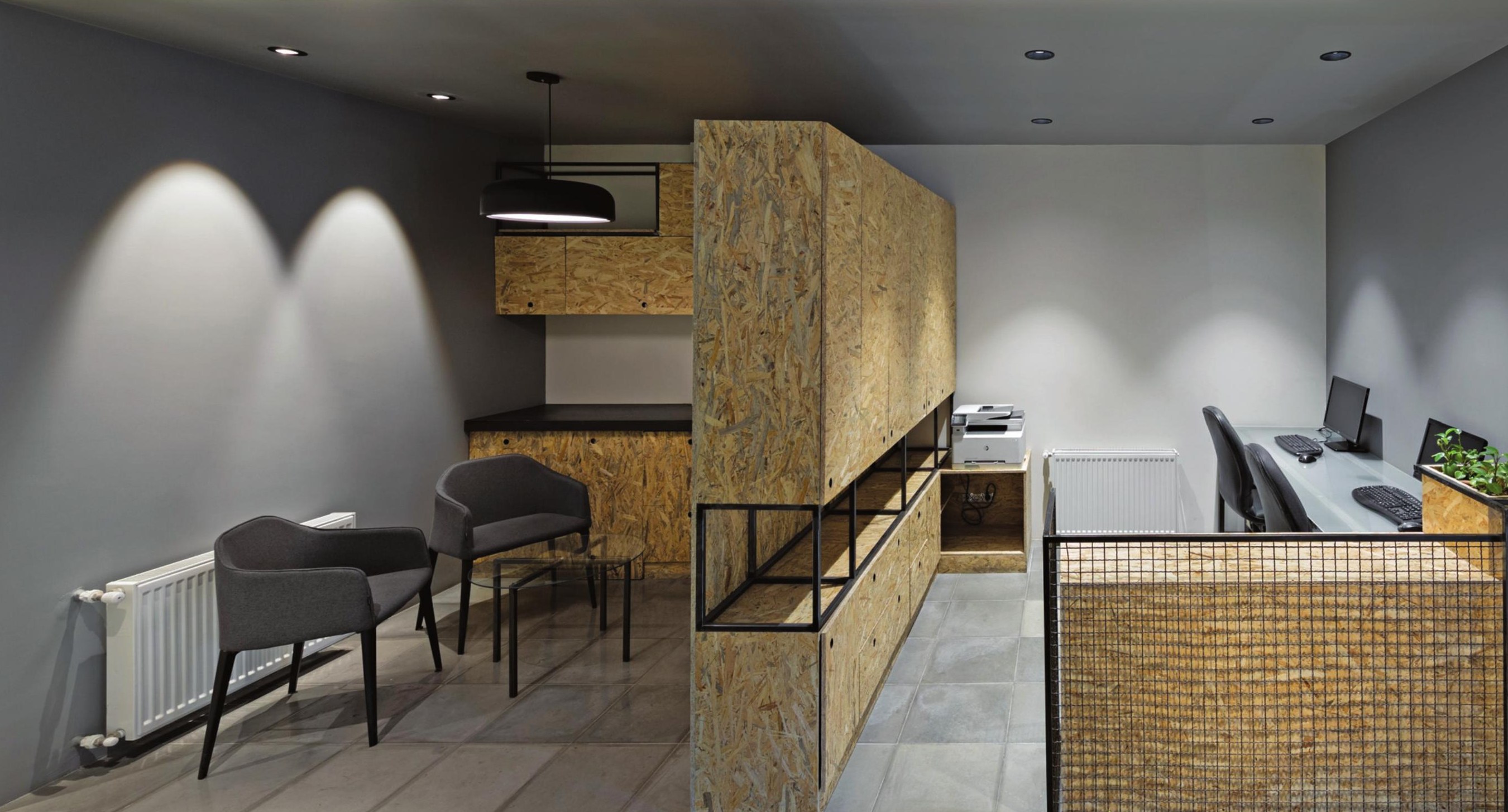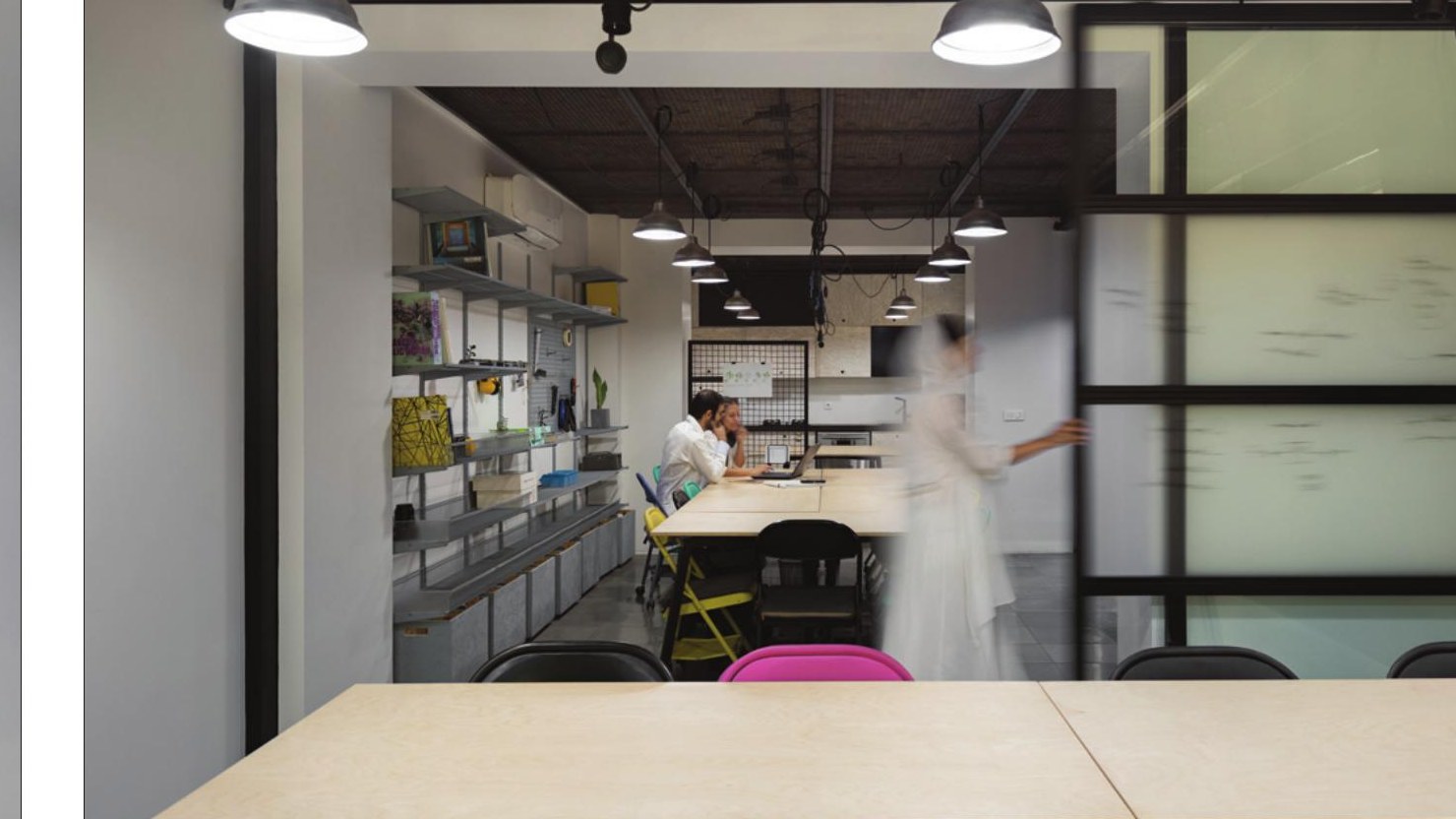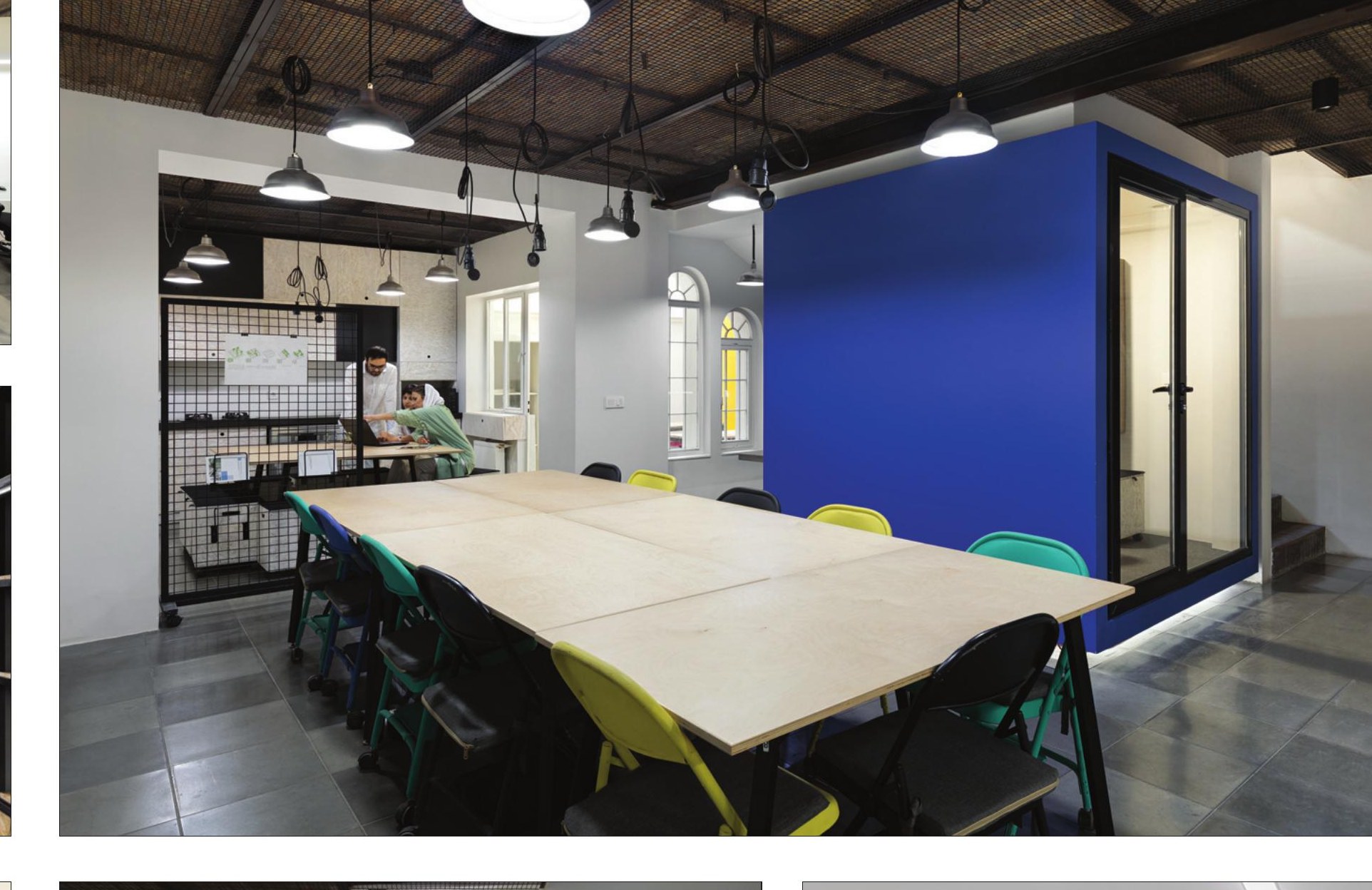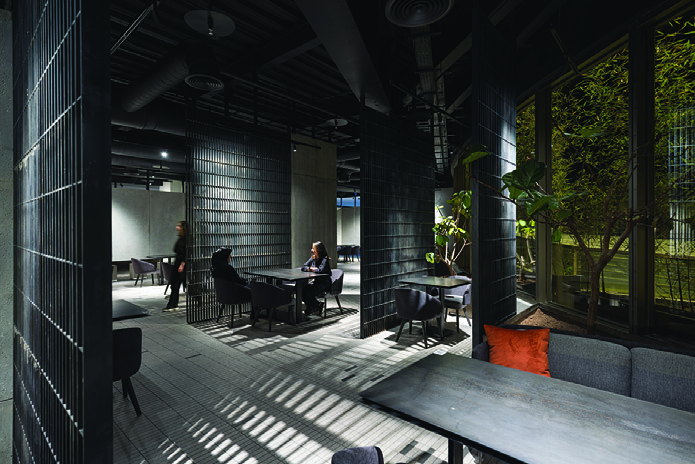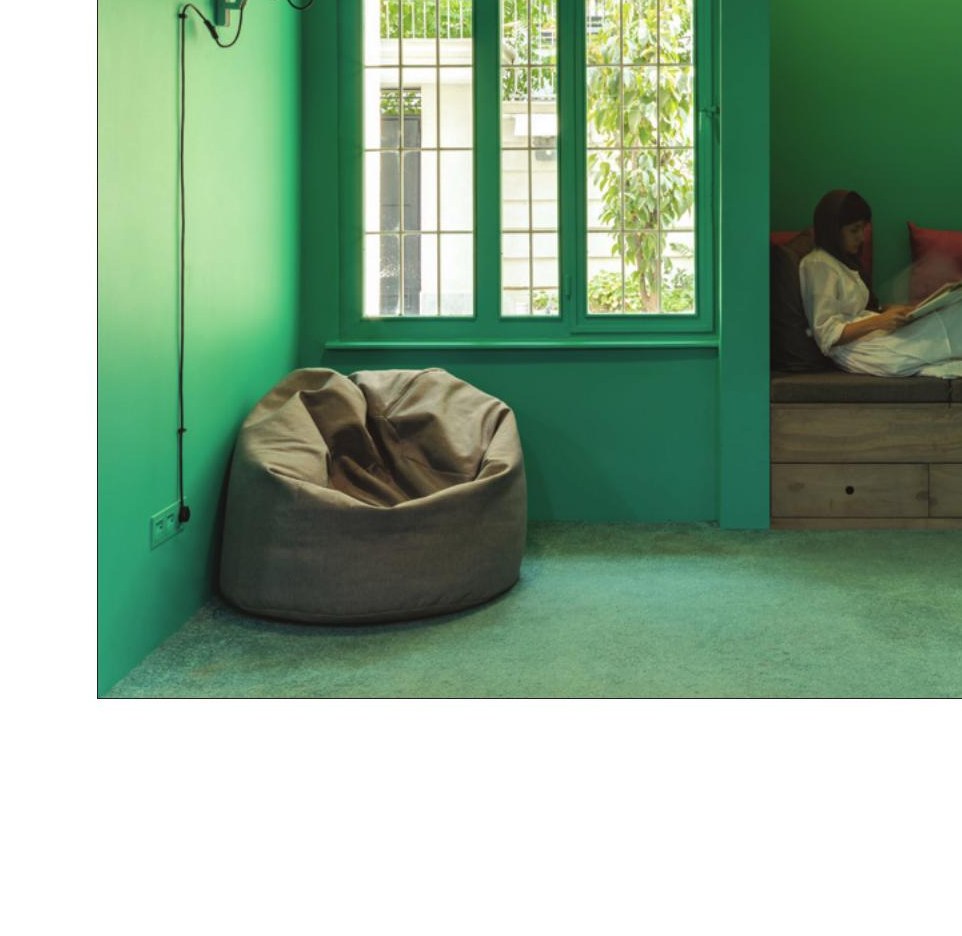
Three architects, the owners of an architecture and urban-design firm with about twenty years of practice, decided to fit out a new building as their head office. A roughly fifty-year-old, three-storey building was selected and introduced to the designers. From the start the designers faced a variety of challenges. It quickly became clear that the chief challenge was the project's three particular clients — as seasoned architects whose demands were often mutually contradictory. The functional and physical features the «architect/clients» wanted were such that the designers in effect had to bring three projects together into one through a fitting compromise. The spaces had to be flexible for a variety of uses; the design had to honour the authentic nature of the materials; and finally all of these wishes had to retain a reasonable economic dimension.
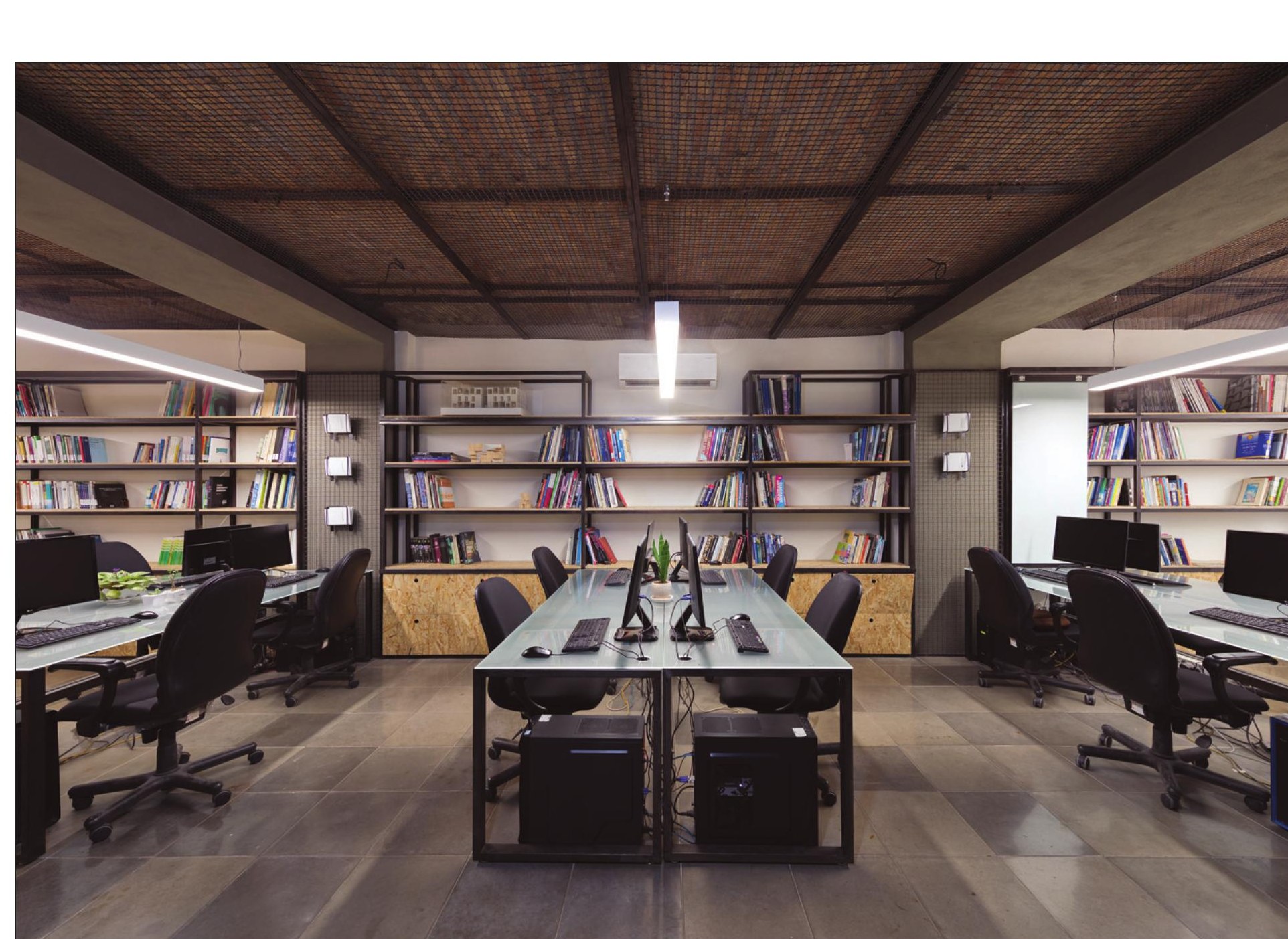
The brief was drawn up carefully. Part of the ground floor with access to the back courtyard was chosen for the kitchen and dining area. The remainder of the ground floor was given to a smaller organisation lodged within the main one — but with a somewhat different shape and identity that called for a different design, with flexible spaces whose main word was transformability. Recycling and a rational economy of the design were among the other distinguishing notes of the ground floor. The first floor became the atelier — a space whose task was to accommodate both group and solitary work. In designing the atelier, two opposite concepts sat side by side: the atmosphere of teamwork and two- or several-person interactions on one hand, and the provision of individual quiet — the prerequisite of a space for creative work — on the other.
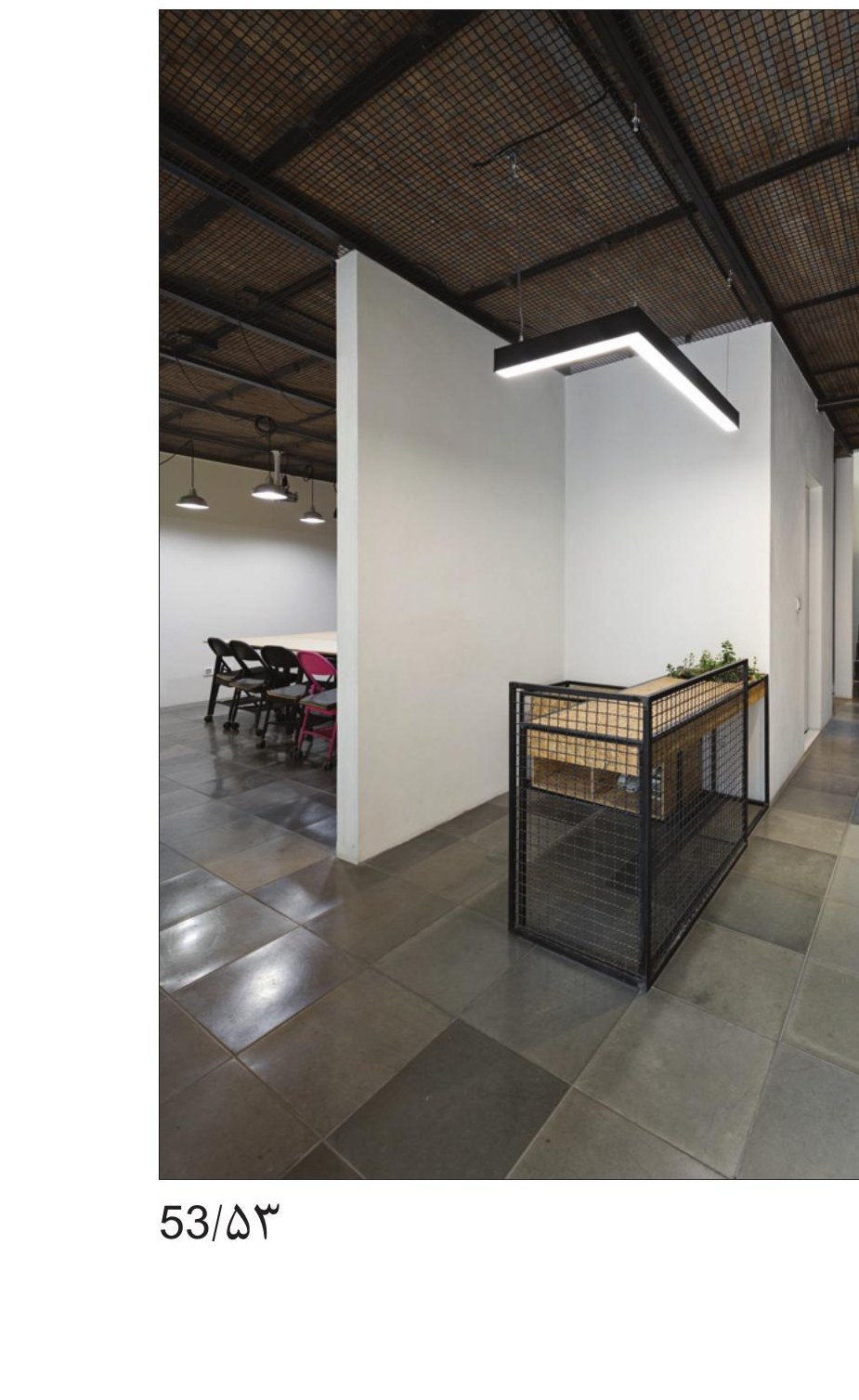
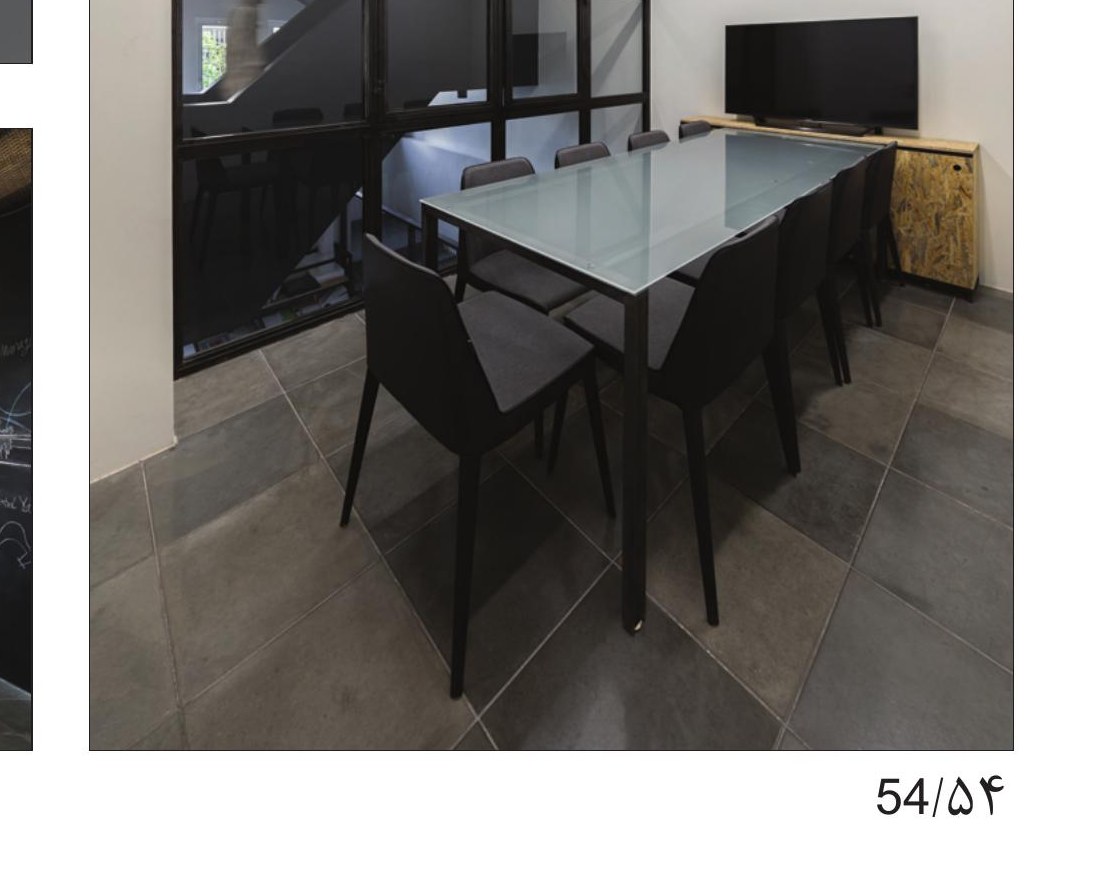
The administrative-management area, a meeting room (one of whose walls — perhaps as a sign of the transparency of decisions — has been removed), the finance department and the directors' rooms make up the second floor. Parts of the original building were reinforced, and the idea took shape that pieces of the old building's brick body, authentic and untouched, would be exposed and, in an unexpected pairing, set next to up-to-date materials. So the bricks in parts of the walls — and often the curved brick vaults of the ceilings — were taken out from behind their old finish, and were braced more firmly with framed metal grilles.
In the design, the conflicting ideas and demands of the architect/clients arrived at a sort of compromise, so the design of their office may be a physical performance of their long collaboration.