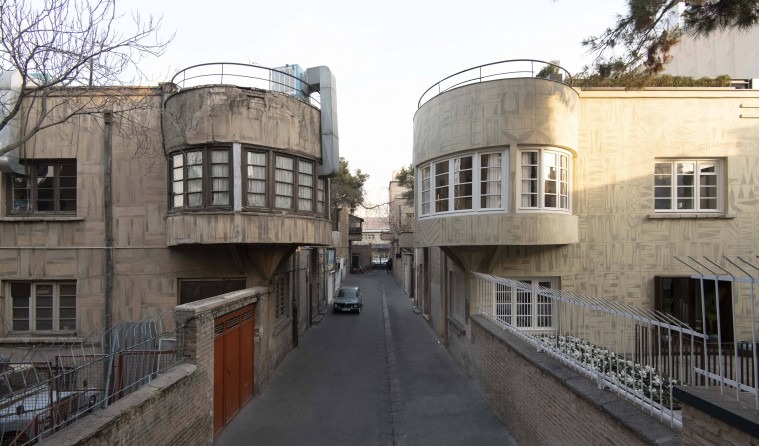
Lolagar is no ordinary alley.
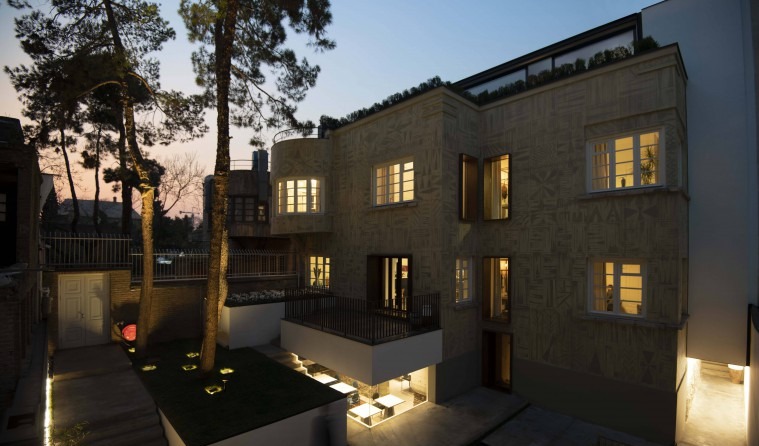
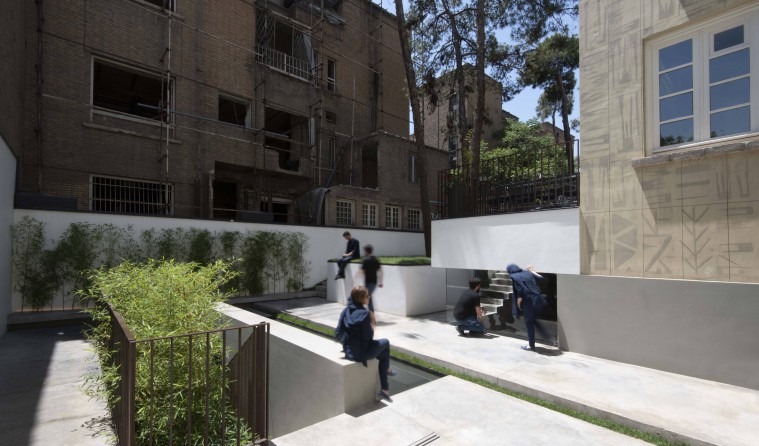
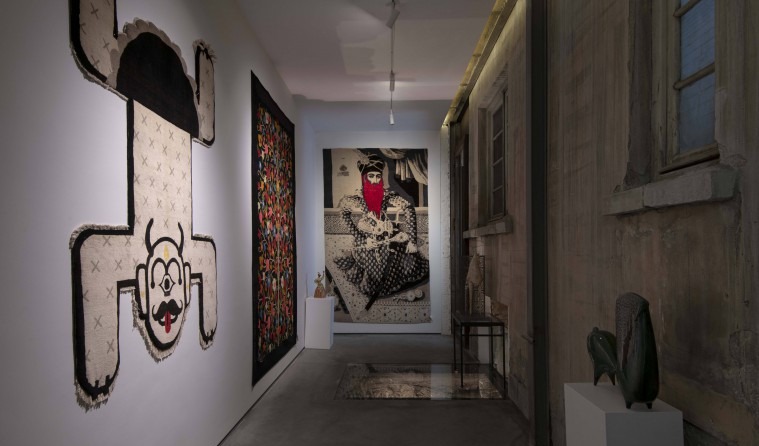
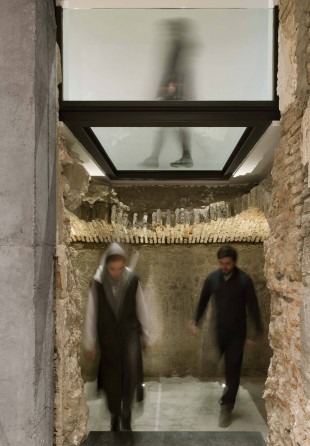
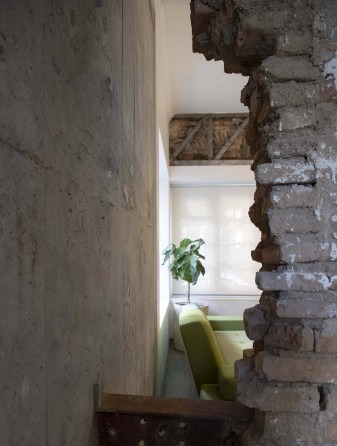
The Lolagar complex marks Tehran's first outward-facing building period — though only partly so. A privately owned alley, with gates at both ends and a single filter layer between it and the main street. This alley and its six houses are, without doubt, the first apartment typology of modern Tehran. Each unit has its own separate door. The basement unit reaches the courtyard through its own door; the ground-floor unit and the first staircase each have separate doors onto the alley. The circulation of discovering the building used to run through the rear courtyard and the parking: after parking, one entered the courtyard from the east and discovered the project. We continued this experience of discovering the space and the alley. Lolagar draws guests in and lets them out again. Once more, a glass door in what is now the gallery offers an inviting gesture and opens to everyone. It draws guests inside, and meanwhile new cross-sections have come into being that help further with the discovery of space. The collapsed roof of the old cistern and the removal of one opening into the former parking reveal a beautiful section of the project that pulls the visitor into its heart.
Architecture and entrepreneurship. When such interventions take shape in the urban fabric, a kind of cultural awareness grows among its inhabitants — they become conscious of the value of what they have and of the space they live in. We must remember that we are newcomers to this urban fabric and that they are its long-standing owners. Rising property values must not push them out of the fabric. Engaging the fabric's residents in new occupations and sharing benefits with them — or drawing on their crafts and products — helps them remain.
Tehran and the earthquake. The hotel programme demanded serious reinforcement against seismic forces and vertical loads. The entire load-bearing structure was modelled. Four shear walls were designed, and at the basement level two 9-metre-deep wells were drilled beneath each wall, into which a woven mesh of ring-shaped rebar was placed. Part of that mesh, on reaching the floor level, engaged between the beams and the welded angle sections above. With a continuous concrete pour, a unified concrete network effectively enveloped the whole building.
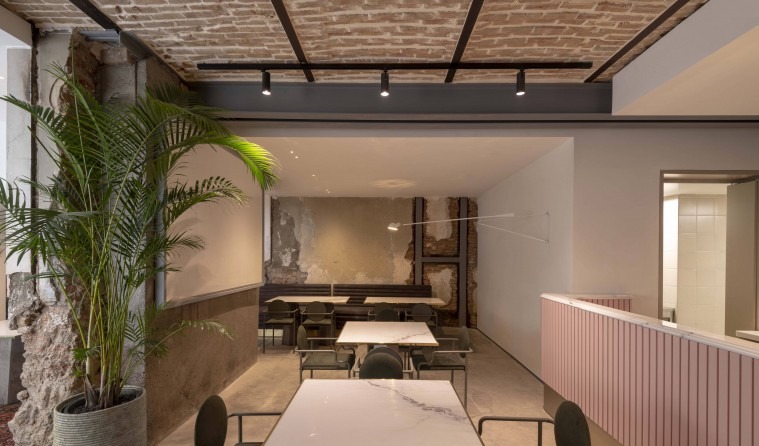
Beyond the old building, the Hanna restaurant is composed of three simple white cubes that sit modestly beneath the ground floor. One of these cubes defines the green forecourt and the entrance; the other two, attached to the old building, define the restaurant's dining space.