24th Memar Award Jury Report
Memar Award Report — Memar 148, dedicated to the 24th Memar Award
Winners and finalist projects of the 24th Memar Award are presented in this issue.
As in previous editions, the competition of the 24th Memar Award was conducted in two stages. The first, knockout, stage was held on 5, 6 and 7 Shahrivar (Tir-Shahrivar 1403 SH). From among 303 projects whose dossiers had been submitted by participants in the four groups — Single-Unit Residential, Apartment and Multi-Unit Residential, Public Buildings, and Renovation — 108 projects advanced to the semi-final stage.
The second-stage judging took place on 7, 8 and 9 Mehr 1403 (29, 30 September and 1 October 2024). In this stage 37 projects reached the final, of which 10 were chosen as winners and 4 were selected as deserving of honourable recognition.
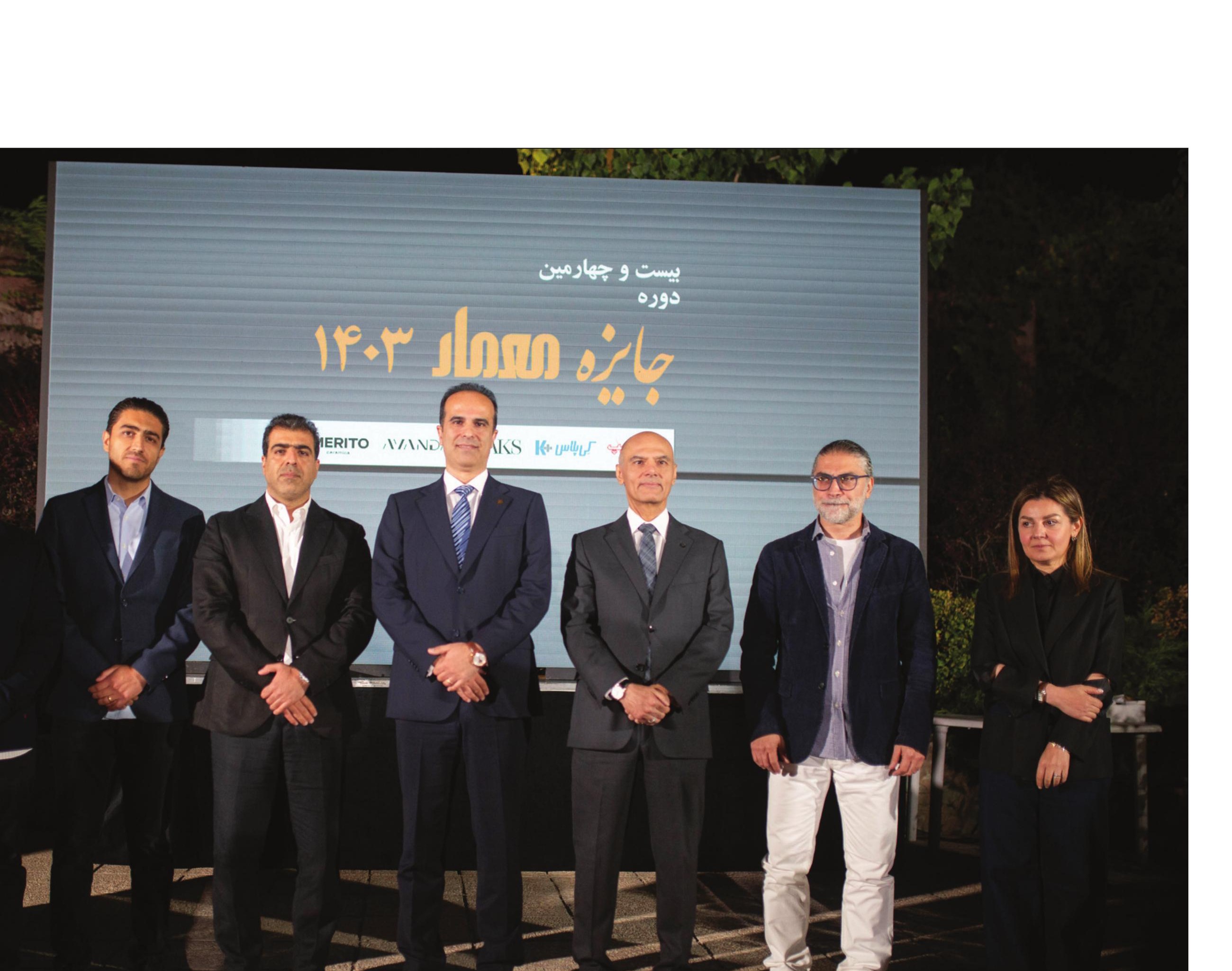
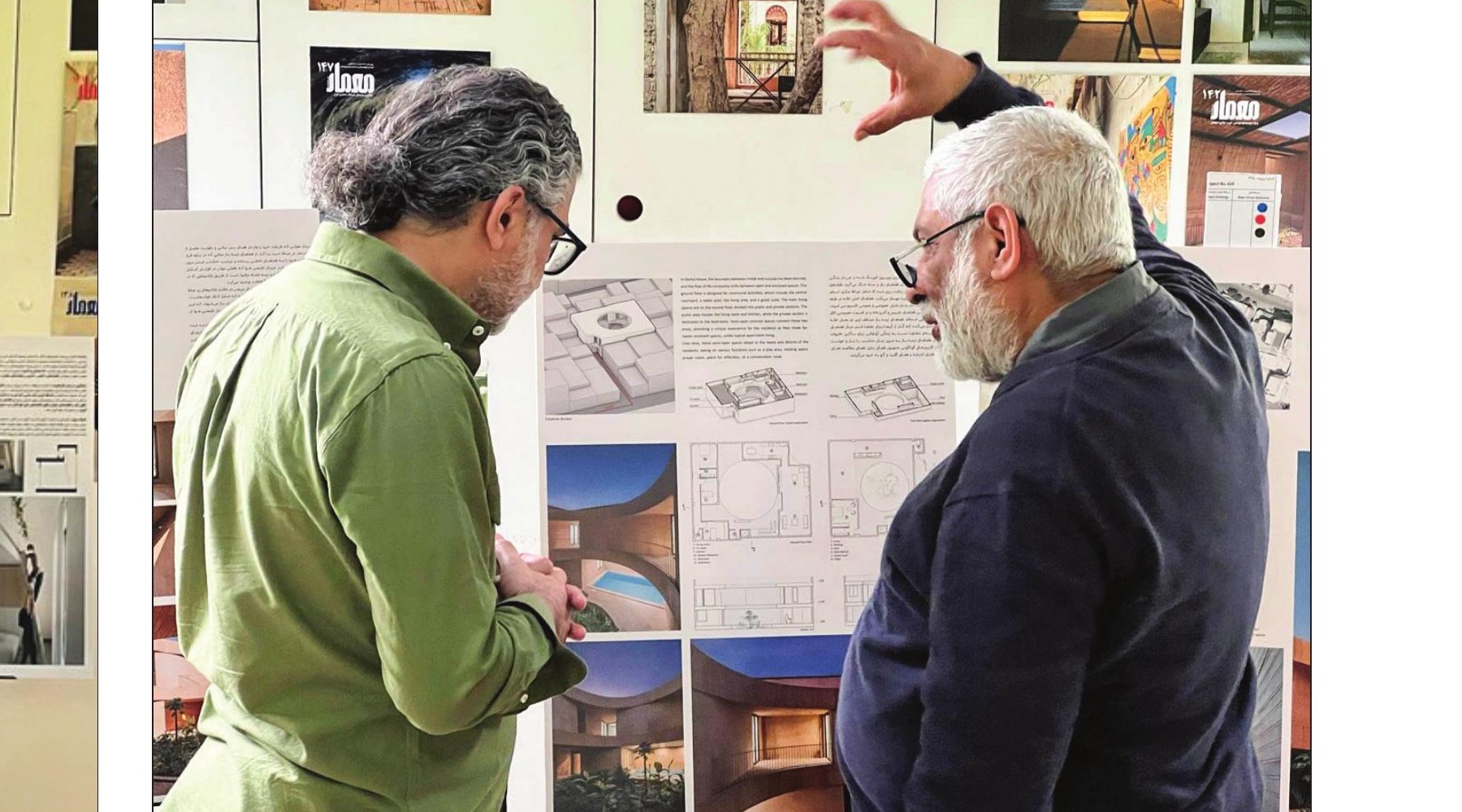
The final jurors of the Memar Award were Ms Mahsa Majidi and Messrs Behrouz Pakdaman, Mohammad Mohammadzadeh, Sanjay Kanvinde of India, and Yusuf Patel of South Africa. Mr Patel served as a replacement for the previously announced juror, Peter Lieb, who withdrew the night before his flight to Tehran on account of current news and events.
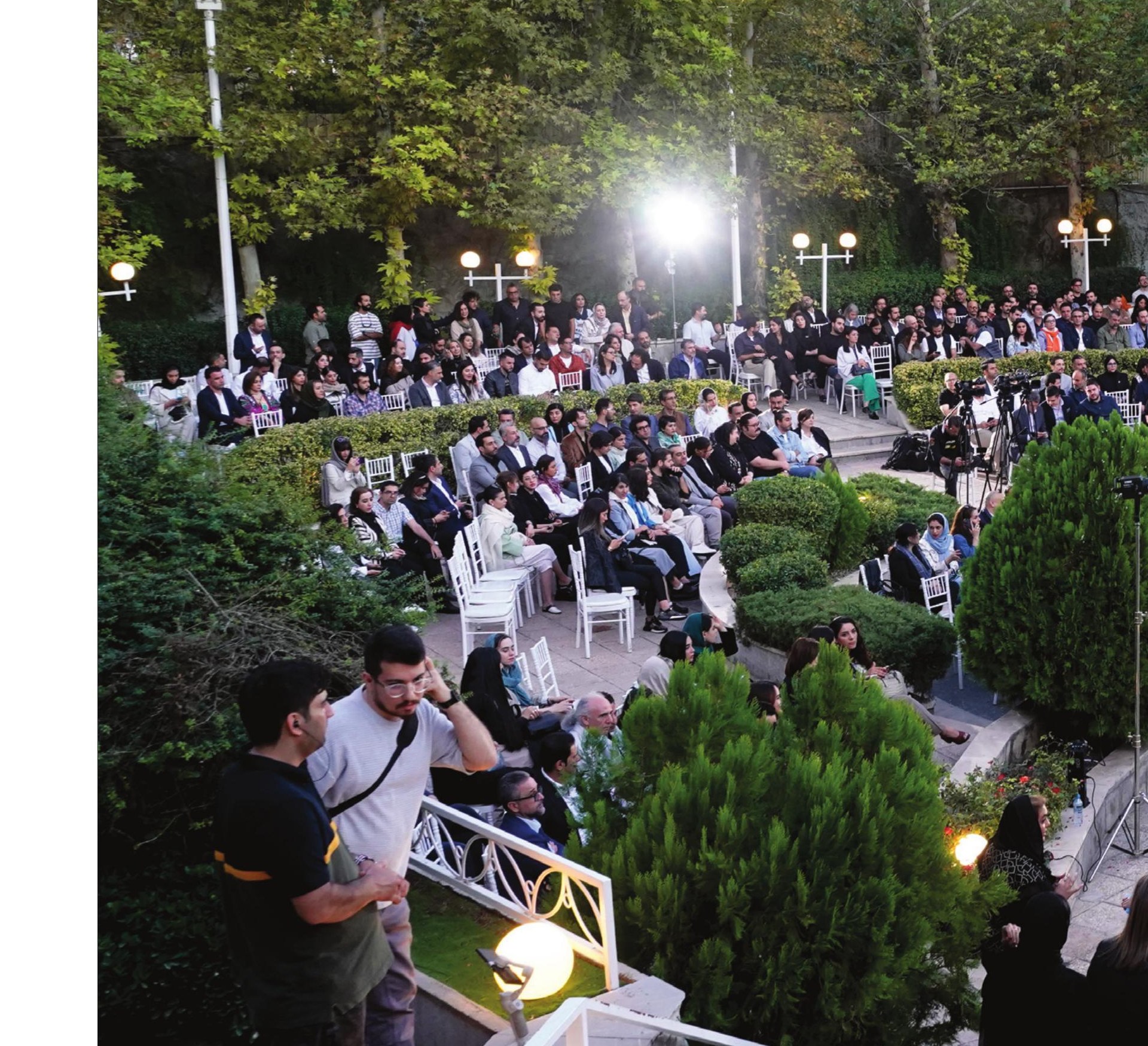
As in recent years, short films about architects, urban spaces and related subjects have been screened at the ceremony on suitable occasions. Among these are the films Abdolaziz Farmanfarmaian, Kamran Diba, Suspension, From Hosseiniyeh Ershad to Bagh-e Sefarat-e Englis, Baluchistan, Gileva, and Conversation with Mehdi Alizadeh. This year the film The Lighted Room — devoted to the veteran architect Mr Cyrus Bavar — was shown.
The Memar Award's judging criteria and the programme and method of judging are described below.
Judging Criteria
- Creativity and innovation in design, and innovation in the use of building materials and technology
- Creative engagement with the project's particular constraints, including economic limitations, special site conditions (dimensions and proportions), legal regulations and procedures (especially in cities), technical difficulties, and so on
- Precision and innovation in the design of details
- Attention to the surrounding environment and climatic conditions, environmental values, and social commitments
It is self-evident that the final judgment of any project is not arrived at by assigning a score in each of the categories above and then averaging the scores; rather, judgment is exercised regarding the project as a whole.
Programme and Method of Judging Memar Award Projects
The projects are divided into the four groups — Apartment Residential, Single-Unit Residential, Public, and Renovation — and the following stages are followed for the projects in each of these four groups:
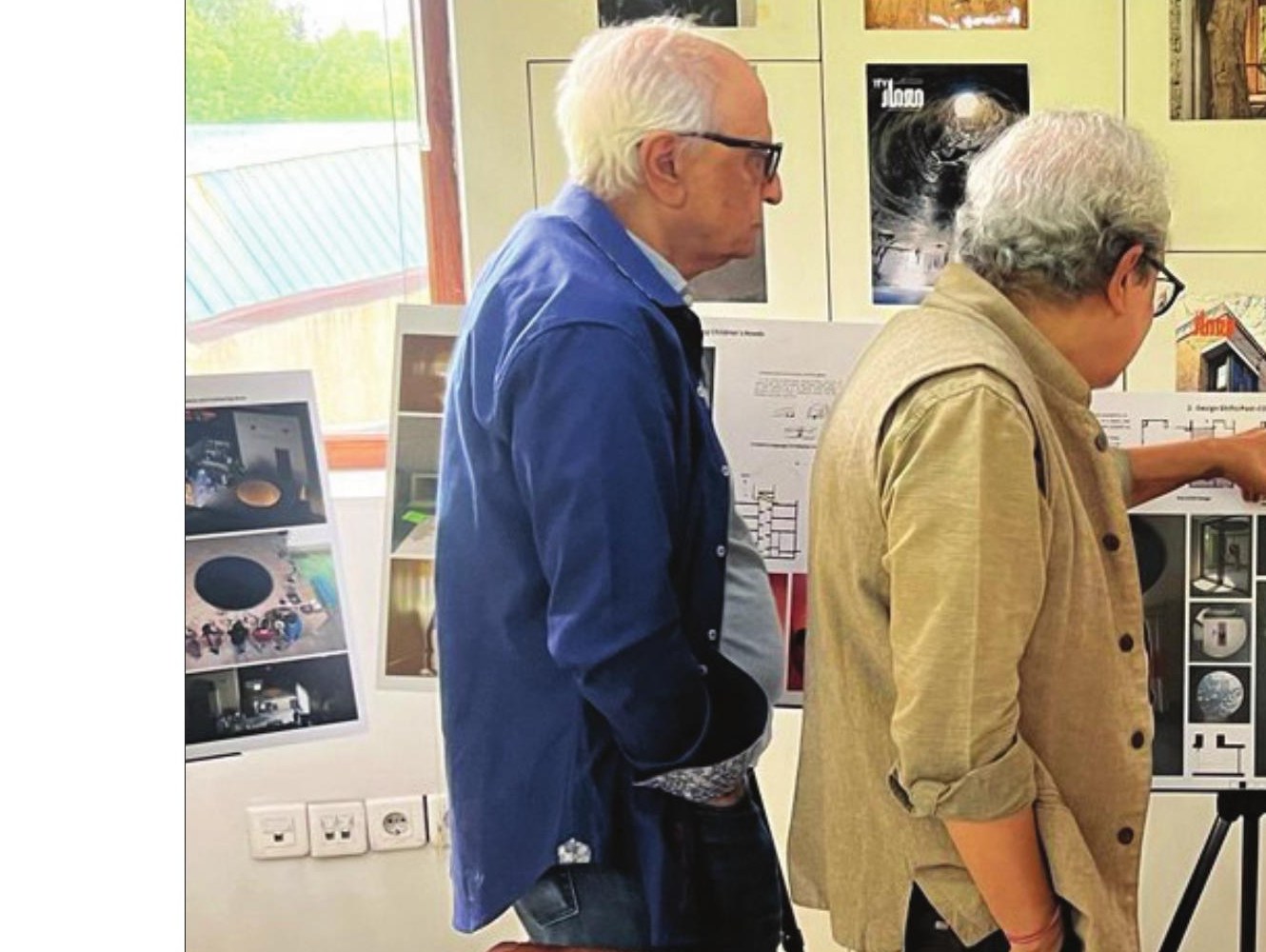
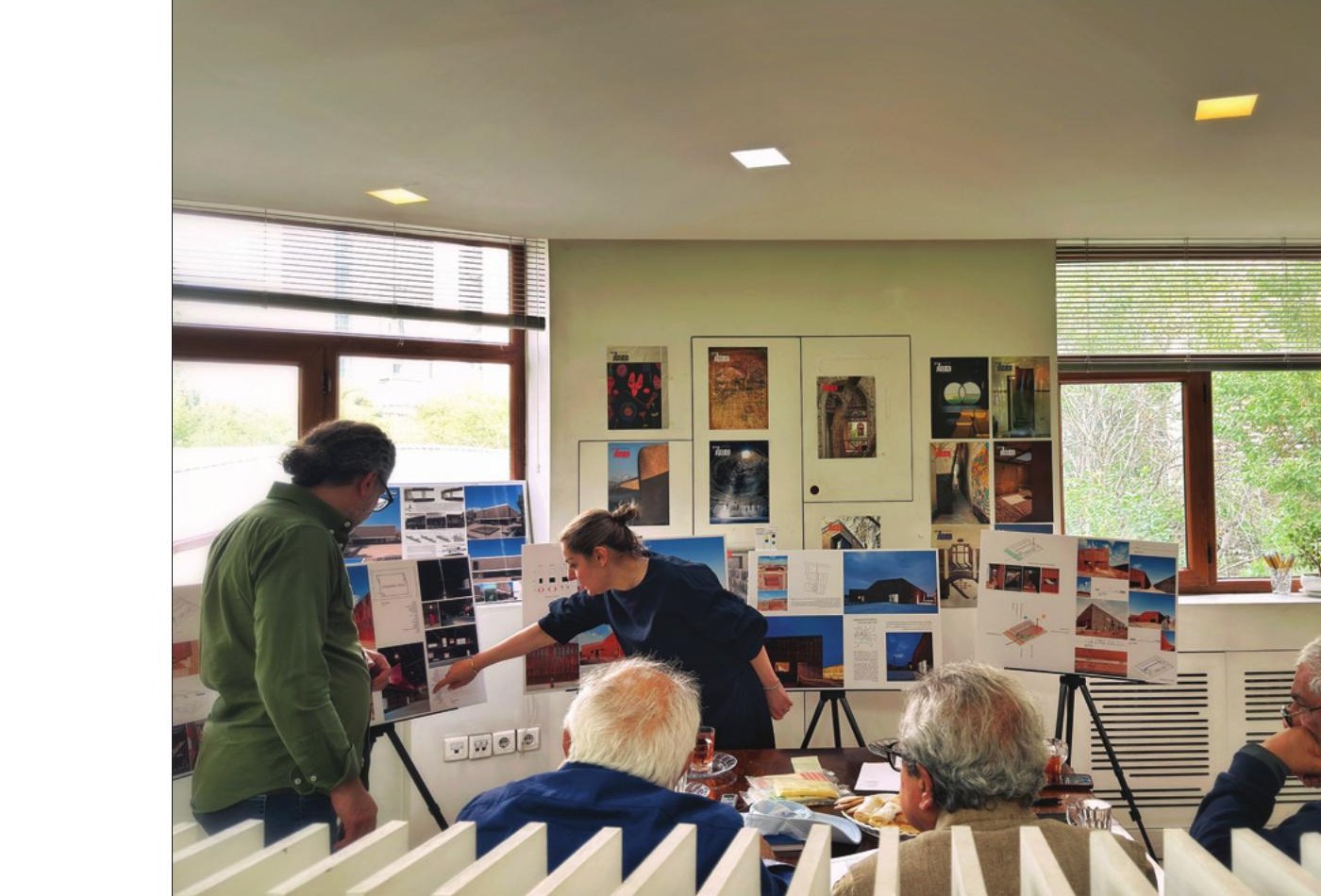
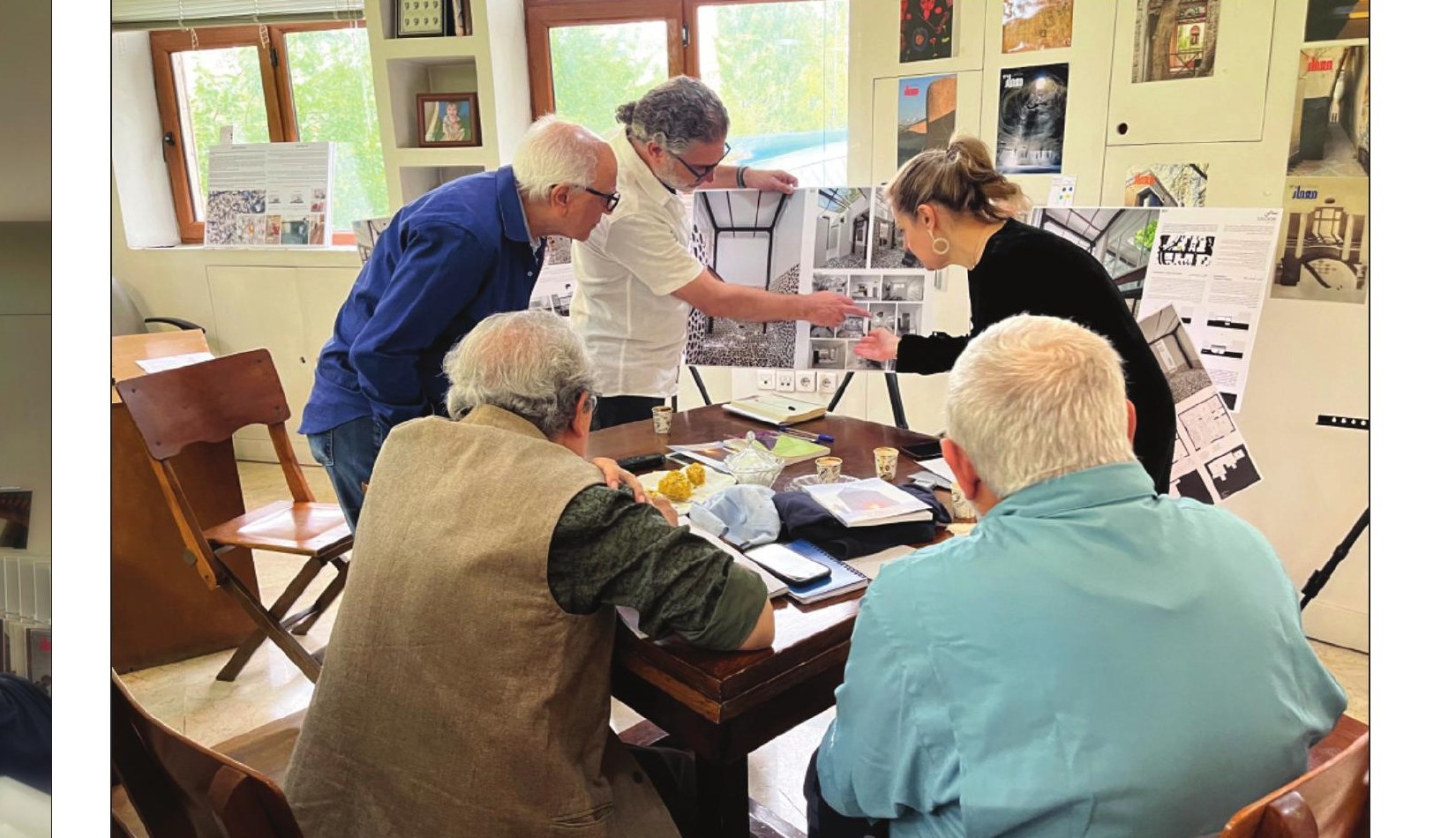
- All projects of the same group are presented together for the jurors' review. After all have been seen, the projects that all jurors reject are set aside; even if a single juror argues for a project to remain, it will not be removed. Each juror is given a page of coloured labels in their own colour, and at this stage each label represents that juror's negative vote against a project. The remaining projects advance to the semi-final stage.
- From among the semi-final projects, each juror selects their preferred projects without ranking, marking them with their own label, which now represents an affirmative vote. Projects that no juror has selected as preferred are eliminated. The selected projects are considered the finalists.
- Each juror separately selects their first-, second- and third-place choices from among the finalists. 3 points are assigned to first place, 2 points to second, and 1 point to third. The sum of points across all jurors determines the first-, second- and third-place results.
- The jurors may declare some of the finalists worthy of special recognition and may write a short statement giving their reasons. If the other jurors agree, the designation becomes official. The relevant tables follow.
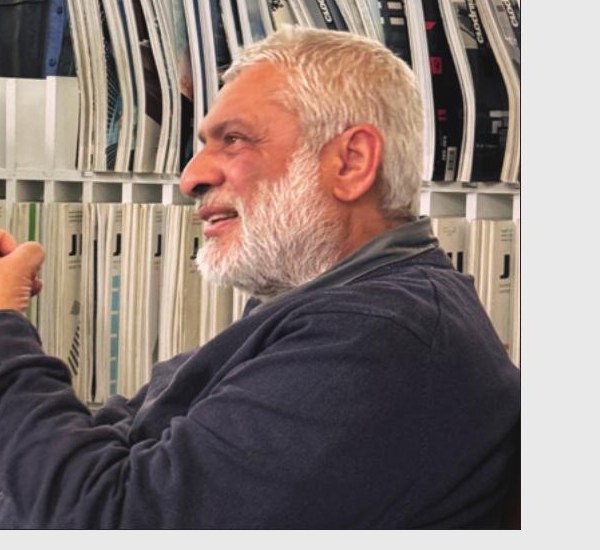
Yusuf Patel
Born in Durban, South Africa, and a founding member of the architecture and urban-design office AC (Architects Collaborative), founded in 1986. The office has worked primarily on educational and health-related spaces, and on a number of restoration and adaptive-reuse projects converting existing city buildings for use in higher education. Patel is also the founder of the Diagniti publishing house. At the School of Architecture of the University of Kwa-Zulu Natal he examines students' theses.
Winners — Single-Unit Residential
| Juror | 1st (3 pts) | 2nd (2 pts) | 3rd (1 pt) |
|---|---|---|---|
| Yusuf Patel | Kand-Kaav Villa, Shandiz | Kanduj, Larijan Mazandaran | Dezful House, Dezful |
| Behrouz Pakdaman | Kanduj, Larijan Mazandaran | Saed House, Amol | Villa az Birun, Karaj |
| Sanjay Kanvinde | Kand-Kaav Villa, Shandiz | Dezful House, Dezful | Kanduj, Larijan Mazandaran |
| Mahsa Majidi | Dezful House, Dezful | Kand-Kaav Villa, Shandiz | Kanduj, Larijan Mazandaran |
| Mohammad Mohammadzadeh | Dezful House, Dezful | Kand-Kaav Villa, Shandiz | Tahivar, Kuhsar, Karaj |
Final results: 1. Kand-Kaav Villa, Shandiz (10 pts); 2. Dezful House, Dezful (9 pts); 3. Kanduj, Larijan Mazandaran (7 pts); 4. Saed House, Amol (2 pts); 5. Villa az Birun, Karaj (1 pt); 5. Tahivar, Kuhsar, Karaj (1 pt).
Honoured — Saed House, Amol: “A simple, legible example of an urban (in-fill) house for the cities of Iran. The interior spaces create a dynamic spatial relationship in section.”
Winners — Apartment Residential
| Juror | 1st (3 pts) | 2nd (2 pts) | 3rd (1 pt) |
|---|---|---|---|
| Yusuf Patel | — | — | Villa / Apartment Fari Haft, Mehrshahr, Karaj |
| Behrouz Pakdaman | — | — | Villa / Apartment Fari Haft, Mehrshahr, Karaj |
| Sanjay Kanvinde | — | — | Villa / Apartment Fari Haft, Mehrshahr, Karaj |
| Mahsa Majidi | — | — | Villa / Apartment Fari Haft, Mehrshahr, Karaj |
| Mohammad Mohammadzadeh | — | — | Villa / Apartment Fari Haft, Mehrshahr, Karaj |
Final results: 3. Villa / Apartment Fari Haft, Mehrshahr, Karaj (5 pts).
Honoured — Nojan Residential Building, Shiraz: “An interesting response to an in-fill plot in the face of the serious constraints of such sites, with the use of recycled materials.”
Note: This group was a special case. As the small number of projects reaching the final stage (5 projects) made plain, the jurors collectively did not have a positive view of the quality of the projects in the Apartment Residential group. At the end of the discussion of this group's works — as reflected in the table above — they identified only a third place and one honoured project. The representative of Memar Magazine, as organiser, in view of the jurors' collective opinion, the short statement on which all jurors agreed, and the prospect that this exceptional outcome might prompt a broader debate about the state of apartment architecture in Iran, accepted this departure from the jurors' standard practice. Brief collective statement of the jurors: “In the Apartment Residential group, in the opinion of all the jurors, the projects — by comparison with the projects in the other groups — did not meet the necessary criteria. The jurors therefore unanimously selected only a third place and one honoured project.”
Winners — Renovation
| Juror | 1st (3 pts) | 2nd (2 pts) | 3rd (1 pt) |
|---|---|---|---|
| Yusuf Patel | Salon, Isfahan | Sarv House, Yazd | Apartment Pakat Miyani, Tehran |
| Behrouz Pakdaman | Sarv House, Yazd | Boutique Cake Pioni, Isfahan | Salon, Isfahan |
| Sanjay Kanvinde | Salon, Isfahan | Sarv House, Yazd | Apartment Pakat Miyani, Tehran |
| Mahsa Majidi | Salon, Isfahan | Apartment Pakat Miyani, Tehran | Sarv House, Yazd |
| Mohammad Mohammadzadeh | Salon, Isfahan | Sarv House, Yazd | Apartment Pakat Miyani, Tehran |
Final results: 1. Salon, Isfahan (13 pts); 2. Sarv House, Yazd (10 pts); 3. Apartment Pakat Miyani, Tehran (5 pts); 4. Boutique Cake Pioni, Isfahan (2 pts).
Honoured — Haft-Pich, Shiraz: “An inventive design and intelligent intervention in a very ordinary space, with simple interventions and inexpensive materials creating a substantial and welcome transformation of both closed and open spaces.”
Winners — Public
| Juror | 1st (3 pts) | 2nd (2 pts) | 3rd (1 pt) |
|---|---|---|---|
| Yusuf Patel | Ba Ham Baz Neshastan, Isfahan | Bigoun, Hormuz Island | Shamim Polymer Factory Process Section, Eshtehard |
| Behrouz Pakdaman | Ba Ham Baz Neshastan, Isfahan | Bigoun, Hormuz Island | Forough-e Mehr School, Buyin Zahra Road |
| Sanjay Kanvinde | Ba Ham Baz Neshastan, Isfahan | Shamim Polymer Factory Process Section, Eshtehard | Forough-e Mehr School, Buyin Zahra Road |
| Mahsa Majidi | Bigoun, Hormuz Island | Ba Ham Baz Neshastan, Isfahan | Shamim Polymer Factory Process Section, Eshtehard |
| Mohammad Mohammadzadeh | Ba Ham Baz Neshastan, Isfahan | Shamim Polymer Factory Process Section, Eshtehard | Forough-e Mehr School, Buyin Zahra Road |
Final results: 1. Ba Ham Baz Neshastan, Isfahan (14 pts); 2. Bigoun, Hormuz Island (7 pts); 3. Shamim Polymer Factory Process Section, Eshtehard (6 pts); 4. Forough-e Mehr School, Buyin Zahra Road (3 pts).
Honoured — Forough-e Mehr School, Buyin Zahra Road: “Simplicity and legibility of the architecture, and its harmony with the rural setting as a public educational facility.”