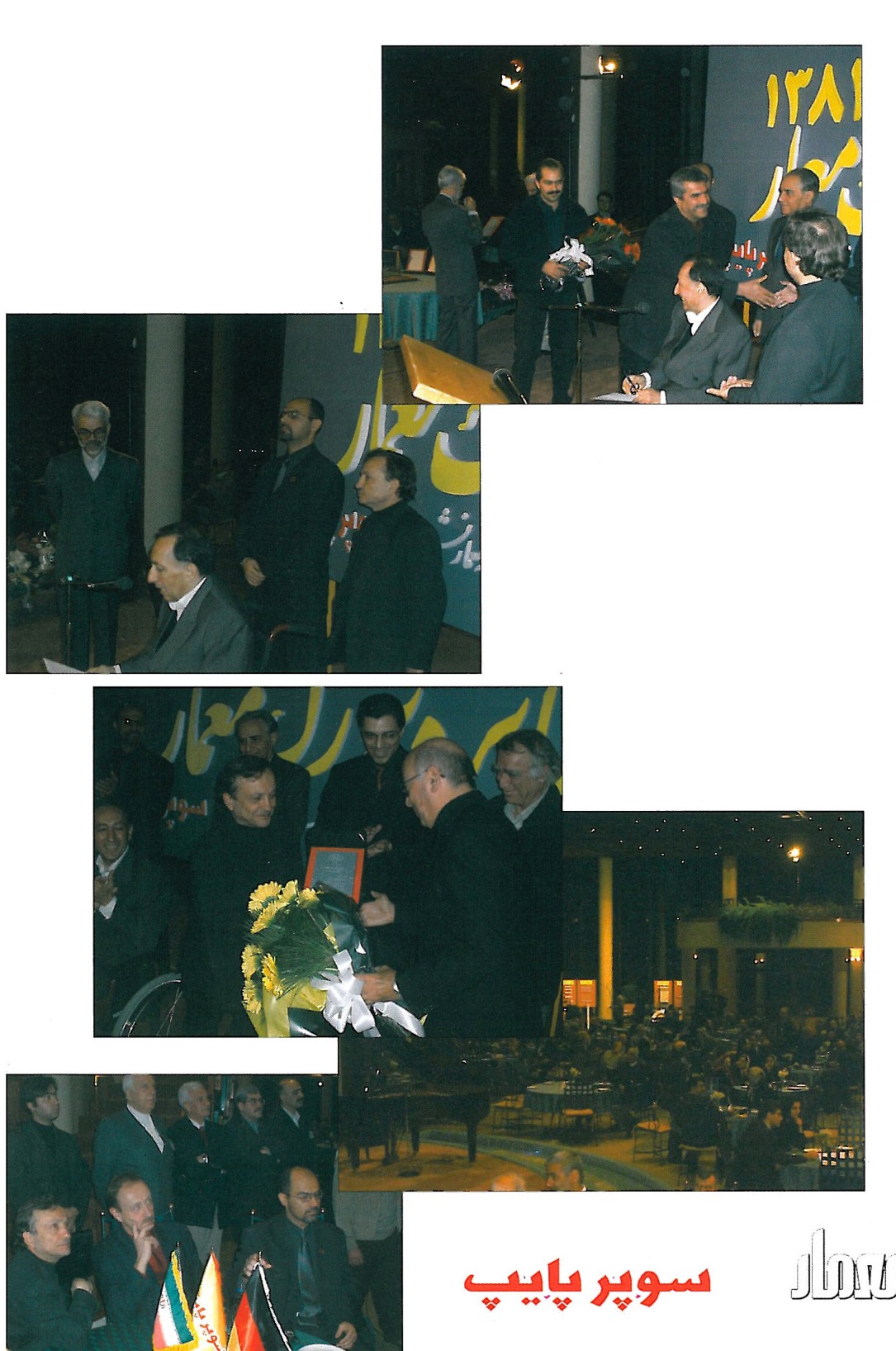
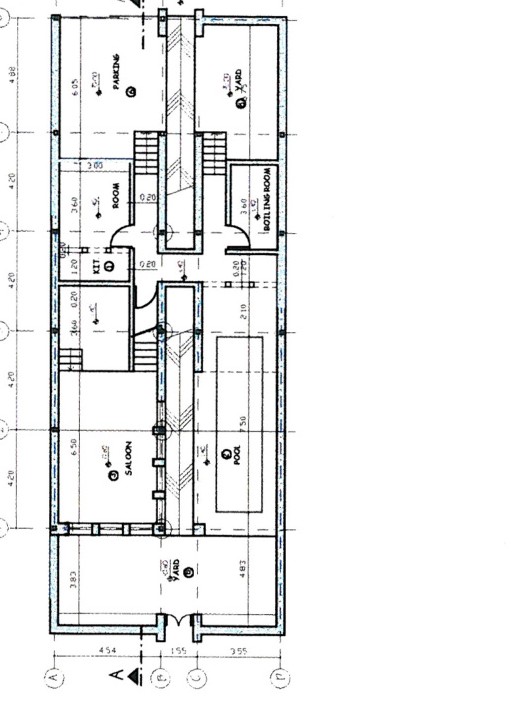
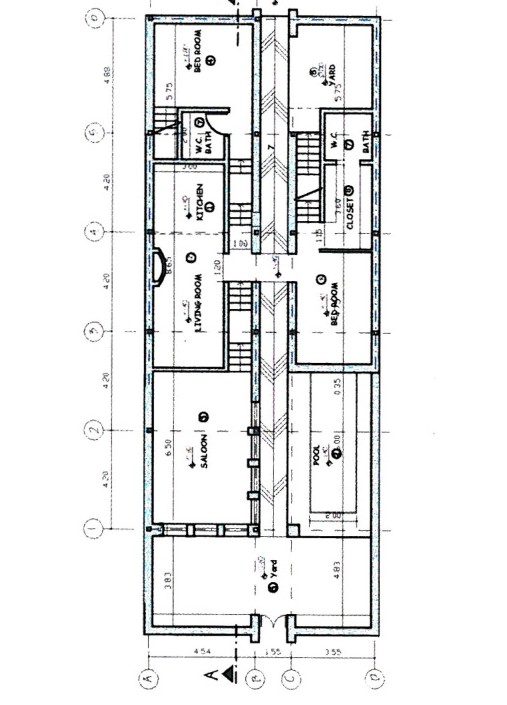
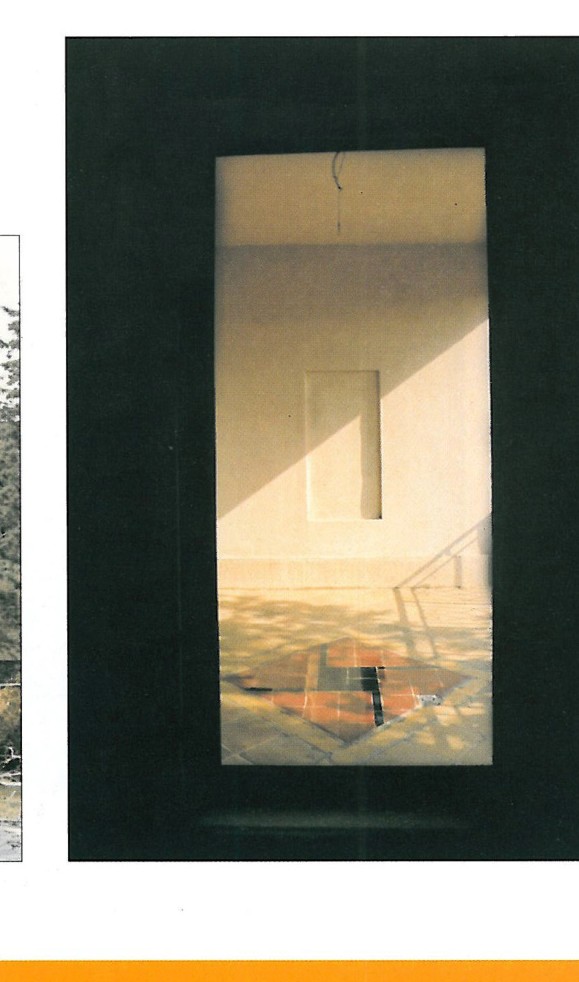
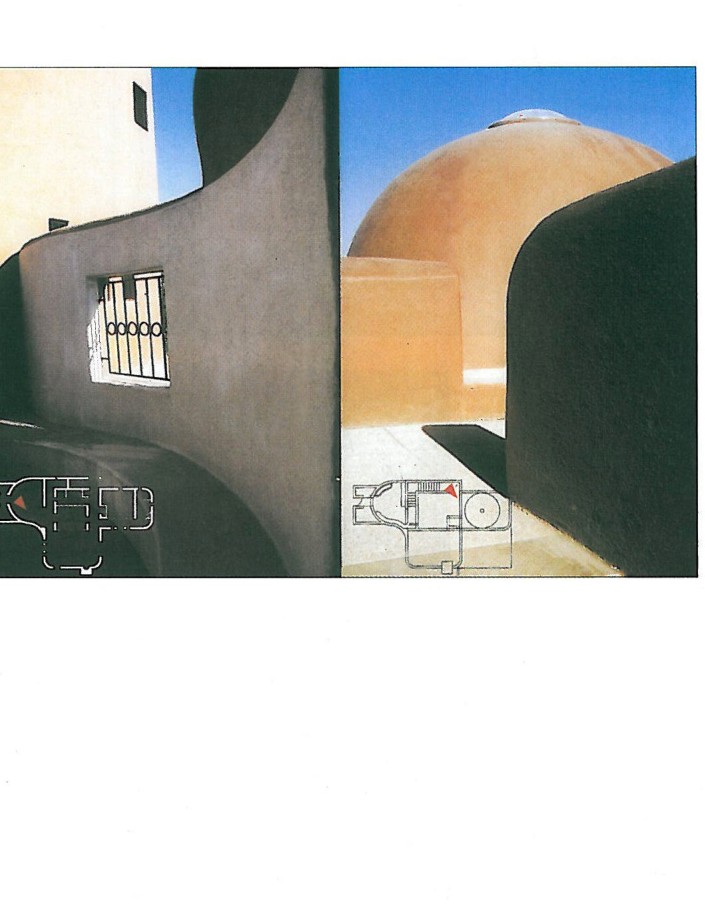
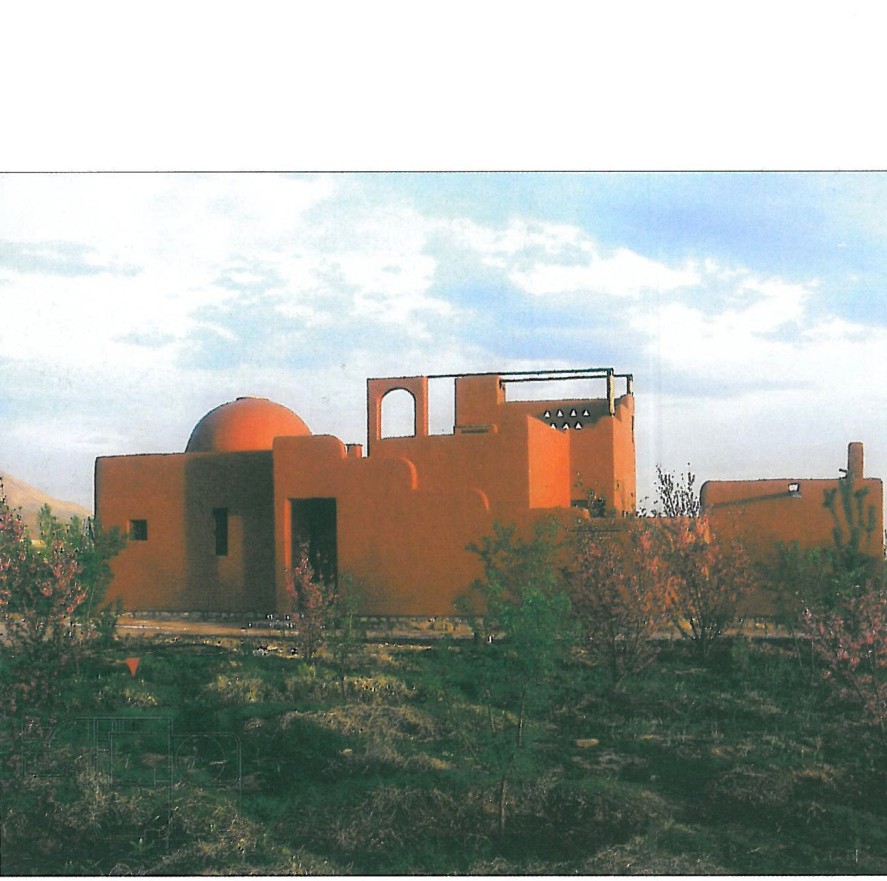
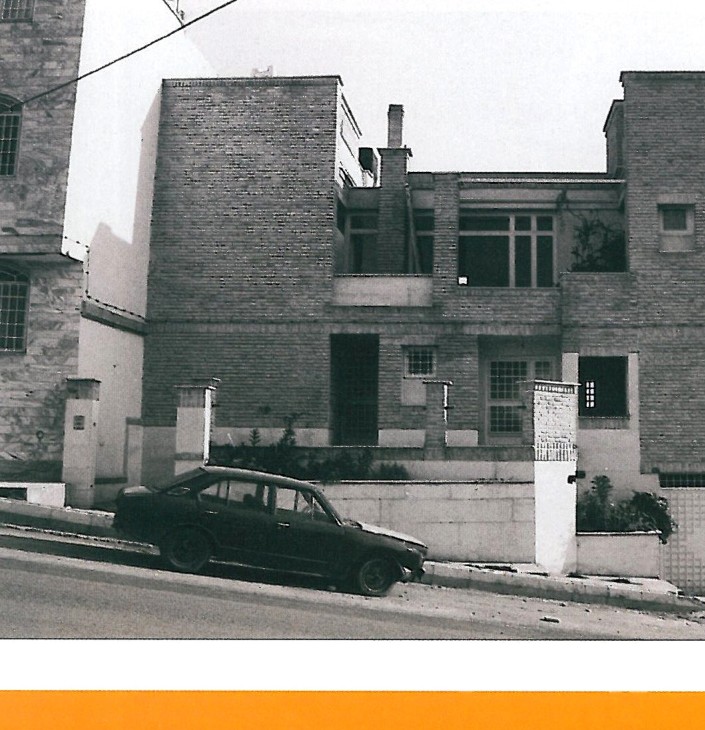
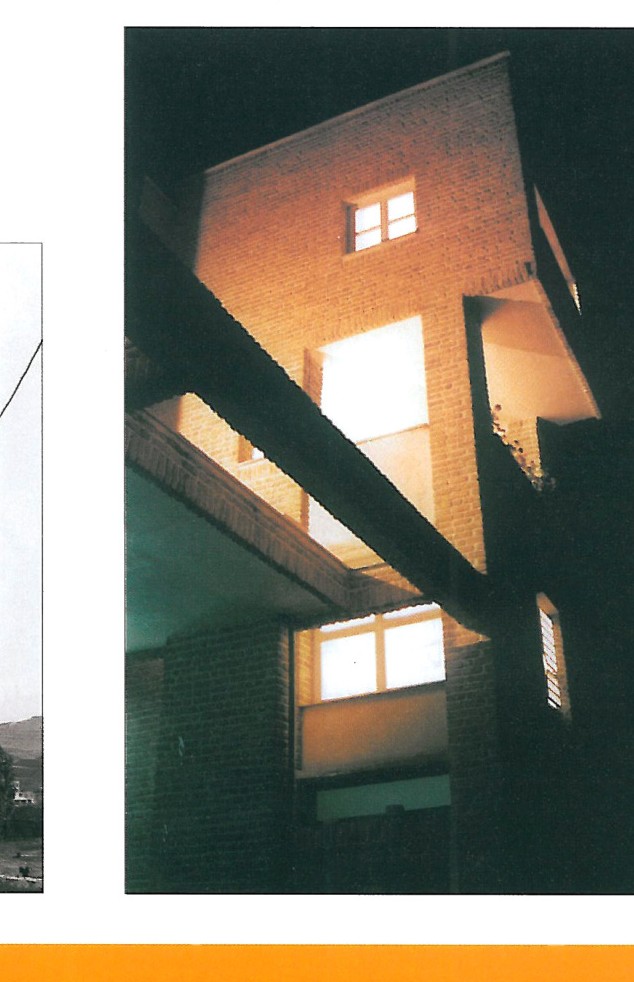
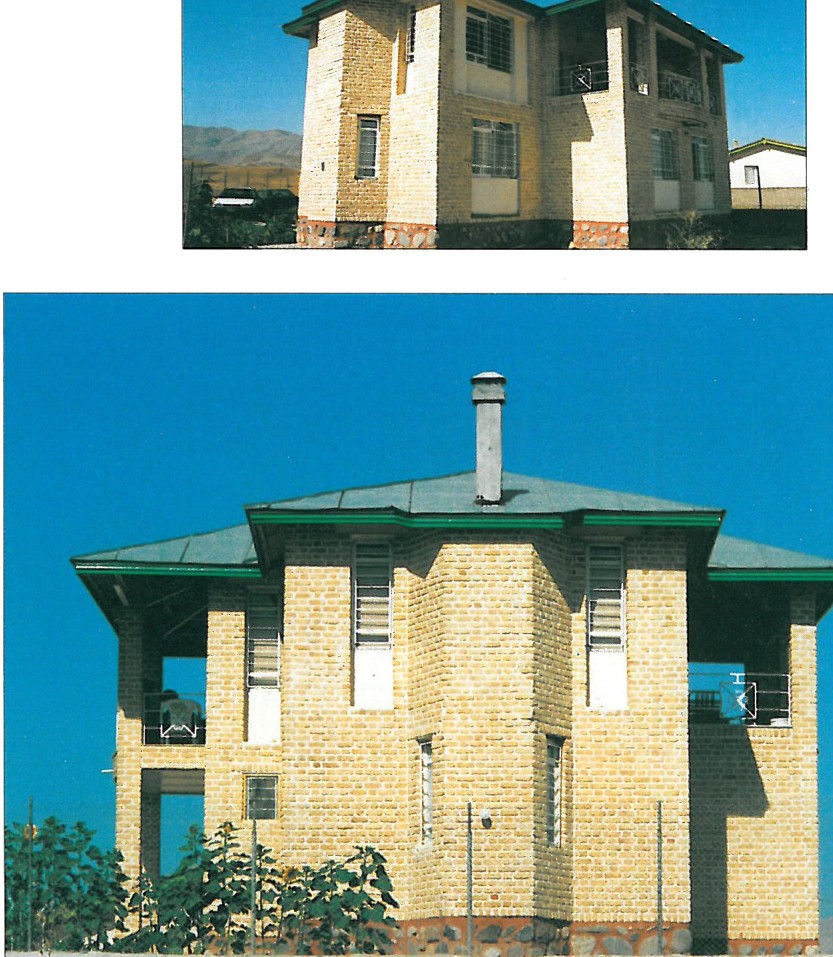
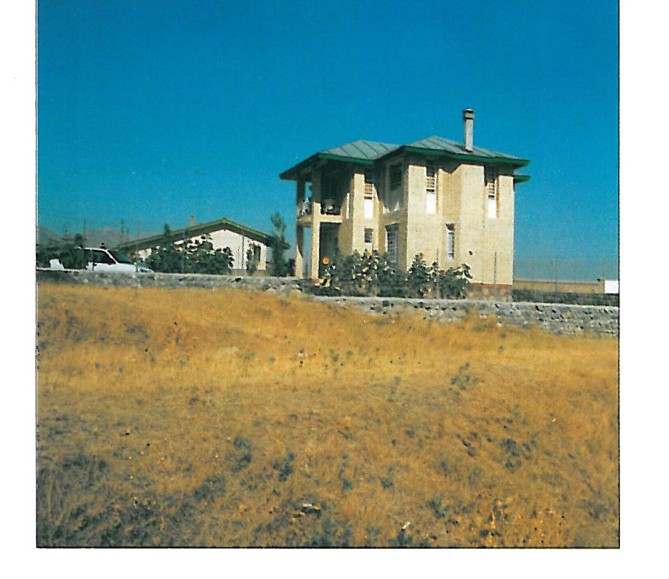
مراسم اهدای جایزۀ بزرگ معمار ۱۳۸۱خانۀ صدری، اصفهان ـ محمدرضا قانعی و علی شیخالاسلام (رتبۀ نخست) ـ پلان زیرزمین
What follows is the picture catalogue of the second Grand Me'mar Award, called in August 2002 with the support of Superpipe International for post-Revolution residential architecture in Iran. The jury — Mehdi Alizadeh, Hadi Mirmiran, Ali Akbar Saremi, Kambiz Nazaramoo and Kamran Afshar Naderi — over three long sessions on 19, 22 and 28 December 2002 chose, from the ninety-three accepted projects, twenty as good examples of residential architecture, and ranked the top five. The pages that follow present, in compressed form, the five places and the fourteen jury selections.
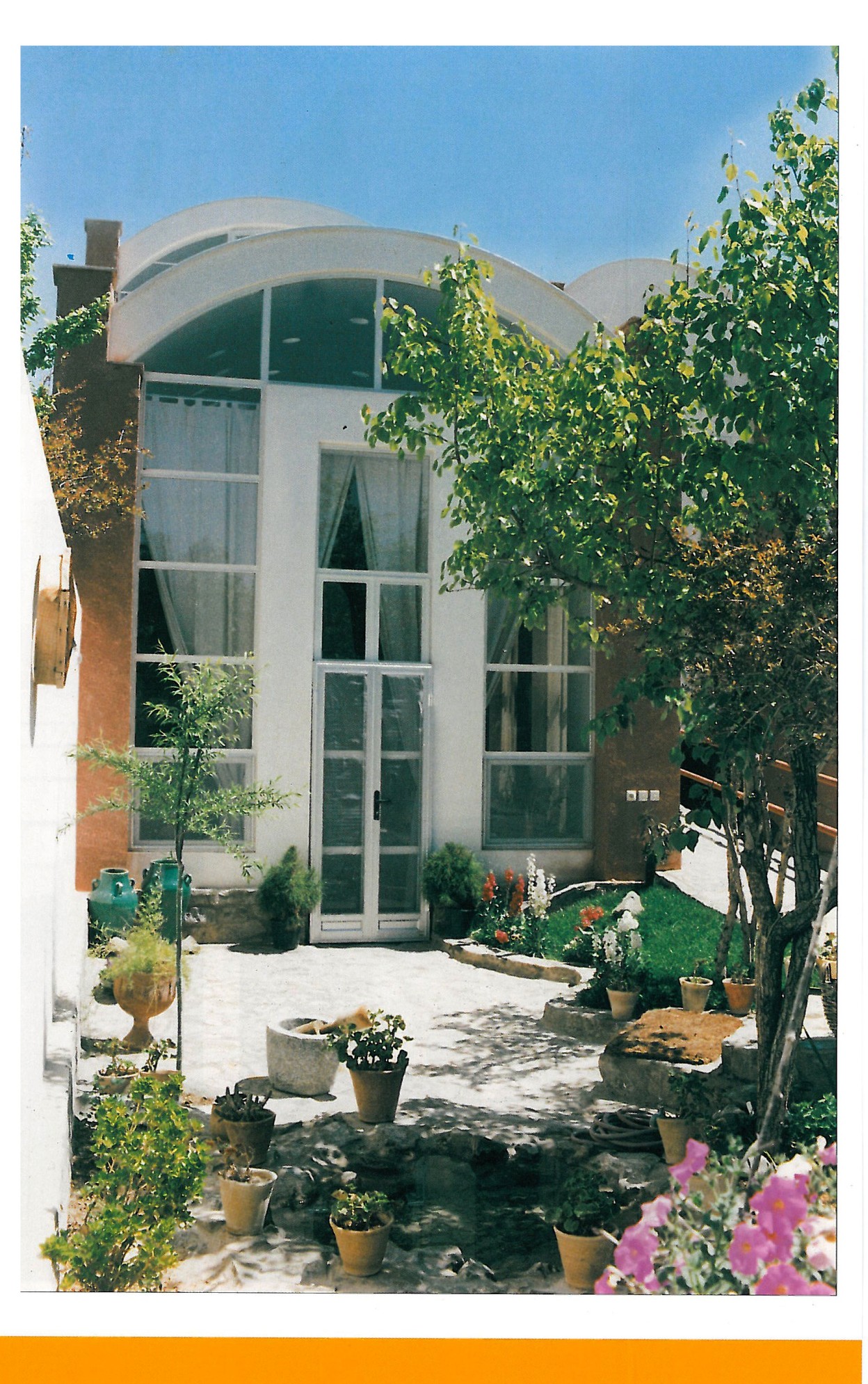
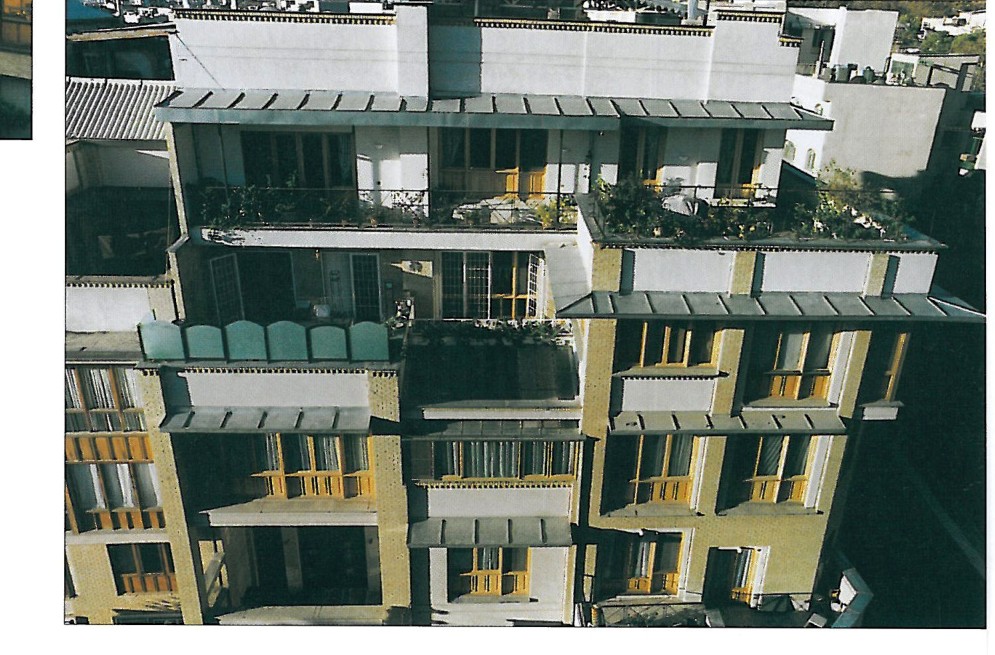
خانۀ صدری، اصفهان ـ محمدرضا قانعی و علی شیخالاسلام (رتبۀ نخست) ـ نمای داخلیخانۀ صدری، اصفهان ـ محمدرضا قانعی و علی شیخالاسلام (رتبۀ نخست) ـ نمای بیرونی
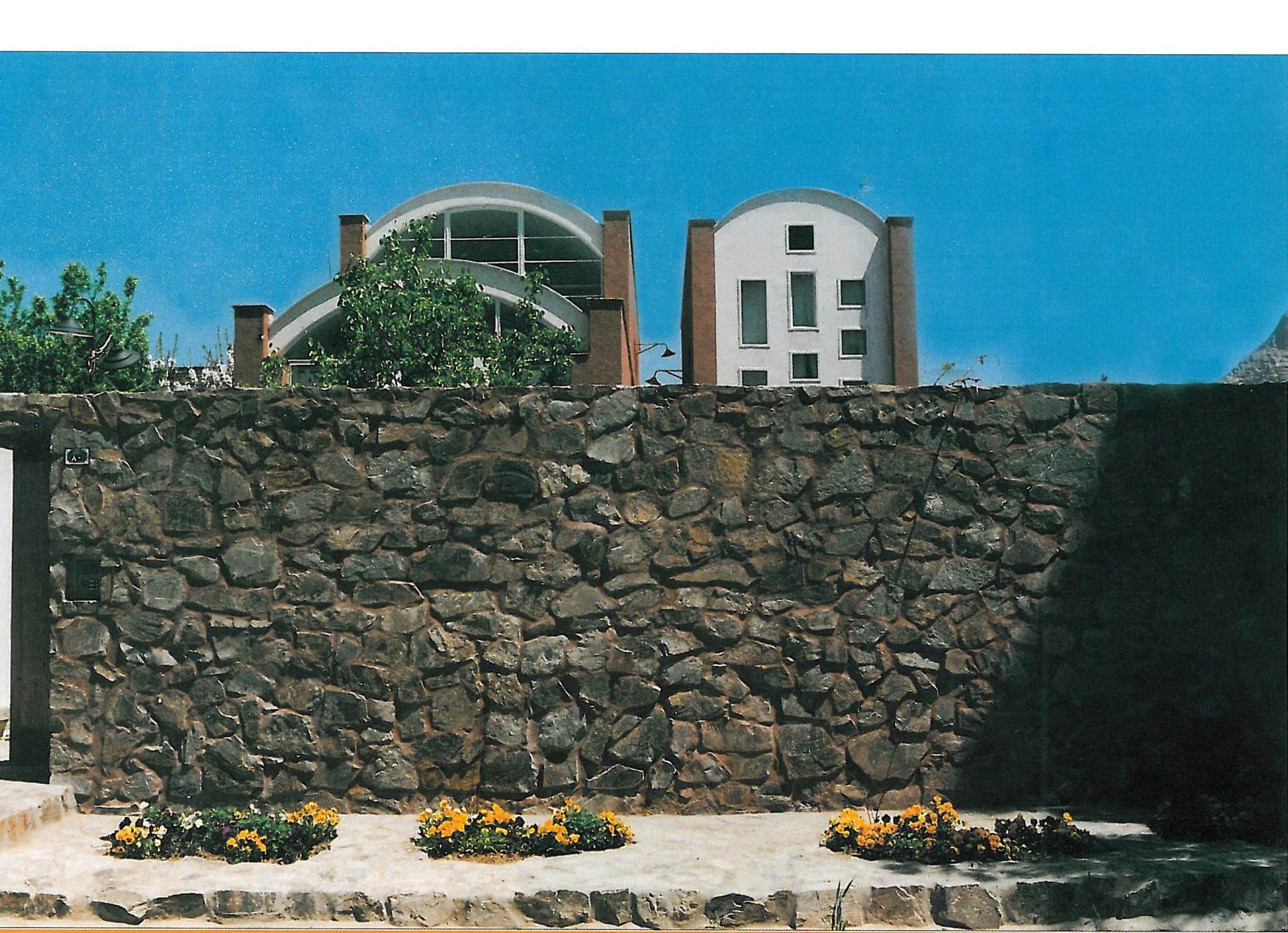
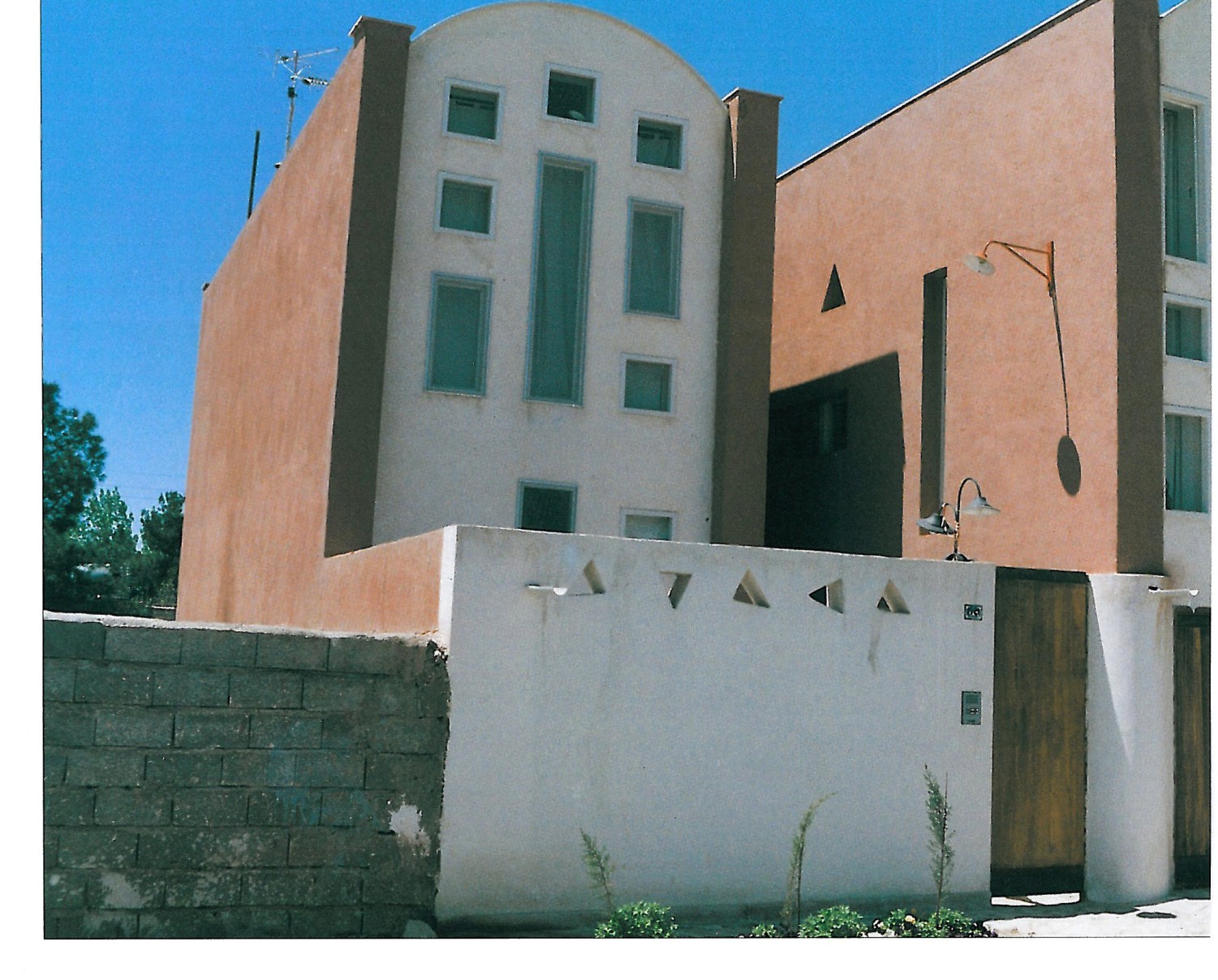
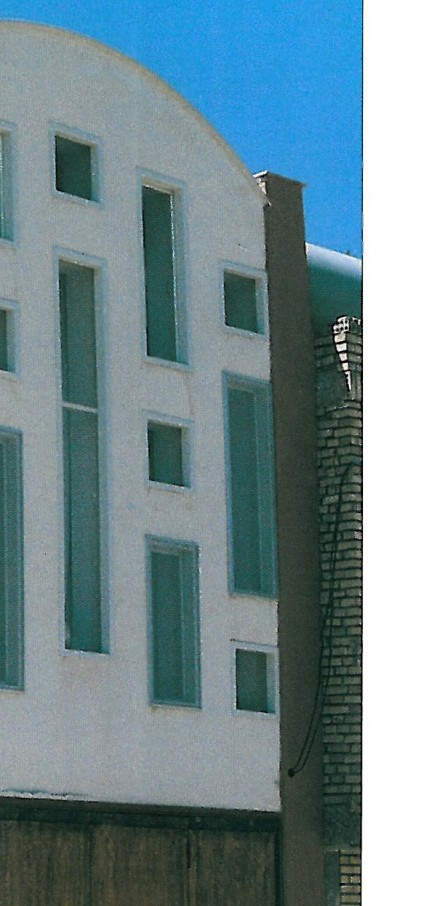
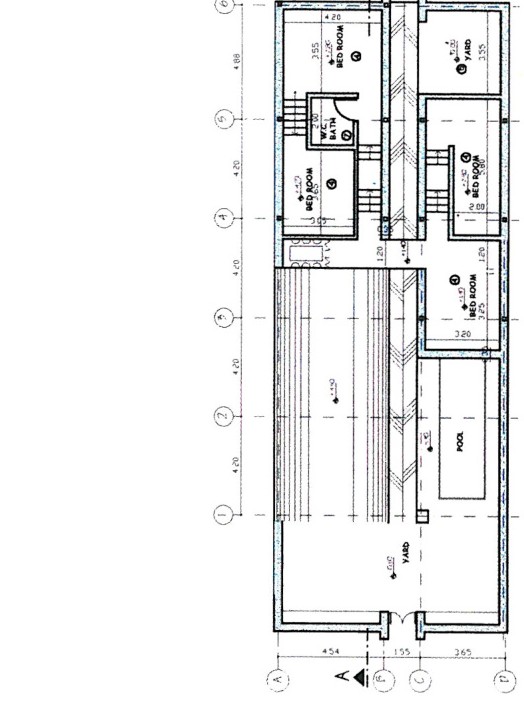
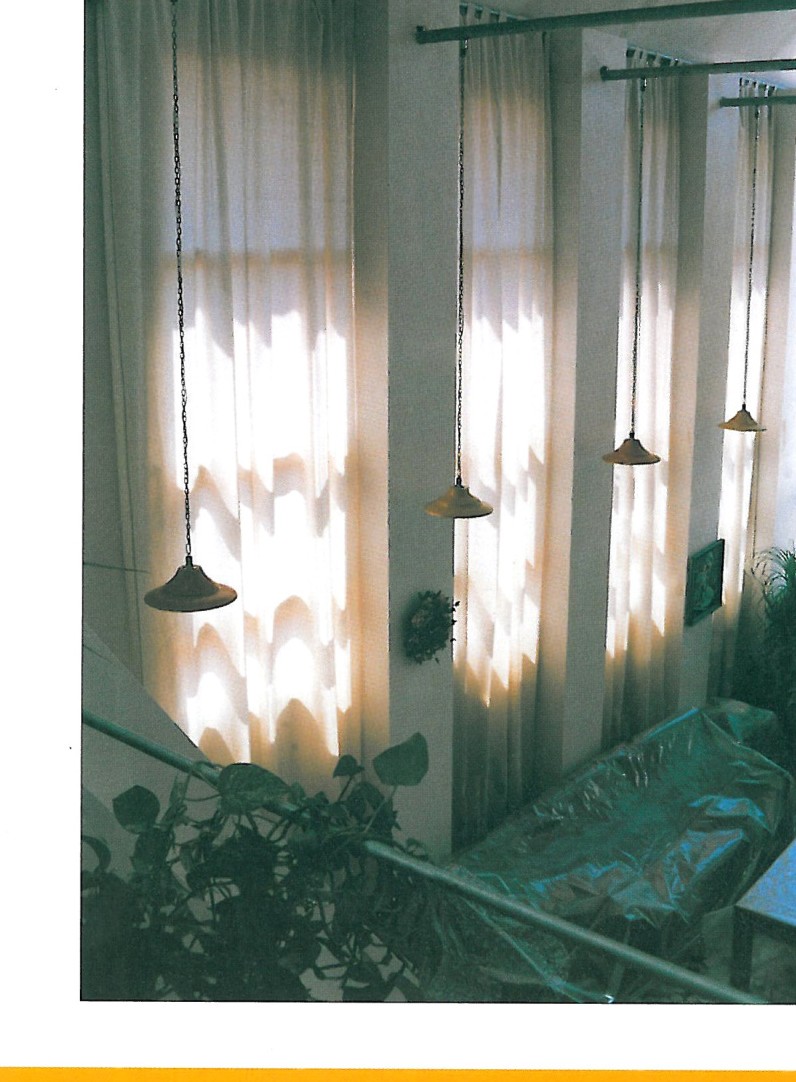
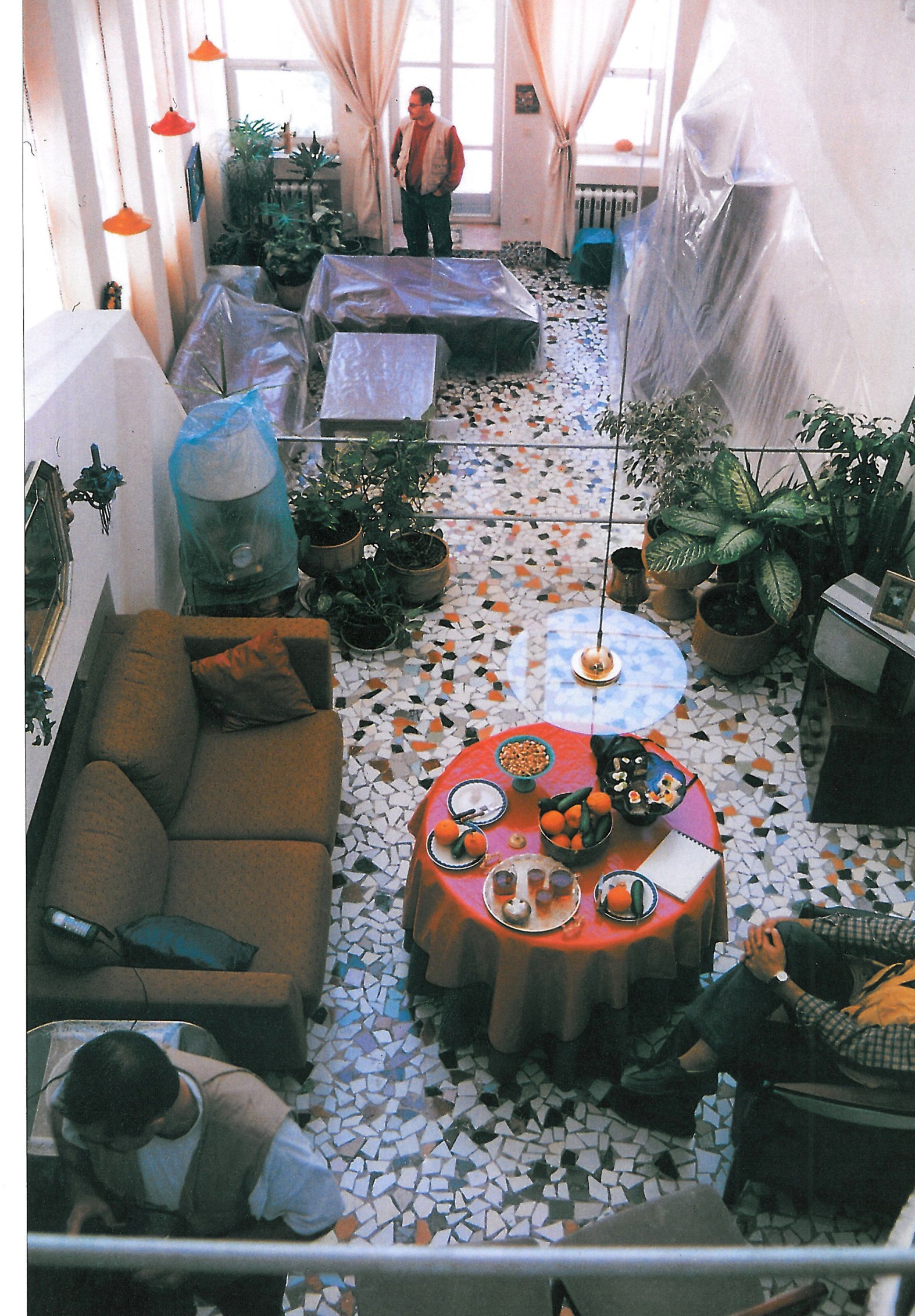
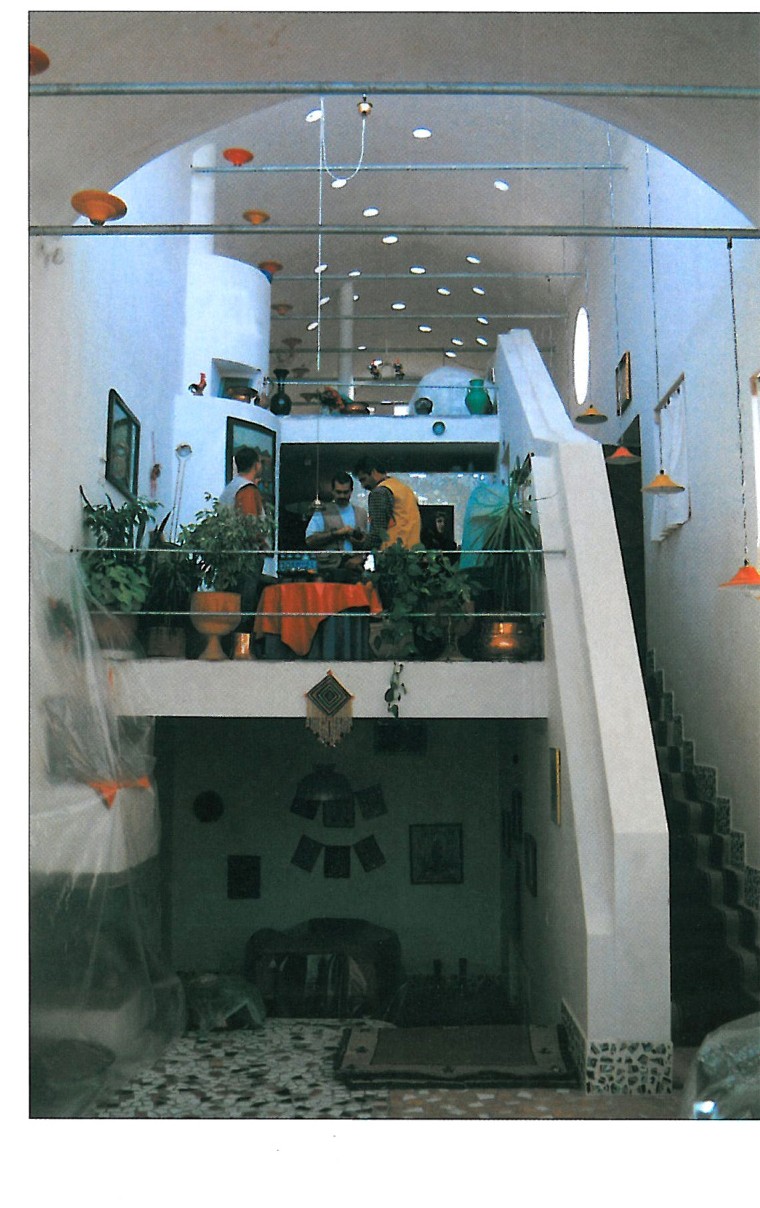
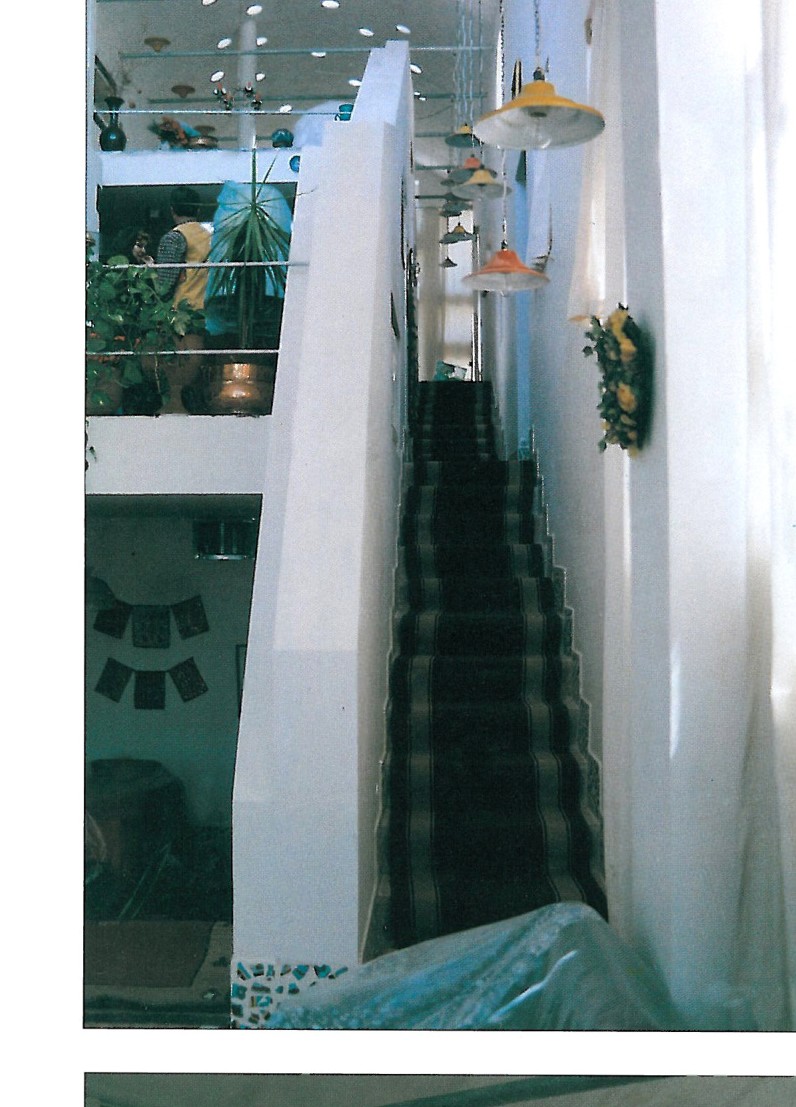
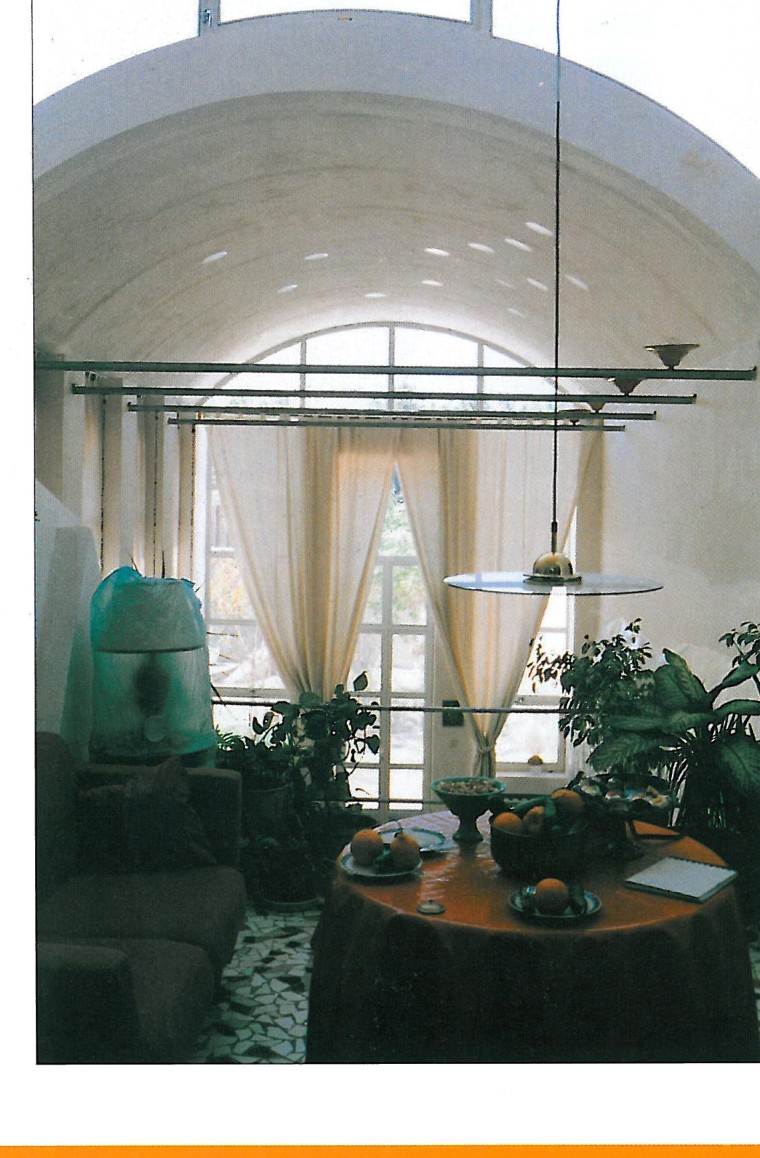
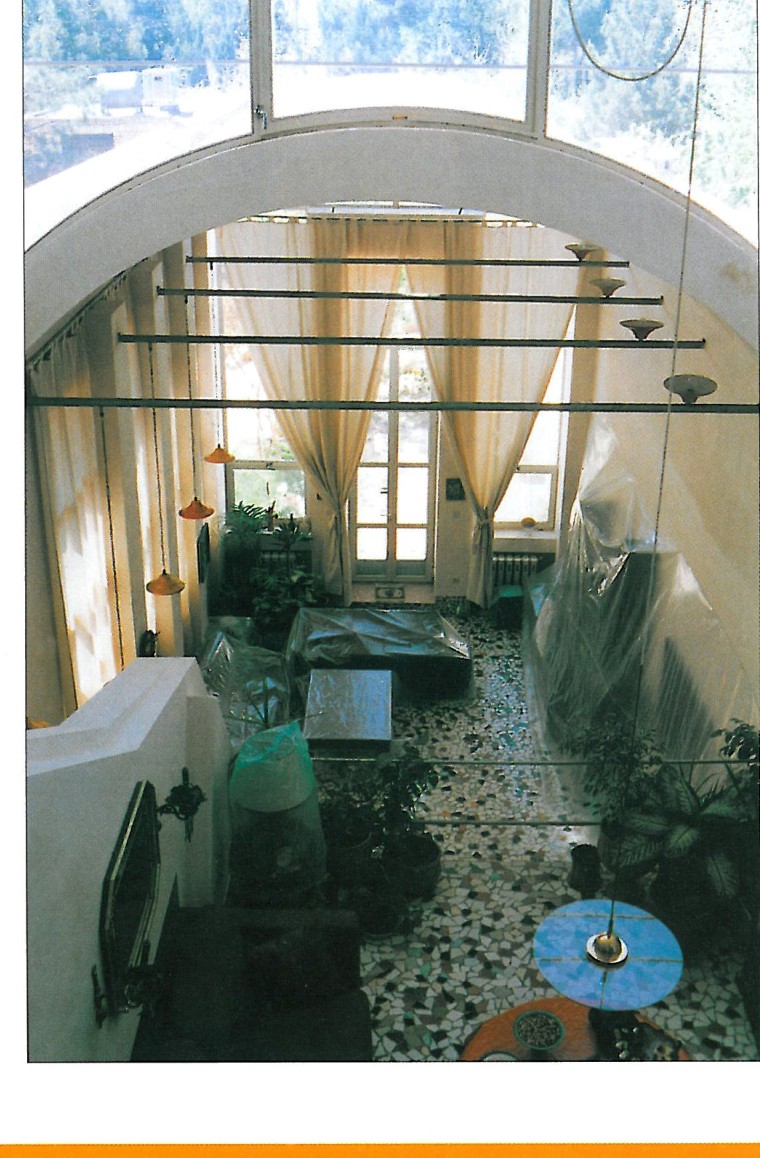
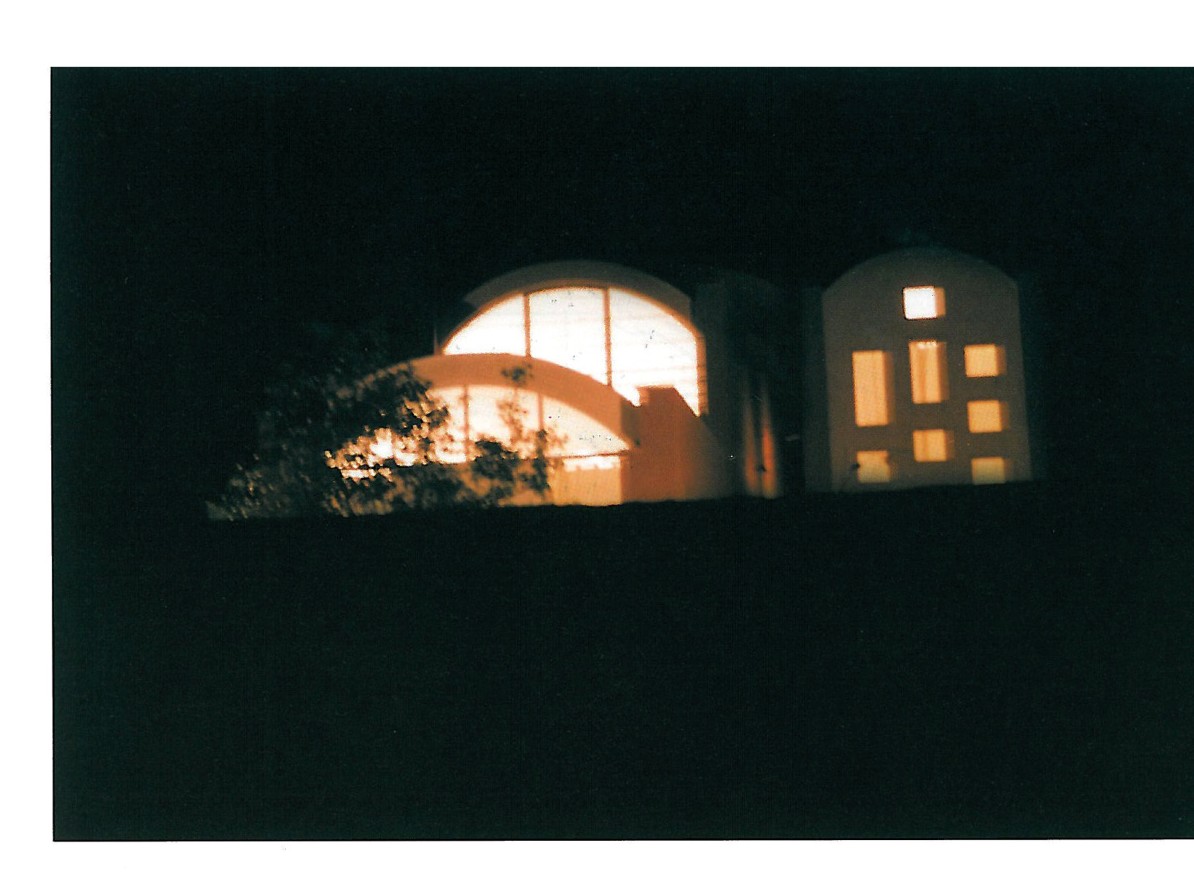
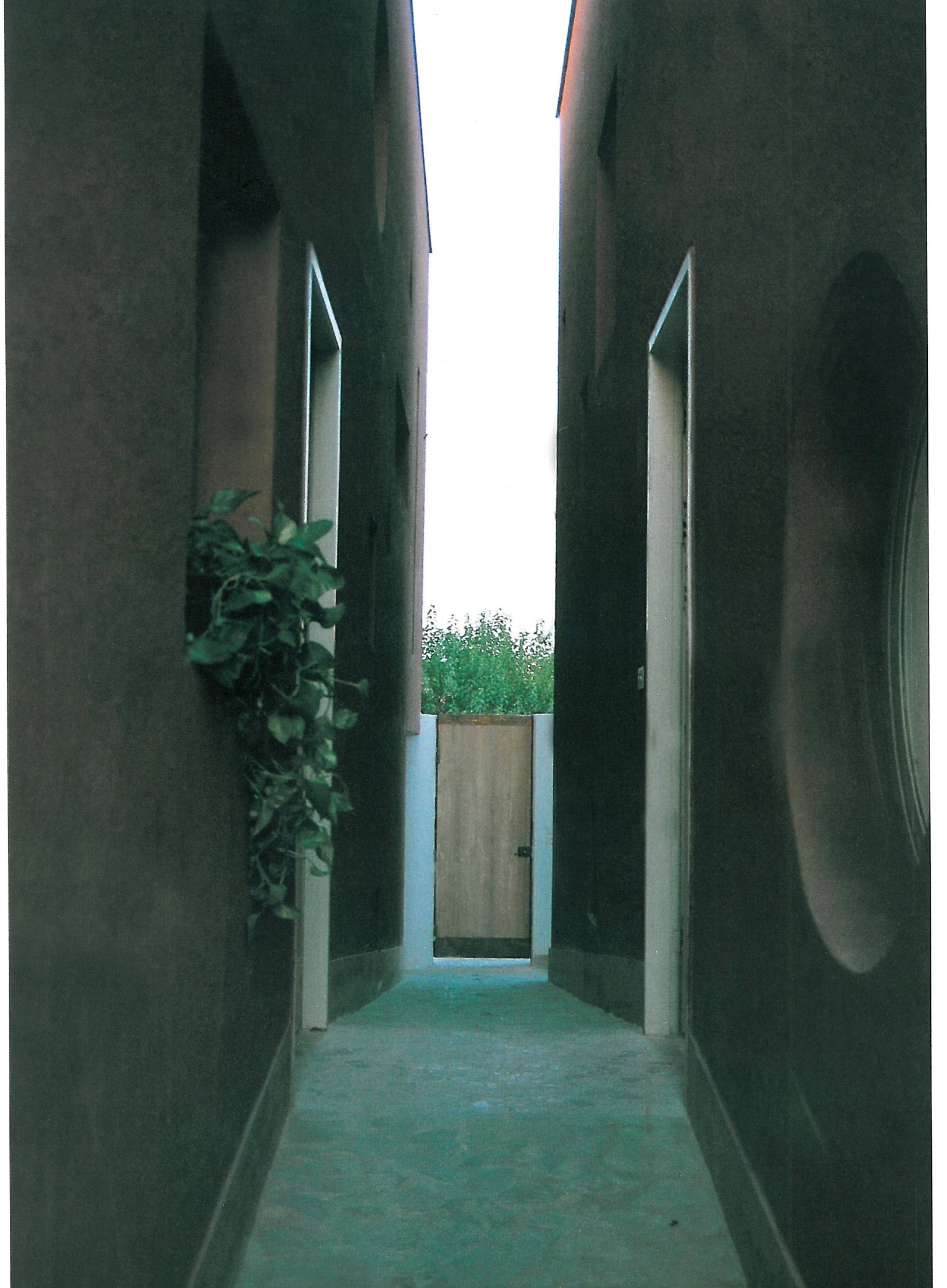
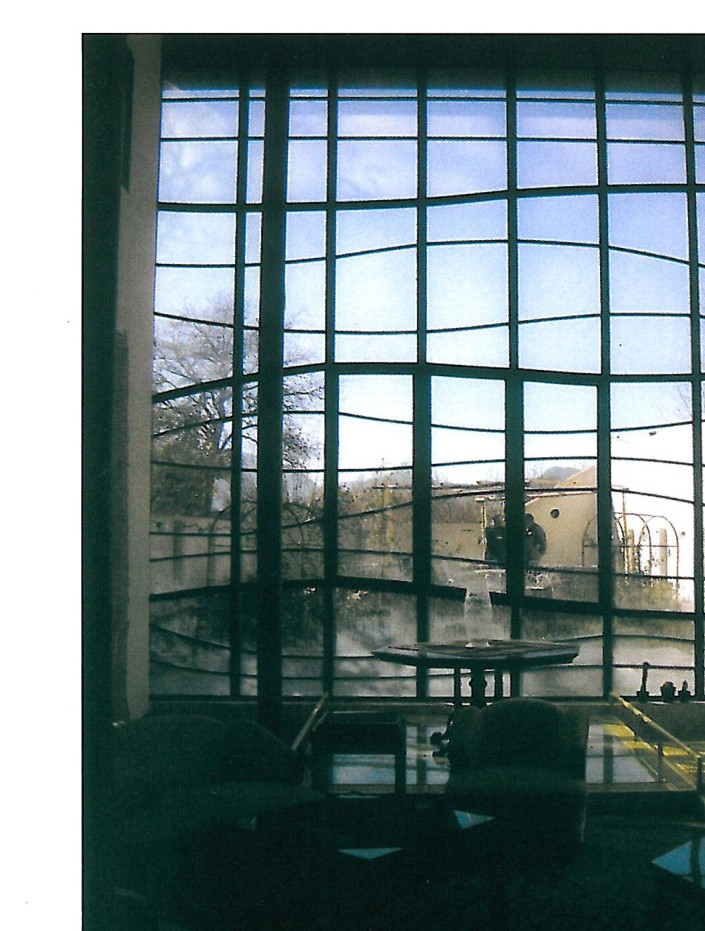
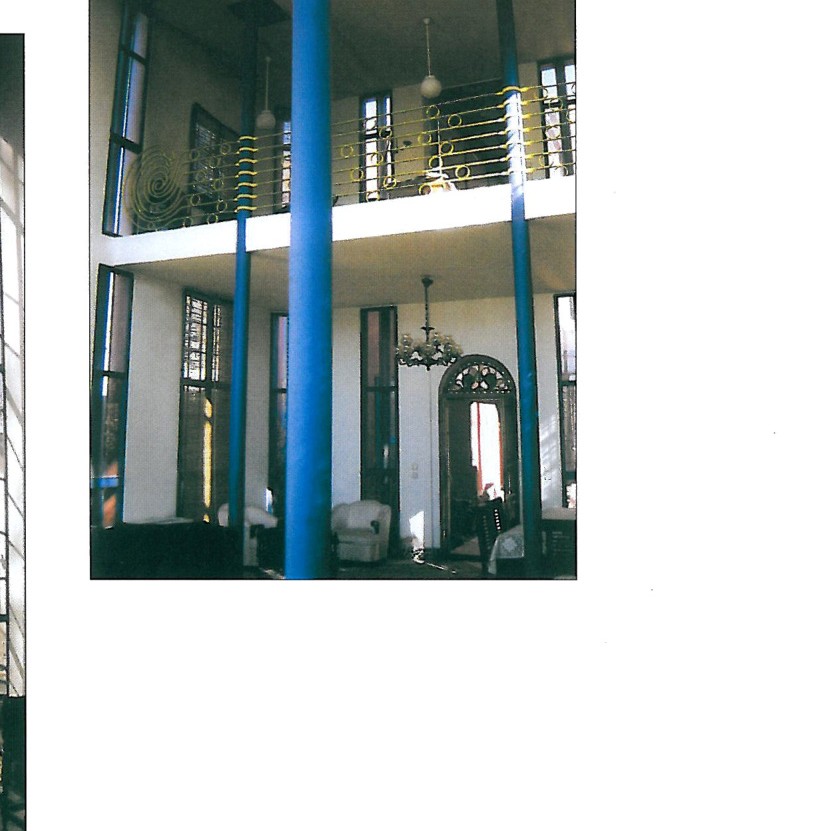
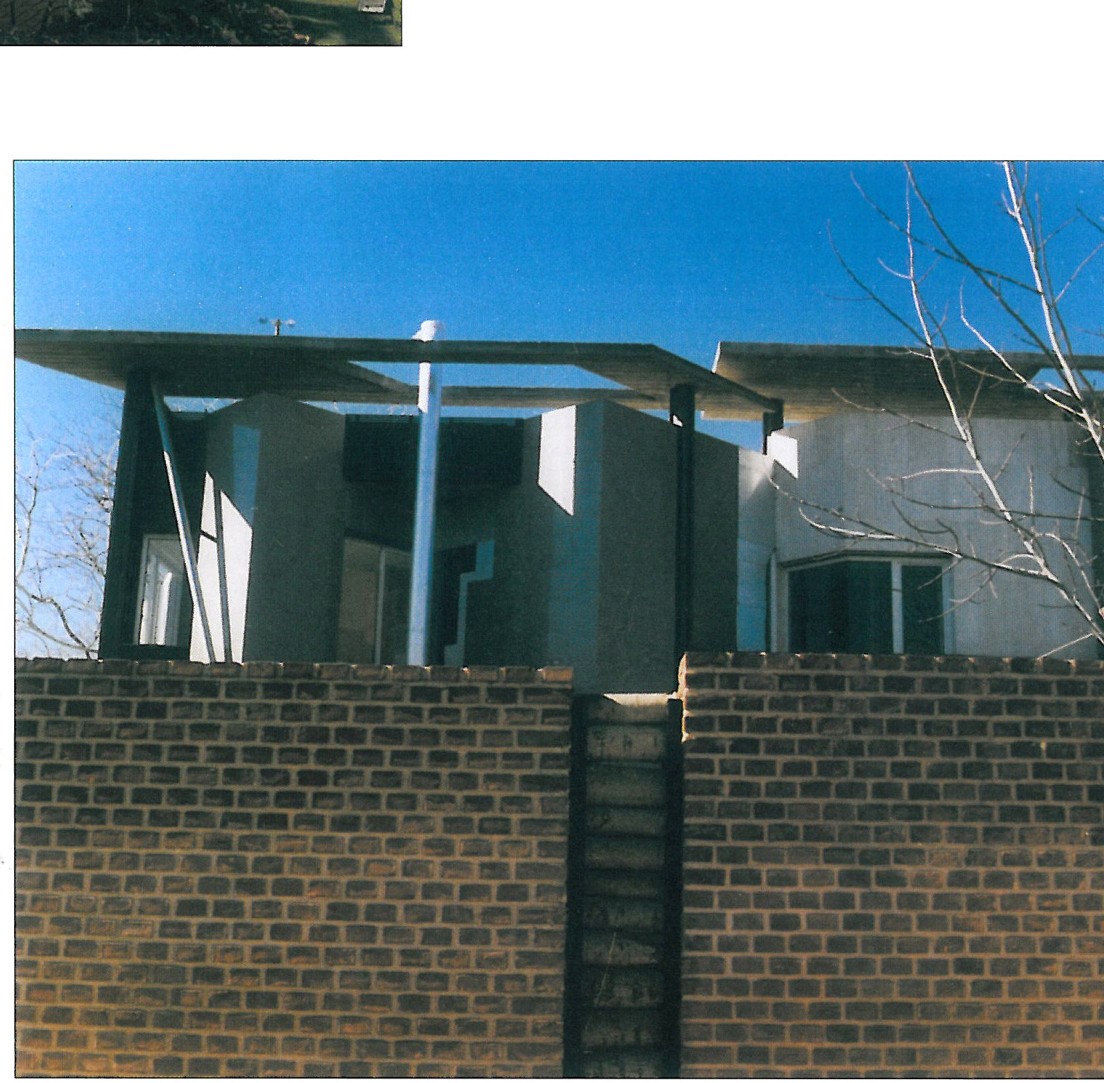
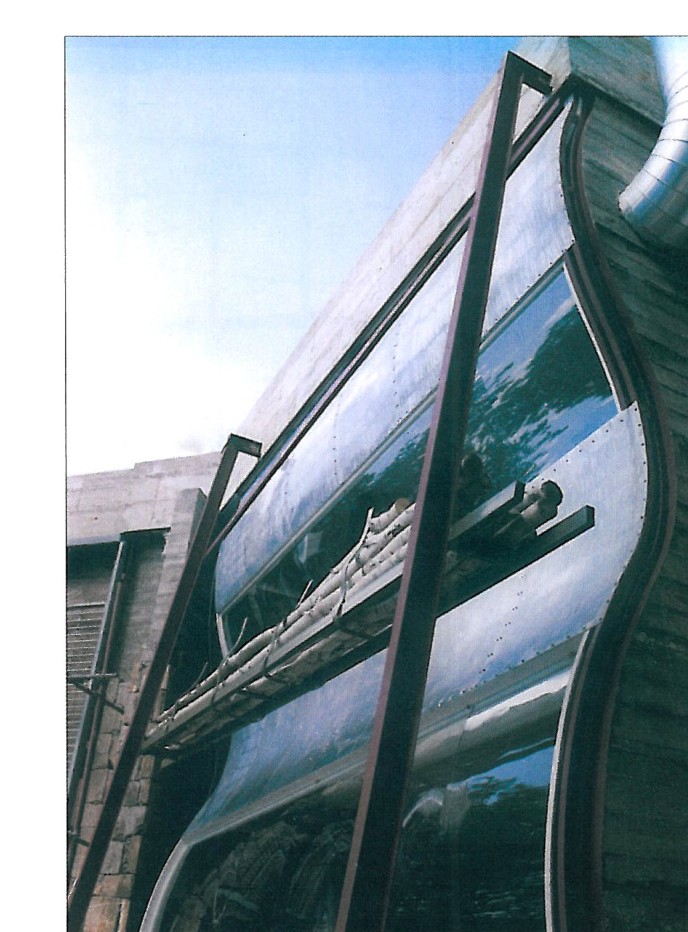
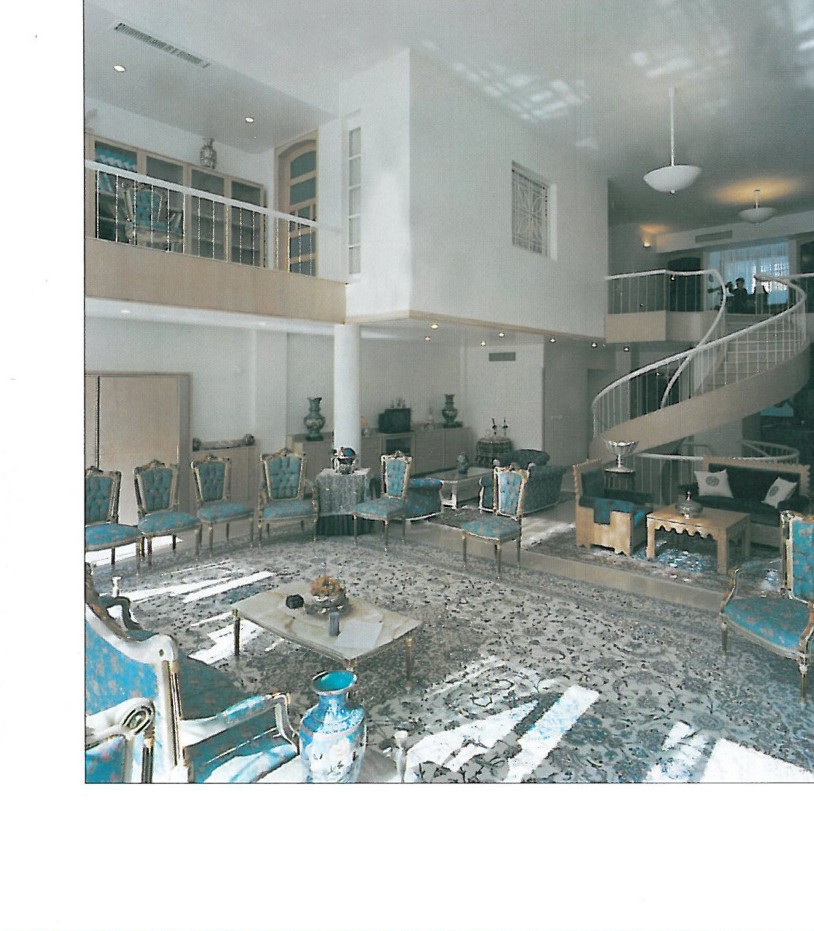
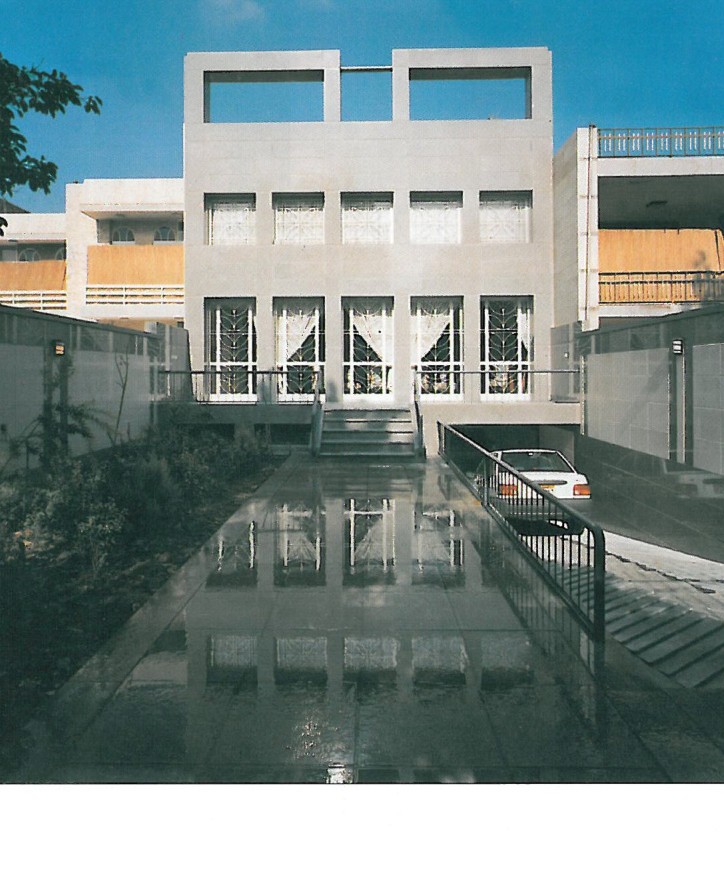
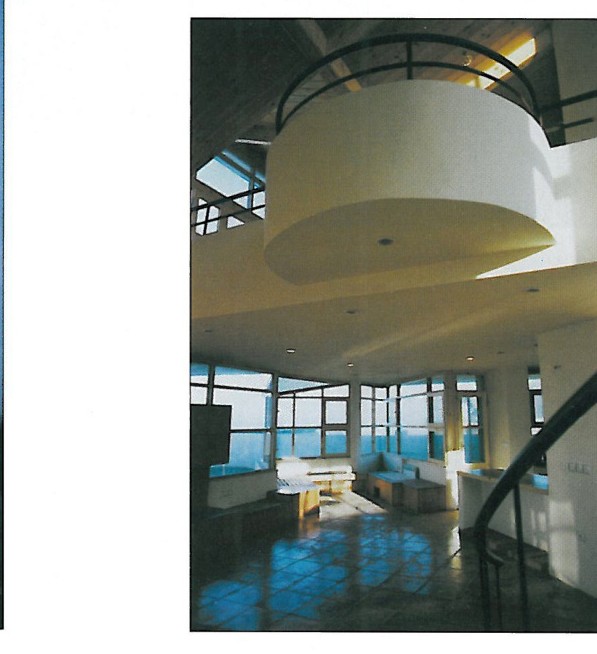
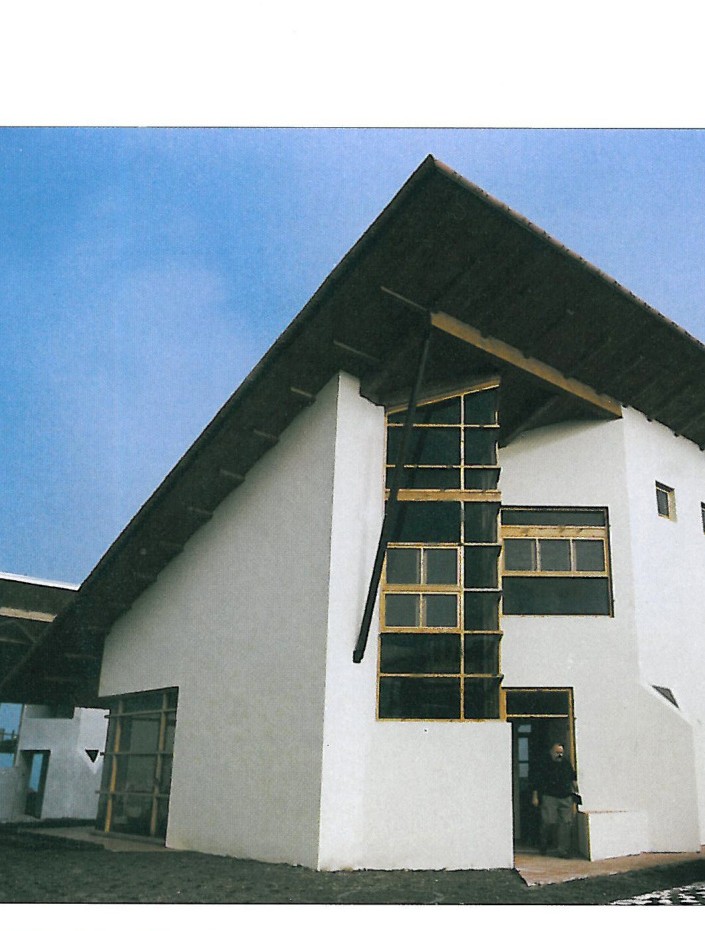
1st Place — Sadri Residence, Isfahan
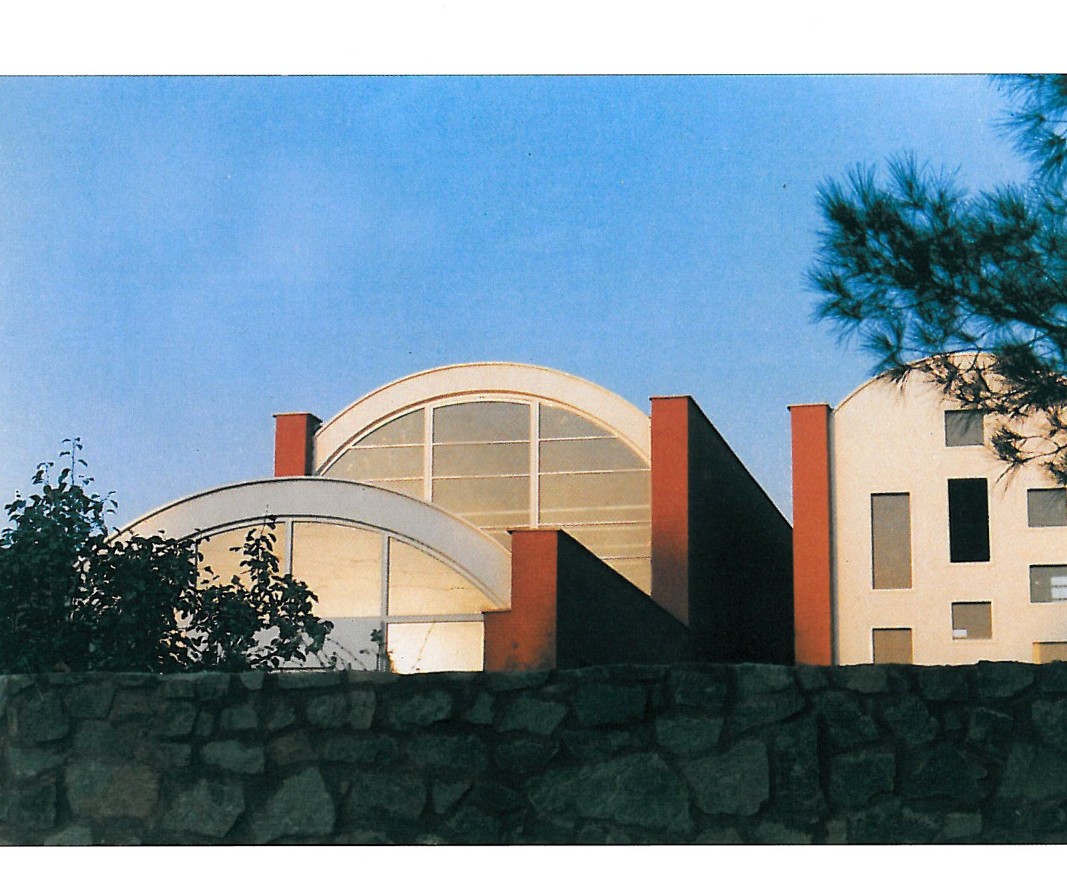
خانۀ صدری، اصفهان ـ محمدرضا قانعی و علی شیخالاسلام (رتبۀ نخست) ـ نمای بیرونیخانۀ صدری، اصفهان ـ محمدرضا قانعی و علی شیخالاسلام (رتبۀ نخست) ـ نمای بیرونی
Mohammad Reza Ghane'i and Ali Sheykholeslam (entry 105)
خانۀ صدری، اصفهان ـ محمدرضا قانعی و علی شیخالاسلام (رتبۀ نخست) ـ جزئیاتخانۀ صدری، اصفهان ـ محمدرضا قانعی و علی شیخالاسلام (رتبۀ نخست) ـ پلان طبقۀ اولخانۀ صدری، اصفهان ـ محمدرضا قانعی و علی شیخالاسلام (رتبۀ نخست) ـ پلان طبقۀ همکف
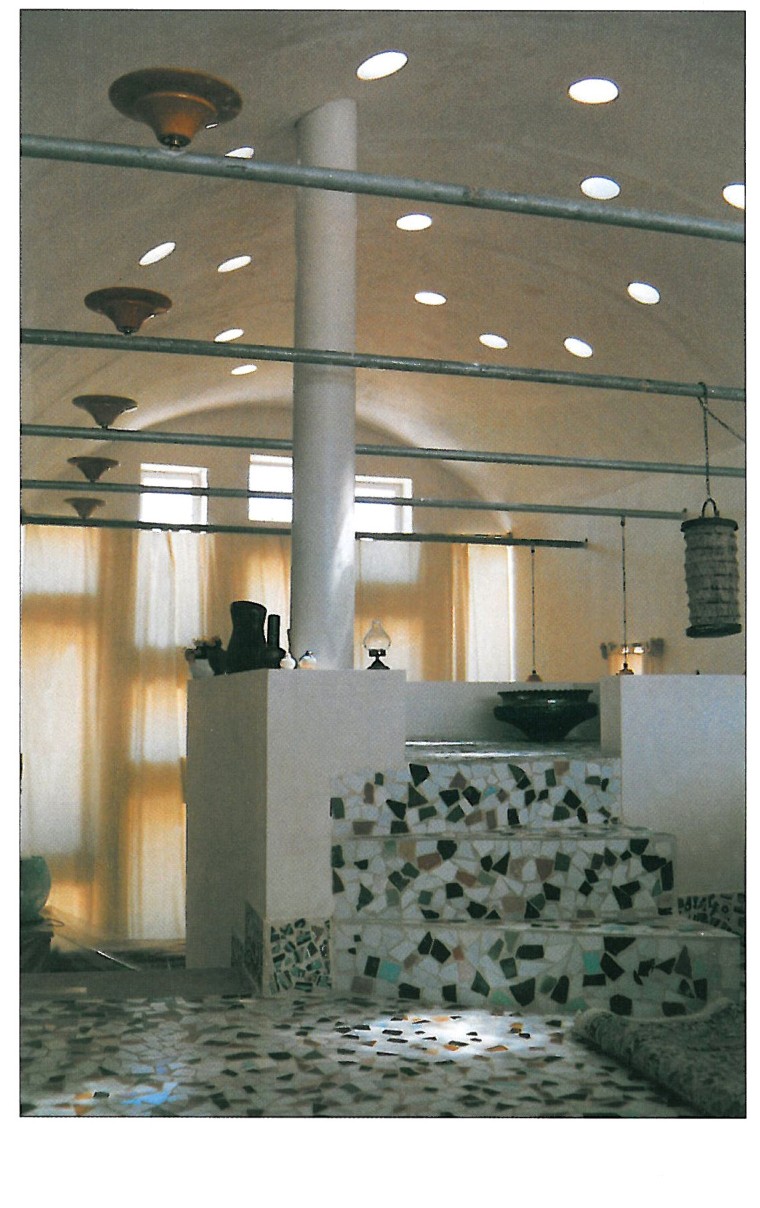
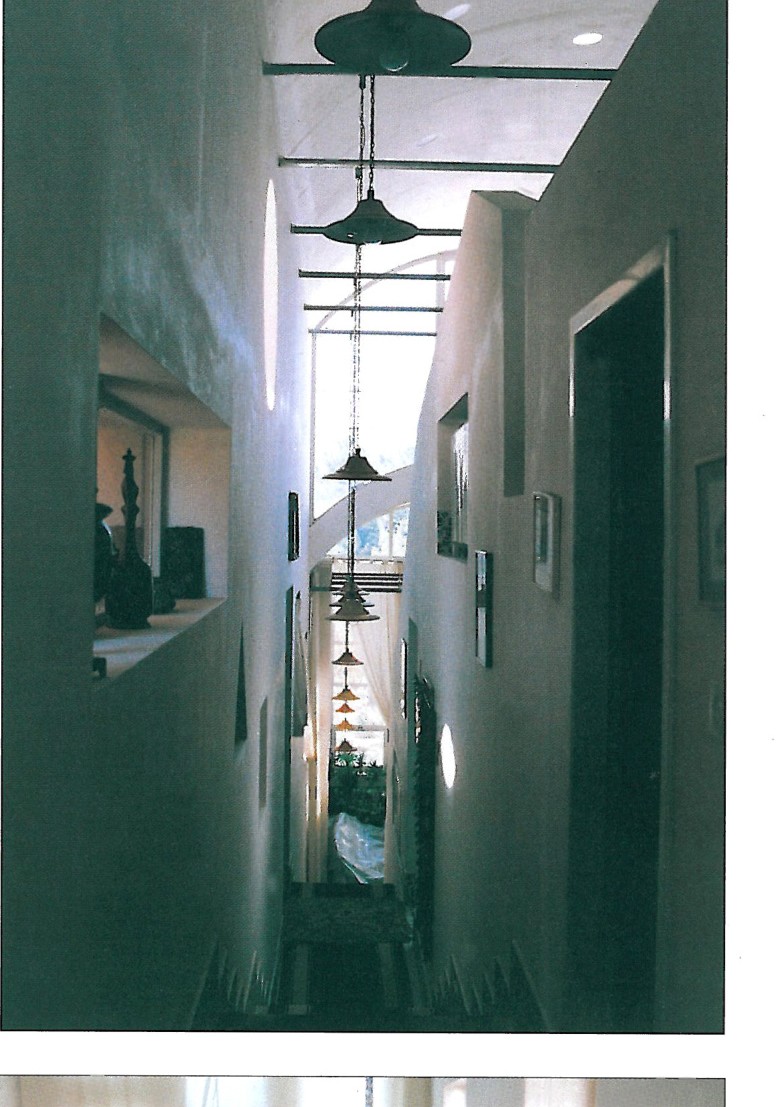
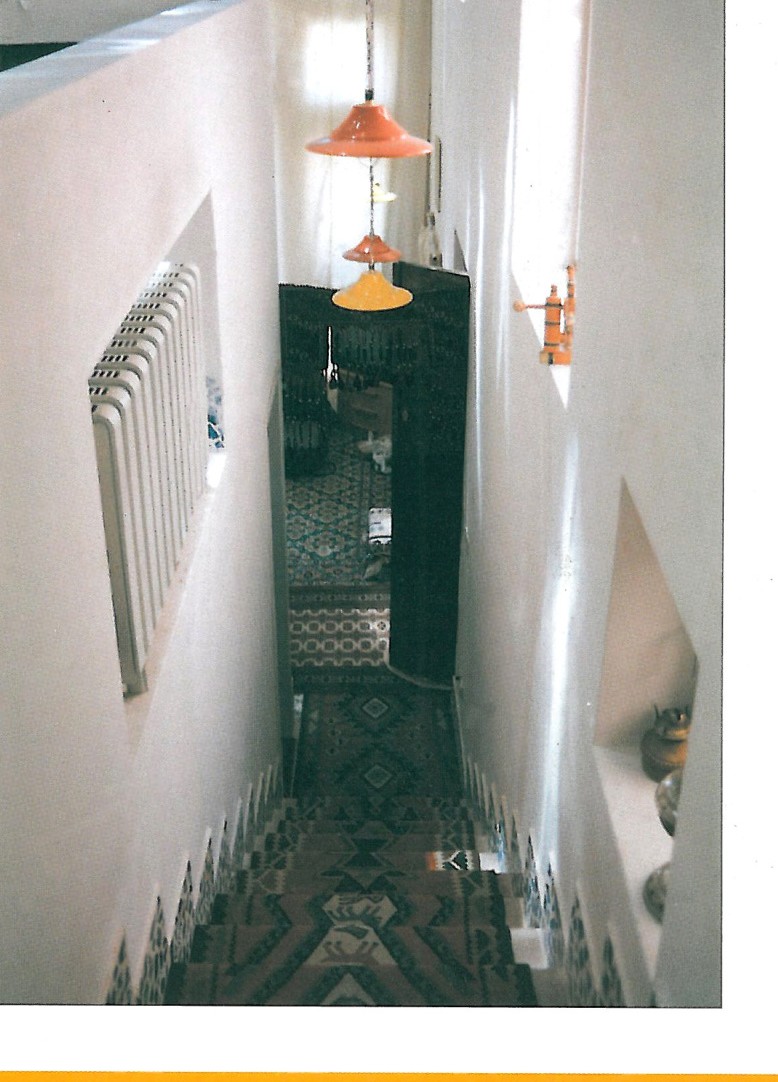
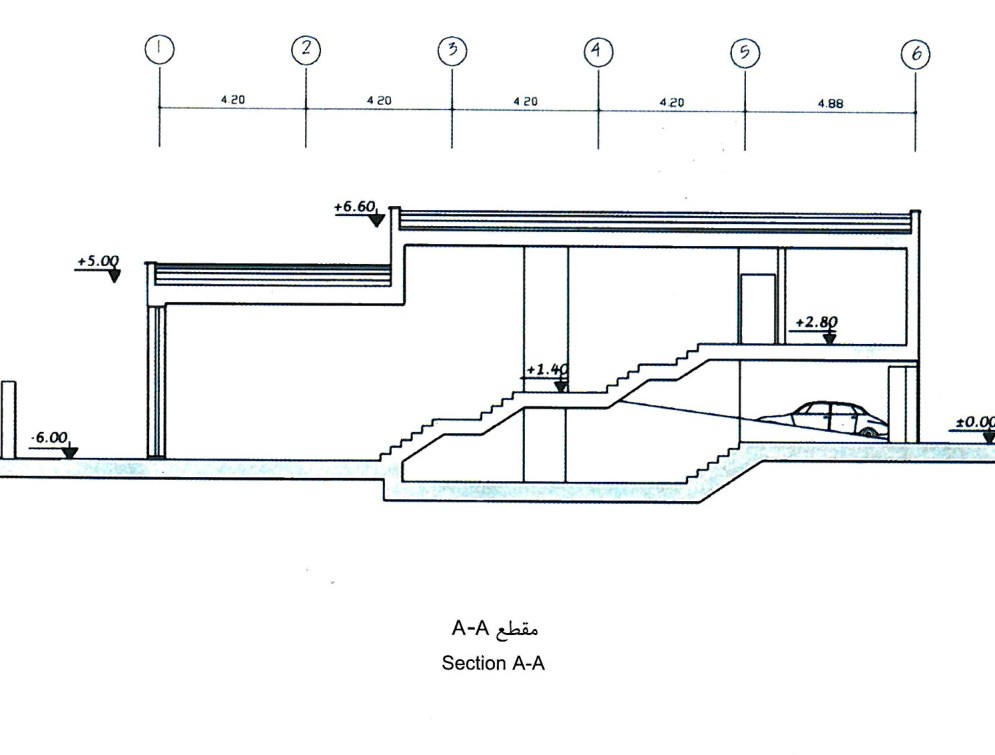
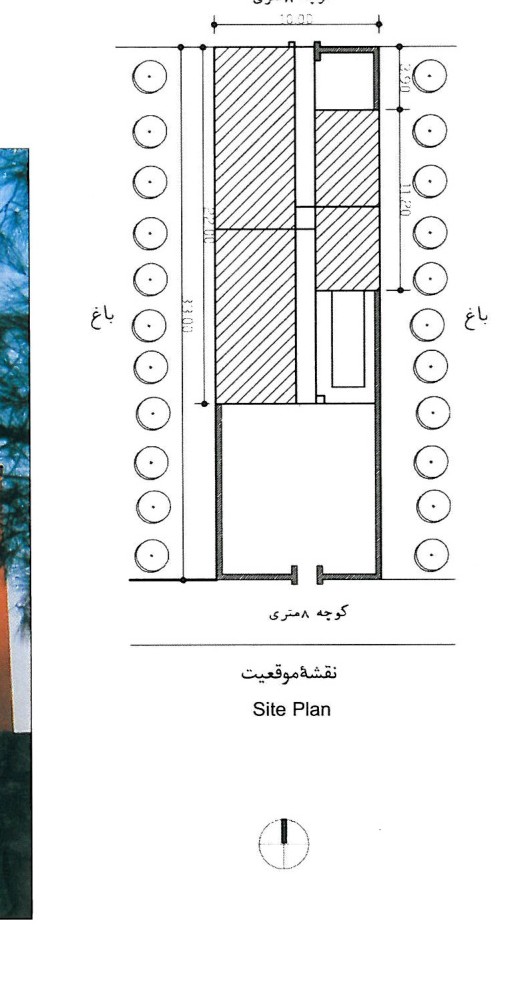
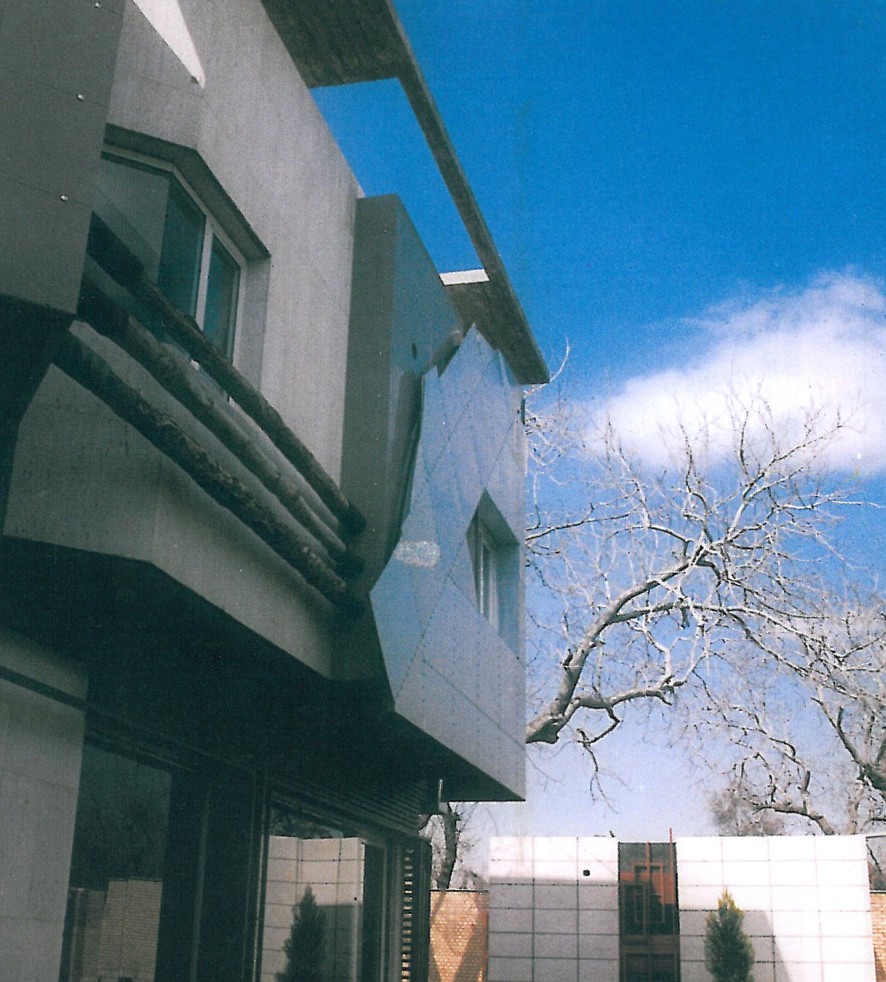
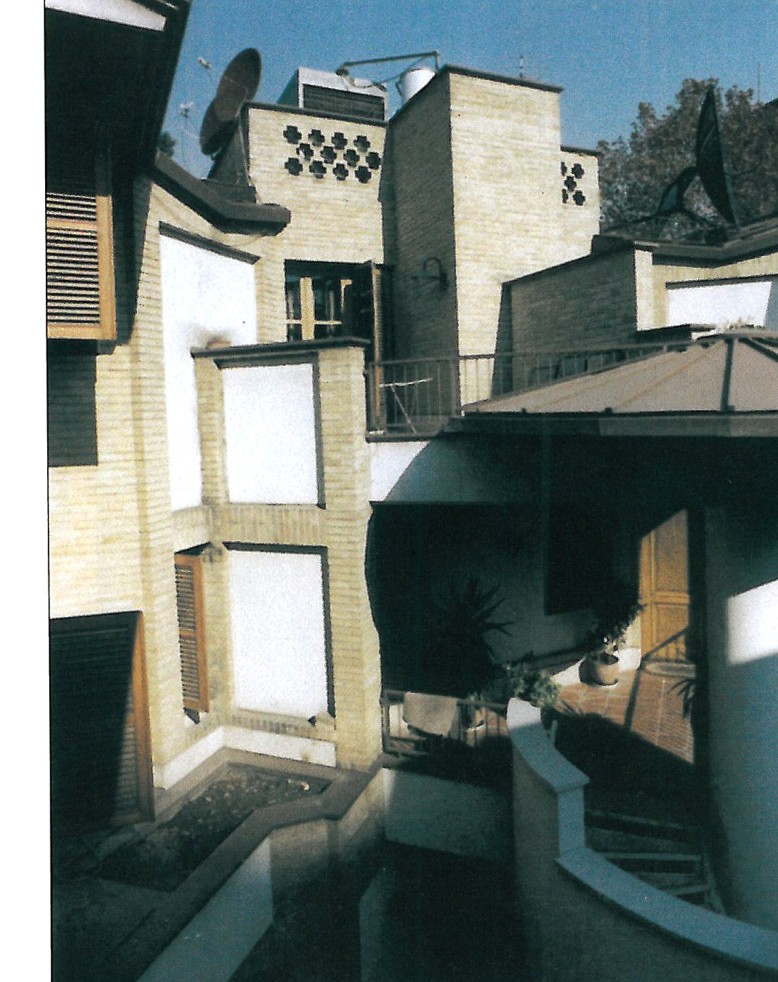
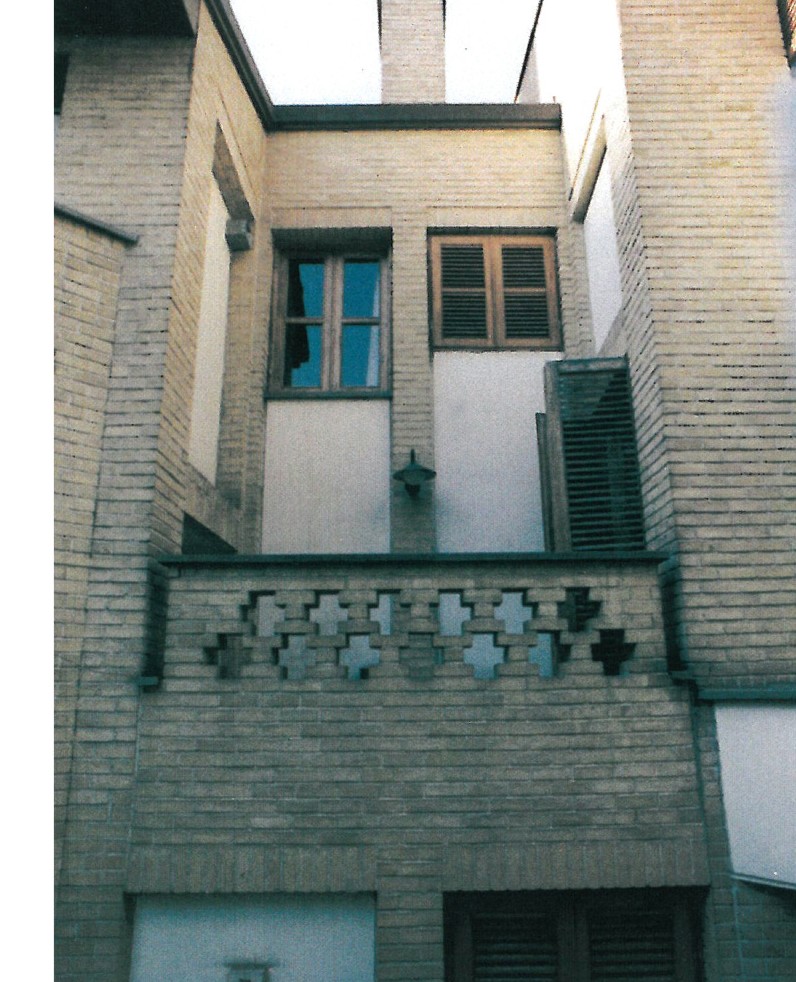
From the jury: 'This longitudinal division of the space — into, in effect, three large 'tunnels', themselves further subdivided — is a fresh and original device. On this restricted, narrow plot the architects have brought into being a very rich and complex space. By the way of its planning and the spaces it produces, this work goes far beyond a work that is merely beautiful: it is not only beautiful — it also looks critically at architecture.'
خانۀ صدری، اصفهان ـ محمدرضا قانعی و علی شیخالاسلام (رتبۀ نخست) ـ نمای داخلیخانۀ صدری، اصفهان ـ محمدرضا قانعی و علی شیخالاسلام (رتبۀ نخست) ـ نمای داخلی
3rd Place — House of Navvab Safavi, Isfahan
خانۀ صدری، اصفهان ـ محمدرضا قانعی و علی شیخالاسلام (رتبۀ نخست) ـ نمای داخلیخانۀ صدری، اصفهان ـ محمدرضا قانعی و علی شیخالاسلام (رتبۀ نخست) ـ نمای داخلی
Mohammad Reza Ghane'i and Ali Sheykholeslam (entry 104)
خانۀ صدری، اصفهان ـ محمدرضا قانعی و علی شیخالاسلام (رتبۀ نخست) ـ نمای داخلیخانۀ صدری، اصفهان ـ محمدرضا قانعی و علی شیخالاسلام (رتبۀ نخست) ـ نمای داخلی
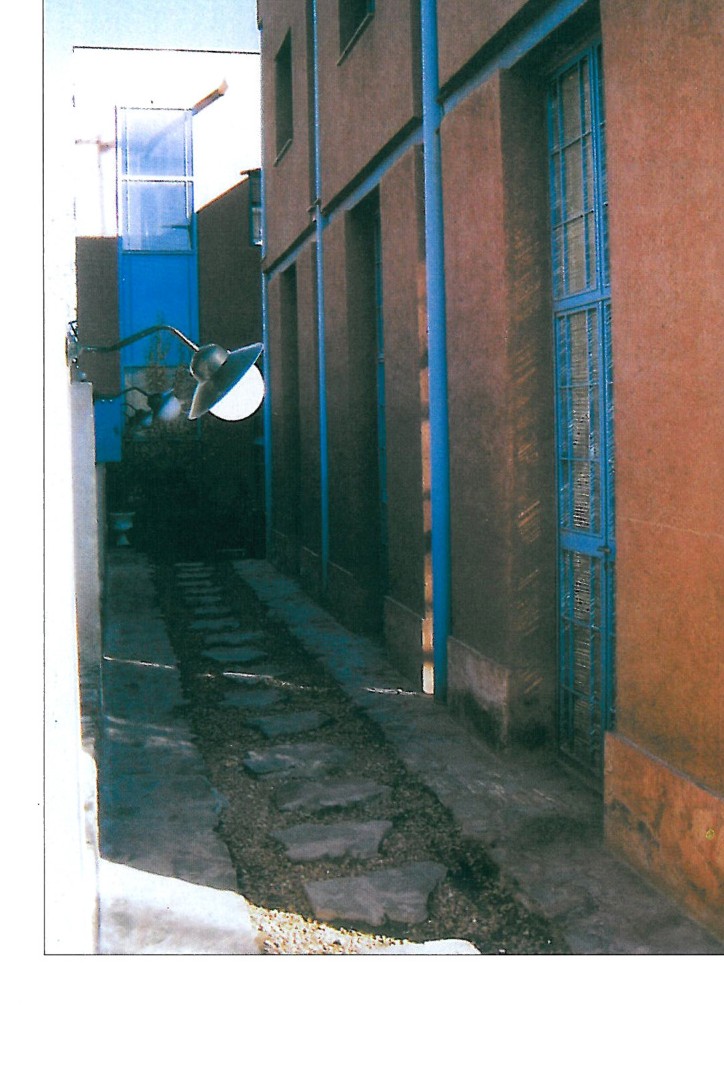
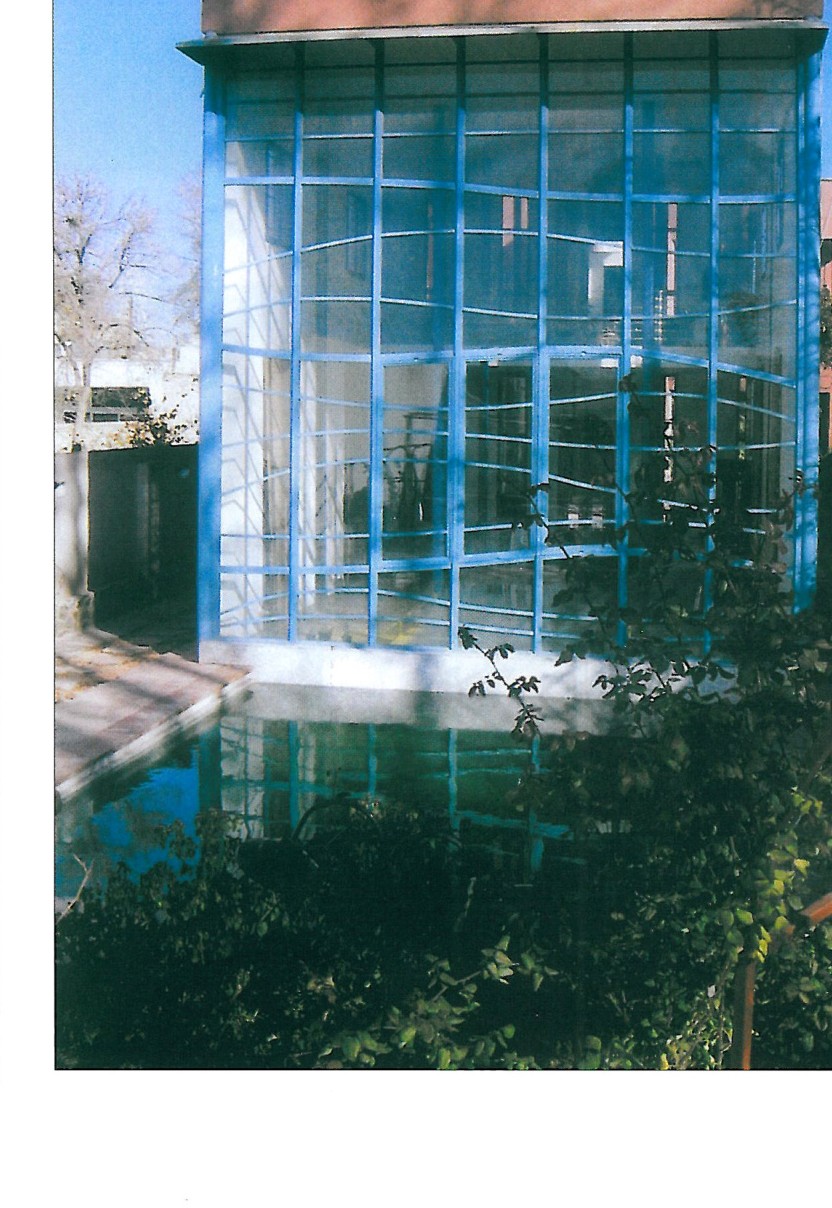
Afshar Naderi: 'This project too is built on the idea of the corridor, but, unlike the previous one, in its detailing it has tended toward ornament.' Mirmiran: 'The aim of the project is to add a hall and a swimming-pool beside an old building. The placement of this hall is excellent.'
خانۀ صدری، اصفهان ـ محمدرضا قانعی و علی شیخالاسلام (رتبۀ نخست) ـ نمای داخلیخانۀ صدری، اصفهان ـ محمدرضا قانعی و علی شیخالاسلام (رتبۀ نخست) ـ نمای داخلیخانۀ صدری، اصفهان ـ محمدرضا قانعی و علی شیخالاسلام (رتبۀ نخست) ـ نمای داخلی
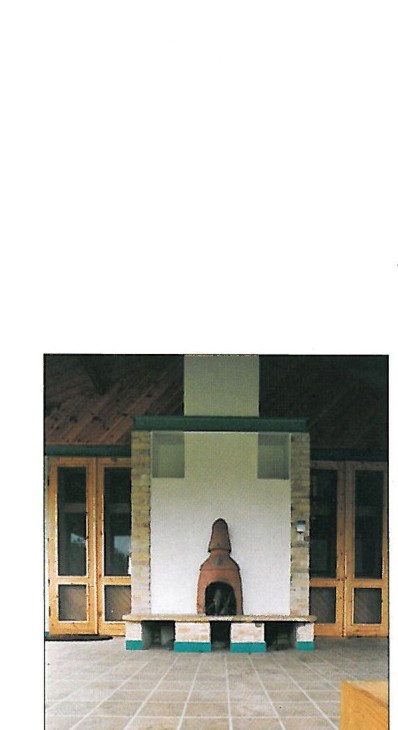
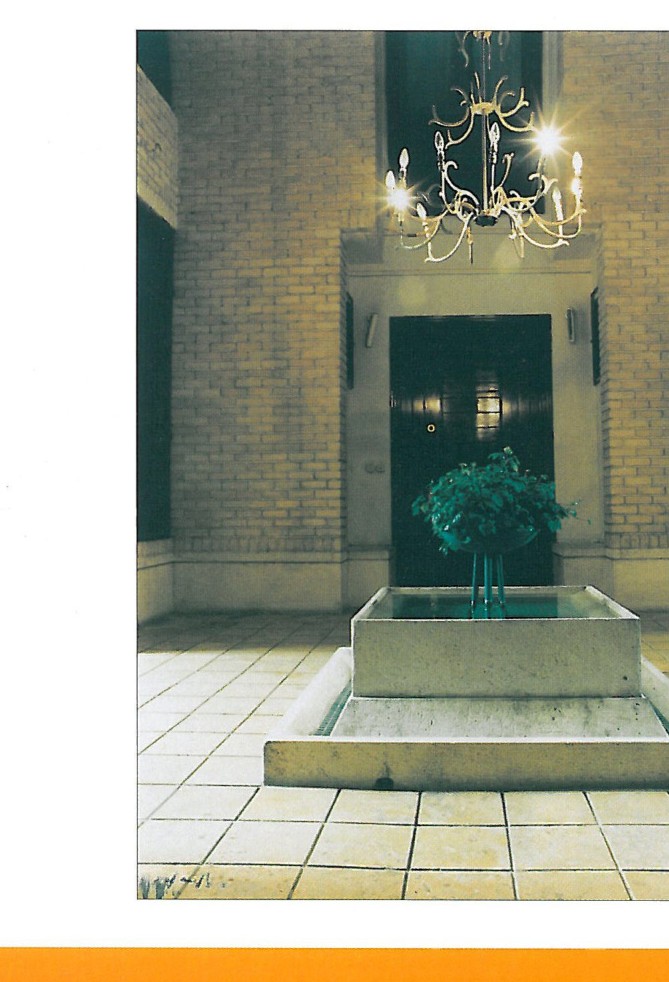
4th Place — House No. 3, Shiraz
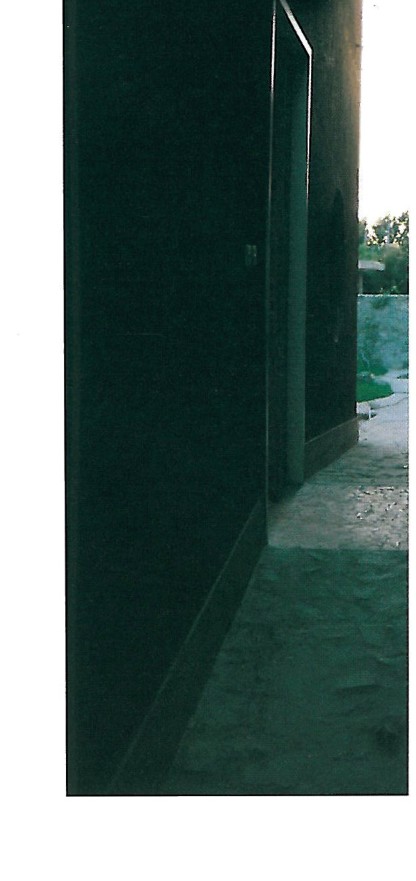
خانۀ صدری، اصفهان ـ محمدرضا قانعی و علی شیخالاسلام (رتبۀ نخست) ـ نمای شبانهخانۀ صدری، اصفهان ـ محمدرضا قانعی و علی شیخالاسلام (رتبۀ نخست) ـ گذر
Mehrdad Iravanian (entry 102)
خانۀ صدری، اصفهان ـ محمدرضا قانعی و علی شیخالاسلام (رتبۀ نخست) ـ مقطع A-Aخانۀ صدری، اصفهان ـ محمدرضا قانعی و علی شیخالاسلام (رتبۀ نخست) ـ گذر
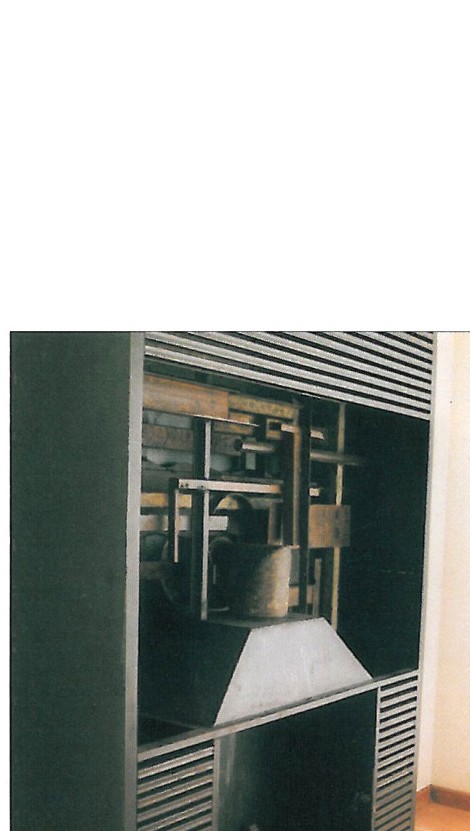
Mirmiran: 'The brave use of varied materials — from an unpolished timber beam to today's metal sheets — is one of the project's strengths and is admirable.' Afshar Naderi: 'This is a work of conceptual art, and its architect is one of the few who have a personal style of their own.'
خانۀ صدری، اصفهان ـ محمدرضا قانعی و علی شیخالاسلام (رتبۀ نخست) ـ پلان موقعیتساختمان مسکونی الهیه (پروژۀ ۱۳۲) ـ بهروز بیات (رتبۀ دوم) ـ نمای بیرونیساختمان مسکونی الهیه (پروژۀ ۱۳۲) ـ بهروز بیات (رتبۀ دوم) ـ نمای بیرونی
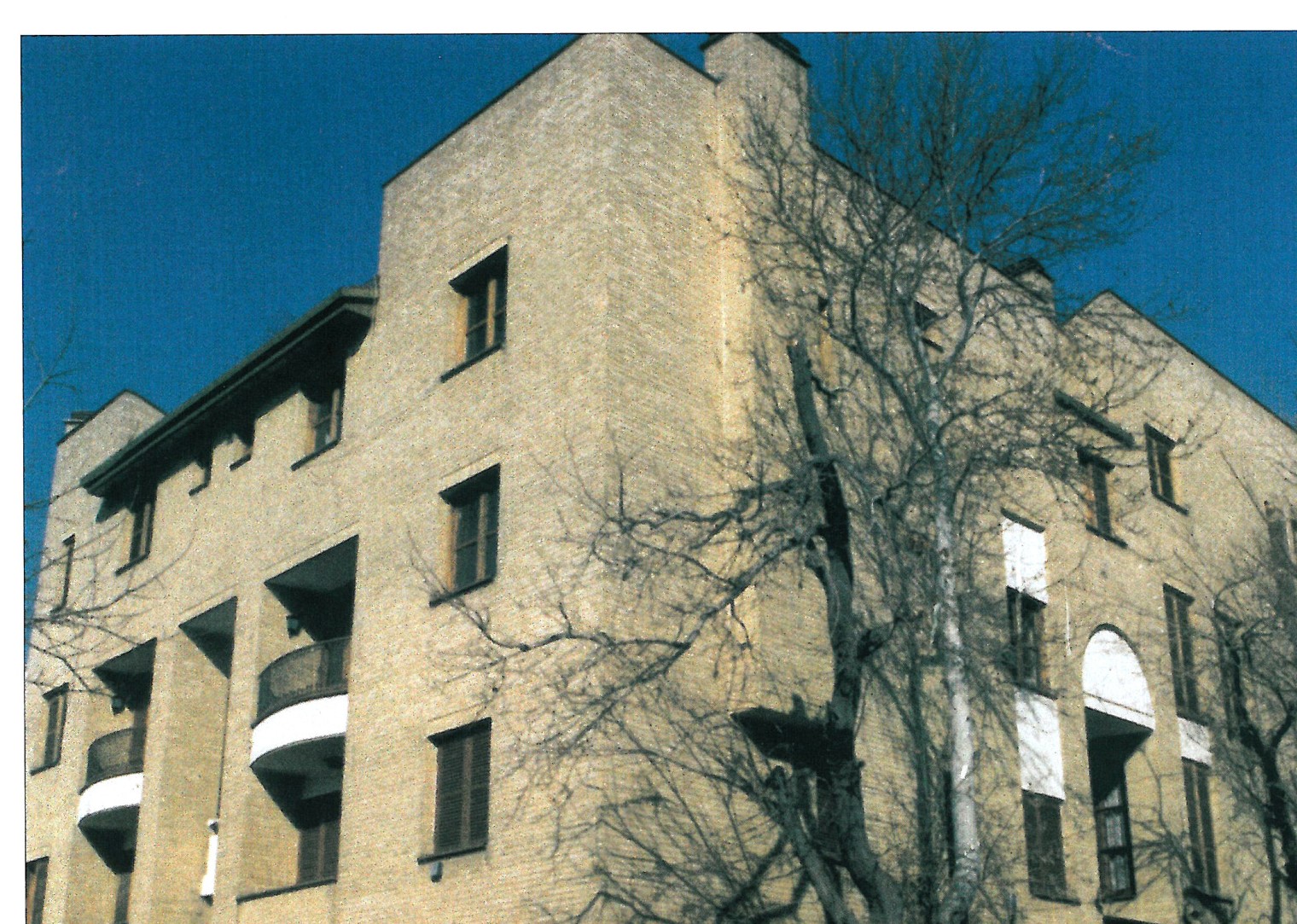
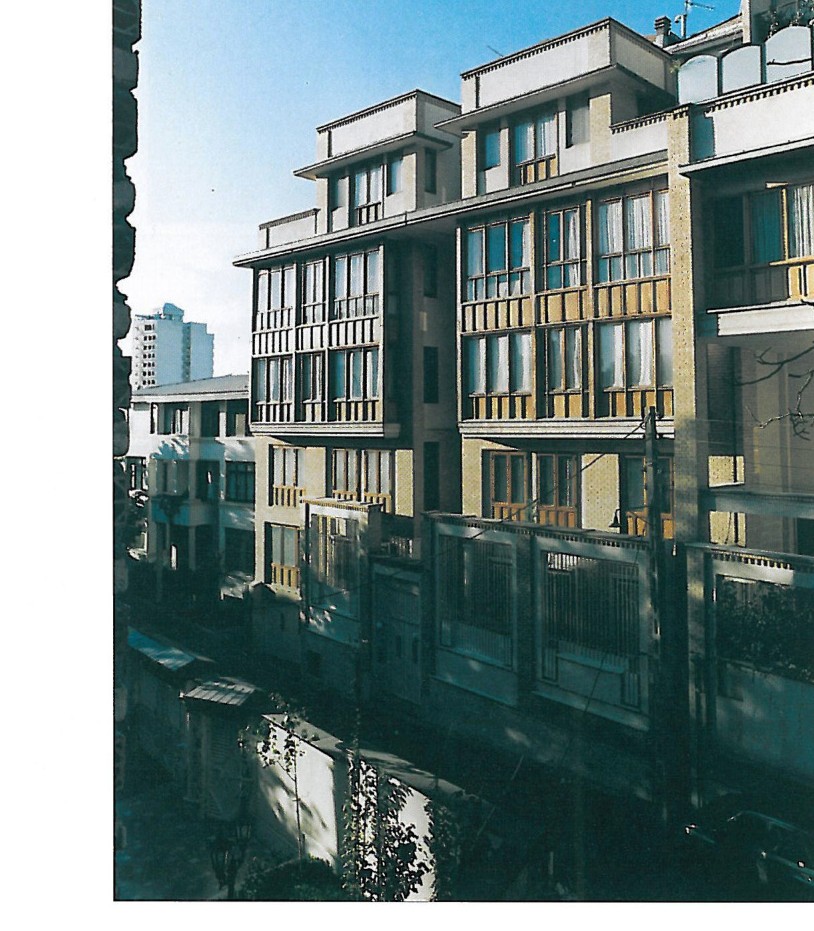
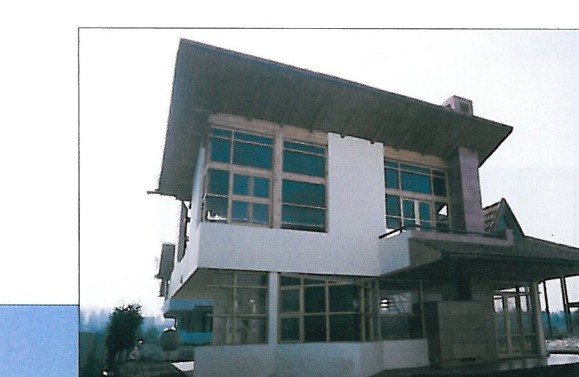
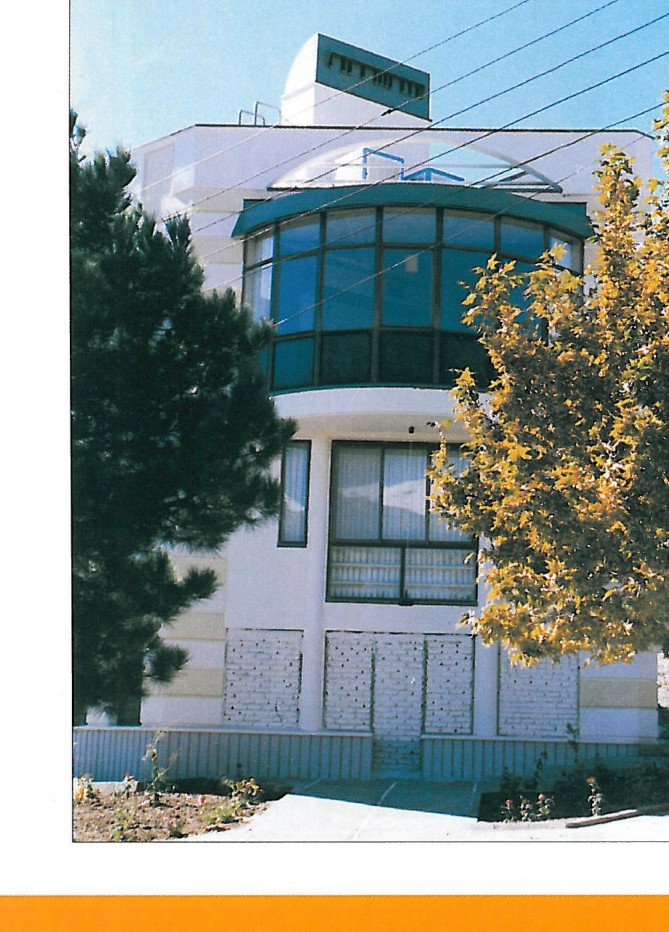
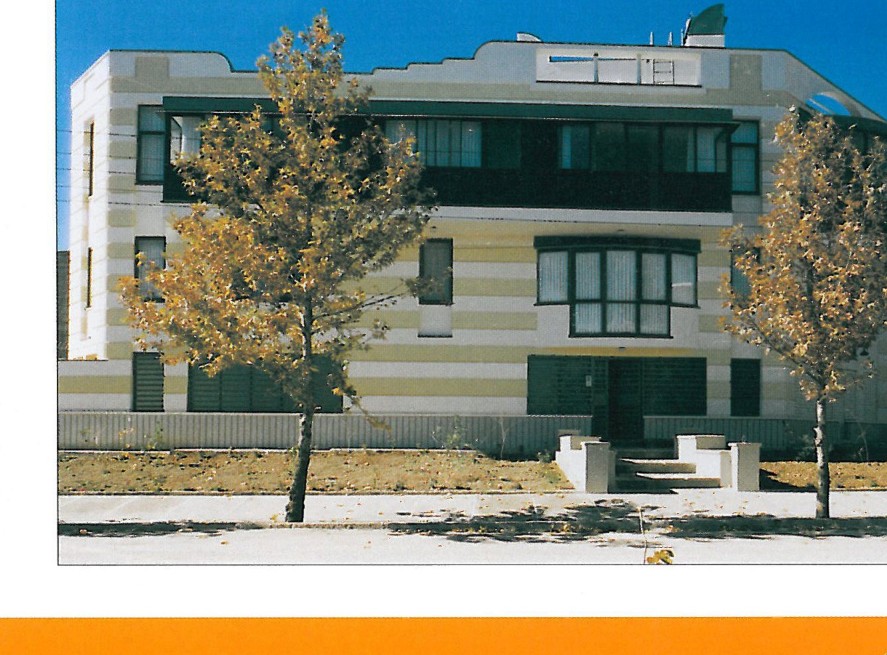
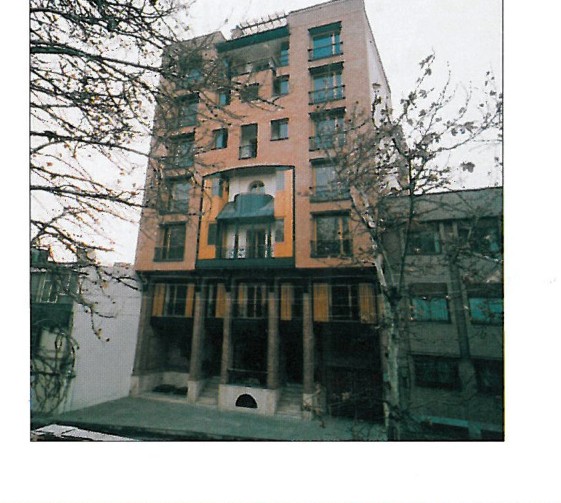
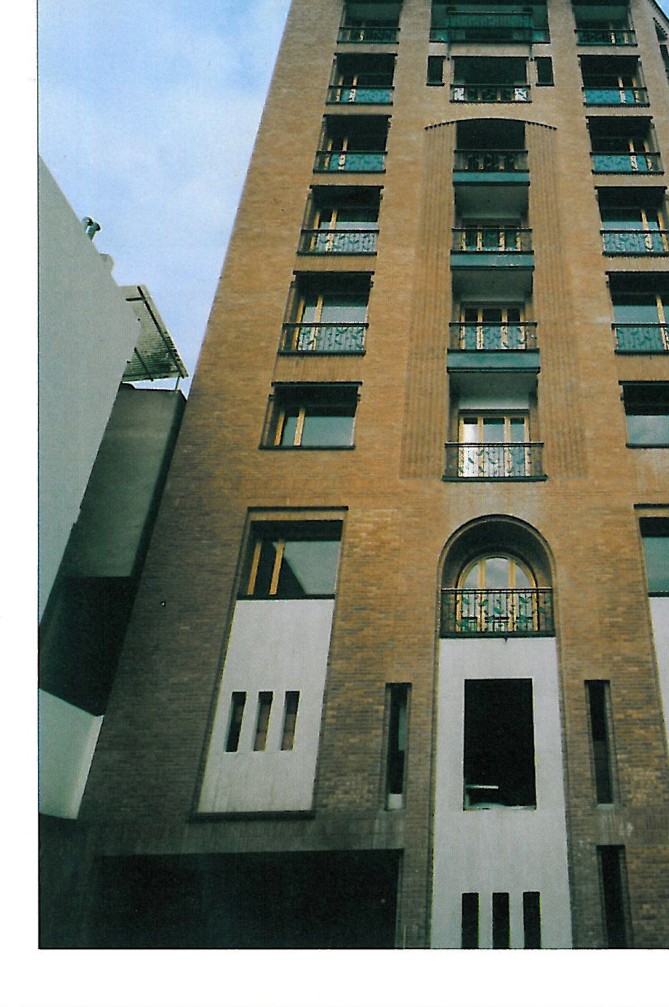
2nd Place — Elahiyye Residential Building, Tehran
ساختمان مسکونی الهیه (پروژۀ ۱۳۲) ـ بهروز بیات (رتبۀ دوم) ـ نمای بیرونیخانۀ نواب صفوی، اصفهان ـ محمدرضا قانعی و علی شیخالاسلام (رتبۀ سوم) ـ گذر
Behrooz Bayat (entry 132)
خانۀ نواب صفوی، اصفهان ـ محمدرضا قانعی و علی شیخالاسلام (رتبۀ سوم) ـ نمای بیرونیخانۀ نواب صفوی، اصفهان ـ محمدرضا قانعی و علی شیخالاسلام (رتبۀ سوم) ـ نمای بیرونی
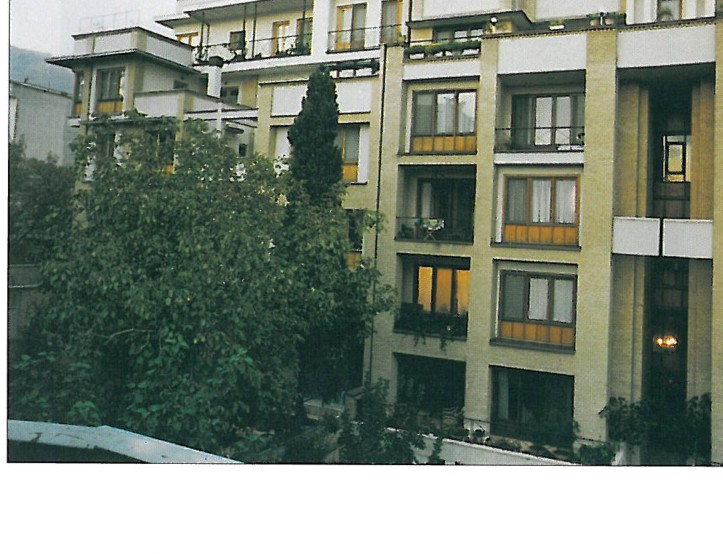
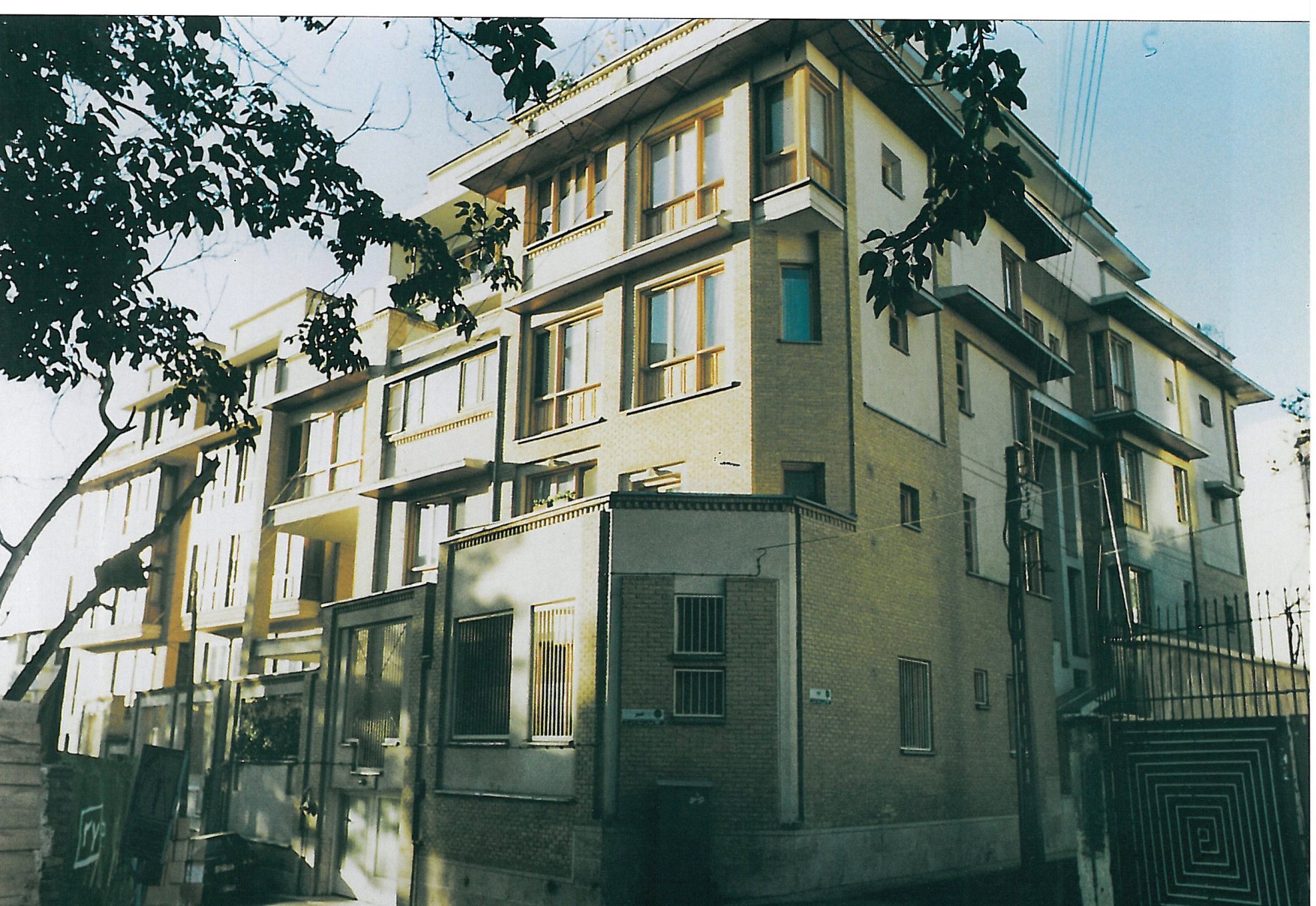
Mirmiran: 'This is a normal project, but all its parts are bound together. Its mark is the architect's mastery in producing unity, and his refusal to imitate.' Saremi: 'It is urban architecture and can become widespread.'
خانۀ نواب صفوی، اصفهان ـ محمدرضا قانعی و علی شیخالاسلام (رتبۀ سوم) ـ نمای داخلیخانۀ شمارۀ ۳، شیراز ـ مهرداد ایروانیان (رتبۀ چهارم) ـ نمای بیرونی
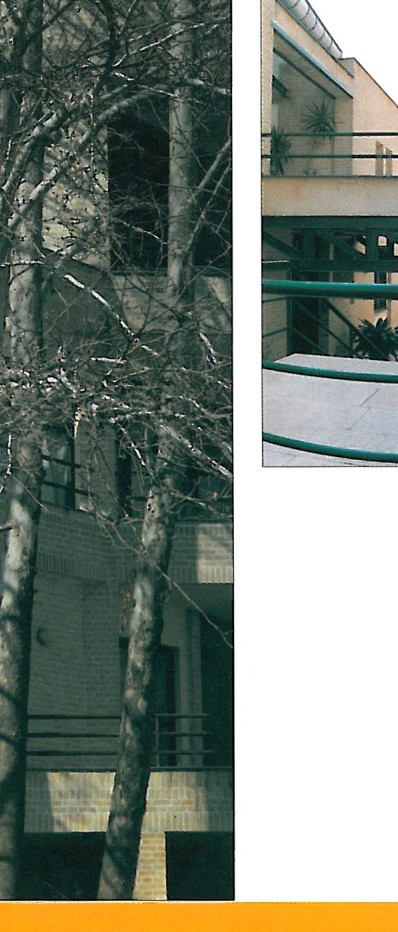
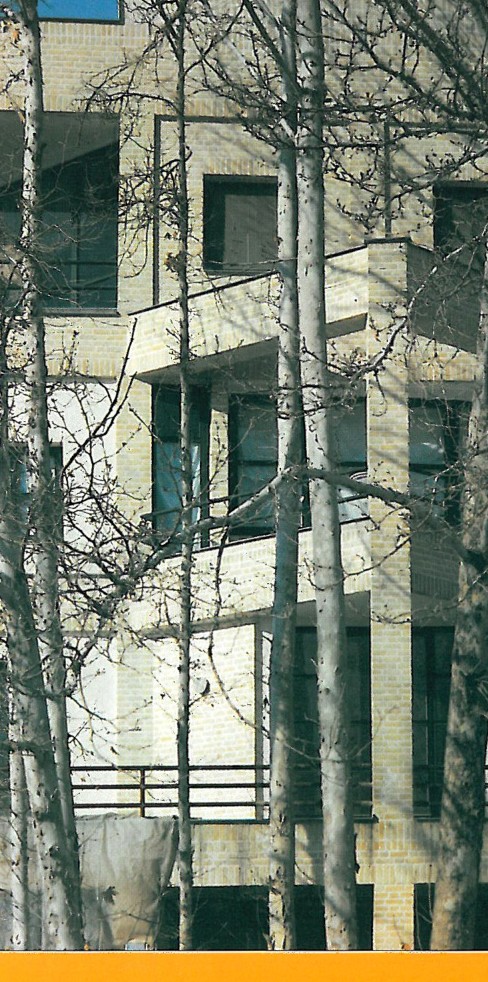
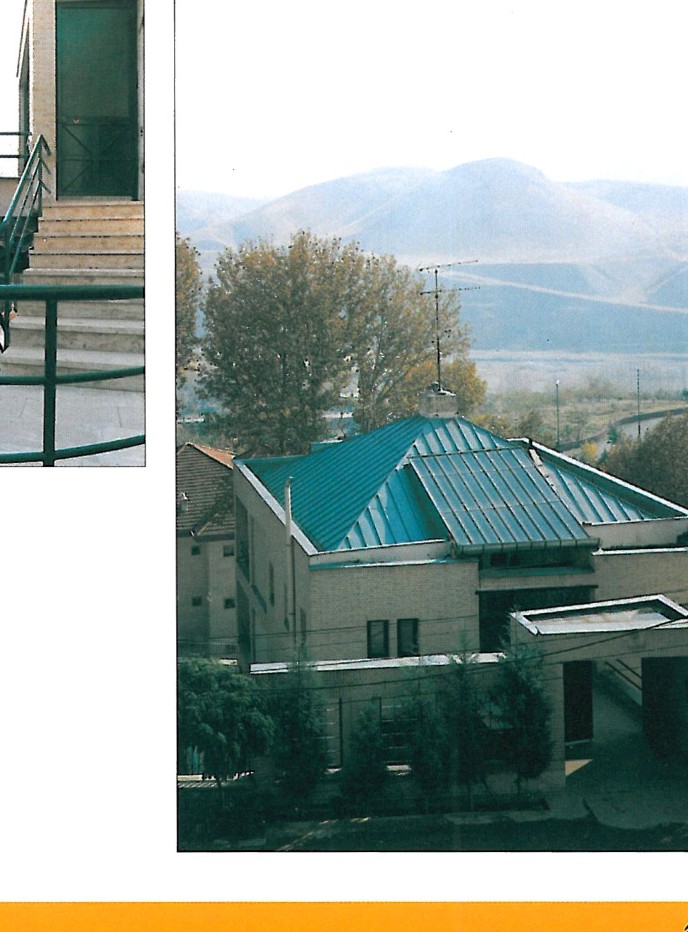
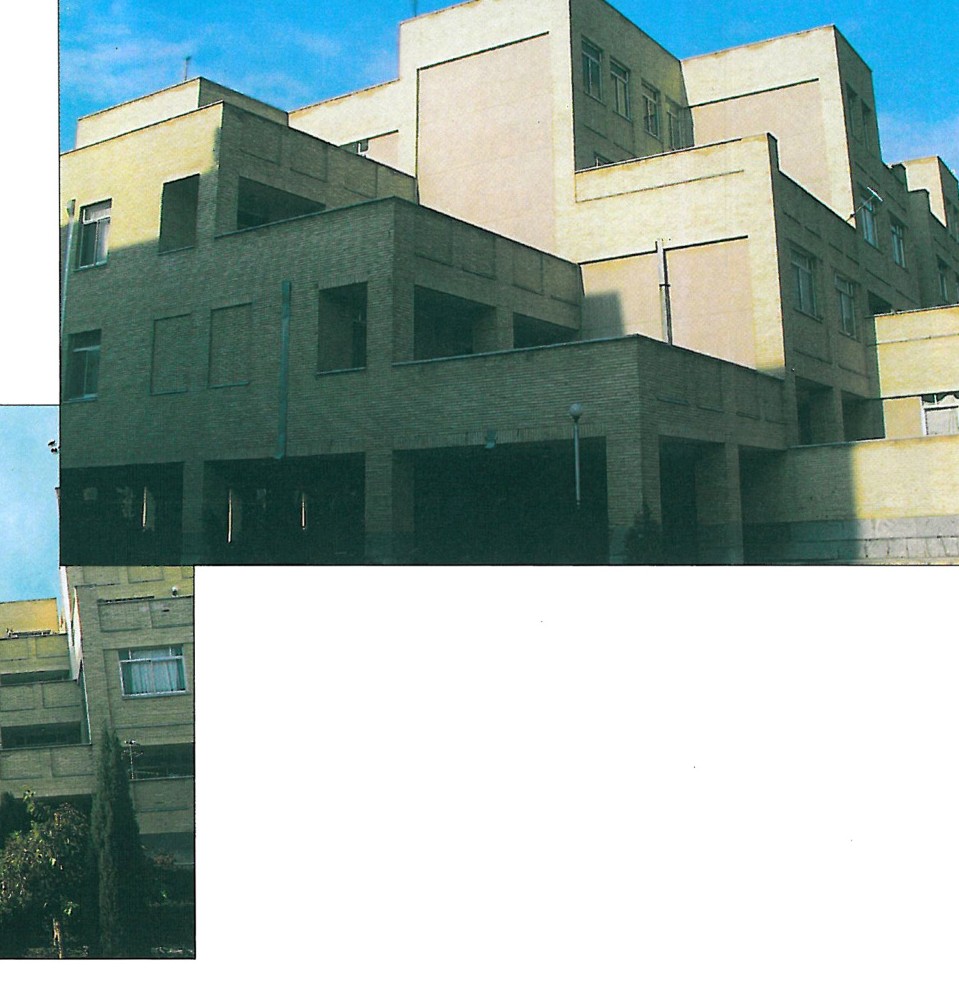
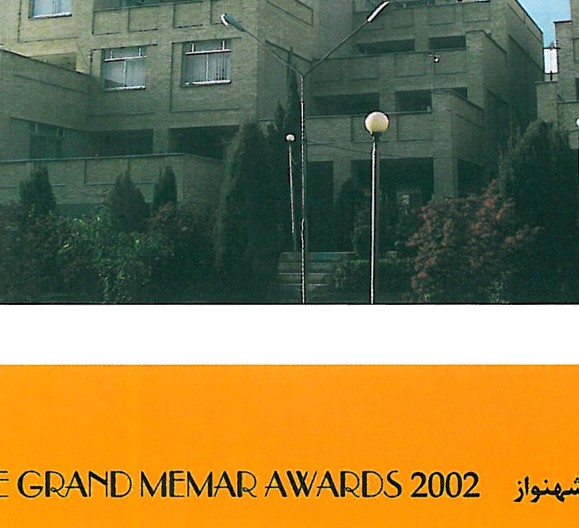
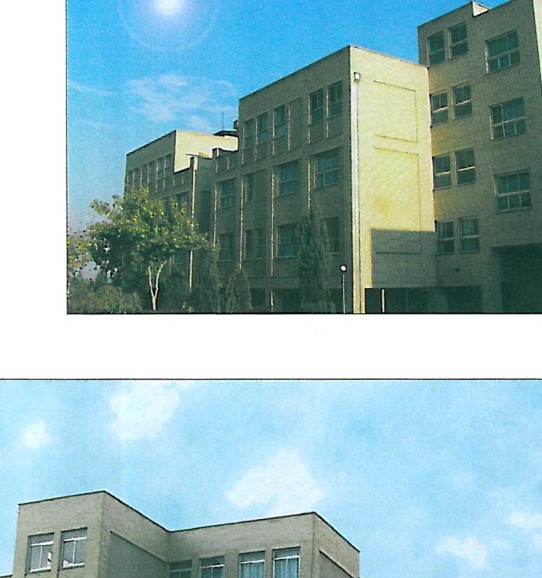
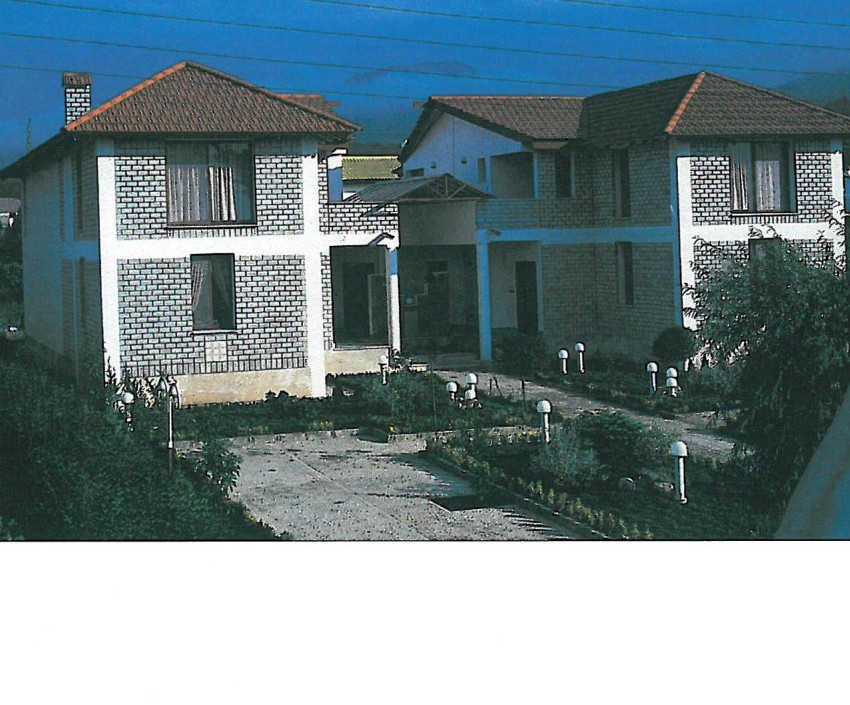
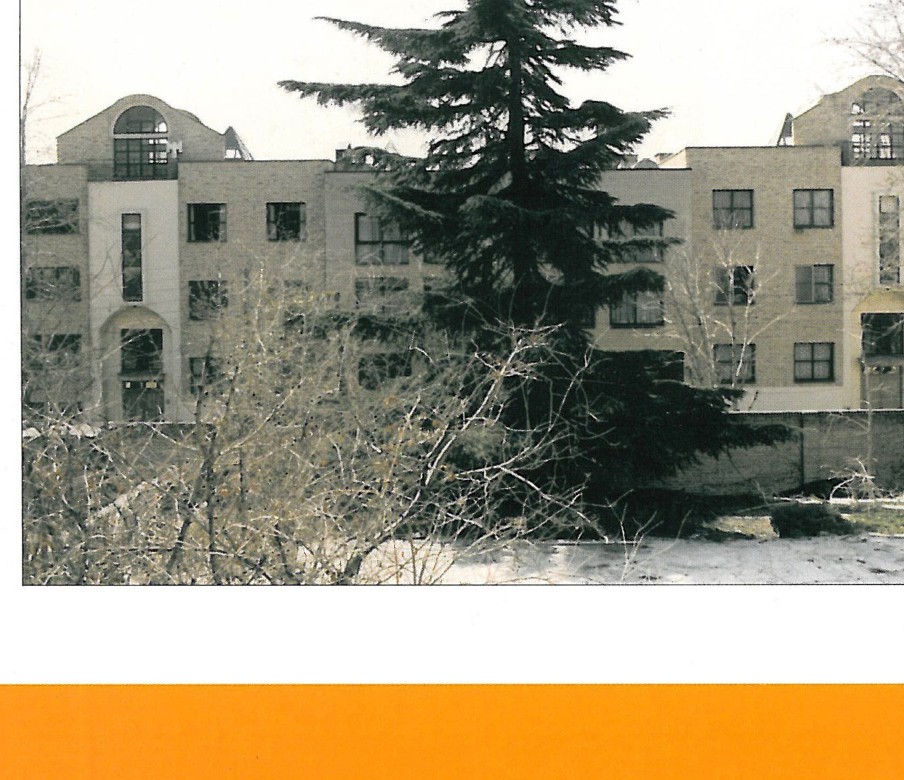
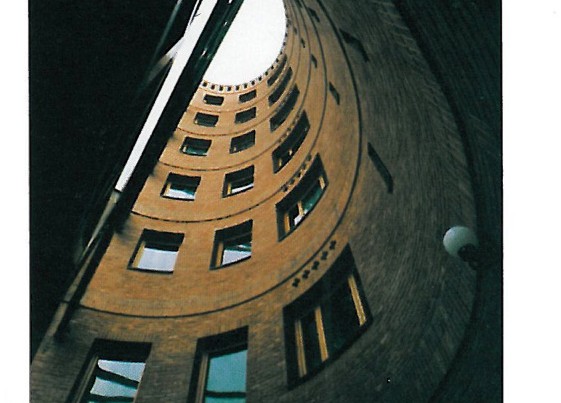
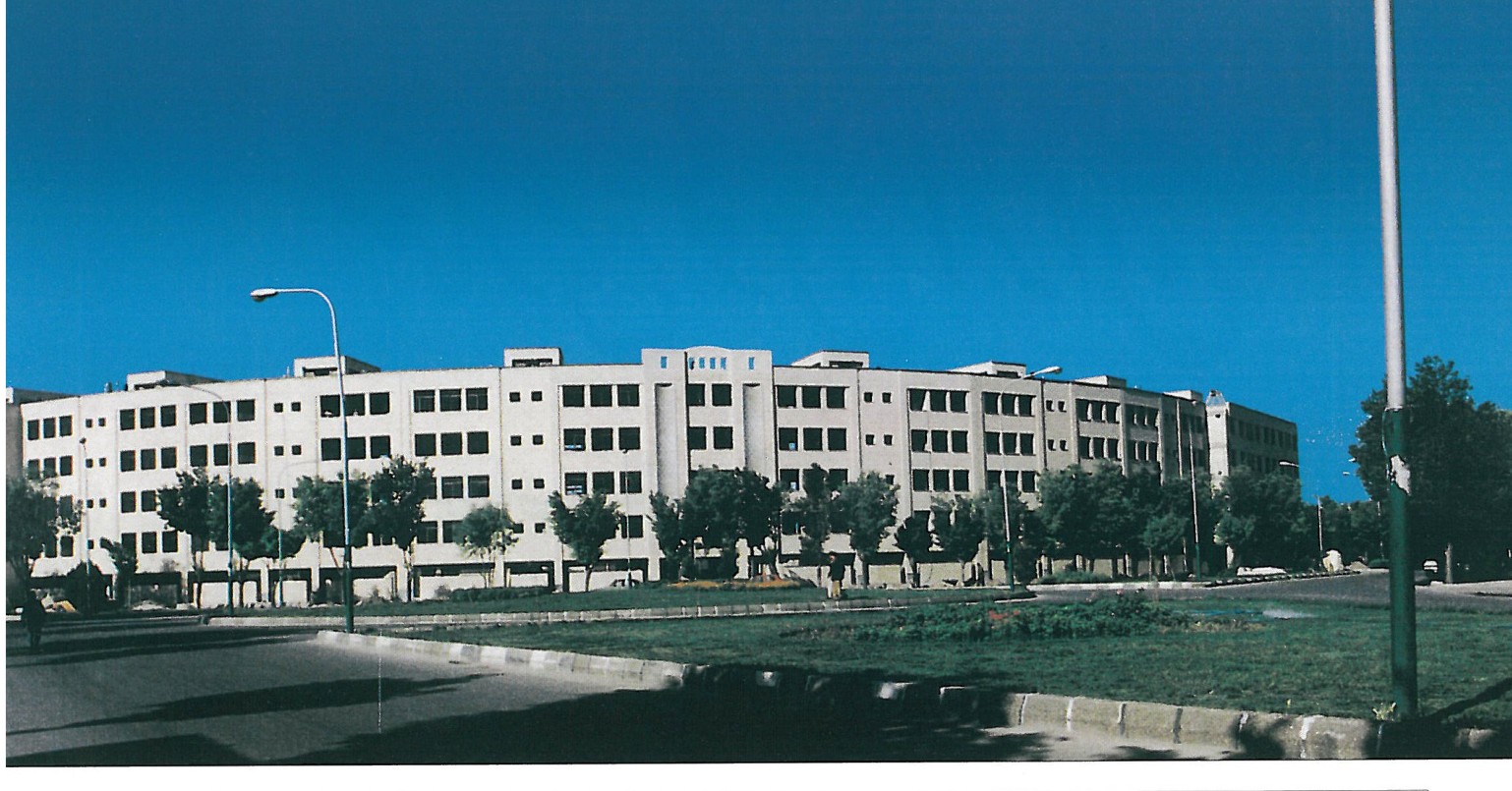
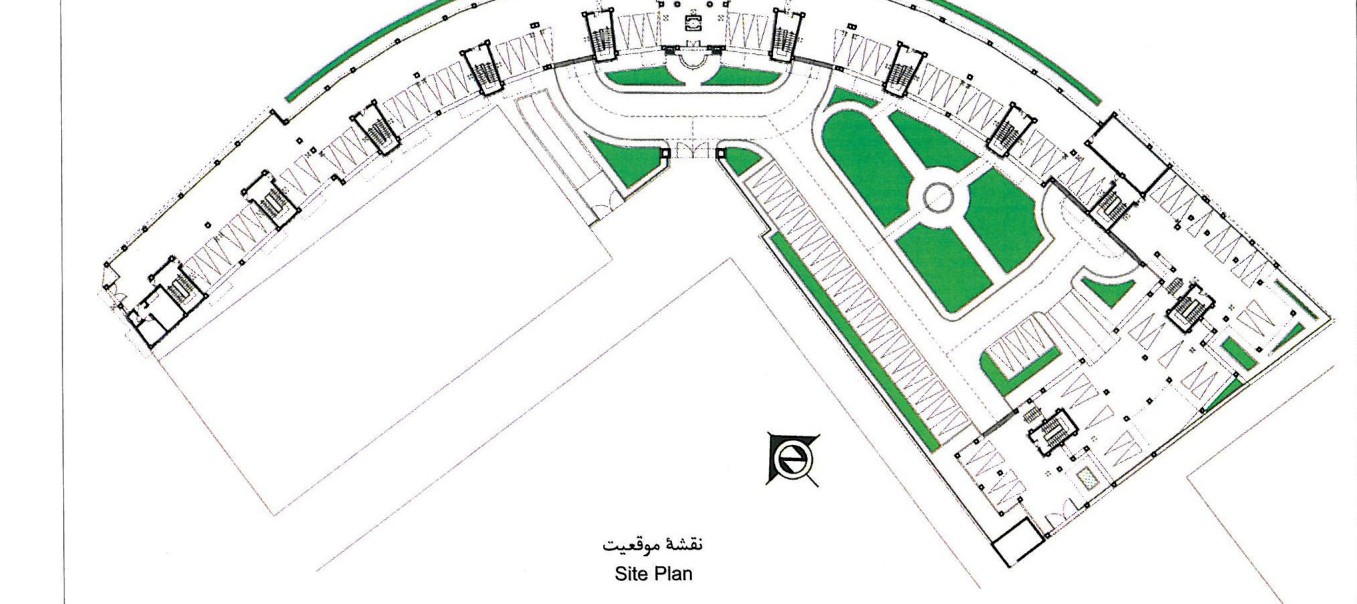
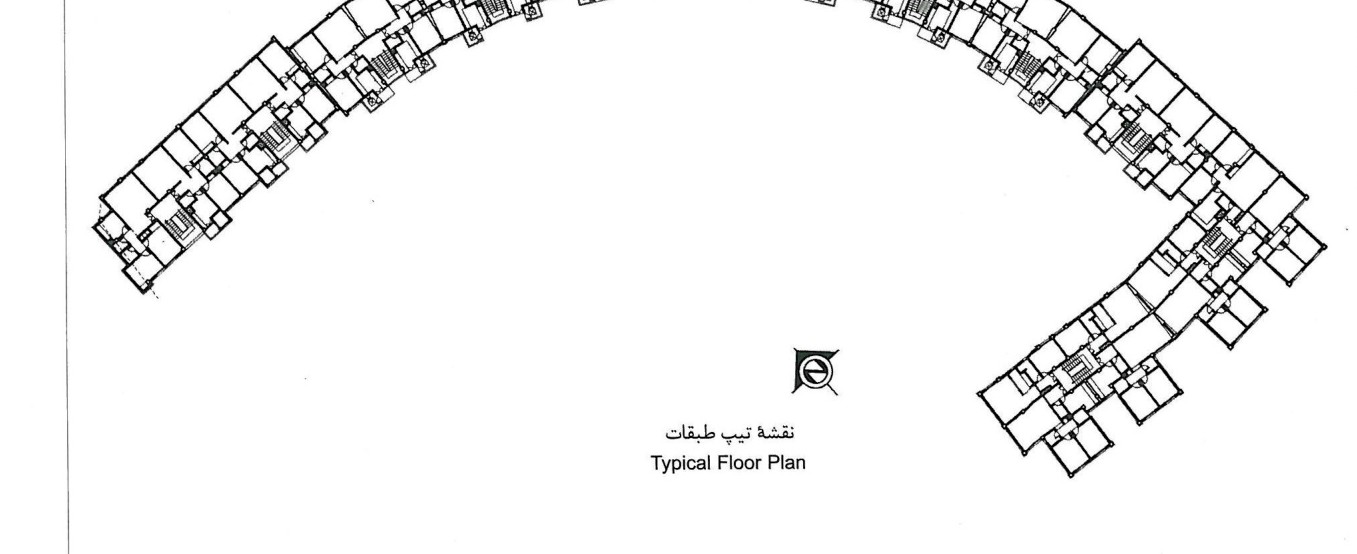
5th Place — Kamraniyyeh Residential Complex, Tehran
خانۀ شمارۀ ۳، شیراز ـ مهرداد ایروانیان (رتبۀ چهارم) ـ جزئیاتخانۀ شمارۀ ۳، شیراز ـ مهرداد ایروانیان (رتبۀ چهارم) ـ نمای بیرونیخانۀ شمارۀ ۳، شیراز ـ مهرداد ایروانیان (رتبۀ چهارم) ـ نمای داخلی
Faramarz Sharifi (entry 159)
مجتمع مسکونی کامرانیه، تهران ـ فرامرز شریفی (رتبۀ پنجم) ـ نمای داخلیمجتمع مسکونی کامرانیه، تهران ـ فرامرز شریفی (رتبۀ پنجم) ـ نمای بیرونی
Mirmiran: 'A faultless project. It has produced a pleasant central space, with the houses arranged around it.' Nazaramoo: 'The plans are designed with full care; there is no wasted space.'
مجتمع مسکونی کامرانیه، تهران ـ فرامرز شریفی (رتبۀ پنجم) ـ نمای بیرونیویلای لواسان ـ بهرام شکوهیان (منتخب هیئت داوران) ـ نمای بیرونی
Jury Selections
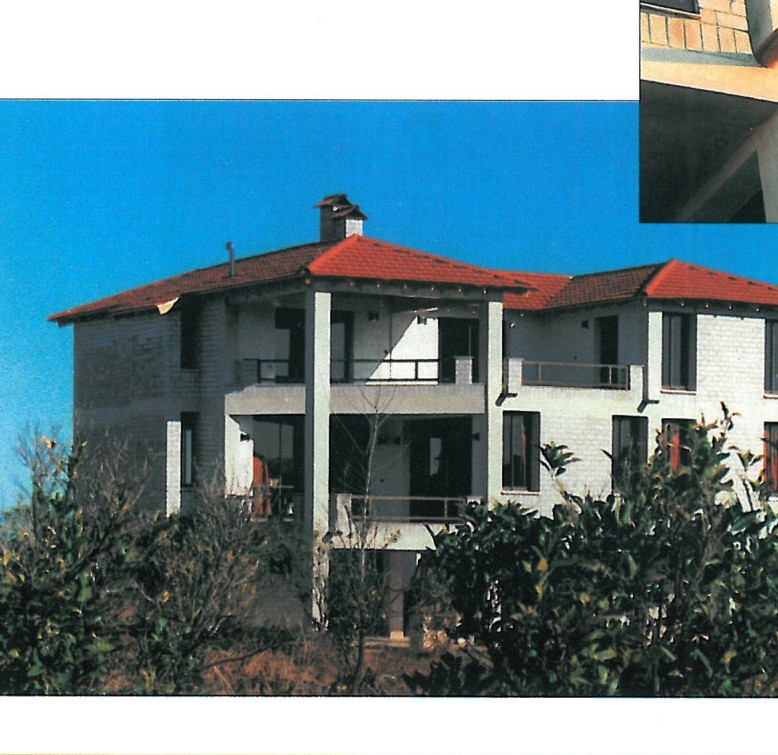
ویلای لواسان ـ بهرام شکوهیان (منتخب هیئت داوران) ـ نمای بیرونیویلای لواسان ـ بهرام شکوهیان (منتخب هیئت داوران) ـ نمای بیرونیمجموعۀ مسکونی منظریه ـ داریوش شهیار (منتخب هیئت داوران) ـ نمای بیرونی
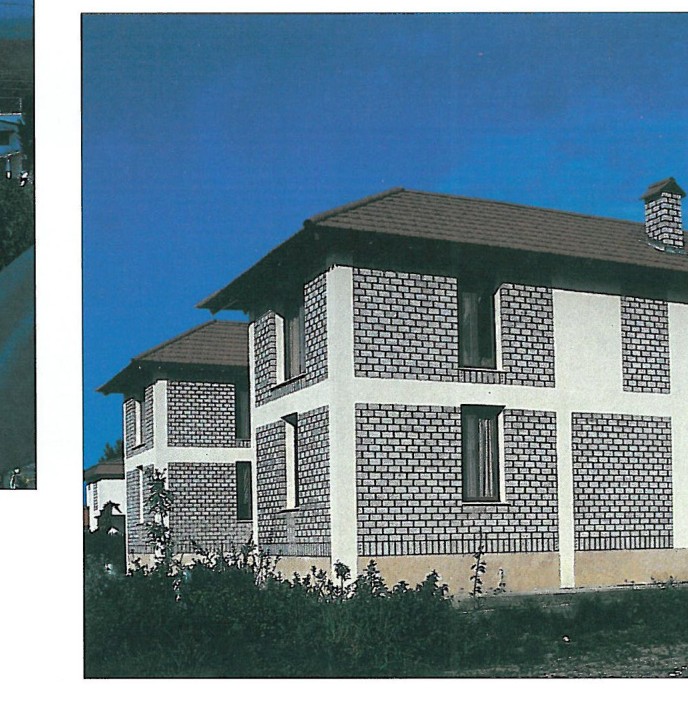
Lavasan Villa — Bahram Shokoohian
مجموعۀ مسکونی منظریه ـ داریوش شهیار (منتخب هیئت داوران) ـ نمای بیرونیمجموعۀ مسکونی منظریه ـ داریوش شهیار (منتخب هیئت داوران) ـ نمای بیرونی
بنای شمارۀ ۲۴ ـ رضا علیآبادی (منتخب هیئت داوران) ـ نمای بیرونیبنای شمارۀ ۲۴ ـ رضا علیآبادی (منتخب هیئت داوران) ـ نمای بیرونی
Building No. 24 — Reza Aliabadi
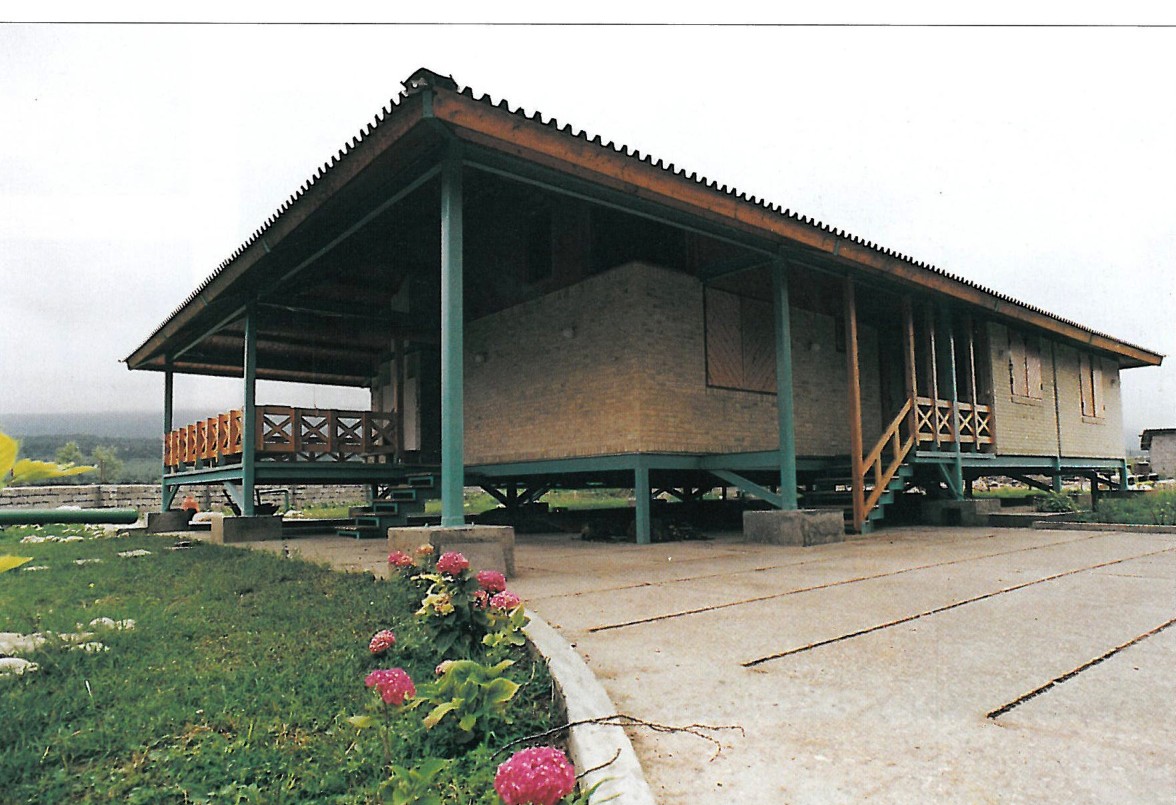
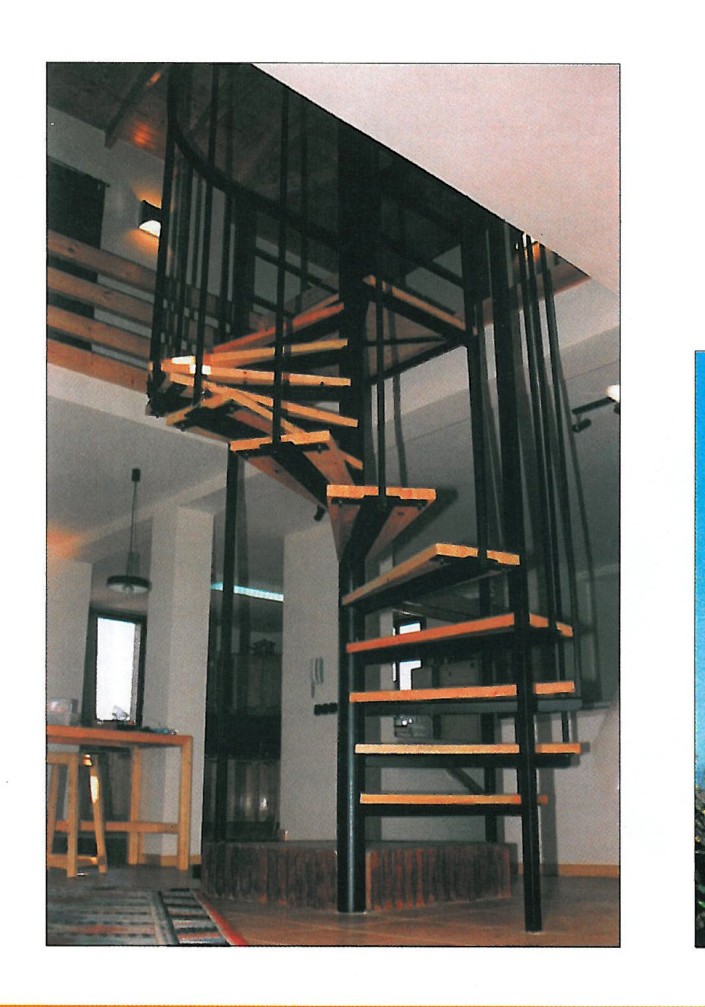
خاطرۀ پنج دری ـ محمد عقیلی (منتخب هیئت داوران) ـ نمای داخلیخاطرۀ پنج دری ـ محمد عقیلی (منتخب هیئت داوران) ـ نمای بیرونی
Salahaldin Kola Villa — Shahriar Ghadimi
ویلای صلاحالدین کلا ـ شهریار قدیمی (منتخب هیئت داوران) ـ نمای داخلیویلای صلاحالدین کلا ـ شهریار قدیمی (منتخب هیئت داوران) ـ نمای بیرونیبنای شمارۀ ۸۱ ـ رضا علیآبادی (منتخب هیئت داوران) ـ نمای داخلی
Building No. 81 — Reza Aliabadi
بنای شمارۀ ۸۱ ـ رضا علیآبادی (منتخب هیئت داوران) ـ نمای بیرونیساختمان پیرایش ـ فربار جواهریان (منتخب هیئت داوران) ـ نمای بیرونی
Pirayesh Building — Farbar Javaherian
ساختمان پیرایش ـ فربار جواهریان (منتخب هیئت داوران) ـ نمای داخلیخانۀ کردان ـ فیروز فیروز (منتخب هیئت داوران) ـ نمای بیرونی
Kordan House — Firooz Firooz
خانۀ کردان ـ فیروز فیروز (منتخب هیئت داوران) ـ نمای بیرونیساختمان مسکونی الهیه ـ بهروز بیات (منتخب هیئت داوران) ـ نمای بیرونیساختمان مسکونی الهیه ـ بهروز بیات (منتخب هیئت داوران) ـ نمای بیرونی
Elahiyye Residential Building (entry 150) — Behrooz Bayat
ویلای ملکار ـ رشید خمارلو (منتخب هیئت داوران) ـ نمای داخلیویلای ملکار ـ رشید خمارلو (منتخب هیئت داوران) ـ نمای بیرونی
Malekar Villa — Rashid Khomarlou
ویلای ملکار ـ رشید خمارلو (منتخب هیئت داوران) ـ نمای بیرونیخانۀ مرشدزاده ـ امیرحسین طاهری (منتخب هیئت داوران) ـ نمای بیرونی
Morshedzadeh House — Amir Hosein Taheri
خانۀ مرشدزاده ـ امیرحسین طاهری (منتخب هیئت داوران) ـ نمای شبانهویلای فشندک ـ حسین ناصری (منتخب هیئت داوران) ـ نمای بیرونی
Fashandak Villa — Hosein Naseri
ویلای فشندک ـ حسین ناصری (منتخب هیئت داوران) ـ نمای بیرونیساختمان سعادتآباد ـ بهروز پاکدامن (منتخب هیئت داوران) ـ نمای بیرونیساختمان سعادتآباد ـ بهروز پاکدامن (منتخب هیئت داوران) ـ نمای بیرونی
Sa'adat Abad Building — Behrooz Pakdaman
ساختمان مسکونی نگاران ـ محمدرضا نیکبخت (منتخب هیئت داوران) ـ نمای بیرونیساختمان مسکونی نگاران ـ محمدرضا نیکبخت (منتخب هیئت داوران) ـ نمای بیرونی
Negaran Residential Building — Mohammad Reza Nikbakht
ساختمان مسکونی نگاران ـ محمدرضا نیکبخت (منتخب هیئت داوران) ـ نمای داخلیمجموعۀ مسکونی پارس ۱ ـ داریوش شهیار (منتخب هیئت داوران) ـ نمای هوایی
Pars 1 Residential Complex — Dariush Shahnavaz
مجموعۀ مسکونی پارس ۱ ـ داریوش شهیار (منتخب هیئت داوران) ـ پلان موقعیتمجموعۀ مسکونی پارس ۱ ـ داریوش شهیار (منتخب هیئت داوران) ـ پلان تیپ طبقات