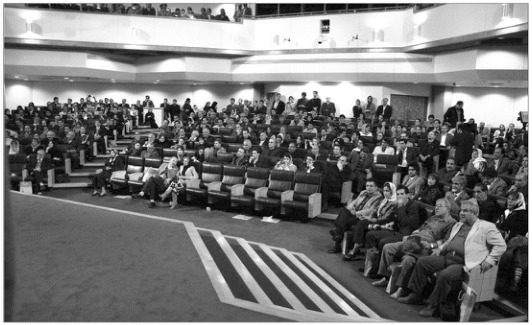
The winners of the 6th Memar Award were honored on the 19th of Aban 1385 [November 10, 2006] in a ceremony held at the Shahrokhan Hall of Architect Yousef Shariat-Zadeh at the National Library of Iran. A film was also screened at the ceremony in tribute to Architect Kamran Diba.
Prior to the publication of the call for entries, meetings of the Advisory Council for this edition were held with the participation of Dr. Ahmad Azimi Bolourian, Architect Mohsen Mirheydar, Architect Iraj Kalantari, Architect Kamran Shahinfar, and Architect Kamran Afshar Naderi. The council formulated policies aimed at enhancing quality and increasing rigor in the judging process.
Entries were evaluated in three scale-based categories of residential architecture: individual dwellings and small houses, apartment buildings, and large residential complexes. Prizes would be awarded to the top three in each category, with the jury reserving the option to declare any rank vacant if no submission met the standard. The total prize fund was 150 million Rials.
The Jury
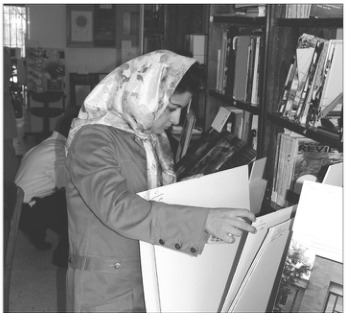
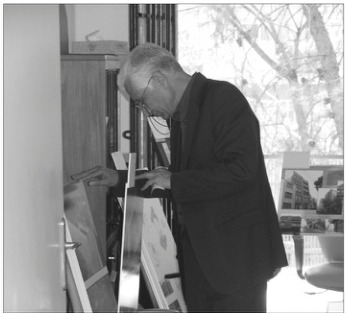
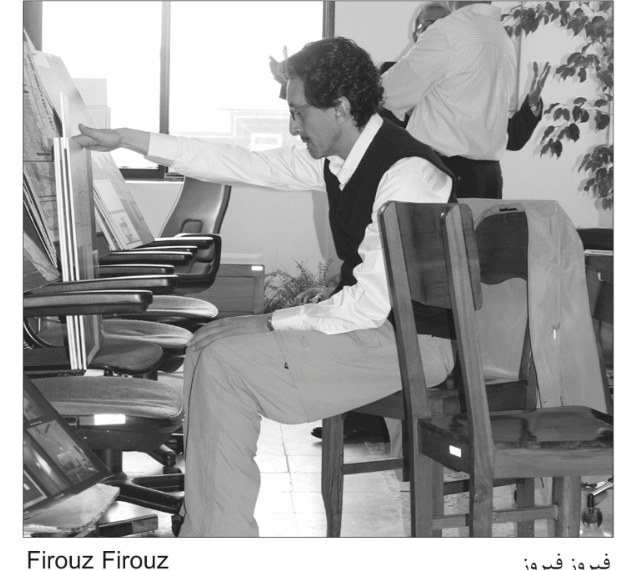
The jury members for the 6th edition were Negar Hakim, Faramarz Sharifi, Hossein Sheikh-Zeineddin, Bahram Shokouhian, and Bernard Khoury from Lebanon — who unfortunately could not attend due to the Lebanon War. From the Advisory Council, Architect Firouz Firouz was selected as his replacement.
Submissions & Process
Following the call for entries and the expiration of the submission deadline on the 10th of Aban, a total of 73 projects were received at the magazine's office. One project was rejected due to incomplete documentation and another was excluded, leaving 72 projects for evaluation. A notable observation in this edition was the slight increase in submissions from provincial cities compared to previous years: Isfahan contributed 7 projects, Kerman 3, and submissions were also received from Hamadan, Mashhad, and Rasht.
Judging Process
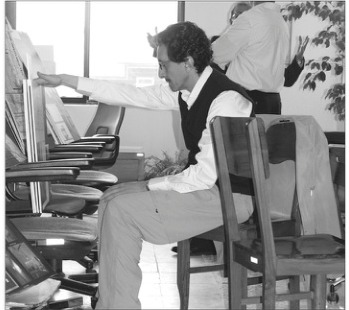
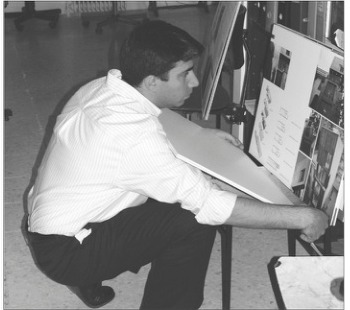
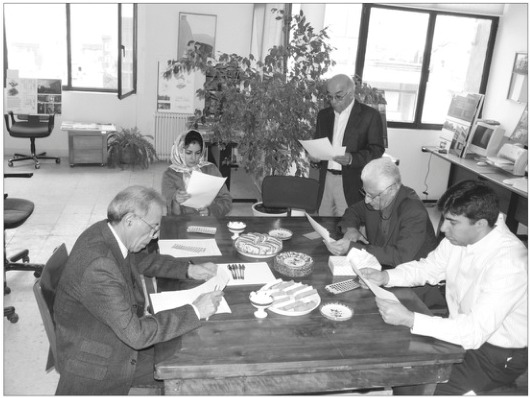
The judging sessions took place on the 15th and 16th of Aban [November 6–7, 2006]. Through three phases of elimination based on the judging protocol, the jury reviewed all works. In the first elimination phase, 18 projects were removed; in the second phase, 10 more were eliminated. The remaining 15 projects, together with 5 borderline projects that had been the subject of jury deliberation, advanced to the final evaluation stage for ranking.
Of the 30 selected works — comprising 9 individual dwellings or small houses, 6 apartment buildings, and 5 large complexes — with the remaining reviewed in the borderline category, 2 were ultimately rejected as renovation works. The jury recommended that future editions establish clearer criteria regarding renovations.
Juror Perspectives
Before the first elimination phase, the jurors were asked to articulate their personal criteria for inclusion and exclusion of projects. Their perspectives reveal the depth of consideration brought to the evaluation process:
Selected Projects — Jury Discussion
Individual Dwellings and Small Houses
Project No. 31 — Villa No. 3, Matli Township, Royan (Zaviyeh Architecture Group): The jury found this project to be of exceptional quality, with a design ambition matched by the courage of its execution. The spatial composition demonstrates a classical calm — the plan has great depth, and the orientation to the four cardinal directions is handled with precision. The relationship between the courtyard and interior spaces was praised as both logical and poetic. All five jurors recognized the work's sustained attention to detail and the authenticity of its architectural references. From the very beginning, the project commanded unanimous respect.
Project No. 2 — Villa No. 2, Daryacheh Township, Nour (Pouya Khazaeli-Parsa): This project engaged the jury because it addresses several architectural problems simultaneously — the attention to landscape, the relationship between courtyard and dwelling, and the proportions and scale all demonstrate a principled approach. The proportional quality between interior and exterior spaces was particularly noted, along with the successful integration of the building with its natural surroundings.
Project No. 60 — Pour Seyyedi House, Kerman (Shervin Hosseini): The form and spatial organization of this project demonstrate genuine architectural intelligence and a thoughtful response to the Kerman context. The handling of climate and local building traditions was commended, with the jury noting the practical resolution of the plan despite some details that could have been developed further.
Project No. 38 — Noamouz House, Karaj (Ali Barikhti): The jury appreciated this project’s good plans and clear articulation of roof and wall surfaces. A particular Iranian sensibility in the spatial arrangement was recognized — one that feels authentic rather than imposed. The relationship between structure and plan reflects a mature understanding of domestic space.
Apartment Buildings
Project No. 32 — Dowlat Building, Tehran (Alireza Sharafati, Pantea Eslami, and Rashid Ebtehaj): Selected for its qualities of restraint and urban sensitivity, this project creates a building that contributes positively to the streetscape while providing genuinely livable apartments. The architects made intelligent choices about massing and orientation on a difficult urban site, allowing natural light and air to reach the living spaces. The geometric rigor of the design gives it a clarity that serves the residential program well.
Project No. 19 — Ganj-e-Danesh, Tehran (Ramin Mehdizadeh): This project demonstrates genuine care in the handling of residential space within a multi-unit building. The planning approach draws on a recognizable Iranian typological tradition — the entry sequence, the relationship between public and private zones, and the proportions of the common areas all reflect a mature understanding of apartment living in Tehran. The massing and facade have an appropriate dignity.
Project No. 29 — Parvaneh District, Tehran (Harirchi and Associates): The jury recognized the fundamental challenge this project addresses in creating community within a large-scale residential development. The landscape design, common space treatment, proportional relationships between building masses, and internal organization of apartments all demonstrate a comprehensive design approach.
Large Residential Complexes
Project No. 20 — Ordibehesht Grand Complex, Isfahan (Ramin Madani): The jury unanimously selected this project for the way it responds to the particular character of Isfahan. The architect used materials and proportions that create harmony with the existing urban fabric while establishing a contemporary identity. The material palette and spatial organization reflect a sophisticated understanding of Isfahan’s architectural tradition, and the relationship between common areas and private residences is thoughtfully handled. The jury considered this one of the most accomplished large-scale residential developments reviewed in this edition.
Jury Rankings
Individual Dwellings — Juror Votes by Project Number
| Juror | 1st Place | 2nd Place | 3rd Place |
|---|---|---|---|
| Negar Hakim | 31 | 2 | 19 |
| Hossein Sheikh-Zeineddin | 60 | 31 | 2 |
| Faramarz Sharifi | 31 | 60 | 2 |
| Firouz Firouz | 31 | 2 | 46 |
| Bahram Shokouhian | 31 | 60 | — |
Apartment Buildings — Juror Votes by Project Number
| Juror | 1st Place | 2nd Place | 3rd Place |
|---|---|---|---|
| Negar Hakim | 32 | 19 | 26 |
| Hossein Sheikh-Zeineddin | 19 | 16 | 23 |
| Faramarz Sharifi | 16 | 23 | — |
| Firouz Firouz | — | 19 | 23 |
| Bahram Shokouhian | 26 | 19 | — |
In the large complexes category, the jury unanimously selected Project No. 20 (Ordibehesht Complex in Isfahan) as the winner.
Winners
| Category | Place | Project | Architect / Firm | City |
|---|---|---|---|---|
| Individual Dwellings | 1st | Villa No. 3, Matli Township | Zaviyeh Architecture Group | Royan |
| Individual Dwellings | 2nd | Villa No. 2, Daryacheh Township | Pouya Khazaeli-Parsa | Nour |
| Individual Dwellings | 2nd | Pour Seyyedi House | Shervin Hosseini | Kerman |
| Individual Dwellings | 3rd | Noamouz House | Ali Barikhti | Karaj |
| Apartment Buildings | 1st | Dowlat Building | Sharafati, Eslami & Ebtehaj | Tehran |
| Apartment Buildings | 2nd | Ganj-e-Danesh | Ramin Mehdizadeh | Tehran |
| Apartment Buildings | 3rd | Parvaneh District | Harirchi and Associates | Tehran |
| Large Complexes | Winner | Ordibehesht Complex | Ramin Madani | Isfahan |
Special Commendation: Project No. 21 — Ava-Ahang Residential Building, Tehran (Hani Ghodsi Rati and Touraj Moshirzadeh), recognized for demonstrated quality and skill, particularly noteworthy among works constrained by municipal regulations.
Ceremony
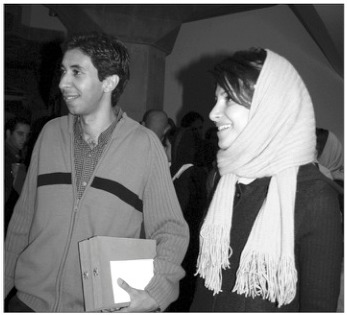
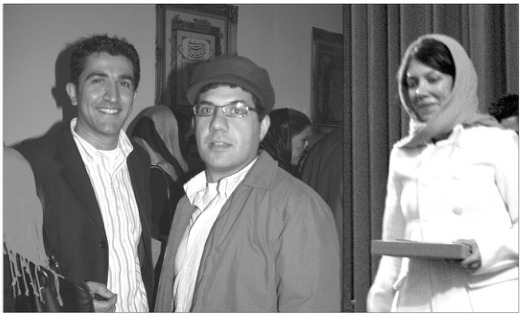
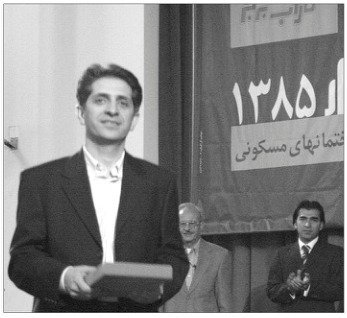
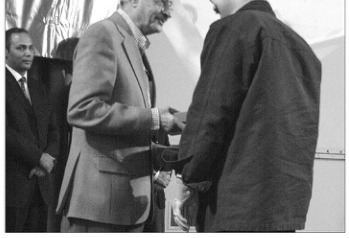
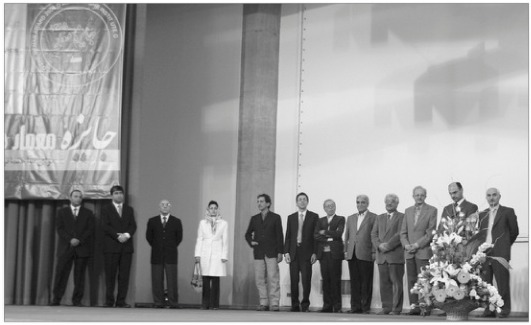
The 6th Memar Award ceremony was held on November 10, 2006 (19 Aban 1385) at the Shahrokhan Hall of Architect Yousef Shariat-Zadeh in the National Library of Iran, Tehran. The ceremony included the presentation of awards to all category winners, with a total prize fund of 150 million Rials. A special film tribute to Architect Kamran Diba was screened, honoring his lifetime contributions to Iranian architecture.
Advisory Council
The Advisory Council for the 6th Memar Award comprised distinguished architects and construction experts who guided the jury on matters of policy:
Dr. Ahmad Azimi Bolourian · Mohsen Mirheydar · Iraj Kalantari · Kamran Shahinfar · Kamran Afshar Naderi
The council emphasized three key priorities: the importance of contextual sensitivity in residential architecture, the need for attention to construction quality and craftsmanship, and the value of innovation grounded in Iranian architectural traditions.



