Tehran, Paykan and others
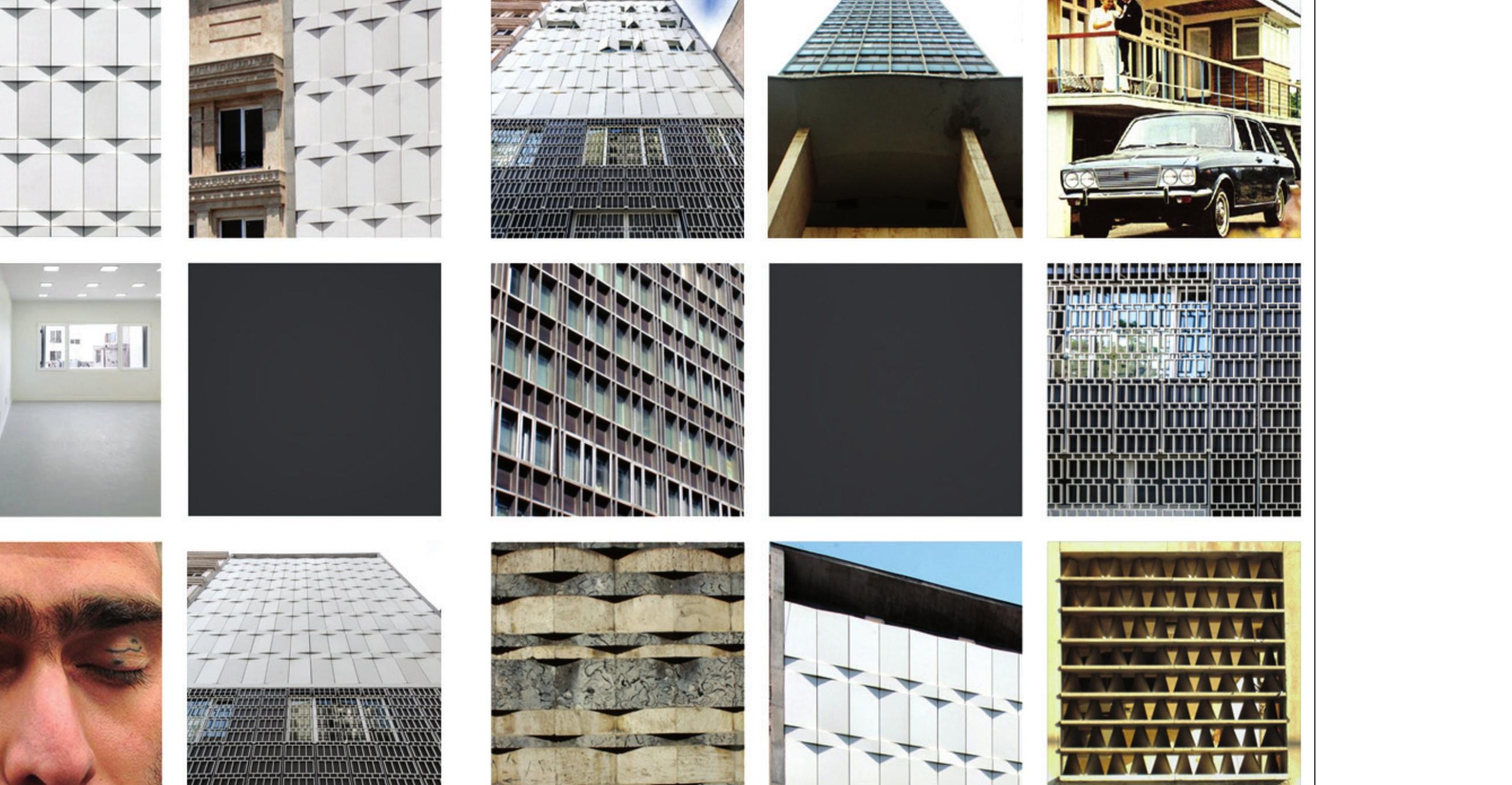
Production of the Paykan car began in 1967, roughly contemporary with the formation of Tehran's main administrative and commercial fabric within what was then the city centre. Both Paykan and Tehran were at their peak. Their aesthetics were not unrelated. Both promised a new era. Both were formally outstanding. Their fates, however, each went off in its own way: one did not change for forty years, until the Minister of Industry proudly called it an archived chariot; the other completely changed its skin and drew the patterns of its physical transformation from places that bore no relation to it, and despite a handful of tolerable buildings became ugly. Yet from those luminous years of Tehran some keepsakes remain. Still, if we wander easily and at leisure through the streets of the city centre, we find a number of mostly office buildings — the fruit of the obsessiveness and meticulousness and disciplined craftsmanship of the architects of that period.
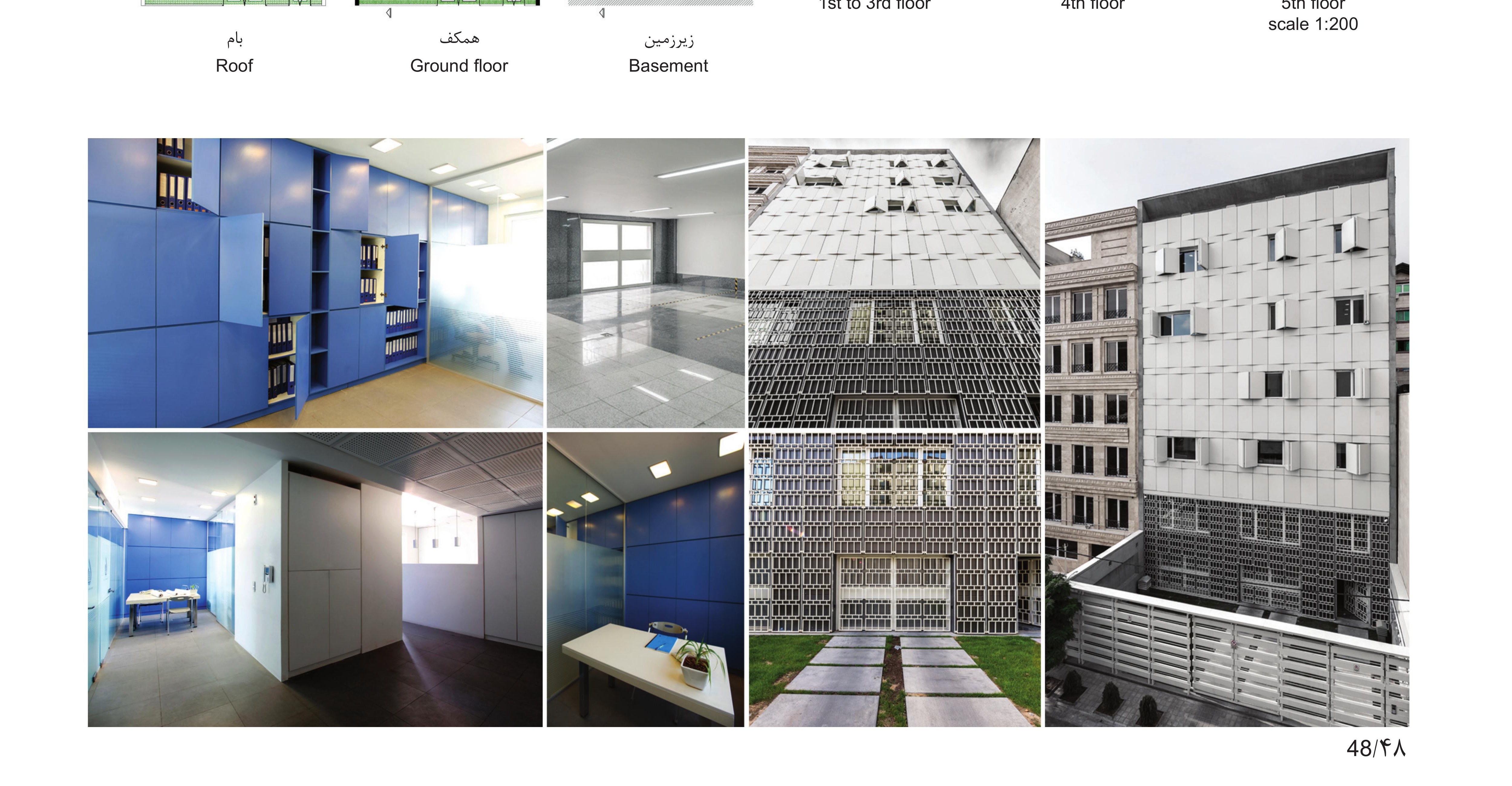
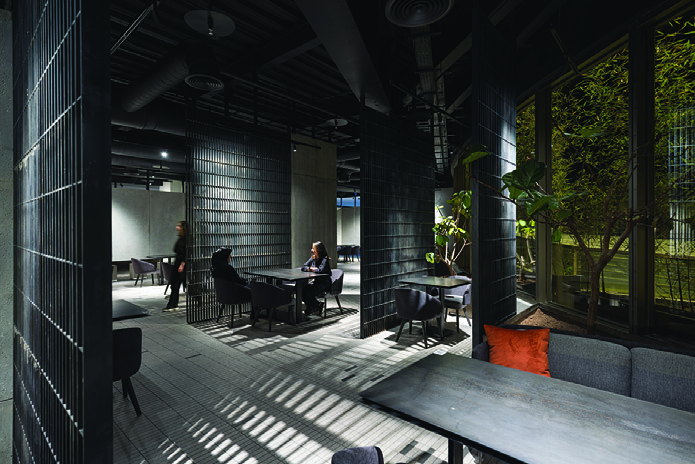
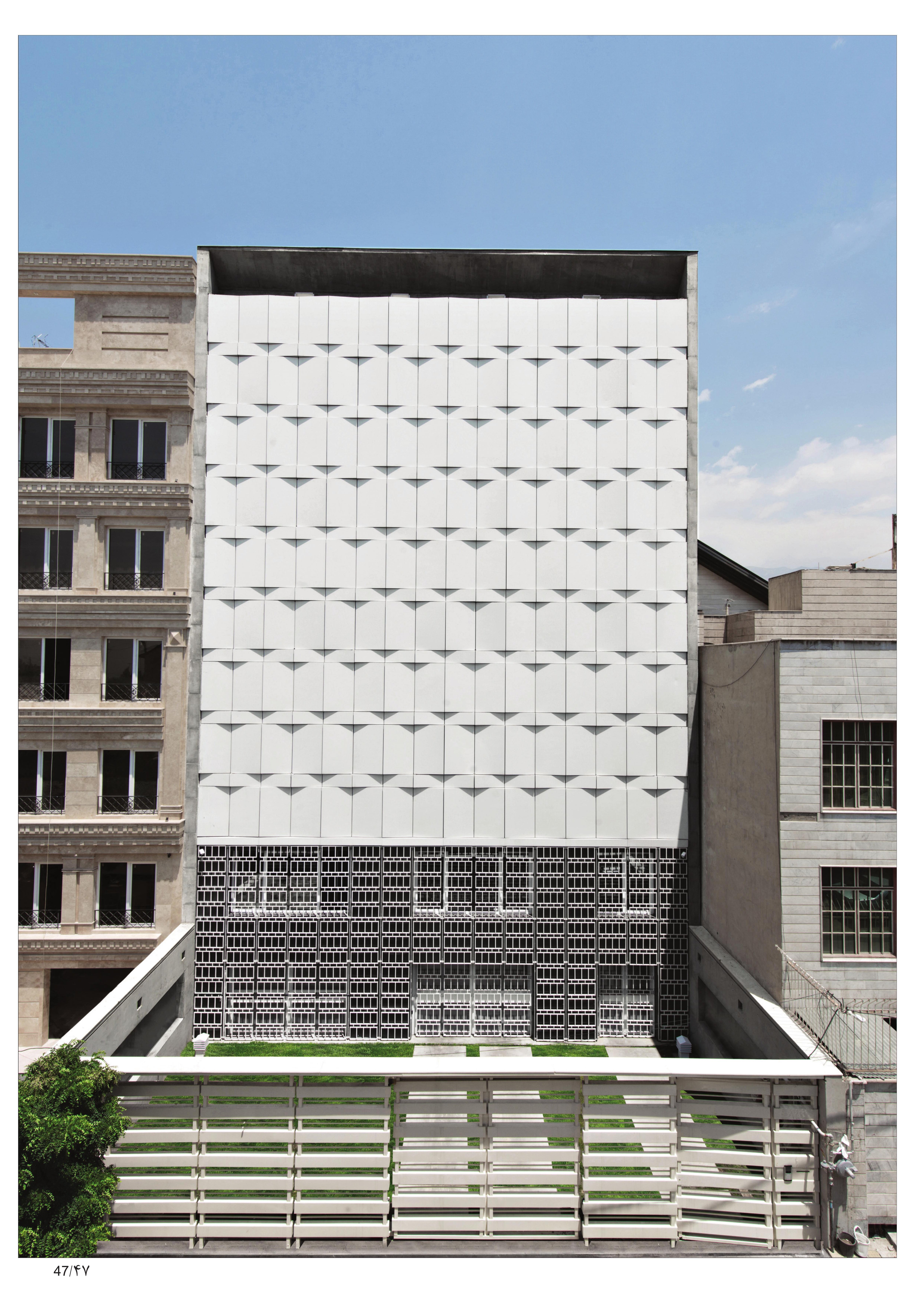
The lineage of the resulting project is a kind of respect for Tehran, for what it had in its peak years of prosperity: from the transparency of facades at pedestrian level and the rhythm and character of railings, guards and divisions of the main facade, to the decisive, straight and sturdy lines of the elevation. The client needed a unique identity, and our proposal was an efficient and logical connection with Tehran, the bed of the design. Dear Tehran, which it would be well to notice before they sign its archive papers.
If you don't see me, I don't see me either
“Uglinesses multiply if we close our eyes to them.” Ebrahim Golestan placed this sentence at the opening of the film The House Is Black. It was meant to be both a manifesto and a remedy. In the present project, however, we face the unmitigated decisive presence of a whole called Tehran. Tehran, like any other comprehensive and important phenomenon, both serves and betrays. Its betrayal is where it has imposed a generalised insecurity on the client, and through him on the designer. Following a major theft at the client's previous building, “security” had become his crisis question.
He had asked us to design his building in such a way that “not a hair would slip through its seam”. He had asked that all of the building's openings be in maximum control. The client's wish, as it reached us, did not stop at the level of social security. It grew, and turned into a manifesto about psychological and visual security. There — to express the recent ugliness of Tehran, before giving any solution — we needed to set off a silent protest march and shine a light on the problem. To commit visual disobedience. To close our eyes, even if this is more of a sedative than a cure, and to give the building's users the opportunity, now and then, to close their doors and windows against the acoustic and visual pollutions of Tehran and retreat into their own shell.
And so the building gained the ability to close its eyes. To draw attention, and to send a message to Tehran. A kind of three-dimensional, permanent graffiti. A kind of eastern, restrained protest against the existing situation.
Composite handicrafts
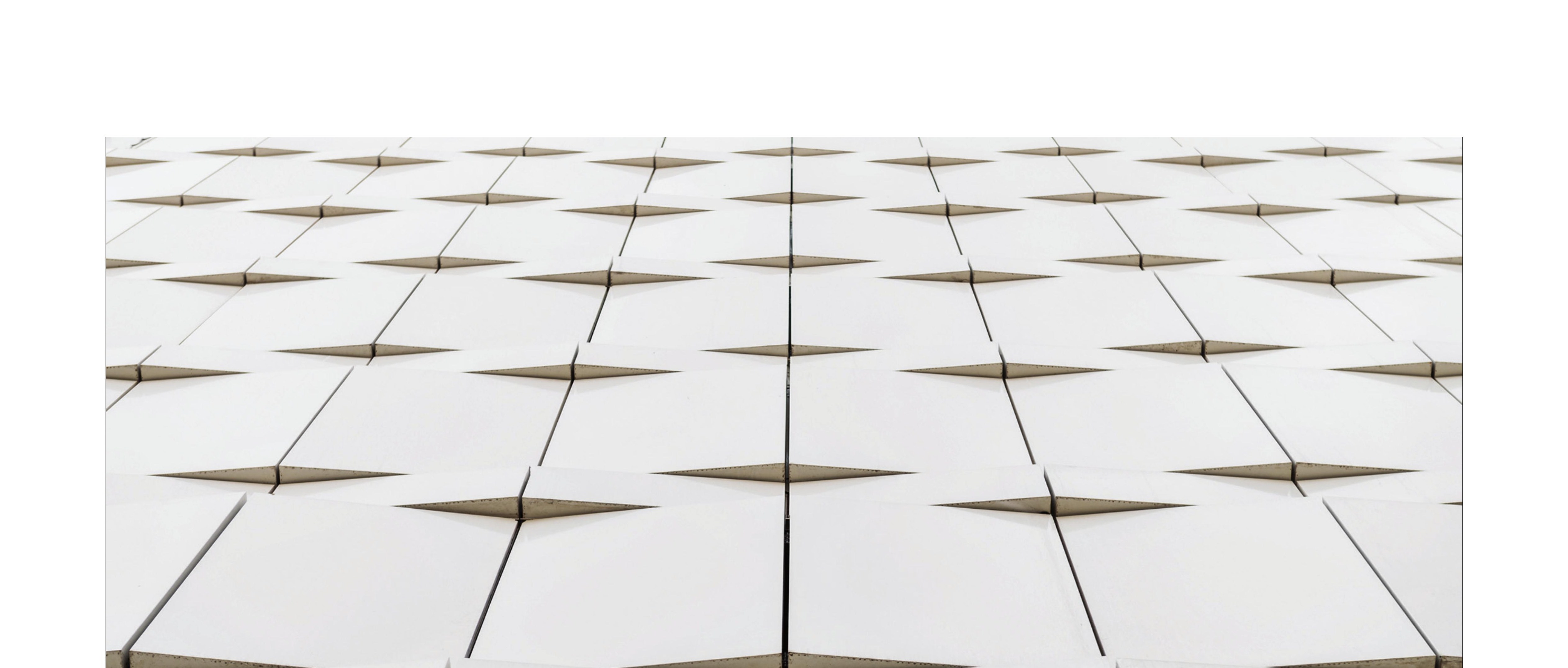
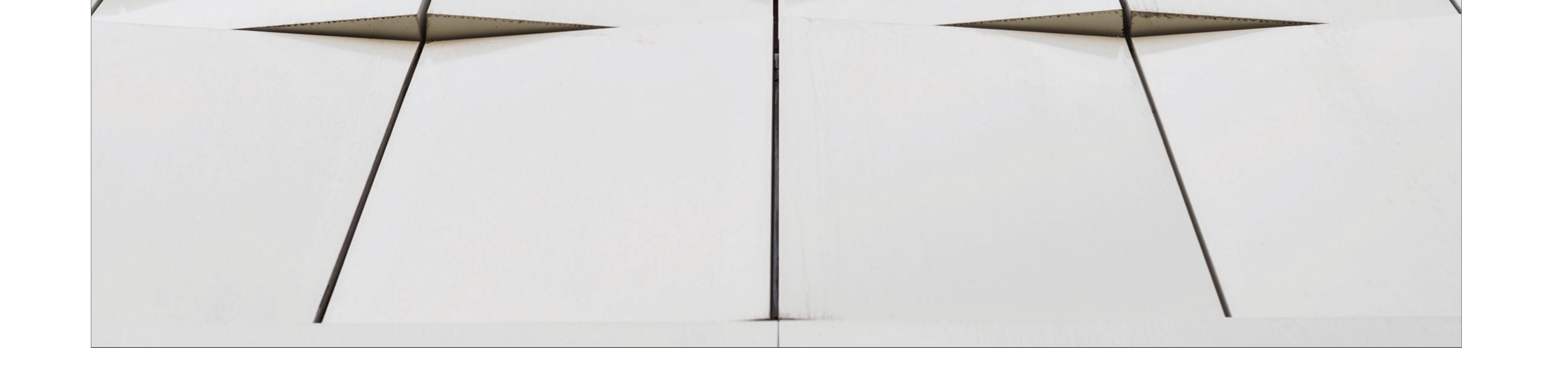
Aluminium composite panels are these days drawing their last breaths: the inevitable result of fashion-driven, inelegant use of this material. In this project we tried — before consigning the composite to the rubbish bin — to put it to architectonic use. The kinetic detailing of the hard shell and composite varnish of the facade has been designed precisely for this project. We understood and deployed the composite in the same way as the artisan architects of Tehran in the Paykan era understood rebar, iron sections and concrete formwork. Composite was taken away from the role of an error-concealing surface and became an active urban membrane — a membrane that knows how to change, to open and close its eyes, and to be alive.