Location: Amirkabir University of Technology, Tehran
Client: Vice President for Science and Technology of the Presidency
Architect: Panah Company — Behnam Miranian
Design team: Mona Afrough, Ahmadreza Khodakaram, Siamak Ghafouri, Elahe Barani, Mahsa Masoudi, Nazanin Zakeri, Davood Mohamad Hasan, Arezoo Khosravi
Construction & supervision: Mahdi Rezaei, Zahra Khedri
Content production: Arezoo Shagaldi, Reza Oskouie
Graphic design: Arezoo Shagaldi
Photography: Mohamad Hasan Etefagh, Mohamad Keshvari
Area: 3,300 m²
Universities, as one of the important elements in the transformation of every society, take on different missions according to the conditions and demands of their time and place. In the new generation of universities, the emphasis is placed on the flourishing of the students' creativity, and the outcome of this attitude is the training of entrepreneurs and the offering of creative solutions in the face of constraints and problems. One of the structures that directs and accelerates the conditions for the formation and the growth of students' creative ideas is the presence of innovation centres in universities.
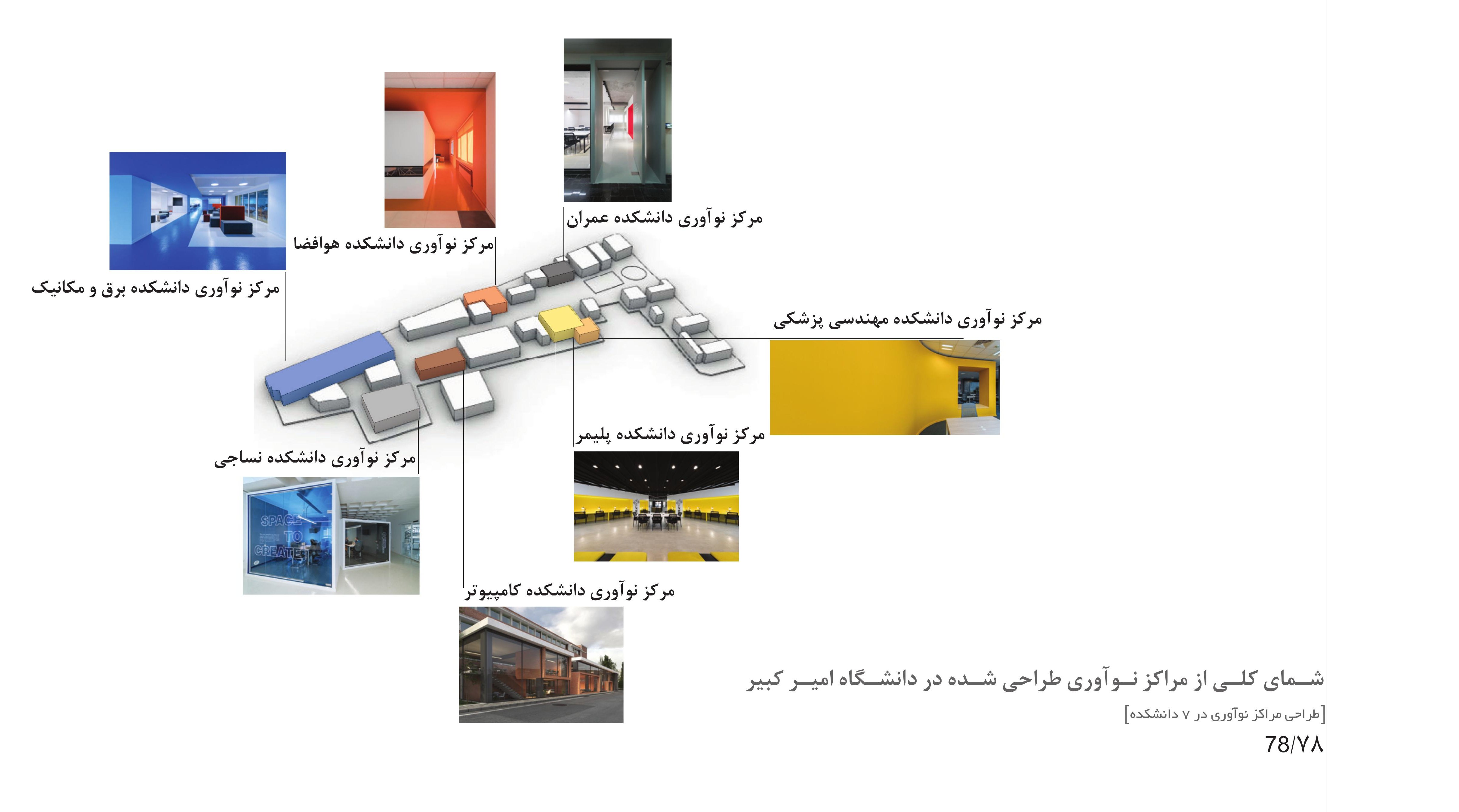
The present project was planned with the aim of building innovation centres in seven faculties of Amirkabir University of Technology.
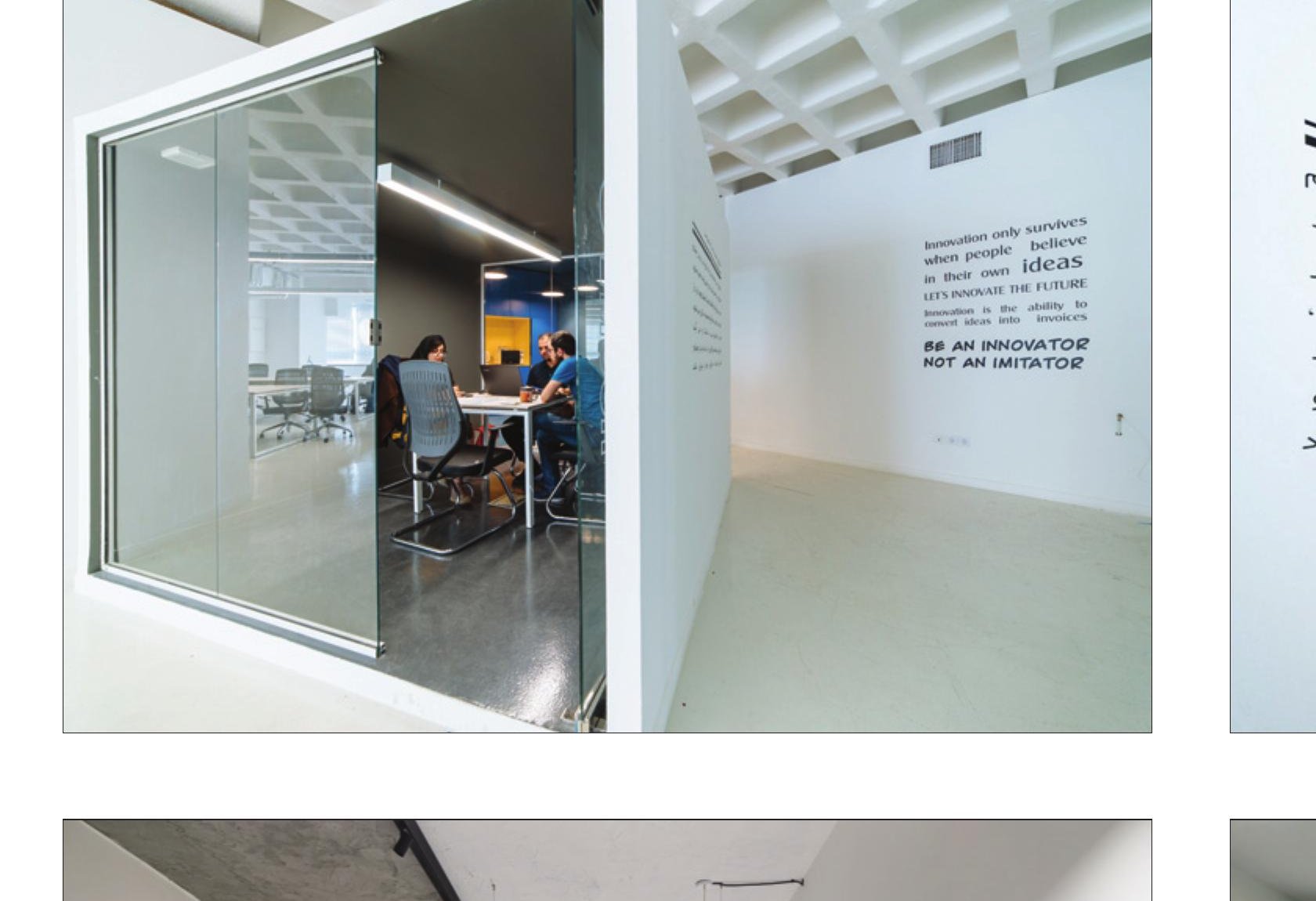
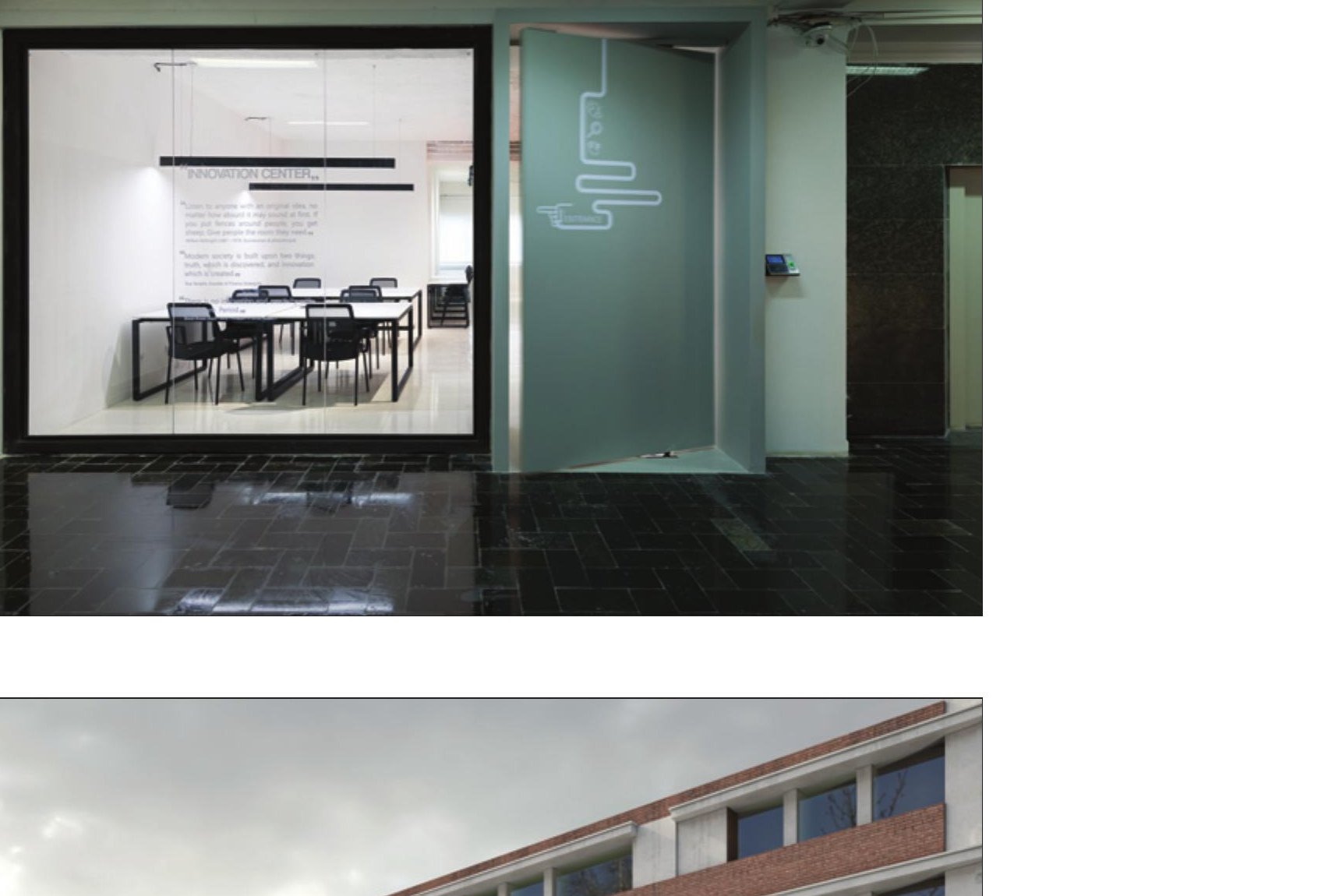
As a first step, by surveying the faculties and the existing spaces, an appropriate place was chosen in each faculty for the creation of a coworking space, a space for discussion and exchange, rest and gathering. This selection was made in such a way that it would have the greatest possible connection to the other spaces of the faculty, and — beyond a good communicative position — would lack an appropriate use, so that, through the change of use, the stated objective could be achieved.
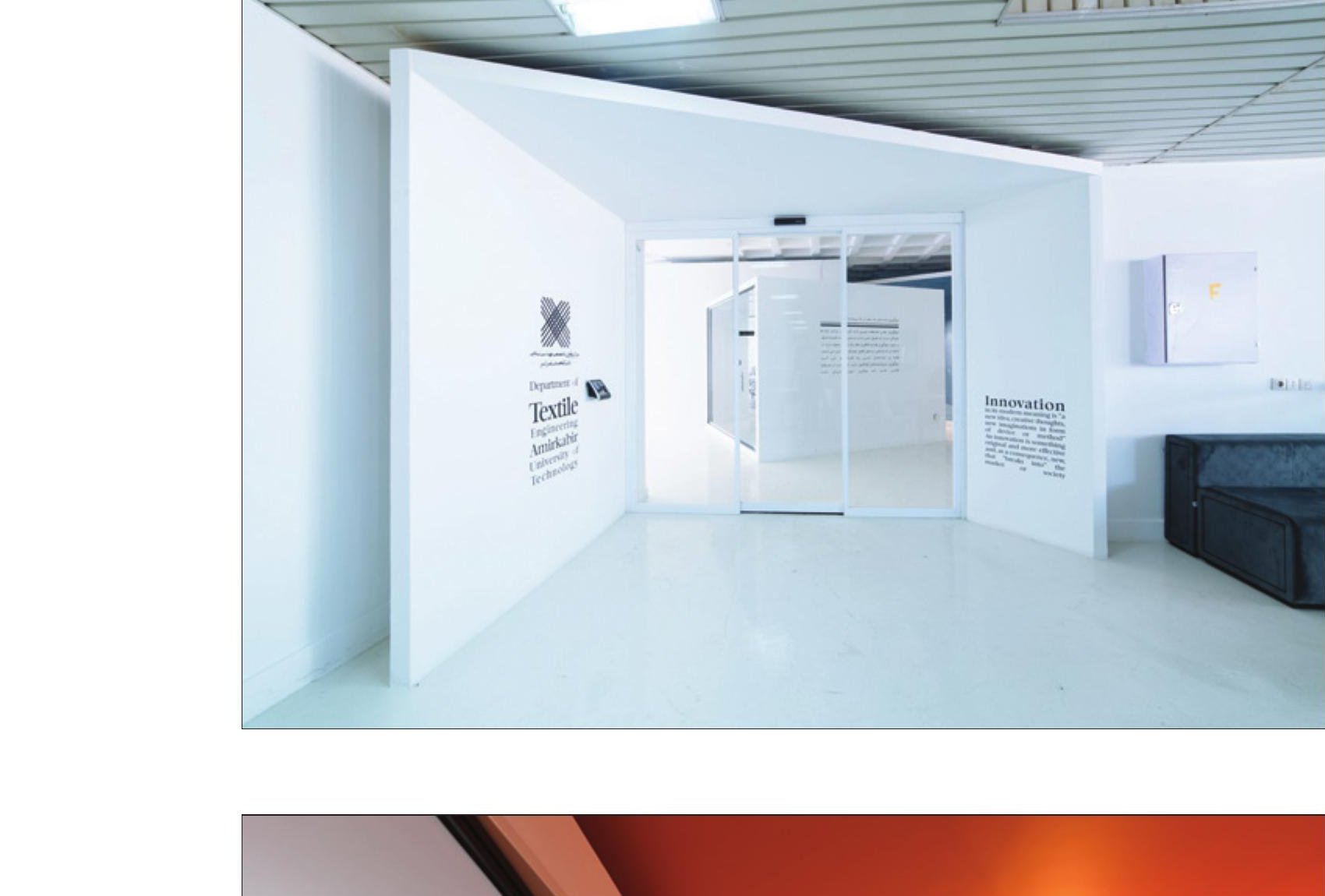
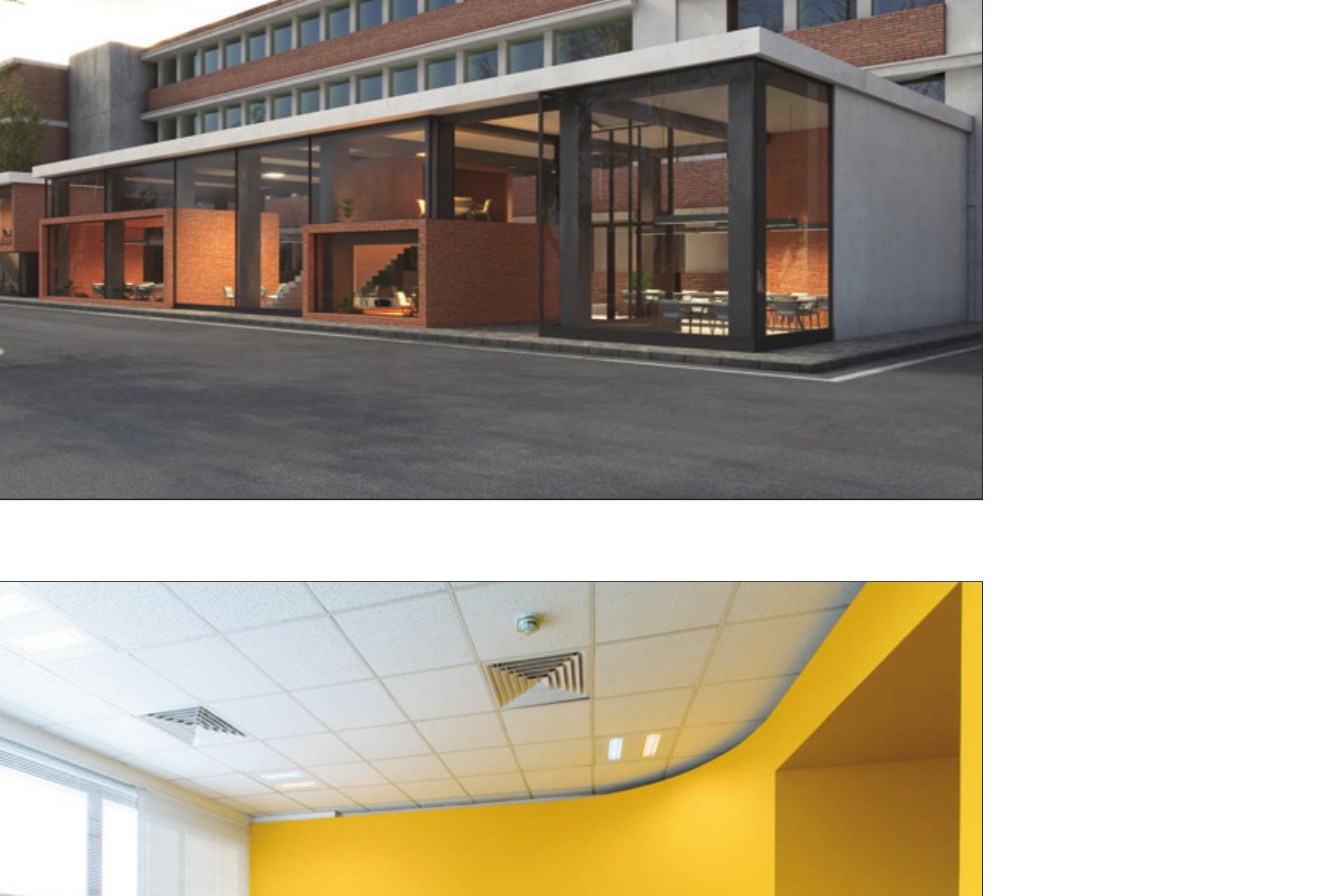
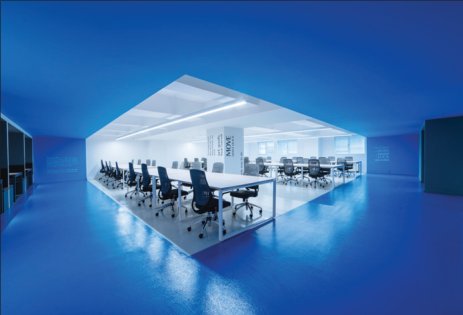
In the design of this kind of space, one of the principles of particular importance is spatial continuity. The creation of a relating space between architectural elements, in the design of an innovation centre, makes possible the linking of the different spaces and gives rise to a connecting space. In the whole, we have tried, by the use of form and colour, to let each innovation centre, in different faculties within Amirkabir University of Technology, present itself as distinctive, and become a stimulant for future development and expansion.
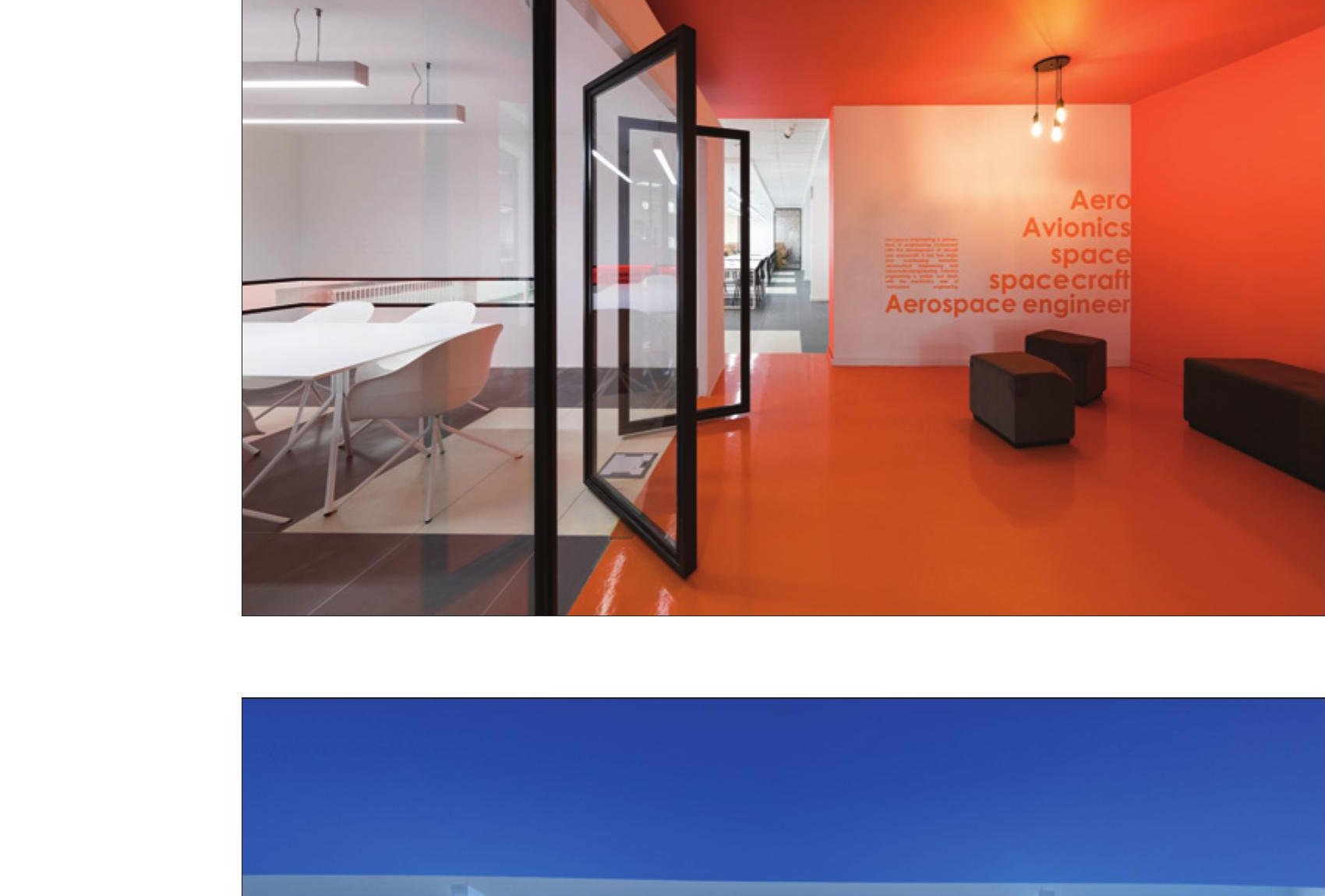
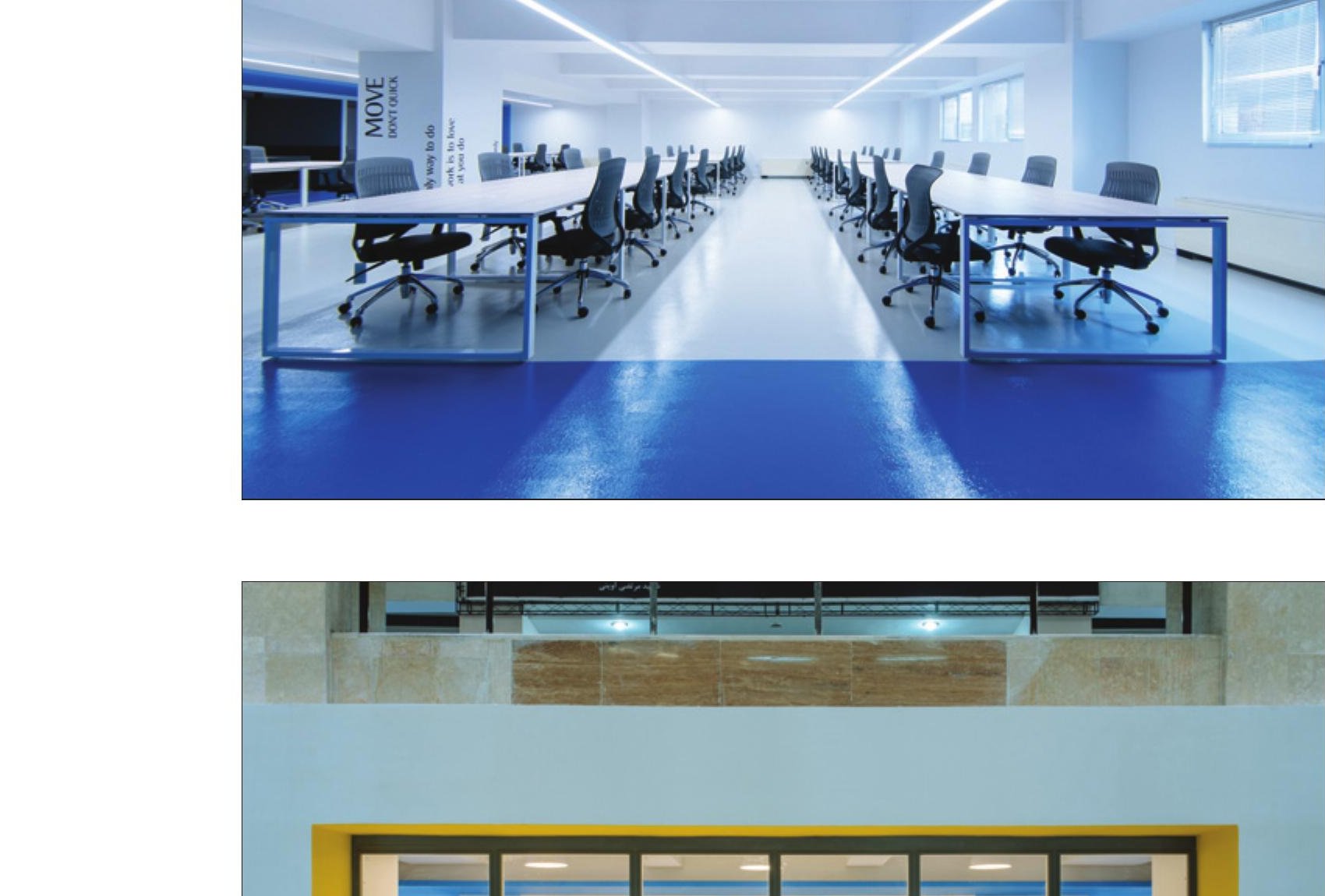
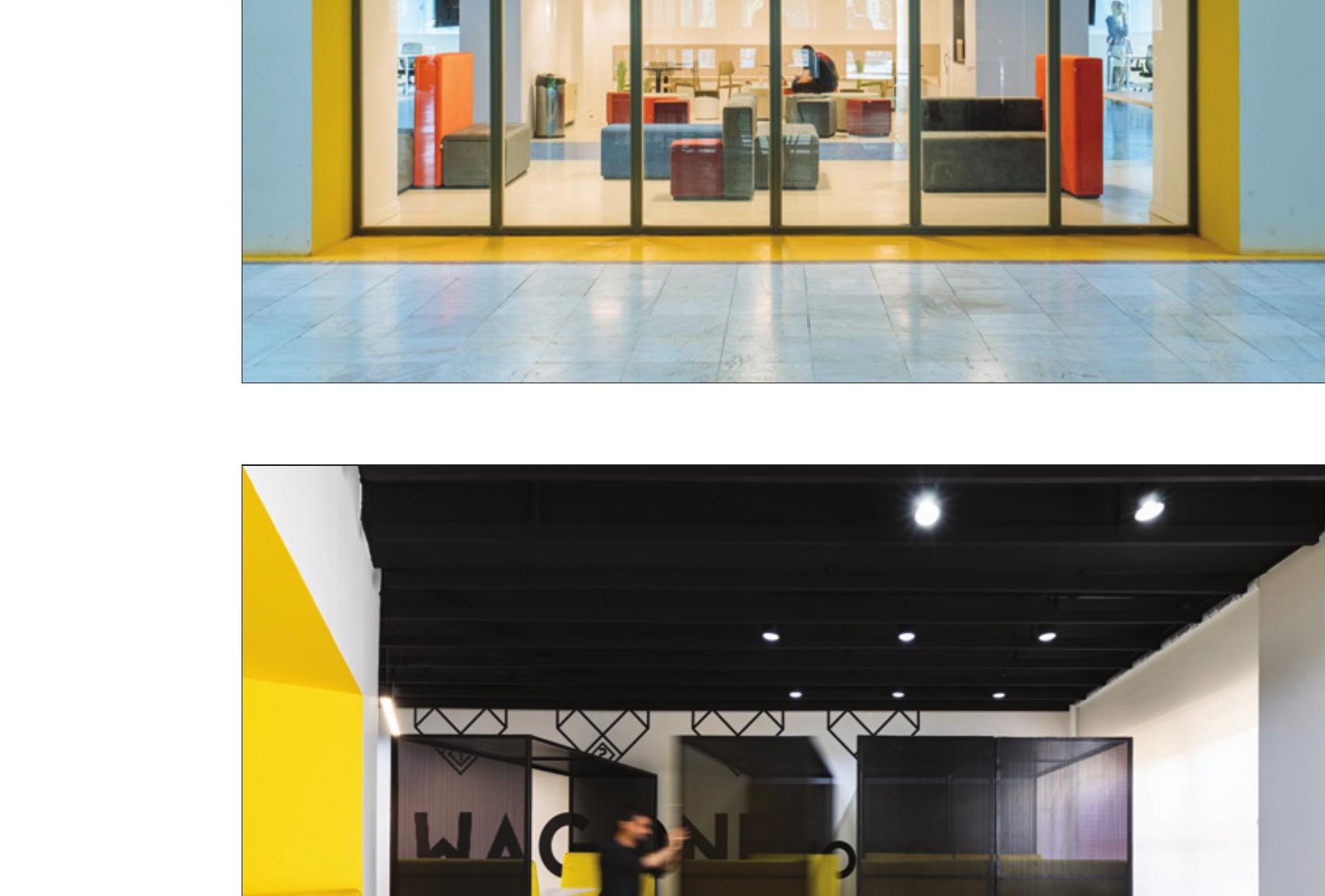
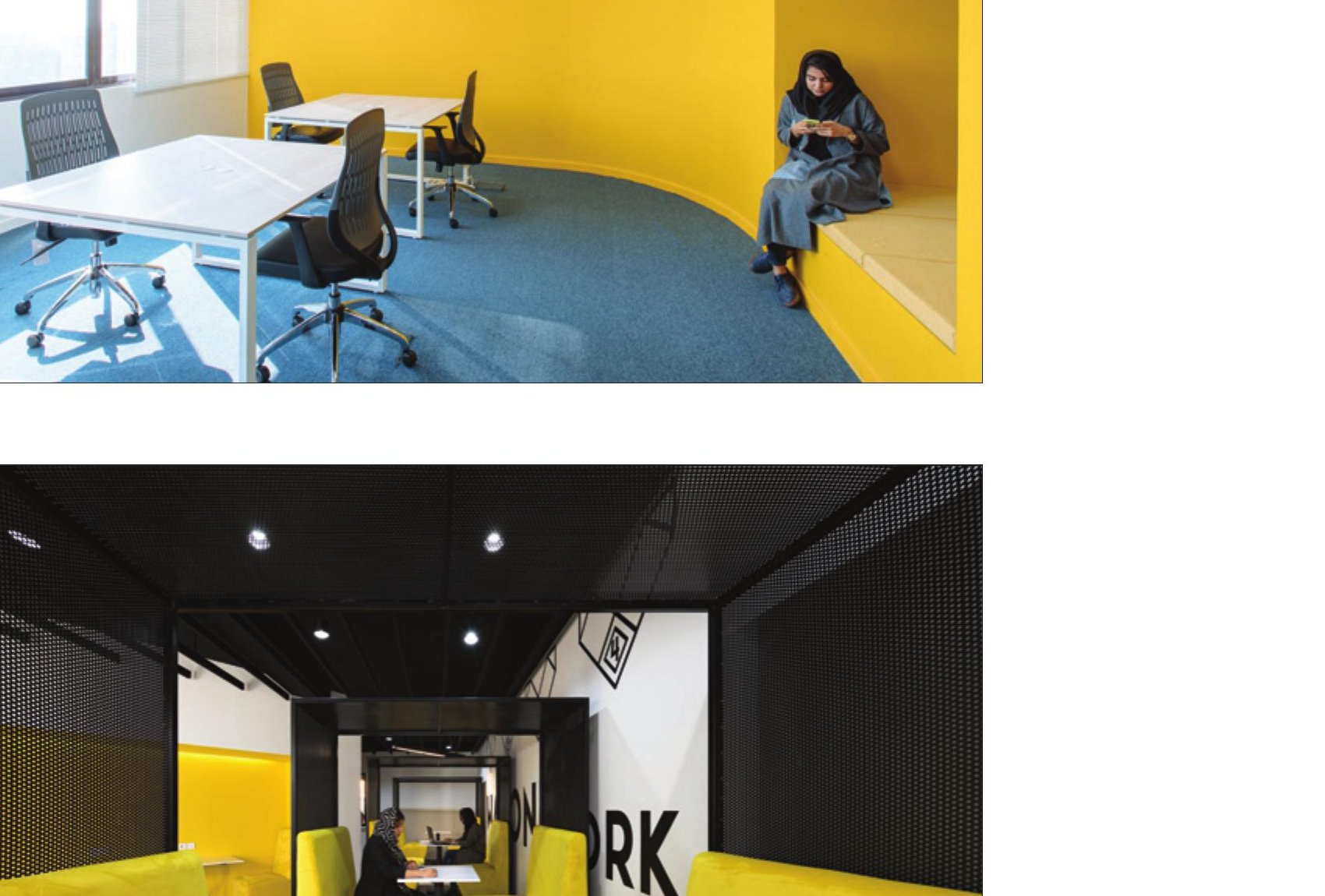
In this project, by bringing the work space and the other associated spaces with their own particular characteristics into the heart of the faculties, we tried to form an inner-organisational community that would facilitate the process of networking between the experts and the able people, on one side, and the investors and supporters, on the other.