"Caught Between the Two"
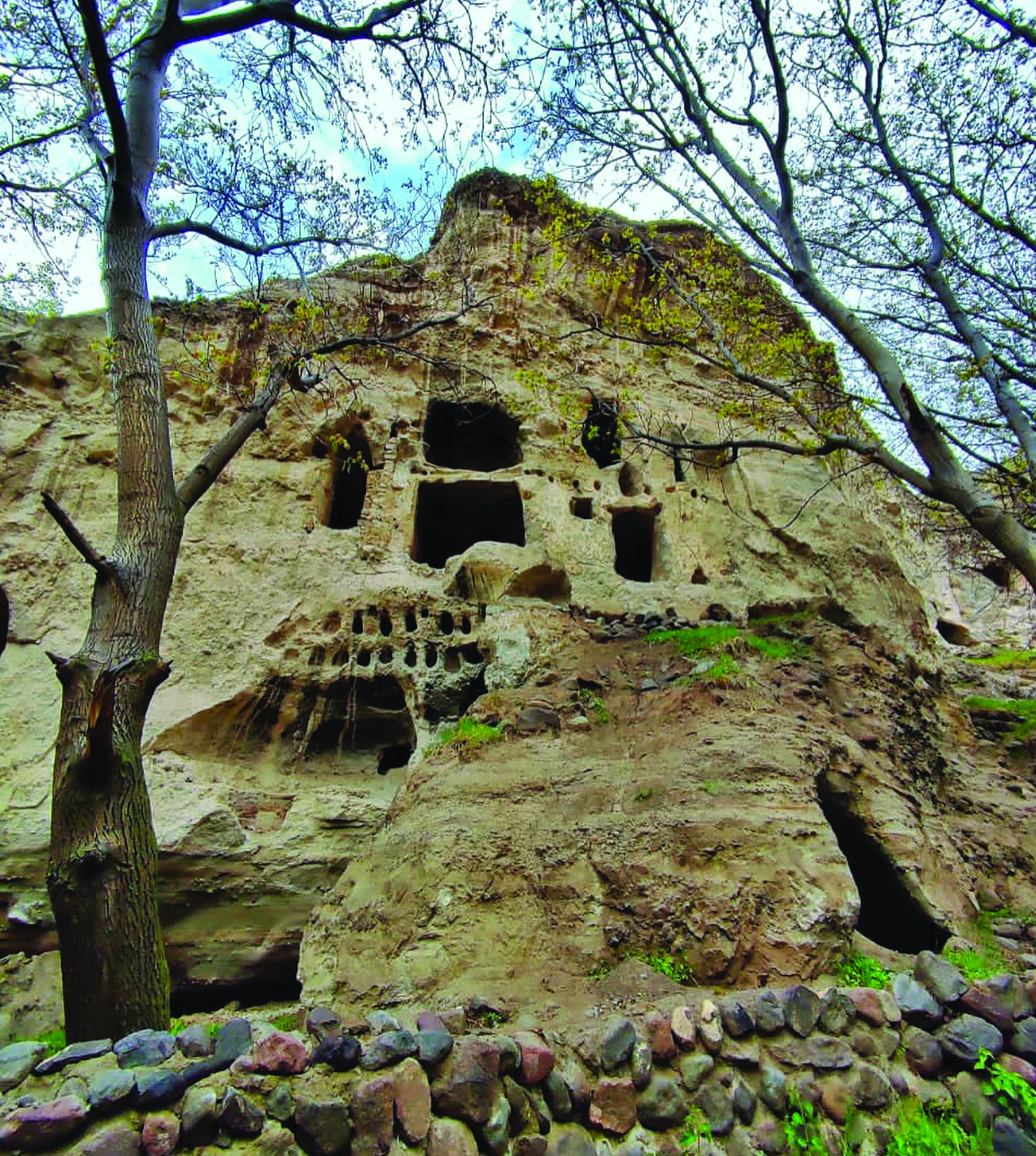
Upright and intelligent human beings much like us have inhabited Greater Iran for at least sixty thousand years. Caught between a sky that in some periods turned merciless — when rain ceased and the food sources of these hunter-gatherers ran out — and in other periods unleashed such torrents that floodwaters destroyed their cave-dwellings; and a ground beneath their feet that was equally unsteady, as earthquakes from time to time demolished their inhabited caves; and, finally, the perennial tension between the individual and the collective.1
The first principle governing the neurobiological and behavioral structures of this creature, as with modern humans, was the preservation of "sweet life" — survival.2 On the other hand, by virtue of those same structures, this being was in its existential depths a social organism: if its group came under threat, it would override the first principle to ensure the survival of its community. The suicide of an individual under the collapse of those structures is the exception that proves the rule.
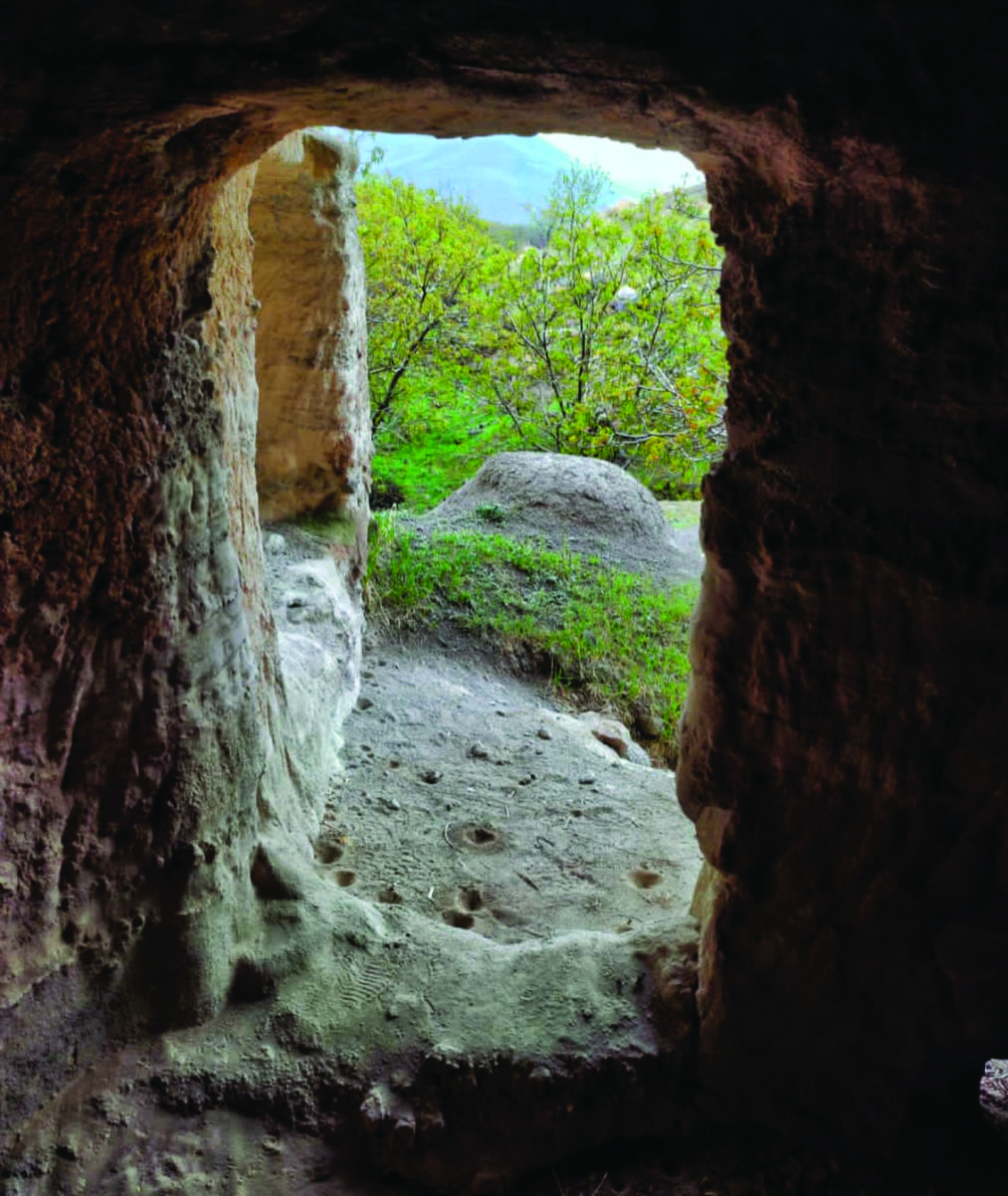
The cave was humanity's sole refuge. Their worldview was shaped largely by the metaphor of the cave: for them, the world was a round stone disc with a stone vault above it; the infinity of the sky held no meaning for them. They imagined that humans were born from within stone, and that stone was their origin. The hunter-gatherer, who sought shelter in caves at dusk and spent the day among thickets and boulders, gazed more at the ground around them than at the sky and stars. Since the entirety of their food chain depended on plants growing from within the earth, they supposed that the dwelling place of the sacred and the numinous lay within the earth, not in the heavens.
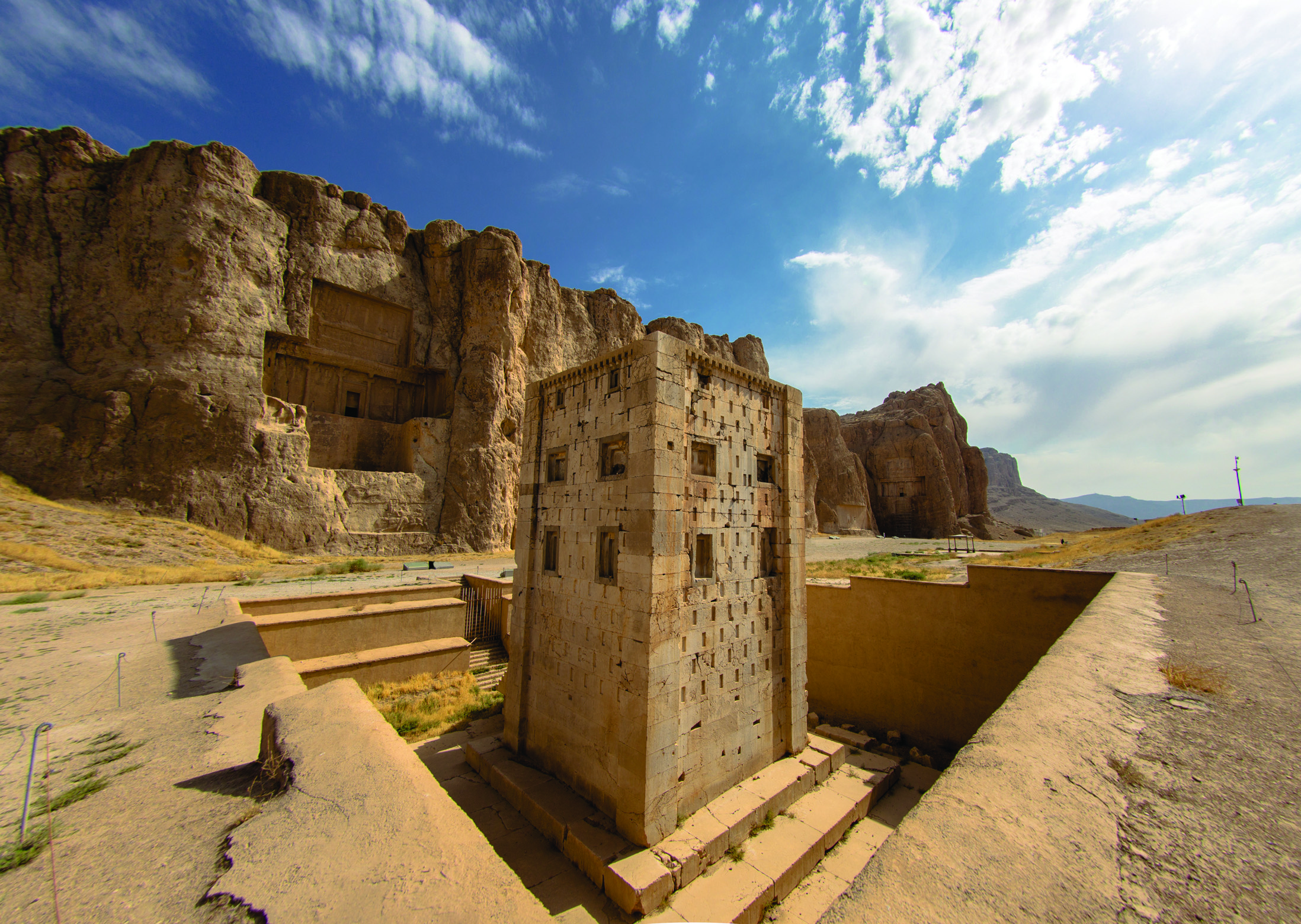
Curiously, this reverence for stone continued into the Achaemenid period: with the construction of stone buildings and ornamental stone reliefs, and perhaps more significantly, by placing the bodies of their revered kings and nobles after death in stone tomb-chambers — in effect returning them to their origin, stone. The three rock-cut tombs of Naqsh-e Rostam illustrate this well. Stranger still is the structure built opposite these tombs: a rectangular stone cube that appears to have sprouted from the earth and reached toward the sky — risen from sacred ground and stretched toward sacred heaven — as though erected during a transitional era when two abodes of the sacred were recognized simultaneously.
The cave, humanity's dwelling, is the first form of architecture. Initially through migration, and later through the refinement of stone tools, humans organized the cave functionally: a corner for butchering, a place for storing plant seeds, fire at the cave mouth to ward off nocturnal attacks by wild animals, a hearth for cooking and providing light, and perhaps most importantly, a space beside the fire for the daily ritual of the communal evening meal, so that every member of the community — from the eldest to the most vulnerable and the youngest — would not go without supper. This ritual, during the era when the Mithraic rite held sway, led to the tradition that when Mitra departed the earth, he would share a last supper with his companions — which later manifested as the Last Supper of Christ.
The society of these humans comprised roughly a hundred or several hundred individuals, dwelling in one or several adjacent caves, with defined territorial boundaries that were most likely also marked by stone. The community was a form of hambayi (commune) — meaning private ownership of land and means of production did not exist, let alone a state. Nevertheless, injustices and neglects may have existed that stirred the envy of individuals, causing them to abandon the commune or betray it by joining rival communities. The ancient legends and religious tales of fratricide have their roots in such conditions. Patricide and filicide among men were not yet a concern, because the physical fact of childbirth identified only the mother; no decrees or institutions existed to establish the position of the father. The mother was known; the father, unknown. In other words, the ancestor of the group was female. The prominent standing of the goddess Anahita reflects this social reality — patriarchy was still a long way off.
They had their own medicines: the Haoma plant (Ephedra), which they pounded with stones in cup-like hollows carved into rock, drinking its juice — ephedrine — as a stimulant during physical exhaustion or spiritual despondency. Perhaps the rock-art engravers, too, needed this stimulant after an exhausting day of hunting and gathering to manage the demanding task of carving art on hard rock. And the rhubarb plant (rivas), which was a specific remedy for stomach ailments caused by contaminated food; from its red juice, combined with ochre (gol-e okhra), they made the first pigment. Perhaps this is why rhubarb holds a special place in the myth of human creation in subsequent millennia.

According to this myth, Ahriman attacked Keyumars and slew him with a dagger. A few drops of Keyumars's blood fell upon the earth and a rhubarb plant with two stalks grew forth — one stalk a beautiful young man, the other a beautiful young woman, named Mashi and Mashianeh. These two stalks intertwined, and humankind came into being.
Domestication of the Goat and the Pastoral Mode of Production
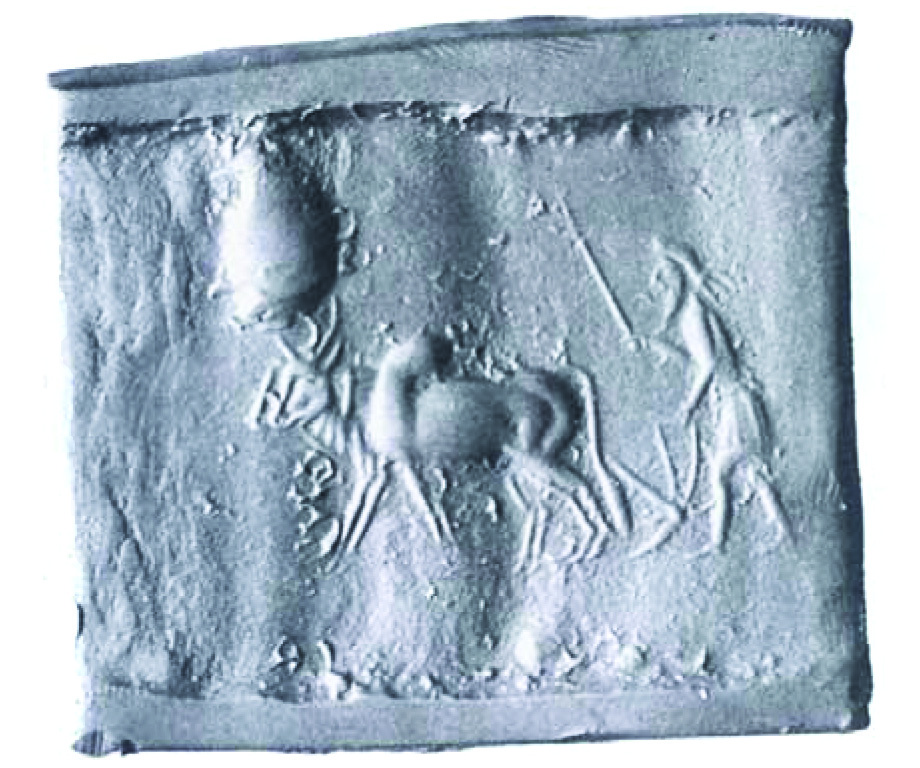
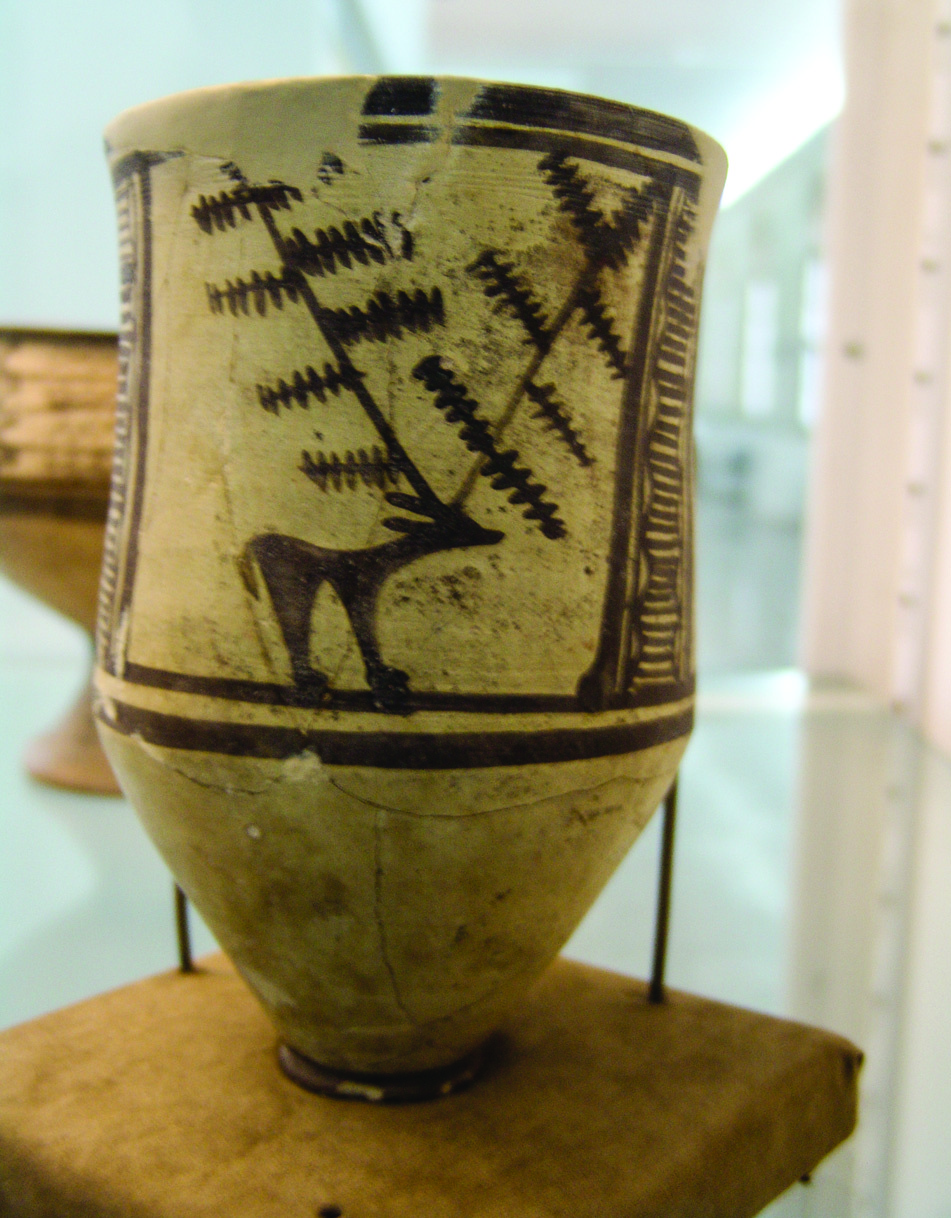
Over the span of tens of thousands of years, these humans, for the first time in the world, domesticated the goat and the sheep, achieving greater food security through access to meat and milk. In this process, the goat became a symbol of abundance and its horns a symbol of protection, and humans regarded the goat as kindred to themselves. As herds of goats and sheep multiplied, continuing to manage them on rocky slopes became impractical; humans drove the herds to upland pastures. The more advanced pastoral and nomadic mode of production gradually replaced hunting and gathering. After the cave, the second form of architecture came into being: the tent (kheymeh). Evidence suggests the earliest tents were built with branches and leaves of trees and plant fibers.
The Agricultural Mode of Production
Around eight to twelve thousand years ago, for the first time in the world, groups of these humans abandoned the rocky slopes and highlands, set out for the lowland plains, and took up farming beside rivers — a mode of production that, compared with the hunting-gathering and pastoral modes, generated vastly greater wealth. Gradually the goat lost its symbolic role, and the cow — which, together with iron, played the most important part in the production of wealth — became the symbol of abundance; humans now identified with the cow. Agricultural villages took shape, and in those locations near the great river waters, the accumulation of wealth and population gave rise to cities and urban life — in other words, civilization.
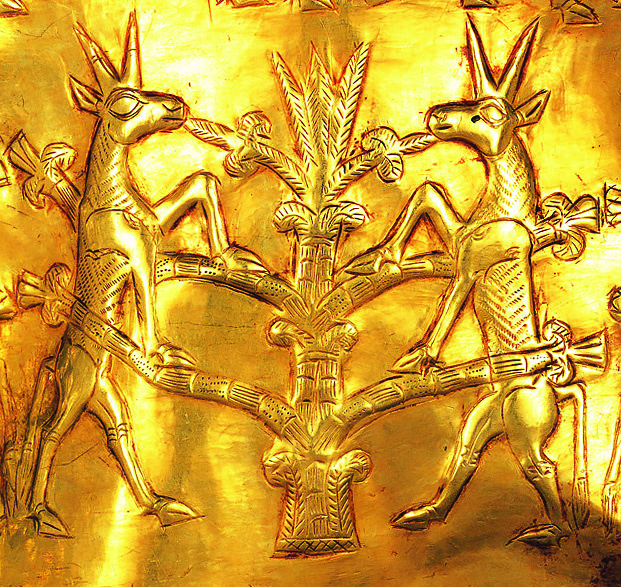
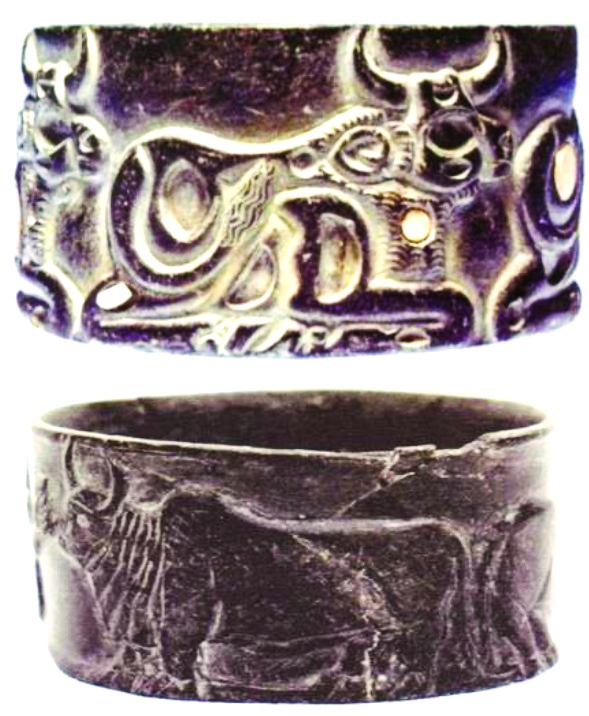
During this era, they held deities for the four elements — water, earth, fire, and wind — and for other valued aspects of their lives. For these countless deities they recognized no particular hierarchy; there was not yet one supreme god presiding over the others as in the Zoroastrian religion. Ahriman, amid this disorder among the deities, did not pose a particularly complex conceptual problem. Among these deities, three attained special prominence: Anahita, Mitra, and Zurvan — the deity of time, who, according to certain interpretations, though rarely spoken of or depicted, was considered the most powerful of all.
Iranshahr — City and Urban Life
After the chronic poverty of the hunting-gathering era and the modest improvement in human livelihood during the pastoral period, the agricultural mode of production brought a system of wealth that, for the people of that time, was the stuff of legend. The farming communities that gradually gathered in villages between eight and twelve thousand years ago had surplus produce that could sustain the inhabitants of cities. The world's first cities, between five and eight thousand years ago in Greater Iran, were built on flat lands beside rivers: ancient Jiroft beside the Halil River, Shahr-e Sukhteh (the Burnt City) beside the Helmand, Sialk, Marlik, Susa, and others.
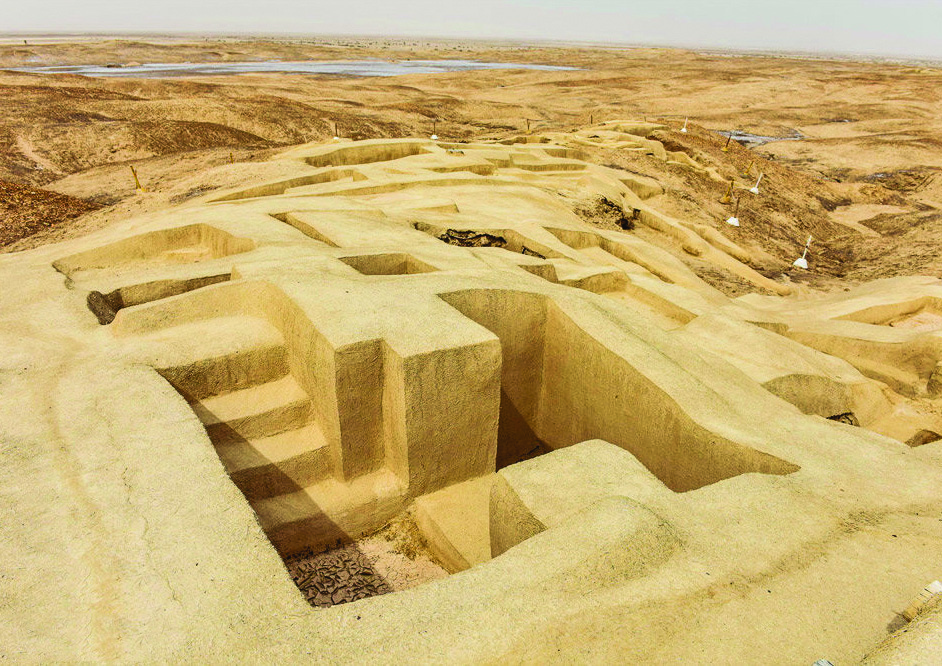
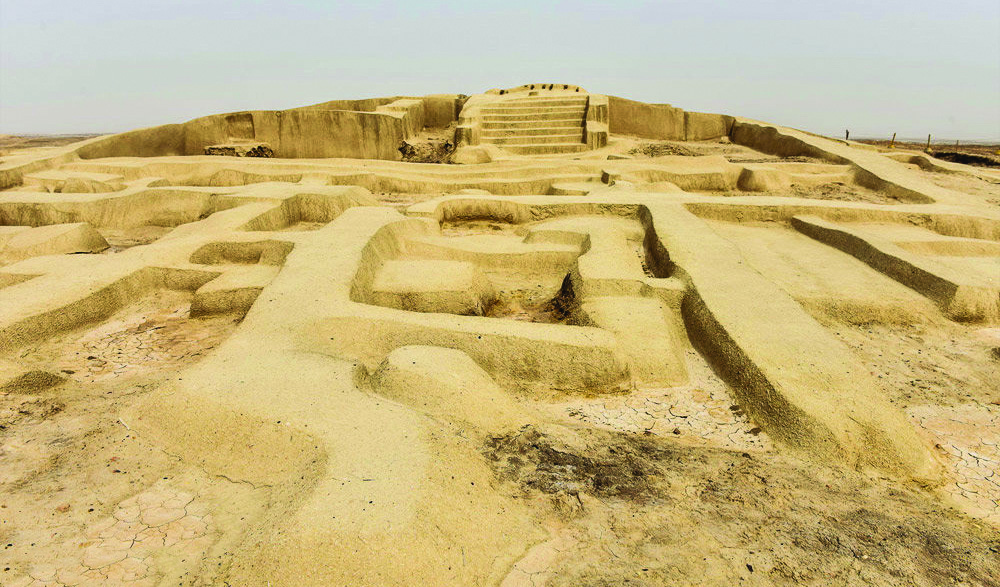
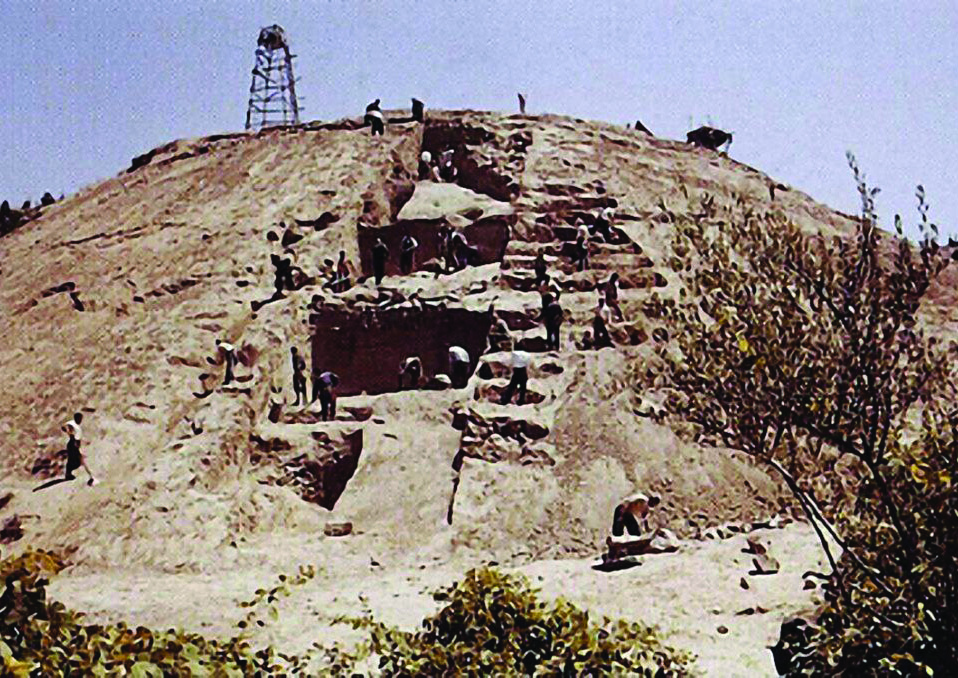
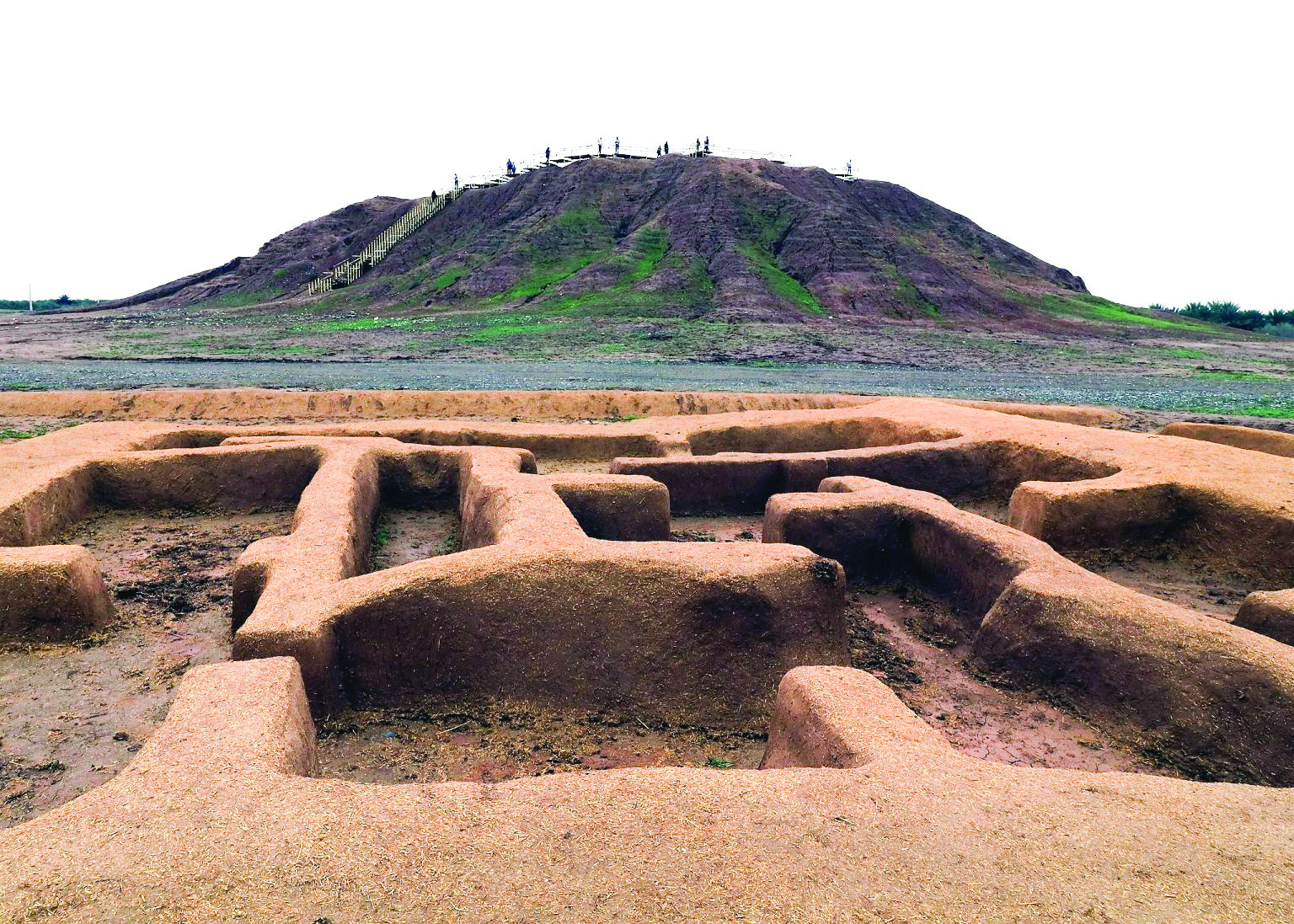
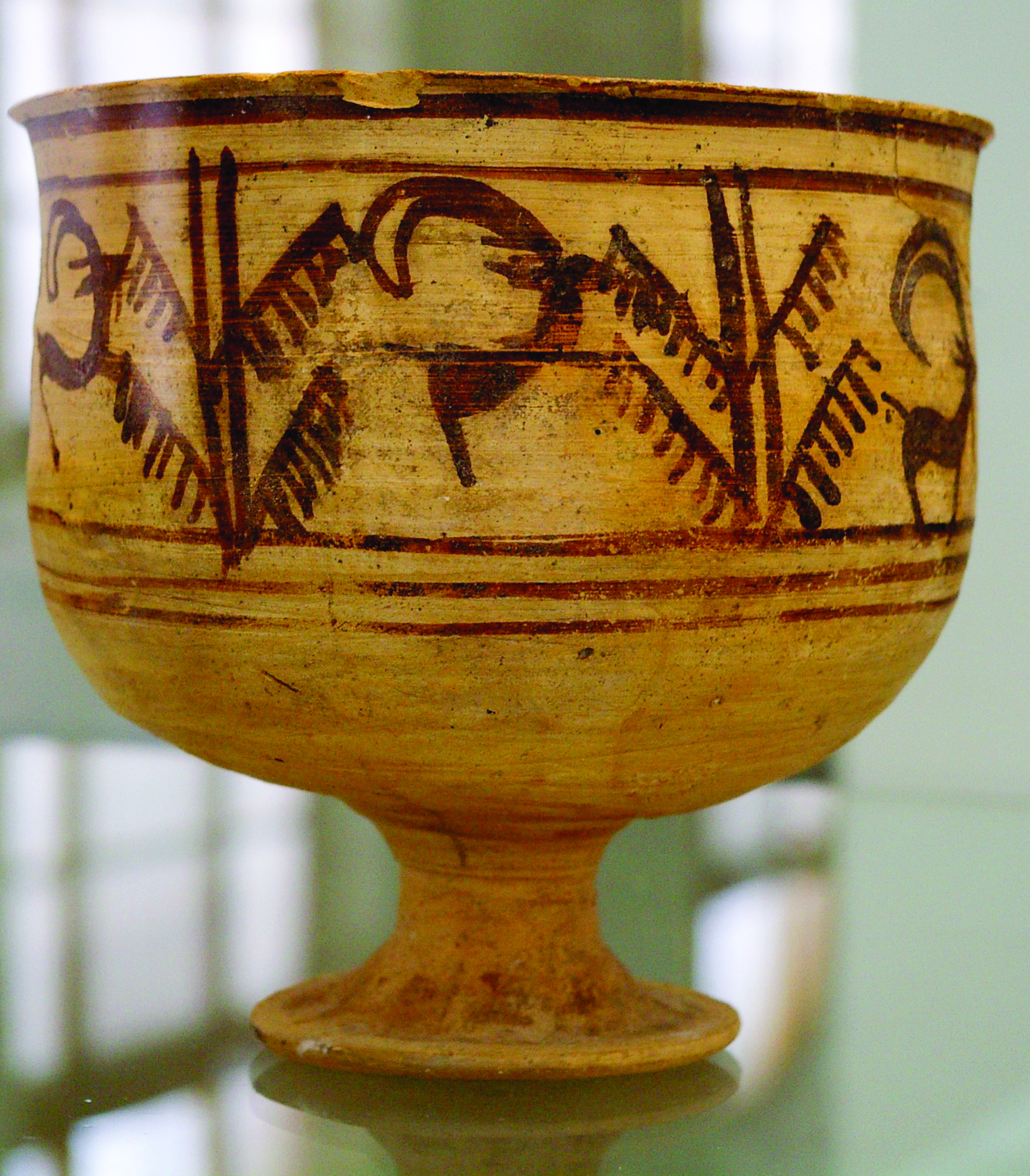
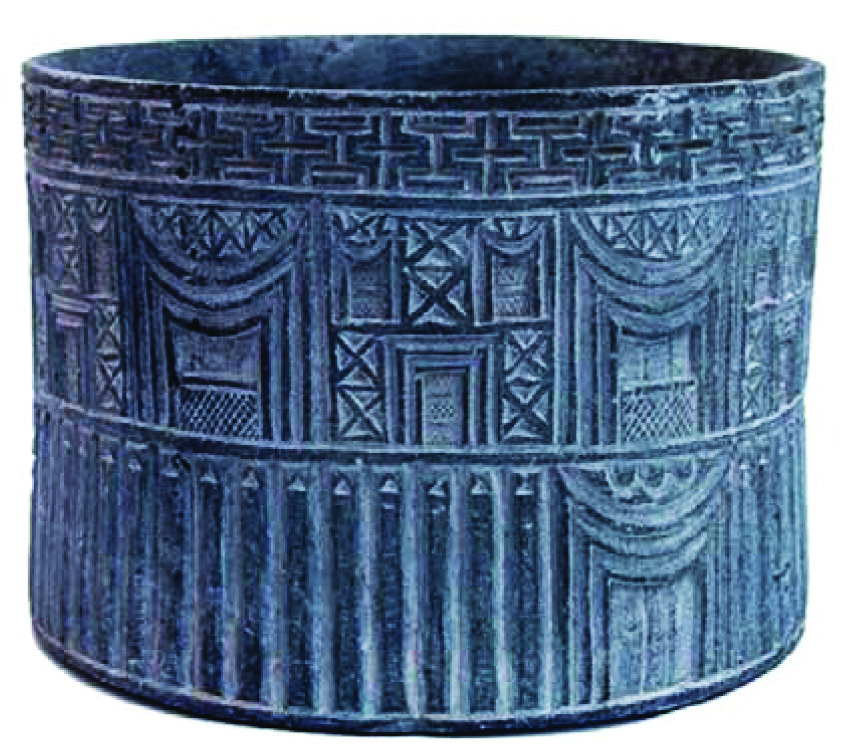
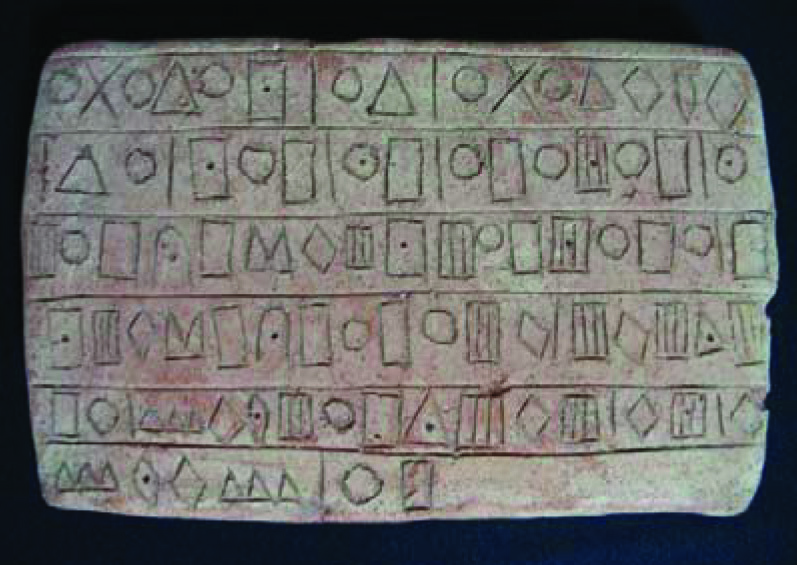
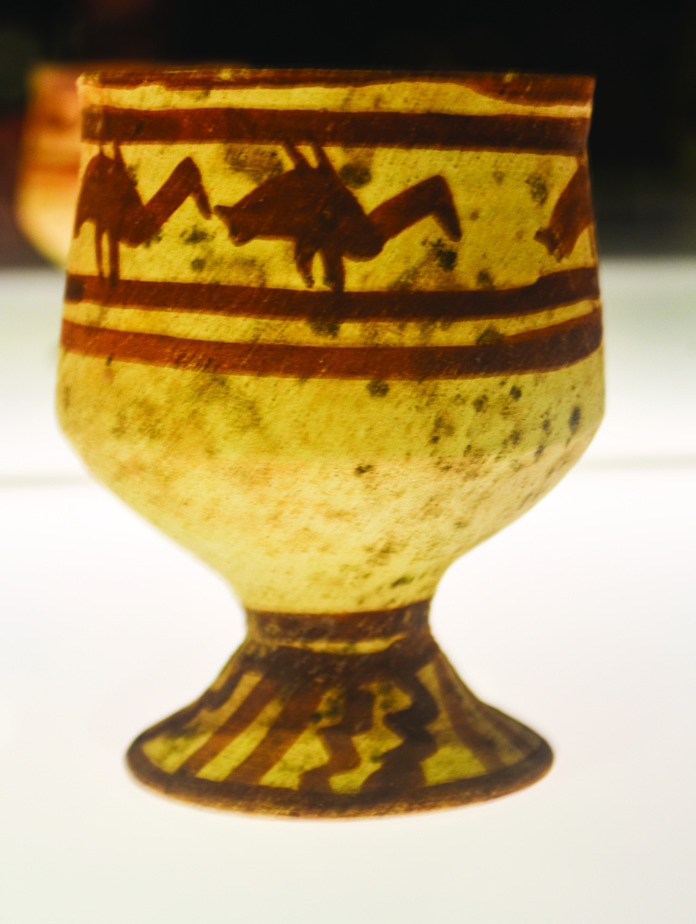
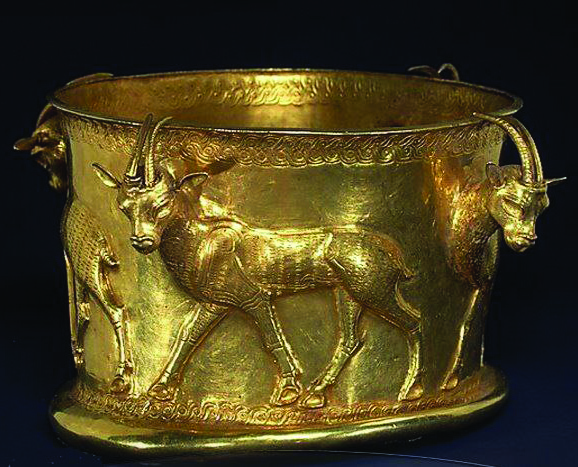
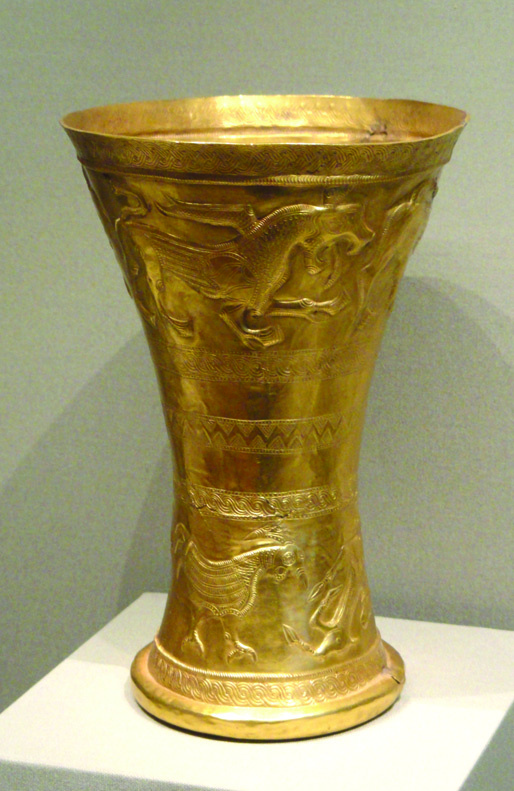
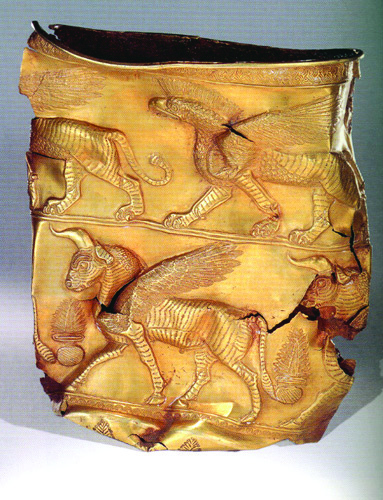
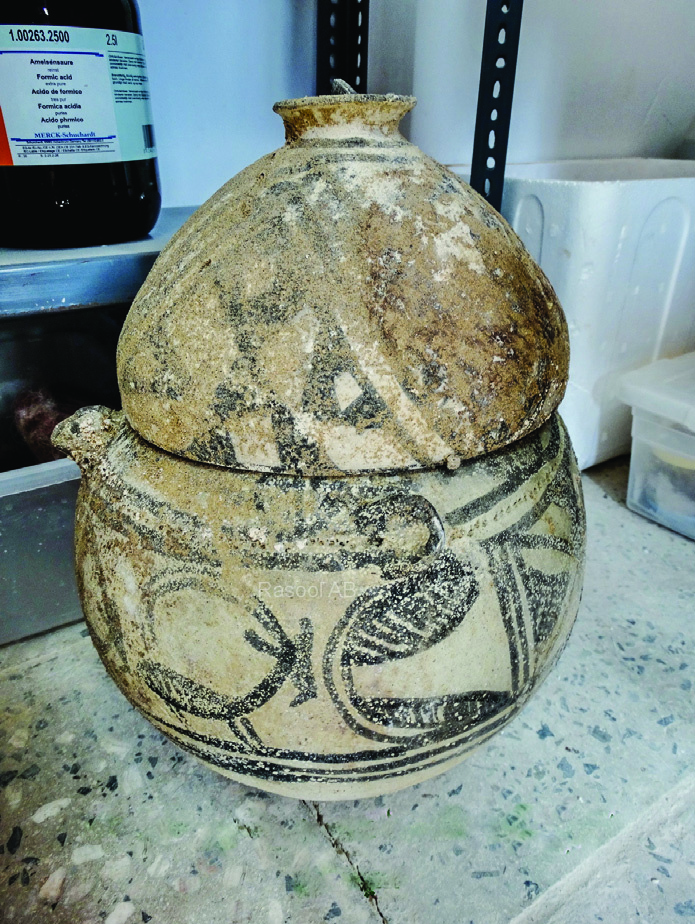
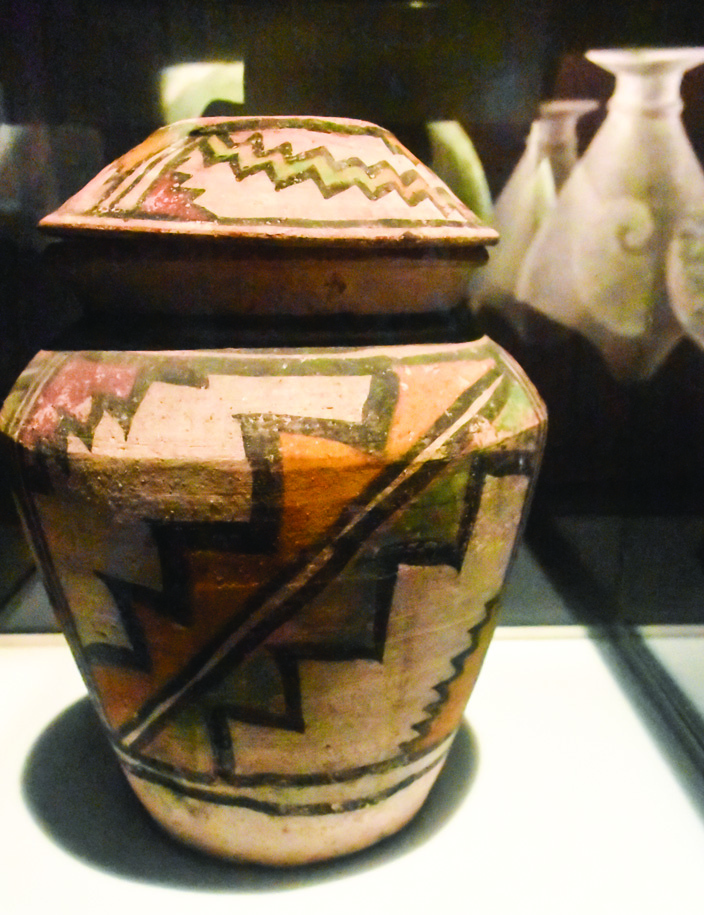
The rock-art engravers migrated from the Zagros, Alborz, and other mountain ranges to these cities, and displayed their art and ideas this time on ceramic, bronze, gold, and silver vessels. Craftsmen gathered in guild-like rows, and builders and architects (mihr-azan) set about constructing edifices quite different from the cave and the crypt. Poets held an important role among them, and the synergy of these groups brought about an unprecedented flourishing. Remarkably, what we today call a ruler (hokm-ran) was then called shahryar — one who did not rule over the city but was its helper.
The expansion of economic and cultural exchange among cities brought about a complex and turbulent situation that demanded a solution. Before Cyrus and Darius the Achaemenid found a political solution — the imperial system (nezam-e shahanshahi) — a pervasive rite and worldview took shape and spread across the Iranian lands, providing a socio-cultural response to the difficulties of urban civilized life, and was therefore embraced: the Rite of Mitra. This rite had texts of its own; it was not a religion in the strict sense; it had no absolute God at the apex of the divine hierarchy, nor a prophet to relay God's words in the form of a holy book; hence, there was no clerical establishment to interpret the sacred text for ordinary people.
It appears that in the dense fabric of cities, the construction of rectilinear buildings was more practical. Remarkably, during this era, humanity's conception of the world also transformed: the cave-dweller's image of the world — a stone circle with a stone vault — was replaced by the notion that the base of the world is a square with a vault over it. The chahartaqi (four-arched structures) built later express this transformation and serve as a metaphor for the world itself.
Mitra and the Mithraic Rite
According to an ancient myth about the origin of Mitra, the seed of the bull — which had replaced the goat as the symbol of abundance and protection — reached the moon through a cosmic process, and Mitra appeared. In this myth, for the first time, a "cosmic process" is invoked; the sky and the cosmos, unlike earlier eras, are no longer a fixed stone vault — the sciences of astronomy and cosmology are born.3
Mitra (mithre), unlike the other deities that symbolized natural elements and exalted personal virtues, became a symbol for social bonds. The most convincing meaning of the ancient word Mitra is "covenant" (peyman) — the first "social contract" in history — and its most expressive symbol is the "ring" (halqeh): the circle, for Iranians, was the most perfect geometric form, a symbol of the full moon of the fourteenth night, which appeared to be the most beautiful state of the moon. The images of shahryars holding a ring express the pact with the people and soldiers of the city and of Iranshahr. The Rite of Mitra, born of historical necessity, exerted an unprecedented influence upon the world. The simplest example is the "wedding ring" (halqeh-ye peyvand-e zanashui), which today is customary among all civilizations, nations, and followers of various faiths.
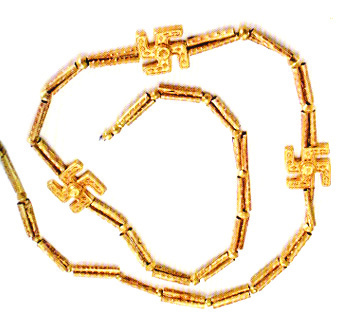
Another important symbol of Mitra is the Garduneh-ye Mitra (Chariot of Mitra) or the Mithraic cross (chelipa-ye Mithra'i): the symbol of the chariot upon which Mitra, after the last supper with his companions, departed the world. The four directions, the four elements — water, wind, fire, and earth — the four seasons are conveyed, and the four bends at the tips of the four straight lines express a passion for movement. This is the heritage of the petroglyphs of bygone eras: the symbol of those people's understanding of the world and their aspiration to build a magnificent and distinctive civilization — Iranshahr. In the process of this symbol's stylization, the mathematical signs for addition and multiplication were extracted, and later, the cross of the Christians, among others.
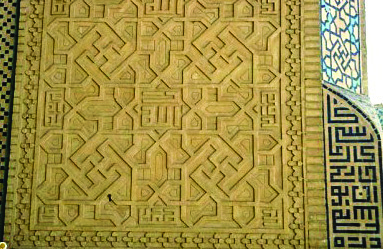
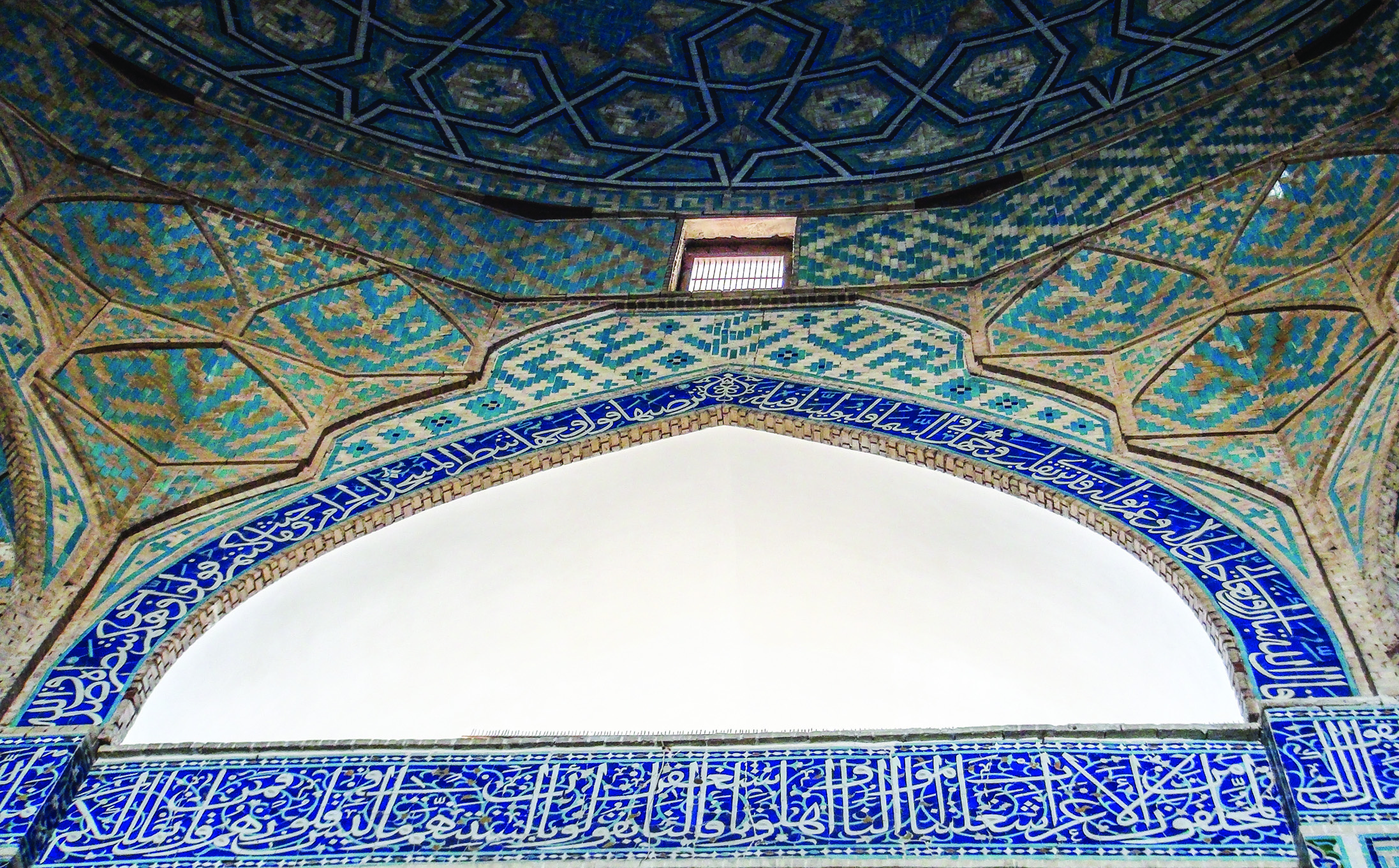
The thought of Mitra and the Mithraic rite spread with astonishing reach among the civilizations of that era. In ancient Chinese texts there are references to Mitra, yet the Mithraic rite did not sustain a lasting presence there — unsurprising given the distance and lack of proximity. In the civilization of India, which neighbored Iranshahr and shared cultural roots with it, Mitra holds a more prominent presence, though there too the rite did not persist or spread significantly as a formal tradition. Most astonishing of all, however, is the penetration of the Mithraic rite into Europe and Western civilization, with which Iranians, from the era of ancient Greece and later the Roman Empire, were locked in war and conflict.
The Mithraic rite, concurrent with the spread of Christianity, expanded throughout the entirety of the Roman Empire's domain. Wherever Roman legionnaires were stationed across Europe — from northern Europe, including the British Isles, to the shores of the Mediterranean — Mithraic temples (mithraea) were built. The most plausible theory regarding how the Mithraic rite reached the Roman Empire is that during lulls in the prolonged wars between Iran and Rome, the soldiers of the Iranian army and the Roman legions would visit one another's encampments, barter for their daily necessities, and from time to time sit down to converse and exchange ideas — amid the clash of civilizations, the dialogue of civilizations also continued.
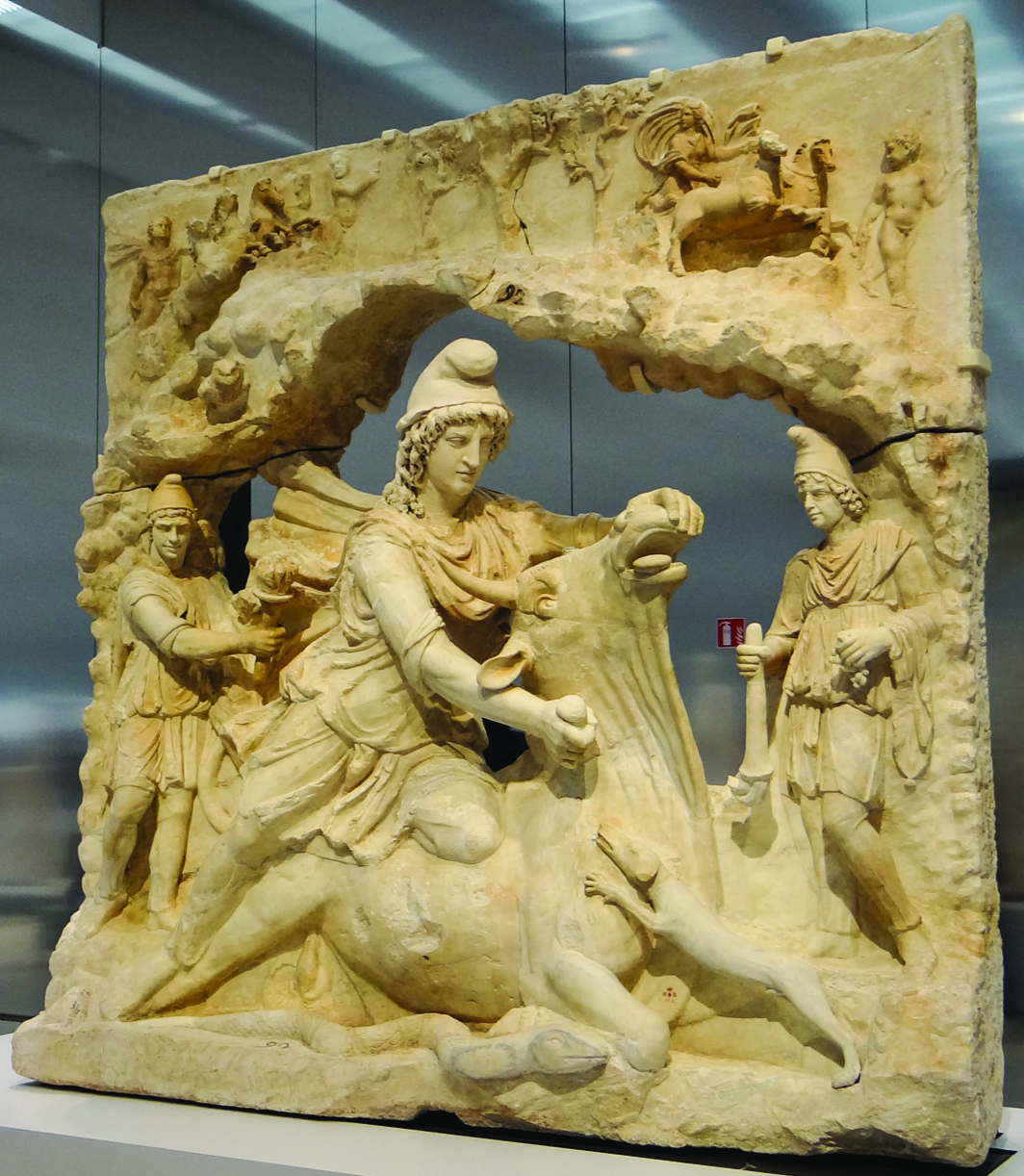
Following an ancient tradition that held the sacred to dwell in the depths of the earth, these temples were built underground, in contrast to Christian churches that were built upon the surface and reached upward toward the sky, the abode of the sacred. During this era in the neighborhoods of European cities, Mithraic temples and churches coexisted in not-too-distant proximity. Perhaps one reason for this peaceable cohabitation was that many of the constitutive elements of Christianity were borrowed from the Mithraic rite: the birthday of Christ in the last month of winter was taken from the birthday of Mitra; the Last Supper of Christ with his apostles before ascending to heaven — depicted in the painting "The Last Supper" — mirrors the last supper of Mitra with his companions before mounting the Chariot of Mitra and departing to the heavens; and the cross is a stylized form of the Mithraic chelipa. This good neighborliness continued until the third century CE, when Constantine decreed Christianity the official religion of the Roman Empire and ordered the persecution of Mithraic followers and the destruction of Mithraic temples. The temples were buried under stone and earth, or churches were built over them. Fortunately, because they were underground, their interiors remained untouched. To this day, reports still emerge from time to time of another Mithraic temple discovered somewhere in Europe.
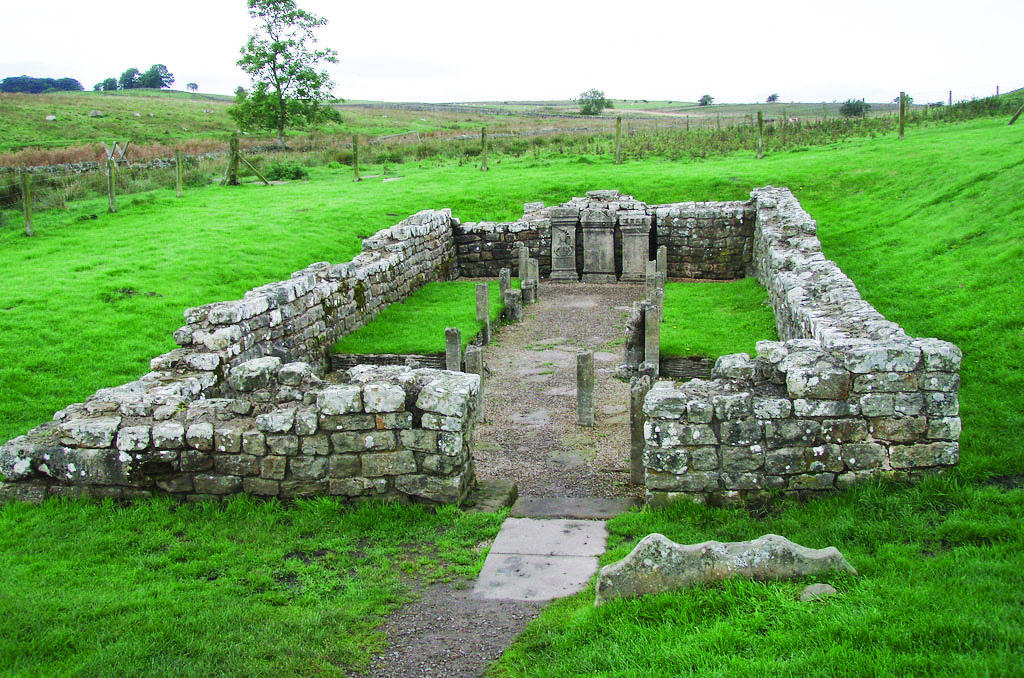
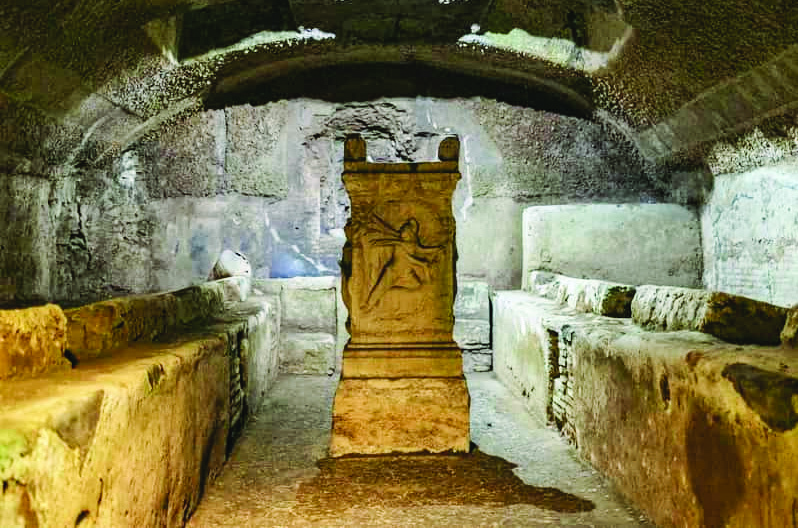
Whenever a thought or rite travels from one civilization to another, it takes on the color and scent of its new home. It seems that the Mithraic rite in Iranshahr was more imbued with poetic concepts, and the temples in Iran have simple rectilinear or curved geometric volumes, with little color or ornamentation — relying instead on Mithraic hymns, including the Yashts, to create a heightened spiritual atmosphere during communal worship. But the Mithraic temples in Europe tell a different story: pictorial representations are employed extensively on the floors and walls, and many Mithraic concepts are expressed in the language of images. Does this distinction signal a difference between the ideas and beliefs of Iranshahr and those of Western civilization?
Concluding Remarks
First, in the years that the author has devoted to the subject of this issue, he has found no clear evidence of Aryan migration from Europe to Iran. If any large-scale migration took place, it was from Iran to Europe; in recent years, an increasing number of European historians have emphasized this point.
Second, the compound term "Indo-European" has been employed in all fields in such a way as to imply that between Europe and India there existed a civilizational void — merely a historical corridor connecting the two. From the rock art to ancient Jiroft, the magnificent architecture of Parseh (Persepolis) and the far-reaching Royal Road, and perhaps most important of all, a poetic worldview that has persisted stubbornly — all these disprove that assumption. There was no void; in Greater Iran there existed a magnificent and singular civilization — Iranshahr.
Footnotes
- Inspired by the poem "Strangeness" (Gharibangui) by the Irish poet Seamus Heaney, whose Farsi translation appeared at the beginning of Memar 144.
- A poetic expression by the master of speech, Sa'di, who in his own manner speaks of the living creature's drive for survival: "...for whoever has a soul, sweet life is dear."
- Throughout this issue of Memar, the word Mitra has been used. This ancient word evolved over time into Mehr. So long as the phonetic shift is borne in mind, we have no objection to the use of the word Mehr; however, it seems that the semantic weight of Mitra — meaning covenant — has faded in the word Mehr.
References
- Persian Mythology, John Hinnells, Nashr-e Cheshmeh.
- Dictionary of Symbols, Jean Chevalier and Alain Gheerbrant, Jeyhoun Publications.
- Articles of Ahmad Tafazzoli, Tous Publications.
- Mithras: Rite and History, Reinhold Merkelbach, Nashr-e Akhtaran.
- The First Man and the First King, Arthur Christensen, Nashr-e Cheshmeh.
- The Yashts, commentary by Ebrahim Pourdavoud, Asatir Publications.
- The User's Guide to the Brain, John Ratey, Nashr-e Nilufar, translated by Reza Amirrahimi.
- Three books by Antonio Damasio: Descartes' Error, Looking for Spinoza, Self Comes to Mind, Nashr-e Agah, translated by Reza Amirrahimi.
- The Mysteries of Mithras, Payam Nabarz.



