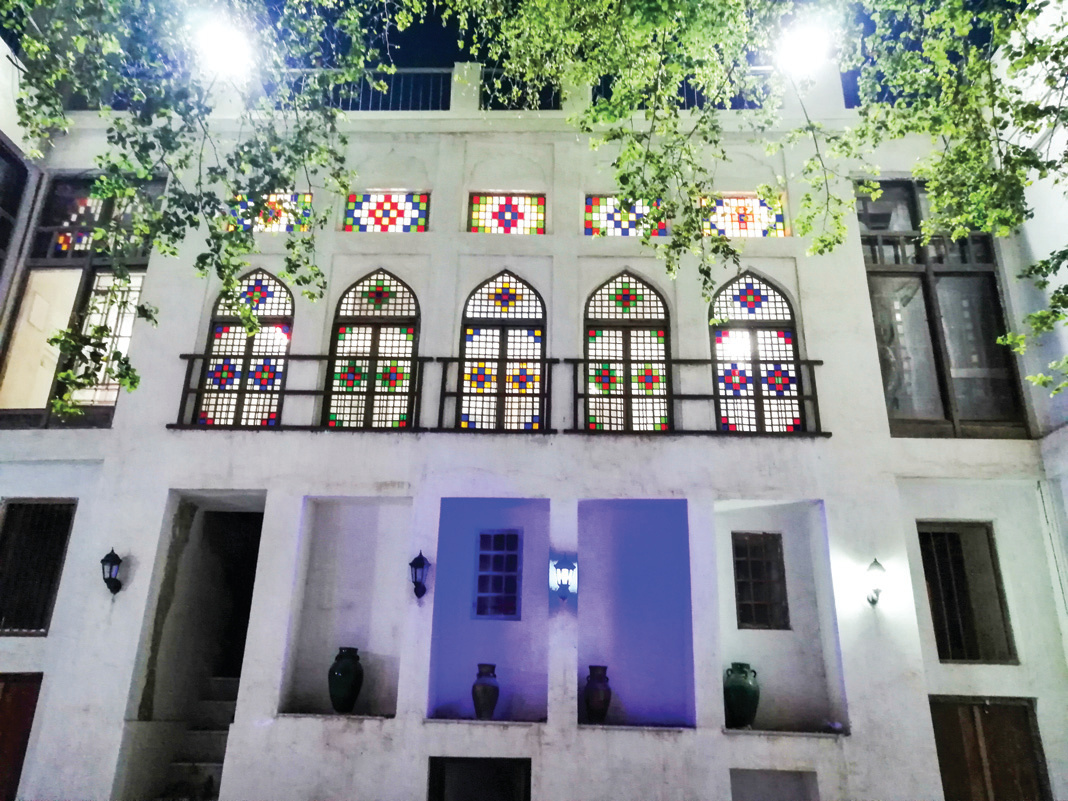
The historic texture of Bushehr, spanning approximately 37 hectares, occupies the northernmost part of the Bushehr peninsula. Registered as a national heritage site (No. 2360, dated July 20, 1999), this area opens to the sea on its east, north, and west sides, connecting to the newer urban area on the south. Within this zone lie approximately 1,000 parcels, housing some 350 valuable historic buildings, of which 86 are currently listed as national monuments.
Bushehr's historic texture comprises four old neighborhoods: Behbahani, Kuti, Dehdashti, and Shanbadi. These neighborhoods were named after their original inhabitants. When Bushehr was founded, each tribe and ethnic group chose a portion of the city for their settlement, resulting in the city's division into four main quarters.
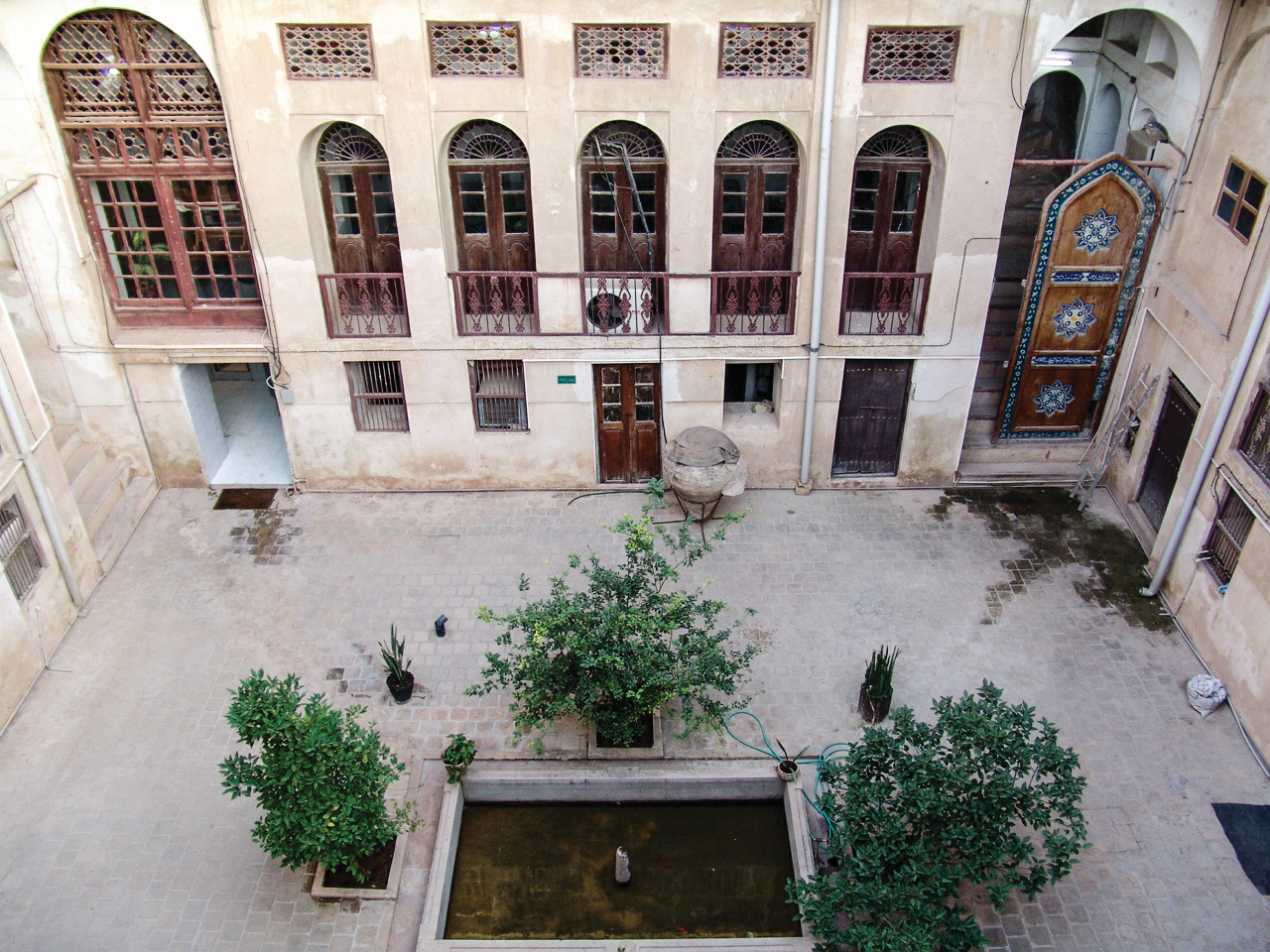
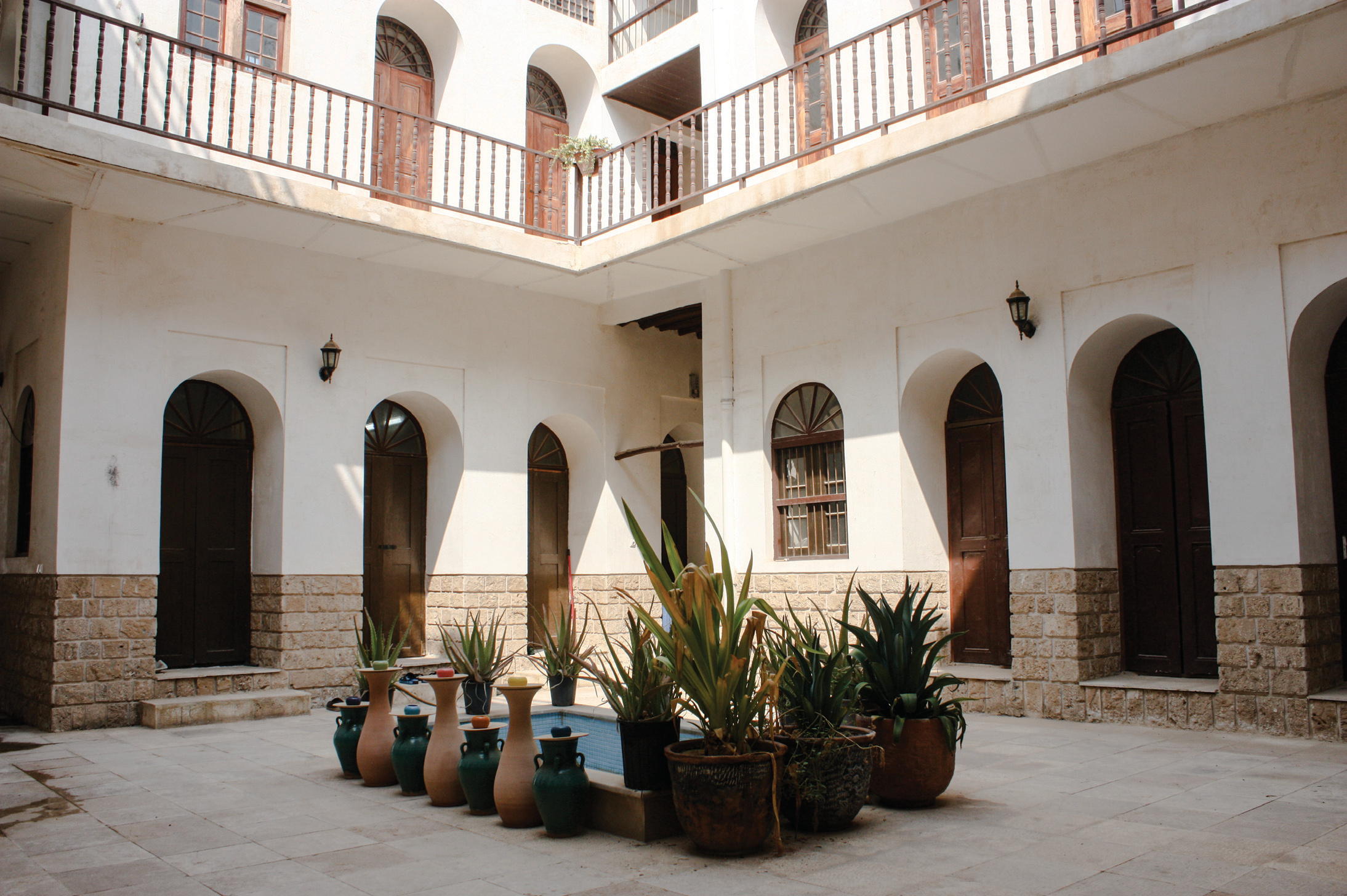
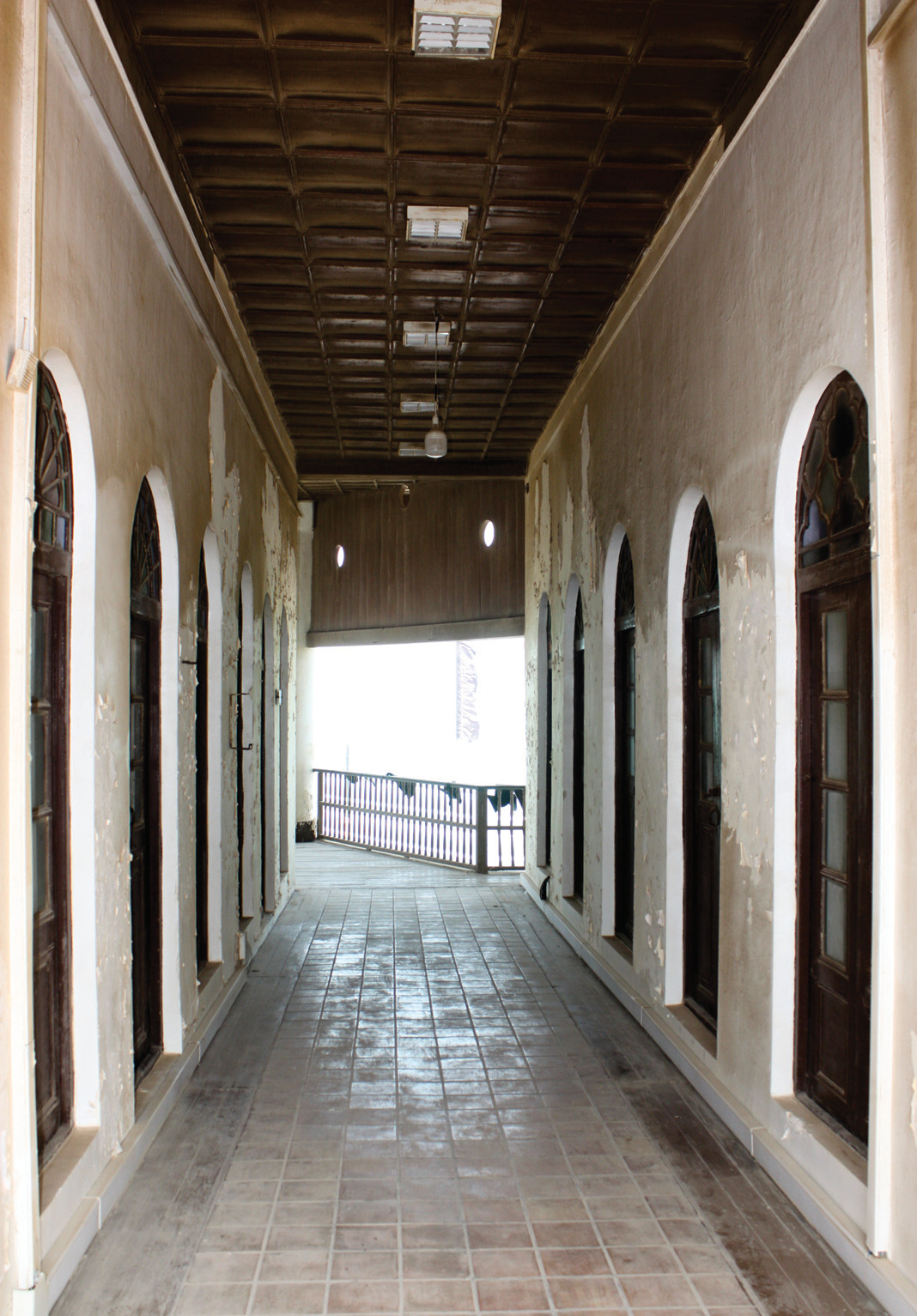
The distinctive features of Bushehr's historic architecture have made this area a unique space endowed with rich cultural and historical values. Among the special features of this texture are the tall, deeply shaded alleys — where the ratio of height to width sometimes reaches ten to one — all interconnected and ultimately leading to the sea. Within this zone, to maximize airflow, neighboring buildings share the fewest possible common walls, dividing the historic texture into separate blocks of one to several units. Numerous openings exist in the walls and facades of buildings, connecting on one side to the alley and on the other to interior courtyards, guiding airflow into the innermost spaces of the houses. Elements such as multiple openings with geometric lattice arches, orosi windows, terraces, and wooden shanashirs (projecting enclosed balconies) are among the most important visual features of both interior and exterior facades of houses in Bushehr's historic texture.
Climate-Responsive Design
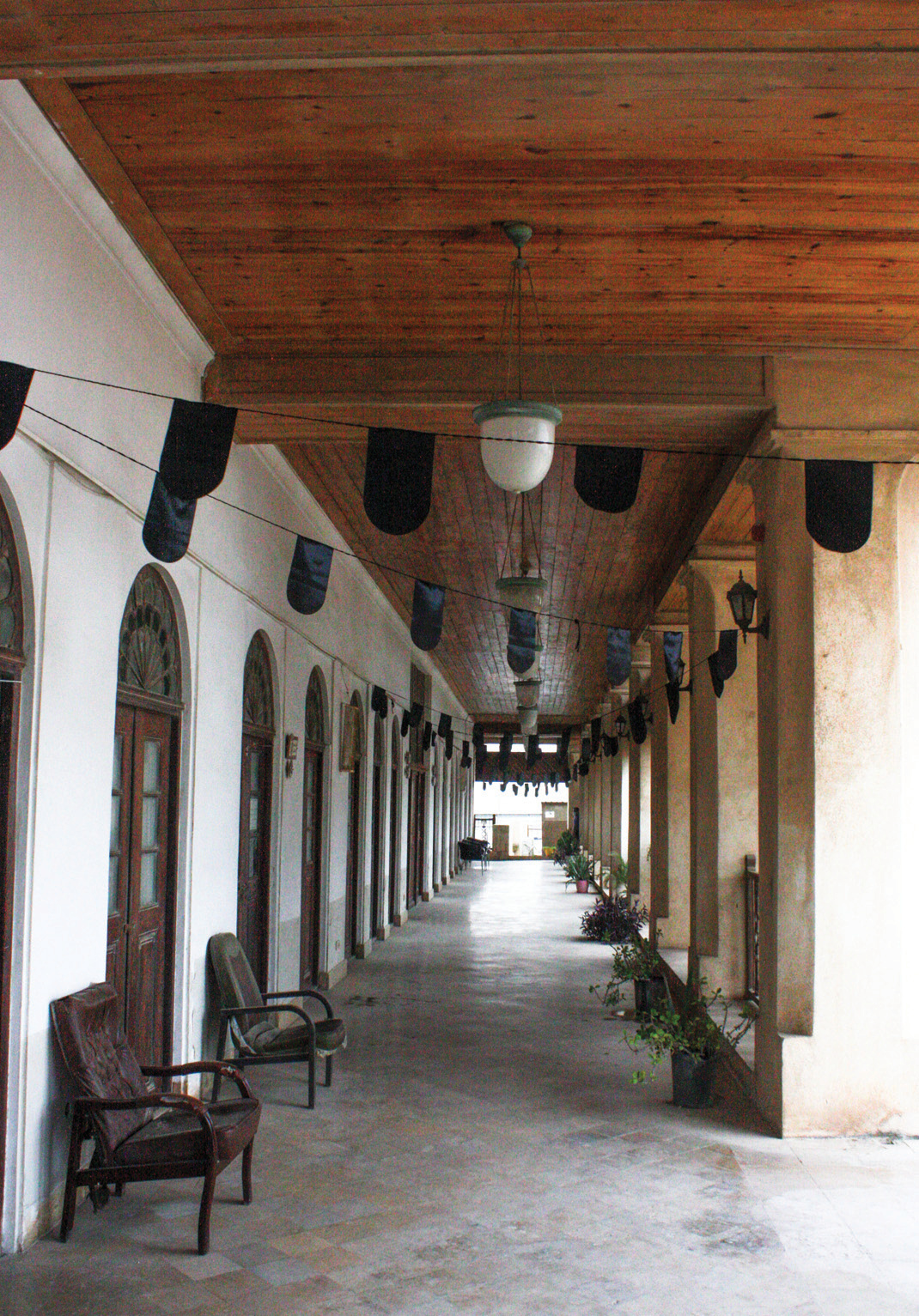
Large porches (iwans) with tall canopies, mostly oriented toward the northwest, provide a comfortable environment by capturing the cool breeze and offering views of the sea. In the historic houses of this area, small courtyards with tall surrounding walls are perpetually shaded and connect to the exterior alleys with minimal barriers. Room heights in Bushehr architecture are taller than usual, causing warm air to rise and cooler air to settle below, creating more favorable living conditions.
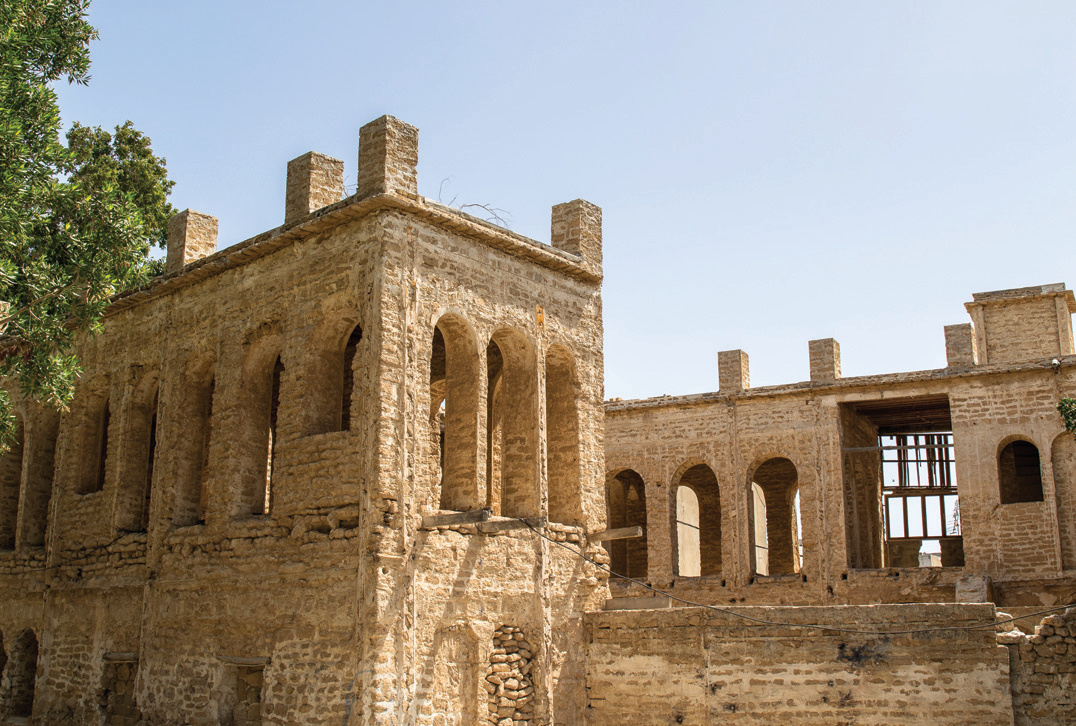
The building materials of historic walls are indigenous: coral stones and gypsum mortar, combined with imported materials such as various types of wood. The old Bushehr texture is organized into small blocks — single or multi-unit — to maximize airflow. Separating these irregular blocks are narrow alleys that intertwine without following any particular direction.
Architectural Guidelines
The design and construction guidelines for Bushehr's historic texture, considering the characteristics of vernacular architecture, can be summarized as follows:
Building density is low due to the high humidity, and the detached nature of buildings allows airflow around them. Although, like other urban areas in Iran, the vernacular architecture here includes buildings with central courtyards, in most cases the ground floor is devoted to service spaces, while living spaces are moved to the second or third floors where they benefit from better wind and airflow. Upper-floor rooms that overlook open space on two sides — courtyard and alley — have openings on both fronts to fully exploit cross-ventilation.
Rooms have high ceilings, accommodating large volumes of air and heating slowly. Warm air that rises to the ceiling is expelled through small sub-ceiling windows, keeping the lower part of the room cool. In some cases, rooms lack walls on certain sides, converting them into semi-open spaces in constant cross-ventilation — cooler than other parts of the building.
Roofs are generally flat and used for nighttime activities and sleeping. For this reason, rooftops have tall, perforated parapets that maintain privacy while allowing airflow. Wall materials are mud brick or fired brick; ceiling materials are mostly wood, shaded by deep porches and perforated parapets.
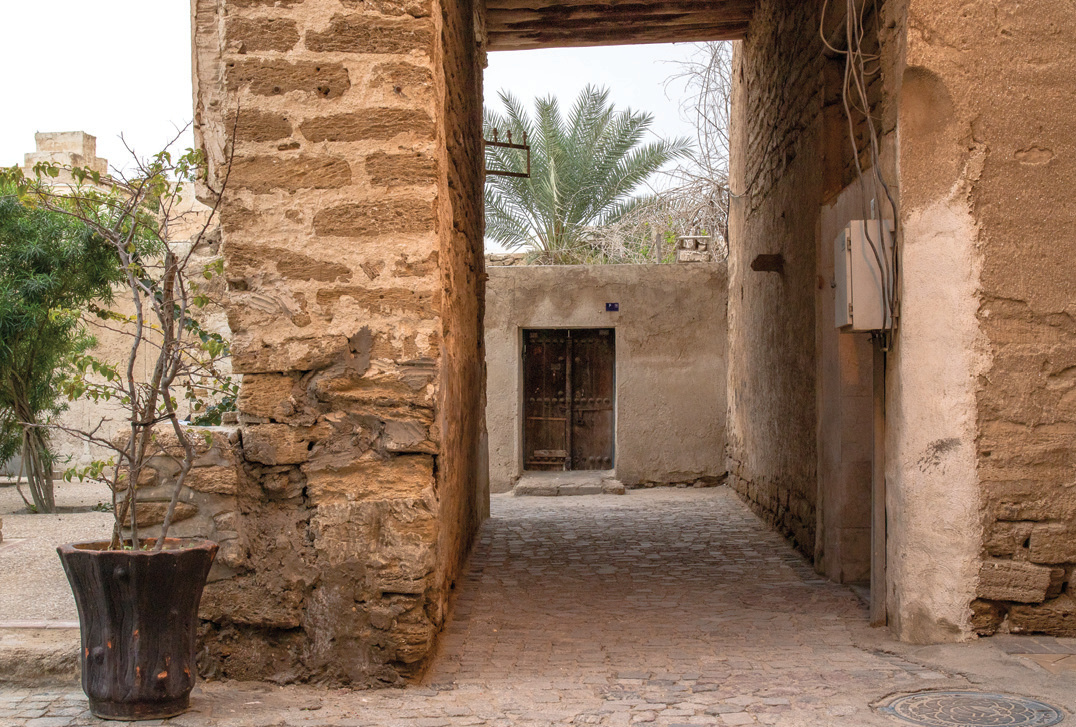
Windows and openings are typically narrow, tall, and small, with holes drilled above and below them for better ventilation. This continuous air circulation keeps rooms cool. Where openings are large, they are covered with wooden or brick lattice screens that provide shade while still allowing airflow. Double-layered ceilings with ventilated space between them are another solution for reducing external heat penetration.
The optimal building orientation in this climate is south to southeast, with up to 30 degrees deviation from south. This aligns with the prevailing winds in much of this region. The east-facing facade, while favorable for solar gain, is unsuitable because the east wind is typically the oppressive sharji. The best placement for main living spaces is on the south and southeast fronts, which have favorable conditions year-round. The northern front is best for spaces used primarily in summer. The east and west fronts, being unfavorable for most of the year, should be reserved for service spaces.
Semi-open spaces are very common in this climate and used for most of the year. These spaces serve as venues for various daily activities while shading the building's external surfaces, reducing wall temperatures, and preventing direct sunlight from entering interior spaces. Green spaces around buildings help reduce reflected solar radiation. Due to infrequent but intense rains, flat roofs are equipped with gutters and drainage channels for rapid water removal to courtyard gardens.
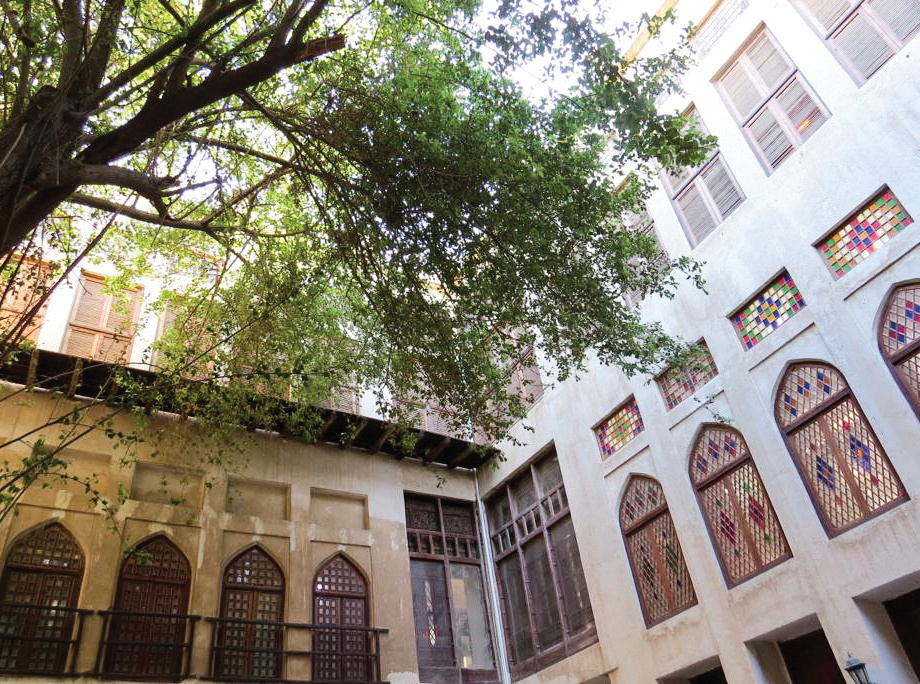
All exterior surfaces exposed to sunlight should be covered with light-colored, rough-textured materials and insulated on the outside against moisture. Exterior building surfaces must be protected from sun and rain through wide overhangs and shading devices. Calculations show that the depth of horizontal shading for south-facing windows ranges from one-fifth of the window height in the westernmost parts of this climate zone to one-tenth in the easternmost parts.
References
- Ahmadi Rishehri, A. (2001). Sangestan: Old Bushehr and Its Cultural and Social Features. Shiraz: Navid Publications.
- Jamali, R. (2000). "Old Texture of the Port City of Bushehr." Knowledge and Geography, No. 2.
- Haddad Adel, G. (ed.) (1998). Encyclopedia of the Islamic World, Vol. 4. Tehran: Islamic Encyclopedia Foundation.
- Hamidi, S.J. (2005). The Beautiful Province of Bushehr. Bushehr: Shorou Publications.
- Zanganeh, H. (2001). South of Iran as Told by Travelogue Writers. Shiraz: Navid Publications.
- Konin, A. (2008). Natural and Human Geography of Bushehr. Tehran: Tolue Danesh Publications.
- Gholamzadeh Jofreh, F. (2013). Architecture of Bushehr in the Zand and Qajar Periods. Tehran: Abadboom Publications.
- Memarian, G. (1994). Introduction to Iranian Residential Architecture: Inward-Looking Typology. Tehran: Iran University of Science and Technology Press.



