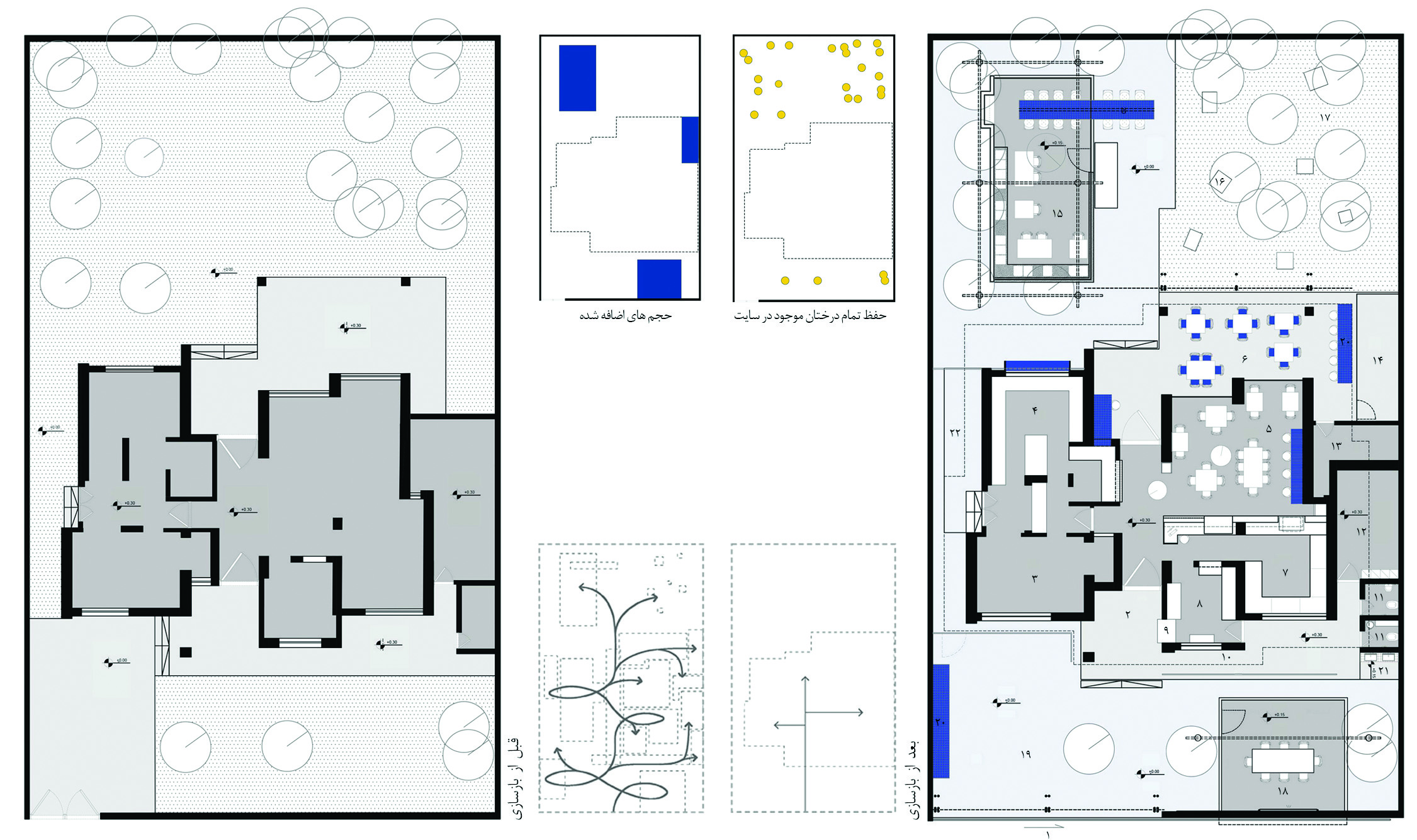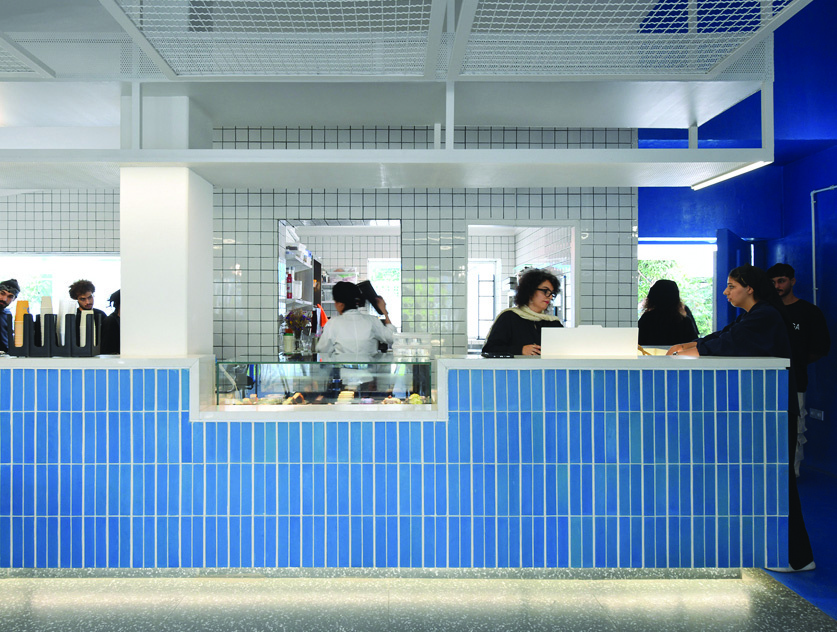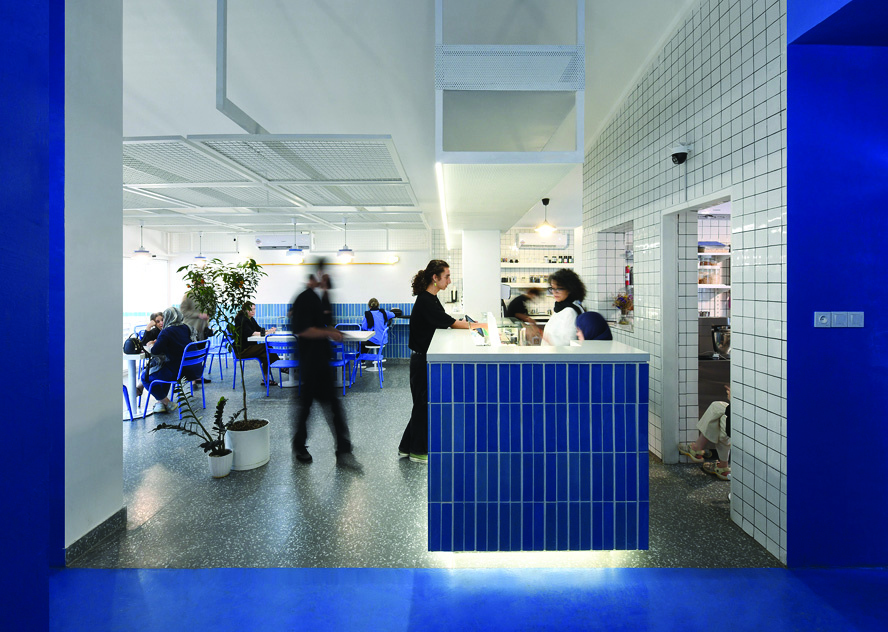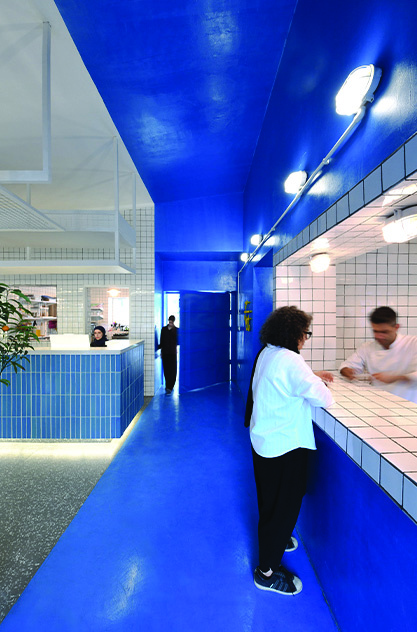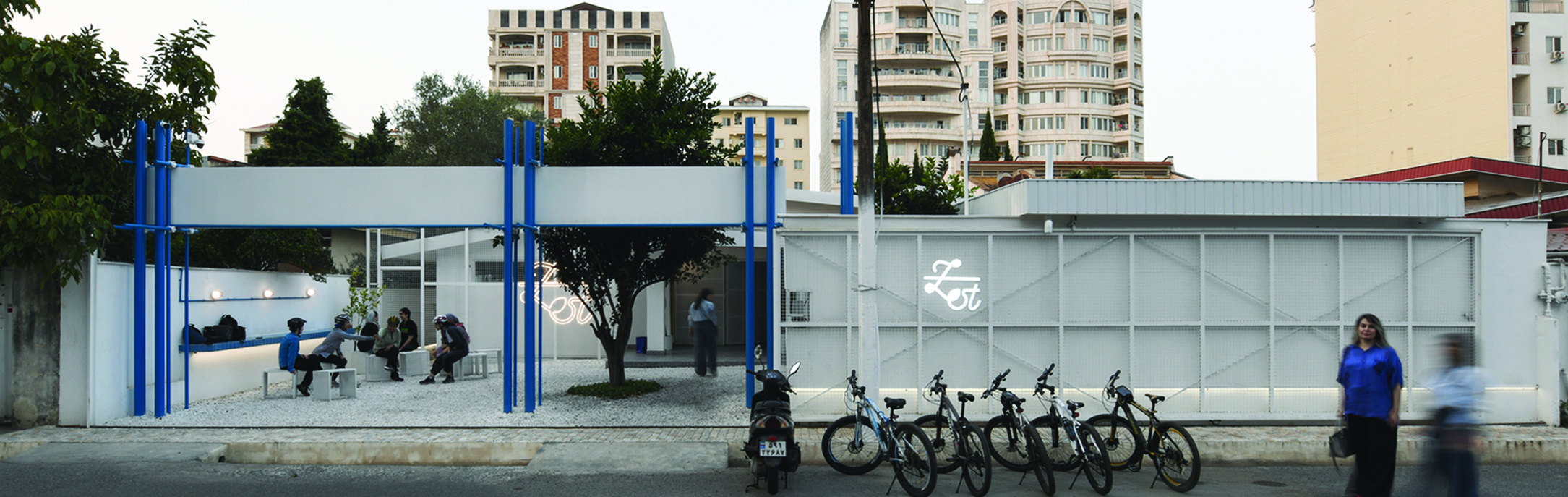
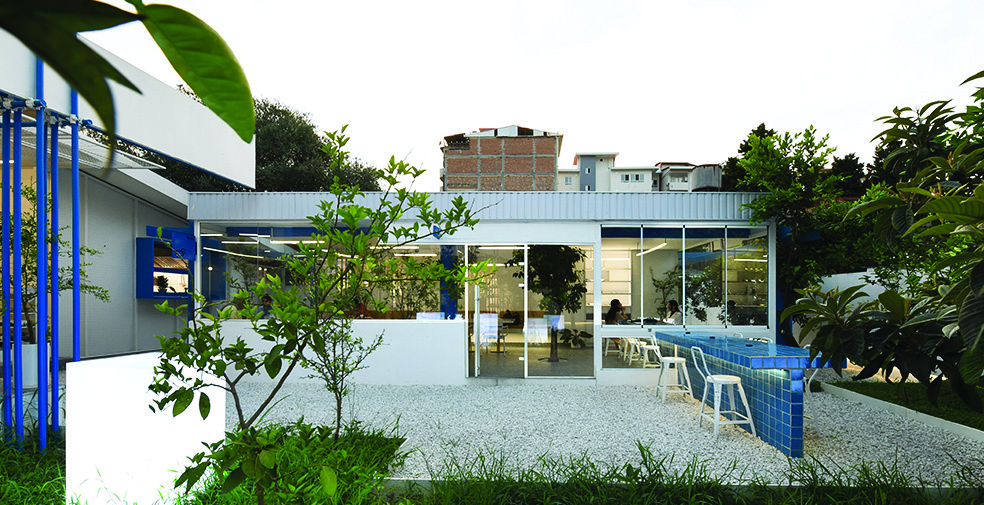
Café Zest sits within a villa-district neighbourhood that, owing to the seasonal and intermittent presence of its residents and the absence of any bond with everyday urban life, has been drained of vitality. The cafes in the area, meanwhile, have failed to become lasting social anchors. The client’s wish was to regenerate an abandoned rental villa and transform it into a public, youth-friendly space. The central concern, however, reached beyond a mere change of use: it found meaning in redefining the private–public relationship and adapting a socio-cultural programme within a structure with a residential past. The fundamental question, therefore, was this: how can one create a public space within a static, seasonal setting — one that both breathes life into the neighbourhood’s social fabric and activates the existing physical capacity in service of a new programme?
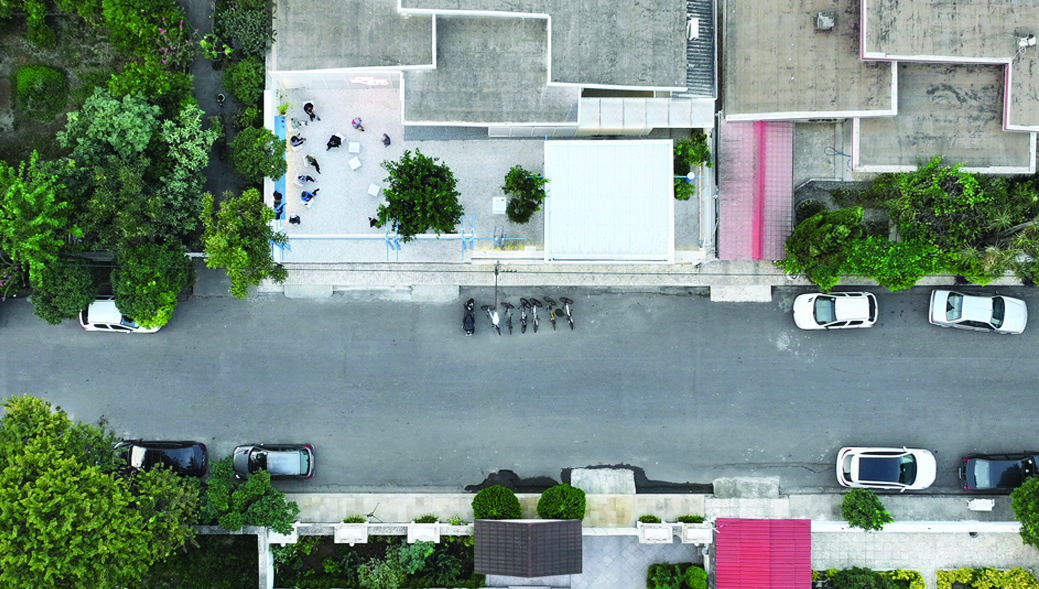
While the client’s brief was limited to a conventional physical programme for a café, the design approach moved beyond that framework, seeking to establish a social hub within the neighbourhood — an intervention whose aim was to generate social value and to redefine architecture’s relationship with its context.
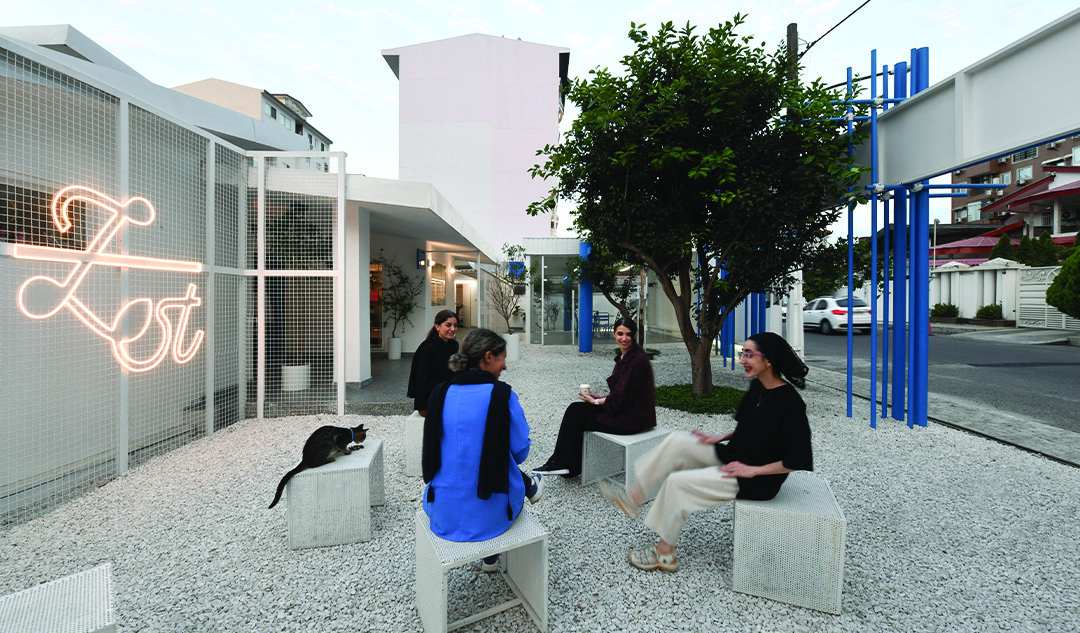
To this end, the boundary between café and city was reinterpreted not as a rigid separation but as a socio-urban edge — an edge that, by creating a permeable, living layer, reinforces a sense of invitation and enables pausing, socialising, and the emergence of spontaneous gatherings. Rather than eliminating the boundary, this strategy transformed it into a mediating surface that enhances the café’s active engagement with the neighbourhood’s daily life.

Programme and Social Ambition
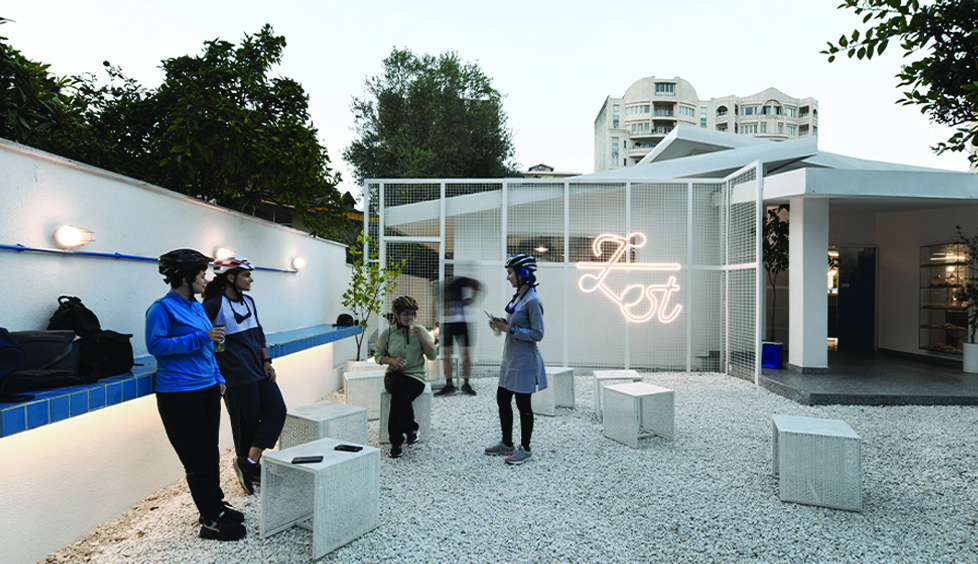
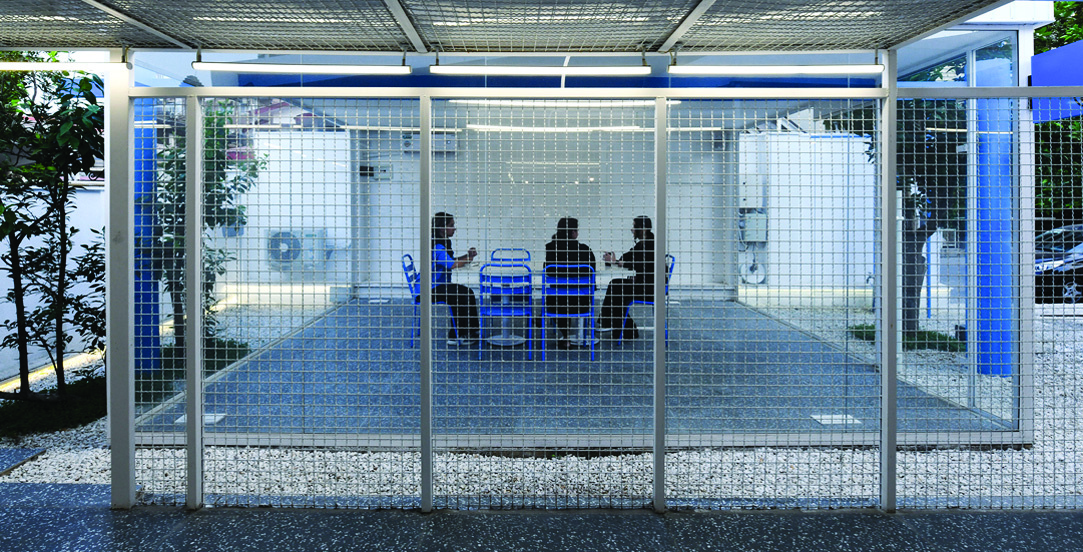
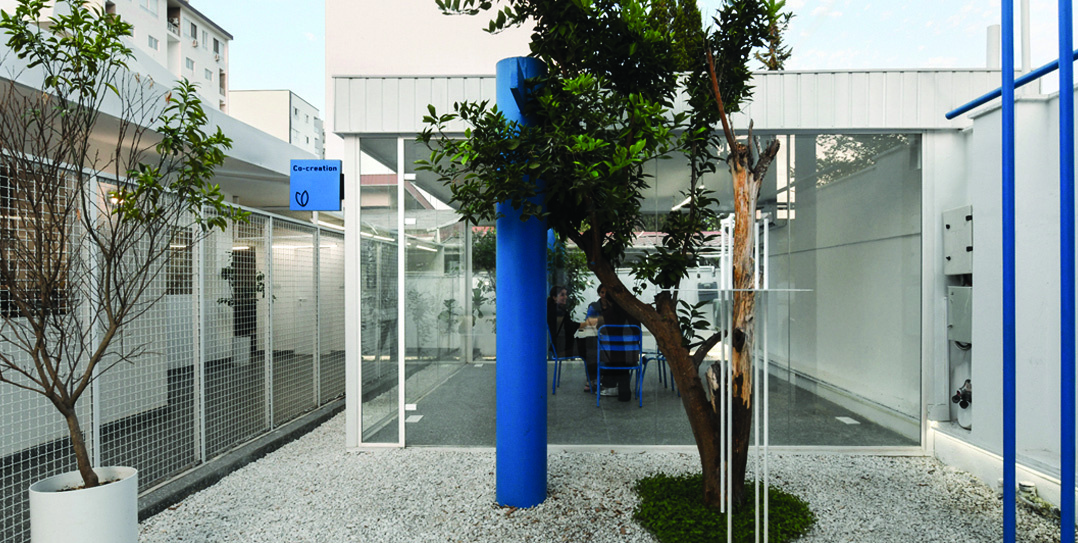
In the next step, the conventional physical programme of the café was redefined to elevate its social and cultural capacities, so that it might serve, beyond its everyday function, as a platform for collective interaction and participatory creativity. To this end, two complementary elements were added to the project: the Co-Creation Box, as a flexible space for collective production of ideas and participatory events, and the Social Box, as a vehicle for dialogue, networking, and the formation of social interactions at the local scale. These functional additions constitute strategic design layers that strengthen the café’s social identity and establish its position as an active social focus within the seasonal and static fabric of the neighbourhood.

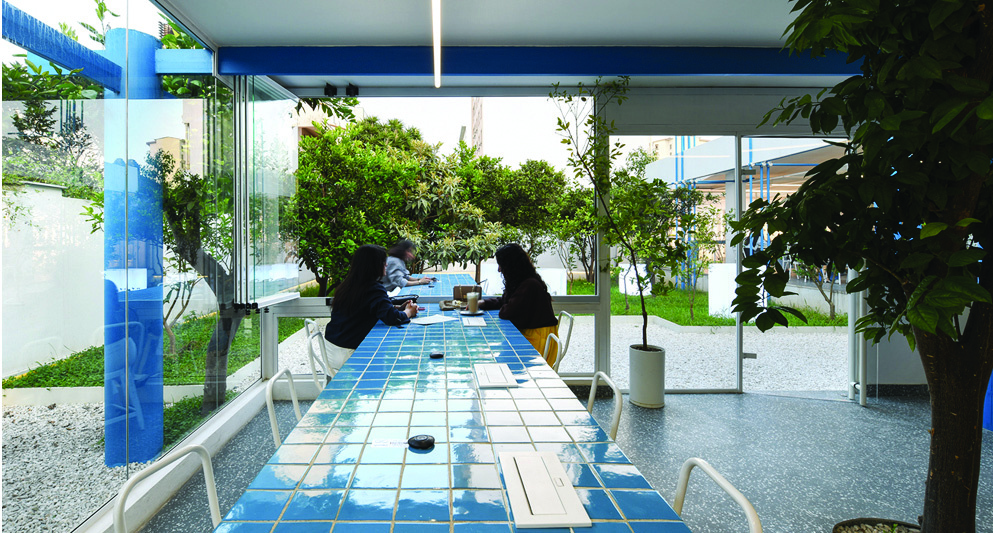
Simultaneously, the spatial organisation of the project was reconfigured from centralisation to distribution and free flow of movement — an approach that strives to reinforce fluidity, spatial variety, and a sense of curiosity and discovery among its users. The relative distribution of functions across different parts of the site was designed with the aim of inviting users to interact, move, and experience diverse layers of social spaces and individual retreats, indoors and outdoors, open and semi-open, so as to create a multi-layered and dynamic experience.
Materiality and Skin
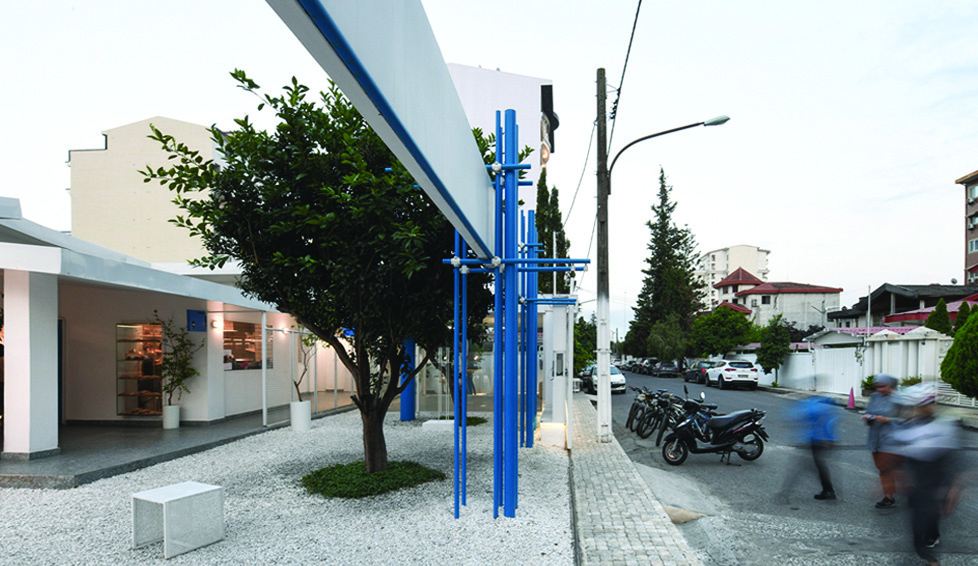
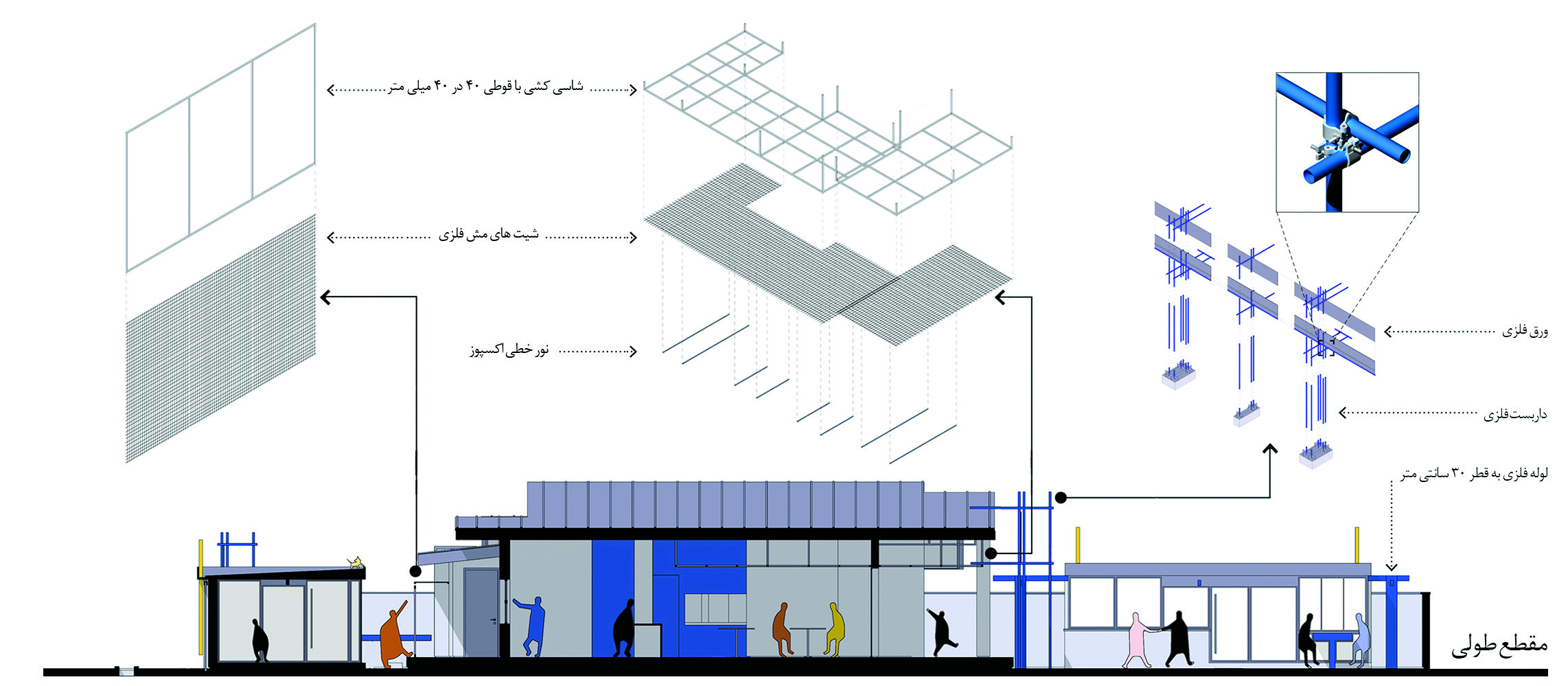
Given the rental nature of the property and budget constraints, the project’s new skin was designed to be low-cost and simply detailed, in a way that simultaneously ensures function, flexibility, and the possibility of structural expansion. Materials already present on site — including scaffolding and stored metal pipes, metal mesh sheets, and aluminium sheets — were redefined as key elements of the skin, not only enabling rapid and economical execution by a local contractor, but also serving as multi-purpose structural and visual layers.
The new additions, while creating a fresh language and a new layer of visual identity, were designed with respect for the original body of the villa so that the project maintains visual continuity and cohesion within the homogeneous fabric of the neighbourhood.
Spatial Strategy as Freedom
By redefining the spatial organisation, a flexible and dynamic arrangement took shape — one that reinforces the coexistence of functions and the participatory interaction of users.