◆ ◆ ◆
Finalists — Apartment Buildings
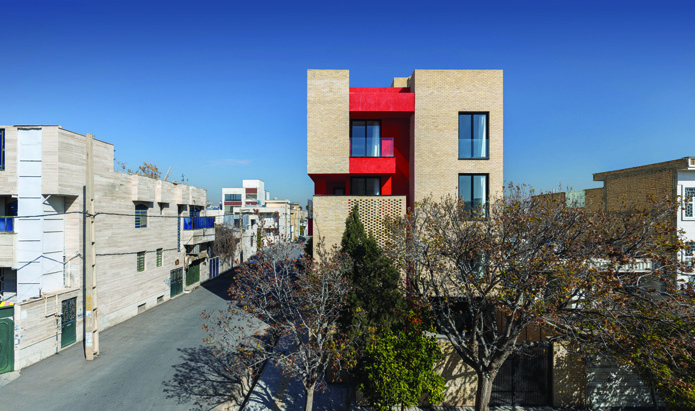
The Pause Residential Building, Shiraz
Maan Architecture Office — Mohammad Garmenjani, Samira Shafie
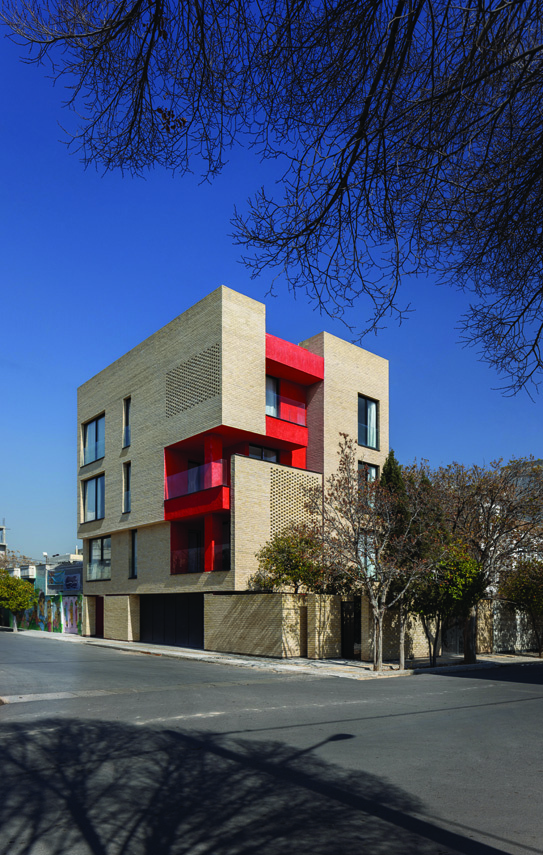
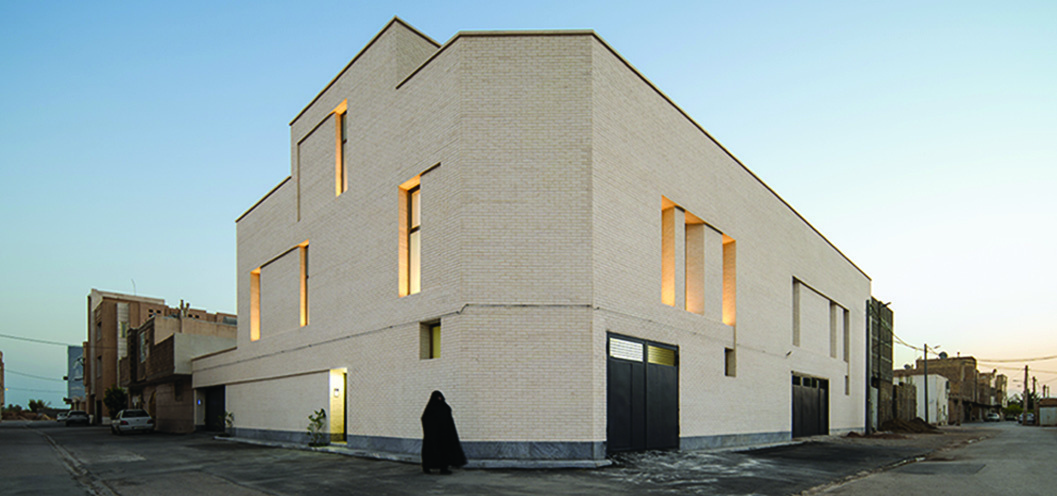
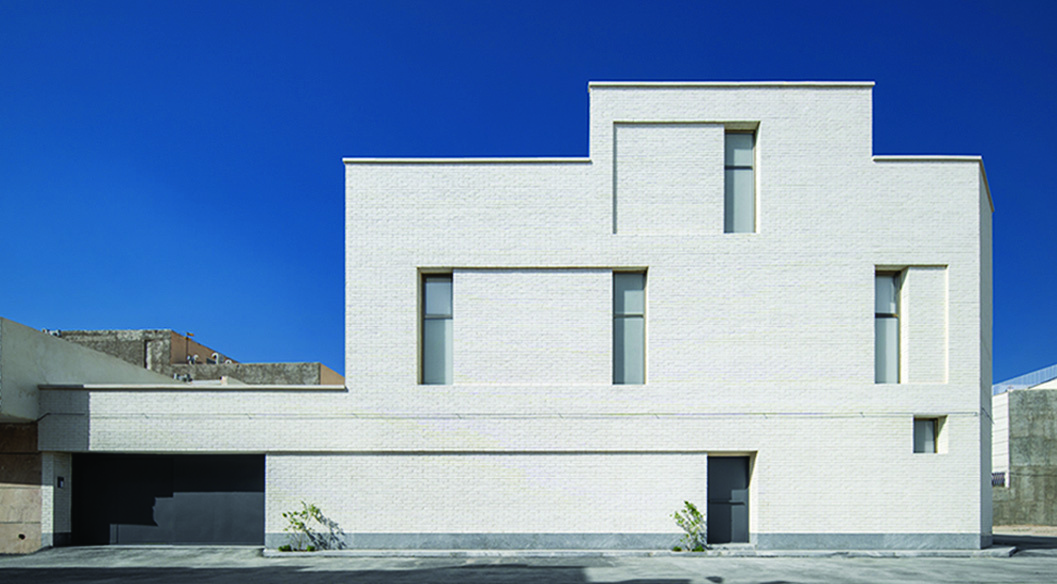
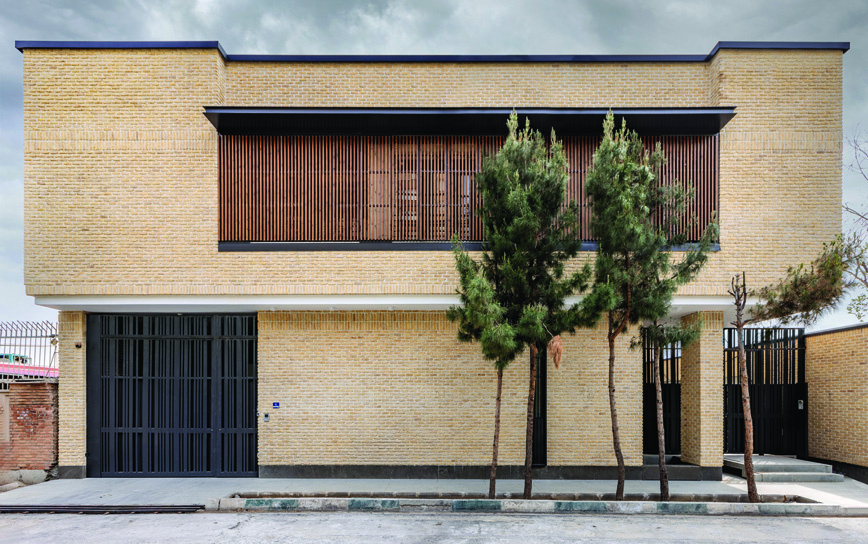
Valfajr Township is a place whose name rarely appears on the architectural map of the city. Its fabric, rather than being the product of a creative dialogue with its context, is the result of thoughtless mass housing and construction contracts. In such a setting, every effort to build beyond meeting immediate needs is a way of restoring dignity to the act of architecture. The present project — small in scale but ambitious in purpose — has sought to create the greatest human quality with the fewest resources.
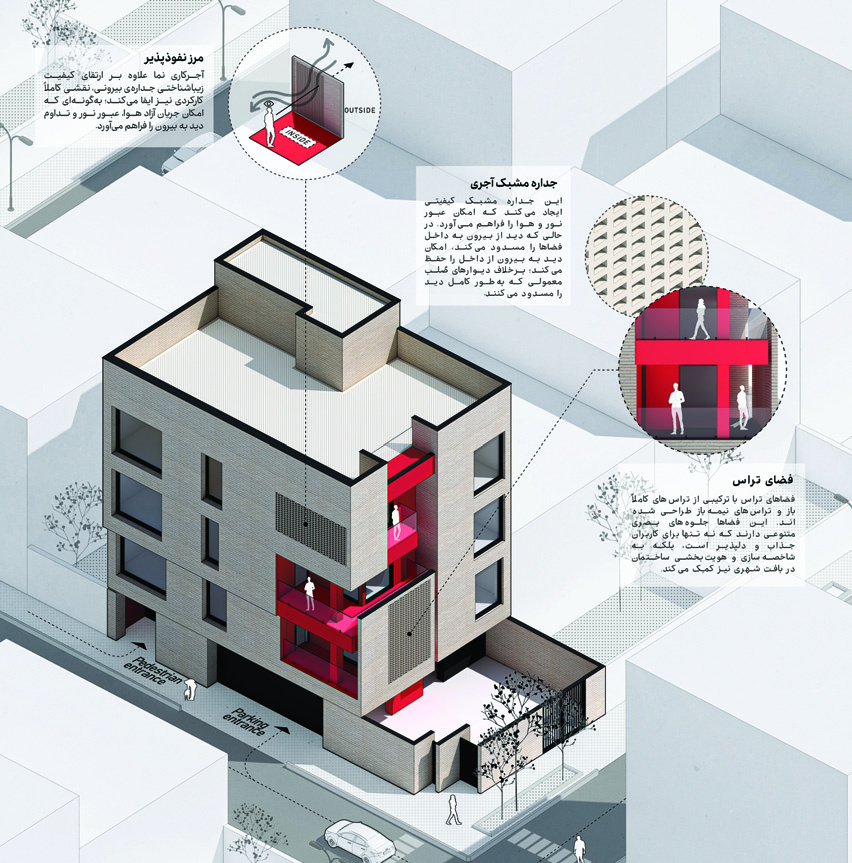
The solid brick wall creates a calm bond with the surrounding fabric, yet a red crack breaks the monotonous silence of the city and announces entry into a different space. This red surface, beyond mere aesthetics, narrates the will to be present. The play of solid and void, private and semi-private, shadow and light creates a rhythm that changes with the movement and gaze of the user. Despite a limited budget, a tangible quality has taken shape: porches that bring the breeze into rooms and provide a view toward old trees, and brick filters that allow light to pass through softly.
This building is more than merely "a building" — it is "a proposal for a way of living": an invitation to rethink habitation in peripheral settings, a quiet effort to return architecture to the heart of everyday experience, and a sign that even in the simplest forms and the harshest conditions, one can create a conscious, humane, and meaningful way of living.
Pixel Residential Building, Kish
BNS Studio — Farshad Kazerooni, Farnaz Bakhshi, Azin Soltani
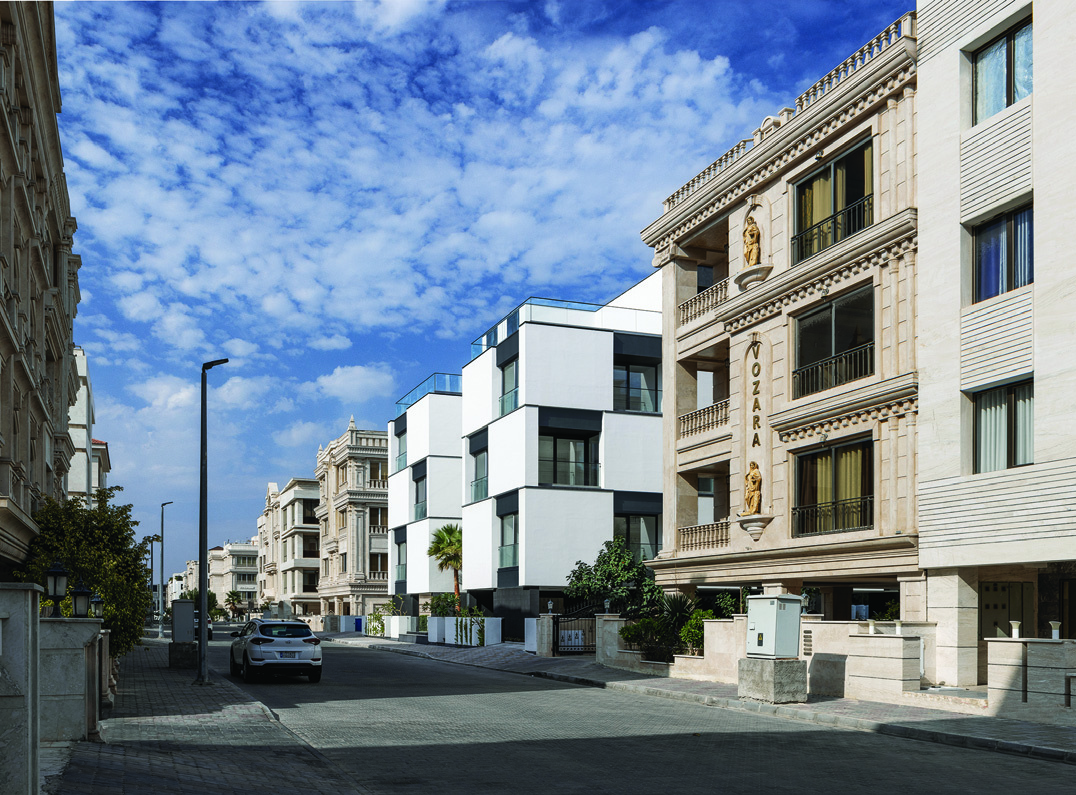
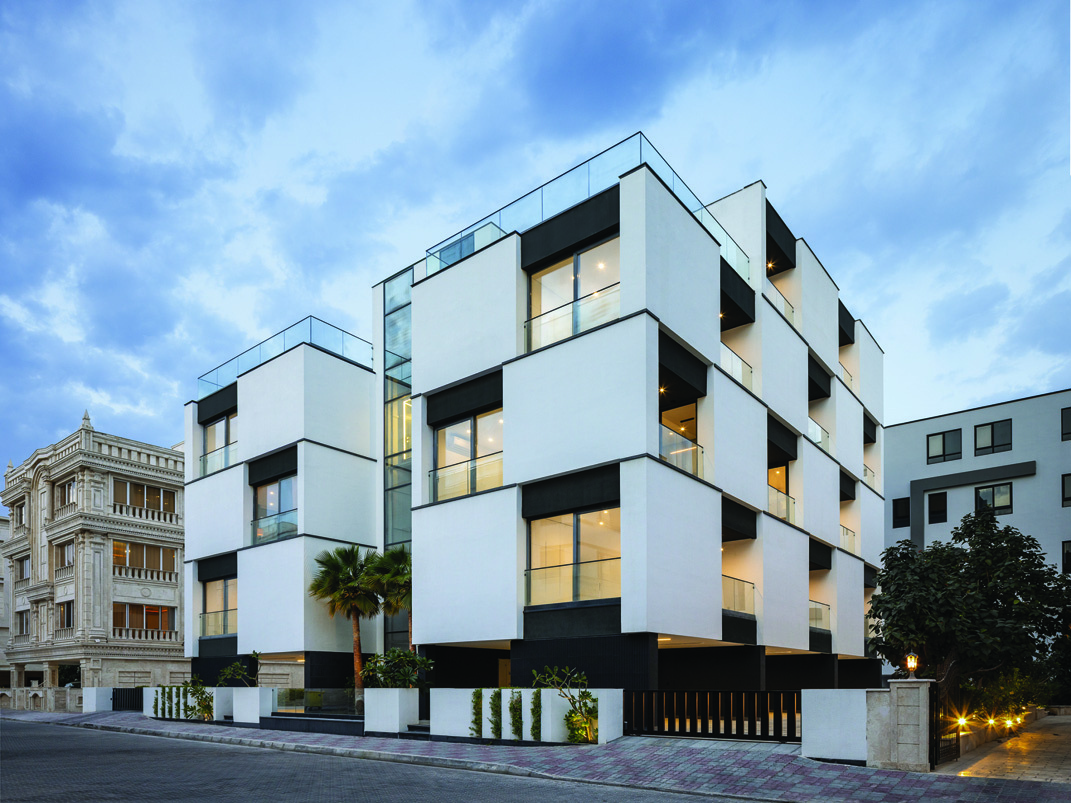
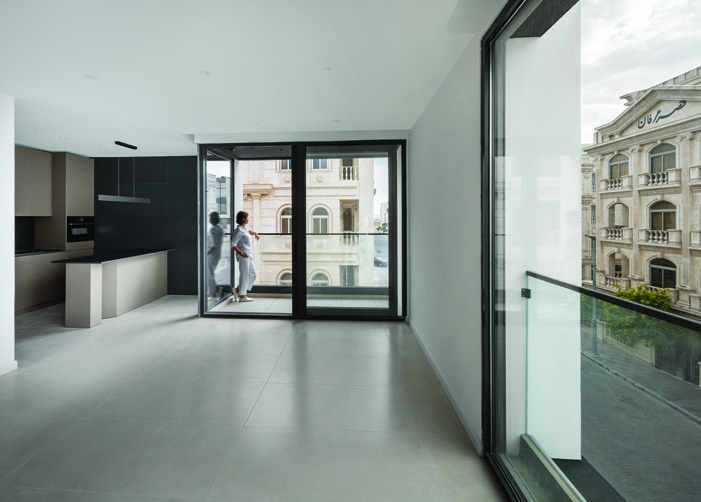
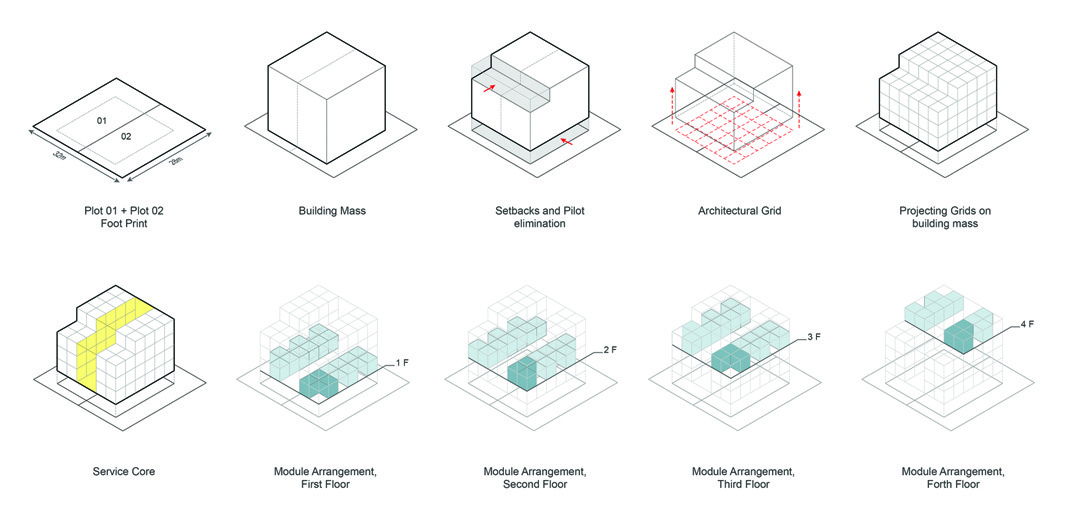
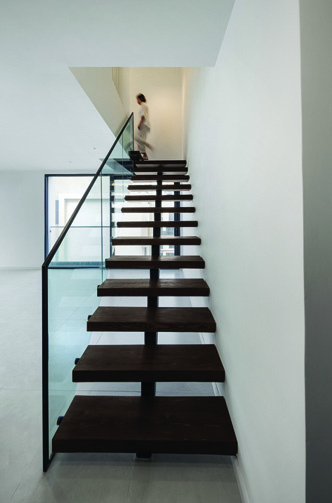
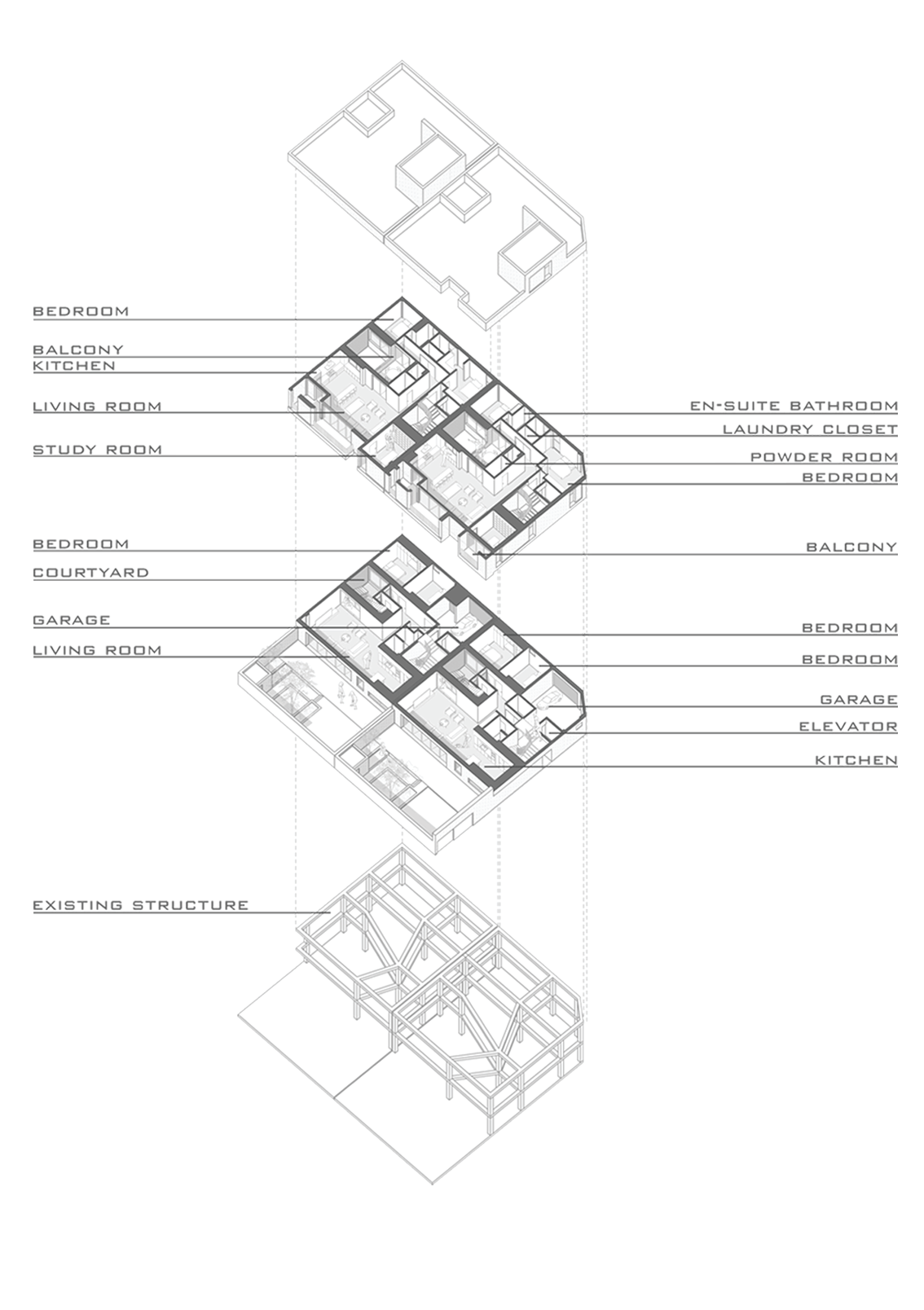
This building consists of two symmetrical blocks designed as a single unified volume. The L-shaped base module organizes interior spaces and enables varied combinations of duplex and single-unit arrangements. Through sliding and combining these modules, spatial diversity has been created. The terraces function as cuts in the volume and, by controlling light and shadow, provide climatic comfort in the hot and humid conditions of Kish.
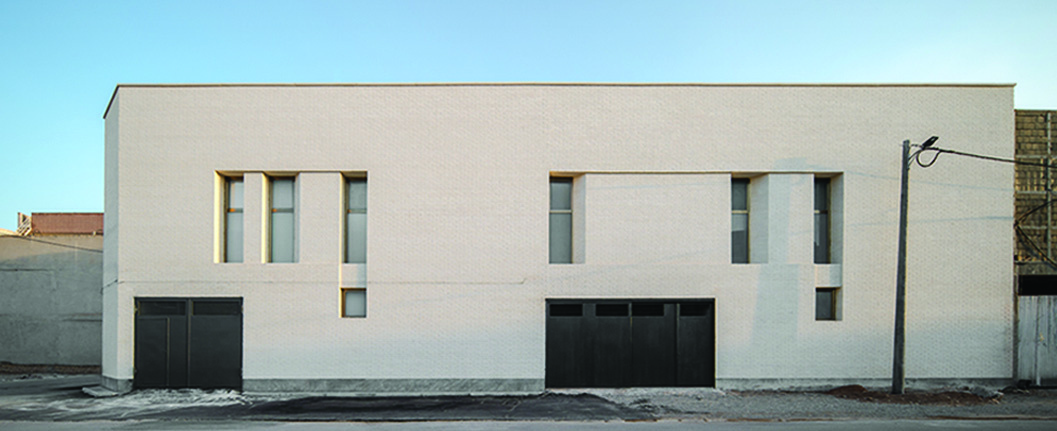
The prevailing urban image in this area is stone and classical facades, which are incompatible with Kish Island's climate and have caused disharmony in the urban fabric. The Pixel building has distinctly favored conciseness over indiscriminate variety in materials, colors, and volumes. The design's turning point is the contrast between outward simplicity and the complexity of the internal organization — where spatial richness and the interplay of solid and void enhance quality of life and provide a different residential experience.
03
Location: Dowlatabad · Built area: 860 m² · Area: 700 m² · Photo: COMO Photography Studio (M.S. Jooshesh)
White Houses, Isfahan
Golchin Studio — Navid Golchin
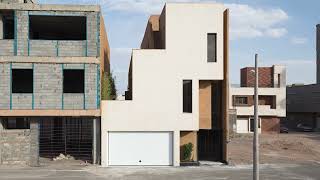
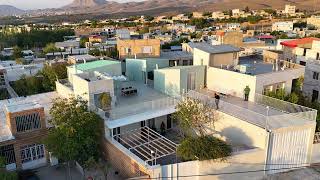
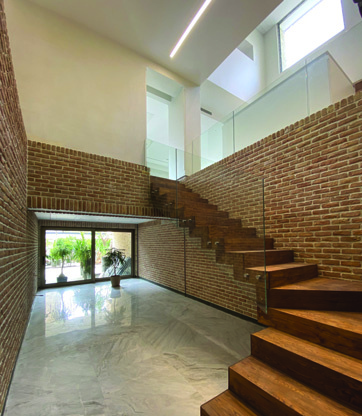
Dowlatabad is a city where horizontal and family-based construction is common. Unlike the typical apartment patterns in large cities, families here choose plots — generally derived from subdivided gardens — to build adjacent homes. This complex consists of four separate units in two blocks that, with a horizontal and unified facade, create a uniform yet independent identity harmonious with the neighborhood fabric.
Modifications were made to ceilings and interior walls so that southern light could enter the spaces more effectively. The constraints of the northern facade resulted in minimized windows, with slits created in the volume instead to optimize natural light. The interior spaces were designed according to the needs of different generations of the family. The shared terrace serves as a communal space and, as the heart of the house, strengthens family connections.
04
Location: Sharif University Township, Tehran · Built area: 1,300 m² · Area: 800 m² · Photo: Mahshid Karizi, LINE Studio
Nik Residential Building, Tehran
LINE Architecture Studio — Jalal Dadvar, Jubin Delavarian
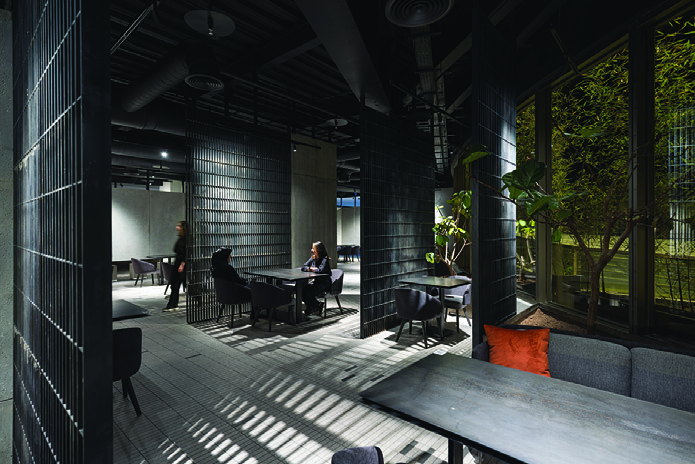
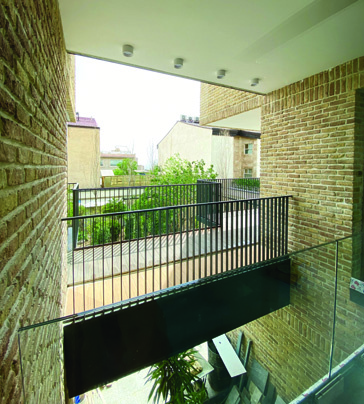
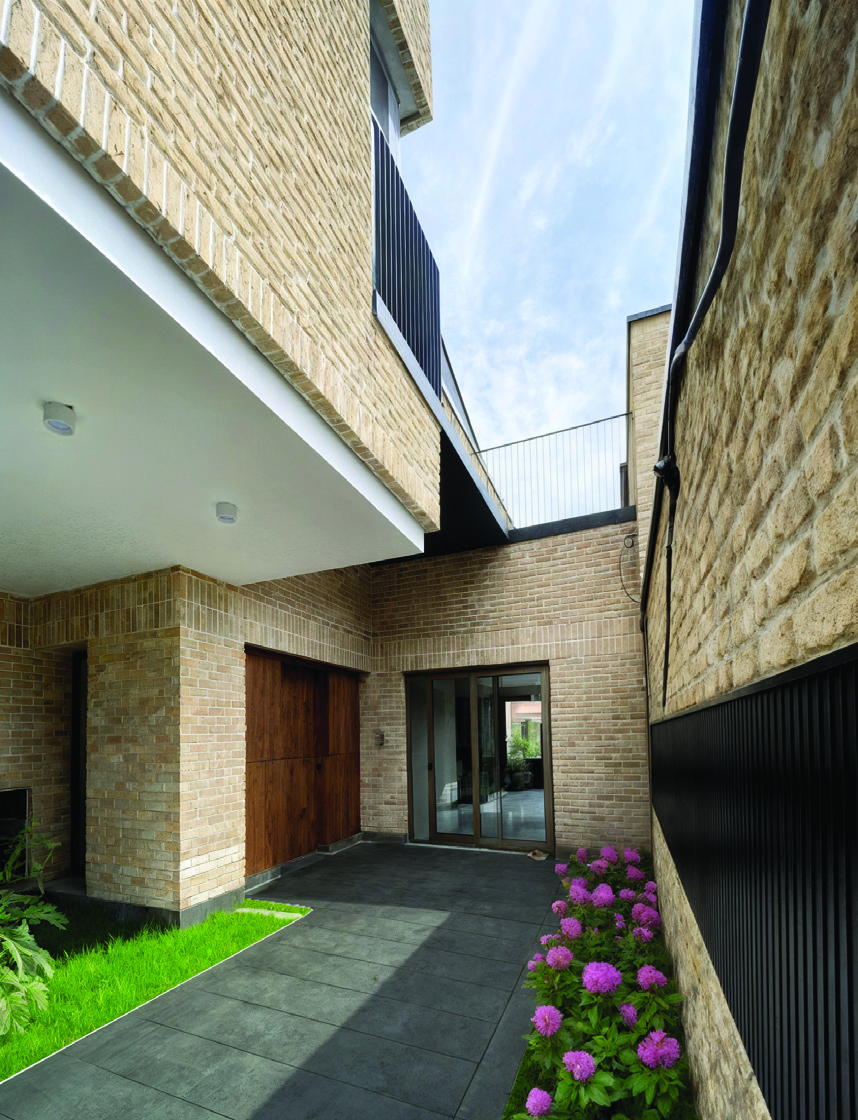
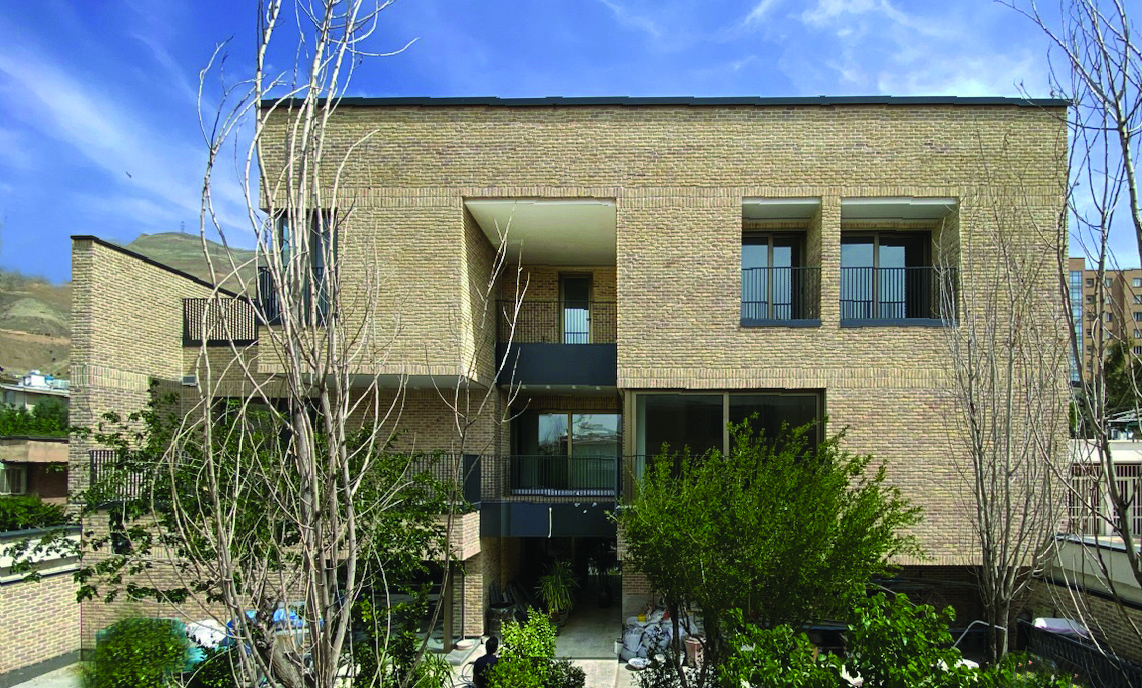
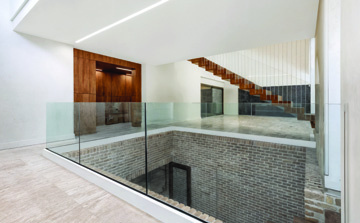
This building consists of two residential units: a two-story villa of approximately 700 square meters and an apartment of approximately 180 square meters, plus a dedicated recreational-service amenities floor of approximately 400 square meters. Given the project's environmental conditions, the design team chose an inward-focused approach from concept through material selection — an approach that fully aligned with the owner's wishes.
In essence, the entire building is a solid mass that, upon entry, gradually reveals open and semi-open spaces through carving, shaping interior connections and access routes. These carvings are simpler and gentler from the street facade, so the volume facing the street appears as a simple building. As one progresses deeper, the importance of open and semi-open spaces increases and the connection between interior and exterior strengthens, culminating in maximum transparency along the south-facing courtyard facade.
05
Location: Malek-ol Shoara Bahar St., Mashhad · Area: 550 m² · Built area: 2,500 m² · Photo: M.H. Etefagh
Bahar Residential Building, Mashhad
DIM Architecture Studio — Azadeh Khorram, Amirhossein Davatgar, Hiwa Ebn Abbas
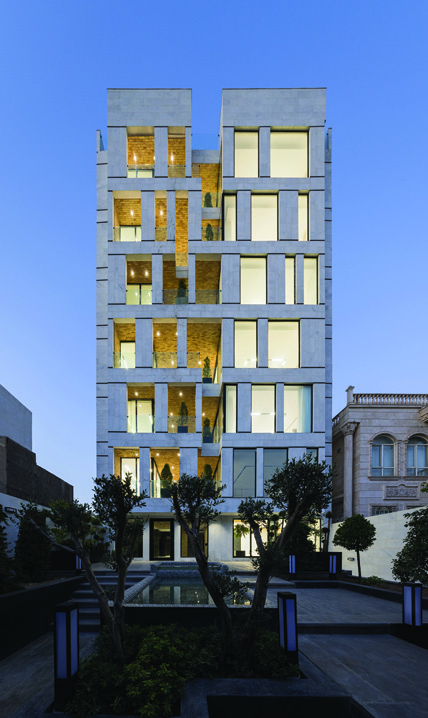
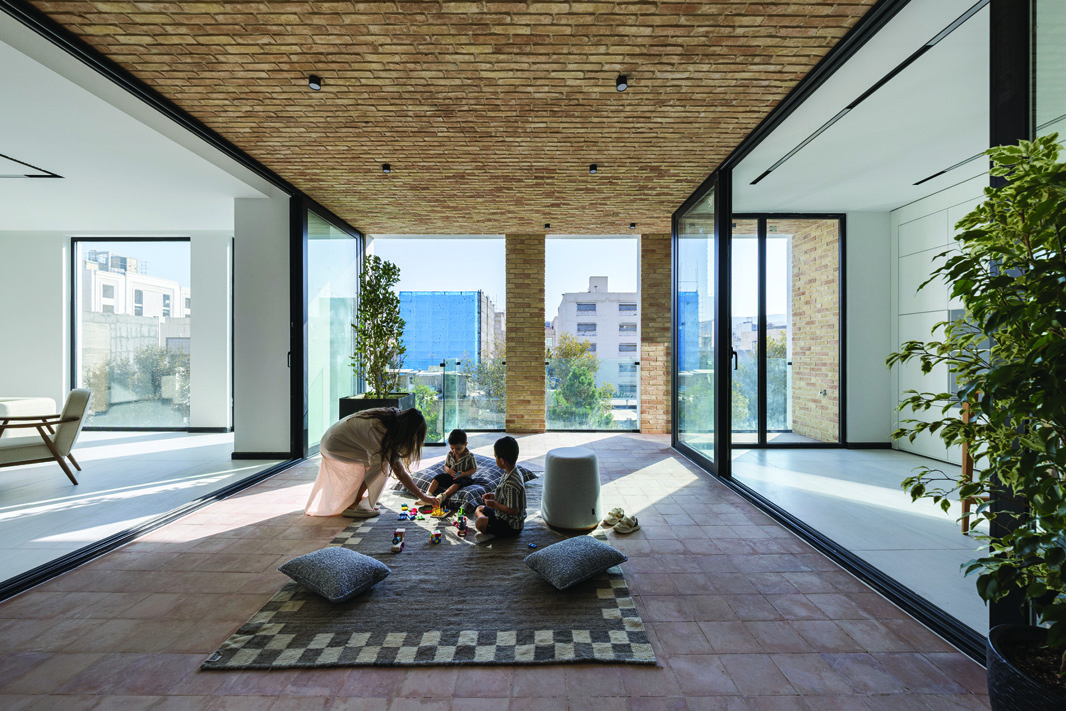
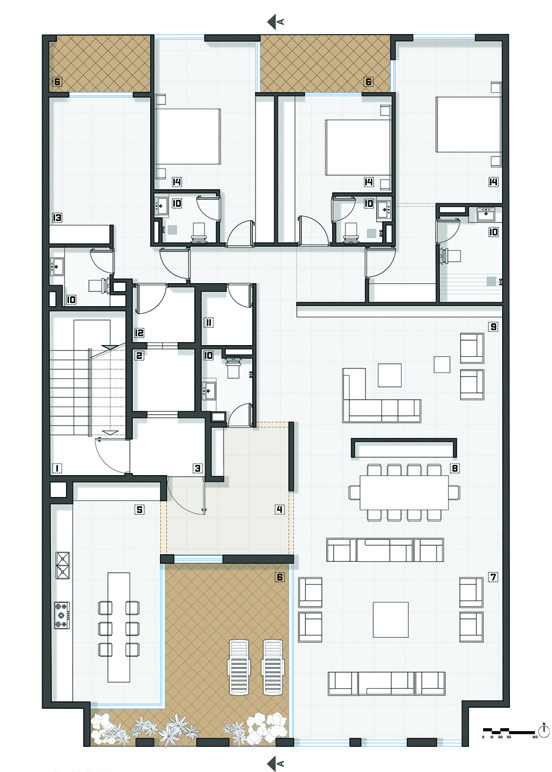
The six-story "Bahar" building, by drawing on past architectural patterns, seeks to revive the central role of open and semi-open space as the primary organizing element in contemporary apartments. The open/semi-open space (terrace or courtyard) was positioned at the center of each unit and connected to the main entrance through a hashti — a simplified redefinition of historical patterns. The central terrace became the beating heart of the contemporary home.
The intermediary brick space, like the beating heart of the home, brings together the kitchen, living room, hashti, and entrance in an integrated connection through operable glass walls. To distinguish this intermediary space and evoke a sense of authentic life, handmade bricks were used — creating a fundamental contrast between the building's exterior facade and the interior. This space is a contemporary redefinition of the role of open space in daily life, establishing a link between modern architecture and the memories of traditional Iranian homes.
The facade design was based on the proportions of the eyvan in historic homes with a simplified approach. The perimeter wall was replaced with transparent metal louvers instead of a solid surface, sharing part of the green space with passersby and improving the visual quality of the urban landscape.
06
Location: Saheb-ol Zaman St. 13, Torghabeh · Built area: 1,200 m² · Area: 410 m² · Photo: Diman Studio
Konj-e Vagara Residential Building, Torghabeh
Sepidar Architecture Office — Javad Sheri
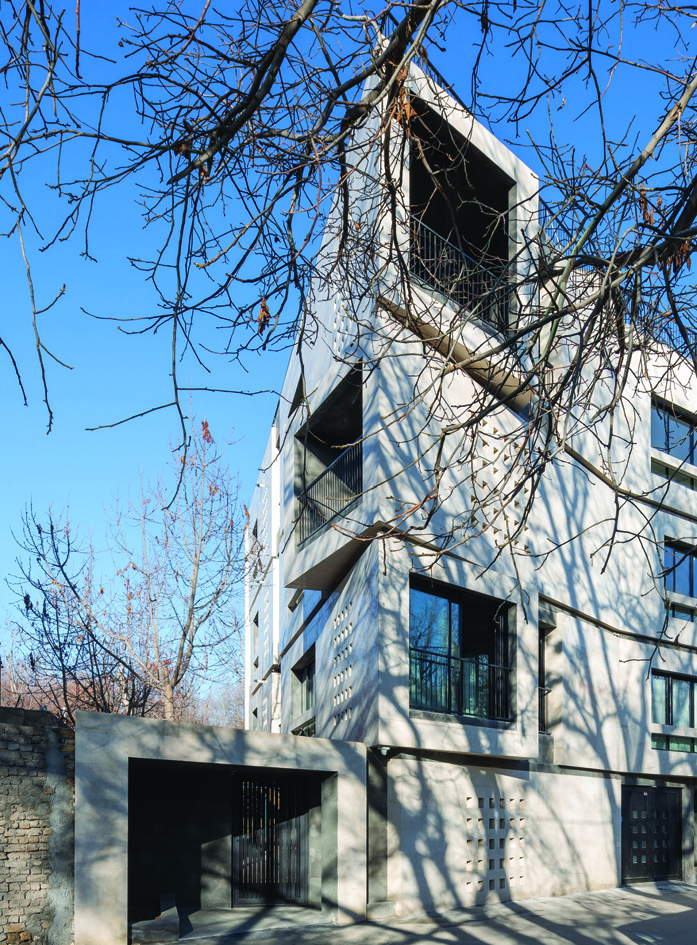
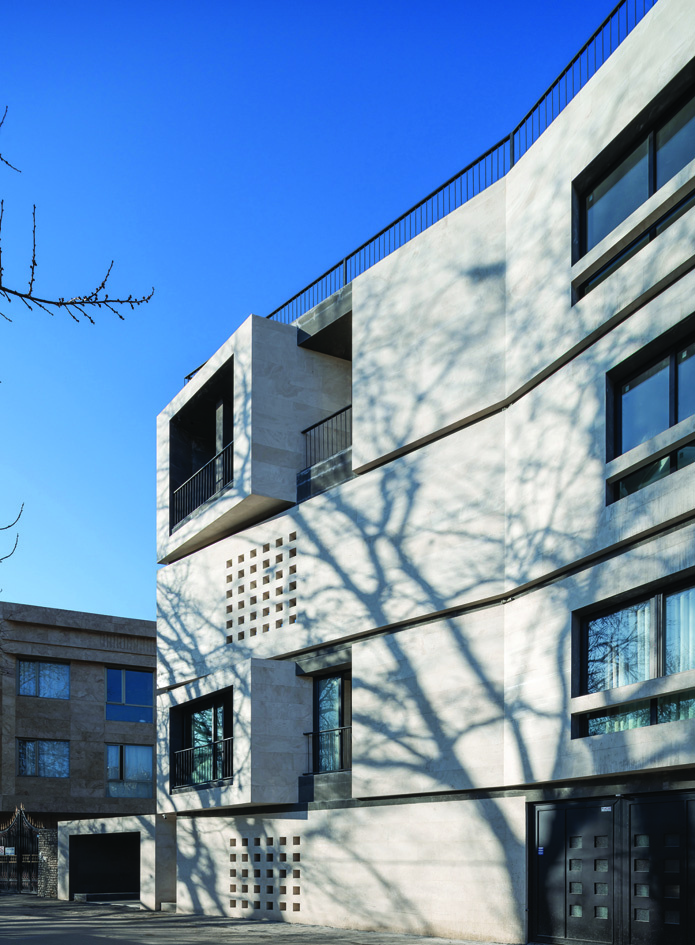
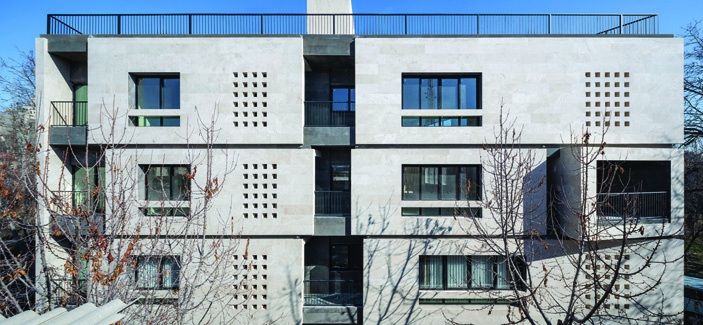
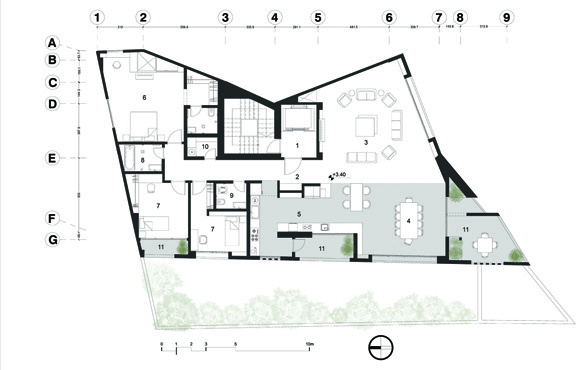
The commission began with a "triple" contradictory request from the client, who needed an apartment for himself, his son, and his daughter, emphasizing that two or three decades ago they had lived in semi-detached courtyard houses. Three important features were identified: the highly irregular geometry of the site with corners at various angles, a linear forest park opposite the project, and three-generation "neighborliness."
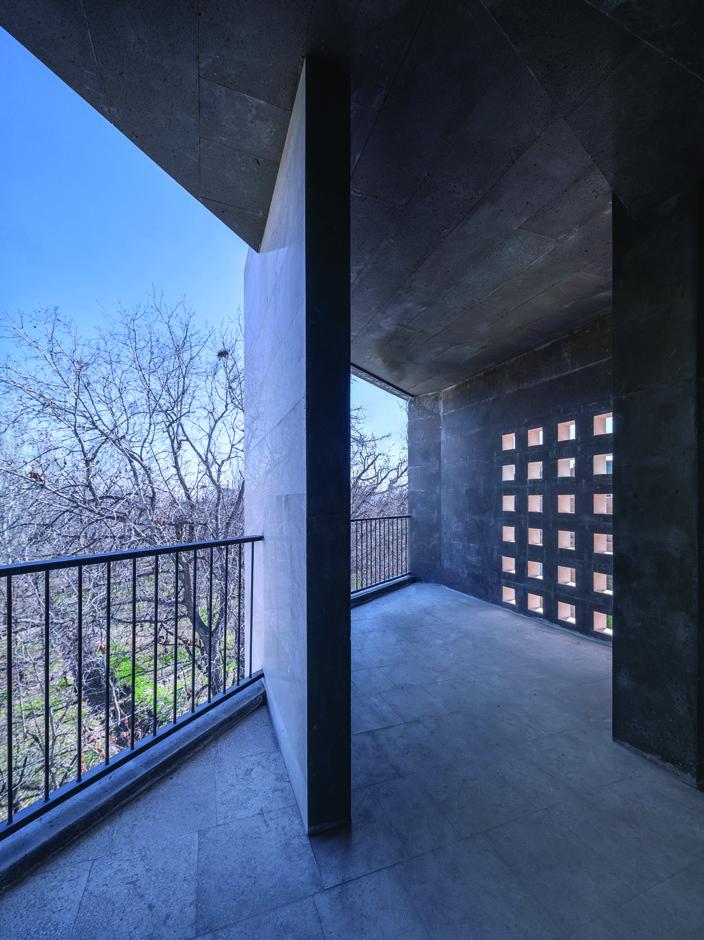
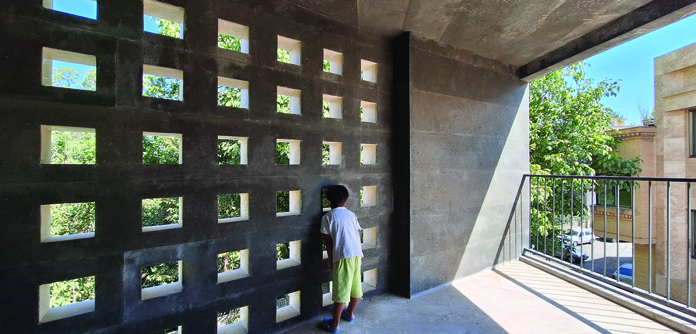
The project's spatial packet was envisioned in three types of semi-open space: living terraces, bedroom terraces, and kitchen terraces. The largest terrace was placed in the "corner" of the project to serve as a symbol of the eyvan of the residents' old houses. The raw geometry of the land was extended into the volumetric shells of the building, avoiding geometric correction — the "divergent corners" were embraced in the concept rather than forced into square or rectangular forms.
The message of this architecture is, on one hand, maintaining the audience's connection with their past and, on the other, maximizing the connection with nature while respecting climatic considerations.