The transition from the idea stage to form is also important. Ideas are design materials and forms are the crystallization of the production process. The refinement and synthesis of micro and macro ideas to arrive at a coherent structure—in architecture, in its specific sense—making the idea is more important than making the building. But although having good materials, that is, having appropriate, strong, and original ideas, is necessary, properly employing them in the process of converting idea into form is the most important matter.
Cultural issues and the emergence of new human needs have compelled architects to constantly revisit the foundations of architecture and its core ideas. For this reason, architectural progress, even at certain junctures, has taken place with entirely new concepts, while architecture of the past dealt with the synthesis, adaptation, and completion of specific spatial ideas whose forms and objective manifestations—such as the hashti, tiveche, and panj-dari—already existed from before. Today’s architecture begins with abstract ideas and then proceeds toward the design of concrete living spaces. The passage from a mental and abstract category to a concrete phenomenon, like the conversion of water into steam, is a magical moment.
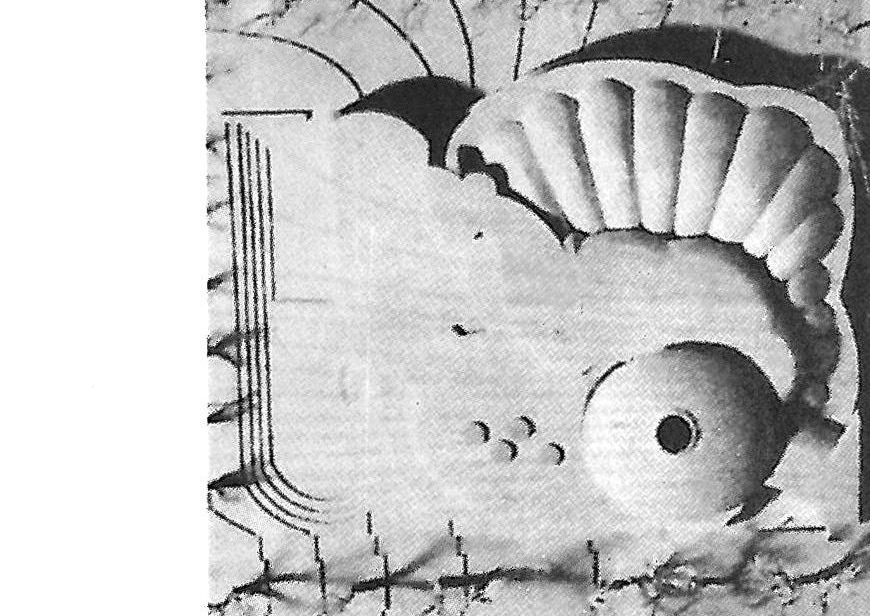
Tampere City Library, Finland, by Reima Pietilä, 1978–86
Most significant contemporary works of architecture have been created on the basis of one or a limited number of powerful and prominent core ideas. The conversion of idea to form—the more important matter—depends on two principal conditions. Regarding the first condition: just as having strong initial ideas is important, it is equally necessary that these ideas be sound. The worst works of architecture have been created, and sometimes very distinguished works have been born, from unsound ideas. The form of the Eiffel Tower is the most desirable form for a metal skeletal structure fulfilling its function, and the roof of the Ronchamp Chapel with its crab-shell form is a well-known example confirming this theory. The crucial point in converting idea to form is the form-generating potential of the idea—and this potential does not exist on its own; rather, it is the creative mind that, beyond the seemingly trivial appearance of everyday phenomena, can identify form-generating potentials.
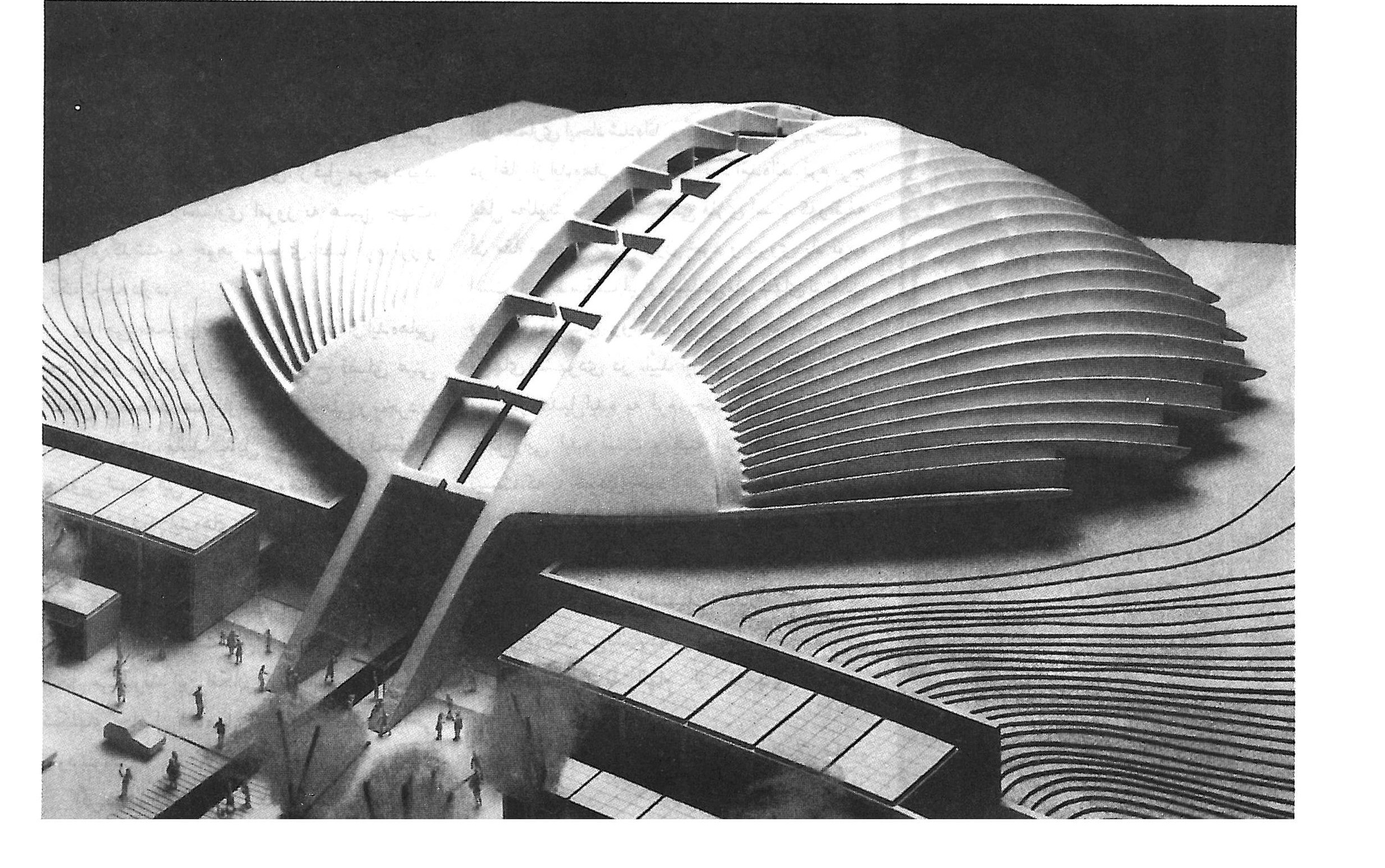
Stadio di Ravenna, by Renzo Piano
Dario Fo, the Italian actor and Nobel Prize winner, always emphasized in his acting classes that the actor’s work must not be descriptive but rather expressive. Being descriptive in acting means, for example, that the performer puts on a lion’s skin and moves about on all fours. The skilled actor can achieve a far more powerful result with subtle movements. In architecture too, taking inspiration from a snail shell does not mean imitating the shell’s skin; the aim is understanding the particular quality observed in the shell. Just as in pharmacology the active agent is identified and extracted from natural substances, in architecture the essential step is identifying the principal characteristics of the phenomena that have captured our attention.
In the Stadio di Ravenna project by Renzo Piano, the shell-like roof is inspired by the seashell for its structural properties. In the Padre Pio religious complex, the snail-shell form has been used for the spatial organization of the building—a continuous space without the possibility of seeing the entire space from any single point. Sources of ideas exist everywhere: among everyday objects, in nature, in the building program, and in the site environment. But form-generating potentials, like water that evaporates from a lake to irrigate a dry land elsewhere, in the work of design separate from their origin to crystallize in a new realm.
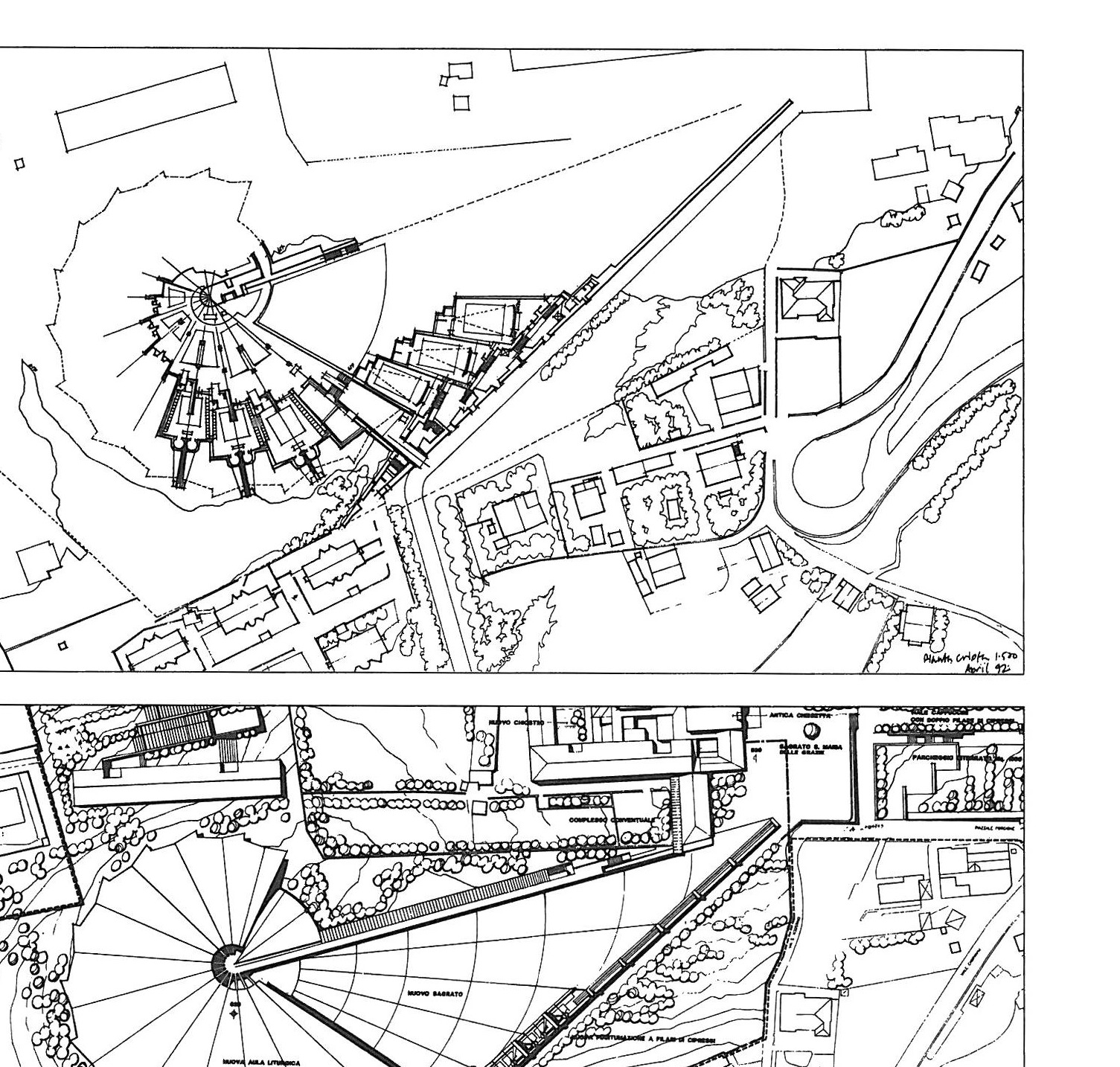
Plans of the Padre Pio complex, by Renzo Piano
In Bahram Shirdel’s Nara Convention Hall project, one of the important source ideas is the Buddhist temple—the placement of a colossal Buddha statue inside a traditional wooden-roofed building, where without seeing the container-contained relationship, a harmonic and spatial relationship existed. In Shirdel’s project, this has been transformed into a design with complex geometry and avant-garde aesthetics.
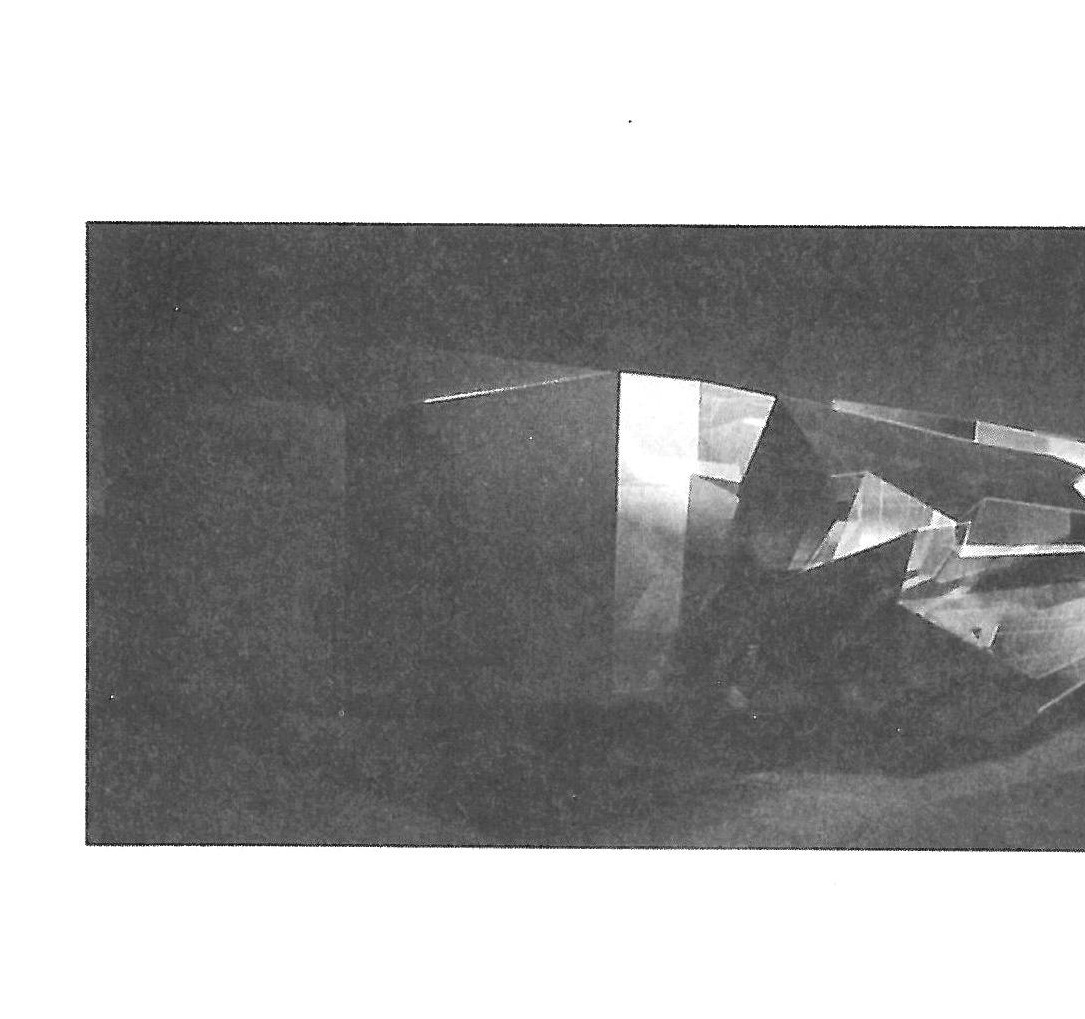
Nara Convention Hall, by Bahram Shirdel — model
The second condition for converting idea to form is the knowledge and skill of the designer. The forms used by Frank Gehry are different from those used by Norman Foster. Whatever the project and its ideas may be, the particular methods of composing and completing forms require skill. From the very beginning of modern architecture, the pioneers established rules. Mies van der Rohe’s approach was modular—and modular design brought aesthetics close to the construction of the building. Jean Prouvé’s form was inseparable from the act of building. Richard Meier’s formal and aesthetic experiments have a longer lifespan than individual projects. Style, from the standpoint of imposing a kind of limitation on creativity, may seem absurd—but the truth is that without limitation, creativity and form-generation have no meaning. Modernism, which set out to eliminate old constraints, itself brought new constraints.
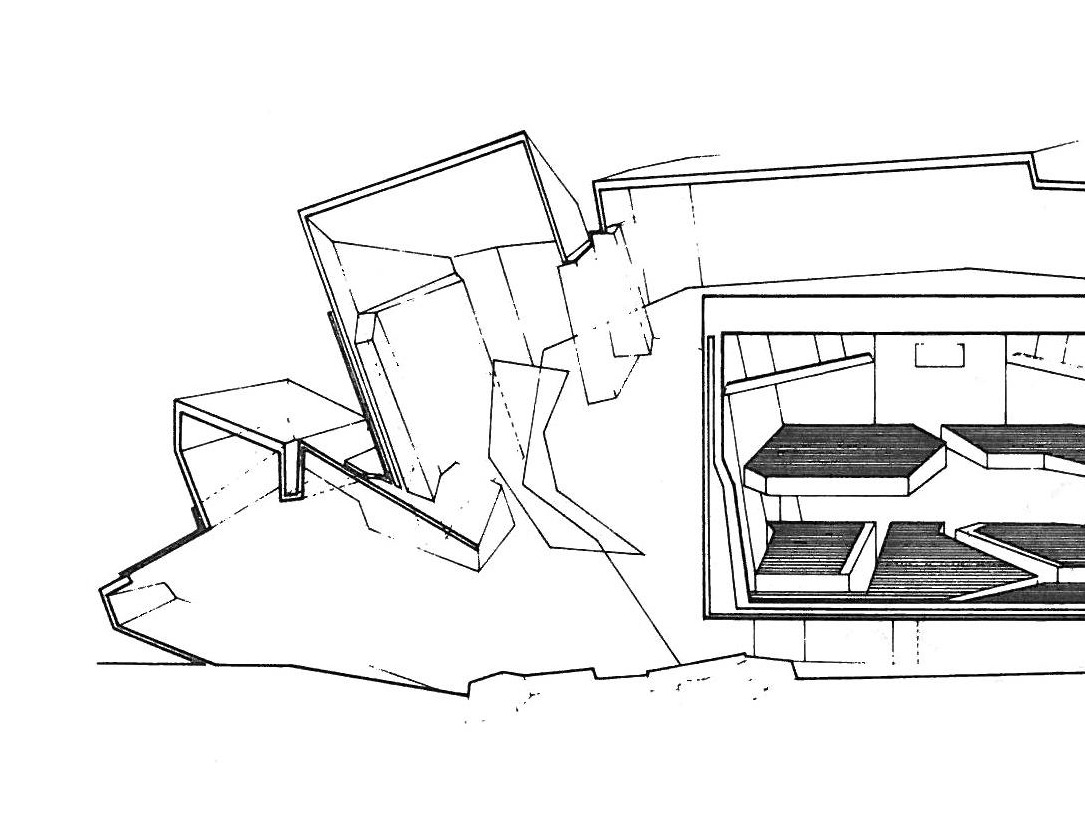
Nara Convention Hall, by Bahram Shirdel — section
The conversion of idea to form in architectural design is a particular and limited field of research and experimentation that is far broader and more important than any single project. Any design rule internal to a project, however useful, if it does not find roots in broader formal tendencies and higher-level rules, becomes nothing but a set of tricks. The formal diversity specific to one project must be tested against broader ideas that transcend the individual project. Otherwise, the particular may impose itself on the universal—and that is the scope of architecture.
Notes:
1. Dario Fo (1926–2016): Italian actor, playwright, and Nobel Prize in Literature laureate (1997).
2. Stadio di Ravenna: A sports complex designed by Renzo Piano Building Workshop.
3. Padre Pio Pilgrimage Church: A church in San Giovanni Rotondo, Italy, designed by Renzo Piano (completed 2004).



