Restoration of a Villa by Mies van der Rohe
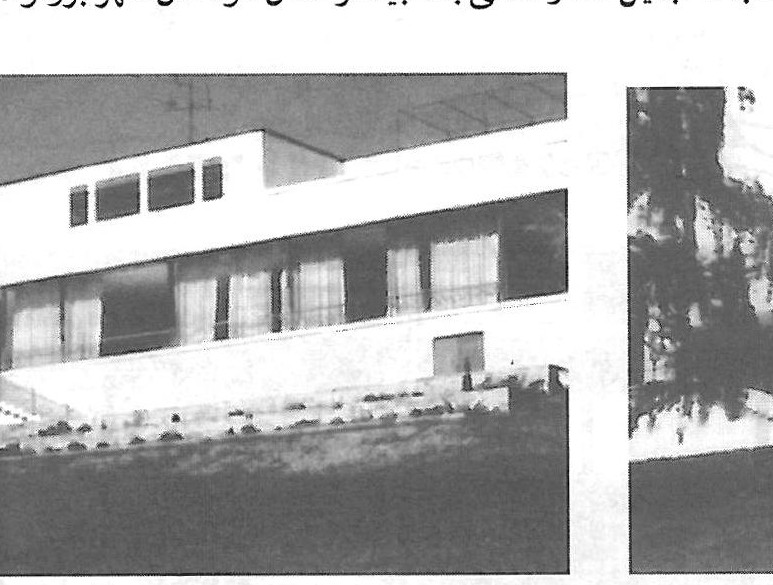
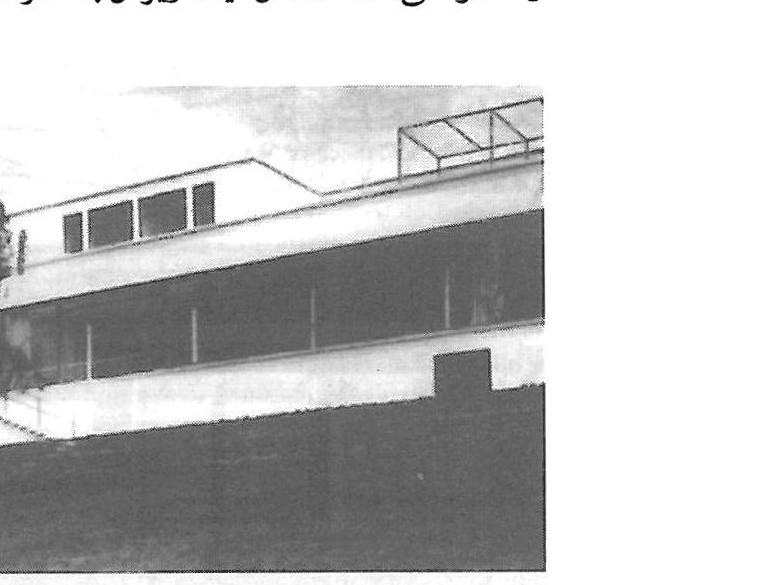
Villa Tugendhat, the masterpiece of avant-garde functionalism in the city of Brno, has been fully restored on the one hundred and tenth anniversary of Mies van der Rohe's birth, as a cultural heritage site of the Czech Republic.
Ludwig Mies van der Rohe, one of the greatest architects of the twentieth century, who left a profound mark on the art of building worldwide, and who pioneered the method of reducing structure and space to geometric essentials while observing the proportions of components and materials, designed this villa in the 1930s for Mr. and Mrs. Tugendhat, who had just begun their married life.
During World War II, the villa was seized by the Gestapo, and in 1945 both the German army and the advancing Soviet army ransacked the house and its garden, looting everything. After the establishment of the Czechoslovak government, the half-ruined building was converted into a ballet school, and some time later the children's hospital of the city of Brno was housed there.
In 1963, following repeated requests by Czech and Slovak architects, the government declared it a national monument, but this landmark of modern architecture served as the office of the Mayor of Brno and remained out of reach of the public and architectural researchers. In 1986, Architecture magazine, the journal of the American Institute of Architects, published an article on the occasion of the centennial of Mies van der Rohe's birth, calling on the international architectural community to raise the necessity of restoring this building. Finally, on July 1, 1994, with the efforts of enthusiasts, the new government was persuaded to open the doors of Villa Tugendhat to the public.
However, visitors discovered that nothing remained of the harmony between the furnishings and the architectural spaces, and Mies's vision of total design had been destroyed. They demanded that the villa be returned to its original state. A program was prepared for its restoration so that the spaces, furniture, and architecture would be returned to their 1930s condition. The building has now been converted into a museum that welcomes visitors daily.
Niemeyer's Ninetieth Birthday
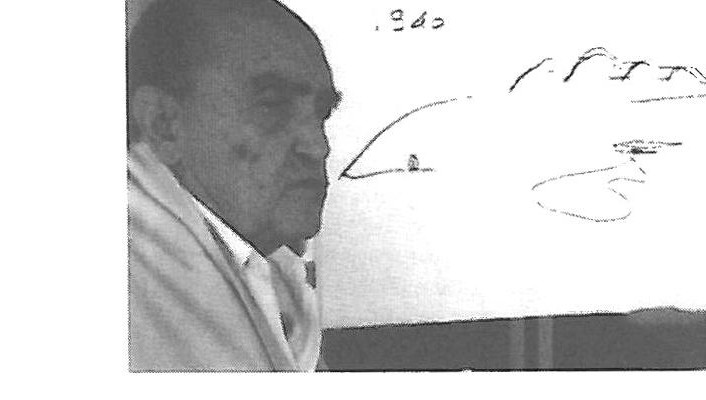
Oscar Niemeyer, the architect of the century for Brazil, celebrated his ninetieth birthday last December. He still receives visitors at his studio overlooking the Copacabana beach in Rio de Janeiro. He stands before a wooden easel and draws plans with a black marker on large sheets of paper. Age has slightly stooped him, but he is as good-humored as ever.
Niemeyer has been world-famous ever since the 1930s, when, in collaboration with Le Corbusier, he designed the first modernist building of Brazil's Ministry of Education in the city of Rio. His masterpiece was the design of the new capital, Brasilia, in the late 1950s. Since then, Niemeyer has designed houses, schools, hotels, government buildings, and many memorials in Brazil, Europe, and the Americas.
In recent years, he has limited his office staff to two or three close colleagues and family members, and is currently working on the design of a museum and an annex to Brazil's Supreme Court. Shortly before, in protest against the American embargo on Cuba, he designed a ten-meter memorial for Havana.
Eco-Friendly Housing for the Future
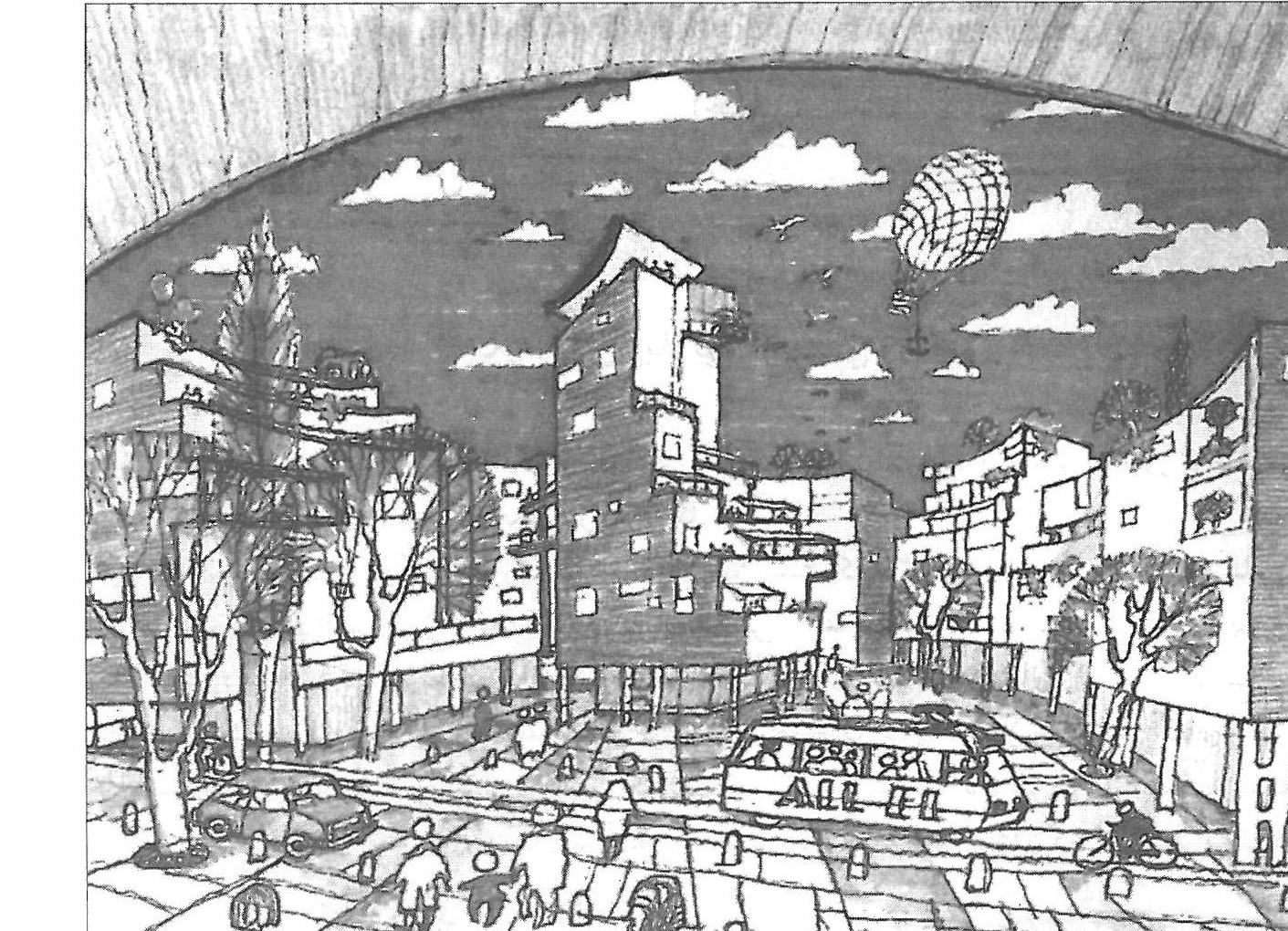
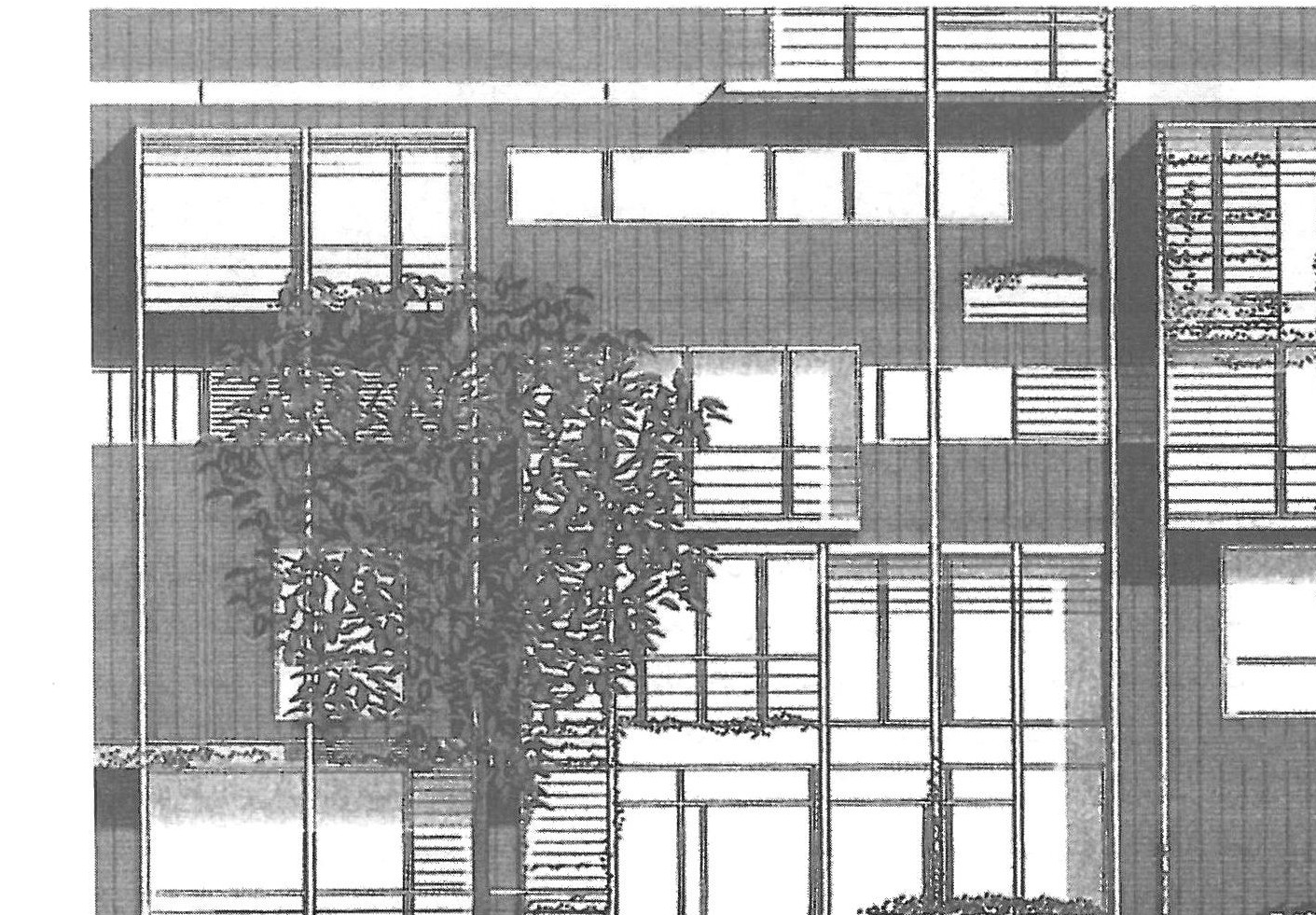
Veteran architect Ralph Erskine has won one of the most important British competitions to redefine national housing, in the Third Millennium Village located in Greenwich. The project has a budget of 400 million dollars.
Erskine, an 83-year-old Swedish architect, who gained fame in London in 1991 with the design of the Byker residential complex in Newcastle, was to complete by the year 2000 a residential complex on the Greenwich Peninsula that would be an exemplary model of development compatible with the environment, transforming the way of life in the twenty-first century. High quality, energy efficiency, and ecological compatibility are the hallmarks of this complex, which is said will create an urban renaissance. All neighborhood buildings are connected by shared communal management, and within it, parking regulations and noise control are observed.
On 13 hectares of land allocated to this complex, which was formerly a disused gas facility, the project is located near the Millennium Dome in the Millennium Village. By the year 2000, with the completion of 500 homes, it will also accommodate visitors who come to see the Millennium Dome.
Technical Innovation for Building the Jubilee Church
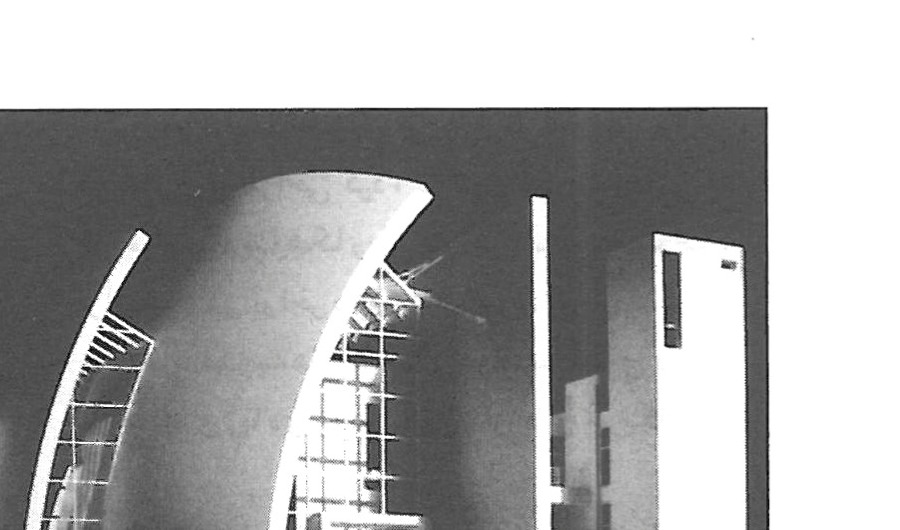
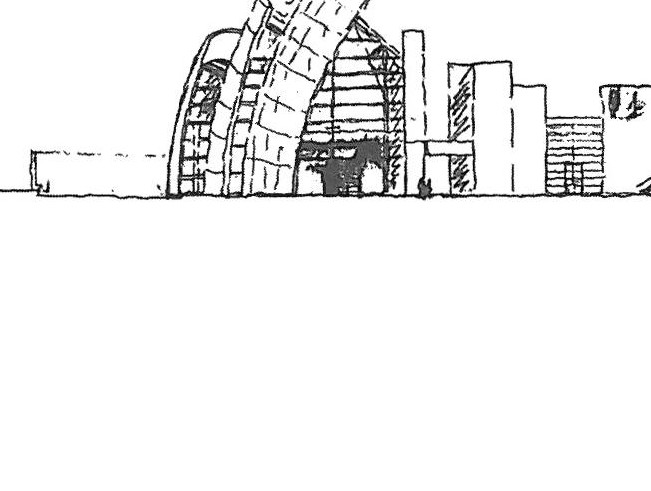
Even the largest projects require collaboration with specialists of the highest caliber to develop structural and technical solutions that maximize efficiency. For the construction of Richard Meier's Jubilee Church (Church of the Millennium) in Rome, one of the challenges was the full computational analysis and definition of its structure — a form of 2,000 cubic meters reaching a height of 28 meters. Research was also conducted on a concrete mixture that would build the spatial shells and retaining walls. But most important of all was the invention of a cement whiter than white, resistant to light, ambient moisture, and organic and inorganic pollutants in the air, that would not change color over time. This special cement, made from light-accelerating particles, aesthetically realizes Meier's design, which is based on the whiteness of the church.
Guggenheim Greenhouse
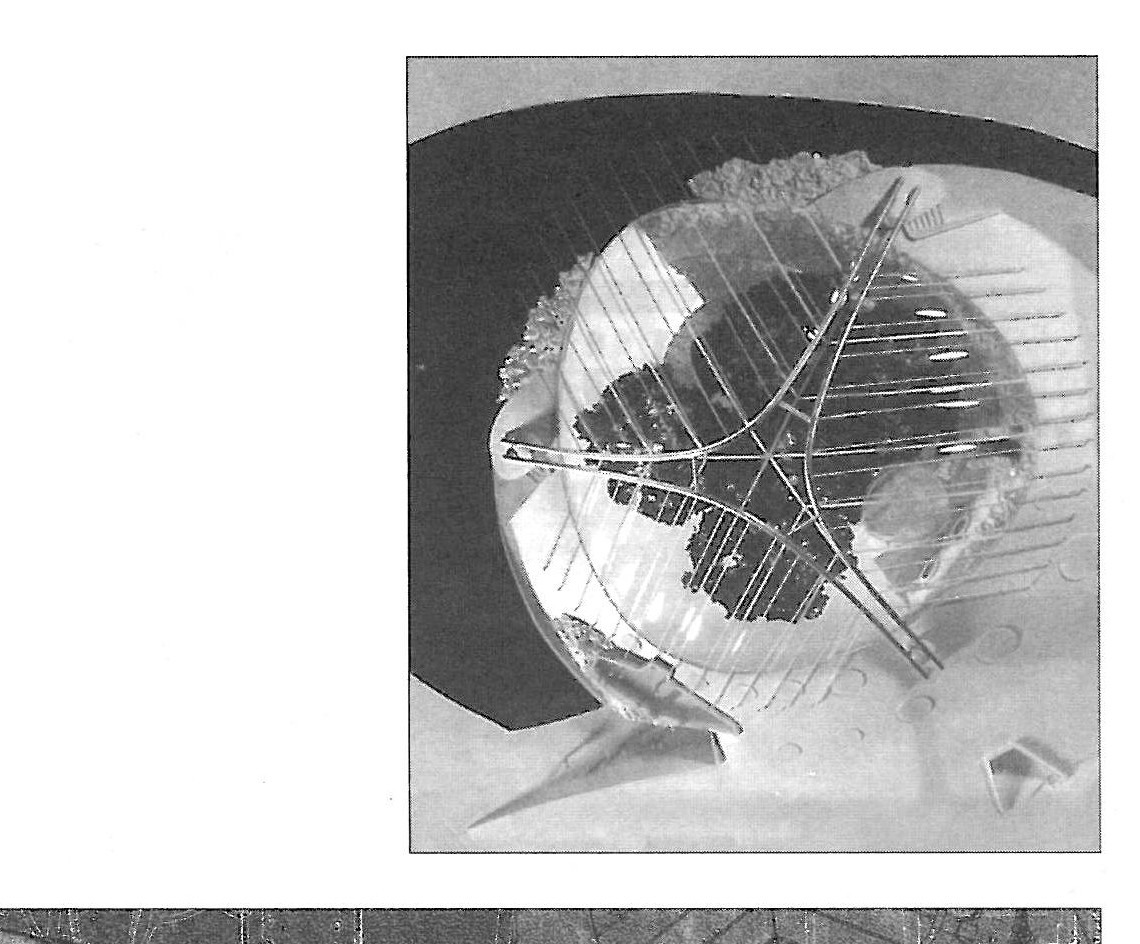
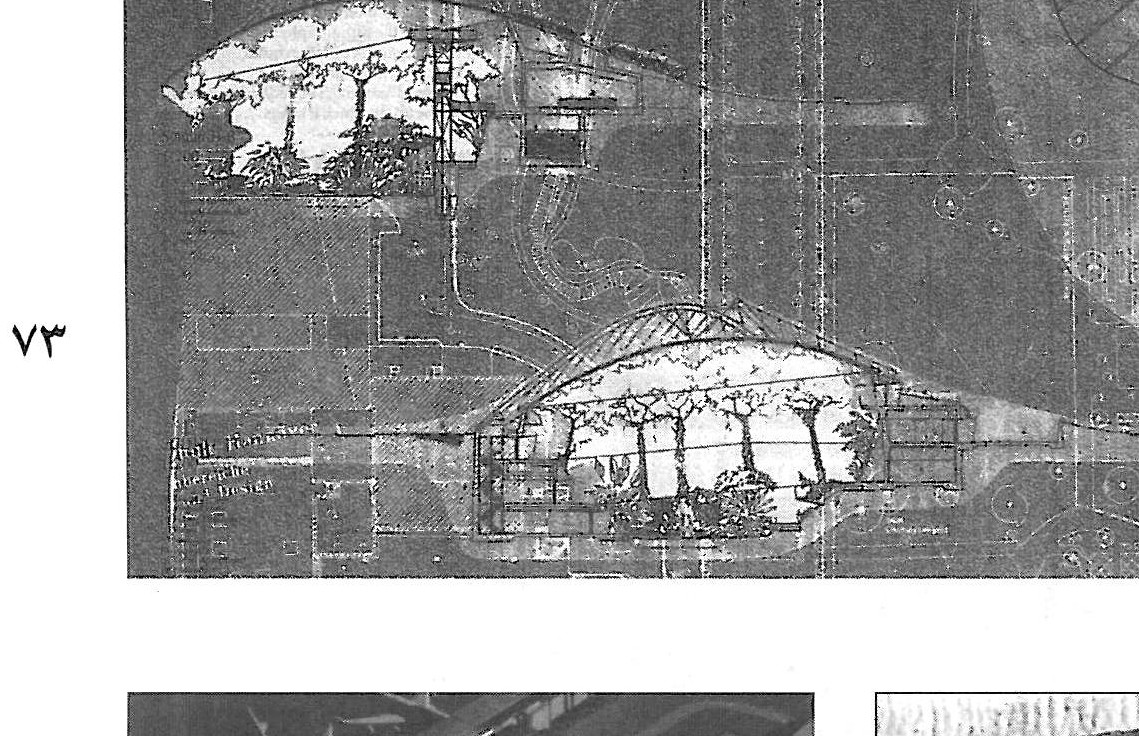
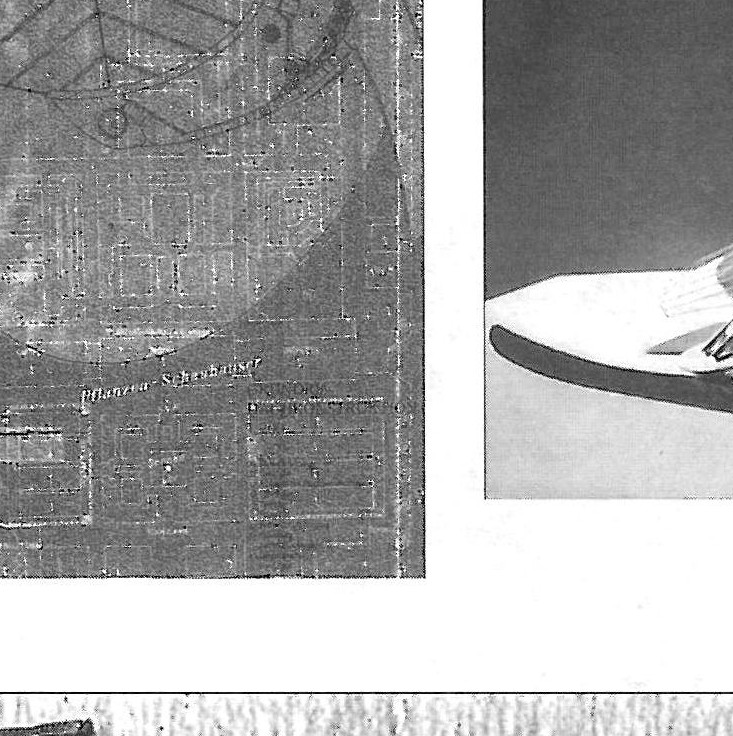
The Hanover Houses, which have become known as the "Guggenheim Greenhouse," will be exhibited at the Hanover Expo 2000. British architects Gordon Wilson and Ray Hall have designed this structure — named "the tropical South" — a capsule placed within Northern Europe whose atmospheric conditions are precisely regulated by technology. Its diameter is 500 meters, and along its winding paths, various plants are displayed.
A New Gateway to Asia
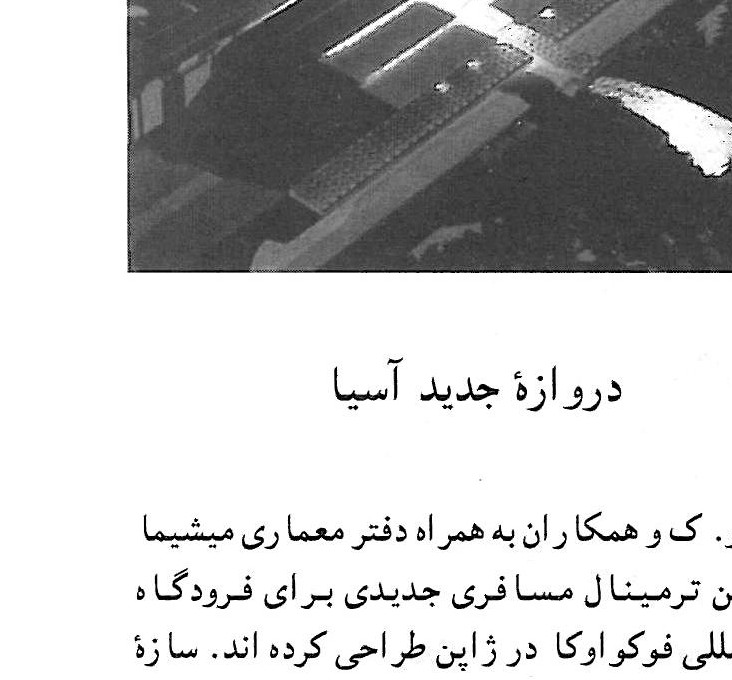
H.O.K. and partners, together with the architectural firm Mitsubishi from Japan, have designed a new passenger terminal for Fukuoka International Airport in Japan. The structure of this 58,000-square-meter building, which costs 280 million dollars, was carefully selected: its gently arched windows face north to capture views of the mountains beyond. The low-rise arches transform into five shells resembling the wings of an airplane in flight, their edges facing upward. The openings both introduce northern light into the building and give waiting passengers the opportunity to look at the sky.
A 13-Billion-Dollar Architecture Market in Russia
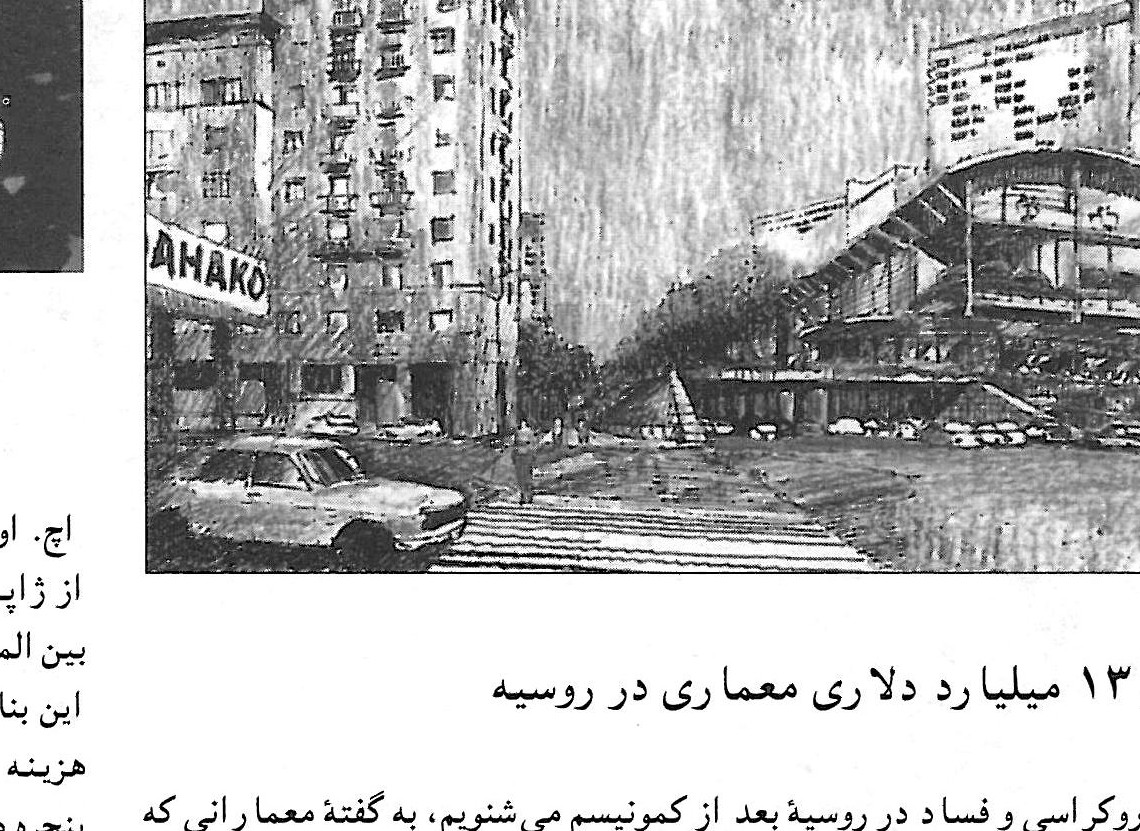
Among the tales we hear about the Mafia, bureaucracy, and corruption since the fall of communism, one must add the obstacles of visas and restrictions on taking money out of the country. So why do foreign firms still compete for work in Russia? Because of the money. The Russian government has announced that the country's construction industry is booming and its potential capacity reaches 13 billion dollars.
A local director of one of the larger British architectural firms says they have been able to sign 9 contracts worth approximately 120 million dollars in 6 months, and they expect this volume of work to double by the end of the year. A number of foreign firms also intend to partner with Russian architectural offices to overcome some of the difficulties and jointly pursue work. It is said that this rapid commercial trend is still in its early stages, and if it grows, it will create extraordinary opportunities.