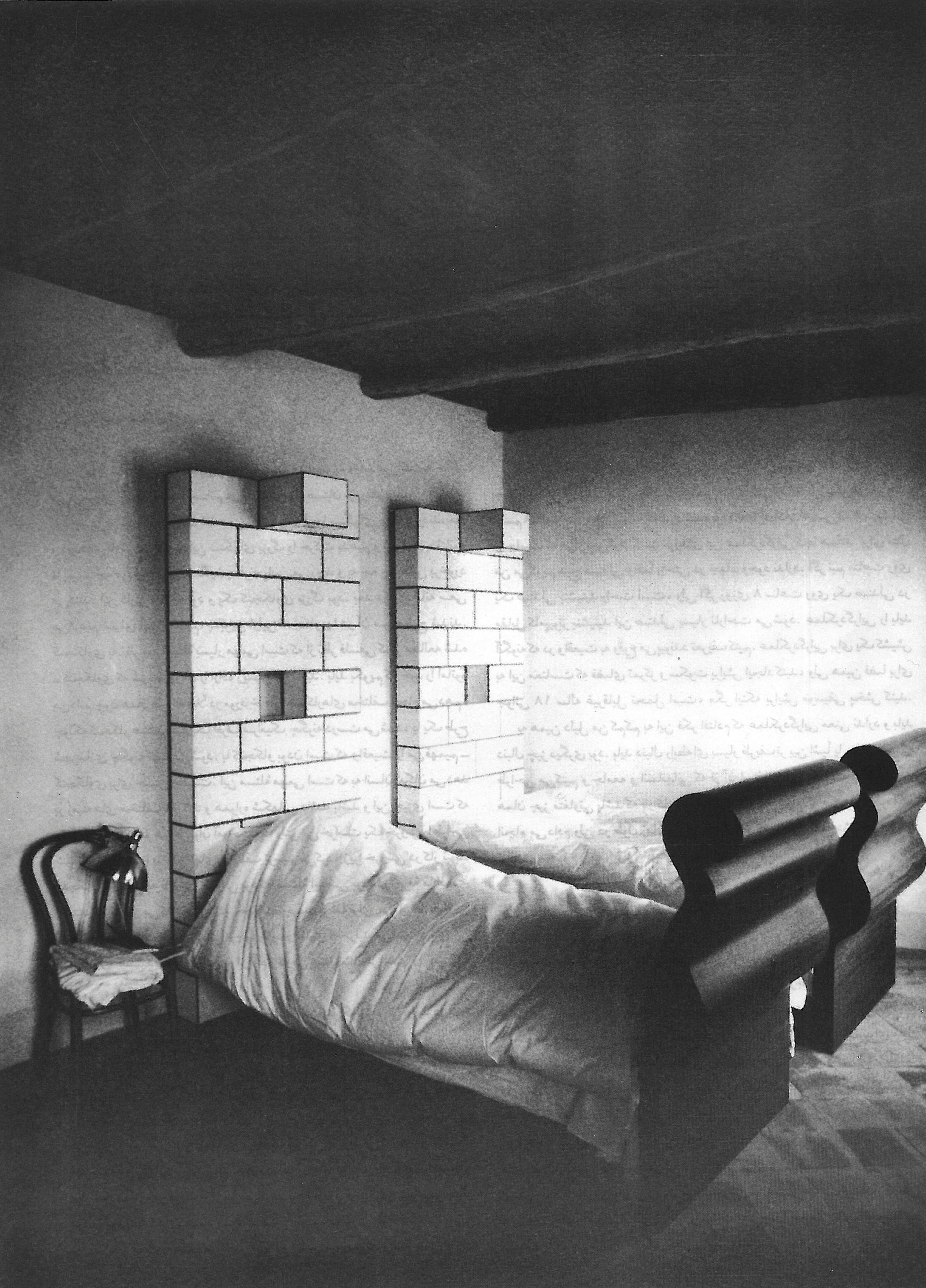
Ettore Sottsass (born 1917, Austria), along with prominent figures such as Robert Venturi and Charles Moore, represents the generation of young architects of the 1960s who offered a new, alternative direction against the conventional modernism of that era. In subsequent years, Sottsass joined the ideals of fundamental change within the modern movement, which were expressed by participants in the “Strada Nuovissima” exhibition at the architecture section of the Venice Biennale in 1980 under the title “The Presence of the Past.”
According to Josep Maria Montaner, he was the first person in Europe who, from as early as the 1950s, used imaginative forms that were at odds with the models of international rationalism and functionalism, and for this very reason had begun a fundamental reconsideration of conventional modernism long before Venturi and Jencks. Together with Alessandro Mendini and Philippe Starck, Sottsass created a new field of design activity—oscillating between industrial design and architecture—and in doing so dissolved the traditional boundaries between industrial design, interior design, and architecture, addressing all of these disciplines equally.
It is said that his architecture simultaneously possesses dramatic, abstract expression and the formal perfection and delicacy of industrial design. His oeuvre, expanding from the professional level with works such as the early Olivetti projects in 1958 to the level of avant-garde art, gave him the power to create artistic values even in objects designed for mass production. When in the 1970s a group of industrial designers began to oppose consumerist professionalism, Sottsass proposed a new kind of design that raised human dimensions beyond mere technical needs—forms that lacked the coldness and rigidity of mass-produced industrial products and, by drawing on symbols and mythological allusions, respected the individuality of the consumer.
Drawing simultaneously on magical-ritualistic concepts and on Abstract Expressionism and Pop Art, he aligned himself in the 1970s with the emerging anti-design movement in Italy. Over time, he freed himself from the constraints of form-function and turned to ornamental values, the transmission of concepts through design, and the sensory and psychological relationships between human beings and their environment. By positing “Design” as a search for an unrepeatable work of art, he challenged the rationalist method of the Bauhaus and the Ulm School. Domus magazine, in its September 1997 issue marking Sottsass’s eightieth birthday, described him as a living legend, an undeniable genius of design, and at the same time a simple man with a mournful face who still becomes excited at the sight of a sunset.
Sottsass traveled to Iran in the autumn of the current year to visit Iranian architecture, which gave us the opportunity to conduct the following conversation with him.
Memar: In your view, as someone who works in various fields such as industrial design, architecture, graphics, and others, what are the commonalities and differences between these disciplines?
The common ground is curiosity, or the desire to create the built environment. As you know, the built environment begins with the city and ends with the house. Design concerns a broad discussion about life—about the ways and situations of living, or the idea of how one can assist life. I am not saying that life’s problems can be solved this way, but perhaps one can say that these arts can propose tools for living. So from this perspective, the differences are mainly technical ones: how to build a house, how to produce a metal object, or how to make a porcelain vessel. These are things that anyone can learn if they wish.
When I was young, every afternoon I would skip university and go to the home of a friend of mine who was a painter. For two or three years, he taught me the use of colors—how colors can be combined with one another and what colors are, and how they can assist in the design of an object; and also what painting is, the difference between a painting and a decoration, and so on. Later, every Saturday I would drive for three hours in a small car from Milan to Montelupo,1 near Florence, and learn the art of ceramics. In my youth I could not get architecture commissions, so I tried to do other things. At that time, I thought that all activities of this kind were one and the same and ultimately served a single purpose: making a house or the objects within it.
The other matter is the relationship between human thought and the external world. You must learn design and know the paper you draw lines on, or the pencils, so that you can design one of the components of the built environment. This environment you in turn design on the basis of a cultural or philosophical background, and if we do not want to call it philosophy, I can at least say it is a way of thinking about life that shapes the foundations of design. For example, there are those who design for power and wealth, or for the military. My point is that the term “environment” is not a fixed label. So the question becomes: which environment are we talking about? The private living environment, the broad social living environment, the religious environment, and so on. But you see, all of these again come back to one subject: the concern to describe what life is, how you see it, where you find it, and what you do with it.
Memar: What is your view on creativity?
Well, I do not much care for the term creativity, because this term was invented by American advertising people—those who need creativity, that thing they call creativity, namely the ability to continuously invent new forms to perpetually refresh the market. I do not think Leonardo da Vinci or El Greco considered themselves creative. I think they only found themselves capable of expressing religious thought, or the relationship between religious thought and human existence.
Creativity! The reality is that you and I argue from morning to night to see what we are doing in this world and what these things mean, what history means, and so on. This is creativity. The desire to understand what the earth is, what the sky is. If someone has this inclination, they are inherently creative. There are people who have different concerns. The peasant worries about his crops and rain and matters of that sort. I, like you, am an intellectual who fortunately has the opportunity to think and therefore can have ideas, or better yet, can pursue ideas. Creativity here can be interpreted as a curiosity—a very intense curiosity about the questions of existence.
Memar: How do ideas take shape in your work?
At the age of three or four, when curiosity is born, ideas also come into being. I remember that when I was a child, I would go to the mountains with my friends every summer, and up there on the mountaintop was a meadow that extended down to the plain, and there were large boulders. My friends and I would try to move these large stones and roll them downhill to see what would happen—how these stones would descend and what they would strike. This was a creative act and a great curiosity. Then in the river we would try to build a watermill. And so the first curiosities emerged at that age.
Curiosity, in my view, is a very important matter that has been insufficiently studied from a philosophical standpoint—curiosity, which Schopenhauer called the will to live. Let me say that I consider myself an amateur, because as I mentioned earlier, I do various things because I am curious to see how a ceramic vessel is made, or how an urban plan is prepared. It is through being curious that we understand reality—curiosity in search of truth. This is an important matter that gives one the ability to work across different fields while always harboring doubts, and this is something that one can also learn, for example, from Picasso, who when he wanted to draw a rooster would sketch it fifty times using different techniques, because there was no rooster as such—it was the curiosity or desire to draw the rooster that was the essential matter.
In our profession, there are people who think they know what truth is. But for me, what exists is this intense passion or curiosity about life, and the works I produce are the traces of this curiosity. When they turn out well, they are signs of passion.
Memar: You chose a different path from modernism from the 1950s onward. Could you elaborate on this choice?
I do not know why. Look, when I would go to my friend’s house and learn about colors, or when I tried to roll the large boulders into the valley, these were all sensory experiences for me—matters that related to my relationship with the physical world: the weight of a stone and the scent of a bush and things of that sort. For instance, I have discovered that for me, color does not exist in an absolute sense. When they say “red,” I ask: which red? The red of a necktie or the red of marble? These are sensory phenomena.
Such a collection of coincidences led me to the conclusion that what we call “place” is in fact first perceived as a sensory event. This subject is intensely felt in the Sheikh Lotfollah Mosque. Space is a phenomenon related to the senses. Dimensions, the gleam of tilework, colors, and so on—all of these have been organized in such a way that they first make an impression on the person that later transforms into a spiritual effect. Impressions arising from the senses always become converted into perception and emotions of a spiritual kind. This is the very thing that the Indians have understood well: through yoga, that is, through the force of the senses, or perhaps one could say through the liberation of these senses, or through awareness of the existence of the senses, they ultimately arrive at spirituality—not the reverse.
I can say that I think in this way. I too in fact began with this kind of engagement with matters. Functionalism or rationalism at a certain point began to confine me. They no longer answered my needs, because functionalism had in a way been limited to the physical characteristics of the human body—for example, bodily dimensions—not to the sensory dimensions of the human being. The problem is that one can never say where the boundaries of this functionalism lie. For example, I say that no truly comfortable chair exists in the world. If you sit in a chair for half an hour, it is comfortable. But if you sit in a chair for eight hours a day in front of a computer, that chair becomes very uncomfortable. Functionalism must be defined as it actually occurs in reality. Functionalism for a priest means creating a space of concentration and silence for him, but that same space would be unbearable for an eighteen-year-old youth—unless you play music for him.
For this reason, I gradually came to think that functionalism is meaningless and that one must seek something else. One must seek a much more delicate relationship between the objects or buildings we design and the society and human beings who use them. Perhaps this is that different thing in my work. At first I did this unconsciously, but over time, through the struggles I had with friends and foes, I was able to better define the matter for myself.
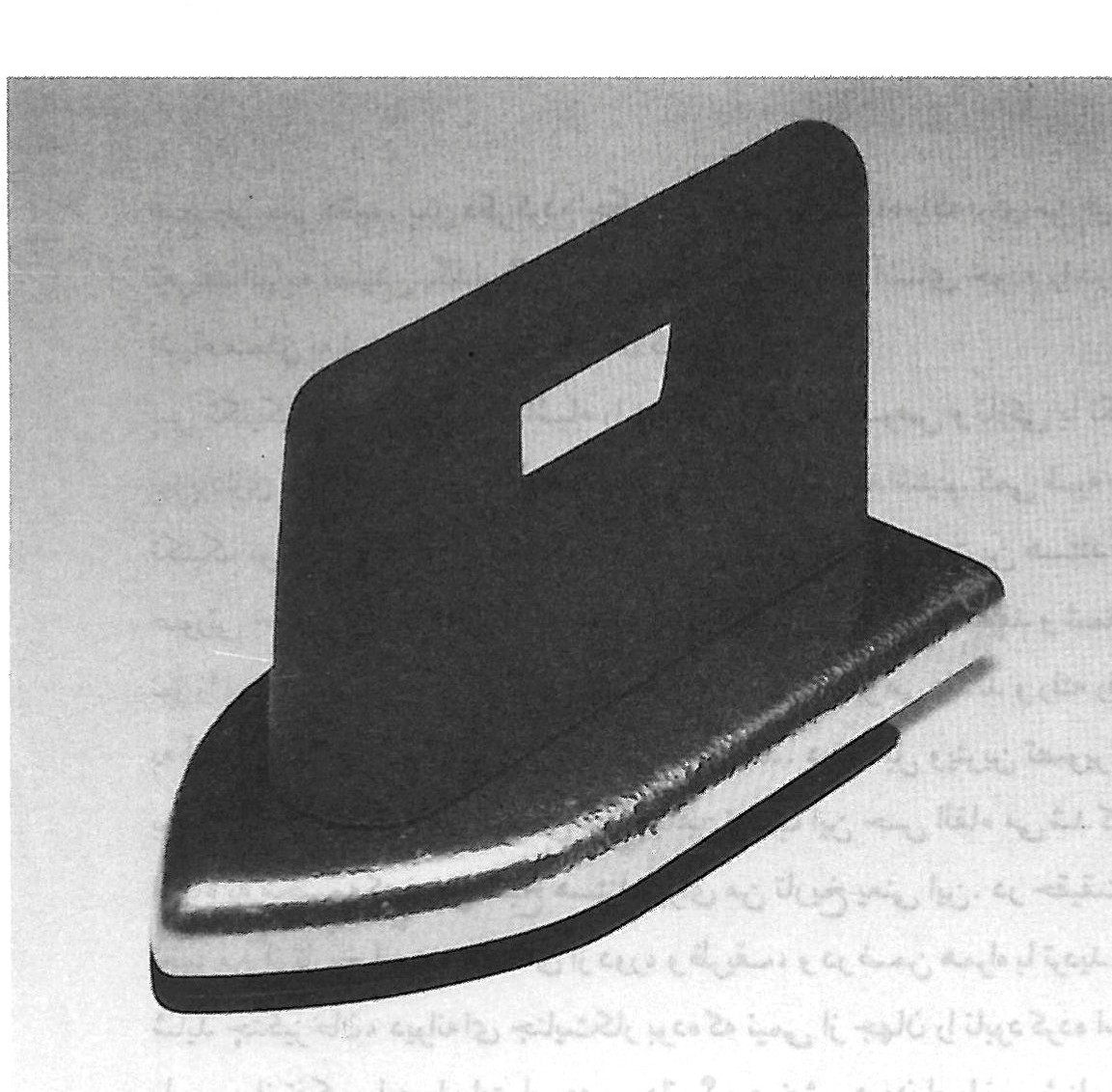
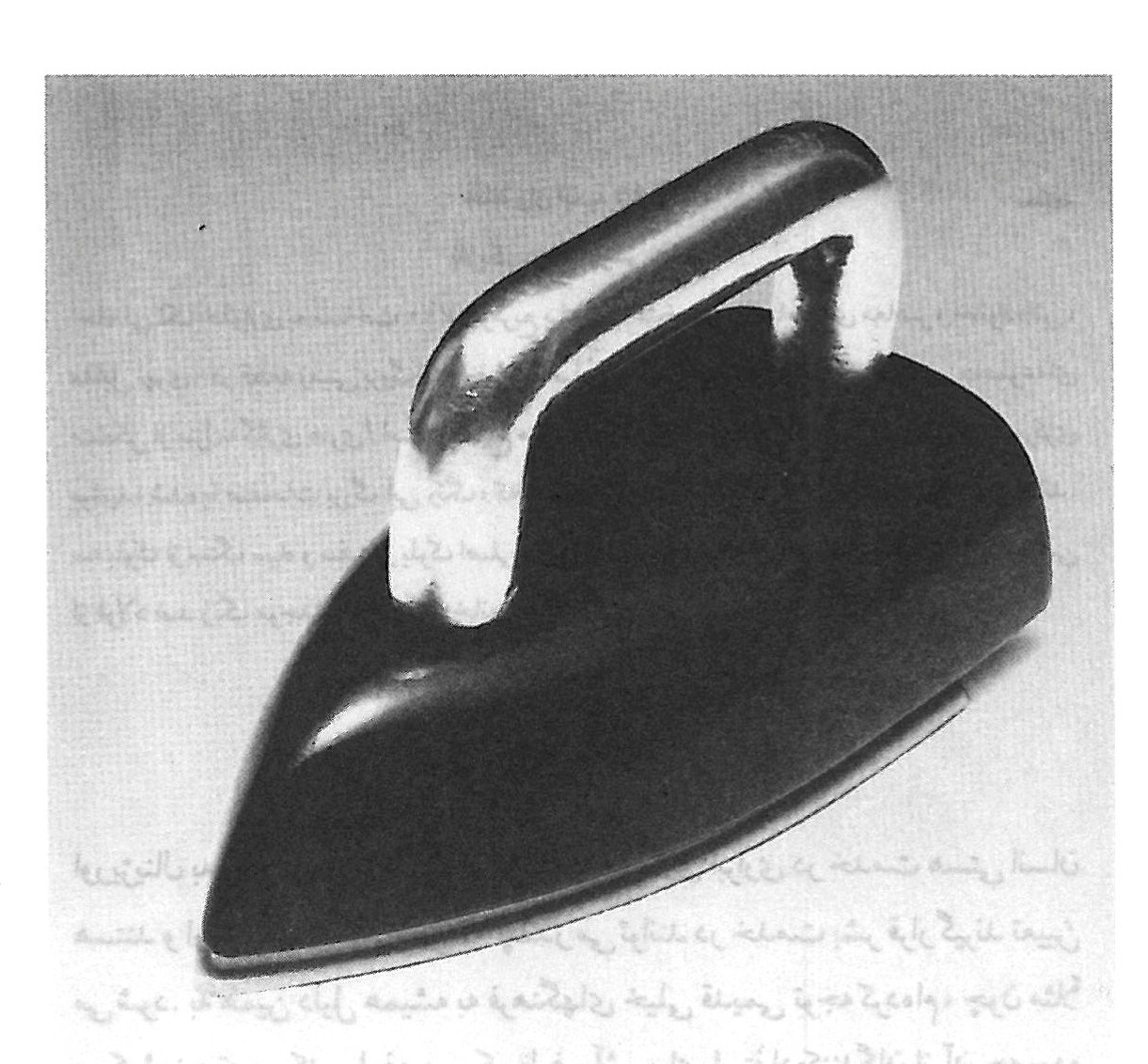
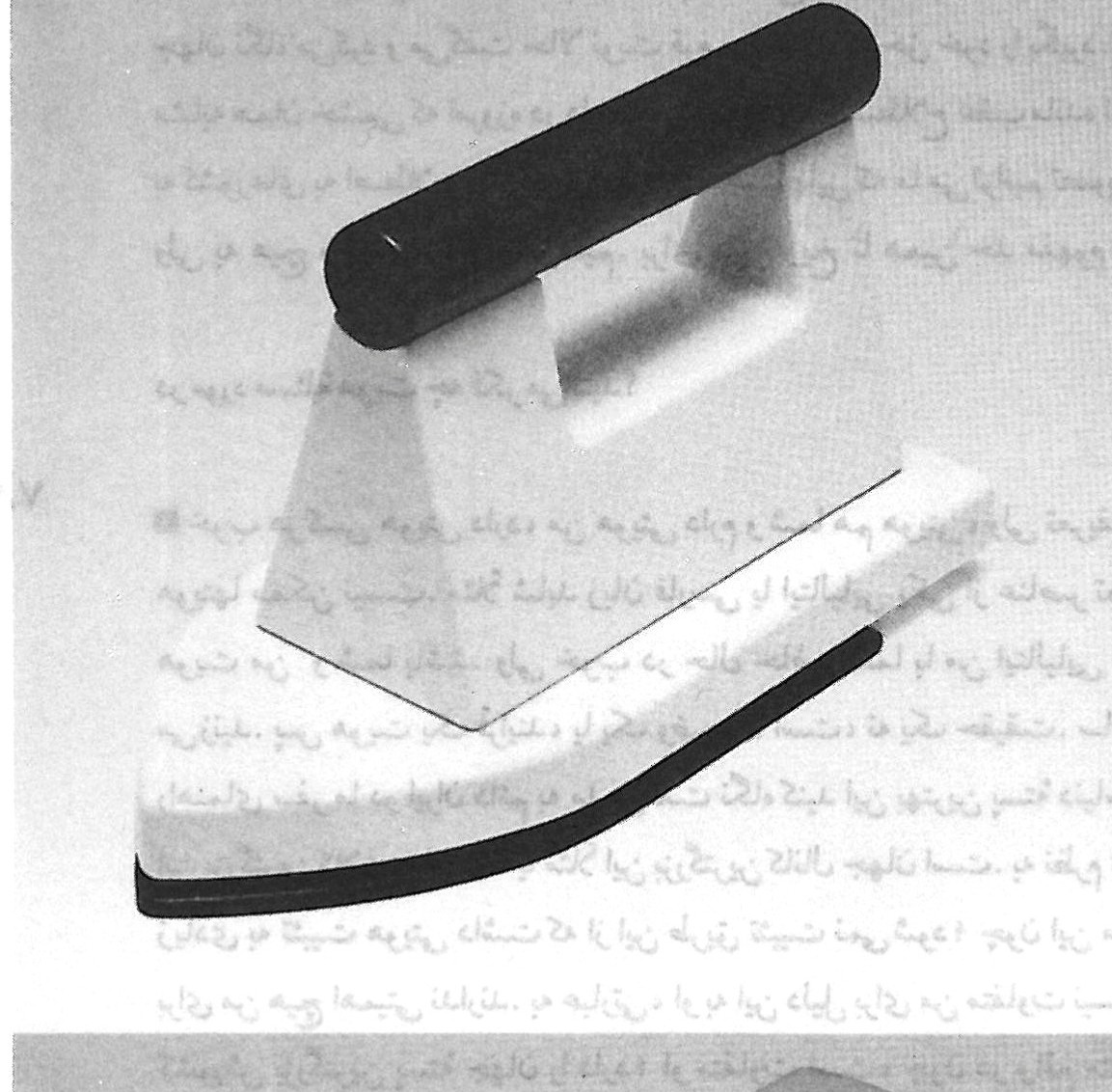
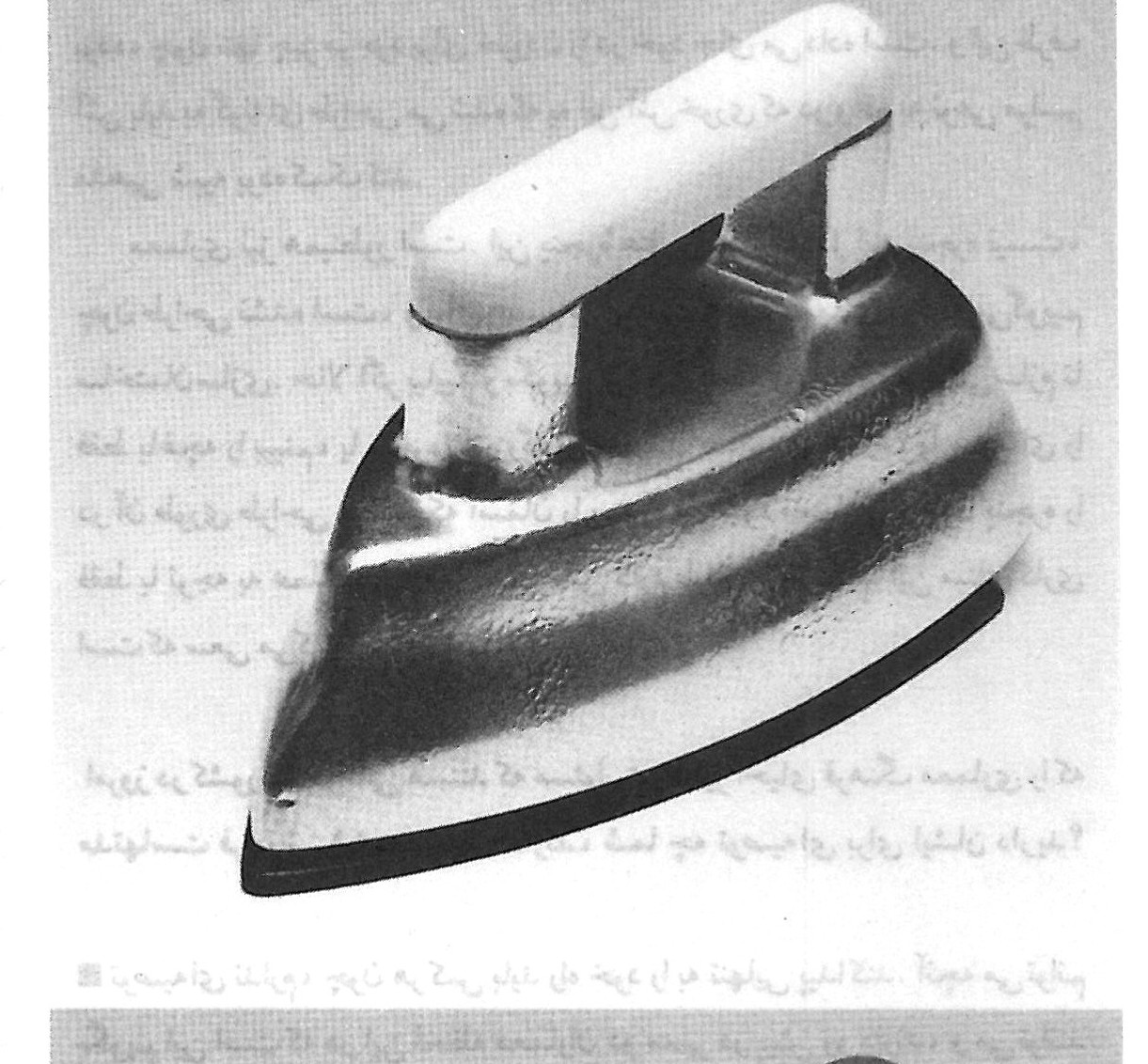
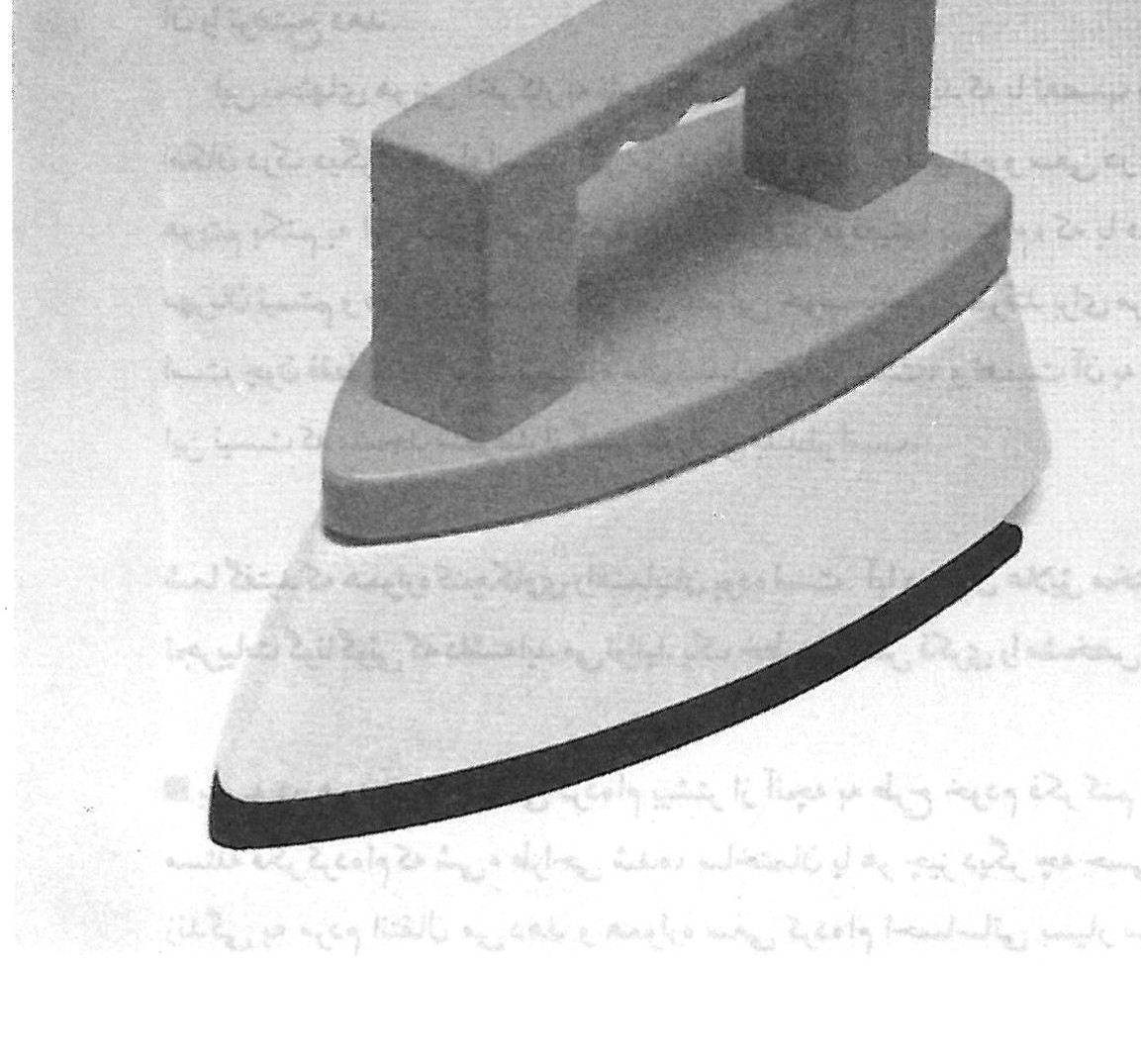
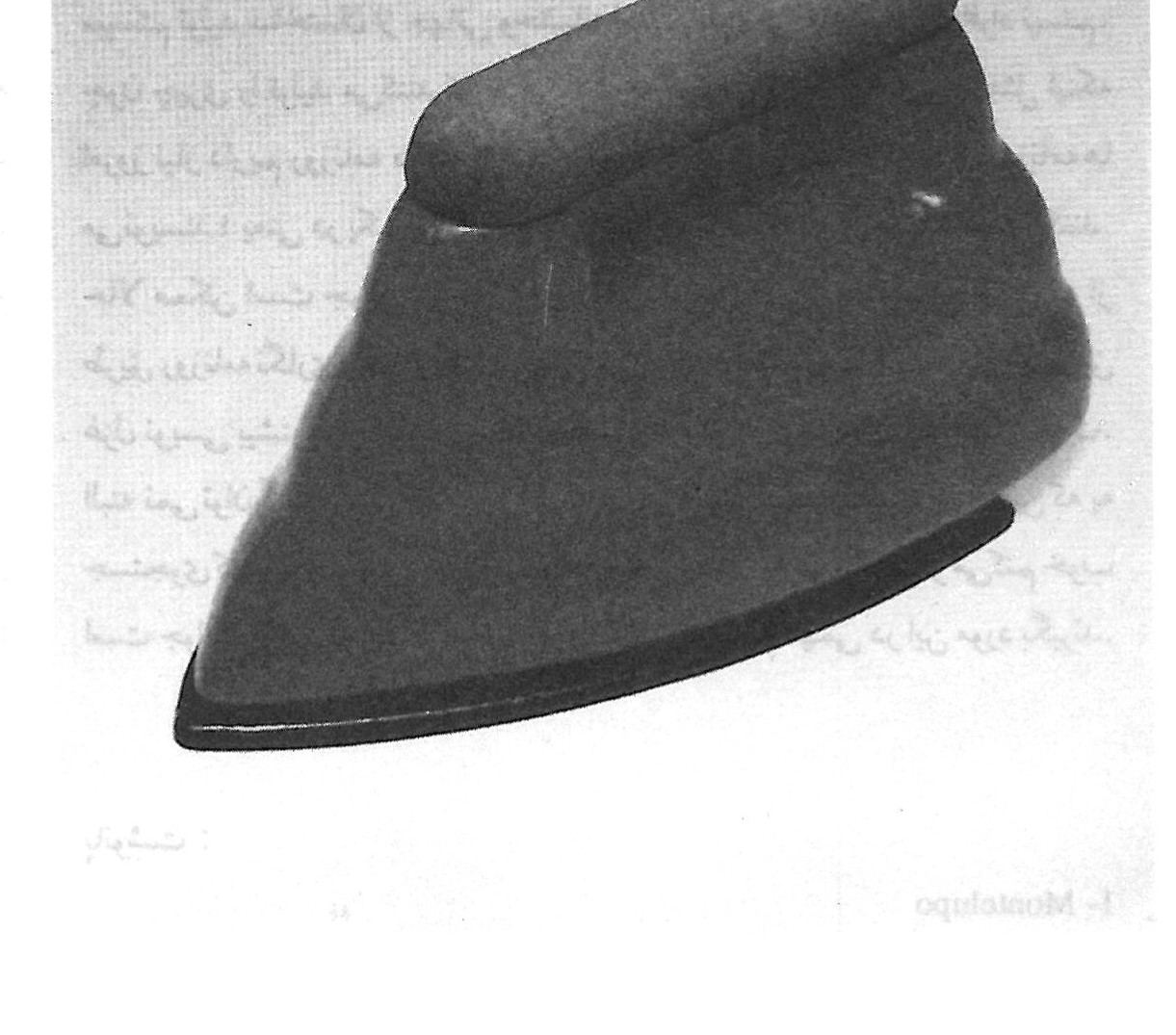
Toshiba Heating Irons
Commissioned by the Toshiba Corporation, Japan, 1987. The project involved preparing multiple iron designs using the same standard components and parts, with new combinations. The goal was to transform the image of these electrical appliances from their technical, machine-like character to a domestic and familiar sensibility.
Memar: What has history meant to you?
Of course history is important to me. But the problem is that I think history does not exist; rather, it is our interpretation of history that matters. History has existed, but we do not know it; we only have an image of history—an image based on available documents, but an image always framed by the conditions of our own time.
For example, an opportunity arose for me to organize a large exhibition of African sculptures from Ghana. This large exhibition was held in the Netherlands with works that had been kept in museums of East Germany and later came to Berlin. I looked at these sculptures and thought to myself that in the past, they could not have been seen with the same conception of sculpture that we have today. We see the surface of an object and say, “Ah! This is a sculpture.” Then we mount it on a pedestal and want to view it from various angles; whereas for the people who made them, they were religious objects or superstitious implements, or in any case belonged to a mental world of which we know nothing or nearly nothing.
So I thought: how can I display these objects which are indefinable to me? I could not impose my own definitions on objects belonging to this ancient civilization. So I invented a technique: the objects were placed behind a very fine and thin gauze, with a special lighting technique where the light source was concealed on the other side—a technique similar to the lighting I saw in the Glass Museum. Here too, several vitrines were illuminated in a particular way, among parallel black fins, and you could not see the light source. People at first saw these objects in a blurred way, and as they gradually approached, the image became clearer. In front of the vitrine, the image was complete, but then suddenly it would blur again, and in this way the sensation was conveyed that these objects were not sculptures but a kind of specter.
For me, history means this. In fact, this is my interpretation of history—a relationship from a distance, delicate, and at the same time accompanied by uncertainty. For example, perhaps Genghis Khan was a mad criminal who destroyed half the world. But what do I know of his thoughts and feelings? I do not know his inner rage. I judge from a distance. Perhaps his rage was the rage of a nomad of the Asian steppes who looked at the world and said: now it is my people’s turn to claim their right. Rage similar to that which today exists in the hearts of people in so-called backward countries toward so-called advanced countries. Rages that we can imagine but in no way feel. For me, history has meaning only to this extent.
Memar: What do you think about the question of identity?
Well, everyone has an identity. I have an identity and so do you. But defining these identities is impossible. For example, perhaps the Persian or Italian language is one of the elements that define your identity and mine. But right now, you are speaking to me in Italian. So identity is a process, or a condition—not a truth.
Sassan, our travel guide in Iran, would constantly tell us: “Look, this is the best pistachio in the world; this is the largest crow in the world,” or for example, “this is the largest suitcase in the world.” In my view, he had an excessive need to establish an identity that is not established this way, because these things are of no importance to me. In other words, he is not different to me because his country has the world’s best pistachio; he is different because he is in fact different. But neither I can say what exactly this difference is, nor is he himself able to explain it.
These identity debates ultimately lead to nationalism, which is accompanied by fanaticism and the impossibility of understanding others. If I close my doors to myself and try to fix my identity, it means I have closed the doors to situations—that I am not kind to others and am introverted. I do not think this is good. Samarkand is important to me because it does not belong only to the Uzbeks. It belongs to world civilization. And its importance is not because the mosque of Samarkand is taller than the dome of Florence.
Memar: You said that curiosity has always been your guide. Among your various interests and diverse experiences, can you identify a clear intellectual thread?
Yes, in everything I have designed, more than thinking about my own design, I have thought about what sensation of life the designed object—a building or anything else—should convey to people. And I have always tried to convey very simple and original feelings. In my view, objects and architecture are tools in the service of human existence, and their value is determined by how much they can serve humanity. For this reason, I have always paid attention to very ancient cultures, because I have always tried to imagine or understand what a soup bowl meant to its users—a vessel that could even take on a religious aspect, a vessel that was precious because it held the only food available. And this soup bowl must have been designed in a way that assisted this soup-eating, which in fact resembled a kind of religious ceremony.
Architecture is the same way. Look at this hotel window: this is not a window, because it has not been designed, and for this reason we do not call this architecture but rather construction. Now if we come along and say: I will make this window this size so that I see only the garden, or I will make a large window to see the forest, or I will design a window in such a way that I see the sky—it becomes architecture, because I have not designed the window according to its physical function alone. This is the basis of what I try to do.
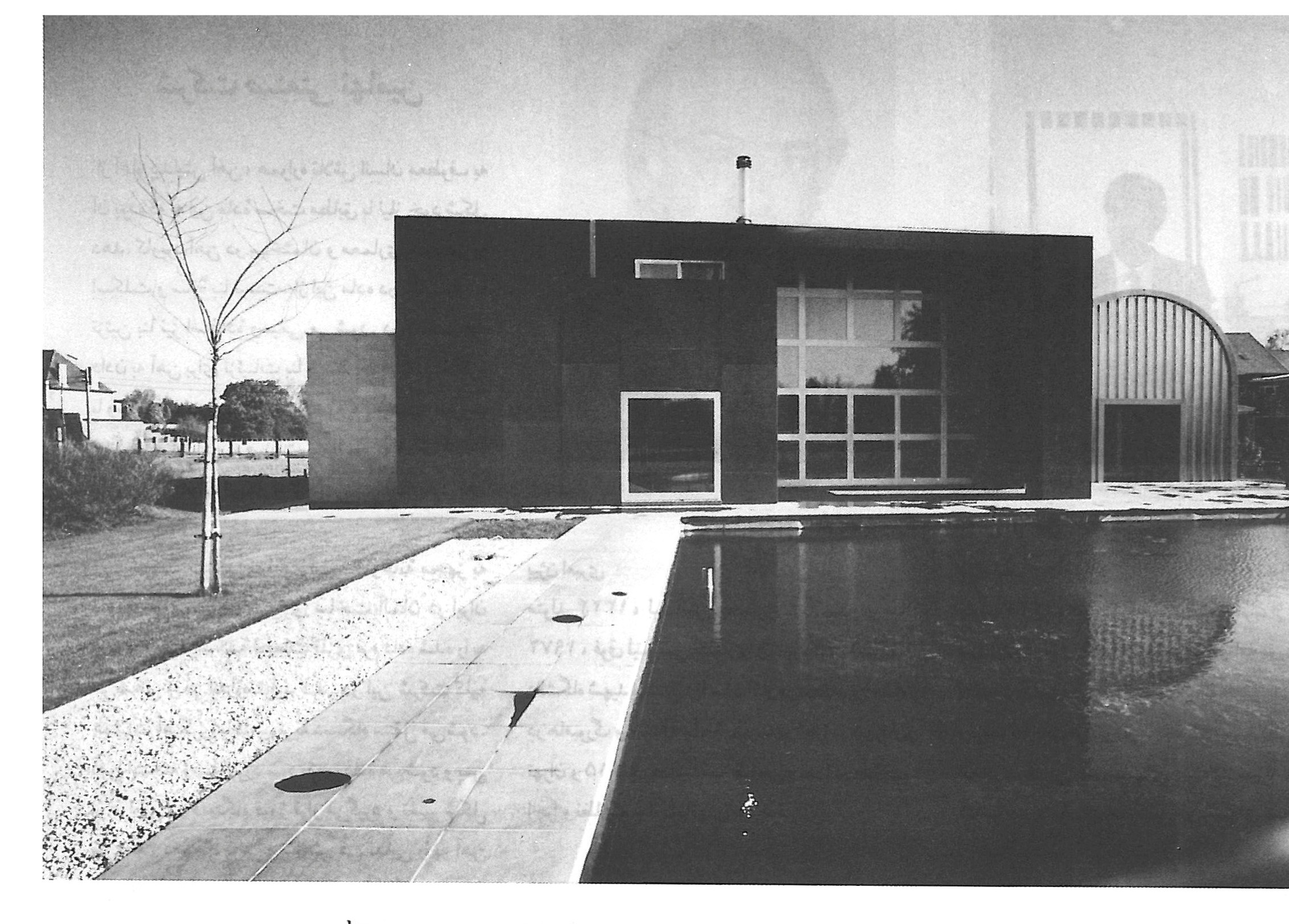
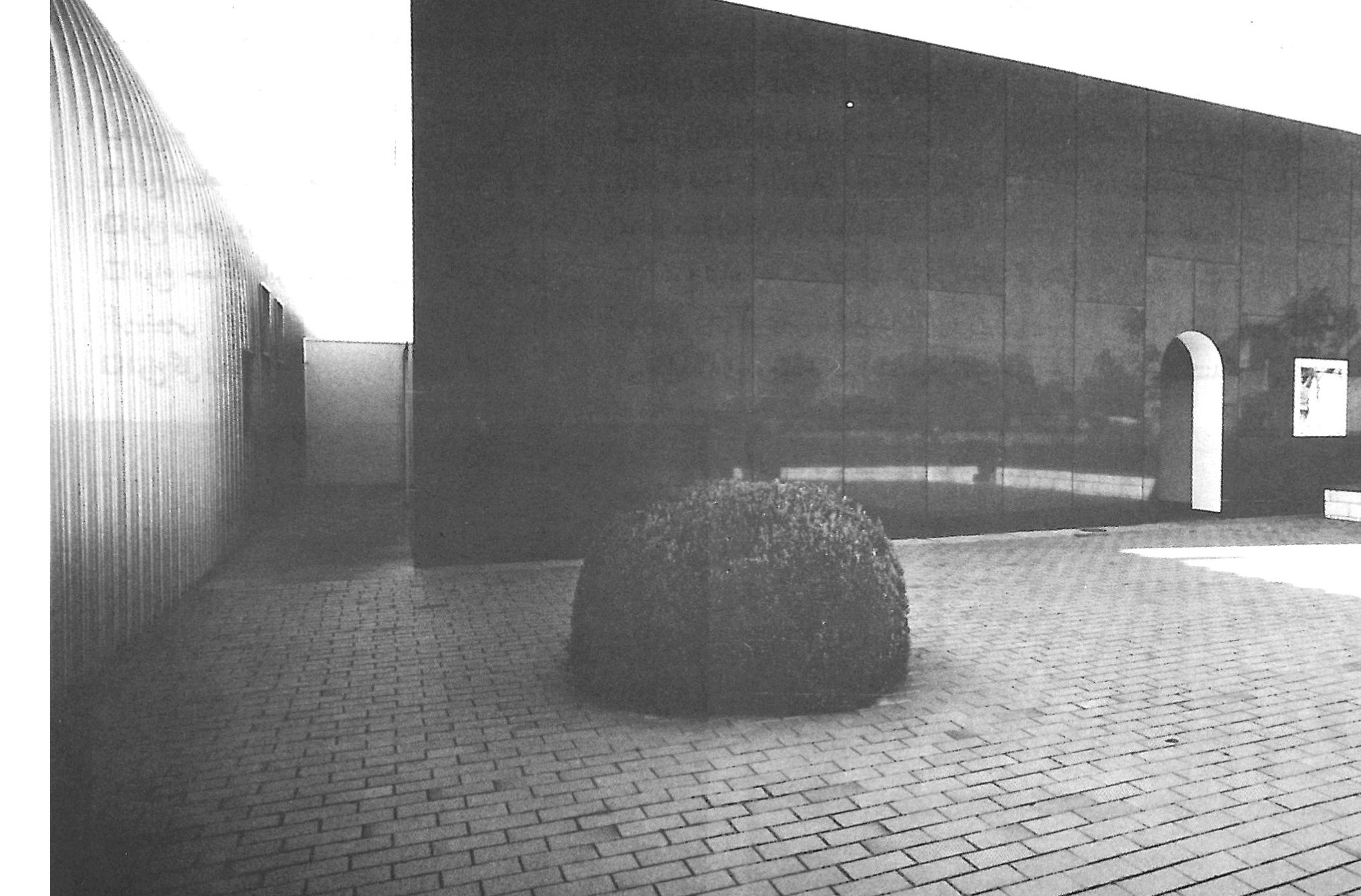
House in Sint-Lievens-Houtem, Belgium, 1995
1,300 square meters for a contemporary art specialist and his family. Situated opposite a river, on a large plot beside the main road of a small village in central Belgium. The complex includes a physiotherapy practice, formed as a central volume clad with large blue panels from which balconies have been carved. Three blocks of black and white stone protrude from the main volume and look onto the river. A vaulted volume covered in corrugated stainless steel houses the garage, kitchen, and physiotherapy workshop.
Memar: Today in our country there are young people who bear the weighty responsibility of reviving an architectural culture that has long been forgotten. What advice do you have for them?
I have no advice, because everyone must find their own way alone. What I can say is that at this moment, architects have two paths before them and can choose one. One is construction. One is architecture.
Getting into construction, the system of building production is in some ways brutal. Of course, I am not opposed to these people, because they produce something that is in some way needed. It is like the fact that today we need to have newspapers, and there are journalists who write for newspapers—that is, they work within a general political system that determines the rules. Now, it is possible that a young person sits in a corner and writes ghazals. Naturally, through journalism one can earn more income than through writing ghazals, but through writing ghazals one can contribute more to society than the wealthy and the great governments.
Of course, one cannot say that a person who seeks to understand the essence of existence is less important than one who pursues the utilities of existence. In any case, I think it is good for young people to be aware of this distinction, because they must make an important decision in this regard.
Footnote:
1. Montelupo—a town near Florence, Italy, renowned for its centuries-old tradition of ceramic and pottery production.



