Born in 1937 and graduated in 1964 from Tehran University's Faculty of Fine Arts, Iraj Kalantari has marked, since the very first decade of his professional activities, the modernisation path of Iranian architecture through his chiefly residential works. The small size of those important marks prevented them from becoming prominent in the extensive and voluminous construction activity of Tehran. Even had Tehran not witnessed such voluminous construction, the simple appearance of his architectural designs, free from any ostentation, would not have attracted the attention of superficial observers. Some of those residences, which rank among the best experiments of the modernisation of Iranian architecture in the 1960s, have now disappeared under the unbridled rise in land prices, leaving no trace whatsoever in the poor record of contemporary architecture's intellectual assets to enrich the education of future generations.
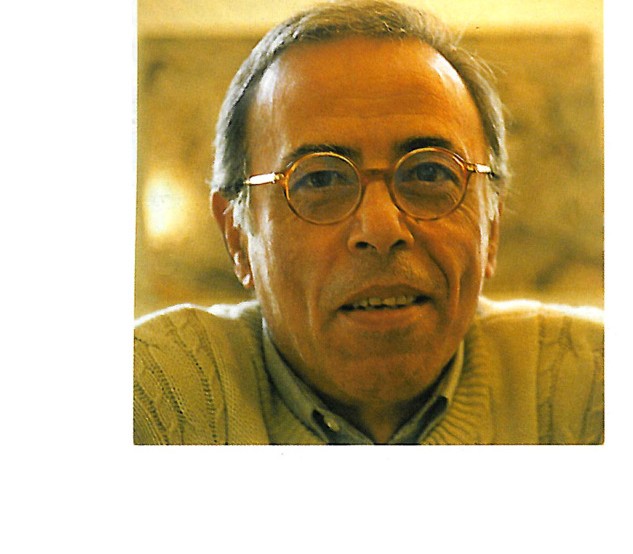
Kalantari — together with Shari'atzadeh, Alizadeh, Faramarz Sharifi, and others still awaiting proper introduction — represents, in one of the most active and influential periods of the modernisation of Iranian architecture, a hard-working, research-oriented, mostly intellectual and socially committed generation of architects graduated from Tehran University. Over that period, Iranian architects trained in the “Beaux-Arts” manner, under the influence of the intellectual currents entering their administrative and professional life, sought to base their specialised and professional work on social ideas. This socio-intellectual experience — different for each — was somehow reflected in those architects' work.
According to Kalantari himself, though he considers traditional Iranian architecture, with its endless mystery, changefulness, elusiveness and perpetual discoverability, to be a non-depletable and fertile source of inspiration for modern architectural research and experiment, from the very beginning he was infatuated by Western modernity and innovation and by its research methods and outlook.
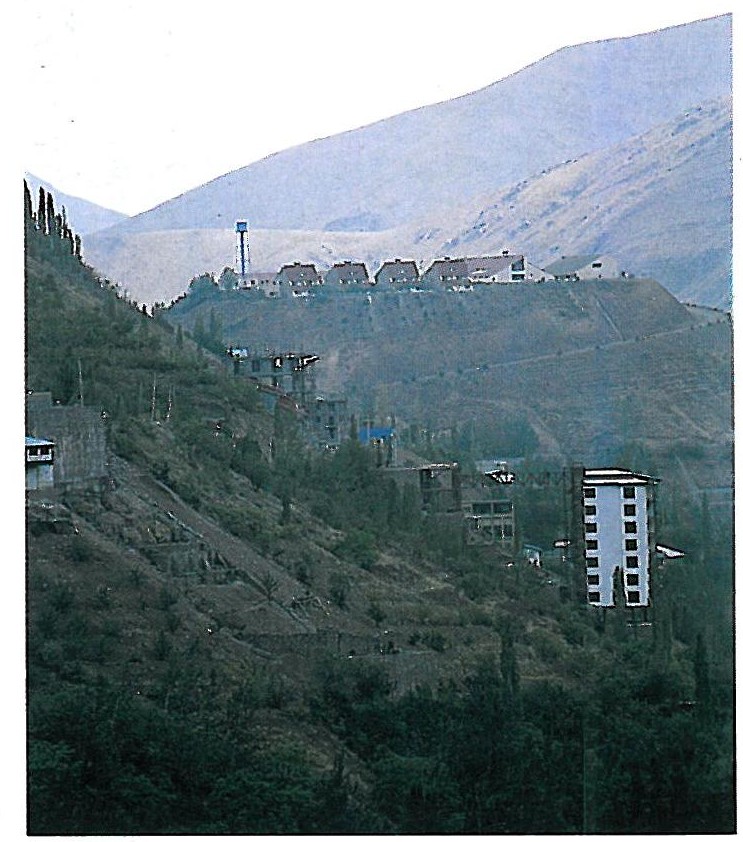
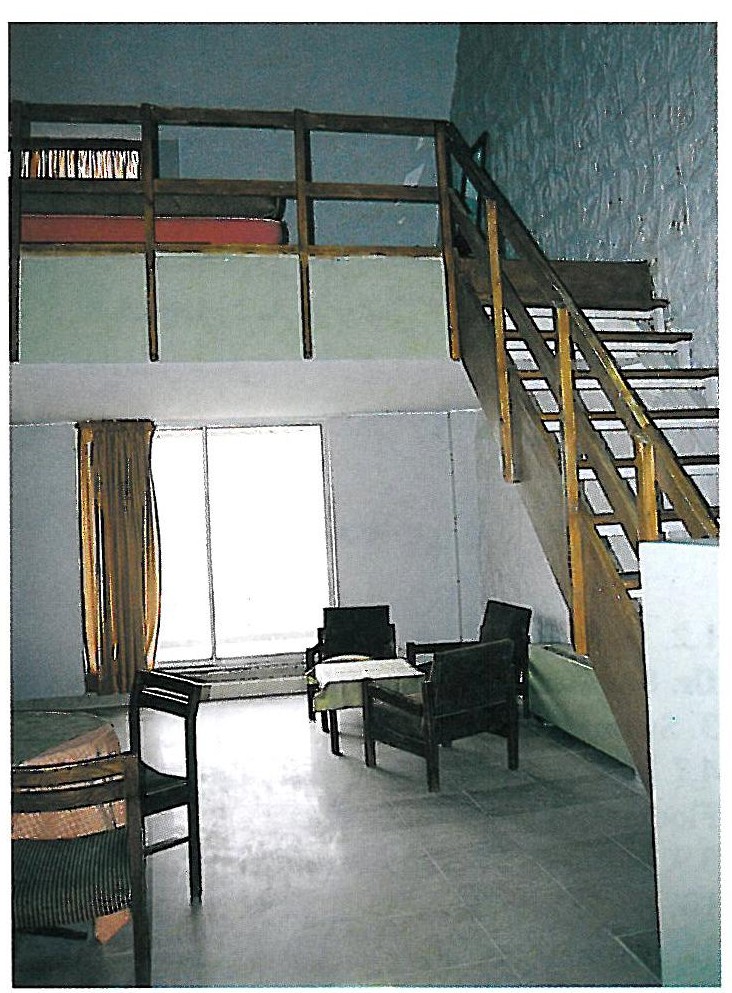
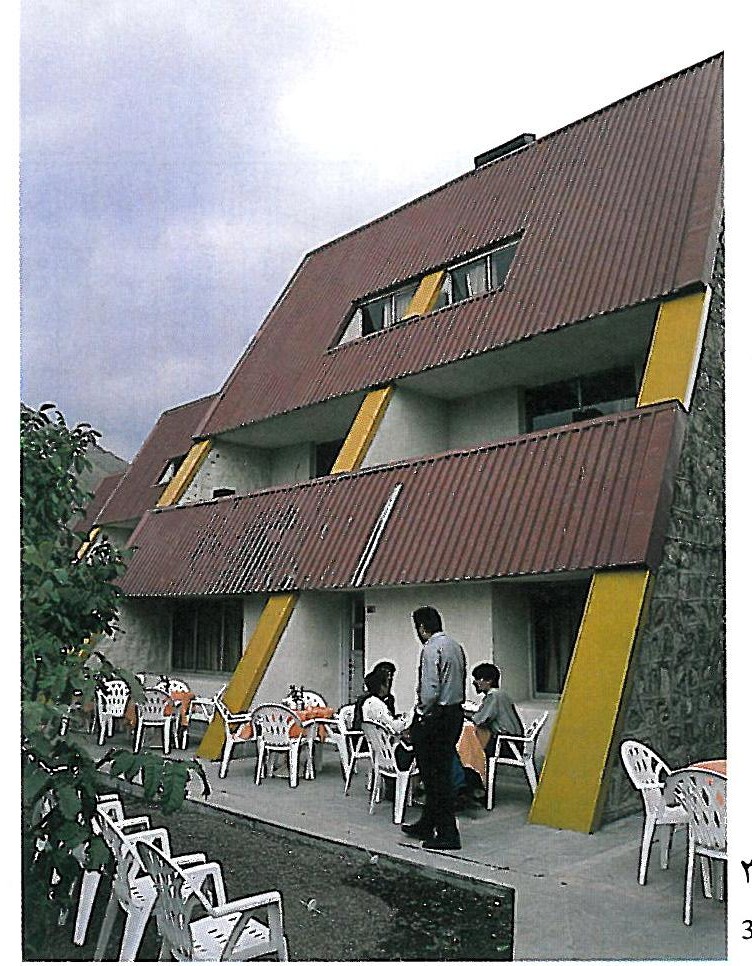
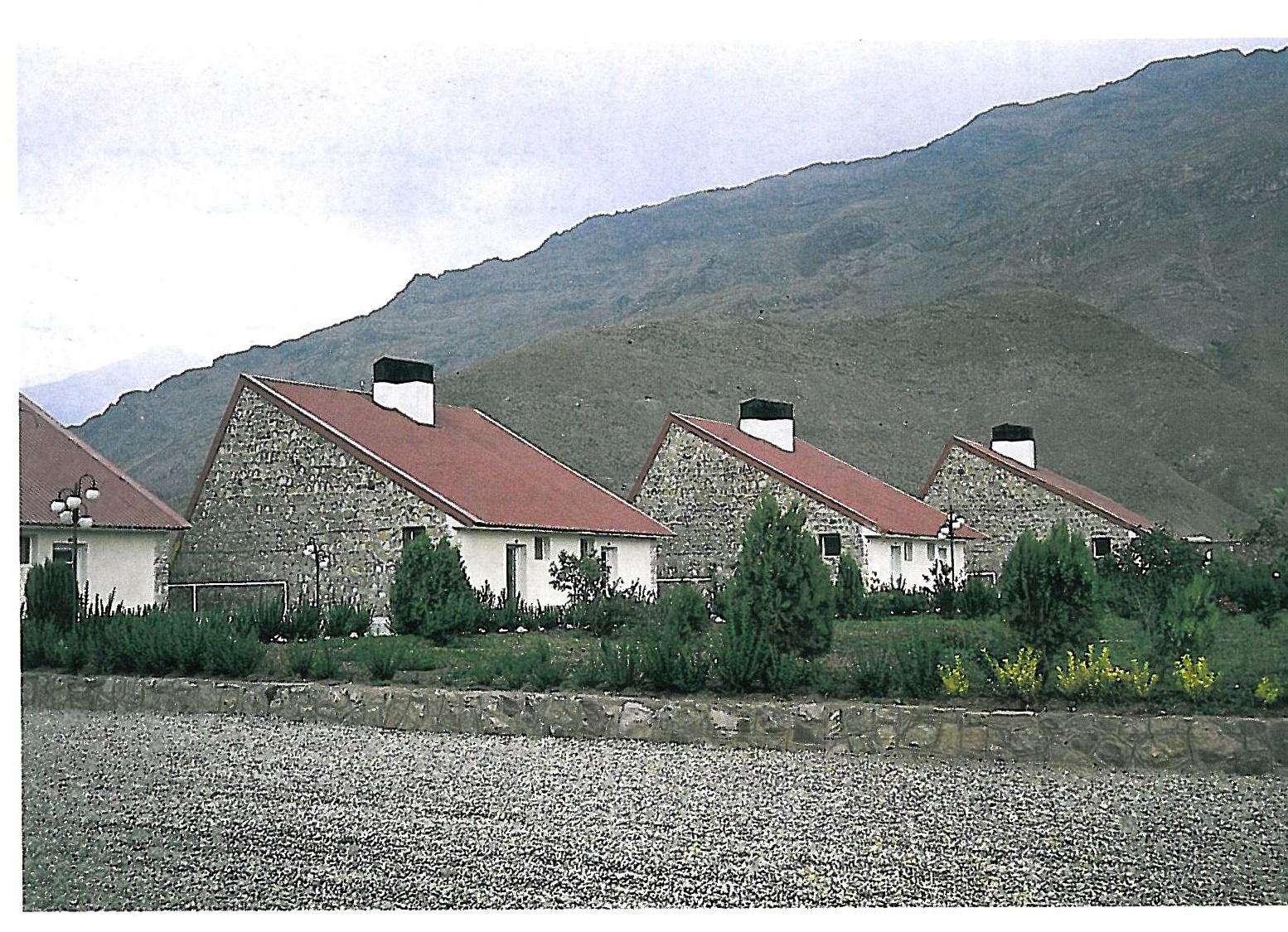
A review and evaluation of Kalantari's post-revolutionary works, which were performed chiefly within Bavand Consulting Engineers, would require a separate occasion. However, in this issue, we deal only with his residential works from his first decade of professional activity, which represent his special way of looking; we close by pointing to a few of his recent residential projects that reflect a change in conditions and method, and by showing photographs of two large public projects, one from the early years and one from the late years of his first decade.
The Daryabandari Residence (1964)
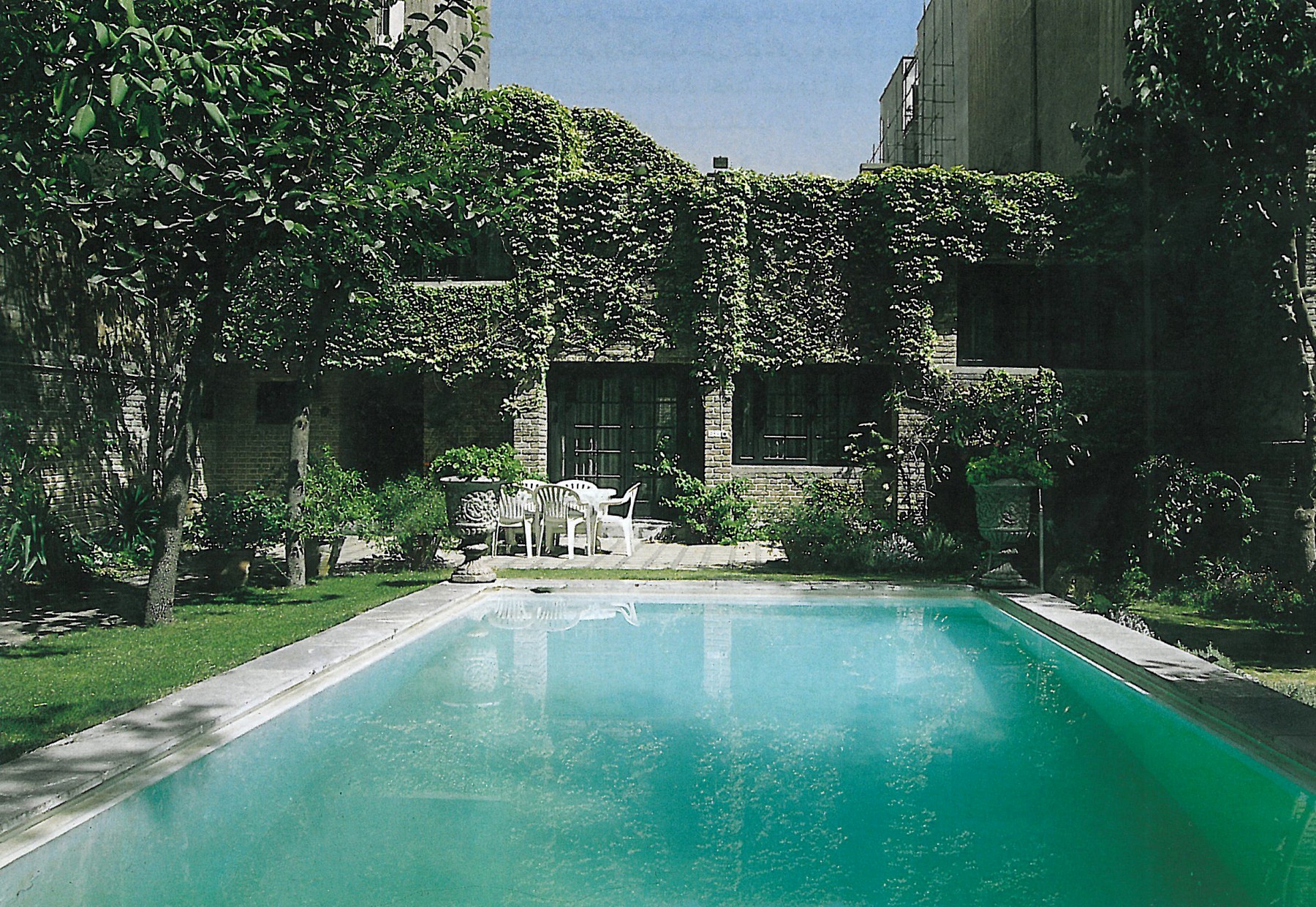
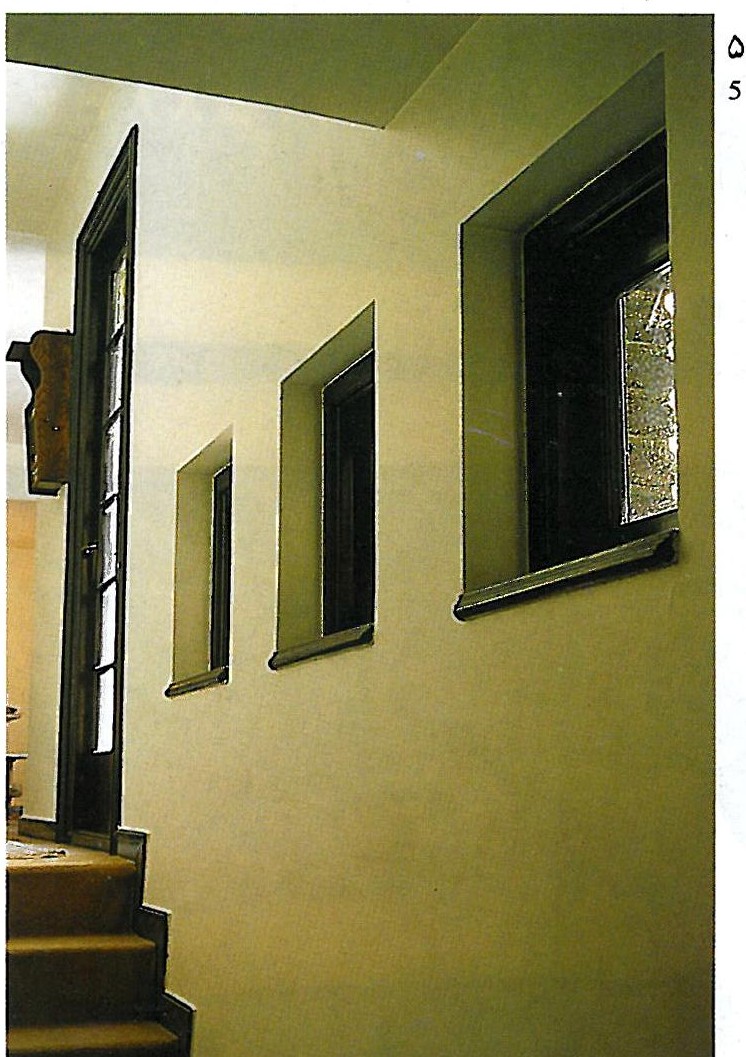
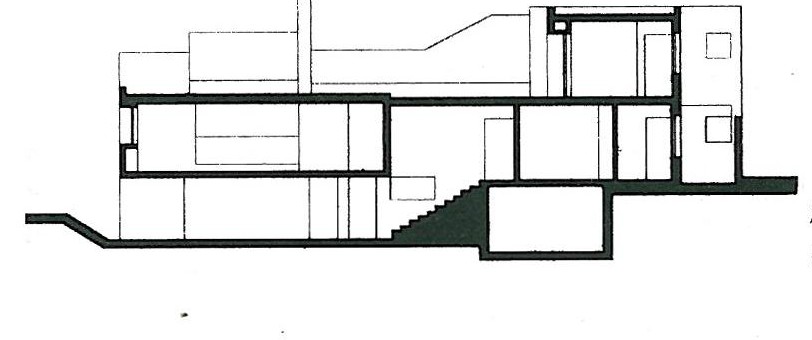
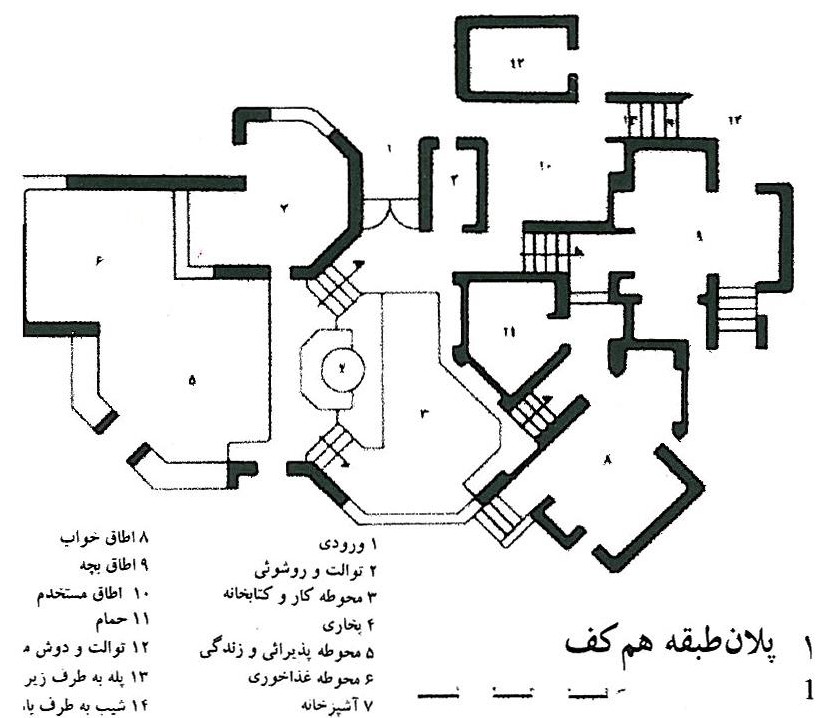
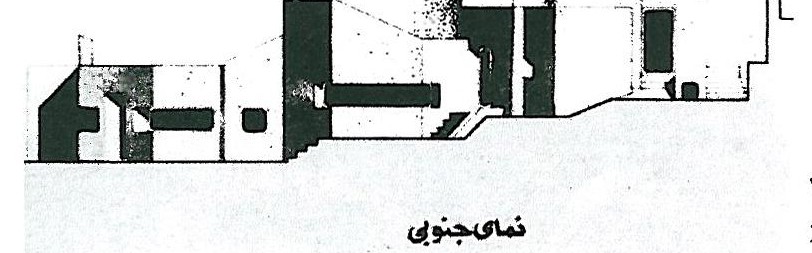
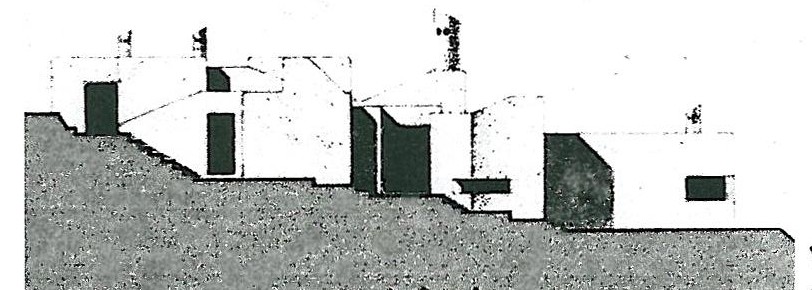
Except for the Amirshahi Residence (1965), which has a free plan with four open sides, all of Kalantari's residential projects — built on small, narrow parcels in secondary alleys — are closed to east and west, and often also to the north. The Daryabandari Residence (1964), one of his early works, markedly represents his outlook and approach in residential architecture, an approach that continues in his subsequent works. With the exception of the southern front which inevitably overlooks the courtyard and the swimming pool, all the other spaces — deliberately numerous and put to varied uses — essentially open onto an internal focus. This focus is not a fixed geometrical centre forcibly governing the lines and surfaces that shape the spaces. Although the small inner garden attracts, at the very last stage, the alternating current of spatial openness, the real focus attracting this openness is the household itself, displacing the focus through its various activities: the kitchen overlooks the dining room, the dining room overlooks the sitting room, the study overlooks both, and all rooms overlook the inner garden. Space accompanies dwellers; and dwellers, in their turn, play a role for which they have gathered in a place called “home.” Gathering together, and being constantly together, is what creates this interpenetrating spatial composition. Interpenetrating spaces are the main feature of Kalantari's residential designs — simplified, with the passage of time, in their geometry.
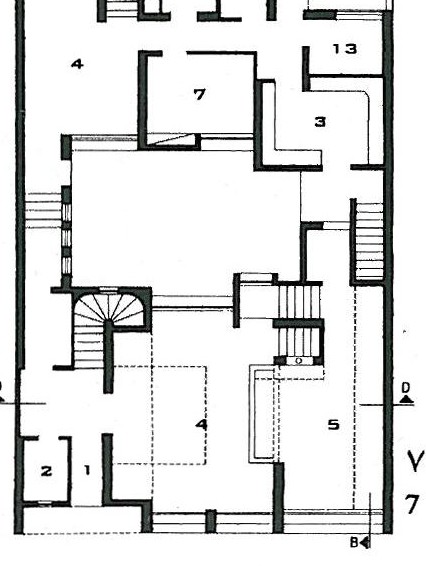
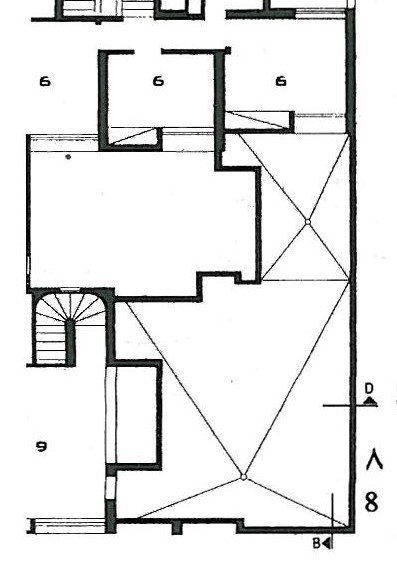
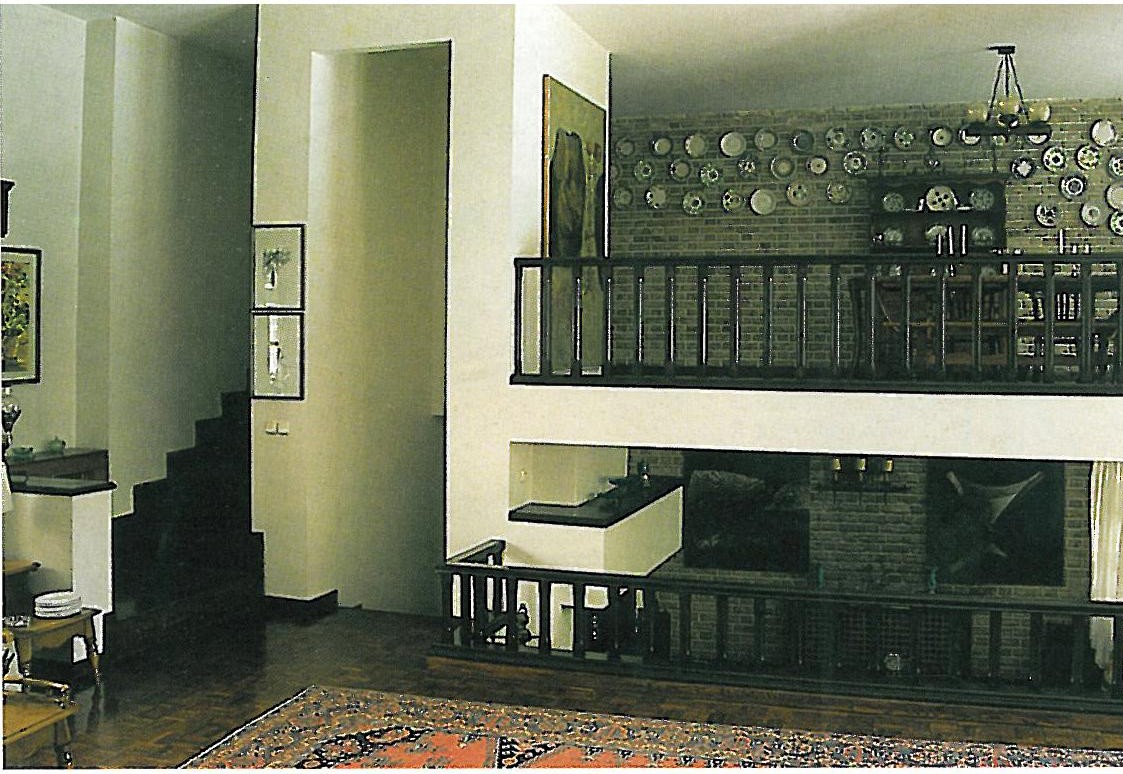
Today we do not know whether, in adopting this approach, he was aware of similar features in traditional Iranian residential architecture. In the traditional Iranian house too there is a sharp contrast between inner dynamism and display and external quietness and simplicity, and there is a hierarchy of foci onto which spaces open, at whose centre stands the central courtyard into which all spaces are ultimately opened. In Kalantari's architecture, however, the geometry and structure are not traditional; his method stems — besides his schooling — from a gap between the established form of traditional life and the newly re-forming life of the modern clients who made up almost all his customers.
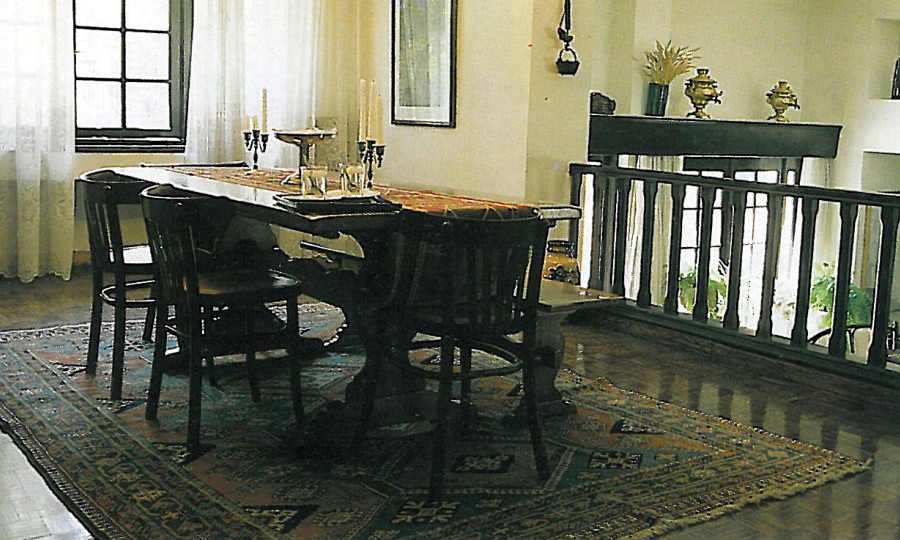
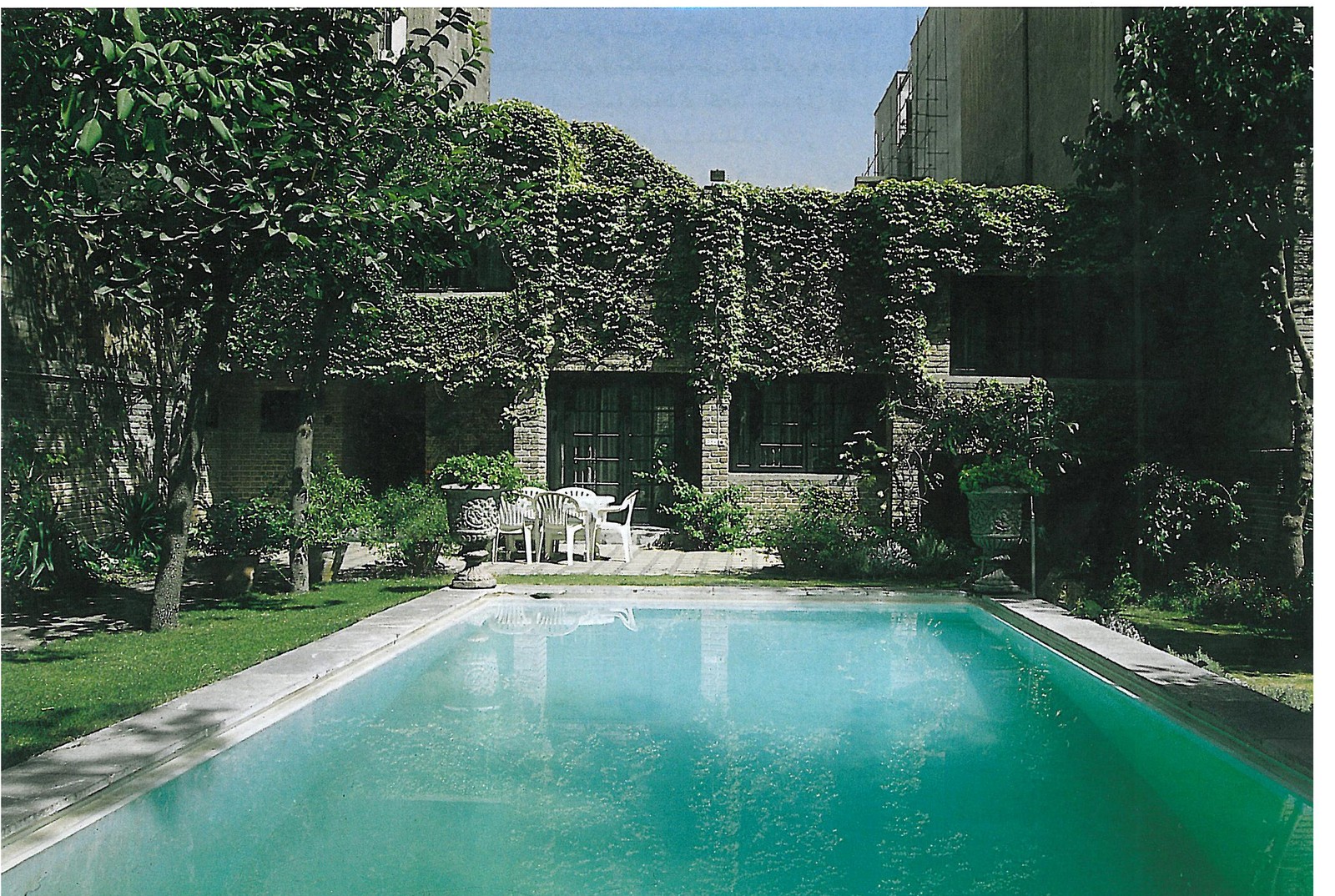
Rezvan, Dr Safavi, Azarba and Karl Schlaminger Houses
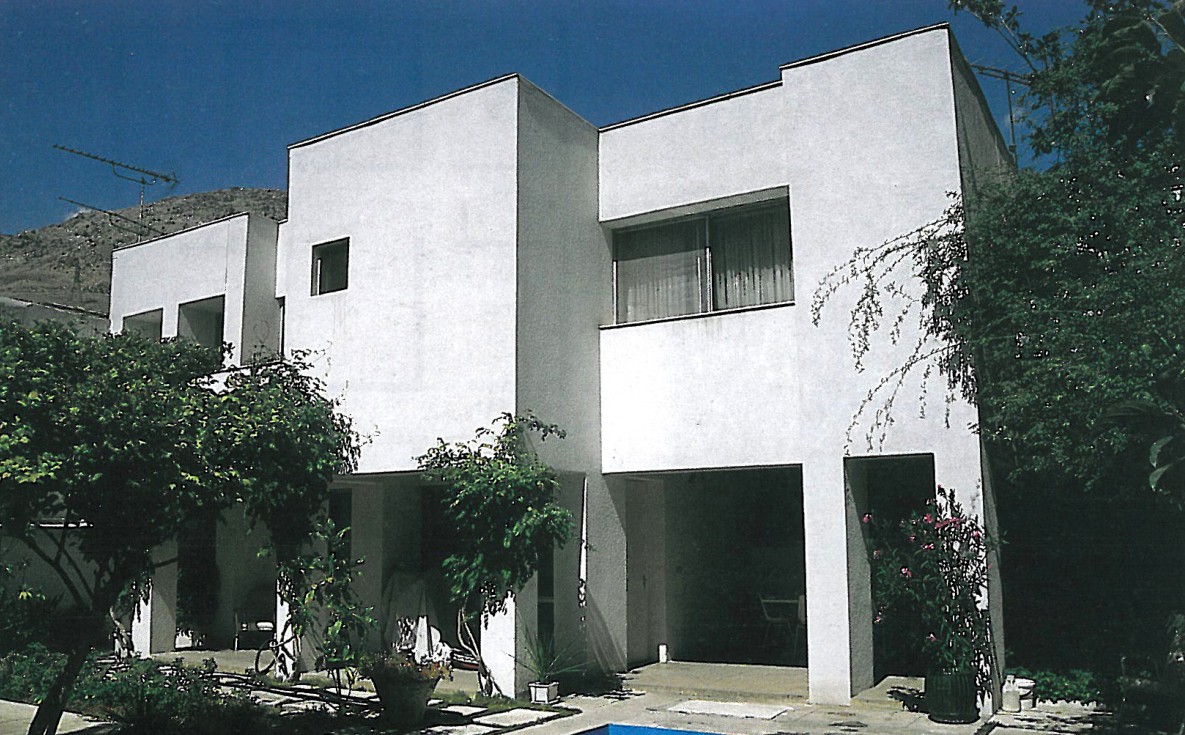
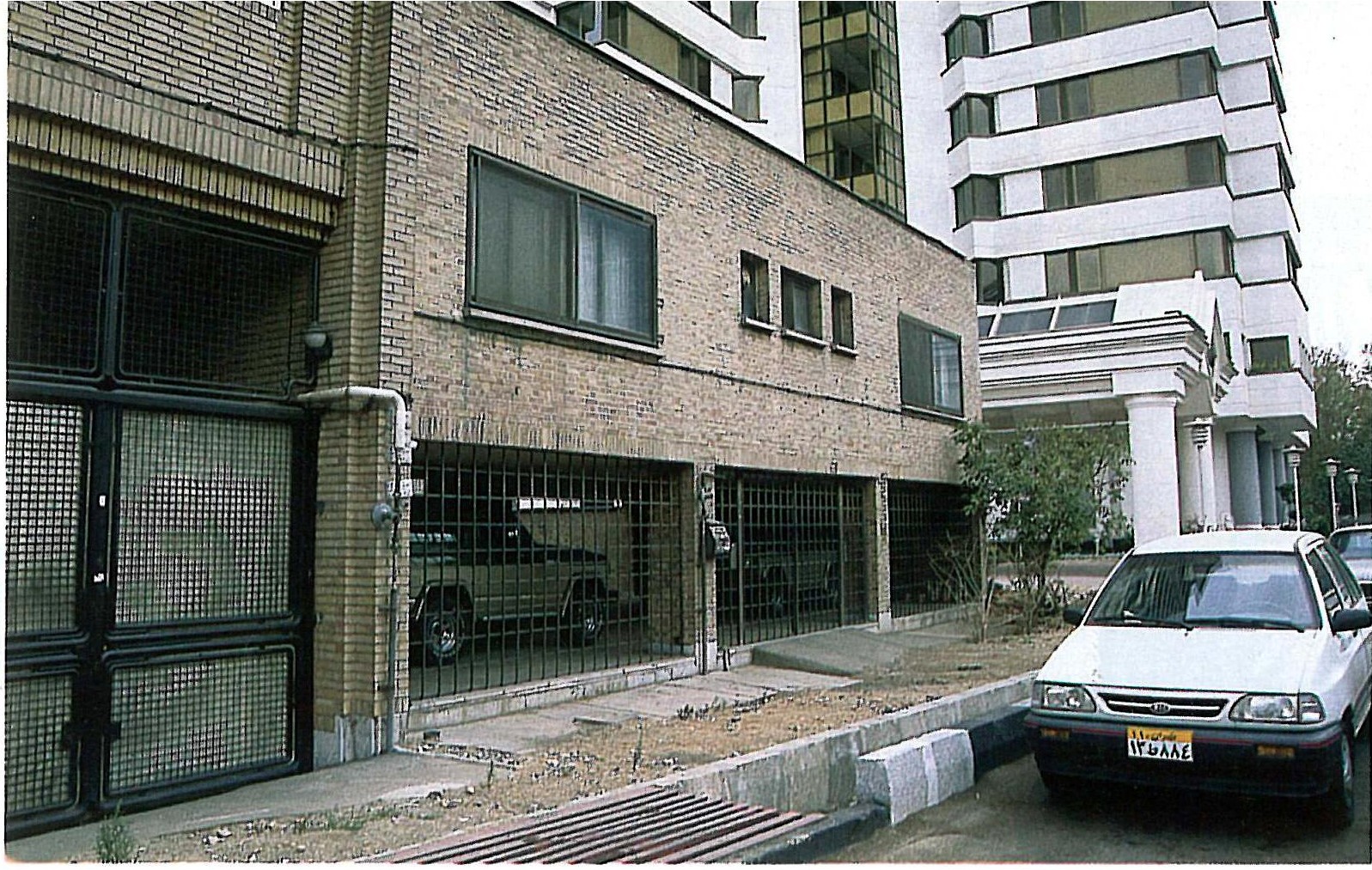
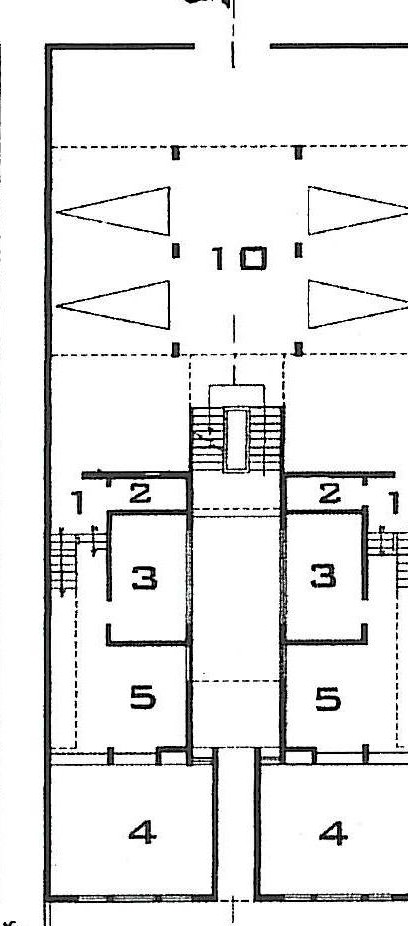
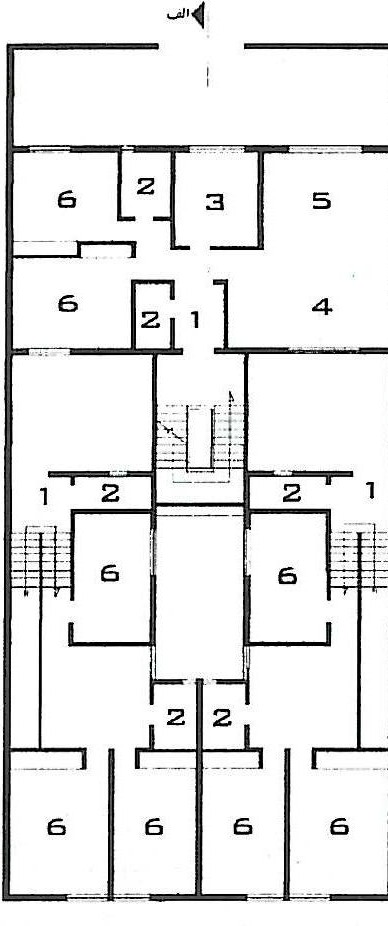
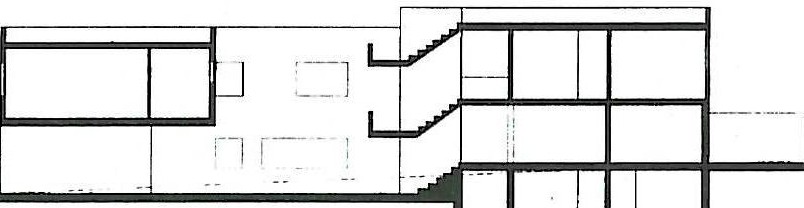
The two-storey Rezvan Residence (1965) belongs to a period when two- and three-storey houses in Tehran were not considered independent flats. The building consists of three independent flats on a narrow, long parcel of land. Two of the three flats — the south ones facing the courtyard — are duplexes, while the north one sits on a single level above the garage.
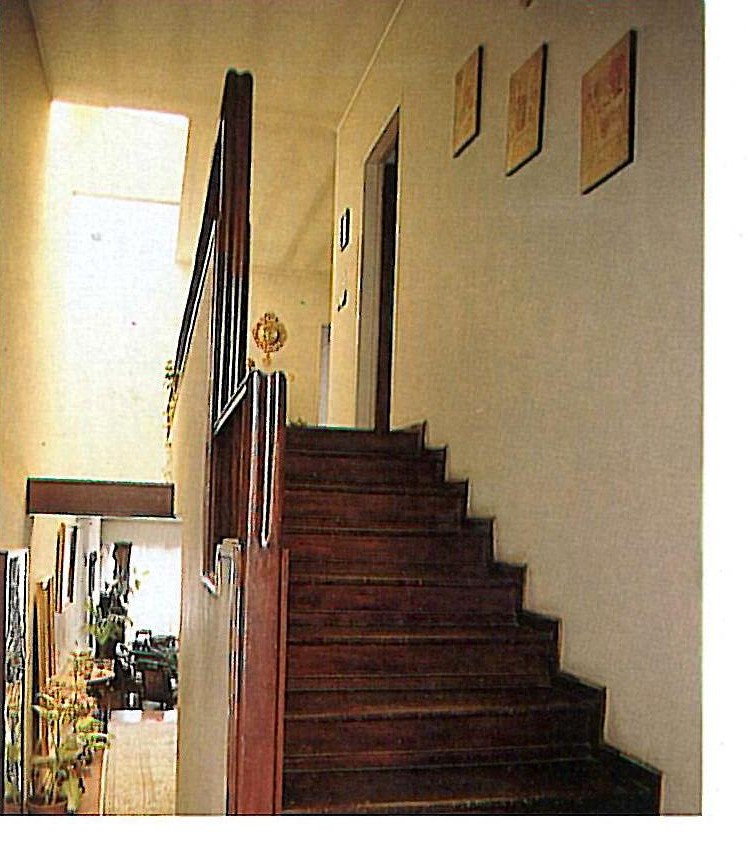
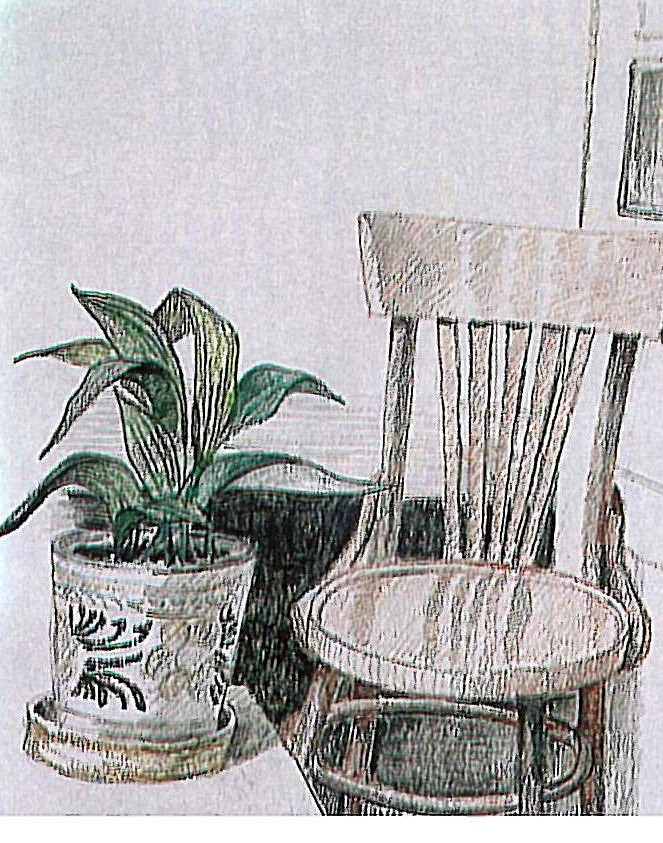
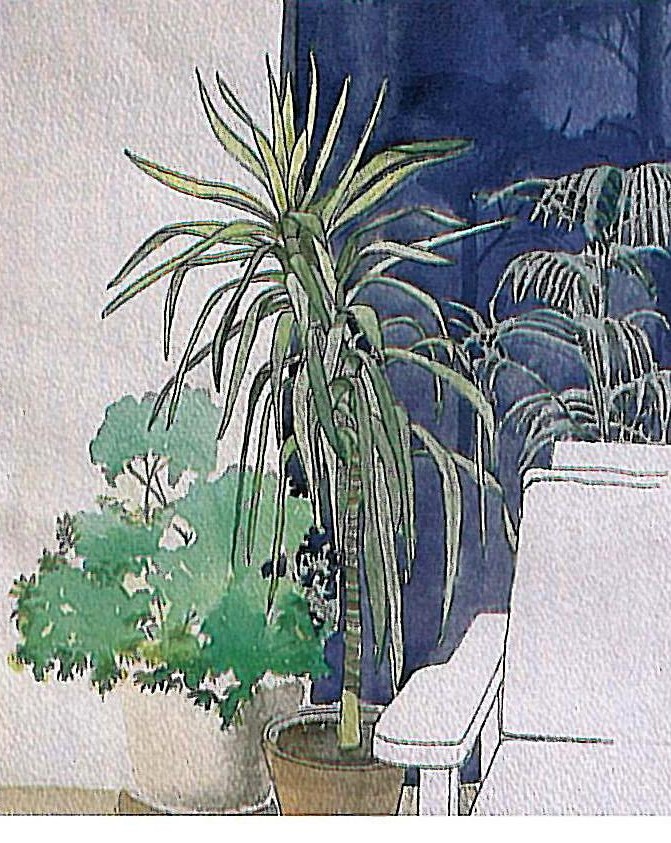
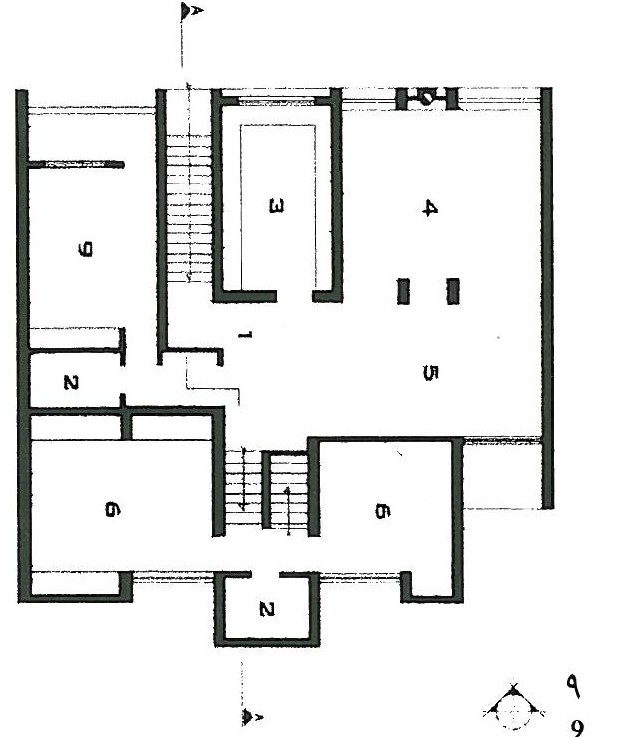
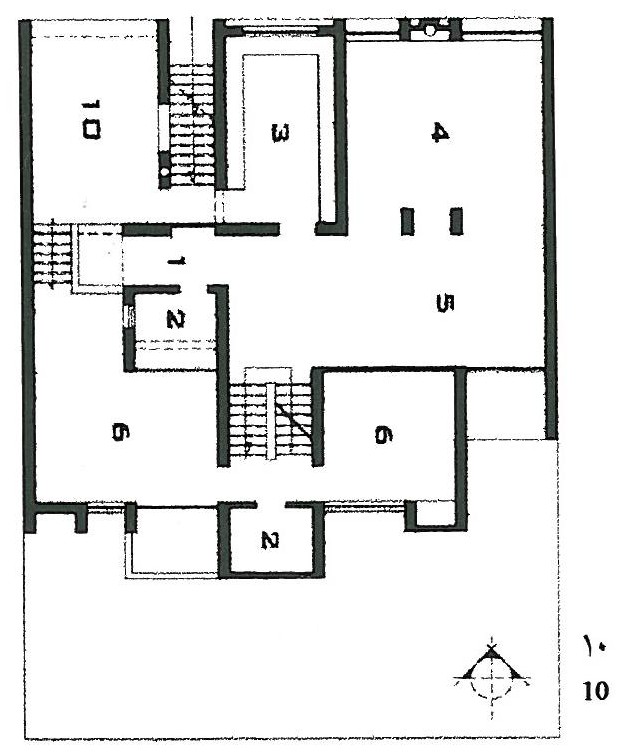
Contrary to those for whom everything depends on direct sunlight reaching every or most rooms, for Kalantari the introversion of spaces — their tendency toward a focus around which the family gathers — matters more. He does not feel any need to present the architecture of the house to passers-by. He even prefers windows to overlook an everyday domestic view, a small inner garden or courtyard, rather than infinity — a garden or courtyard in which the circulation of spaces into one another is finally absorbed. Against this inner spatial dynamism, the external facade remains simple and free of acrobatics and of gaudy, polished materials. He prefers rough and nappy surfaces and ordinary materials.
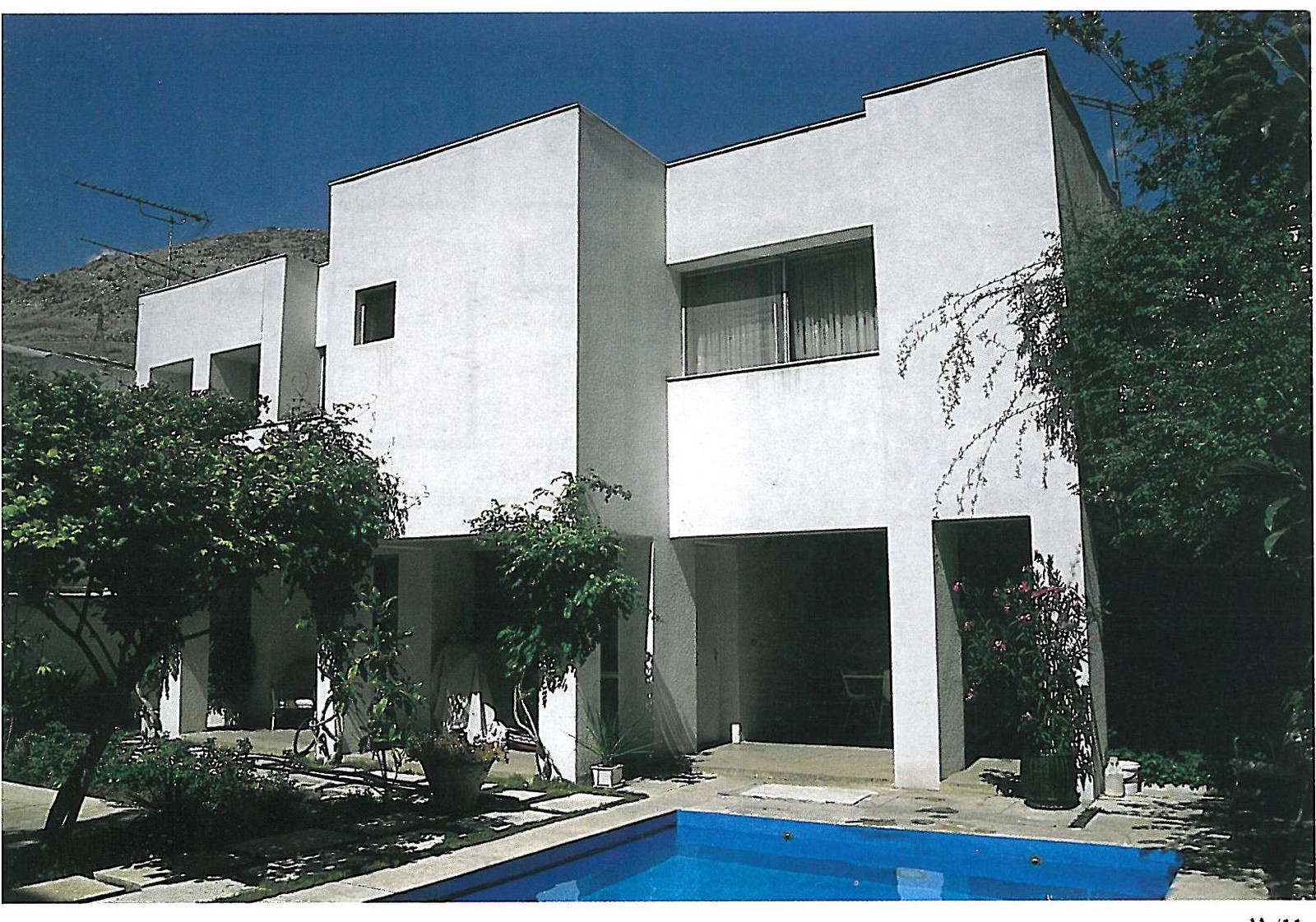
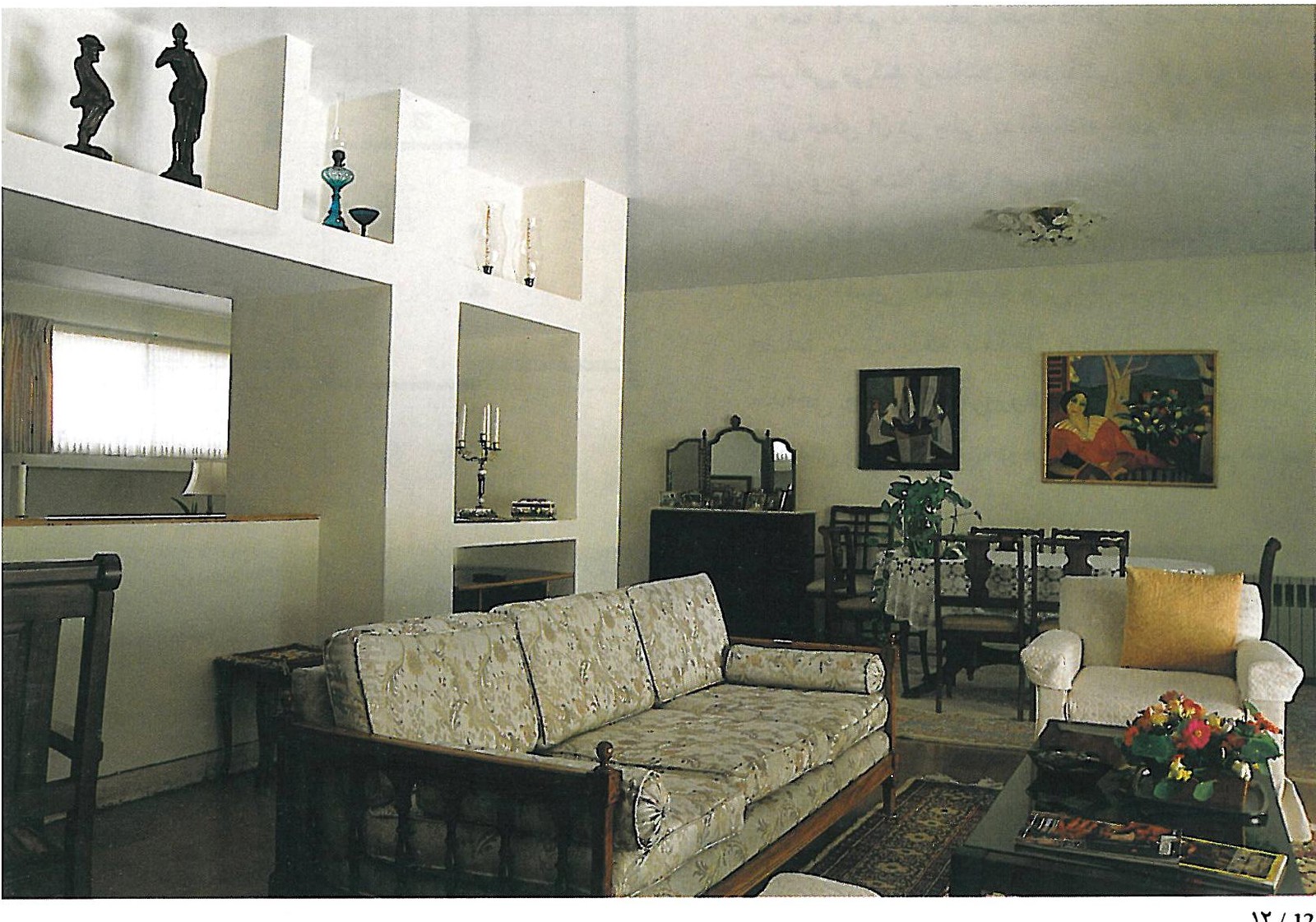
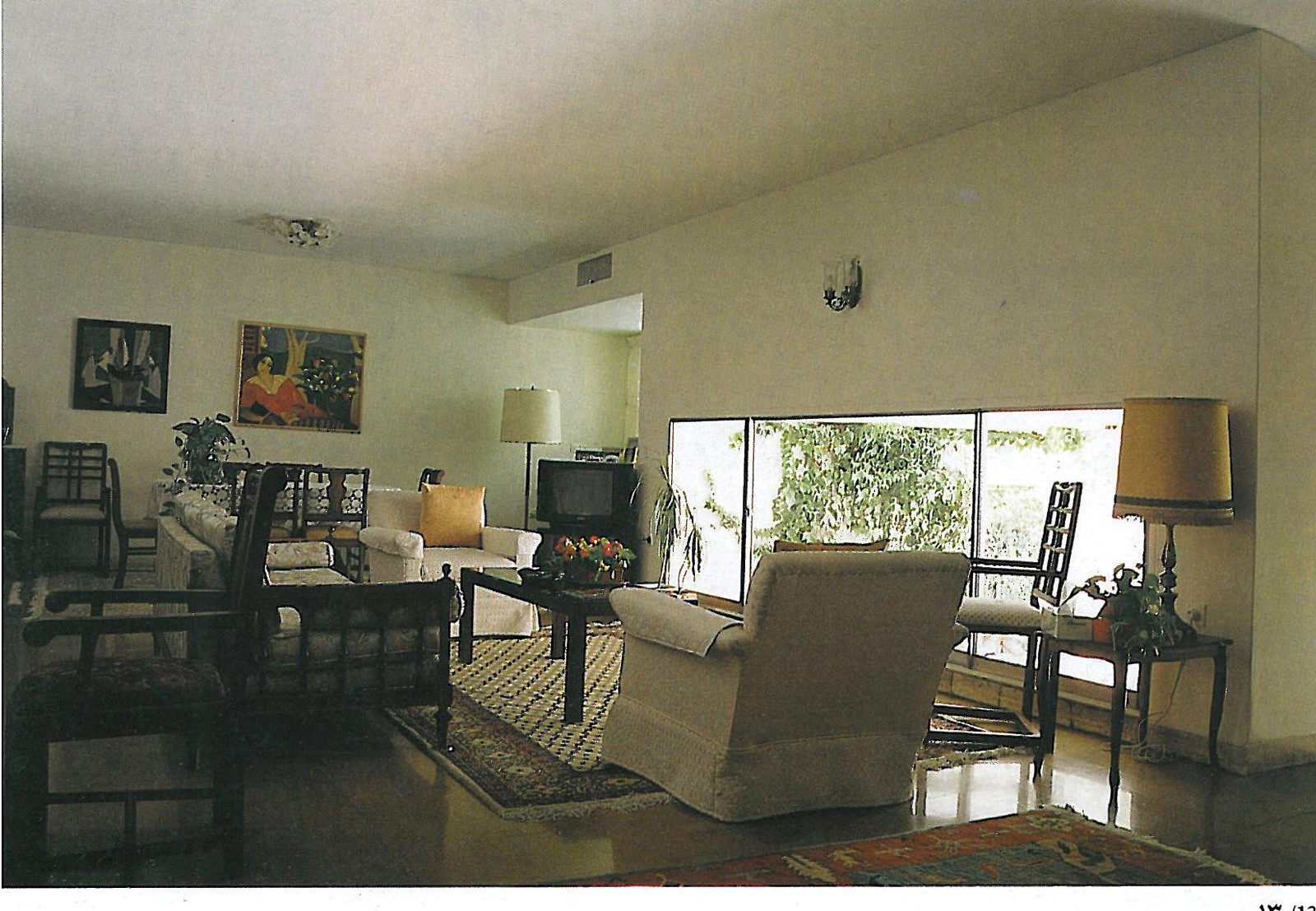
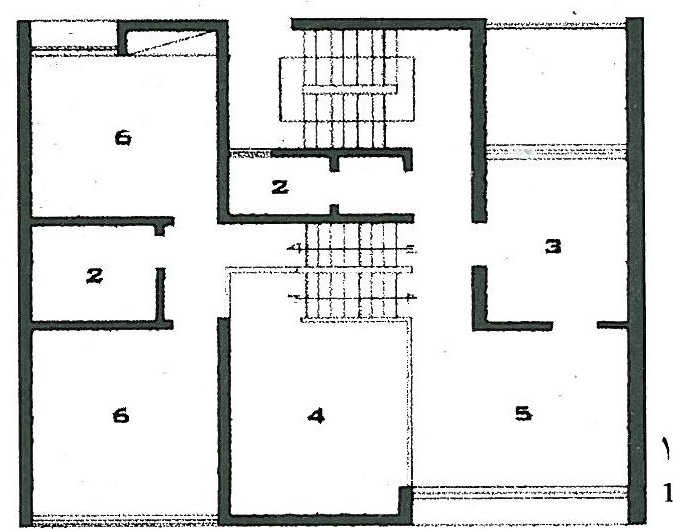
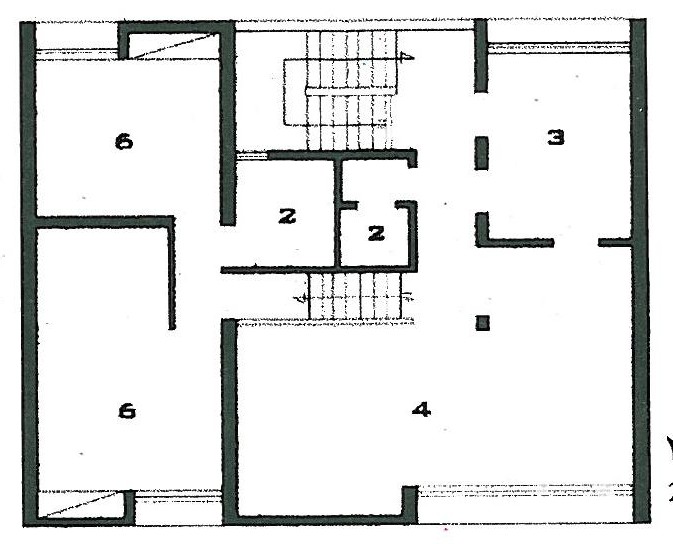
Kalantari does not imprison the residential space in a cube closed to six directions. By chasing, opening and interpenetrating the spaces of rooms and corridors, he manages to make it seem protracted and infinite. Rather than dividing a limited spatial potential into several closed, smaller spaces, by spatial burrowing and by opening each space to the next — creating spaces that are always half-revealed and half-hidden — he arouses in the onlooker a feeling of infinity to be discovered. This feature is strikingly reflected in Dr Safavi's small house (1971), a plain cube from the outside.
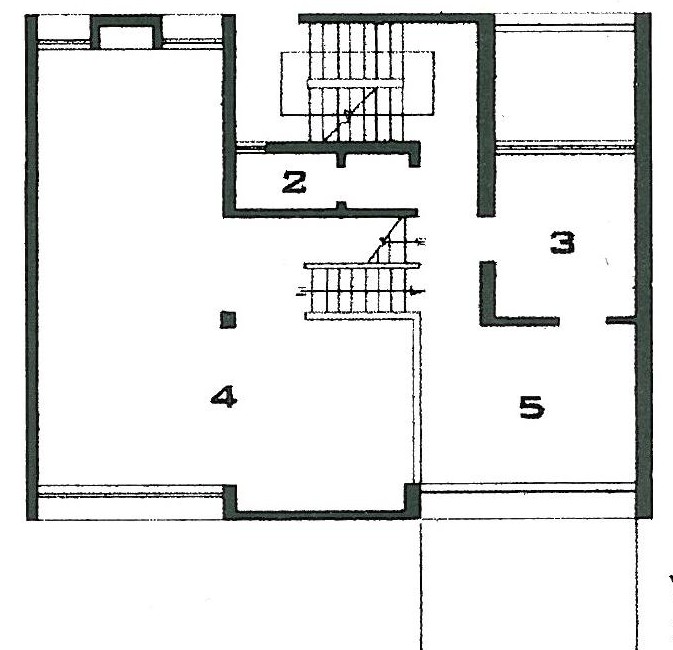
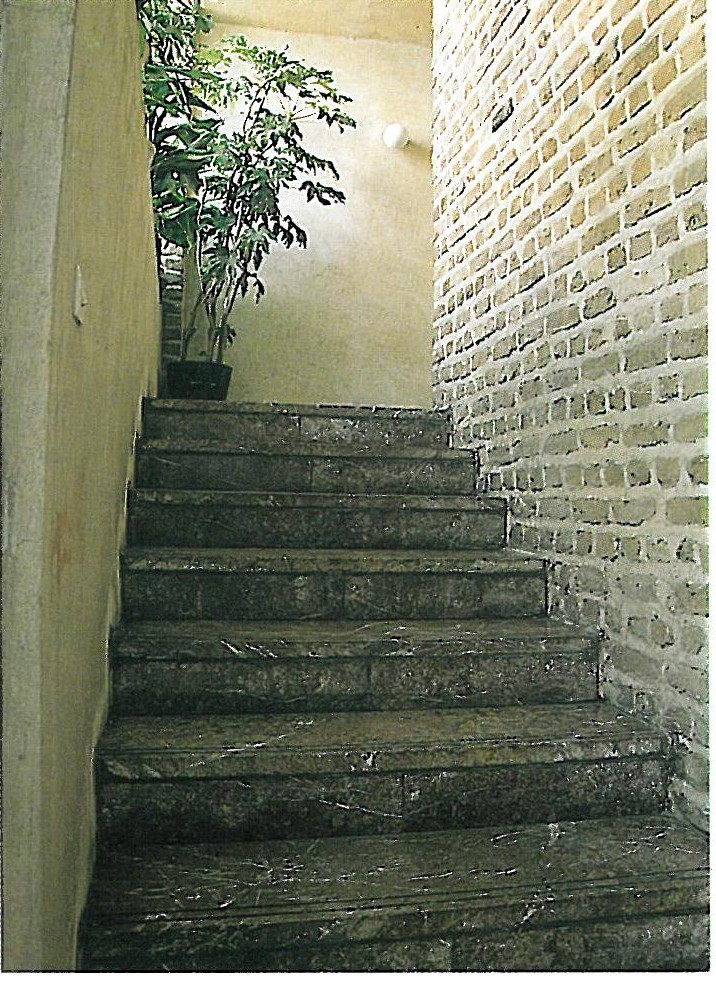
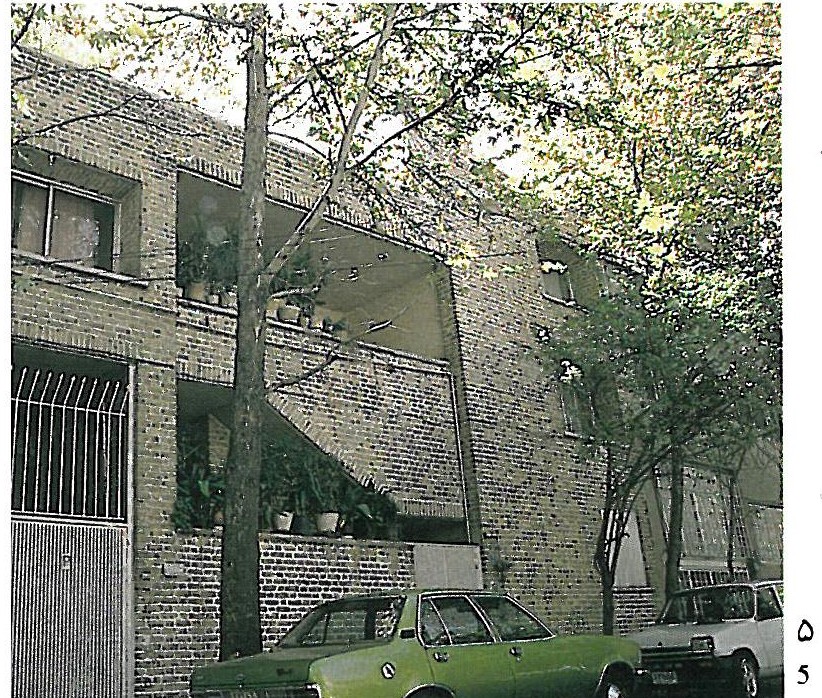
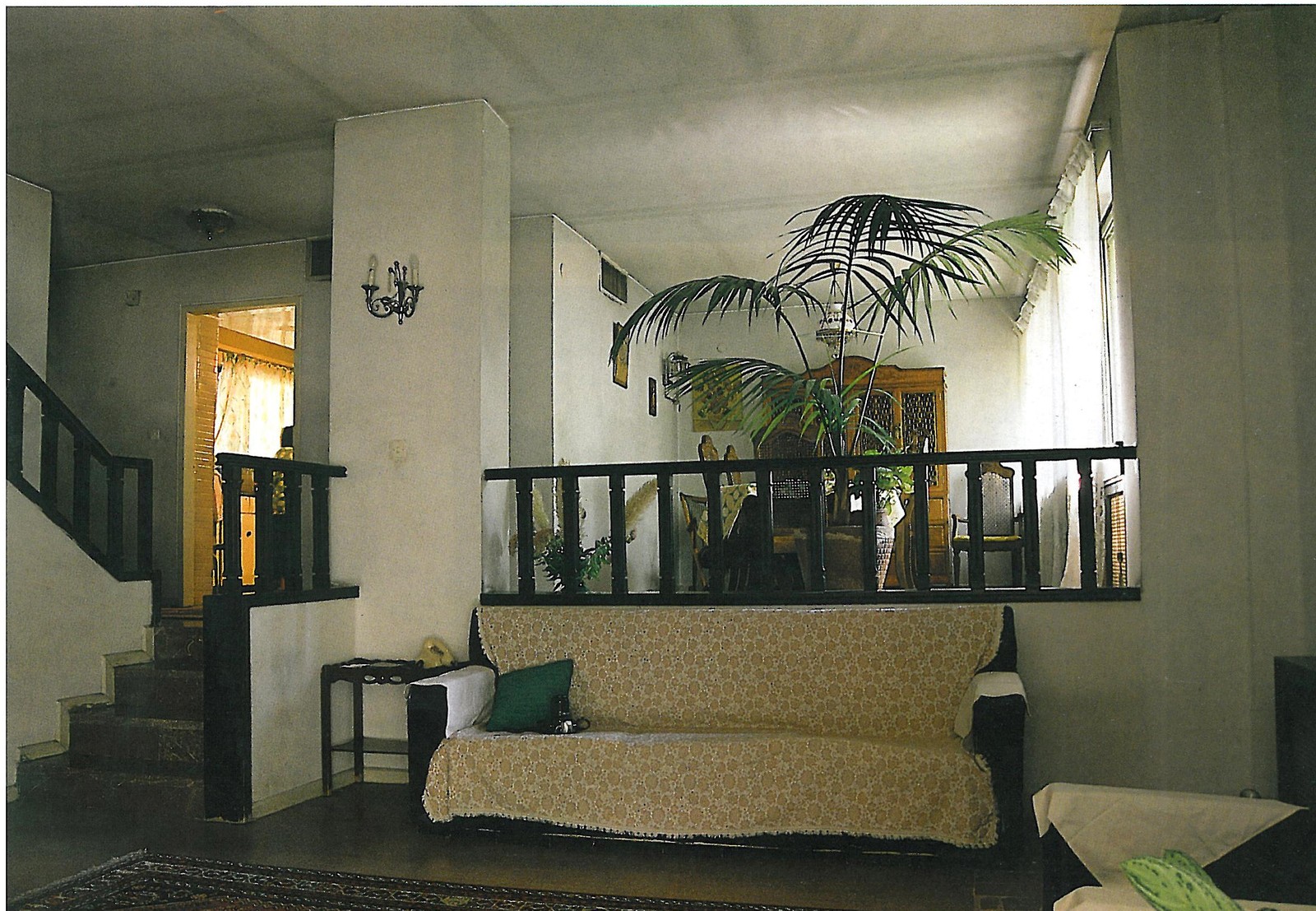
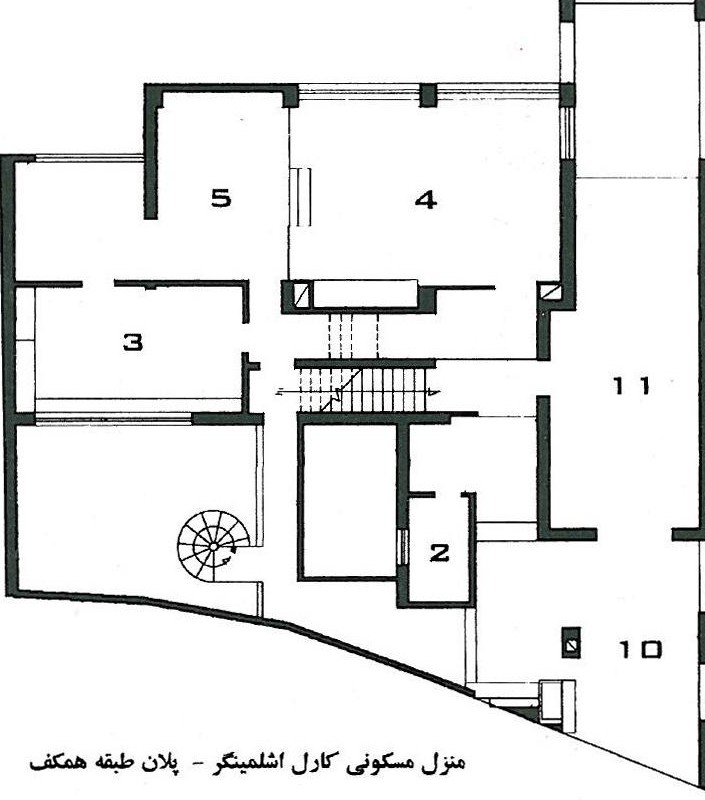
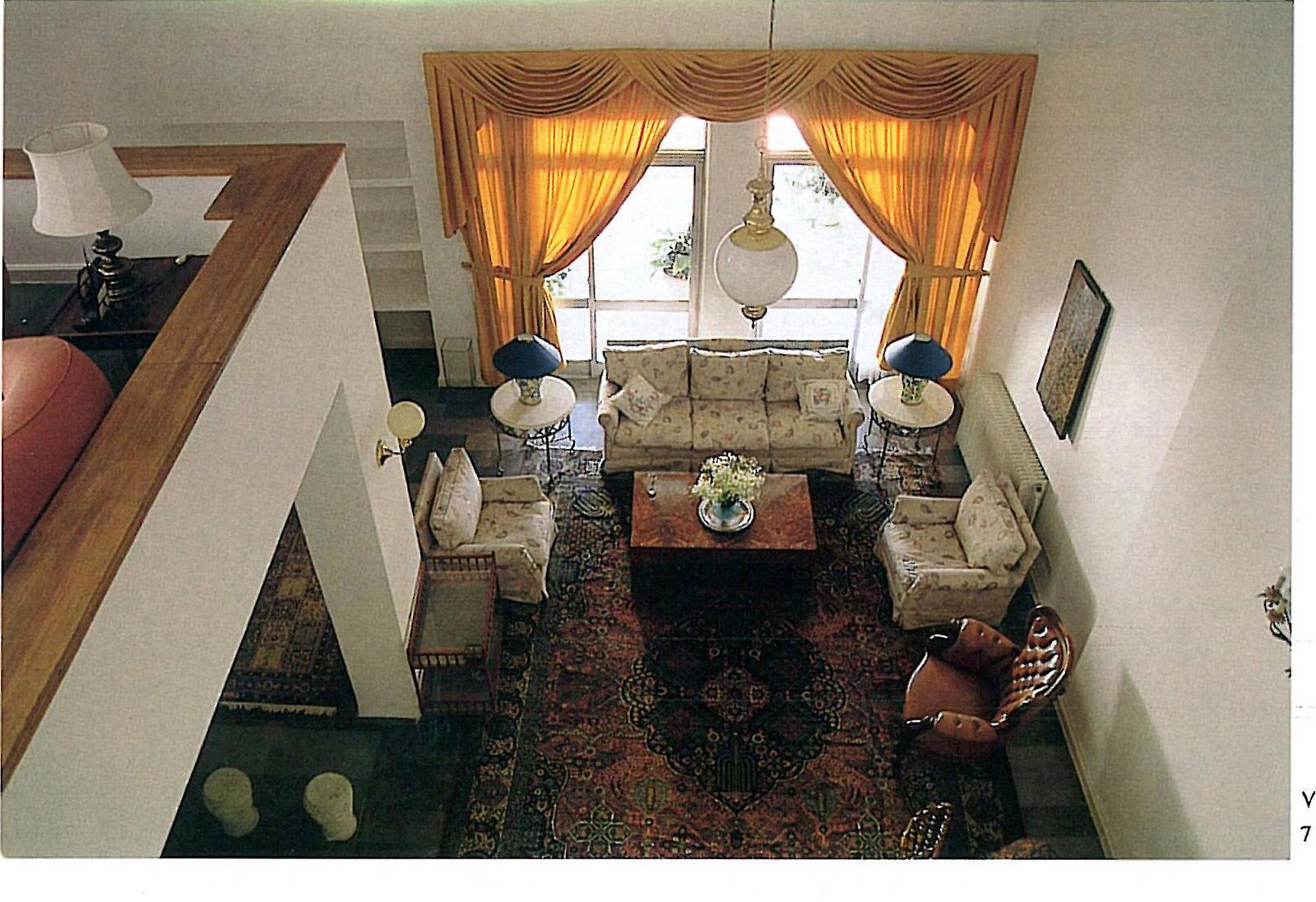
In the Azarba Residence (1972), built on a narrow, long and inclined parcel, space is constantly moving in different directions and on different levels around a focal point which, unlike the traditional Iranian house's foci, is not fixed or static. In the traditional house, the courtyard or veranda is the centre of attention and of orientation for surrounding spaces; among the rooms, a central “chand-dari” orients adjacent rooms to itself. In the traditional house, the inter-relationship of rooms favours stability, whereas in Kalantari's works spatial relations are wavy, folding and multi-directional. In the Azarba house, level differences are used to best advantage to let spaces into one another: the living room, dining room and a mezzanine on three levels overlook each other in such an interpenetrating and indefinite space that the observer finds it hard to conceive its limits.
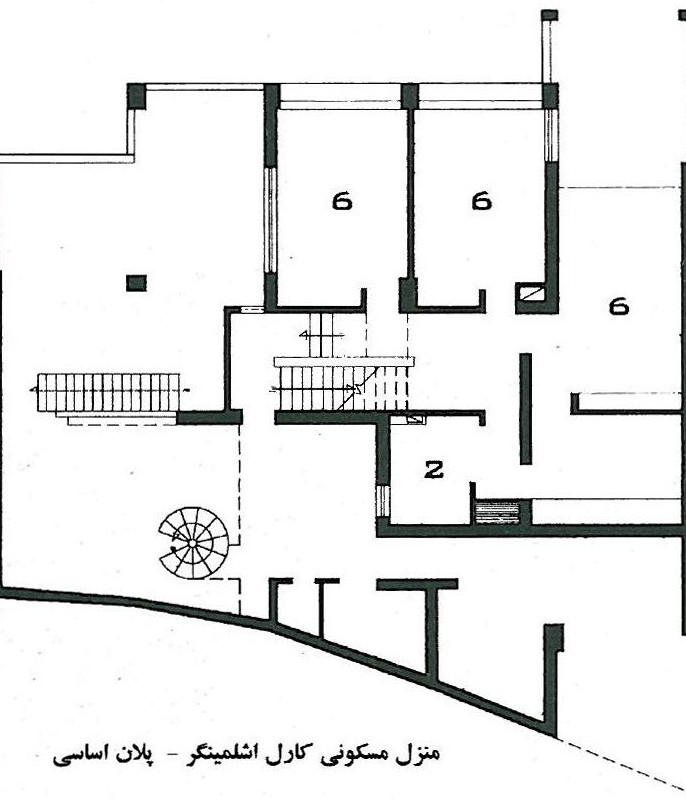
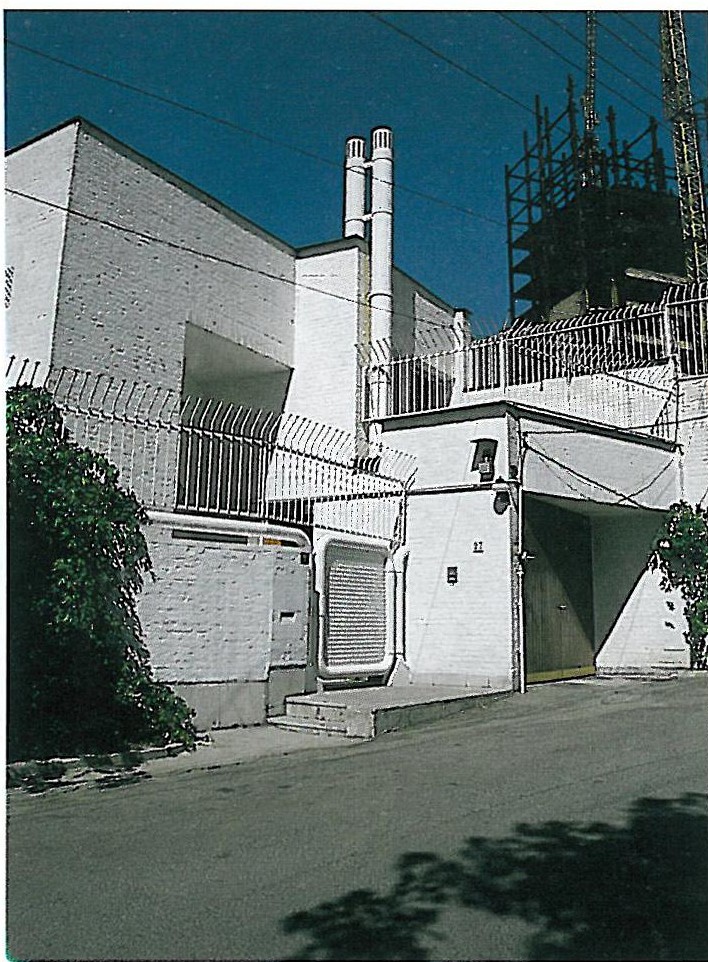
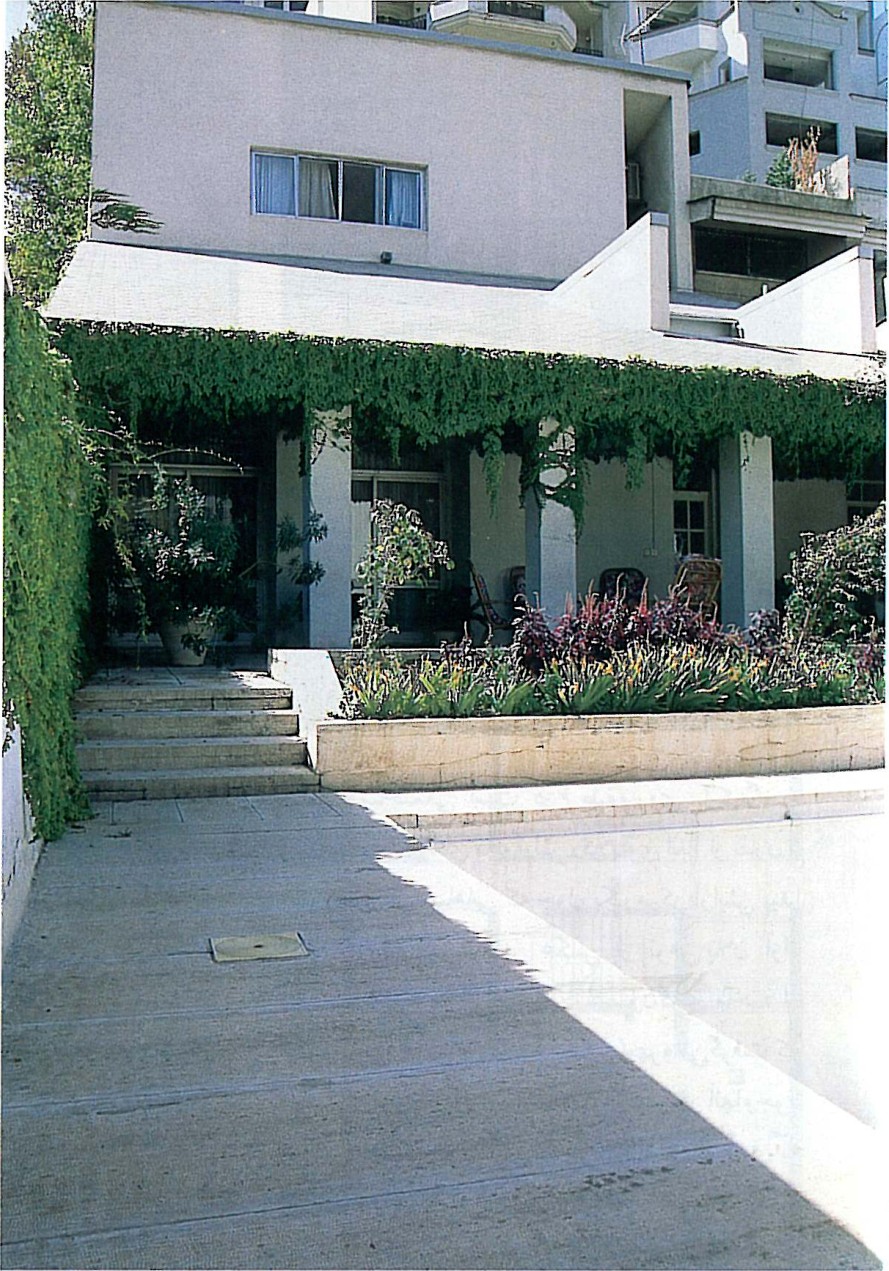
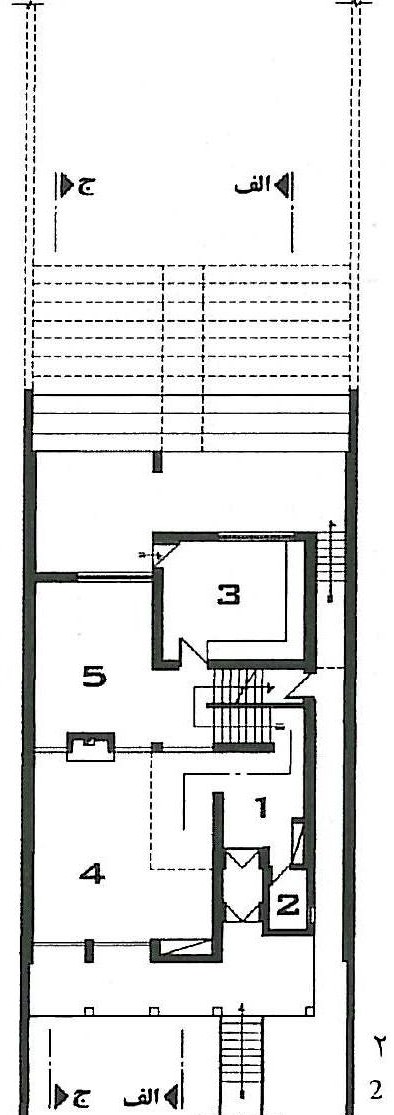
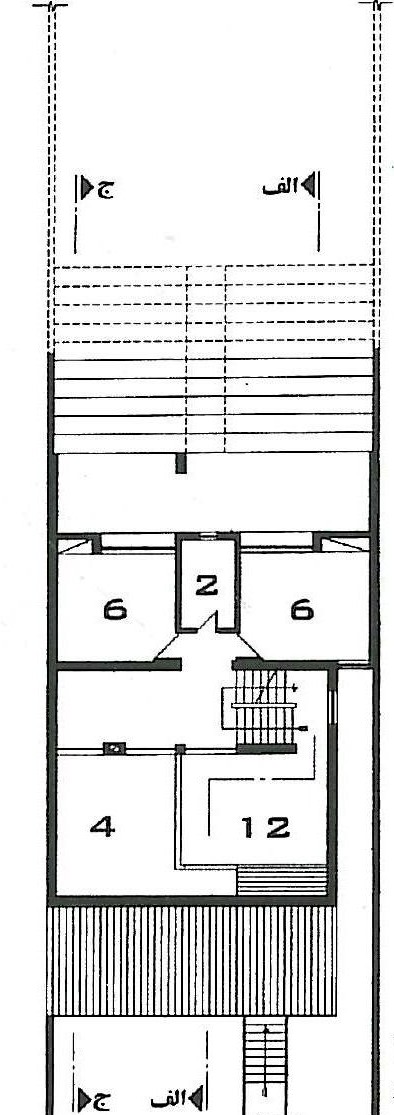
Despite his taste for painting and his experiments in expressing architecture abstractly in the language of painting, Kalantari in architecture attends to the tangible reality of space. For him the plan, the section and the elevation are guides for the builder and have no independent formal value. In execution, too, he pays no great attention to elaborations and details that are not decisive in defining space.
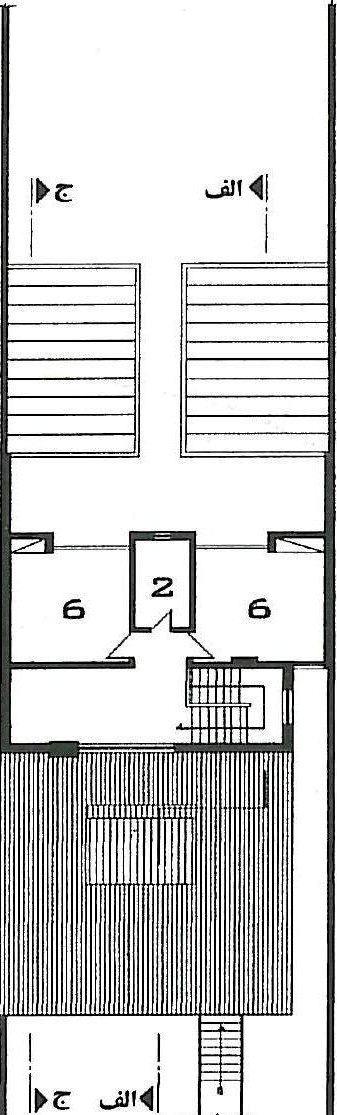
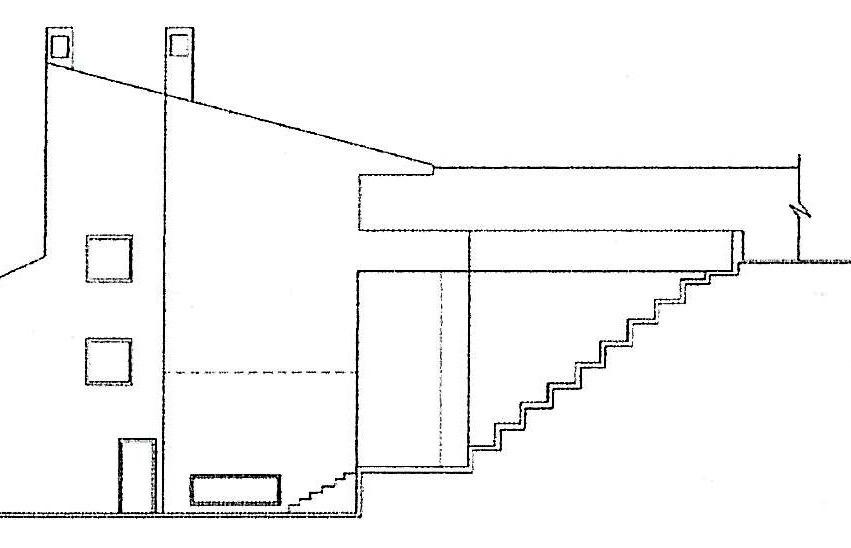
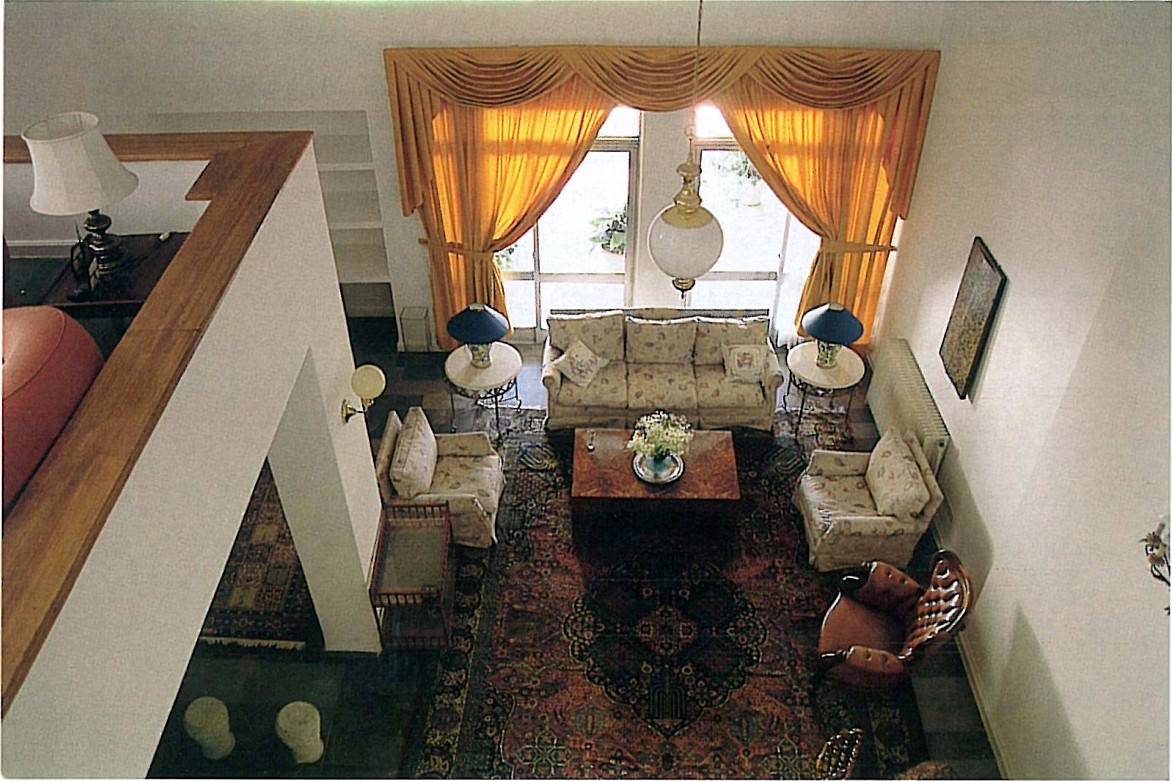
Dr Shakibi's house, Sultanghorai's house, the architect's own house
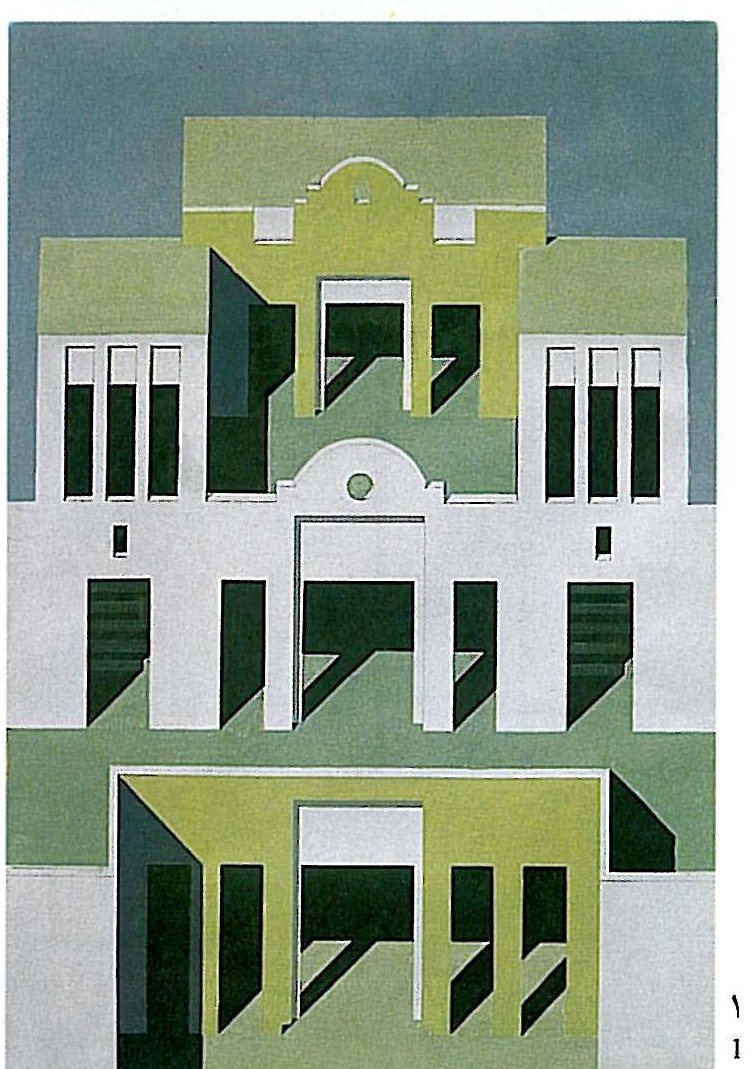
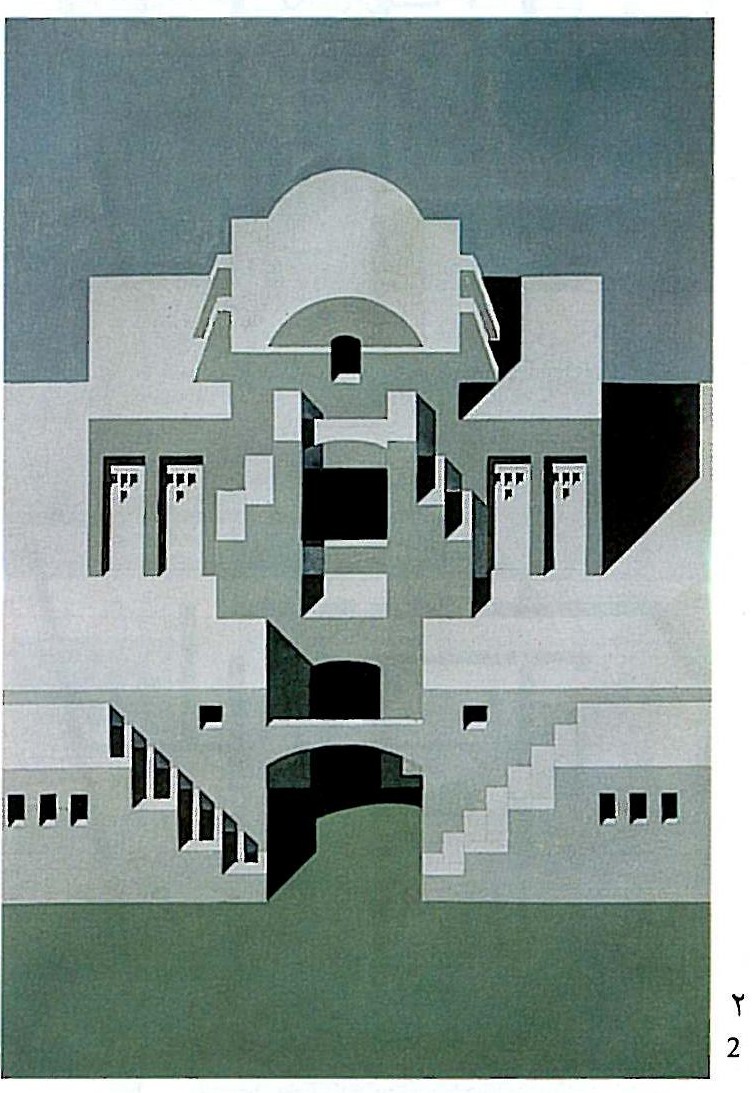
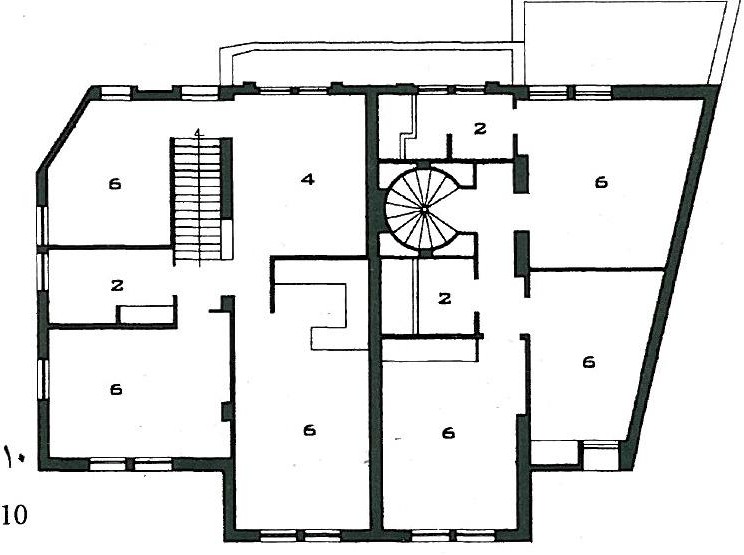
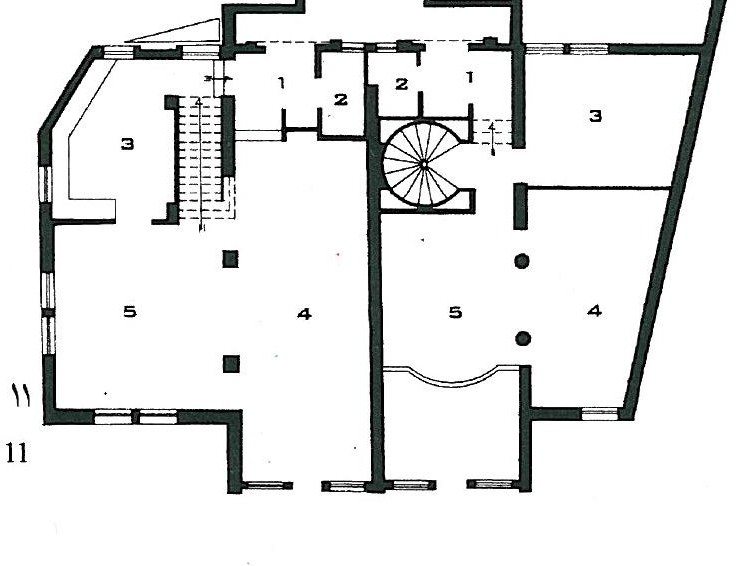
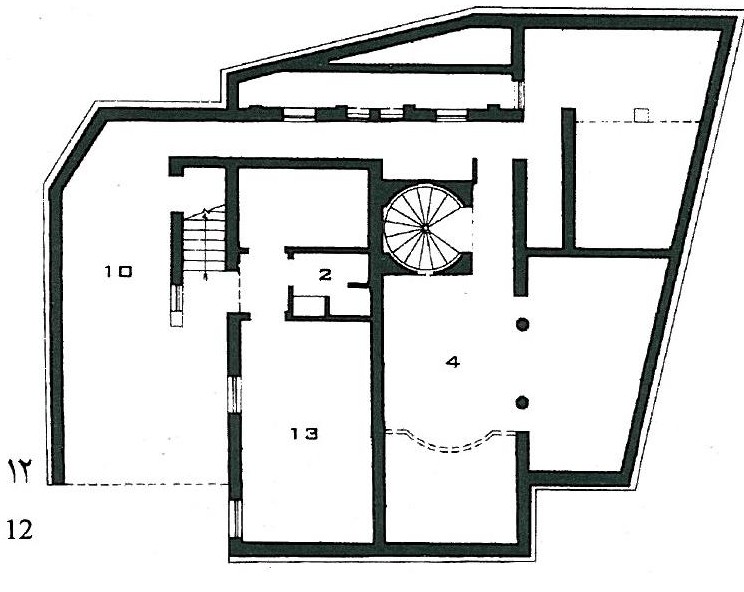
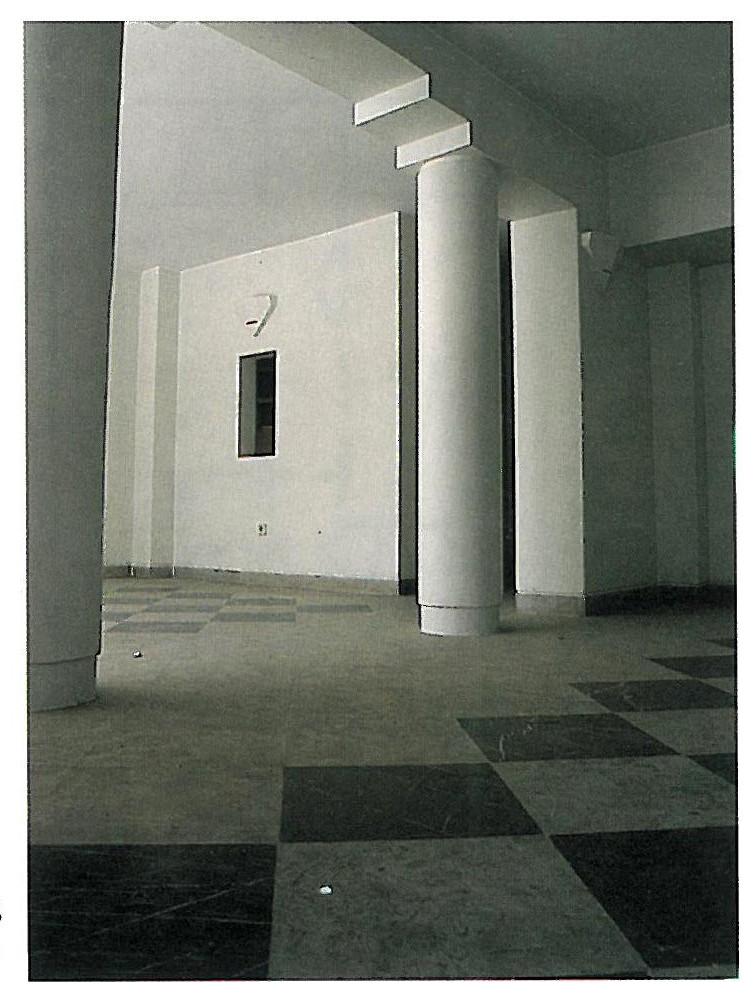
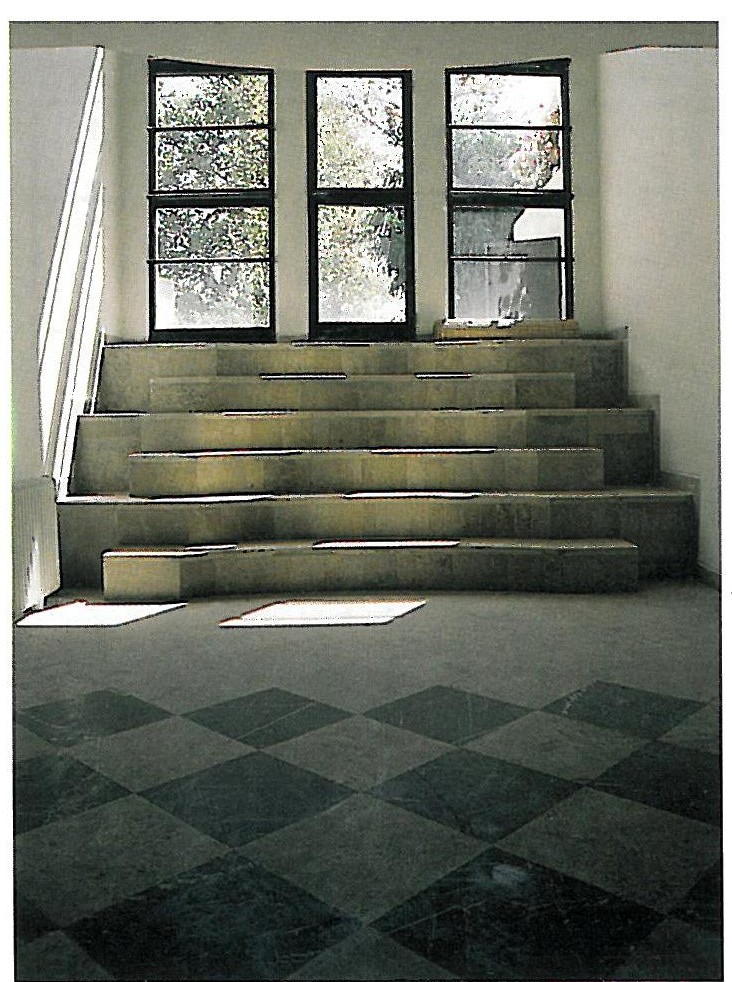
The Dr Shakibi Residence (1995), after the passage of some three decades, belongs to a period when the residential market has undergone a fundamental change, and when the use of land for a one- or few-unit private house, in an expensive city such as Tehran, is considered uneconomic and unwise. Dr Shakibi's house is a six-storey building built on a parking lot and basement. In his early works, Kalantari made no use whatever of symmetry and axial play, nor of spaces arrayed around a centre; on the contrary, he worked with an unrestrained, introverted open plan (the opposite of the unrestrained extroverted plans taken from the Western modern model common in the school), with no paired, symmetrical or similar spaces. However, in the Shakibi residence he has turned to symmetry in the internal and external arrangement of the building — partly in response to the prevalence of apartment building and apartment living, and the conversion of dwellings from a customised private commodity to a finished product on the market (where the builder, rather than the end-user, chooses the design), and partly under postmodernist temptations that drew in most architects. The result does not have the firmness of his earlier works. In the same building, however, he has tried to differentiate the various floors. The conditions of work in large consulting offices — and the reduction in a principal's role in fully integrated design and in opportunities for complete personal experiments in architecture — have also played their part.
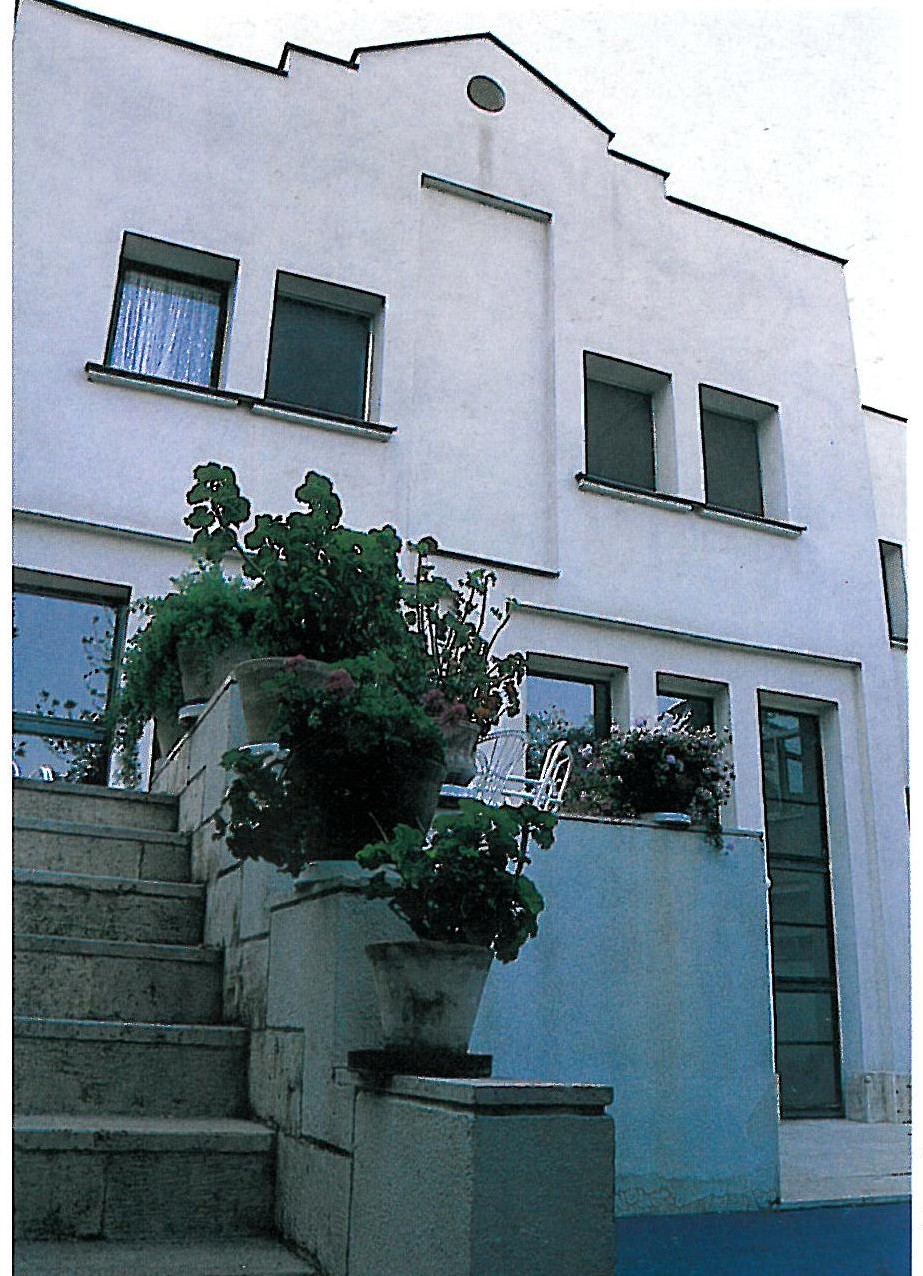
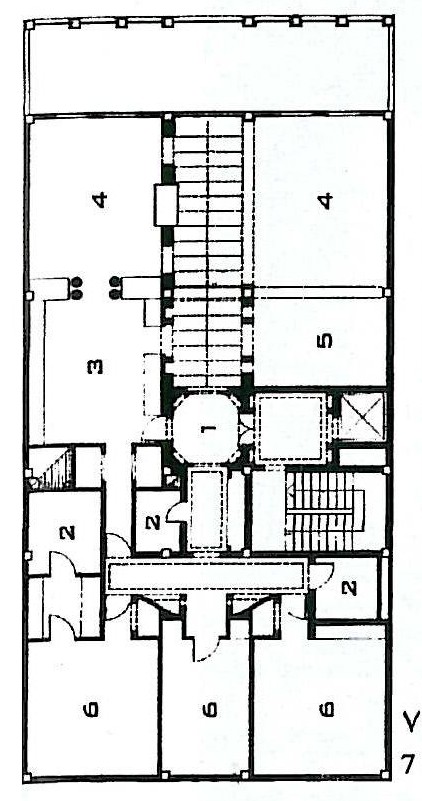
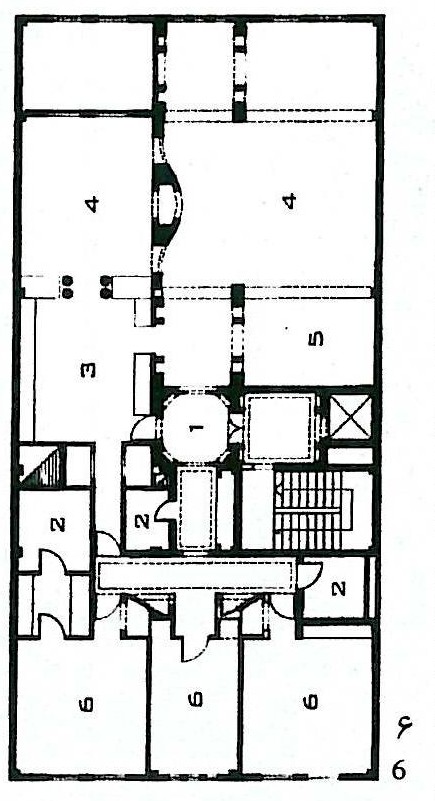
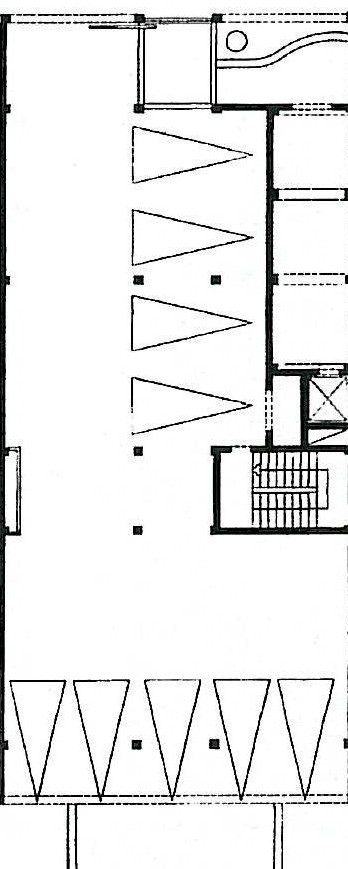
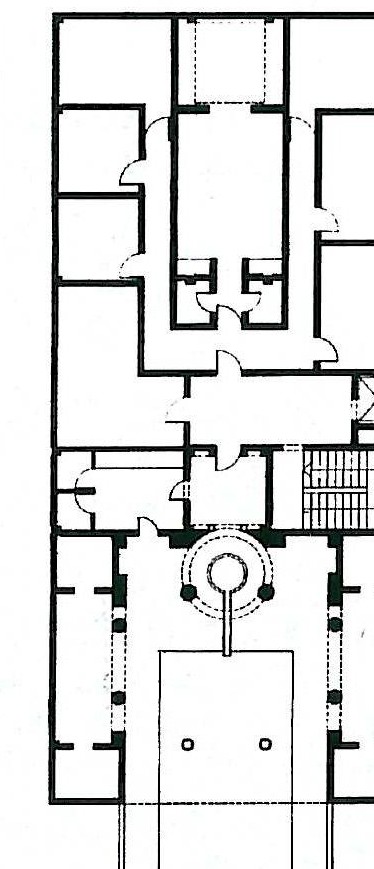
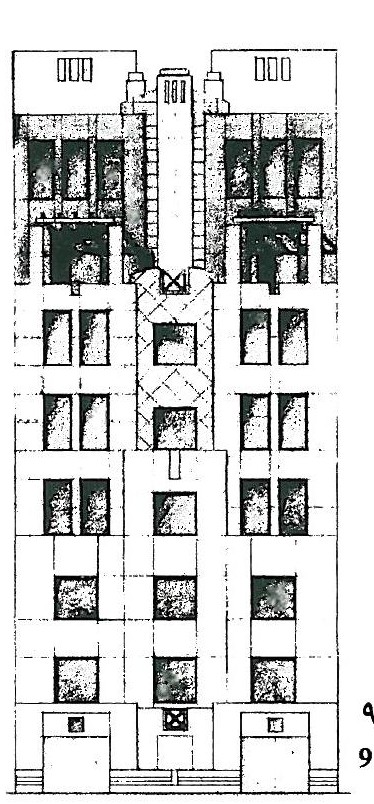
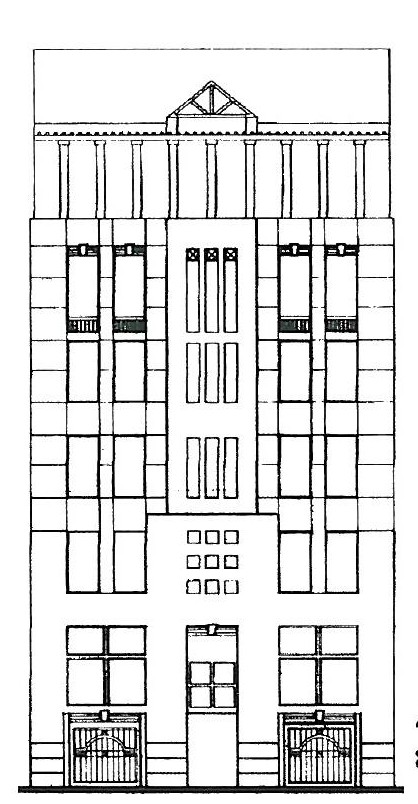
In the architect's own house (1995), built on a small, sloped site in two storeys and a basement, though he accommodates the common postmodernist tastes in appearance, Kalantari has remained loyal to his old method: the use of level differences, the absence of mirror-symmetry, the interpenetration of different spaces, and the simplicity of execution.
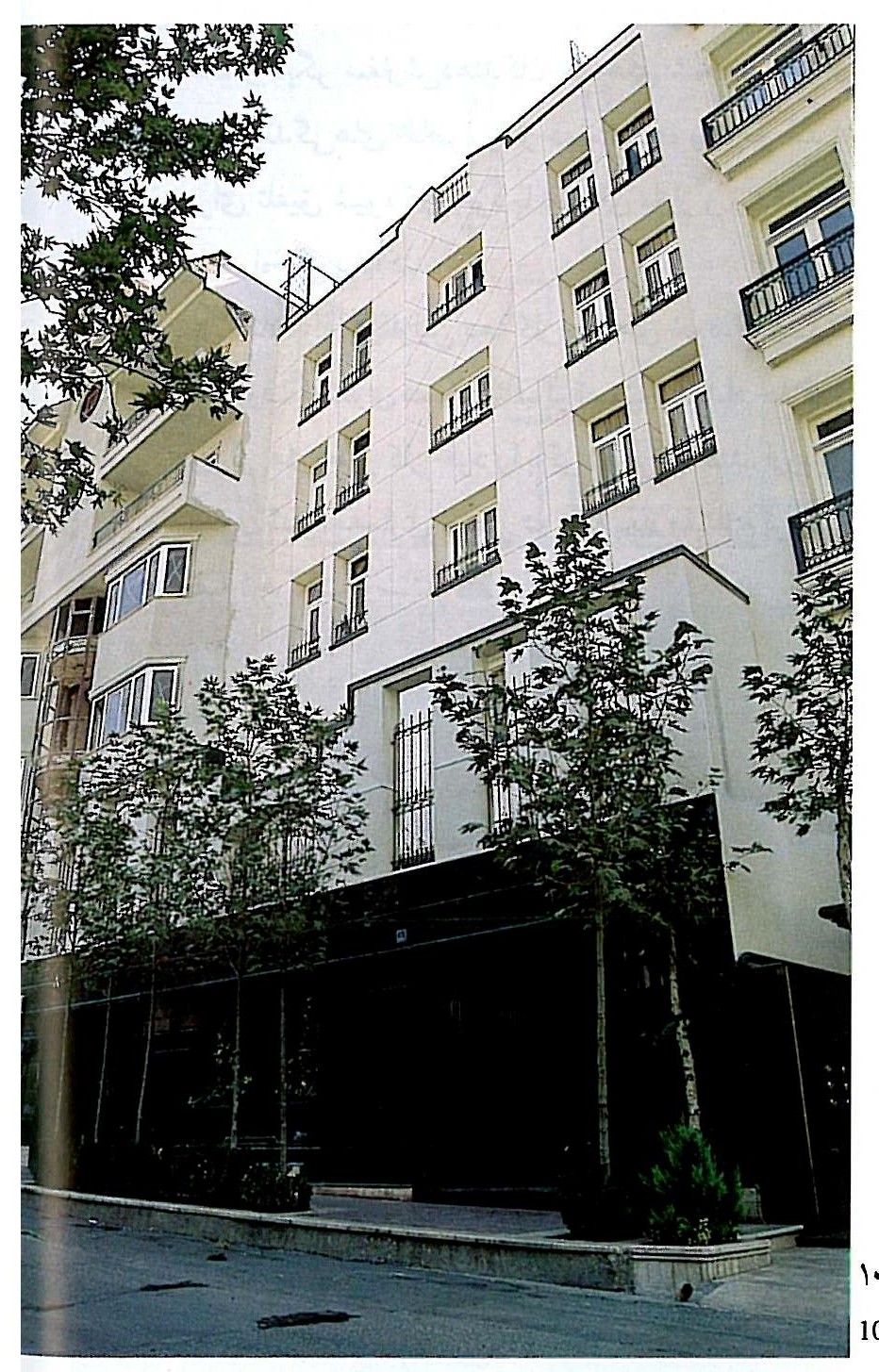
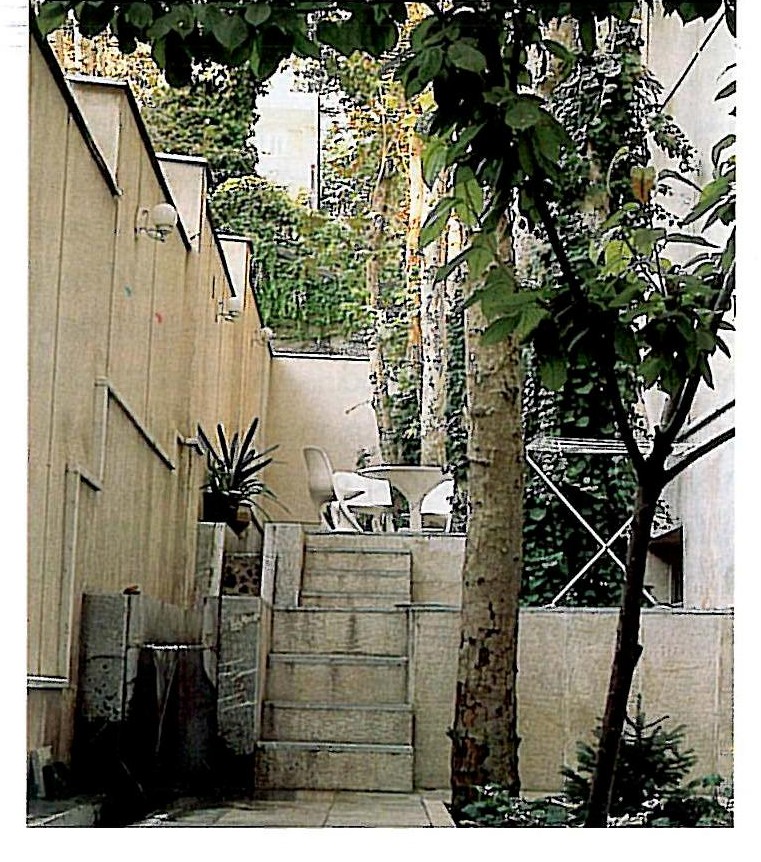
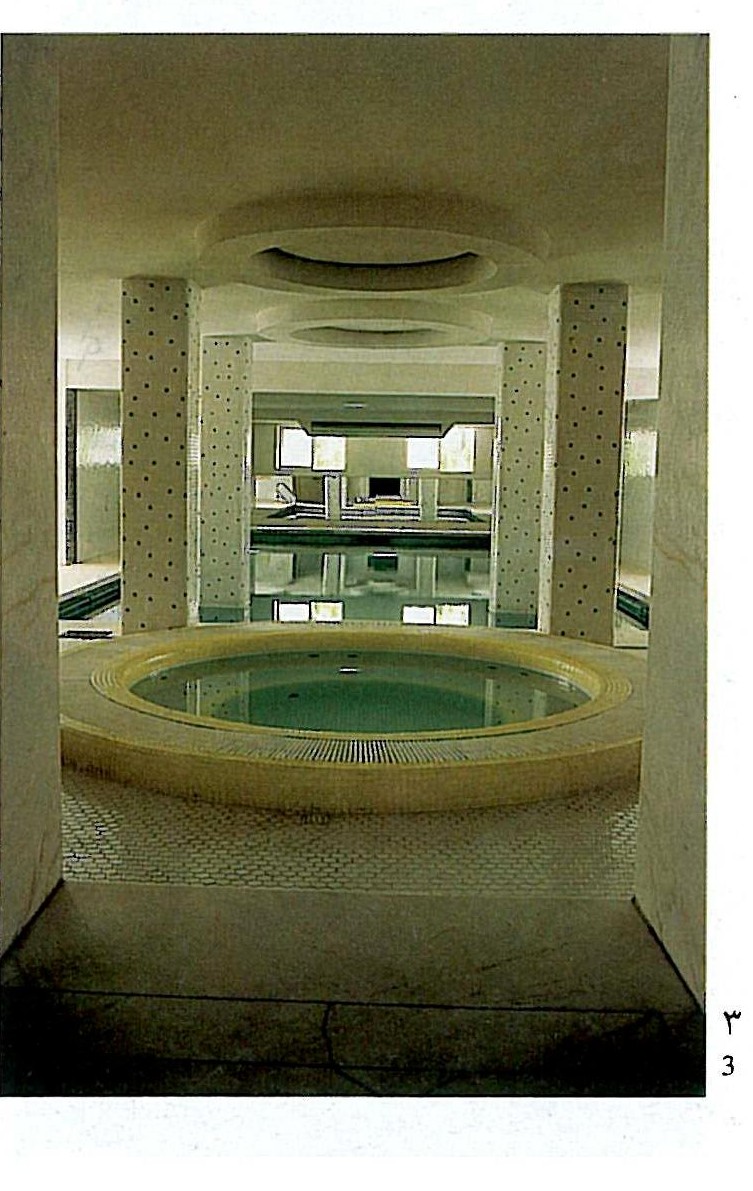
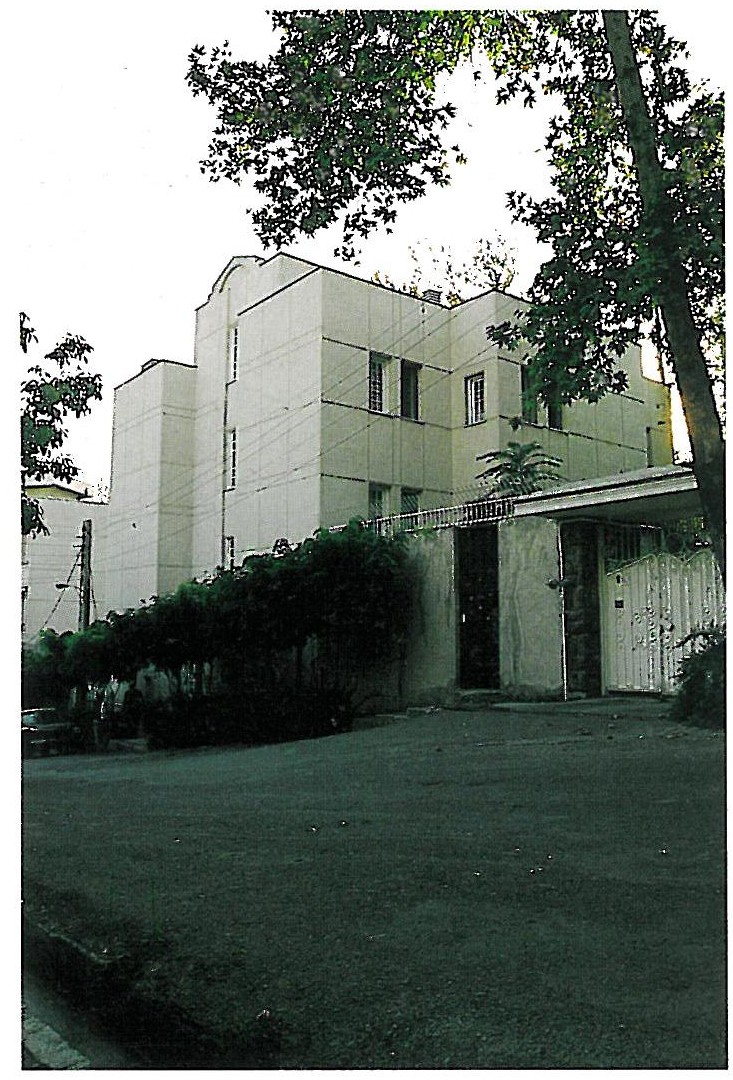
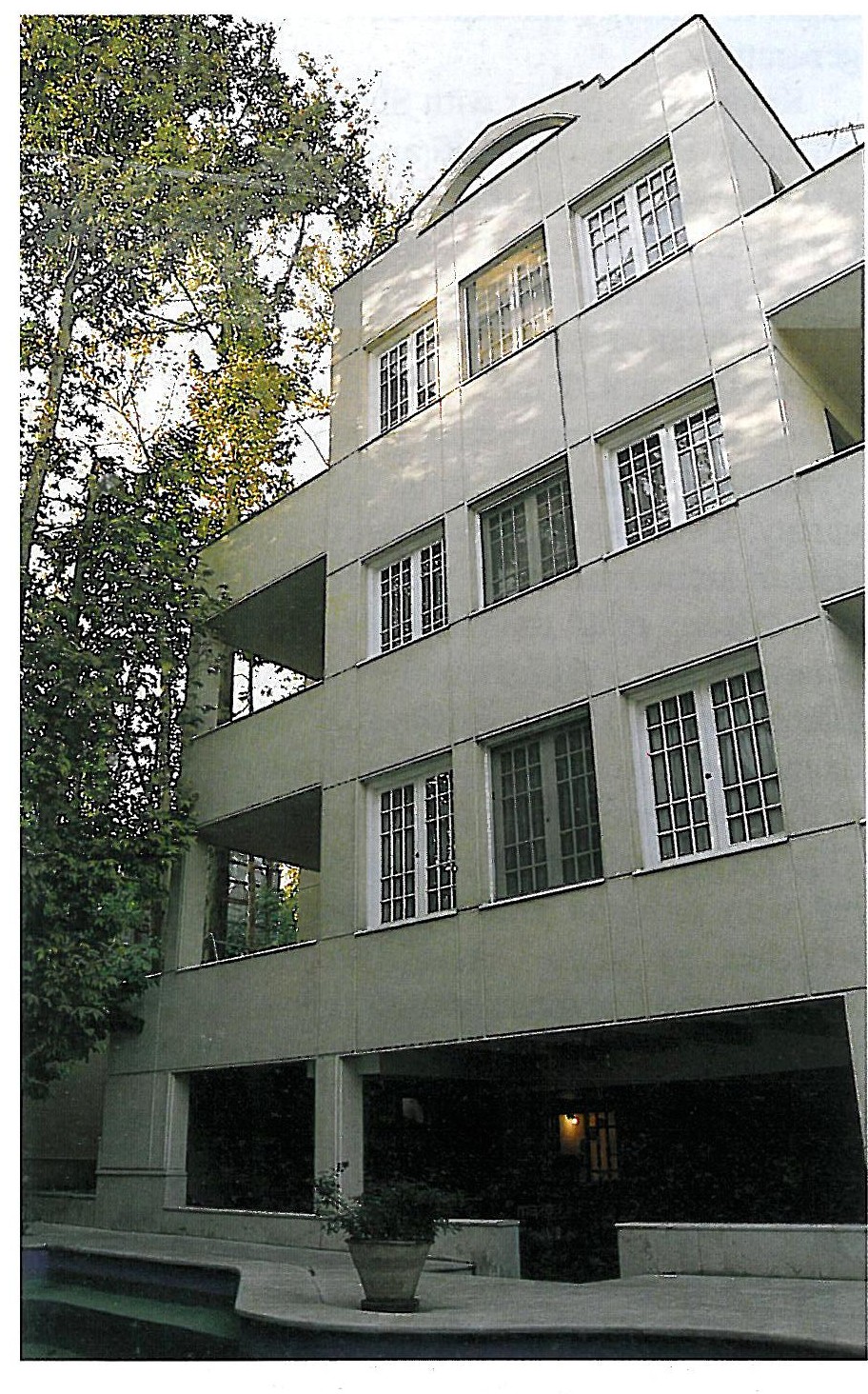
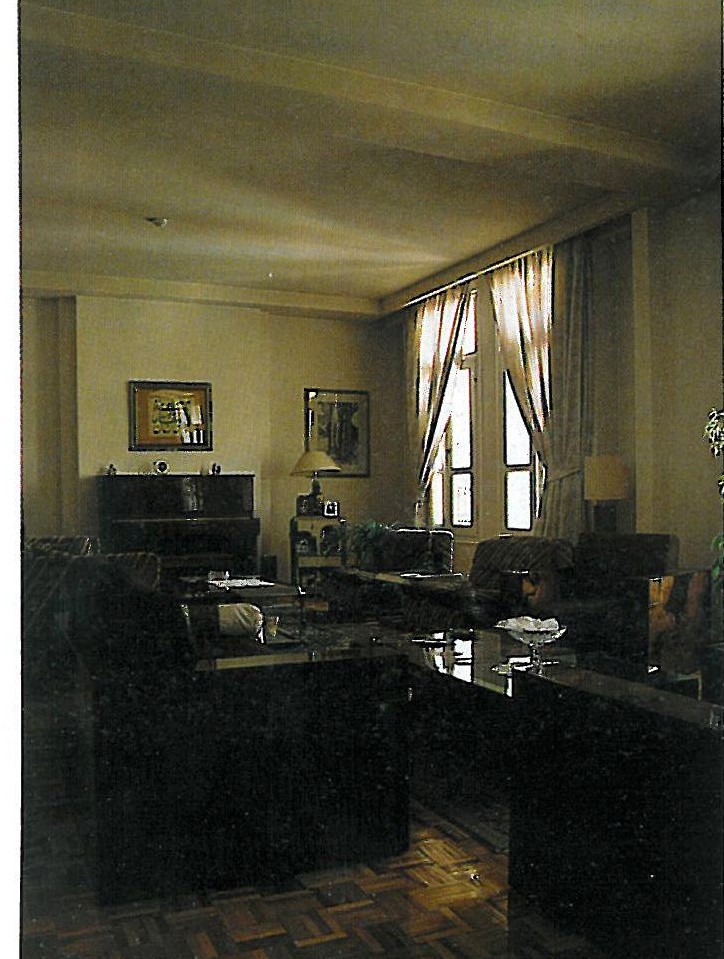
The Sultanghorai Residence, apparently built one year before Dr Shakibi's house and the architect's own (1994), is a three-storey building on a parking lot. While conforming to postmodernist tendencies, it is also an experiment in seeking Iranian architectural signs — a late-Qajar ambience that found sweet echoes in early modern residential architecture in Tehran. Here too symmetry and the external display of mass — rejected in his early works — have been accepted. As the housing market has changed, the architect has lost those clients with distinctive ways of life who used to commission private houses, and has no option but to find ways of combining his working method with the market's demand and new tastes.
Kalantari in his first professional decade — largely devoted to residential architecture — was able to present his creative talent and working characteristics with great force. An evaluation of how his manner has evolved over the two subsequent decades calls for a separate occasion.
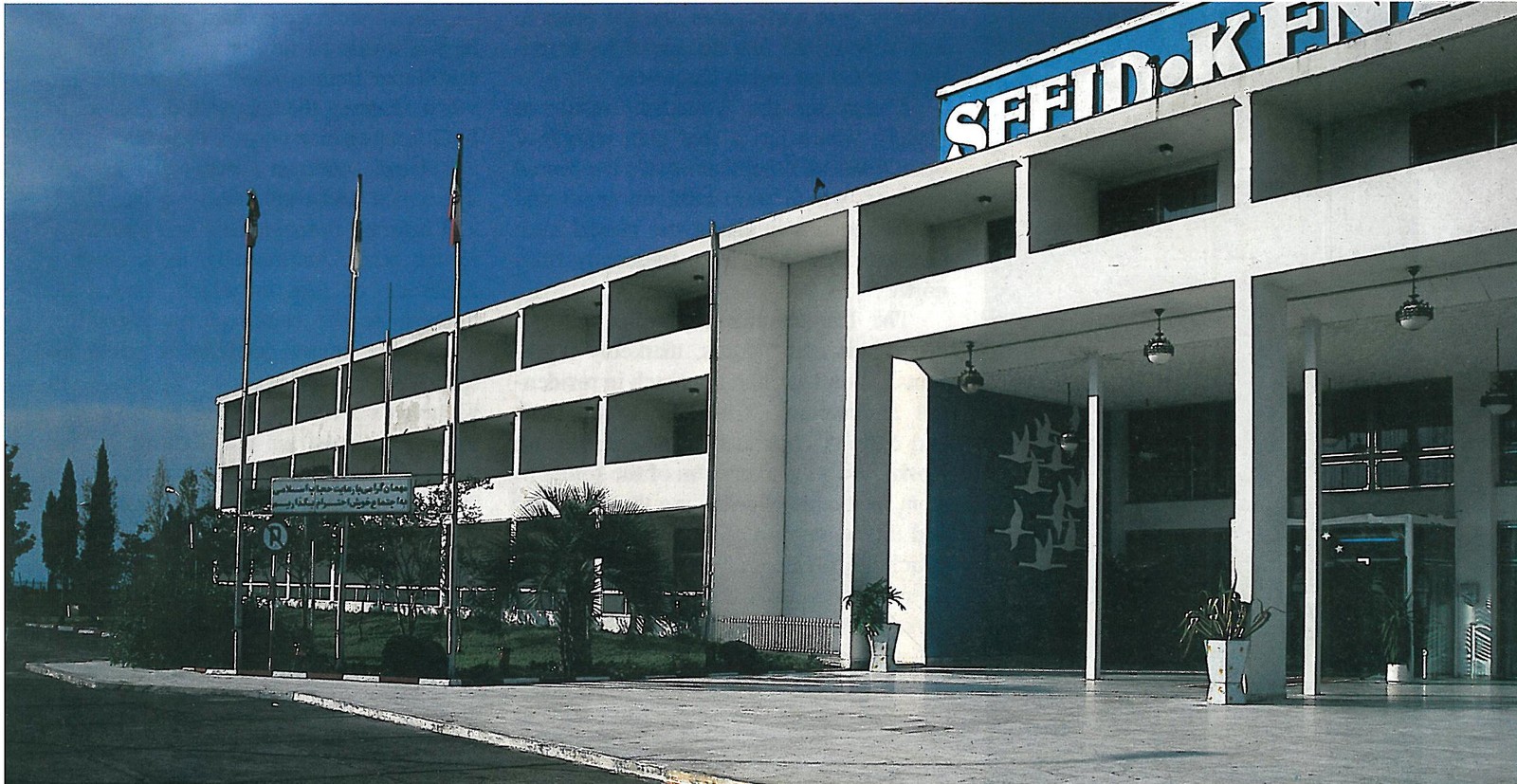
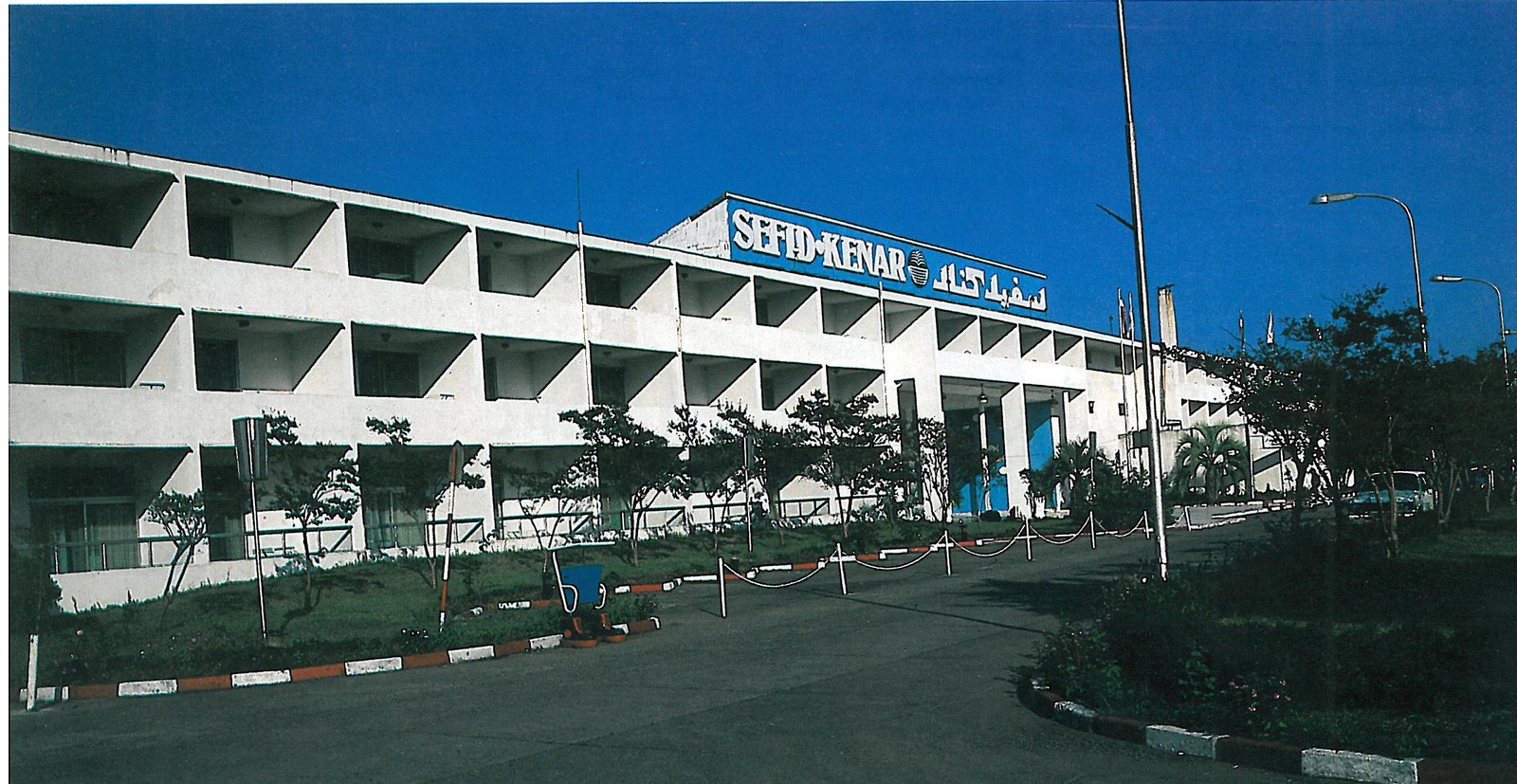
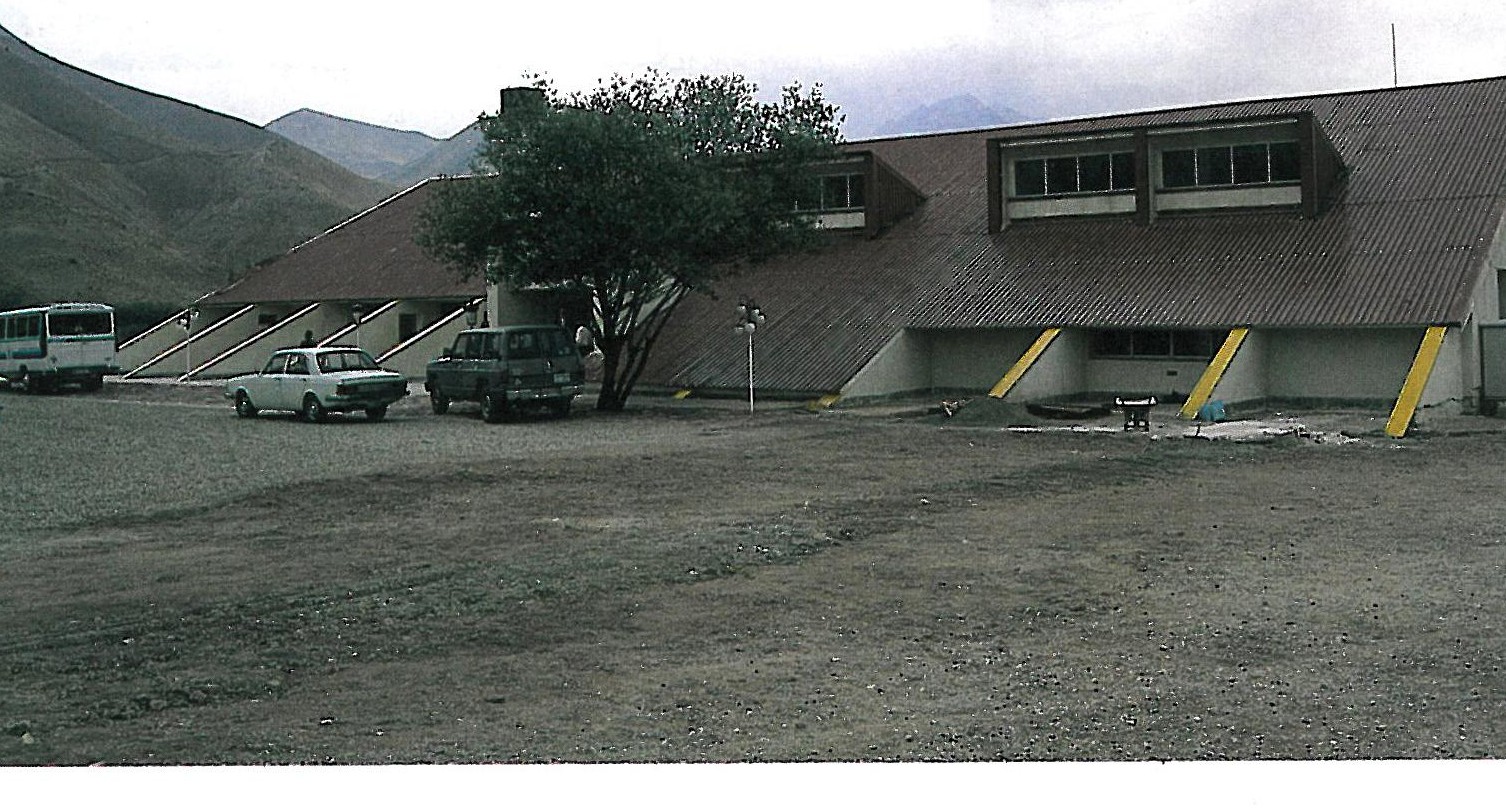
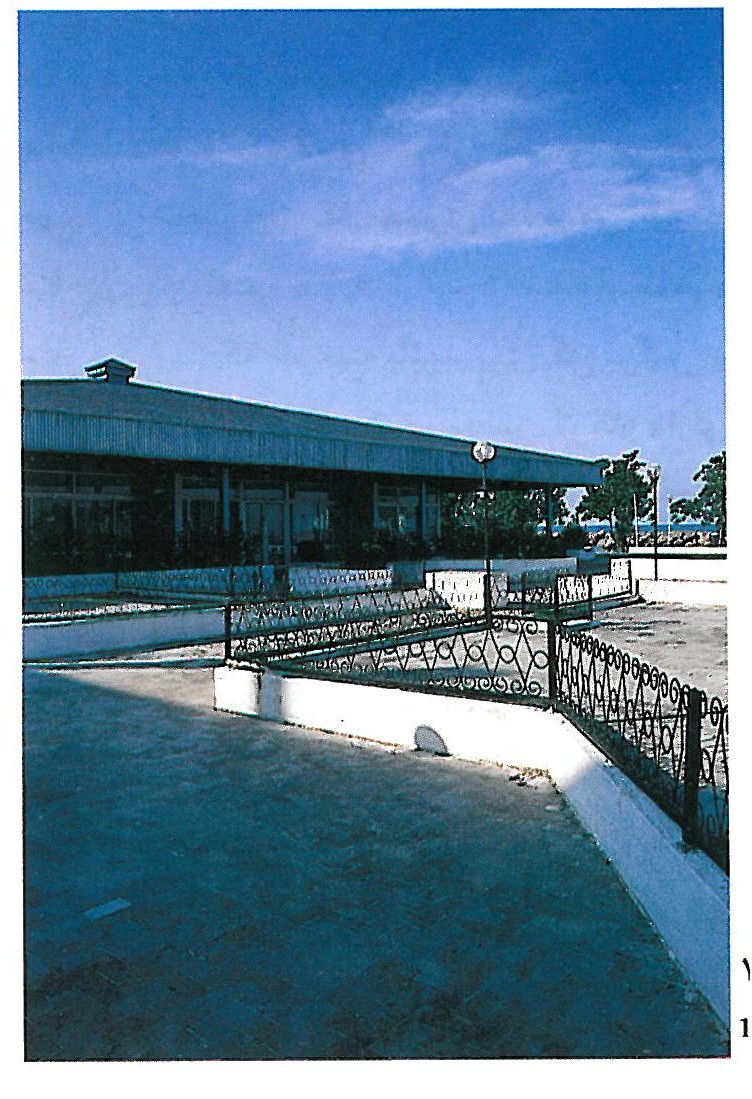
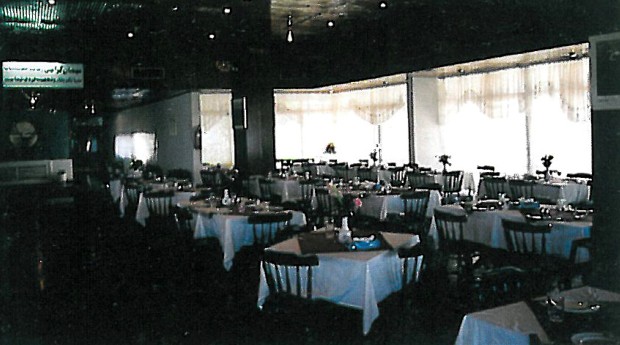
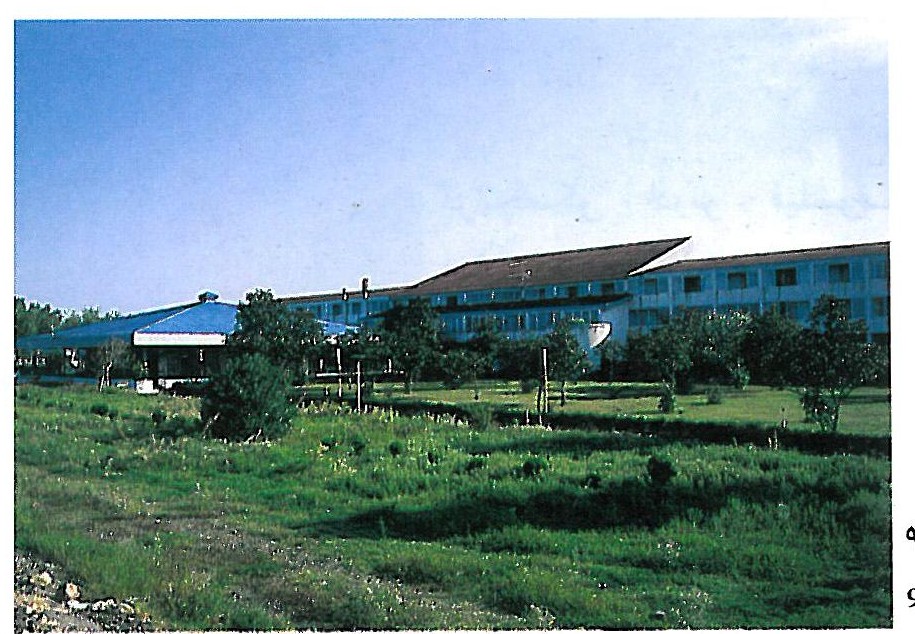
Large public projects: Meygun Tourist Complex (bungalows on the hill overlooking the Meygun valley; north-west facade; interior of a duplex unit); Sefid-Kenar Hotel (self-service hall, entrance facade, interior of the restaurant, sea-facing facade).