Hooshang Seyhoon
Born Tehran 1920; high-school diploma, Tehran 1940; engineering degree in architecture from the Faculty of Fine Arts, 1944; diploma of architecture, École des Beaux-Arts Paris, 1949; assistant professor and professor at the University of Tehran and dean of the Faculty of Fine Arts up to 1968. Numerous activities in architecture, art, and science; seminars, lectures, and exhibitions in many parts of the world. His art works (paintings, ceramics, gilim, and especially architectural sketches) can be found in the world's leading museums and collections.
Construction history of the tomb
Construction of the tomb began on 22 Mehr 1335 (October 14, 1956). Preliminary hand-over took place on 25 Khordad 1338 (June 15, 1959), and final hand-over on 17 Esfand 1340 (March 8, 1962). The complex opened on 13 Farvardin 1342 (April 2, 1963).
— The tomb building, with an area of 1 200 m², has three iwans — east, south and west — connected to one another, and stands within a garden of 15 469 m².
— The bronze statue of Nader, based on a plaster model by Master Abolhassan Sadiqhi, was cast in 1957 by the Italian foundry Bruni1 and installed on 13 Shahrivar 1339 (September 4, 1960).
— Beside the entrance steps stands a small cannon, captured by Shah Abbas I's army from the Portuguese in his thirty-fifth regnal year, and installed beside the tomb in 1354 (1975).
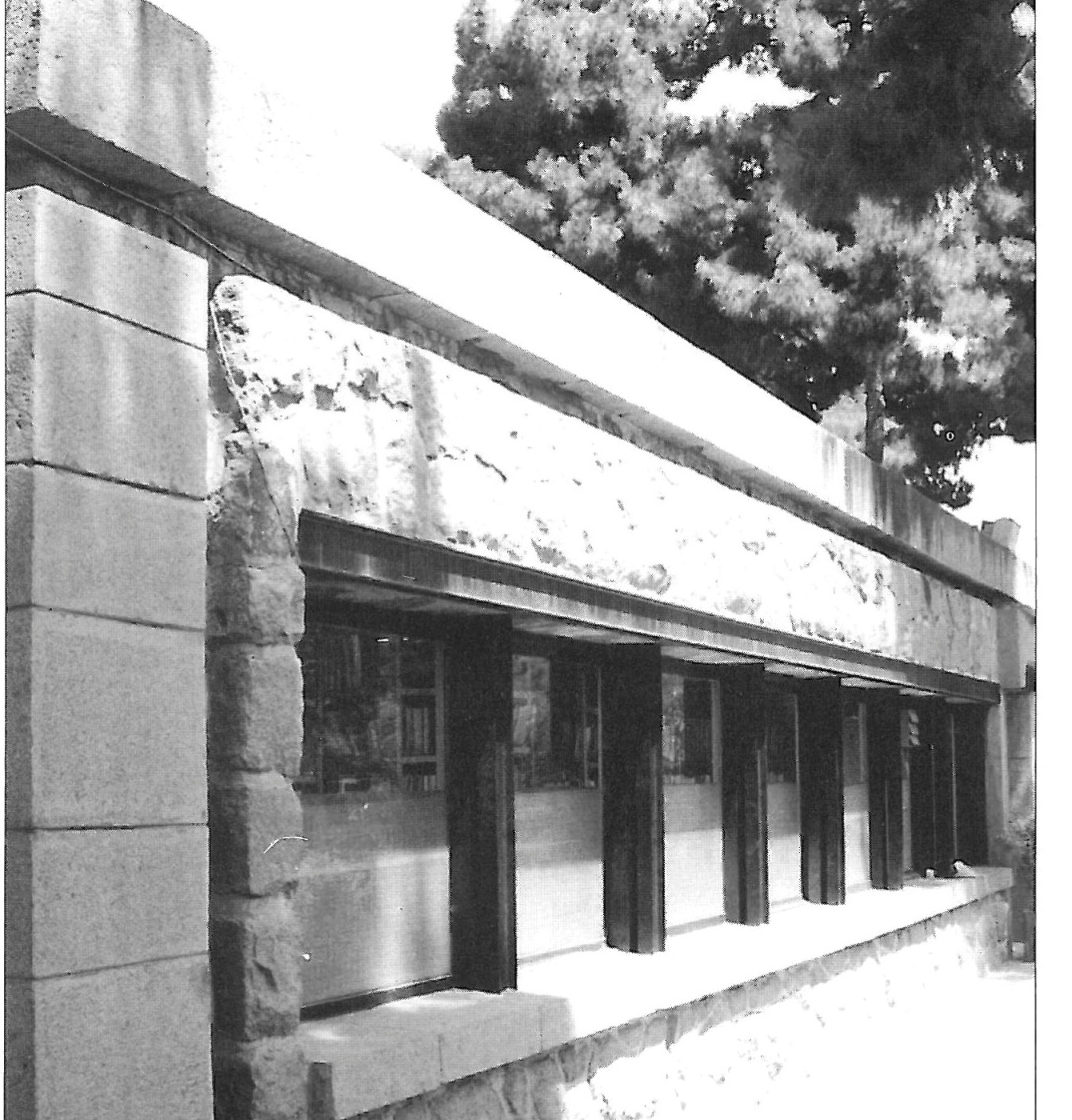
— Besides the museum, a small and beautiful public library stands within the garden grounds.
— The tomb of Colonel Mohammad Taghi Khan Pesyan also adorns the complex.
King Nader's Tomb
According to the historians of the Afsharid period, Nader Shah, during his lifetime, ordered the building of a tomb for himself and his family.
The author of Alam-Aray-e Naderi, in naming Nader's measures, refers to the building of his tomb:
'And by the most sacred command, it was ordained that, alongside the avenue, beside the buildings of Shah Tahmasp Mirza, a lofty edifice be built for the royal tomb... This building was completed in the year 1145 of the Prophet's hijra (1145 AH).'
Mohammad Ali Hazin Lahiji, in his history, writes of this matter:
'In that city (Mashhad), he built a lofty mausoleum for himself, and finished it. After its completion, this verse was found written on the wall of the shrine:
In no veil is there which does not bear thy strain — the world is full of thee, but thy place is empty
and however much they searched, it was not learnt who had written it.'
The said tomb was destroyed during the unrest and political tumults of that era and after it. In 1296 (1917), during the rule of Ahmad Qavam (Qavam-ol-Saltaneh) over Khorasan, another building was raised over Nader's resting-place, which itself fell into damage and ruin.
The new building of Nader's tomb was raised — at the initiative of the National Heritage Society and based on the design of Engineer Hooshang Seyhoon — within a garden of 15 469 m². Its specifications are as follows:
The principal building of the tomb, begun in Mehr 1335 (October 1956), rests on a concrete masṭabe (platform) and includes the tomb hall, two treasure halls (museum) and corridors. The walls of the tomb are clad in granite slabs from the Kuhsangi mine in Mashhad. Beside the tomb stands the bronze statue of Nader, mounted on a rearing horse, while his foot-soldiers come to his aid in attack — set on a stepped plinth of irregular stone blocks.
Experience of space
The experience of a satisfying architectural space is no easy matter today. Our daily life passes amid the noise of crowded city streets and identical buildings. So I could not believe that, after a hot morning of photography in the busy streets and alleys of the city centre, at noon on 26 Mordad in Mashhad, a paradise lay in wait only a few steps away in Chaharrah-e Shohada — and when I saw it, I was astonished how, for years, I had been content with my own memory of this beautiful complex and had not taken a step to renew it.
The first step
Amid the bustle, the horns, smoke and shouting, the fence-like halberds of the garden — as if announcing hundreds of soldiers ready for combat under the pavement — guided me to the entrance of the complex; and suddenly, on the horizon of sight, a vista appeared that, in that hot air, was like cool, refreshing water.
The Tomb
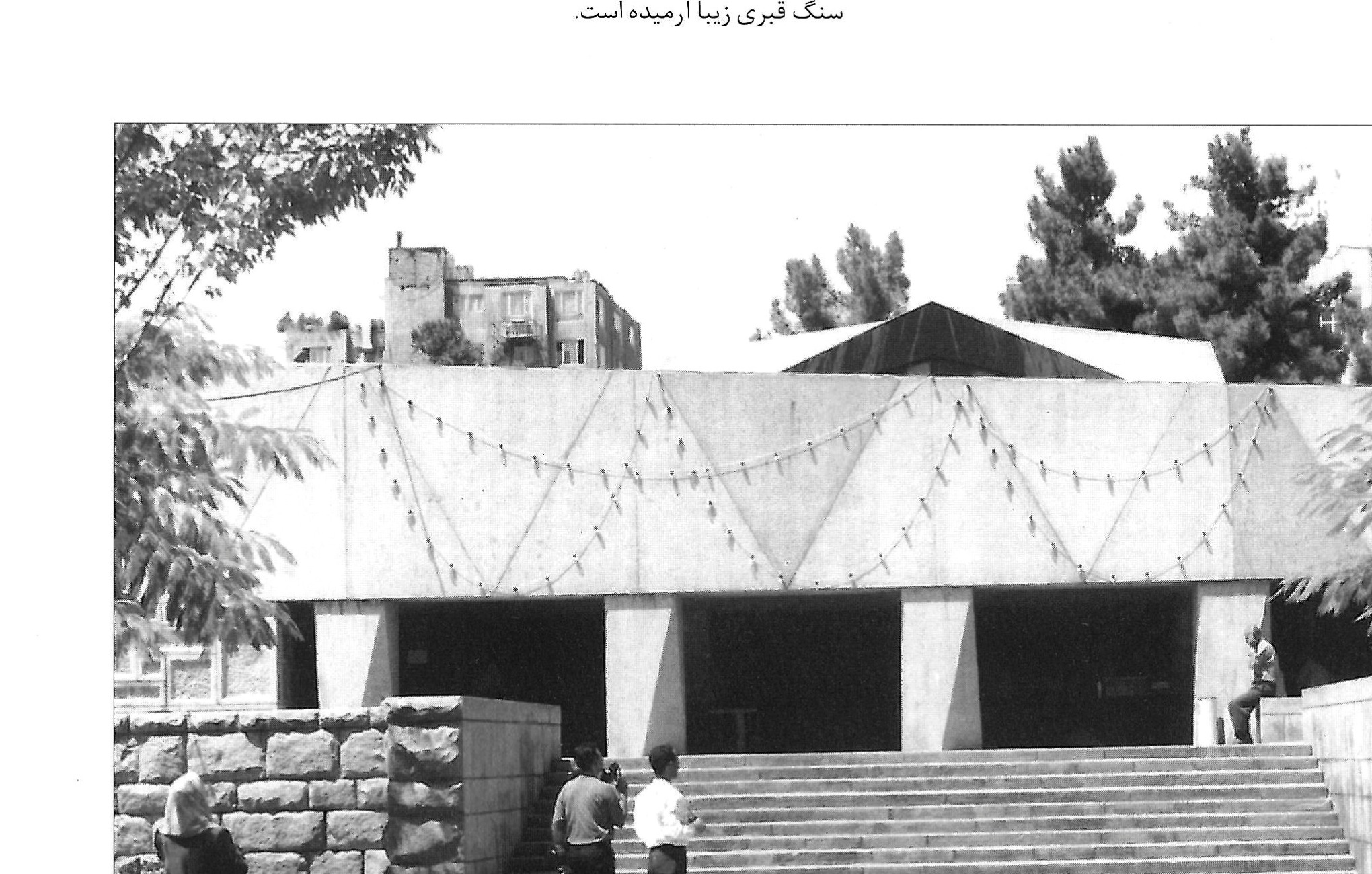
The first impression of the prospect of Nader's tomb complex is the sense of grandeur — a fitting tribute to the grandeur of Iran's history. Heavy and majestic volumes, light and shade combined, are a worthy salute to the grandeur of Iran's history.
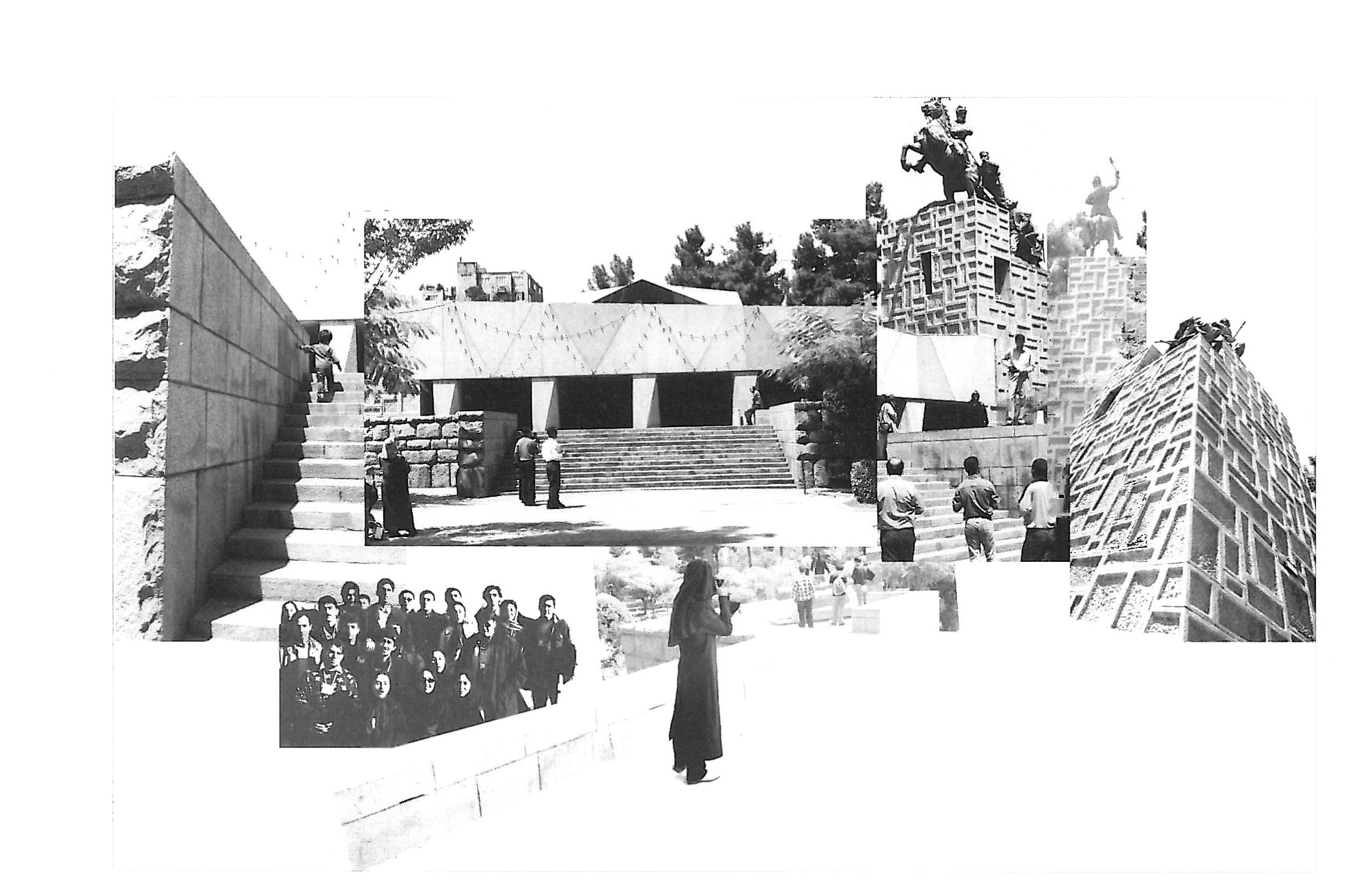
From the moment of entry, we see Nader and his soldiers on high, drawing the eye and the mind to themselves. Nader sits astride a horse, and three foot-soldiers of the Naderi era walk in his stirrup. This is a bronze statue 12.5 m tall, the work of Master Abolhassan Sadiqhi.
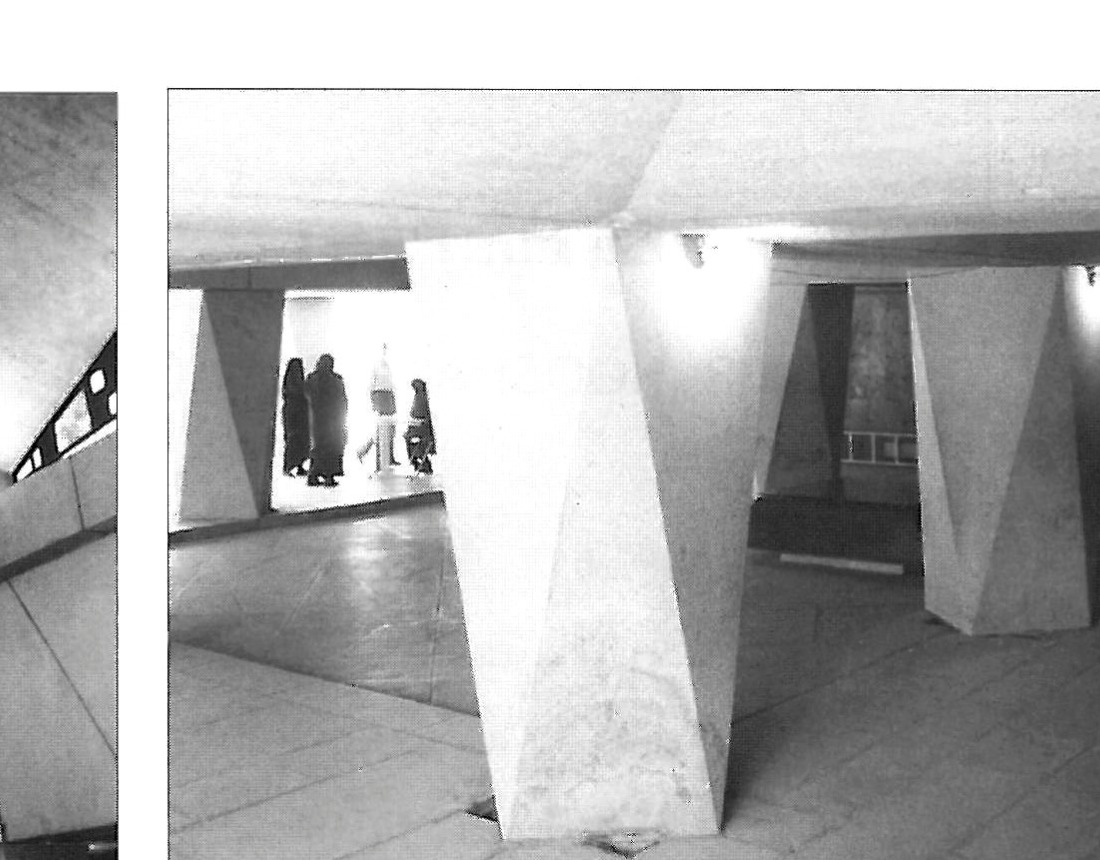
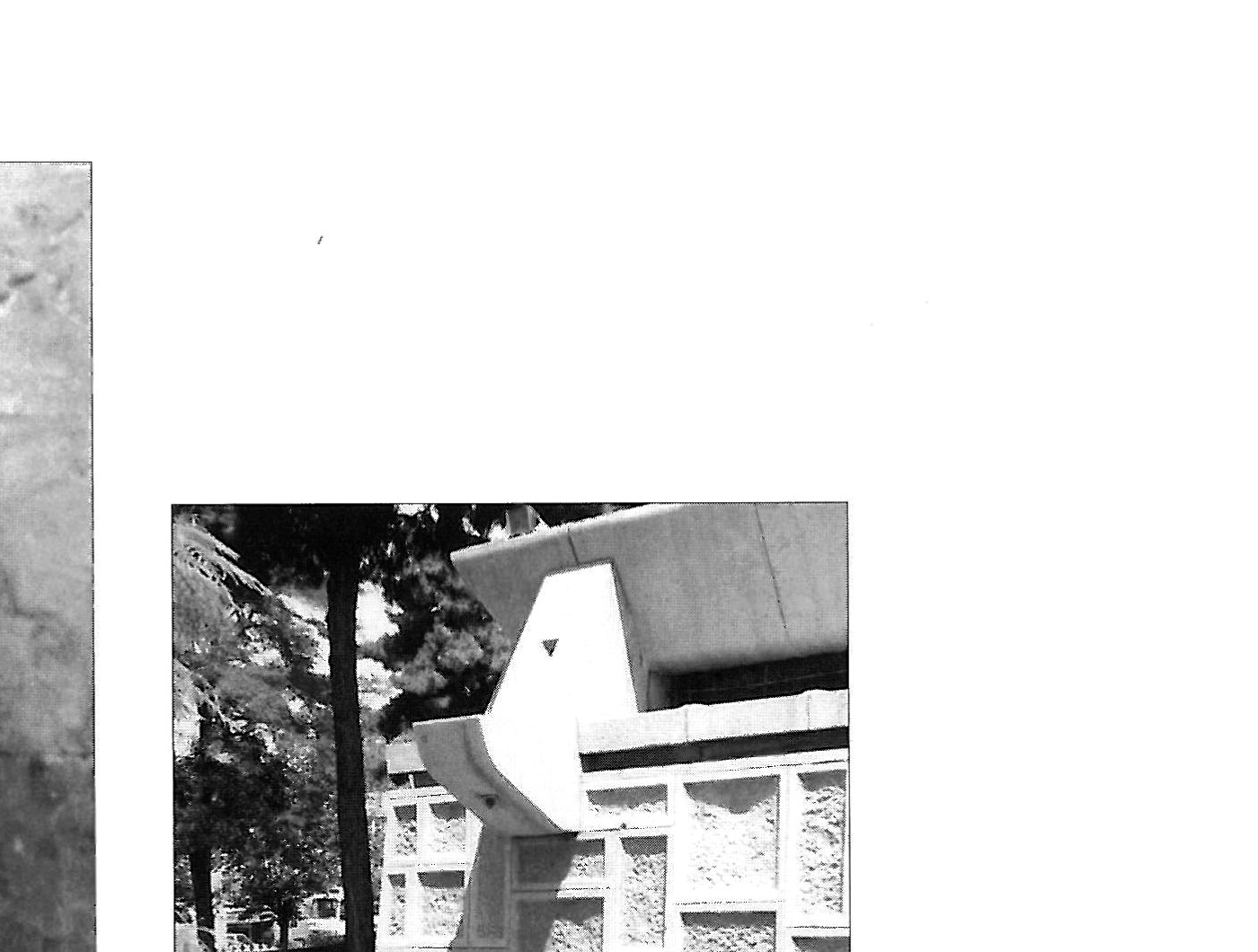
Stepping a little aside from this statue and the majestic stone tower — set with irregular stone blocks on a concrete structure — we reach the main building: a heavy stone mass set on stout polygonal columns. Foot-soldiers, led by their commander, advance with calm; movement is to be read in the alluring order of their light and shade.
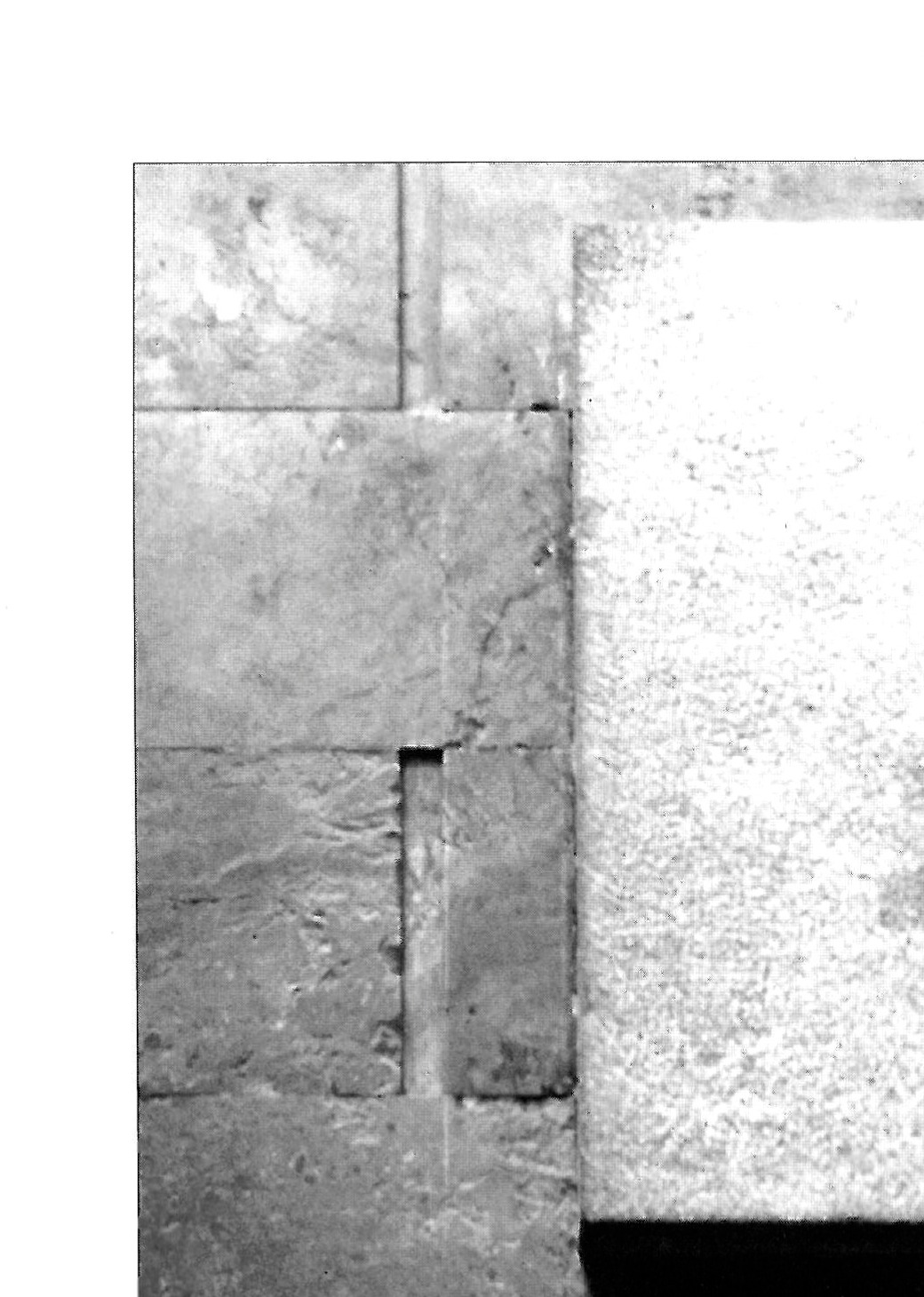
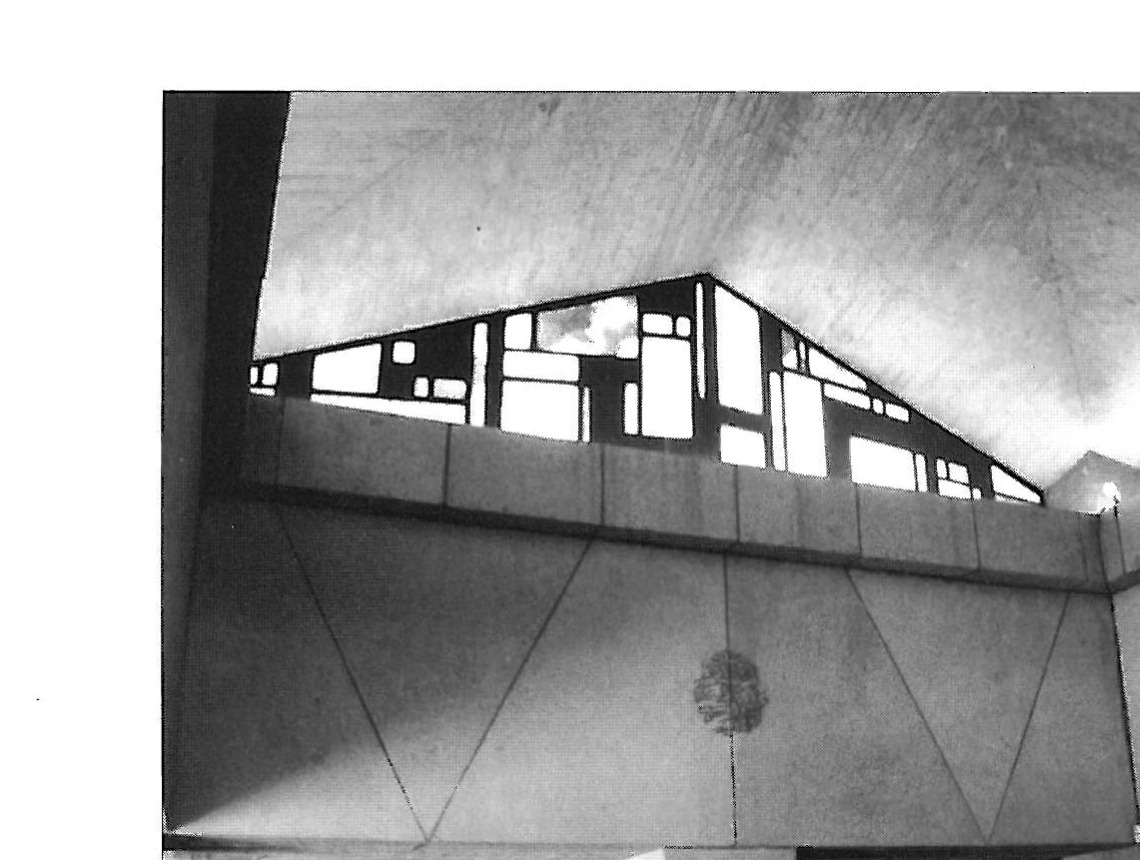
On entering this company of soldiers, darkness suddenly descends and we reach the particular calm of the tomb. A semi-dark space, lined with red travertine and dissimilar concrete blocks scattered, irregular, projecting from the walls. The four-sided concrete roof, with triangular, patterned skylights, draws a faint light within. Nader rests in a corner of this dream-like space, beneath a beautiful tombstone.
In the radiance near the ceiling, the weight of the space can be felt.
The Museum
Two small halls connected to the central tomb building — clad on the outside in irregular stone blocks of the same kind used on the tower, and within, simple and unadorned — are devoted to a museum displaying the swords, bows and arrows, daggers, rifles, and uniforms of the period.
Each of these two halls has, from outside, its own character: the first with an irregular concrete grille, the second with masses projecting from the roof, forming pools.
On the way into the second hall, opposite a corridor opening to the outside so as to admit slivers of light into the entry, stands a marble half-bust of the king, the work of Master Sadiqhi. After passing these ups and downs, when we again return to the hall, we prefer the inner darkness to the outer light. Here for a while one can sit on the platforms and feel a thousand-year history. In the hesitation between leaving and staying, a few steps lower, a small door catches the eye.
The Tower
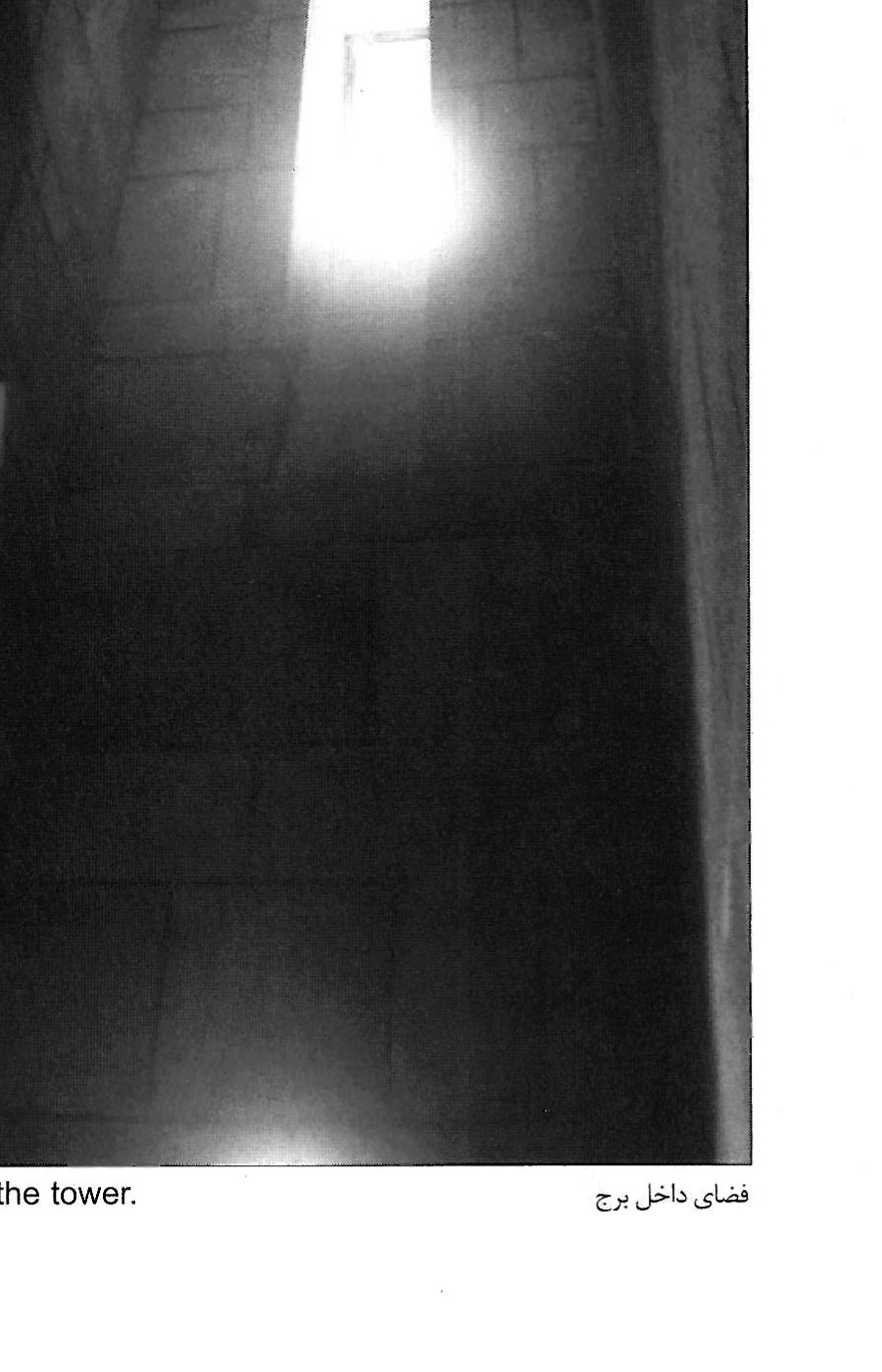
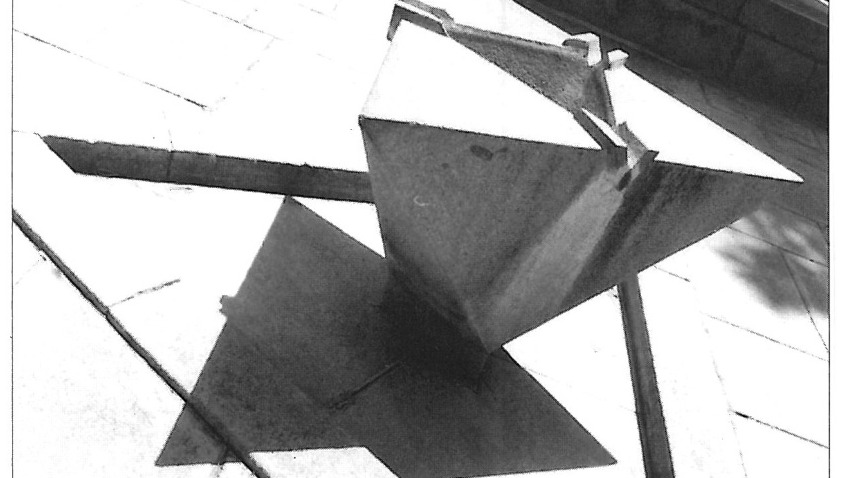
Here the space is unmediated; what was, has gone — we pass through. Unadorned, with stone walls, dream-inducing, kissed by the cryptic light near the ceiling, the heaviness of the volume can be felt. The designer's hand has not been hidden! The administrative building, the library, the gatehouse, the greenhouse and the grounds, the borders, pools, basins, benches, and other elements of the site have all been beautifully designed. The designer's care, in its very simplicity and ripeness, has presented to our cultural heritage a complex worthy of praise: the Naderi Mausoleum complex.
Sources
— Visitor's guide of the Naderi Museum, Khorasan Cultural Heritage, issue 15.
— Seyhoon biography drawn from: Saeed Hagheer's MA architecture thesis, Mashhad, 1378 (1999).
1 Bruni



