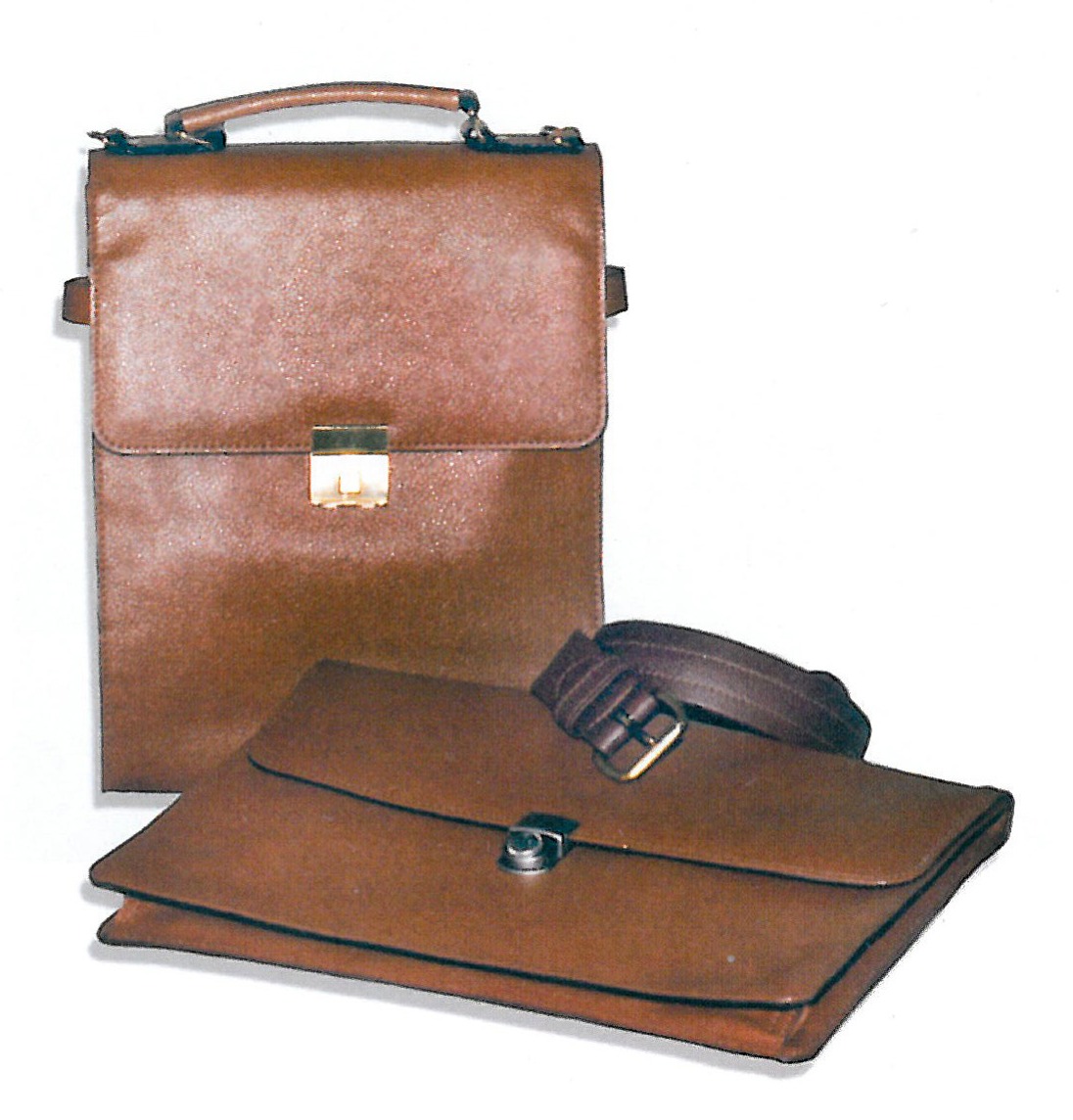
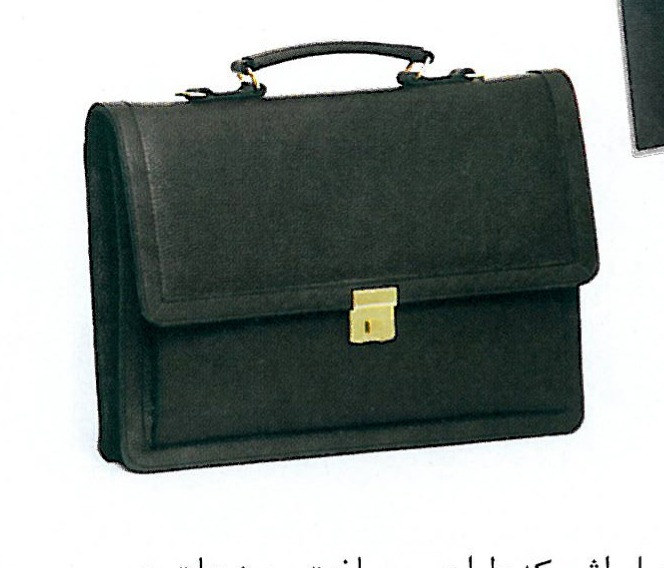
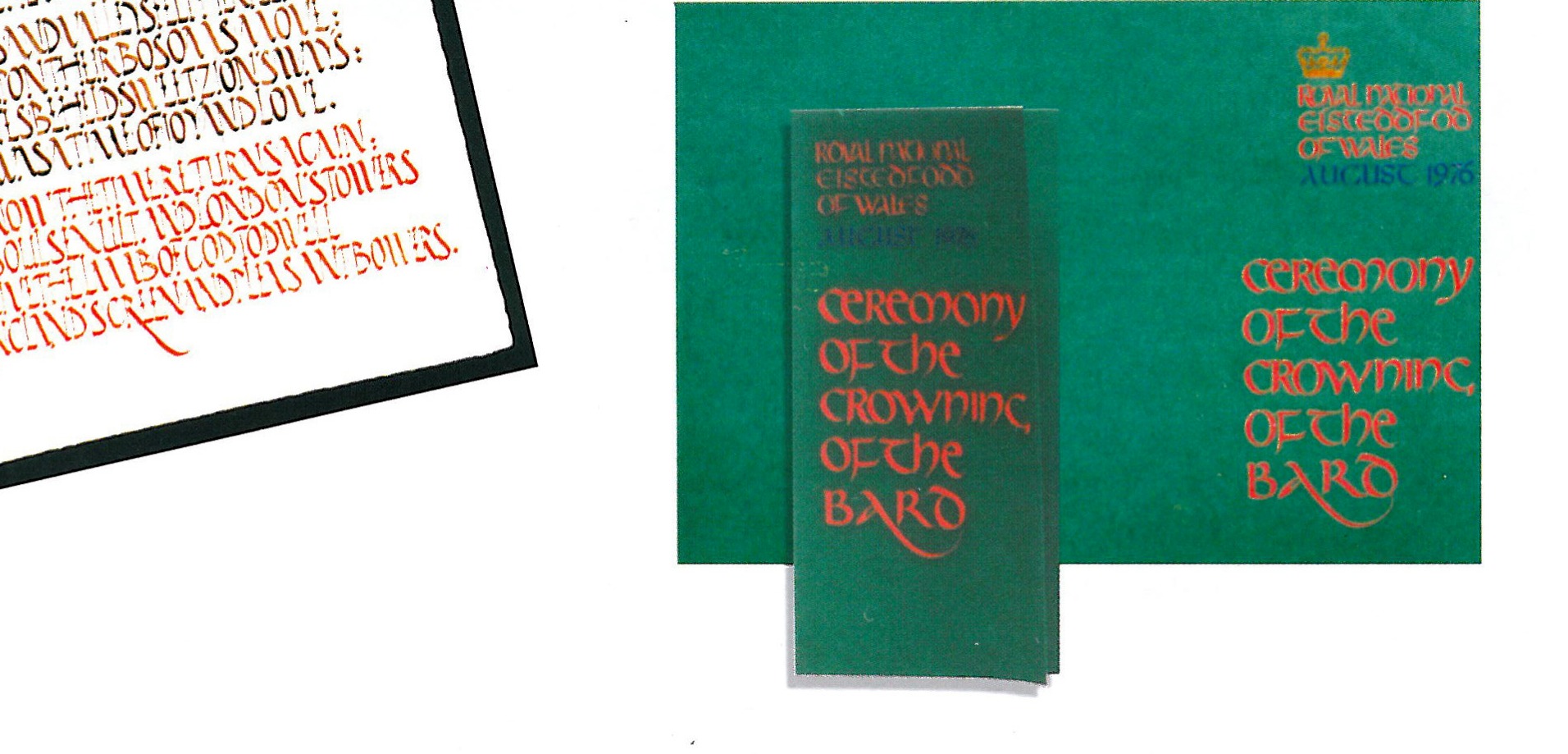
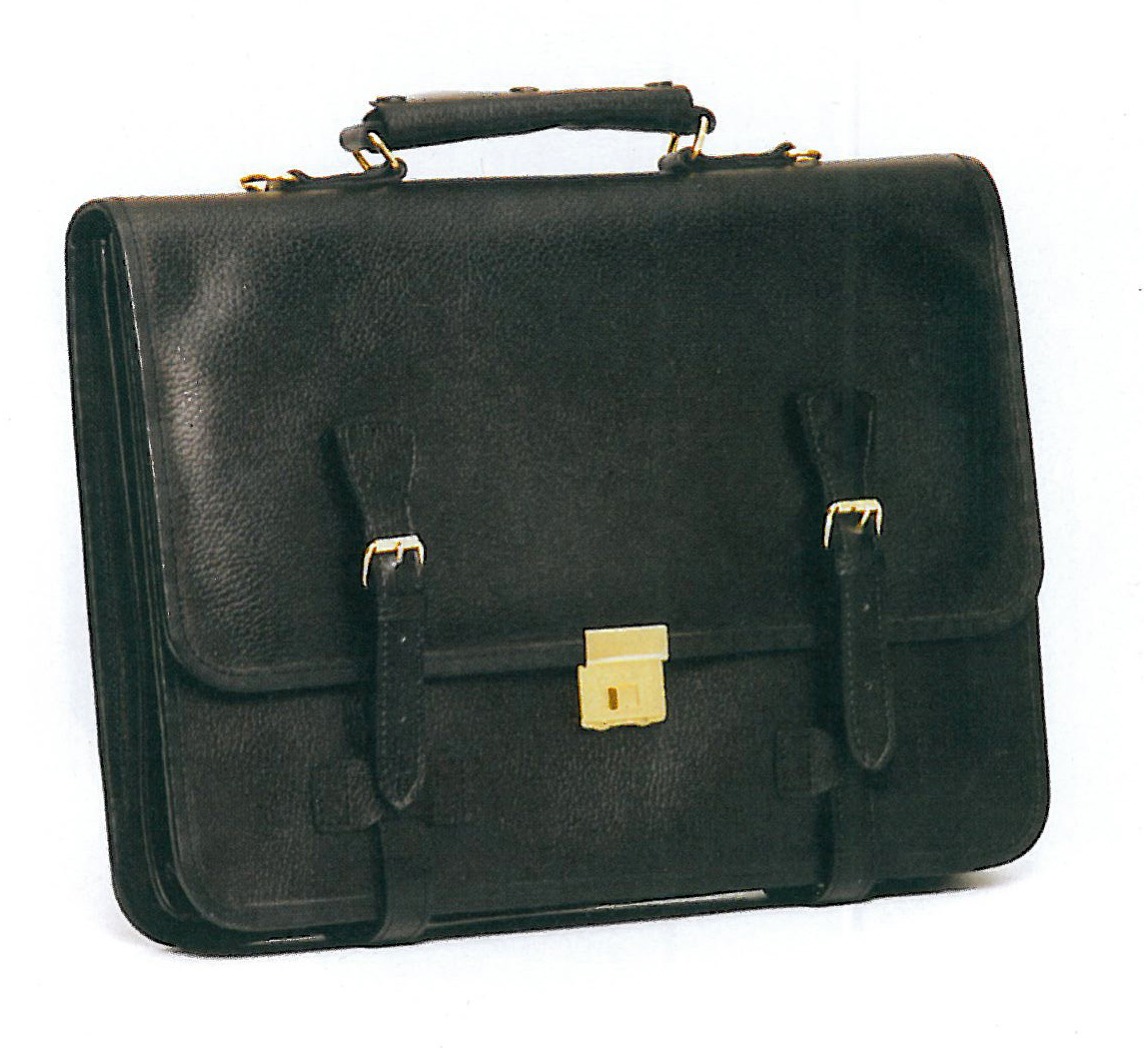
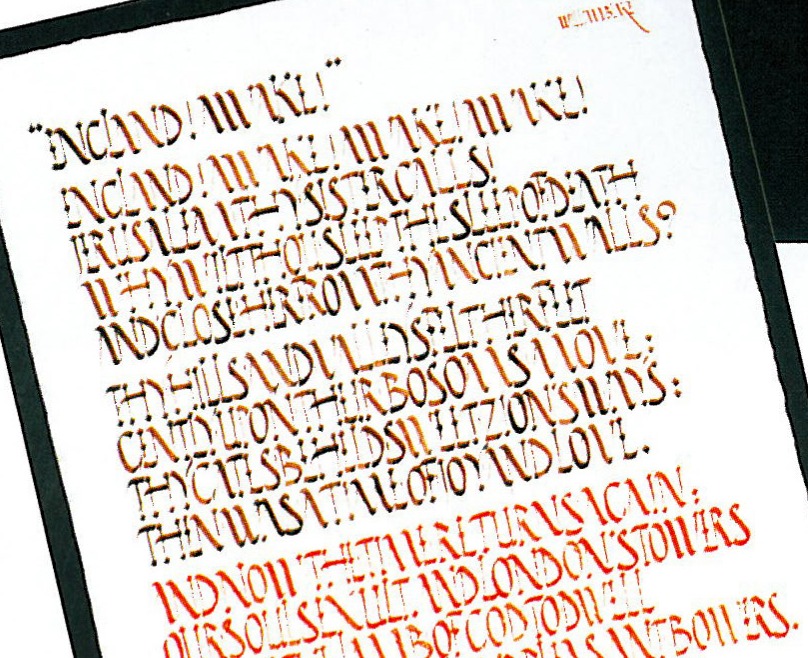
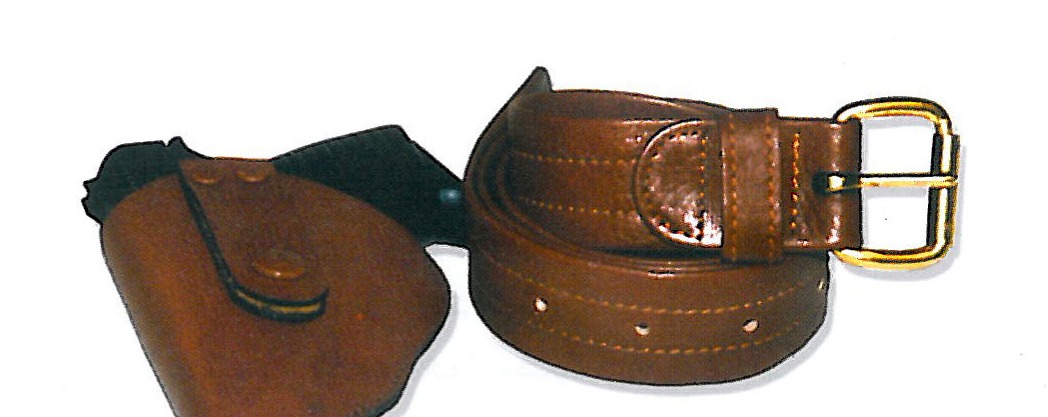
Born in 1943, Mohammad Ali Farajollah Lavasani graduated from Tehran University Faculty of Decorative Arts in graphic design. He got his MA in Latin calligraphy at Leciter Polytechnic University. He is skilled in typography and paper manufacturing, and has instructed calligraphy and graphic design at different universities in Iran. Nevertheless, his main interest and occupation is working with leather. He believes that leather, as a natural, valuable and durable material with a peerless artistic quality, could be substituted for artificial compounds in the products that are supposed to last over a long period of time. Some of his works are presented in this issue.
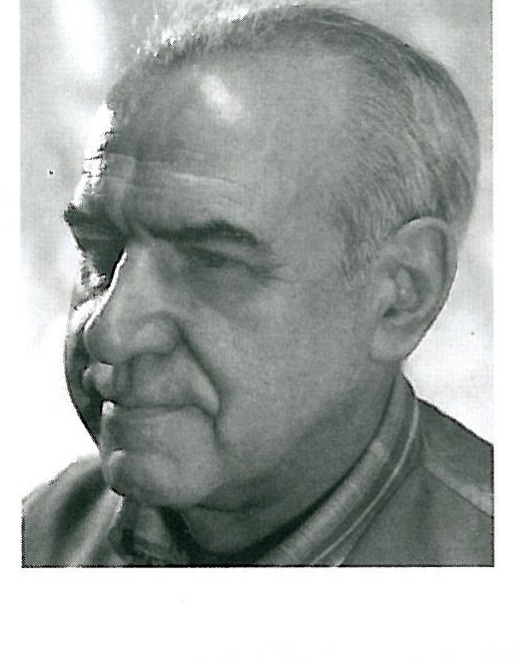
Mohammad-Ali Farajollah Lavasani is an artist who has spent many years working with leather. From the second year of primary school he was already at work in his uncle's saddle-making workshop. He is also a graphic designer and a specialist in Latin calligraphy — the discipline that corresponds to his university training. Born in 1322 (1943), and a graduate in graphic design from the Faculty of Decorative Arts, he holds a master's degree in Latin calligraphy from Leicester Polytechnic.
"In our class," he recalls, "students were gathered from various countries — America, Britain, Peru, Iran and others. In one of the classes I met David Howse, the teacher of Latin calligraphy. The first time he picked up the pen and began to write, I fell in love with Latin calligraphy and from that very day began, without pause, to write and practise — to such a degree that, after two weeks, I fell ill from sheer exhaustion."
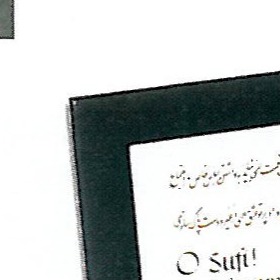
His intense passion for calligraphy led him, after the master's, to specialised courses in calligraphy and paper-making. Returning to Iran, he taught calligraphy for some time at the Faculty of Decorative Arts, and from 1360 (1981) to 1370 (1991) was on the staff of the IRIB Faculty.
Lavasani is exacting on the subject of teaching calligraphy: "Calligraphy and lettering are two distinct subjects. In our art faculties, what is taught is generally lettering — not the use of, and skill in, the script itself. In the case of Latin script, the theoretical and practical lessons are taught together, and the application of the theoretical content in the practical workshop is essential."
In 1370 (1991) Lavasani went to France to continue his studies. After two years he returned to Iran for a scholarship; the scholarship did not come through, and he was unable to go back. The result of those two years in France was the work begun for a doctorate in art history at the Sorbonne, which remained incomplete.
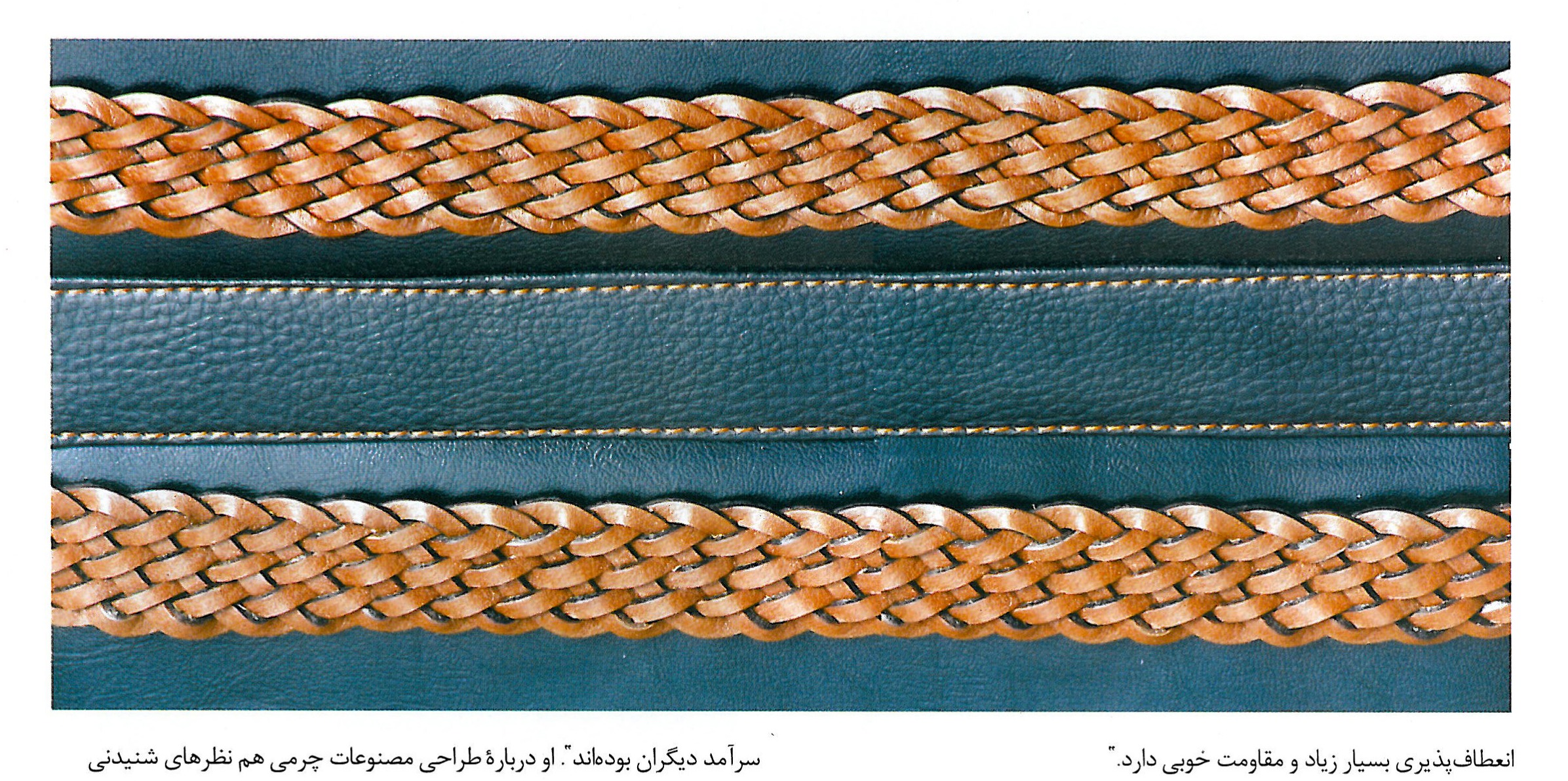
After his return Lavasani took up leather work full time. "Leather has its own personality and capacities," he says, "and in this it is not comparable with any of the artificial industrial materials. Properly treated, it has very great durability, very great suppleness and excellent strength."
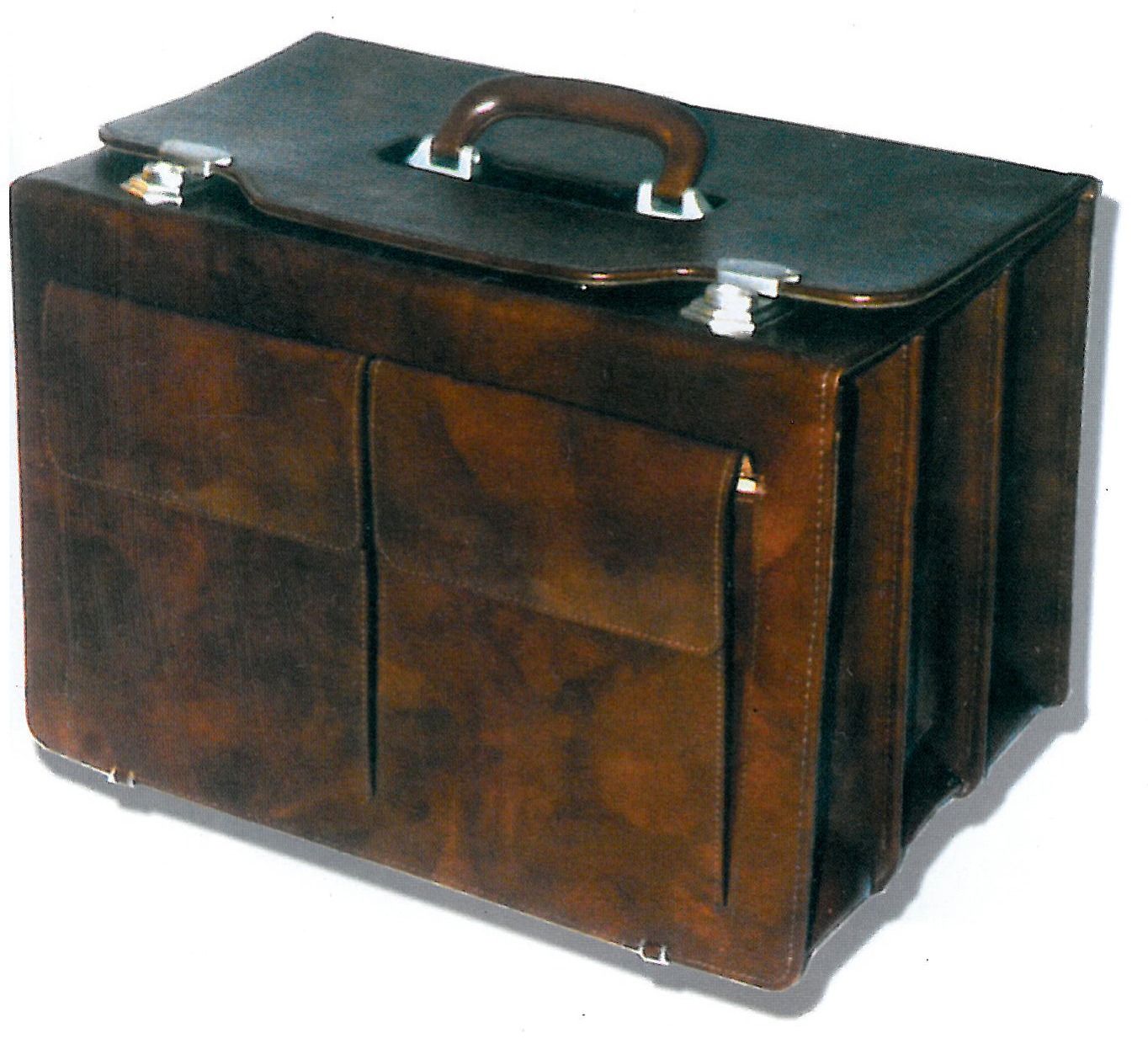
The fruit of his long years of leather work is a body of valuable experience. Most of his pieces have been commissioned and made one of a kind. Society, he believes, must rediscover leather and its wide range of uses. Many people today no longer recognise leather and cannot tell natural leather from synthetic substitutes; many even buy synthetic objects in place of leather. Perhaps the taste for novelty and for the fashion of the day has kept the young away from leather goods, which are inevitably more lasting and somewhat more expensive. Pupils, for example, no longer use leather satchels, since they change their bags every year, or every few years, in favour of newer kinds with different materials.
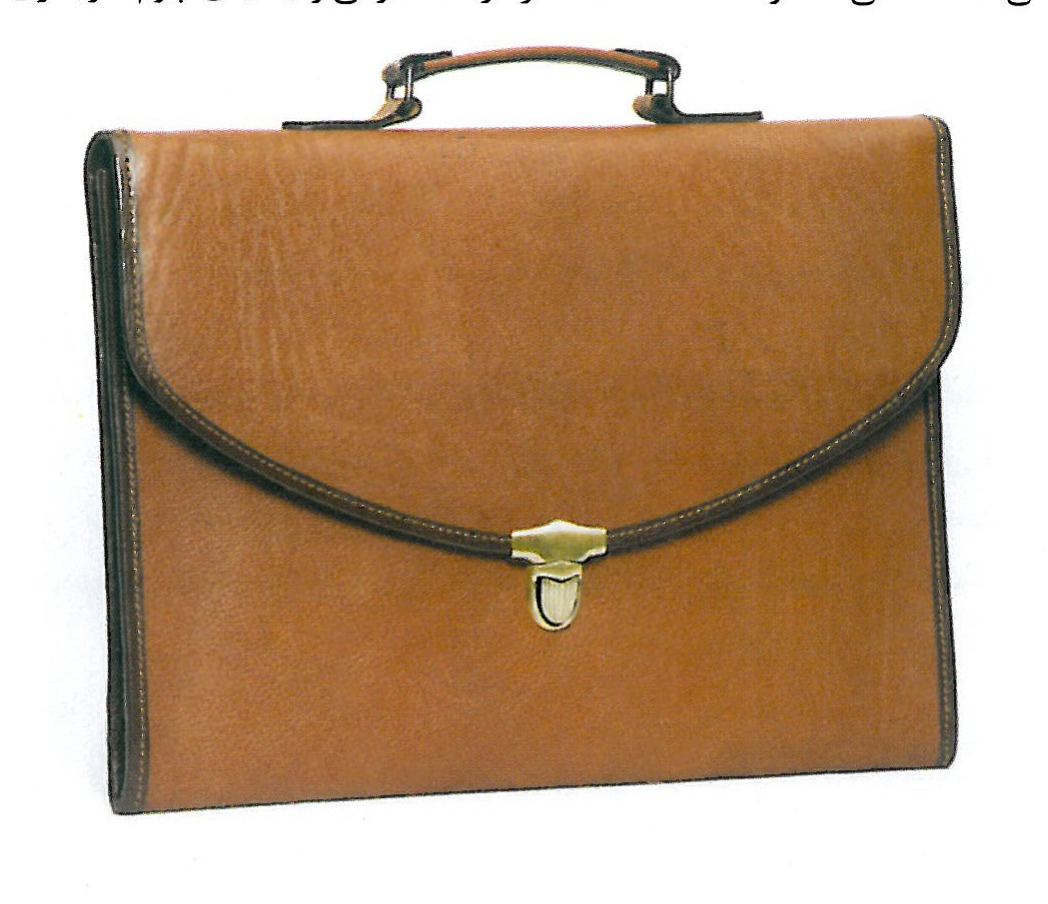
Yet leather goods made from quality stock, properly looked after, will last very long indeed; and the older they grow, the more their authenticity and beauty come to the fore. In Iran the tradition of leather use — for bags and boots, for instance — goes back very far. "Throughout history," Lavasani says, "a layer of leather has protected our manuscript heritage; the Iranians have been masters of book-binding above all others."
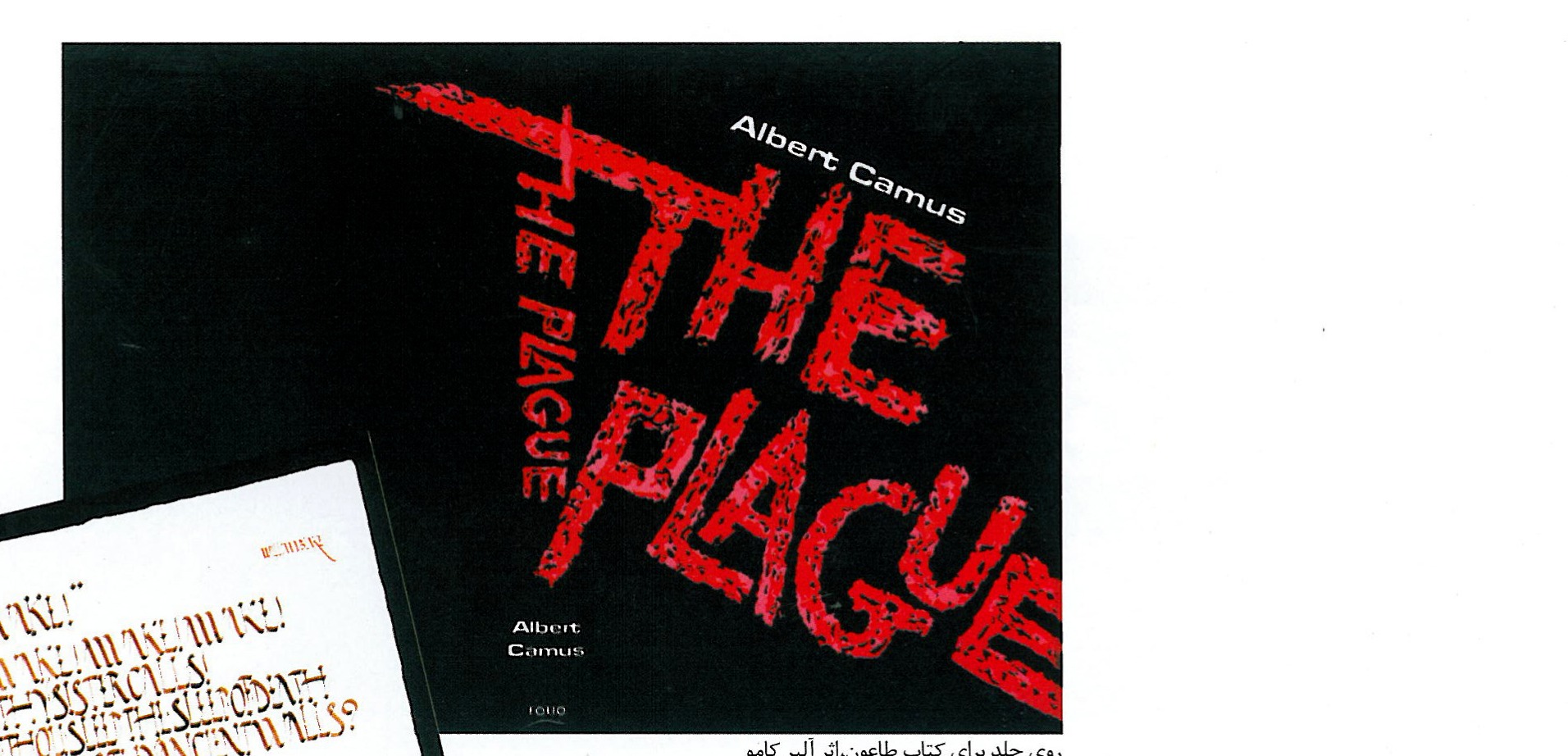
He has thoughtful views on the design of leather goods, too: "The opportunity for our good designers to work with leather has not yet really come. Many of them are unfamiliar with leather and its applications. In our art faculties, the students of industrial design and of graphic design have no introduction to leather and have received no instruction in it. The combination of leather with other materials and finishes is not common either. I myself have had good experience using leather inside the cabin of a car — that could be an excellent area for working with leather."
"Many of the commissions I have done in recent years have been book-bindings — bindings for precious objects: instruments of precision, sculptures, travelling-cases and so on." He adds: "Today the facilities for processing and finishing leather in our country have improved significantly — though not yet in proportion to our enormous annual livestock slaughter, which yields very large quantities of raw material for leather. As a result, much of this material — for lack of full domestic processing capacity — is exported as salambour, and only a small fraction returns, after foreign processing, to our market as imported leather. To this we must add the modern leather-cutting and stitching machines that have entered the country in recent years; these computer-aided machines cut leather with great precision and minimal waste, and can detect and exclude weak or low-grade portions from the cut. The conditions for working with leather, and the quality of leather available, are therefore in a better state today."
"To draw out the full delicacy of the leather industry and to develop its market," Lavasani concludes, "we need professional bodies. Institutions are needed to gather the latest information about leather and to pass it on to those who do the work; to bring design into the industry on a principled basis; and to create a continuous dialogue between designers and craftsmen. Such a relationship can be built on training in aesthetics and design — for, even in the design of a simple leather wallet, several requirements must be met at once: the dimensions to fit different pockets, a smooth lining for the easy insertion and removal of banknotes and identity documents, the right proportions, and finally an attractive and beautiful material and finish."
Lavasani has notes on the field of leather, which — together with other subjects such as the art of book-binding, leather-binding and the restoration of carpets — he is preparing for publication. He has previously written textbooks, including a third-year secondary-school book on lettering in graphic design, and a chapter in the second part of the textbook Vocational Training in Graphic Design by Mrs Fahimeh Pahlavan.
1 Polytechnic of Leicester
2 Calligraphy
3 David Howse



