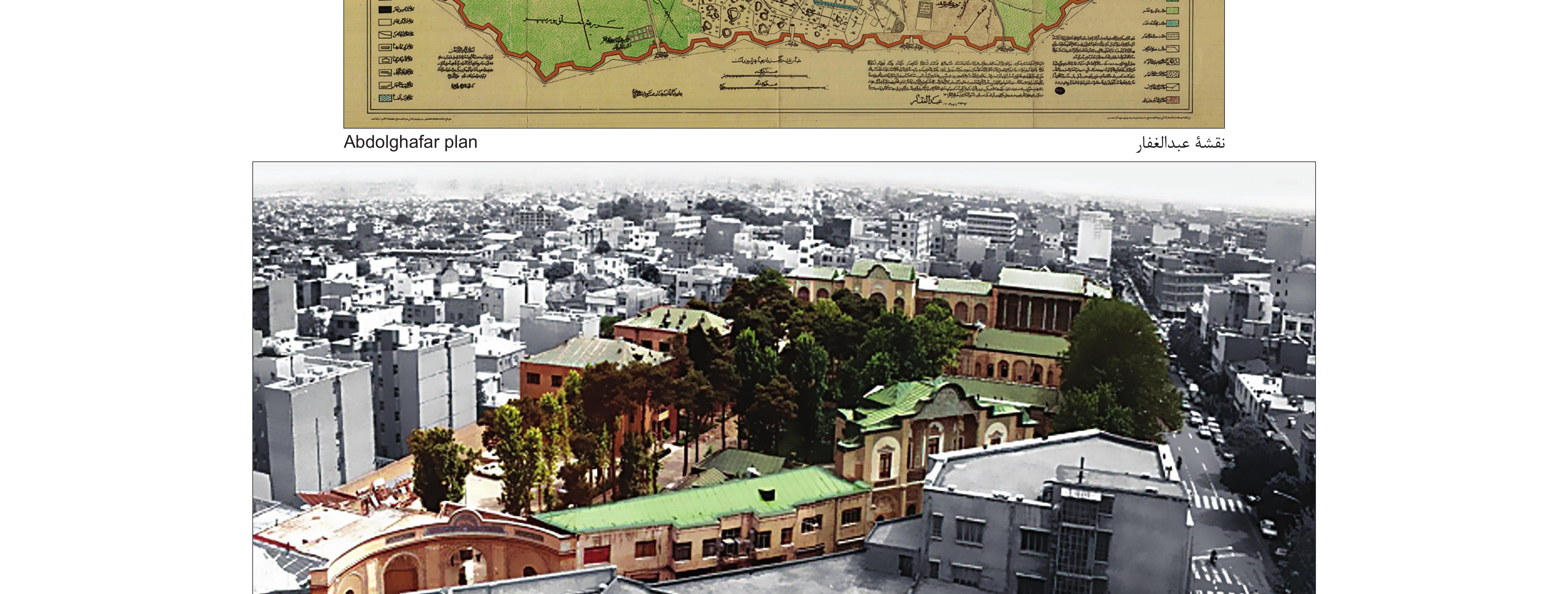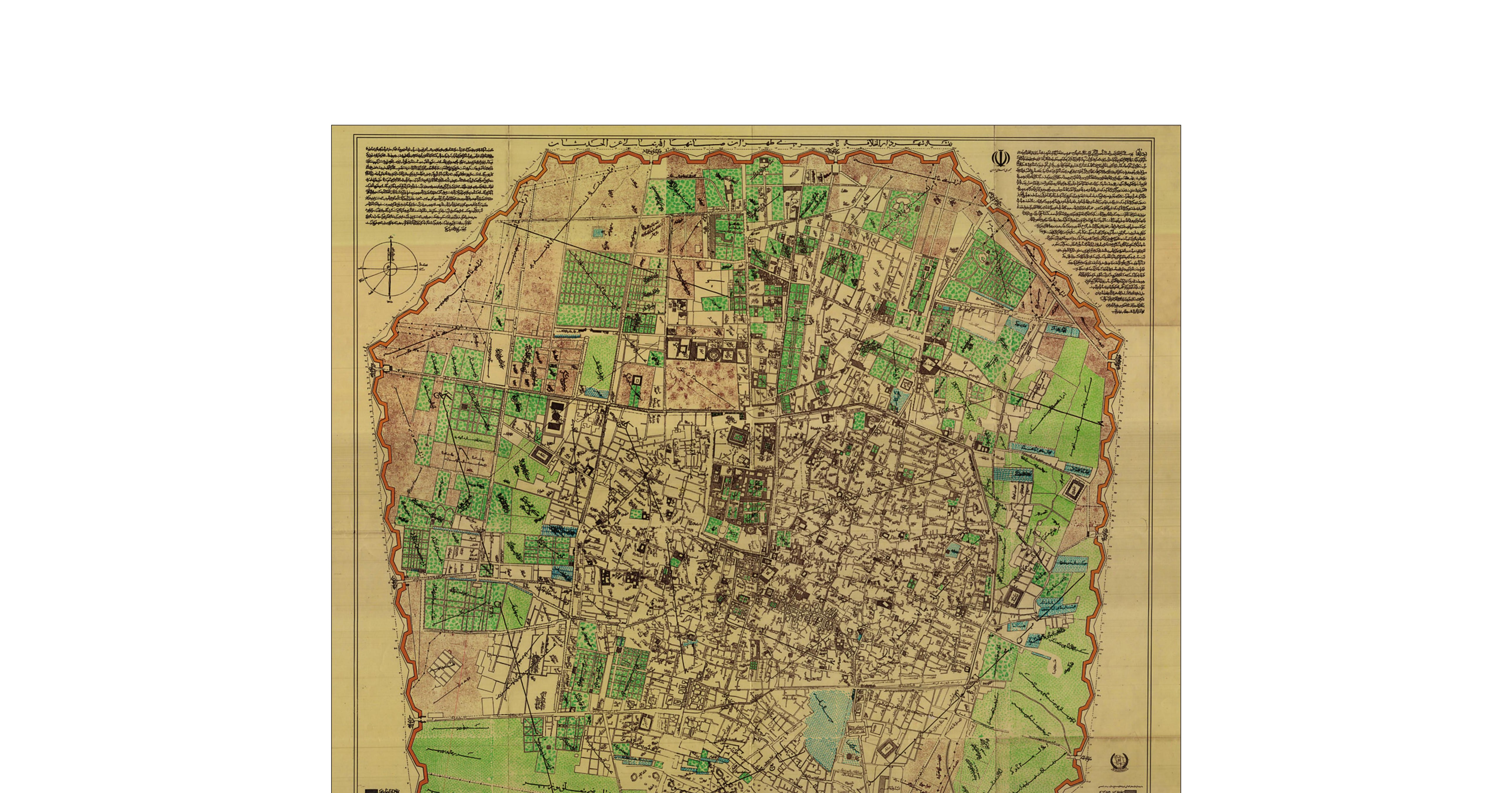
The study of Tehran’s history shows that its gardens and plane trees are part of its identity. It has been so since 400 years ago when Pietro della Valle came to Tehran with Shah Abbas Safavi and wrote about trees whose trunks were so big that even two people could not embrace a tree giving hands. This means that Tehran had the basic water running its canals where the plane trees were planted, and where gardens were made. When the Qajars decided to choose Tehran as their Capital, there were more gardens in Tehran than there were houses [Olivier, circa 1800].
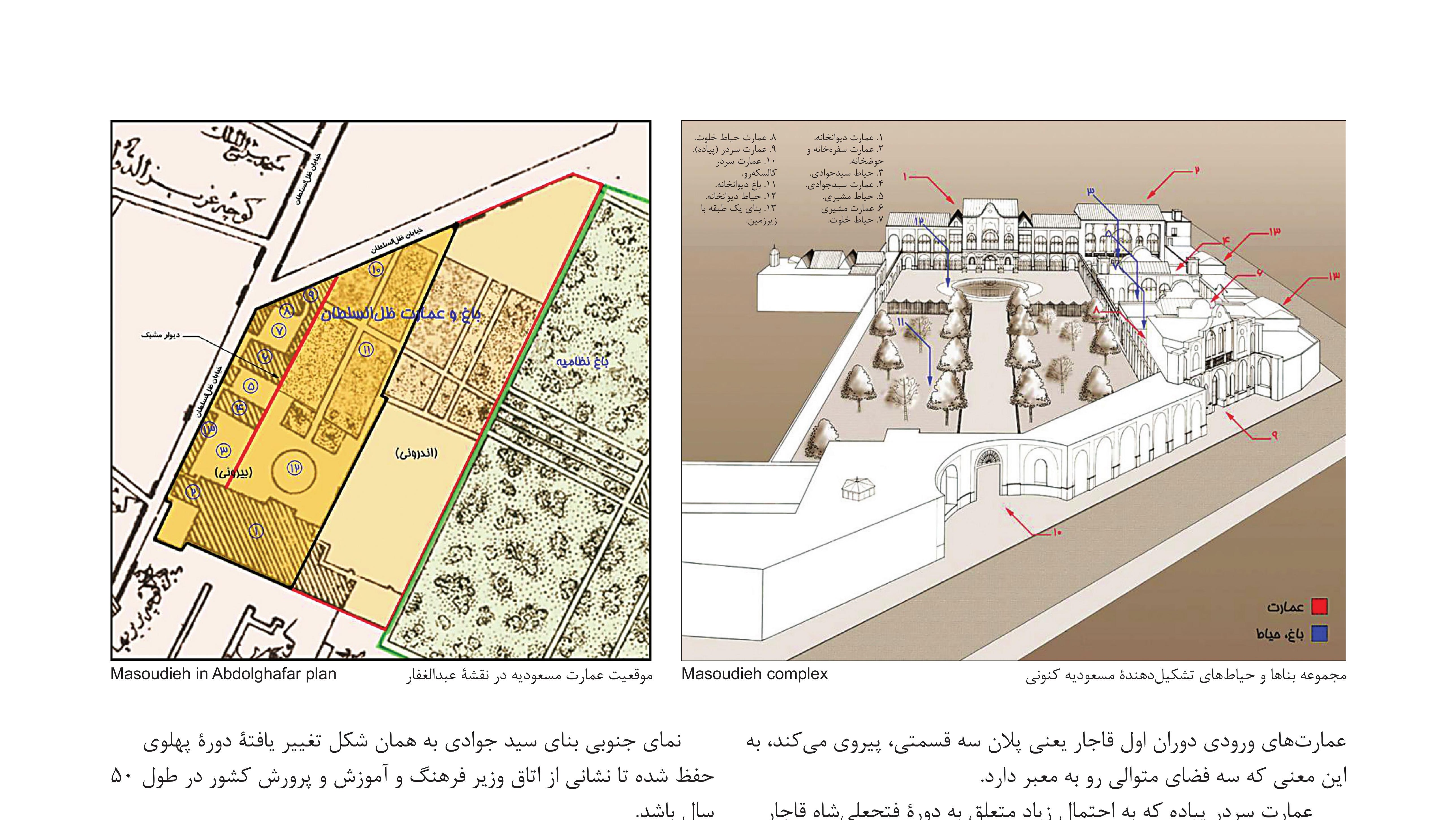
FathAli Shah’s coronation took place in the Negarestan garden. Lalehzar and Golestan gardens were also there from early times. The Masoudieh garden was built in those times in the south of Negarestan and the west of Mohammad Ali Mirza’s garden, together with Nezamieh garden, and Sardar Iravani’s. Masoud Mirza built a big palace in the garden. It was 1.5 hectares and was run by the Ministry of Public Education for 75 years after Reza Shah bought it for the government from HamdamSaltaneh. Today it has two different parts: the eastern part, with the garden, the administrative courtyard, and its big building, and the western part with the entrance building, the courtyard, and the Moshirolmolki building, connected to the dining salon and the Hawzkhaneh [the fountain hall]. The two parts were separated by a beautiful grid wall which permitted the connection between the two.
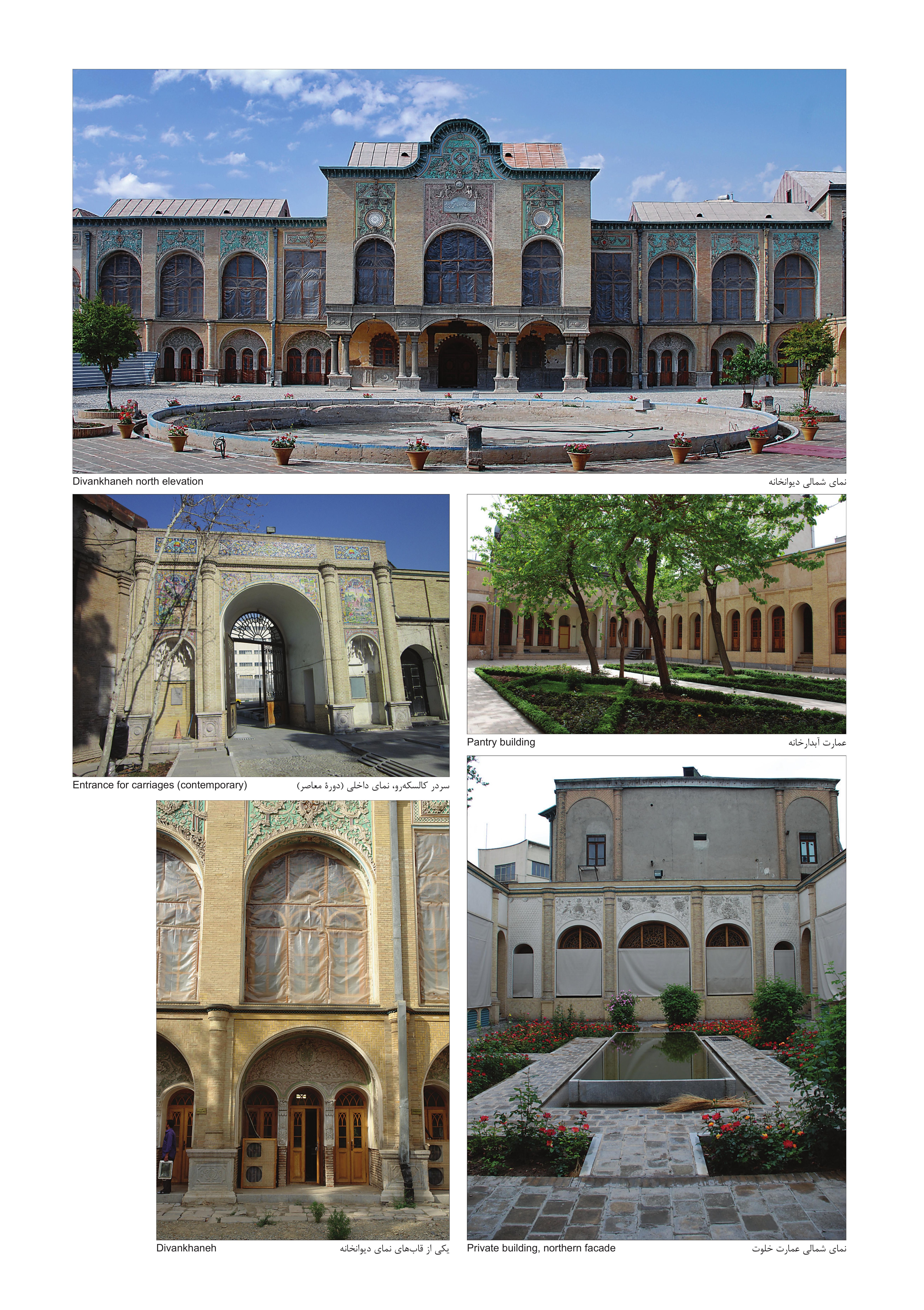
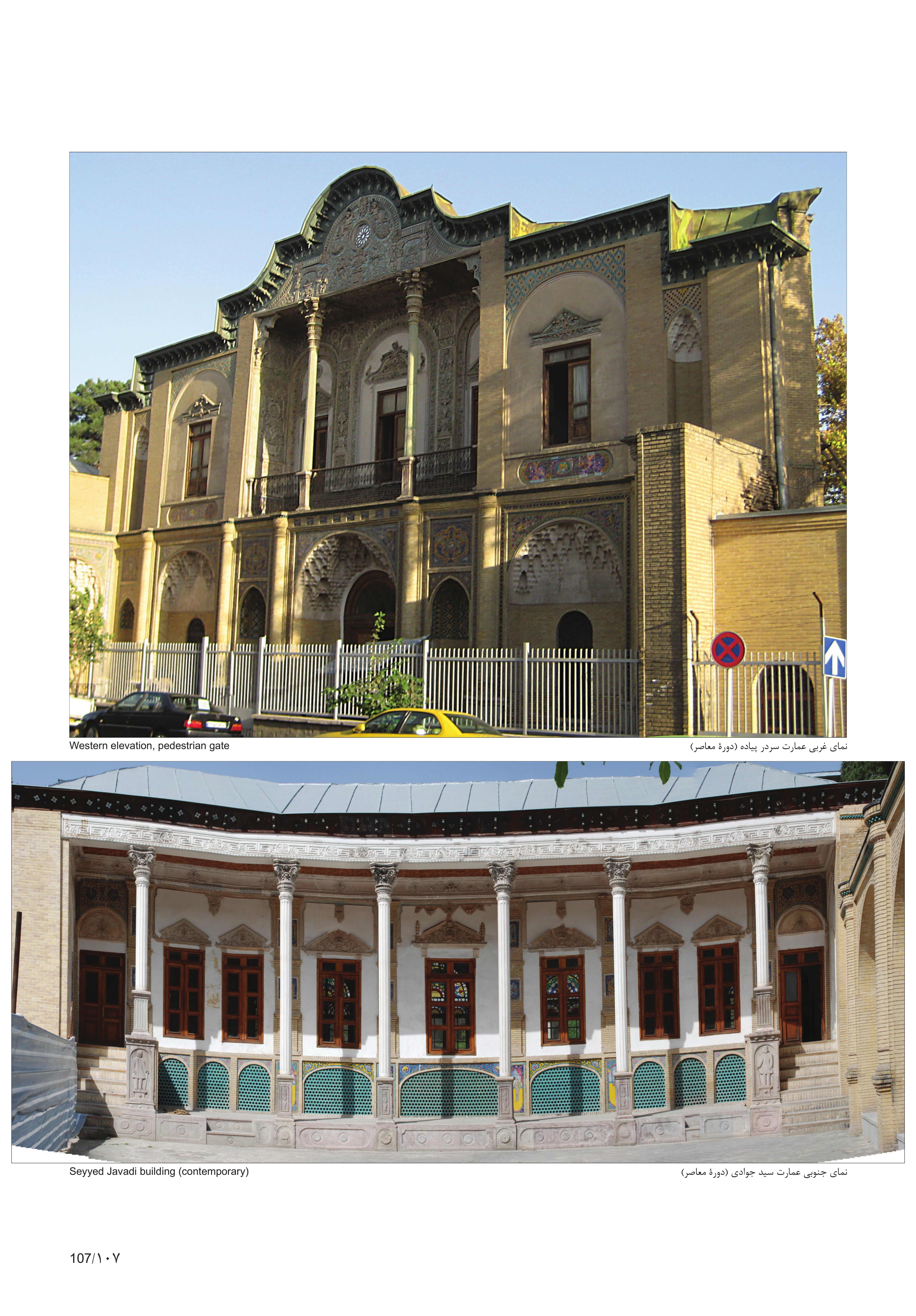
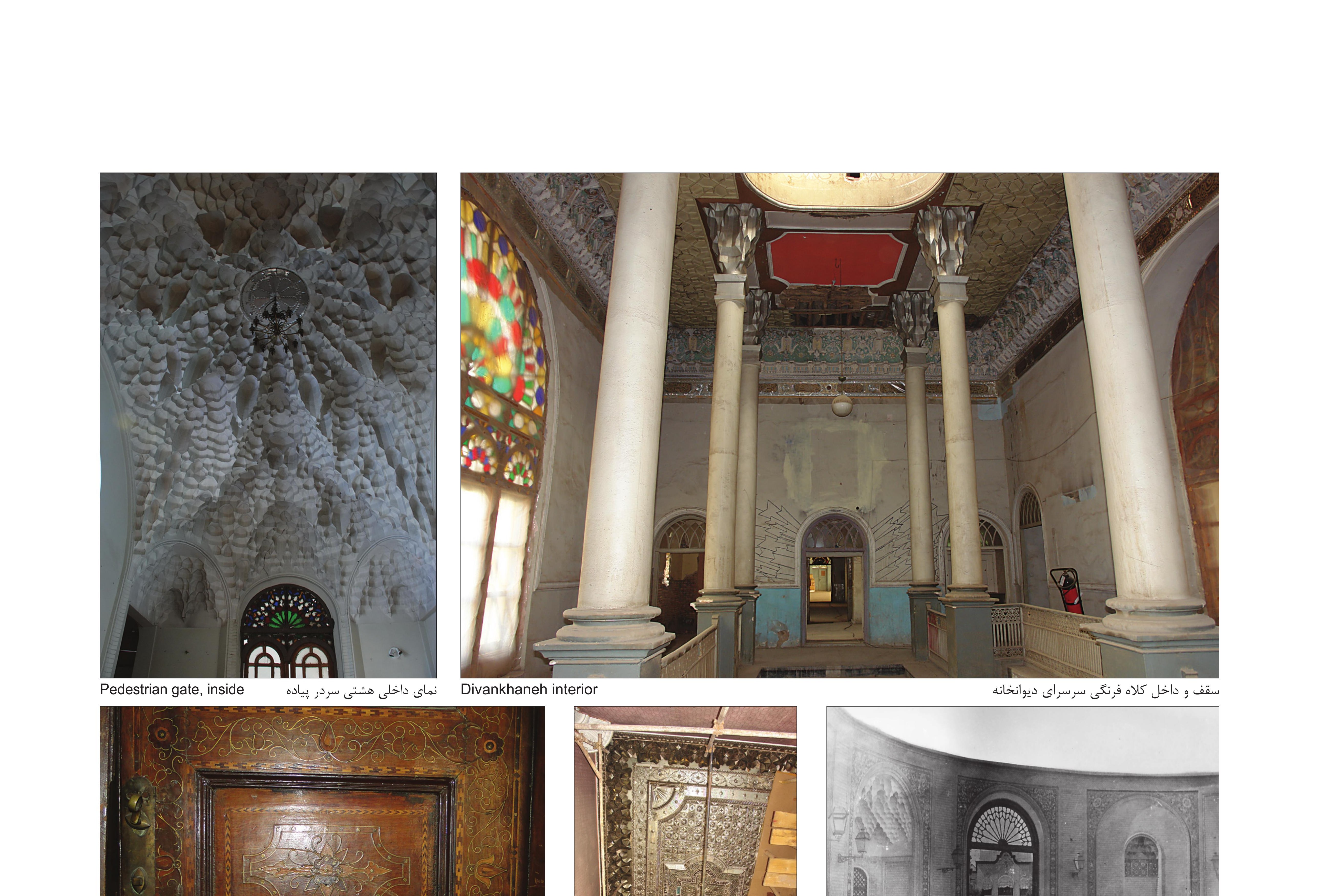
The architecture of the complex is also different in the 2 parts: the western part is entered by foot and has the traditional structure of the central courtyard, the typical Persian style; while the eastern part is a 2 storey palace, a big pavilion, with an entrance for carriages and with a European touch in the style, even though the decoration are very fine Persian works of art. The architecture of the eastern part is actually typical of the palaces of the Naseri Era. This style seen also in Sepahsalar and Golestan palaces, is unprecedented, and is very much influenced by the European styles, fashionable in those days. For example, in Persian architecture, the stairs are secondary elements, while in Masoudieh Palace, the staircase, being situated in the axis of the building, are of first grade importance. The large space around the round basin outside is also a special space for the carriages to make a u turn, a new element in the landscape design of those days. In this building the Mirror Hall was for big celebrations, and the ground floor for services. The building has signs of restorations done in 3 different epochs, and is now being again restored by Emarat-e-Khorshid Institute.
Born in 1974 in Tabriz, Vahid Afsahi is graduated from Azad Univ. of Tabriz. He has taken part in the restoration of Kardasht Historical complex, Heydarzadeh House in Tabriz, and regeneration of the Historical Monument of Masoudieh for the Cultural Heritage Organization in Tehran. He has won the first prize for the interior design of historical monuments, and the Entrance Gate for the National Garden of Plants.