Scope and the client's goals
Shell Co. has rented floors 8-13, half of the ground floor, and three basement floors of the Ettelaat newspaper's office tower for its new headquarters. The refurbished area is around 4,000 m², covering floors 10-13, part of the ground floor, and the basement.
The work undertaken comprised, in brief: the removal of internal walls; replacement of the entire sewerage, water, electrical, lighting, telephone, HVAC, fire-detection, and fire-suppression systems; the installation of an Information Technology (IT) and security system; the building of glass-brick, glazed-aluminium, and gypsum-and-brick partitions; the complete replacement of false ceilings; the complete renewal of sanitary fittings; the renewing of a major part of the floor finishes; the installation of a small food-service lift within the building; the replacement of entrance and parking doors; the installation of fire-rated doors; furniture, carpeting, kitchen cabinets and equipment, desks, chairs, and taps.
The client's principal goals — on which the design and management were aligned — were, in order of priority, the soundness and safety of the building, performance, speed, and economy. The total project cost was 800 million tomans, and the rate of spending the budget was around 125 million tomans per month.
Building soundness and safety
After preliminary surveys, we concluded that the existing building, by the principles of soundness and safety, is in no way to be relied upon. The principal measures taken in this regard were:
1. Complete removal of the air ducts: in their joints, asbestos fibres (carcinogenic) had been used; their insulations were also infected with pathogenic microscopic fungi. In place of the previous wall-mounted fan-coils we used ceiling fan-coils, which are better and conform to standards of work-environment hygiene.
2. Installation of pollution-absorbing filters at the intakes of the air-handlers.
3. Complete replacement of the electrical wiring with a safe, principled system, equipped with grounding and life-protection switches (RCDs).
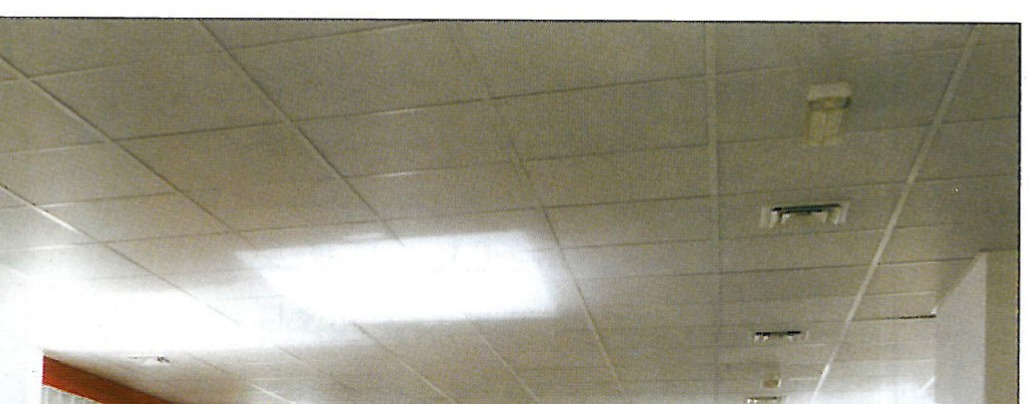
4. Indirect lighting throughout the office space: we used metal-halide projectors with a light close to the natural daylight spectrum (about 5000 K). To determine the type of fixture, the manner of installation, and the number and power of the lamps, several simulations were carried out on site. A number of mock-ups for the projectors were prepared, and the spaces were dressed with floor finishes and office furniture similar to the project; in this way the quality and quantity of the light could be assessed and tested in conditions very close to the real. The current office light level is around 500 lux — at the desired standard.
5. Double-skin partitions and soft floor finishes to prevent acoustic pollution. The sound absorption of the partitions was measured with a decibel meter.
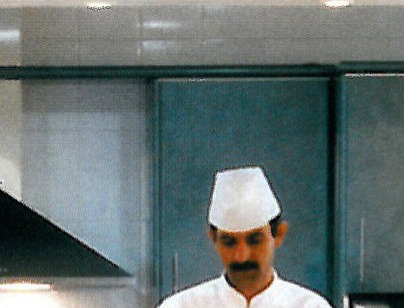
6. In the design of the lavatories, kitchens, and the rooms for the storing and washing of cleaning equipment, hygienic standards were fully observed, and a disabled-access lavatory was provided.
7. Risers and mechanical rooms were sealed off from the rest of the spaces with fire-rated doors.
8. Pollution-generating materials, or those that produce toxic gases in the event of fire, were removed.
9. A very sensitive fire-detection and alarm system was installed on the floors belonging to Shell, and the lower floors were also covered by a similar system to prevent fire from spreading from other tenants.
10. Hundreds of unnecessary openings and flues beside the façade and within the risers were sealed with fire-resistant panels.
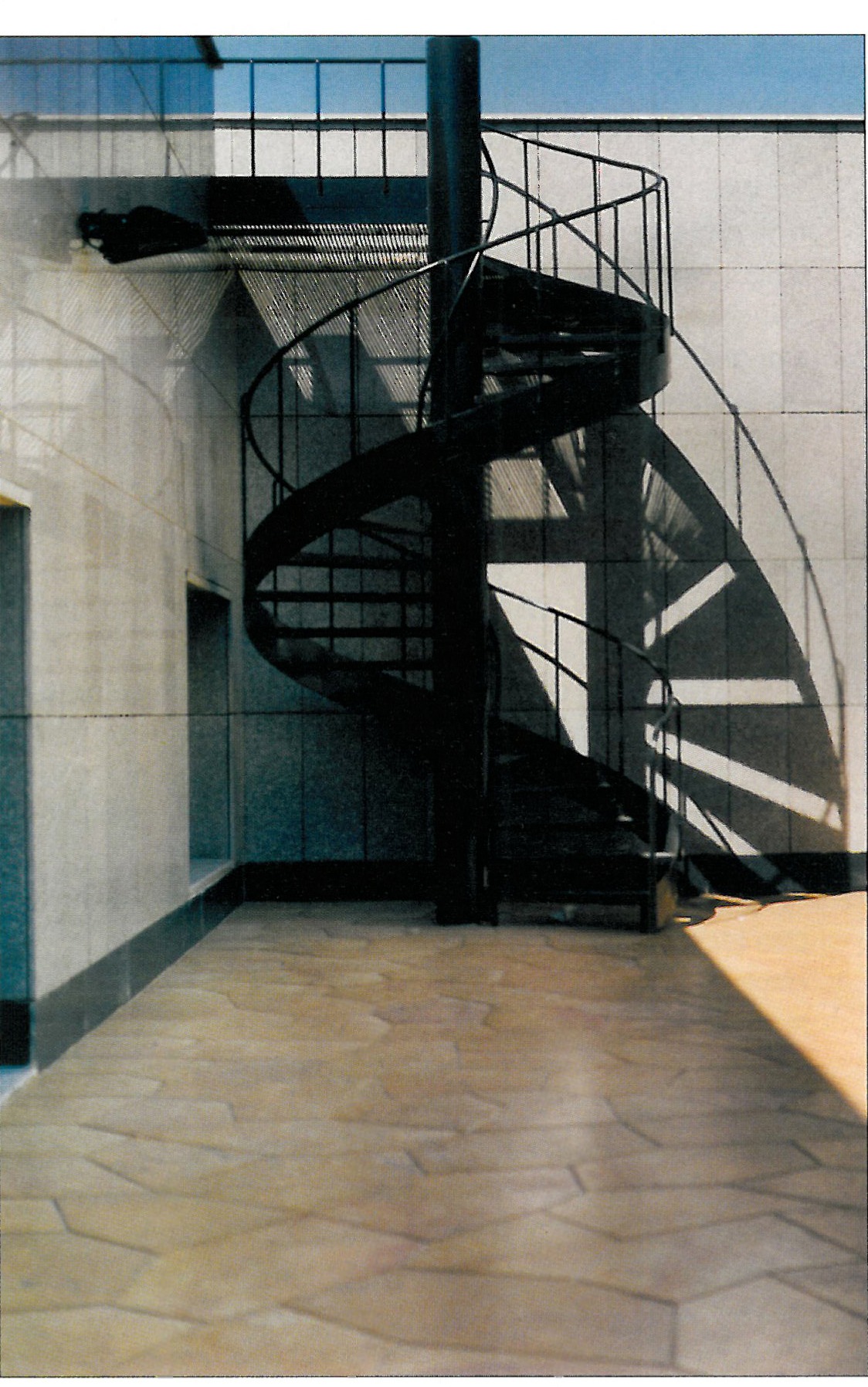
11. Stairs and outside paving, as well as the existing staircases, were treated with non-slip strips.
12. Twin fire-fighting cabinets (wet and dry risers + fire-extinguisher) were installed beside both stairwells of the building, on every floor.
13. Emergency lighting was installed on every Shell floor and in the staircases from floor 13 down to floor 3.
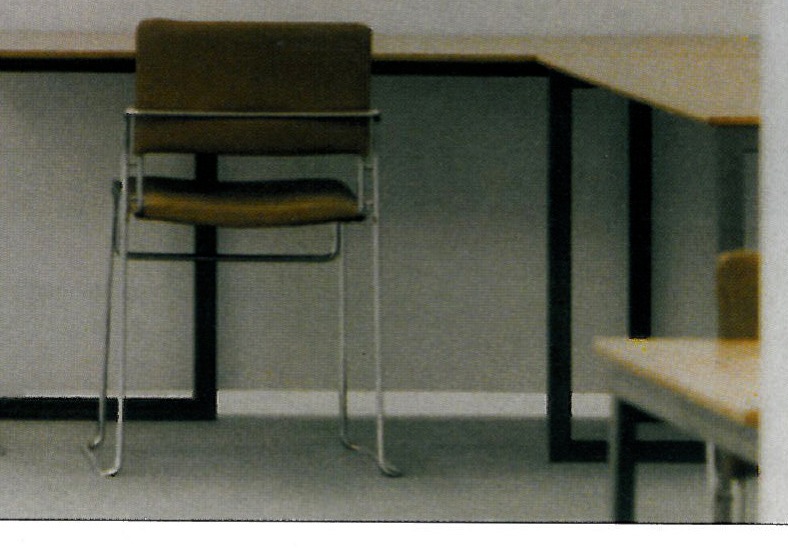
14. Office furniture was designed and provided according to the principles of ergonomics and work-environment comfort.
15. All special warning signage was placed at appropriate points around the office.
16. A clinic for emergencies was set up in the building.
Workshop safety and hygiene
One of the most important and most interesting parts of the work was the maintenance of workshop safety. I personally hold that no building is worth a person's being maimed for it or losing their life. And one can only expect a worker to attend to the project and to the quality of work if, in the first place, attention has been given to his life and his well-being.
Before this recent experience, I used to think that observance of safety principles in building sites was costly and not in line with the realities of Iran. The recent experience has shown that the cost of safety (less than one percent of the total cost) is very small compared to the savings in medical and compensation costs, and that Iranian workers welcome it wholeheartedly. I learned how to make these principles take hold from Shell's management and especially from the safety consultant, Mr. Neville Tlaw.
The result of the safety measures undertaken was that, in the entire course of the site work — about 18,000 person-hours of work — the work was carried out in the full hygiene and physical and mental safety, and the worst injury suffered by any worker was no more than a bruise or a surface scratch.
Safety measures by stage: contract, preparation, execution
Contract stage: briefing meetings with the contractor on safety principles; preparation of a safety-and-hygiene instruction booklet appended to the contract; obliging the contractor to provide a site-arrangement and -placement plan before work began; preparation of risk-awareness sheets and proposed solutions for the various works foreseen on the site, and their issue to the contractor; obliging the contractor to provide suitable food for all the workers throughout the work; obliging the contractor to keep the workers' accommodation and the site clean throughout the work.
Site preparation: the supply and equipment of a fitting place for the workers' meals and rest; the steady supply of towel and soap for the workers' washing, and the installation of a shower for after-work washing; the installation of warning boards, lights, and other danger signs; the supply and distribution of fire-extinguishers on the floors; the supply of a first-aid kit; the preparation of a first-aid room; the provision of site electricity, completely separate from the building's electrical system, equipped with fuses and life-protection (RCD) and grounding.
Execution: compulsory wearing of the safety helmet, safety shoes, ear protection, safety belt, welding goggles, and so on, for all those who moved through the floors. These rules were enforced without distinction, from the head of Shell down to the building's site-supervision officers. Provision of various reliable scaffolding for the variety of works foreseen; total prohibition of the use of planks, drums, and ladders; rigorous checking that special safety equipment was in place before any welding or grinding operation; rewarding workers who observed safety rules carefully, and dismissing those who disregarded them after two warnings.
Training and safety management
The holding of training classes for all those who would in some way be active in the building — attendance was a precondition for starting any work. In these classes, films, slides, and other teaching aids were used. Holding of fire-fighting and evacuation classes; appointment of safety and first-aid officers by the project management; weekly safety review meetings, increased in the more demanding stages of the work; appointment of an electrical officer present at all working hours; opening and closing of electrical-services rooms governed by a dedicated logbook; recording of every incident on site; continuous removal of all sources of danger.
An office design — by Nunzia Rondanini
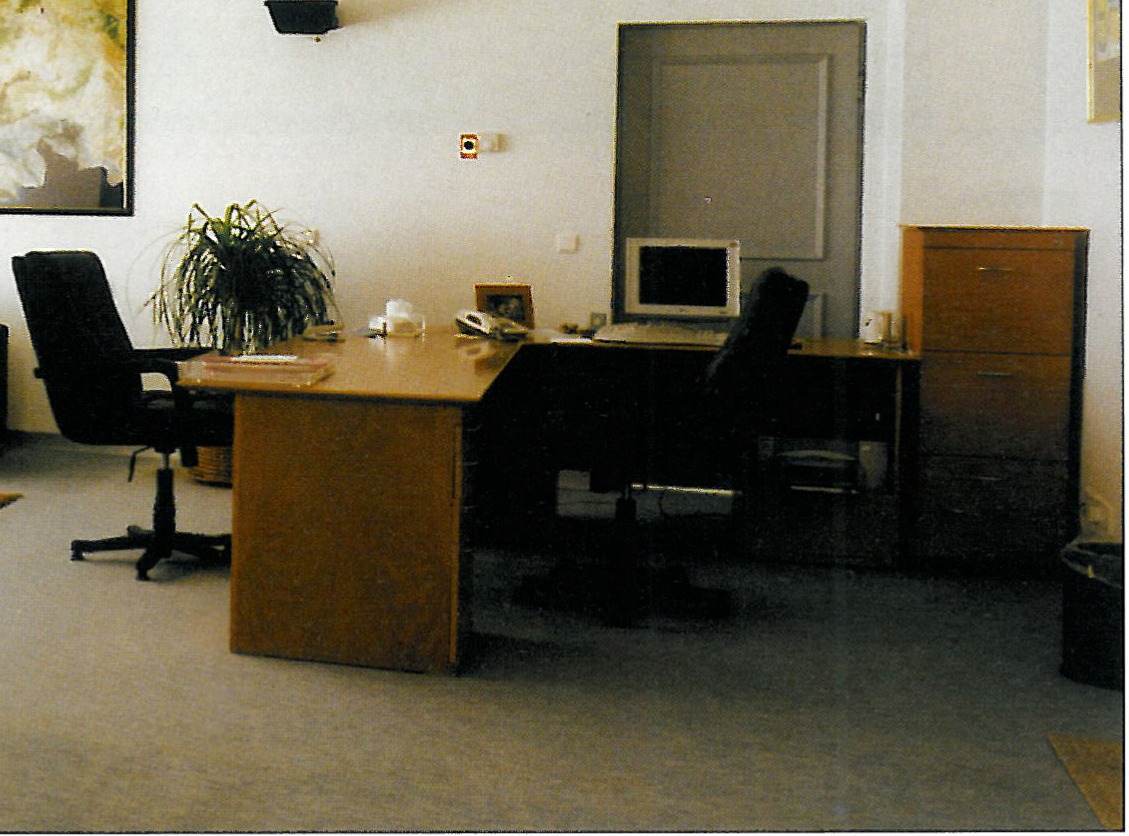
Shell Development Iran selected the top floors of the Ettelaat building for its new headquarters in Tehran. Though modern, the building has a rigid layout — wide, dark corridors and offices too large for one person and too small for a team. This did not suit Shell, which is divided into departments, each with one manager overseeing a group of employees, and with several departments sharing secretarial staff.
A new design of the interiors was required to host a large number of people and to use the space in a way that would meet Shell's requirements. In a rented building, the new design should make the best use of the given structure and minimise the changes, keeping the budget to a reasonable size.
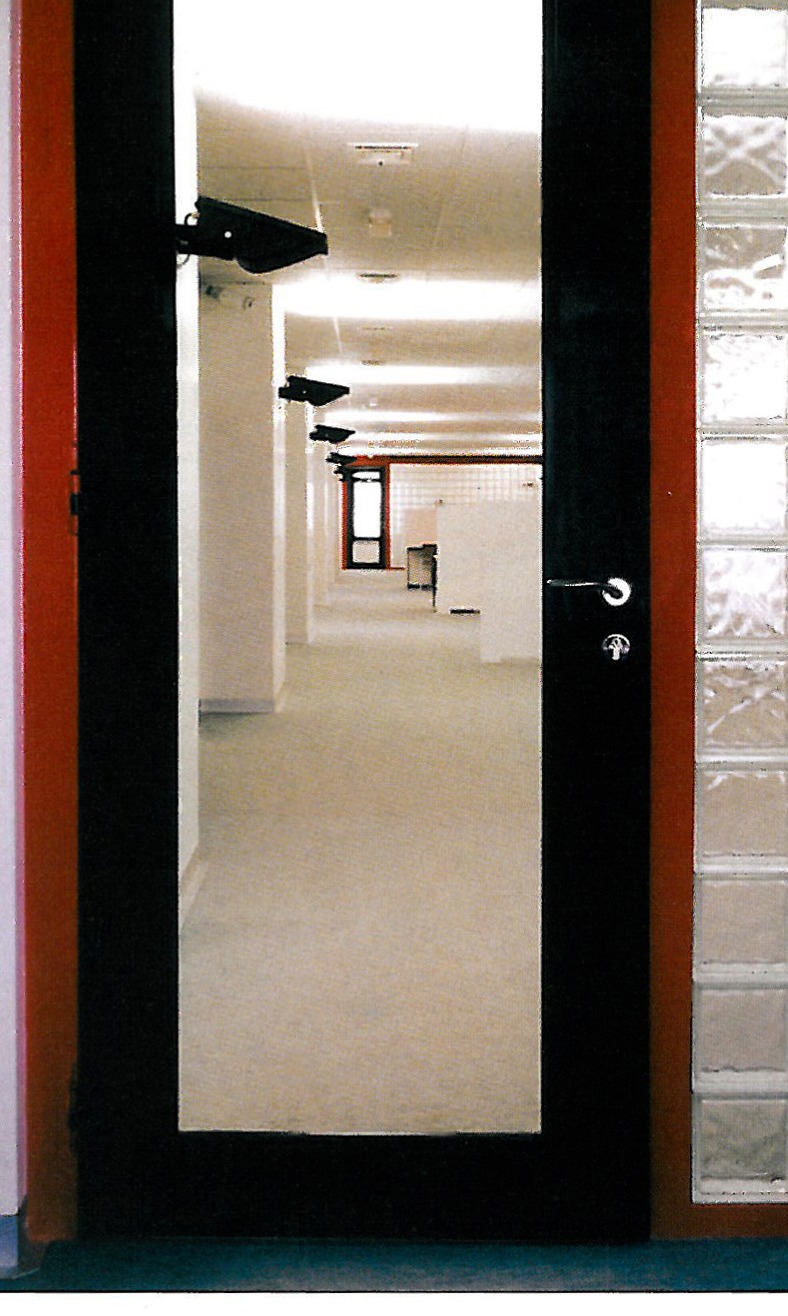
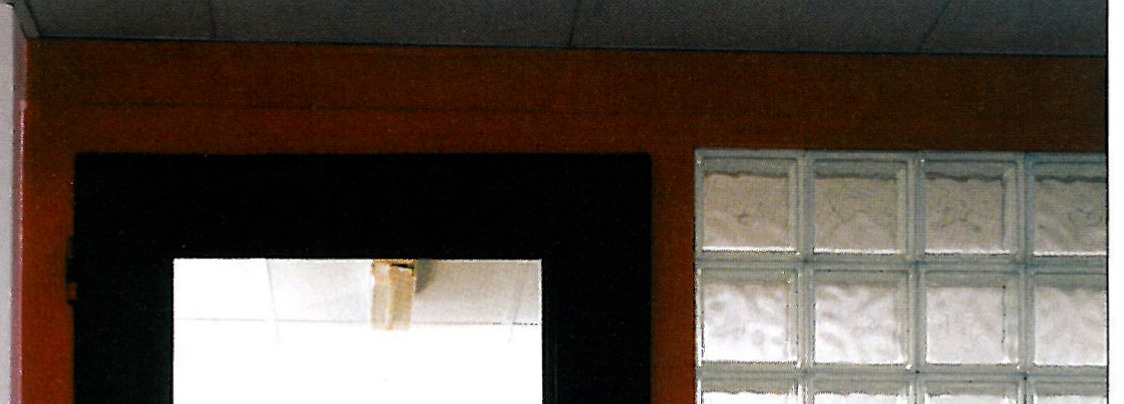
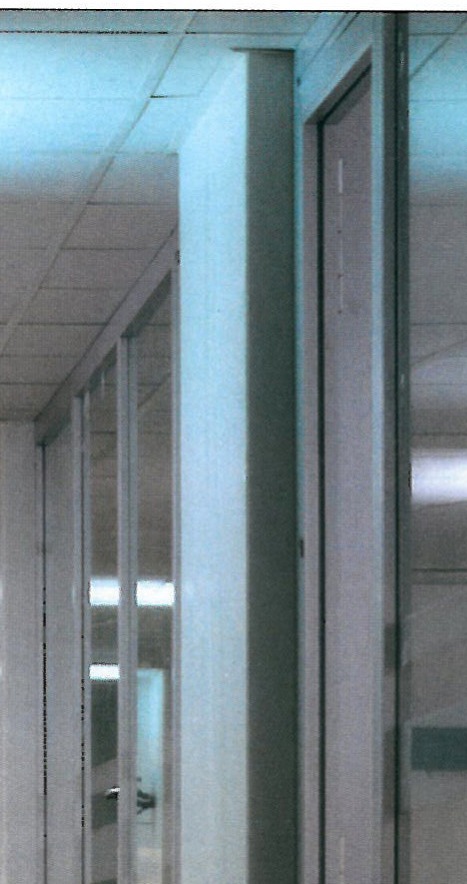
When I first visited the building, I was impressed by the high percentage of dark space, which could not be used for offices. My first concern was to look for sources of light. This could be achieved by opening two axes — north-south and east-west — connecting the sides and the windows of the building. This was not easily done, because the core of the building is occupied by technical and sanitary installations and is reinforced by bracings. The removal of selected walls would brighten the surrounding space and would help people to understand the boundaries of the building and to orient themselves. The two axes are the elements determining the project. The east-west axis was eventually obstructed to create more offices and conference rooms; in order to compensate for this interruption, glass-brick walls were built to let the sunlight through. The brightness of the glass brick and the colour red of their frame reinforce the perception of the axes.
Individual offices were requested for managers, open-plan for employees. Management wanted to group the employees around their managers on floors 11 and 12, and to separate an area for managers from an area for employees on floor 10. These two different concepts were implemented as required.
When conceiving a new project for a building that was created according to a different design concept, the result is seldom satisfactory. Indeed, it is often spurious and weak. In this case, for example, windows of three different sizes and typologies gave on the same room — exposing an unwarranted disorder; large rooms could not be geometrically completed because some walls could not be removed. To produce an architectural space that is whole and balanced, I had to count on lighting, materials and furniture to correct such dissonances.
Lighting, finishes, partitions
The lighting system was crucial. I opted for a light flushed toward the ceiling and reflected downwards: it suits the eye and never blinds or creates reflections. I placed a series of industrial flashlights, positioned at 2 m height, on the sides of the pillars and on the walls at regular intervals. The lamps reinforce the presence of the columns and their regularity. From the columns, the attention lifts toward the white ceiling, where space floats large and empty. The light is soft and evenly spread.
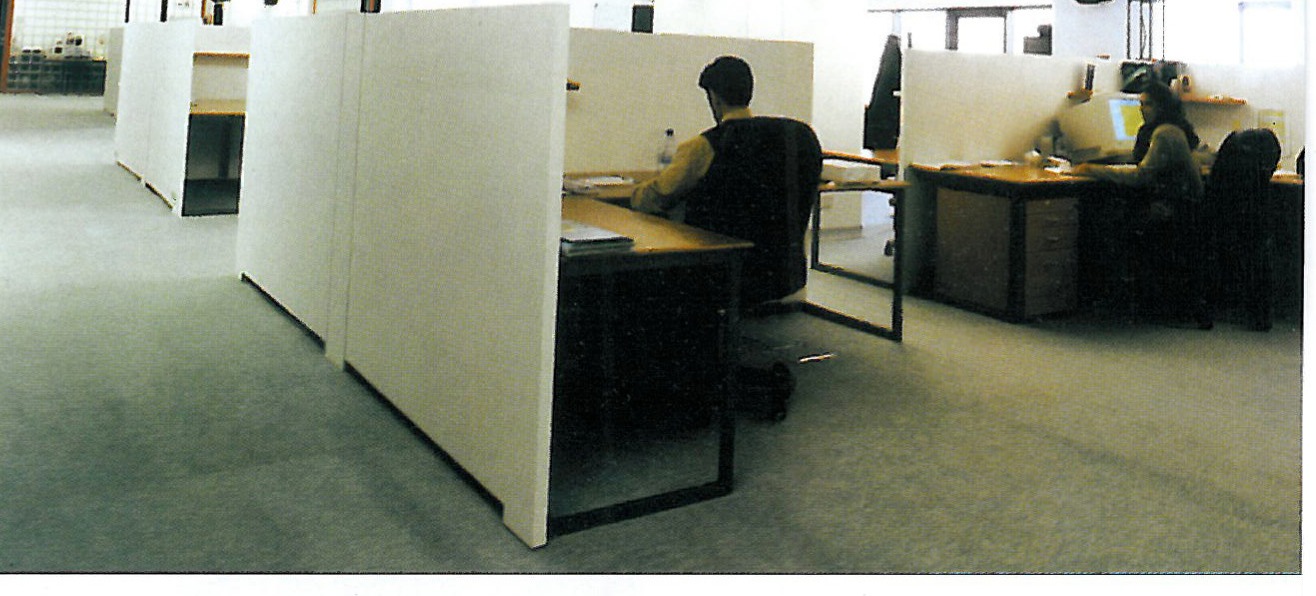
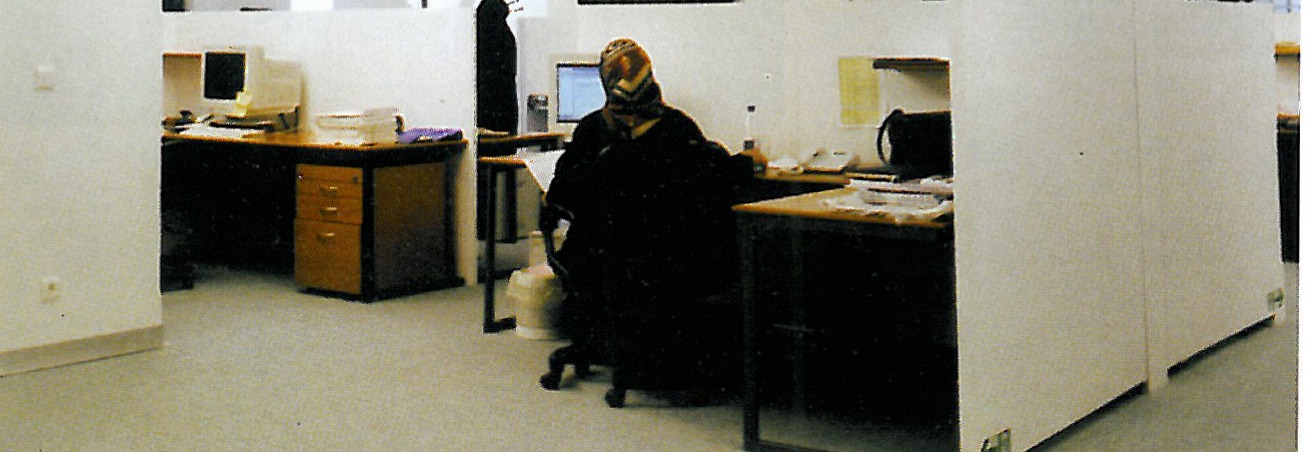
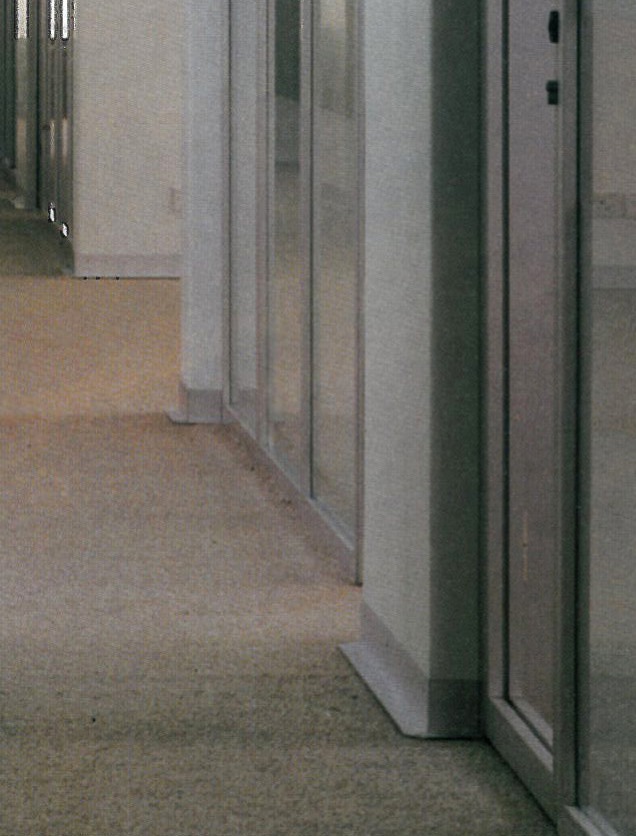
I chose turquoise carpeting for the floor, and white gypsum for the suspended ceiling in the offices. 140 cm-high partitions separate the desks, giving people privacy and reducing noise; they also protect computer screens from direct daylight. All the cables run from the floor up to the desks through the partitions, and they are not visible. These light, movable walls have a strong presence in the project: they create a system of their own that absorbs the irregularities of the plan. They hide the windows from full vision and confine them to the area of their direct presence, where they are only distinctive elements. The partitions have been painted white to blend in with the walls.
The purpose of the project was to produce a place that is clear and comfortable, where one can concentrate and separate from the others, and yet reach them easily when necessary. This cannot be achieved only by meeting functional requirements. The role of architecture is more than organisational and technical; it is regulative. It is the balance pursued among general plan, individual areas, elements, materials, and details that determines the quality of space. When each part of the project finds its right place in the overall design, then users experience comfort and friendliness, and relate creatively to their work environment. — Nunzia Rondanini.