
White Slate
Venezia — a 54-year-old Italian architect — graduated from the University of Naples in 1970 and is currently professor of architectural composition at the Tectonic Architecture studio of the University of Venice. He has taught for periods as a visiting professor at Harvard University and at the Polytechnic of Lausanne, and from 1979 to 1993 he collaborated with the municipality of Turin. Many of his built works have been featured in architectural journals, and he has been described as an architect with a singular style and manner. Here his design for the University Centre and Library of Amiens, in Picardy, is presented.
Source: Casabella, No. 649, 1998.
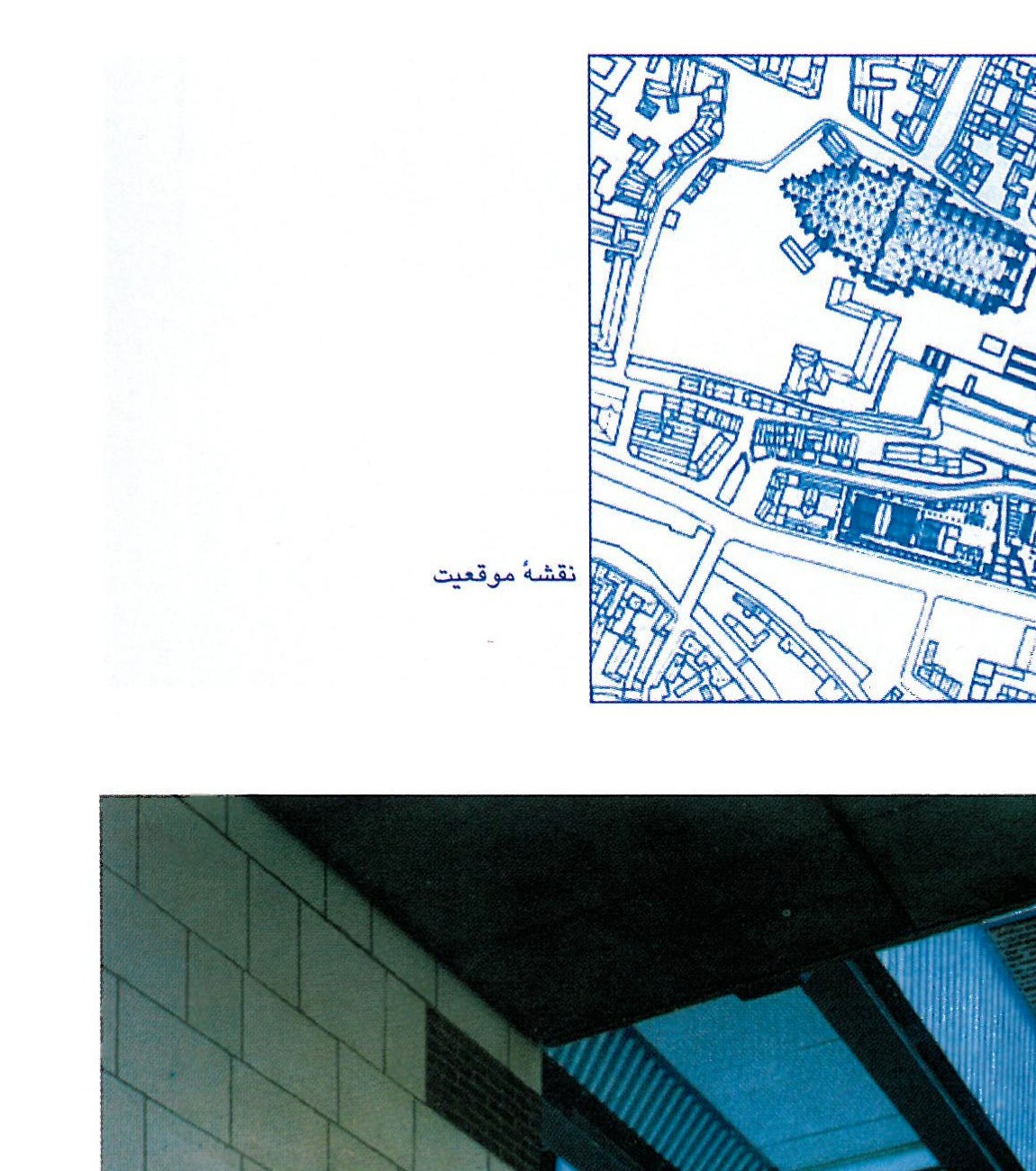
Site location:


The plot designated for the construction of the University Centre and Library of the city of Amiens is an empty, abandoned parcel — the remnant of a portion of a Gothic district destroyed in the Second World War and used since then as a temporary car park in the shadow of the great cathedral, close by yet seemingly remote. The deep cleft of the canal of the Don marks the front of the buildings to be erected. Water runs through the city of Amiens and has earned it the popular nickname of the "little Venice of Picardy". The cathedral close stands roughly 6.5 metres above the level of the project site — a natural feature that gives the site a distinction in this otherwise flat region. In the cathedral, light enters through the south windows and travels toward the north windows; a bright greenish light, like moss, in which the shadows of the buttress flying buttresses fall over the side facing the project site. Thus the topography, the orientation, and the light were the starting point. The programme of the project entered into the design only afterwards.


Plan key:
1. Foyer
2. Cafeteria
3. Administration
4. Project support
5. Conference rooms
6. Discussion rooms
7. 250-seat amphitheatre
8. 450-seat amphitheatre, combinable
9. Light wells
10. Arcade
11. Cloakroom
12. Book loan desk
13. Information and cultural activities
14. Book stack
15. Faculty centre
First options:
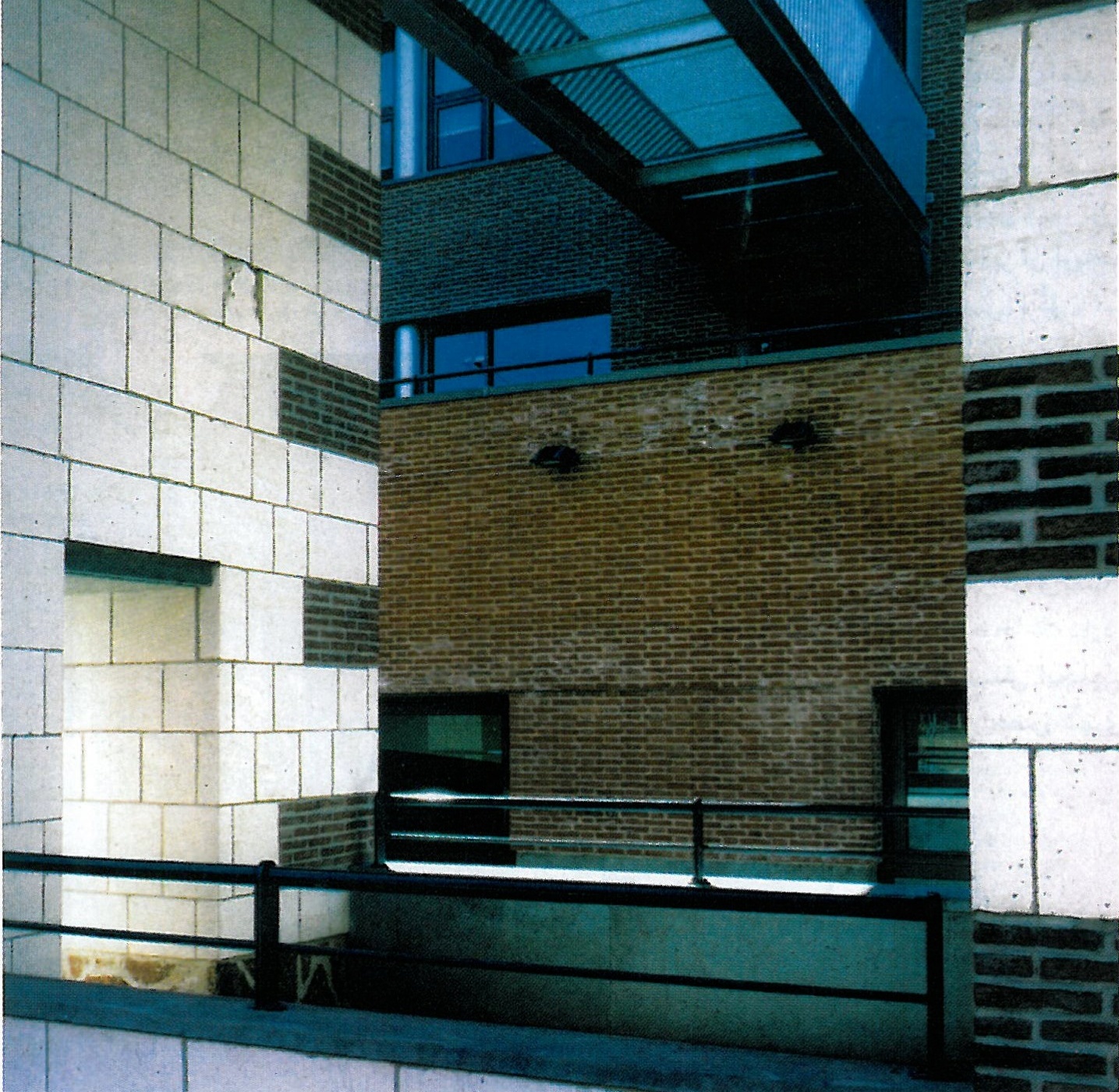
The observance of the pattern of this historic street and the acceptance of the disorder of the two flanking surroundings, while neutralising it through the introduction of an internal order based on symmetry; the creation of a "scenic" effect grounded in a classical rule of composition — the linking of the two buildings by a single projecting reinforced-concrete beam at the level of the cathedral close, framing the base of the building; for the long, straight north front, a portico-lined corridor separated from the principal volume by a very narrow courtyard — this slender court draws light from the south and lends a particular weight and rhythm to that portion of the building whose orientation is less favourable, the reflected light from it illuminating the spaces that face the courtyard; the use of two light wells in the south front to reveal those parts of the two buildings that lie partly below ground; the placing of two entrances facing one another in a position where the view of the cathedral, because of the shape of the parcels of land, appears narrower yet more complete; at the lower level, the creation of an access zone and the framing of a singular and richly textured view; and finally, the maintenance of complete continuity in the materials and wall structures of the building's external face. The exterior materials are: Etruscan slabs in the section beneath the building's plinth; Saint-Lô stone together with handmade bricks at the plinth; handmade bricks for the upper walls; Lens stone for the cladding of certain services; silica-mixed concrete for the projecting beam; and quartz-veined panels for the roof covering.


The design of these buildings was carried out through two competitions, in two stages, in which French architects were eligible to take part. Thirteen architects from various countries were also invited to enter. The designers had to satisfy the requirements of Bernard's detailed brief, in which the desired university functions were specified and constraints were laid down for the siting and height of the two buildings.
The spaces of the two buildings comprise the main entrance hall, cafeteria, lecture hall, administrative and technical sections, two amphitheatres — one seating 250 and the other 450 (combinable) — cloakroom, book loan desk, information centre for cultural activities, book stack, and faculty centre. The floor area of the university centre is 17,200 square metres; that of the library, 8,300 square metres.



