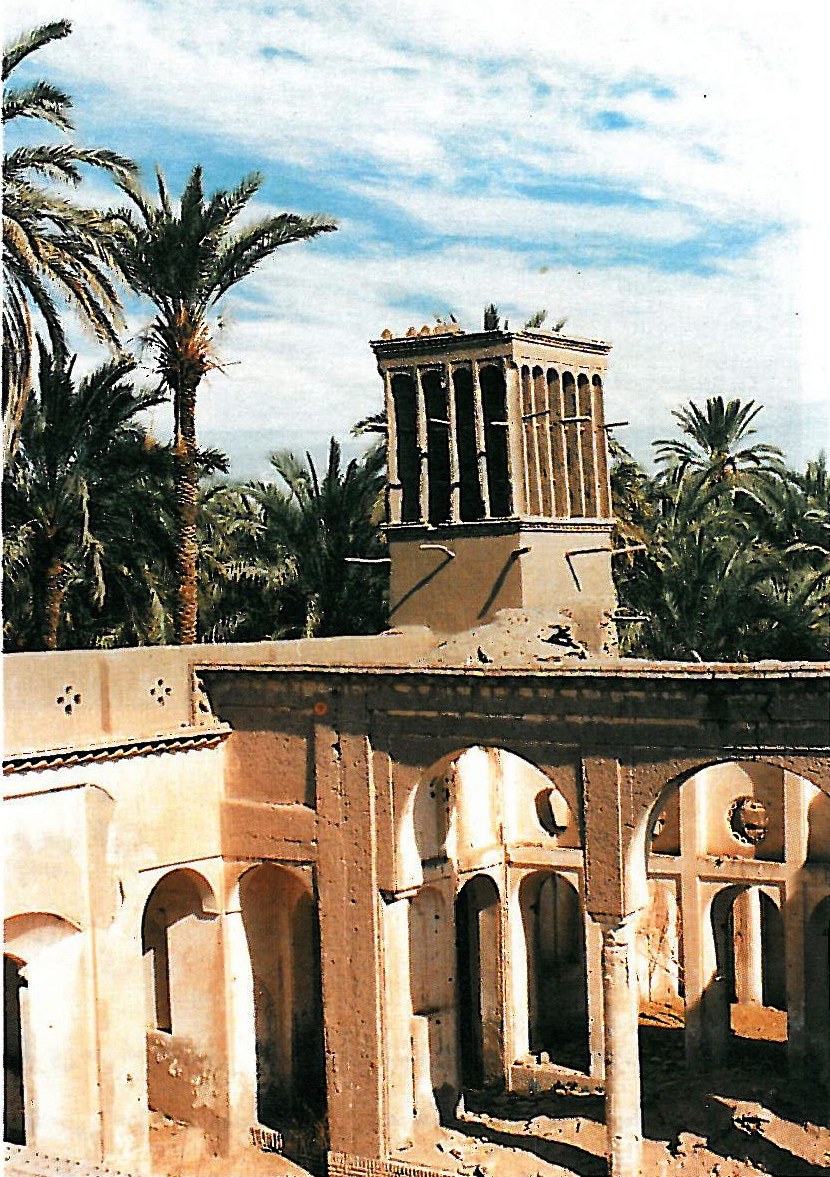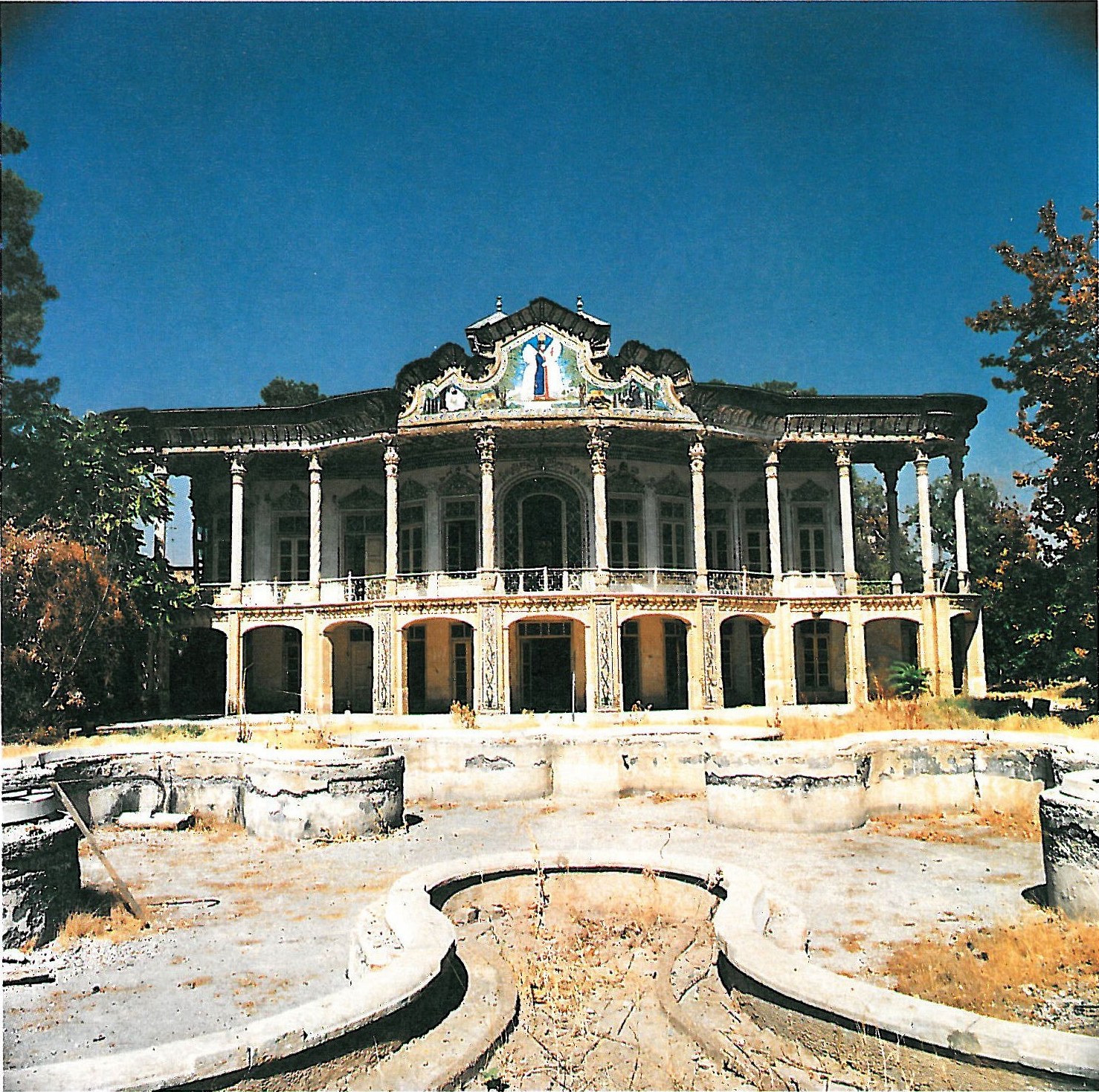
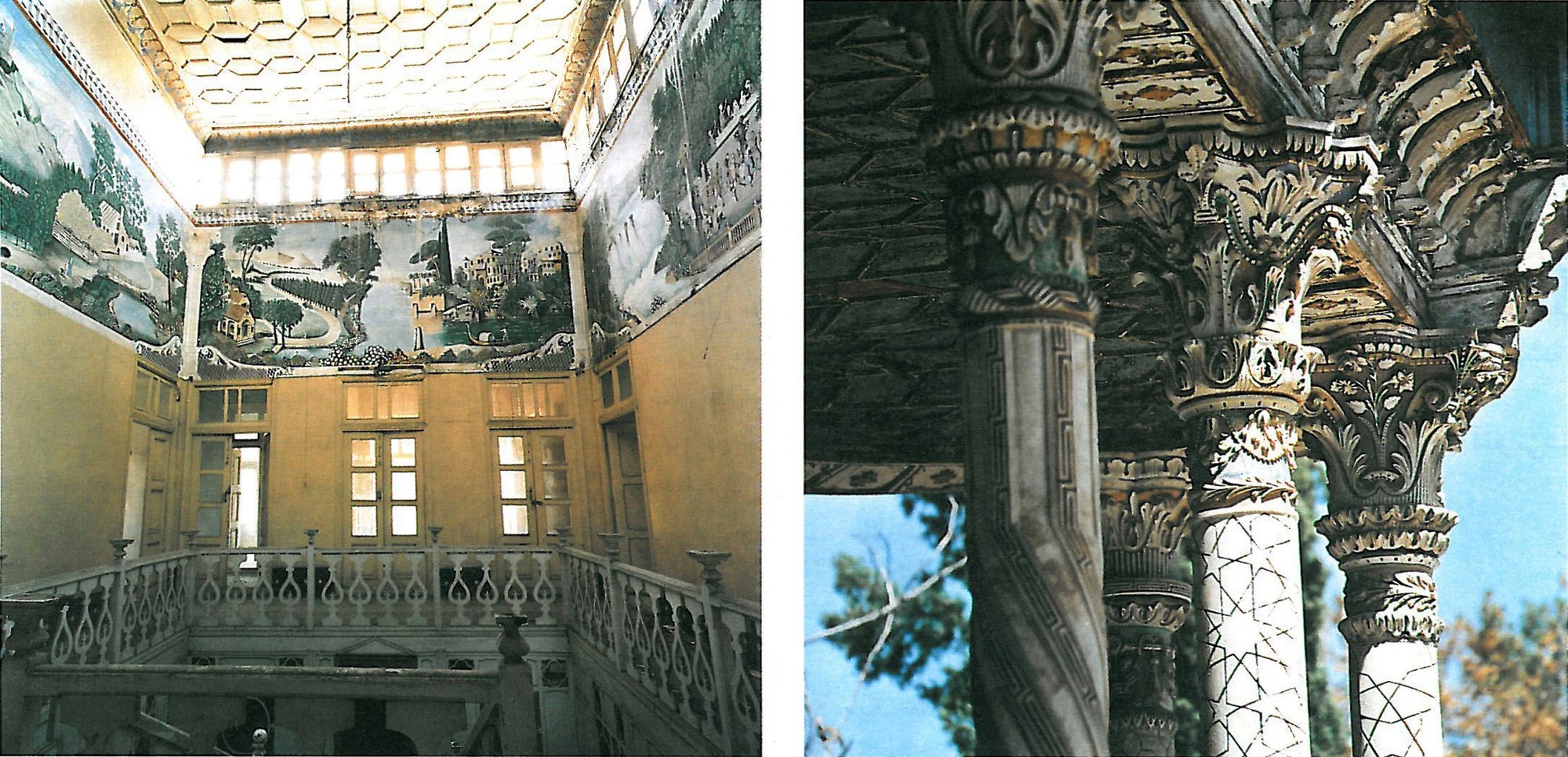
The Cultural Heritage Organization (CHO) has initiated the implementation of Clause "H" of Article 36 of 1378 budget. According to this Clause, the CHF is responsible for restorations of ancient caravanserais, houses, and other historical buildings, and transforming them into tourist attraction sites. Being renovated, these buildings are then intended to pass in the hands of private sector for exploitation.
The outcome of activities of the office for the implementation of Clause "H" has been significant in last year. According to directors of CHO, the execution of this Clause would be finished by the end of year 1379 and renovated buildings can accommodate tourists on Nowrouz 1980. Re-entering of these buildings into the urban life, apart from creating new picturesque urban and architectural spaces, has a significant role in safeguarding cultural heritage.
Mr. Taqizadeh, chief manager of this project, explains as follows:
At first step we defined the two main historical axis, which could serve as main routes for tourists in Iran. The first axis flows from Bazargan border in the north reaching Bandar Boushehr in the south, and the second starts from Sarakhs or Bajgiran (north east of Iran) and ends in Ghasre Shirin near the Iraqi border. These two axis, which form the main transportation routes of the country, have long historical backgrounds. The ancient Silk Road coincides with these two main routes along which most cities were emerged.
We started with the north-south axis. After studying all the relevant historical datas we chose 24 cities and sites having significant historical background:
- Some houses in Makou
- A complex including some houses and a bath in Kordasht near Iran-Armenian border
- Beyam caravanserai near Marand
- A bath in Tabriz
- Bath and monastery of Chalbi Oqloo in Soltanieh
- Sa'adolsaltaneh complex (14 000 square meters) and a caravanserai in Qazvin
- Shahrestanak complex near Tehran
- Aliabad complex near Qom
- Ameri's houses (4 units) in Kashan
- A house in Abyaneh (Kashan)
- Shahzadegan Bath in Esfahan
- Malek caravanserai in Amin Abad in Esfahan-Shiraz road
- Hojjat Abad Vazir complex, in Tehran-Yazd road
- Five or six houses in Fahadan district in Yazd
- Four houses in Abarqoo
- Perspolise hotel in Marvdasht
- Shapouri's house and Karimkhan Zand Divankhaneh in Shiraz
Also Arsham house was picked in Bam and some other residences in Shooshtar to be transformed into accommodation tourist facilities.
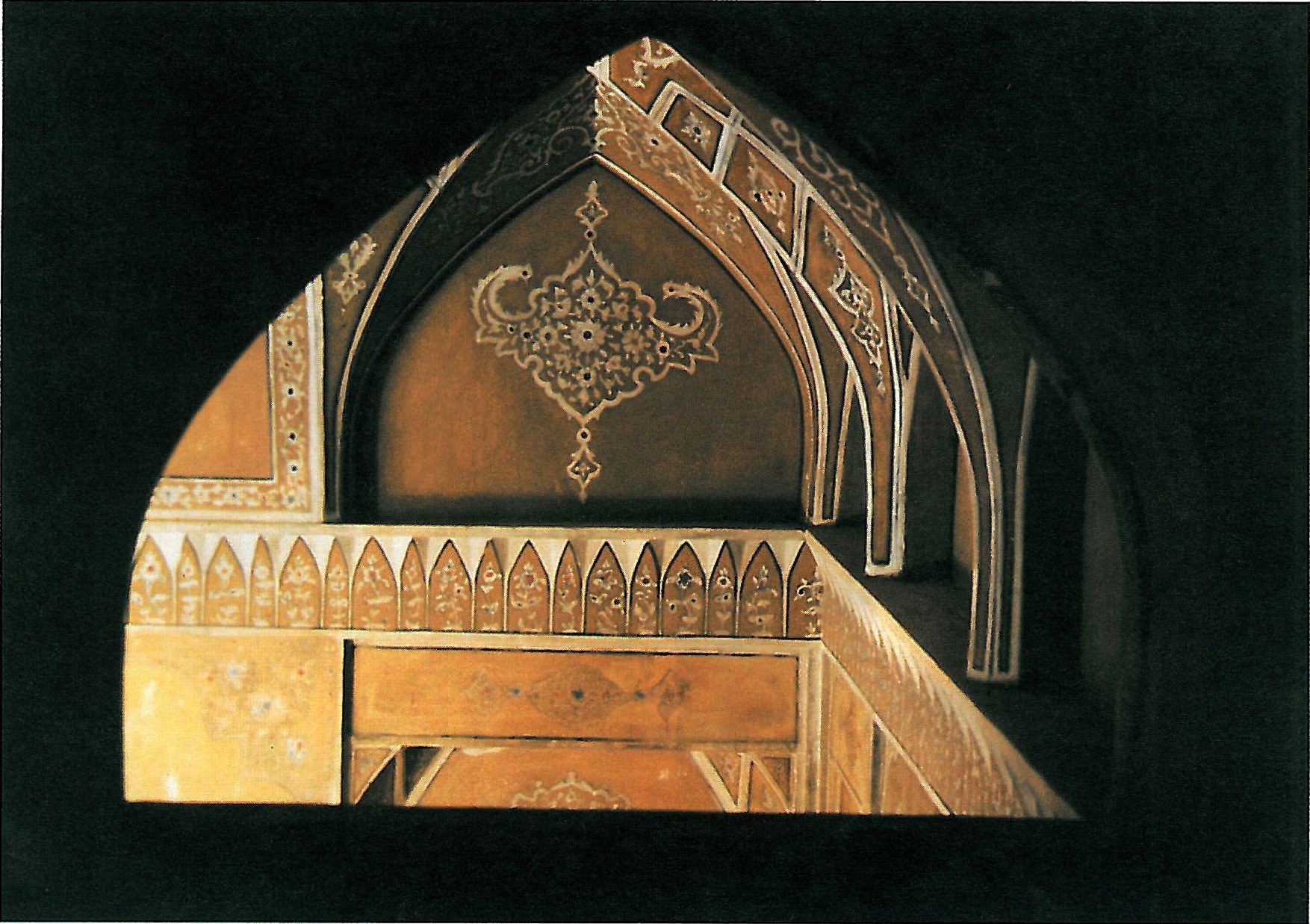
We hope to finish these projects this year and be ready to offer accommodation facilities for tourists in the New Year. These projects are carried out under the supervision of experts from the CHO, and all the interior equipment and architectural design is included in contracts. The policy of CHO is to present Iranian architectural and cultural features, in interior space and equipments of the buildings.
In defining the new use of buildings, various needs of tourists, which could be met within the framework of a historic building, were chosen. Most of these buildings will be transformed into hotels, inns, teahouses and restaurants, clinics, and shops offering utilities for the travellers. In some areas where special traditional ceremonies are held, e.g. Kouch (migration), Golabgiri (obtaining scented water from flowers), Ghalishouri (washing carpets), mourning, and so on, special services are also previewed in the design of projects.
Statistics in CHO shows that travellers, be it Iranian or foreigner, are interested in cultural values and visit museums and historical monuments. This interest has grown within recent years.
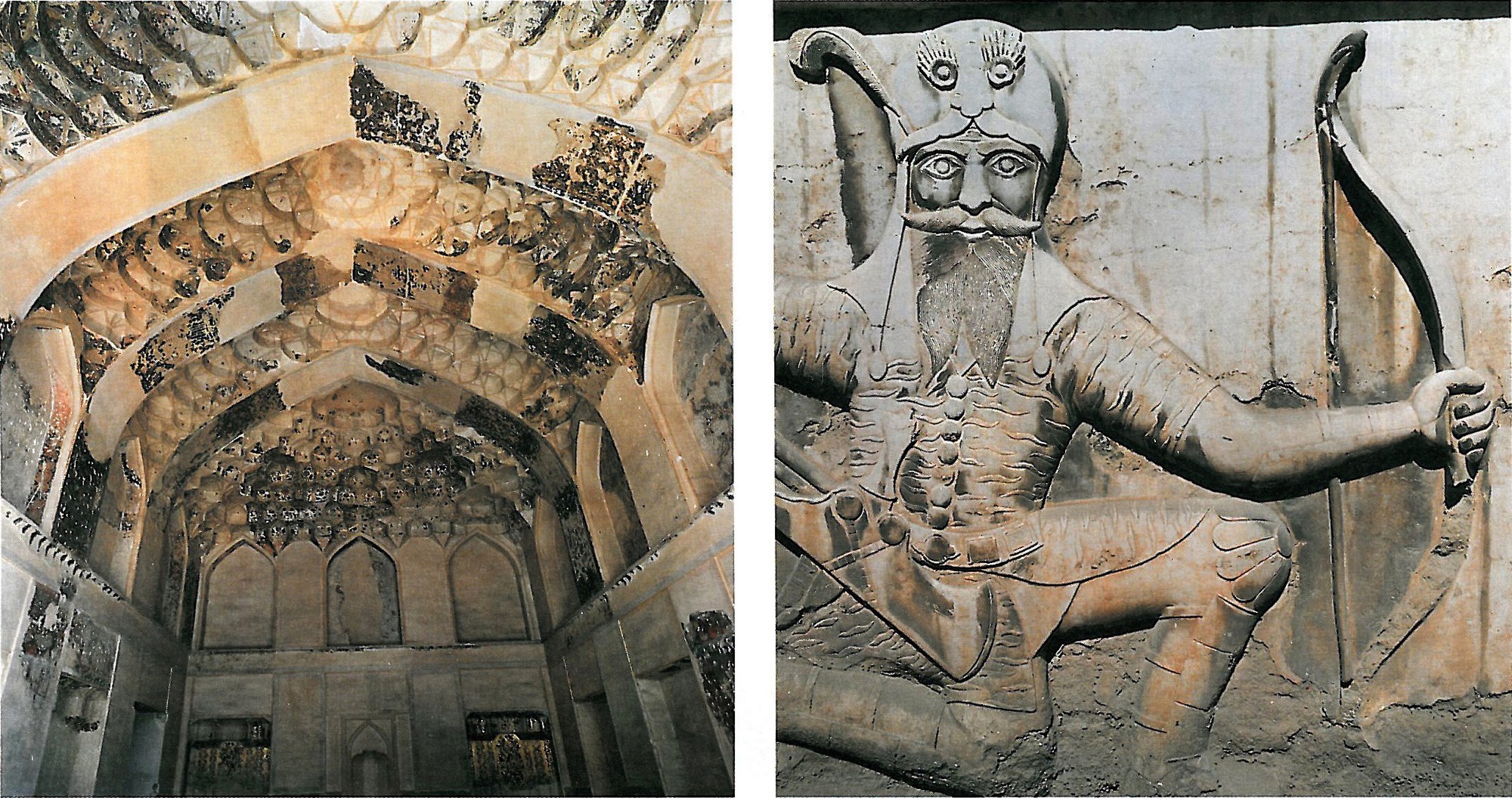
In all parts of the world, a tendency is growing towards cultural aspects of life. Future visitors of Iran would have the same tendency. In our country, two main attractive domains, that is, natural landscape and variated cultures, which even in countries like Japan have been faded, are the most attractive features. These aspects were emphasized in the mentioned projects.
In this year, we try to add some sites to the north-south axis, as well as starting operations on the east-west axis. We are trying to find suitable buildings with a distance of 150-200 Km, instead of 40-45 Km traditional distance between caravanserais, and to renovate and equip them. Some of the buildings chosen in the east-south axis, that are going to be renovated during the current year, are as follows:
- Mehr caravanserai in Sabzevar
- Miandasht caravanserai in Semnan road
- Gadouk caravanserai in Mazandaran
- A housing complex in Gorgan
- A big residence in Hamedan
- Mahidasht caravanserai in Kermanshah
- Ghasre Shirin caravanserai in Ghasre Shirin
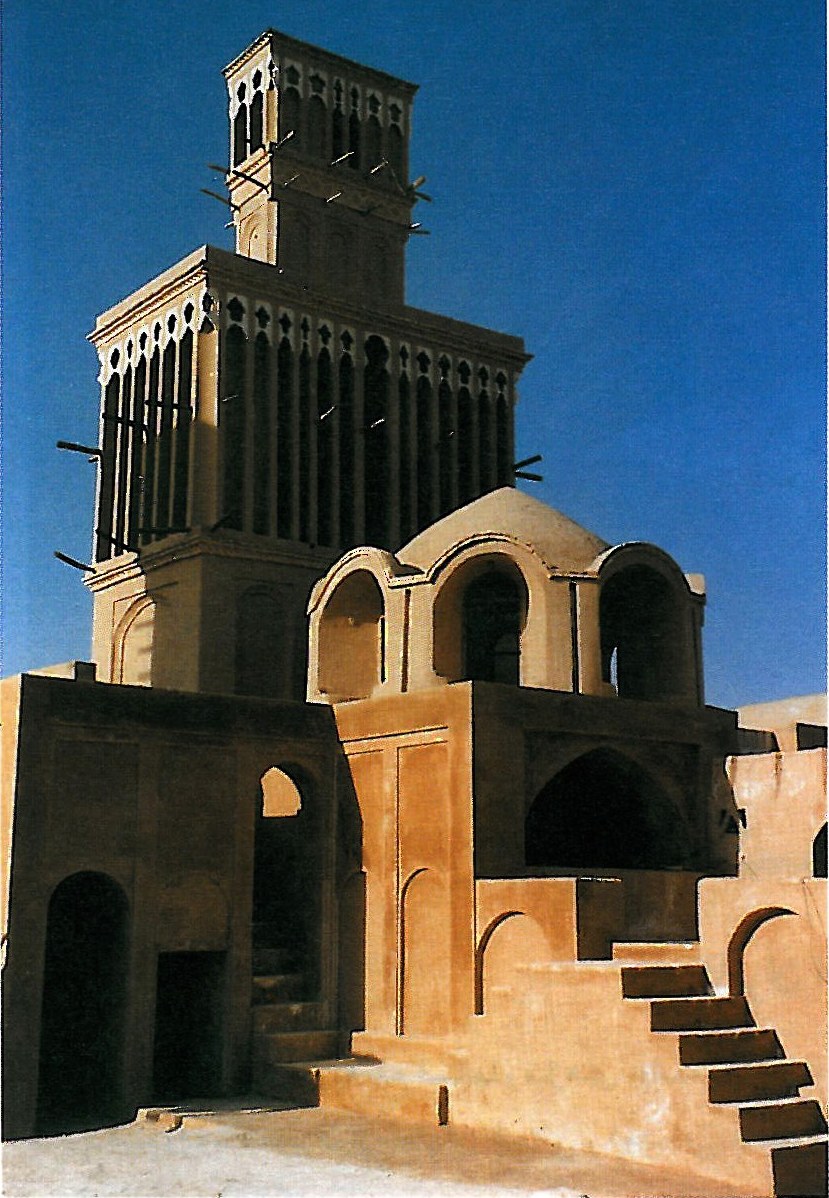
The closing passages, which appear only in the Farsi
Another important point I should mention here is how much these projects matter economically. The criterion for choosing a building has been that it should be able to receive at least about 30 people — that is, a full busload. For that reason small houses have not been chosen.
The policy of the organisation is that the running of these centres should be handed over to people of culture who understand the value of the work. At present there are many applicants in the private sector who are even willing to take part in the work of rebuilding and revival, or who have declared themselves ready to act independently in this field. We have welcomed them, and we assist them with ideas and with technical supervision.
What we are really trying to do is to show the way by carrying out this scheme, and we hope that many owners of buildings of this kind throughout the country will take a similar interest when they see the examples of the work and see them pay for themselves. That is exactly our final aim, because we believe that only with the active participation of the people can we save the heritage of the past and keep it alive, and in this way recover what we have long since lost.