The conservation of historical sites as memories of past cultures and as the reflection of the human minds that created them, could take place only through a thorough study of the building’s history, an accurate planning for its reconstruction, and an accurate program for its maintenance.
The work of restoration of monuments has 3 fields of activities: theoretical and educational, design, and implementation. In the latter, we have 3 groups or types of constructors: the governmental, the public [the municipalities,…], and the private [developers and private investors].
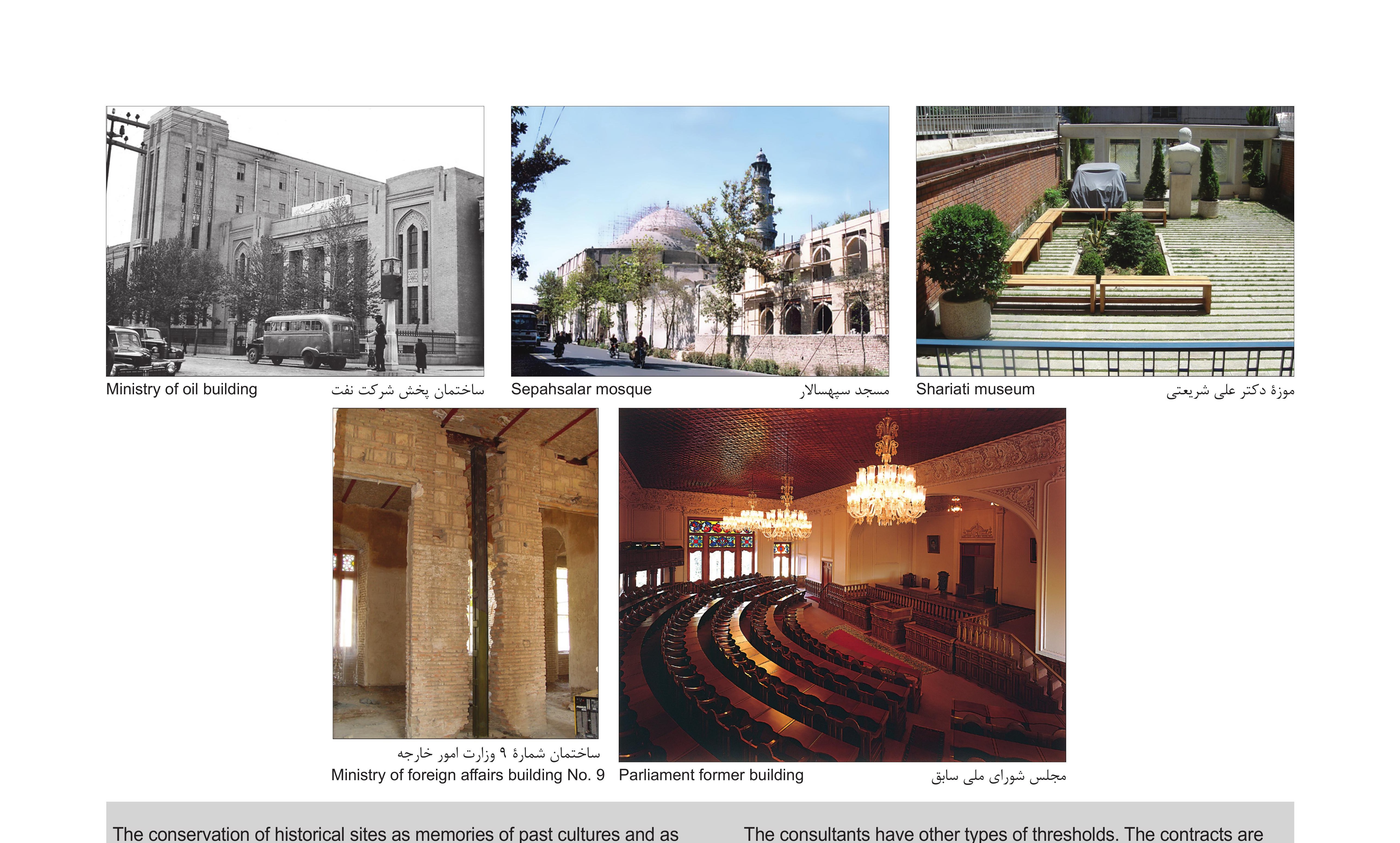
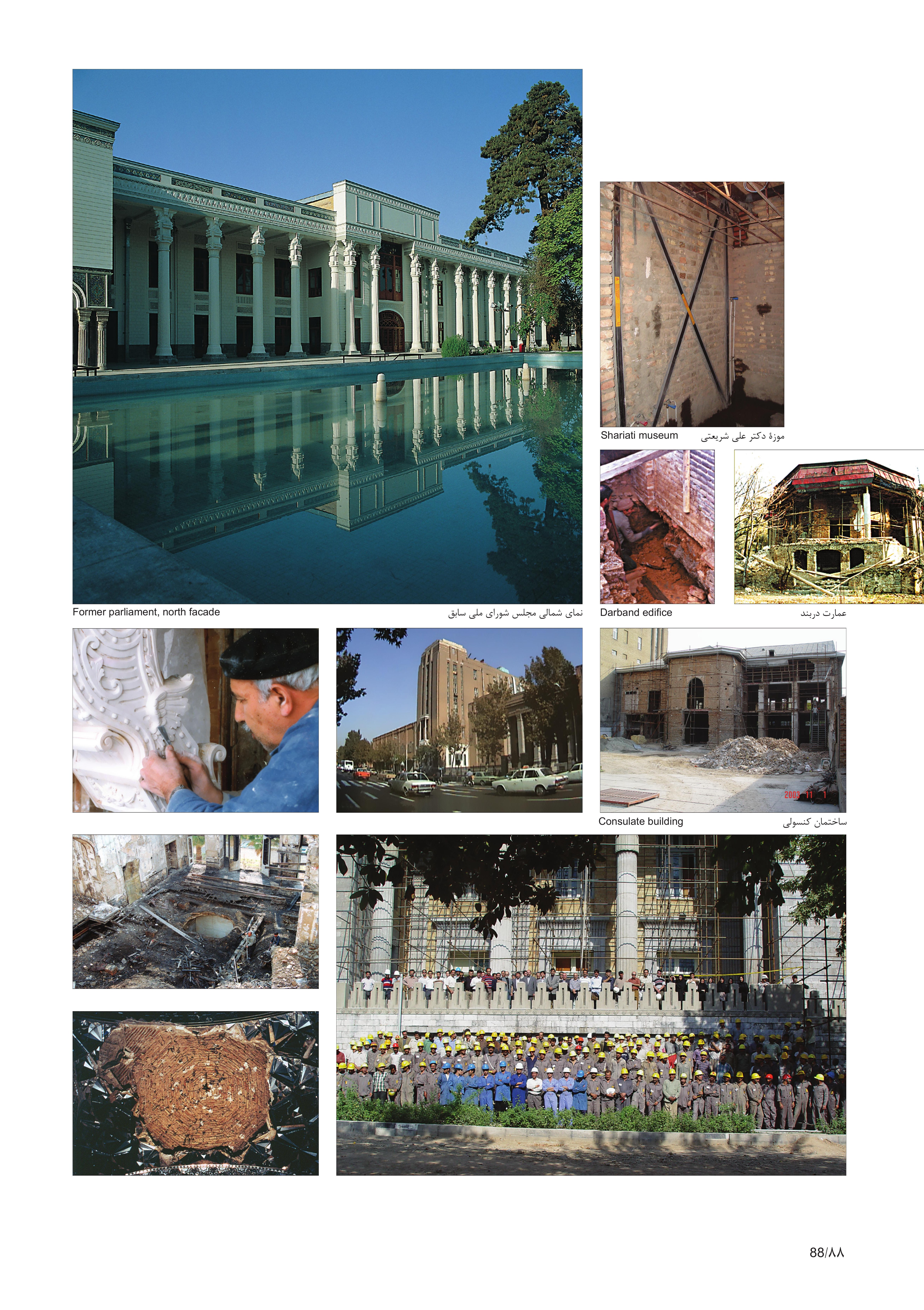
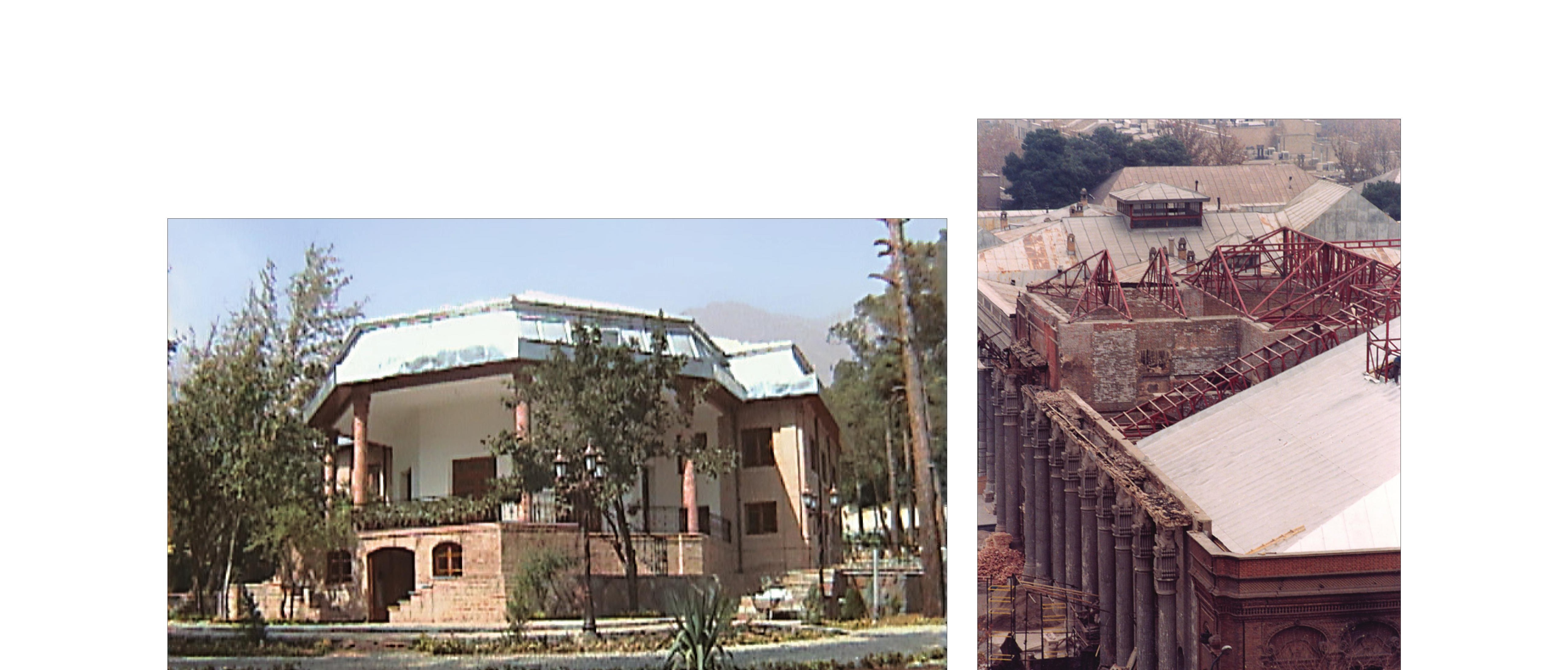
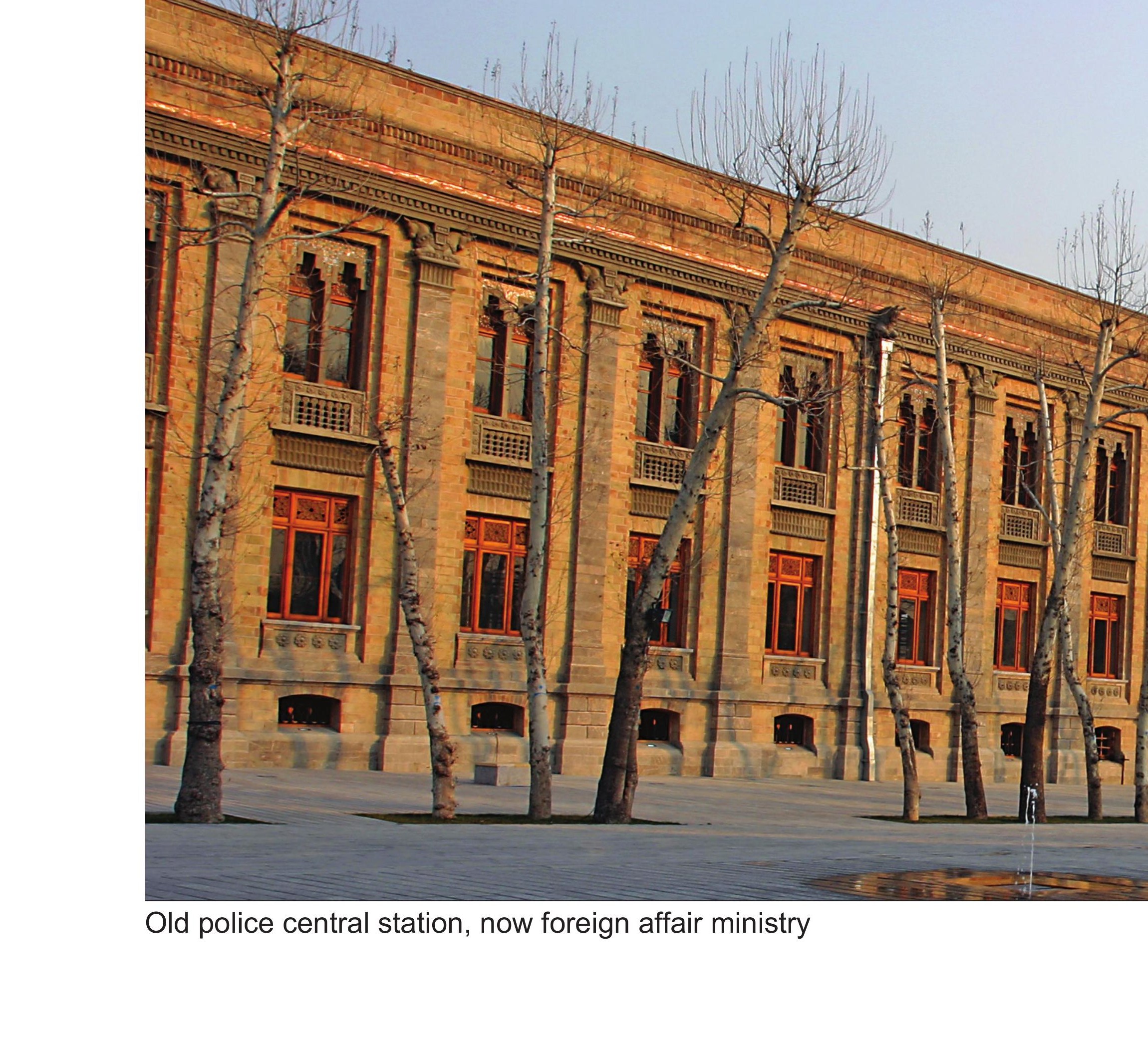
In the governmental sector, the restoration work is usually done on existing buildings, such as the Ministry of Foreign affairs in Tehran, the Central Post Office, the Registration Office, the Ghazaghkhaneh Building, the Distribution building of the oil company, all in the center of Tehran, and also the Darolfonoon school, the Ghavam House, the Adl House, the Masoudieh, in Tehran, and many other buildings in other Iranian cities.
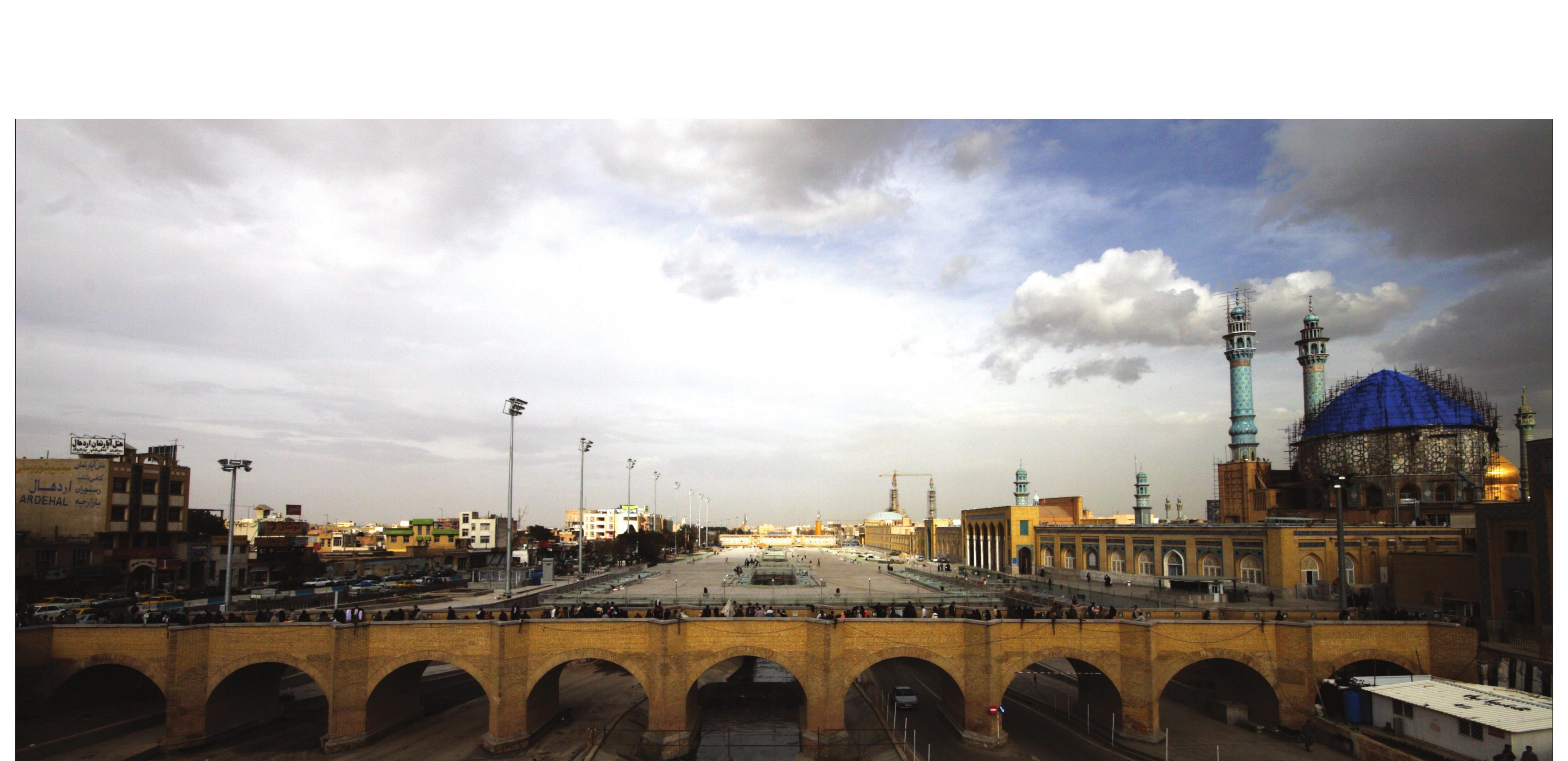
In the public sector we have buildings like Melli Bank, the mosques, including Sepahsalar mosque and school, and houses of important personages all in Tehran; as in the private sector we have the restoration of many historical houses where the owners have invested in the works, to change the place into a restaurant, a hotel, a museum, or a shop.
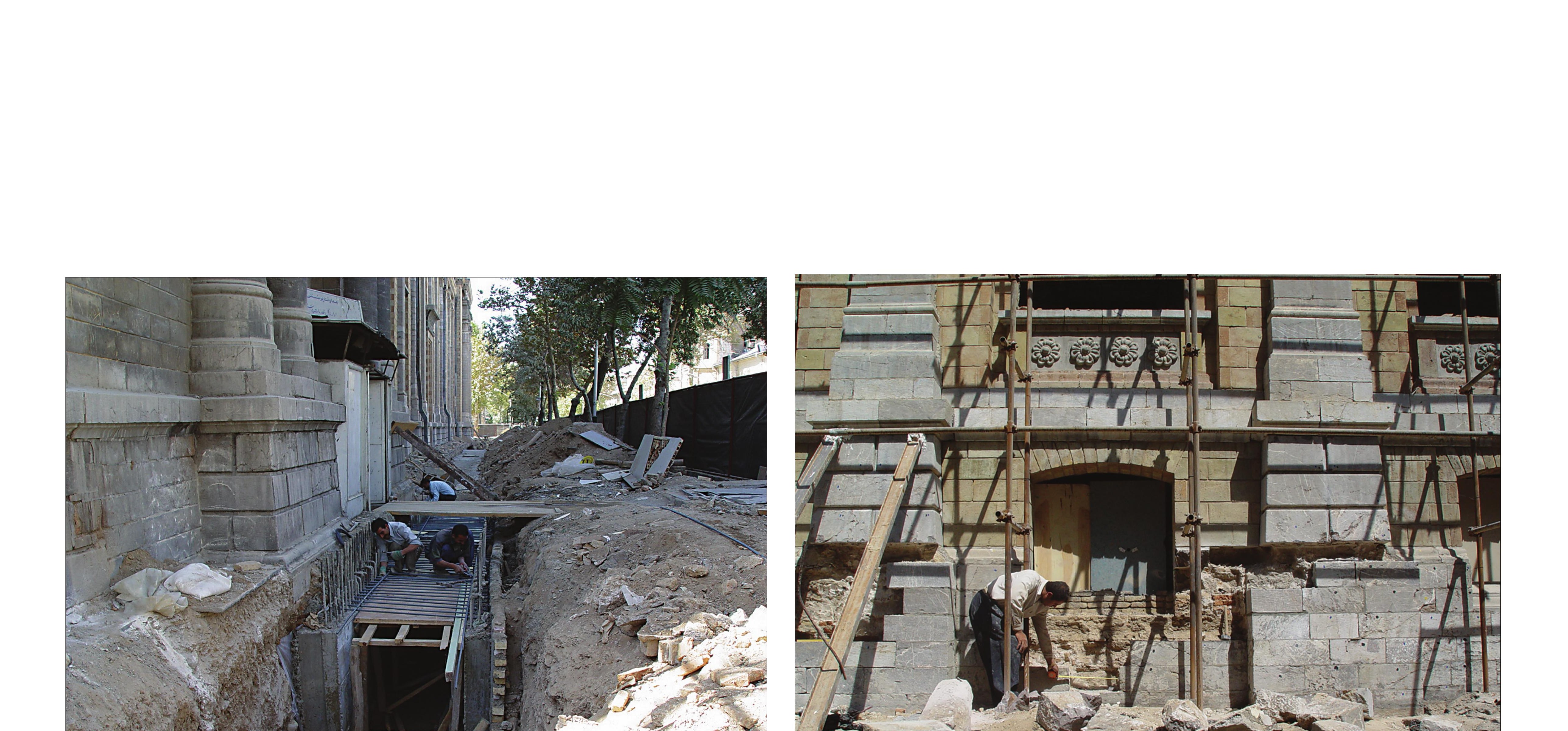
In the governmental sector, the buildings are big and more valuable because of the decorations; they are in the Heritage list for conservation, and demand special care and budget for their restoration. In many of these buildings only the reinforcement or the repairing of the decorations cost more than the reconstruction of the entire building.
In these kind of buildings, it is necessary to have a directive council to guide the works, to choose with extreme care the different design and executive groups, and to have a program for the maintenance of such big buildings. The governmental historical buildings serving as models for other works of restoration, the documentation of the different methods used in different parts of the process of restoration could be used in future for the conservation of the entire city’s heritage buildings. Unfortunately there have been employers who have criticized this documentations and the production of maintenance handbooks as unnecessary and have locked them in archives. In brief, the problem starts when the government employer wants to interfere in technical matters and have his way dictated to the executive groups. The other point is the short period the government employers occupy their posts; when one leaves in the middle of a project, his successor might not carry on with the project properly under the contract. There are not good laws and legal solutions for this kind of projects altogether. Some strong employers try to ignore the regulations to make things move faster; they give the work out through personal relations, which eventually raises the costs. There are also some employers who beneficently start a restoration without having cut a budget for it and draw all the technical groups into trouble.
The consultants have other types of thresholds. The contracts are signed at low prices, and the work takes more time and labor than planned; this lowers the quality of the service. Some consultants are too conformist to whatever the employers ask, and this is not professional. They do not carry out surveys and studies that are necessary, and leave the details to the contractors. All this harms the quality of the work. In the offices they hire mostly young students, and tend to use fewer well-paid experts. Not paying the consulting firm in time is very common, and this has its negative impact on the whole system.
The contractors also face many problems. They accept to do the work with very low prices, but this kills the work altogether. Irrational pace and savings damages the work. New firms with little expertise and equipments do not respond to the difficulties of restoration works in these unhealthy conditions. The masters are not called to work regularly on stone, brick, plaster, wood, and other artistic work in restoring buildings, and don’t teach their art to the young.
My ten recommendations for the management of restoration works are as follows:
- Organizing committees or councils where the collaboration of the representatives of the employer, the consultants, the contractor, and other experts in restoration works could take place.
- Signing CPE [procurement, construction, engineering] contracts that are more flexible to the unprecise conditions of restoration works.
- Having strong and experienced employers, consultants and contractors do the large scale governmental projects.
- Choosing the right function for the old building according to its conditions.
- Documenting the procedure of restoration, even in a national archive.
- Programming the maintenance of historical buildings. This will also demand propaganda on sustainability.
- Working on the education of young working force with the help of masters and experts.
- Asking the help and collaboration of NGOs, universities, technical and engineering syndicates, the ICOMOS, and professional magazines and press to work on the safeguard and promotion of conservation as a good practice.
- Programming the restoration procedure.
- Having the presence of the committee members on site, in order to facilitate the process of restoration.
Mehrdad Bahmani, born in 1958, is an architect who has mostly worked in the field of restoration of old buildings and monuments. He directed the workshops for the restoration of the Old Parliament in Baharestan, and the Police central station in the National Garden area in central Tehran, for Azar 79 company. He has also restored Imam Khomeini’s House in Khomein. He is also active in cultural activities, directing Memarnet, a website for younger architects, in his office.