


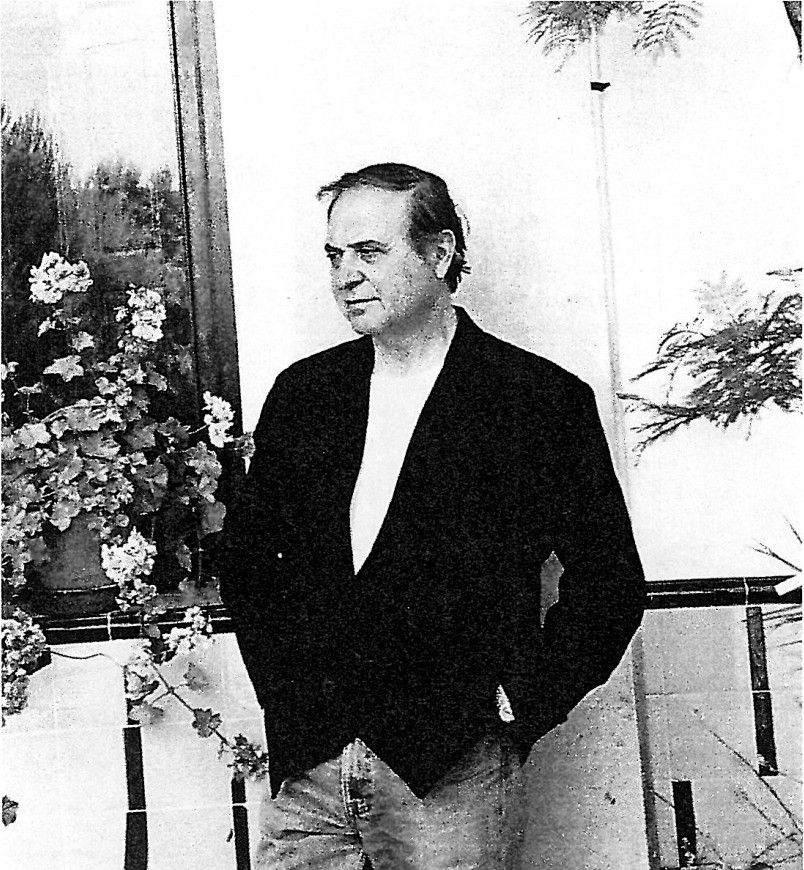
Kamran Diba is a prominent Iranian architect whose presence and influence were much felt in the sixties and seventies. He left behind many memorable buildings and projects. To name a few: the Tehran Museum of Contemporary Art, Park Shafagh (Yousefabad), the Niavaran Cultural Center, the Jondishapour University complex, and Shushtar New Town. These projects have proven immensely successful and enjoy a significant place and status in Iran's recent and present architectural landscape. His professional career in Iran (1966–1975), although short, is abundant with energy, variety and a search for innovation. Due to political events in Iran, Diba's career was cut short and he was exiled to foreign lands.
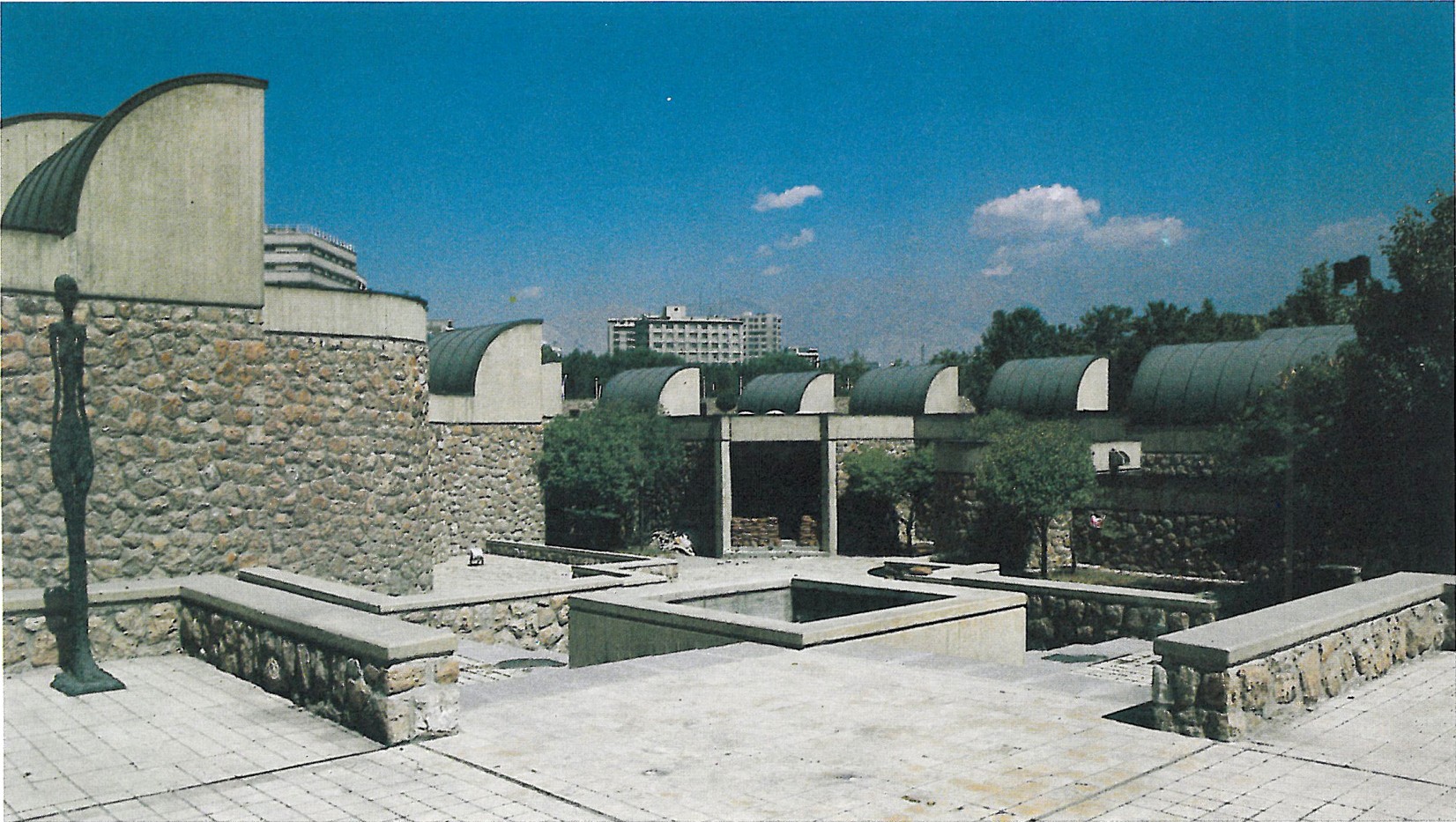
Diba's interest went beyond architecture; his endeavour was imbedded in social and cultural commitments. One should consider him as an ideologically oriented architect with a sense of mission. He energised the entire artistic community by creating events and exhibitions, and played a prominent role in the creation of the Tehran Museum of Contemporary Art — not only as an architect, but as a programmer, administrator and artistic curator, and the inaugurating director of this institution. Let us not forget that this museum was founded and created in the same years as the Centre Pompidou in Paris, and its opening was one of the important international art events.
Kamran Diba introduced to Iran the idea of cultural centres on the neighbourhood level. He demonstrated his idea in Park Shafagh, the Museum (TMoCA) and the Niavaran Cultural Centre, which are still active and viable centres. Diba was one of the first architects to plunge into landscape architecture, considered at the time as a dispensable discipline and largely ignored by the profession. He was concerned with a total socio-environmental package: to programme (when allowed), design, closely supervise construction, and then do the landscape and interior design, including choosing the furniture — and then show interest in the management and its administrative functions. He believed that, during his practice, the country was in a developmental phase and lacked in cultural expertise and specialisations, so it was up to the architect to provide a total package. Diba also believed in teamwork and sought the help of his colleagues to build a practice named D.A.Z. architects, planners and engineers. Although, by world standards, a large practice, he managed to maintain his control and sense of authorship on most projects.
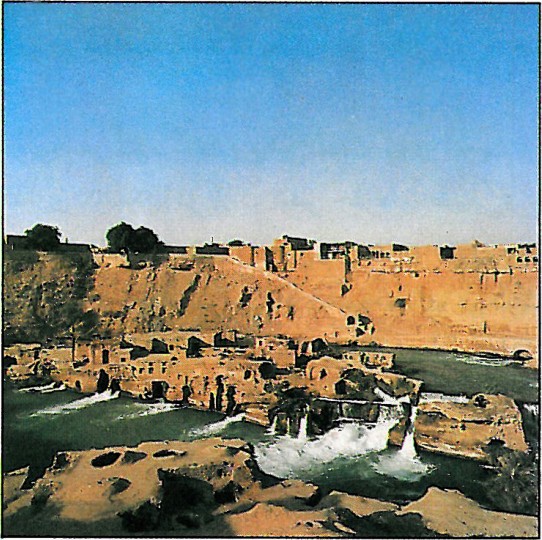
We cannot do justice to Diba's career if we do not mention his ventures in urban design. Diba's great love and aspiration was to be able to design towns and neighbourhoods; he was lucky that toward the end of his career in Iran he landed the commission of Shushtar New Town. Throughout his career Diba incorporated urban-design methodology and was a masterful designer of public open spaces. Shushtar New Town was a great opportunity to implement his social ideas in a vernacular setting, based on the modest Iranian traditional neighbourhoods. Diba went beyond this basic social idea by designing low-rise, high-density housing energised by an exciting sequence of formal and informal articulated urban open spaces. This New Town is one of the rare examples of town planning in the non-Western world which emanates a local vernacular character in spite of its modernity. Shushtar New Town is the winner of an Aga Khan Award for Architecture, and was included in the important travelling exhibition At the End of the Century, organised by the Museum of Contemporary Art, Los Angeles, and dedicated to 20th-century architecture; it was also shown at the Venice Biennale. Diba understood the culture and spirit of our traditional architecture, and, without repeating clichés and pastiches, captured its spirit in the language of modern architecture. He presently lives and works in southern Andalusia, Spain.
Intellectual and theoretical leanings
Diba's work in the twelve-year period of his Iranian practice shows his particular interest in the social aspect of architecture — or, in his own term, “human architecture”. By human architecture he meant committed, useful work for society and people. His strong interest in urban design, town planning and garden-making arose from the same intellectual temper. He had no taste for designing private buildings (the only private work of his was the house of his friend the sculptor Parviz Tanavoli) and all his attention was directed to the design of public and cultural buildings of common benefit and of mass housing, in most of which he also acted as programmer and planner.
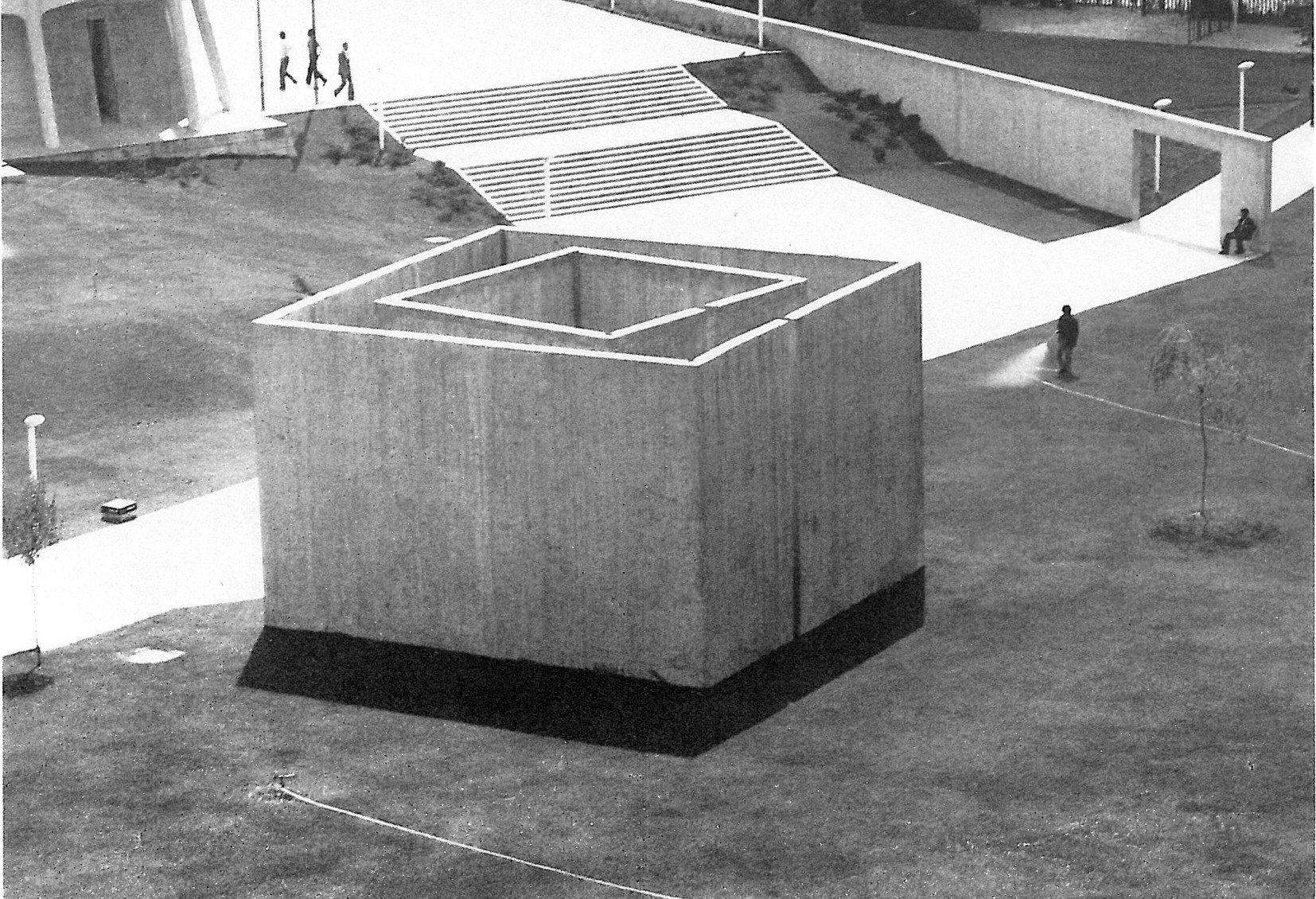
He himself says: “I did not want to design villas for the upper classes. At that time I believed that architecture in Iran was, by and large, in the service only of the bourgeois class and the rich of society, and that urban design offered a better means of meeting the needs of society. For this reason, after finishing my architecture degree, I took a master's in sociology and took part in the design of the Columbia new town (between Washington and Baltimore). I began my work in Iran by founding an office called ‘Institute of Urban Design and Social Projects’ — which many at first thought was a government institution. But I quickly realised that obtaining the kind of projects I was interested in was no easy matter.”
His social sensibilities and his strong interest in urban design are evident in his first projects. His first work in Iran was the design of a public park on a plot of a few thousand square metres, on a former refuse-tip site inside a neighbourhood — at a time when city parks of several hectares were being built in Tehran and other cities. After that he designed a summer camp for orphaned children at Shahsavar on the Caspian coast, trying, with attention to local architecture, to build an “example village” for the northern towns, and using local northern ceramics for the first time — which at the time were made by hand and were very fragile, and which engineers regarded as unreliable and low-grade.
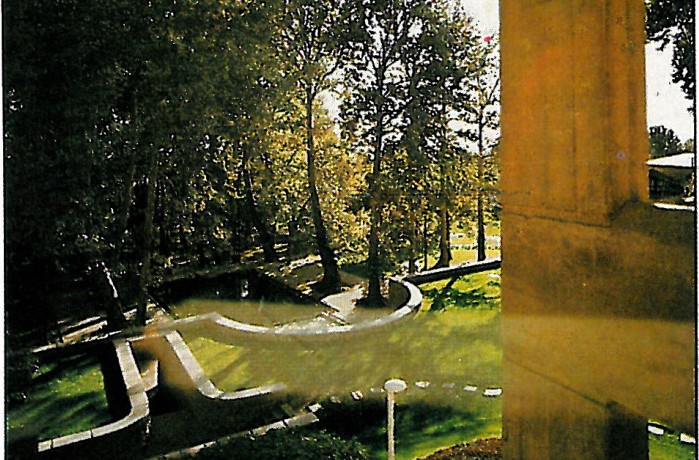
Park Shafagh was designed in such a way that all the surrounding streets end in it and cross through it; by this device the park was integrated into the life of the neighbourhood. In this project Diba for the first time conceived of a farhangsara — a cultural centre of social services at neighbourhood level. He encouraged the Kanoon-e Parvareshi (Institute for the Intellectual Development of Children and Young Adults) to set up a children's library and a painting studio there. In this scheme he stubbornly preserved a modest old building to strengthen the park's link with the past and turned it into a venue for shows and neighbourhood-level social activities. He sought, by building a performance hall and an adult library, to turn the park into the centre of the neighbourhood and a place of civic gathering.
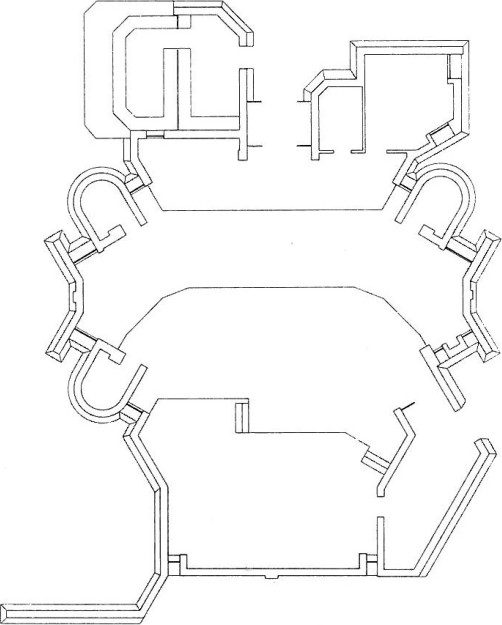
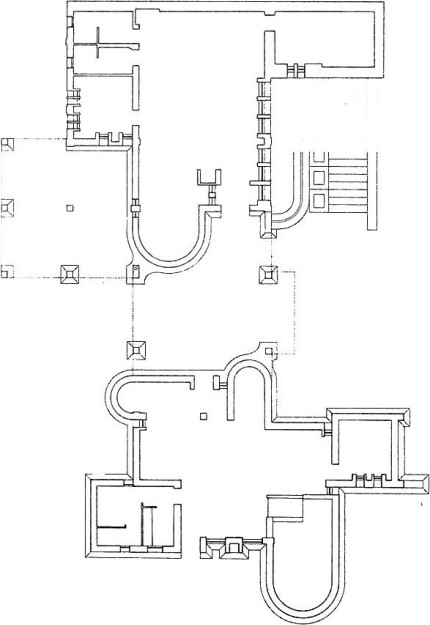
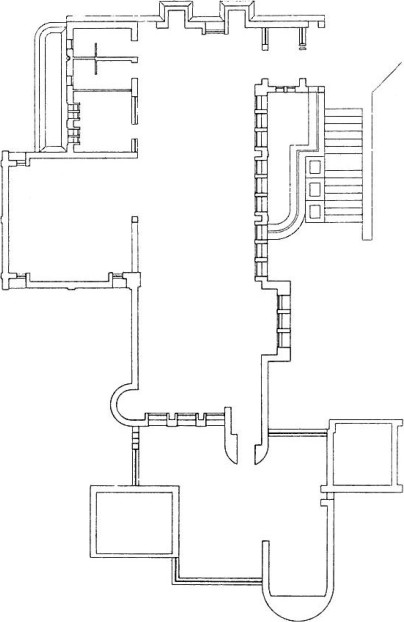
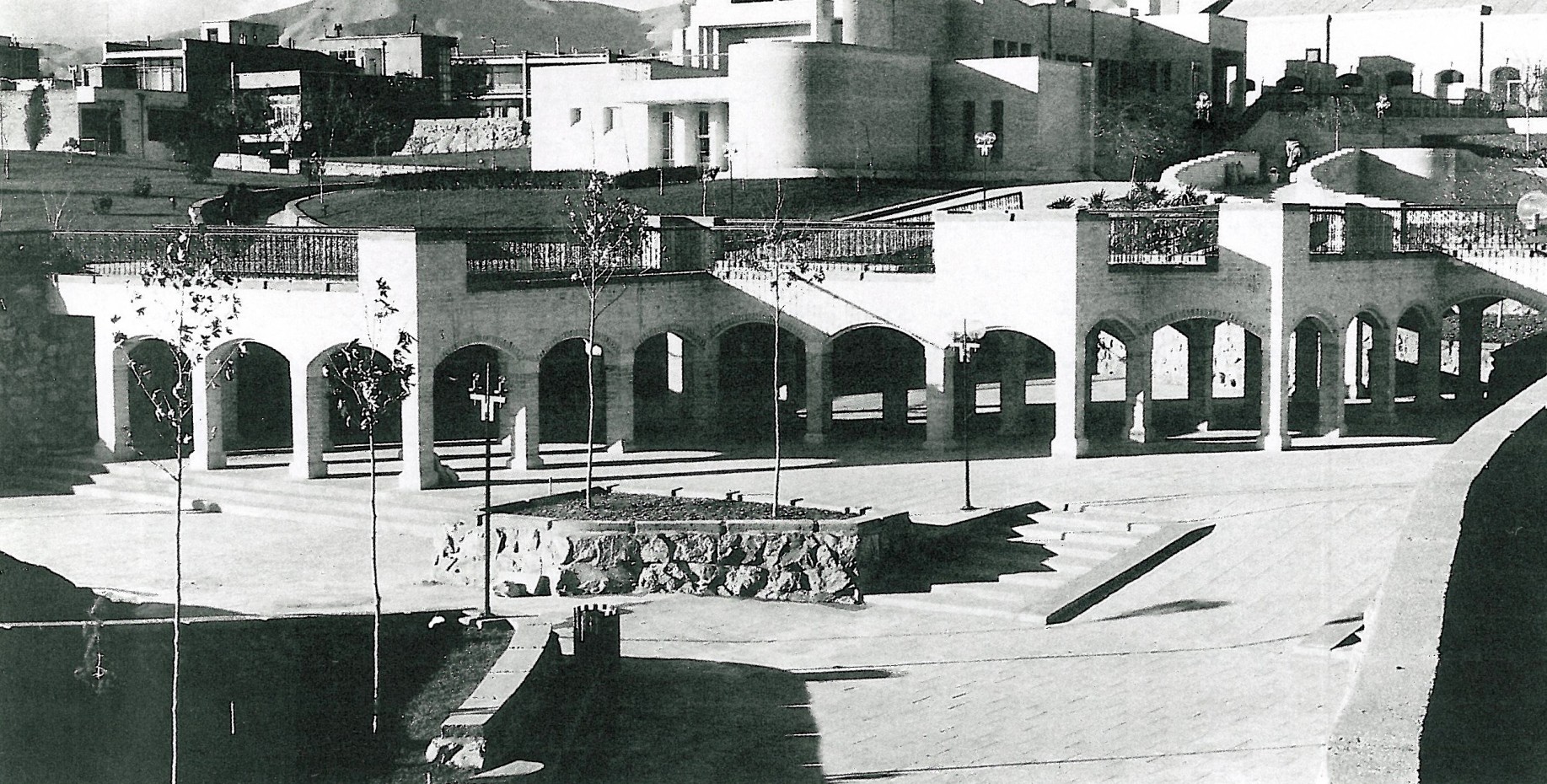
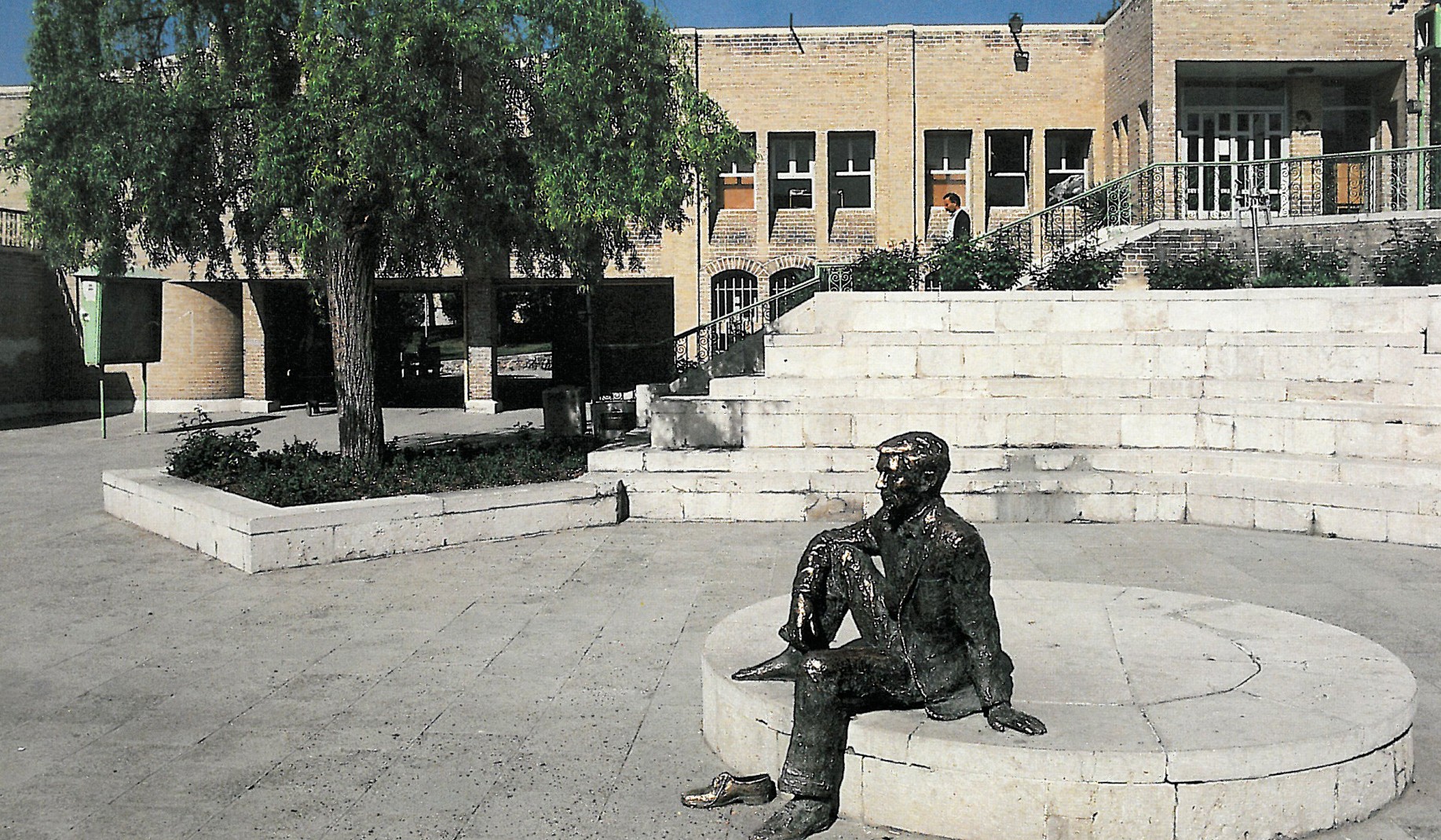
At Jondishapour University, Diba, in line with his inclination to urban design and town planning, very much wanted to prepare the master plan of the university so as to do his desired ensemble, but the then rector — who was using several consulting engineers at once — had no interest in dealing with a master-plan architect and referred individual projects to his office. Diba says: “After much thought, I drew up a ‘battle tactic’ for a hidden master plan: I set three bases at distances from each other so that I could plan the spaces between them too. The first was the design of the covered sports hall, which was later extended. The second was the students' dining hall, in which I placed a prayer-space; later I separated it and placed it as the university mosque in the open space beside the dining hall. All the buildings of this ensemble are, in effect, an instrument of pedestrian passage.”
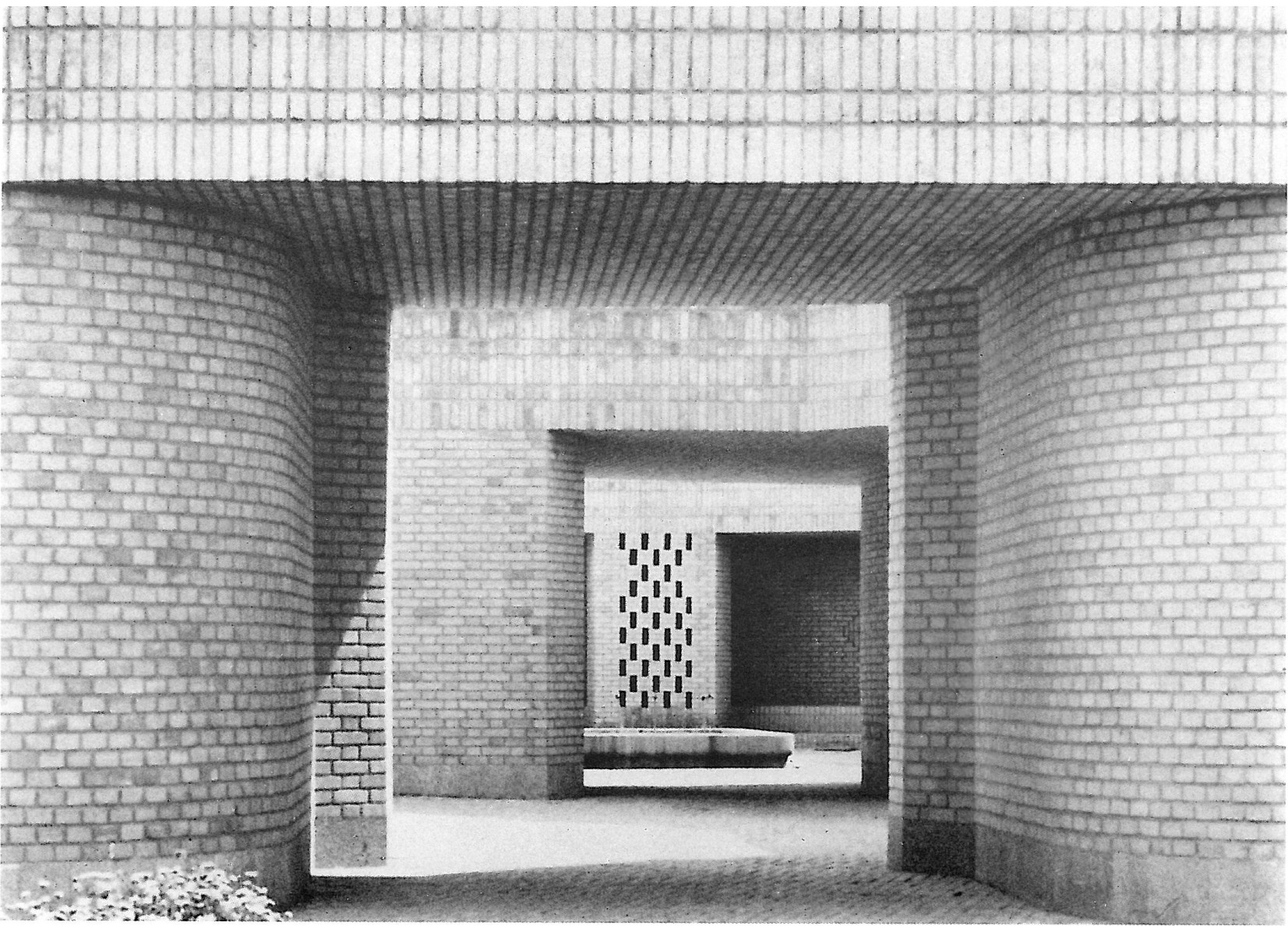
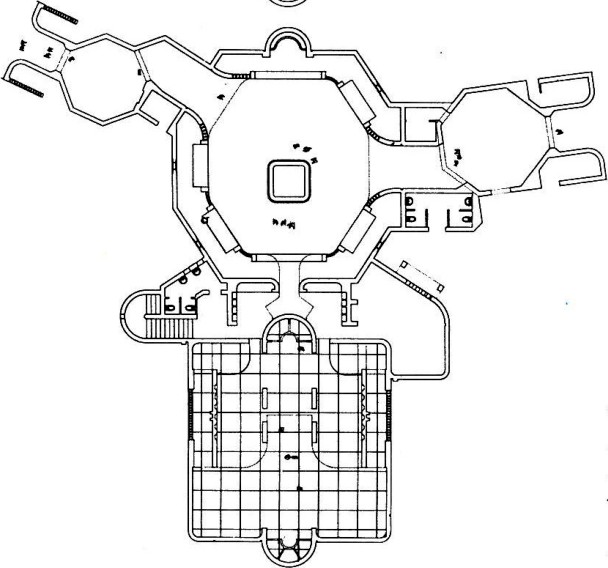
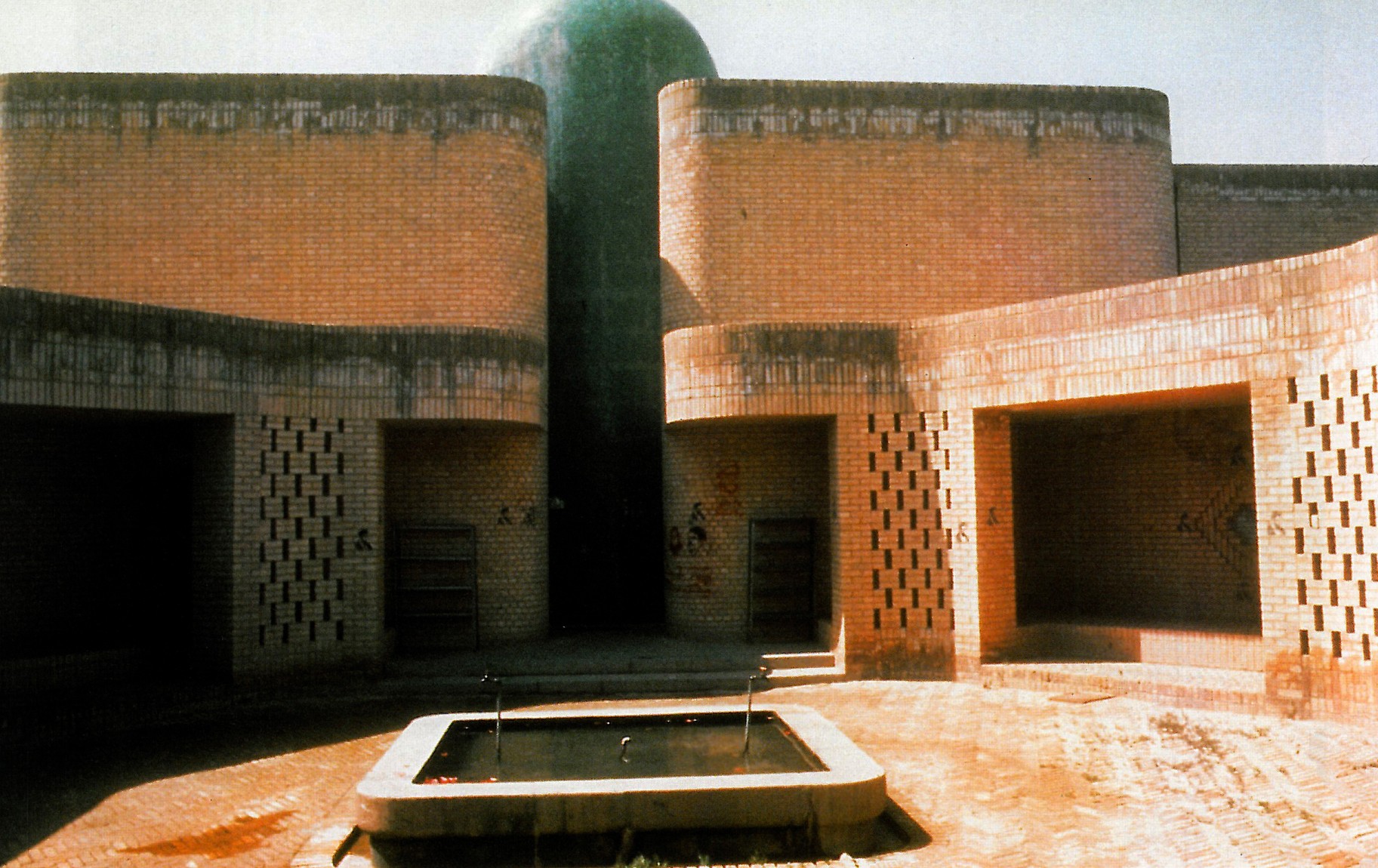
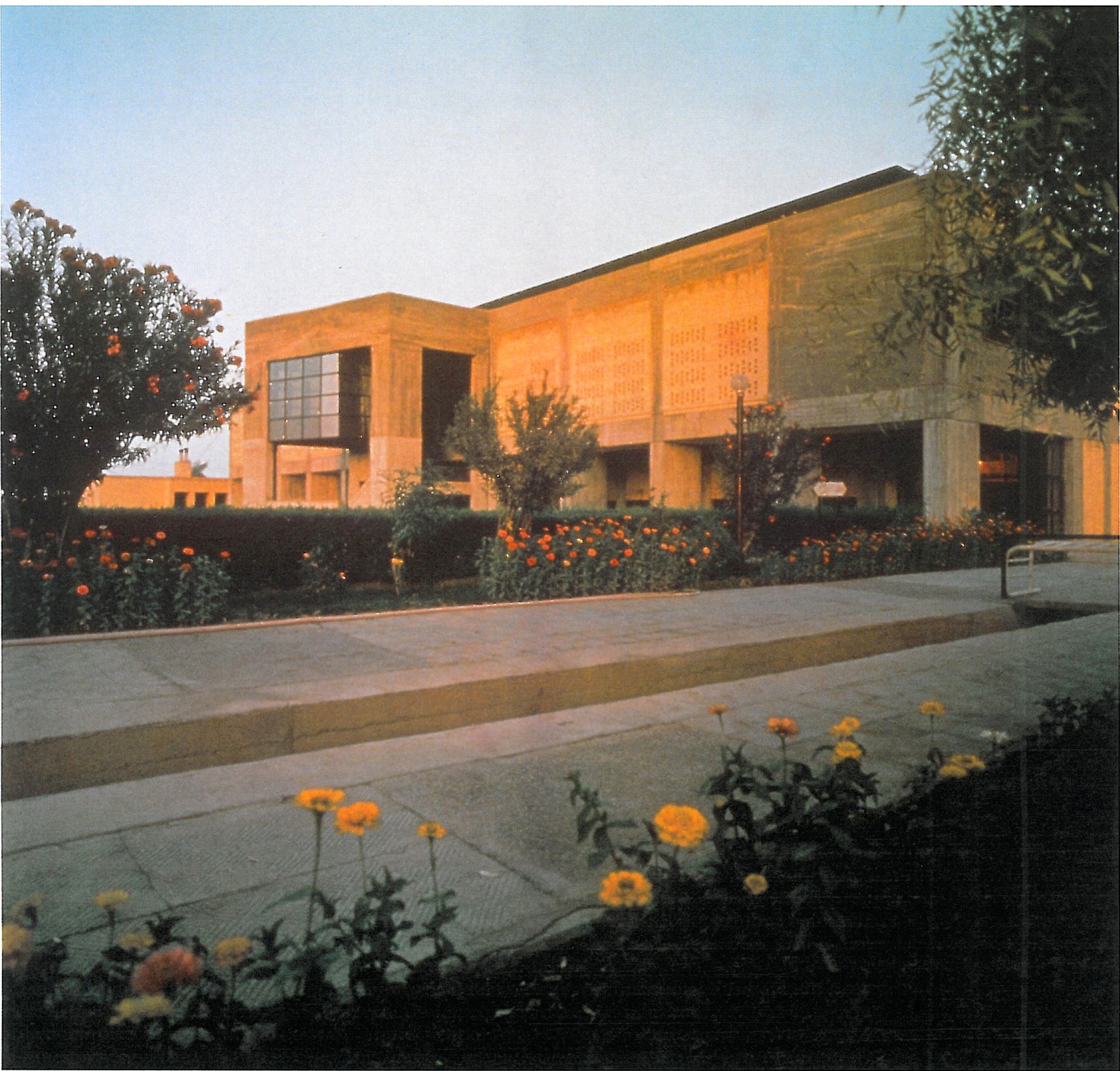
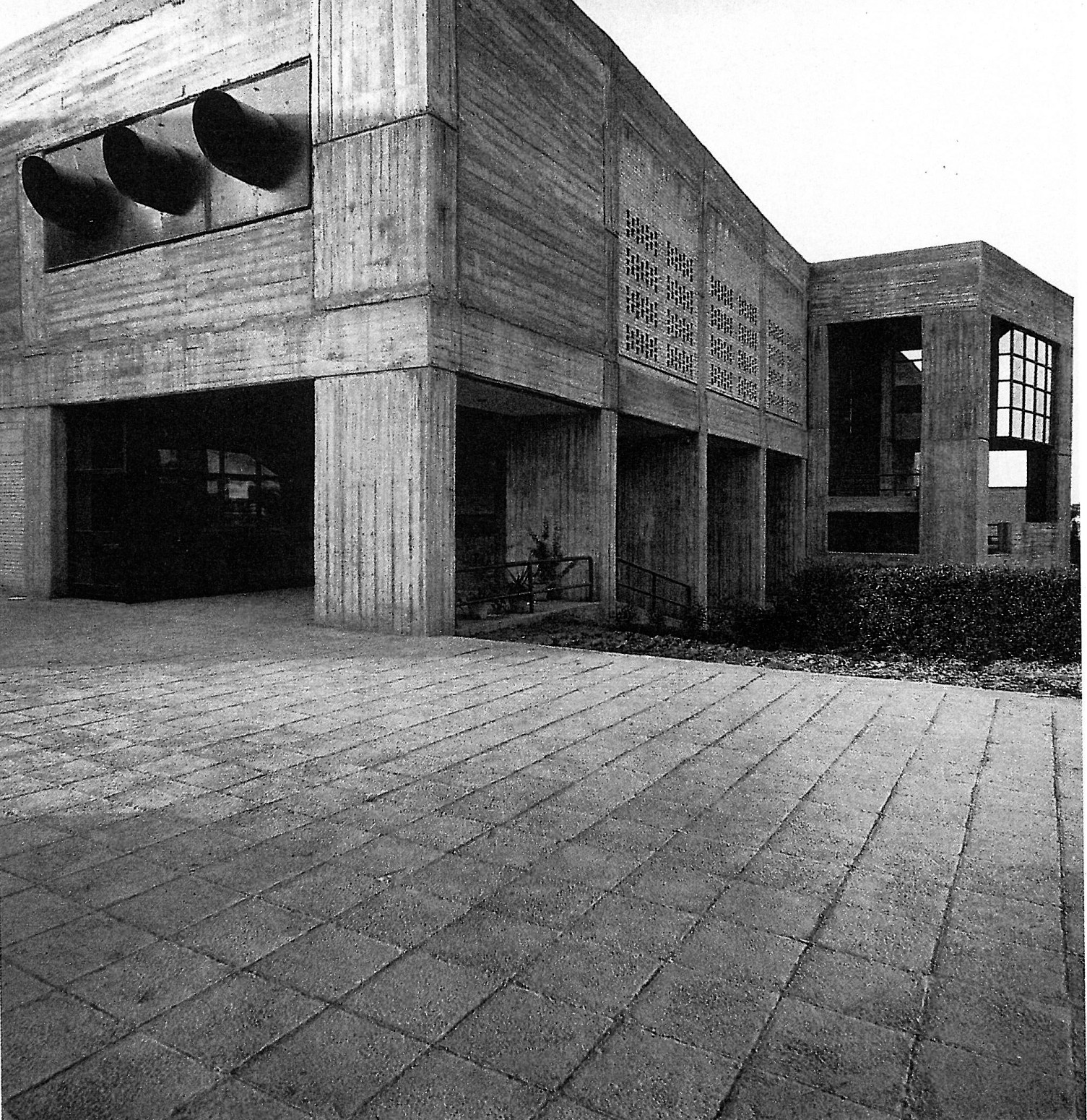
In his other works too Diba sought to create various cultural and recreational centres — libraries, galleries, performance halls and restaurants in the form of activity complexes — a strategy eloquently realised in the Niavaran Cultural Centre.
Apparently these same leanings, in addition to the aesthetics of Iranian architectural-urban traditions, fostered in him a love and respect for those traditions. But unlike Hassan Fathy, who stood against modern trends, Diba, while accepting modernism and modernity, sought a “realist traditionalism”. The magazine Lotus, in its review of Shushtar, wrote: “This is an image of an Iranian city that is both ancient and modern — possessing both a local, vernacular culture and a world culture.”
Diba disagreed with copying Western bourgeois models of life for Iranian society and sought to establish a link between modernism and Iranian traditions. He set out his view in the forthcoming book What Is Islamic Architecture? To him, the architecture and urbanism of New York and many Western capitals is not a pattern that societies such as ours can simply follow; one must return to local, regional roots. In a sense one may call Diba the founder of garden-making in contemporary Iran — and the interesting point in his garden work is its particular attention to the problem of water scarcity and the difficulty of maintaining green space in Iran's climate.
Artistic activities
Kamran Diba, who in addition to architecture also painted, during his years of work in Iran played an effective role in collective artistic activities; the role was consummated and given permanence by the design and programming of the Museum of Contemporary Art.
At the beginning of his work in Iran he gathered visual artists into a single artistic circle and arranged two concept shows in Iran. In the first show — “The Skilful Water Player” — painting, three-dimensional sculpture and sound were used; the text of the piece was written in modern verse by Diba himself; Parviz Tanavoli and a female narrator performed it, and the recording was played continuously during the show. The stage consisted of large three-dimensional boxes on which a life-size figure had been painted by Diba; Pil Aram carried out the calligraphy of the slogans on the boxes. The second show was performed in collaboration with Ahmad Ali (photographer). Some of the artists Diba worked and kept close friendship with were Parviz Tanavoli (sculptor), Hossein Zenderoudi (painter), Karl Schlemingher (designer and sculptor), Parviz Eslampour (poet), Haji-zadeh (painter) and Ahmad Ali (photographer).
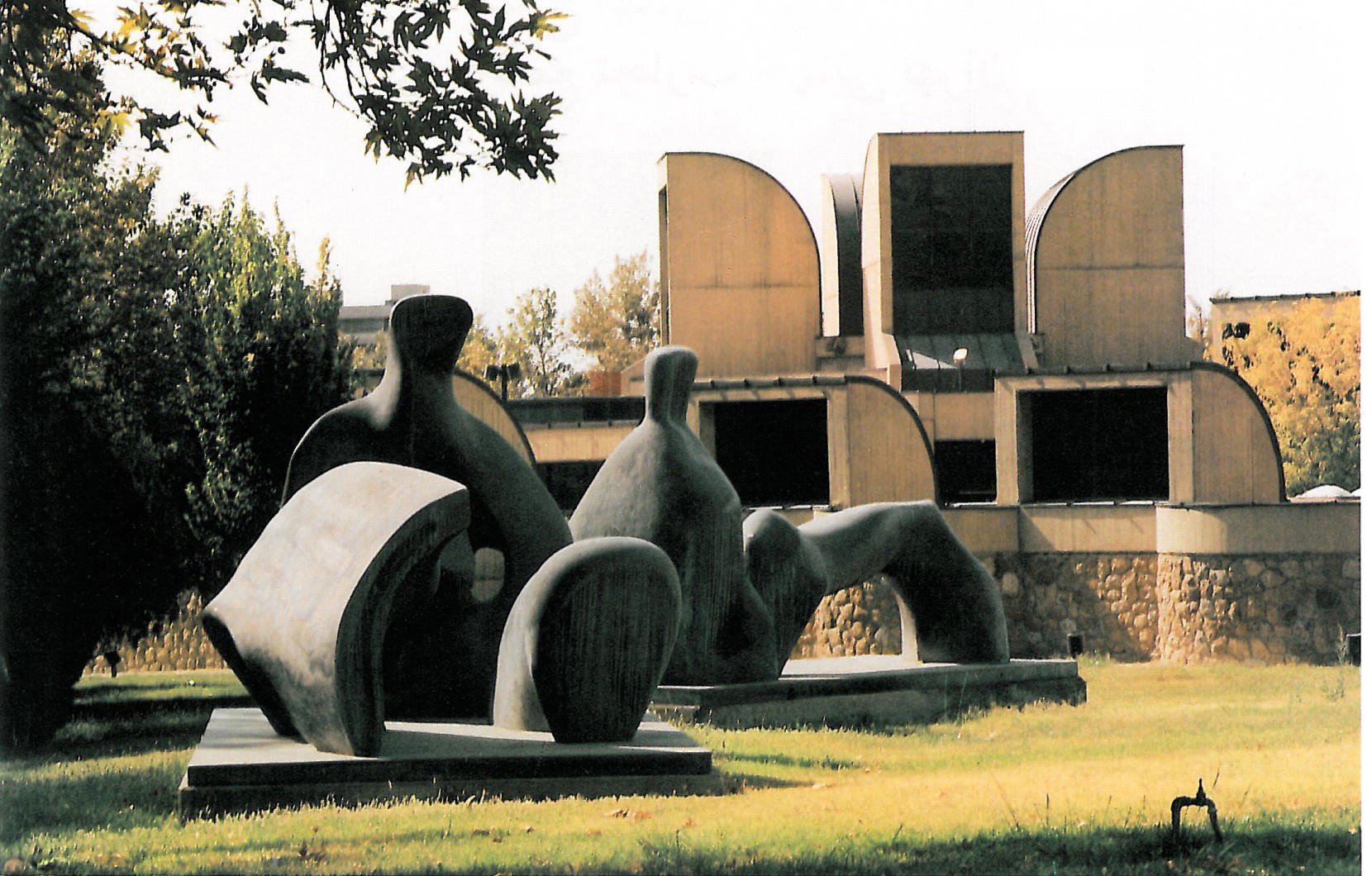
Beyond these activities, Diba made much use of three-dimensional art works in the design of urban spaces, grounds and gardens. For his first major work, Park Shafagh, he commissioned three figures from Parviz Tanavoli, and three more for the Niavaran Cultural Centre. The models for the figures were all ordinary people who happened to spend time in the space; the figures were very warmly received, and photographers earned their living by taking pictures of people beside them or with their arms around them. In the grounds of the Museum of Contemporary Art, other works by Karl Schlemingher and others are installed.
The Museum of Contemporary Art
At the time of designing the museum Diba — working with three students — met Nader Ardalan, a colleague at the Farmanfarmaian office, and invited him to collaborate with him on the initial design of the museum in his spare time. The project's financial means were so limited that Diba says: “I suggested to Ardalan that, in lieu of part of his fee, he eat at my expense in the restaurant under my office, up to the value of the fee. The museum had to be designed very economically and with an eye on its meagre budget. We could not even spend money on travel to foreign museums or on interviews with foreign museum directors and experts. I had to rely on my own past observations abroad. In any case, the design of the museum is a homage to the work of great architects — Le Corbusier, Louis Kahn and Frank Lloyd Wright — and is influenced by the works of the Louis Sert circle, and also by the rooftops of Iran's desert cities. It is a combination of traditional architectural ideas and modern architectural methods. Unfortunately, the design gathered dust for some years after the initial design was finished, until I resumed the work with a new team in my new office.”
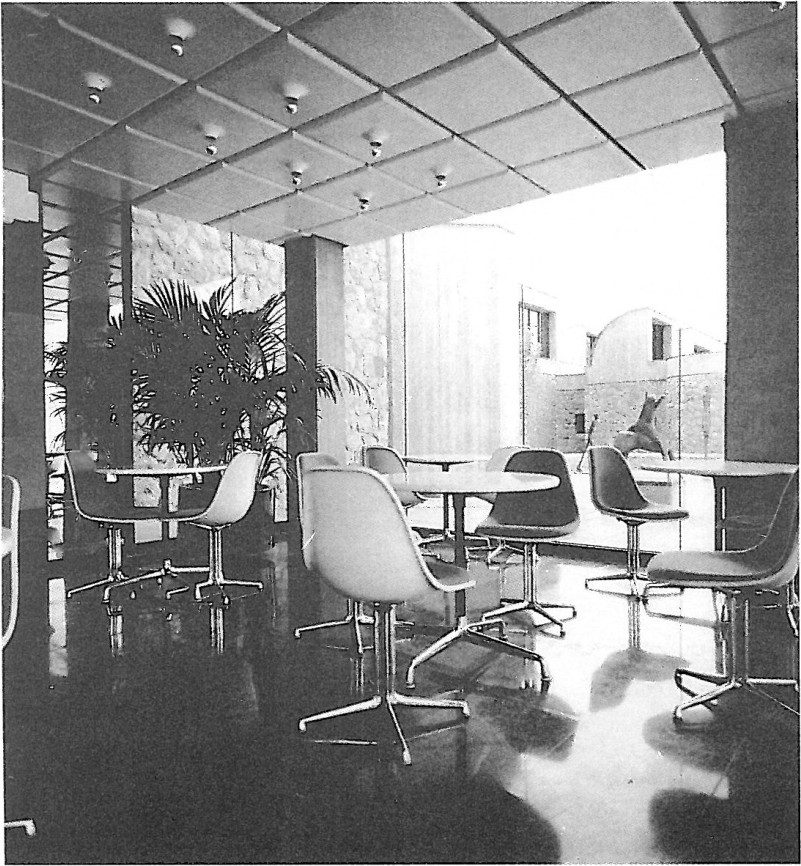
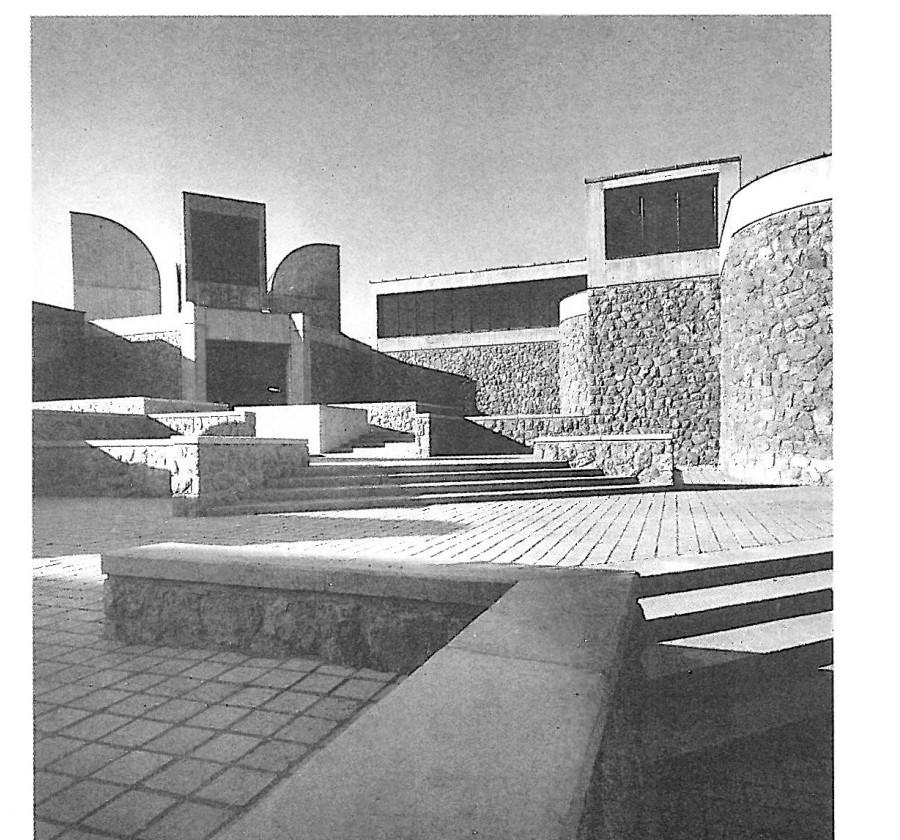
The execution of the museum is regarded as a turning point in contemporary Iranian architecture. It took nine years to complete, and Diba, because of his strong love for this project — which he regarded as his own child — wished an advanced management to be set up for it. For more than two years he accepted the task of directing it without pay; during this period, during the long hours of work (9 a.m. to 10 p.m.), dividing his time between the architectural office and the museum, he set up an architecture section in the museum and gathered documents of the works of Iranian and foreign architects. After the museum's opening, two exhibitions of these materials were arranged: Industrial Architecture of Isfahan, and Works of Houshang Seyhoon.
The last years of work in Iran
In the last years of his work in Iran, Diba merged his office with the engineering firm Zak and, as technical director of the consulting engineers Daz, continued his architecture and urban-design practice. The members of the firm were Kamran Diba, Amir Rezvani, Sadeghi, Kashanijoo and Reza Gholizadeh. One of his important projects at this firm — designed in urban-design terms — is the Isfahan municipal administrative centre, inspired by the traditional introverted fabric of the city. Its interior is like the courtyards of mosques and the covered passages of the bazaar, and is essentially a pedestrian realm.
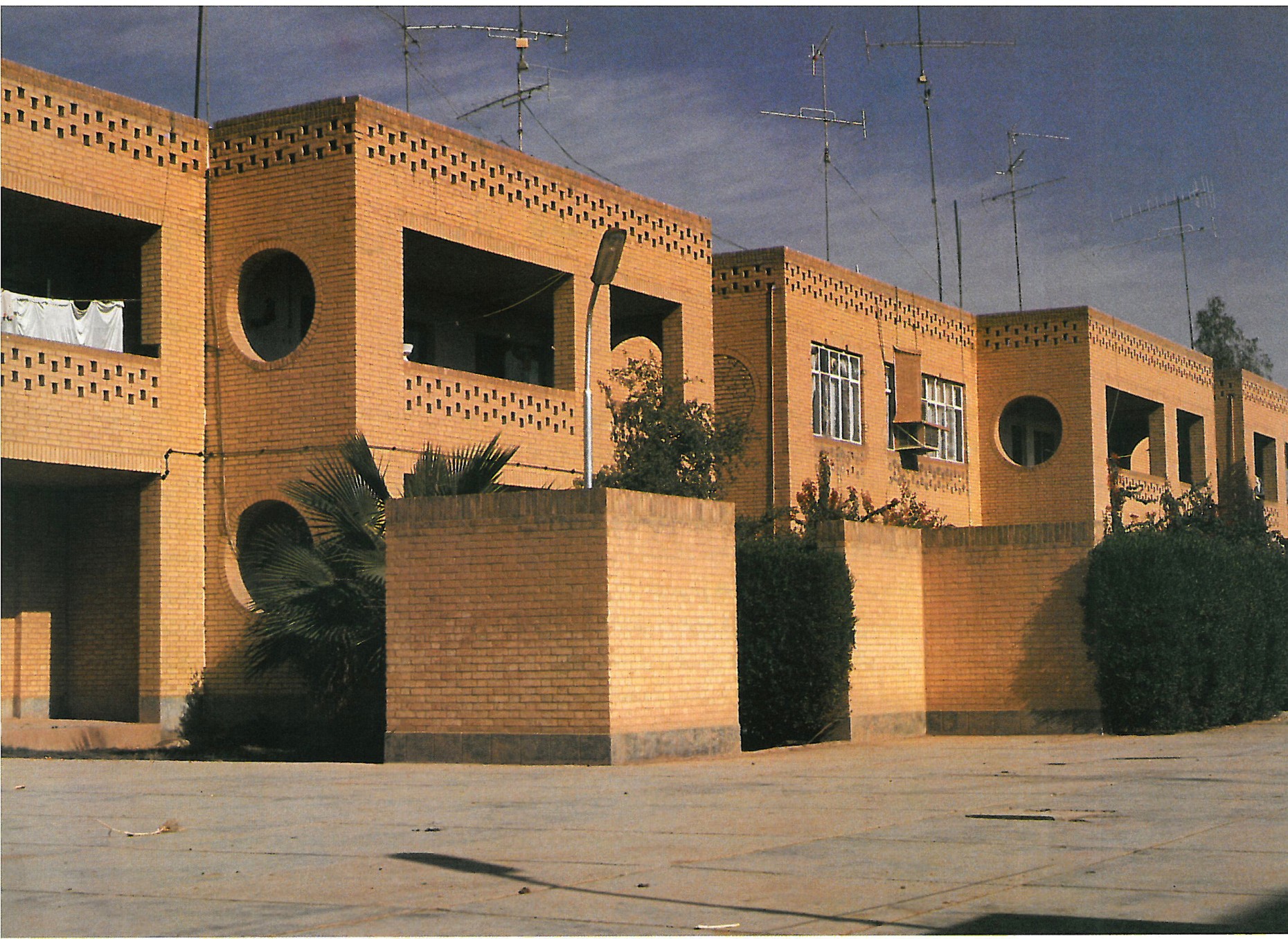
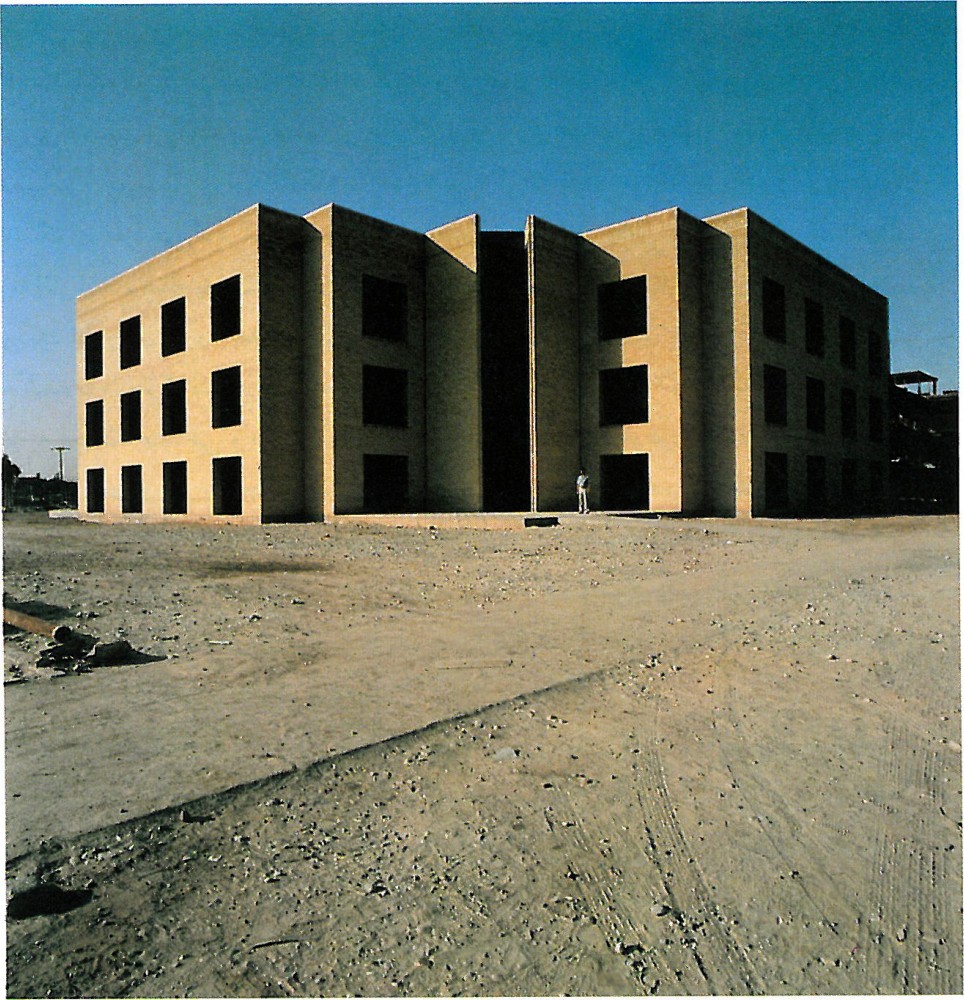
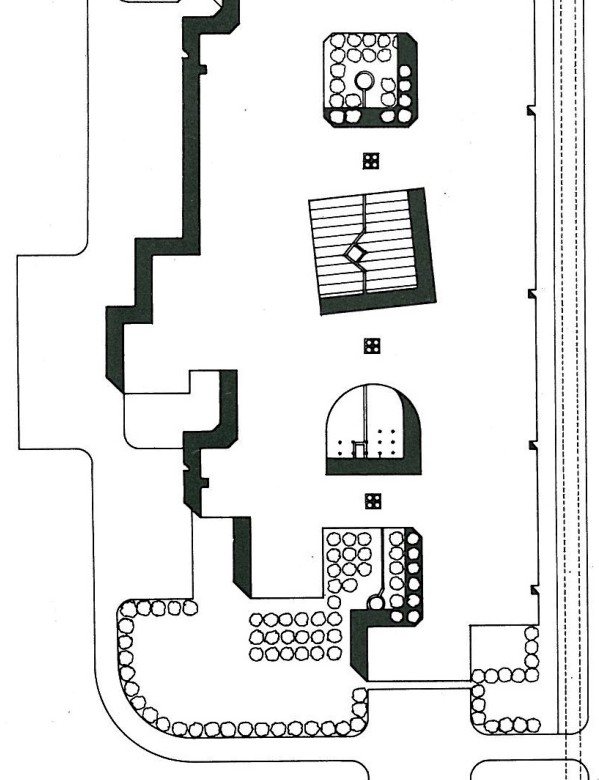
Diba's last work during his Iranian years was the design of Shushtar New Town, which finally brought him the long-standing aspiration of urban design and town planning; in it he could realise the urban-design ideas that had appeared piecemeal in his architectural projects. At Diba's insistence the site was chosen, and he himself intervened in every detail, down to the naming of passages (“Shirin and Farhad”, “Shirin Boulevard”). Unfortunately, Diba did not have the chance to finish the project as he wished, because he believed that in developing countries the architect's role does not end with the delivery of the buildings, and that even the manner of the building's use sometimes requires the direct intervention of the architect-builder. The new town — winner of an Aga Khan Award, and shown in the At the End of the Century exhibition in 2000 — has been subject to neglect and damage.
Diba’s activities in the years after the Revolution
In the years of his forced residence outside Iran, Diba at first set architecture aside. He himself says: “In reply to a friend's question about why, I said: architecture had meaning for me within the frame of my own wide, varied, beautiful country with its rich, familiar culture — as a commitment and duty toward my homeland. In the Western world, the absence of this commitment and feeling destroyed my motivation.” In his own words, during these years he has done “small odds-and-ends of architecture”, and for a short while he built in the United States; only recently has he set about architectural work seriously — though in his own words it is “without social content, and is merely architecture in the frame of satisfying oneself and the clients’ wishes”. Diba's works outside Iran will be introduced in a future issue.
We thank the Transition-Era Architecture Research Group (Bijan Shafei, Victor Daniel, Sohrab Sorooshiani) for sharing some of the images of Kamran Diba’s works.
Familiar Memorials of Kamran Diba
Kamran Afshar Naderi
It was in the summer of 1356 (1977) that I discovered — entirely by chance — that the greatest interest of my life is design. I had no knowledge of architecture, and my aim was to enter the painting department; for that reason I spent all my time, either in the university-entrance-exam studio or in the basement of our house, drawing. Through the studio teachers I had become acquainted with the history of art, and I had a strange hunger to know the works of the great painters and sculptors of the world. I had heard that the Museum of Contemporary Art had a good specialist library in this field. My first visit to the museum was not for its paintings; I still knew nothing of contemporary painting except for the works of one or two impressionist painters. My aim was the library. On entering the museum, without paying attention to the outer form of the building, I went straight to the library. It was while walking down the ramp of the hall that, for the first time in my life, I noticed architecture. Architecture, for me at that moment, was simply a qualitative concept I felt in that space.
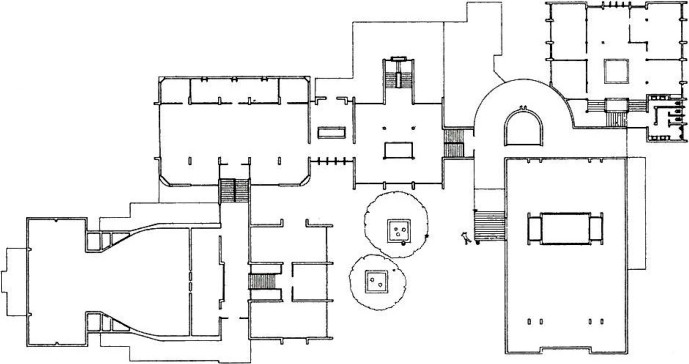
If later I decided to leave painting and turn to architecture, it was without doubt partly under the influence of the Museum of Contemporary Art. My knowledge of Kamran Diba — like my sense of the profession of architecture, or my understanding of the paintings and sculptures of the museum — took shape gradually. The next work was Park Shafagh. In this case too, I did not know the work's author. I loved this park because, with the first professional camera I had bought with difficulty, I took good photographs of it. Its vistas and spaces were delightful to me. The park was one of those few urban spaces that gave a young person a sense of possession.
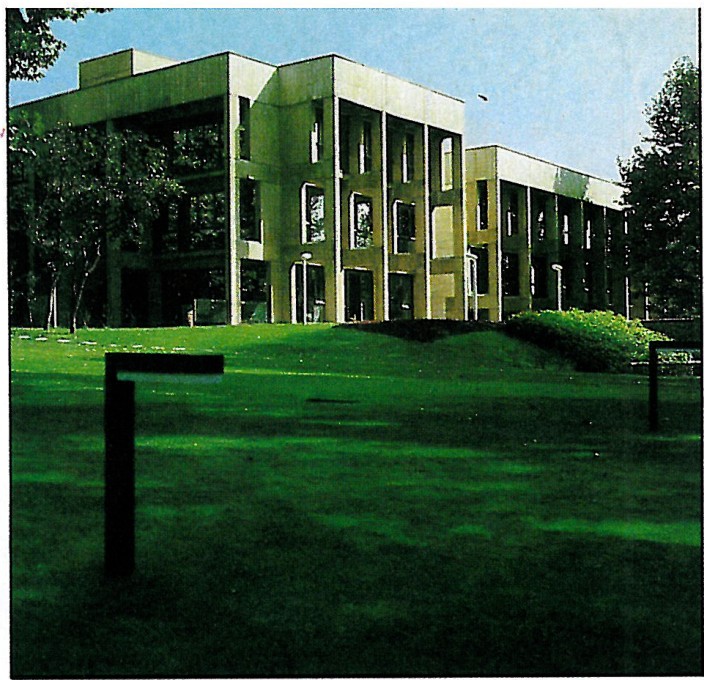
My next encounter with Diba's works was when I went to Italy for further study. It was 1982, the height of the post-modern debates. One day, as I was leafing through the Venice Biennale catalogue, I came upon an image of the administrative building of Jondishapour University by Kamran Diba. In front of me I found a counterpart of Aldo Rossi's best work — a strange blend of de Chirico's metaphysical compositions, Iranian spatial organisation and the aesthetic solidity of Italian neo-Rationalism. That same year the history-of-architecture teacher in our faculty became interested in the contemporary architecture of Muslim countries; I used the opportunity and, through foreign and domestic journals, became more familiar with Diba's work.
In the first half of the 1980s, the main discussion in universities was the typology of housing and the relation between vernacular and contemporary architecture; one of the most important currents belonged to the followers of Saverio Muratori, a group that, in the manner of political parties, had taken hold of the atmosphere of many universities. Muratori had developed a very precise methodology by which it was possible to design residential complexes that were at once modern and wholly typologically consistent with the historical fabric of the city and vernacular architecture. The only weakness of Muratori was the works produced by this method: despite the strong, reasoned methodology of design, they were of little aesthetic or social value. The most inverted of the pyramids was that of Hassan Fathy, whose experiments, though socially committed and offering a different aesthetic, were neither socially nor aesthetically very successful. The Shushtar New Town ensemble was one of the rare examples that combined tradition and modernity well in both space and aesthetics.
“Combination” (talfiq) is a term I had, until recently, used reluctantly, because to me the act of combination — or rather of amalgam (emtezaj) — seemed a kind of unavoidable patchwork. Lately, especially because of my acquaintance with Ali Naseri Eslami's research on “the architecture of amalgam”, I have come to the conclusion that the advance of architecture is fundamentally impossible without drawing upon foreign elements and combination, and that in the past the periods of the flowering of Iran's and the world's architecture have always come about from the amalgamation of architectures or patterns — local and foreign. For this reason, Diba's works have become more attractive to me day by day.
In the mosques of Laleh Park and of the Jameh Mosque of Shushtar, Diba has used the concept of nested spaces — showing the designer's concern to find a spatial solution for joining the outside to the inside. In the Shushtar ensemble, the main façades open toward the interior, and, as in traditional buildings, the connection between inside and outside is severed. Spaces in Diba's work have a precise hierarchy and distinct articulations; each unit has a distinct form and function. This is another feature his works share with the architects of the neo-Brutalist school. The fluid, continuous spaces of early modernism — defined by light partitions — are not seen; his buildings are combinations of several spaces of different forms and sizes.
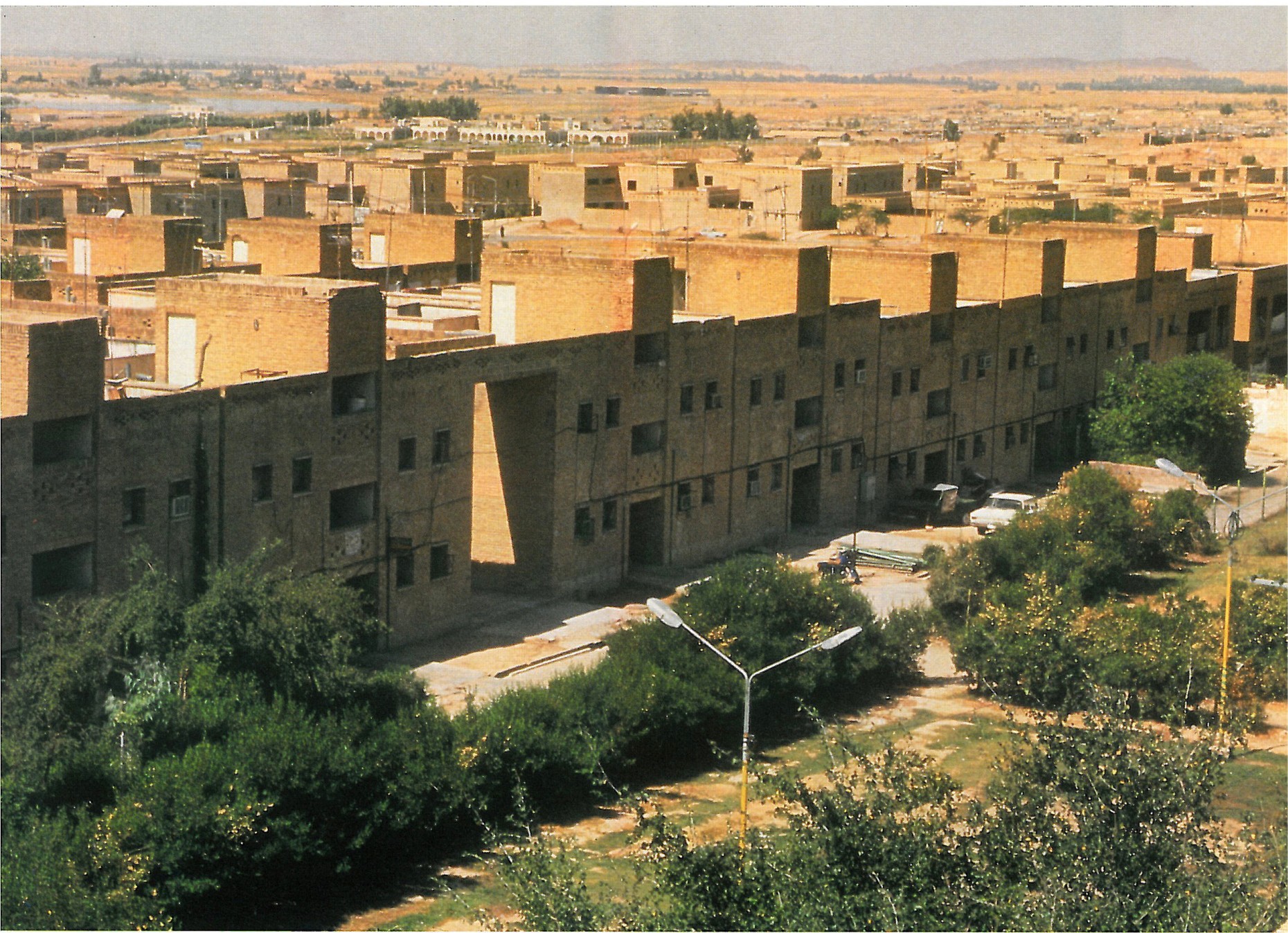
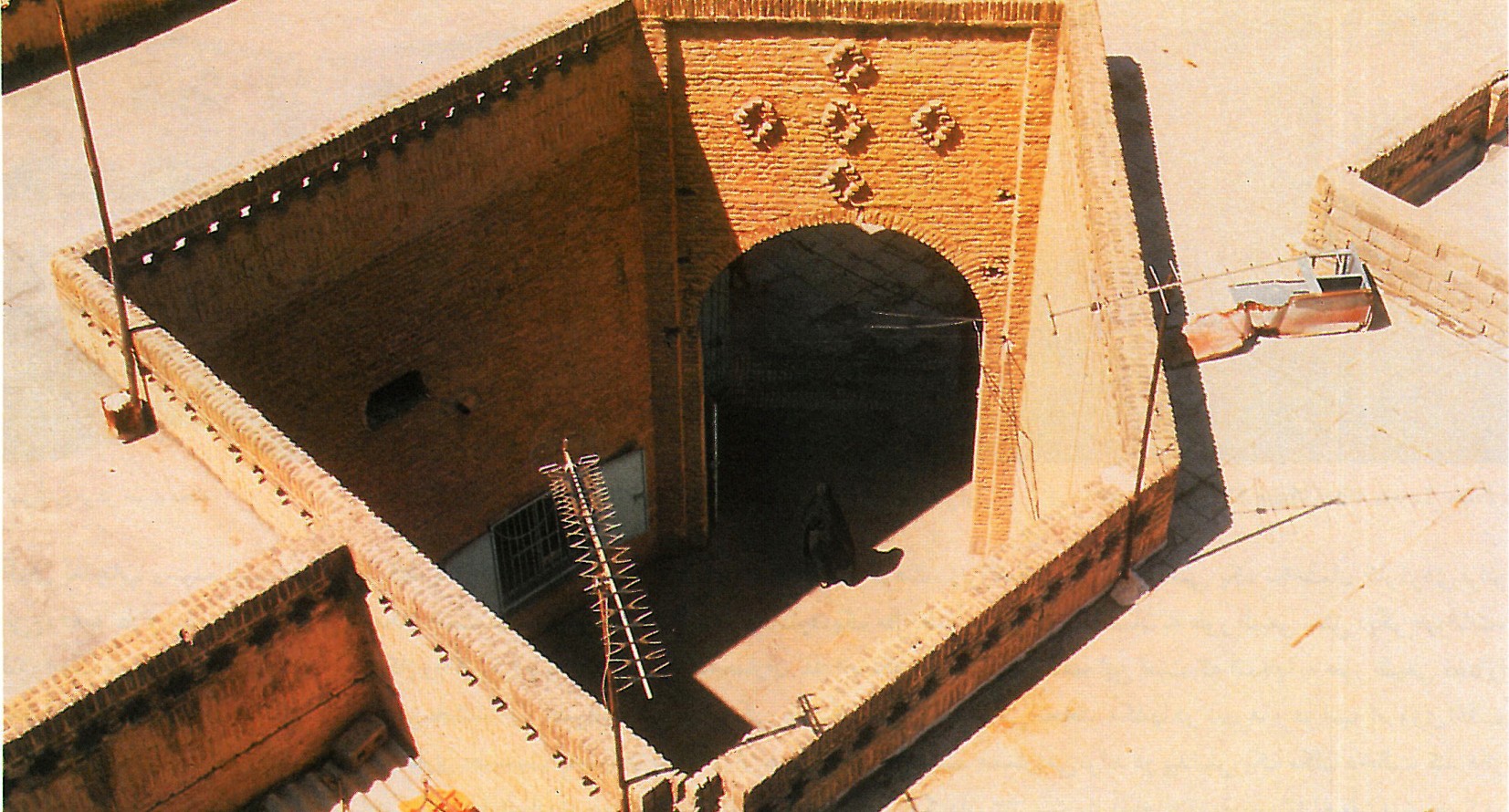
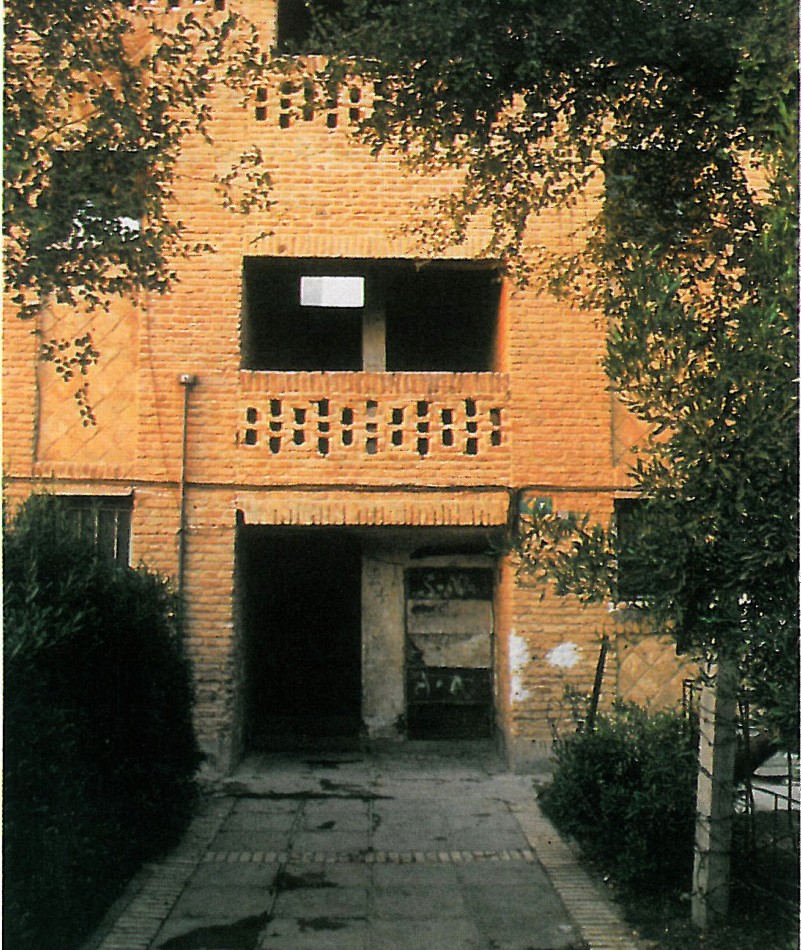
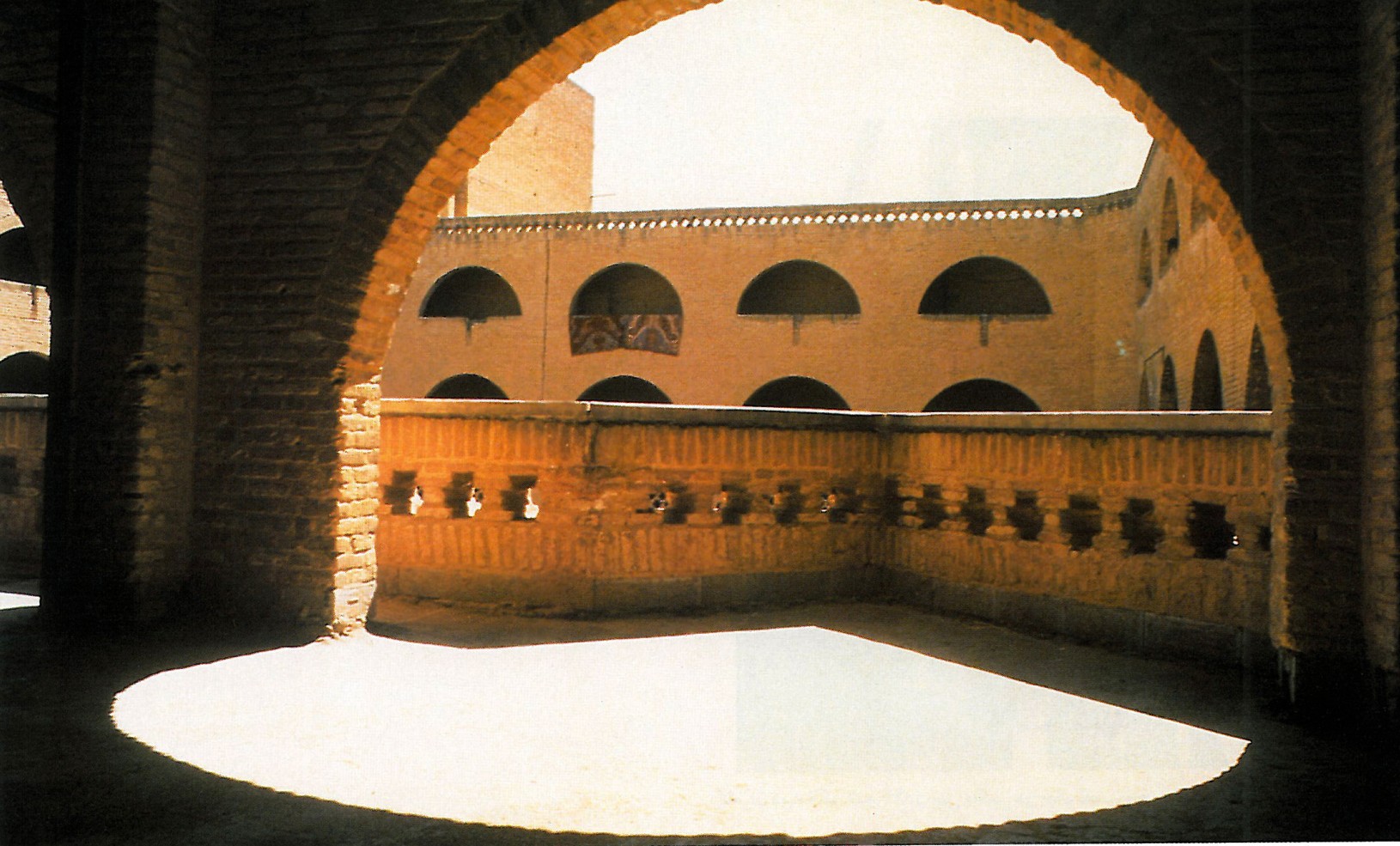
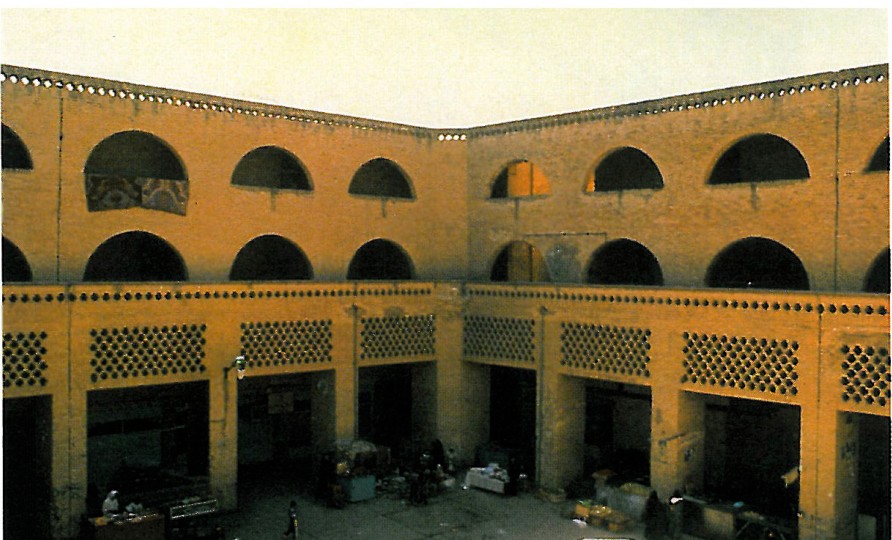
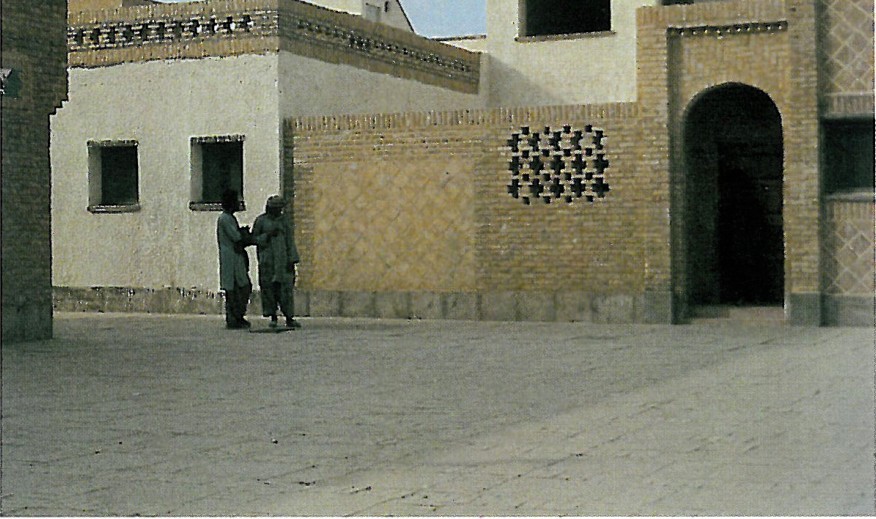
Diba's period of activity in architecture was limited, but his works are of remarkable variety. The gymnasium of Jondishapour University, and the Niavaran administrative building, constitute a kind of Iranian neo-Brutalism. The library of Park Shafagh, with its complex and broken plan, may perhaps be placed among the neo-Baroque tendencies of the 1970s. The Shushtar ensemble, aesthetically, has moved away from modern patterns and comes close to a kind of post-modern regionalism. The administrative complex of Jondishapour University is comparable to the works of neo-Rationalists such as Aldo Rossi and Giorgio Grassi, while the Mahmoudabad complex is certainly late-modern of the 1970s, without an Iranian admixture. The Farahzad Bazaar (Golestan?), in my view, is Diba's most ordinary work — like the buildings that some architects who claim an “identity” today produce.
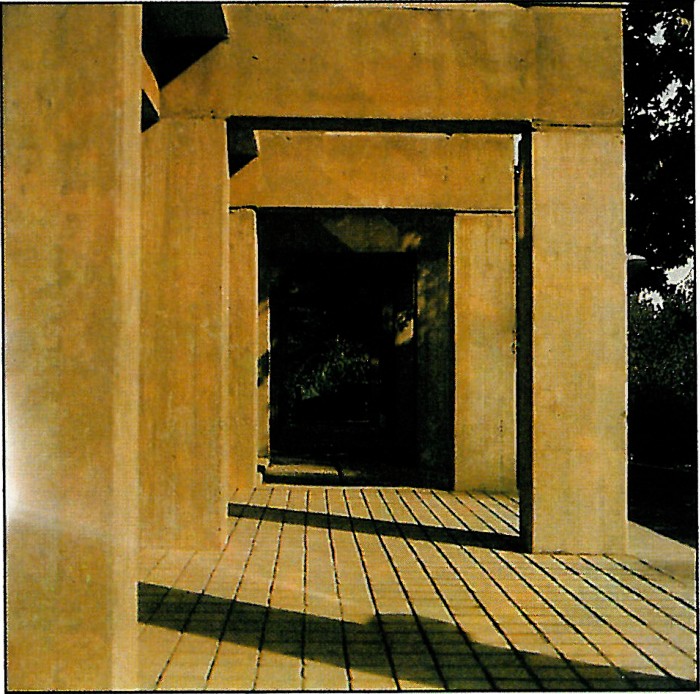
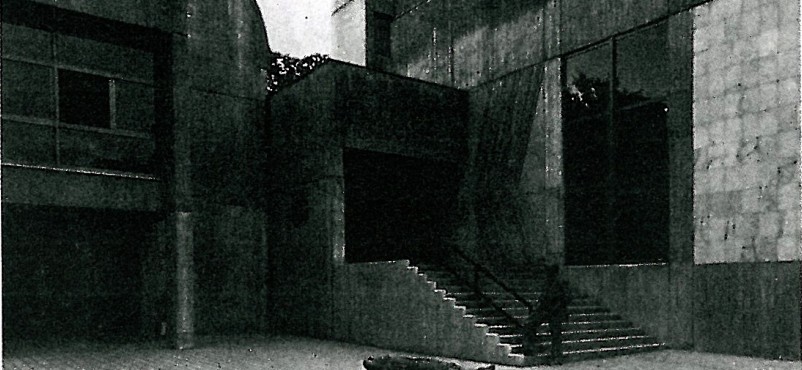
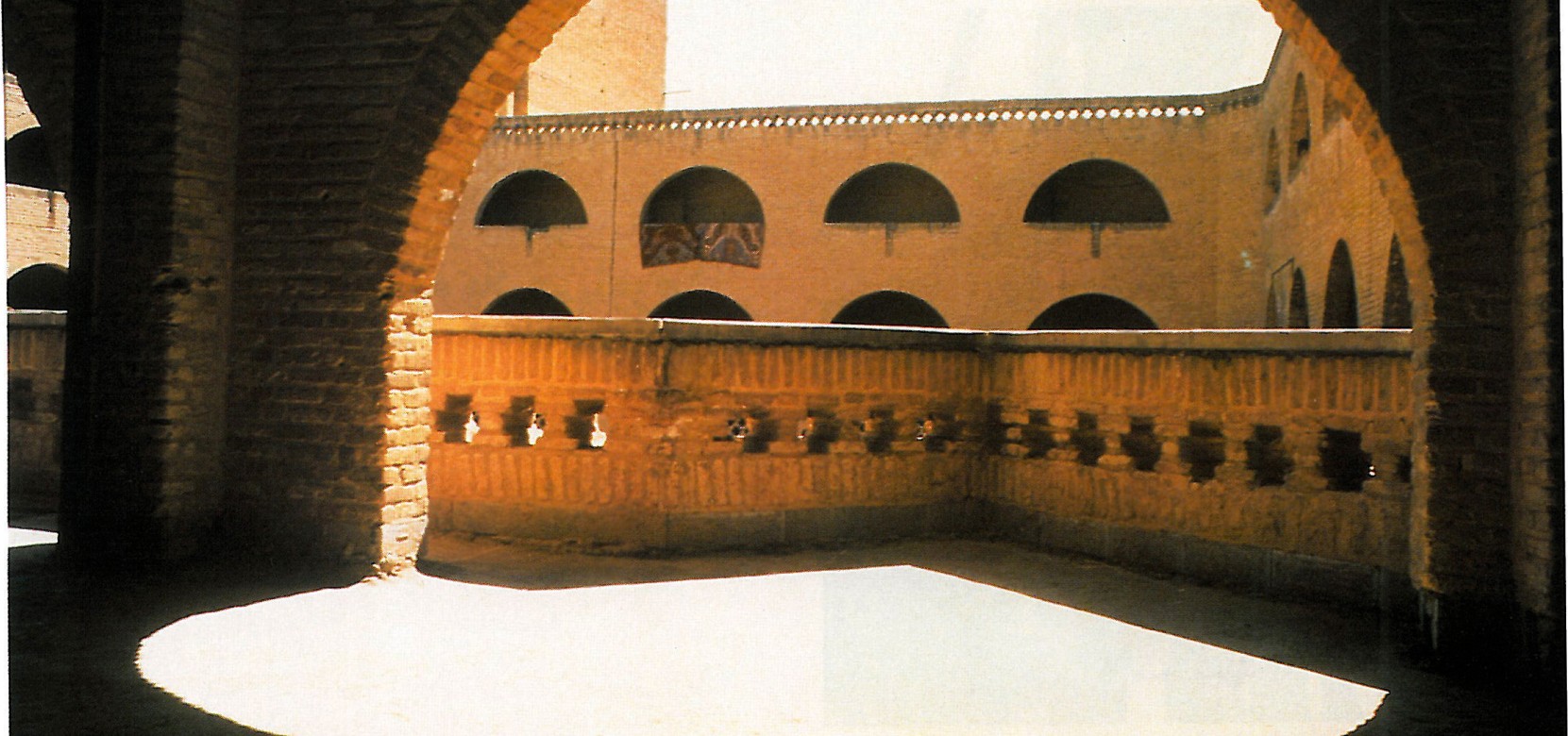
Most of Diba's designs arise from the assembly of relatively simple, hard-cut volumes, in which the cuts of the openings and the noticeable volumes of the columns stand out. This taste is related on the one hand to the tradition of Iranian architecture and on the other to English neo-Brutalism. He also uses elements of Iranian architecture such as the dome, the bādgir, the courtyard, the pool (hawz) and the colonnade. Roofs are generally important, and in the Museum of Contemporary Art form the main feature of the outer form. Ornament is unfinished, and materials are used in a natural, unfinished way; this particular mode of using materials — which is not far from the neo-Brutalist thought of the 1950s and 1960s — reaches in the Shushtar New Town ensemble a fresh achievement: “the aesthetics of poverty.” This ensemble is perhaps the only contemporary work that has drawn aesthetic value from conditions of technological and economic poverty.
How do I remember Kamran Diba?
Ataollah Omidvar
When I heard that Kamran Diba's works were to be printed in Memar, I thought it fitting to write something in acknowledgement of one of the best contemporary architects of Iran — who has built works of international standing for us, and to whom I, along with many others, owe the dues of teacher, colleague and friend.
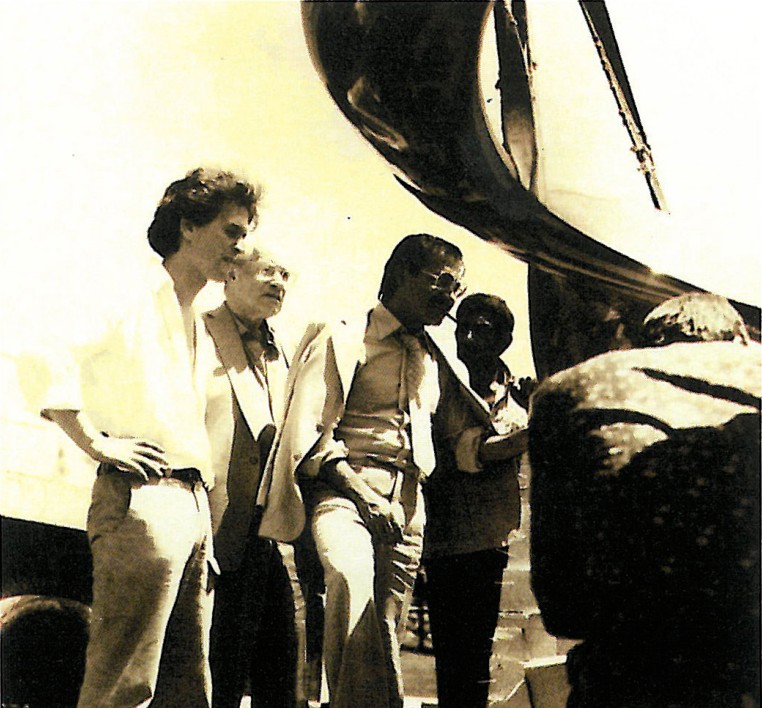
At the end of the 1340s, when we were in the final years of the Faculty of Fine Arts, seminar courses were offered at the faculty for the first time — the teachers of which, Nader Ardalan and Kamran Diba, had just returned from America. Nader Ardalan at that time was working with the Farmanfarmaian consulting office and was, for the first time, building the Saman Boulevard blocks on a pre-cast, turnkey system. In his seminar he spoke of the great American architects of the 1940s and 1950s and set the students to research their works. As far as I remember, he spoke less of small and residential works or of the relation of architecture to people; his attention was mostly directed to new technology and to large public and administrative buildings.
The second class was given by Kamran Diba. In his class he never spoke of great architects — as though he knew nothing of buildings and architecture. Diba, with his very warm and flexible personality, had set up a small private office with one or two students. We gradually realised what was at the heart of his attention: architecture, space and environment had no meaning for him without the human being. In class he showed slides of noteworthy spaces and environments, and, sometimes following a man, a woman and a child moving or standing in them, he analysed their reactions to the environment. He had asked the students to research particular spots in Tehran that were interesting to people.
The most important quality of Diba, in my view, that appears clearly in his works is this: before being an architect, painter or urban designer, he was an artist sensitive to the environment around him and to human needs. He was not after hard or complicated work; he was after understanding and sensory connection. He could carefully analyse the elements of every environment and every space, recognise positive factors, and — most importantly — with utmost humility make use of the views of other artists and designers, while in the same breath acting as leader and “director” of a team and pushing decisions through personally with firmness. Dr Liaghati, designer of the acoustic hall of the Niavaran Cultural Centre, says: “Diba was among those architects who carried out the designs of other specialists exactly.”
The traces of this sensibility and of his personality can easily be followed in all his works. For example, in Park Yousefabad — which I think was Diba's first relatively large work — on a modestly sized site with an old building, simple buildings in volume and material, in harmony with the old building, were designed. The design axis and the composition of spaces made possible the spending of leisure time with calm — while at the same time enjoying varied vistas for children and adults. Overpasses open different views; underpasses create desirable shade; the park's walls, with a slight setback, form resting-places for pedestrians on the surrounding streets; the many entrances have turned the park, in effect, into the “courtyard” of the houses of the neighbourhood; the bronze sculptures, made from models of real people, lend the park a particular air of life and calm.
The merging of Diba's other works with their environment has also yielded a remarkable result: his works, though original, are neither strange nor alien. This is perhaps in part due to his artistic use of the features of Iranian architecture — and especially of the architecture of the desert's edge — which is wholly evident in the Museum of Contemporary Art. His use of light-wells, of concrete coloured the shade of the earth, of hiding façades under canopies in various ways, and of framing the surrounding environment and nature in windows and arches, are among his intelligent applications of Iranian architecture. In the Museum of Contemporary Art the design of the inventive light-wells has provided the best conditions for the display of art works through appropriate natural light. In the centre of the museum, at the lowest point where the ramps end, a space in the form of the hashti of Iranian architecture has been designed, at the middle of which a pool similar to those of Iranian hawz-khanehs is built. Diba commissioned the design of this pool from the Japanese artist Karāguẇi, who came to Iran and made his work with Iranian workmen.
In my view the Museum of Contemporary Art and the Niavaran Cultural Centre are the height of Diba's artistic works, which also benefit from good building technology. But in the designs of Park Shafagh, Shushtar New Town and Jondishapour University — very successful in terms of beautiful urban spaces — the quality of construction technology has not been good. Perhaps it is unnecessary to point out Diba's apt and appropriate use of sculptural works in the grounds and open spaces of the Niavaran Cultural Centre and the Museum of Contemporary Art. The works of Parviz Tanavoli at Park Shafagh and Niavaran, the work of Karl Schlemingher in the interior courtyard of the Niavaran library, and the mirror-work of Monir Farmanfarmaian at the Niavaran Cultural Centre, have added to the splendour of Diba's good architecture.
In the end, it seems we can take pride in what has been done; but now it is the cultural and artistic authorities of the day who bear the duty of preserving contemporary art works, including those mentioned. The first step on this road is to block firmly any changes to the spaces, buildings and equipment that follow the taste of those lacking technical qualifications. Why can we not, as in advanced countries of the world, register and preserve these works as contemporary cultural heritage, as we do with historical architectural monuments?
The photographs published with this profile are the work of Bijan Zohdi, Ahmad Ali, Kamran Adl and Aliqoli Ziaei.