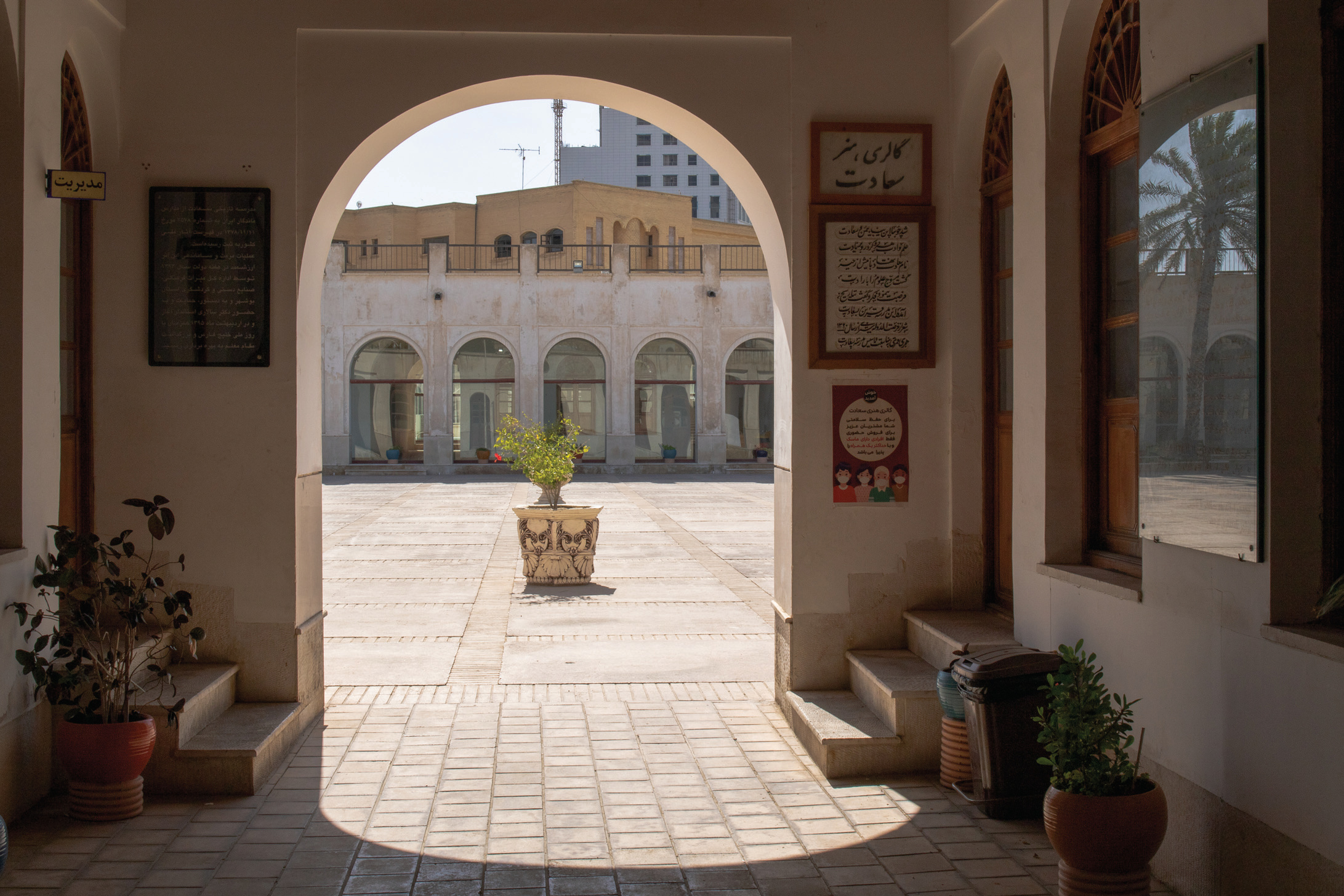
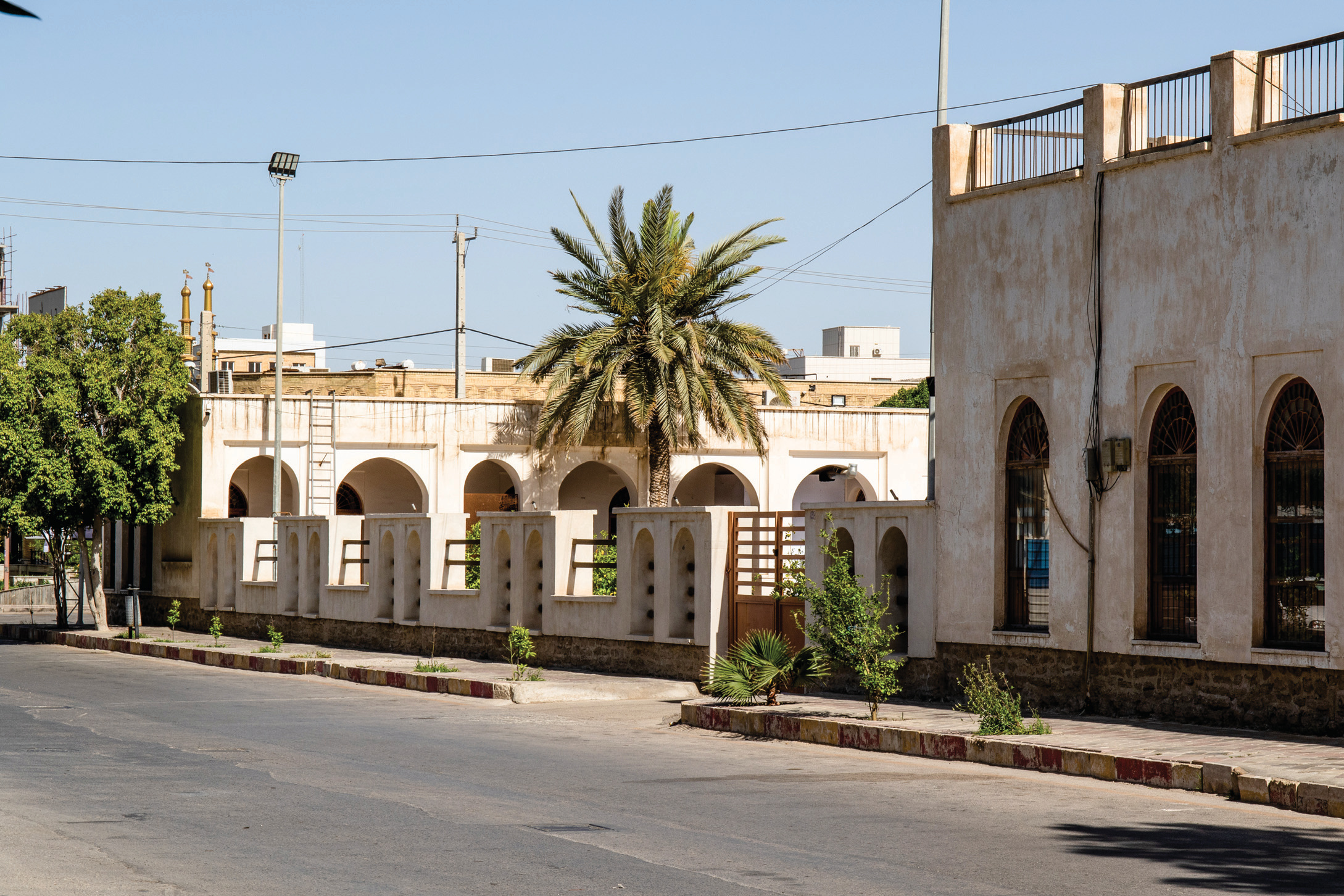
In 1900, Ahmad Khan Daryabeygi, governor of Bushehr and the Persian Gulf ports, upon his return from Bandar Lengeh after quelling unrest in that region, driven by an intense desire to educate the youth of Bushehr, requested from the Society for Education in Tehran an experienced, learned director familiar with modern methods of instruction. In response, the Society appointed Sheikh Mohammad Hossein Saadat — son of a notable scholar of the Shabankareh region of Bushehr, who was teaching literature at the Eftetahieh School in Tehran — as director and teacher, and dispatched him to Bushehr to establish the Saadat School.
The Saadat School opened that same year in a building in the South Neydi neighborhood. After some time, as most students lived in the four neighborhoods of Behbahani, Shanbadi, Dehdashti, and Kuti, and the commute proved difficult, a building near the Kazeruni Hosseiniyeh was leased and students were transferred to the new location.
After the Saadat brothers arrived in Bushehr, they organized students into classes by age and ability. With desks, benches, chairs, and blackboards, they divided the classes into a preparatory stage and first and second grades — teaching the new alphabet, arithmetic, geography, prayer, and moral stories in the manner practiced at Tehran's modern schools.
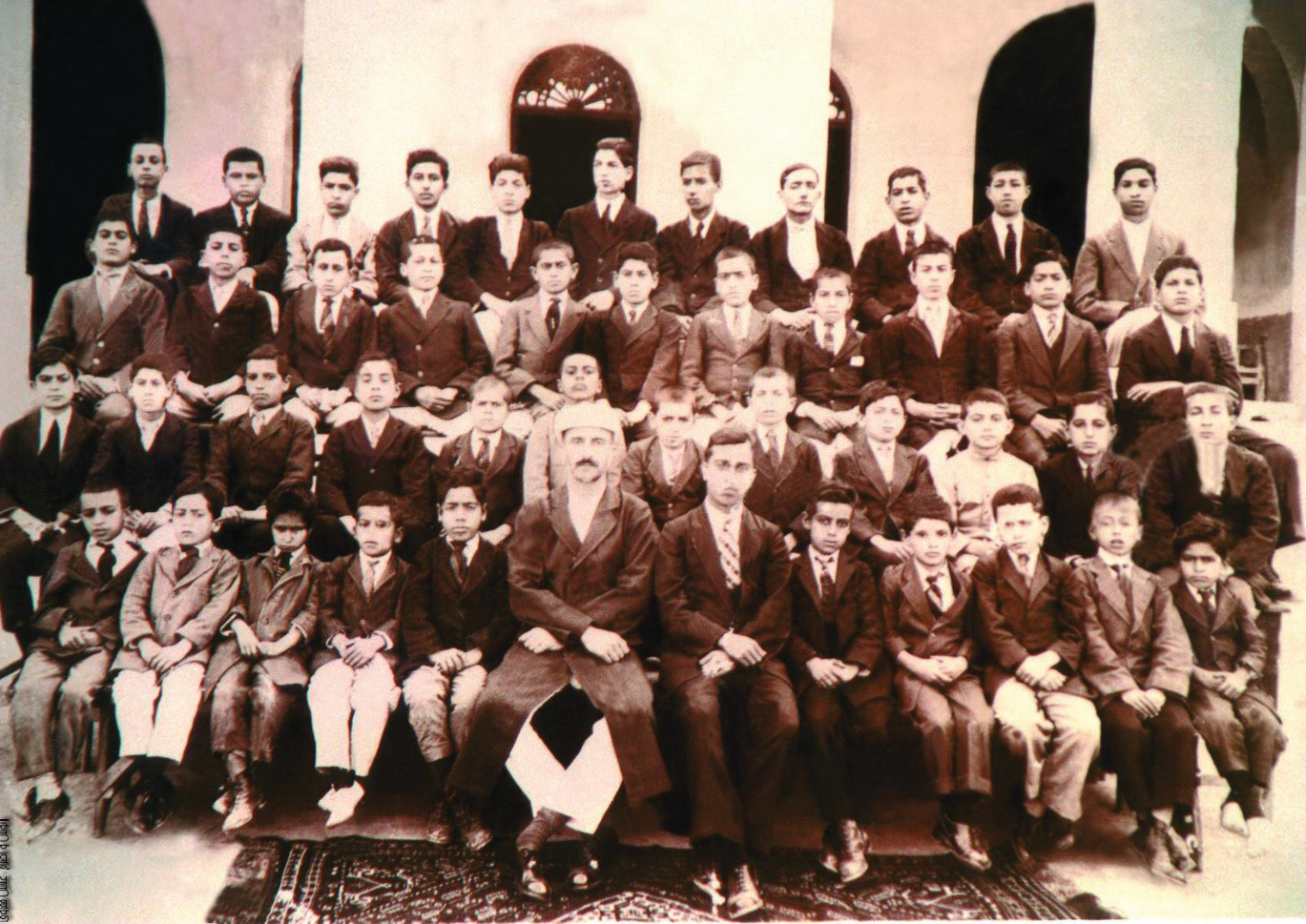
Bushehr's merchants and notables — who harbored ambitions for progress and wished their children educated in the new style — welcomed the school. The general public, particularly the poor, were also overjoyed. Not yet six months after its founding, the first examination astonished attendees with students' remarkable advancement in Persian, Arabic, arithmetic, geography, and religious studies. Attendees pledged annual support. Within one year, enrollment reached 350 students.
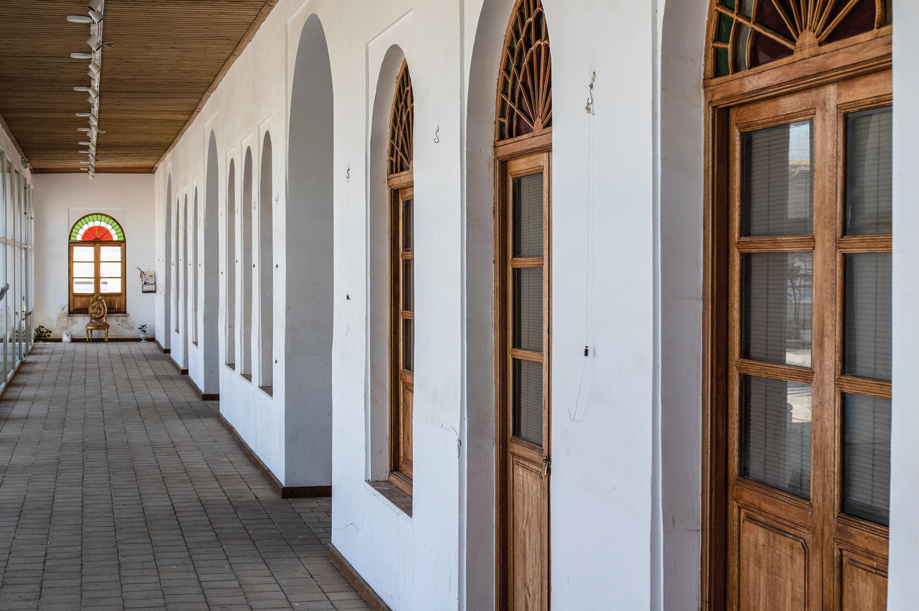
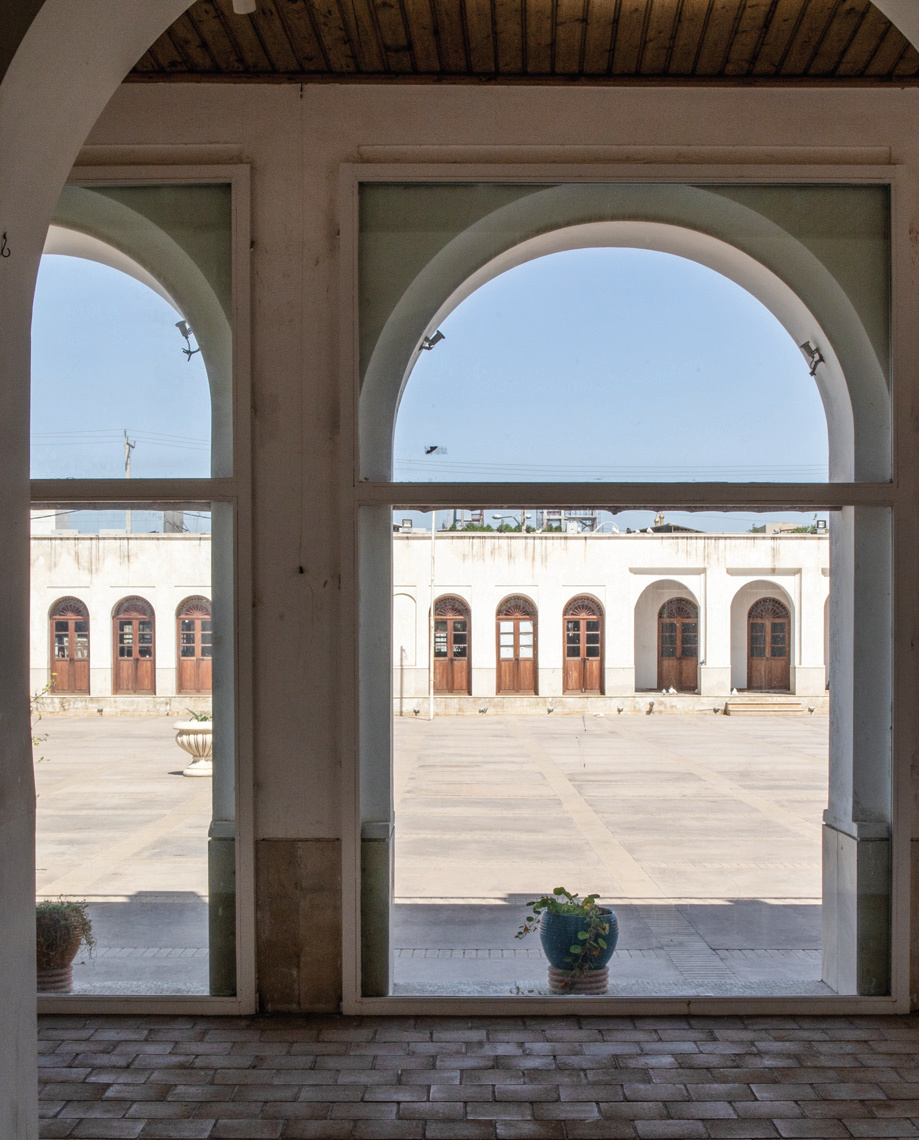
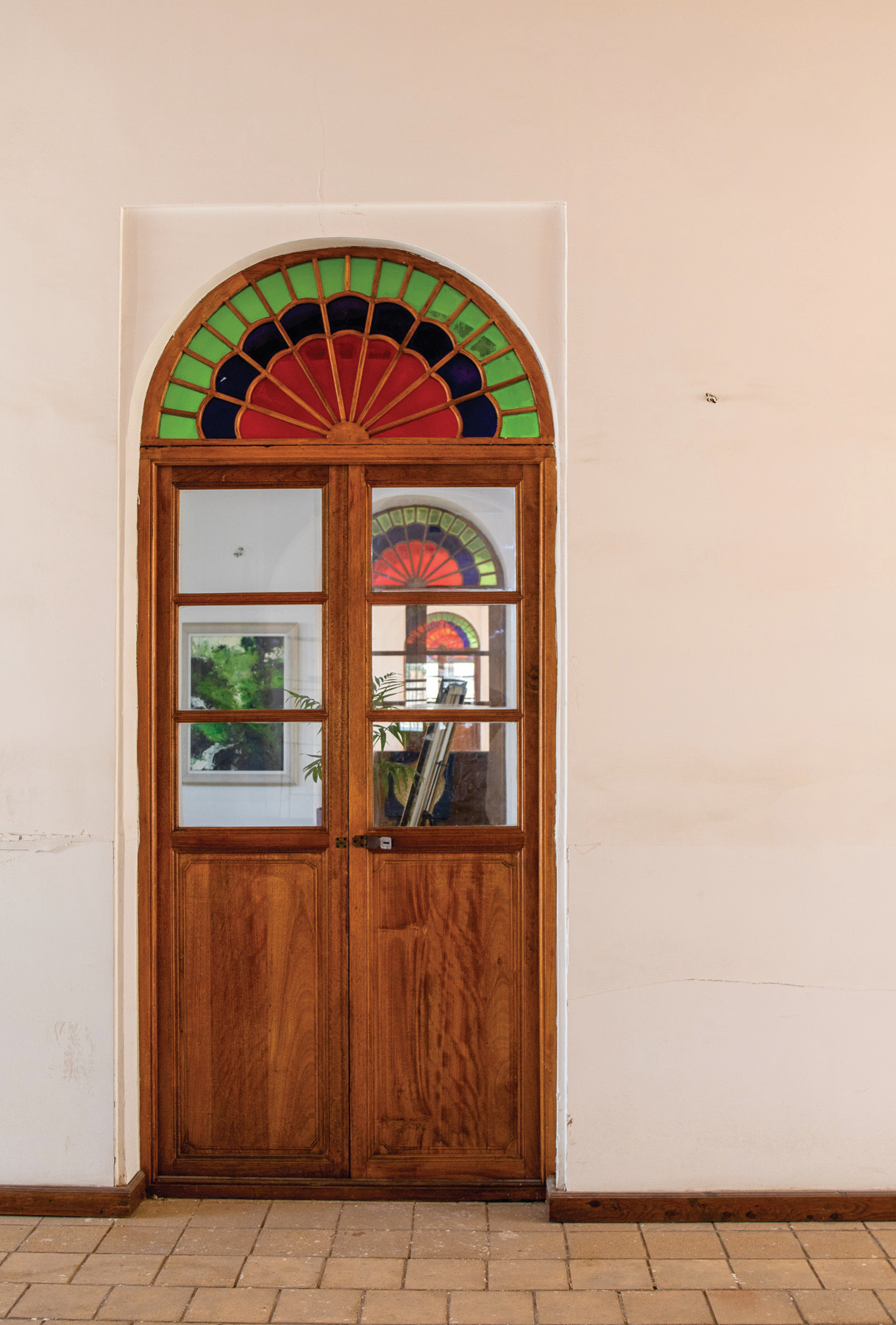
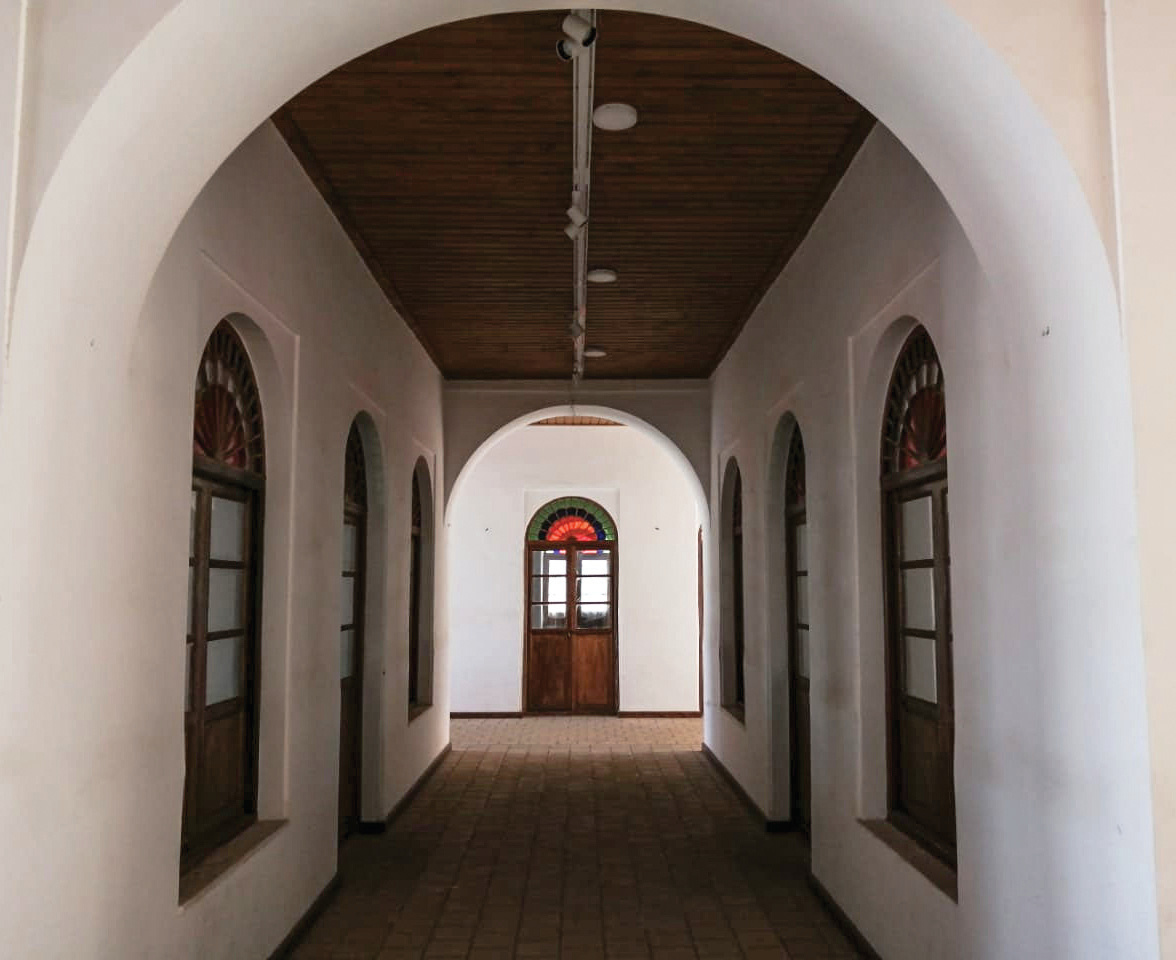
With the increase in students, the house that served as the school could no longer accommodate them. The late Daryabeygi conceived of building a proper structure, and on a two-hectare plot on the city's southwest side, construction began in 1279 (1901). The building comprised six large classrooms, one hall, and four eiwans (corridors). Named after the reigning Shah Mozaffar-al-Din, the school received a royal donation of one thousand tomans.
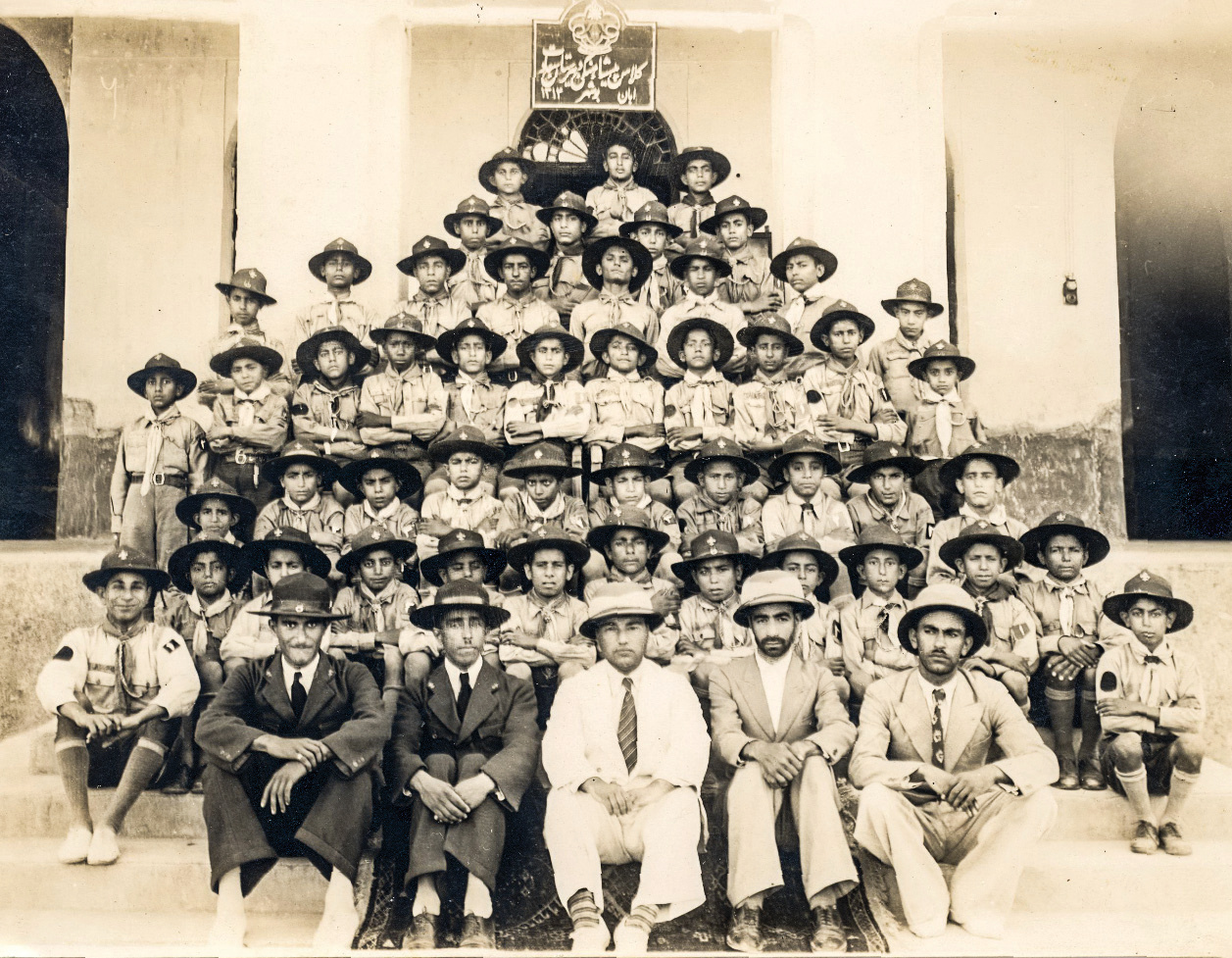
One of Daryabeygi's most valuable cultural contributions was the introduction of English language instruction. Given Bushehr's status as the most important Iranian port in the Persian Gulf — where major foreign governments maintained representations and merchants had dealings across Europe and beyond — the need for foreign languages was urgent. Prince Asadollah Mirza was hired at 100 tomans per month to teach mathematics, English, and French.
The new governor, Rezaqoli Khan Nezam-ol-Saltaneh Mafi, was hostile to the school. As Sheikh Abdolkarim Saadat wrote, the governor:
The school was saved by the intervention of Belgian customs officials, who proposed a levy on imports and exports. Bushehr's merchants welcomed the scheme, and the school survived.
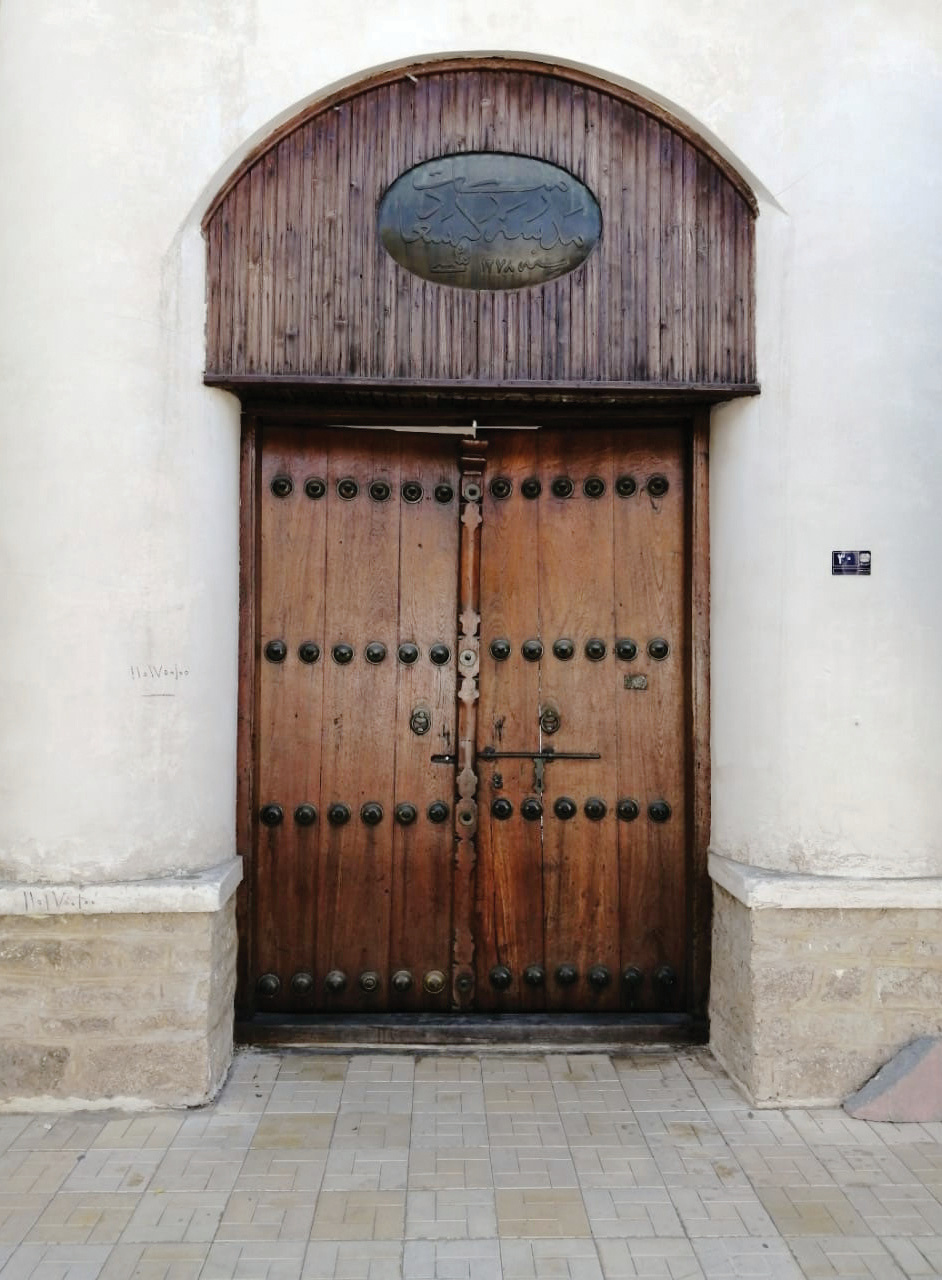
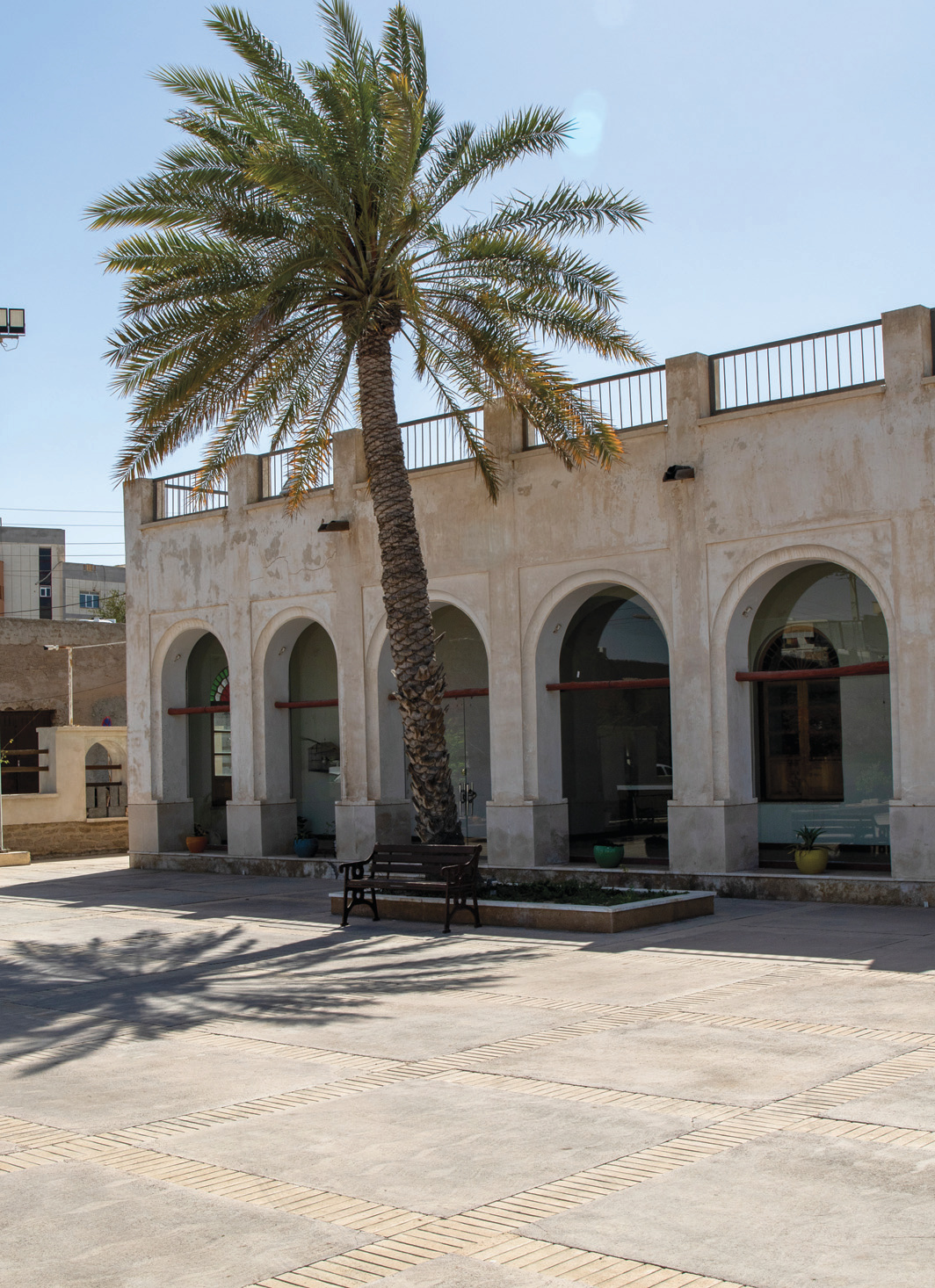
After many ups and downs, the school advanced on the path of knowledge. After six years, it succeeded in illuminating the torch of learning across the farthest reaches of southern Iran. By 1907, approximately 50 graduates had taken positions in important government offices. The school's administrators also established branches in Bandar Abbas, Bandar Lengeh, Mohammareh (Khorramshahr), Ahvaz, and even Bahrain.
The importance of the Saadat School lies not in its chronological rank among Iran's modern schools — it was actually the ninth. Rather, its vital role lay in spreading knowledge throughout southern Iran, a role that, without exaggeration, was on par with the celebrated Dar-ol-Fonun.
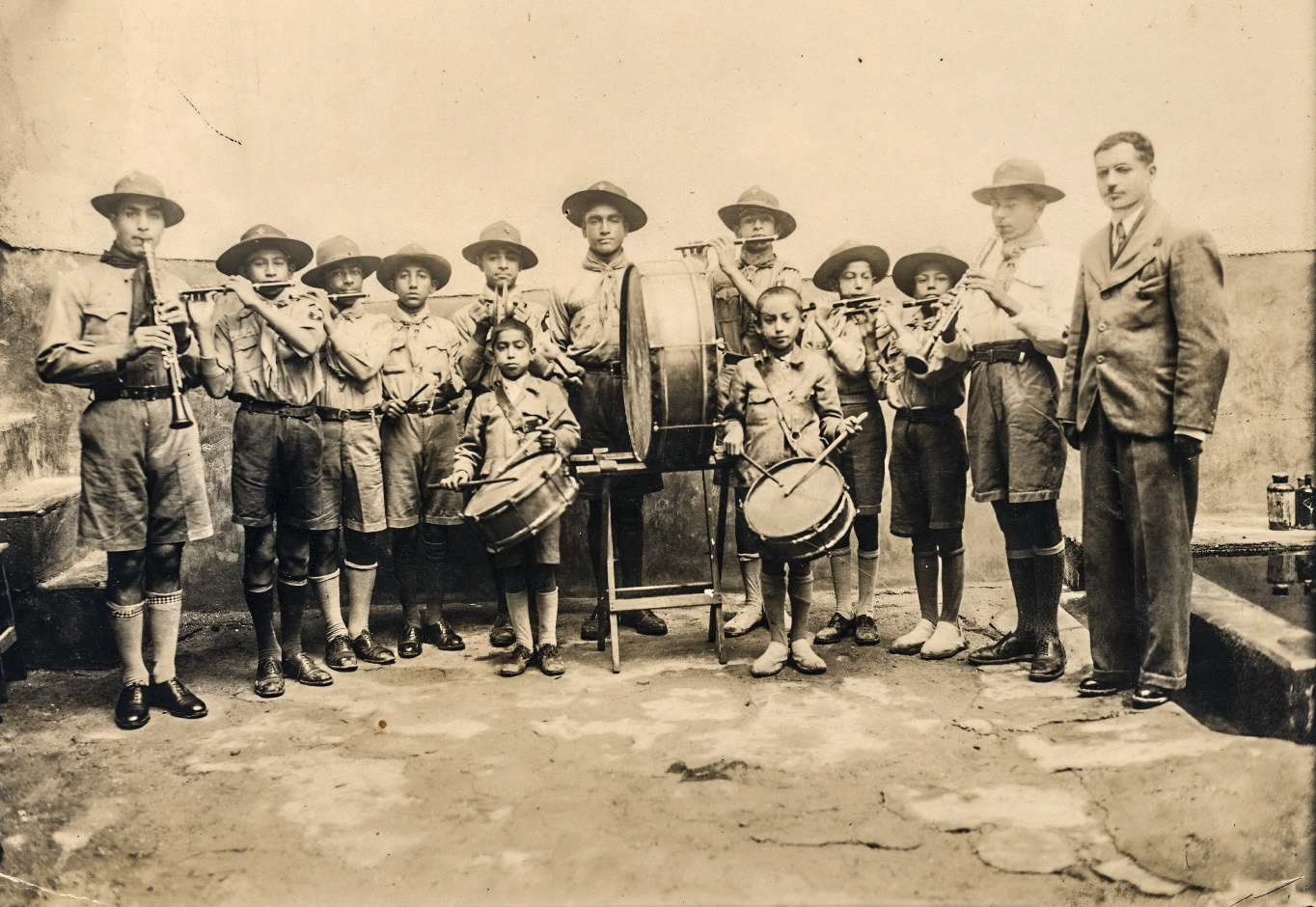
In late 1911, Sheikh Abdolkarim Saadat left Bushehr to direct schools in Najaf, Karbala, and Kazemein for nine years. Sheikh Mohammad Hossein Saadat, threatened by British forces during World War I, left for Shiraz where he taught at local schools. He was elected to the Fourth National Assembly and later headed the Southern Ports Education Department.
Under the directorship of Sheikh Mohammad Taqi Filsuf — a Sorbonne graduate who knew both traditional and modern sciences — a remarkable transformation occurred. He opened workshops for trades such as shoe-polish and soap making, and established a natural history museum. In 1931, jealousies forced him to leave for Shiraz.
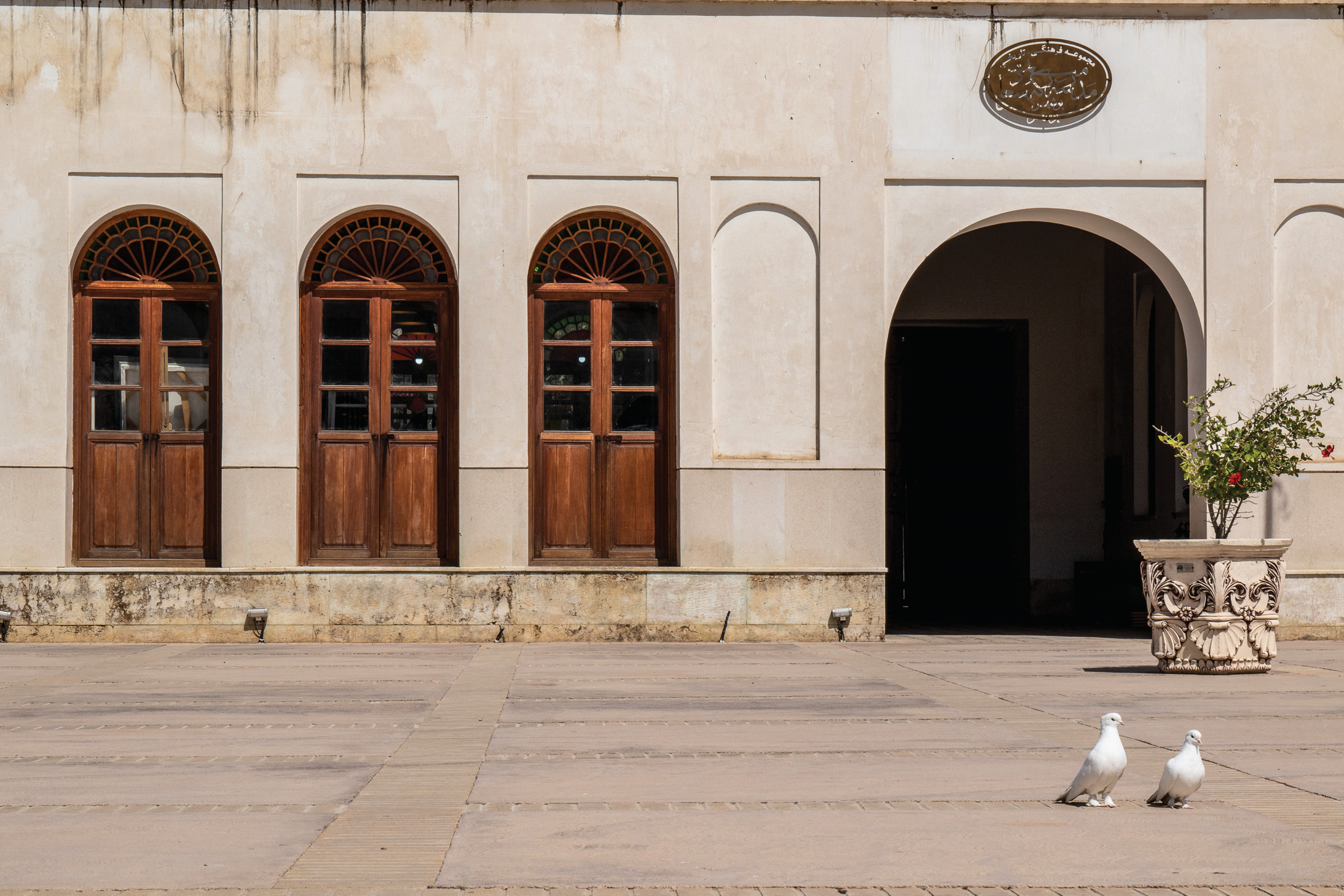
The Saadat School, which had been at its peak until 1934, after being placed under government control and deprived of public treasury revenue, gradually declined. Like other government schools, it has continued its cultural life to this day.
1. Mashayekhi, Abdolkarim, Saadat School from Several Angles, Bushehr Studies Center, Qom: 1998, p. 13.
2. Ibid., p. 14.
3. Ibid., p. 15.
4. Habl-ol-Matin, 26 Dhu al-Qa'da 1318 / 18 March 1901, 8th year, no. 23, p. 16.
5. Mashayekhi, Saadat School from Several Angles, p. 26.
6. Maaref newspaper, 1325 AH, p. 10.
7. Saadat, p. 15.
References:
- Habl-ol-Matin newspaper, 26 Dhu al-Qa'da 1318 / 18 March 1901.
- Habl-ol-Matin newspaper, 10 Safar 1320 / 19 May 1902.
- Maaref newspaper, 1325 AH.
- Mashayekhi, Abdolkarim, Saadat School from Several Angles, Bushehr Studies Center, Qom: 1998.
- Mashayekhi, Abdolkarim, Minutes of the Saadat School of Bushehr, Iran Studies Foundation, Bushehr, 2015.



