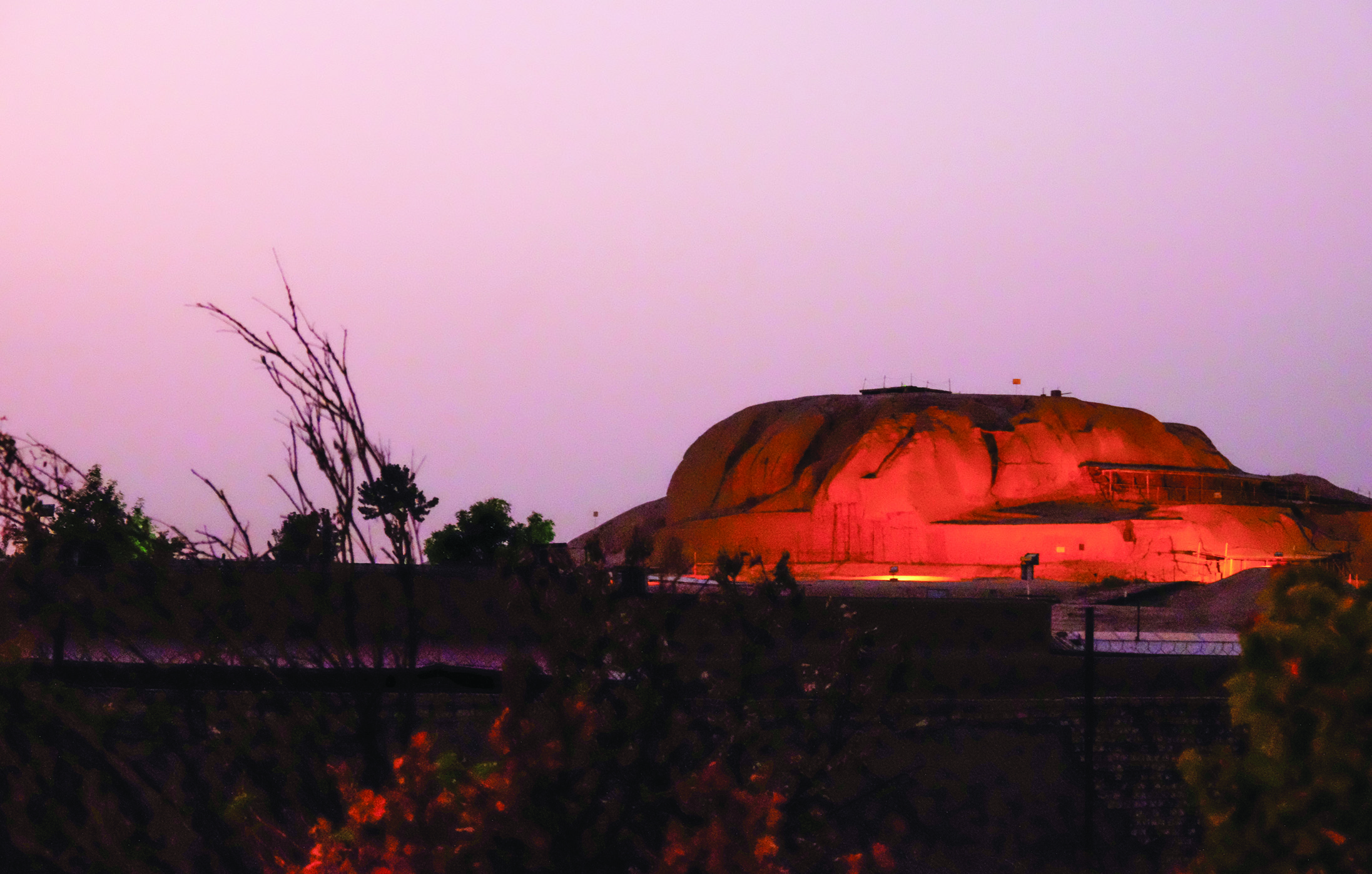
Many times on the road from Kashan to Fin, I had seen the directional sign for Sialk and passed it by, imagining that Sialk must be far from the city, or assuming I would always find another opportunity to visit. I did not know that I was destined to make my way to Sialk on one of the hottest days of summer. At midday in the scorching Mordad heat of Kashan — under a sky whose scattered clouds lacked the strength to temper the sun's fierce breath — I arrived at Sialk, deserted of visitors, its staff driven to their rooms by the heat. My first encounter with Sialk was at once astonishing and somewhat eerie: the clouds lent the atmosphere a grey, antiquated cast, and the solitude and uncanny silence of the vast Sialk compound were enough to set my few decades of life beside the tens of thousands of years of this mound's history, and to grasp the antiquity of Sialk — until time itself took on a different meaning for me.
Discovery and Layout
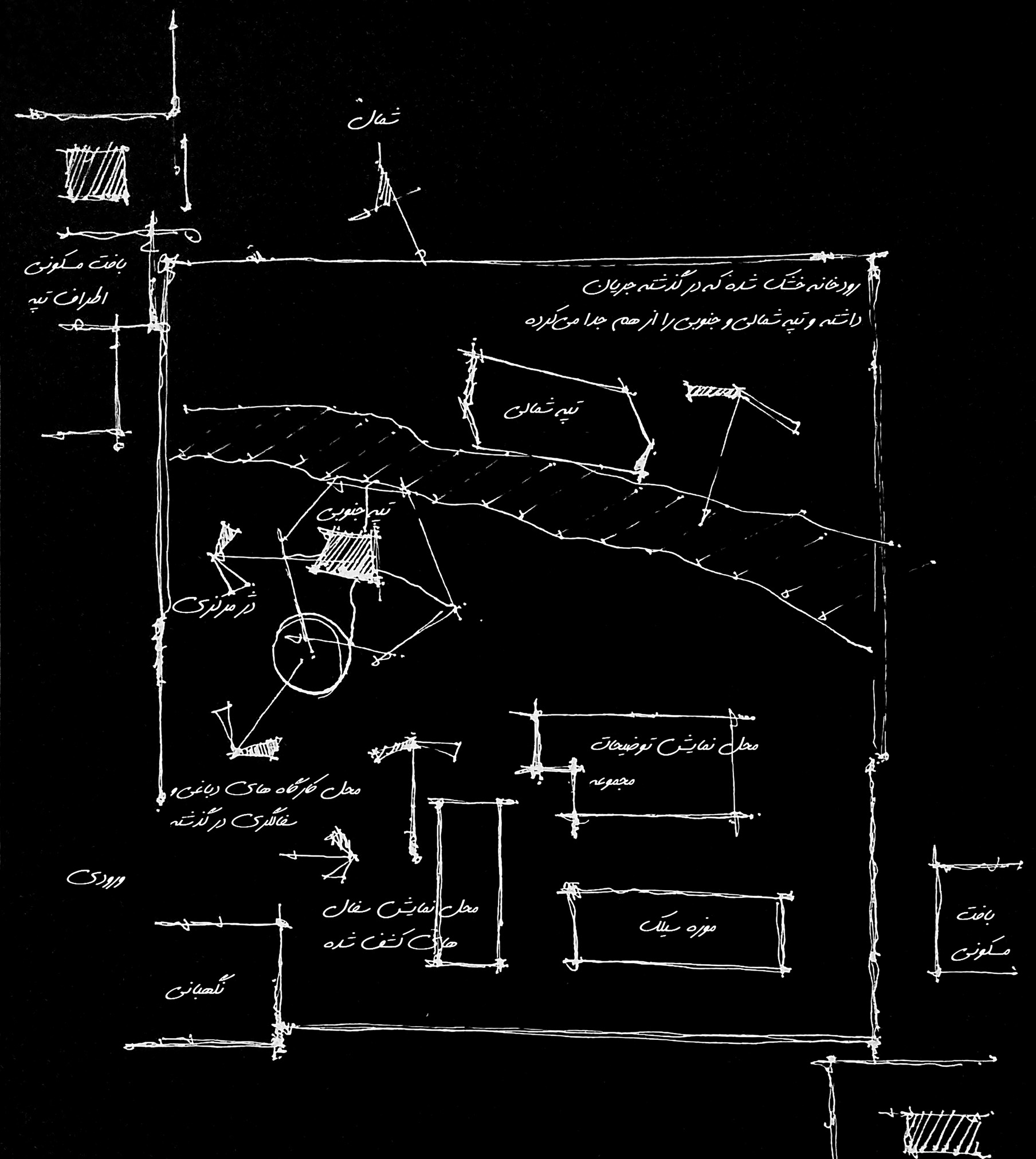
Tepe Sialk was discovered in 1310 SH (1931 CE) by Roman Ghirshman, the French archaeologist, and the first excavation commenced immediately that same year. The site comprises a northern mound (approximately 5 hectares), a southern mound (approximately 8 hectares), and two cemeteries. Based on archaeological hypotheses, the Sialk complex functioned as a kind of local polity on the Kashan plain, governing a vast territory stretching from Qom to Aran va Bidgol, Natanz, and the foothills of the Karkas Mountains.
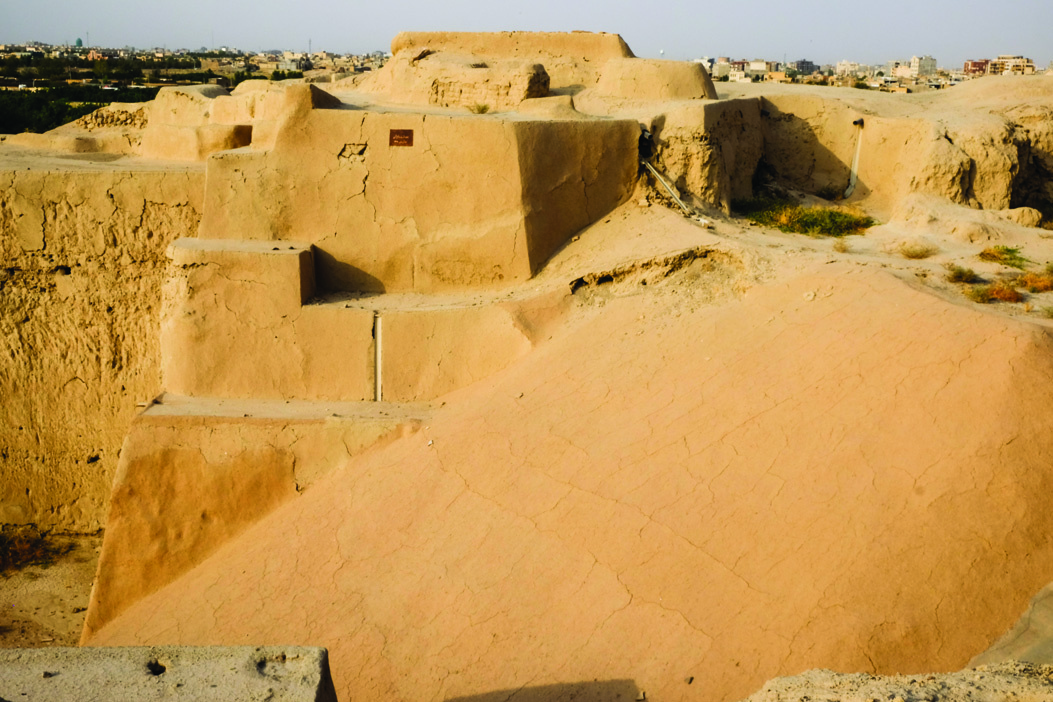
Fortress or Ziggurat
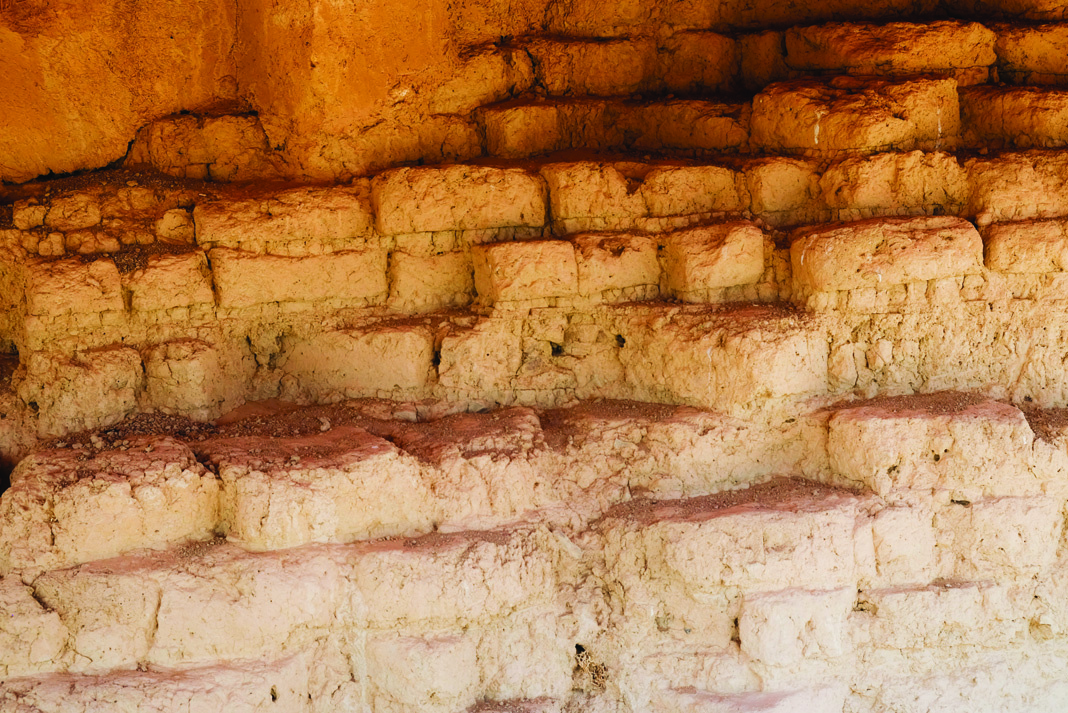
The greatest question to this day concerns the function of the mudbrick structure atop the southern mound — whether it served as a fortress (dezh) or a ziggurat. However, since the last known example of a ziggurat has been recorded from the south as far as the Kerman plain, and no ziggurats exist in the central regions, the likelihood that this structure was built as a fortress is greater. The continuity of discoveries across different periods — from the era of hunting and nomadism through to the final periods of Sialk (the Bronze Age) — observed in the tanning and pottery workshops on the southern flank of the southern mound, attests to permanent habitation in this area.
Currently, an excavation team is working on the northern mound and has proposed hypotheses suggesting that during the middle periods, walls in this section became rectilinear. Material analysis results from both the northern and southern sections indicate the presence of organic materials in the roofs, plastered with gel-andud (mud daub). Given that a river once flowed between the northern and southern mounds, the use of reeds and kahgel (mud-and-straw plaster) for roofing is considered the most probable hypothesis.
Tools and Craftsmanship
Based on the tools, stone vessels, and pottery discovered in this area, it appears that with the emergence of specialised trades and craft workshops at Tepe Sialk and other neighbouring areas,1 the exchange between artisans, farmers, and herders took place through the supply of these products. The interactions between craftspeople and inhabitants were based on the fulfilment of mutual needs, such that master artisans met the residents' requirements for textiles, leather, vessels, and other goods, receiving agricultural and pastoral products in return.
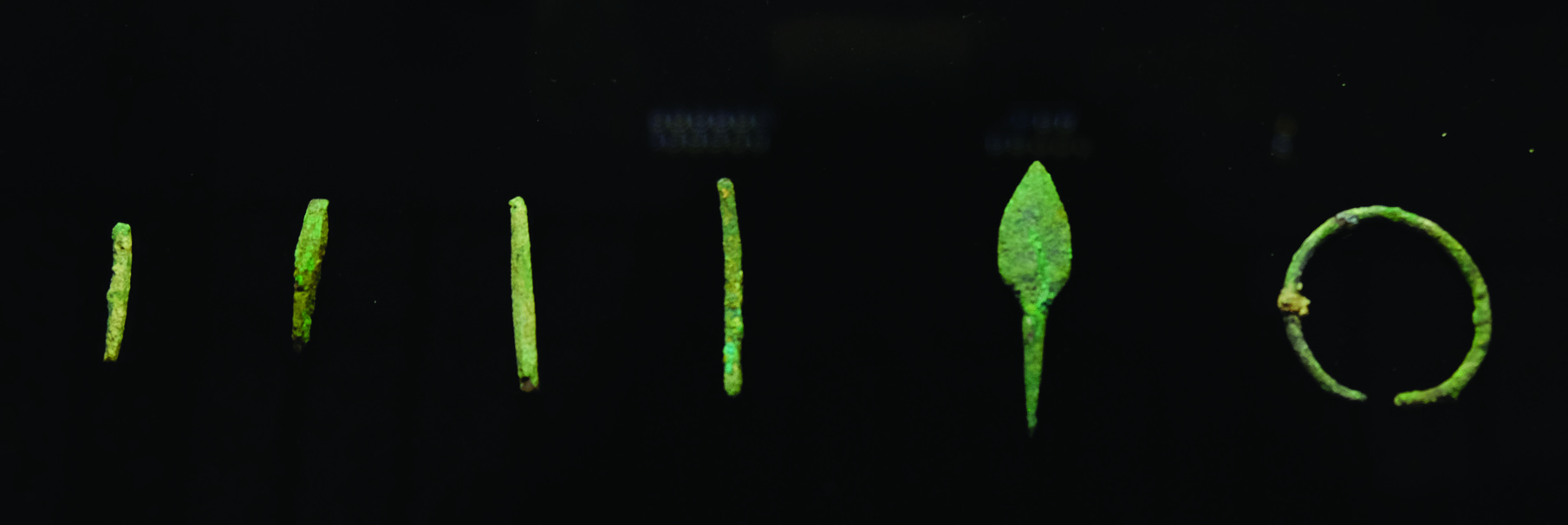
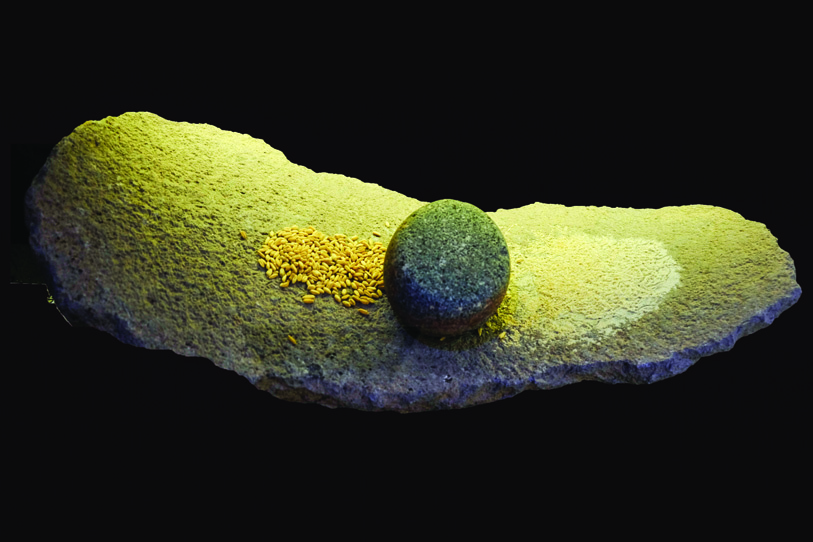
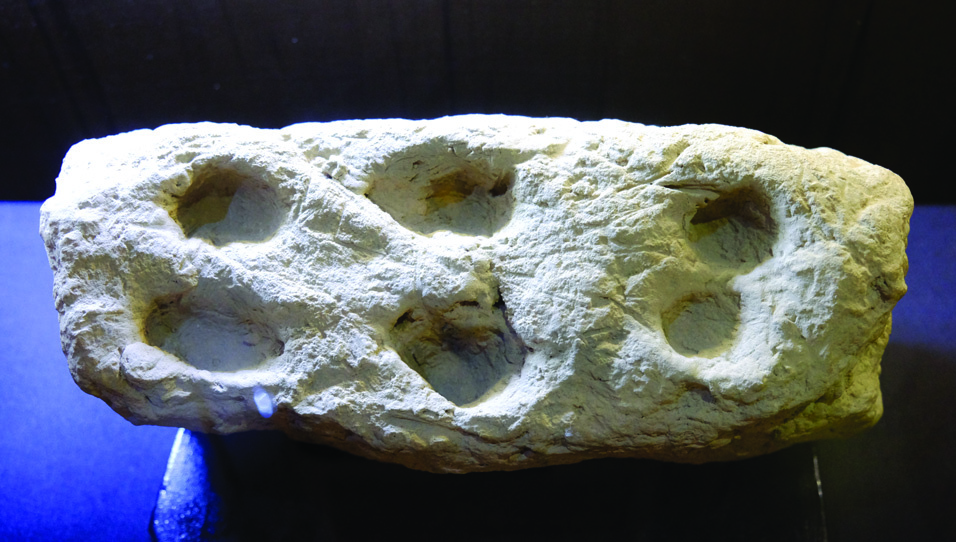
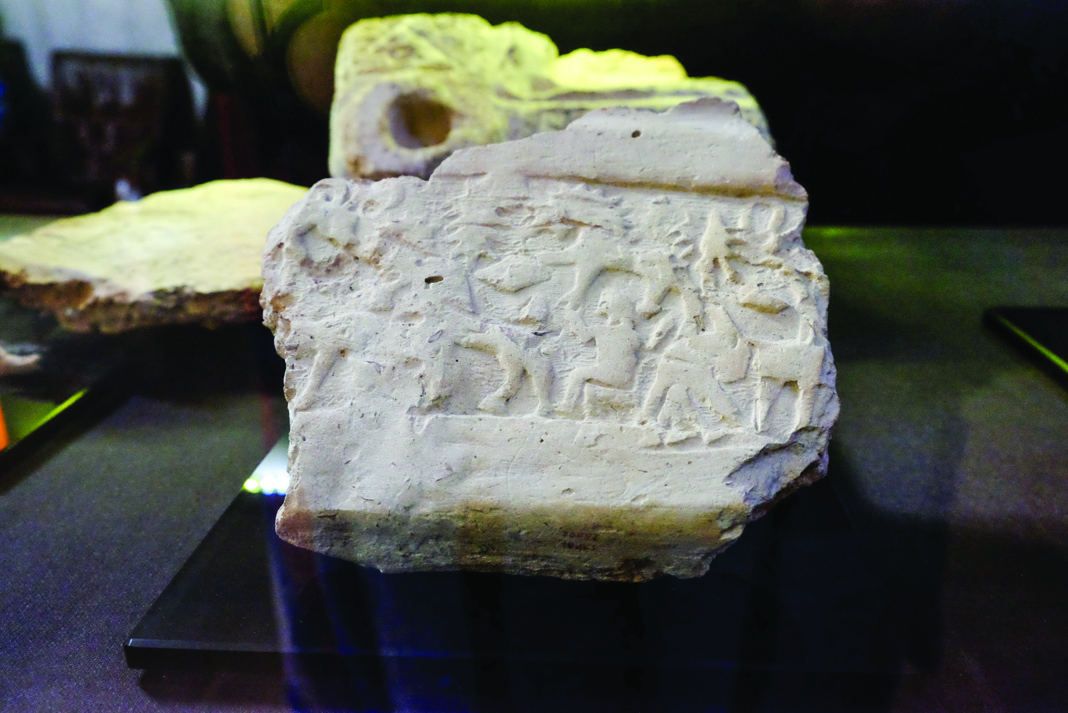
It seems that the metal and stone needles and other tools found in the workshops of the southern part of the southern mound were used for leatherworking and textile production. The central fortress, dwellings, and workshops were built with khesht (mudbrick), and rarely is any trace of stone architecture to be found — to the extent that even engravings were executed on mudbrick.
The Goat Motif in Sialk Art
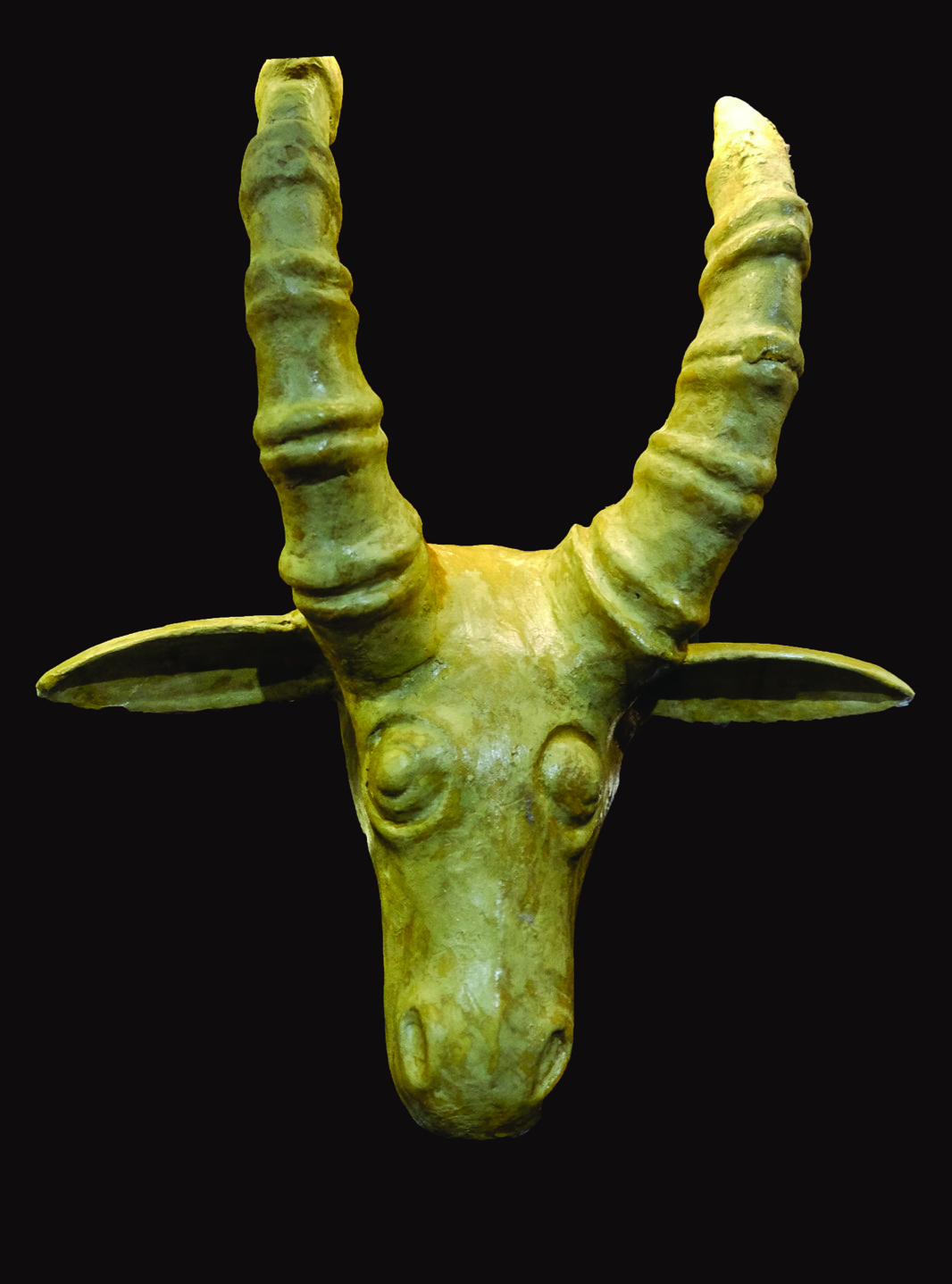
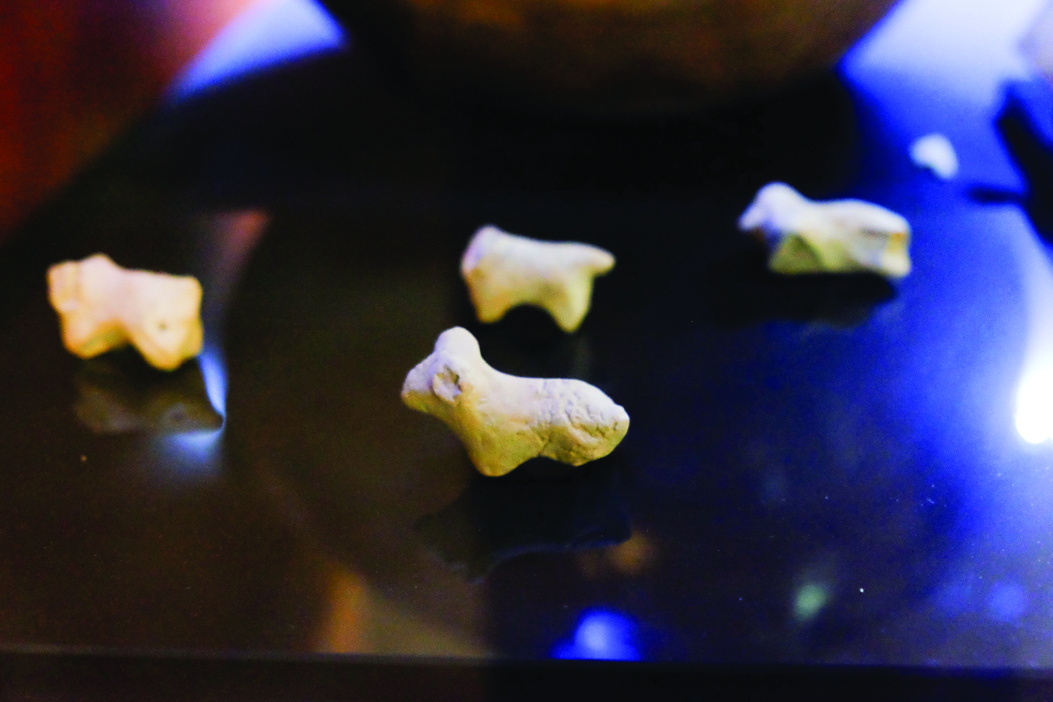
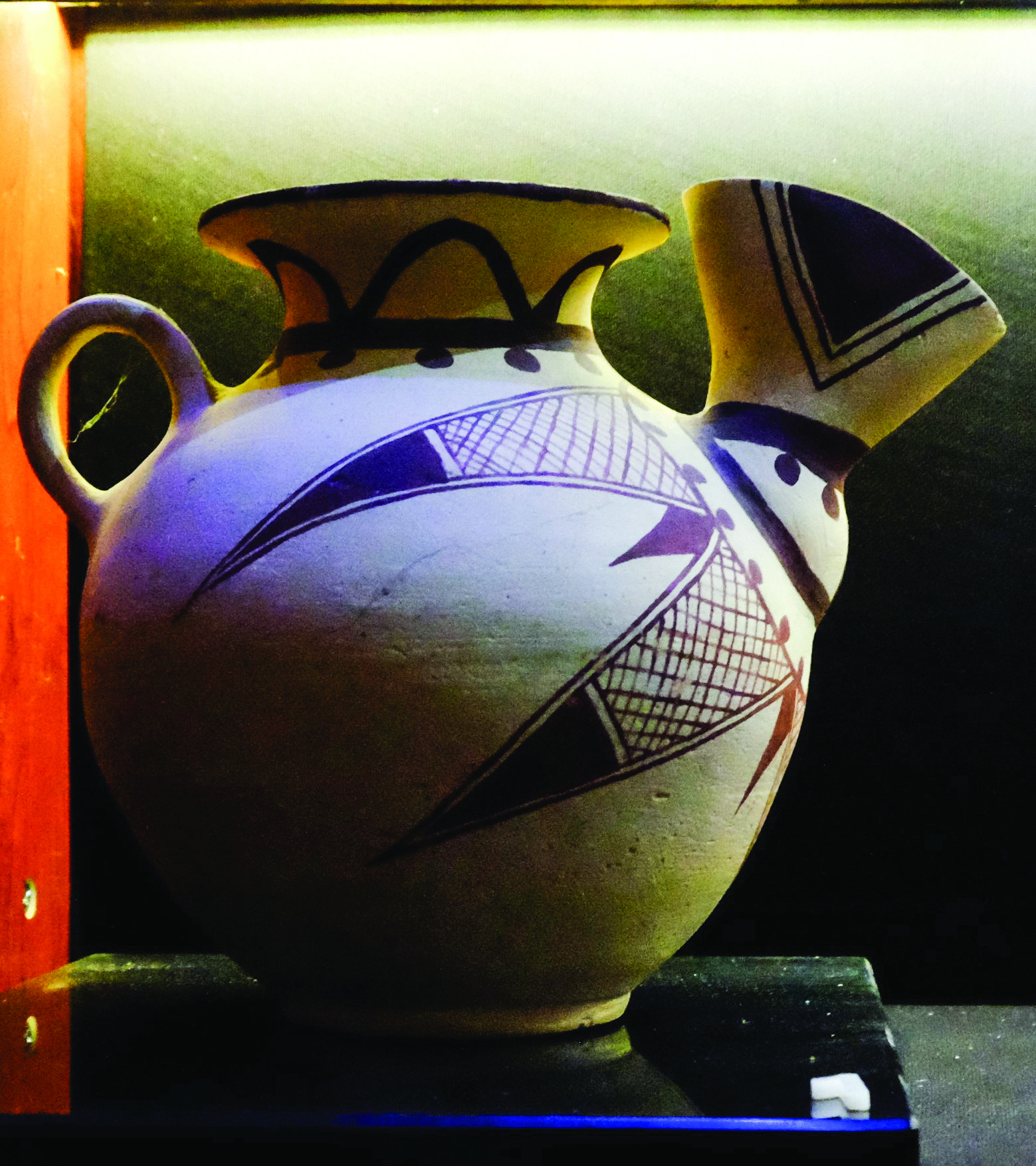
The artists of Sialk drew most of their inspiration for ceramic decoration from abstract floral and animal motifs, but among all the surviving designs from this region, the image of the goat (boz) in various forms constitutes a common thread running through many of the petroglyphs, pottery, and other artefacts — rendered with remarkable skill and astonishing delicacy. The importance of the domestication of the goat and its coexistence with humans in daily life during this era on one hand, and its mythological and historical significance on the other, may have been what gave the depiction of goat motifs such prominence in the art of that age.
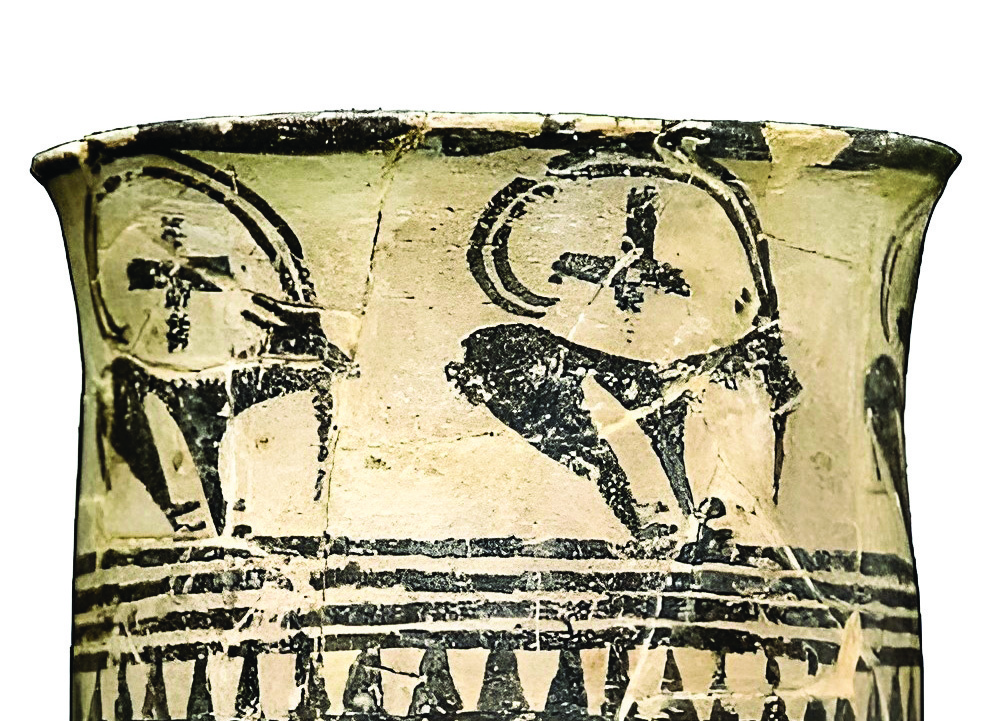
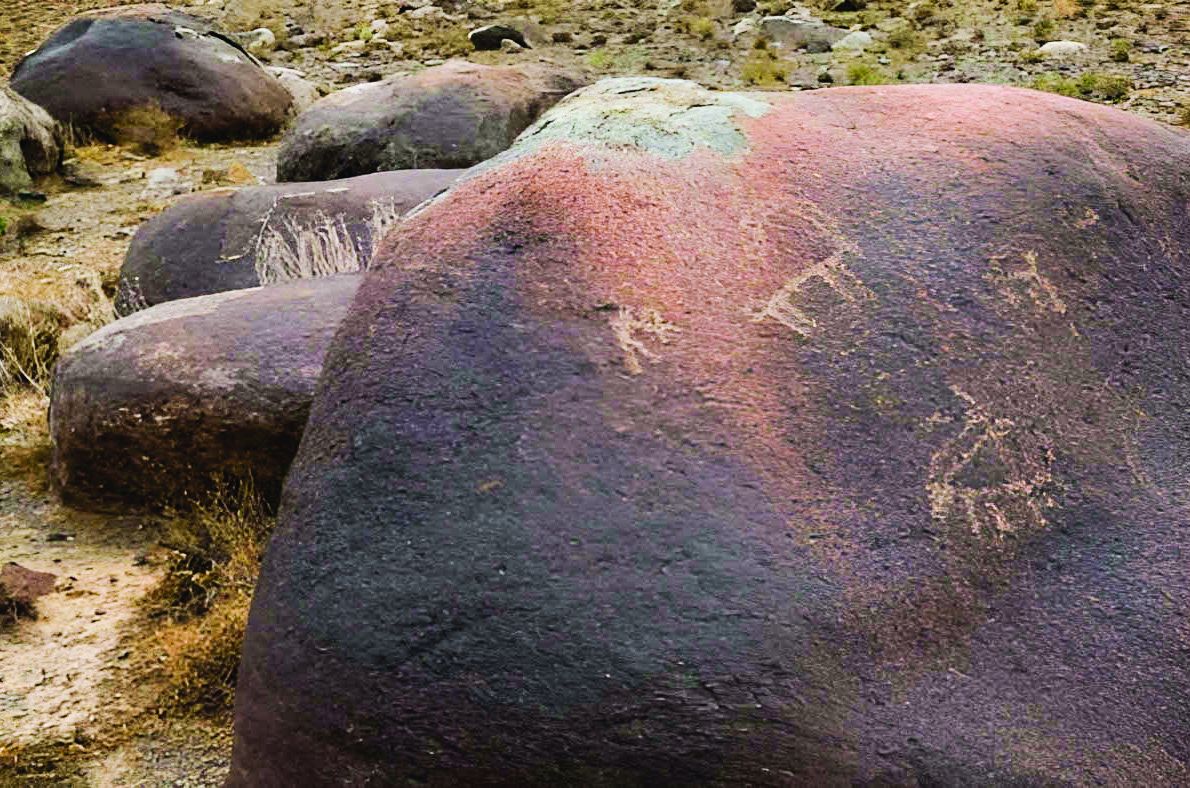
On a ceramic vessel discovered at Sialk — now preserved in the National Museum of Iran — several goats are depicted, with a chelipa (swastika/cross) visible at the centre of their horns. The noteworthy point is that a petroglyph depicting a goat has been found on the Lathar Plain, some five kilometres southeast of Sialk, whose antiquity may reach back to times far more distant than the formation of Sialk itself. The use of the goat symbol in the art of that era was not confined to painted ceramics and appears in other forms as well.
A sculpture attributed to the final periods of Sialk, depicting a goat's head, was found in this area and is now kept in the Sialk Museum.
Footnotes
- The ancient site of Arisman, located approximately 70 kilometres from Sialk, is another example where remnants of metal smelting furnaces and tool-making workshops have been found.



