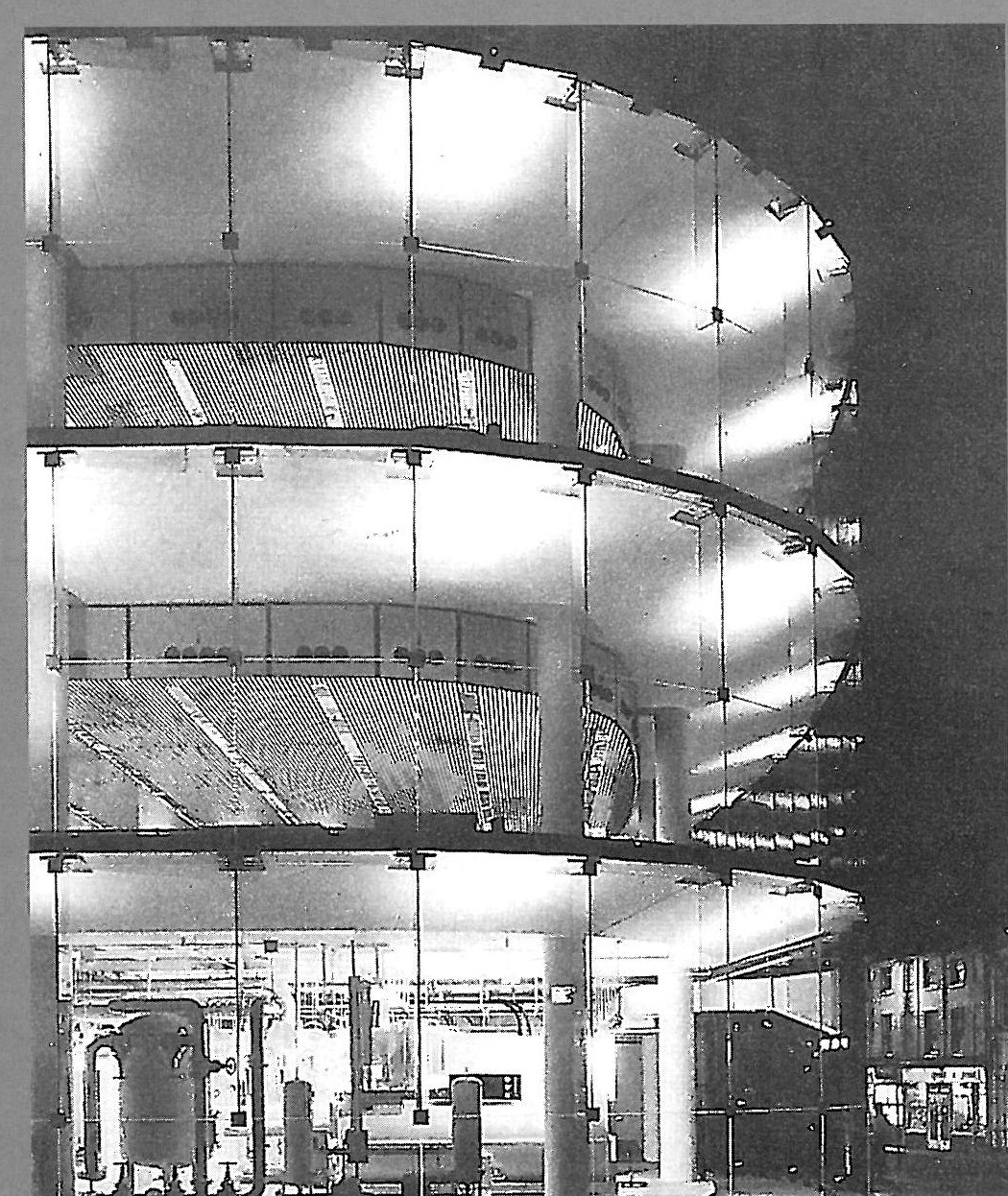
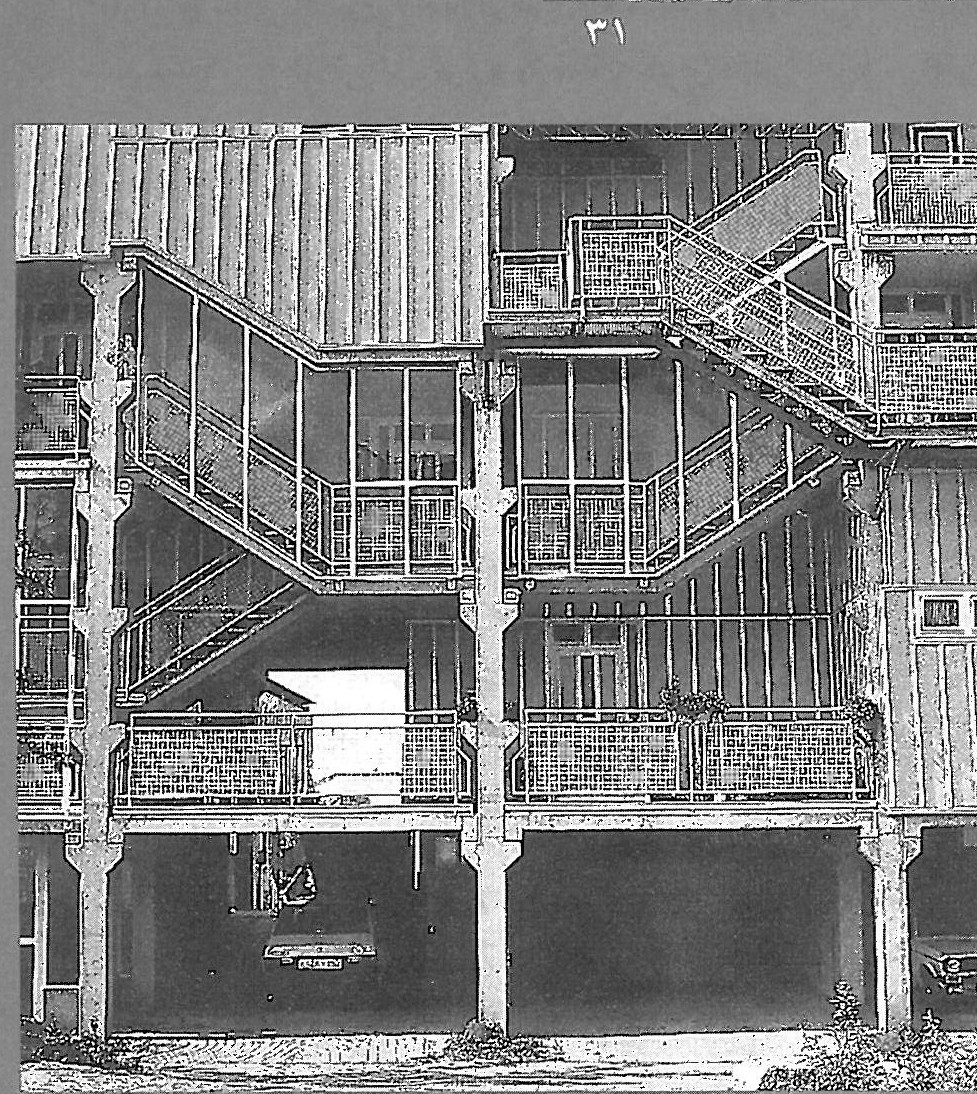
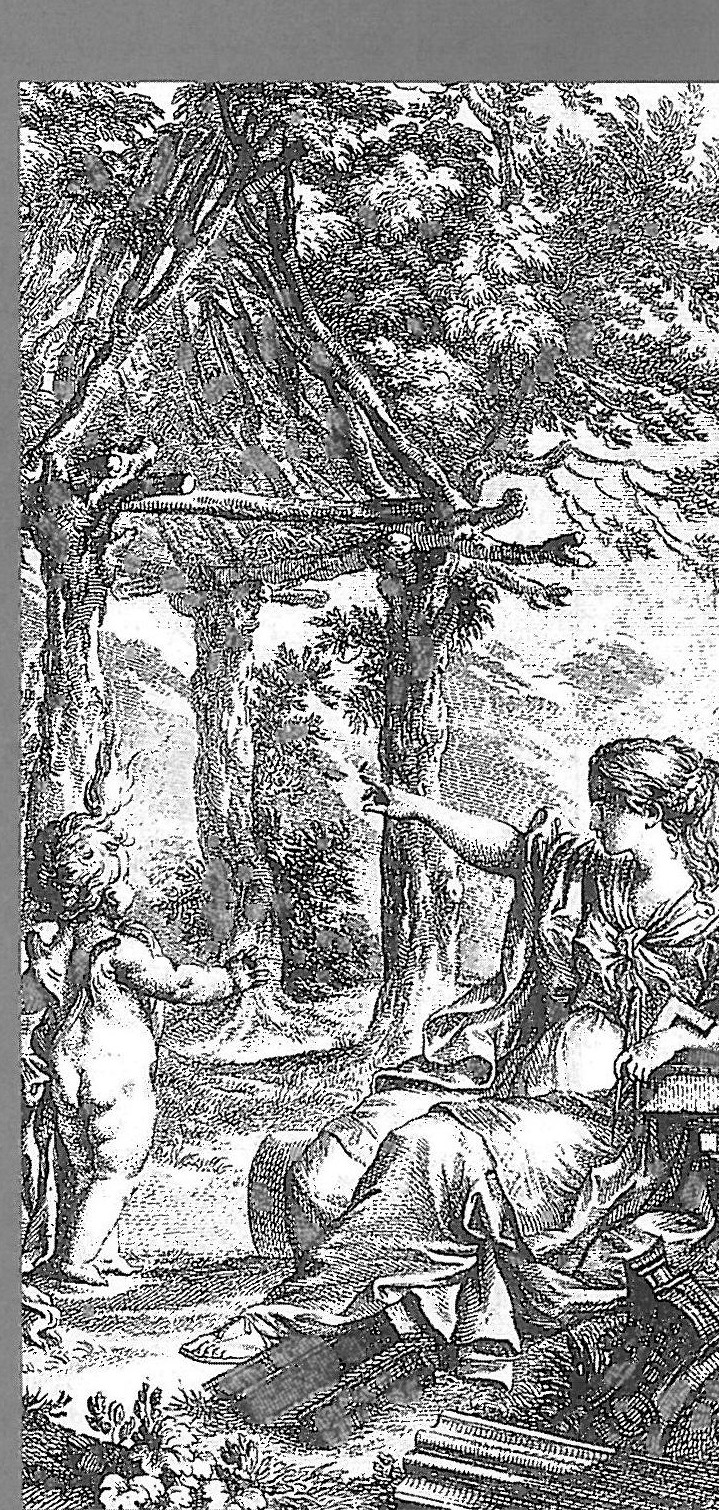
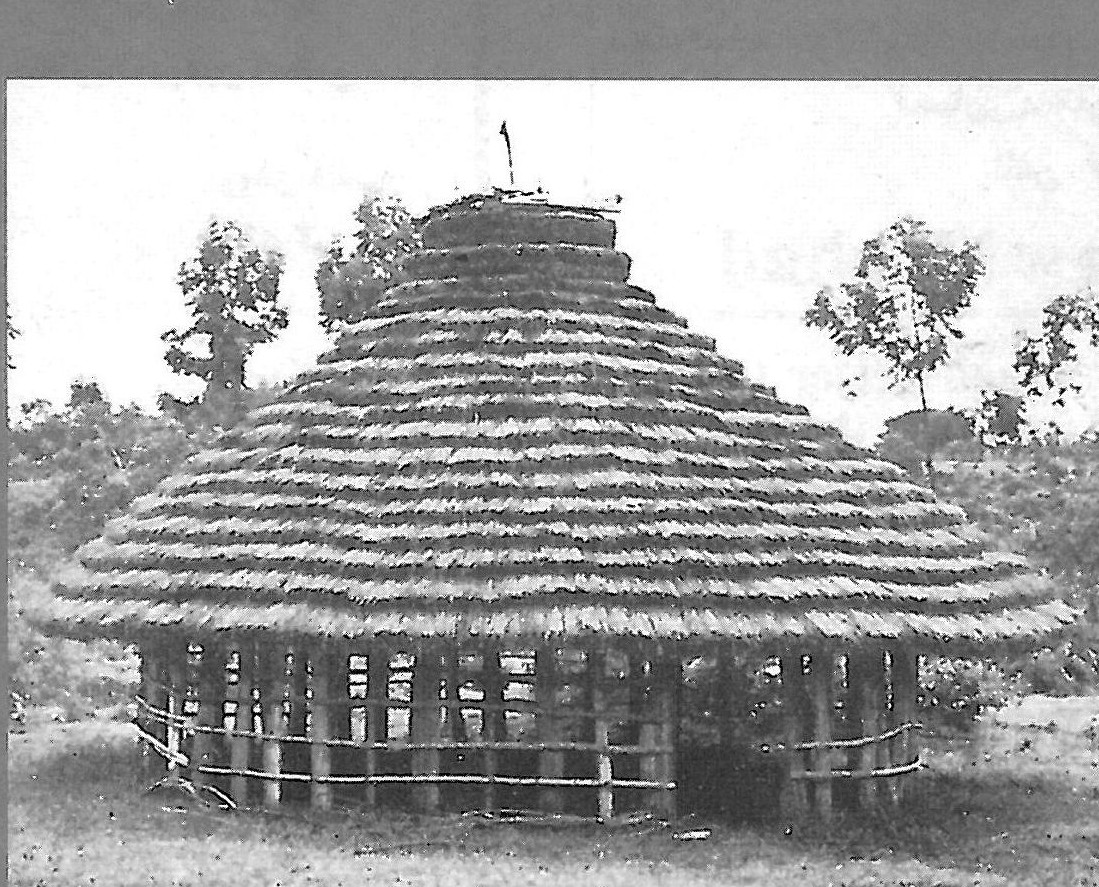
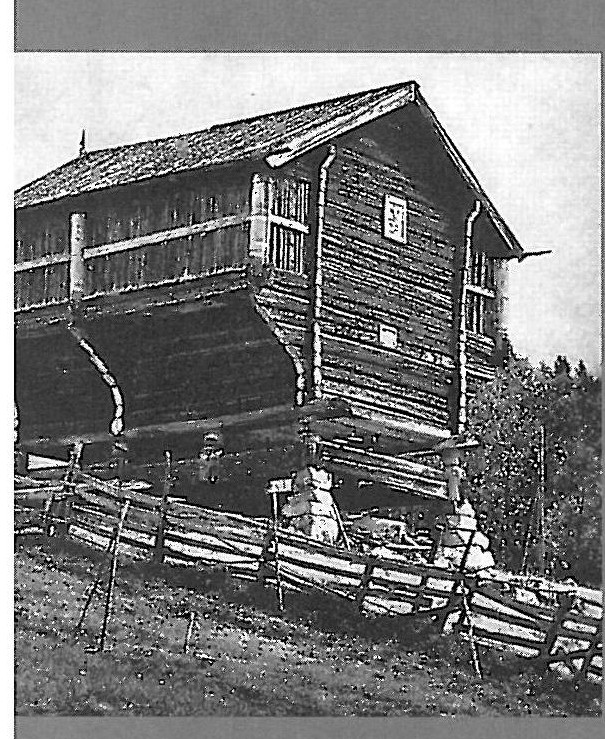
When Queen Victoria opened the Great Exhibition of 1851, she saluted an iron-and-glass shed that covered seven hectares and had been built in under six months out of factory-made, connectable parts. That striking act not only confirmed the victory of the industrial revolution but was a step toward an engineering-led building culture — a culture opposed by critics such as Ruskin under the label of “machine ugliness.” They were unwilling to accept that the architectural construction of the Crystal Palace was a refined example of the very same “assembly” or “mounting” that had been common in building since the Middle Ages and Roman times, and perhaps even in pre-historic times. The production of assemblable parts, and the techniques for joining them, existed long before the age of industry, in periods when technology had not yet become highly sophisticated or was even primitive: the timber houses of northern Europe and the log cabins of North America are clear pre-industrial examples.
In the industrial and post-industrial periods, transportable pavilions — detachable units — for IBM, and Foster's Willis & Faber offices at Ipswich, are salient cases. In all of these, identical parts and methods of assembly govern the architectural construction and define the character of such an architecture, which is the cooperation of one part with another. The link between form (architecture), method of construction (architectural expression) and the part itself (the identical element) is inescapable. Sydney Opera House is another example: its sail-like shells, made of concrete segments, rest on a brilliant combination of art, material and technique that governs its design.
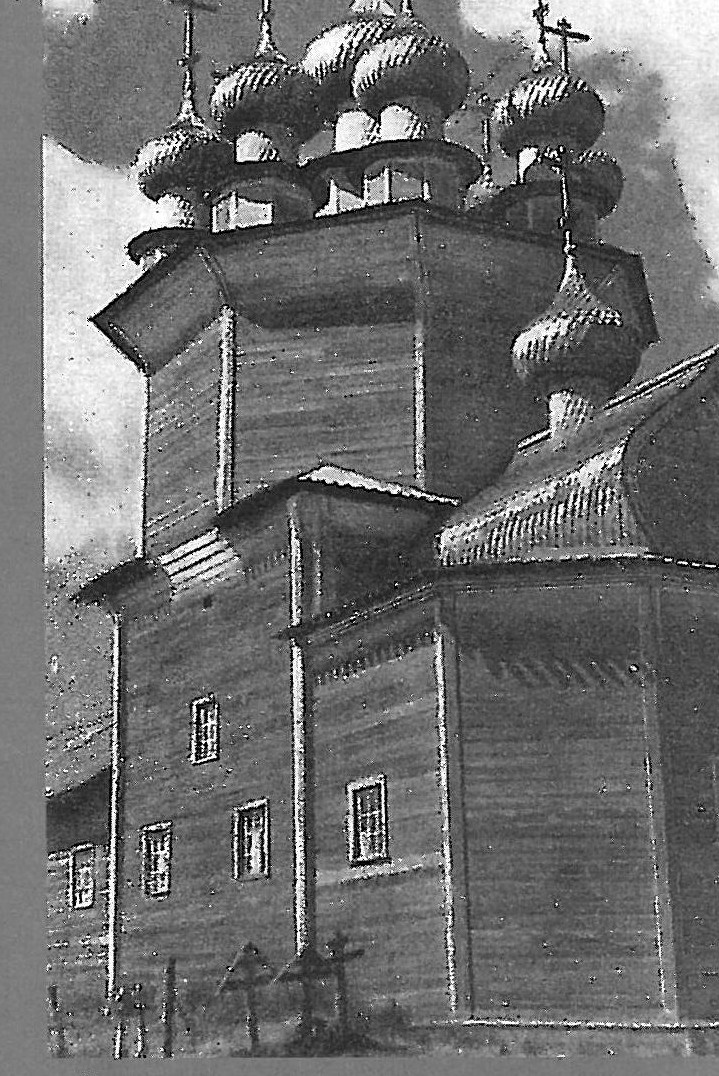
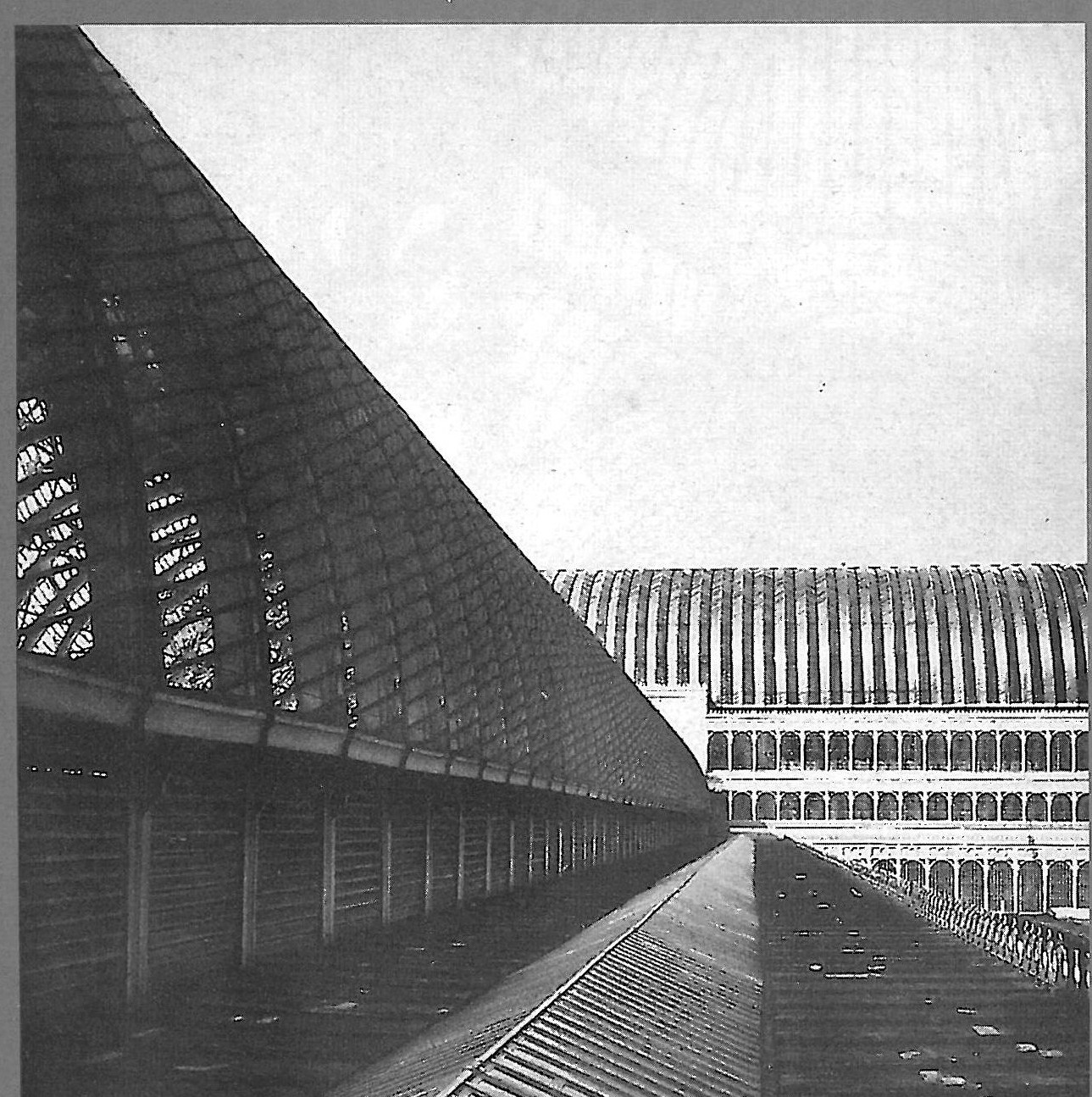
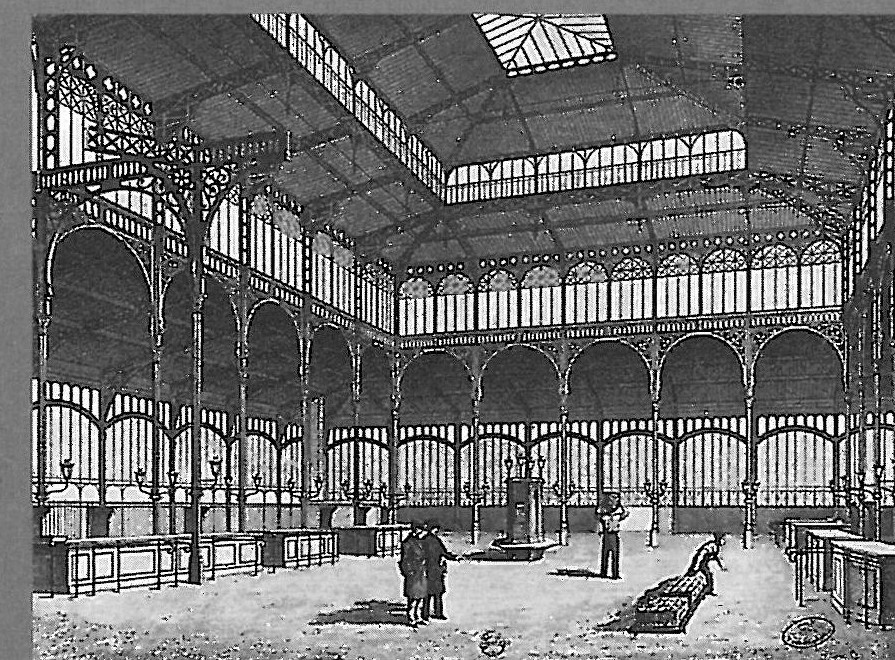
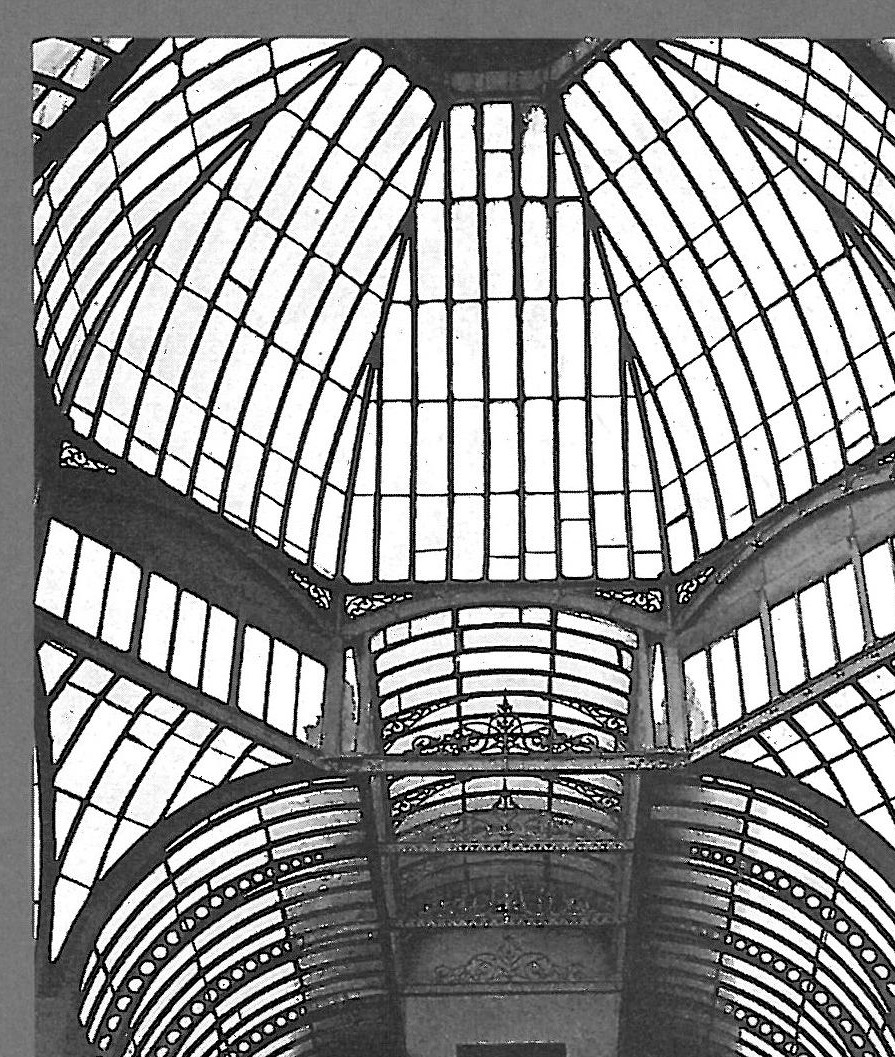
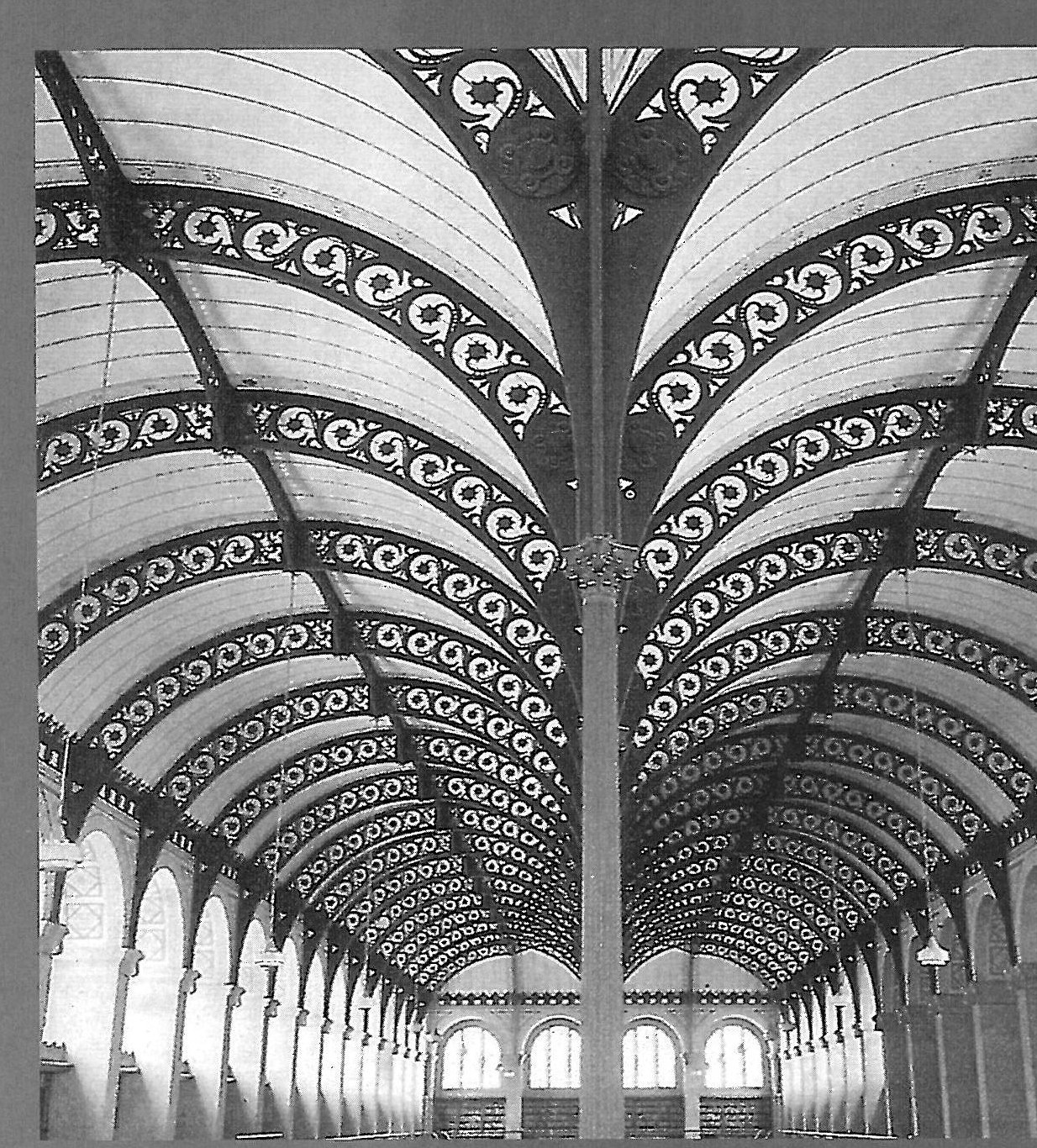
Such a combination, which was pervasive in pre-industrial vernacular architecture, was less present in nineteenth- and twentieth-century engineers' work. But certain structures — which architects had not designed — had such undeniable qualities that they eventually drew architects' attention. Gropius and Le Corbusier were both influenced by the summarised form, functional language and reasonable construction method of American grain silos. Famous works that bear witness to the cooperation of art and technique include: Boileau and Commandant's Bon Marché; Louis Kahn's Richards building; the Pompidou Centre by Piano-Rogers and Arup. Architects like Foster, Grimshaw, Kaplicky and Behnisch have used these methods methodically, and different figures such as Nouvel, Seidler and Gehry have used them from time to time.
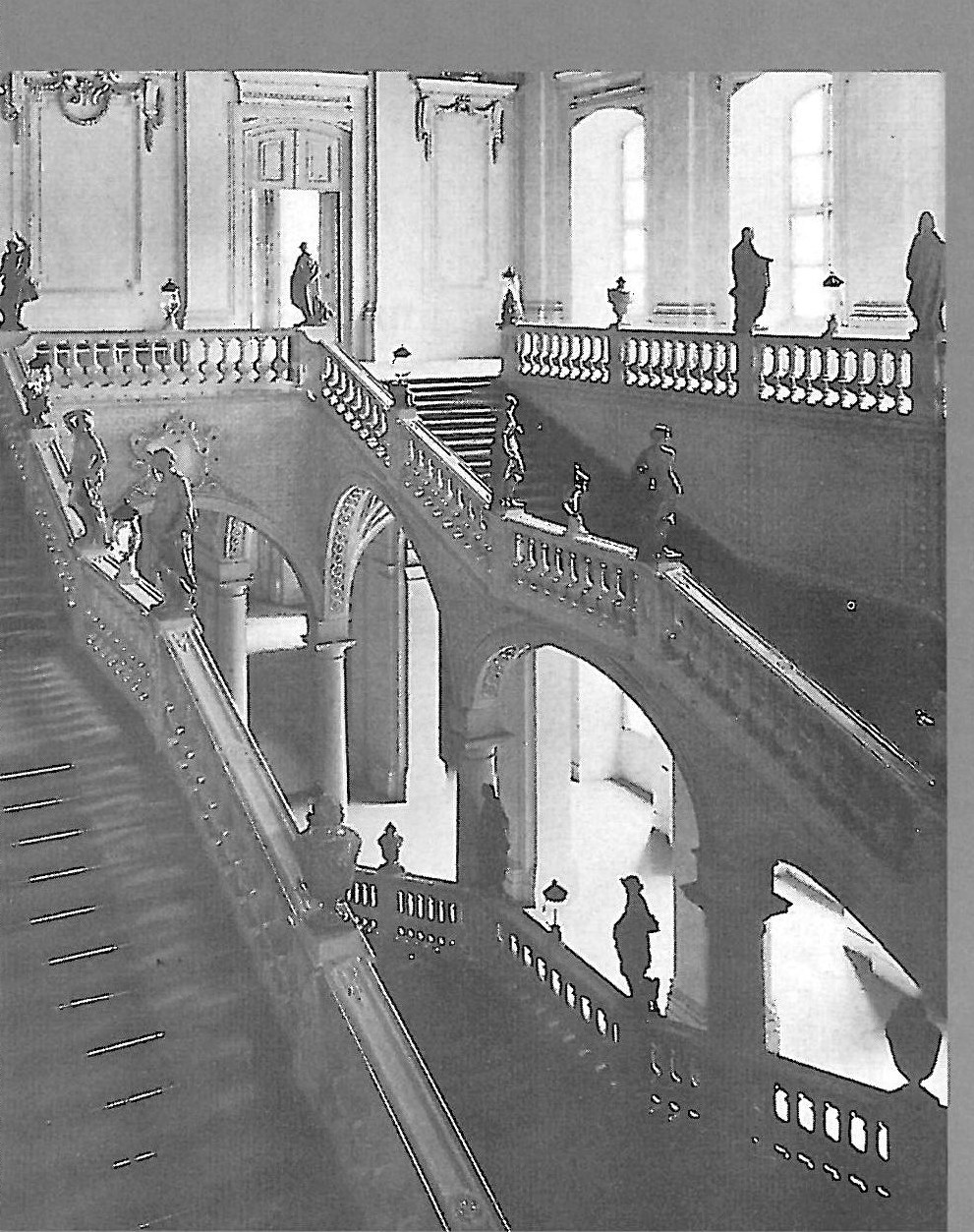
Repeated parts
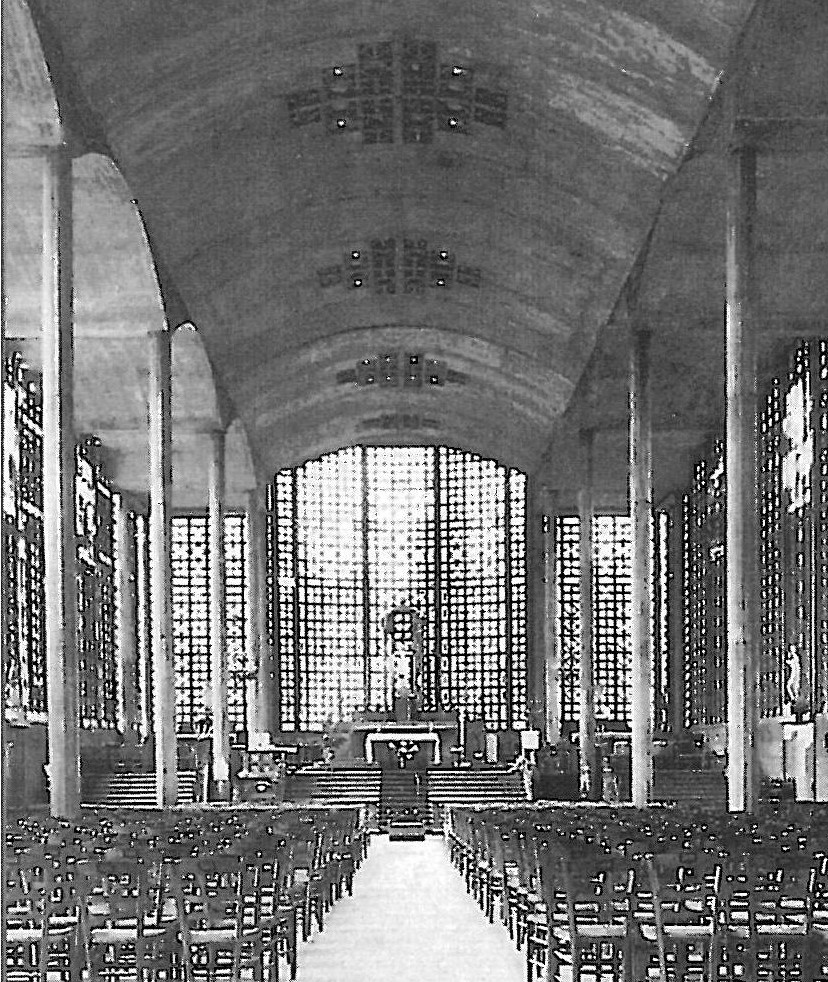
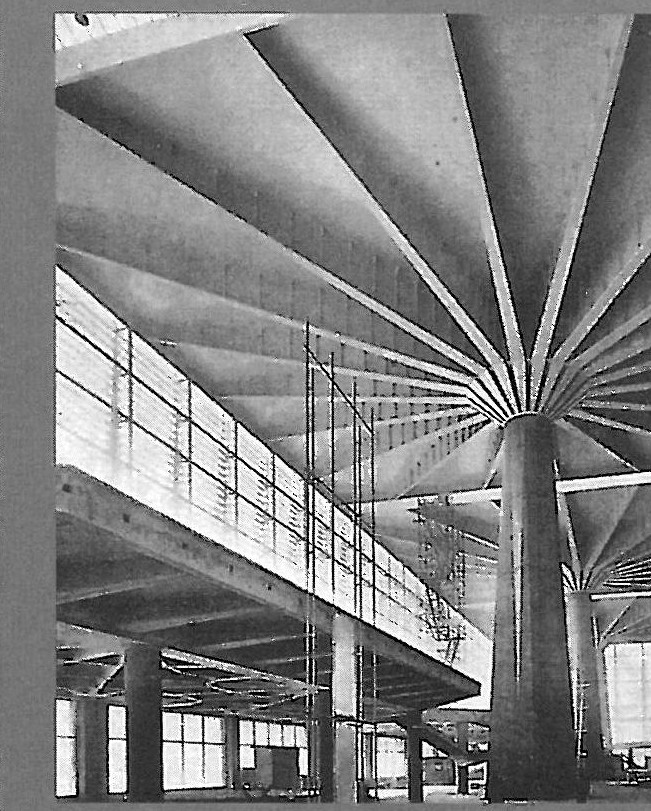
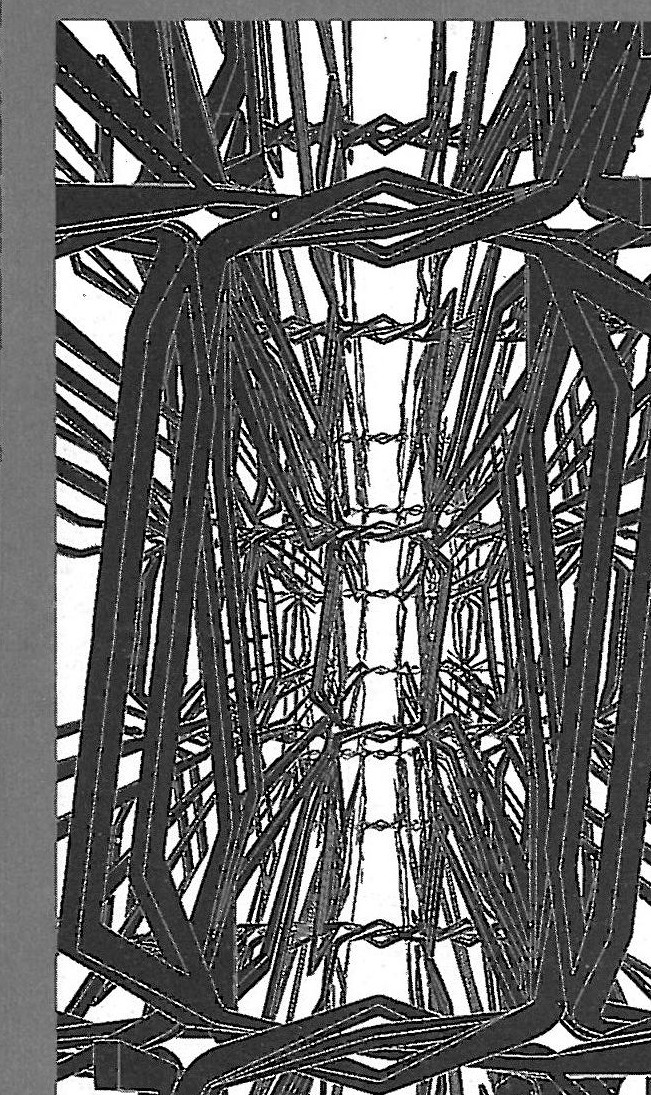
Modern architects were fascinated by industrial products and the logic hidden within them — models of both conceptual and formal rationality and, with it, a rich palette of contemporary expression. The systematic use of repeated parts and identical elements (frequently borrowed from other fields) also became a source of inspiration for a literary style in architecture, which designers who supported the authenticity of building (constructivism) — such as Chareau, Le Corbusier and Archigram — deployed with intelligence. But the very architects who exploited this technical and formal capacity were aware of its complexities and its potential dangers.
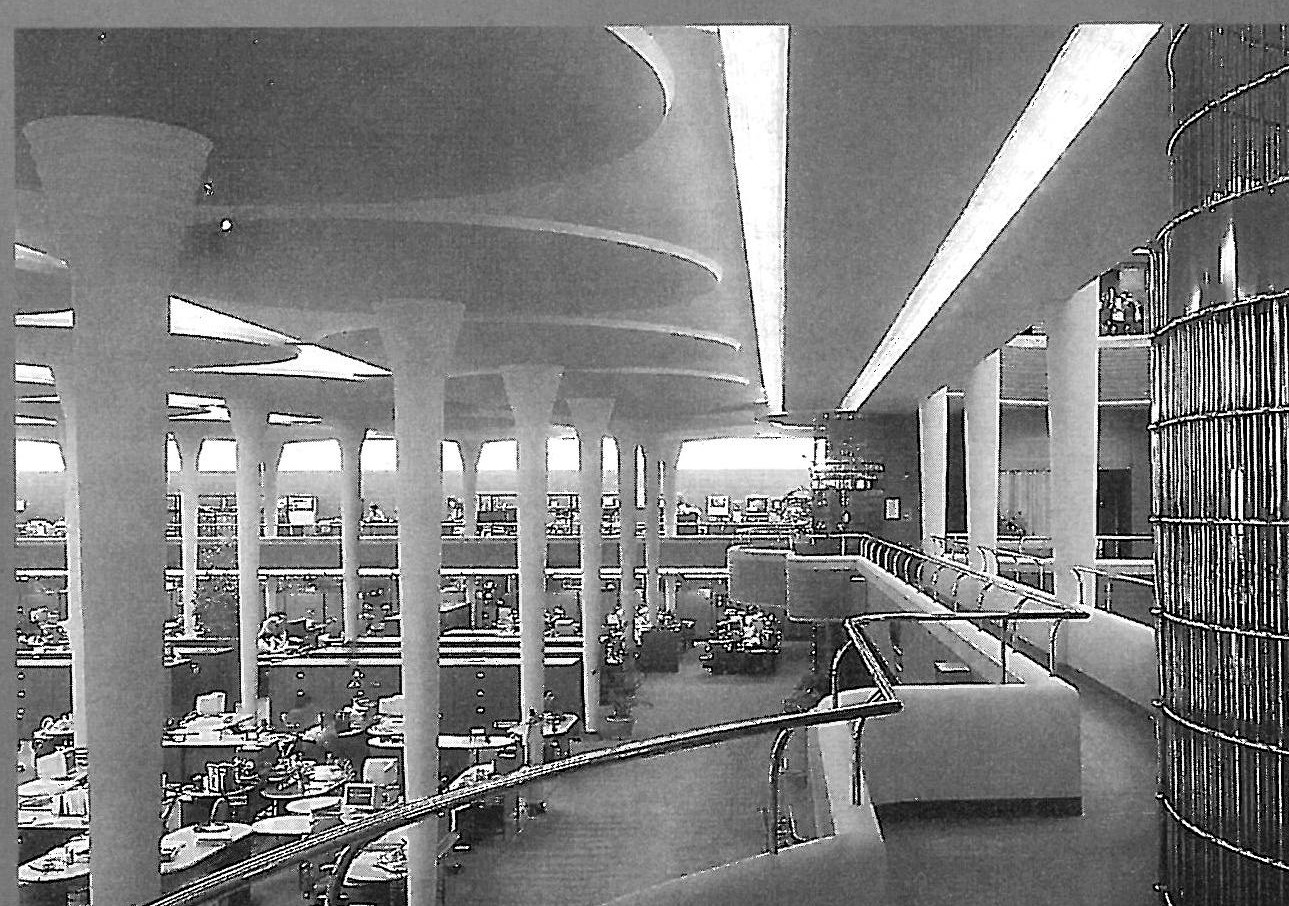
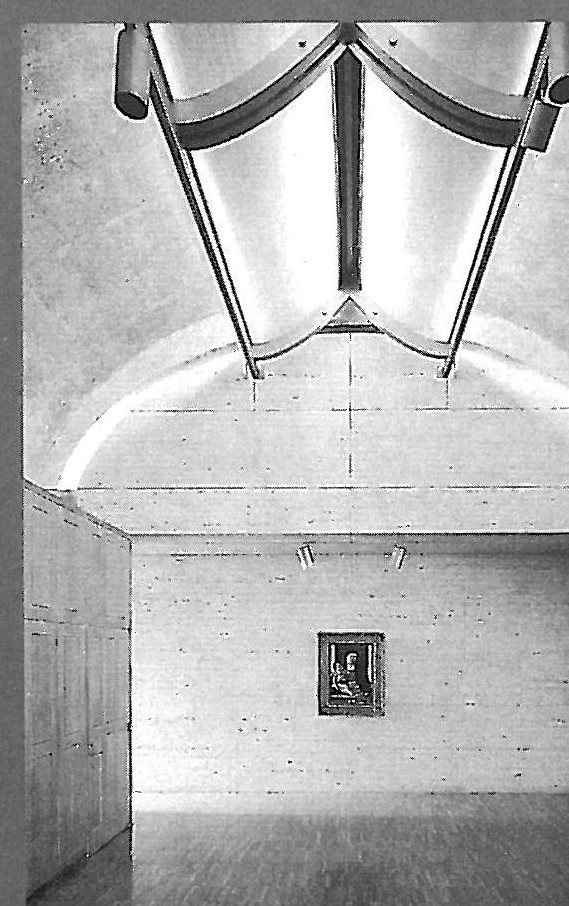
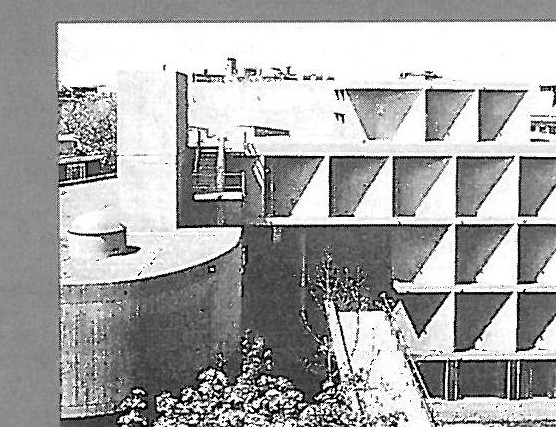
Designing with repeated parts, whatever the building's size, form or material, is always troublesome. The difficulty — quite apart from the relations of details to the whole and of the whole to the parts — grows daily with the appearance of the problem of integrating those parts and coordinating them. And all of that aside from the danger of uniformity.
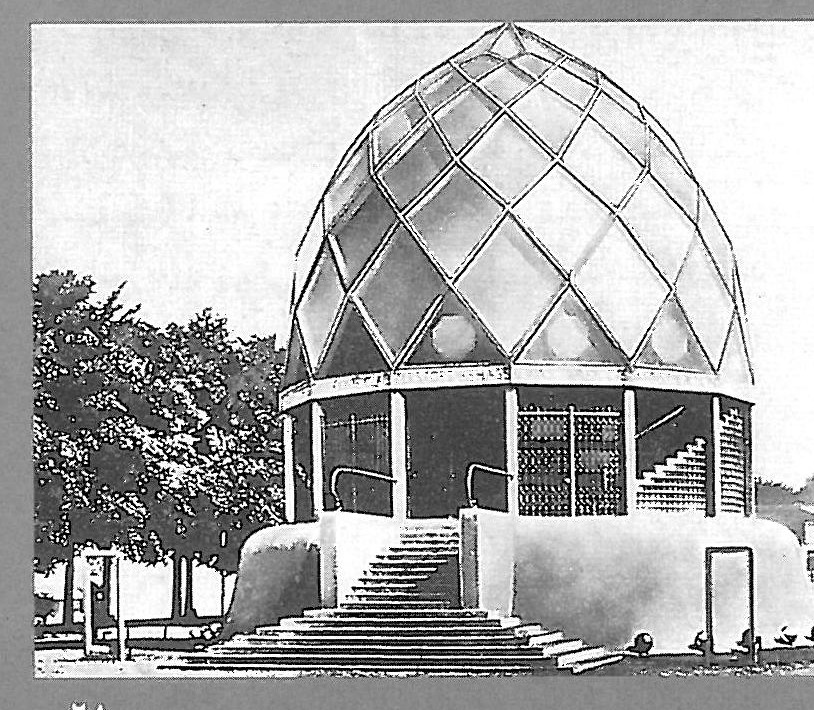
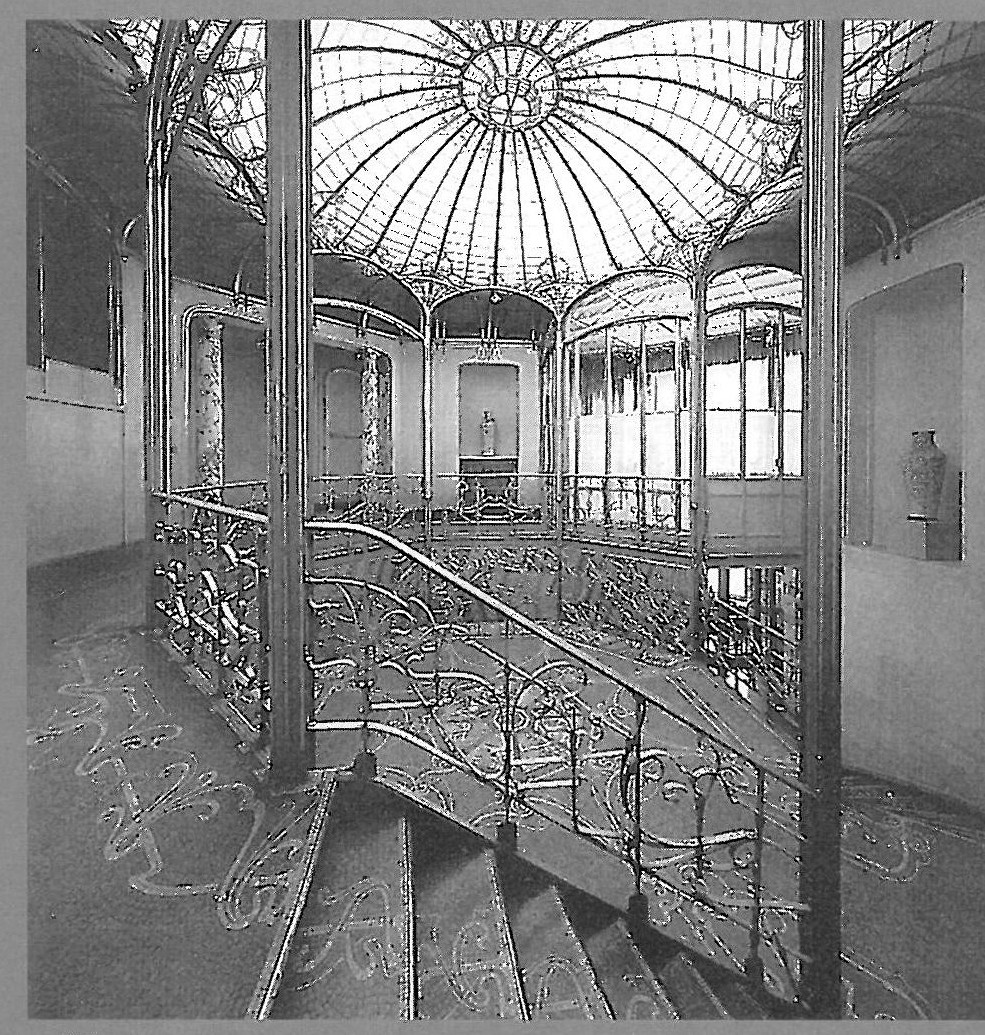
Masters such as Labrouste, Perret, Louis Kahn, Wright, Jack (“Lou”) Kahn and Utzon were able to rein in these risks with grace. And yet today, while everyone agrees in praising their designs, the techniques they used seem to have led later generations to very different outcomes. Many of today's giant programmes may justify the use of repeated parts, but apart from a few exceptions (Kansai airport outside Osaka, and Chek Lap Kok in Hong Kong) they are not beautiful or pleasant.
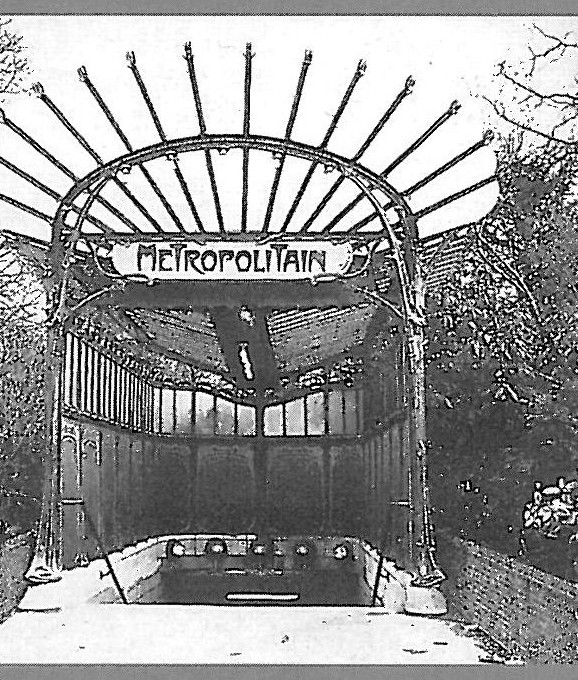
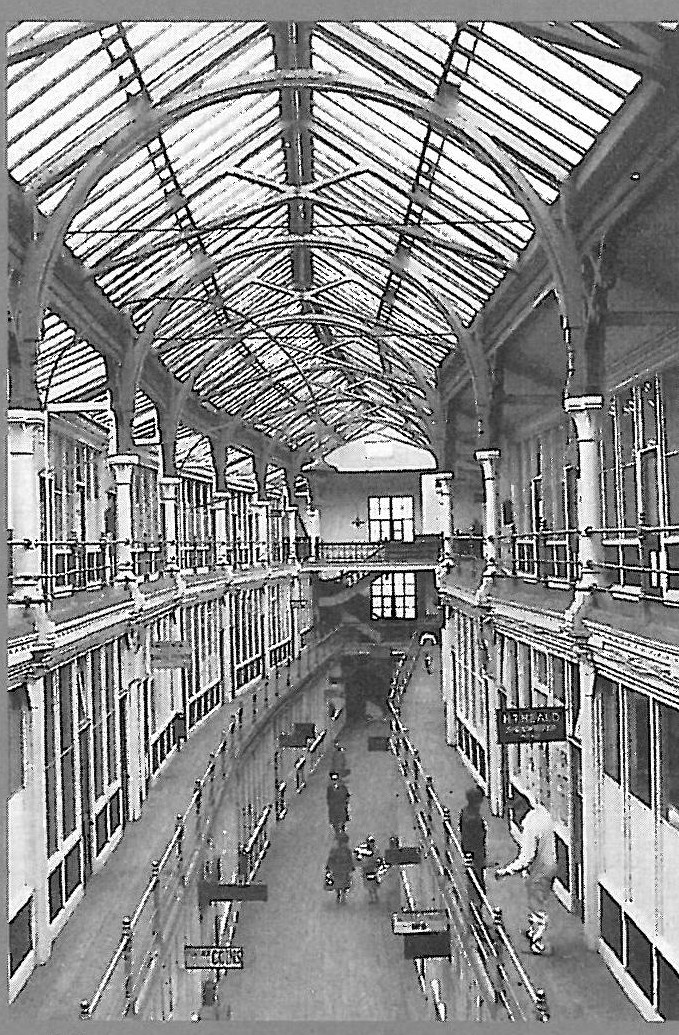
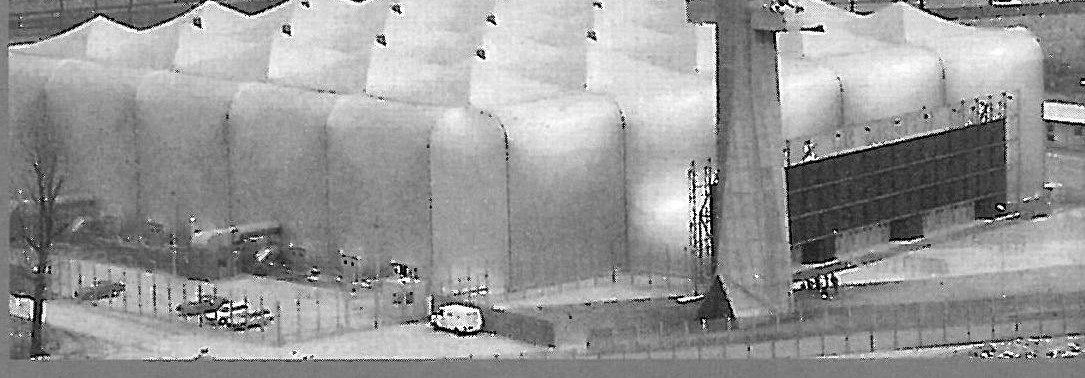
In smaller work, designers — depending on the building system their taste requires and the budget permitted for construction — still treat repeated parts as the primary elements. Even though software now enables architects to design, calculate and detail ever more complex work, many contemporary products are dull and lifeless. Fortunately, out of such quantity, a few approaches rise — not because they are traditional but because they show that even when everything has become uniform, one can still design and build in another way — and can still produce architecture full of feeling.
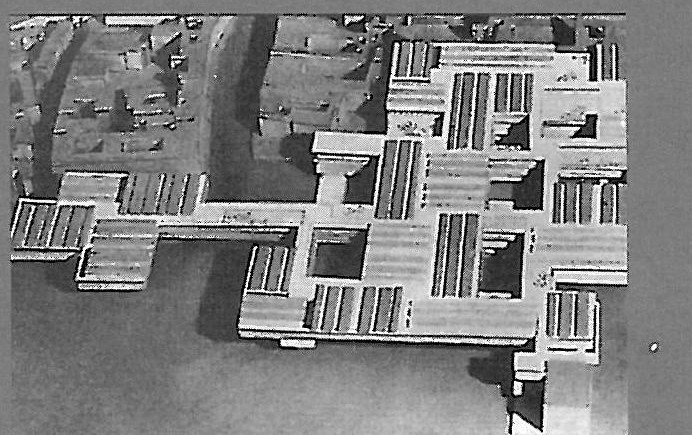
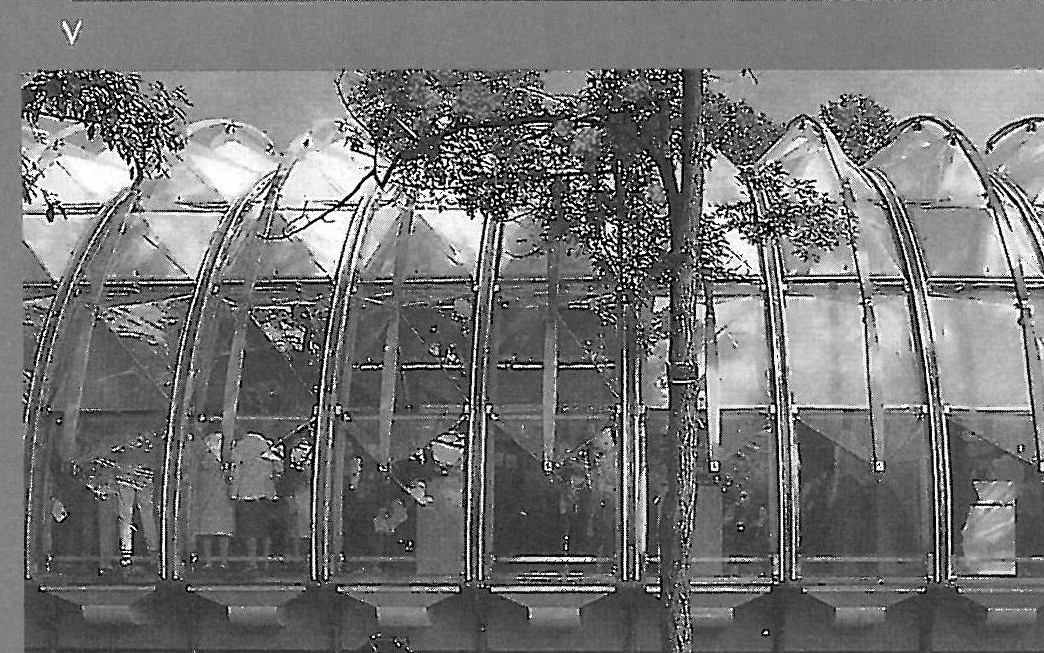
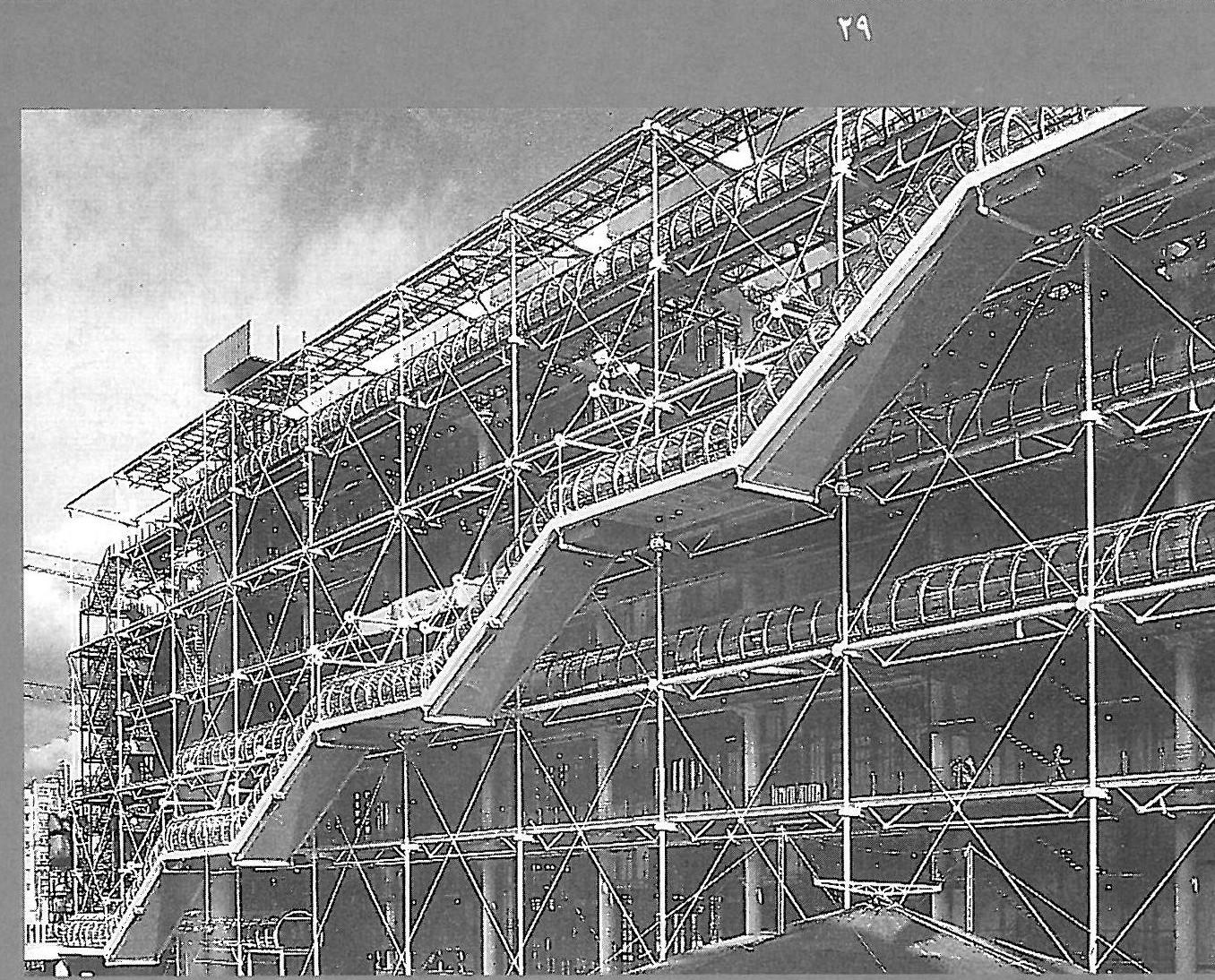
Source: L'Architecture d'Aujourd'hui, No. 322, May 1999.