In the past, stone production had an inappropriate process. Stone wasn't a low-cost and easy-to-use material, which could be produced at large amounts. But it's more than 30 years that a new period for stone has begun. Due to the technological developments made in the process of production and preparation, architects and designers are beginning to rediscover stone and its special qualities. Modern movement wasn't interested in stone and only from mid-60s to mid-70s did stone enter the scene of international architecture. By then, its technological process was improved and therefore stone developed unique qualities compared to other construction materials.
Technological advancements in the field of production process have caused stone to become a competitor to the other materials. This problem has started a new movement of product shaping, which will surely be followed by important consequences. Marcantonio Ragone discusses these consequences in this article.
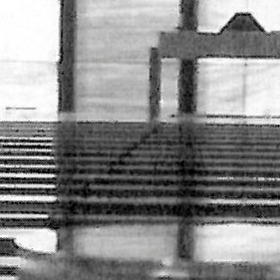
Today a large group of architects and designers know stone primarily for its decorative qualities — colour, vein and the like. At the same time they pay attention to its material body. Stone, by its very nature, is well suited to the architect of long-running, detail-rich projects. Floors and wall claddings always come from a design that the architect has prepared specifically for that place and purpose: the cut, the joints, the assembly and the combinations of colour can all be tailored to the unique conditions of the architectural project.
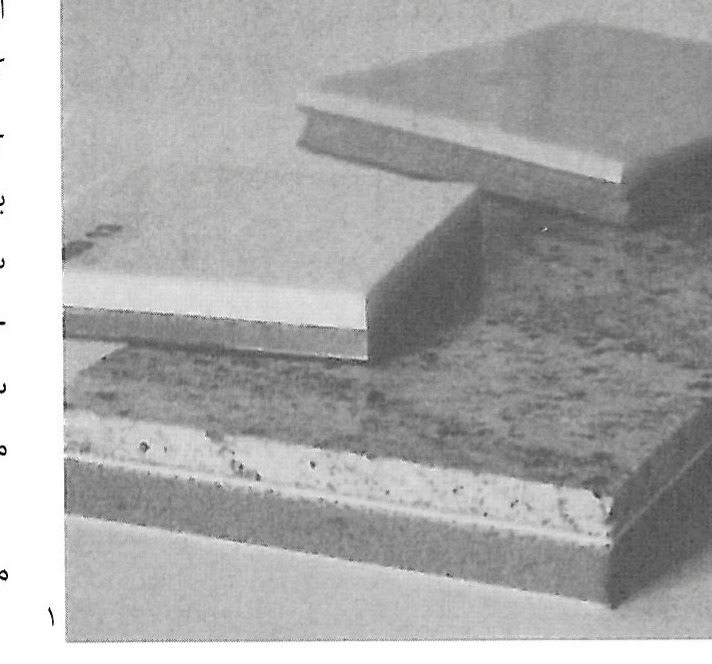
Advances in the production process have placed more efficient machines at the disposal of the building industry. Today building stones with a thickness of less than six millimetres can be cut. In that case — beyond saving material and reducing the building's weight — stone keeps its decorative quality, while at the same time, by virtue of its very lightness (a quality unprecedented for stone, but central to today's architecture), it can compete with other cladding materials, and through its colour, texture and lightness can show itself in a wide range of building products. As thickness decreases, the other dimensions of the stone are also reduced, and stone thus comes closer to the standards of conventional construction; it is also gaining attention as a substitute for ceramic.
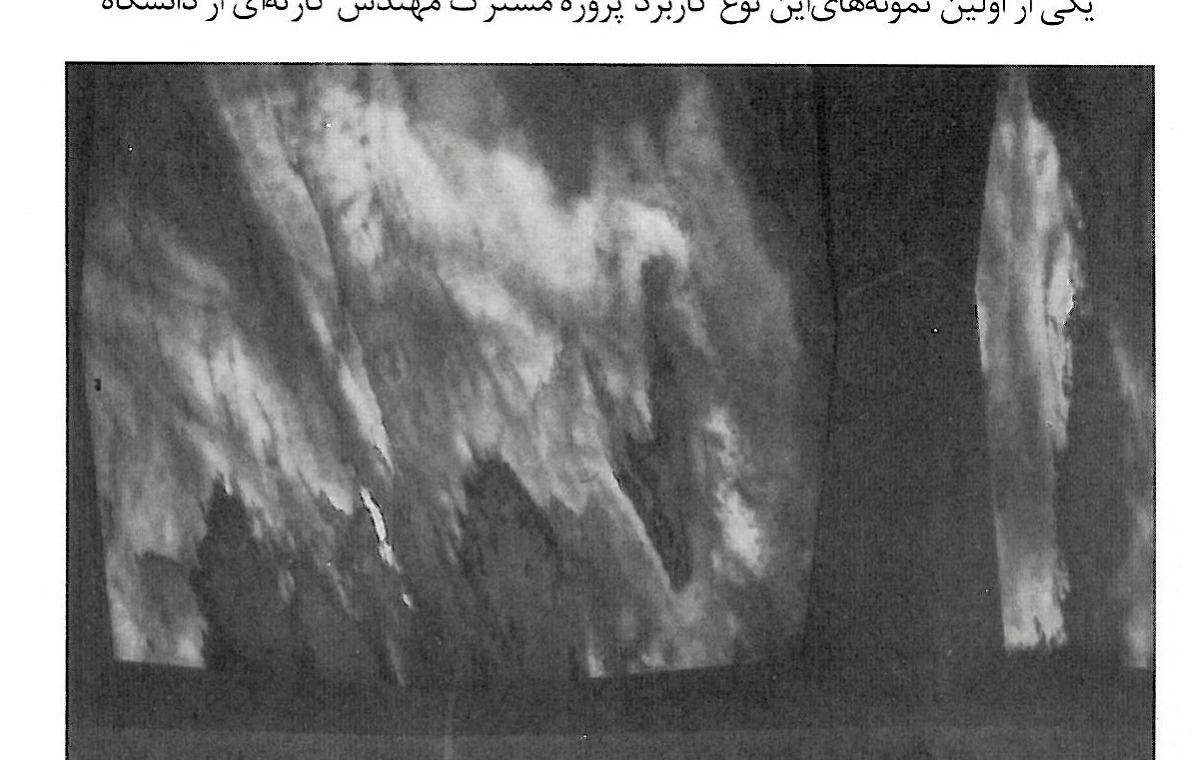
Anyone working with the various kinds of stone today can find a product appropriate to any design idea. Stone's flexibility means that, unlike the limited products of the past, it can serve almost any kind of contemporary work. The use of stone, as architects pursue it today, runs along two distinct lines, which are not necessarily incompatible: the line of emphasis and the line of innovation.
Emphasis on stone
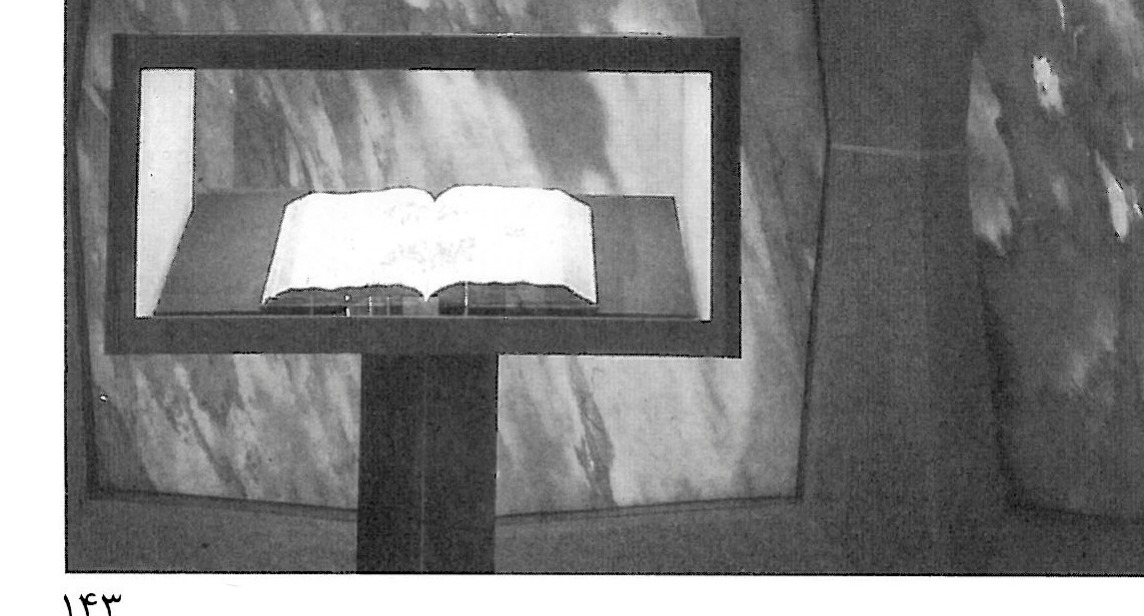
"Emphasis" here means a renewed insistence on stone's traditional virtues — its weight, the strong play of pattern and colour, and the deliberate use of richly figured stones. Some architects accept this and seek to make these qualities visible through specifically calibrated production techniques. The result is the use of stones with rich and pronounced veining, large-format slabs and a deliberate display of the stone's natural body.
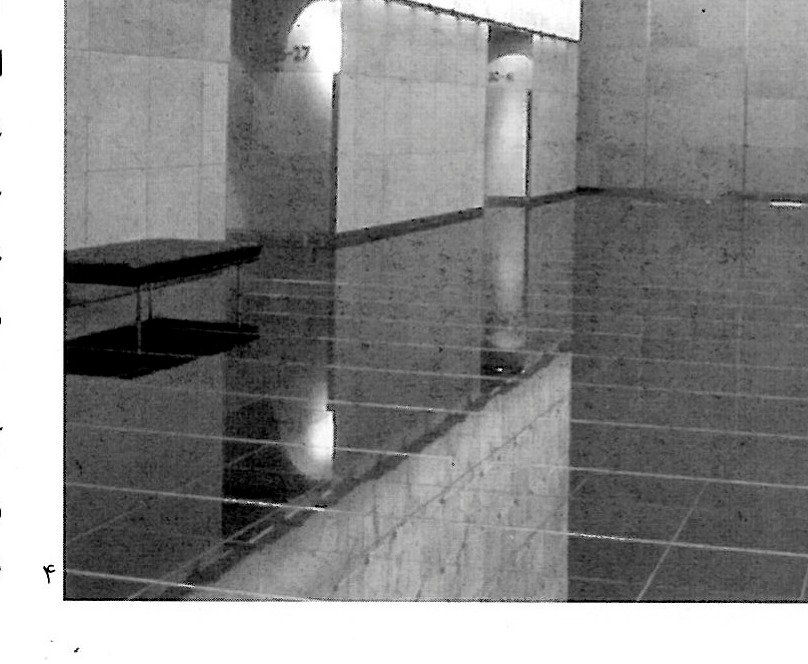
In this regard, even when modern architecture turned its face away from ornament, certain landmark projects nonetheless made the appeal of stone visible: Mies van der Rohe's Barcelona Pavilion, Adolf Loos's Villa Karma, Terragni's works in Como — all reveal the special hold of stone. We can therefore say only in a relative sense that the modern movement and what followed it were uninterested in stone. In fact, when the stone industry returned to the international scene, it was through its monopoly virtues — qualities the other materials could not match — that it asserted itself.
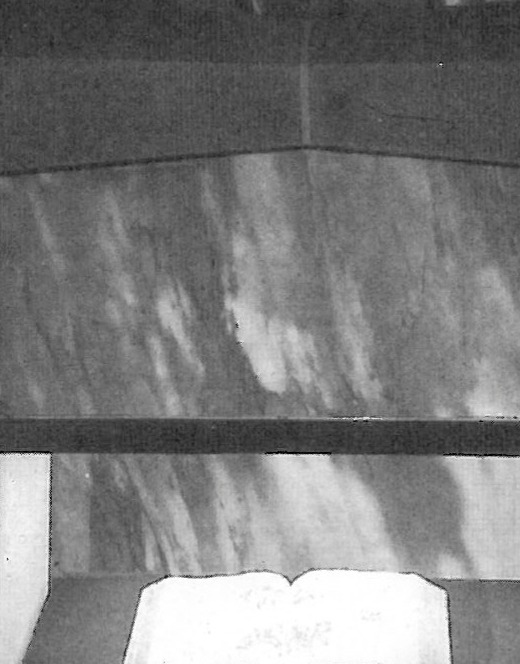
In the line of emphasis, large blocks of stone are kept legible, and large-format slabs are used in such a way that the stone's pattern remains visible at architectural scale. The architect designs from the slab outward — the joints, the figure of the veining, the order of the panels — so that the stone reads as both raw material and architectural surface.
Innovation in stone
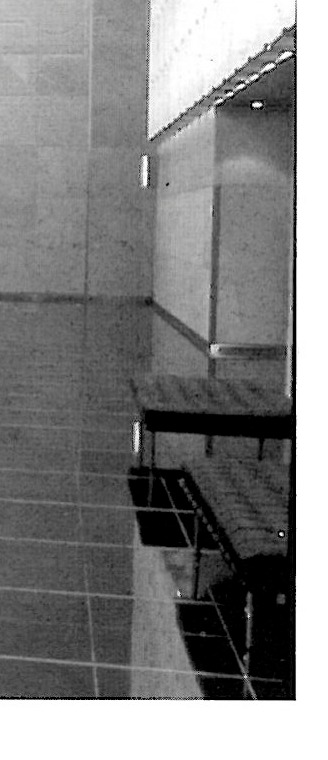
"Innovation" runs in the opposite direction. The architect of today no longer expects stone to be like the stone of the masters of the past. Stone is invited to absorb the qualities of other materials — lightness, large-scale prefabrication, repeated dimension, the legibility of an industrial component — yet keep its colour and its character. The new technologies — water-jet cutting, ultra-thin slabs, ceramic-backed thin stone, colour matching — have made stone behave like a contemporary cladding rather than a monumental block.
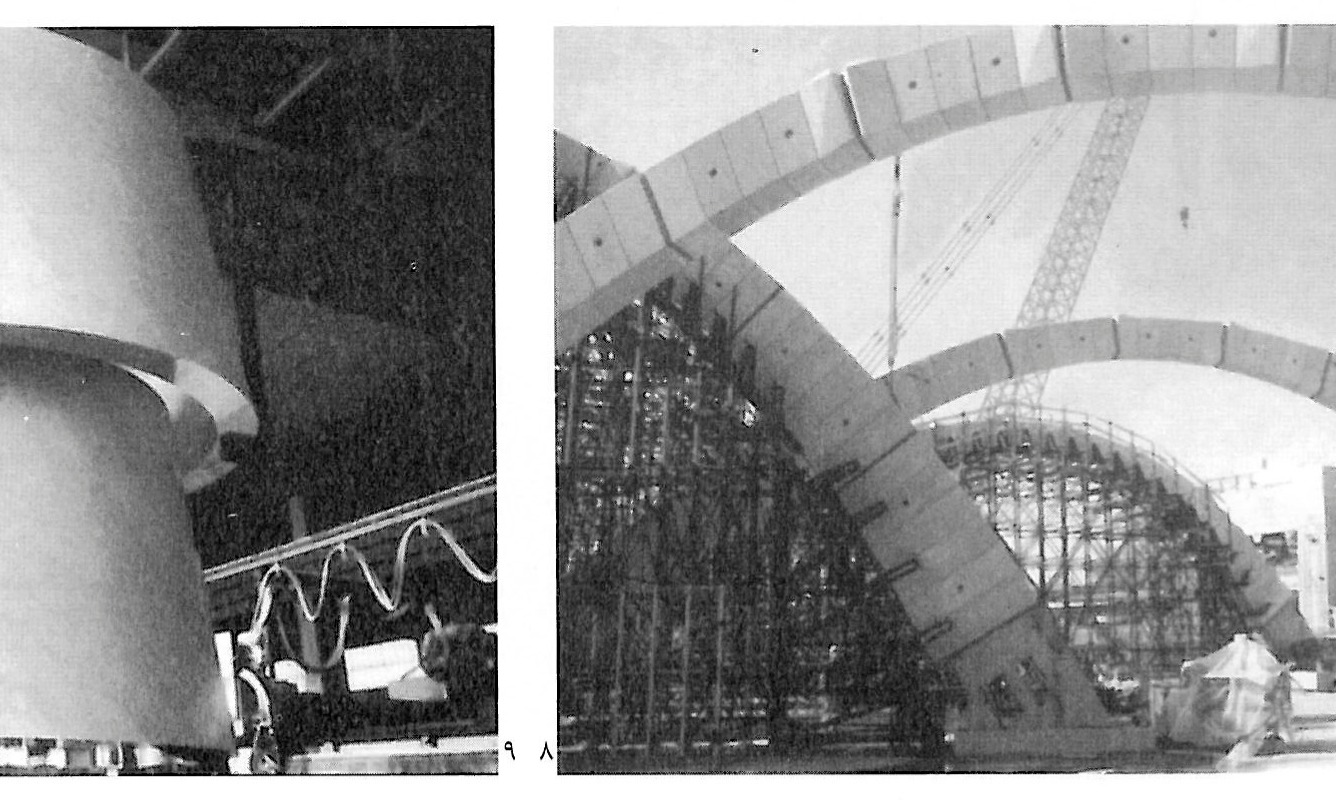
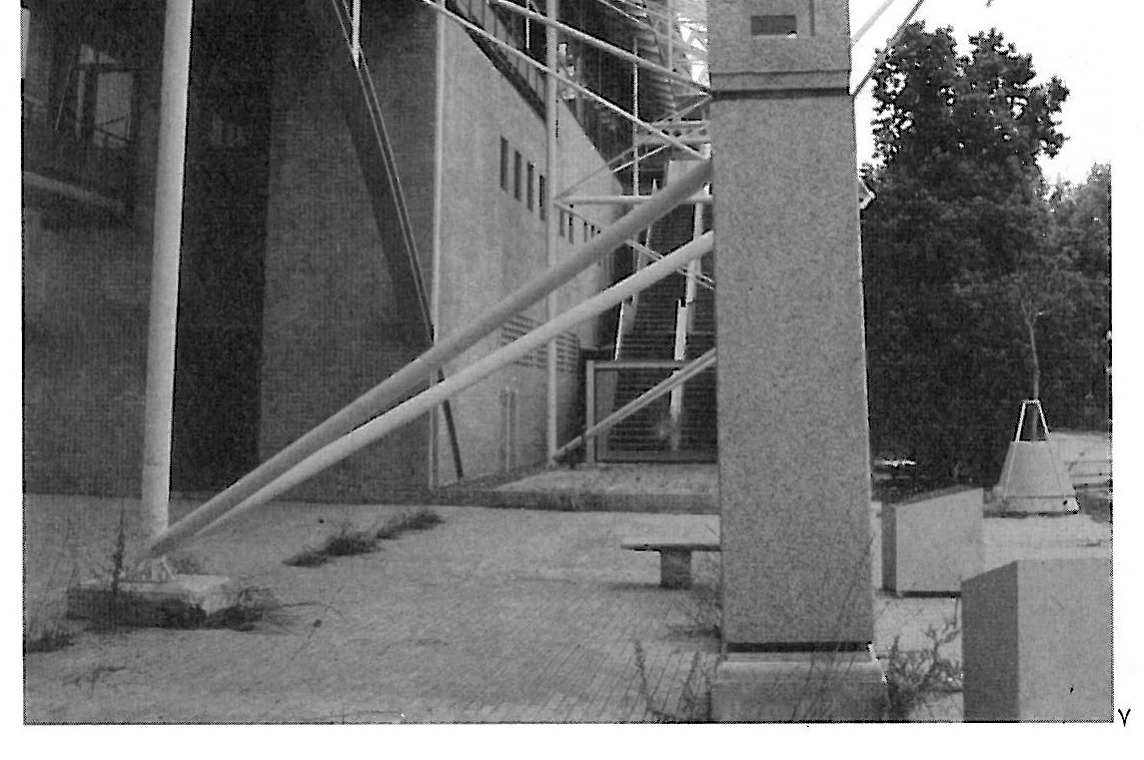
In its innovative line, stone enters into conversation with steel, glass and concrete on equal terms. Composite stone panels with steel honeycomb backing, fastened to a curtain-wall frame, allow stone to clad large surfaces with the standard tolerances and the standard dimensions of contemporary building. Cutting machines can now produce slabs less than six millimetres thick, so that stone joins the family of contemporary lightweight panels.
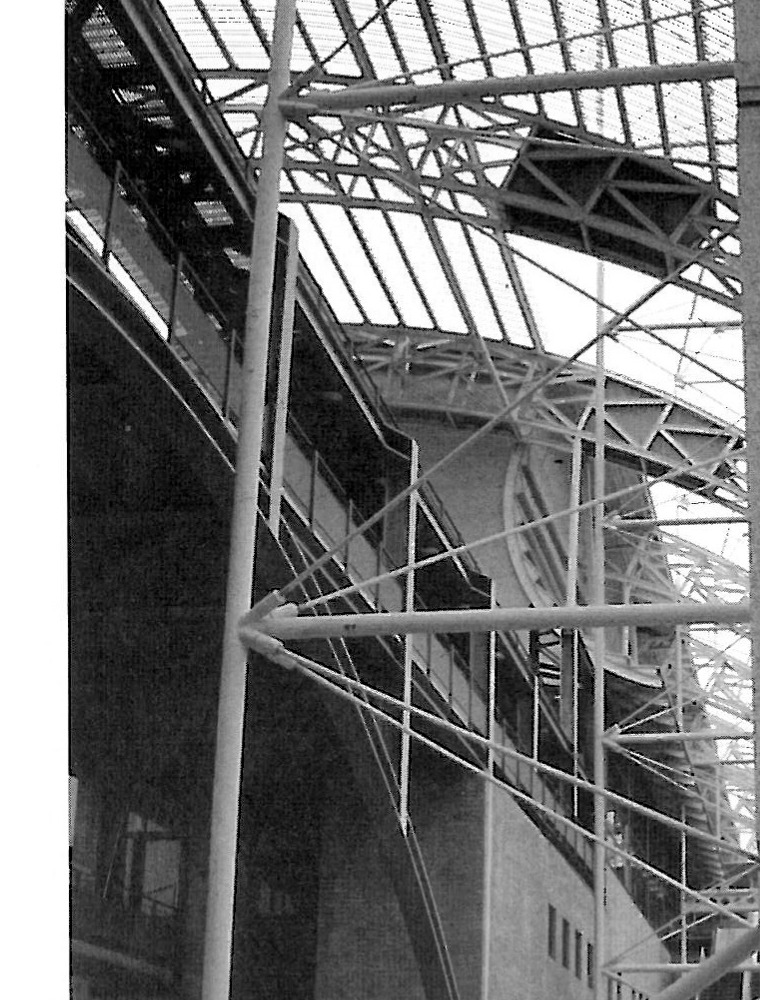
Renzo Piano's Pilgrimage Church of Padre Pio at San Giovanni Rotondo is one of the most impressive recent works of stone architecture. Built in Apuo-Versilese stone, the project required around 33,000 cubic metres of stone and the cooperation of all the stone production specialists of the area. Built with traditional load-bearing arches in stone, the church demanded a complete rethink of the cutting and assembly process. From its quarrying through its placement, the stone for this church was treated as both a structural material and a finished surface.

In Italy the most active fronts in this innovative use of stone are the Apuo-Versilese district and Carrara. There, stone is no longer treated only as a quarried block; it is processed, layered, sliced and re-assembled, almost like a manufactured product. The IBM Carrara stone-processing plant — and many other specialised firms — have made the project of Padre Pio's Pilgrimage Church possible, and have furnished the global market with a continuous supply of the new thin and engineered stone products.
Conclusion
In short, the variations made possible by these new technologies and trends will produce many novel forms in stone architecture. The new stone projects benefit from countless options of colour, texture, fineness, structure, joint, scale and weight. Two such projects could differ greatly in expressive intent. Modern stone-working machines, with all their progressive ability, also allow the geometric, decorative and technical elements peculiar to the use of stone to be reformulated for the contemporary architectural project.
1 Terragni.
2 Water jet.
3 Arabesque.
4 Carter, Caceres-Ziroto.
5 Peter Riu.
6 S. Giovanni Rotondo.
7 Angelo Mangiarotti.
8 Carrara.