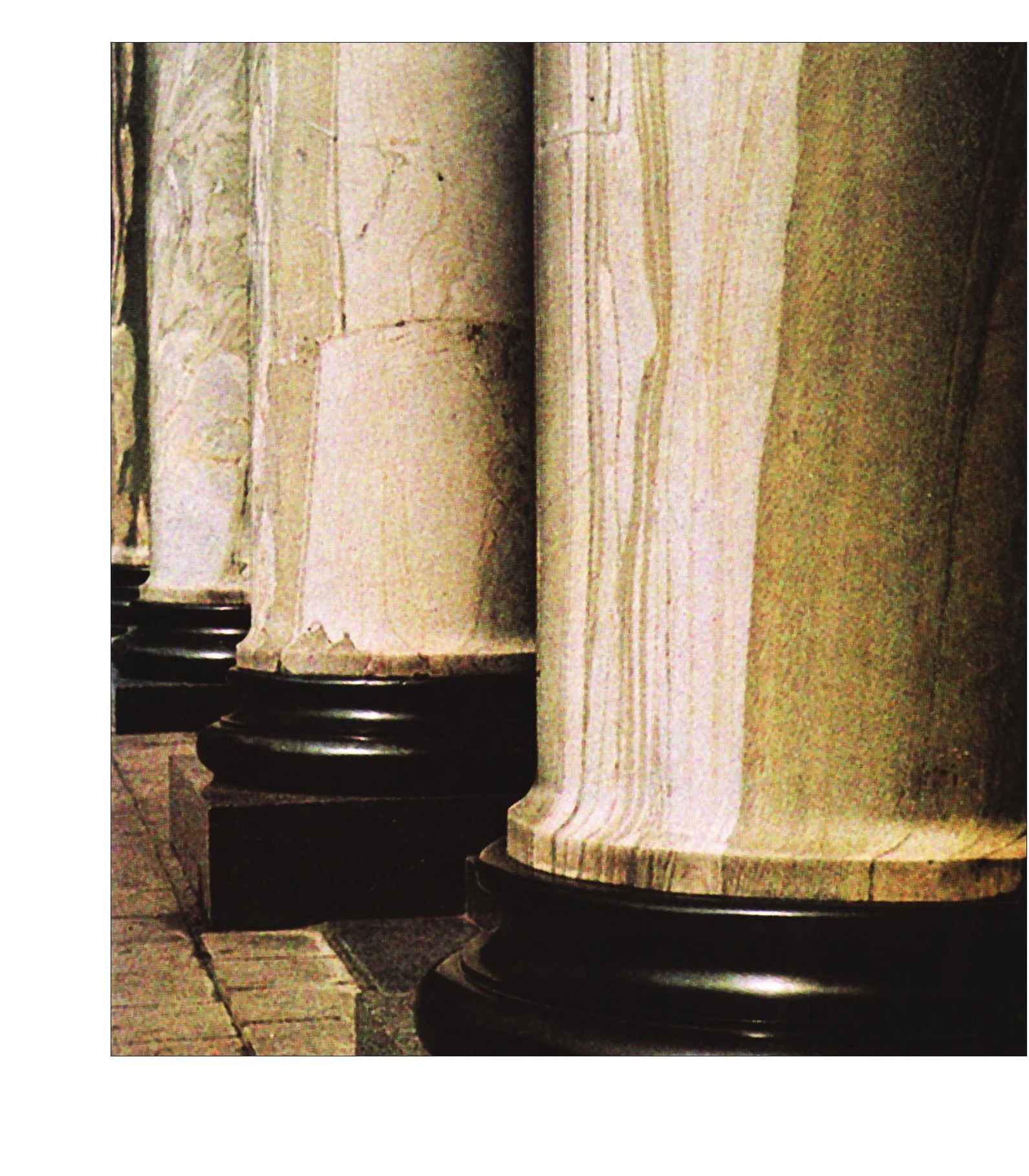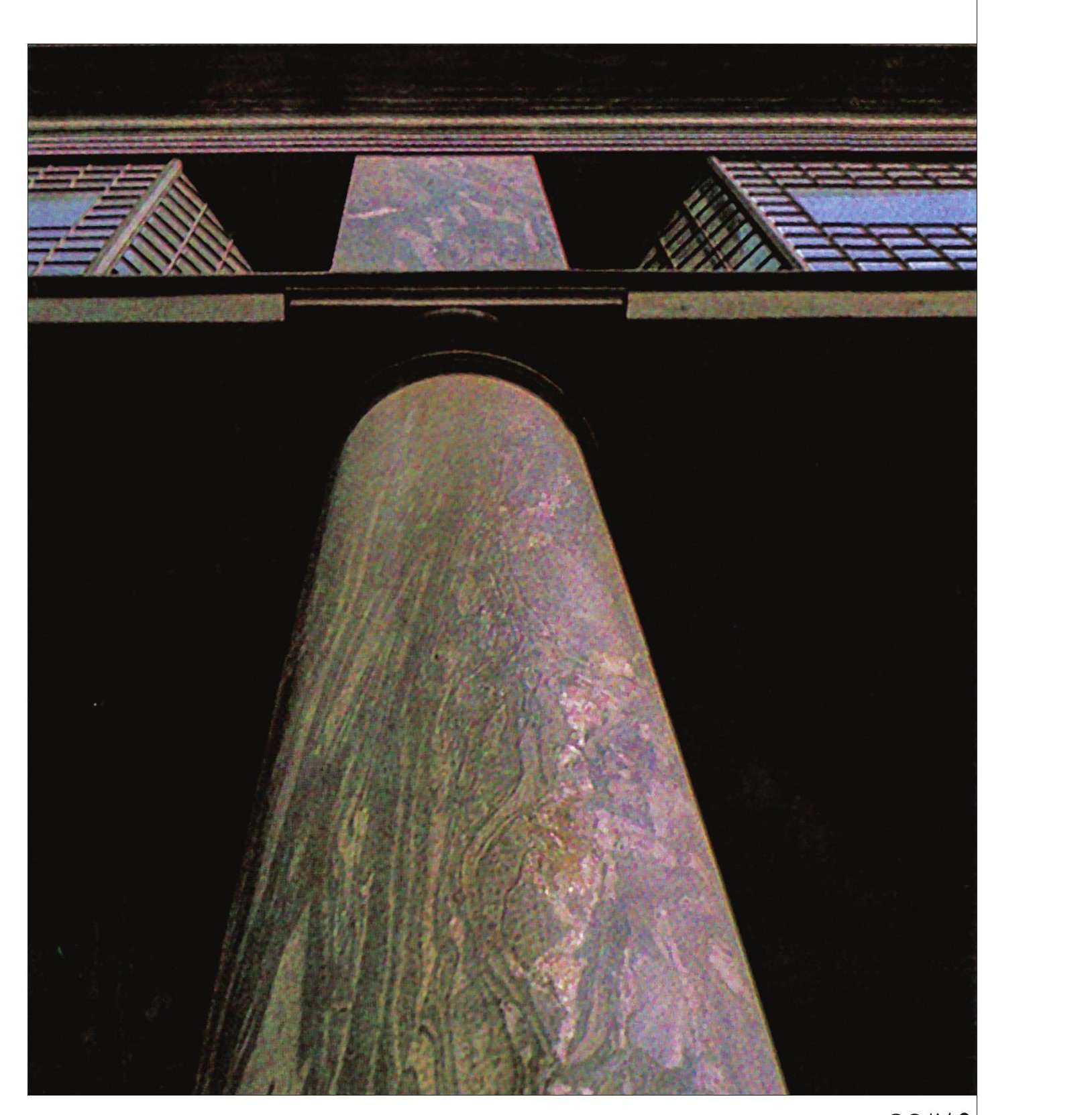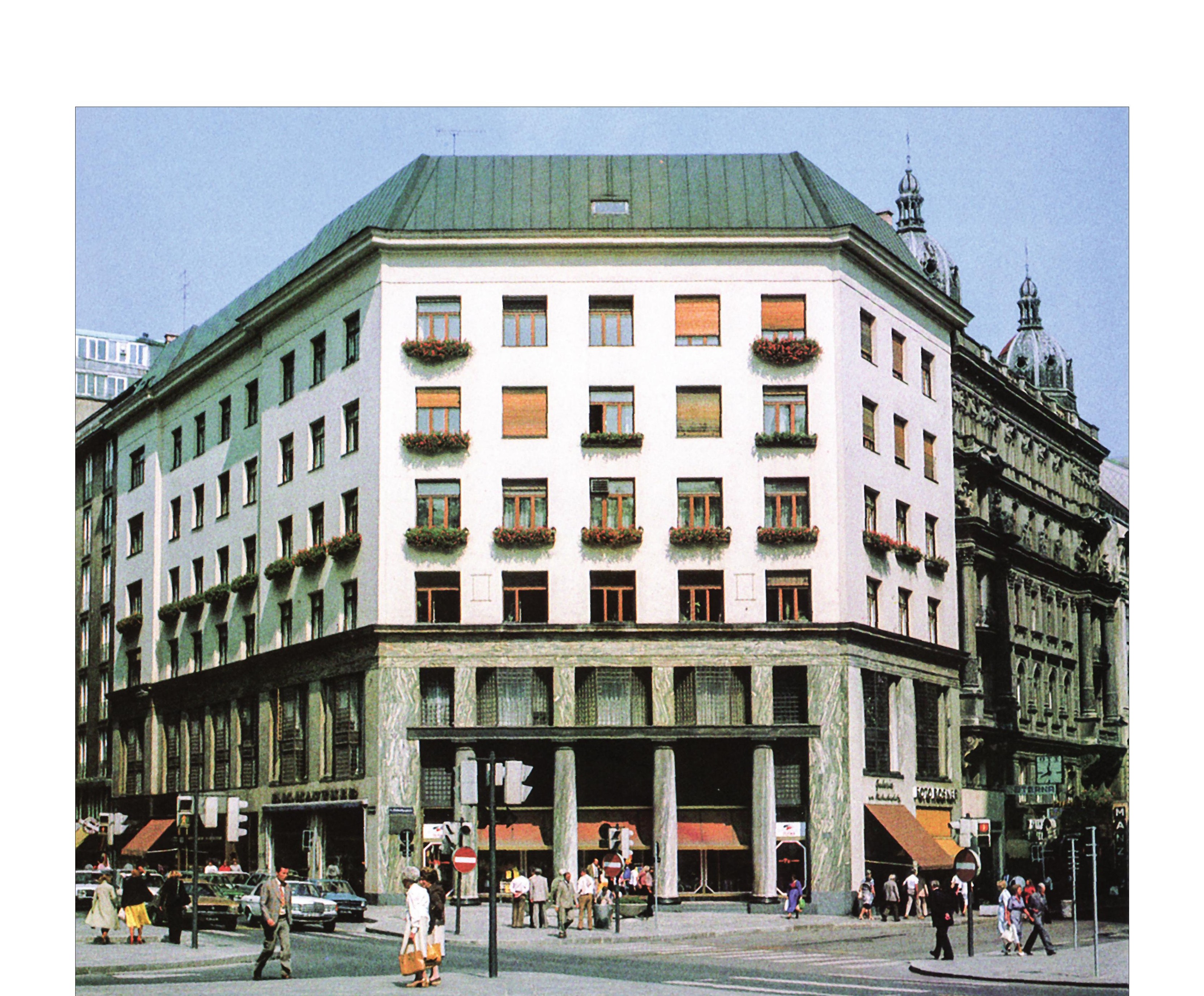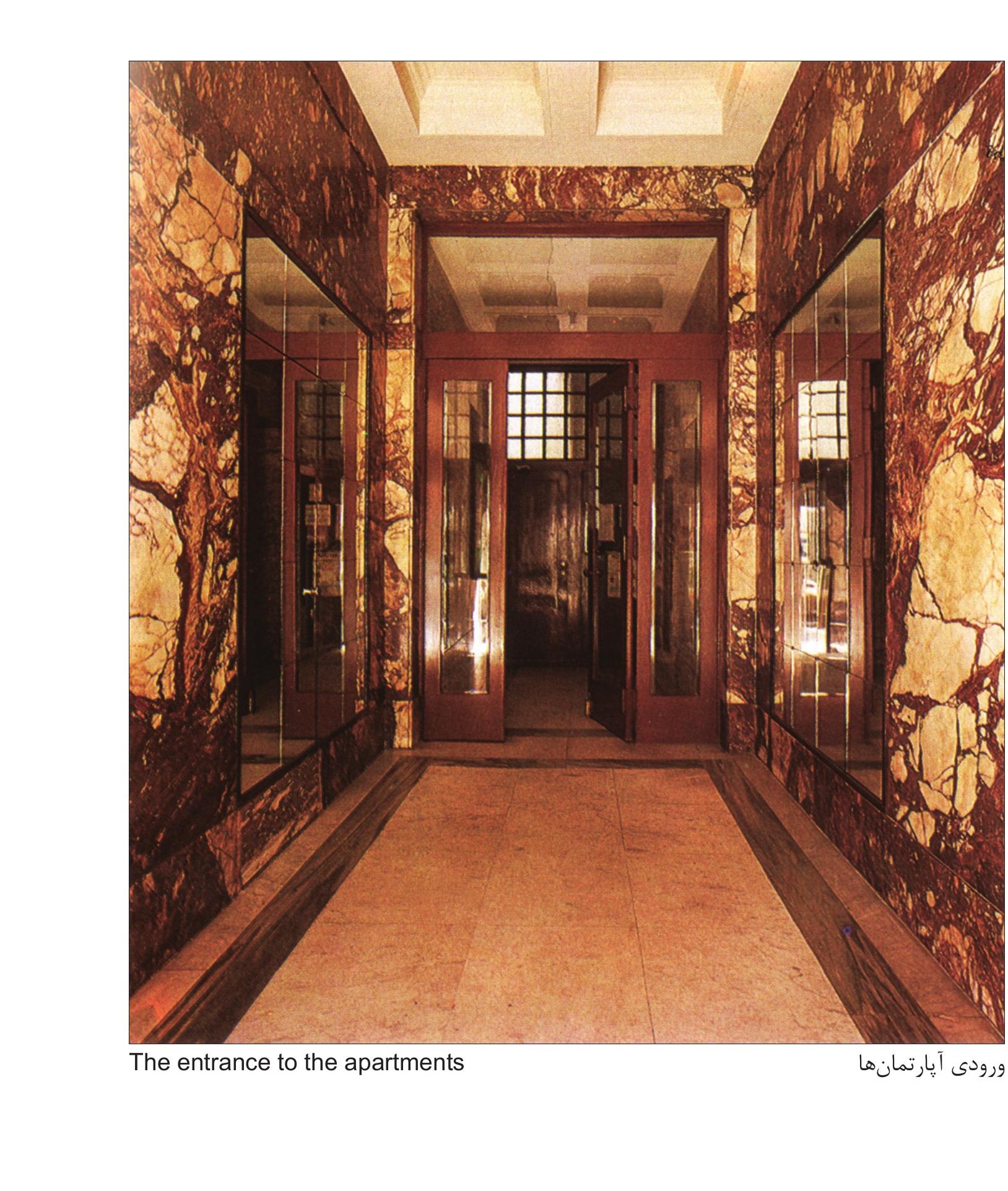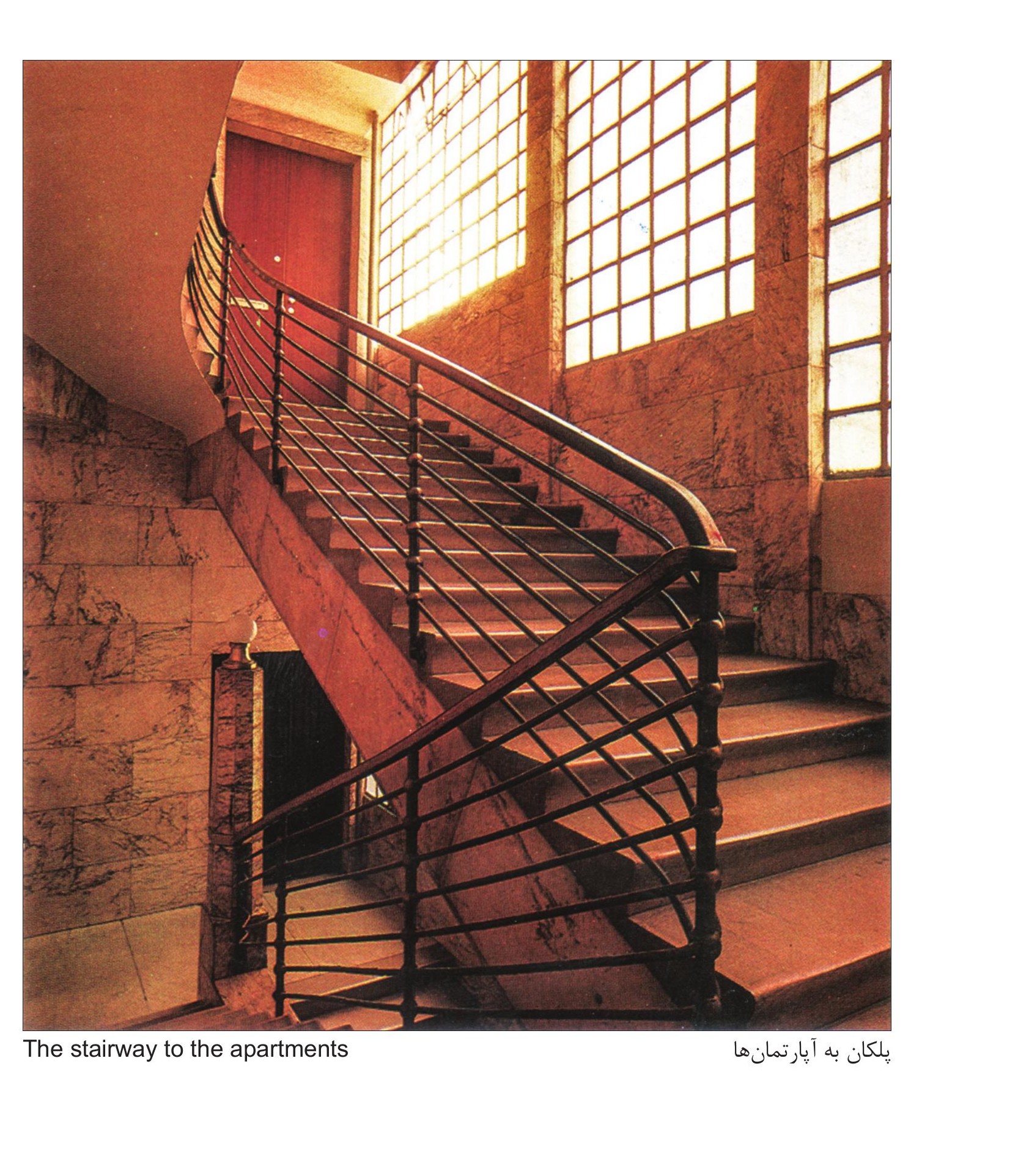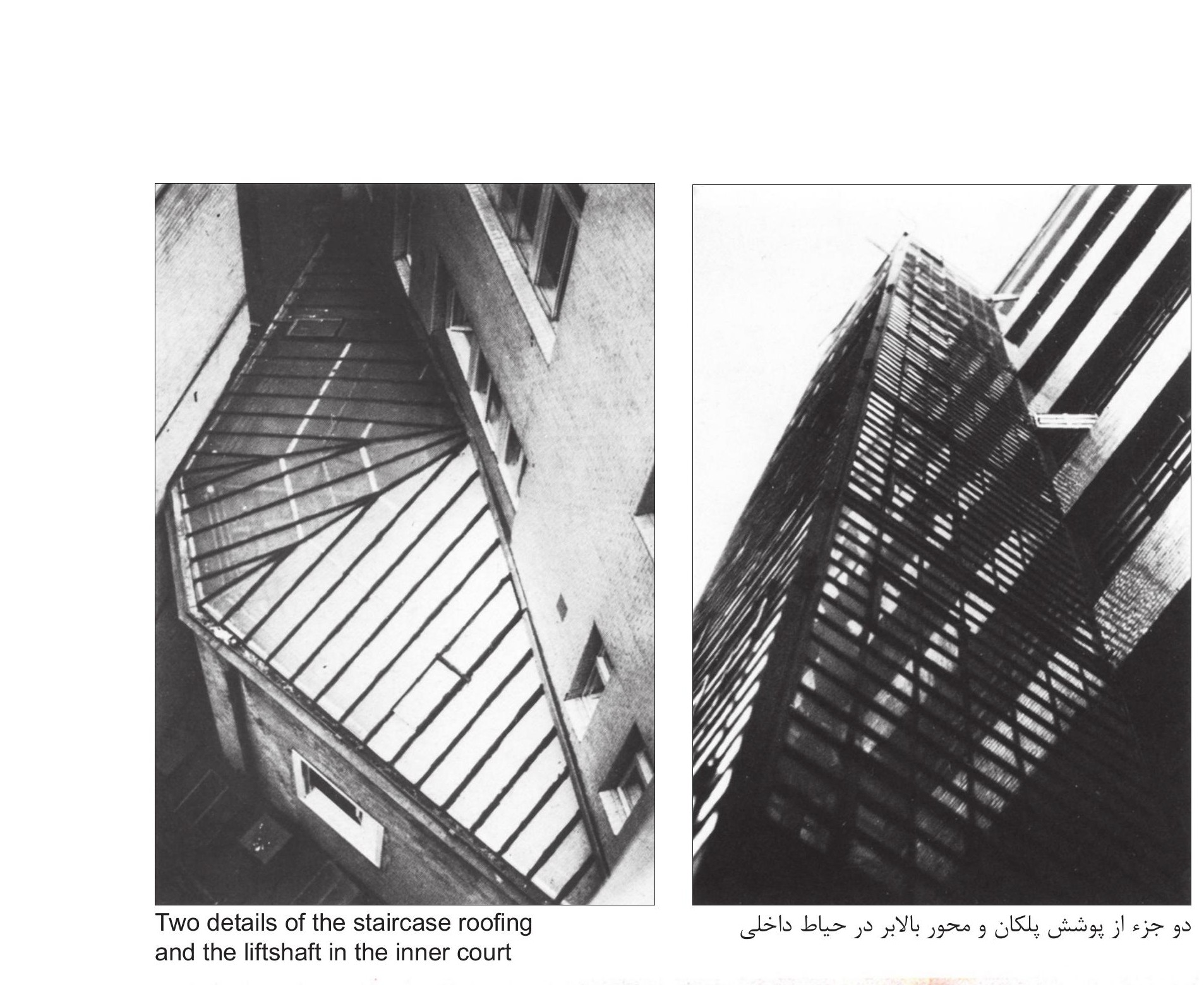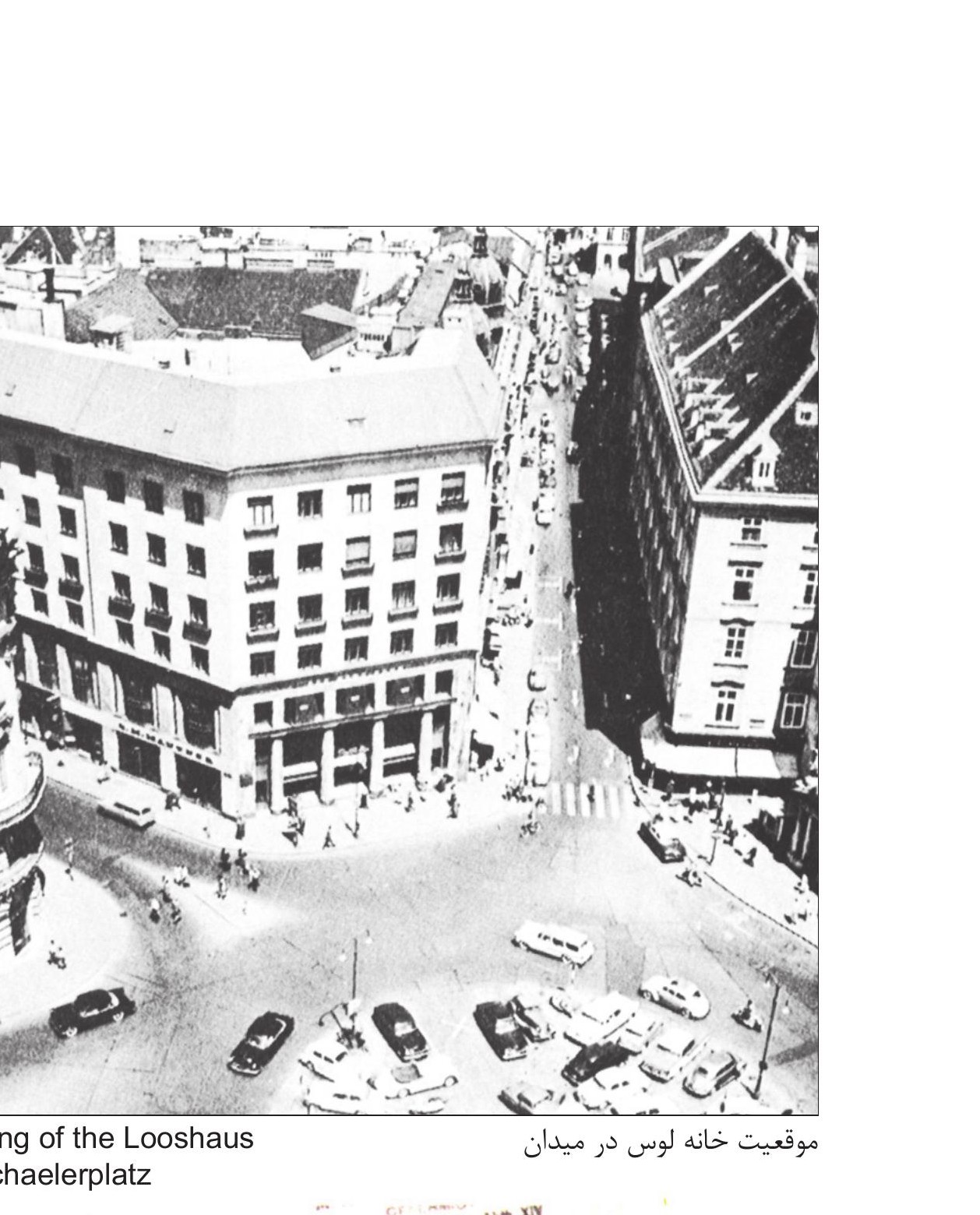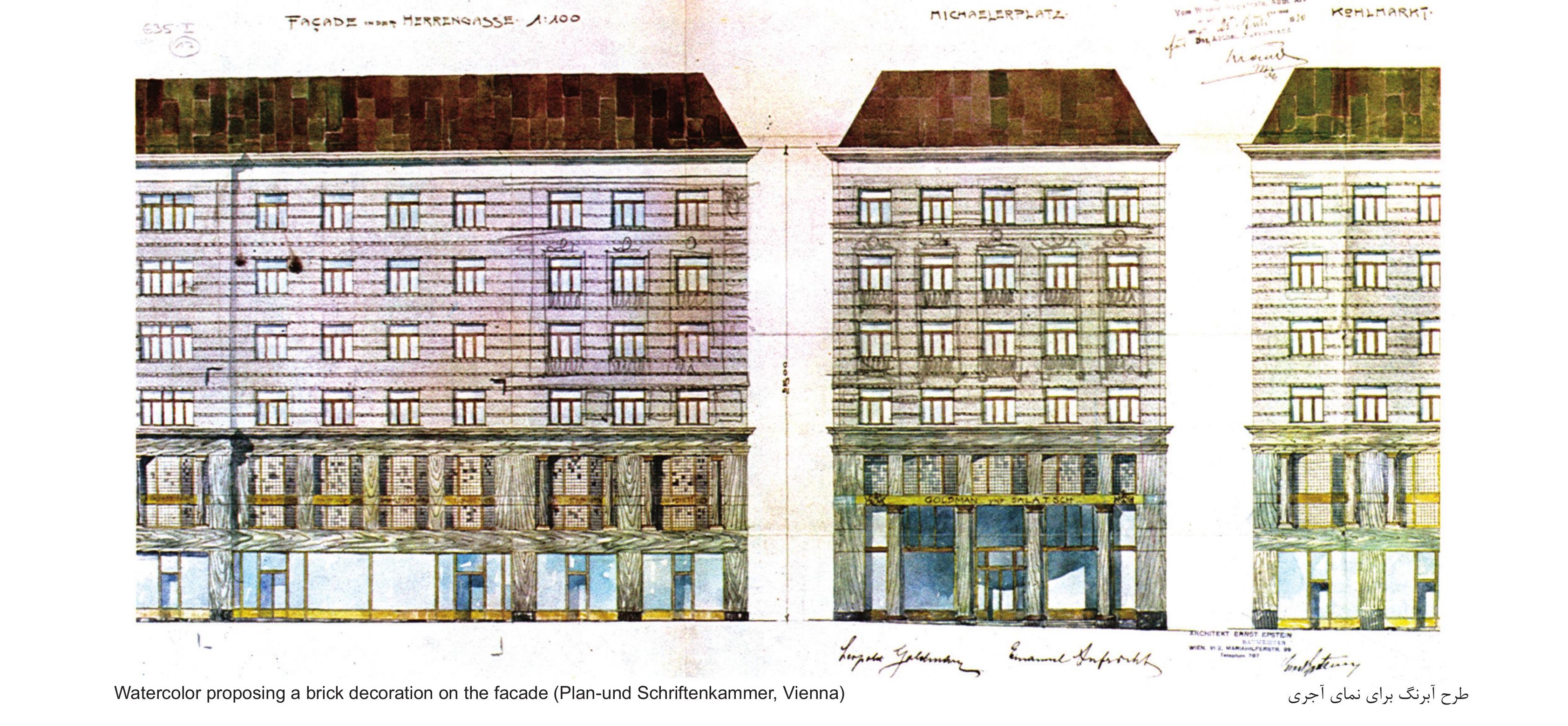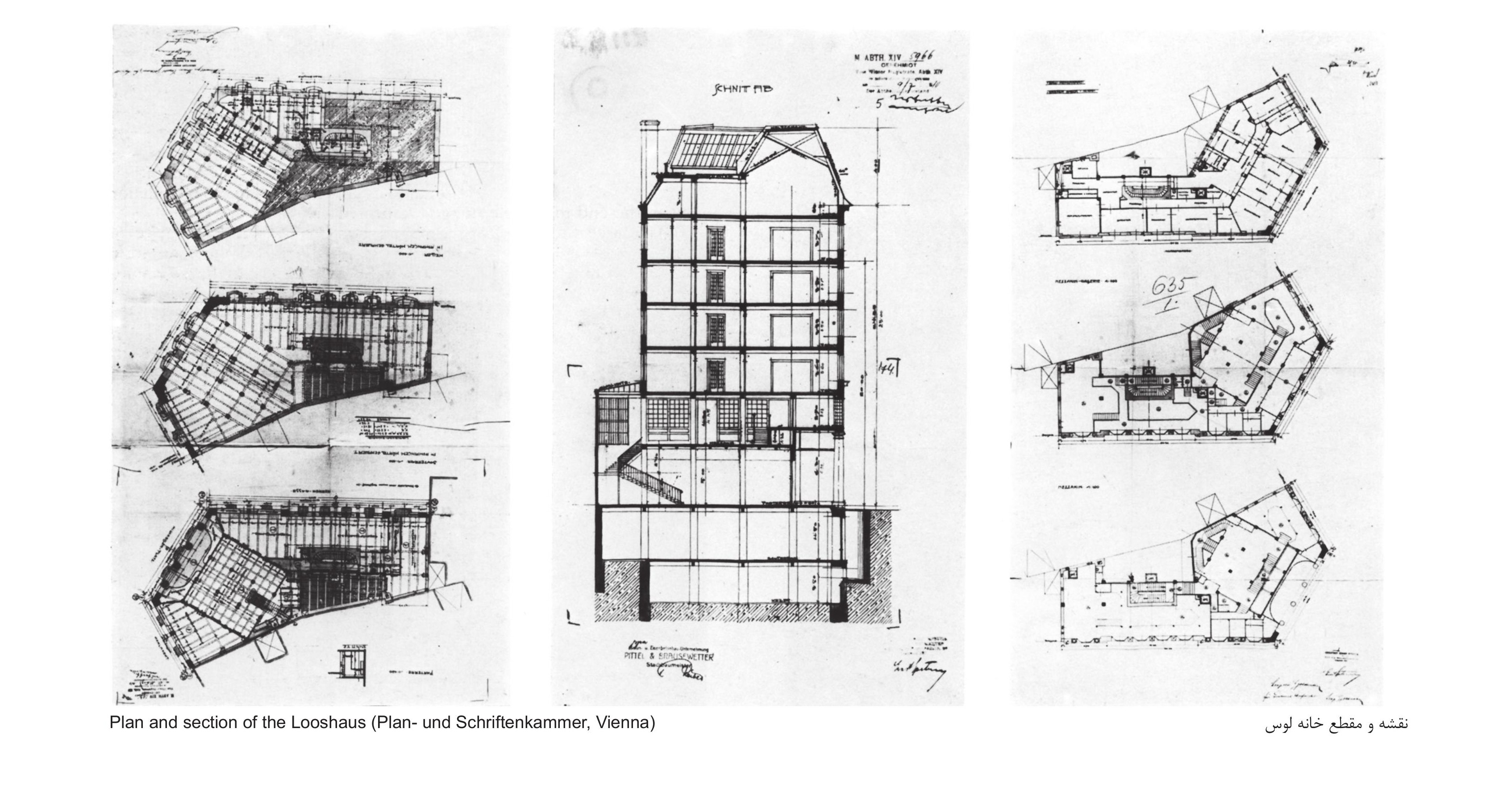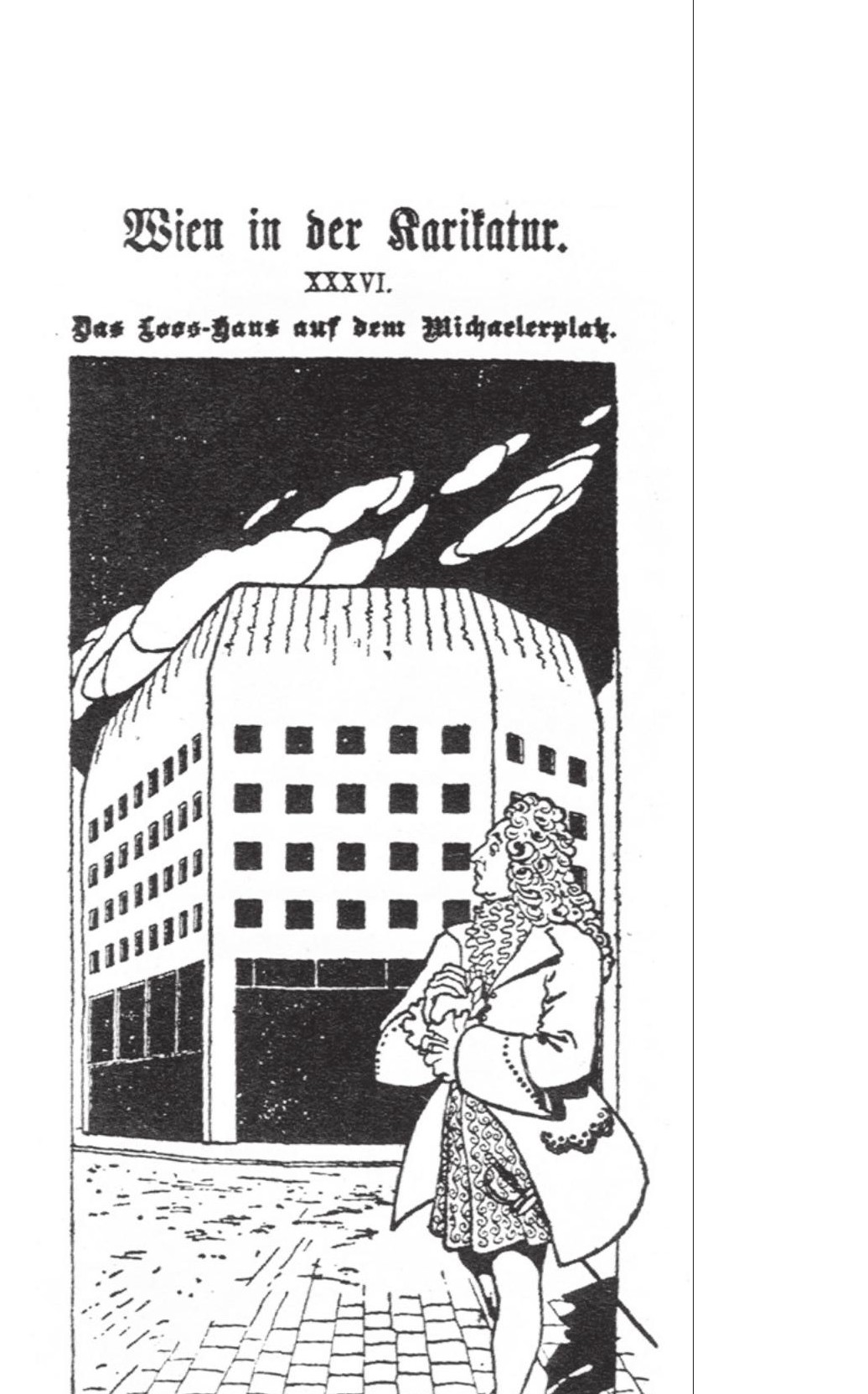
“The architectural character of a city is a very particular question. Every city has an individual character. What in one city appears beautiful and lovable will in another seem ugly and repugnant… not only materials but forms as well are tied to place, to the nature of the ground and the air… I accuse the contemporary architects of consciously ignoring the specific architectural character… the Hofburg! Anything around us can serve as a touchstone for distinguishing the true from the false. A new building was to be built near the Hofburg, a modern commercial building intended to forge a connection between the imperial capital and the noble palace on the most unique commercial street of Vienna, the Kohlmarkt… an effort has been made for this work. Toward bringing this building into harmony with the Hofburg, with the crossroads and with the city.”
These few sentences of Loos sketch the broad outlines of the rational path that must be followed in order to decode the meaning of his most famous and most complex work.