I can confidently say that I have spent most of my life in rooms. I believe that in Iran, more than we experience the city, we experience our homes. Rather than taking shape in the public environment, our lived experience has been formed inside interior spaces. For in Iran the interior presupposes individual freedom and accommodates all the forms of lifestyle that the public realm cannot tolerate. If I sum up the home, it means the room. I even prefer to meet my guests in my room. Beyond conventional definitions, the range of personal experience led me to classify the room into two conceptual types: the urban room and the desert room.
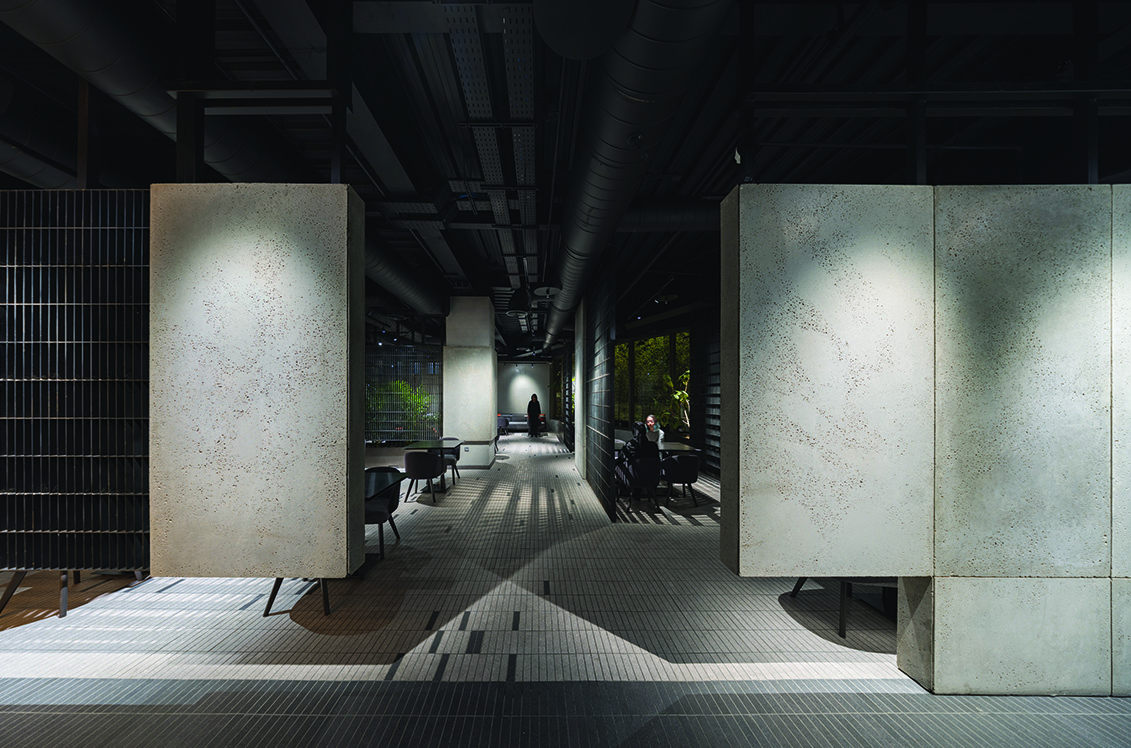
The urban room: that is, the standard, isolated and safe room. The urban room I live in is a three-by-four space with two desks, two reading lamps and a window facing the city. The only reason I stay in this relatively old nine-storey apartment building is the quality of the room's space, which is more the product of the arrangement of objects and the precise placing of the window than of its spatial and formal structure. On Shiraz nights the room's window is like a frame in the passage of time; an endless painting with the calm yellowish lights of the city and mountain ranges in the distance. The room's window is one of the most influential elements in it. The relationship between the room's window and other windows constantly occupies my mind in a meaningful way. From where I am writing now, the windows of several apartments and houses nearby can be seen. A house with a sloping red tile roof and windows that are mostly of the same shape and size, as if they open onto rooms of the same shape and size. A window that has been blocked with piles of books. Another window, the wall of the neighbour woman's room, full of colourful embroideries that artfully frame the wall behind; further on, the rooms of a teenage girl, an old man, a young man and a middle-aged housewife are present in the frame of the window. Each, with a unique life, is present in the window of my room, and I too in the window of theirs.
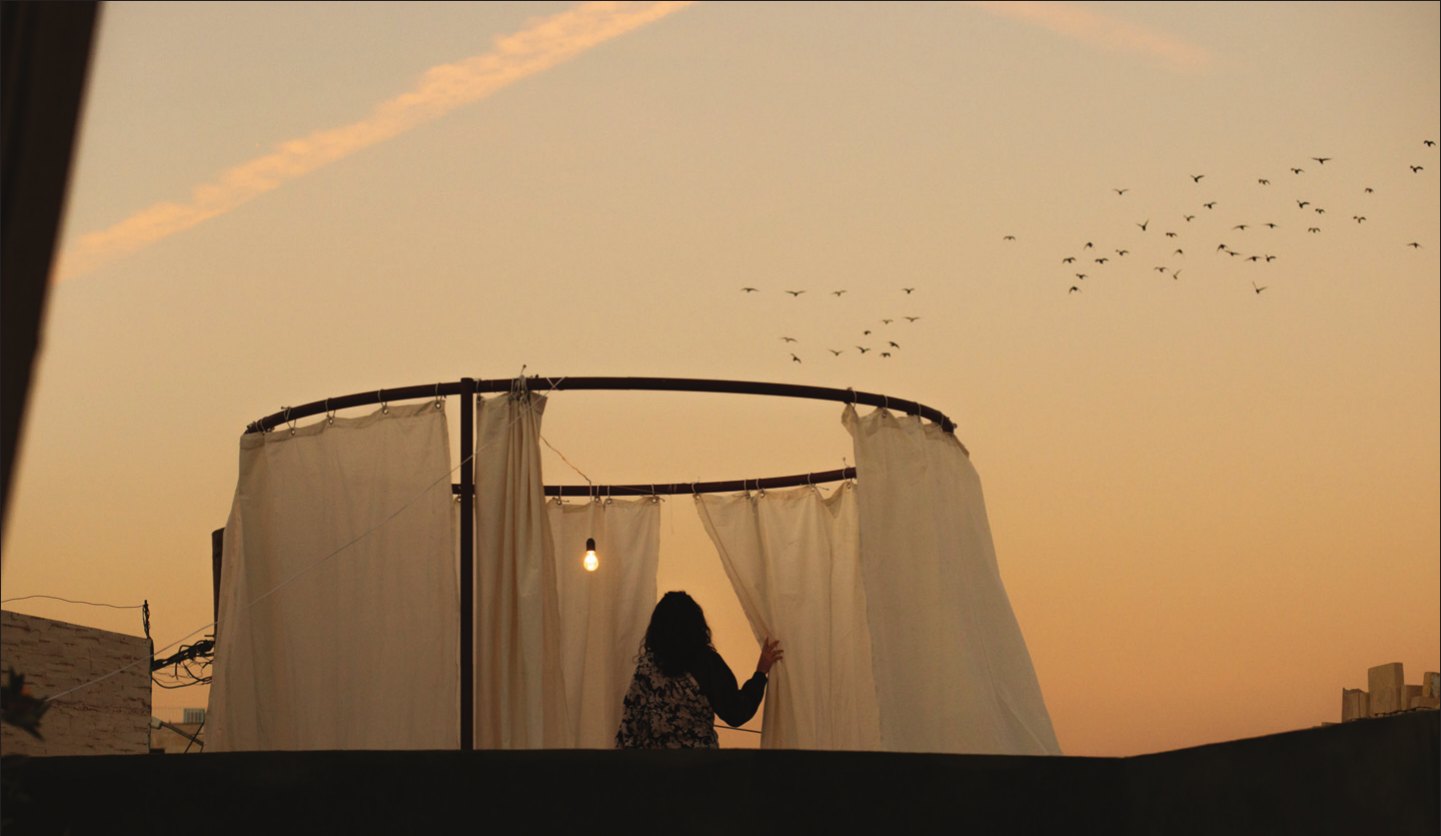
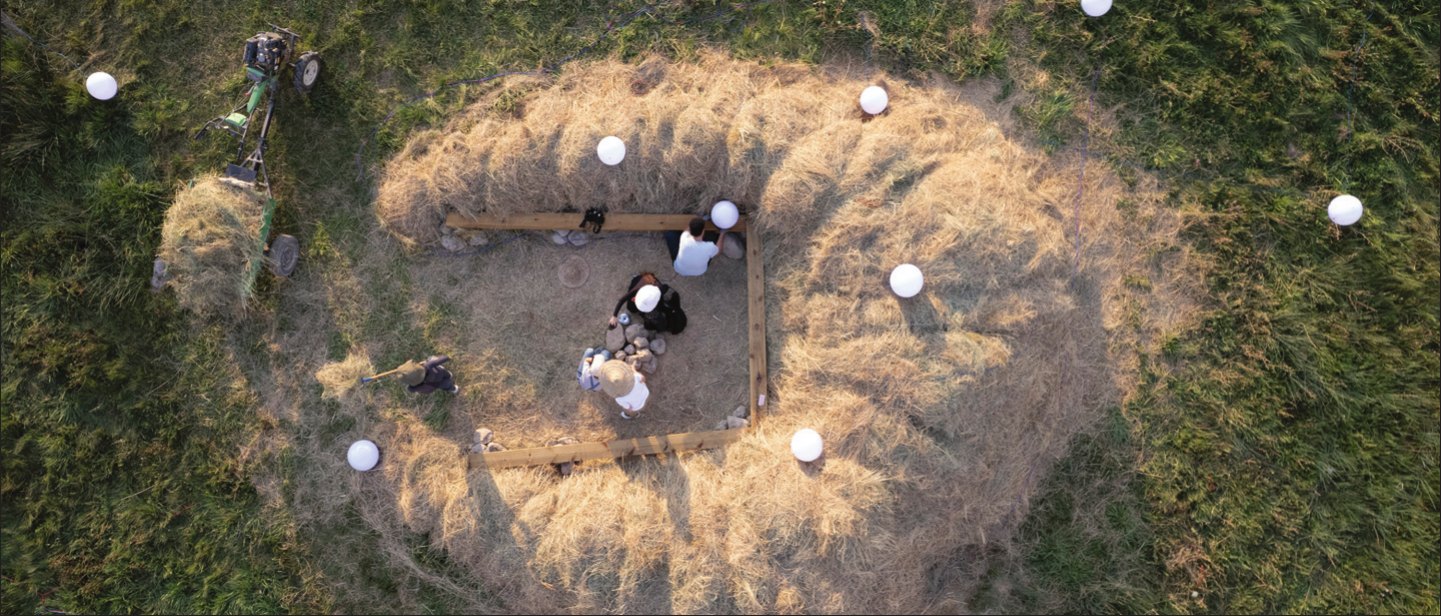
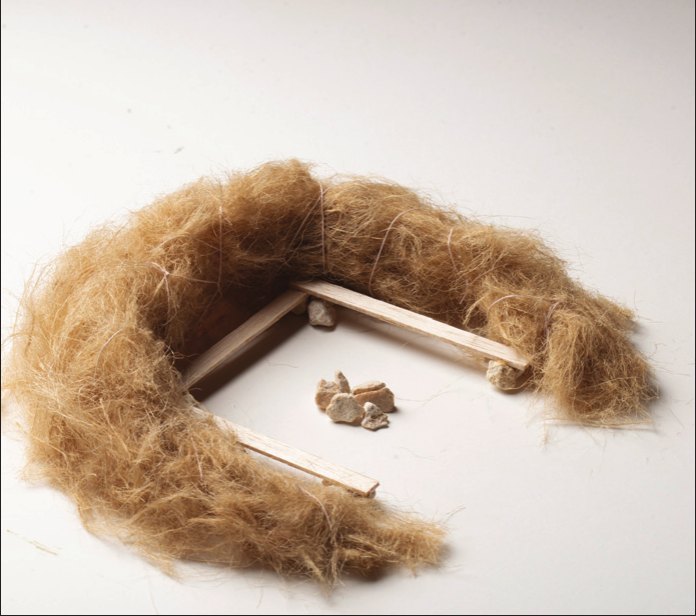
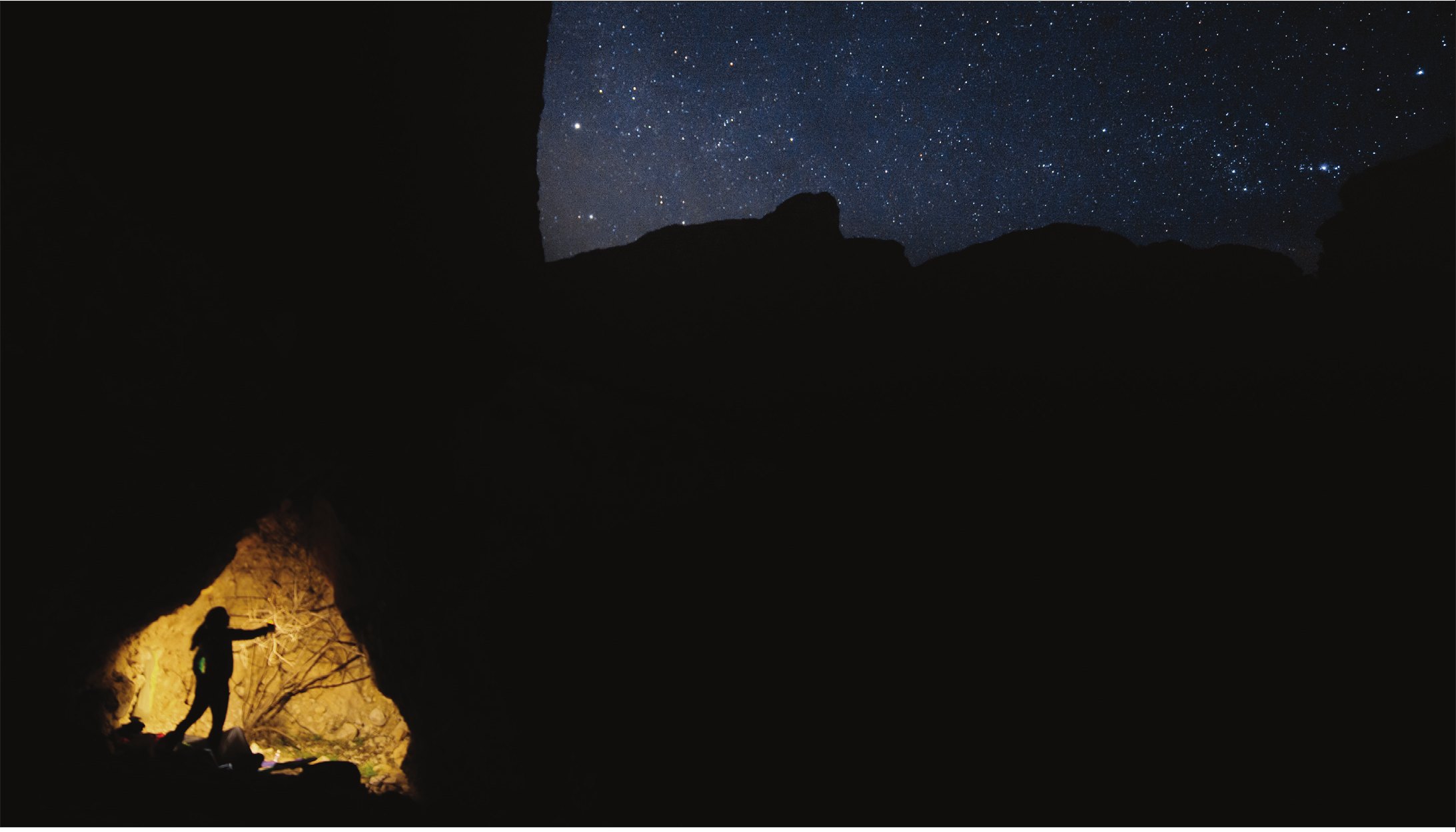
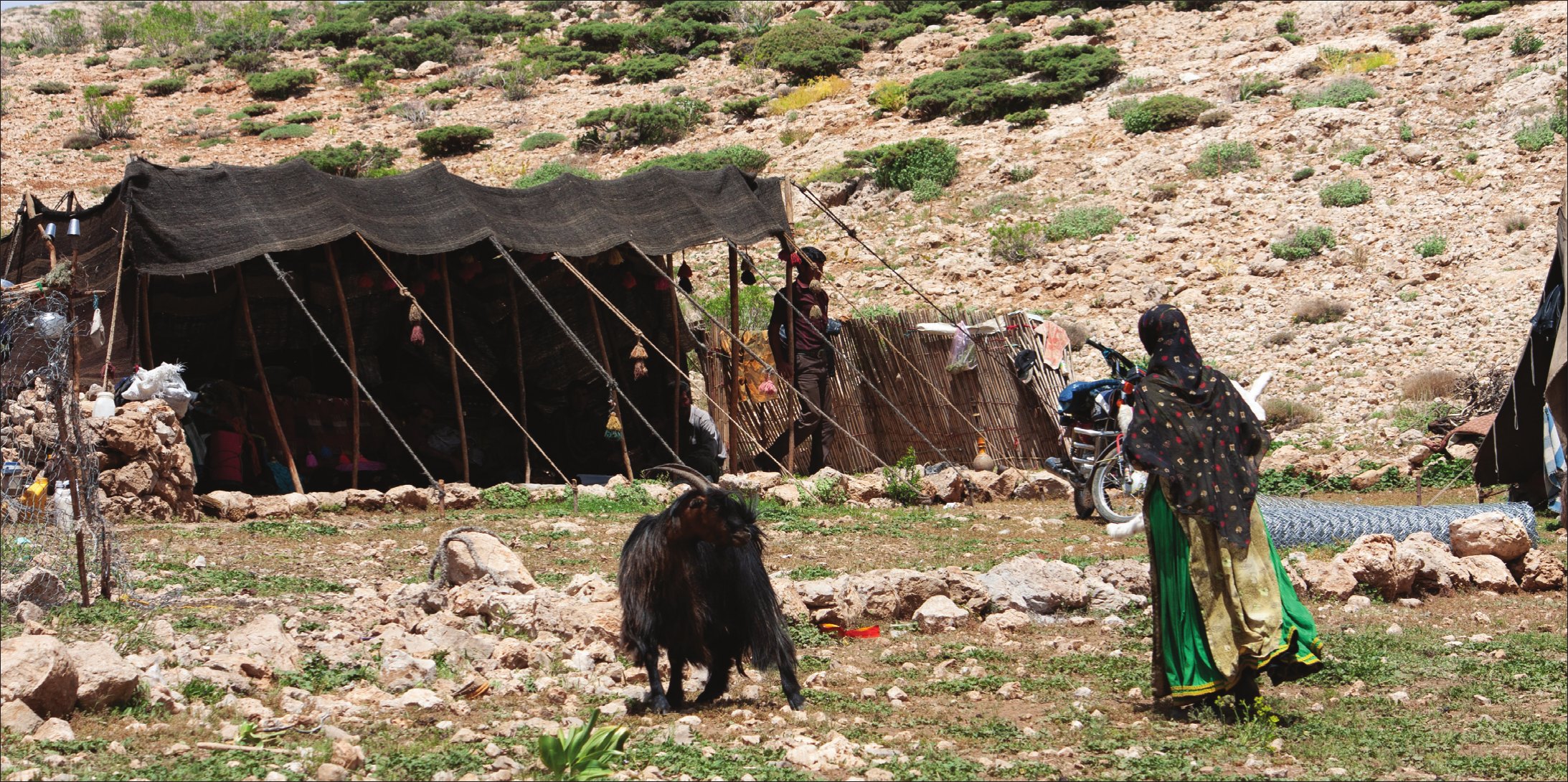
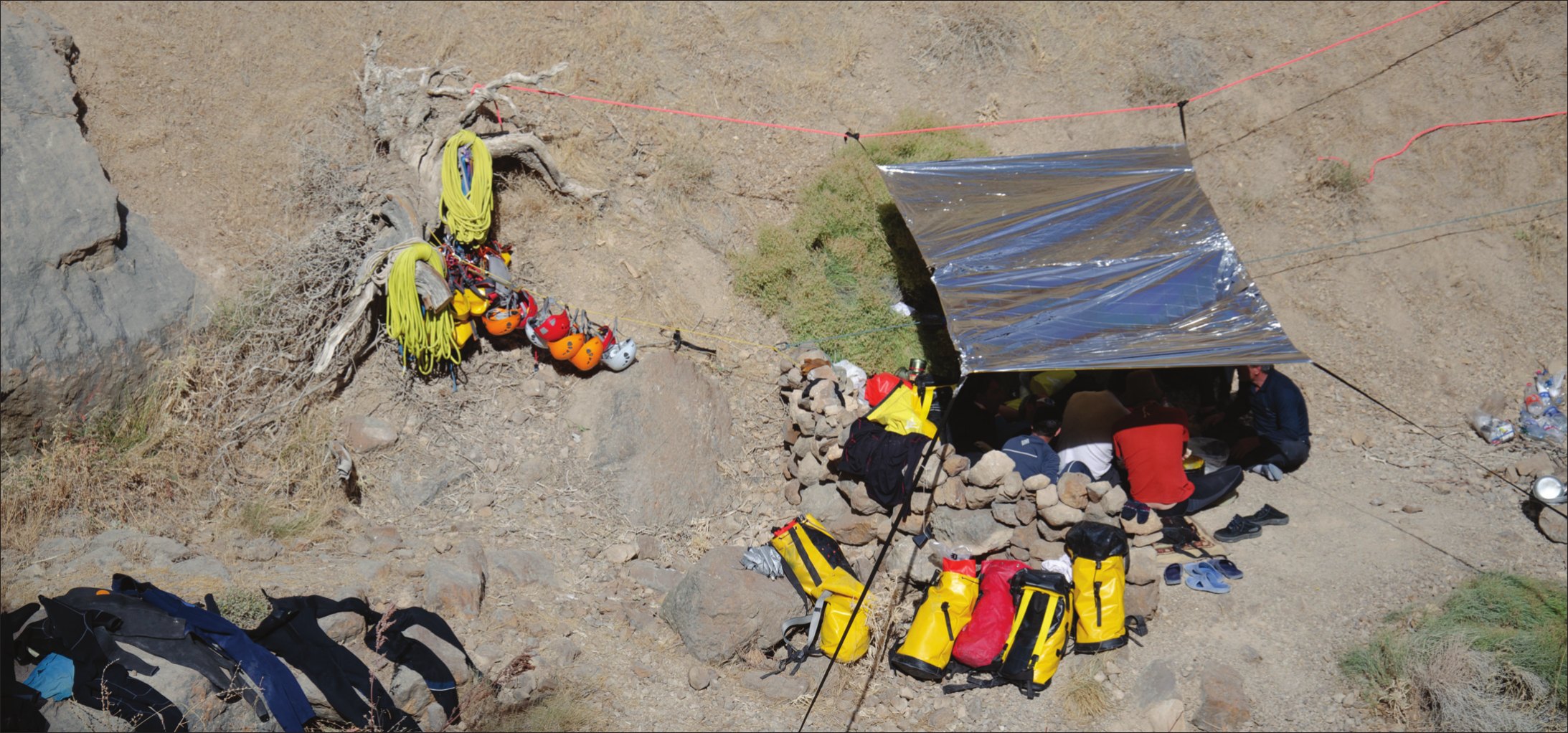
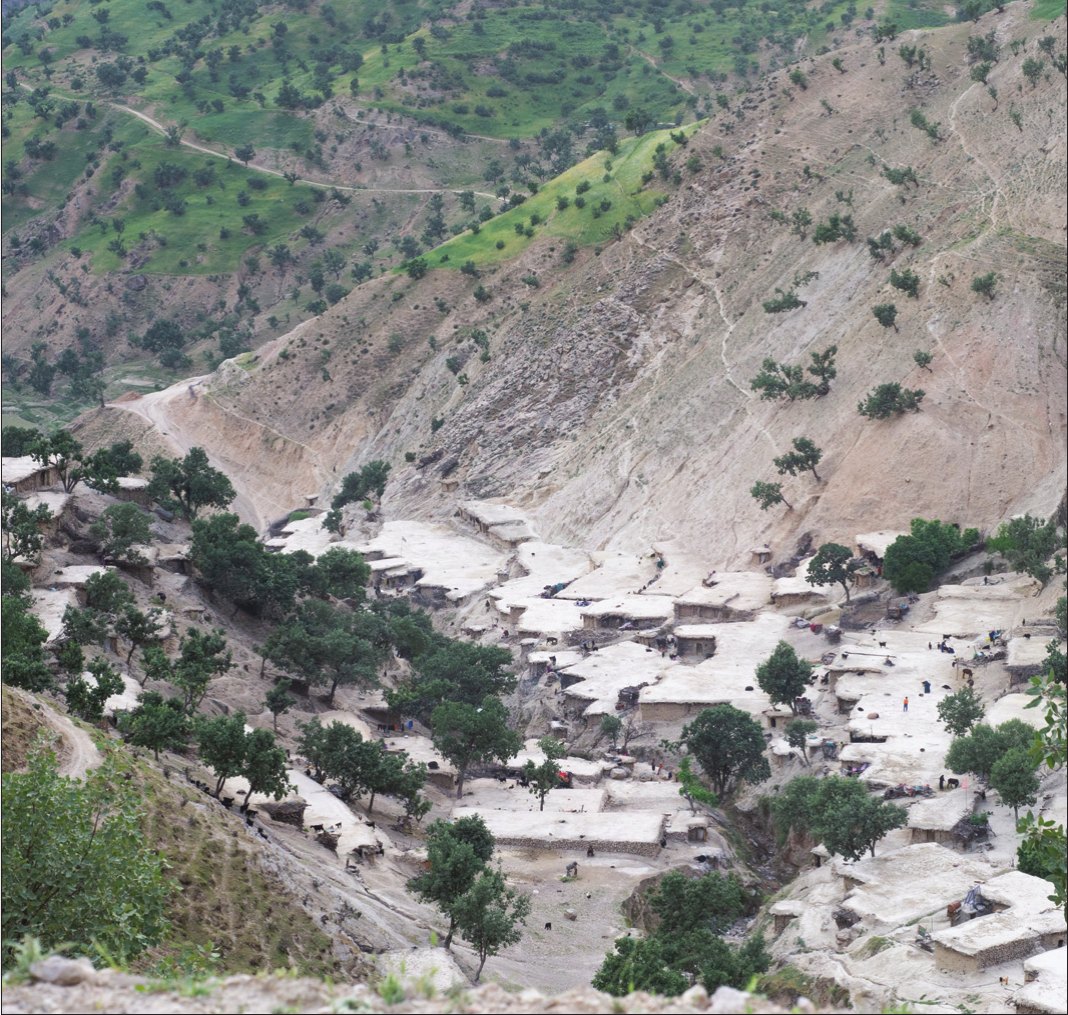
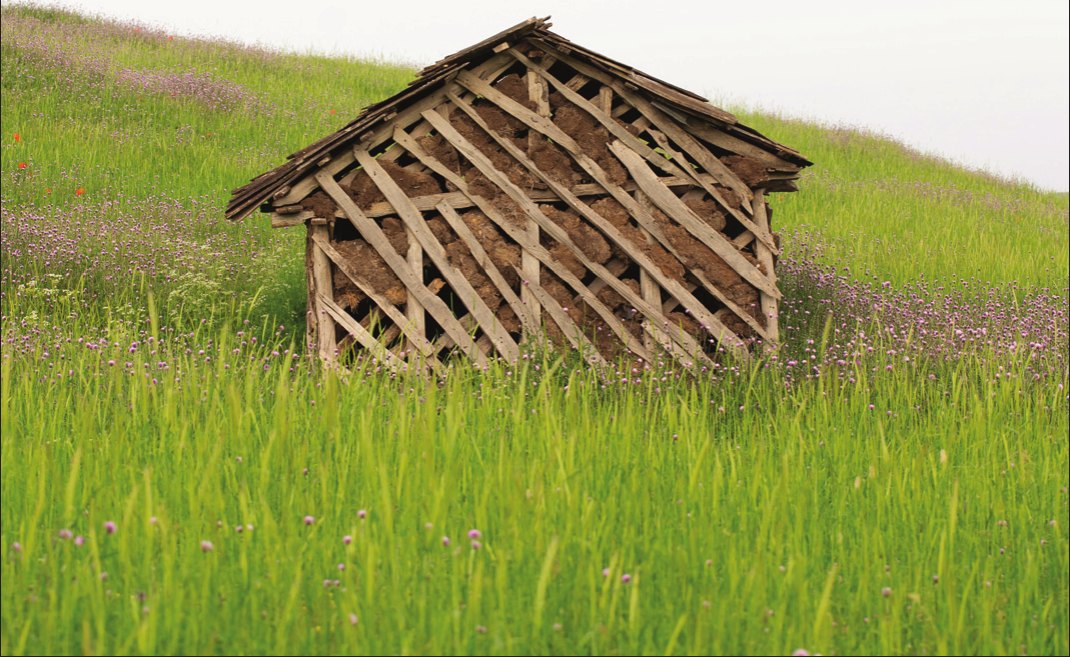
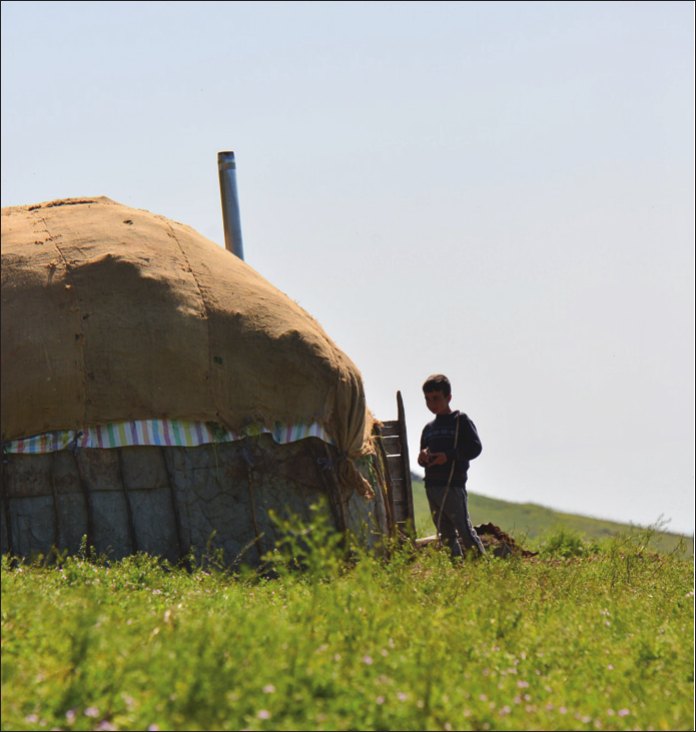
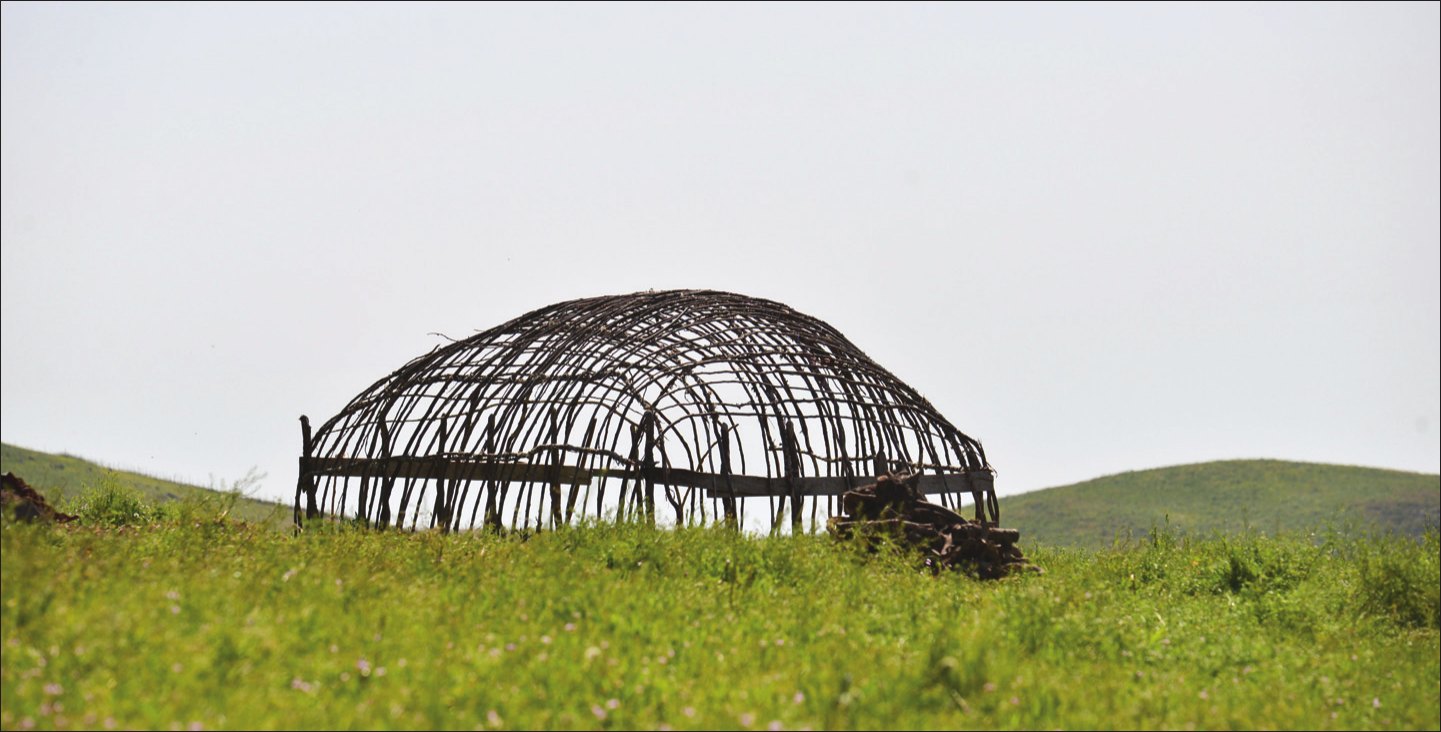
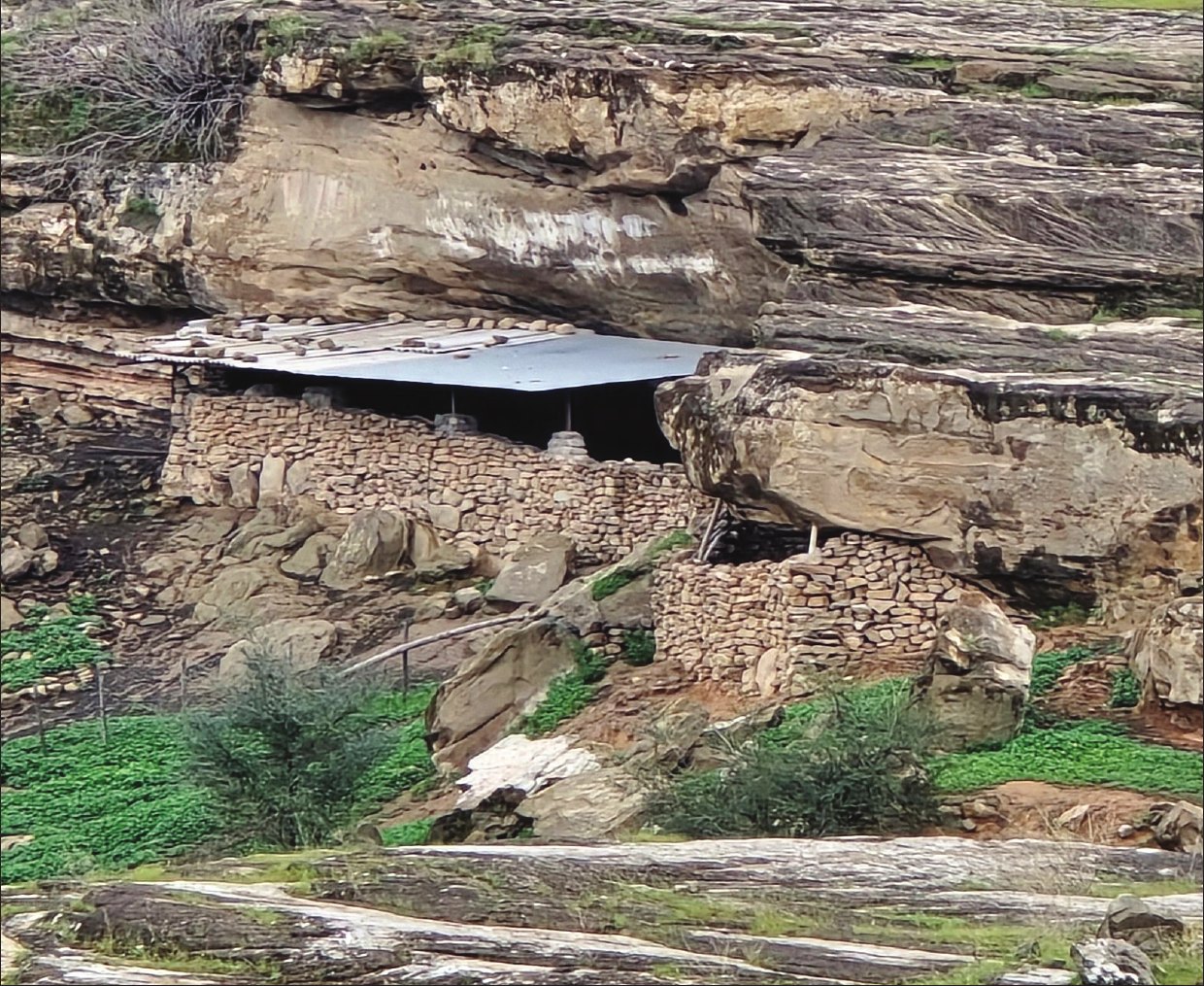
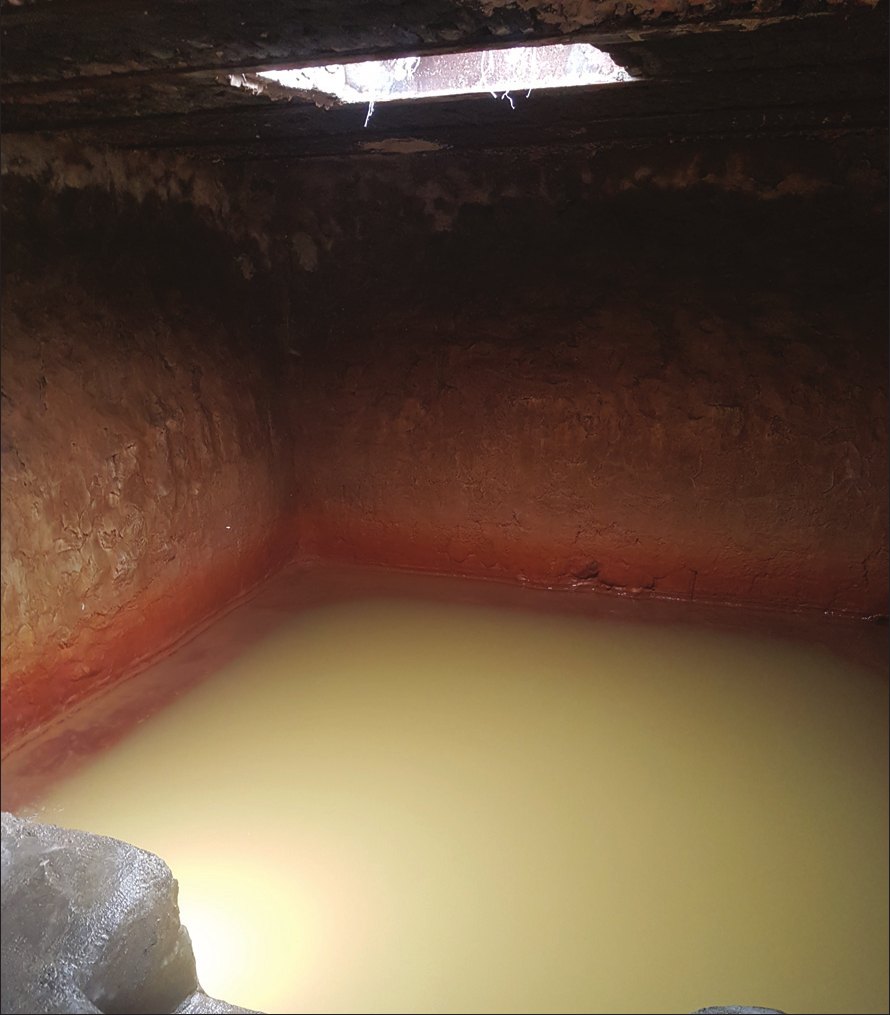
The desert room: its definition stands in opposition to the urban room. If the urban room is the product of four walls, a floor and a ceiling and a fixed, logical and definite geometry, the desert room accommodates a wide range of definitions of permanent and temporary occupation of space and great degrees of indeterminacy. New definitions in remote and far-fetched places. From meaningful stone arrangements in nature that mark the limits of a space, to huts, nomad tents, even an emergency camp, to a space carved by hand into a rock wall that was once a refuge for people in the distant past, these rooms take shape in a wide range of geometries and spatial proportions.
Creating a kind of temporary suspension, set apart from the dominant spatial order, in the desert room turns it into a distinguished and novel experience. Understanding these differences helps us perceive desert spaces not as "exceptions" but as alternative forms of living space. I regard thinking about it as a conscious confrontation, which preserves the authenticity of experience against the idea of uniformity!
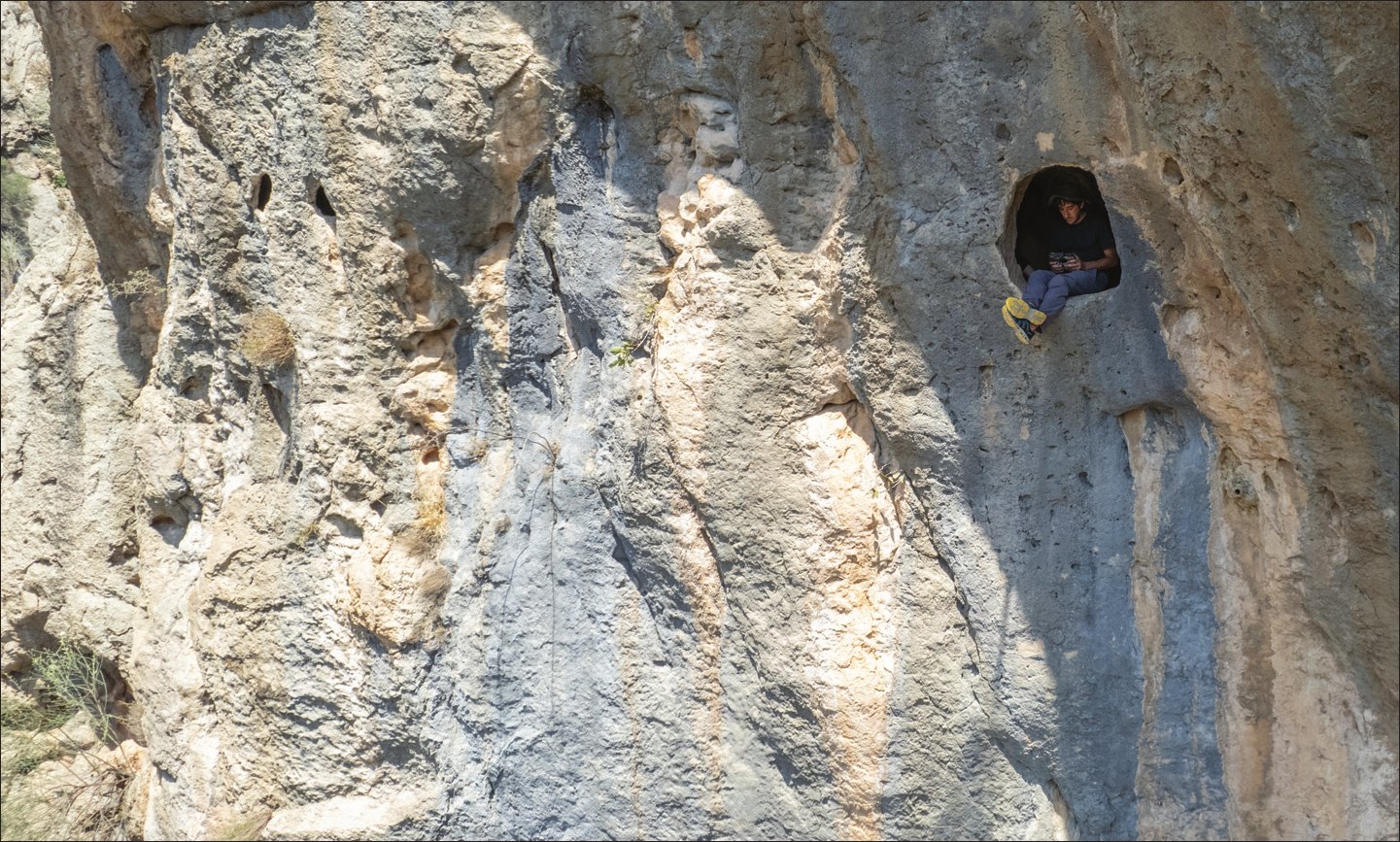
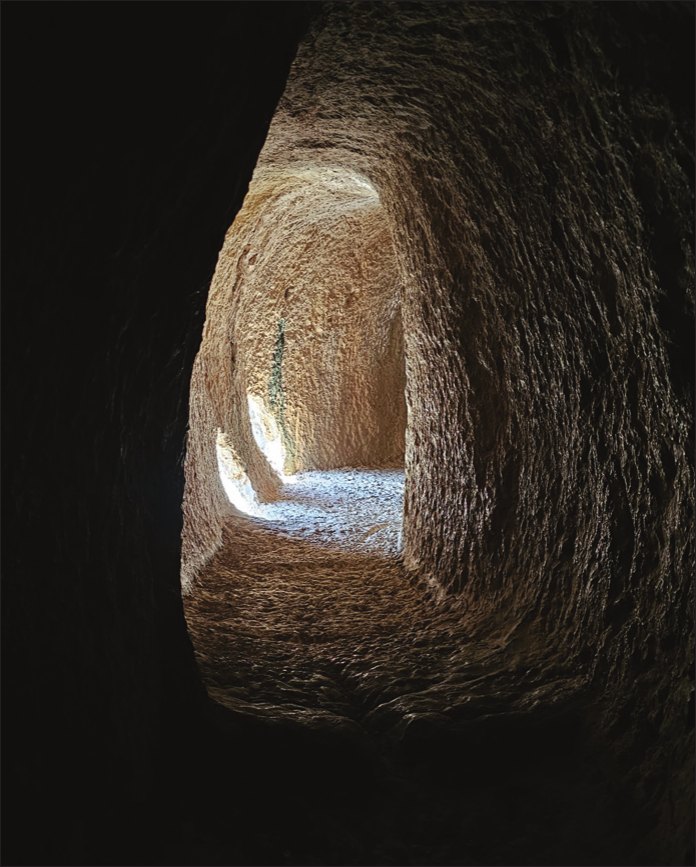
A look at the past: turning back to history, one can see that the concept of the room, in a historical rise and fall, began in the first periods of primitive, temporary structures that shaped the living space with stone and wood or were set in cave-like environments and clefts in the earth or in mountains, and passed through the ancient civilisations in which the room organised social and family relations, and, as we see in the history of Western architecture, from the separation of the sexes in Greece and the setting of the family's relations with society in ancient Rome, moved towards the definition of more private spaces in the Middle Ages, and finally rooms emerged as individual spaces in the Renaissance and have had a great influence on later rooms and those of today. At the heart of modernism, which was rapidly spreading the patterns of mass production and standardisation, the standard room too was accepted like any other standard thing. Policy-makers who sought to deal with successive housing crises caused by uncontrolled urbanisation and the effects of war in Europe quickly adopted these new rooms, turned them into law and used them as a tool for economic policies, social control and even state ideologies.
Hence modernism, combining the idea of the individual room, which had been taking shape earlier, with logical, standard patterns, exported it to the whole world in the form of a box-like, envelope-shaped model.
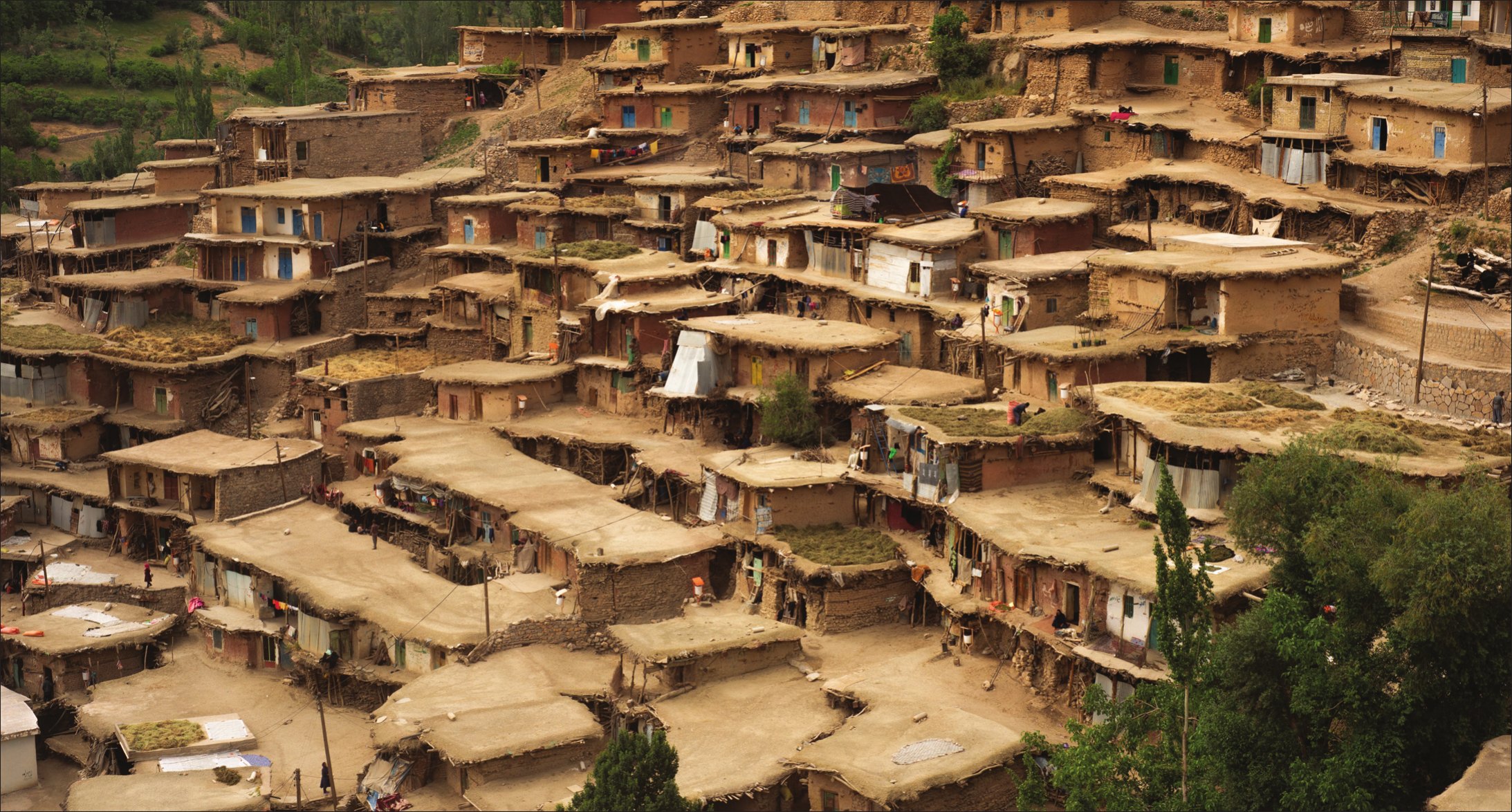
In Iran too, in a way, the same evolution can be observed. A period of transition from primitive and desert structures, which are generally temporary, to more permanent forms based on contextual and geographical responses, present with varied tectonics on the central plateau, in the north, west and south, and later keeping pace with the global and standard criteria of the modern period. Hence the concept of the room, as the smallest spatial unit, can be observed and identified as an ever-changing condition within the historical context.
Louis Kahn considered the room the beginning of architecture. In his view, the room is the most fundamental element of architecture; the place where architecture begins. If you ask why, the answer is: the room is the smallest distinct spatial unit that architecture creates and that holds you within it. As if the room were the embodiment of the most essential human desire to possess space. In the same way, Kahn saw the house as nothing but a collection of rooms; a small society in which each member (room) is on its own a complete world.
In later years, efforts to move beyond standardisation can be seen among architects and architectural theorists. Architects who each addressed different aspects of shaping such spaces.
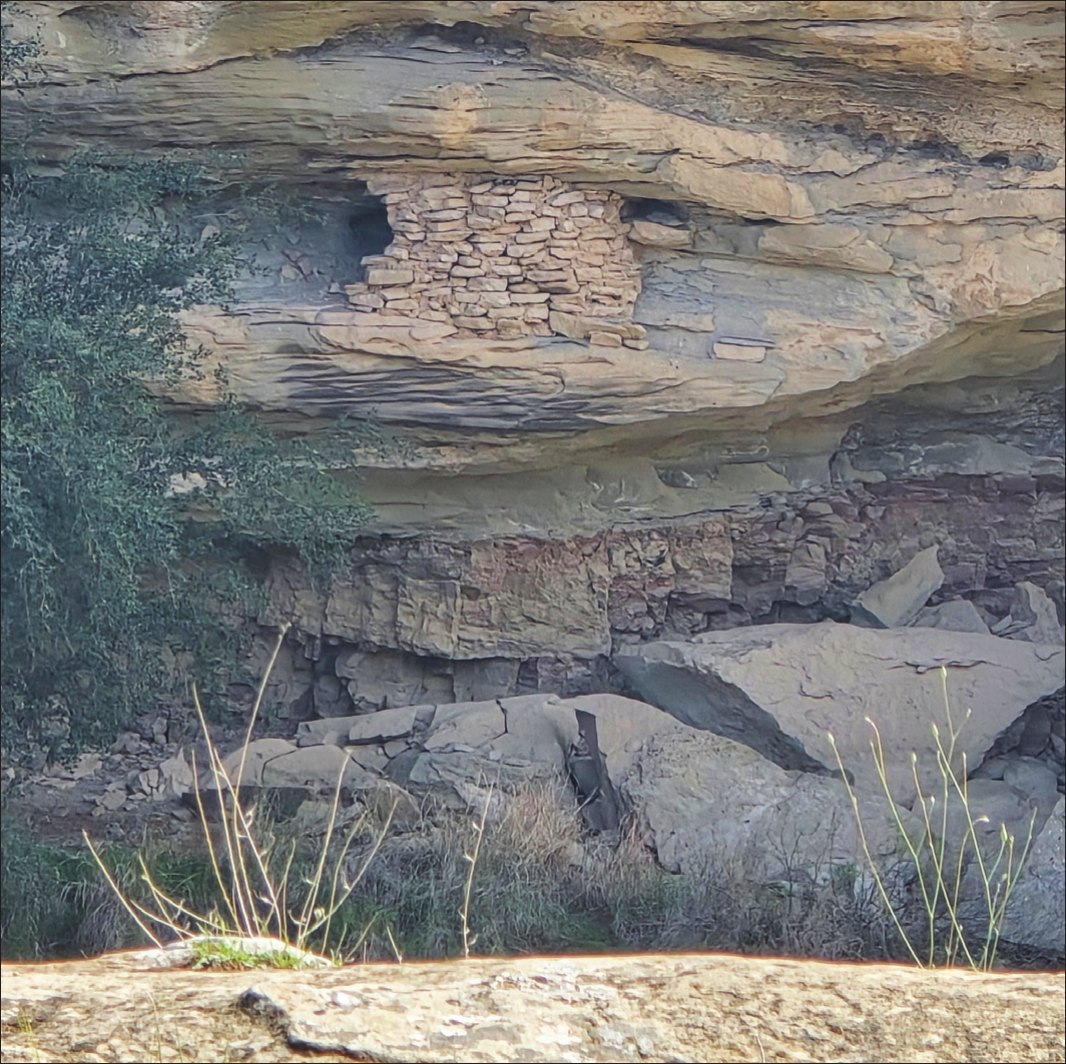
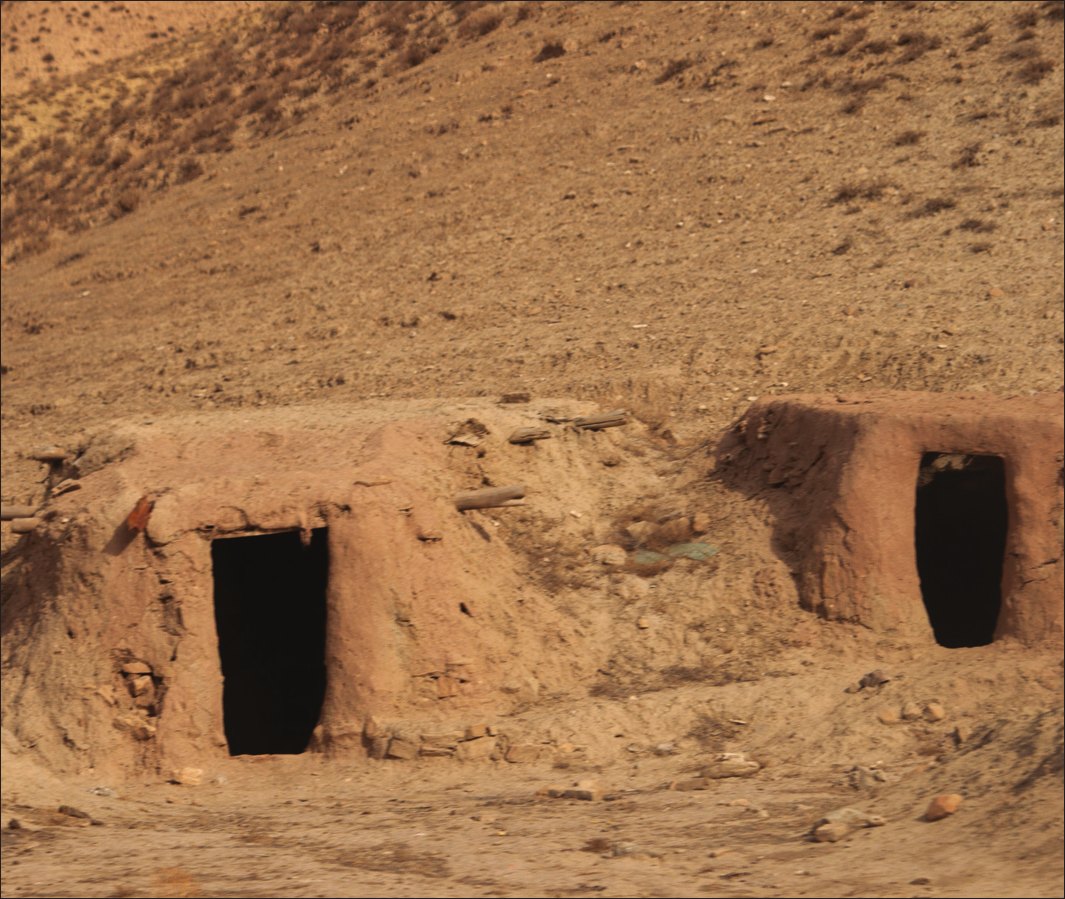
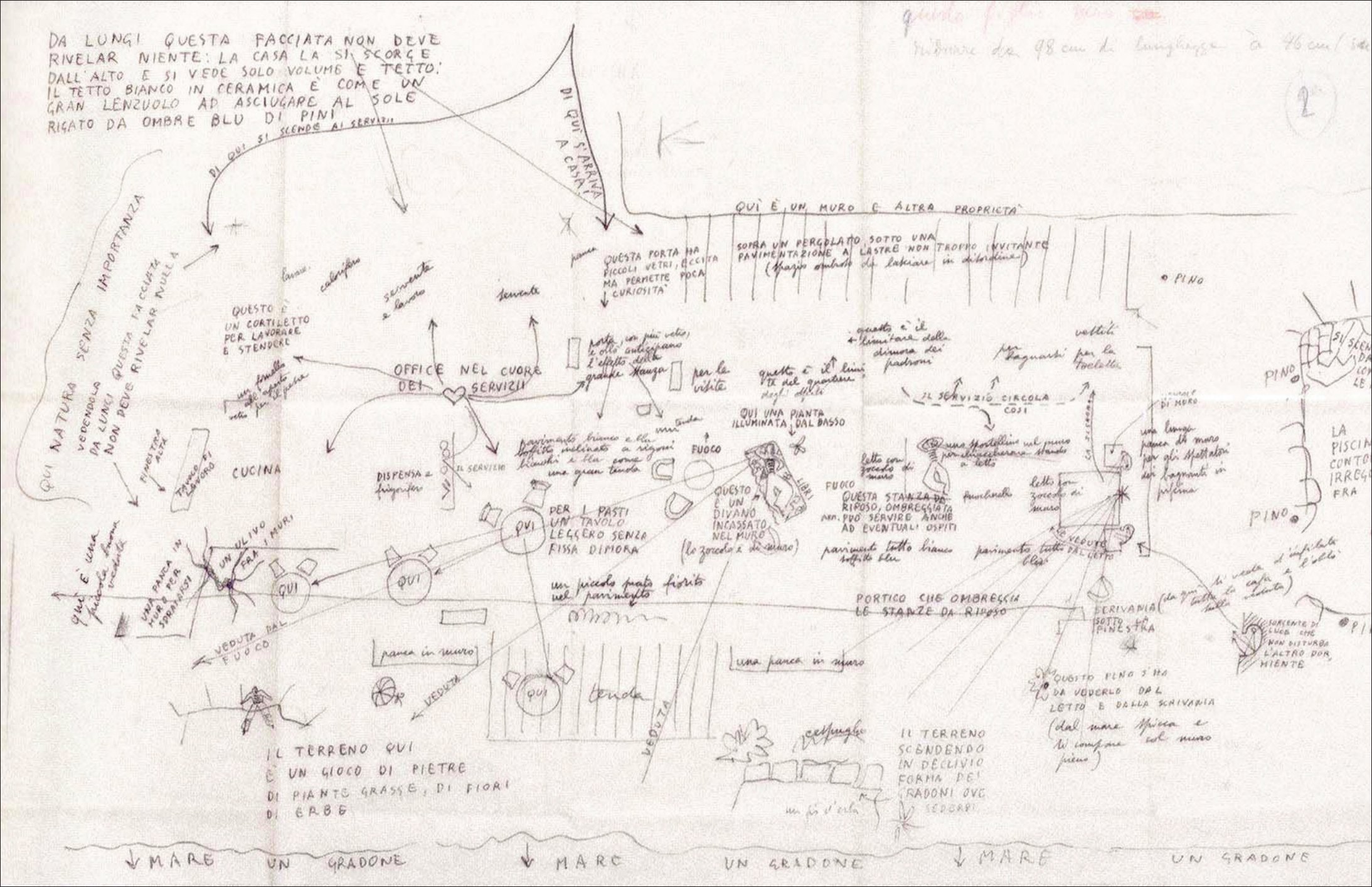
Creating spaces for living is what made Gio Ponti think, in designing the Villa Marchesano in 1938. The drawing he made at the time of an unfinished house shows a collection of notes that reveal the anticipatory aspects of the design, while the "architecture" itself, the walls, windows and doors, remains hidden. Thoughts ranging from intentions and intuitions to "topographical signs of different ways of living" are scribbled on a large sheet of tracing paper; spaces are defined not by drawing their physical boundaries but by the various ways in which they will be lived in. Ponti was more interested in the interweaving of spaces than in the exact dimensions of rooms, and rather than the precise measurements inside rooms, he cared about the views that open to the outside.
In moving beyond the standard room, one can mention the practical efforts of Rietveld, Philip Johnson, Shigeru Ban, Sejima, Nishizawa and Fujimoto to challenge the private and public boundaries of space. A paradoxical course whose early roots can be sought in modern architecture. A current that, at the same time as promoting standardisation, also made it possible to rethink space.
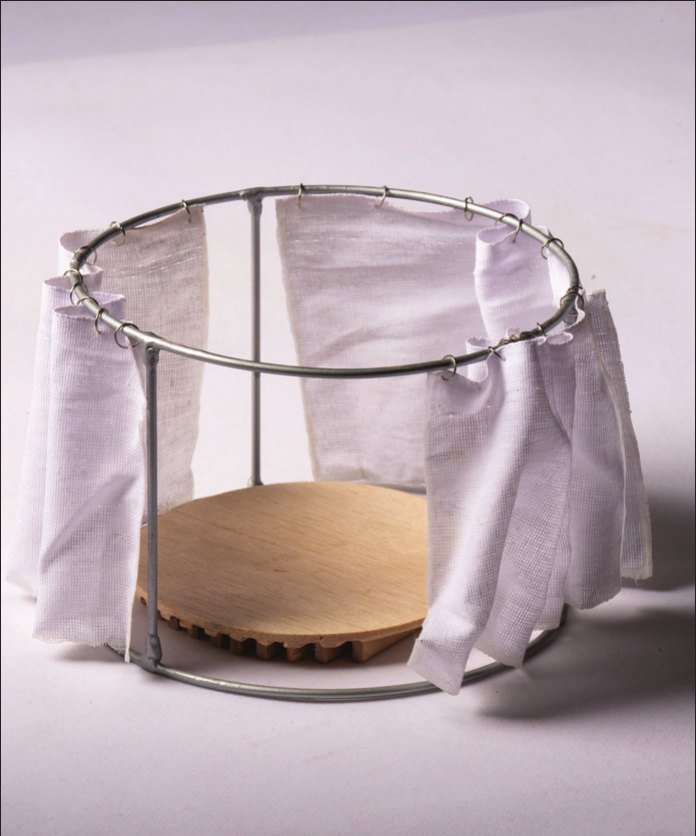
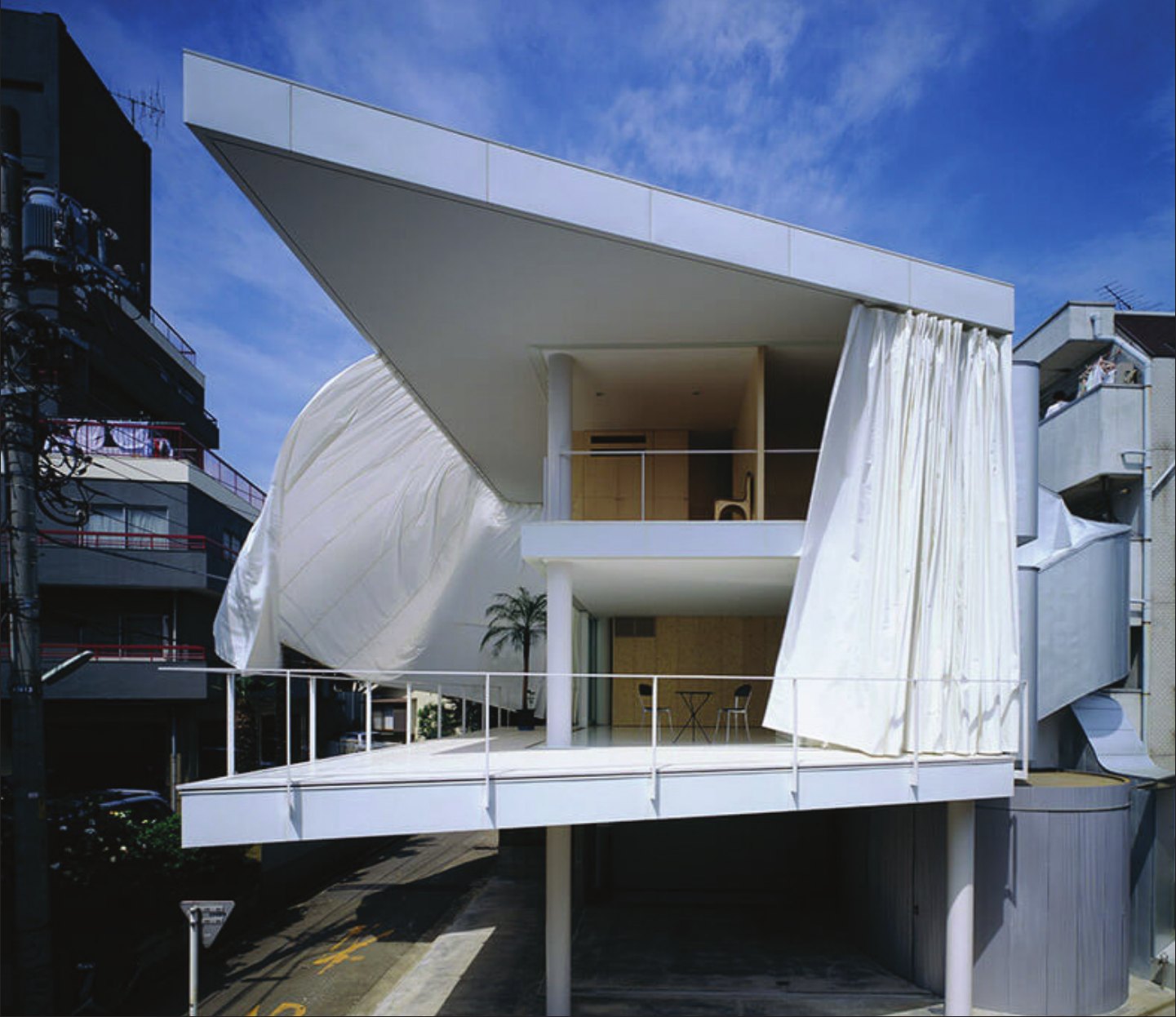
Among more recent efforts one can mention Shigeru Ban's Curtain Wall House (1995), in which curtains that can be opened and closed shape the boundaries of the house and of its private and public space; a soft and momentary, temporary and fluid space that places the user and their experience at the centre of the space.
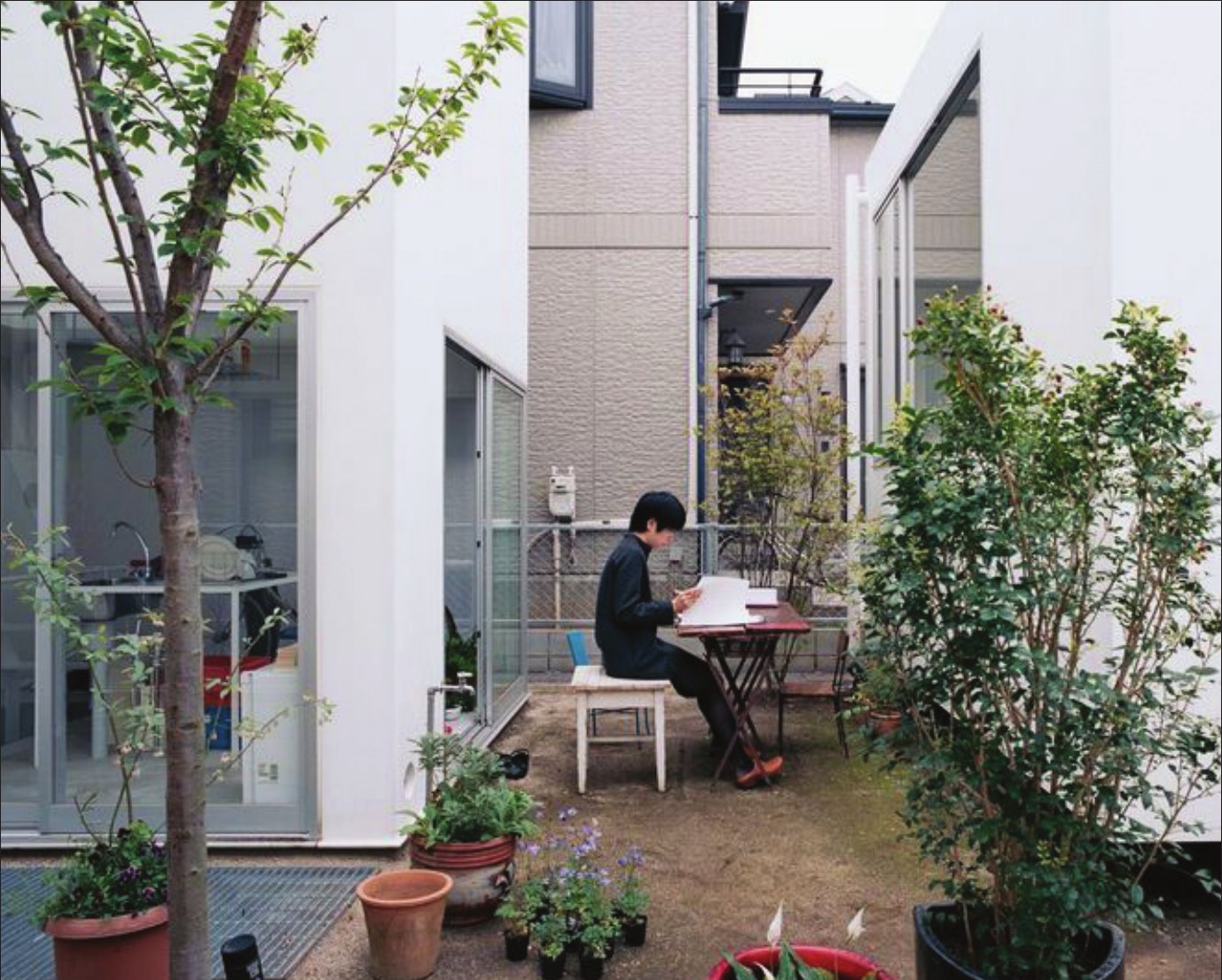
Nishizawa, in the Moriyama House (2005), proposes a fragmented structure that redefines not the boundary between the public and private space of the house but the boundary of these two with the public space of the city. Each room sits on the site as an independent volume, and instead of the rooms being placed inside a common shell, they stand side by side in the open space as independent units. Each volume has a specific function (bedroom, study or bathroom), and the connection between them is made through intermediate open spaces. The open space is not enclosed; the inner boundaries of the house are opened and connected to the urban space, horizontal and flexible. The rooms are not merely parts of the house; they oscillate, in a way, from the inside to the outside.
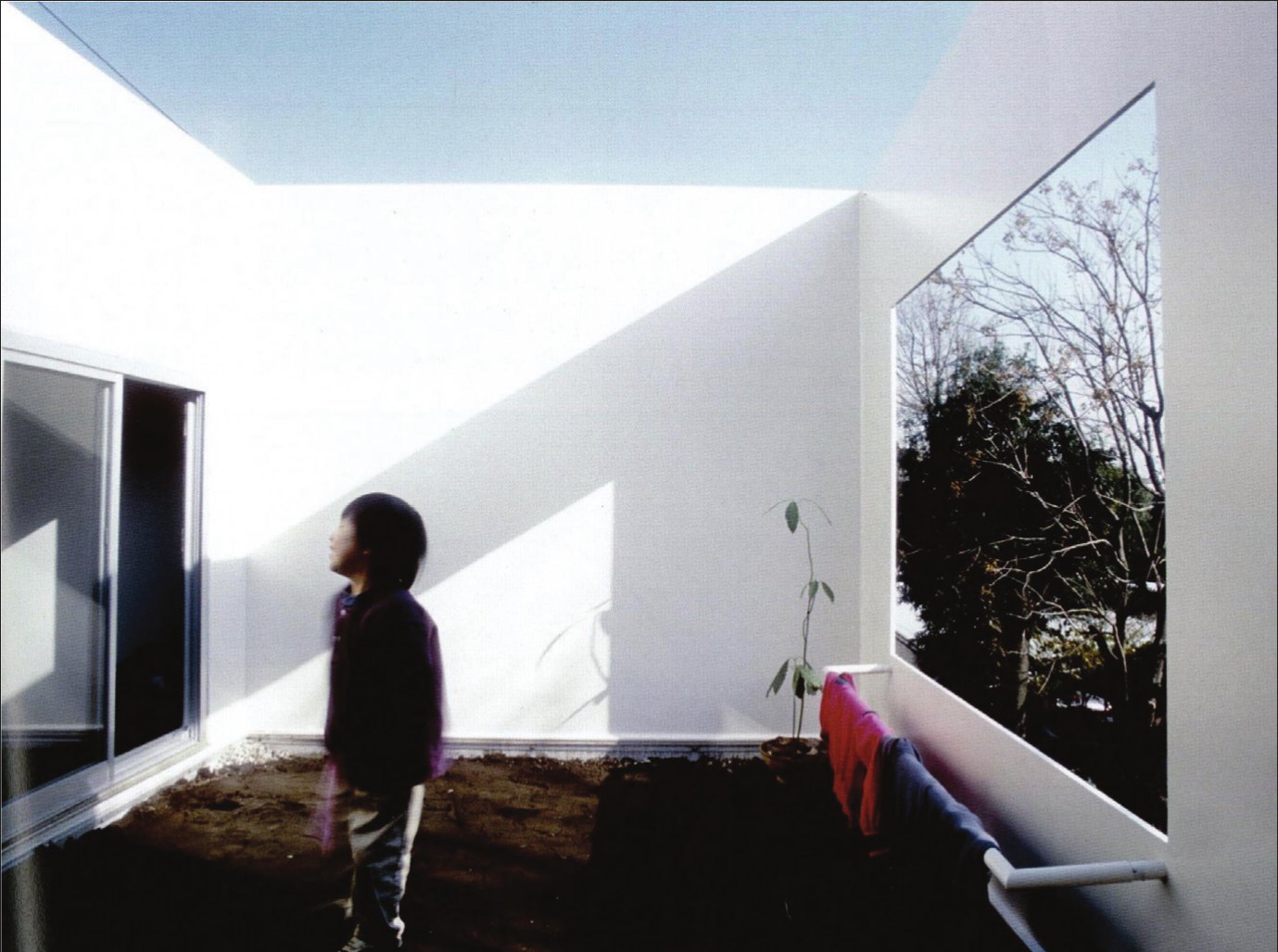
Kazuyo Sejima's House in a Plum Grove (2003) has traditional walls with numerous openings. This kind of spatial division makes rooms that, while having a physical boundary, are spatially and experientially connected, and each room has become a flexible setting for living and interpretation, which to some extent challenges the conventional structure of hierarchy, separation and spatial independence of the room.
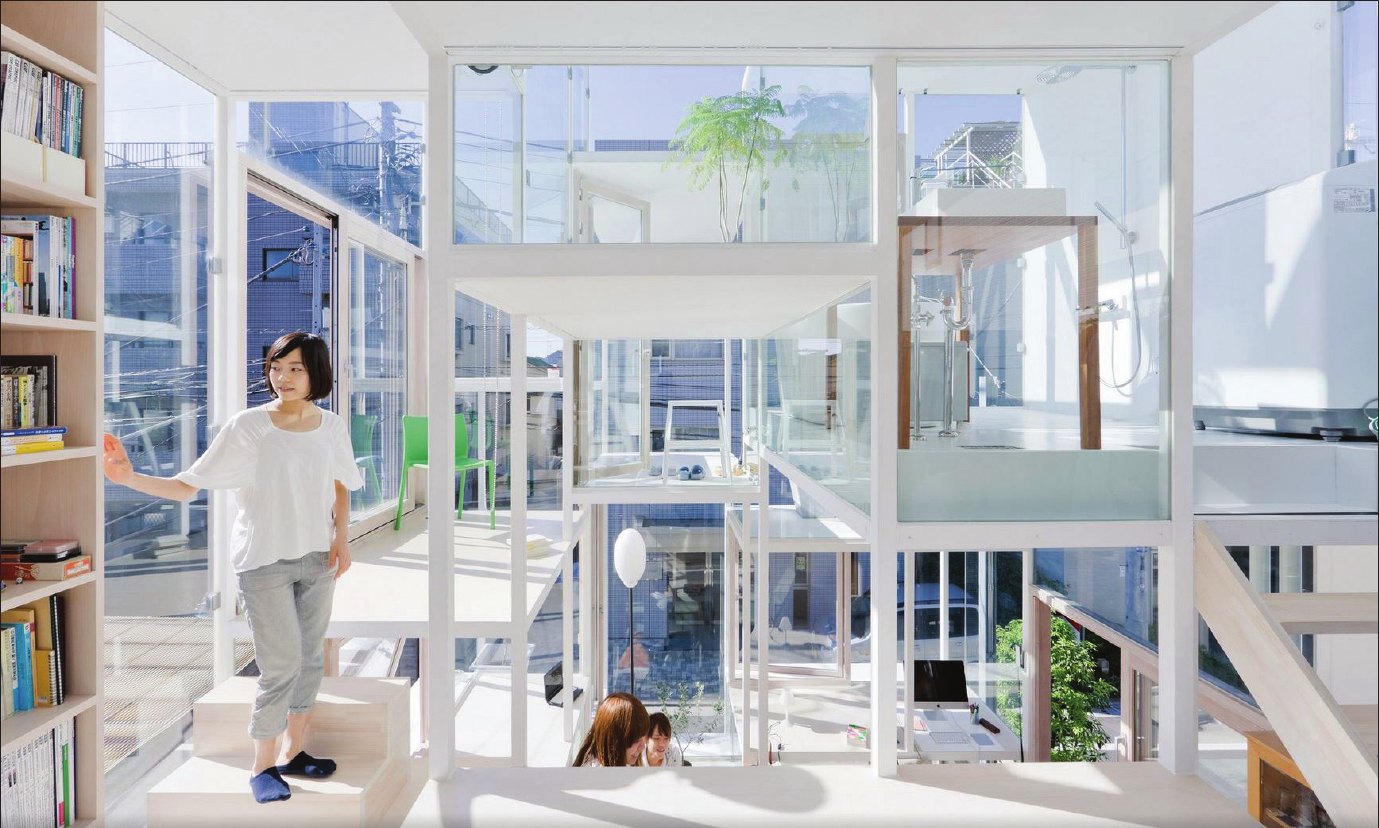
In Fujimoto's House NA (2011), the concept of the room has been transformed from its traditional state into a fluid and invisible condition. This house consists of a collection of transparent and semi-transparent planes set floating in space at different levels. Each plane can take on a different use according to the position and use of the person; from sitting and sleeping to studying and moving. In this structure, rooms are defined not as volumes enclosed by walls but as temporary conditions in space; rooms that take shape not in a physical form but in the context of behavioural experience.
Modernism, relying on predefined spaces (apartments, offices, shopping centres), reduced life to fixed patterns, but these examples show us how small spatial units and the room can be redefined as temporary and fluid. These spaces are the product of free choice, not the compulsion of functionalism, and can lead to the emergence of a new generation of temporary/permanent spaces that both answer contemporary needs and preserve authentic values of living. Architecture in this situation can act as a negotiator between different worldviews.
Kahn put forward his position as a reproach against the excessive simplification and the teachings of the modern period, in which the space of the room became a box inside the building and a collection of parallel surfaces joined to one another without care or finesse. From this point of view, although modernism sought a machine for living, rooms can be considered a machine for imagination and a kind of tool of resistance.
Final word: the room can perhaps be called the most evident embodied form of architecture. We all live in it. Even you, reading this text, are probably living in a room. Either permanent or temporary, or stationary or mobile! From the moment we enter the world we deal with rooms, until the last moments of our lives. Throughout our lives we constantly enter from one room into another. To go beyond the familiar fence of definitive answers about the subject of the room, one can ask the question: when, actually, does the room begin for you?
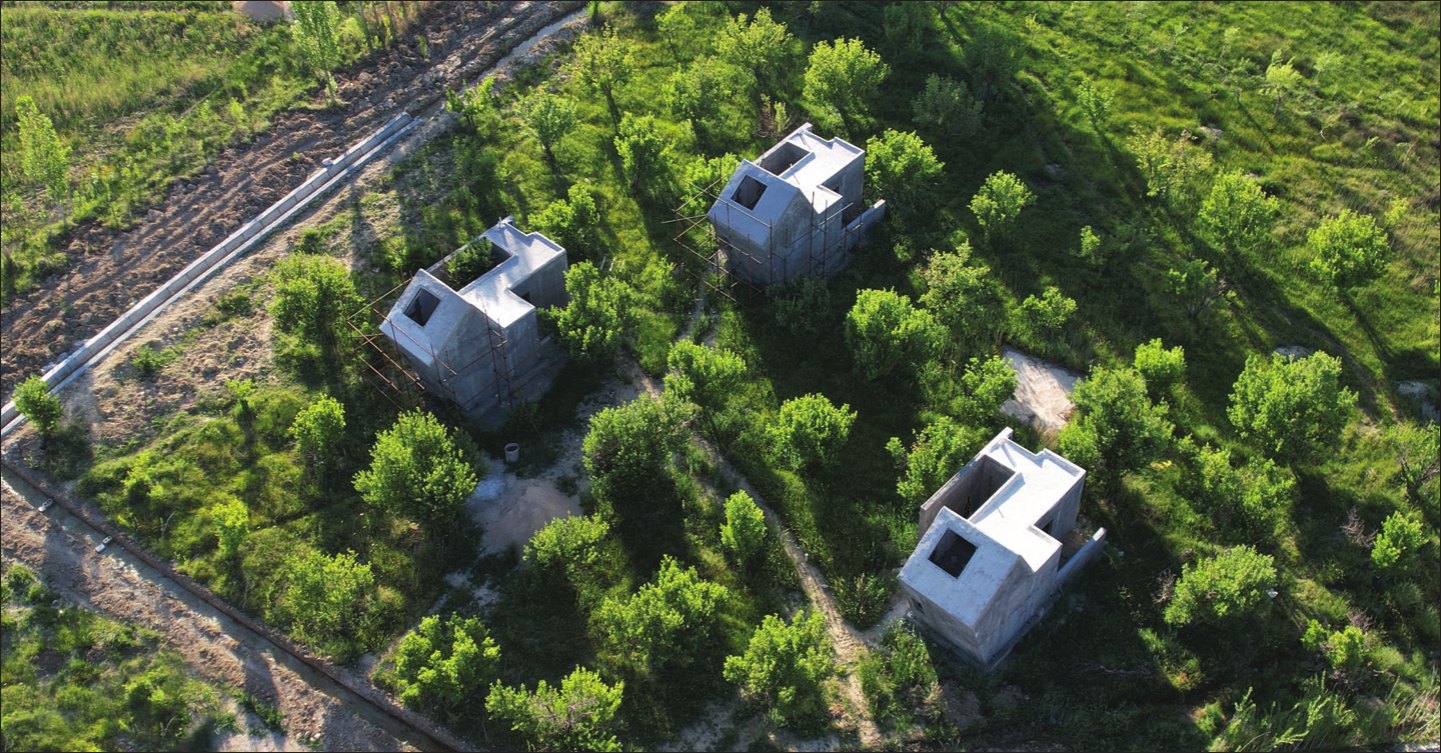
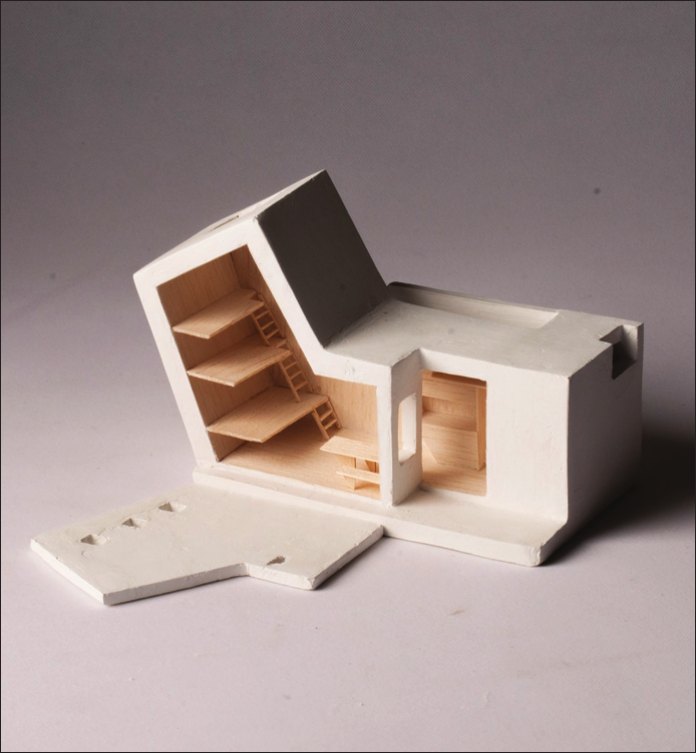
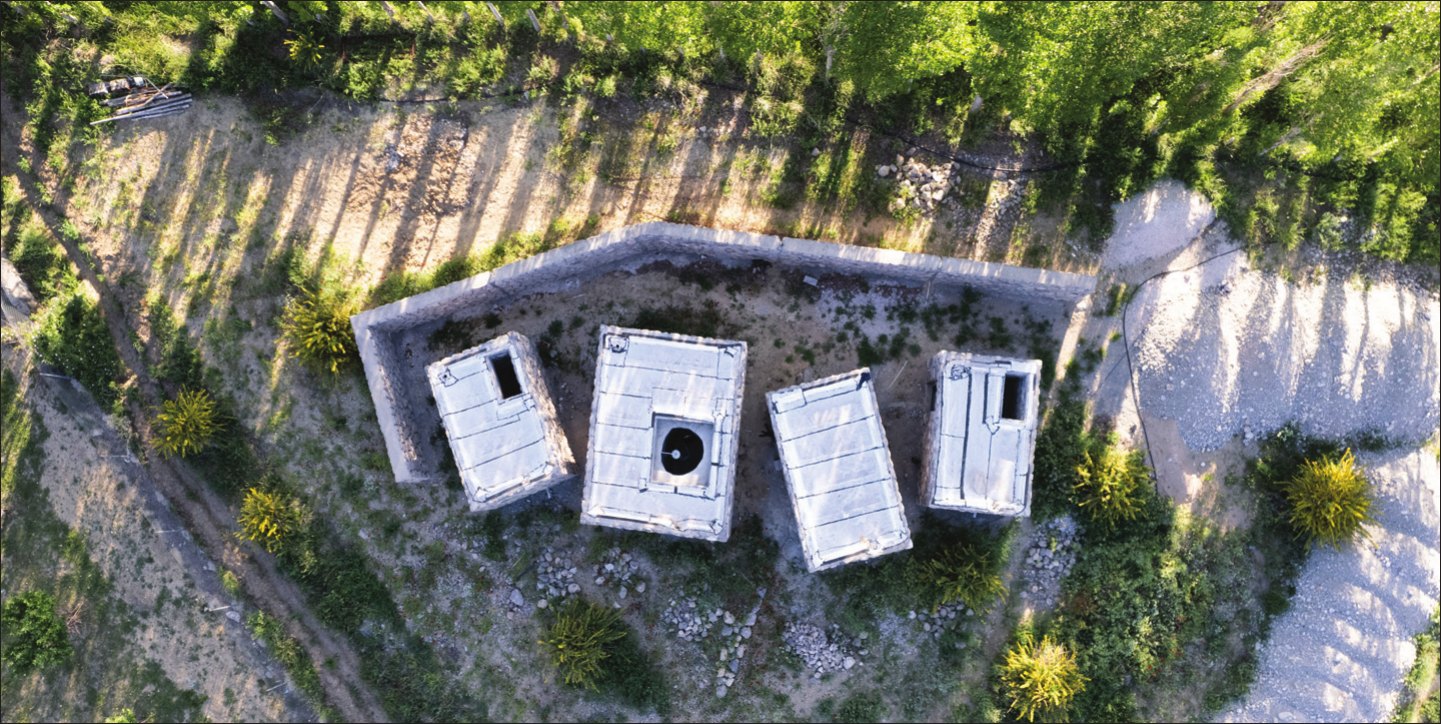
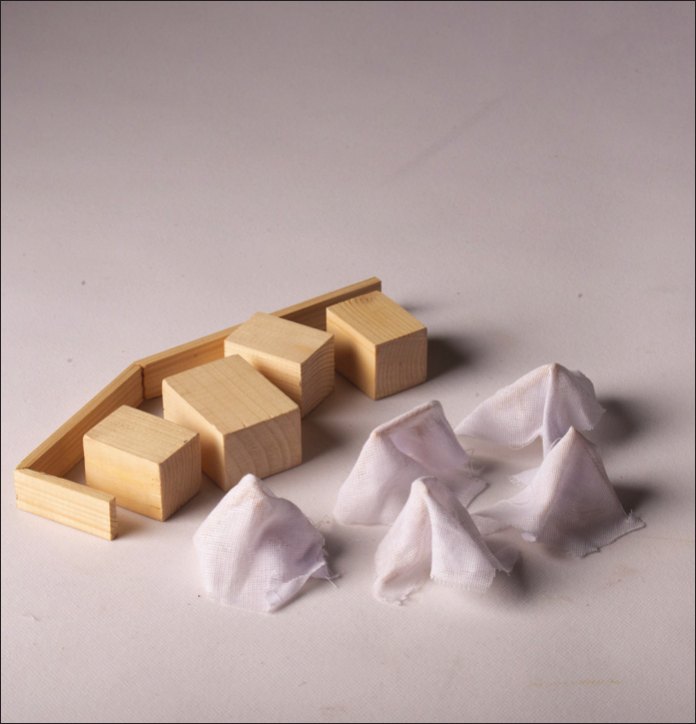
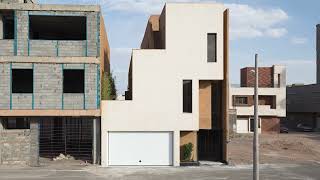
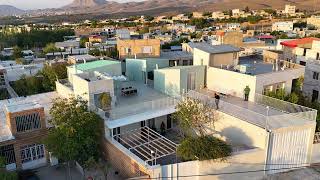
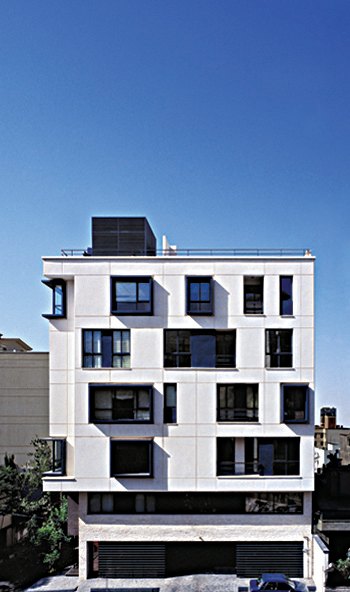
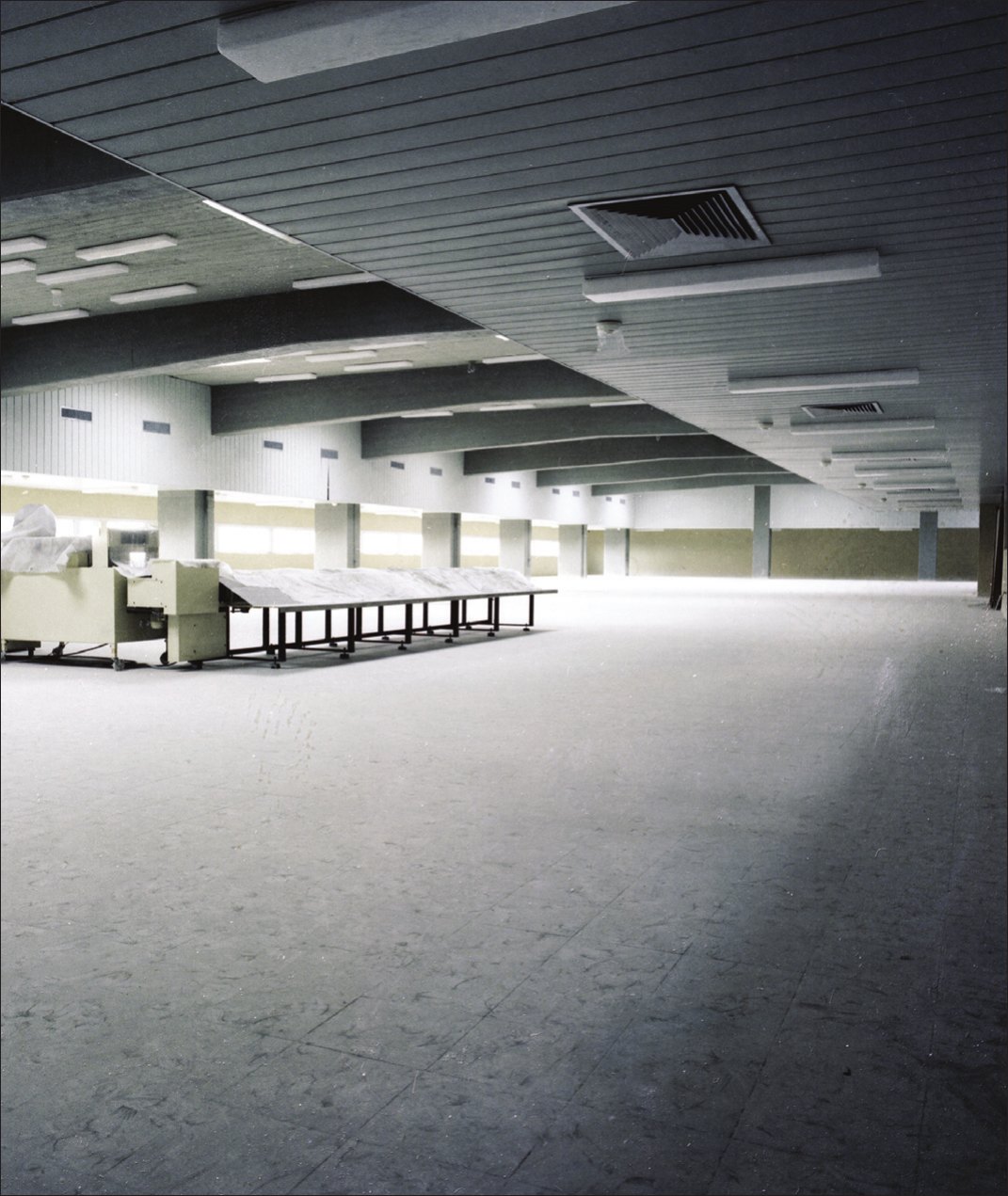
These models and images are the continuing results of a work in progress on the subject of the room, which have taken shape over the past four years; some have been built, some are under construction, some are being developed and a number of them are still being thought through. From primitive, half-defined or incomplete spatial constructions that are completed with temporary structures and fall within the definition of the desert room, to rooms that make use of the arrangement of objects and of art and whose condition new activities constantly redefine, to the worker's house (a temporary guard room), work and support spaces adapted to firmer structures.
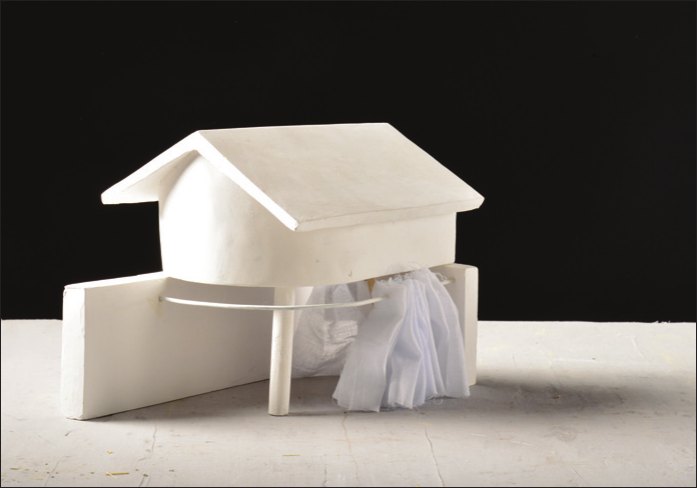
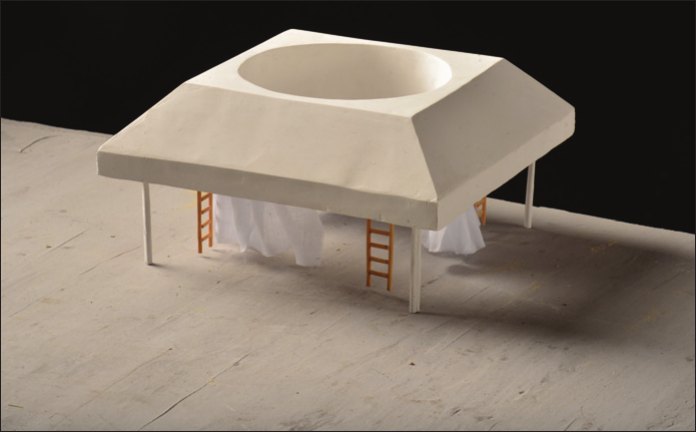
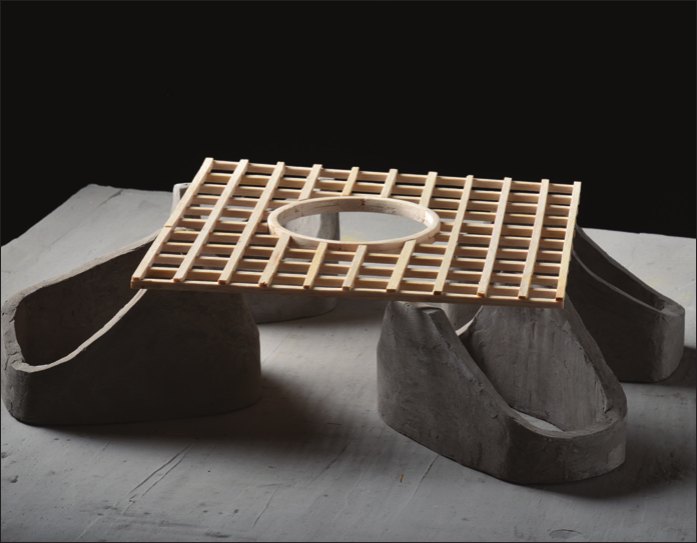
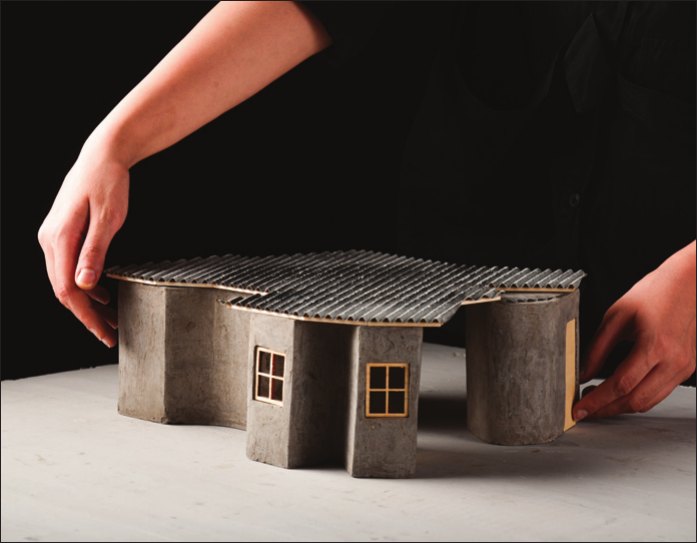
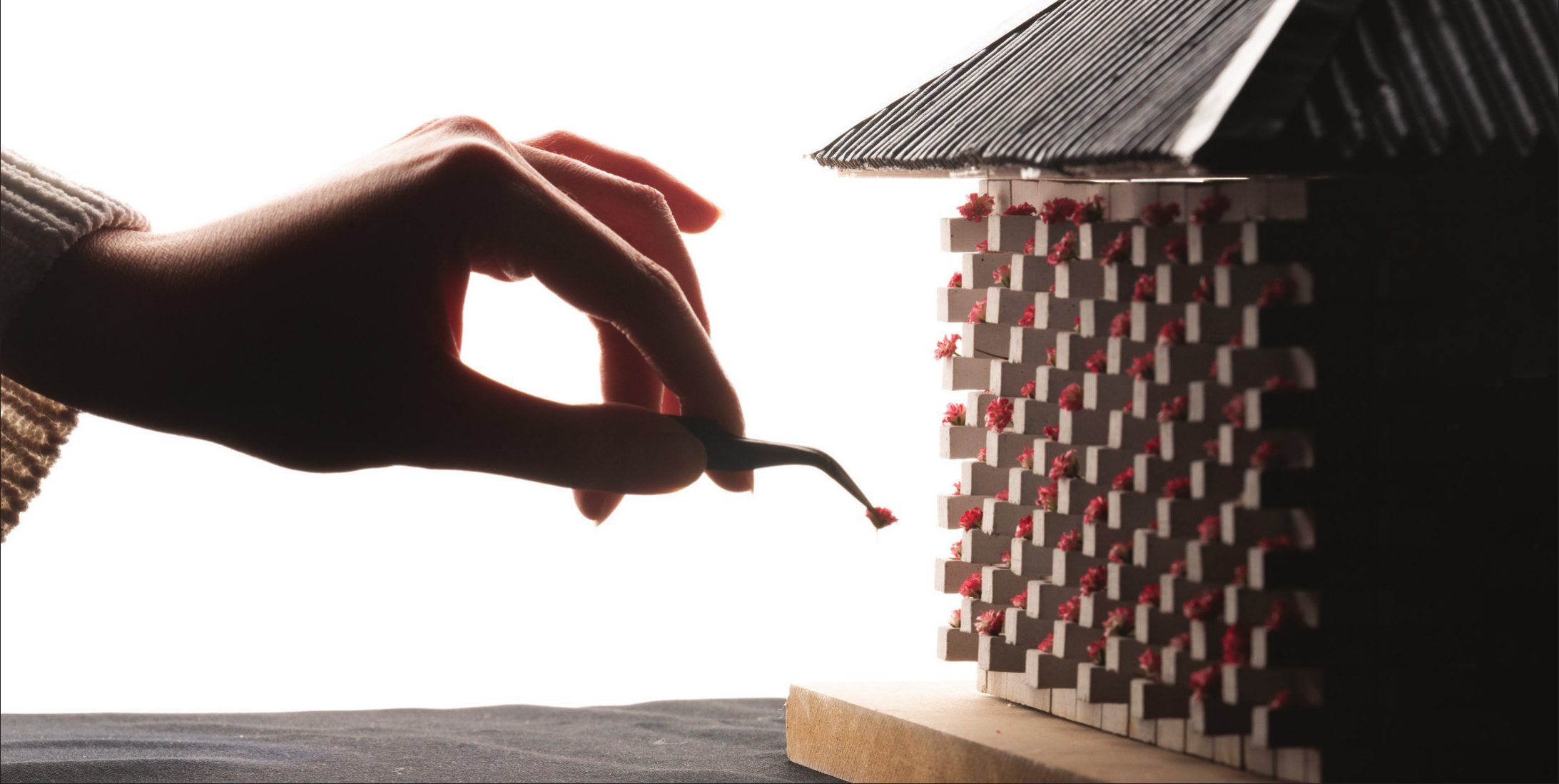
For us the room is the starting point of the world, a container for objects, rituals and individual and social experiences. A place for the beginning of architecture. We constantly go from inside one room into another; from one world to another.