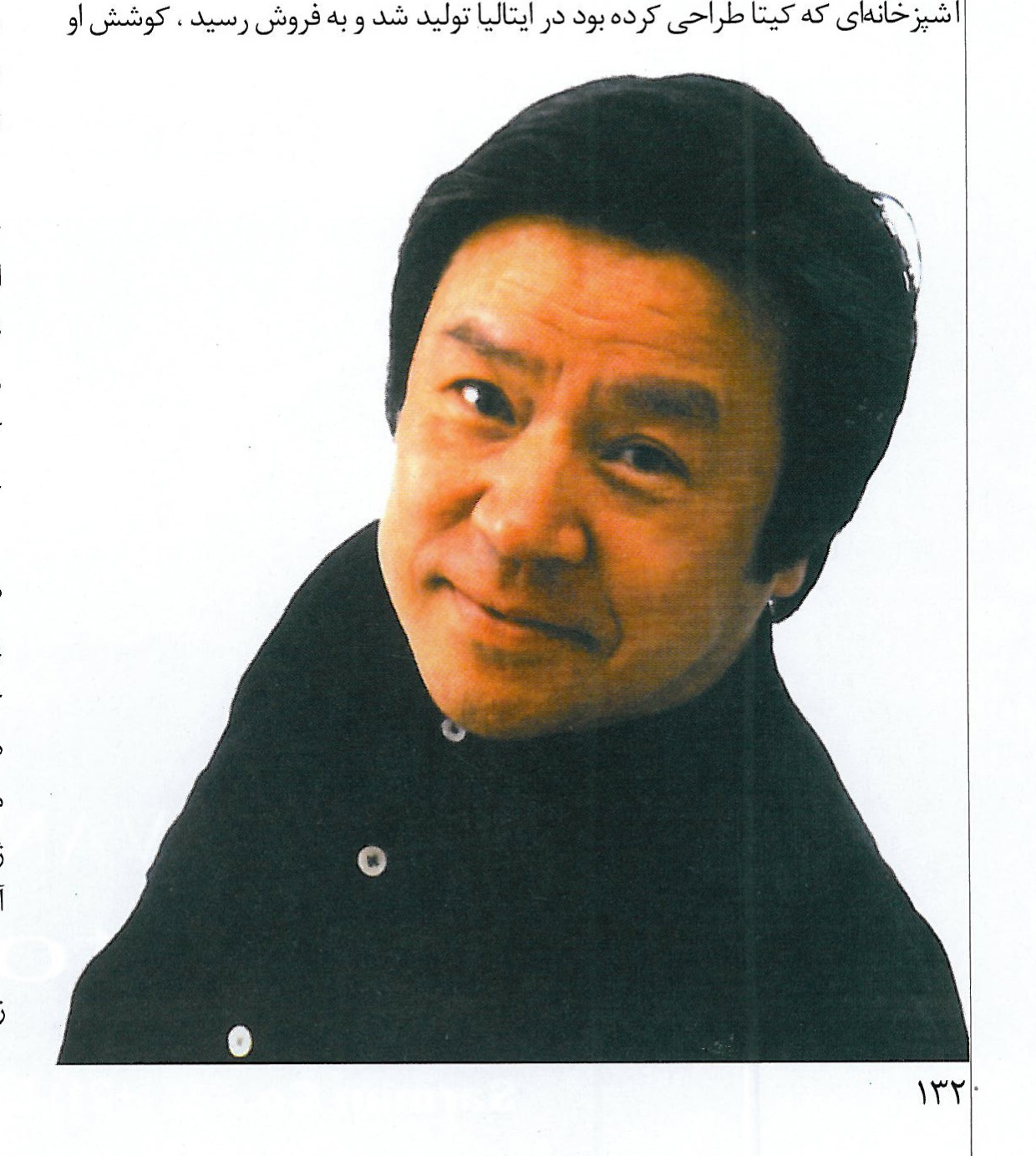
After the Second World War, most people in Japan believed that any product manufactured in the West is superior to those produced in Japan. This belief ended in the substitution of a complete series of Western products used in everyday life for Japanese fittings.
An innovative aesthetics based on the contemporary needs and updated morals of Japanese culture could have rectified that. Toshiyuki Kita did so through the use of Washi (paper) and Urushi (lacquer/shellac). However, Kita's works were not appreciated by the Japanese until they were manufactured and sold for the first time outside Japan, and especially in Italy.
Thirty years ago, on a visit to an exhibition of Inca civilisation in Mexico, Toshiyuki Kita was struck by a feeling that told him: Japan is fading; from now on the remains of Japanese culture will have to be sought in museums. After the war, the Japanese had tried to become Western. The general public conviction was that anything from the West was better than anything from Japan. This belief led to the wholesale replacement of the Japanese implements of everyday life by their Western counterparts. What was to be done? The way of life had changed, and the change in habits was inevitable. Perhaps the only remedy was to bring into being a new aesthetic, founded on contemporary needs and on updated values of Japanese culture. Paper and lacquer were suitable materials for this work — for inventing new forms with traditional Japanese stuffs. At first these new forms, made of paper and lacquer, were difficult for most Japanese to grasp; even reading the Japanese values latent in Kita's Western-style furniture seemed difficult. Yet after three decades, craftsmen isolated in the Japanese mountains came to make objects worthy of presentation in the international market.
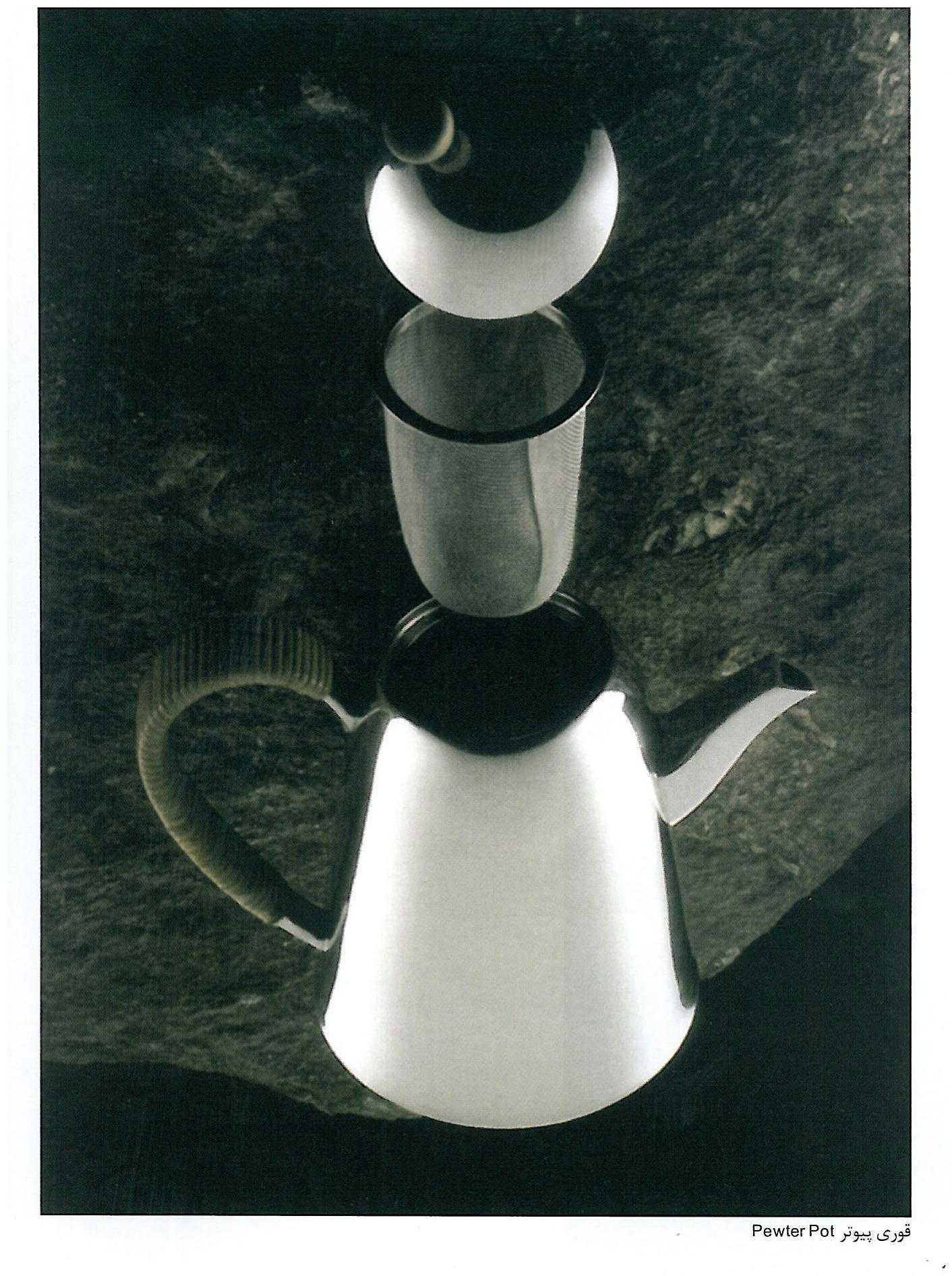
The objects Kita designed were now made by craftsmen who had begun to learn a foreign language and to acquire a new culture. This phenomenon seemed as strange as the original incomprehensibility of Kita's designs.
Kita had achieved great success beyond the seas of Japan, and so came to be noticed by the Japanese themselves. From 1975, when the lamps and kitchenware he designed were first manufactured and sold in Italy, his effort was directed at bringing lacquer back into the workshops of Japanese craftsmen — and after thirty years that effort came to fruit. In his book of the same name, Kita ascribes the renewed life of washi and urushi (paper and lacquer) to a fresh interpretation of these two materials. Suddenly, after thirty years, washi flourished across all of Japan and was used in every kind of product — from raincoats and summer clothing to lanterns and lamps and any object that could be made of paper. Lacquer enjoyed renewed commercial life in paper-making, kitchenware and mass-produced lighting products. The age-old chain — customer, retailer and producer — that had been the market mechanism for centuries was disturbed; and the problem of traditional craftsmen with forms frozen in past time disappeared as paper and lacquer came back into use, with the knowledge of past craftsmen passed on to the present generation, who attended at once to function and to beauty.
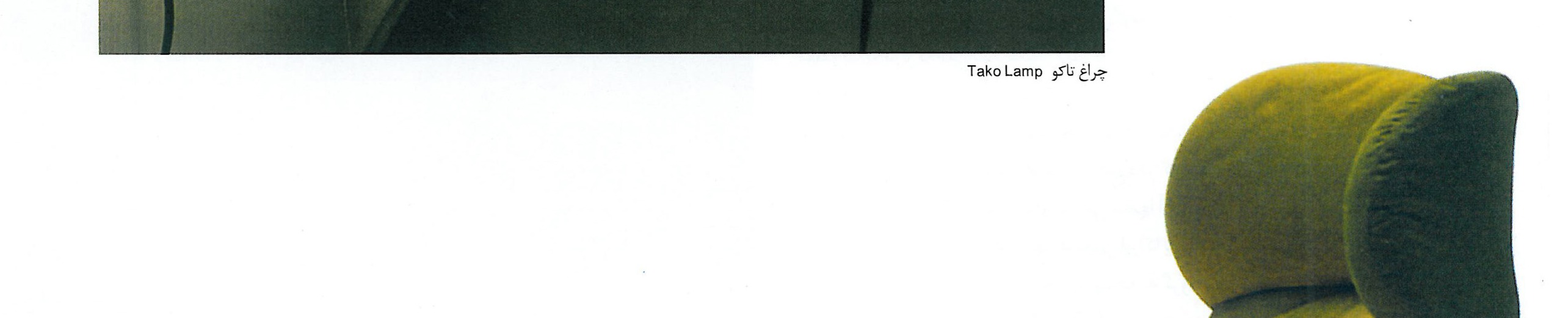
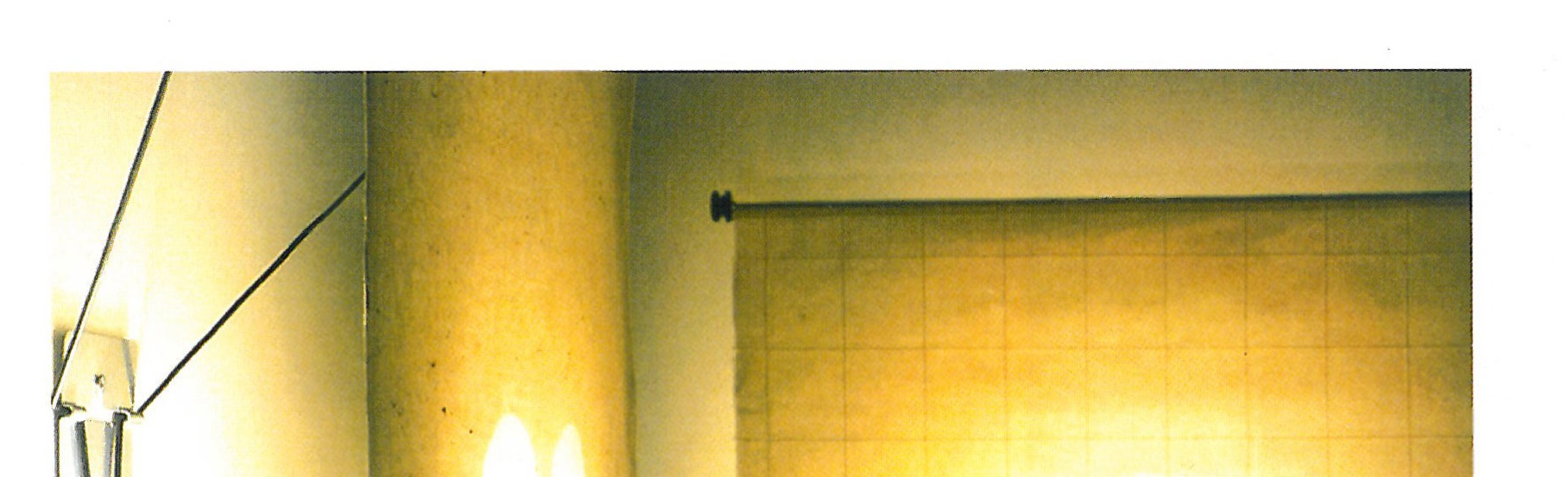
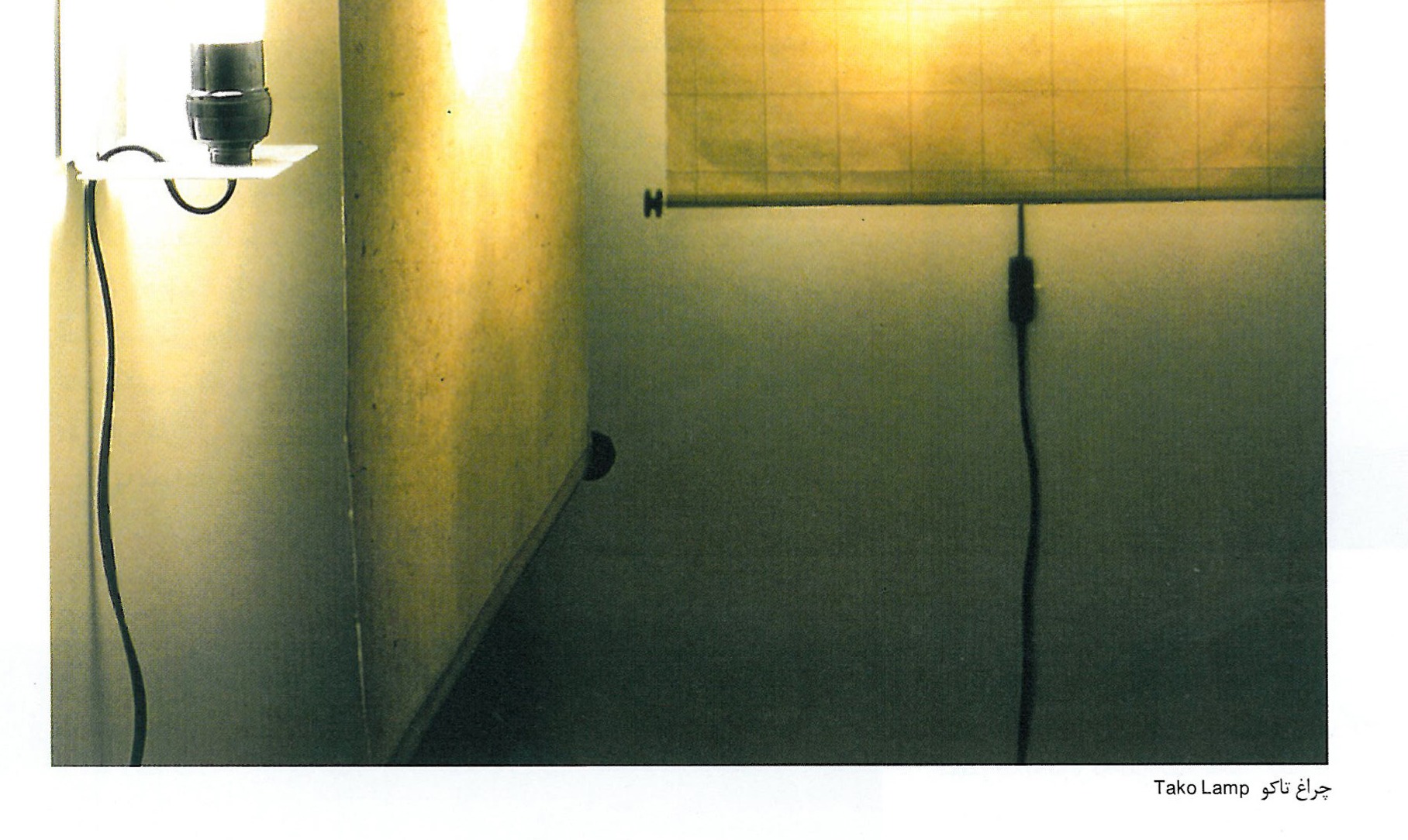
Washi lamps are functional, contemporary and at the same time recover the materials, the forms, the details and the very narrative manner of forgotten myths. Take Tako (the Japanese name for kite): with peculiar delicacy Kita designs the details of the paper coverings of these lamps; lamps that, while keeping their functional qualities, can be suspended in any space, or hung on a wall like a coat-rack. Even bamboo lamps are now in fashion: in form they take nothing away from artificial baskets — indeed they are far more intimate.
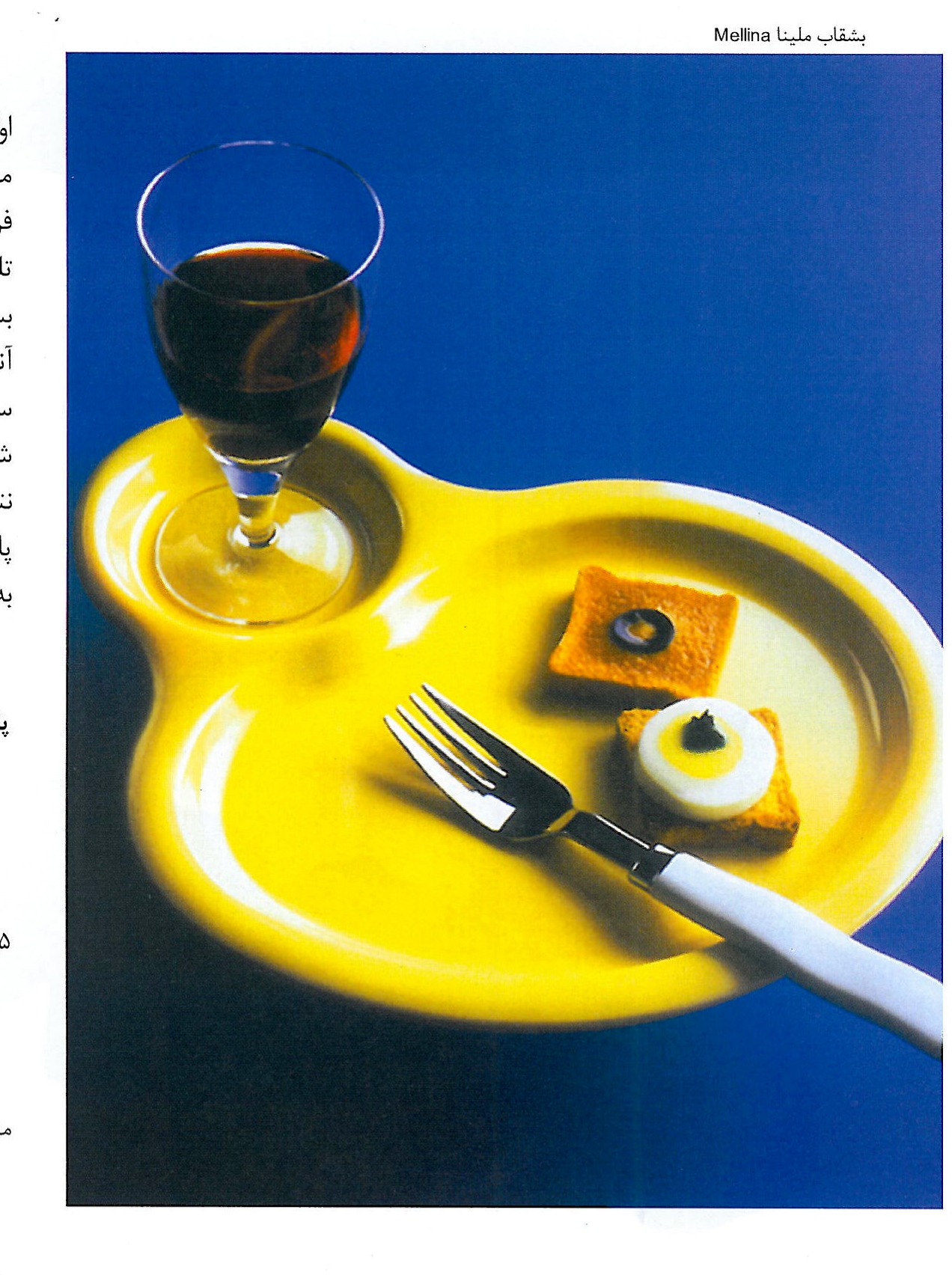
Speaking of lacquer, Kita says: "Lacquer is a mass of time. Lacquered objects, like the floppy disks of our time, were as untrustworthy in the hands of our forebears." A century ago, at Japanese parties, a group of guests would sit on Japanese cushions (zabuton) and be served small portions of food in miniature vessels — small lacquered dishes. Today, at Japanese parties, guests are served — like Westerners — in large vessels on large tables. From a Western point of view Kita's lacquered kitchenware may be Japanese, but its shapes and sizes have a chic and elegance harmonised with the new way of life.
Japanese furniture is minimal and portable. This characteristic gives rise to the unusual detail and modular installation of those pieces. Delicate hemmed fabrics enclosed in wooden lattices — partitions, used to break up large rooms into smaller ones over the tatami — together with the fluidity of the tokonoma (the alcove for displaying flowers), were the spatial elements that nourished Japanese architectural art. Even Kita's family kept a sofa in their house — but they ignored it: it was reserved in the reception room for guests.
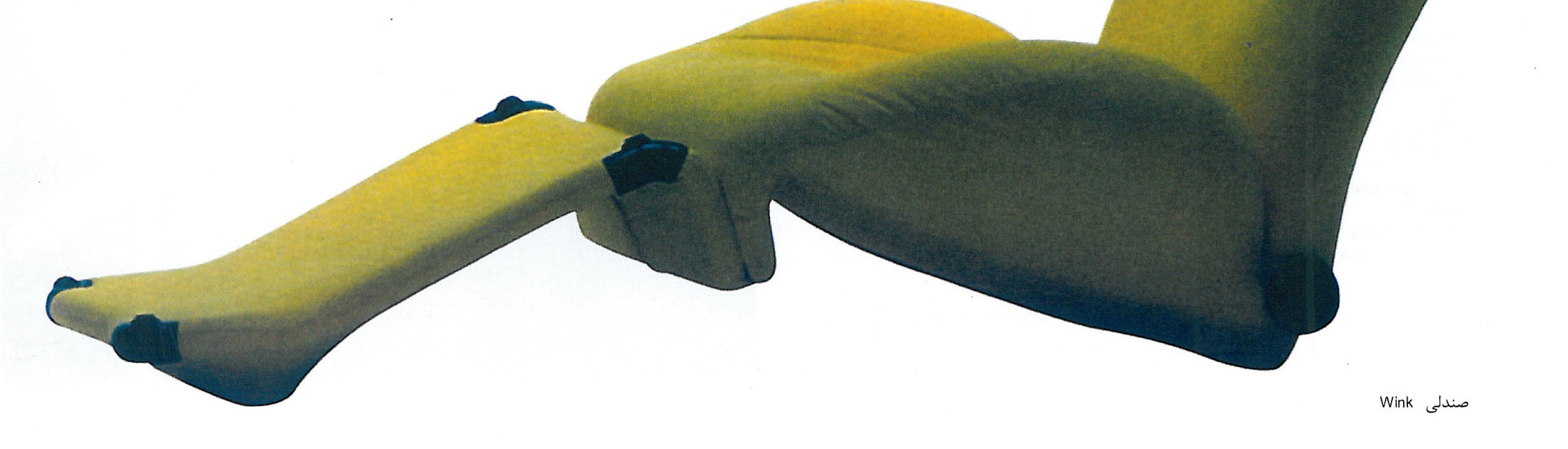
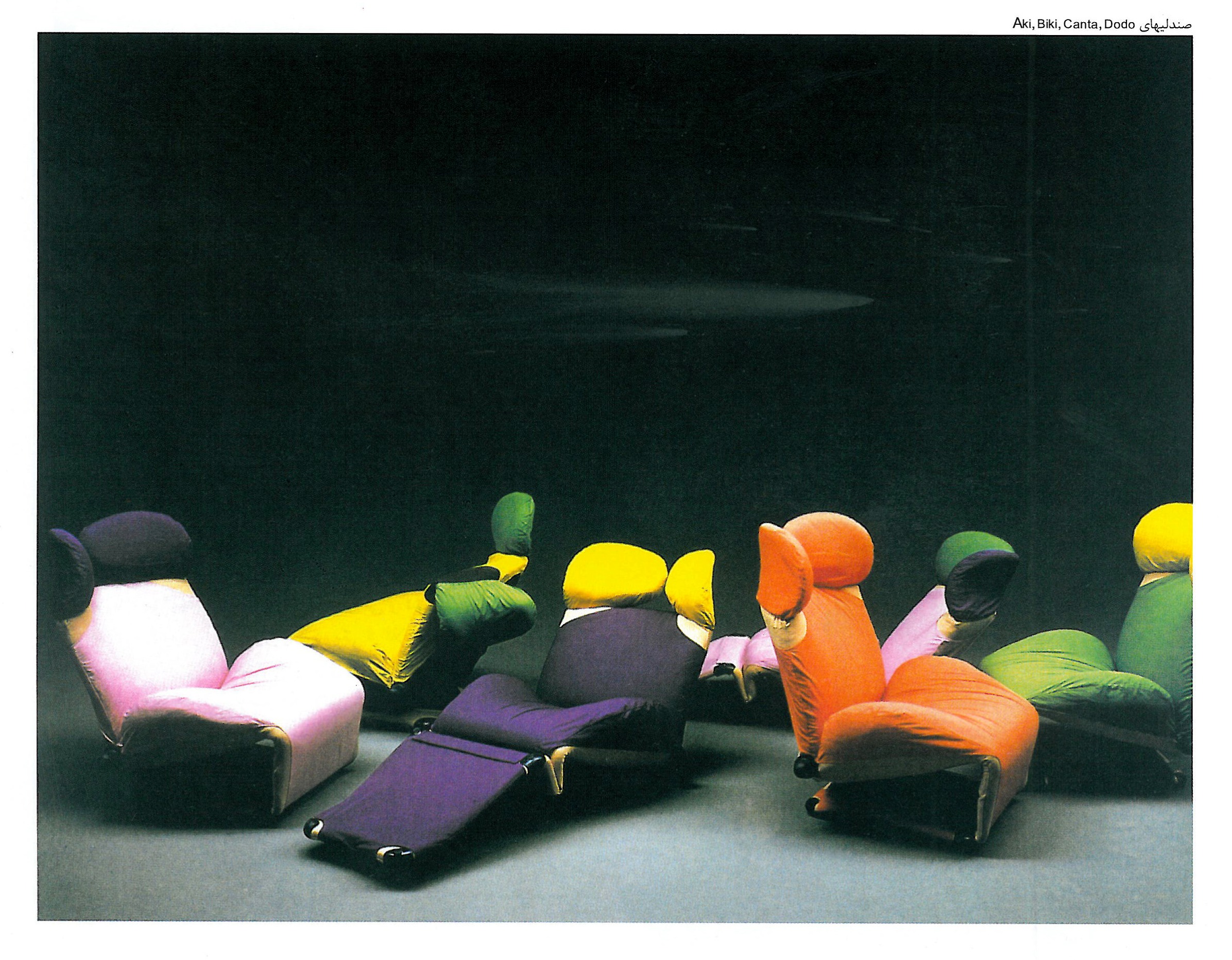
Kita's furniture, with its fanciful forms and saturated colours, is produced in Italy. Although his furniture does not look very Japanese, it is in some way the mental response of a Japanese to Western furniture. The Wink lounge chair recalls a memory from Kita's childhood — the playground where, in any corner, one could comfortably sit or stretch out. The Aki, Biki, Canta and Dodo chairs correspond to the English vowels A, E, I, O — and like birds in nature or words in a poem they are all of a kind. Most of these pieces, designed in earlier decades and produced and sold in Italy, since the late 1990s have also commanded a substantial market in Japan itself.
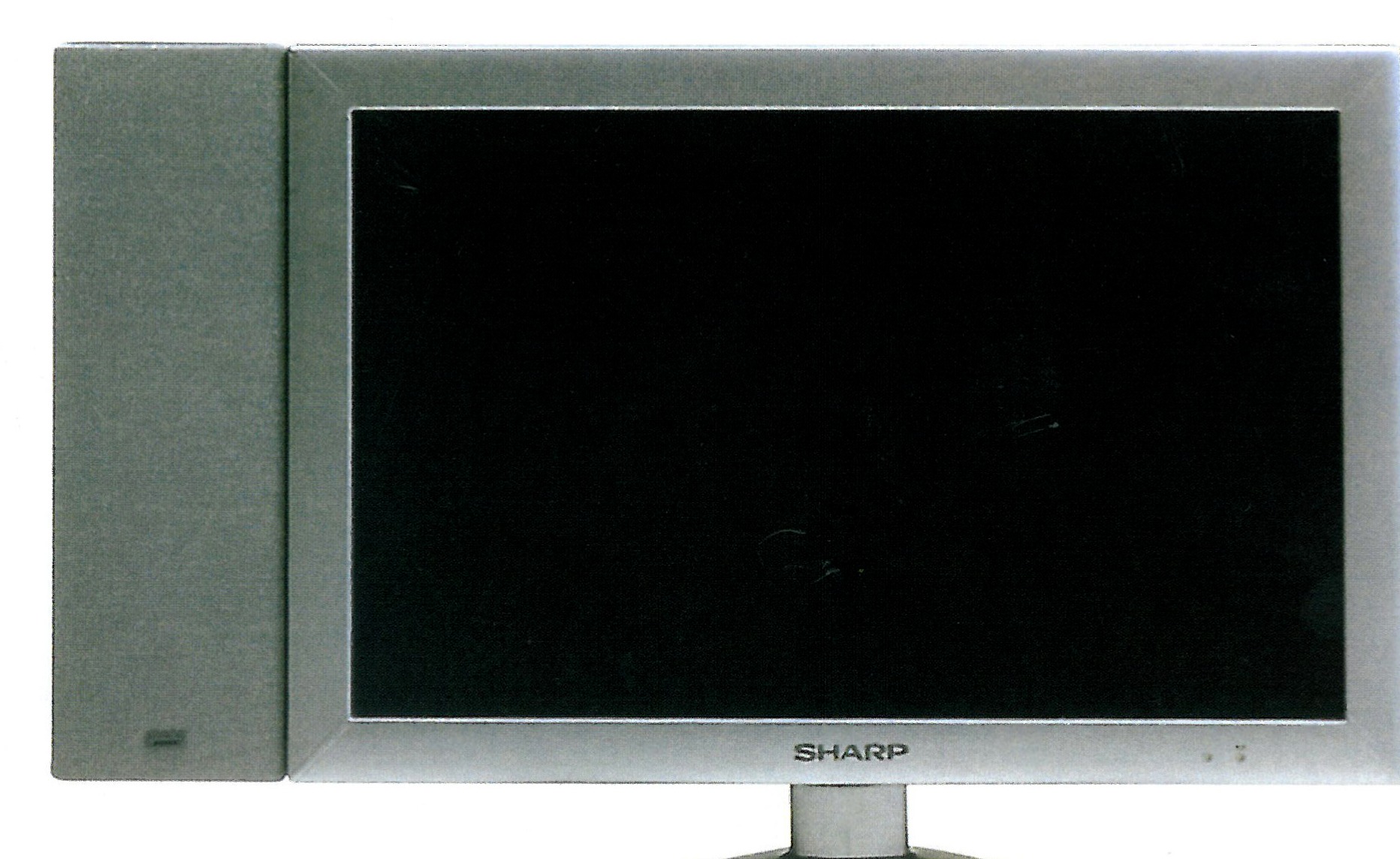
Kita's recent work is the design of an LCD-screen television for Sharp Corporation. At the time of launching its new line of liquid-crystal-screen televisions, Sharp — taking its lead from European and American firms — turned to designers outside the company; though this practice is met with suspicion in Japan, since the Japanese feel that years of experience by the company's own designers are being set aside. Michio Ogawa, the managing director of the Sharp Design Centre, says: "We knew we wanted to move from the common market to the domestic one, and for that reason we needed a new conception of what a television should look like. Our company, in spite of all our technological capacity, had not been able to escape the box-like appearance of its televisions. Mr Kita's particular style is well known in Italy, on account of his furniture and his very human designs. We thought he could meet our expectations of what we wanted to do."
"Over the months, the laconic Mr Kita — who spends half his year in Milan and the other half in the industrial city of Osaka — engaged in a fresh design that, for lack of time and budget, would normally have been entrusted to Sharp's in-house design group. The result of this collaboration was the AQUOS television: an elongated horizontal screen on a base resembling a duck's foot. The number of these televisions sold, from January to the end of June 2001, reached one hundred and fifty thousand."
1 Toshiyuki Kita.
2 Washi and Urushi: Reinterpretation of Tradition, Rikuyosha, Tokyo, 1999.
3 Tako.
4 Zabuton.
5 Tokonoma — basket-hanging alcove for floral arrangement.
6 Lounge chair.
7 Wink.
8 Aki, Biki, Canta, Dodo.
9 Michio Ogawa.
Sources: Tatlin Magazine, Nov/Dec 2002, issue 232. http://www.academyofenterprise.org/articlesjapan.shtml



