At the suggestion of my director friend Azin, who emigrated from Iran years ago, I began writing a screenplay.1 The subject of migration was her main concern, and she wanted the story to take place in southern Iran.
The story took shape around the lives of Black immigrants of African descent who, after several centuries of migration to Iran, still live according to the rituals and traditions of their ancestors — customs that, although changed over time, are still rooted in their beliefs. The deep connection between humans and nature, and how the grandeur and power of nature enchant people.
The book Ahl-e Hava (People of the Air) by Gholamhossein Sa'edi is the best scholarly source on this subject. Below, you will read an excerpt from it...
Ahl-e Hava (People of the Air)
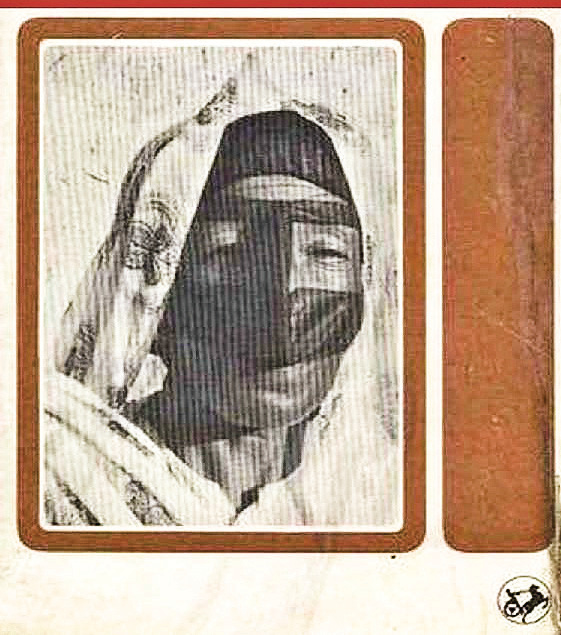
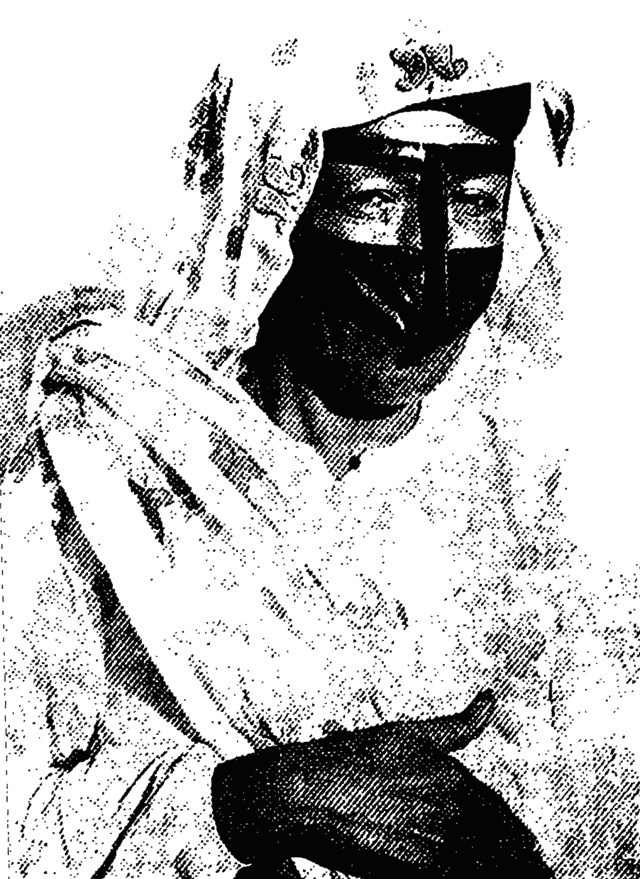
"Ahl-e Hava" is a general term applied to anyone who has been seized by one of the Winds. And the Winds are all the mysterious, ethereal, and magical forces that exist everywhere and dominate all humankind. No person and no power can stand against them, and humans are so helpless and wretched before them that there is no way but accommodation, sacrifice, and submission. The Winds are sometimes merciless, and all flee from them; sometimes they are kind, and some volunteer to receive them. The Winds are everywhere, in all seas and lands, and always seek a body — weary and tormented. And wherever fear and dread are great, the Wind is great. And in every corner where poverty and unemployment are prevalent, the force of the Wind is stronger.
"People of the Air" are all mounts or "steeds" of these Winds, and the Winds are all riders upon the "People of the Air." The Winds come from faraway lands and unfamiliar shores, but mostly from the distant coasts of Black Africa; and the Indian and Persian Winds, though fearsome, are no match for the very great and very black Winds of the African coasts. On the shores of the seas of southern Iran, every kind of Wind is found.
The beliefs of "People of the Air" on the Iranian coasts, like other folk beliefs, have evolved and developed. The Winds, along the path they traveled from Africa to the Iranian coasts, have mixed with various cultures, myths, and tales, and have even changed in character and content...
Thus, according to the "Gaptaran"2 — the elders of the People of the Air — the Winds are afflictions that medical doctors cannot cure, and that can only be treated by a special method that has been customary among coastal dwellers and Blacks for centuries.
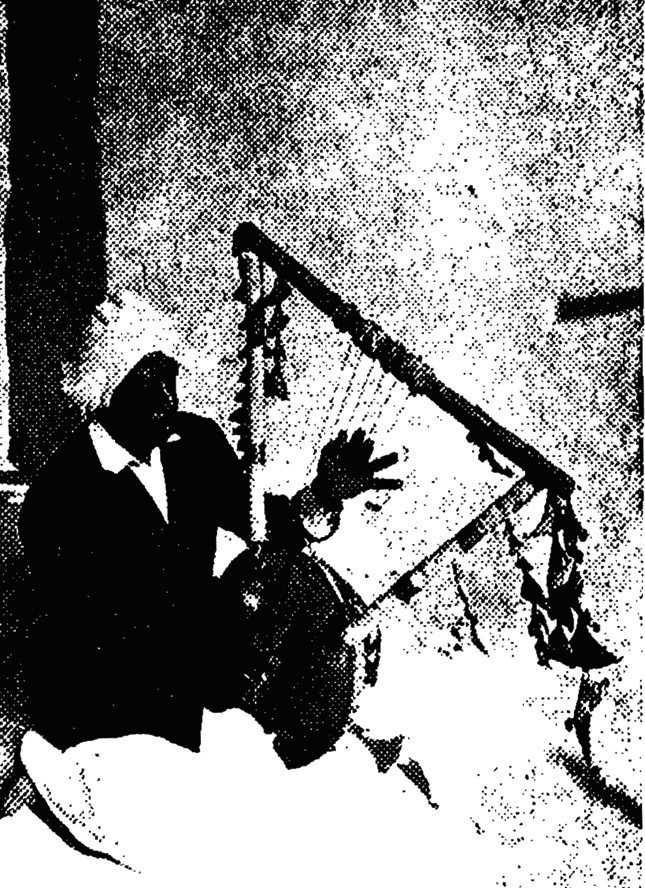
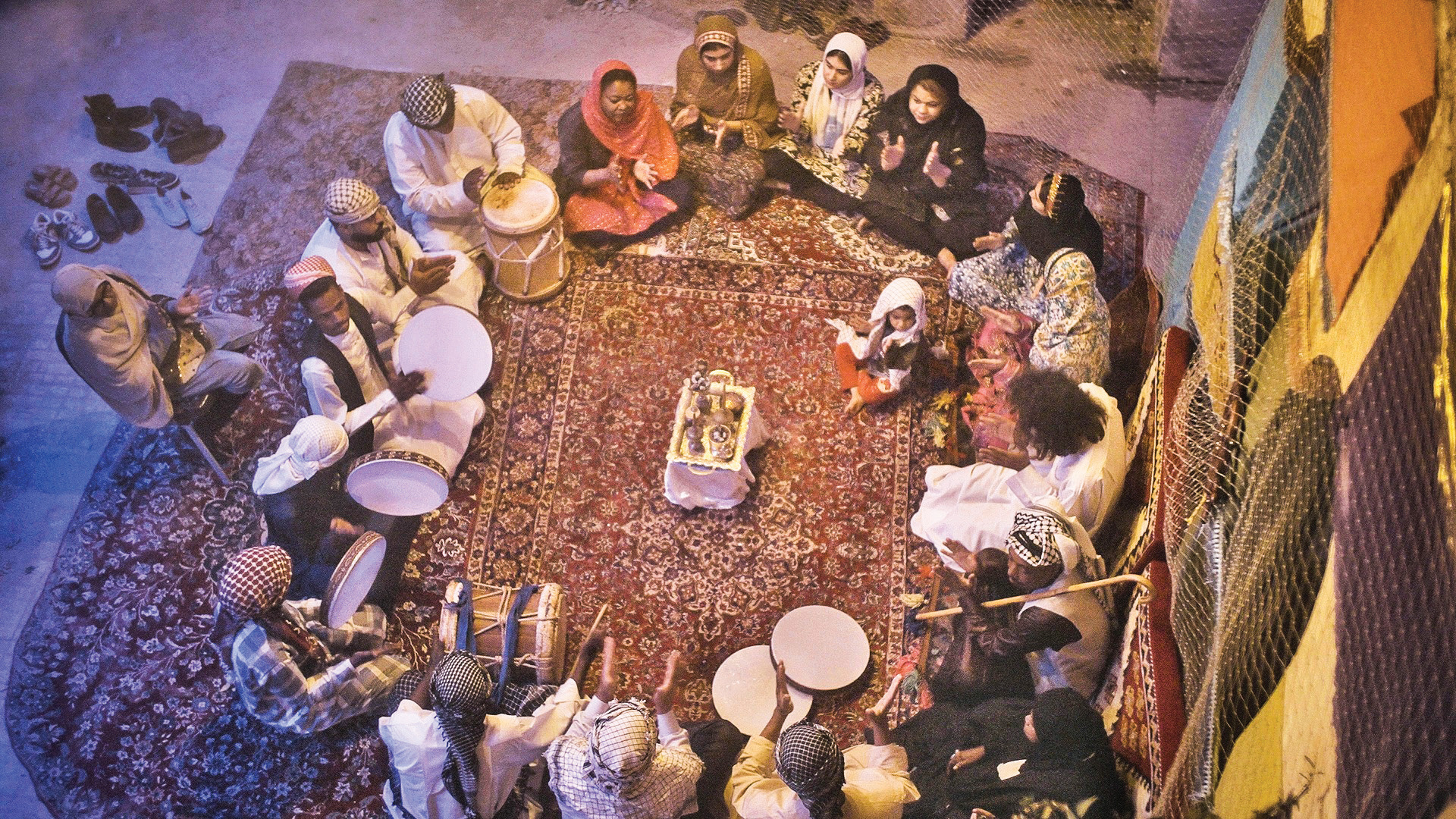
To subdue and control each Wind, the Baba and Mama arrange special gatherings and ceremonies. These gatherings are all for "playing" — and it is through these ceremonies that the Baba or Mama draws the jinn of that Wind out of the patient's body, and the afflicted person is freed. The Winds go to everyone — from a baby in its andoul (cradle) to an old man standing at the edge of the grave. But they prefer the young, because they are more robust and can be good mounts for the Winds.
The City of Pearl
The City of Pearl... is about a ten-year-old child named Hamoun. Hamoun lives with his mother and brother in a coastal village in southern Iran. Their family is of the generation of Iranians of African descent whose ancestors migrated to Iran long ago.
Hamoun suffers an accident — he falls into a dry, deep well. The blow to his head puts him into a coma. After regaining consciousness and recovering, Hamoun tells a story from that well: his encounter with Mama-e Darya (Mother of the Sea), who took him to the depths of the seas and his birthplace... the City of Pearl.
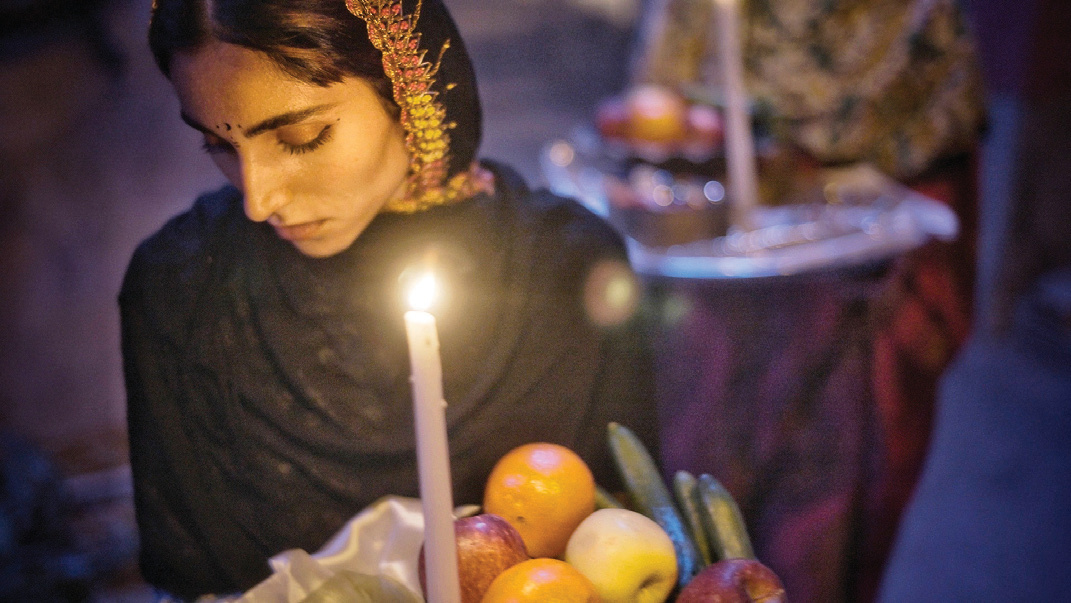
Despite his mother's wishes, Hamoun retells the story of Mama-e Darya to others. The rumor is that Hamoun has become "wind-struck" — a Wind has seized him. The mother, against her inner will and under pressure from those around her, submits to the Zar ceremony and takes Hamoun to the Baba and Mama of the Zar.
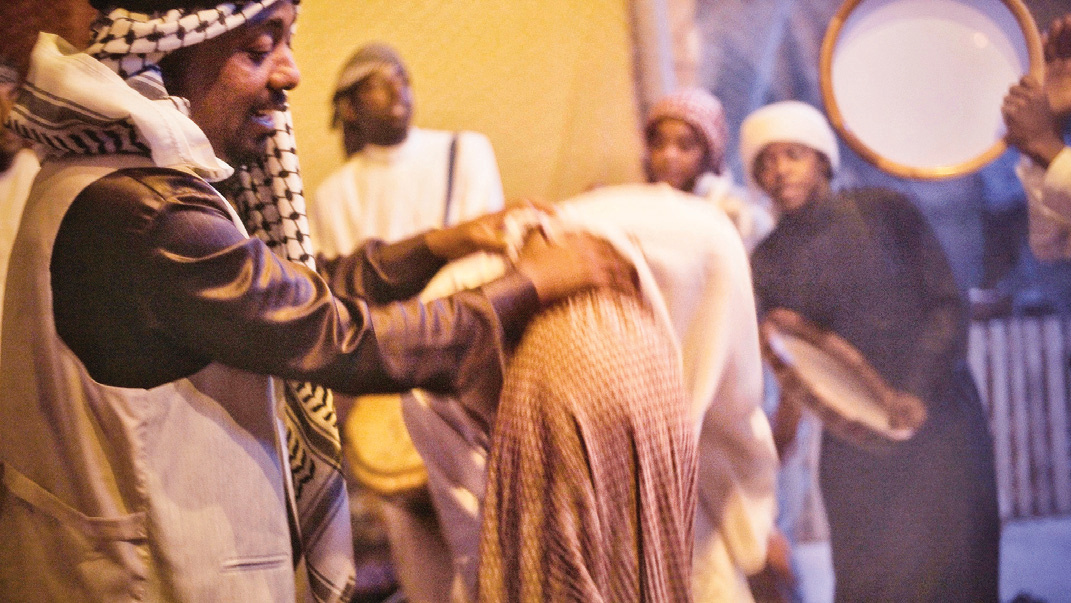
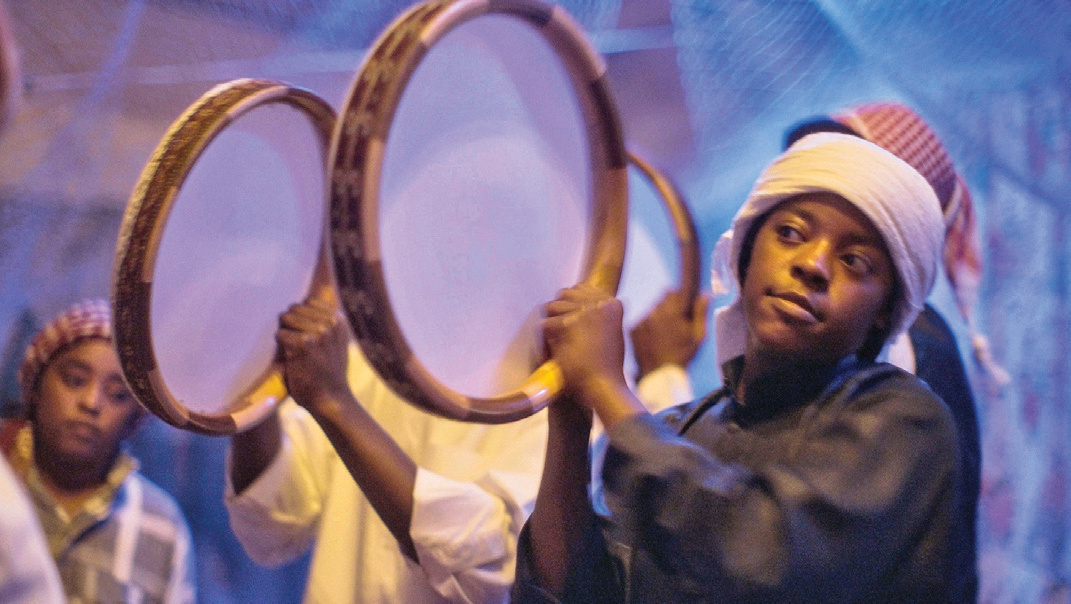
1 Co-writer: Azin Feizabadi
2 Gaptaran — The Elders



