
A brief overview of the works of Seyed Hadi Mirmiran is the subject of the profile section of this issue. He was born in 1323 SH (1944) in Qazvin and graduated in architecture from the Faculty of Fine Arts at the University of Tehran in 1347 SH (1968).
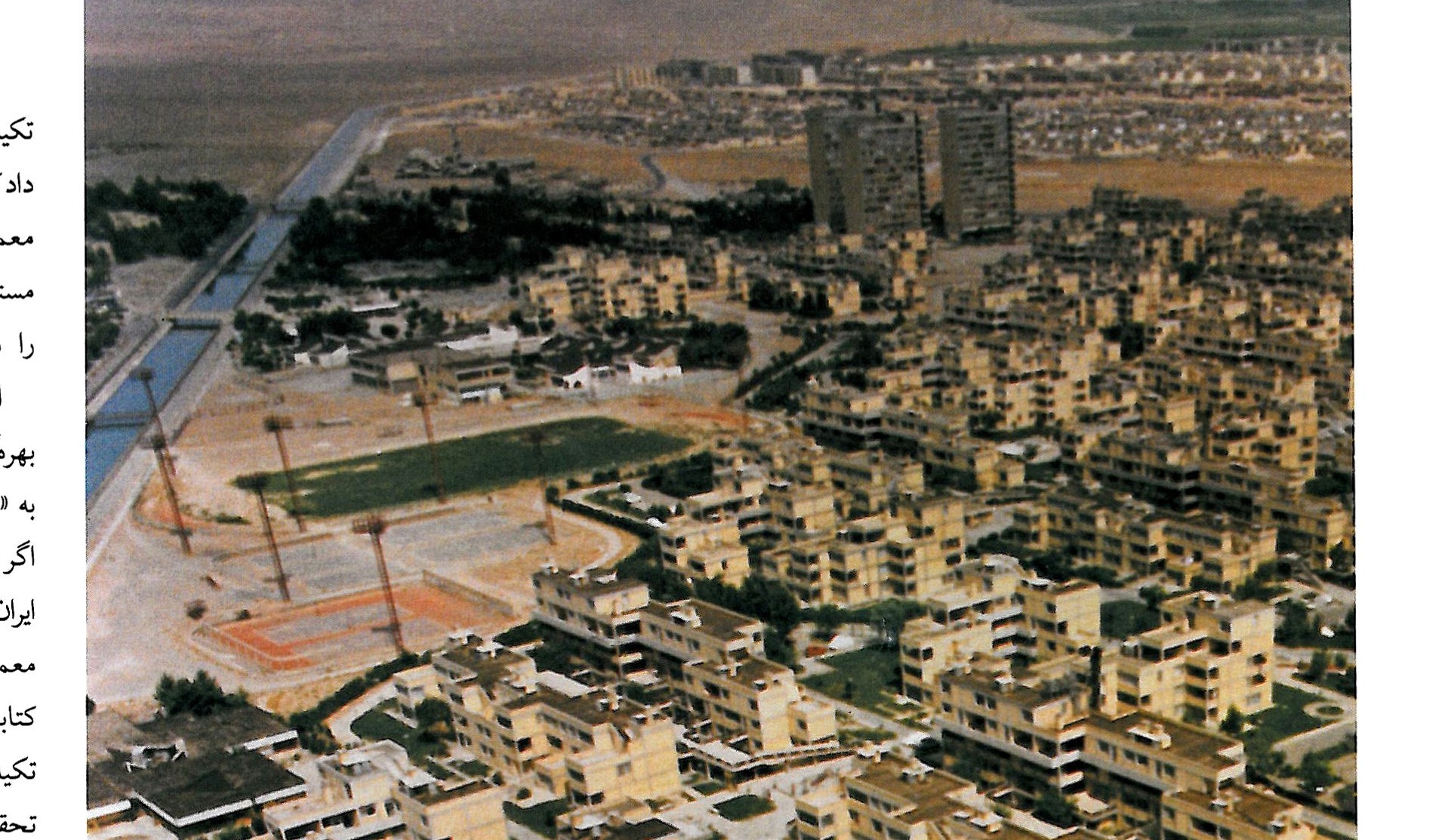
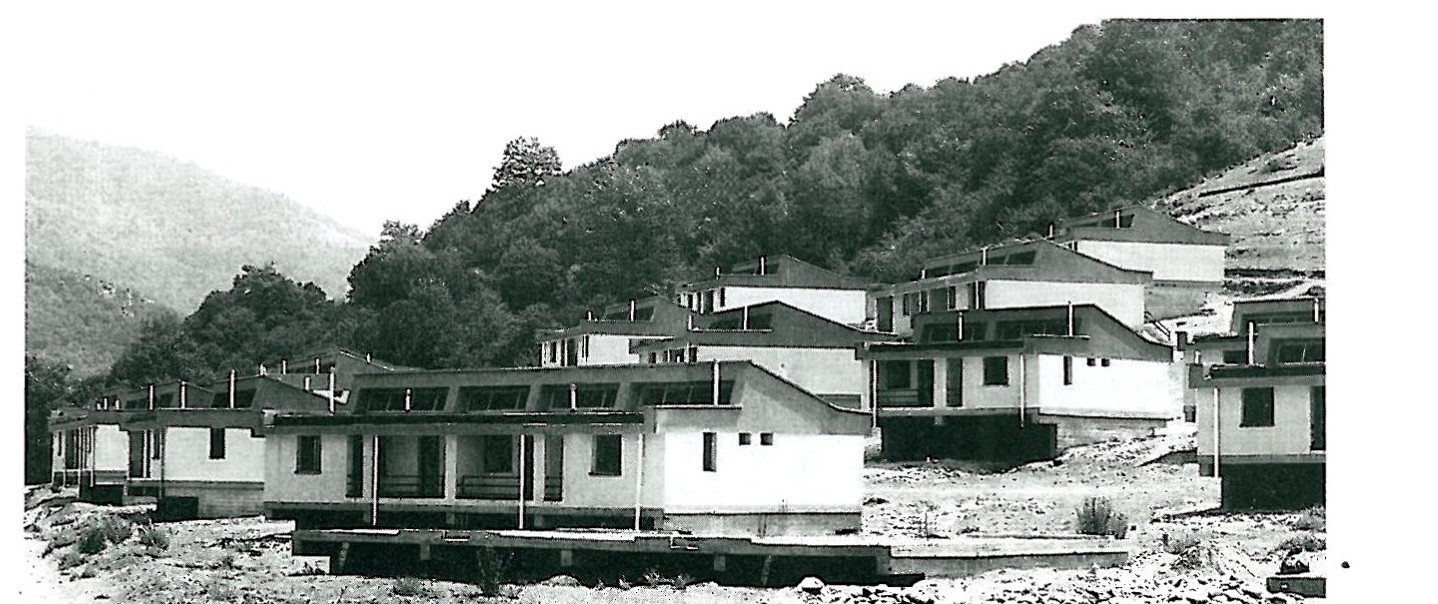
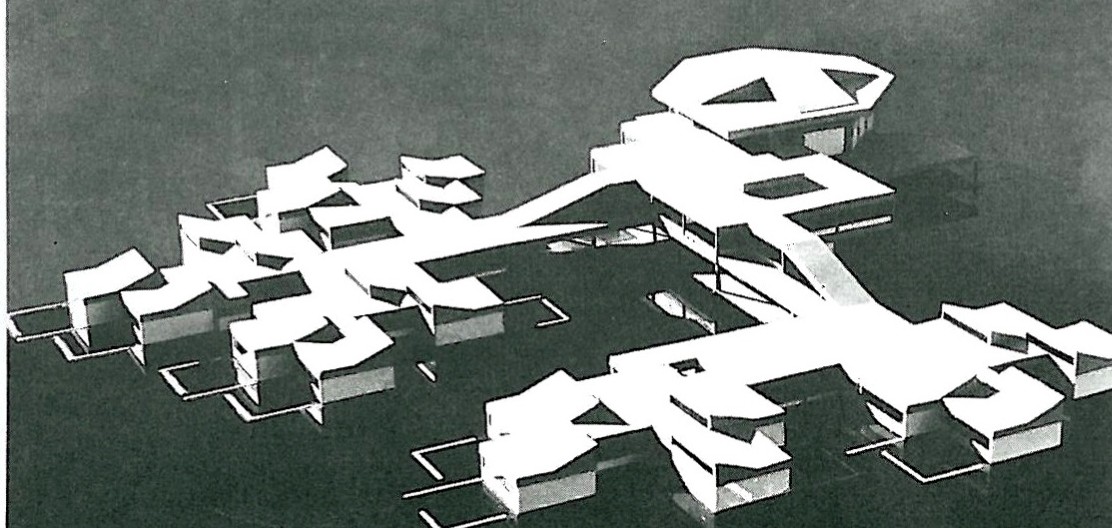
Mirmiran's thirty-year professional career can be divided into three roughly equal periods. In the decade from 1347 to 1357 SH (1968–1978) — from the time of his graduation until the Islamic Revolution — he worked at the National Steel Company (Zoob Ahan) in Isfahan as head of the architectural workshop of the design and urban planning unit, responsible for the preparation and execution of numerous projects in the realm of residential complexes, public buildings, and urban plans in the newly established cities of Poladshahr, Zirab, and Zarand-e Now. He considers these activities as experiences that played an important role in shaping his subsequent work.
From 1357 to 1367 SH (1978–1988), while continuing his work at Zoob Ahan, he collaborated with Iran Housing Company and the General Directorate of Housing and Urban Development of Isfahan. In Isfahan, for the first time within the official sphere of urban planning in the country, he seriously introduced the concept of the "urban region" and, with a brilliant presentation of a successful plan through a difficult and lengthy process of review and decision-making, demonstrated the necessity of attending to the country's urban regions as distinct, separate, and independent arenas within the sphere of urban management and planning. The success of this plan was among the influential factors in the formation of the important October 1372 SH (1993) resolution by the Council of Ministers for the planning of the Tehran urban region and other urban agglomerations in the country.
Since 1367 SH (1988), Mirmiran has continued his work as the founder and managing director of Naghsh-e Jahan Pars Consulting Engineers in the fields of urban planning and architecture. During this period, the preparation of numerous urban plans — particularly several very important plans for the revitalization of the Karim Khani Complex in Shiraz, the revitalization of the Old Square complex and Jame Atiq Mosque of Isfahan, and the streetscape design of Chahar Bagh Avenue in Isfahan — as well as his persistent and active participation in all important domestic architectural competitions, and one international competition, and his remarkable success in most of these as first-place winner, have established him as a prominent and distinguished figure in contemporary Iranian architecture and urban planning.
The evolution of Mirmiran's architecture must be traced within the context of changes and trends in contemporary Iranian architecture over the past seventy years. From the early Pahlavi period and the introduction of modern architecture, the effort to preserve identity and establish a bond with the past has always been one of the important preoccupations of Iranian architects. The scope of these efforts — which began initially with references to pre-Islamic architecture, particularly in the design of governmental buildings — later gave way to the legacy of Islamic architecture, and subsequently took the form of reliance on the fundamental patterns and concepts of past architecture. This showed that without needing to imitate and repeat the familiar elements and outward appearances of past architecture, one could achieve an architecture with an independent Iranian identity.
From this point onward, in Mirmiran's efforts to establish a bond with the past, a continuous movement from "form" to "concept" is evident. If in the design of the Academies of the Islamic Republic of Iran and the Rafsanjan Sports Complex, patterns and forms of past architecture served as the means of connecting with the past, then in the design of the National Library and the National Water Museum, the continuity of the past has been achieved through reliance on concepts and themes drawn from the history and culture of the past. The result of this movement has been a liberation from the bonds of historical forms and patterns, and — in his subsequent works as well, including the design for the National Library of Japan in Kansai and the headquarters of the Export Development Bank of Iran — this trend has continued. Accompanying the subsiding of outward-looking and decorative tendencies, the emphasis on "space" as the essential core of architecture has provided the ground for Mirmiran's participation in the efforts of progressive architects to search for and create fresh, original spaces.
This evolution in Mirmiran's architecture — in which his brief collaboration with Bahram Shirdel in 1374 SH (1995) was also influential — has been considered by some as a weakness. But in my view, neither is Mirmiran's strength his reliance on historical patterns and forms, nor is his weakness his abandonment of them. Being influenced by and aligning with the trends and developments of society and the world in all arenas of culture and society is natural and inevitable.
The essential and defining characteristic of Mirmiran is his extraordinary ability to create original and mesmerizing spaces, and the powerful, immediate, and unforgettable impact of his works on the viewer — prior to and preceding any discussion, analysis, and argumentation. Perhaps this impact derives from the formal characteristics of his works: the simplicity and legibility of connections, as the jury of the Academies competition declared; or what Kamran Afshar Naderi rightly called the "presence of a very specific and powerful central idea" and "the complete elimination of superfluous elements and the reduction of architecture to its primary elements"; and the "transformation of ordinary functions and activities such as entering, pausing, ascending, and gathering into grand ceremonies and meaningful moments of life, and the creation of spaces befitting them."
There is no doubt that the clarity and simplicity and legibility, and the striking and bold volumetric compositions, are prominent qualities of Mirmiran's works. But these alone cannot account for that profound and lasting impact. There is something in his work that is not easily explained in words. We all have the experience that upon seeing a building — such as Hasht Behesht, Khaju Bridge, nearly all of Le Corbusier's works, some works of Mies van der Rohe — a feeling overwhelms us that language is incapable of explaining: the feeling of encountering a magnificent world full of mystery and enigma and secrets. The same feeling that sometimes viewing a wondrous landscape of the sea, the mountains, or the desert also evokes. The rare experience of connecting to a timeless and placeless world.
This quality exists in all of Mirmiran's works. It has nothing to do with the size or height of a building. Even those works that are not overtly "Iranian," and even those that more than placing the future before our eyes convey a sense of history and distant pasts — in the broad sense of the word — and a sense of timeless and placeless space.
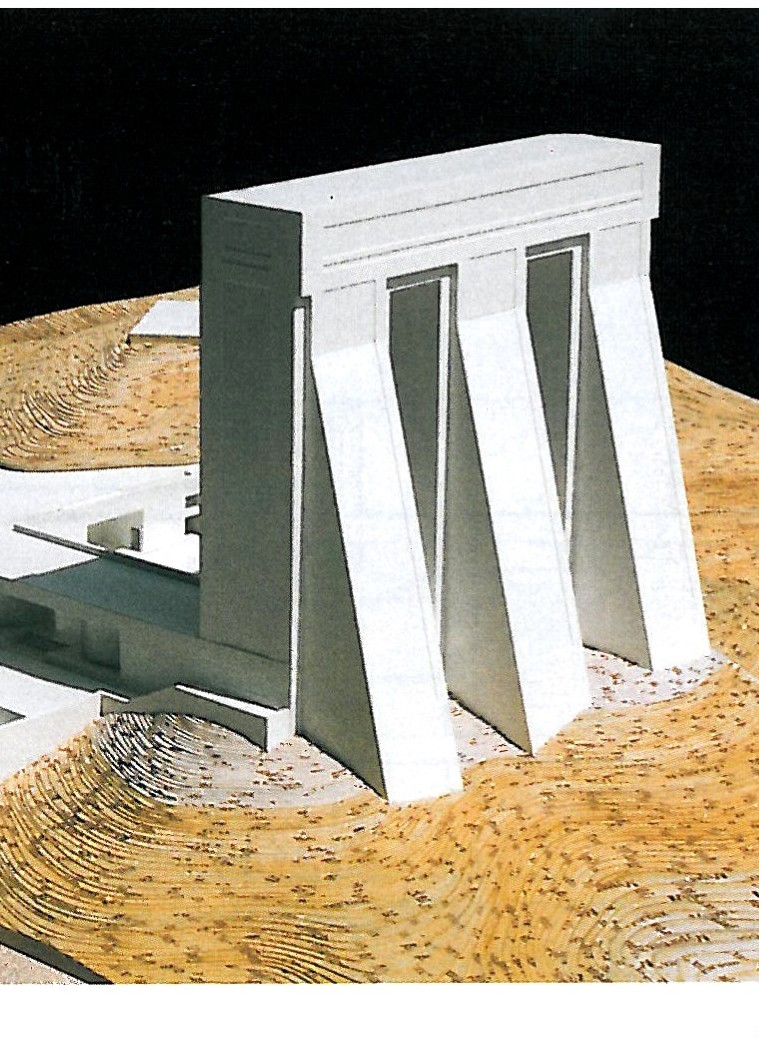
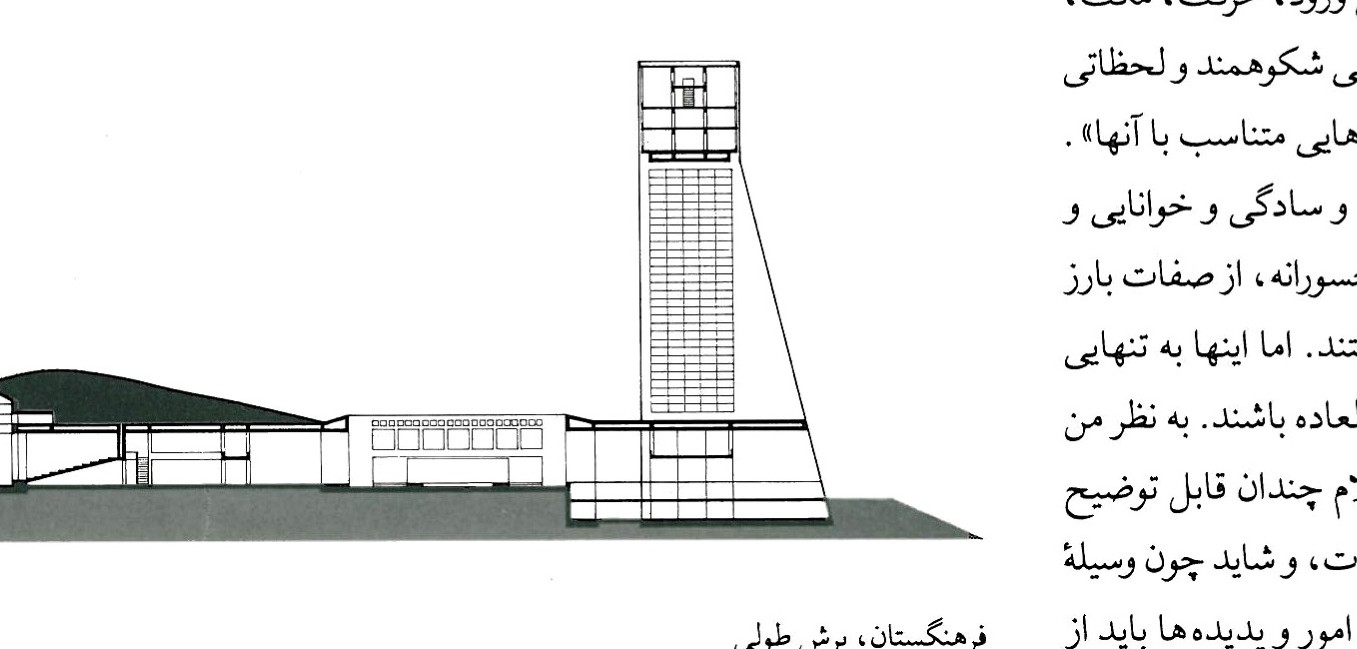
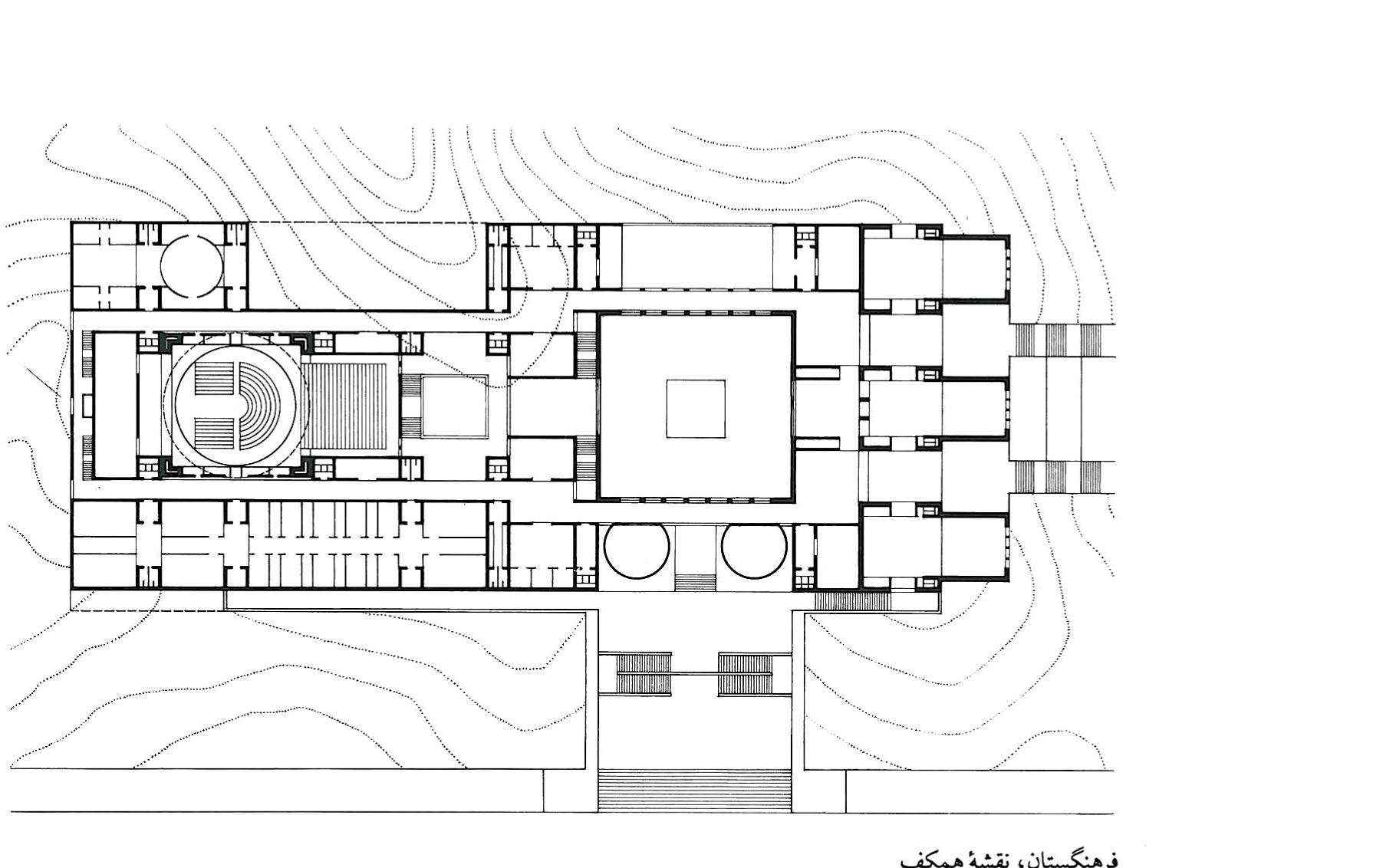
The design for this building won first place at the end of an intensive four-month period of work, in Ordibehesht 1373 SH (May 1994), in a competition announced as the largest architectural competition since the Revolution by the Organization for the Construction of Government Buildings and Public Facilities of the Ministry of Housing and Urban Development.
According to the program, the building comprises three academies — Sciences, Medical Sciences, and Persian Language and Literature — with a combined area of 12,000 square meters; working spaces for scientific groups totaling 12,000 square meters; a library and other ancillary sections totaling 12,950 square meters; a conference and assembly complex totaling 21,350 square meters; and a total built area of 58,400 square meters. Its execution was planned on a plot of land exceeding 82,000 square meters in the Abbas Abad Lands of Tehran. However, some time after the announcement of the results, a different design replaced it, which is currently under construction at the designated site.
In Mirmiran's design, all the program components are summarized in several main elements:
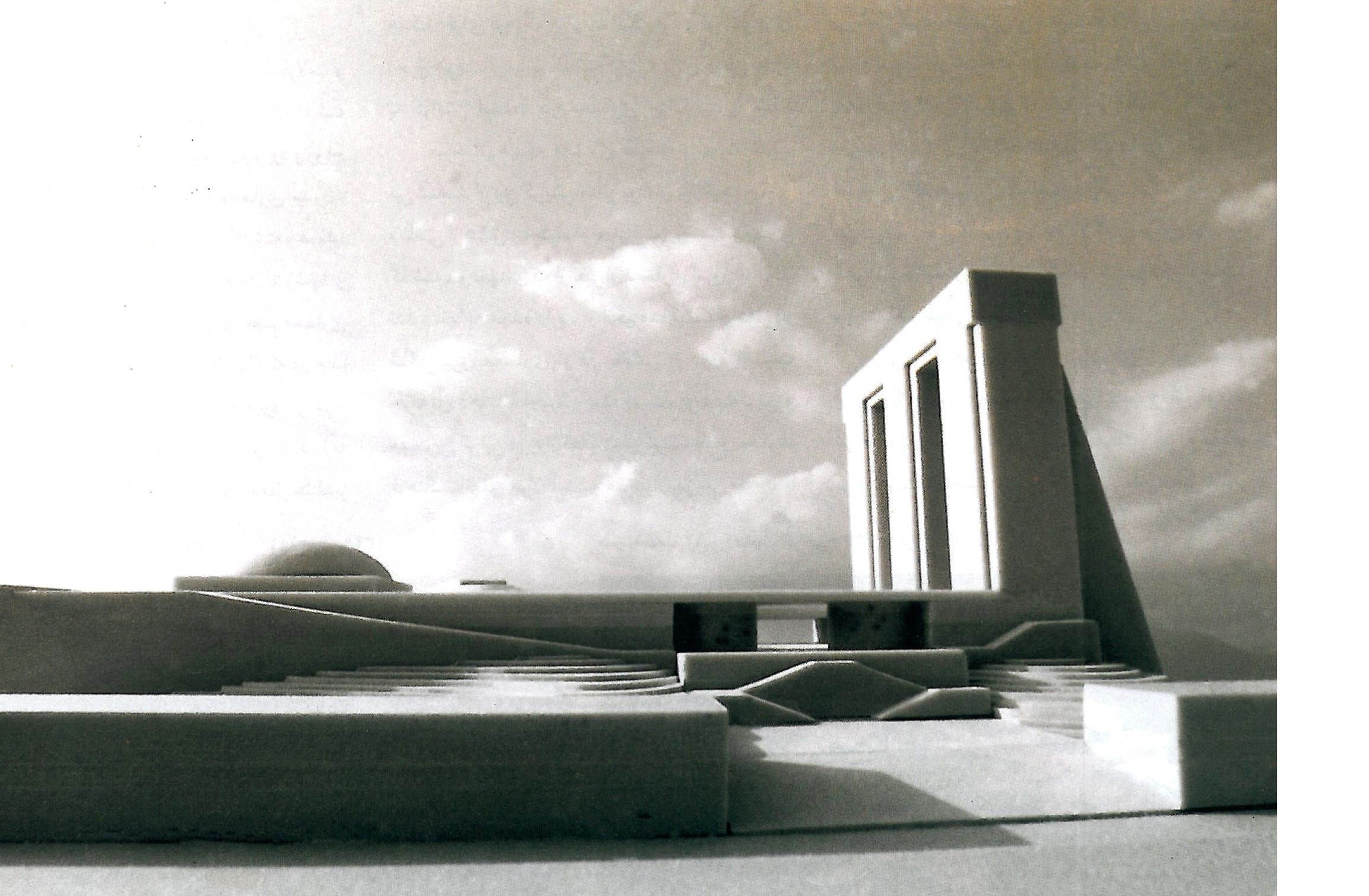
1. A broad horizontal plane measuring 200 by 85 meters, situated on the highest part of the site, oriented north-south. This horizontal plane, or sofa (platform), settles upon the ground with minimal intervention in the natural topography, in a manner that in places it is roughly level with the ground and in others rises above it, and on the northern face, a portion of the hillside has become almost part of the platform. This broad and expansive surface, given its position and the very beautiful vista it commands, serves as the venue for large gatherings and ceremonies in the open air, and is simultaneously the connective element linking all parts of the complex.
2. A lofty structure at the far eastern end of the platform, consisting of three tall towers side by side, which at their upper stories are joined together and have created two tall gateways through which Mount Damavand is visible. Each of these three towers houses one of the three academies, and the upper stories that connect them like a crown are allocated to the library. These three towers lean against three massive triangular buttresses that anchor them to the ground.
3. A spherical protuberance at the far western end of the platform, facing the Academies tower, which covers the roof of the 1,500-person square assembly hall — the most important element of the conference complex.
4. A courtyard within the surface of the platform, between the two main elements. The prayer hall, several halls, and the ancillary sections of the building are located in the basement level, arranged in two stories around this courtyard.
The entrance to the complex is through an opening 45 meters wide in the northern side of the main square. The main access passes through a wall and leads to wide stairs connecting to the inner courtyard, providing direct access to the platform level via a broad ramp. By means of this concise, simple, and clear arrangement — the firm and innovative composition of the main elements, the considered placement on the ground, clarity in circulation routes, and the intelligent application of historical patterns and forms — the designer has succeeded admirably in creating an architecture with Iranian identity while also conveying the importance of the Academies building as a distinguished national landmark and urban monument.
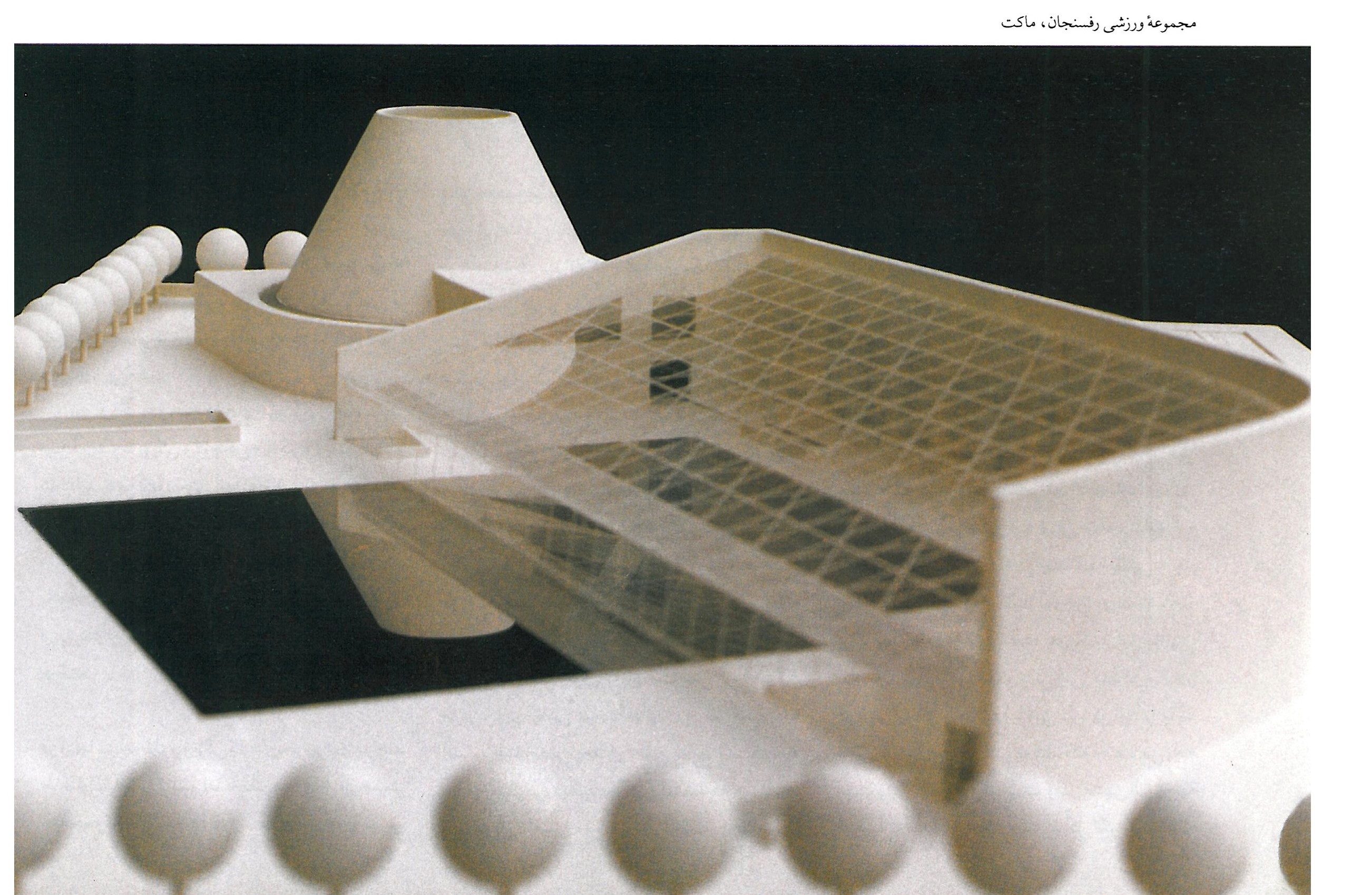
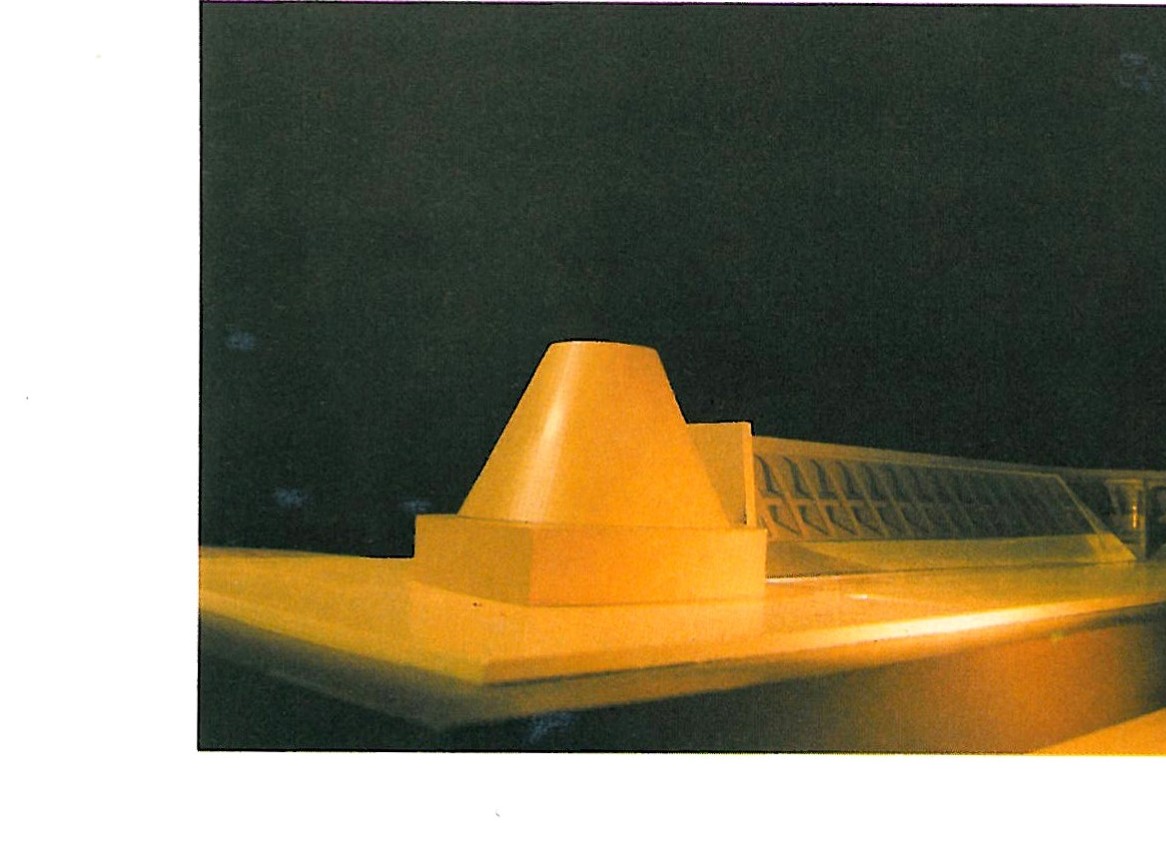
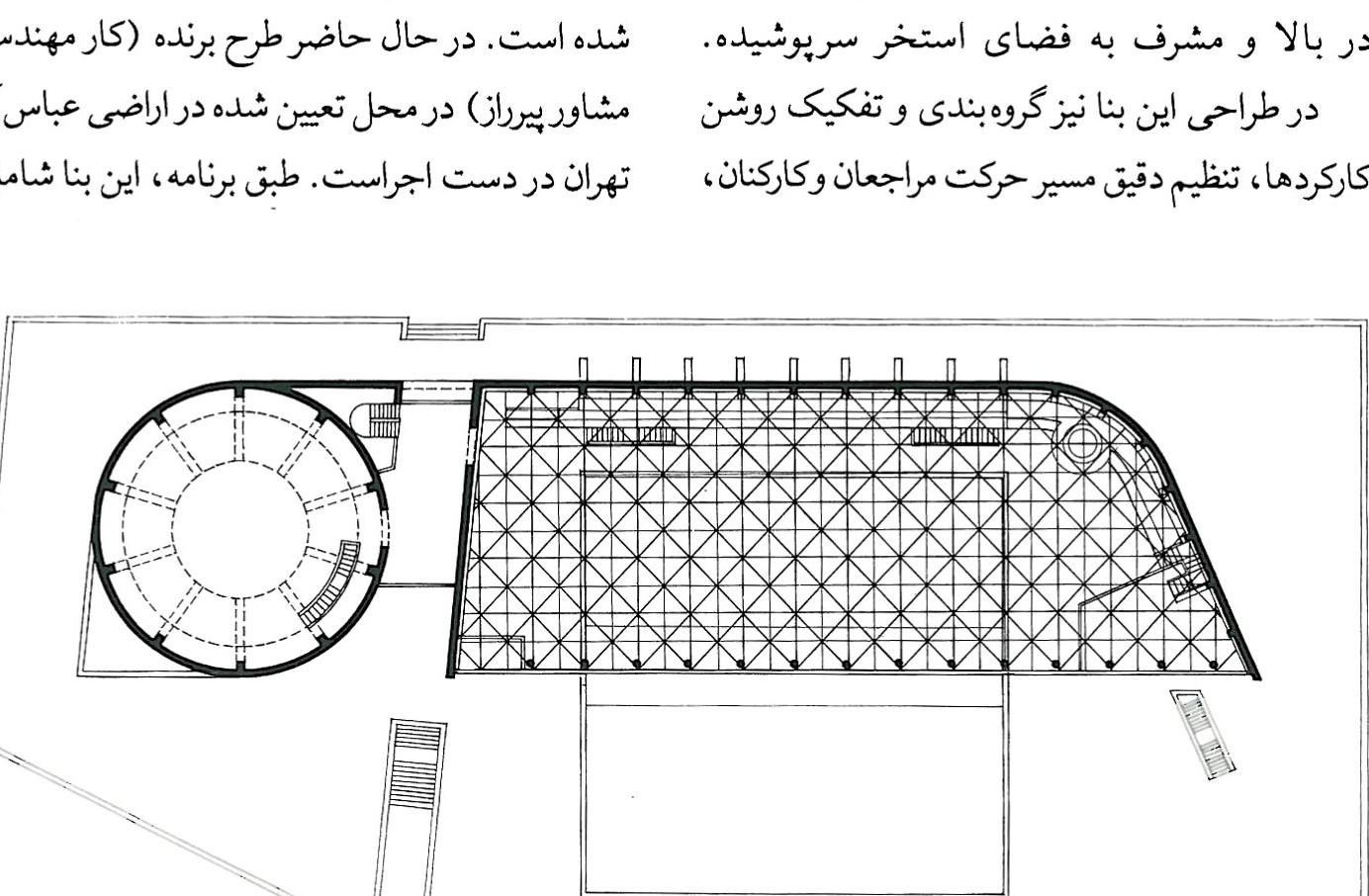
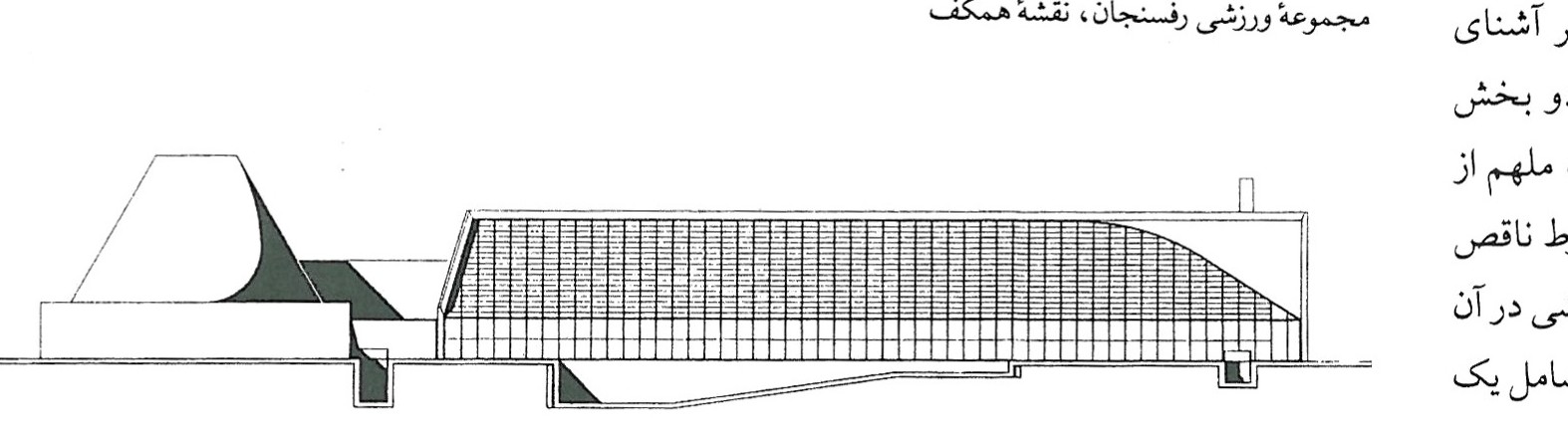
In Dey 1373 SH (January 1995), a competition was organized by the Technical and Construction Deputy of the Tehran Municipality for the design of the Museum and Presidential Documentation Center, the "Cultural-Sports Complex of Rafsanjan City," in which Mirmiran's design won first place. Due to the selection of another design for execution, the client proposed that the idea of this design, with modifications, be used for the construction of a sports complex within the same cultural complex, and the design is currently under construction.
The site is a right-angled trapezoid of approximately 7,500 square meters, located in the western portion of the Cultural-Sports Complex of Rafsanjan, in Qotb Abad Park — one of the green and tree-filled spots and recreational centers of the city. According to the program, it has two main sections: swimming pools (indoor and outdoor) and sports halls (gymnasium, squash courts, badminton courts, and a multipurpose hall). The total built area is approximately 3,250 square meters, the total landscaped area approximately 3,200 square meters, and the outdoor pool area approximately 560 square meters.
This complex is one of the examples in which Mirmiran has drawn upon patterns and forms from Iran's past architecture. In this work, his source of inspiration is the form and design of the yakhchal (ice house) — one of the familiar elements of Iranian desert architecture. The building comprises two sections: opaque and transparent. The opaque section, inspired by the dome-like form of traditional ice houses, is a truncated cone that receives light from the ceiling, with sports halls arranged within it on two levels. The transparent section consists of a tall and long wall against which a slanted glass roof leans, covering the indoor pool. This slanted glass roof is an interpretation of the shadow of the tall wall falling upon the ground.
The contrast between these two transparent and opaque sections, which the entrance space of the complex connects, is among the original and striking features of this building. The curve of the tall wall on the east, in response to the curve of the truncated cone on the other side, has created a pleasing balance in the building's form.
In the design of this building, the clear grouping and separation of functions, the precise regulation of circulation routes, the simplicity and clarity of forms and volumes, and the artful use of patterns and forms from traditional architecture have resulted in a beautiful, pleasing building harmonious with the architecture and desert climate of the region.
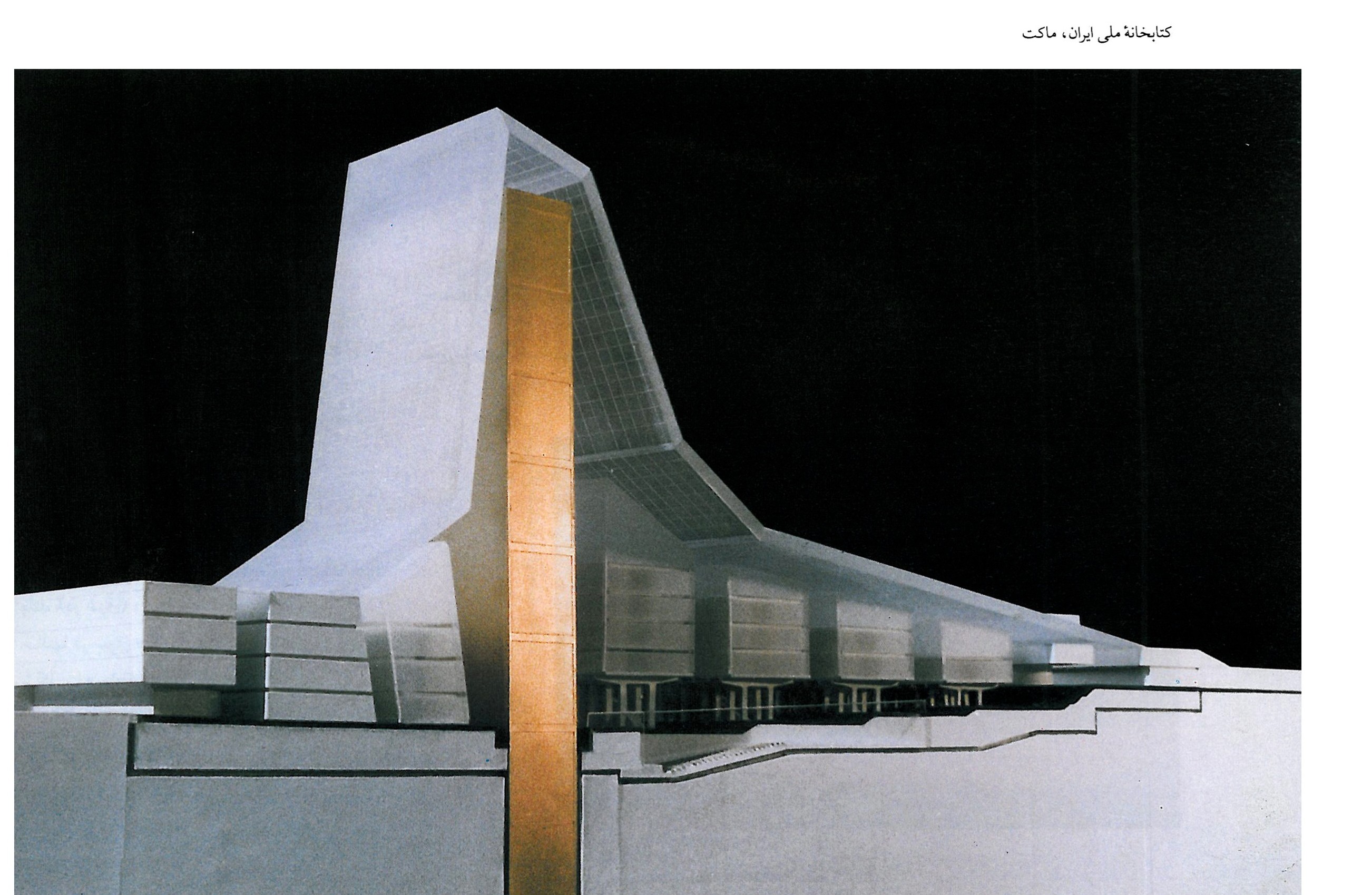
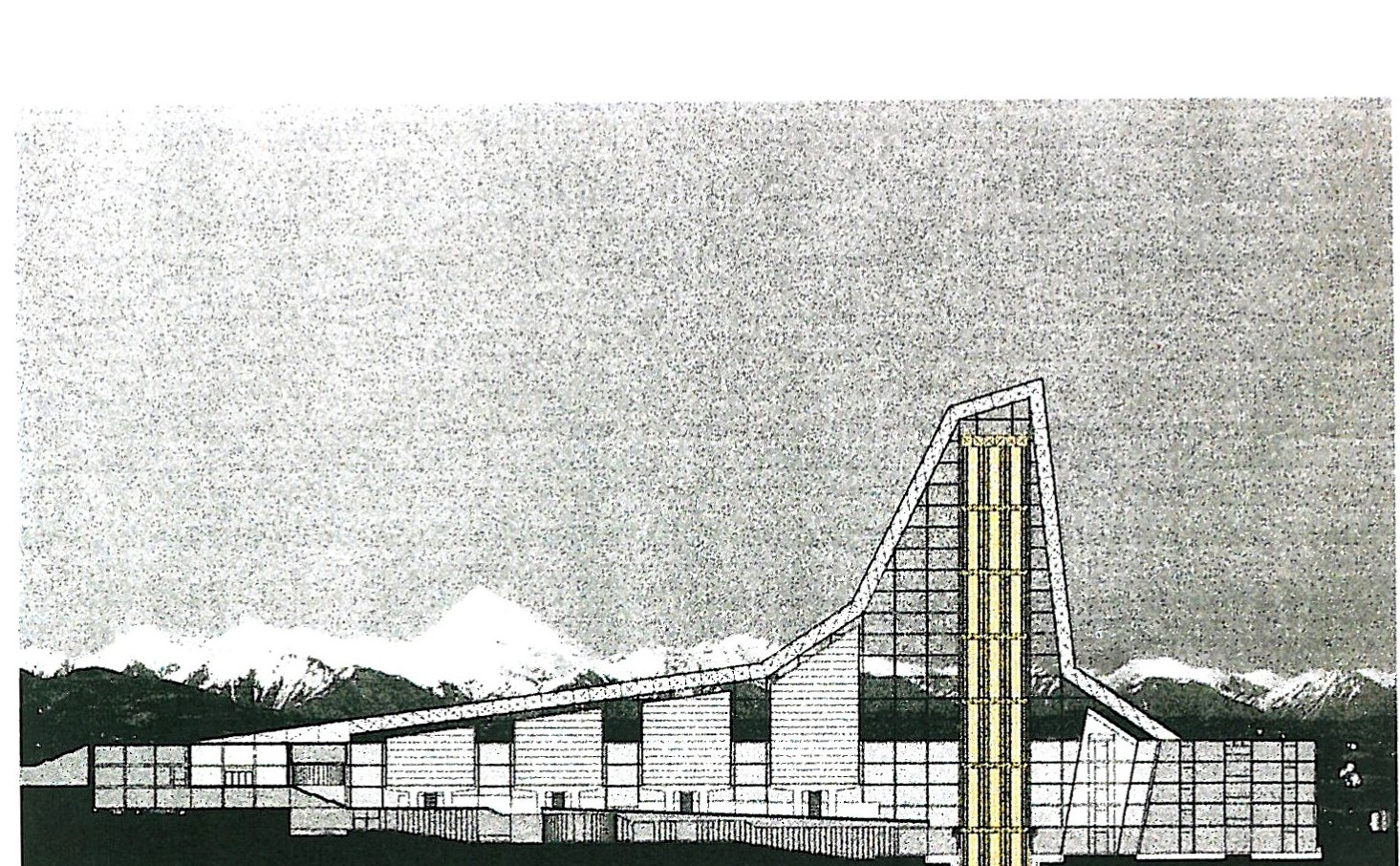
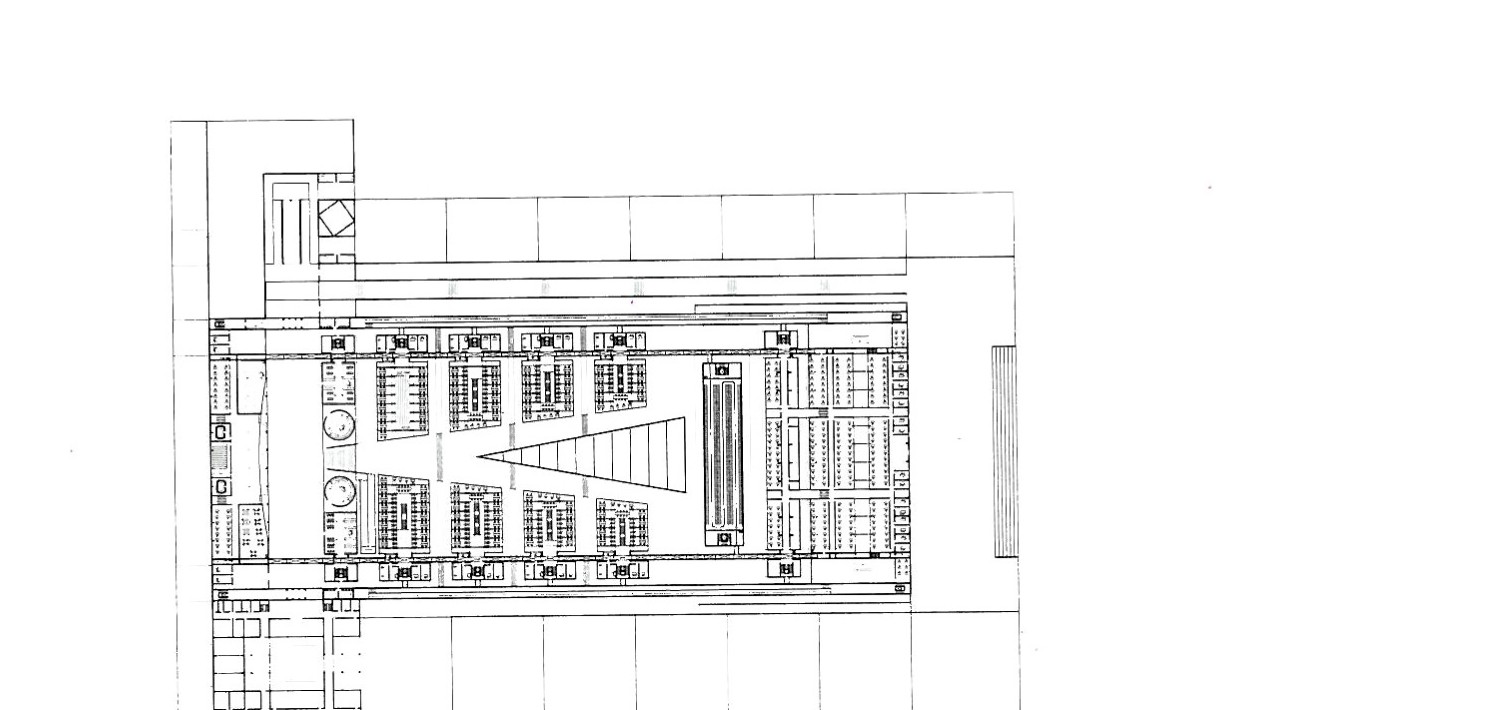
The design for this building was prepared for participation in the second major architectural competition after the Revolution, organized by the Organization for the Construction of Government Buildings and Public Facilities of the Ministry of Housing and Urban Development with the participation of five selected groups of consulting engineers. Its results were announced in Mordad 1373 SH (August 1994). Currently, the winning design (by Pirraz Consulting Engineers) is under construction at the designated site in the Abbas Abad Lands of Tehran. According to the program, the building has a total floor area of approximately 90,000 square meters, divisible into three main sections: closed book stacks, research libraries and research centers, and support and services.
In this design too, Mirmiran considers the most important principle to be establishing a deep connection with Iranian culture and civilization. However, unlike his approach in the Academies and the Rafsanjan Sports Complex — where the refinement and distillation of Iranian patterns and forms served as tools — here the reliance has been on concepts, themes, allusions, myths, and cultural memories.
The most distinctive element of the design is a rectangular prism — very tall, wide, and slender — which houses the closed book stacks. The form, proportions, and function of this element are inspired by the concept of the Lowh (Tablet) of Iranian and Islamic tradition. Opposite this tall structure, eight separate and shorter blocks on pilotis are placed at intervals, arranged in four staggered rows, for the accommodation of research libraries and research centers. The height of these buildings gradually diminishes from the tall stack building toward the entrance, forming a sloping line that descends from the summit toward the entrance.
These separate buildings all rest on a broad and rectangular platform that has fractures following the natural slope of the terrain. This spacious surface, while linking the elements of the complex, serves as the location for support sections, the public library, and other spaces requiring less control. Following these, the boldest and most striking element is a glass and metal lattice canopy, delicate and transparent, that spreads like a net over the entire complex, creating beneath it a vast and luminous space in which all elements are visible. This transparent covering, following the uneven heights of the buildings, takes the form of a broken pyramid that rises gradually from the entrance to its peak above the tall stack building, then plunges down steeply onto the administrative sections behind.
Although the jury praised this design's "striking facade" in the competition, it did not win due to the difficulty and high cost of execution. Nevertheless, it succeeded in leaving behind a very brilliant example of the artful design of an important memorial and national building.
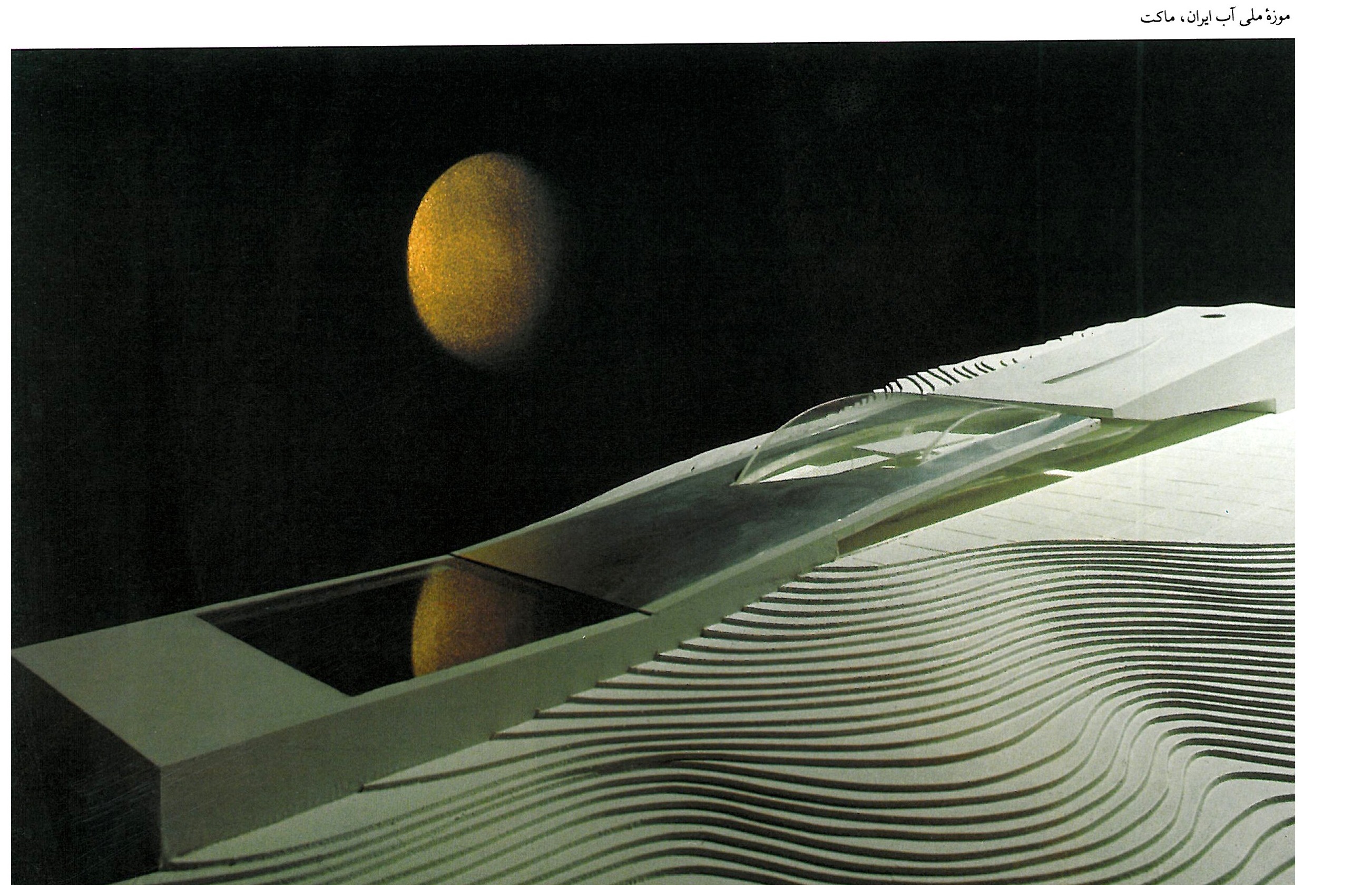
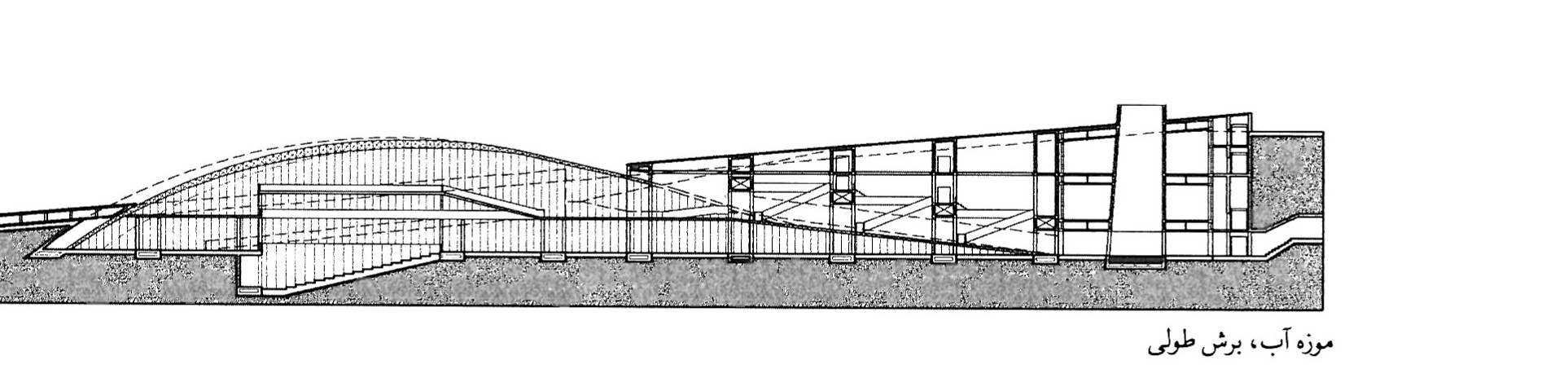
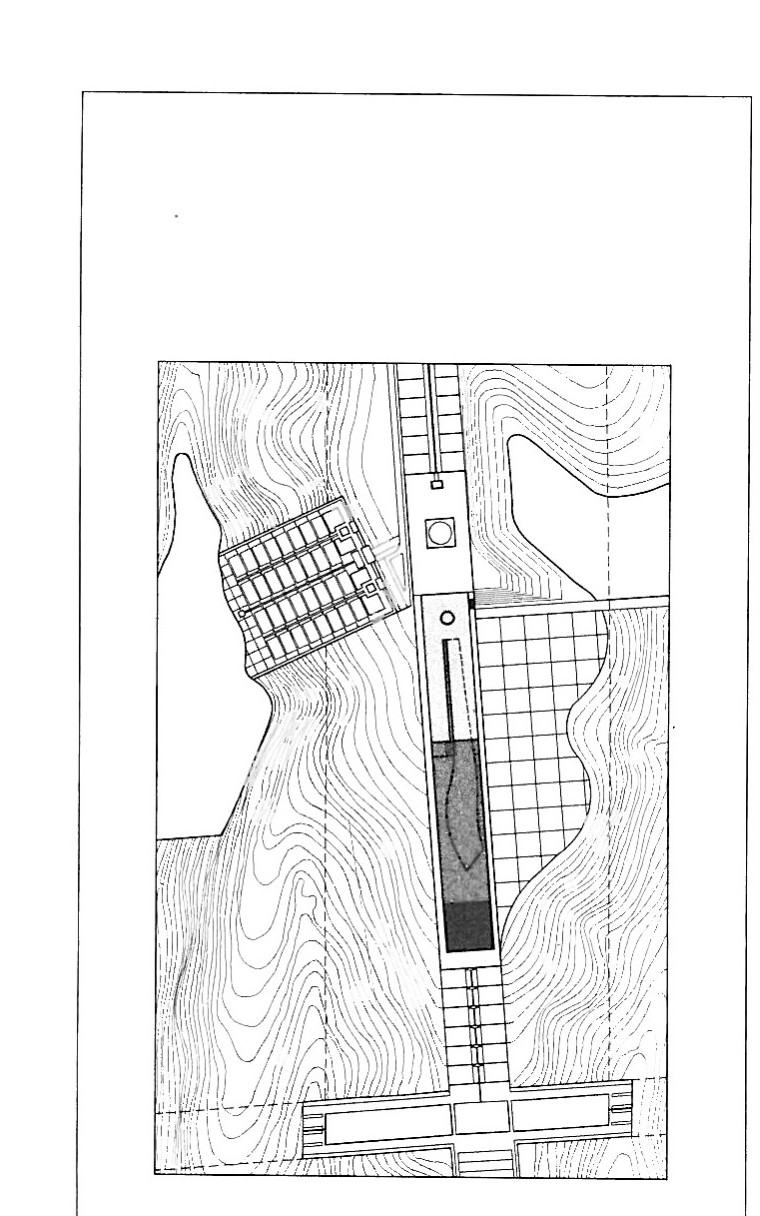
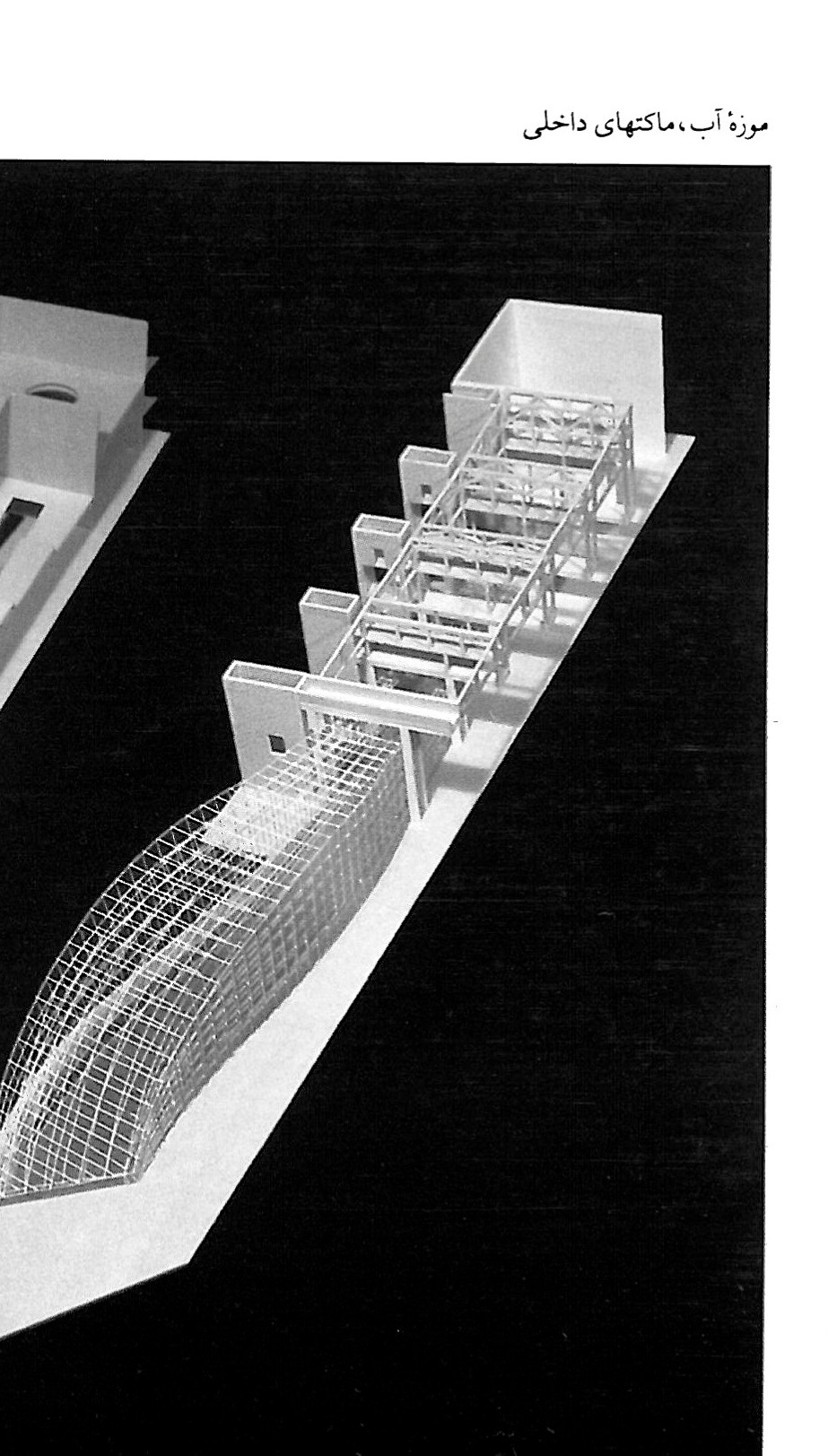
The preparation of the design for the National Water Museum, for the purpose of collecting, preserving, and displaying Iran's achievements in the field of water supply, distribution, and use, was commissioned in 1374 SH (1995) by the Ministry of Energy to Naghsh-e Jahan Pars Consulting Engineers.
For the construction of this building, a plot of land of approximately six thousand square meters, at the highest point of Pardisan Nature Park in western Tehran, has been designated. The museum comprises five sections: administration, museology, education, services, and finance-administration, with a total built area of 5,780 square meters. The museology section, with approximately four thousand square meters, is the largest and most important part. It includes permanent and temporary galleries in two groups and operates in five departments: History of Water, Understanding Water, Water Applications, Water Aesthetics, and Water Conservation.
The effort to continue past architecture in this design — which was prepared in collaboration with Bahram Shirdel — takes the form of relying on "concepts" rather than "forms" as the tools of creation: the concept of water in the land and culture of Iran, where water has always emerged from the heart of soil and rock, and alongside and in contrast with it, has found meaning.
On this basis, the combination of dry and wet, or the combination of two volumes — dark and transparent (stone and glass) — has been conceived as the main design idea. The entire main museum building is contained within a rectangular envelope measuring 26 by 200 meters. The northern half is a dark, closed, and stone volume with a sloping roof reaching a maximum height of 18 meters, and the southern half is a free, transparent, and glass volume that has emerged from the heart of the stone volume.
Due to the terrain, the building is embedded in the earth from the north and west, while from the south and east it is free and level with the surrounding ground. The main entry is a ramp on the ceiling of the stone section, and movement within the building takes place through a series of ramps connecting different levels. In the design, the beautiful vista and the particular natural setting of Pardisan Park, including the main pedestrian axis to the south and the vehicular access to the north, and two lakes to the east and west, have been well utilized in the positioning and arrangement of the building.
Here too, the design has succeeded in adhering to a powerful and specific formal idea. In the external form, through the artful combination and interweaving of two dark and transparent volumes, and in the interior, through the creation of multiple free surfaces and the free movement of ramps among them, it displays the ultimate in diversity, complexity, and beauty within a volume and composition of the utmost simplicity.
1. The plan for the Karim Khani Complex of Shiraz, which in 1373 SH (1994) won the "Abadi Prize" in the design category, has been introduced in Abadi issues 12 and 26, and the Chahar Bagh streetscape design in Abadi issue 16.
2. The design for the National Library of Japan in Kansai, together with Bahram Shirdel, which was ranked among five selected designs.
3. The article "A Critique on the Theoretical Foundations of the Design of the Academies of the Islamic Republic of Iran" published in the Journal of Architecture and Urban Planning, Issues 28 and 29, Azar 1373 SH (December 1994), and the article by Kamran Afshar Naderi in the same journal, Issues 28–29, Azar 1373 SH.
4. Quoted from the above article.
5. The detailed program of the library, the design explanations by the consultants, and the jury's evaluation opinions and results have been published in Abadi magazine, Issue 17, Summer 1374 SH (1995).