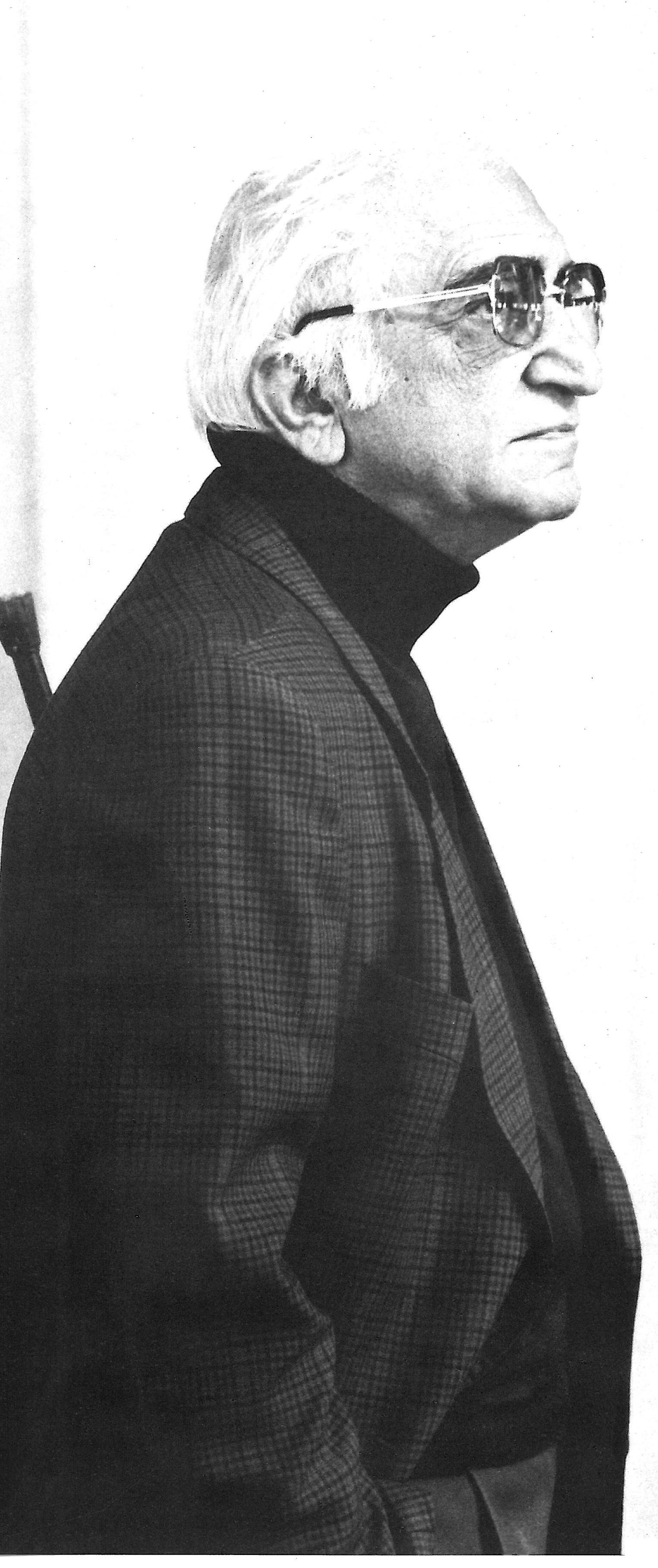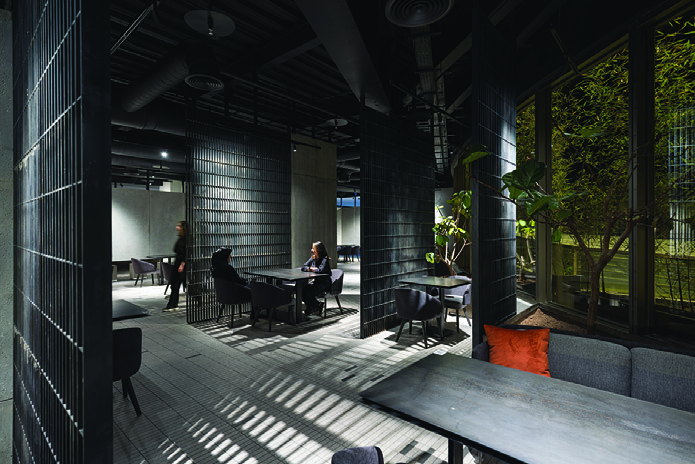
Among the architects of Youssef Shariat-zadeh’s generation (born circa 1309 SH / 1930), it is difficult to find someone who has worked as much and spoken as little as he has. This does not mean he has nothing to say. The architect’s speech is his work. Shariat-zadeh’s speech, too, is his forty years of professional practice. But after forty years during which nothing substantial has been said about these works, it is extremely difficult to articulate what this speech is. Forty years—if they constitute the making of an architecture, or a new chapter of architecture—is an opportunity that, if lost, can never be recovered at any price.
Although architecture is a commodity available to all, the discussion about it essentially belongs to the cognoscenti who, over the past forty years, have shown no particular interest—neither the voice of criticism in the professional sphere nor the teaching of theory in architectural schools. If there were architects who, in this silence and obscurity, tried to present their works or use those same limited forums for discussion to win the hearts of the cognoscenti, Shariat-zadeh was not among them. He is fundamentally a social person who devoted himself entirely to architecture itself—architecture for the consumer of architecture.
Shariat-zadeh has sometimes been called a functionalist or a rationalist—labels he himself does not accept. In every era, emphasis on one particular tendency and exaggeration of its role has caused certain values to be regarded as the only important one among all others. For example, what was sometimes unjustly praised and sometimes unjustly condemned was the negation of all values from one camp and the affirmation of all from another. Shariat-zadeh has always remained free from such partisan positions.
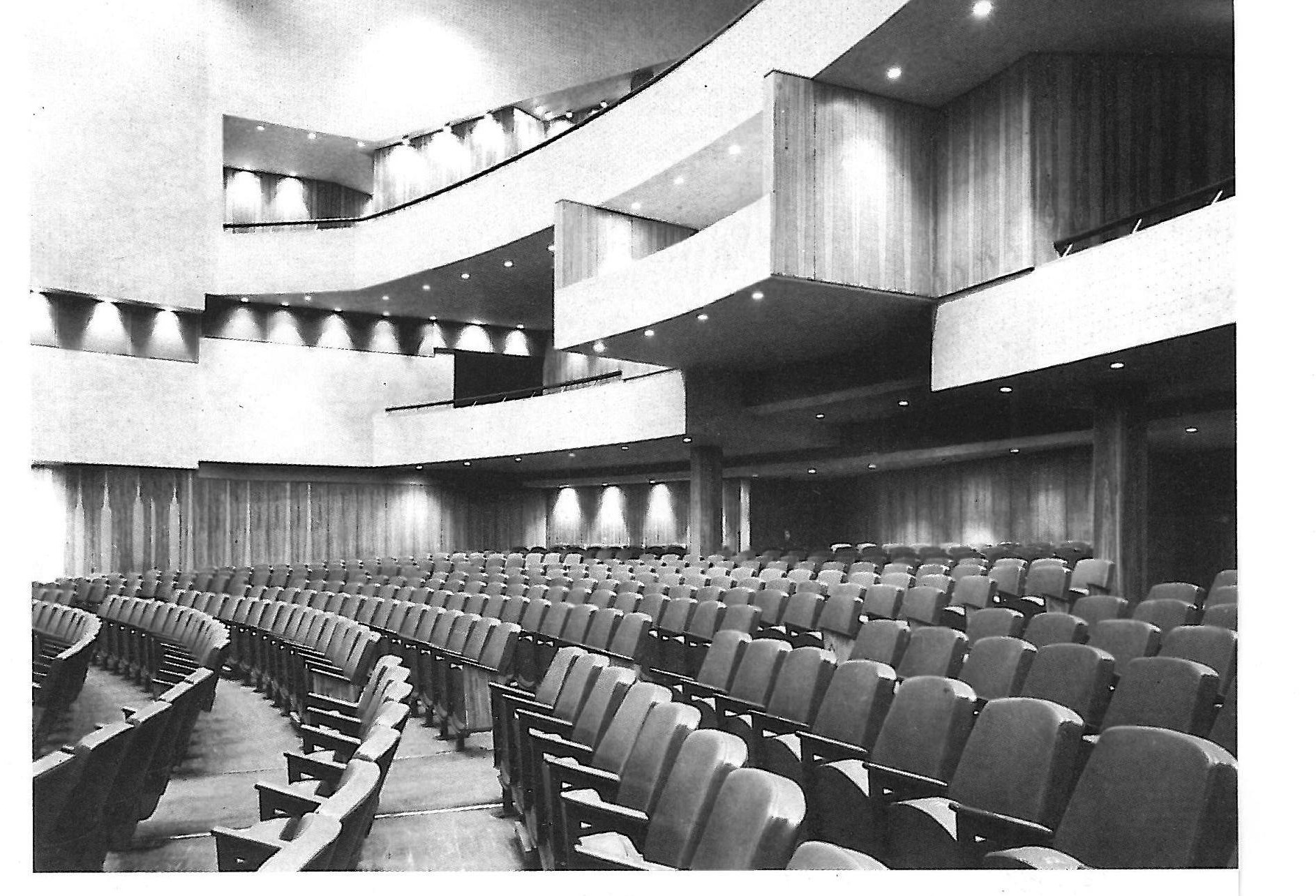
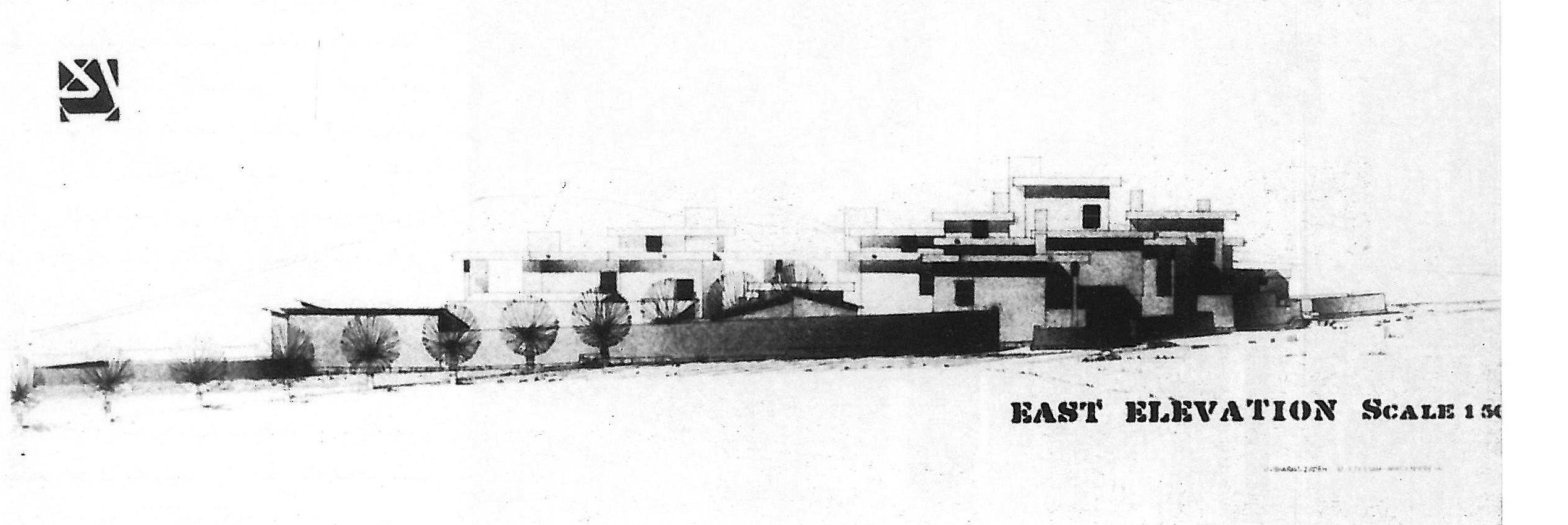
Answering the question of what Shariat-zadeh’s contribution across forty years of professional practice has been is difficult precisely for this reason. On the one hand, Shariat-zadeh and his colleagues have so constructed and polished their works that, without resorting to the specific concepts and terminology—the “isms” that are part of the critical language heavily reliant on metaphor—one cannot properly speak of them. On the other hand, his architecture, despite its clear companionship with the global movement, perhaps precisely because of its concentration on practical and social utility, finds itself in conditions where the dominant verbal and theoretical current of world architecture has converted every practical event into a theoretical one. In such conditions, the internal force of our architecture is drained before it can be fully realized.
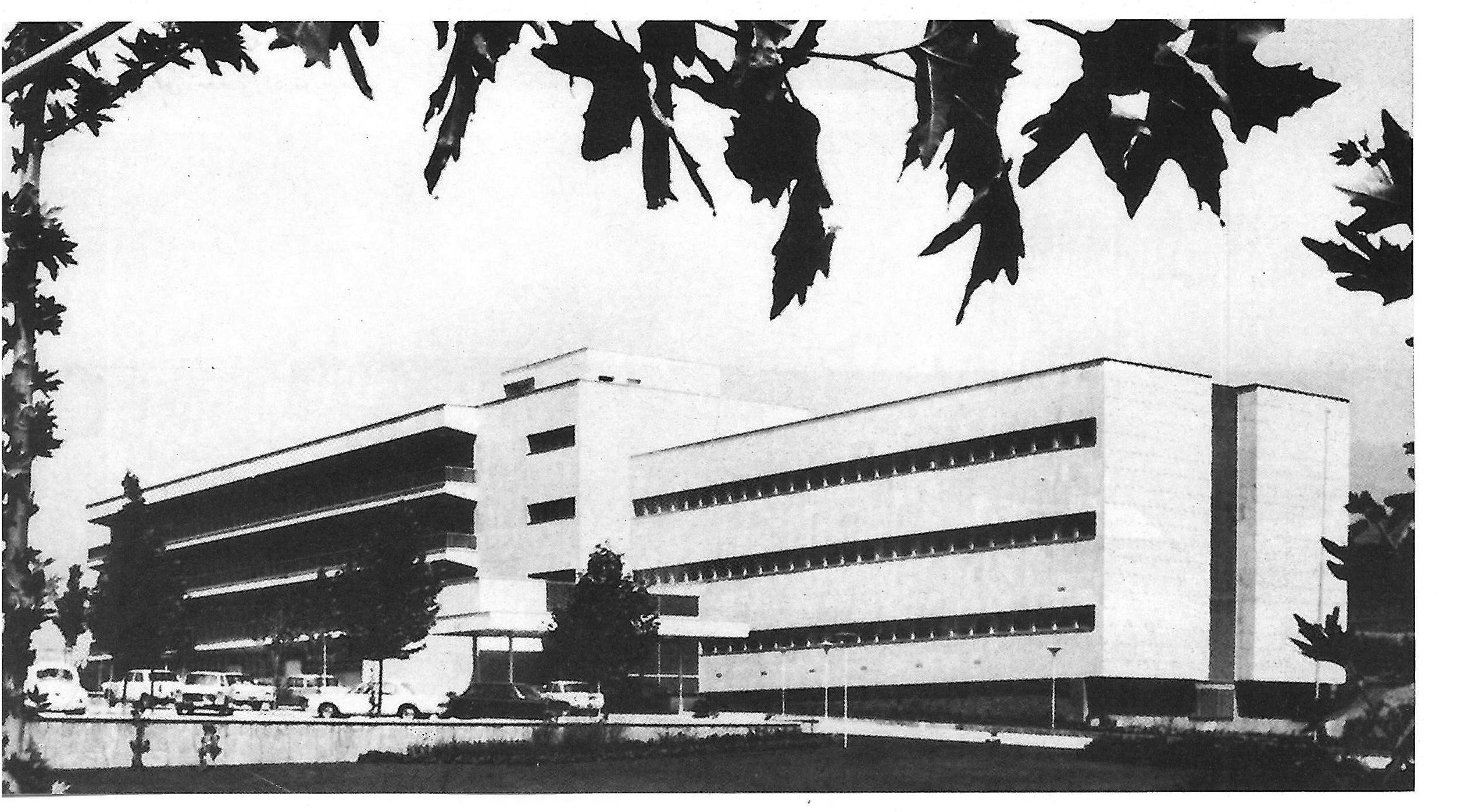
Shariat-zadeh is a patient and prolific professional. His view of professional collaboration is that it means working in a group, specialized division of labor, working full-time, carrying on like a craftsman with unceasing labor until nightfall, and constantly bringing one’s gaze down from the heavens to the workshop floor. Despite having a large and well-equipped office, trained human resources, and capable management, Shariat-zadeh and his colleagues have never allowed their technical and specialized capacity to be spent on self-promotion. They turned a blind eye to social activities in order to devote all their resources to a people-oriented approach to architecture. For him, “the people” means the user. He says: “For an architect, it is a crime to showcase oneself.”
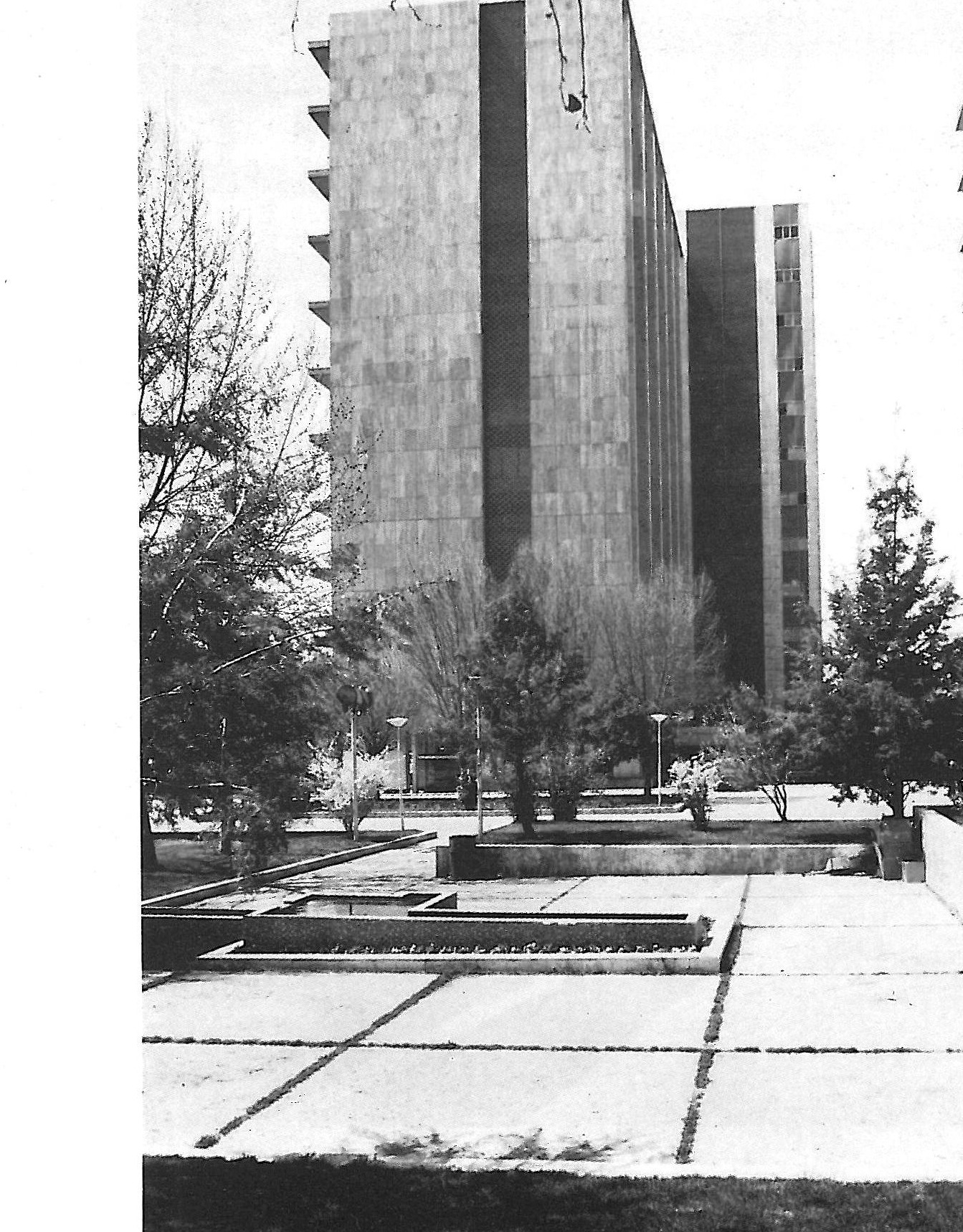
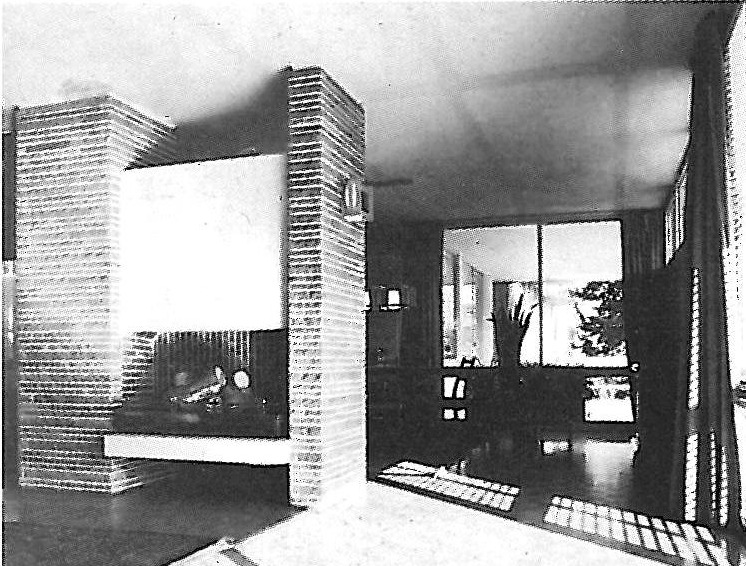
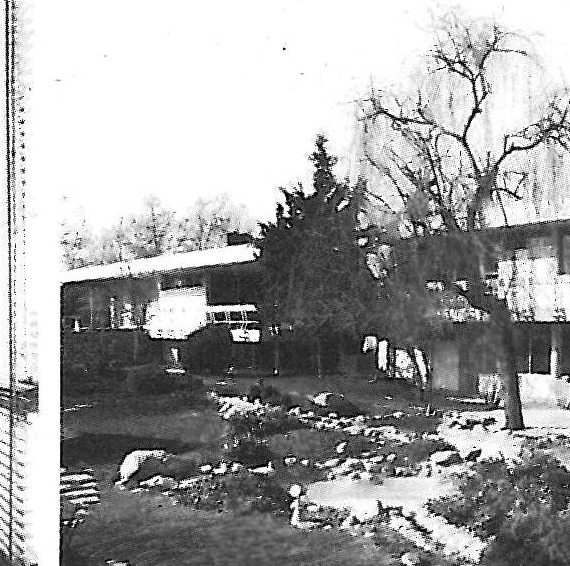
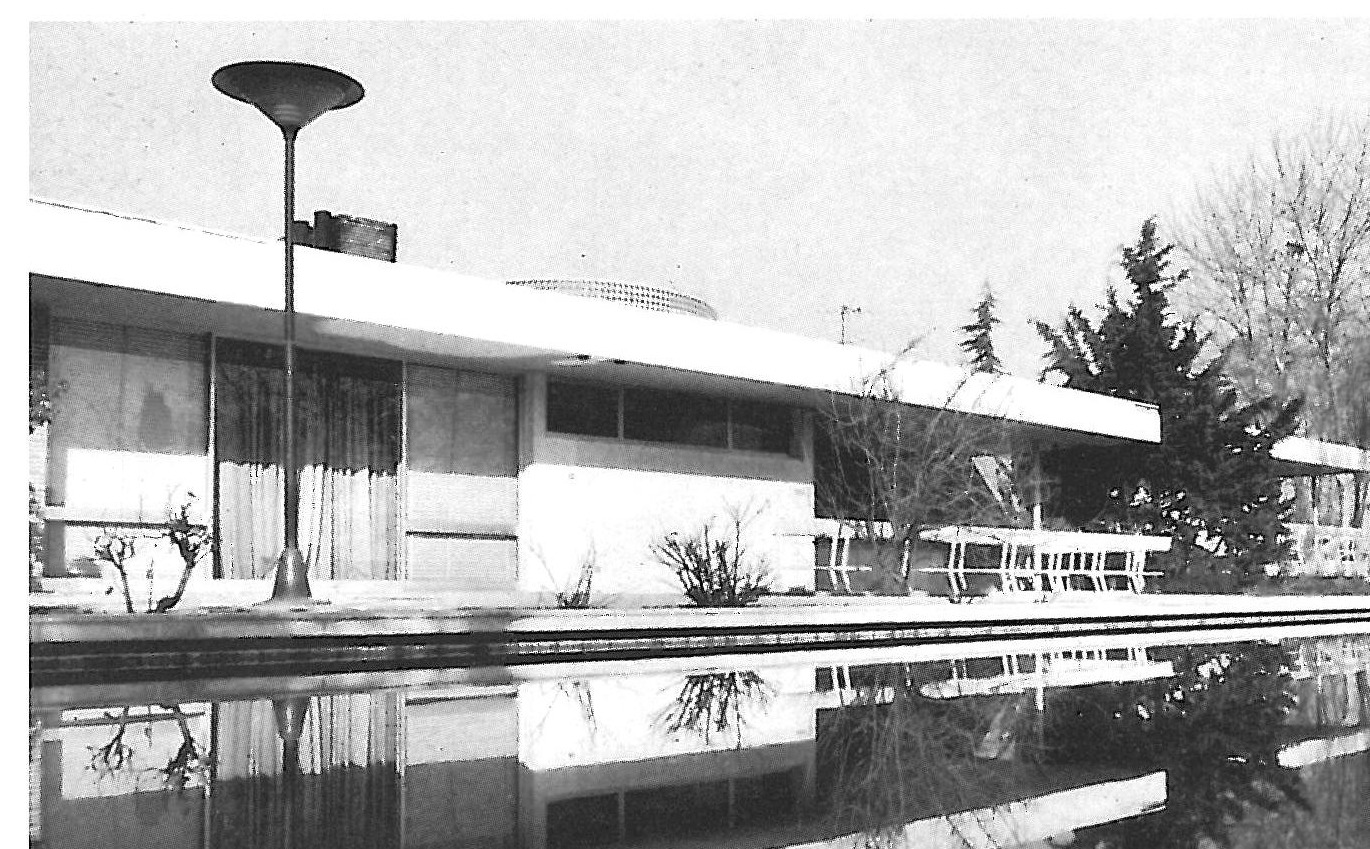
Professional Background
Shariat-zadeh’s professional background can be divided into five periods defined by changes in partners and the legal structure of the firm.
First period (1338–1341 / 1959–1962): While still a student, Shariat-zadeh established his first office with Engineer Amir Nosrat Monqeḥ at the latter’s suggestion and insistence. From his earliest years at the university (1339 SH / 1960), he began designing projects independently at the Monqeḥ office. The Gendarmerie Hospital (Tehran, 1337 / 1958) and the Ministry of Labor and Social Affairs building (Tehran, 1339 / 1960) were among his student-era designs—buildings from the same period when the new generation was constructing the Senate (current Islamic Consultative Assembly, 1338), the Hilton Hotel (current Esteghlal, 1339), and the National Oil Company building (1345), through which Westernization was taking shape. Shariat-zadeh was among the first generation of Iranian-educated architects working domestically. In 1338, before the entry of large, well-known foreign firms, he entered this arena and distinguished himself in competition with them.
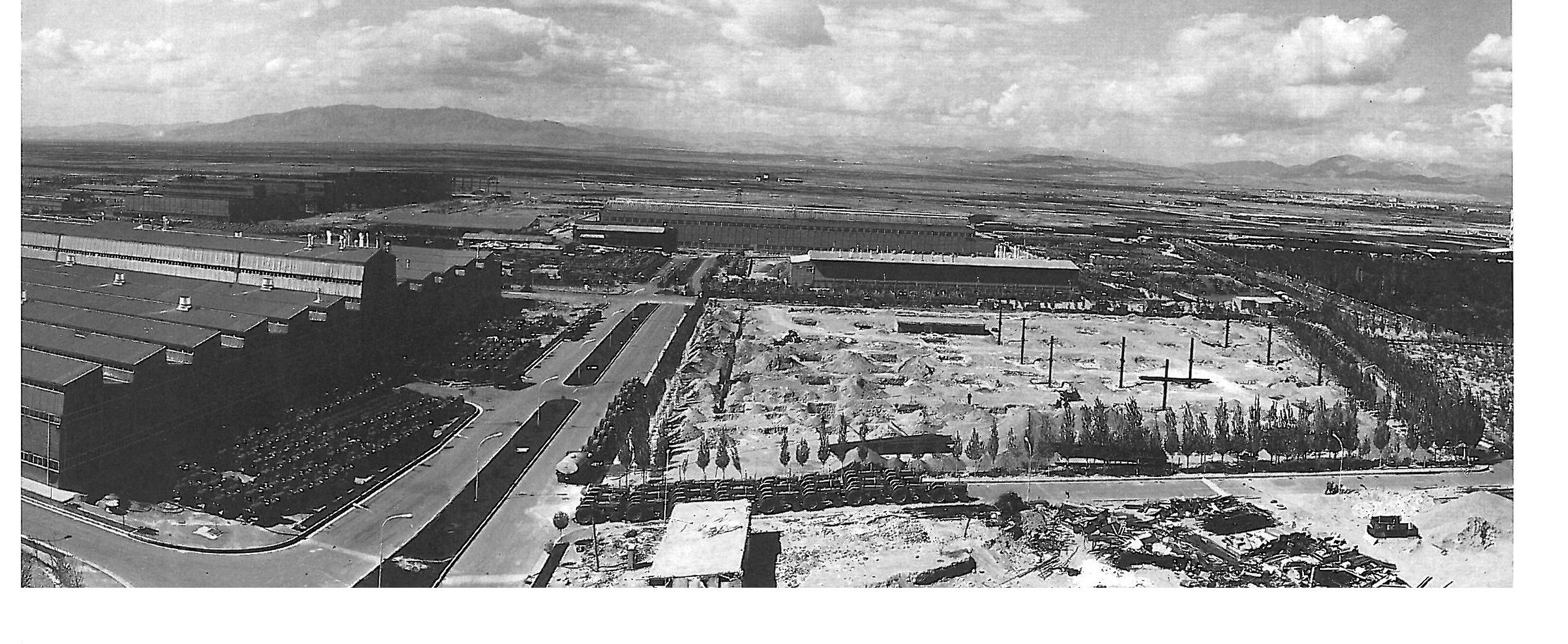
Second period (1342–1350 / 1963–1971): The firm was reorganized as “Amir Nosrat Monqeḥ Consulting Engineers.” This period’s most important works include hospitals and health centers for the Social Insurance Organization, the Tabriz Machine Manufacturing Industrial Complex, the Tabriz Tractor Manufacturing Complex, sports complexes in Tabriz and Qazvin, the newspaper building, information offices in Tehran, and rural development centers.
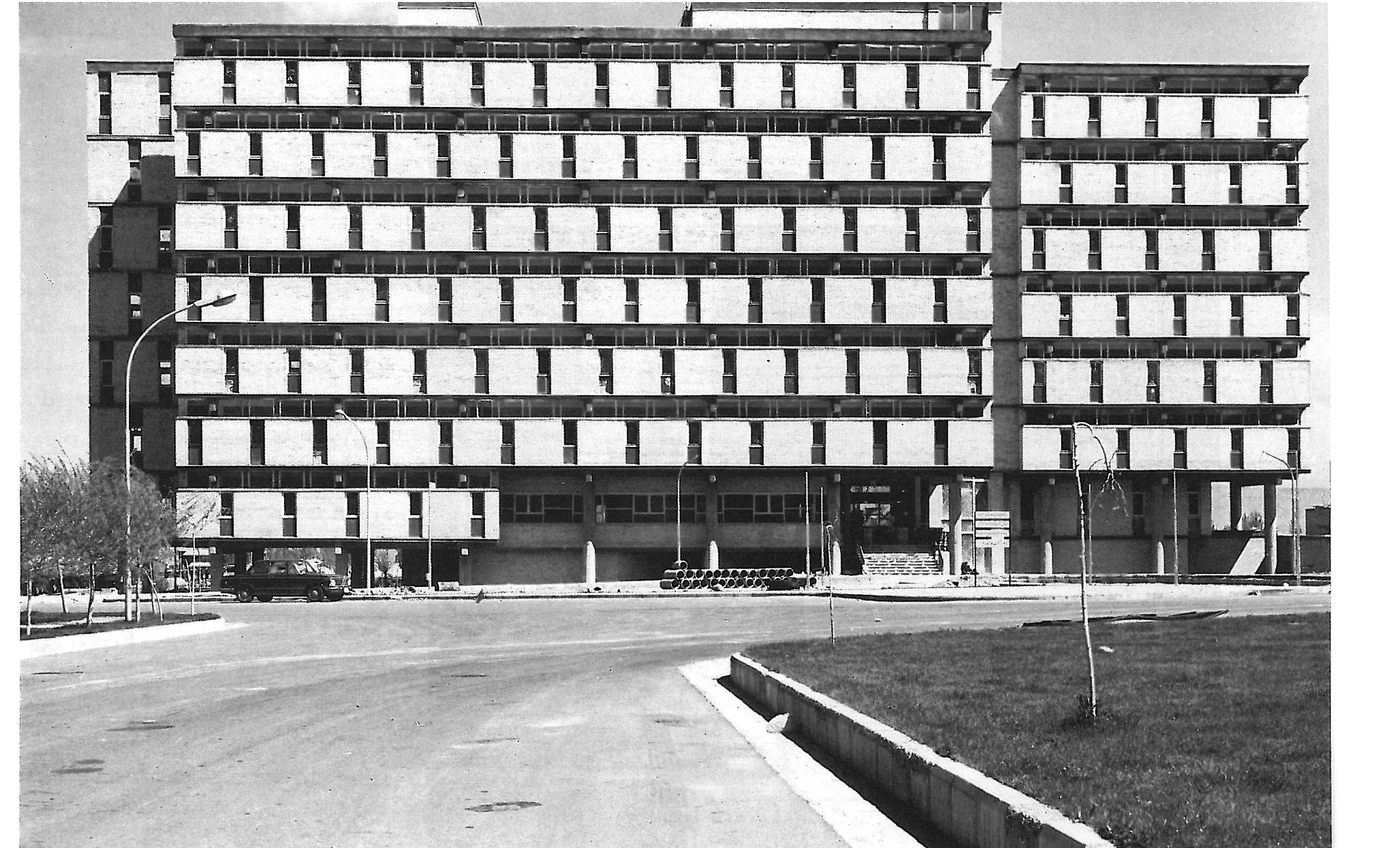
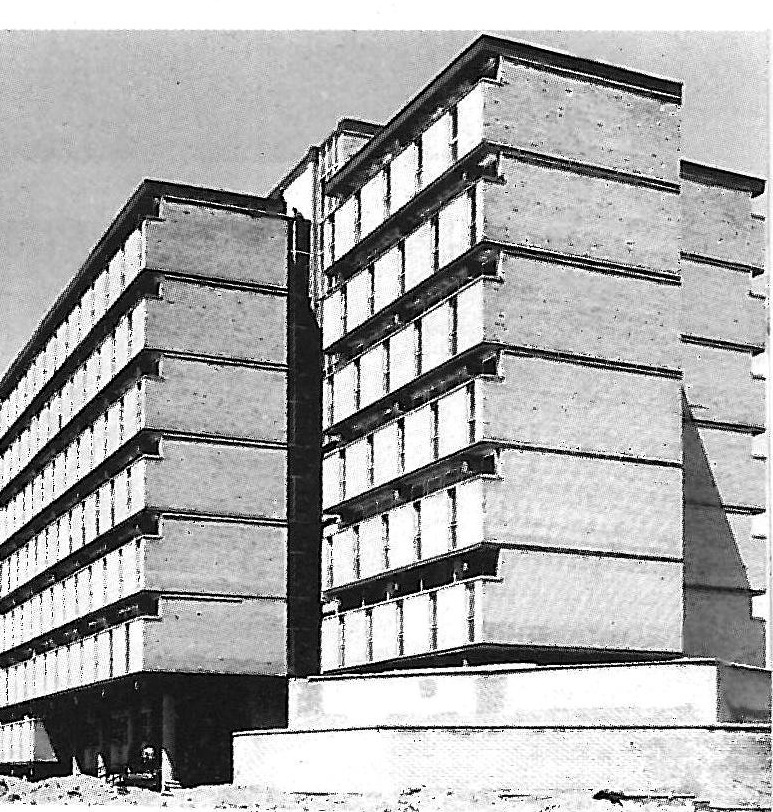
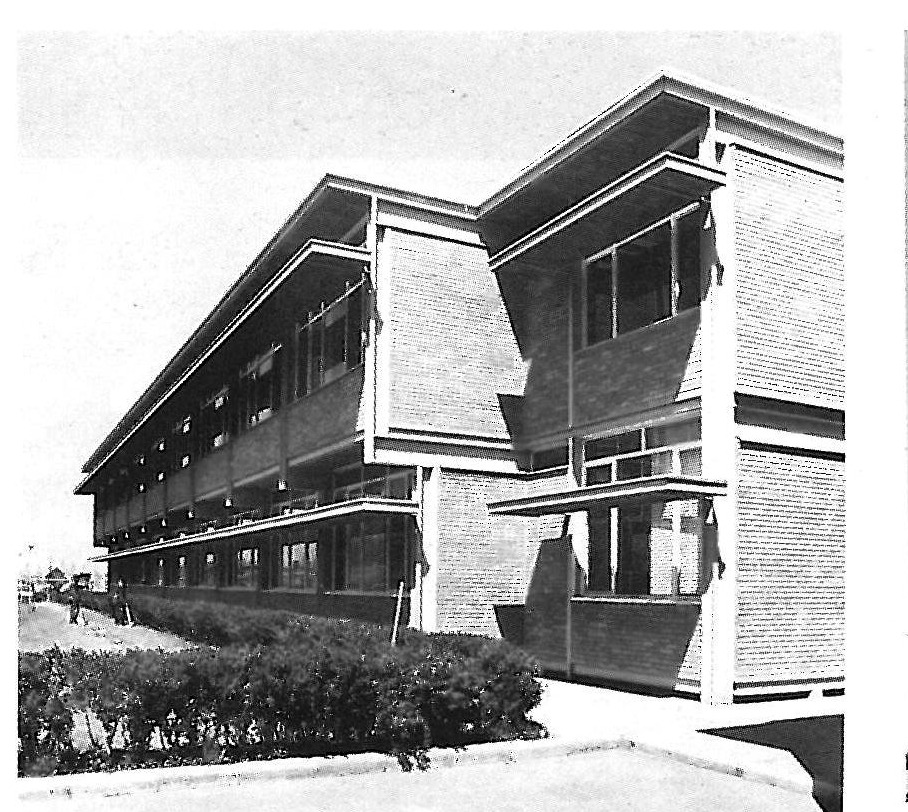
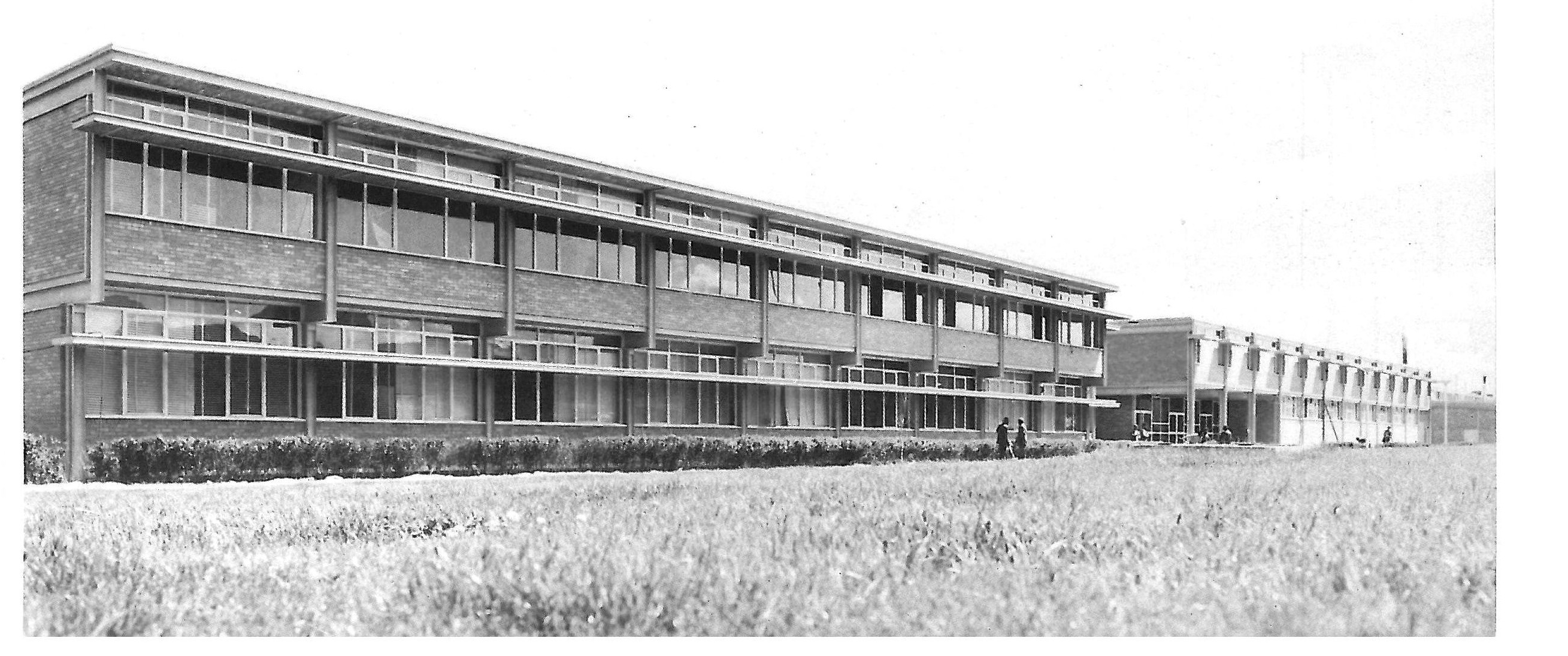
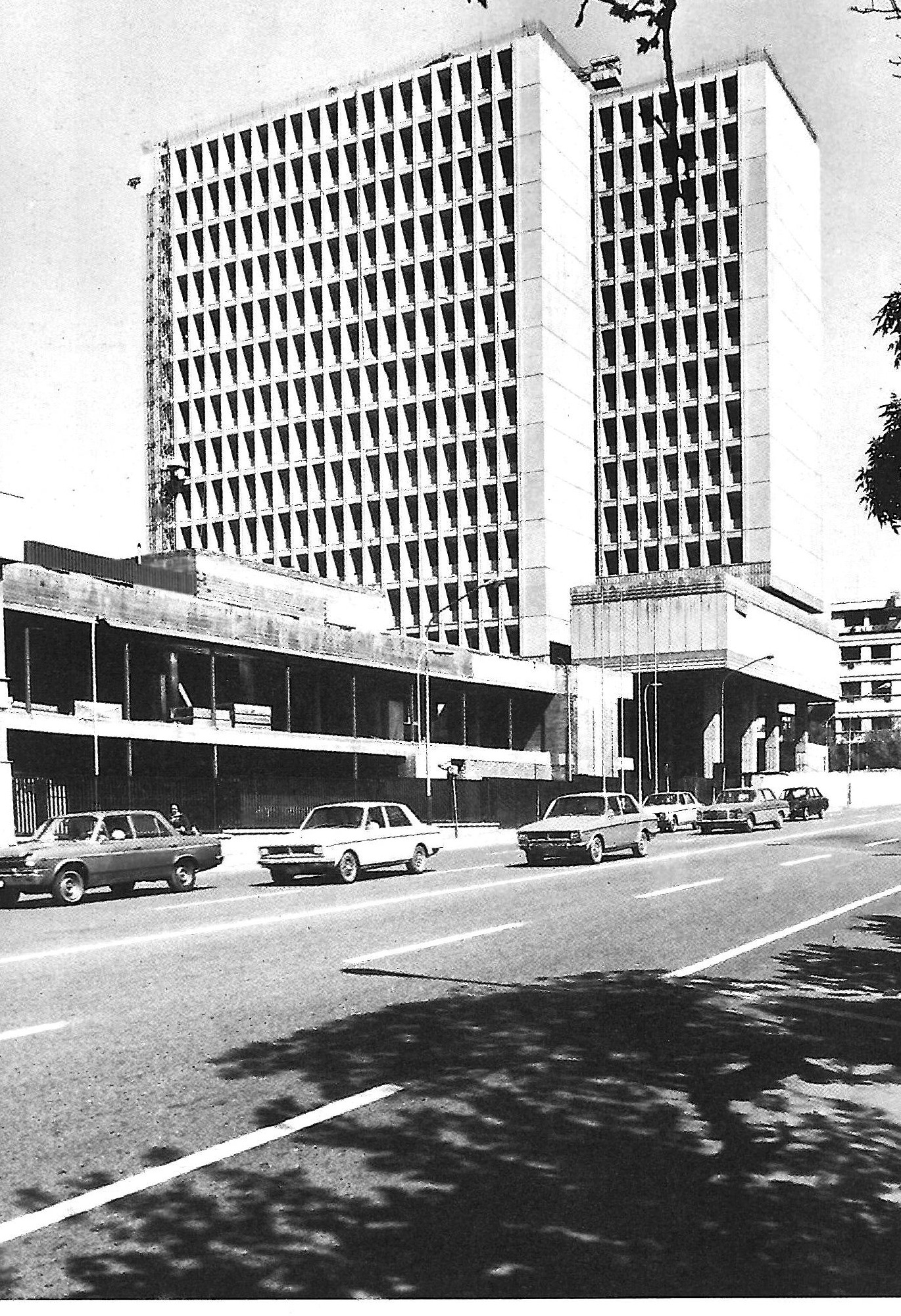
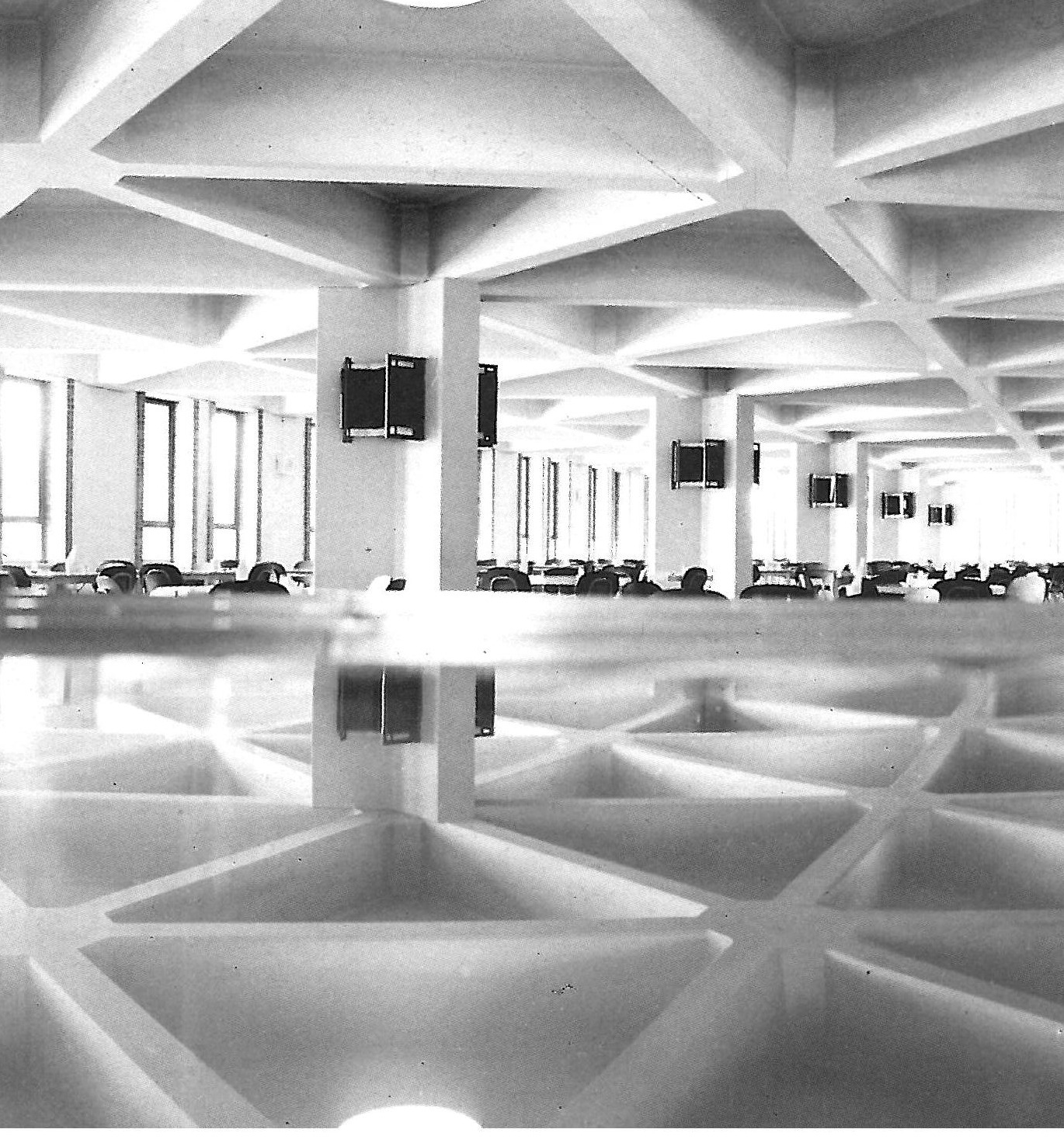
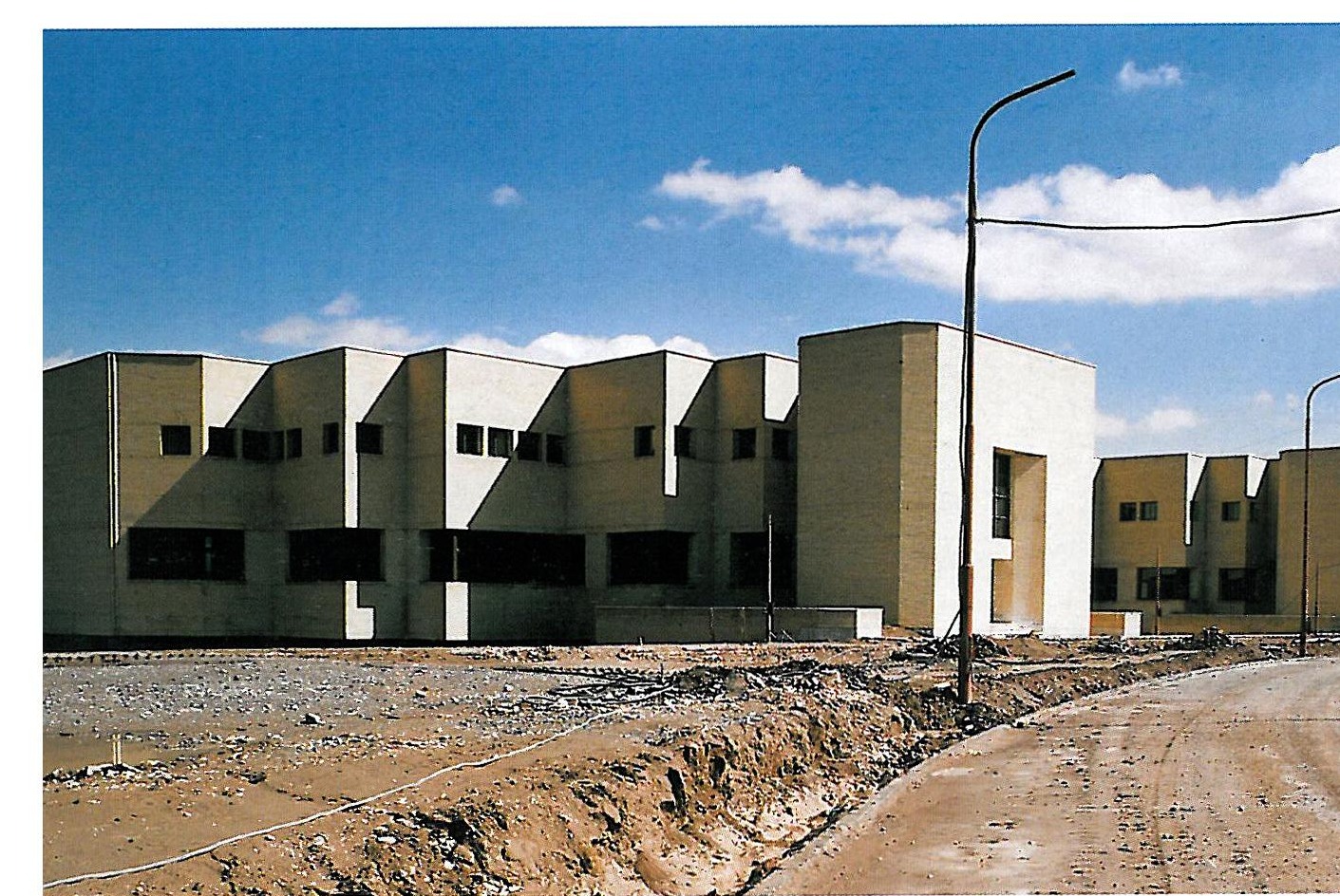
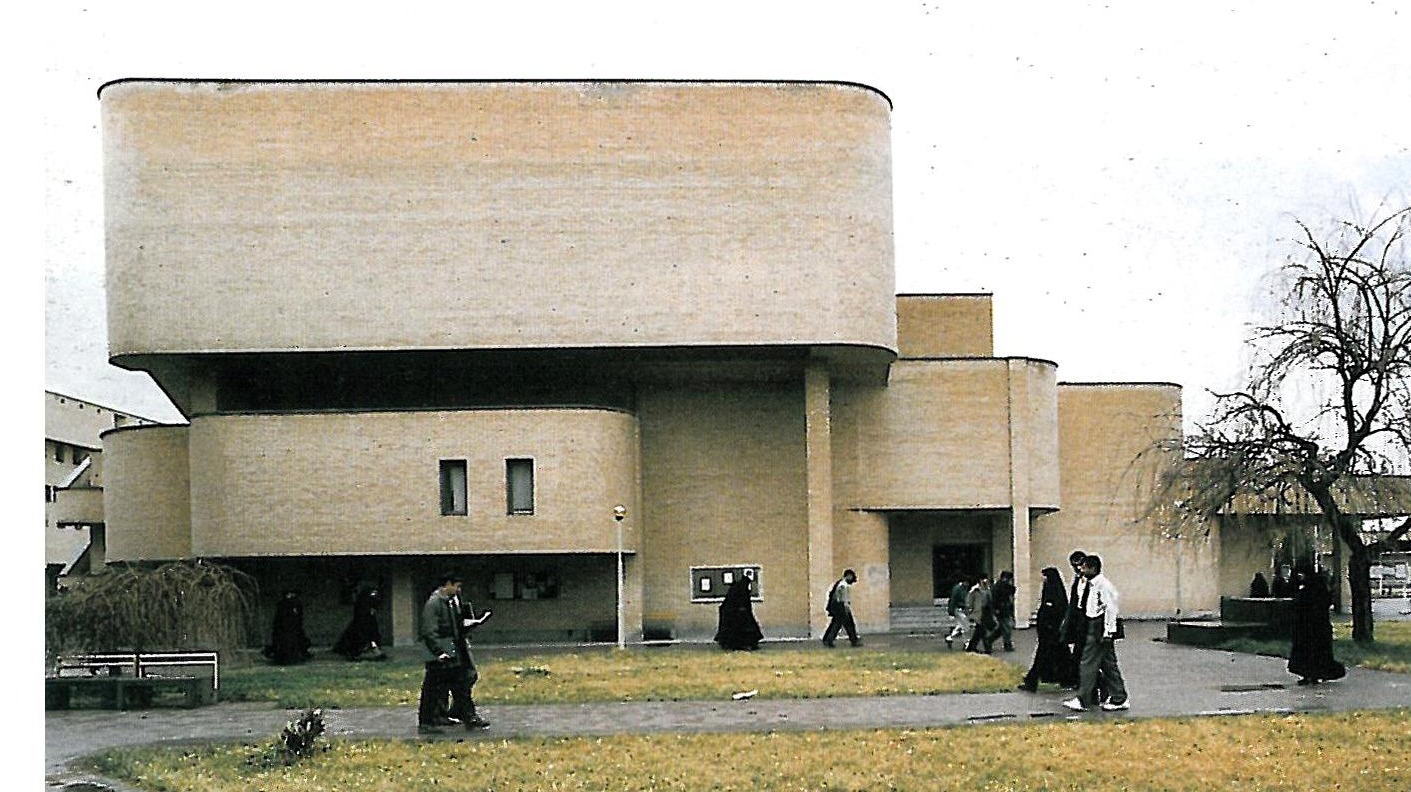
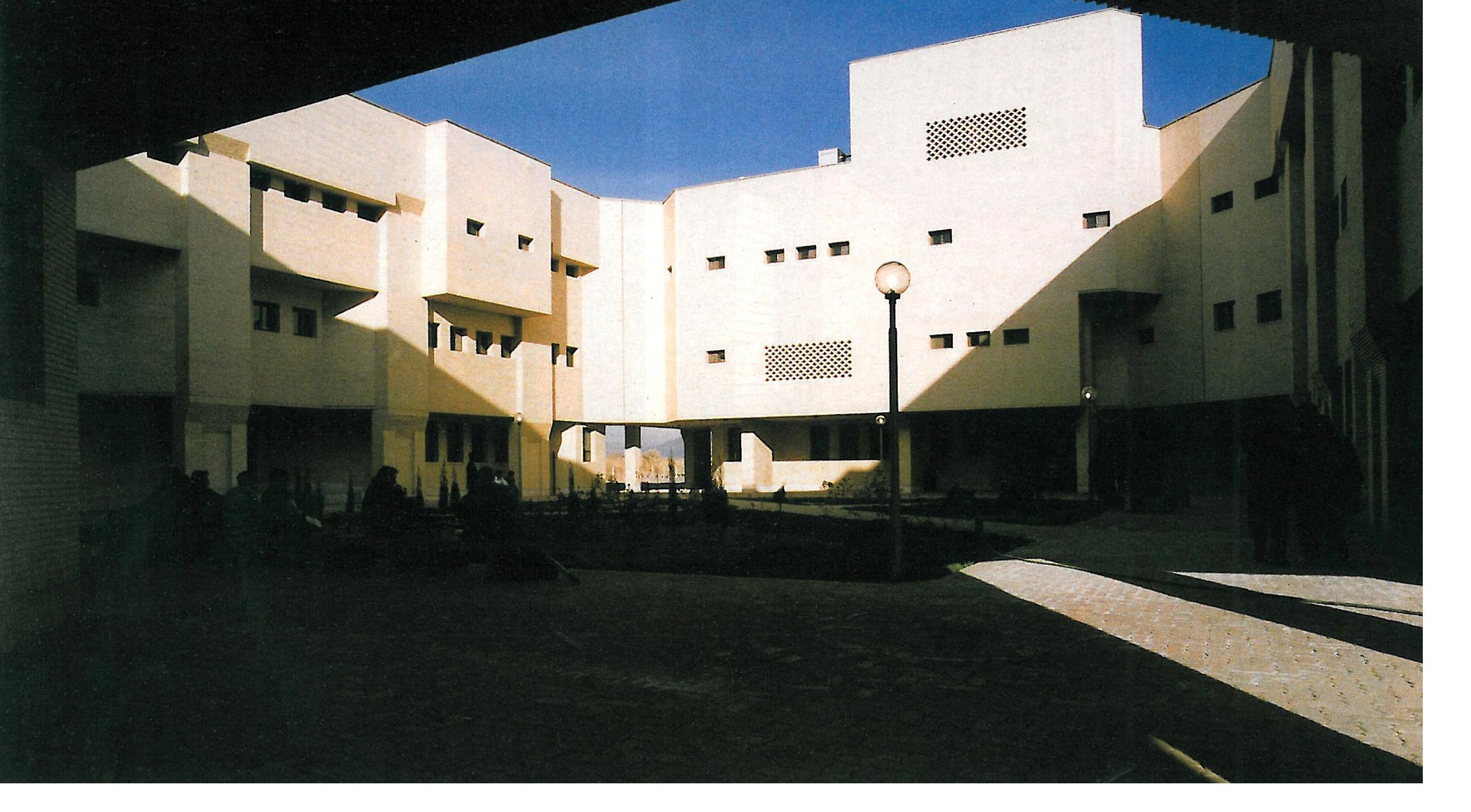
Third period (1350–1357 / 1971–1978): In accordance with new evaluation criteria, the firm was reorganized under the name “Bonyan” (Foundation). The most important works of this period include Shahid Bahonar University campus buildings in Kerman, several educational buildings at the University of Science and Technology in Tehran, Building No. 2 of the Ministry of Oil, the Pars Industrial Complex in south Tehran, the workers’ housing complex of the Tabriz Industrial Complex, 15 rural development centers, and aircraft hangars at Mehrabad Airport.
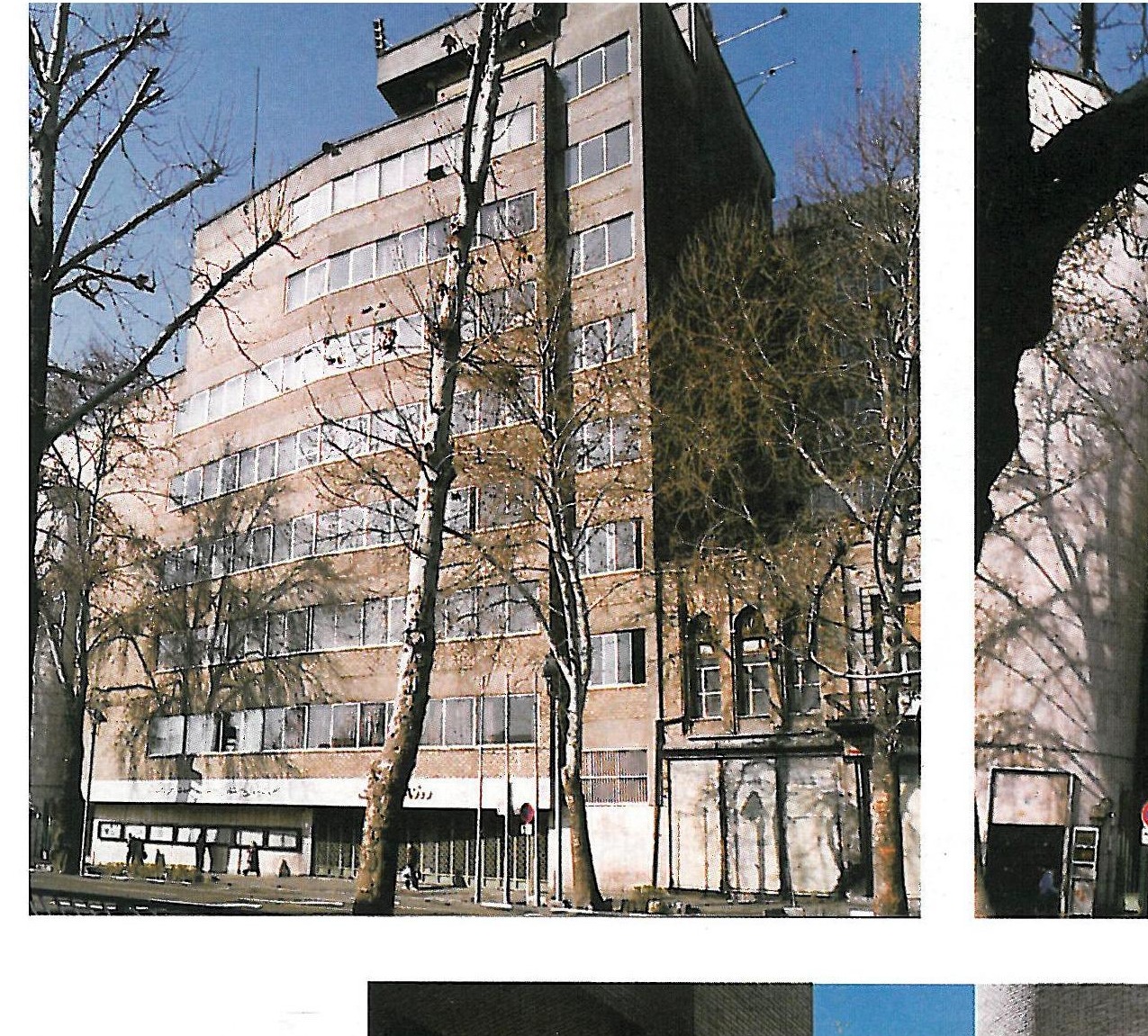
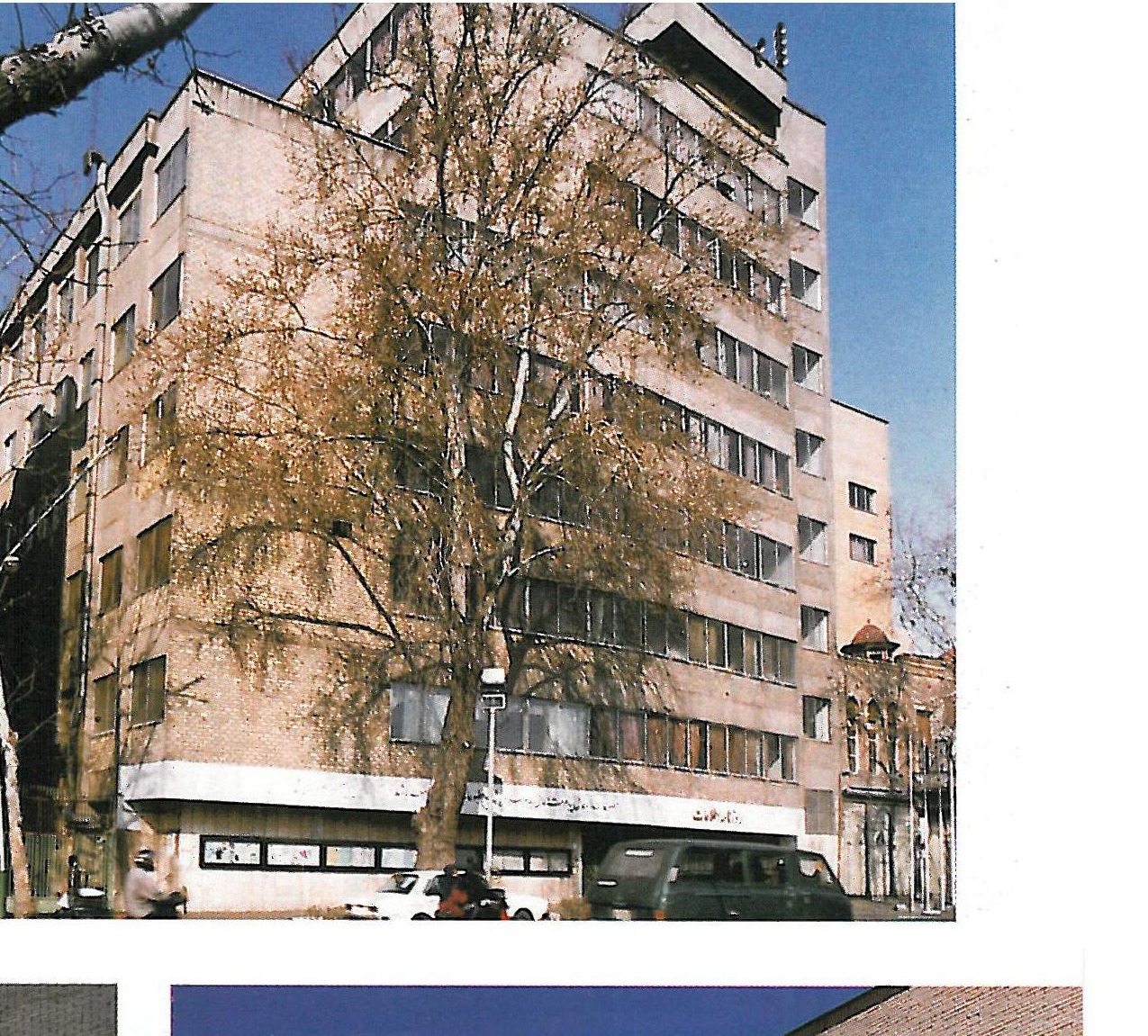
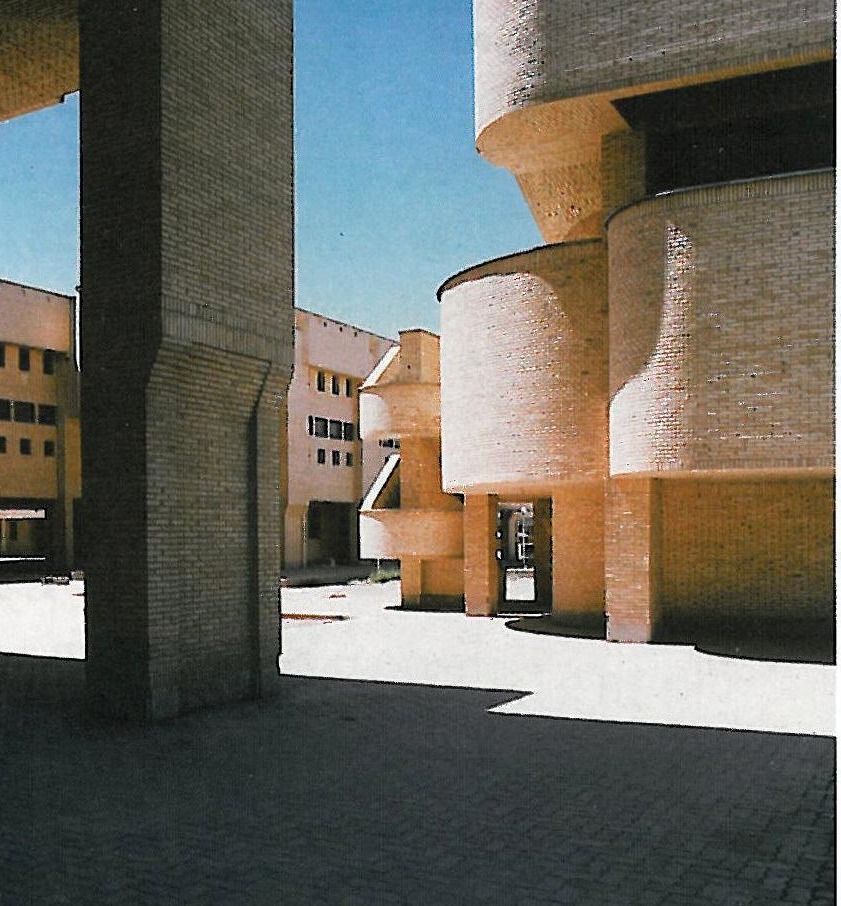
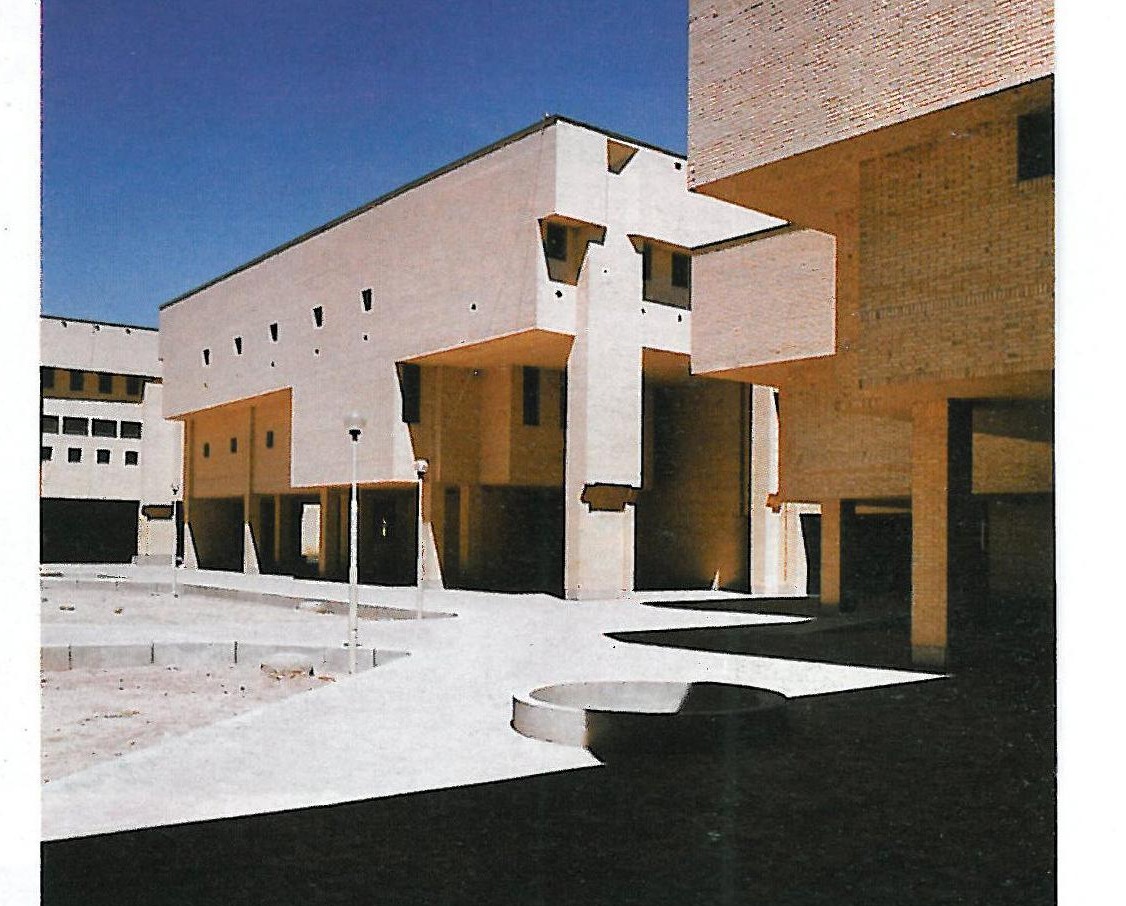
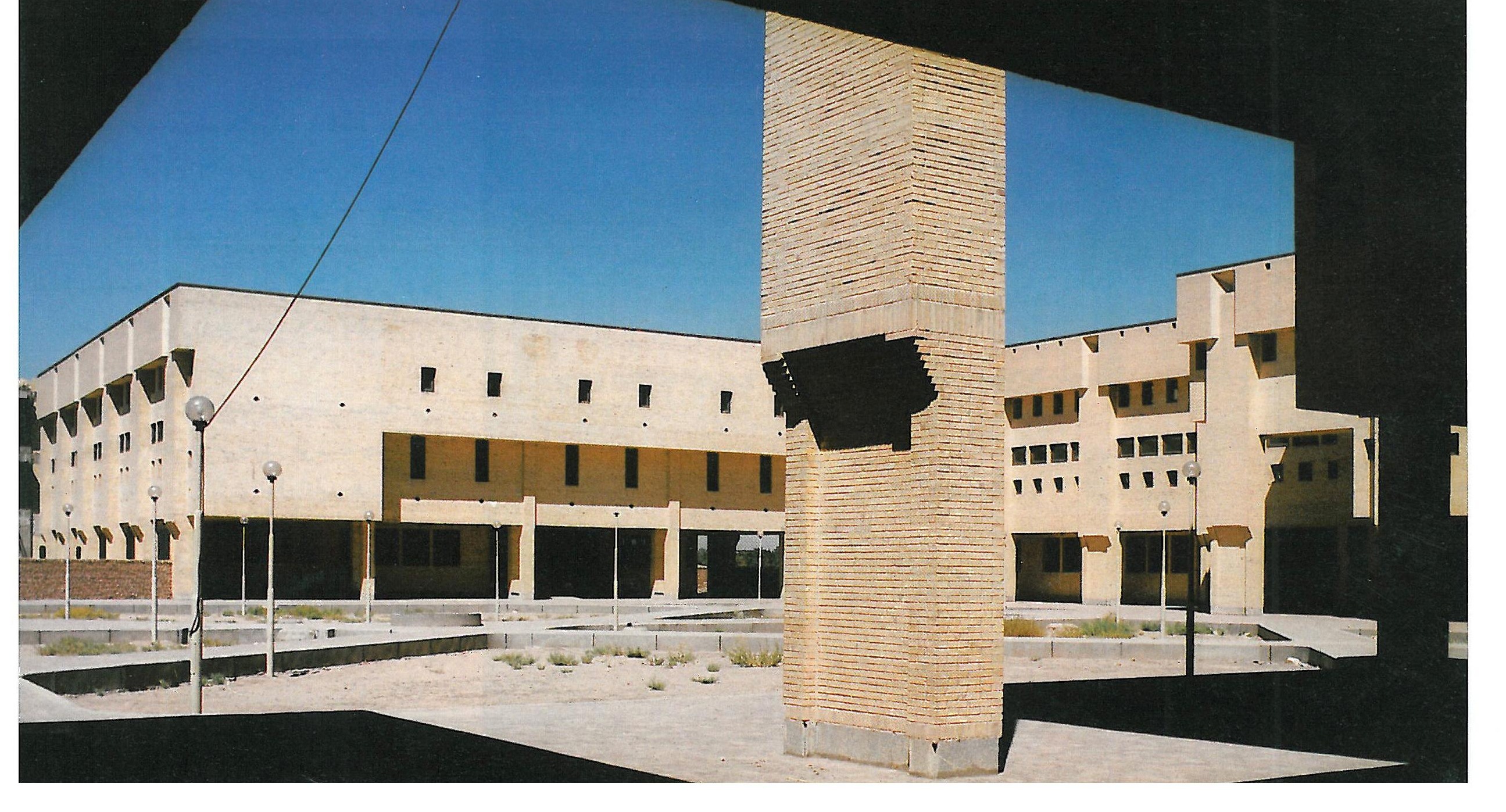
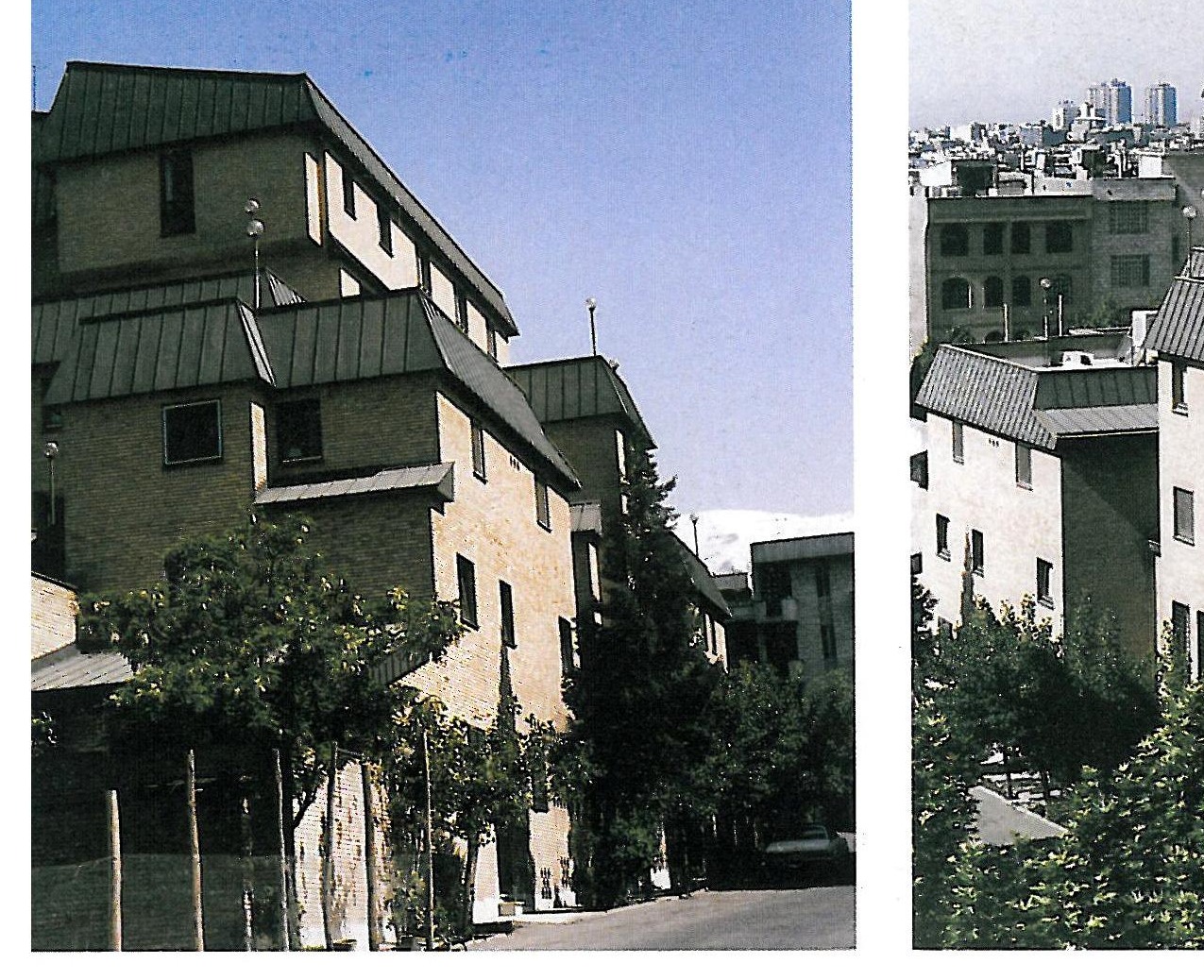
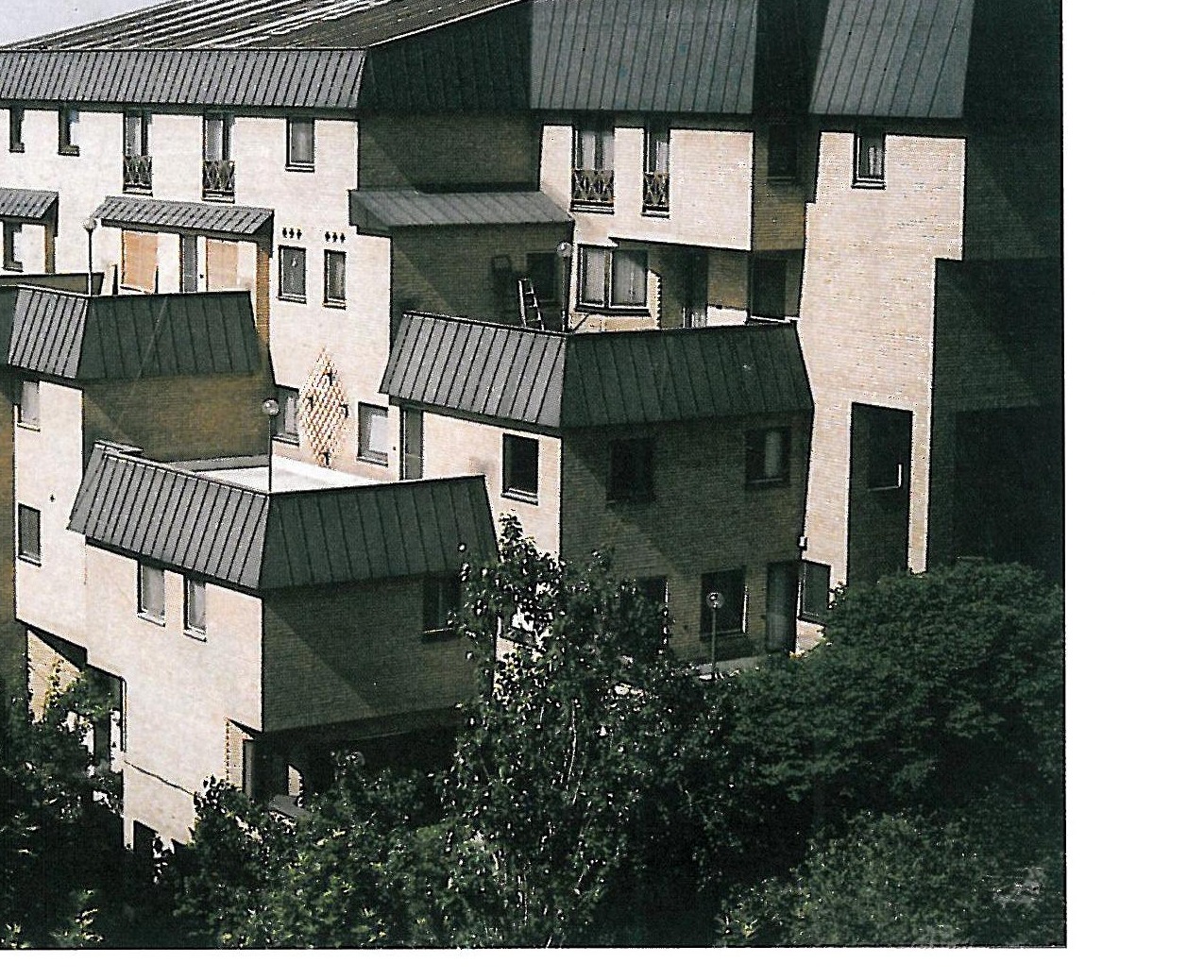
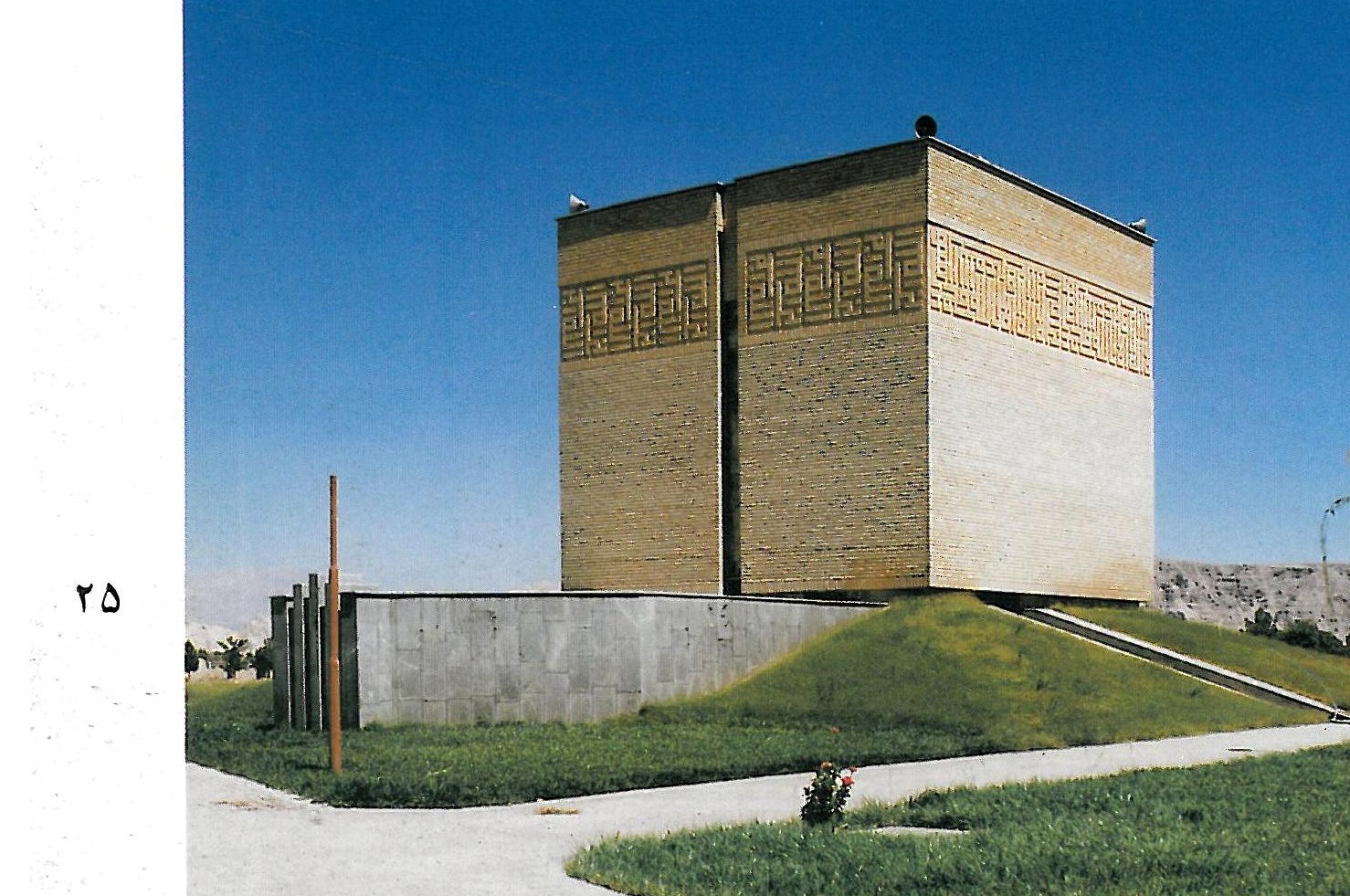
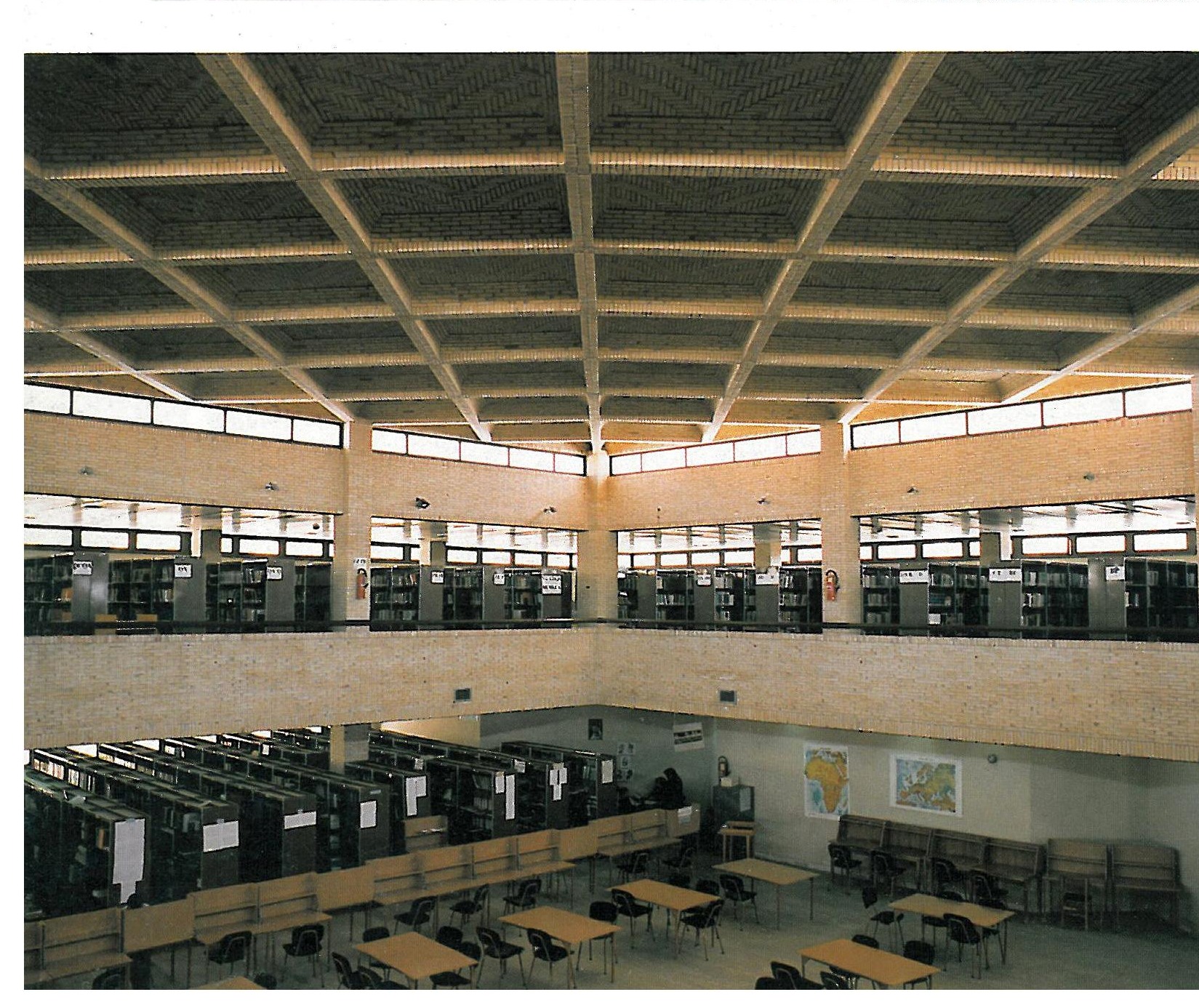
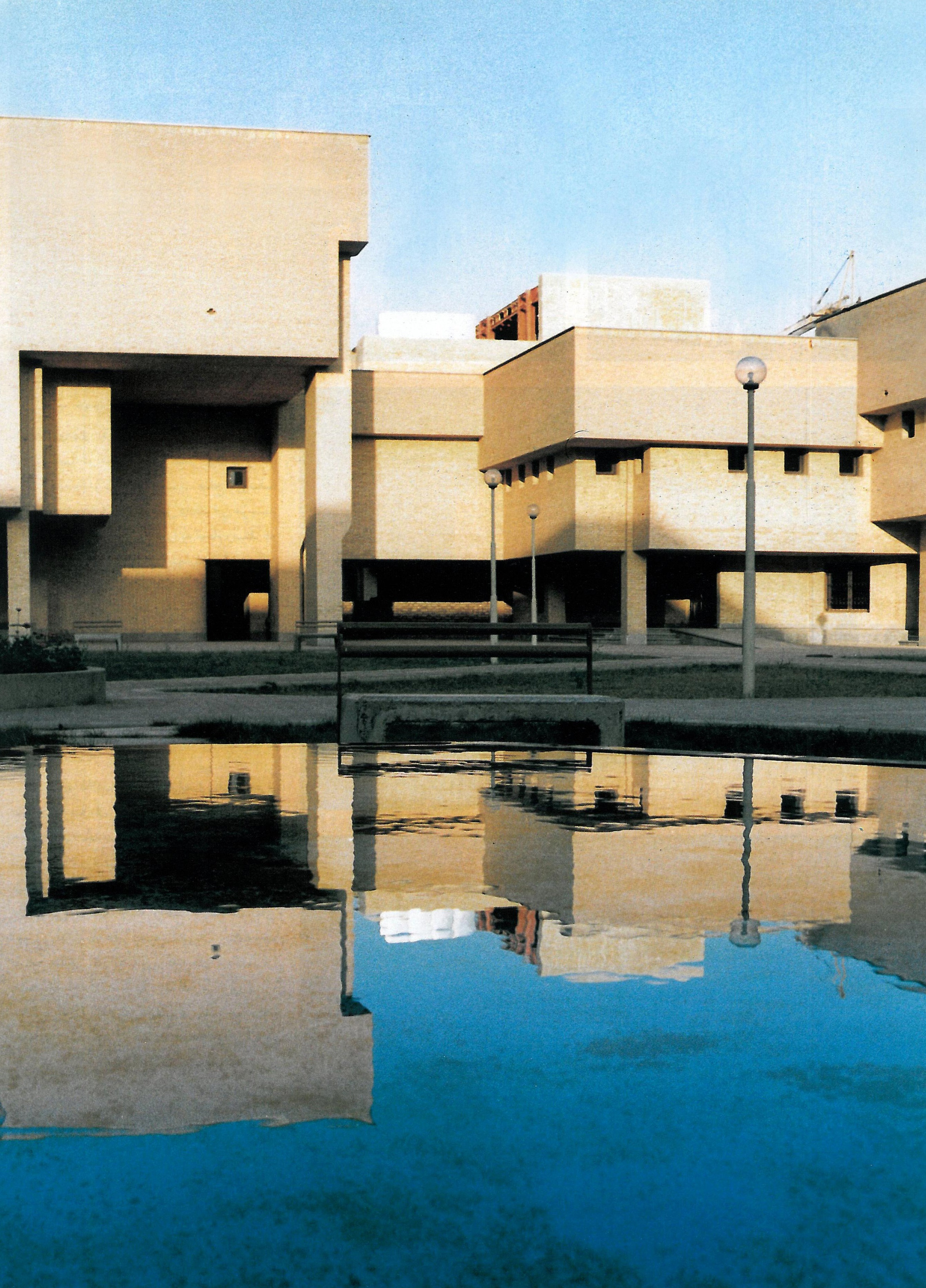
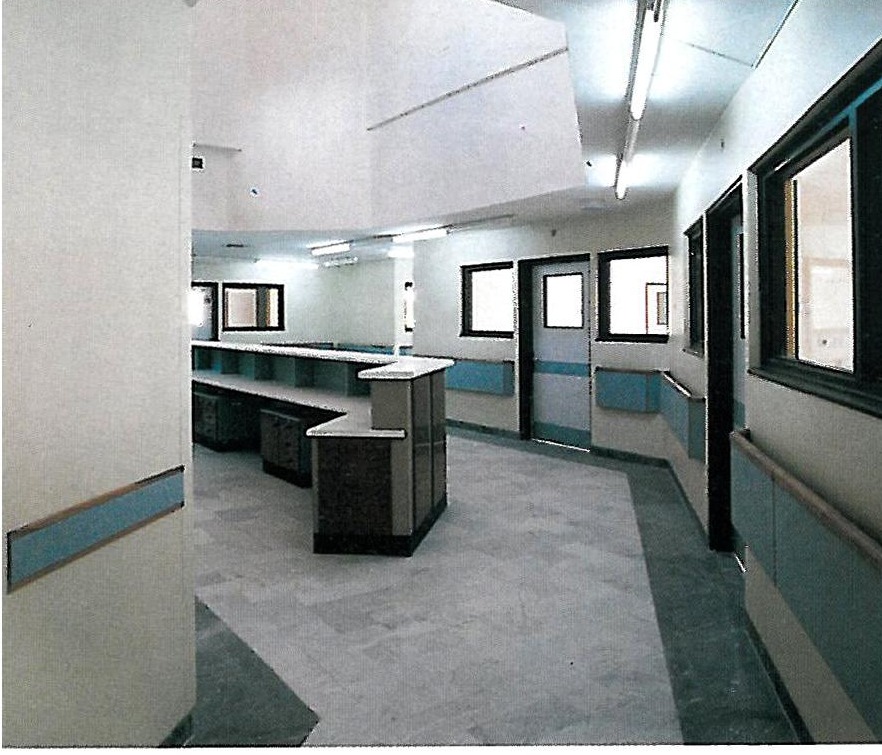
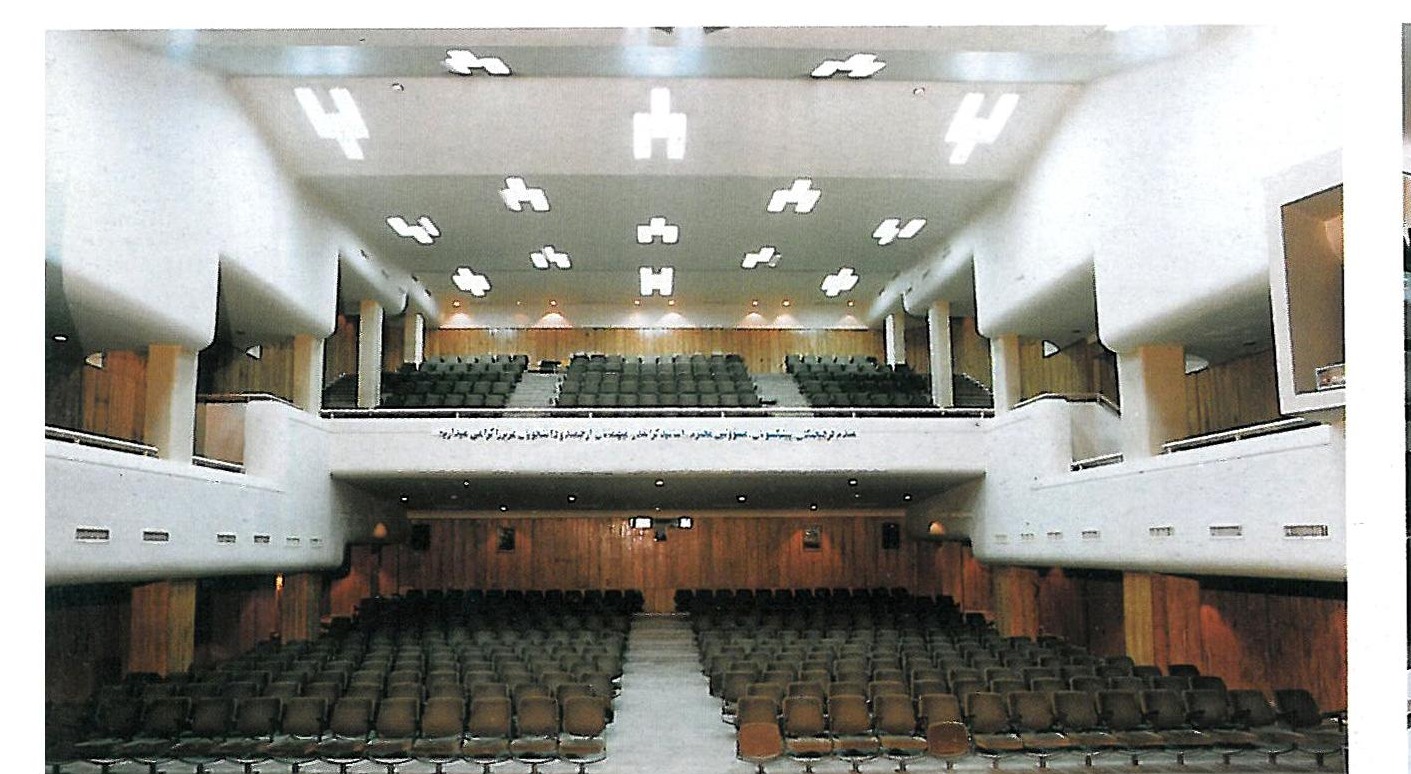
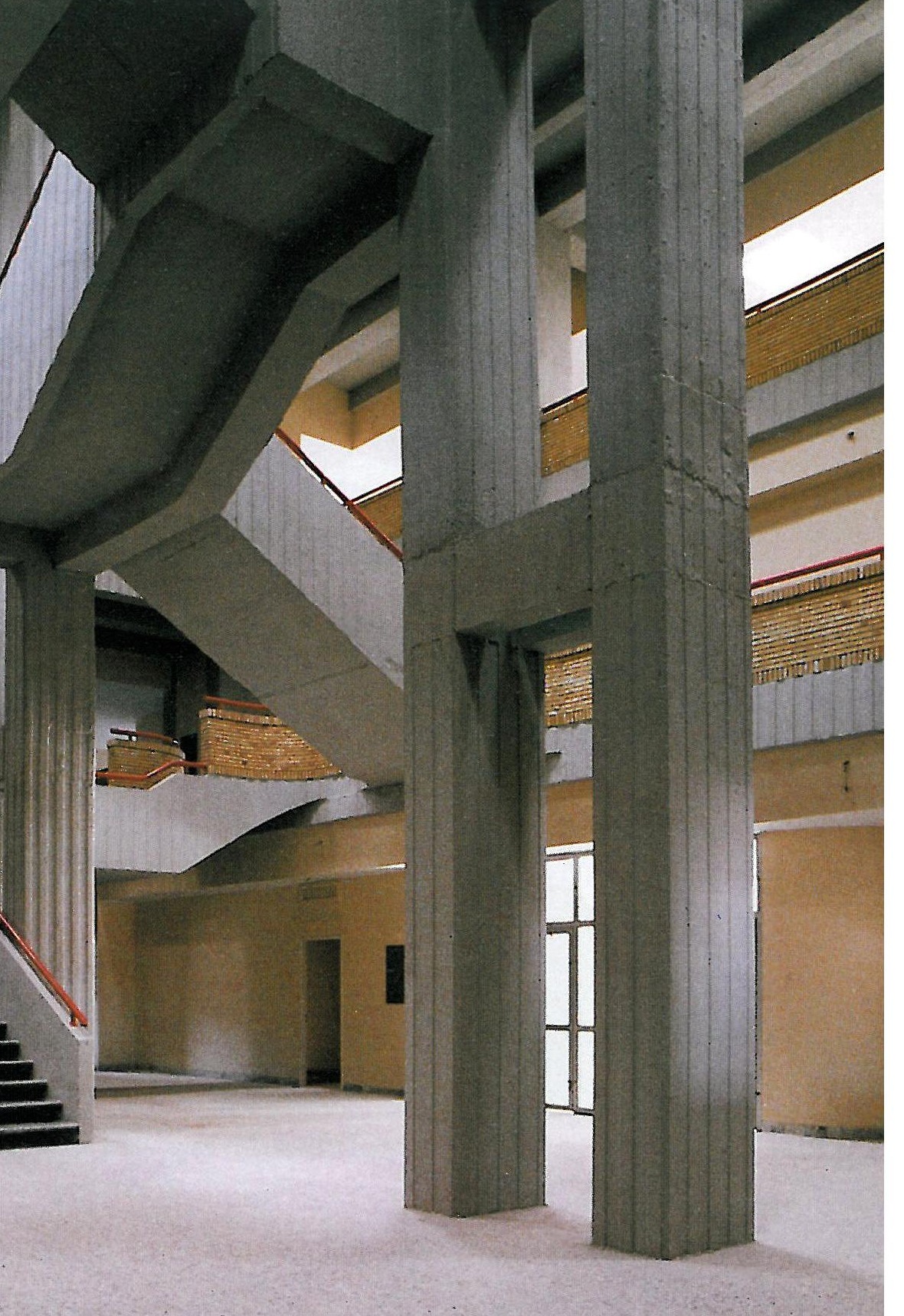
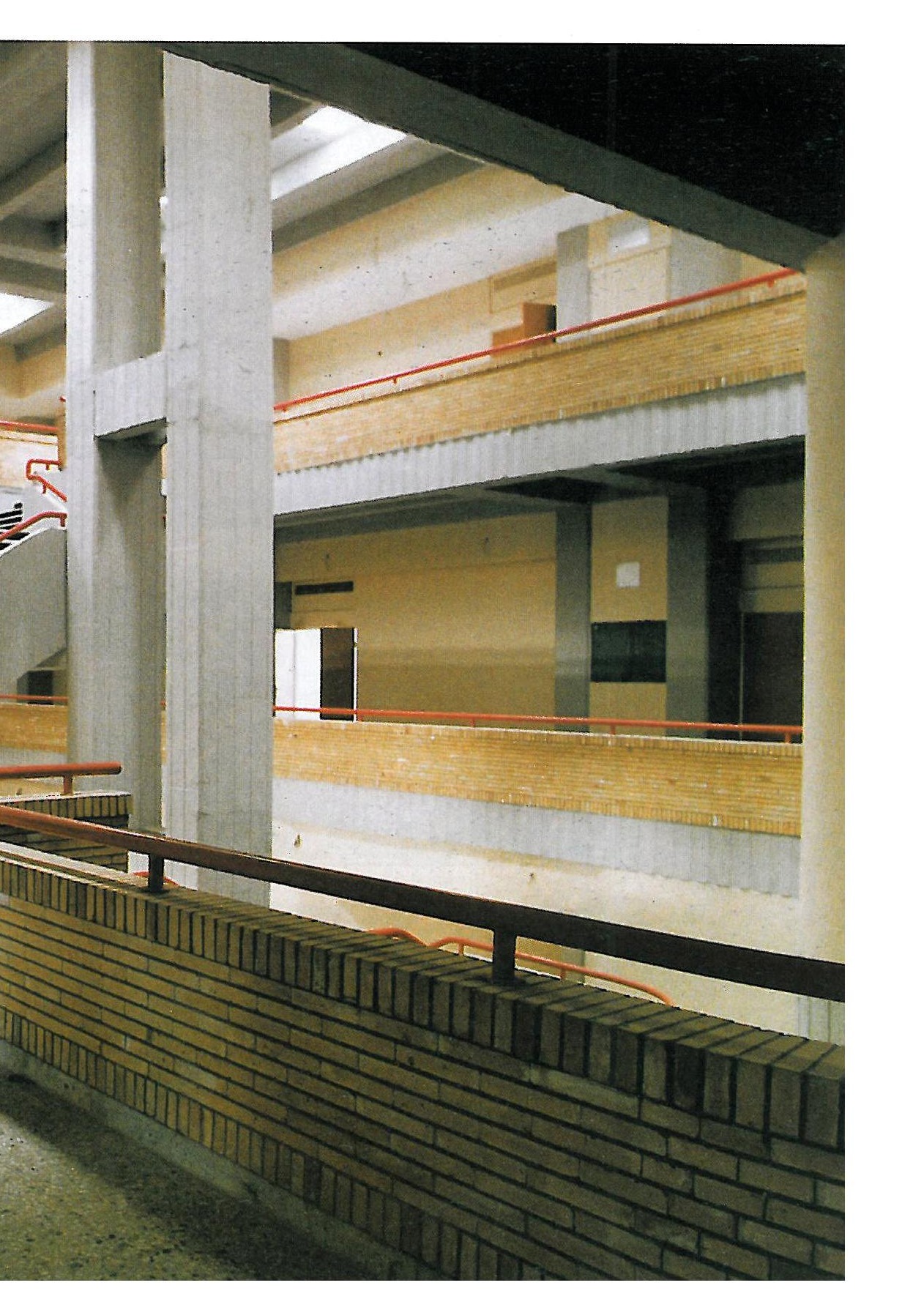
Fourth period (post-Revolution): After the victory of the Islamic Revolution and a period of hiatus, Shariat-zadeh resumed work in 1362 (1983) with a reorganized team. The products of this period include the 540-bed Alireza Afzalipour Teaching Hospital in Kerman, expansion of medical universities in Shahrekord, Zahedan, and Kerman, the Jiroft Agricultural College, the training and welfare center for the Plan and Budget Organization in Mazandaran, the 200-bed hospital in Isfahan, and the National Library of Tehran.
The Position of Shariat-zadeh and His Colleagues
Assessing forty years of professional activity by Shariat-zadeh and his colleagues in the construction of a vast number of public and specialized buildings requires comprehensive investigation and research. The continuity of forty years of professional practice and its considerable share in shaping public and specialized buildings is the achievement of Shariat-zadeh and his colleagues, of which perhaps fewer consulting architect groups have been credited.
The importance of this continuity becomes truly apparent when one notes that throughout this experience, professional work has never devolved from a serious, scientific, research-oriented mode into a casual, bureaucratic approach meant merely to appease clients. In all stages—feasibility study, design, and construction supervision—Shariat-zadeh and his colleagues have made every effort to understand the problem, examine solutions and possibilities, and safeguard the user’s interests. They have succeeded in attracting the best specialists in the country. Perhaps the works of Shariat-zadeh and his associates are among the rare examples in which the contributions of other disciplines are clearly visible to a high degree, and the quality of engineering surpasses comparable national work. However, this very dominance of technical and engineering aspects has led critics to see the architectural expression in his works as less prominent than the technical expression.
Multidisciplinary Collaboration Instead of Solo Domination
The continuity of forty years of professional activity and its considerable contribution to shaping the public spaces of the country is the achievement of Shariat-zadeh and his colleagues, who perhaps more than others embody the properly structured form of professional practice. In all stages of their work, from feasibility to design to construction oversight, they have expended maximum effort in understanding problems, examining solutions, and respecting the user’s welfare.
Function versus Form
In the work of Shariat-zadeh and his colleagues, the project-based approach—the technical solution to a social problem—takes precedence over architectural distinctiveness. He honestly disclaims any desire for the firm’s projects to bear his name alone; he is also opposed to projects being introduced solely through their formal values. He believes that in the conceptual framework of architecture, no technical aspect should be eliminated. He says that good architecture is ultimately a solution or model, not a form, and what achieves continuity and evolution in architecture are those solutions, models, or systems of solutions.
Formation versus Formalism
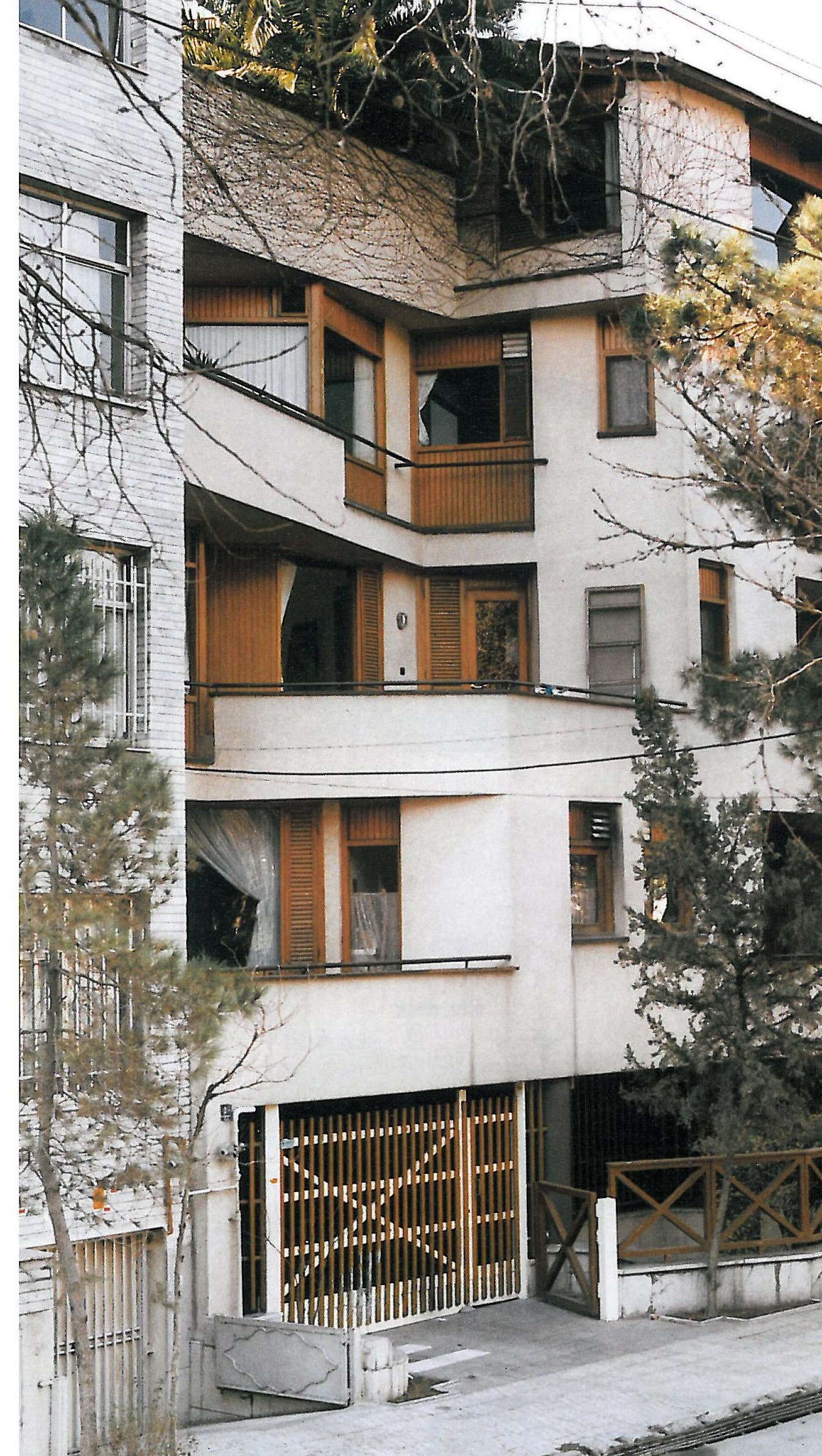
Shariat-zadeh’s plans appear as components that have been joined together rather than parts of a unified whole. As if the diverse and varied spaces, without the importance of any being subordinated to one overarching idea or master plan, have been gathered side by side, and the designer’s effort has been to organize and facilitate the adjacency between them. This is why some have called Shariat-zadeh a functionalist and consider form secondary—a judgment that seems premature.
Shariat-zadeh does not impose a comprehensive plan or geometry onto the plan. Unlike traditional architecture, which followed recognized techno-formal models, modern architecture regards today’s building function as so variable and evolving that it cannot tolerate any pre-made form or preconceived pattern. Advocates of formal expression in architecture, by abandoning recognized models, tend toward personal expression—which conflicts with the fundamental principles of modern architecture. At the same time, no architecture can escape a formal outcome. But every form belongs to a lineage and dynasty. When modern architecture negates these lineages, today’s architect must find a separate family and lineage—the result being a kind of unavoidable formalism.
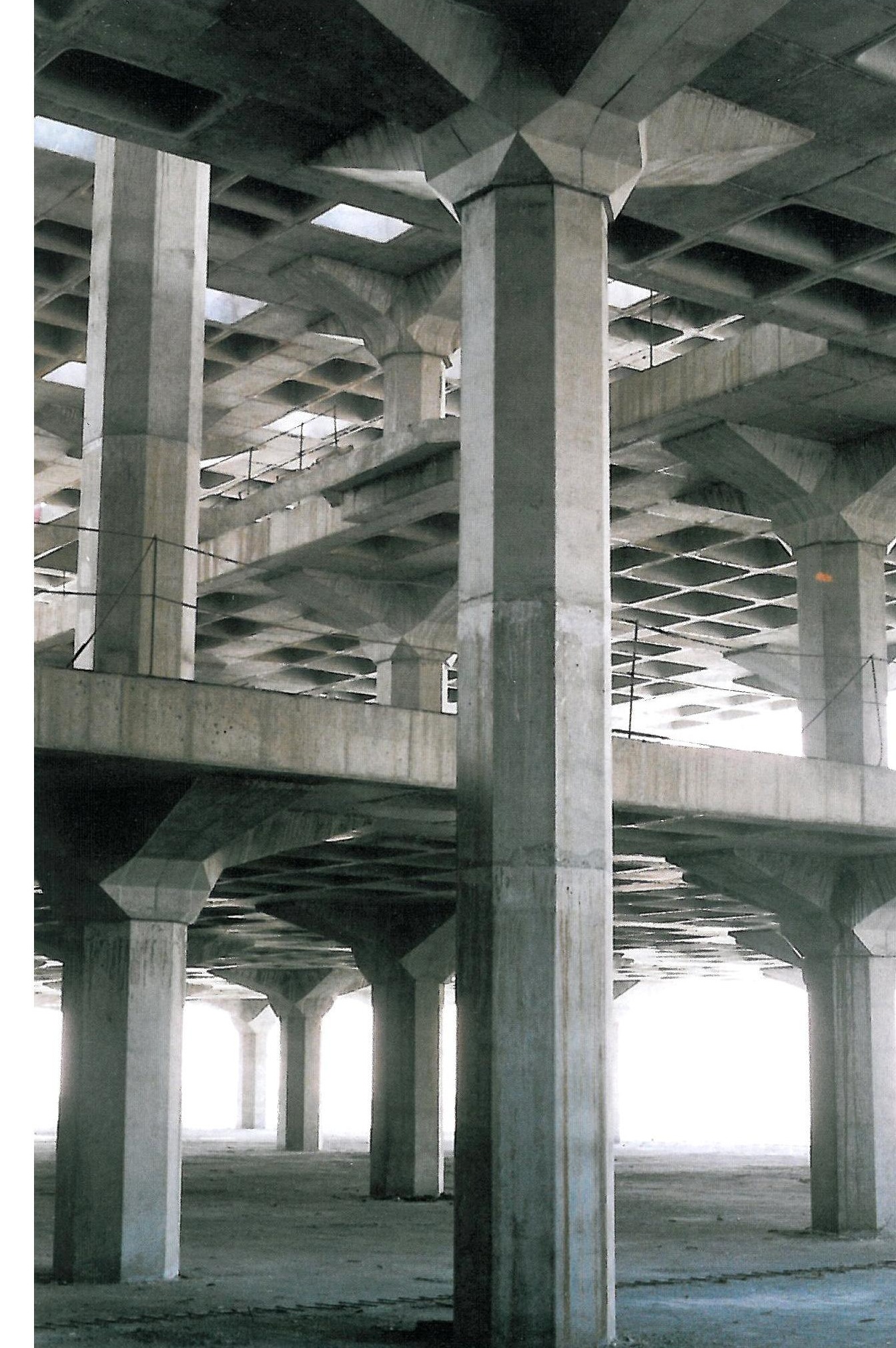
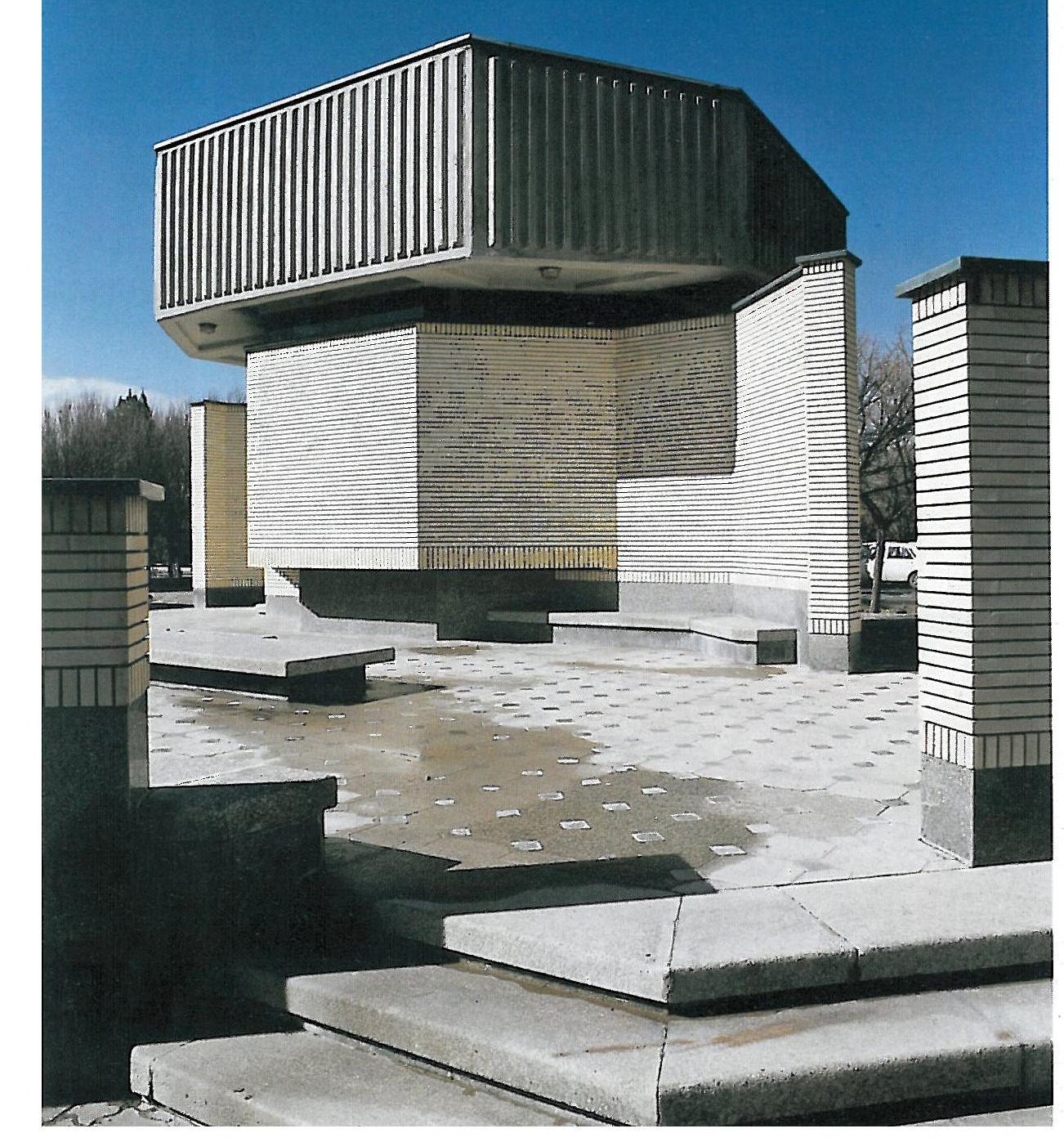
Shariat-zadeh, in accordance with the rational principles of modern architecture—principles to which modern architecture itself has never remained faithful—has assumed this formalism to be avoidable. He achieves form not through imposed formalistic copying but through his own beliefs, via a morphological oversight of the form-generation process of the design. Perhaps his tendency toward hexagonal geometry versus rectangular geometry—the honeycomb—is a sign of his inclination toward a kind of organic architecture. The hexagonal geometry tends toward convergence and closure, while the rectangular has been divergent and expansive. Through creating a multilinear order versus a linear order, greater possibilities emerge for solving spatial problems. Shariat-zadeh believes that architecture should not impose a predetermined form upon itself; rather, architecture finds the form that is appropriate to it.