



"Idea" is a term that is frequently used in architectural discourse, and this very fact demonstrates its importance. In the history of human civilization, ideas have played a very important role — perhaps the most important role. Would the "bow and arrow," one of humanity's earliest weapons, have come into existence without an initial idea? Could Christopher Columbus, without a definite idea, have steered his three sailing ships toward an unknown world? Would travel to the moon have been possible without an idea (first expressed by Jules Verne)? If we look around us, we see that all the objects in our lives were originally created based on specific, initial ideas.
"Idea" derives from a Greek word meaning "to see," and I believe its modern meaning still has affinity with this Greek root: "to see with the eye of reason." John Locke confirms this for us: "An idea arises from the operations of the mind upon the sensations produced by the information acquired from the external world through the senses and conveyed to our minds."1 The senses play an important role in the genesis of ideas. The crab shell that Le Corbusier found in 1946 on the shores of Long Island, near New York, became one of the most important ideas for a masterwork of contemporary architecture: the roof of the Ronchamp Chapel.
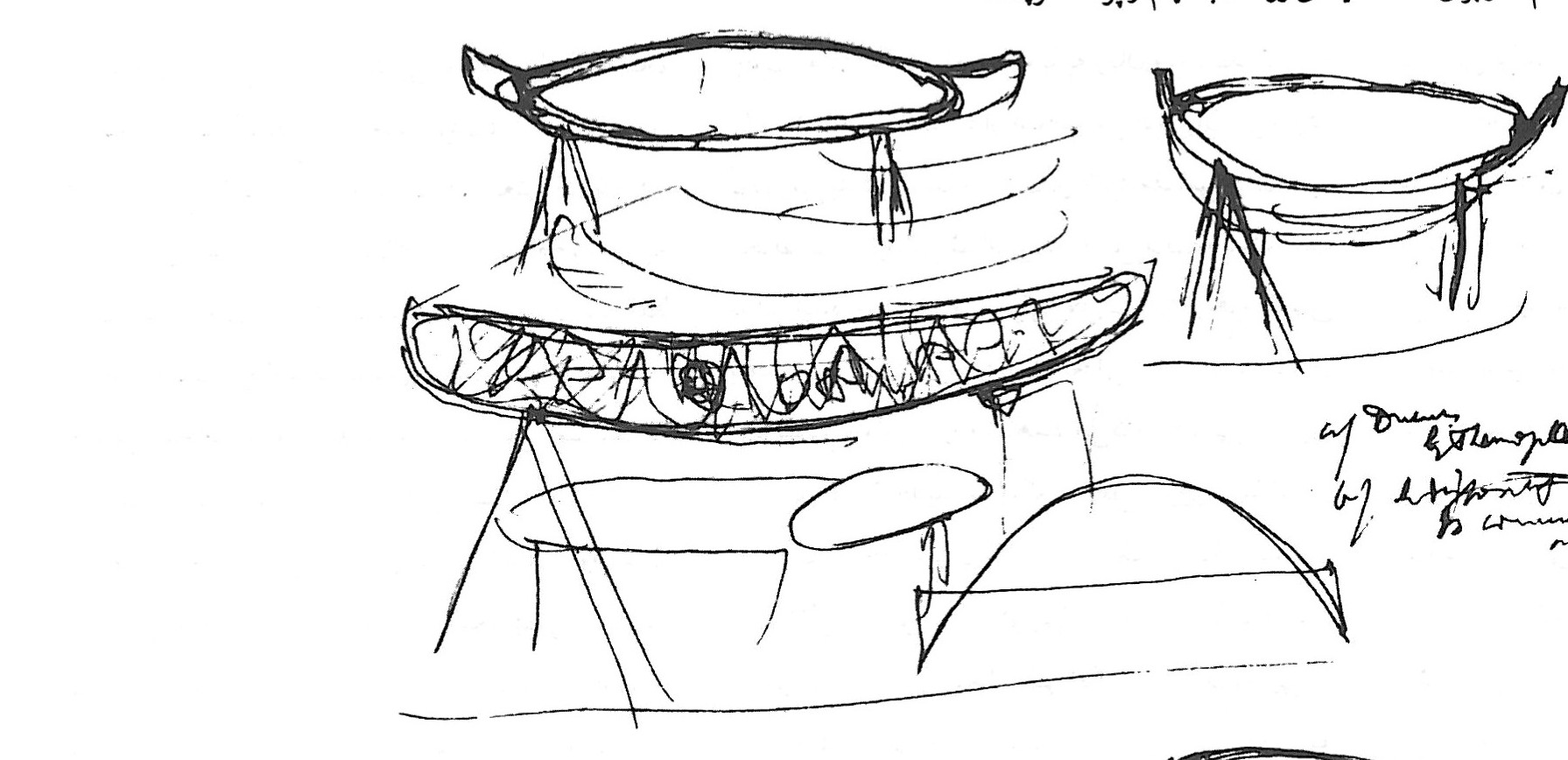
Paolo Portoghesi, in his recent interview about "the year 2000," stated that the root of all forms is found in nature. In any case, not only natural forms but all phenomena that exist in this world — a building, or even a story and a poem — may also serve as catalysts for nurturing an idea in the mind. The important point is how the idea is extracted from familiar things, for the direct transformation of things that have aroused our curiosity into architecture — to the extent of constructing a building in the shape of a crab — would be absurd. The curious mind extracts the essence or the important characteristic of those things known through the senses, and then translates it into the appropriate language of the project (using a specific formal strategy). Over time, meanings are forgotten, functions change, and what remains is form. For this reason, it is correct that the formation of an idea or its crystallization follows its own course.
Calvino, regarding the process of transforming an idea into a story, says: "...when I begin to put black on white (to write), the writing gains importance: first as the search for an equivalent of a visual image, and then as the coherent advancement of the initial stylistic principles. It is the writing that guides the story in the direction that verbal expression steers it, and the visual image flows more easily."2
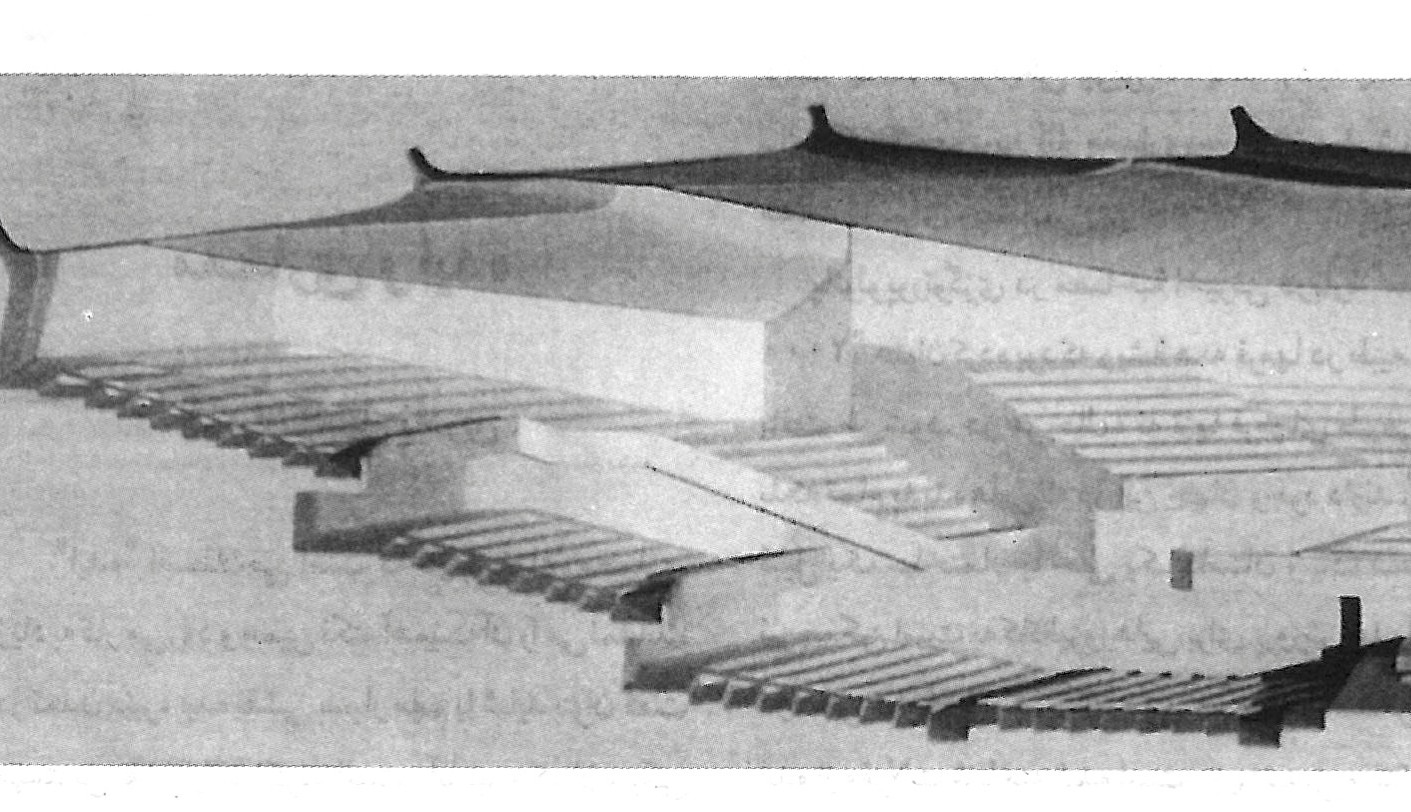
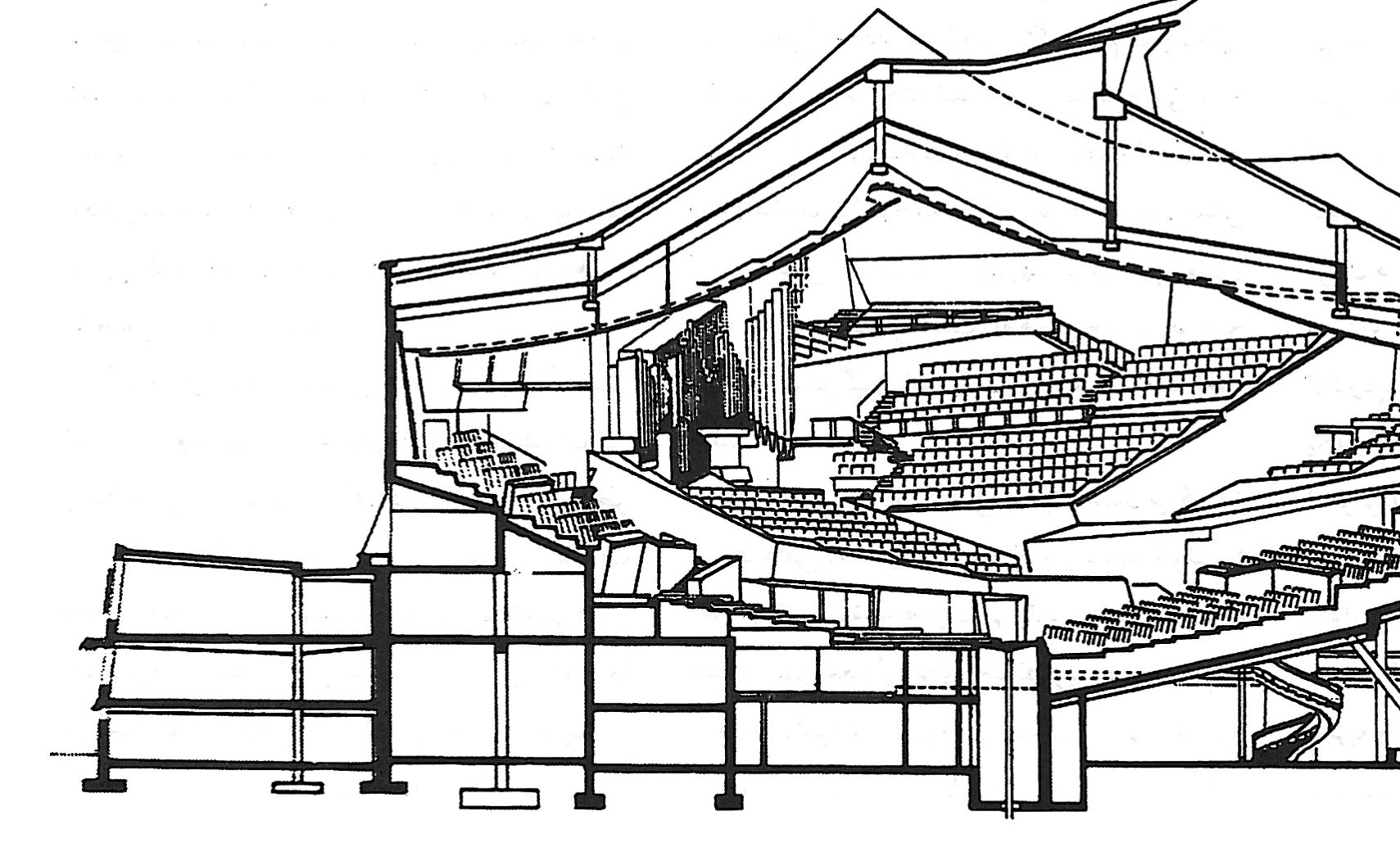
The transformation of idea into form is one of the most important and fascinating problems of architecture. In its initial stage, the idea may be pure thought. This then transforms into an architectural idea and ultimately into a formal idea. The formal idea is different from form itself. The formal idea of the Ronchamp Chapel roof was a convex, thick, double-shelled structure that was derived from observing a crab shell, and this could have been designed in thousands of different ways. Plato believed that the phenomena of the world are various manifestations of the world of ideas or eternal and absolute forms. This theory can be correct in a way: ideas can crystallize into various forms. Crystallization, before anything else, is determined by formal strategy. The auditorium in Rome, designed by Renzo Piano, was, by his own account, inspired by the formal idea of the Berlin Philharmonie by Hans Scharoun.3 But these two buildings, despite undeniable similarities, are different in terms of their interior spatial organization because each was designed using different strategies. For this reason, two painters render a single landscape in two different ways. The reserves of the architect's mind and culture play an important role in the production of work, because they influence how information is analyzed and, even before that, how information is selected.
Le Corbusier describes the five stages of arriving at an idea as follows: "Looking, observing, seeing, imagining, and inventing."4 "Looking" means the effort to gather information — information that in architecture is largely visual and is obtained particularly from observing the environmental conditions of the project. "Observing" means greater curiosity and attention to matters that seem important to the designer. It is in this sense that observation involves a kind of critical perspective. Ostilio Rossi says: "...the project is a series of selections that are guided by the architectural idea and connected to reality."5 "Seeing" means recognizing and identifying the "architectural problem" or understanding the effective principles at work in the specific spatial, temporal, and contextual conditions of the project. "Imagining" relates to the birth of an idea in its most rudimentary form: when a conception about the project has entered our mind that has not yet found architectural meaning or been translated into the intended language. It is expressed using existing elements. The final stage in Le Corbusier's view is "invention" — architectural "invention" — an idea that is new not for reasons of taste but by necessity. If we accept that an idea constitutes a step forward, we must accept that this step amounts to setting foot in unknown territory — just as geographic explorations, scientific discoveries, and inventions have always been accompanied by venturing toward the unknown. Alberto Sartoris says: "Architecture, before it is a building, is a thought, an invention, and an unforeseen event. Invention essentially occurs when an exceptional solution is needed, and the work of architecture always takes place under conditions that are temporally, spatially, and contextually specific, and therefore requires invention."
The principal task of the architect is to find the unique essence of each project and to address it. It is through this process that the idea is generated and, alongside the building — which is a solution to a limited and specific problem — architectural culture also advances. New dimensions of aesthetics and new methods of spatial organization are achieved through this process. If we disregard architectural accomplishments and turn to matters of taste, given the relativity of taste, we will inevitably have to accept that architecture is stagnant and perhaps even regressing.
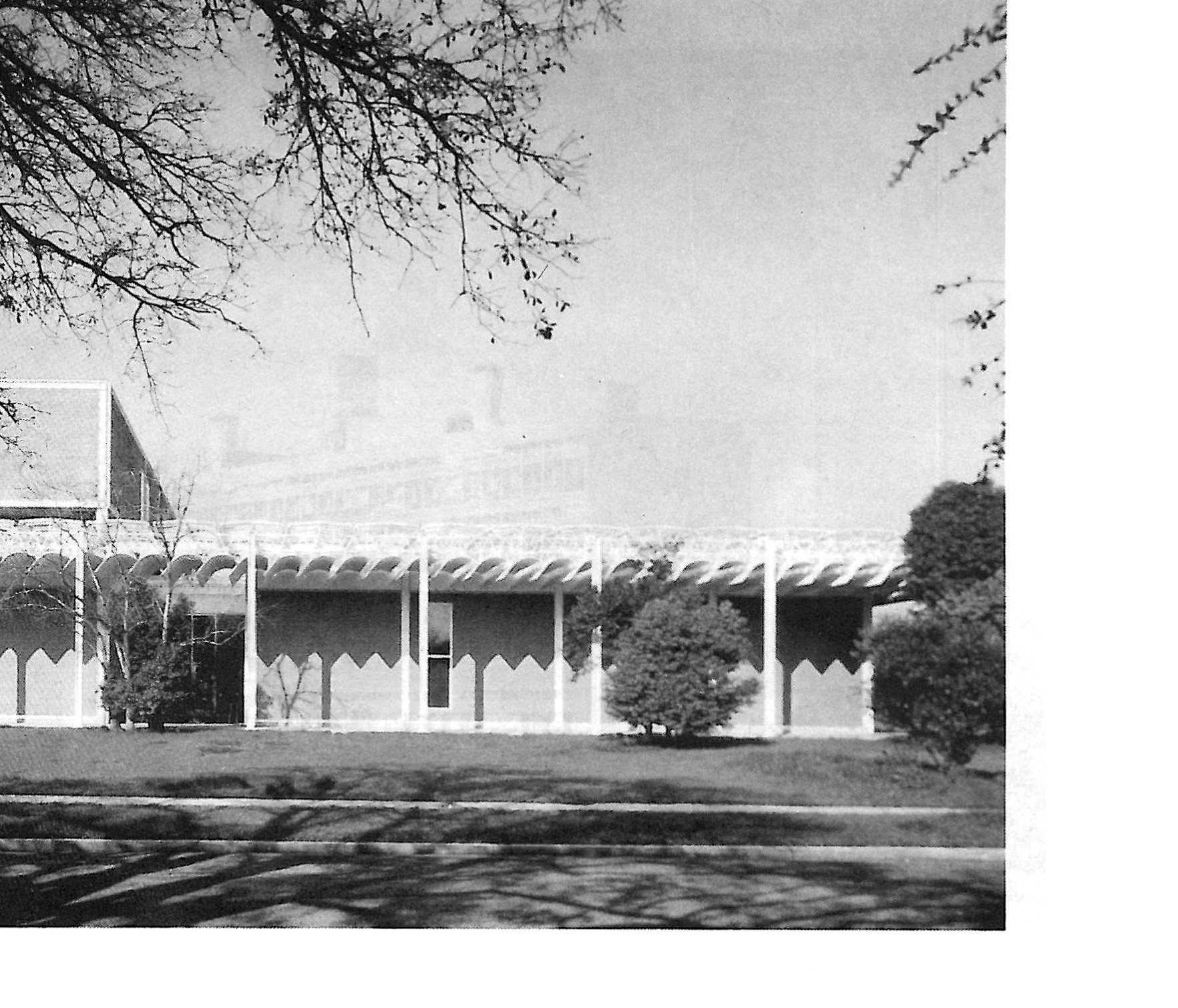
In most advanced countries, very beautiful buildings are constructed every day, filling the pages of magazines with names like "Beautiful House," "My Villa," and "The World's Most Beautiful Villas"; but in serious architectural publications, these works are not mentioned. Conversely, works that may even seem tedious sometimes become more important than dazzling buildings. Among all the works of Renzo Piano, the Menil Museum — which is less spectacular than his other works — has attracted the greatest attention of critics. In this project, instead of beginning the design process from an aesthetic presupposition, the architect tried to understand the central problem of the project and respond to it with a powerful idea. In any case, architecture is always full of diverse problems, and it is natural that at the outset or during the design process, numerous ideas take shape. The main difficulty for many designers is not that they lack ideas but that they have thousands of ideas. The refinement of a project is often achieved through elimination. As we said, architectural problems are countless; the main reason is that the factors affecting a project are innumerable. Responding to all problems means neglecting individual problems, because different problems may demand contradictory solutions.
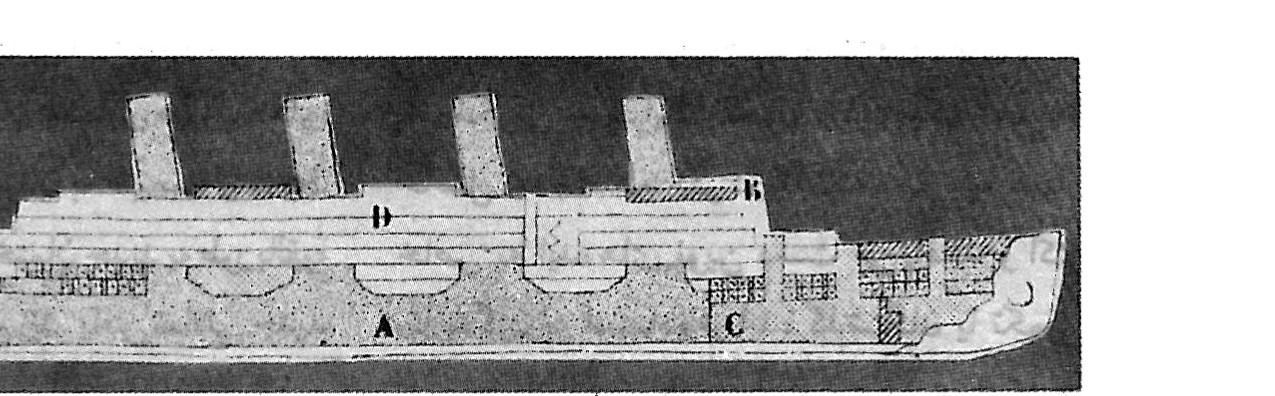
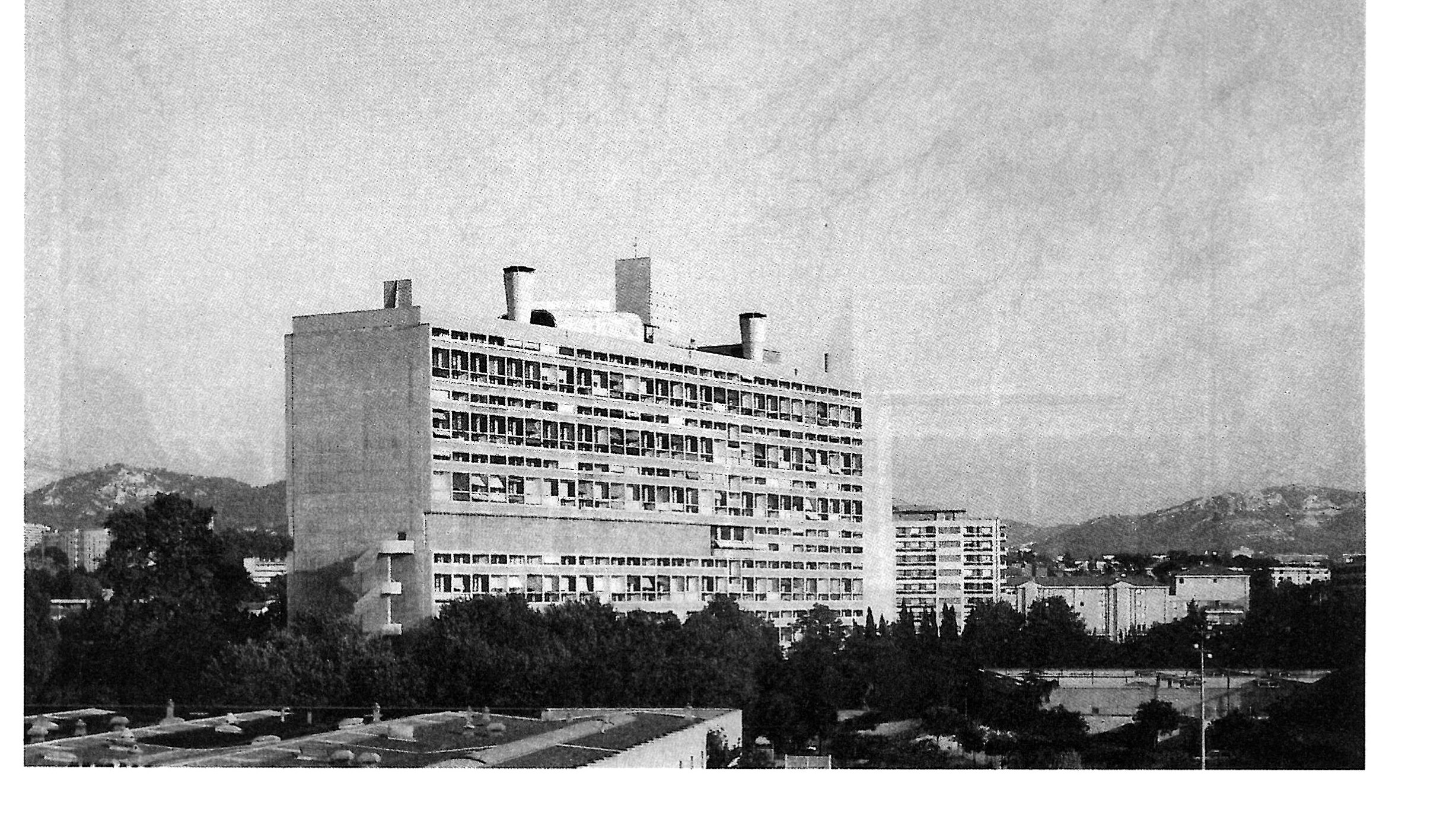
The task of the architect is to identify the most essential problems and respond to them as a first priority. For this reason, although all memorable architectural works are clearly founded on one or a limited number of strong, central, and primary ideas, the design of all parts of a building requires a great number of ideas — ideas that always come to fruition through the selection of the best options and the reinforcement of the main characteristics of the chosen ideas in the design process. In principle, a project succeeds when every component is based on an idea. A door, a staircase, or a window — seemingly ordinary elements — through the cultivation of ideas and the application of creative force, become exceptional design opportunities.
Let us return to the discussion of the Menil Museum. In this project, the central problem is the illumination of artworks. Daylight, which is the best light for precise observation of the colors of objects, is extremely destructive if uncontrolled, which is why many museums forgo daylight altogether. For the Menil Museum, which has a very simple and flexible plan, Piano designed a roof composed of light-filtering panels guided by mechanical arms. Through this approach, he was able to provide the best lighting conditions for the works inside the museum. The building's exterior consists of a subtle interplay between the roof and walls that, inspired by Houston's vernacular architecture, are finished with simple wooden boards.
Successful architecture is always "a solution for..." not "an occasion for..." Architects who strive to leave behind a particular style are less likely to succeed in presenting a truly original and appropriate idea. Architecture needs solutions — ideas — not style. As we said, ideas drive the progress of culture and the precise response to needs, but buildings occupy living space that, unlike in the old days, is shrinking day by day and requires fewer and fewer buildings each day.
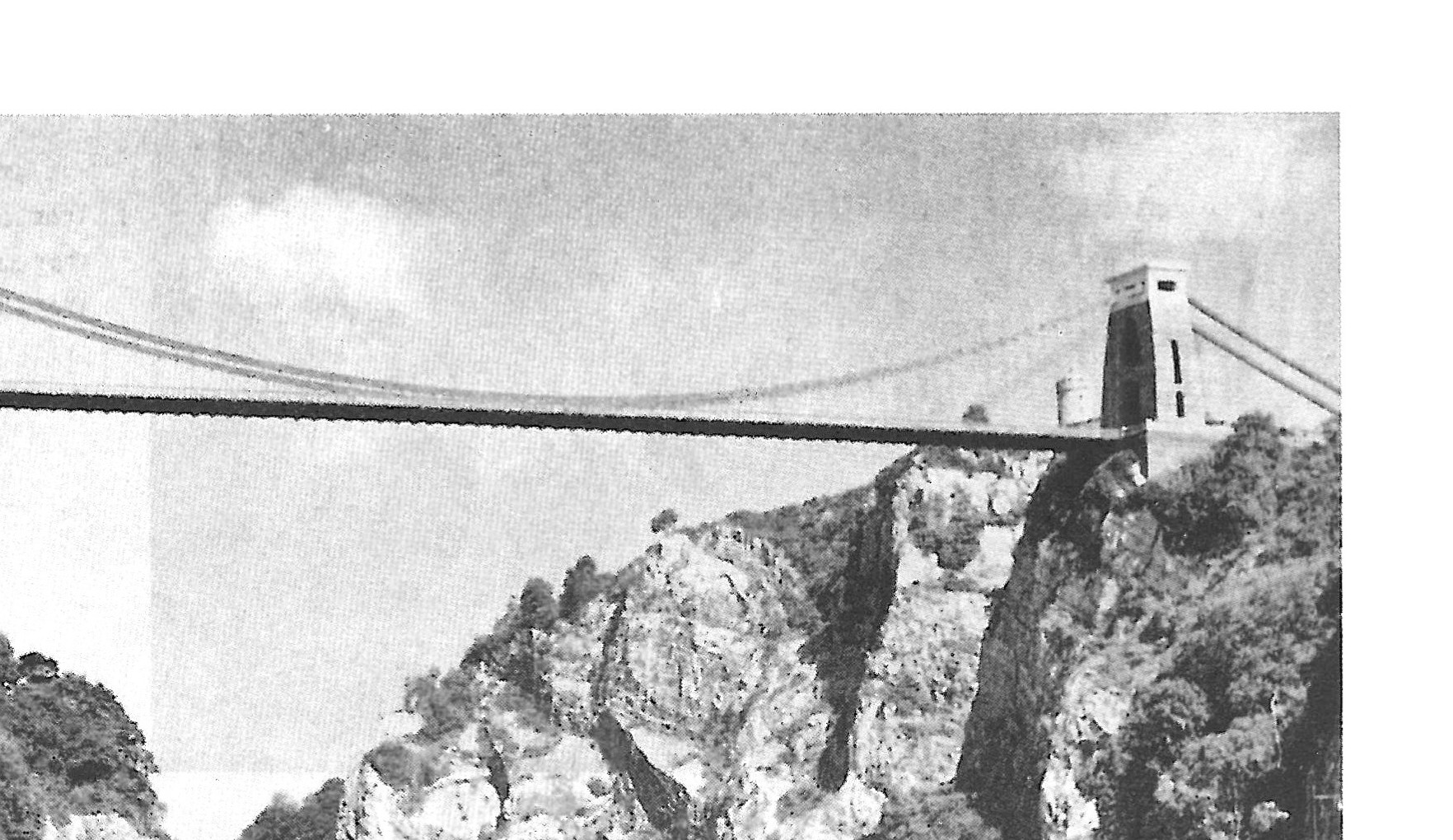
The environment in which we live has been so damaged that it cannot tolerate banality and ill-considered work. Escaping the responsibility of influencing the quality of the environment by taking refuge in temporary, nostalgic dreams of environmental or historical nature, and attempting to devise methods of camouflage, solves no problem. Architecture without ideas either hides in the environment or destroys it in a ghastly manner. Ideas are tools for dialogue and for proposing a complementary solution — not a solution that becomes a point of weakness and leads a parasitic existence. As Heidegger says, a bridge is not merely a means of connecting two sides of a river. Rather, "the bridge gathers the land as a landscape around the river."7 Architecture invents new ideas for bestowing value upon nature and the built environment. Every new building potentially can disrupt the existing equilibrium. Finding a new balance, like any unstable equilibrium, requires moment-to-moment adjustment, and therefore design is in a sense comparable to tightrope walking: for every moment a new movement is needed. The more stable equilibria belonged to the past and to traditional societies. In the traditional system, many things happened automatically, and the need for ideas was far less. There still exist artisanal and traditional products whose quality lies in the continuity of old methods, not in the creation of new ones. Caniggia believes that the root of the loss of traditions lies in the contemporary crisis. A crisis, in his view, occurs when an organism suffers a disruption in its customary functioning. In this state, the "unconscious consciousness" of the society disappears and is replaced by "critical consciousness"8 — like a person who has contracted a particular illness and can no longer eat whatever they desire based on natural instinct and routine. Their diet is determined by a specific and conscious regimen of choices. Self-awareness in architecture is an irreversible process.
It has emerged from the modern consciousness of the crisis of traditions and their inability to respond to the changing and dynamic conditions of our age. If in the past only very special buildings attained novel ideas, and most builders engaged in using past ideas or gradually refining them, today the situation is fundamentally different, and architecture that has no idea is not only culturally barren but, instead of addressing the project's problems, is forced to circle around them and claim a superficial legitimacy through tasteful gimmickry.
As previously stated, the value of an idea is not limited to the work itself, because if there is no idea, one can neither critique the work nor derive knowledge from studying it. If in our country architectural criticism does not take hold in a serious form, one reason is that works based on genuine architectural ideas are few. In many cases, factors such as construction technology, client demands, and so forth are cited as the main obstacles to architecture. The question is: even if all such problems were solved, would the architecture of the country be anything more than the flashy, ostentatious architecture of the Persian Gulf states or the monstrous towers of the Far East? So what becomes of our mission as heirs to the magnificent architectures of the Seljuk, Ilkhanid, and Timurid eras?
It must be acknowledged that in recent decades, considerable efforts have been made to understand the architecture of the past, and some of the rules of past architecture — such as vaults, yazdi-bandi, muqarnas, and arches — have been discovered. In contrast, the principles of past architecture are largely unknown. For example, they have yet to be sufficiently studied. Inevitably, because of insufficient familiarity with the principles of past architecture, since we have recognized their importance, we resort to imitating past works. Instead of striving to create an idea on par with Shah Abbas's ensemble in Isfahan, we imitate it. This problem is not limited to architecture. A lack of attention to ideas and substance, and reliance on appearances, more or less affects all fields. If a portion of the tremendous effort devoted to replicating industrial processes, equipment, and machinery in this country were allocated to invention and innovation, we would make far greater progress. A simple invention like yellow sticky notes (a product of the 3M company) could conquer the world. Ideas are always universal, but taste is local. It is because of the absence of ideas that we are so anxious about the encroachment of global architecture upon our country. To confront this "invasion," the production of ideas is also an important matter, because an idea neither fears nor lacks the power to resist. Important architecture in our country — which had an abundance of ideas — had already confronted the invasion of cultures and was not afraid of engaging with other cultures. For this very reason, the glories of Achaemenid architecture, even in the eyes of Western scholars, are attributed to the Iranians and not to the Greeks, the peoples of Mesopotamia, the Egyptians, or other nations who played a part in erecting Persepolis, Pasargadae, and so on.
Inevitably, every idea, once put forward, remains valid until another alternative emerges and no other serious idea has refuted it. This occurs not only in the world of science but also in everyday reality. Ideas are like water and permeate everywhere. Even banal ideas such as jeans and Coca-Cola conquer the world and, despite all cultural resistance, hundreds of millions of bottles of Coca-Cola are consumed daily around the globe. It does not matter whether this beverage is produced in China, India, or Iran. The profit and the idea belong to its originator. It is predicted that in the near future, the primary human activity will be "the production of ideas," while robots and computers will perform the rest. The production of ideas is in truth one of the most important activities of the brain — one that computers are incapable of performing. Architecture as one of the highest activities of the brain has found its validity through critiques and theoretical discussions of architecture — not through being built. In principle, these projects were not designed to be built.
Today, many important works, more than addressing aesthetics, are concerned with demonstrating architectural ideas, and for this reason, these works are sometimes austere and in their purest form — nearly resembling diagrams and abbreviated forms — effectively convey the initial idea.
1 John Locke, Essay Concerning Human Understanding; Cited in Lee A. Jacobus, A World of Ideas: Essential Readings for College Writers, New York, 1986, p. 528
2 Italo Calvino, Lezioni americane, Garzanti, Milano, 1988, pp. 88-89
3 Hans Scharoun
4 Le Corbusier, Vers une architecture [it. Verso un'architettura, P.L. Cerri & P.L. Nicolin, Longanesi, Milano, 1984, p. 80]
5 Piero Ostilio Rossi, La costruzione del progetto architettonico, Editori Laterza, Roma-Bari, 1996, p. 29
6 Le Corbusier, Vers une architecture [it. Verso un'architettura, P.L. Cerri & P.L. Nicolin, Longanesi, Milano, 1984, p. 80]
7 M. Heidegger, "Costruire, abitare, Pensare," in Saggi e discorsi, Mursia, Milano, 1976, p. 101
8 G. Caniggia, G. L. Maffei, Composizione architettonica e tipologia edilizia, Marsilio Editori, Venezia, 1972, pp. 15-39