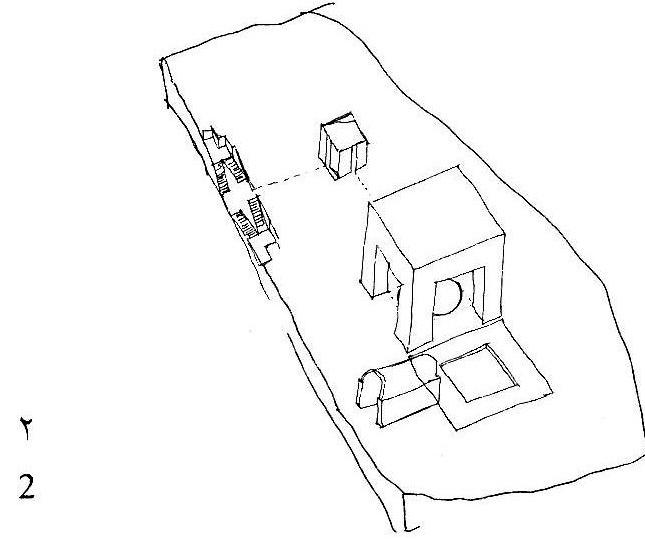
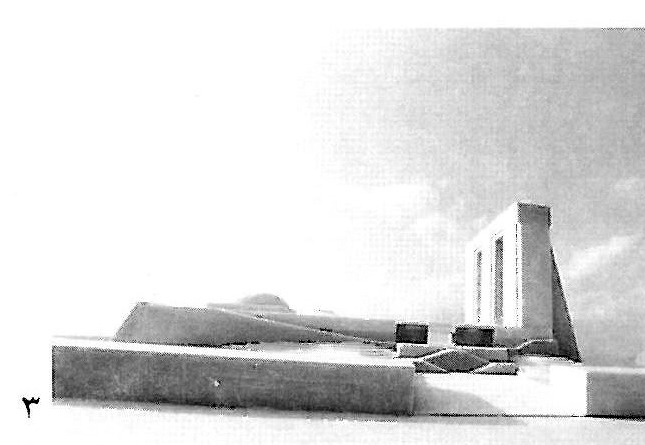
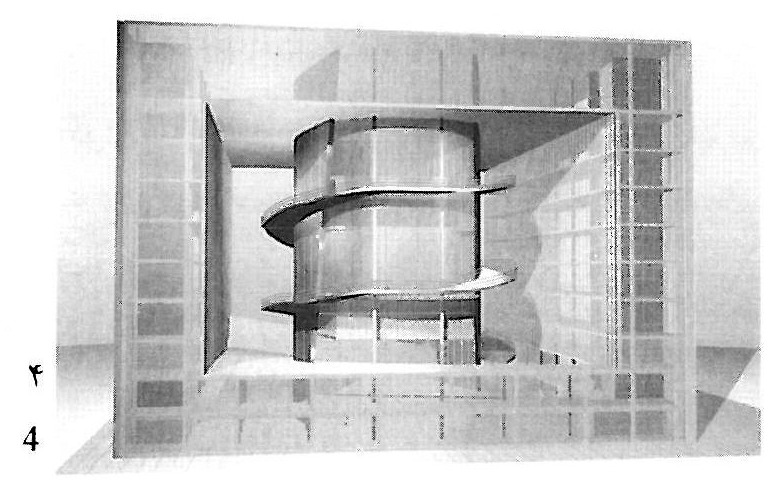
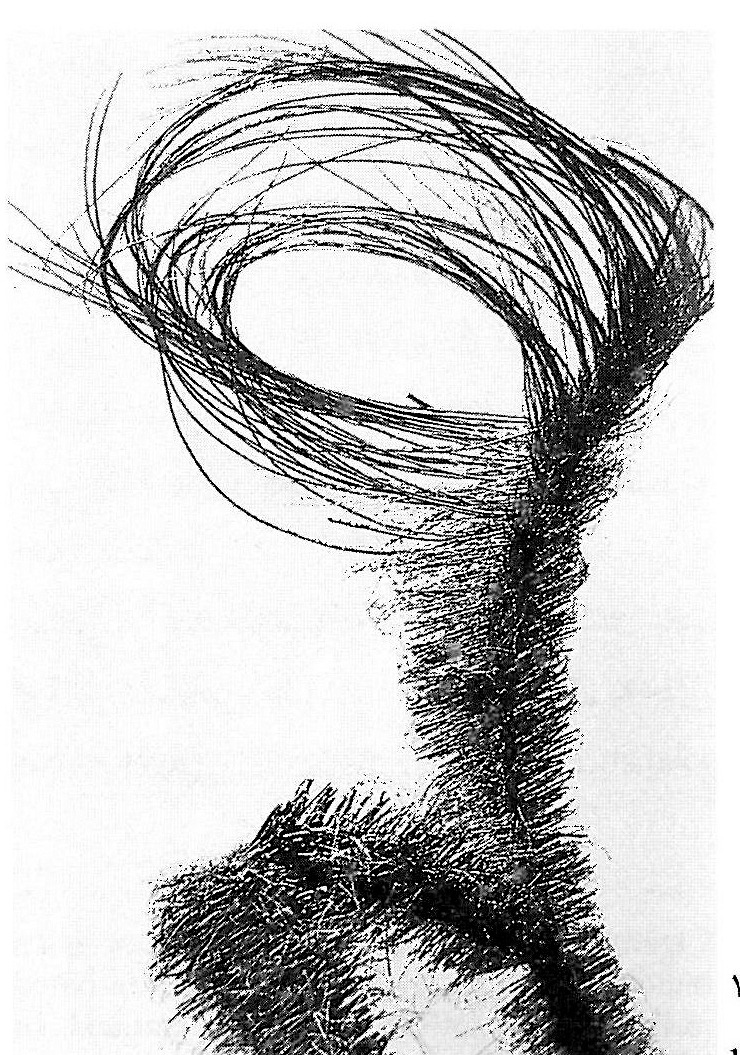
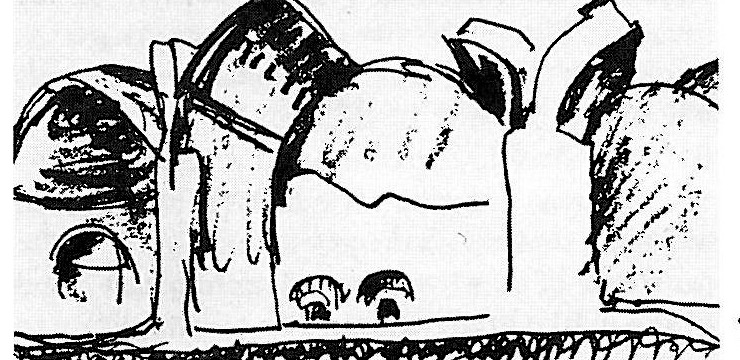
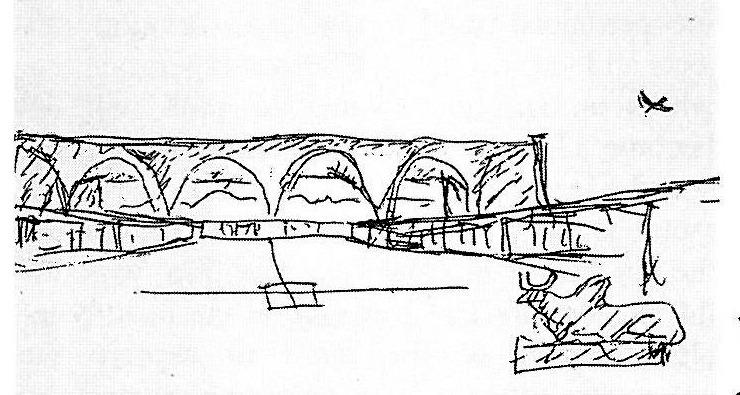
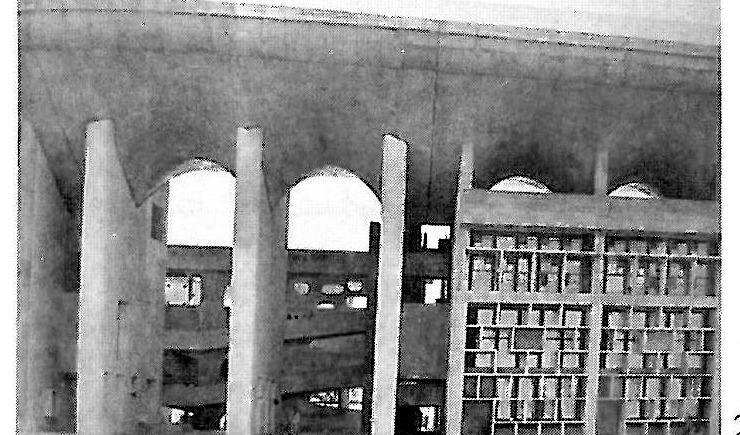
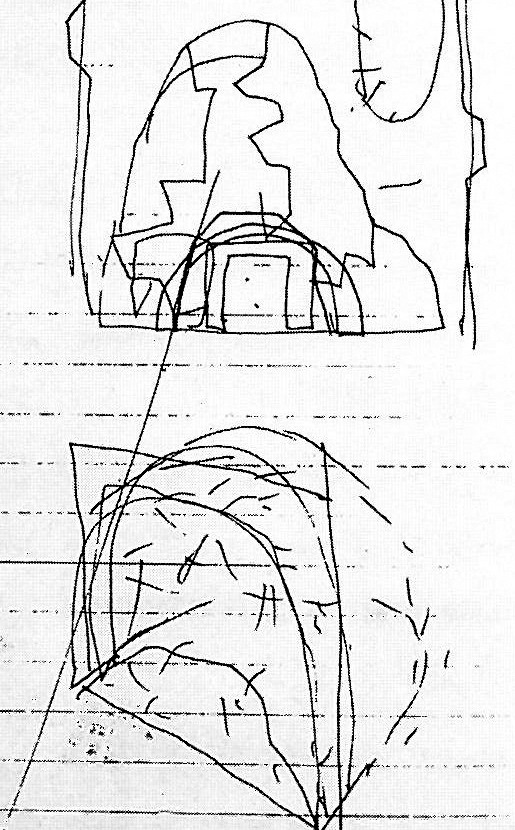
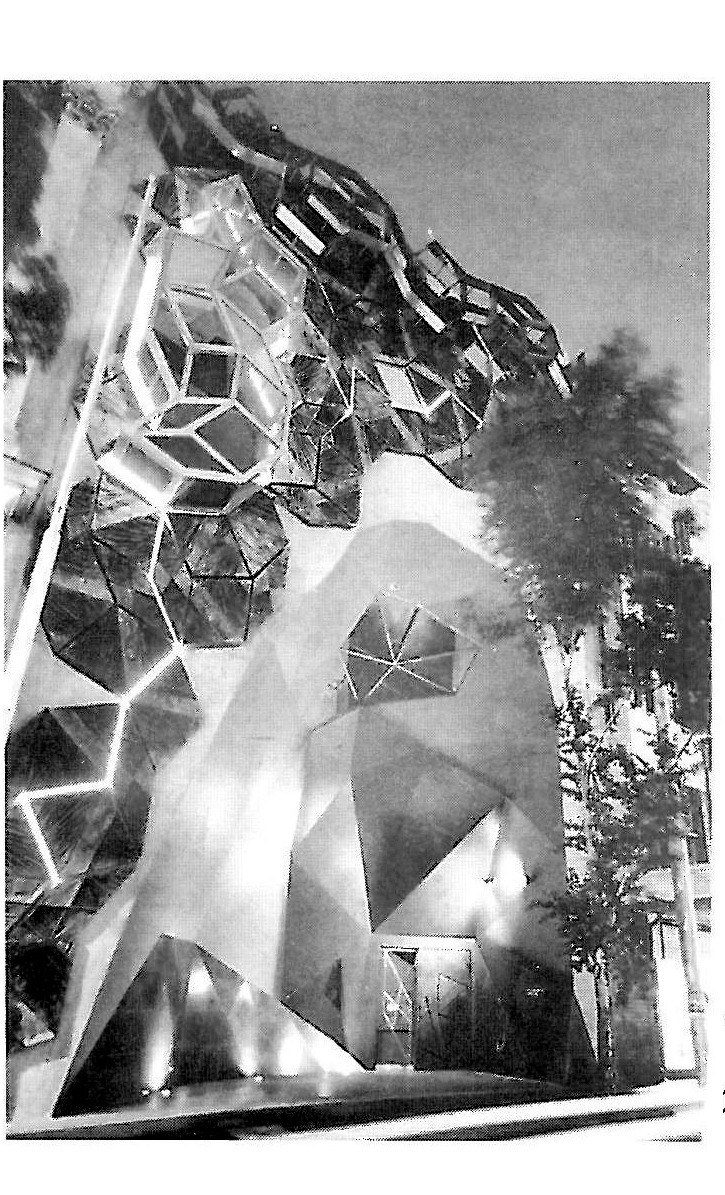
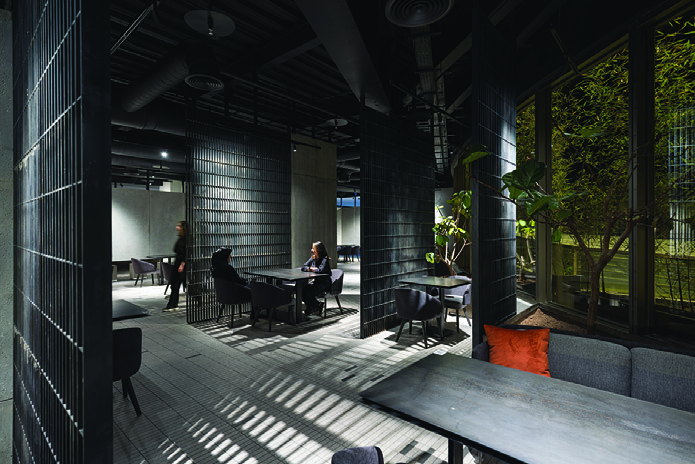
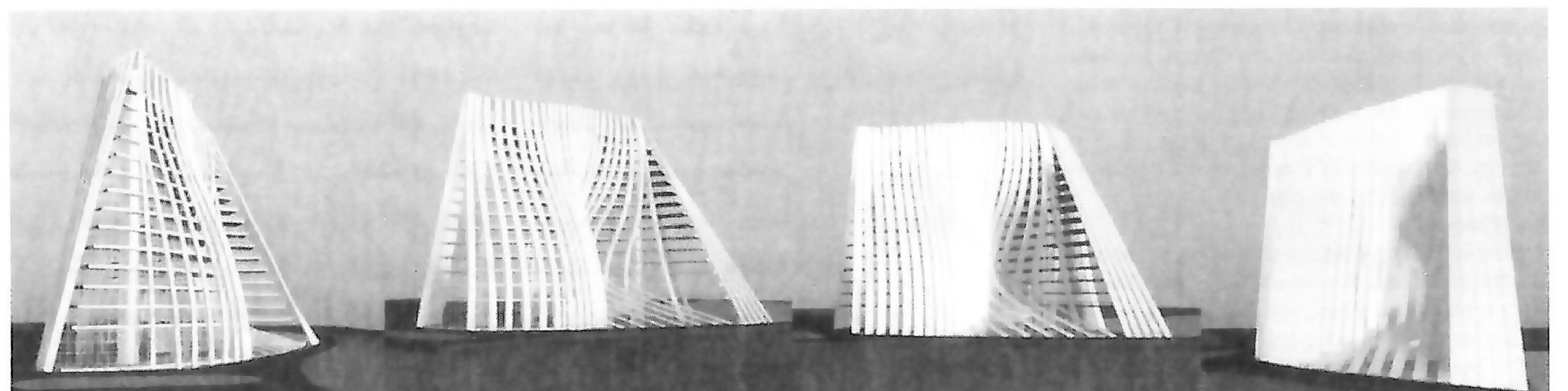
In architecture, often we are confronted with two main problems: one, the technical and functional requirements of the building and the other, the space, form and esthetics. In outstanding projects these two features are inseparable and are a product of creativity. The project of the Tosee’ Saderat Bank of Iran, designed by Bahram Shirdel,(1) has noticeable elements of creativity in organization of space, form and structure. This building has modified the traditional concept of elevation. Horizontal elements grow smoothly to change into vertical elements forming the elevation. An elevation which has no front or back nor a border. From each angle, a new vision of the building appears and the volume changes from a closed form to a transparent one. A new concept is put forward in the field of technology and static. The apparent repetitive elements of the elevation are in fact structural frames, which are not independently static but erected by leaning to each other, in an organization similar to a horizontal arch. In contrast to the complexity of structural frames, the floors are all similar in all stories. The helix form of plan is a suitable solution for organizing the space in a irregular lot of land.
Architecture, in its original meaning, is the difficult task of creating something which has not existed. In fulfilling this task, the designer uses his power of imagination. Creativity is beyond the mere imagination, even an artistic imagination. Imagination can lead to ideas, forms, or images but creativity is innovation and invention. Just like inventions, the precondition of creativity is a concrete need and goal. Creativity takes its full meaning when a new and effective solution to the problem has been found. Thus recognizing the problem is prior to finding solutions. If the problem is described correctly, then sooner or later the solution will be found.
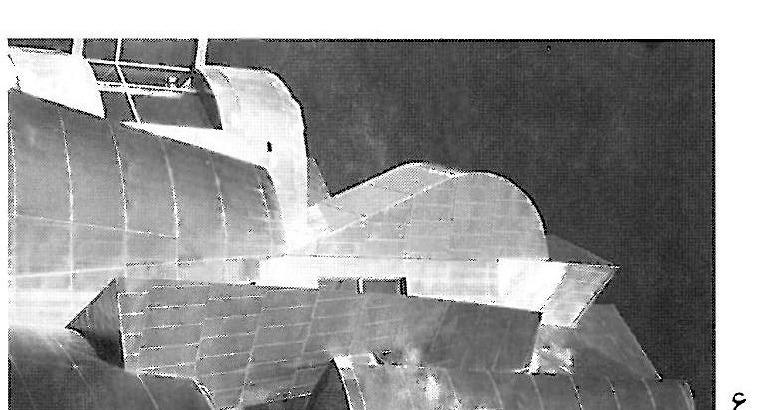
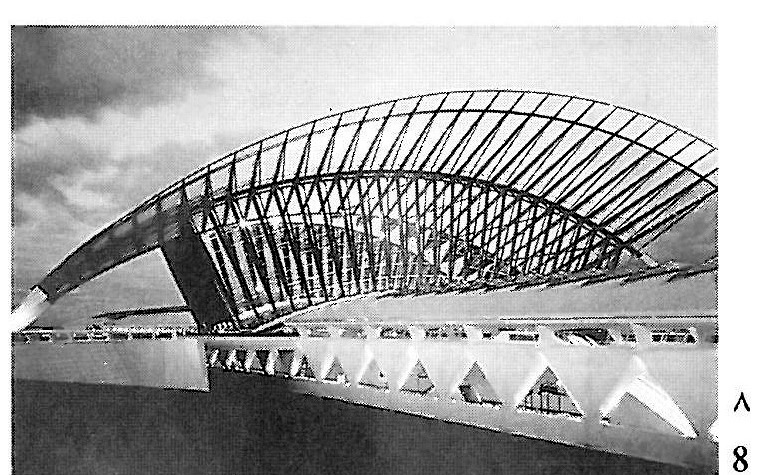
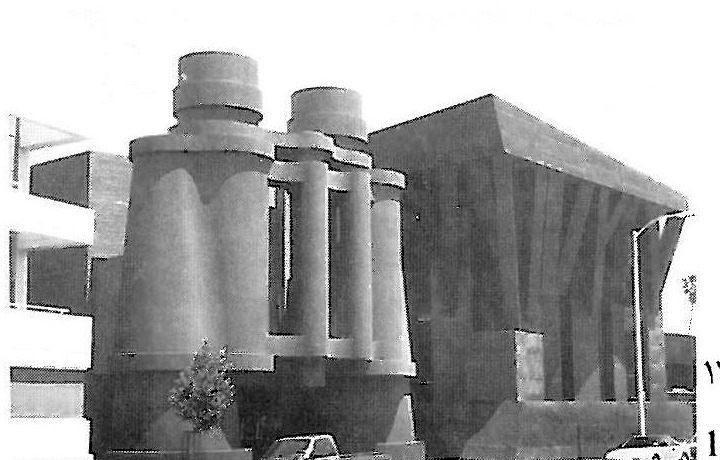
Creativity, just like invention, does not mean building a completely new object. It is based mainly on the artist’s cultural background. In inventions, inspirations from remote fields, not directly related to the problem, have usually an important role. In creativity, just like invention, five elements have a crucial role, the first of which is the personality and character of the inventor. Thus creativity cannot be envisaged as a job with a fixed time and rules, but depends wholly on the way of life and the reactions of the individual towards his environment. A person like Jean Prouvee, who had a great talent in technical matters, dedicates his creativity to the problems of construction and architecture. And a person like Frank Gehri, who has creativity in sculpture, dedicates himself more to aesthetics than tostructure. The point is to perceive the real talent and strengthen it regardless of all the false wishes or ideals.
The second factor is experience. Creativity is impossible without experience, because an inexperienced mind is unable to develop subjects and various paths. Without experimenting, which is the third factor, the path will not become clear. Good architects and designers spend a lot of time on their projects. The fourth factor is inspiration. Inspiration or intuition is the key factor in creativity. Intuition, which is the highest level of learning, is the most complex activity of the mind to explore the unknown. Intuition takes us where science and knowledge has not yet reached. The last factor is accident.