In the field of architecture, one of the fairest methods of selection — while at the same time encouraging innovation, talent, and professional rivalry — is the holding of competitions. Submitting work to a competition in order to display one's skills and secure a commission is uncommon in any profession other than architecture and design. This is both a source of pride for architects and a source of frustration. Pride, because the candour and democracy that civilised societies demand find tangible expression in such contests; and frustration, because architects are forced to tie their professional fate to events in which, given today's intense competition, the probability of victory is slim.
In this context, the firmness and coherence of the competition as an institution is of great importance in arriving at a satisfactory outcome. If this institution is not sufficiently robust and credible, it produces frustration for both entrants and organisers alike. Establishing a sound competition framework within the architectural profession is at once essential and delicate.
Every competition requires careful thought attuned to the particular project, rather than the blind imitation of one model or another. In other words, before the announcement of a competition and the invitation of designers, detailed research must be carried out on the project's background, programme, and conduct of the competition itself; the announcement and the selection of entries are only the closing phases of the work. If the conditions of a competition are not clearly drafted, they will yield nothing but confusion and ambiguity for designers. The intellectual and practical preparation, the proper definition of the brief, and the manner in which the competition is presented are decisive to its success. A competition with poor organisation or weak adjudication is far worse than the direct commissioning of an architect on the basis of personal taste.
A competition may fail to be run satisfactorily for the following reasons: first, an inadequate initial budget for organising the competition and the consequent setting of trivial prizes; second, ambiguity in the rules and the incompleteness of the background documents and information supplied to entrants — a shortcoming that usually arises from the absence of a professional adviser familiar with such work; third, the inexperience of the jurors, or their being ill-suited to the specific subject of the competition; and fourth, the inappropriateness of the submission materials requested from designers for the purposes of judging — or, conversely, the demand for costly and exhaustive documents whose aim seems to be not so much the identification of fitting architecture as the acquisition of a detailed project design.
Architectural competitions are extremely varied: competitions that lead to a project; competitions seeking only a design concept; open competitions imposing no professional conditions on entrants, or restricted competitions with set conditions; invited competitions; one-stage and two-stage competitions; and competitions whose structure combines several of these types. For example, two-stage competitions whose first stage is open and whose second stage also invites a number of recognised architects to participate; or two-stage competitions whose first stage seeks the design concept and whose second stage develops the project itself.
The procedure for selecting jurors is also varied: the organisers may choose the jury directly, or entrust this task to a professional adviser. In some competitions the duty is delegated to an independent committee or panel composed of professional architects and other specialists from related fields. In its simplest form, the entrants themselves are consulted on the choice of juror.
Drawing on the broad and lengthy experience of holding architectural competitions, one may say that a successful competition is one that possesses the following characteristics, and that a competition lacking them will not arrive at the desired result:
- The competition organiser must be thoroughly familiar with the process of organising and advancing the work; the duties of the secretariat and of each of the competition's officials must be planned out in advance; the method of selecting jurors must be settled; and the chair of the jury, the secretary of the organising body, the professional adviser or advisers, and the technical committee must all be chosen ahead of time, with the overall procedure for assessing entries clearly defined.
- A capable professional adviser, or advisers, must be engaged. The professional adviser is not to be confused with the technical committee; the adviser is usually a seasoned architect who must think through all the documents and procedures of the competition and propose methods and solutions, whereas the technical committee attends only to the quantitative and qualitative aspects of the submitted designs. The professional adviser is thus the thinking mind of the competition organisation, with command over the formulation of regulations, criteria, and all the competition's documents.
- Complete written, drawn, and photographic documents on the location, situation, and characteristics of the proposed project must be placed at the disposal of the entrants.
- The rules and regulations of the competition must be entirely explicit, clear, and reasonable, allow the entrants an opportunity for questions and answers concerning the brief, and make plain in advance the rights of the winners and of the client.
- A firm but realistic timetable must be drawn up. This schedule must include: the closing date of registration, the despatch of answers to enquiries received, the receipt of entries, the closing date for receipt of entries, the convening of jury sessions, the announcement of the jury's verdict, the conferral of prizes, and the holding of an exhibition of the selected designs.
- The jury is usually composed of architects, historians, scholars of art and architecture, other specialists in related design professions, and representatives of the organising body or of the eventual users. But beyond its composition, the jury's familiarity with the project and command of the currents and ideas of design must not be deficient, nor must its members be swayed by the manner in which the entries are presented.
- The principal cost of a competition is borne in practice not by the client but by members of the profession themselves. These costs are so high that their sum sometimes equals the cost of constructing the building. The least an organiser can do to make good these expenses is to provide prizes worthy of the selected designs and to mount an exhibition of them.
For all this — and although it is believed that design competitions play an important part in elevating good architecture — the competition cannot in every case stand in for the careful selection of qualified architects, and broader criteria of choice and other varied methods cannot be set aside.
In what follows, in order to acquaint the reader more closely with the organisation of international architectural competitions, we present three international competitions held in recent years, each representative of a type: the Nara Convention Centre competition, an open two-stage contest; the Constantini Museum competition, an open one-stage contest; and the Qatar Museum of Islamic Arts competition, an invited and restricted contest.
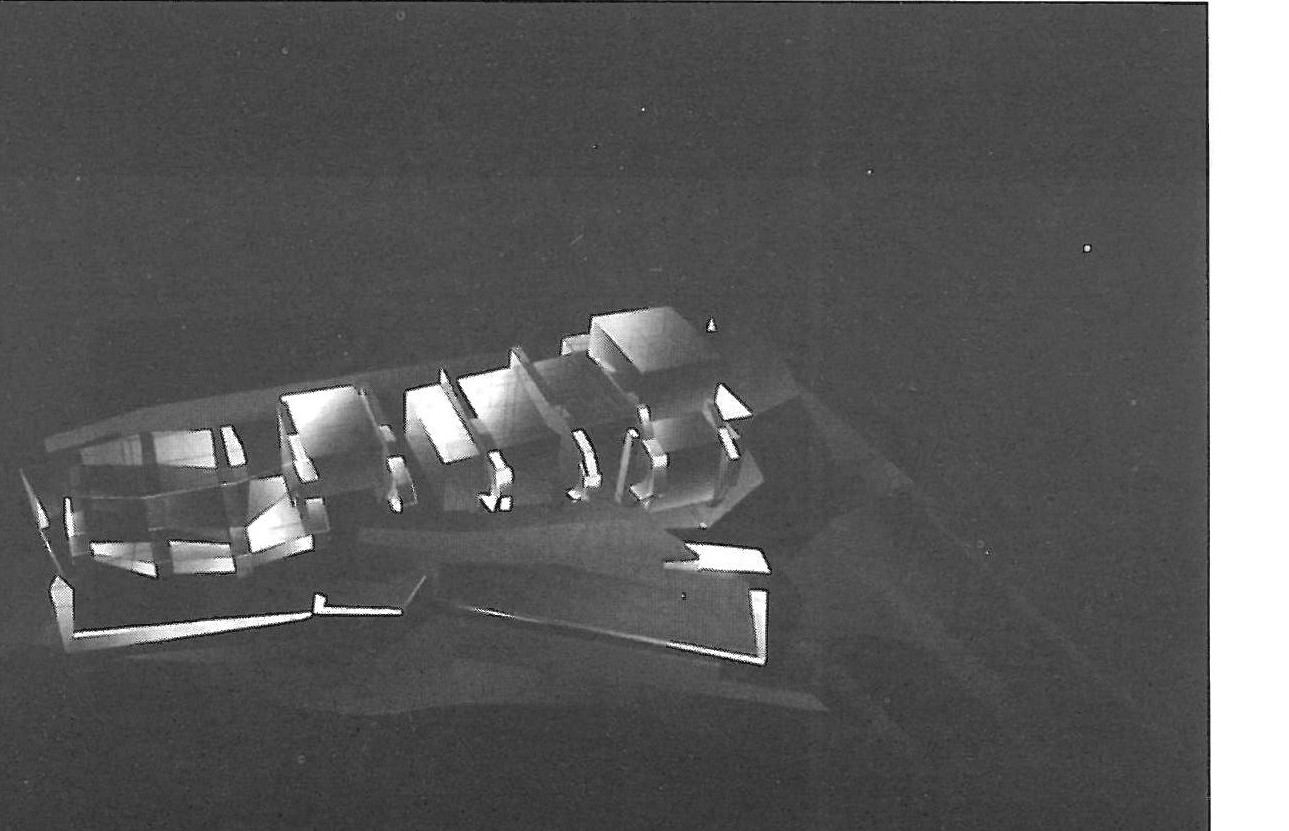
Nara Convention Centre — Japan
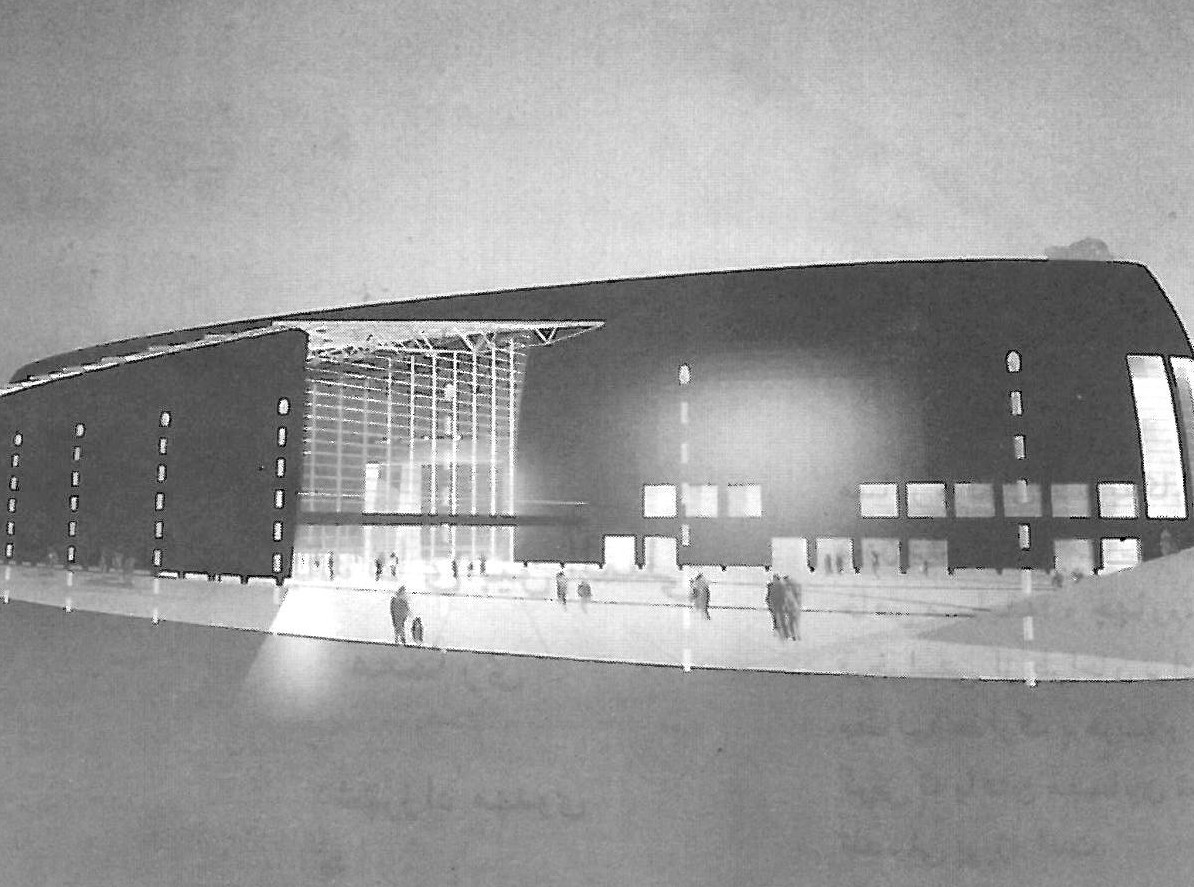
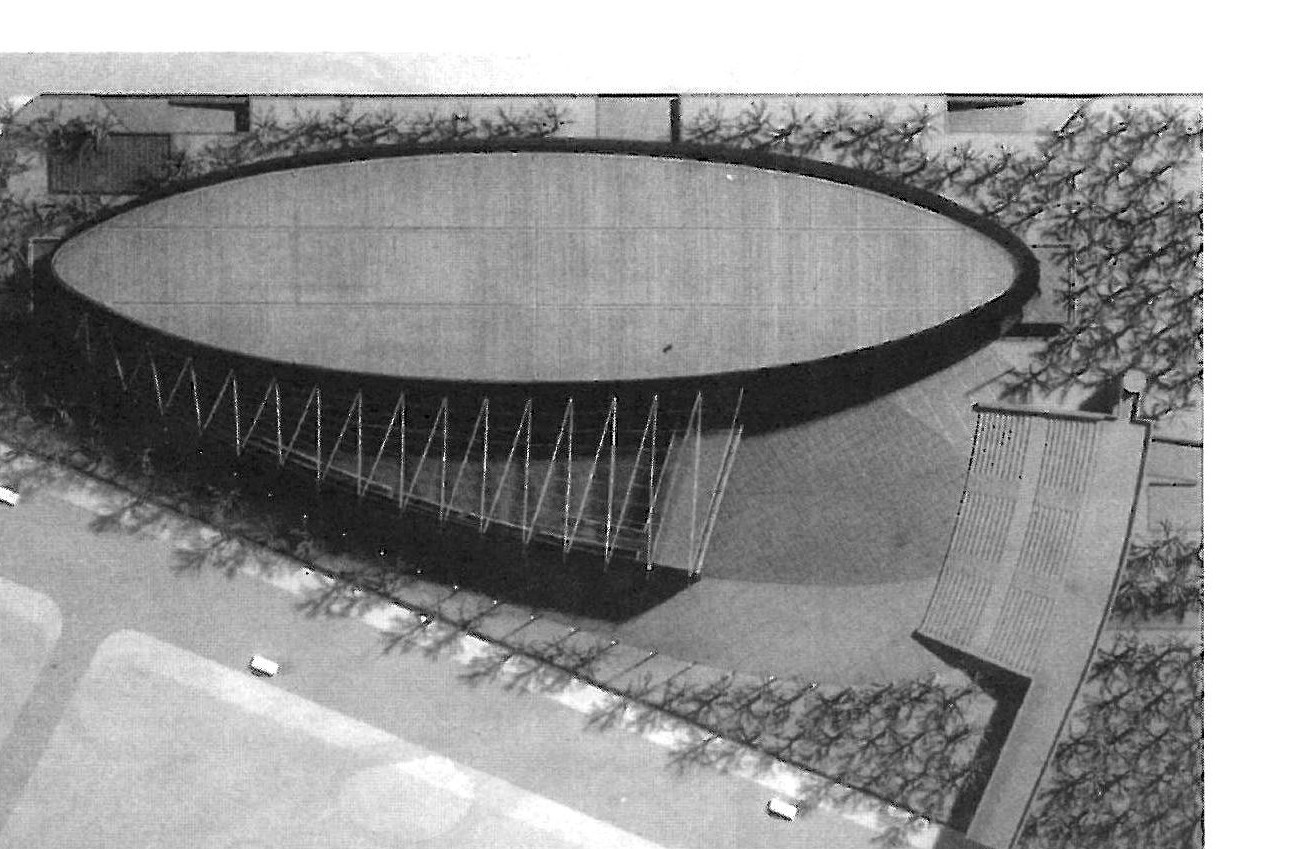
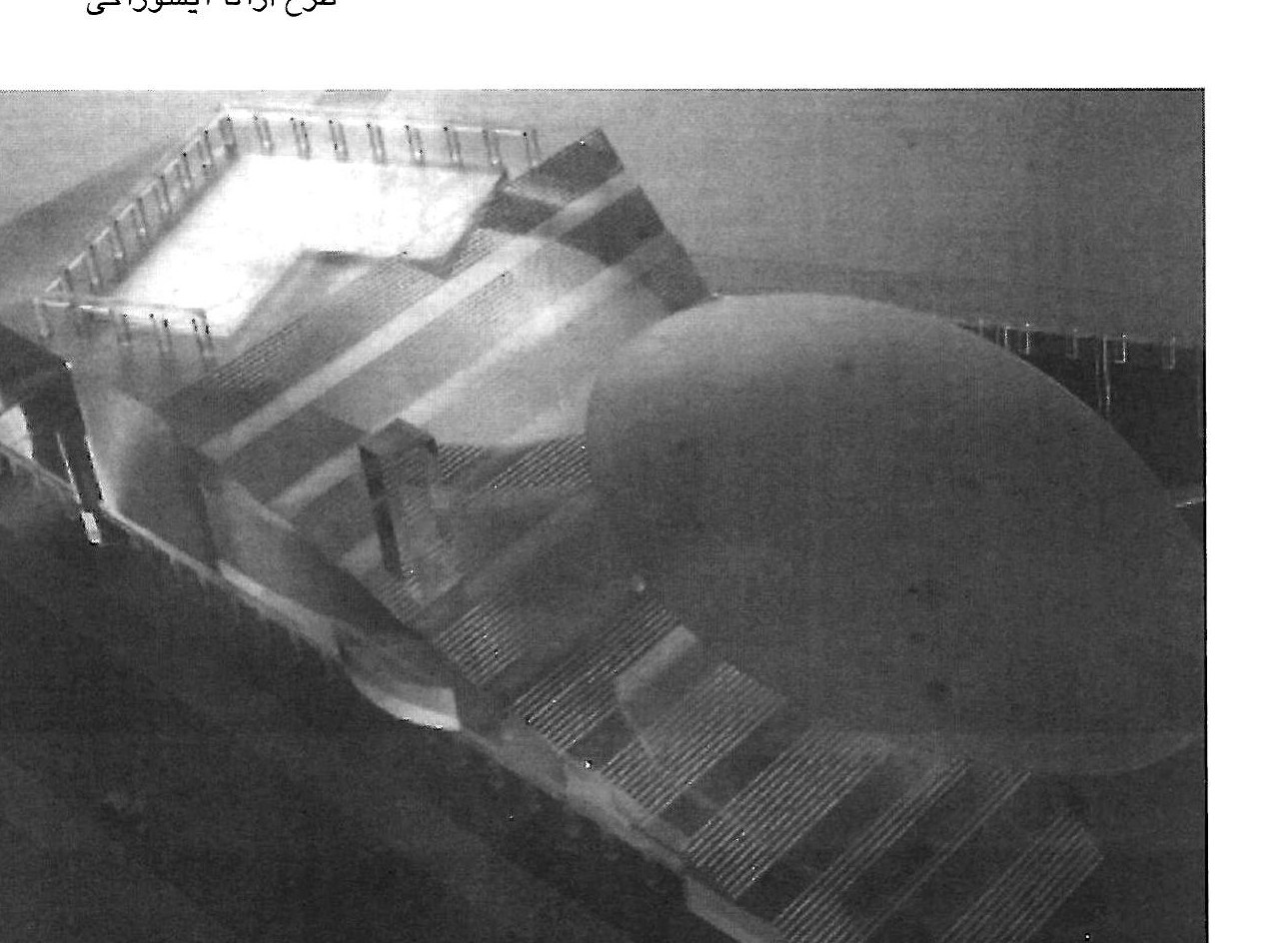
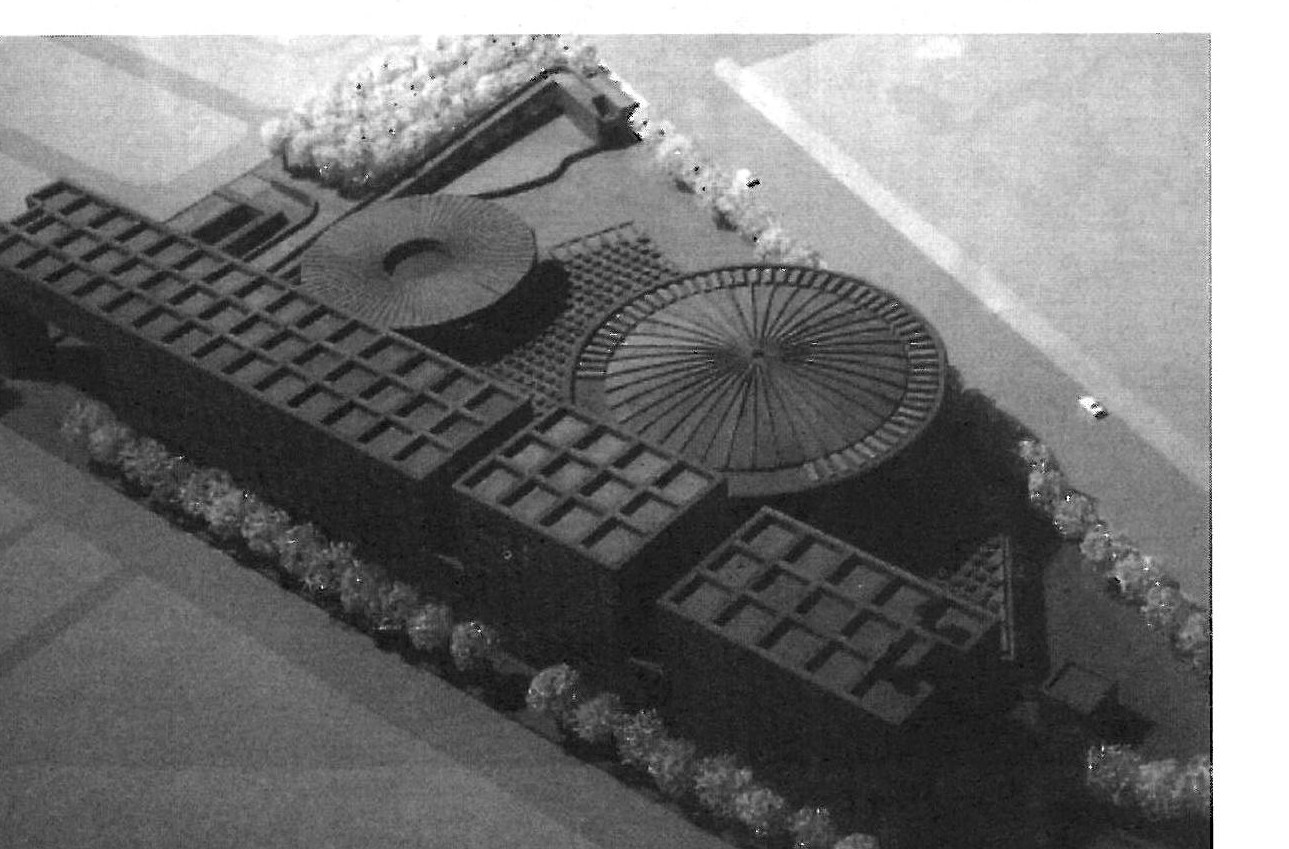
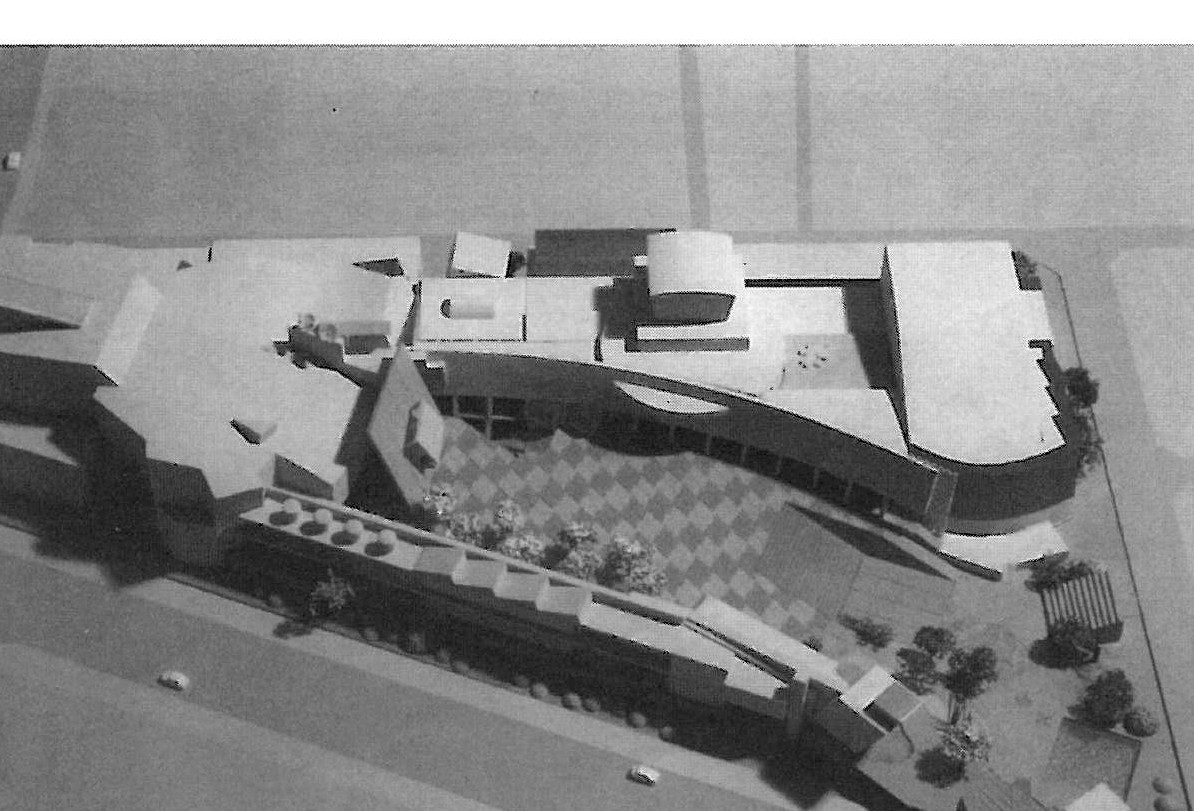
The international competition for the Nara Convention Centre was held in two stages. In the open first stage — according to Kisho Kurokawa, the chair of the jury — a large number of original designs, the product of much reflection, were submitted; two were selected from among them. In the second stage, in addition to these, five renowned architects from various countries were also invited to take part. The jury comprised Kisho Kurokawa, Kazuyo Shinohara, and Hiroshi Hara — Japanese architects; James Stirling, an English architect; Richard Meier, an American architect; Vittorio Lampugnani of the German Museum; Makoto Ohgita, head of the Nara green-space council; Izumi Shida, former mayor of Nara; and Kiyokazu Asakawa, head of the Nara city assembly.
Within the 23-hectare development plan adjacent to the railway station of the city of Nara, an advanced information centre, a transport complex, a hotel, a large urban department store, and several residential districts are to be built. The Nara Convention Centre forms the principal focus of this group of buildings. From 10 April to 31 May 1991, 1,947 entries from Japan and 971 from 45 other countries — 2,918 designers in all — registered to take part in the competition. A period was set aside for answering registrants' questions, and by the deadline 644 designs — 431 from Japan and 213 from 22 other countries — had been received. The professional advisers and the jurors immediately reviewed the framework and content of the entries.
The first round of judging took place in early 1992, in which five winning designs, five commended designs, and six recipients of a special prize were announced. The winners of this round were Goran Rako from Croatia, Yoshito Takahashi from Japan, Ryoji Nakamura from Japan, Scott Marble from the United States, and Bahram Shirdel and Robert S. Livesey from the United States.
For the second stage, Arata Isozaki and Tadao Ando from Japan, Mario Botta from Switzerland, Hans Hollein from Austria, and Christian de Portzamparc from France were also invited to send entries to the competition. In order to familiarise the architects with the characteristics demanded in the second stage, the five winners of the first stage and the five invited architects were asked to attend a meeting for discussion and exchange of views. Afterwards a programme was arranged for them to visit the project site.
The judging in both stages proceeded by elimination. The final vote in the first stage was announced after seven rounds of review, during which a heated debate broke out among the jurors in the last round. All the designs that reached the final round received prizes.
The judging of the second stage was carried out with closer scrutiny and more careful examination. A small exhibition was set up, and the panels and models of each entry were displayed in a separate booth. The nine jurors evaluated the designs with sufficient time and chose five from among them. Arata Isozaki received 9 votes; Tadao Ando, 7; the designs of Mario Botta, Hans Hollein, Shirdel and Robert S. Livesey, Ryoji Nakamura, and Christian de Portzamparc, 4 votes each; and three other designs, 2 votes each. After a further vote, of the five designs that had received 4 votes, the entries of Botta, Hollein, and Portzamparc were chosen.
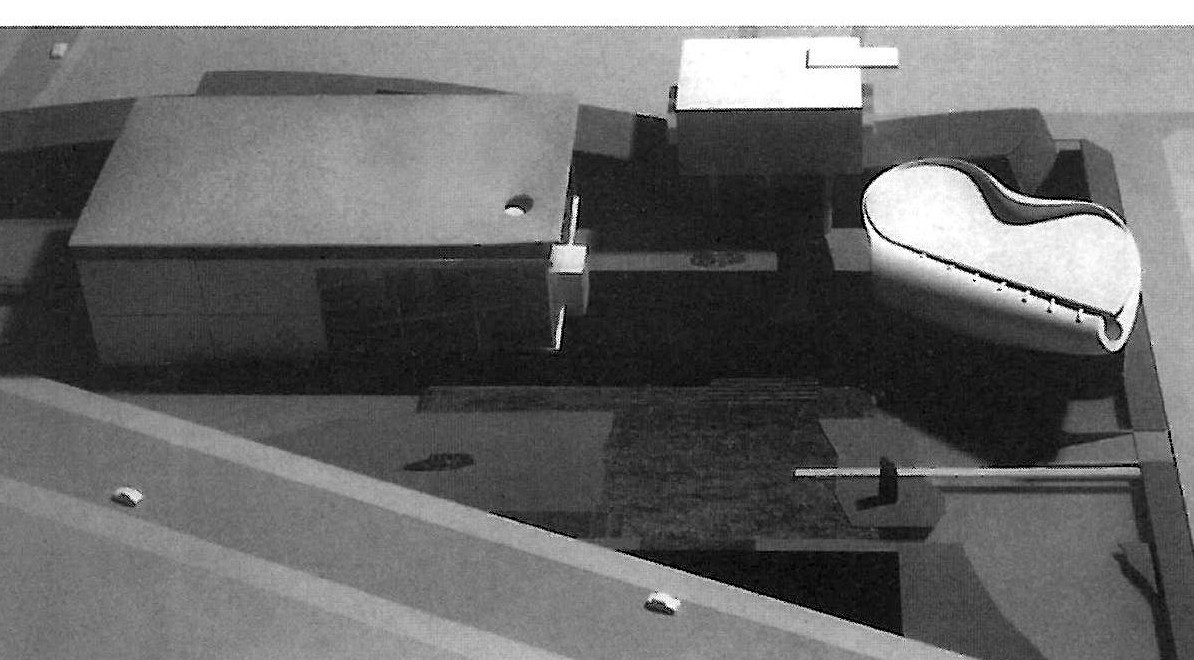
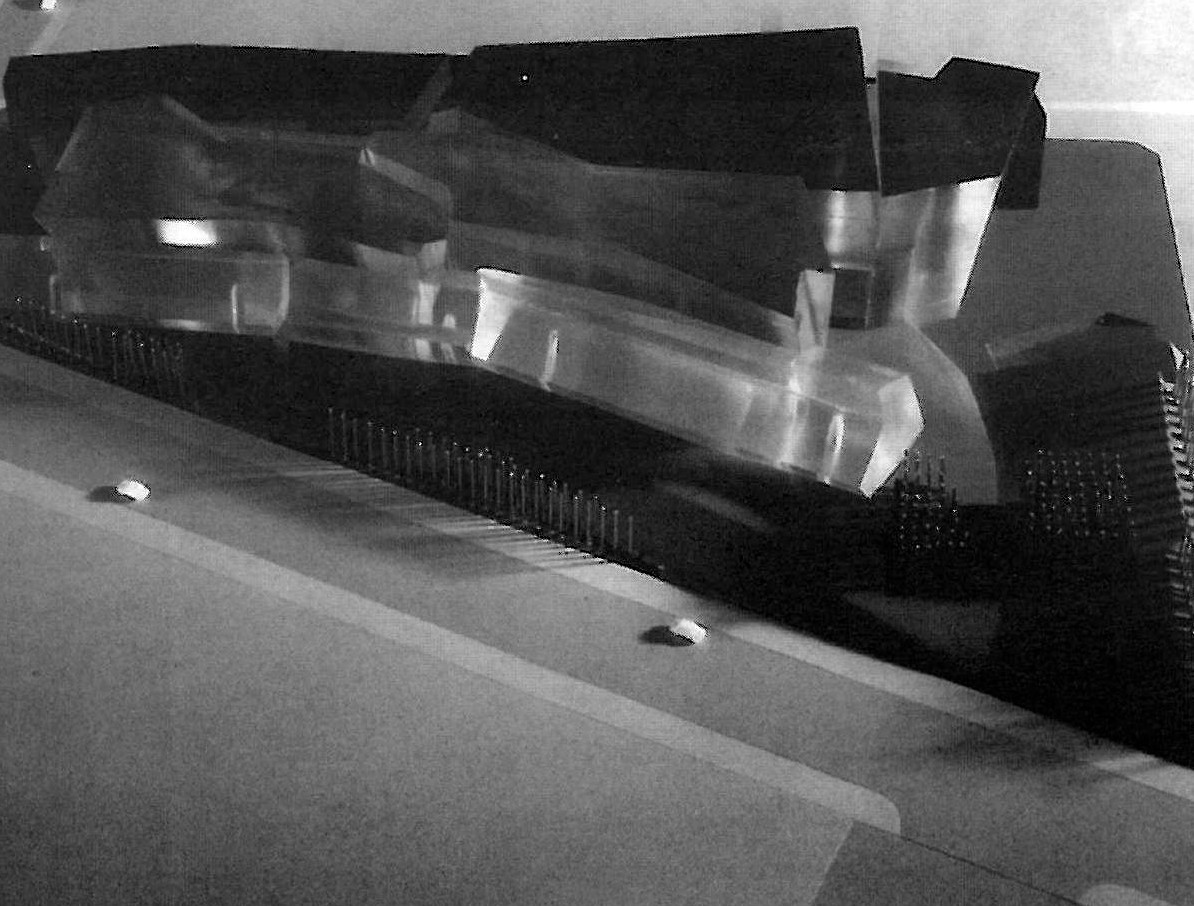
A passionate debate over these five designs took place in the final round of judging, and the technology, design, exterior elevations, integration, and constructability of each were discussed. Then the views of the three professional advisers were heard, and the chair of the jury explained at length the merits of the entries to the client's representatives. The competition was then awarded, by unanimous vote, to Isozaki's design. It is striking that all five final designs were the work of the second-stage invited architects — though Kurokawa, the chair of the jury, declared at the close of the competition: "All the participating designs contained original ideas. The scale and organisation of the competition were admirable, and its two-stage form gave both younger, less well-known architects and renowned architects the opportunity to compete." This design is part of the programme of the World Exhibition of Architecture to be held in Nara in 1998.
Constantini Museum — Argentina
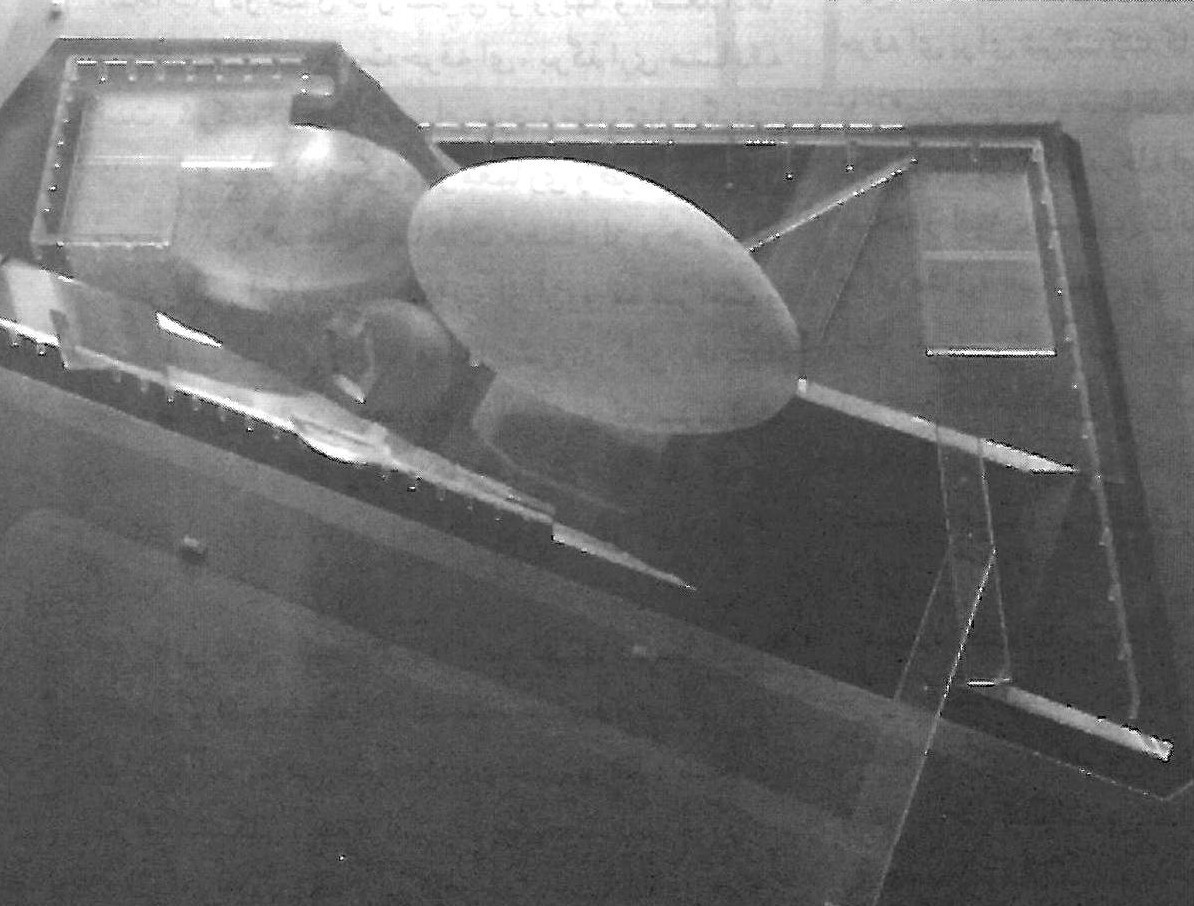
Within the framework of the seventh Buenos Aires International Biennial of Architecture in Argentina, the International Union of Architects held an international, open, one-stage competition in 1997 for the design of the Constantini Museum.
The aims and requirements of the competition were clearly stated: the building was to house the functions of a museum; its symbolic aspects were to be observed; the spaces were to provide the flexibility needed to display varied collections; maximum security was to be ensured; suitable services were to be offered; a link between the building and its neighbourhood was to be established; construction and maintenance were to be economical; and all mechanical and security installations were to be controlled from an intelligent central facility.
The competition's eleven jurors were Sara Topelson de Grinberg, chair of the International Union of Architects; Mario Botta of Switzerland; Kenneth Frampton of the United States; Sir Norman Foster of England; Josef P. Kleihues of Germany; Enric Miralles of Spain; Terence Riley of the United States; César Pelli, Bernardo Dujovne, and José Ignacio Miguens of Argentina; and Eduardo Constantini, the client.
The competition's programme set out the name of the client, the organising body, the responsibilities of the chair of the organising committee, the objectives, the conditions of entry and the competition timetable, and the general criteria for the work of the jurors and the professional advisers. The first, second, and third prizes were announced in advance, with the proviso that if a construction contract were not concluded with the winner within 24 months of the publication of the results, the equivalent of the prize was to be paid to the winner in compensation.
The rules of this competition complied fully with the regulations of UNESCO for the holding of competitions — including those concerning the insurance of entries, the rights of the client and the designer, and the announcement of results and the holding of exhibitions. The role of the professional advisers and of the technical committee was crucial in this competition. The principal adviser was responsible for preparing the brief and rules of the competition; for moving the work forward in accordance with the timetable; for correspondence and communication with the entrants; for ensuring that the established rules were observed; for supervising the work of the technical committee; for liaison with the jurors; and for serving as secretary of the jury. The technical committee in turn was charged with examining the compliance of the entries with the conditions and programme of the competition. The committee had no power to eliminate any design; it was bound only to convey its opinion to the jurors.
Qatar Museum of Islamic Arts — Qatar
In order to house the Al Thani family's collection of works of Islamic art, the government of Qatar entrusted the design of a museum to the Qatar Special Projects Office. The office in turn appointed the Aga Khan Foundation as coordinator. The Foundation then formed an organising committee composed of the following persons: Sheikh Saud bin Mohammed bin Ali Al Thani, Mojdi Boostami, Niyer Ali Dada, Luis Monreal, Domenico Negri, and Suha Özkan.
The jury was made up of Ricardo Legorreta from Mexico, Fumihiko Maki from Japan, Luis Monreal from Spain, Domenico Negri from Italy, and Ali Shuaibi from Saudi Arabia. Suha Özkan, senior director of the Aga Khan Foundation, also served as professional adviser.
The Aga Khan Cultural Foundation — which has a long record and expertise in recognising and disseminating Islamic art and architecture in Muslim countries, and in promoting the restoration and rehabilitation of historic works and cities, and whose patronage and educational efforts are known throughout the world — entered into negotiations with the client to prepare the competition programme, and arranged meetings with teachers of Islamic art, keepers of museum collections, and the Qatar Special Projects Office in order to better grasp the aims of the work. In the next step, a report was prepared setting out the design objectives of the museum, its architectural considerations, the functional units, the technical requirements, the criteria for presentation of the design, the cost and budget calculations, and the conditions, regulations, and required submission documents.
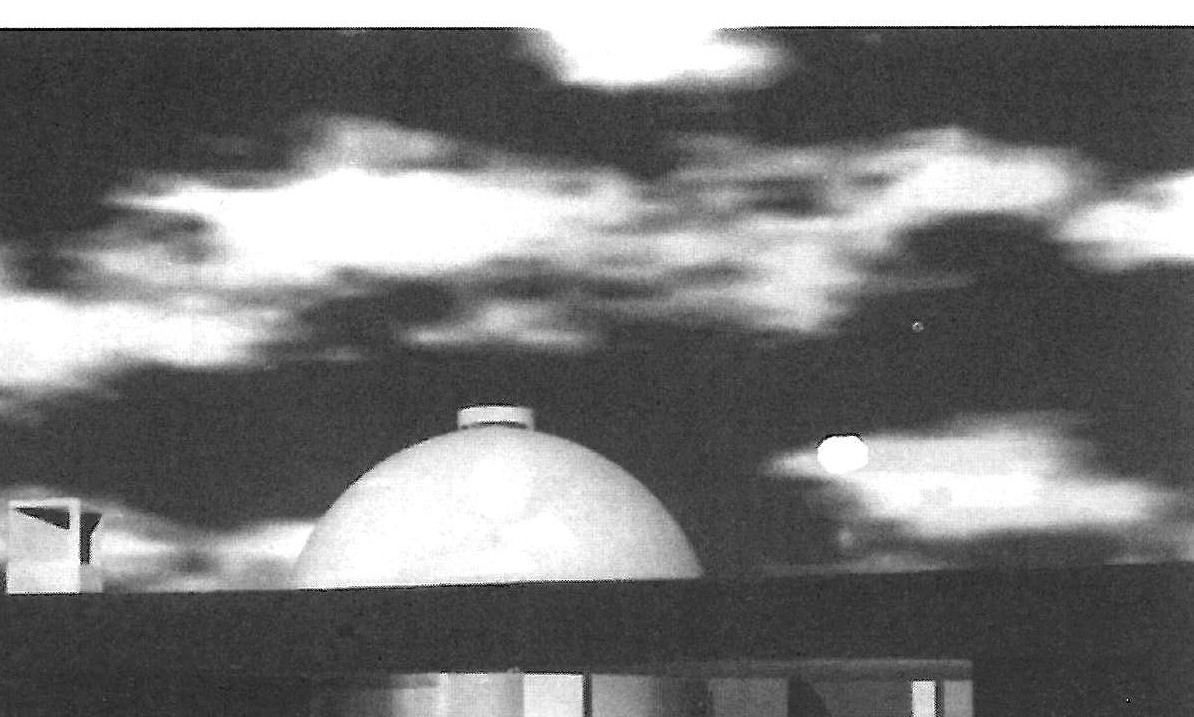
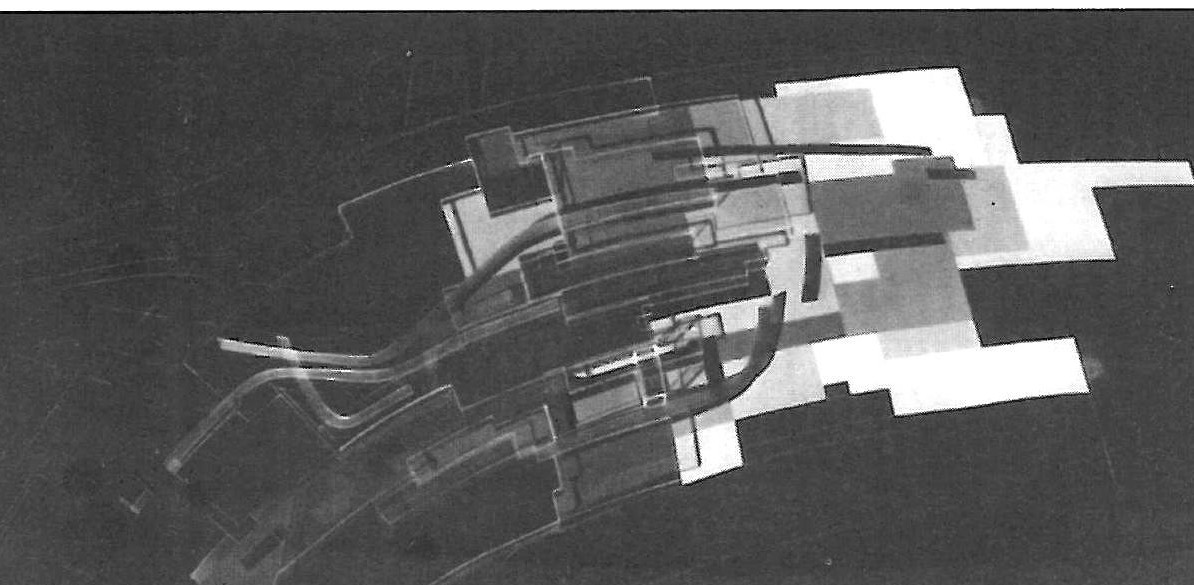
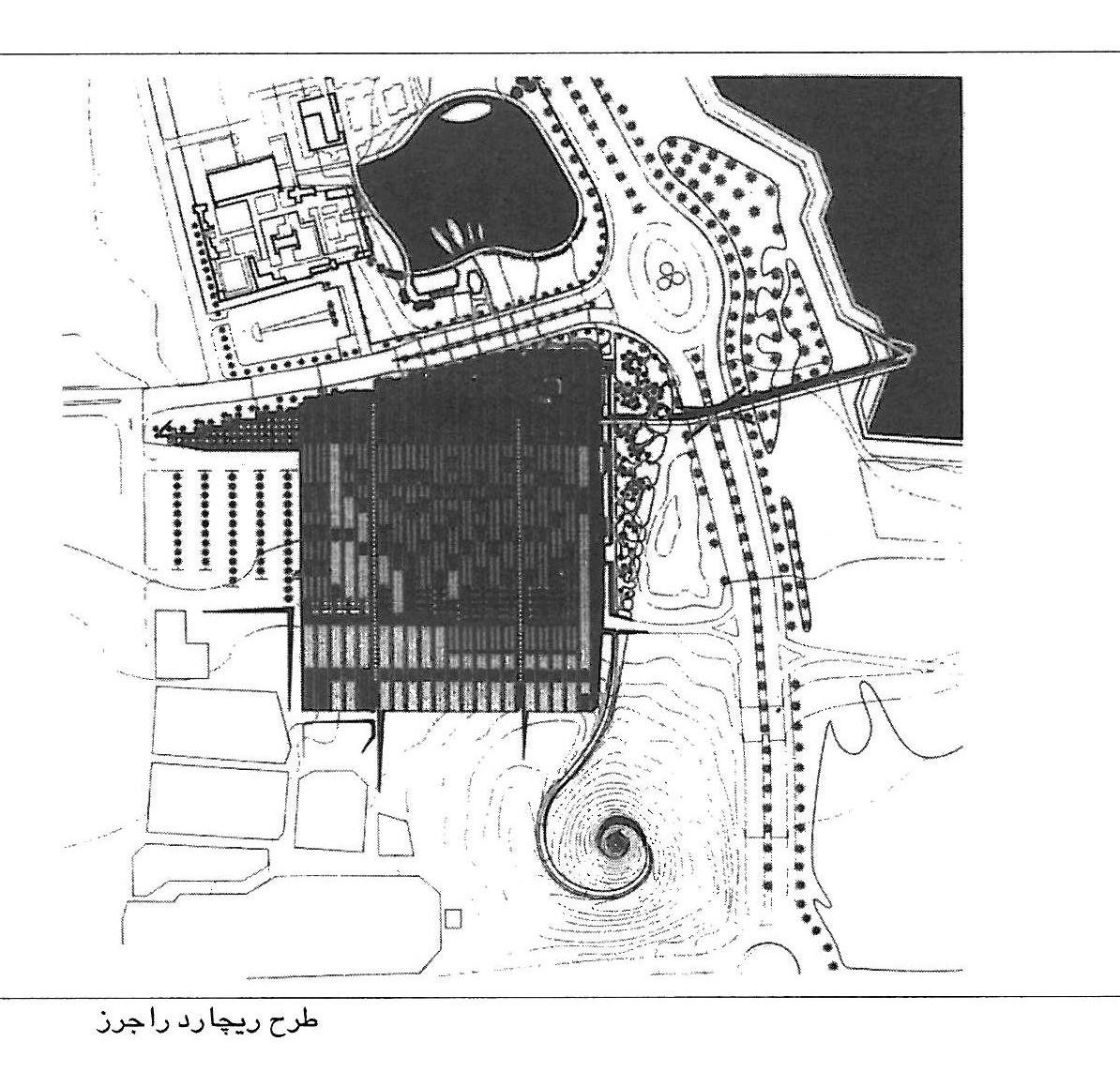
After these stages, an announcement of the competition was published in the international press, and architects with an interest were invited to submit to the secretariat statements of their technical and professional ability to design a museum. The announcement was addressed to individual architects, not to architectural firms. Eighty-four architects responded. After review, eight architects judged to have the talent and capacity to design a museum were invited to take part: Rasem Badran of Jordan, Oriol Bohigas of Spain, Charles Correa of India, Arata Isozaki of Japan, Zaha Hadid of Iraq, Hans Hollein of Austria, Richard Rogers of England, and James Wines of the United States.
Given that the client and the organising committee sought a broad spectrum of architectural tendencies and ideas, the competition documents placed emphasis on the cultural, environmental, and historic values arising from the project context and on the architectural means of expressing them. To stimulate the architects' imagination and creativity, the customary question-and-answer period was replaced by a programme of visits to the city of Doha and attendance at a half-day symposium for conversation among the architects, the client, the future users of the museum, and other interested parties — the free and fruitful discussions of which are considered one of the distinctive and innovative aspects of the competition.
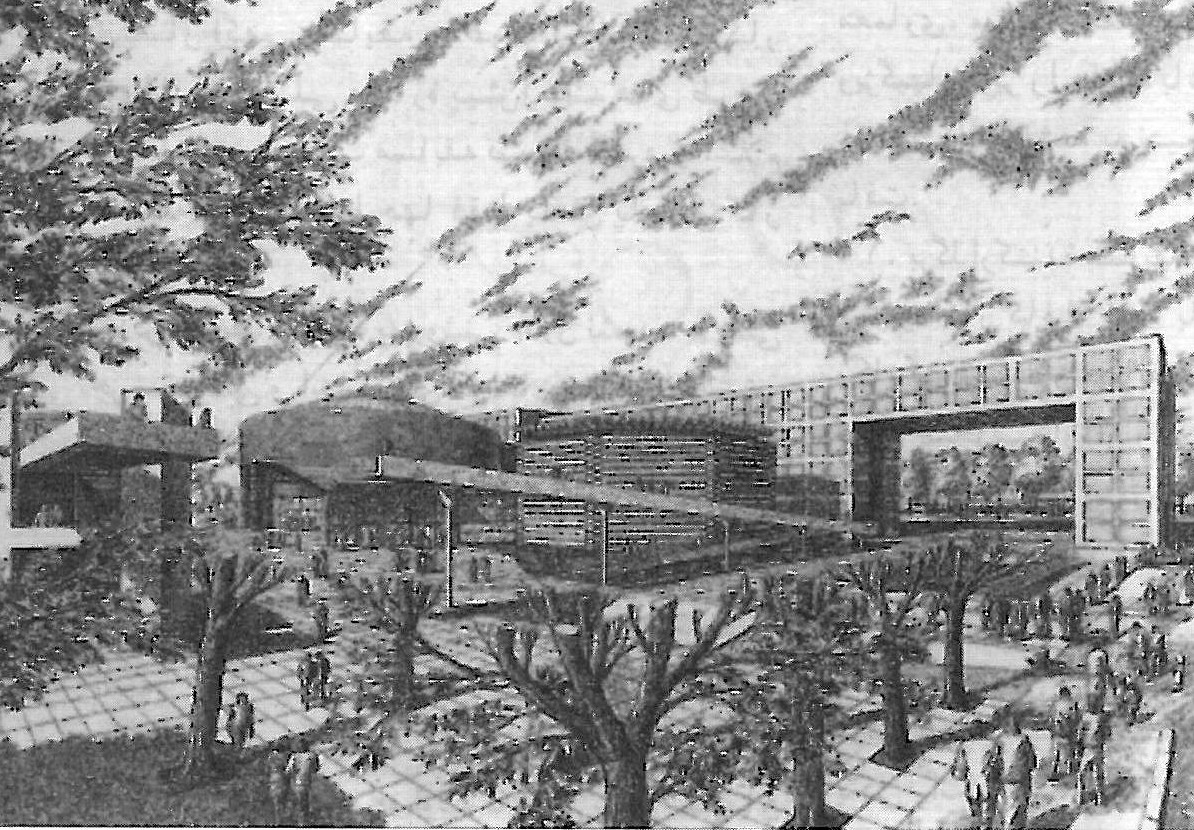
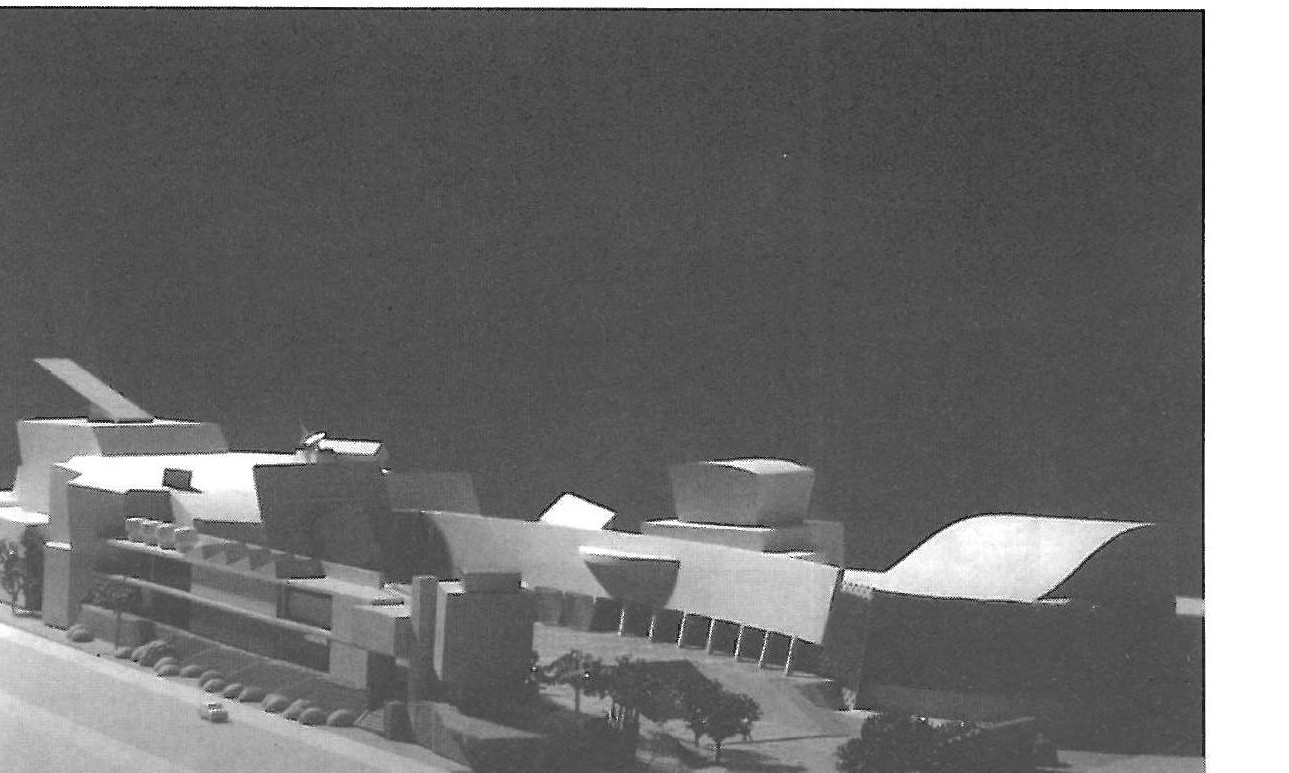
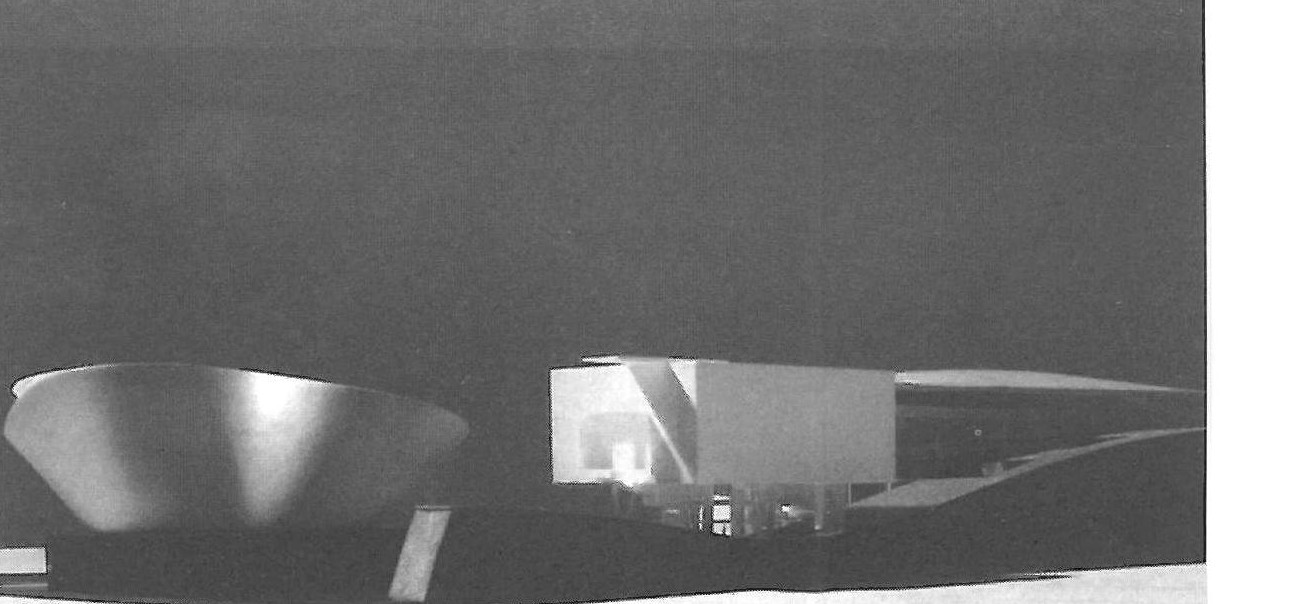
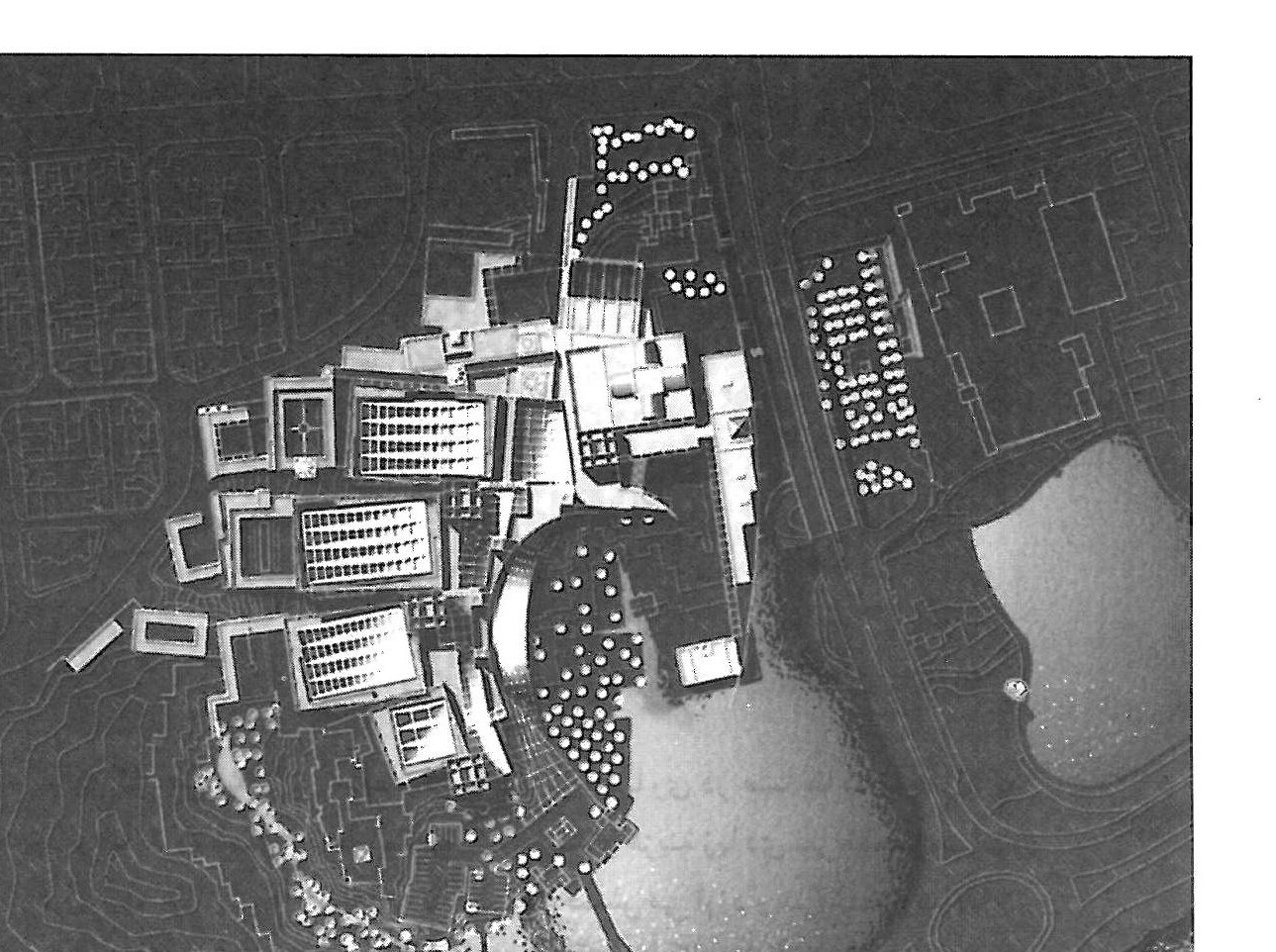
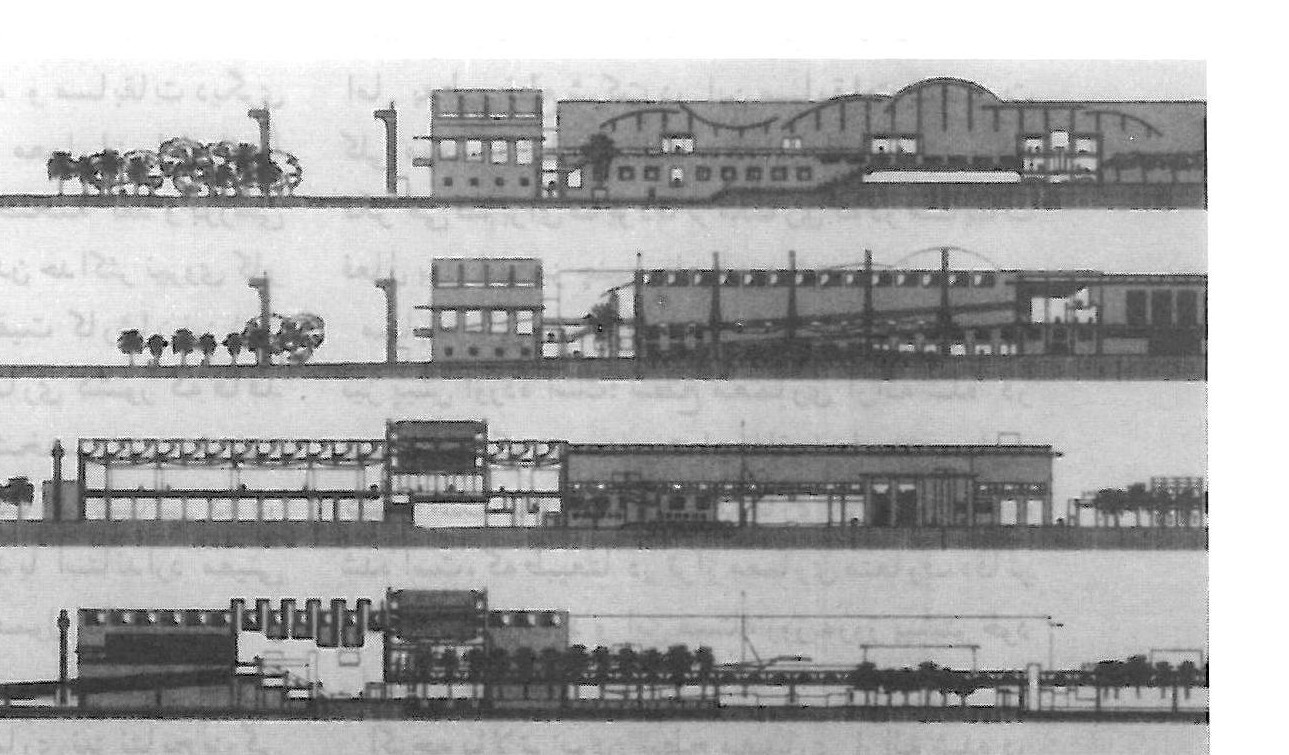
After the entries had been received, over three days of meetings in Doha in the summer of 1997 the jurors carefully reviewed each project and weighed the weaknesses, strengths, and compliance of the entries with the requirements of the competition. All five jurors selected Charles Correa's design as the winning entry, and Rasem Badran's design, with three votes in favour and two against, was chosen as second. Both designs were presented to the client, and the second was approved on conditions. The Qatar Special Projects Office then entered into negotiations with Badran and conveyed to him the recommendations set out in the jurors' report. The revised Badran scheme was again presented to the client and accepted. The museum is expected to be completed and opened by the year 2000.
The jury's statement on this competition was made public. Its members had set out their reasons for choosing Charles Correa's design as follows: an architectural language at once contemporary and reflective of the culture of the region; a symbolic quality in the principal elevation that gives the building a strong identity; complete fulfilment of the competition brief; the layout of the museum's spaces in a manner that helps visitors locate important objects with ease; well-defined and explicit articulation of the building; the productive use of interior and exterior spaces; and the central courtyard, which — while drawing upon Qatari architectural culture — will make the building a distinctive presence in the urban landscape. Of Badran's design the jurors said that it was rooted in the culture and heritage of Islamic architecture and produced an urban prospect that retold the history of the city in the language of architecture. The jurors' recommendations to Badran for the completion of his design concerned matters of safety, the gross floor area, and the costs of the scheme.
منابع / References:
Di Battista, Nicola, "Architectural Competitions", Domus, 763, September 1994.
Gregotti, Vittorio, "On Architecture Competitions", Domus, 776, November 1995.
Greenberg, Stephan, "Tenders and Competitions", Architectural Journal, July 1992.
کتاب طرحهای مسابقهٔ مرکز گردهماییهای شهر نارا، ۱۹۹۳.
برنامهٔ طراحی موزهٔ کنستانتینی، ۱۹۹۷.
مجموعهٔ خبری بنیاد آقاخان دربارهٔ موزهٔ هنرهای اسلامی قطر، ۱۹۹۷.