Armand Dror
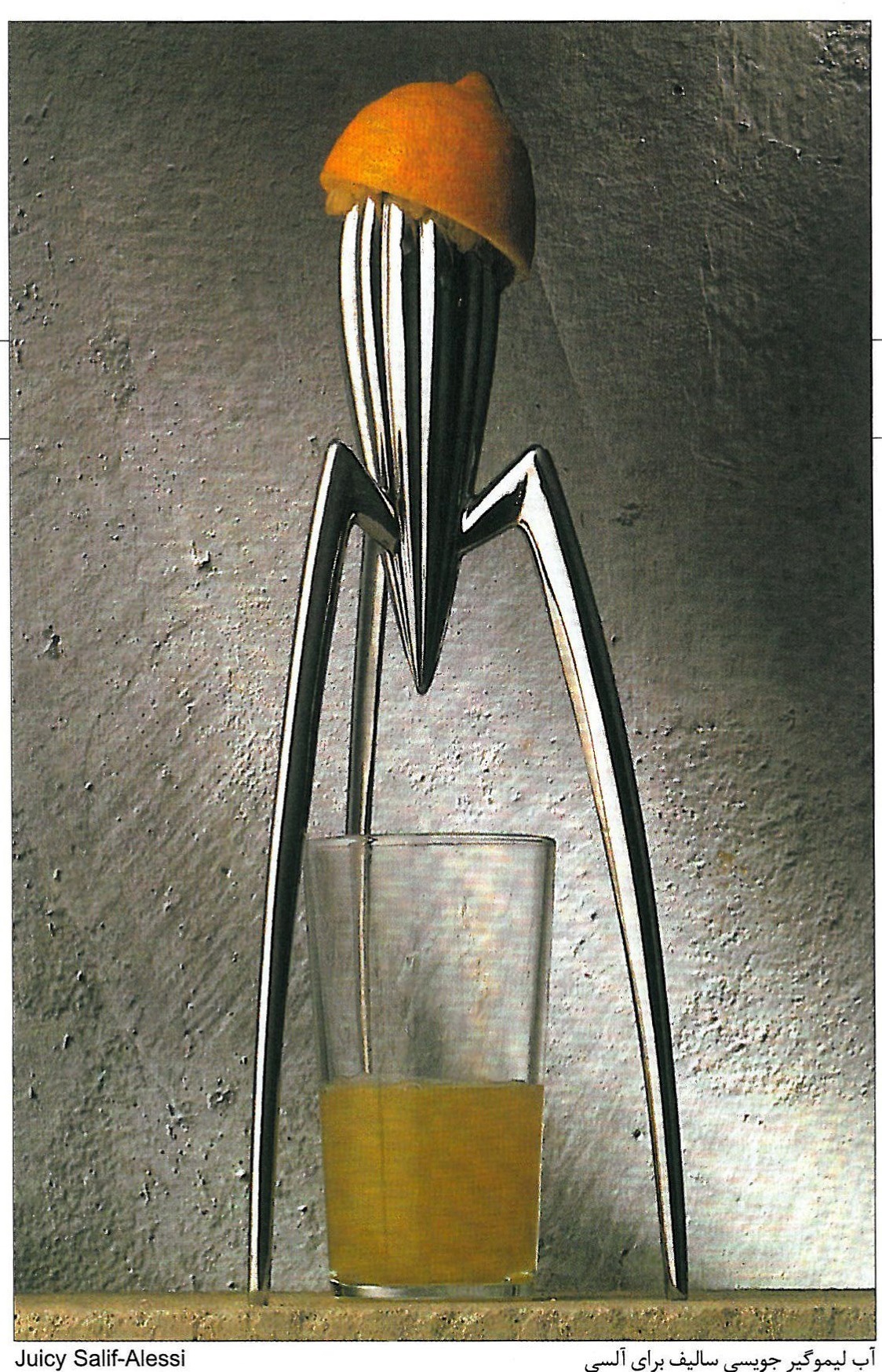
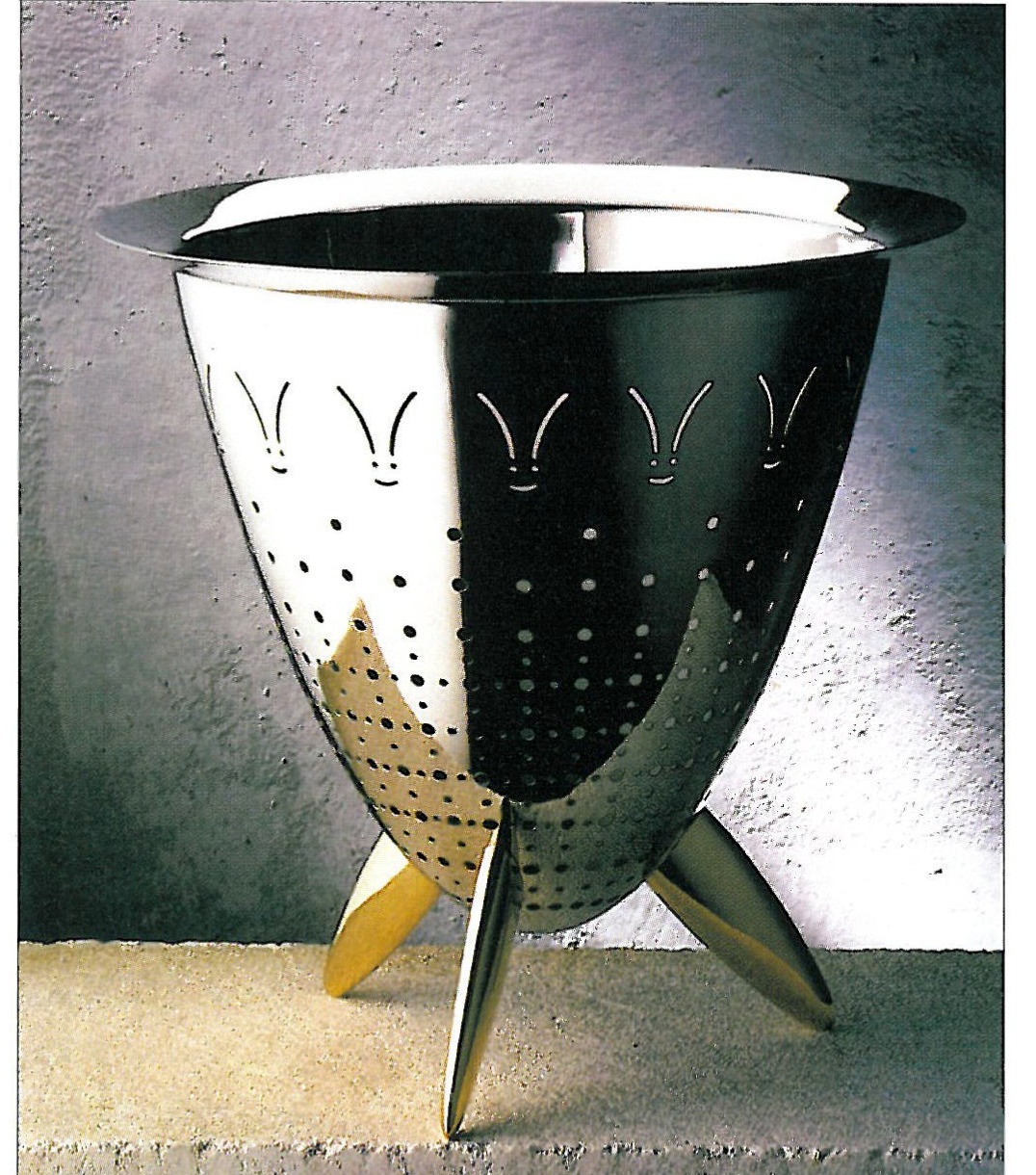
Juicy Salif1 is a device for squeezing lemons, whose function may not be especially evident at first glance. The Juicy Salif's outward look resembles a sculpture more than anything — a sculpture that recalls the extraterrestrial creatures of H. G. Wells's2 science-fiction stories; but, in any case, it is a good tool for squeezing lemons. This is the distinguishing feature of Philippe Starck's3 work. Starck designed the Juicy Salif in 1990 for Alessi4, and more than 50 000 units have been sold to date. By his own account, the principal idea came to him while he was eating a squid dish in a small restaurant called Il Corsaro5 on the island of Capraia6, Italy, and he sketched its early designs there and then on a paper table napkin. The titles Starck chooses for his designs are often strange and poetic — Juicy Salif for the lemon-squeezer, Prince Aha7 for a stool, Dr Scud8 for a fly-swatter.
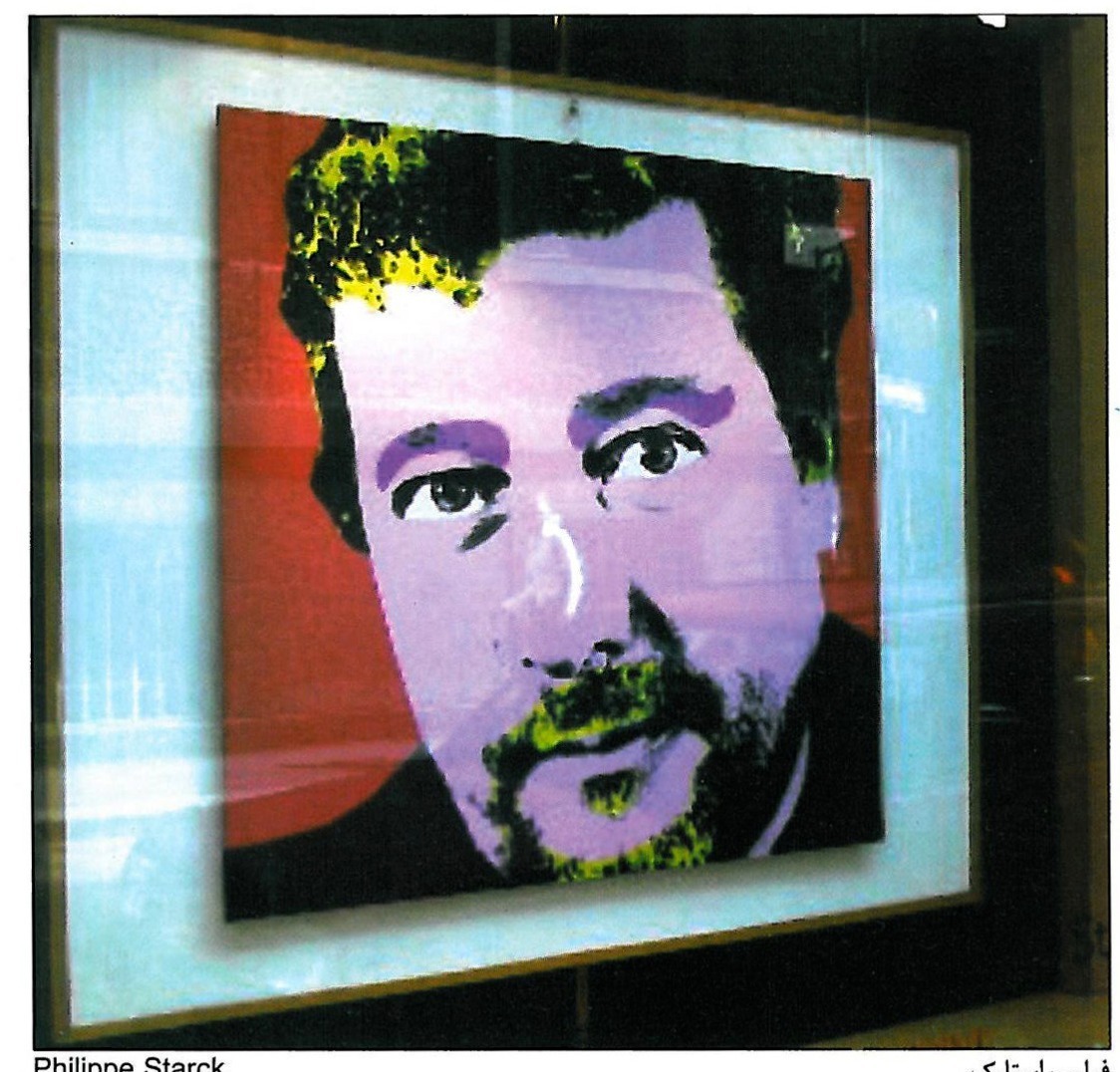
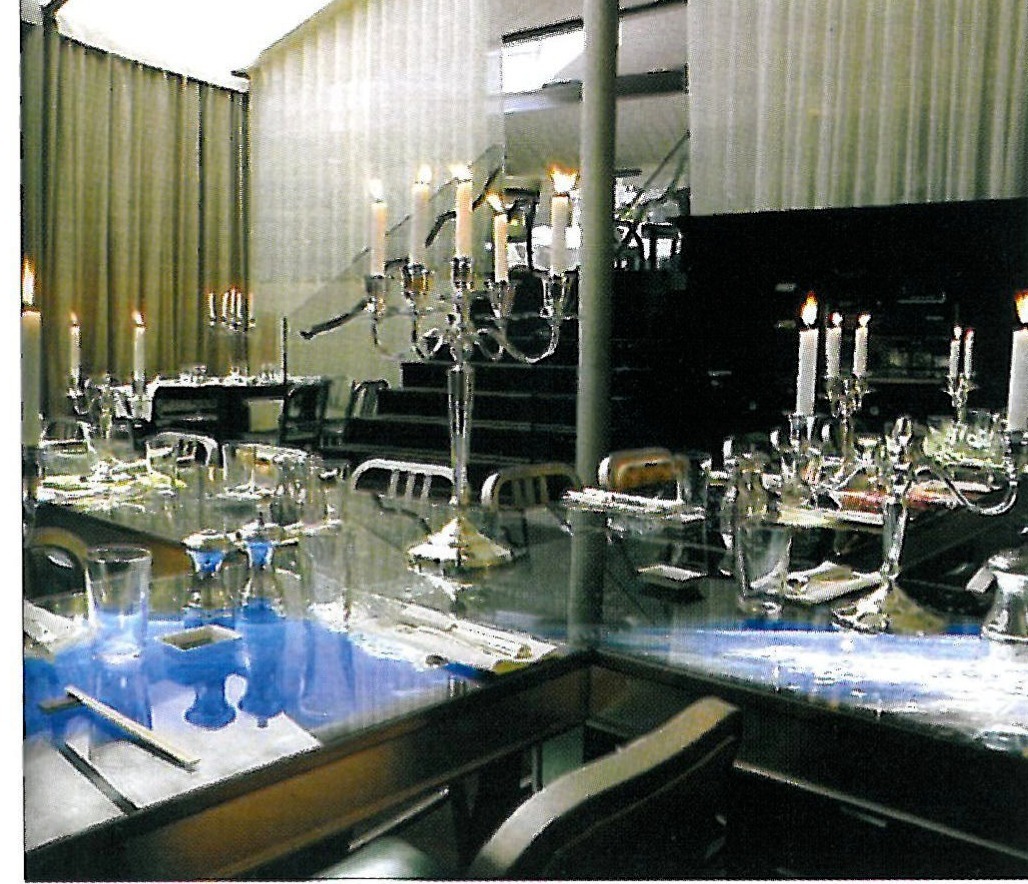
Starck, having abandoned his studies, became artistic director at Cardin9 at twenty. At twenty-five he went to America and, returning to Paris two years later, designed the interior of the Main Bleu10 nightclub. The success of this project led the then-president of France, François Mitterrand, to choose him to change the atmosphere of one of the residential apartments of the Élysée11 Palace. By the age of thirty Starck had thus become so well-known beyond his country's borders that he was invited to bring change to the prevailing design culture and traditions of various cities of the world. The interior design of four famous hotels in the United States — the Royalton12 and the Paramount13 in New York, the Delano14 in Miami, and the Mondrian15 in Los Angeles — and the design of the restaurant and Peninsula16 Hotel in Hong Kong, and the Asahi building in Tokyo, are among them.
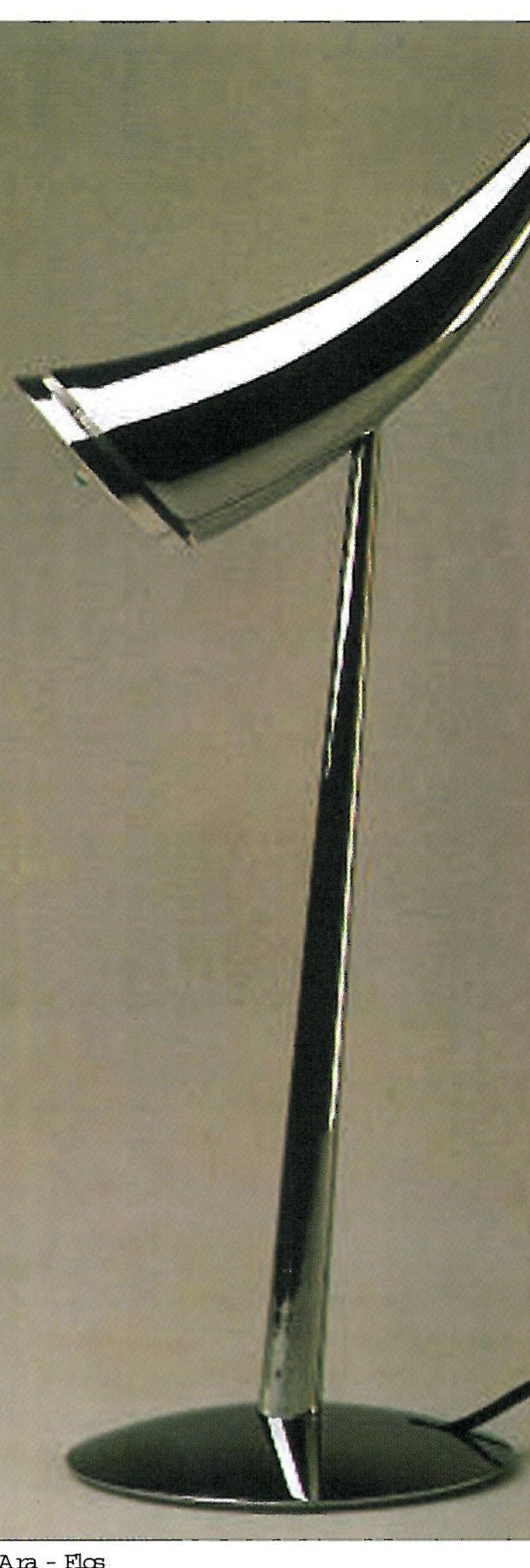
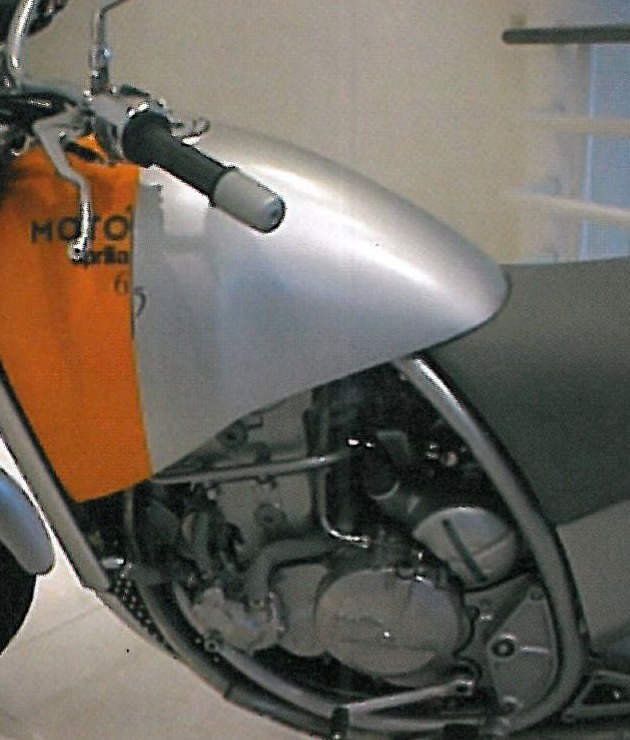
This 52-year-old Frenchman is a very prolific designer. He has designed everything: motorcycles for Aprilia17; mineral-water bottles for Saint Bernard18; radios and televisions for Thomson19 and Saba20; the entire furniture set for the L'Oréal21 Paris salon; toothbrushes for Fleo Caril22; lamps for Flos23; kitchenware for Alessi; and furniture for Vitra24, Kartell25 and Driade26. It would not be far-fetched to call him the most prolific of contemporary designers.
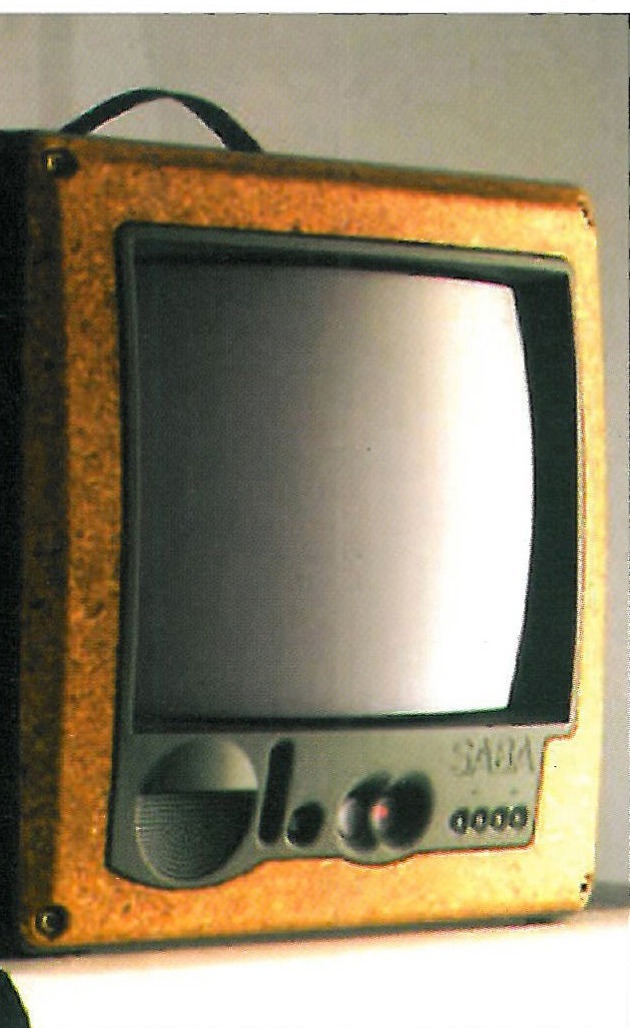
Starck, a modest and emotional citizen of the world, considers himself a fellow-citizen of the world before being French. He has focused all his strength on changing our notions of objects and the world around us. In his designs he tries to teach us that, to squeeze a lemon, one can use something that is itself like a sculpture, and that even a fly-swatter can be a lovable, beautiful object. He has the ability to give a toothbrush a fresh design with a character of its own, or to teach us that our televisions, instead of being large dark boxes, can be intimate and pleasant objects — and this is exactly what he has done in his four-year collaboration with Thomson. Philippe Starck has dedicated his exhilarating gift to changing our view of the dress button, the ashtray, the toilet bowl and washbasin, the kettle, the clock, and, in a word, the whole of life. In his design process Starck works not only with his head but also with his heart, and that is perhaps why we grasp and accept his work with our hearts. What he creates works as well as it is beautiful and pleasant.
Starck holds that the design problem of our time is no longer the slogan that one of the fathers of design, David Loewy27, set out in the 1950s: 'Ugly objects sell badly.' This was the slogan that became the basis of Loewy's success, and perhaps a great part of today's design success is due to it. But now, when one is to design a new product, two important matters arise: first, the question of industry and production — making more units for more sales is no longer the rule. Second, examples of nearly every product, with excellent and faultless functions, are already at hand, and to design and build another similar example of them is, in practice, a futile task. Hence one can create a successful design only by departing from the present routine and bringing into being a new object with a new poetic world. And this is exactly what Starck does.
Footnotes
1. Juicy Salif 2. H. G. Wells 3. Philippe Starck 4. Alessi 5. Il Corsaro 6. Capraia 7. Prince Aha 8. Dr. Scud 9. Cardin 10. La Main Bleu 11. Élysée 12. Royalton Hotel 13. Paramount Hotel 14. Delano Hotel 15. Mondrian Hotel 16. Peninsula Hotel 17. Aprilia 18. Saint Bernard 19. Thomson 20. Saba 21. L'Oréal 22. Fleo Caril 23. Flos 24. Vitra 25. Kartell 26. Driade 27. David Loewy



