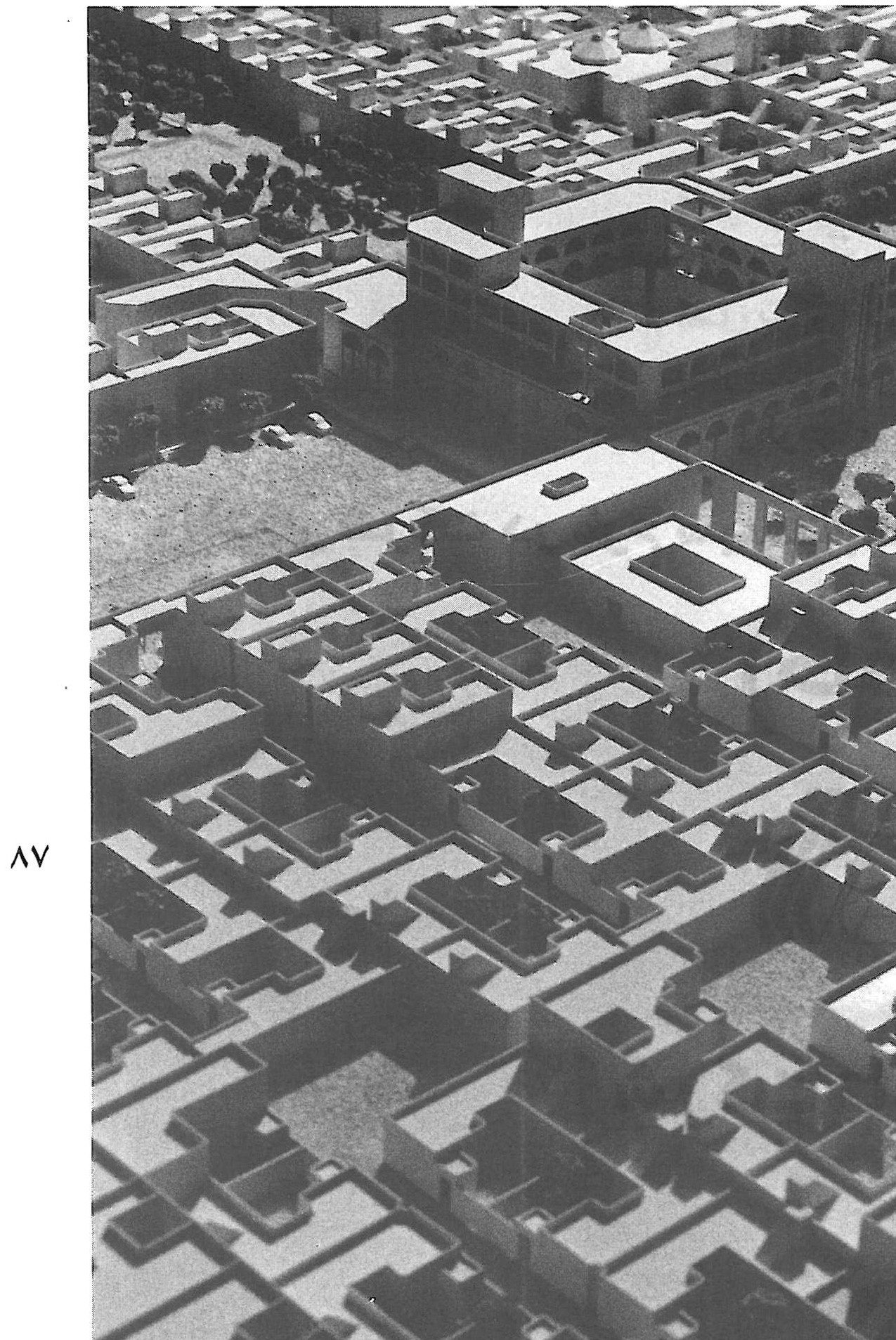
At that time when Shushtar New Town was being built in the north of the old city of Shushtar, Iran — influenced by Western ideas — was deeply committed to an unbridled modernism, and revolutionary and political thinking lay hidden beneath the surface. The effort and endeavor of a group of architects in seeking pathways toward the advancement and enrichment of architecture was notable.
In other words, the design of this town was a reaction to the infiltration of Western architectural values into the Third World and the Iran of that era — in which the building had become a symbol of commerce and ostentation and disregard and disrespect for the patterns of daily life and the traditional culture of neighborhood living.
This town, designed as dense residential complexes with local amenities such as grocery shops, schools, and mosques, took the traditional Iranian neighborhood as its model for urban planning and house building.
Shushtar New Town received the Aga Khan Award for Architecture in 1986. The project was exhibited first at the Pompidou Center in Paris and subsequently shown at other venues. The town's design was also published in most major international architecture journals. This success was owed to the collective effort of the engineers and students who played a role in its design and construction — for it is my belief that urbanism is not an individual endeavor, and without drawing inspiration from culture and benefiting from collective collaboration, it cannot be crowned with success.
The latest achievement of this project is its selection for the World Exhibition marking the end of the century — "One Hundred Years of Architecture" — and fortunately, some of the colleagues have been able, under difficult conditions, to prepare documentation of the project for this exhibition. The exhibition opens in the summer of 1998 at the Tokyo Museum, and will subsequently travel to Mexico City, the Ludwig Museum in Cologne, the Sao Paulo Biennial in Brazil, and in the year 2000 to the Museum of Contemporary Art in Los Angeles, then to Washington and the Guggenheim Museum (designed by Frank Lloyd Wright) in New York.
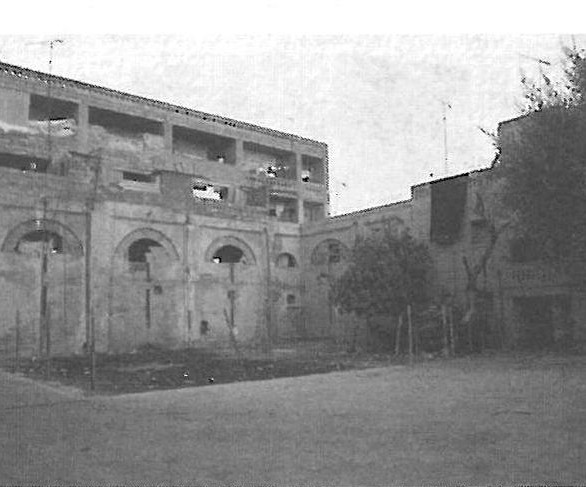
The purpose of mentioning all this is, first, a report to the friends and former collaborators of this project and to the current architects of Iran, and second, a request to the officials and those involved in architecture in the nation, as well as to professional associations and architectural organizations, to pay attention to this matter: that if we do not make an effort to preserve the existing works of our architecture, we will leave no heritage of our era's culture for future generations.
Without support, guardianship, and the implementation of sound policies, the architectural works of the present century — including Shushtar New Town — will be destroyed and demolished. If we have concluded that we must maintain and restore royal palaces and castles, why do we neglect the care of people's projects — those built for lower-income populations — and other valuable designs?
We can say that if the current trend continues, unfortunately after the conclusion of the World Exhibition, nothing will remain of Shushtar New Town but mournful ruins.
Would that architecture enjoyed the same attention bestowed upon award-winning films at international cinema festivals or football competitions. Films are forgotten after a few years and the excitement of football matches subsides, but architecture endures. Just imagine if the architectural works of cities like Florence, Paris, or Isfahan had been destroyed through negligence and carelessness — what an immense cultural loss it would have been for their nations.
Let us join hands together and preserve the culture of contemporary architecture.
In closing, I am grateful for the attention of Memar Magazine.



