
Angelo Masieri3 had designed Italo Romanelli’s house in 1952, like the Veritti House2, as “a refined antidote to the cardboard house” (quoting Frank Lloyd Wright’s 1930 lecture at Princeton University on the cardboard house, in the book Architecture and Democracy, Plinio Perilli1, Rome, 2004, pages 128 to 156, in particular page 133). He died in June of that year on a trip to America on which he also had an appointment to meet Wright; by then the shell of the building was almost complete. Scarpa, who was familiar with the project, was asked to complete the work in collaboration with Bruno Morassutti4 (born 1920), who had worked for several months in Frank Lloyd Wright’s studio between 1949 and 1950 and had gathered a rich collection of photographs of his works.
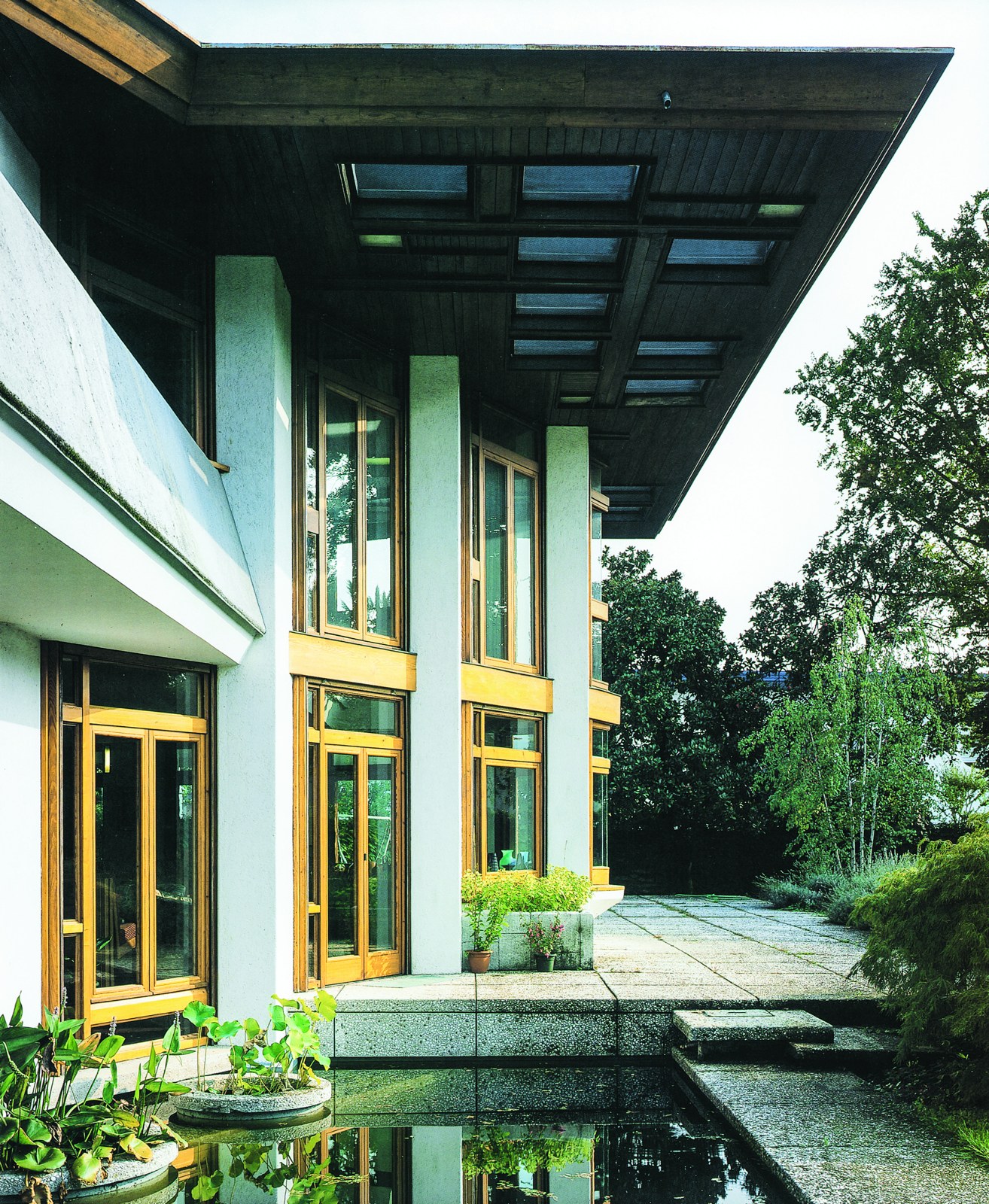
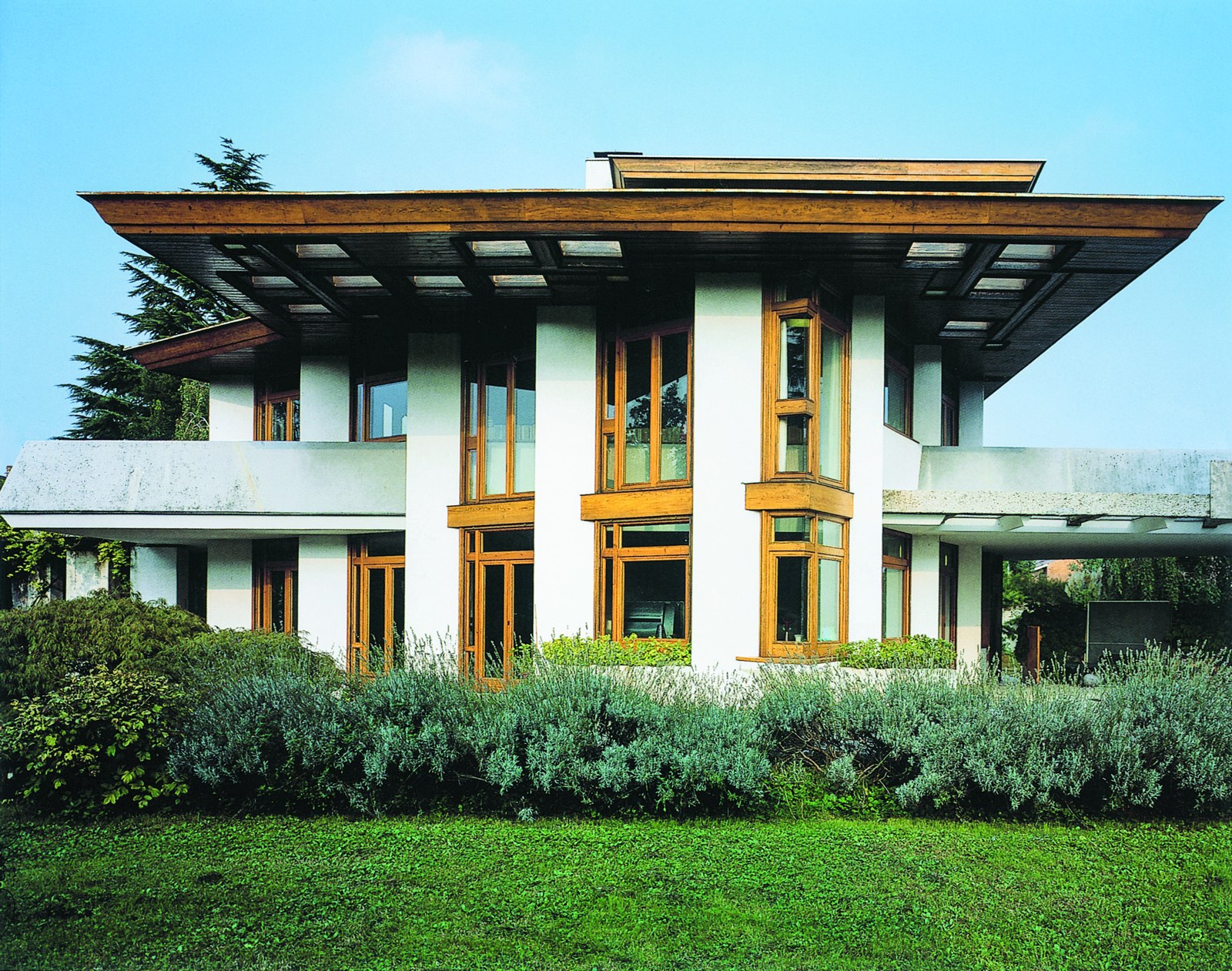
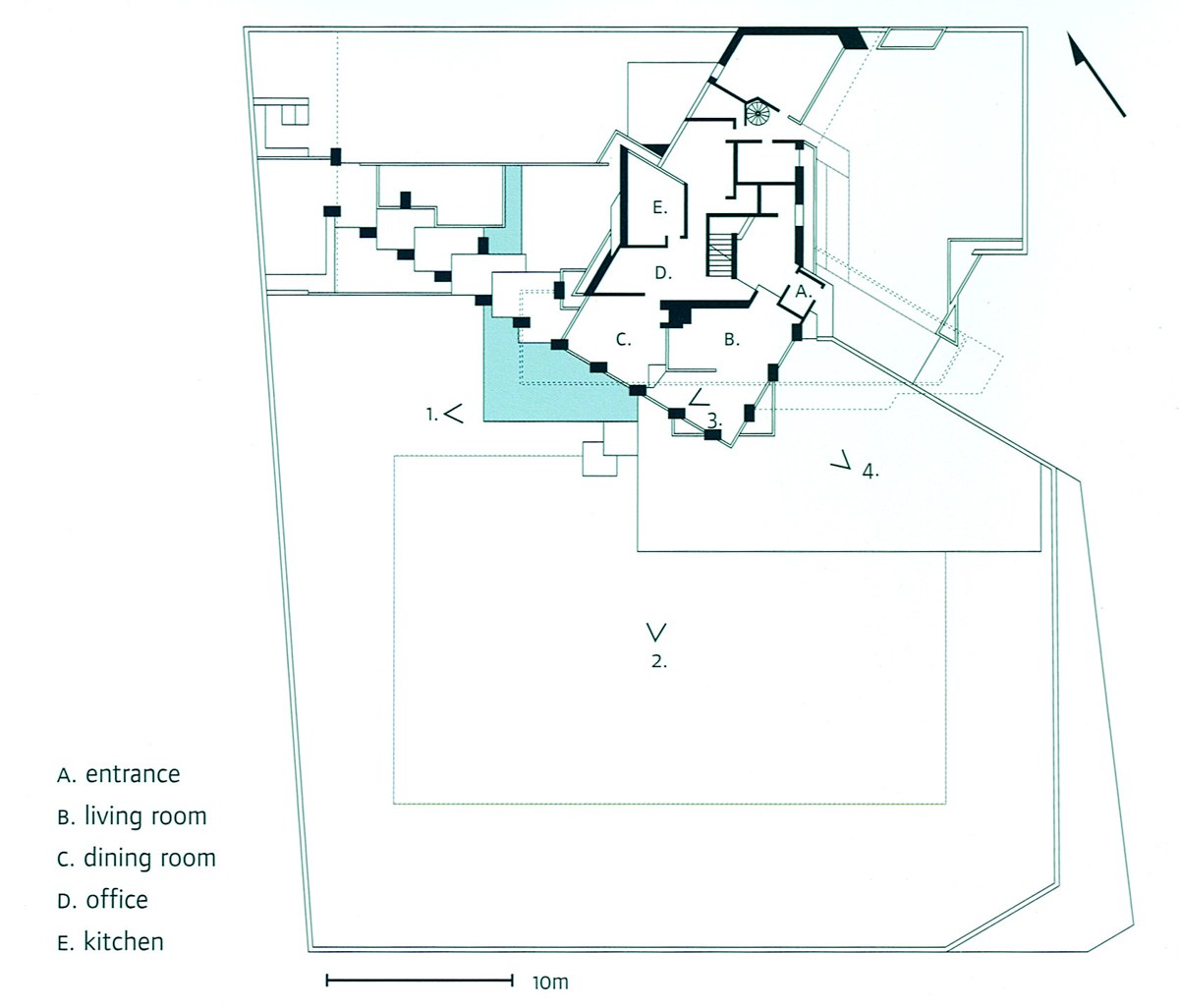
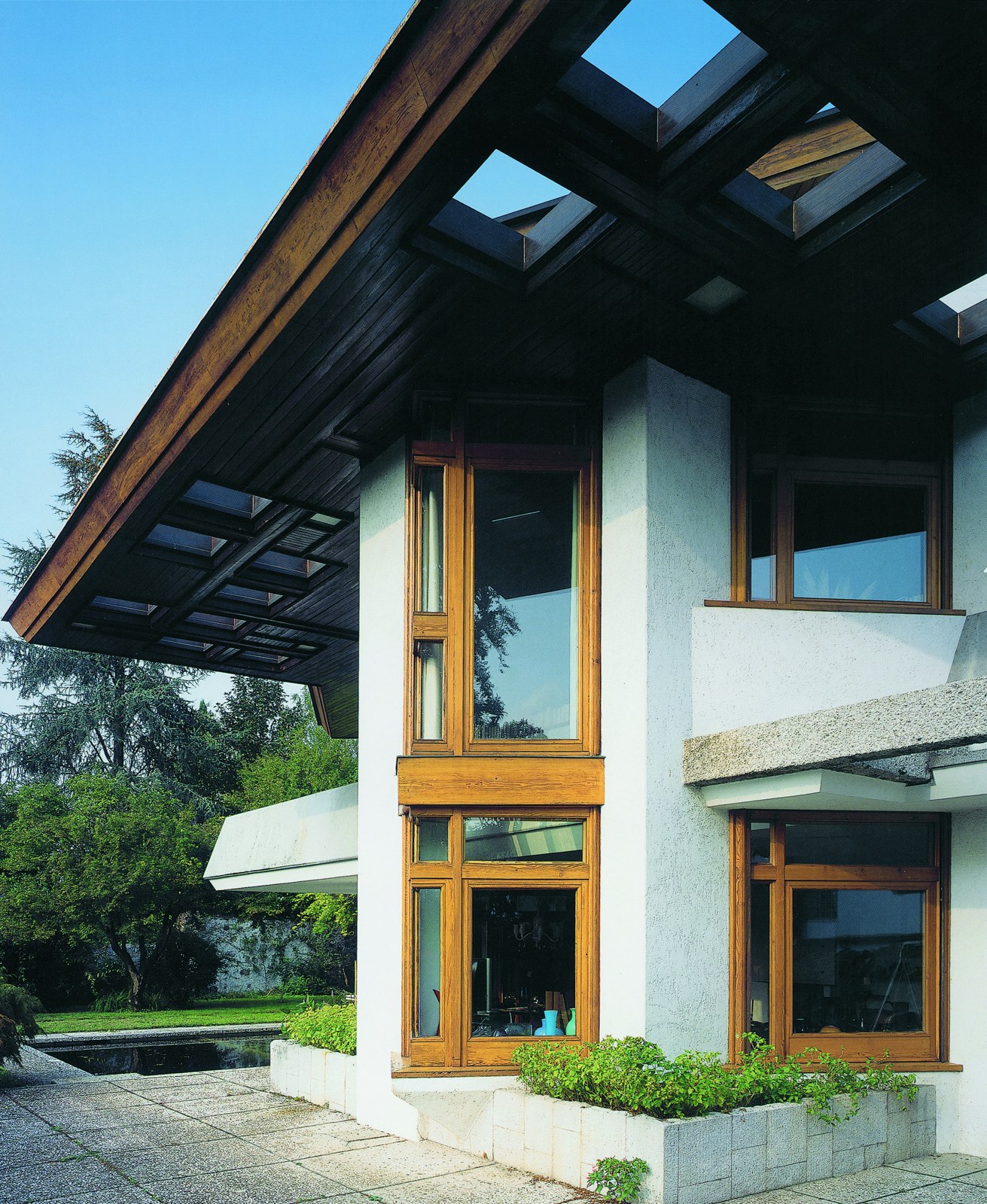
The building is characterised by a sequence of square piers, at two heights, in plastered brick. On the south and west of the house these piers continue at half height into the garden and support a reinforced-concrete pergola.
A solid horizontal structure of reinforced concrete, which gradually changes from the entrance canopy into the floor and terrace on the first floor, is set against these walls. The windows that Scarpa designed, as Bruno Morassutti described in a study in February 2006, are extraordinarily effective. By reinforcing the continuity of this element, they expose the projecting wall over the living room to view from outside.
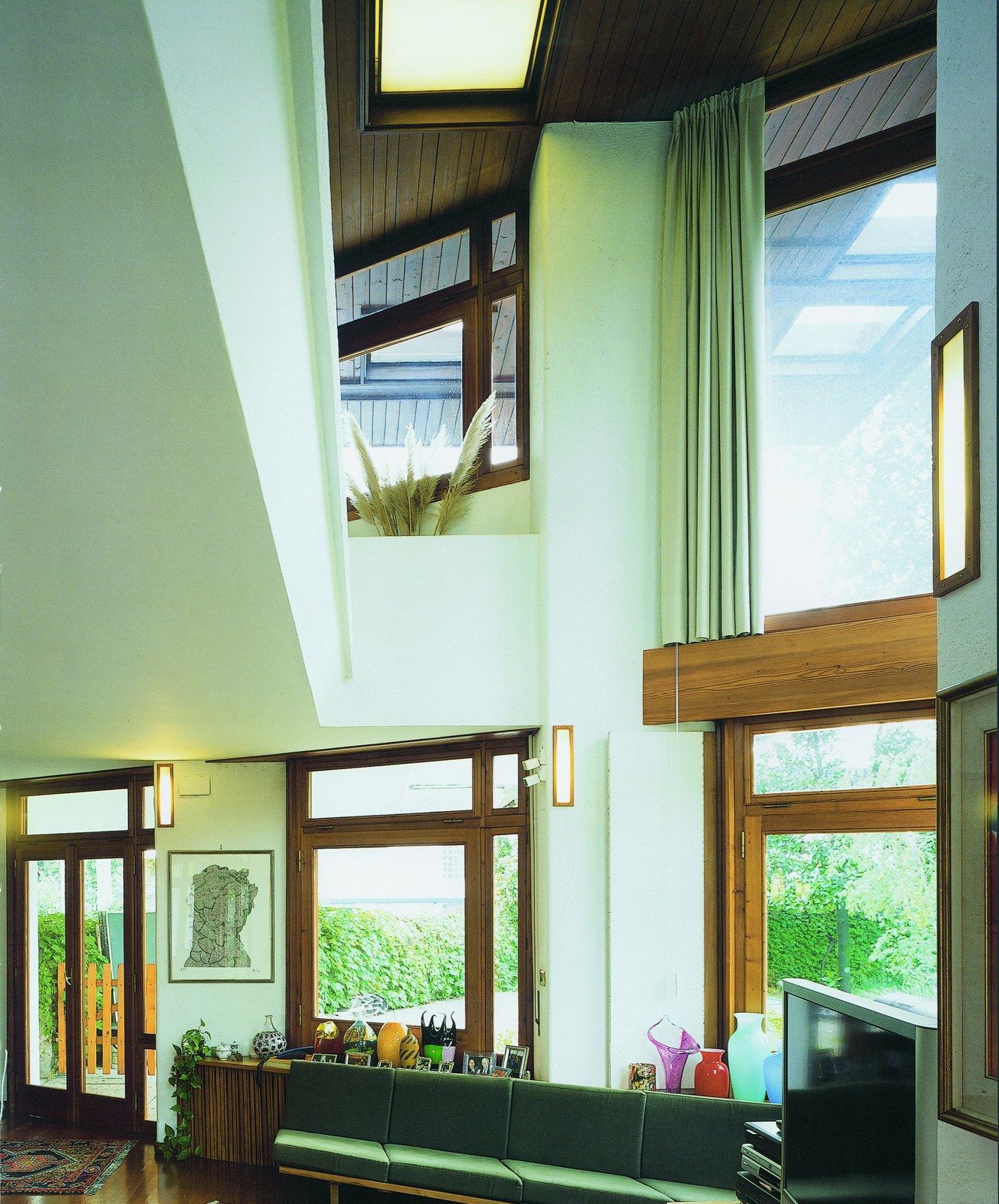
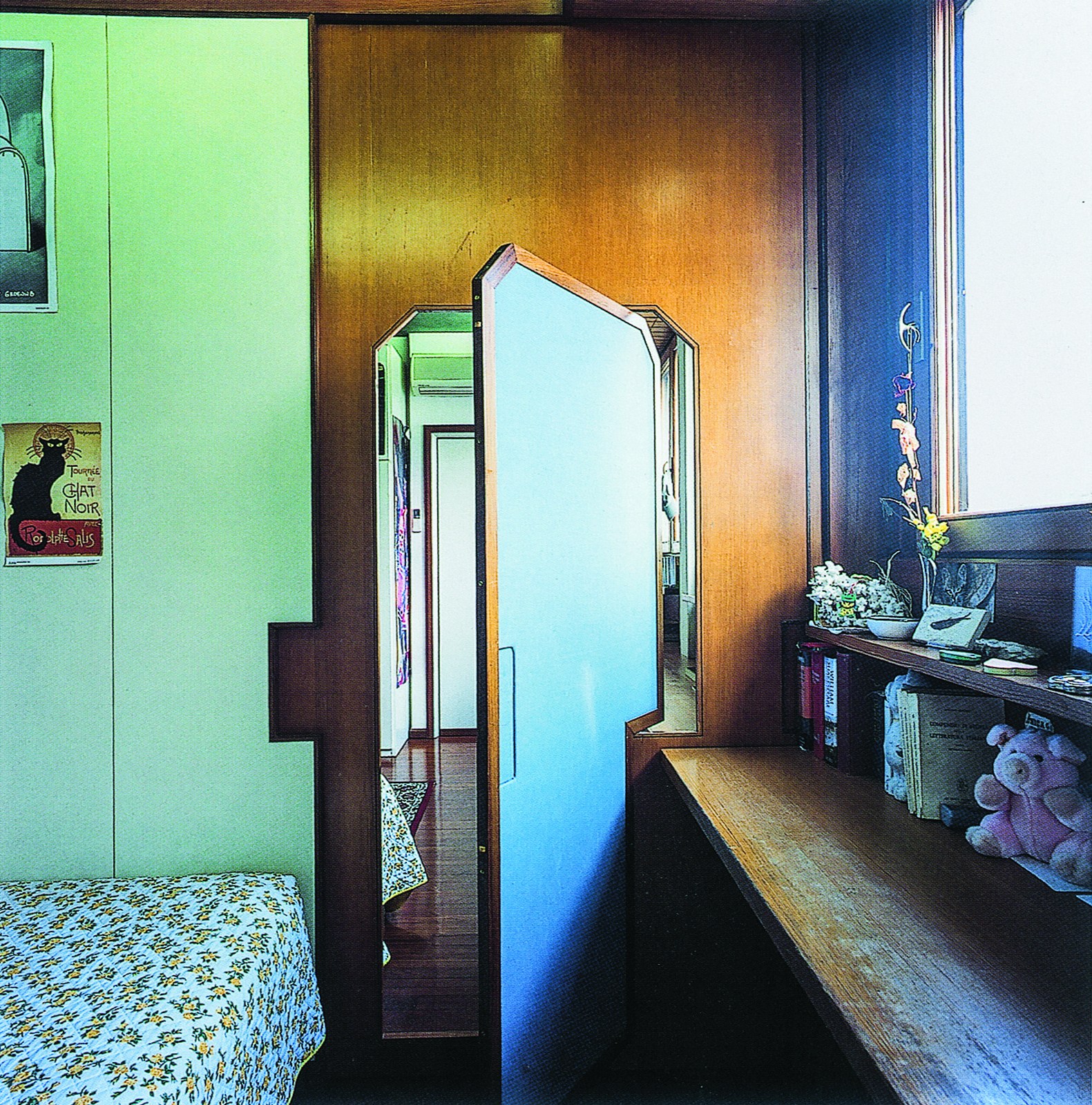
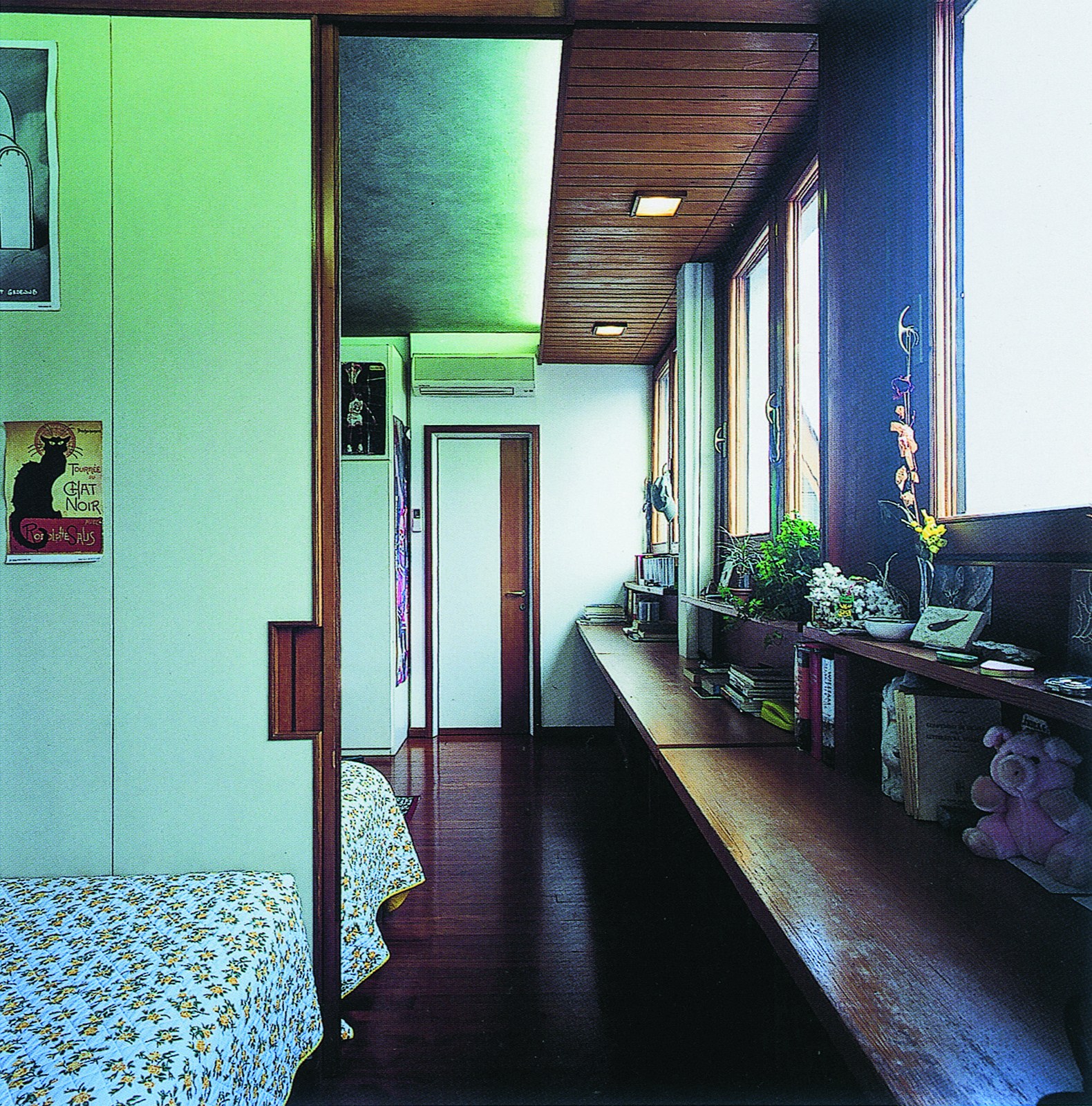
Scarpa also designed the large canopy, with two rows of pine along its edges, with large square openings that create an irregular flickering effect on the underside and cut out pieces of sky for those looking up from below. The finishes, including mahogany floors, walnut walls and doors, and poplar-board ceilings on the first floor, which have been fully preserved by the present owners, are probably the choice of different people, while the glossy trowelled plaster of some walls of the living room and bedroom may be Scarpa’s idea, and the living-room furniture may be Morassutti’s.
Notes
- Plinio Perilli
- Veritti House
- Angelo Masieri
- Bruno Morassutti