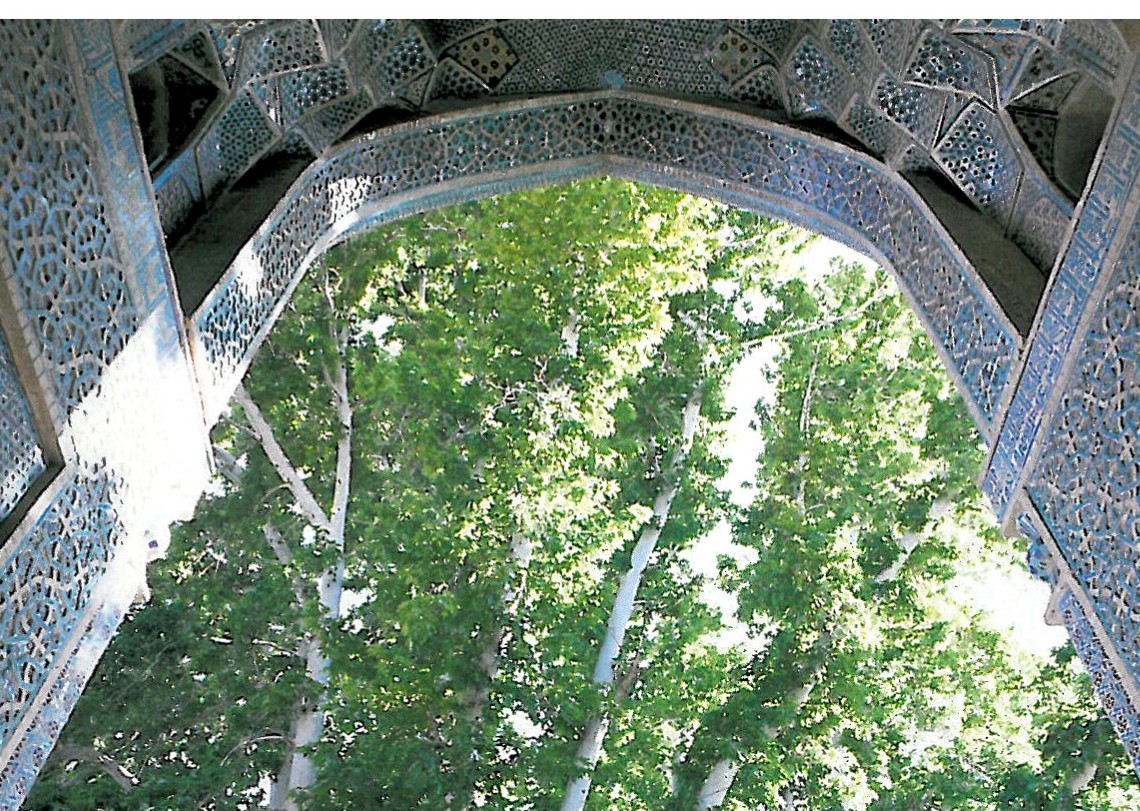
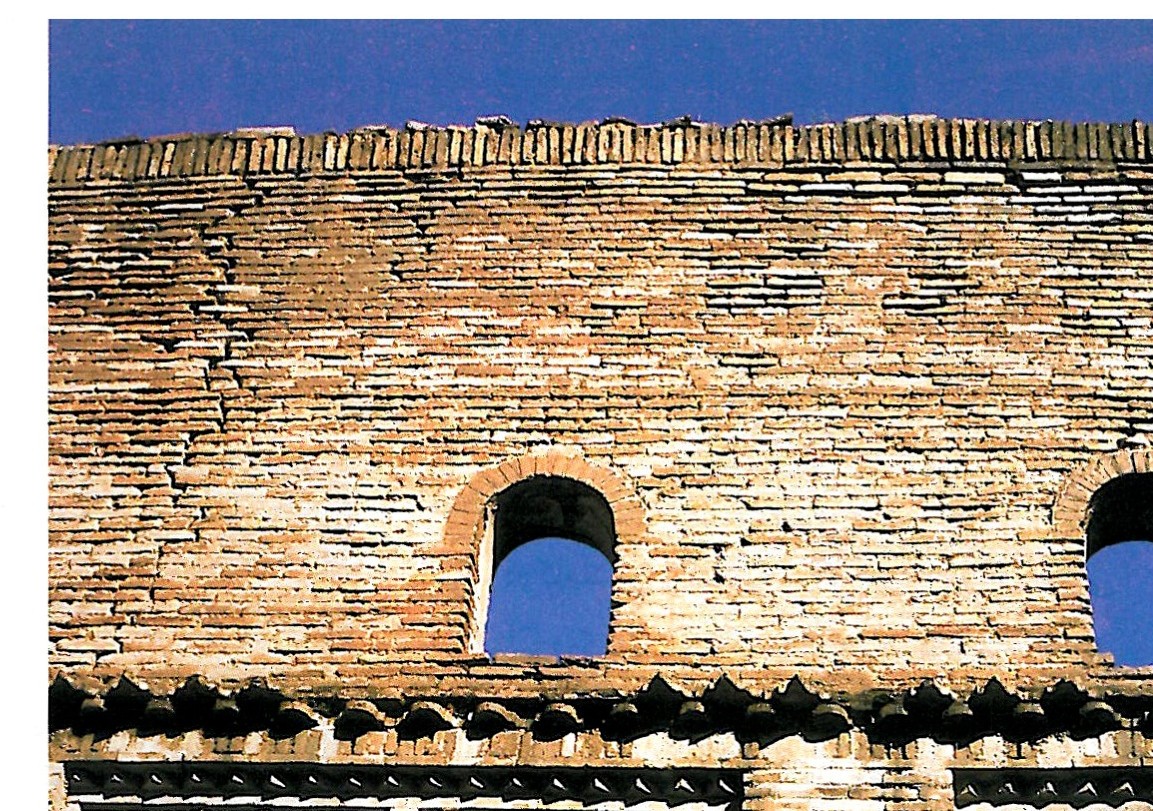
The vast land of Iran, by virtue of its climatic and geographical diversity, possesses various modes of architecture. Attention to the constituent elements of each region’s architecture and deep contemplation of the manner of execution, form, texture, material, repetition as well as rhythm, symmetry, color, and many other characteristics opens numerous doors to the recognition of the essence of the culture and art of indigenous architecture in that region. In many existing works, in cities and remote villages, one can observe the most authentic elements of Iran’s traditional architecture. Their value lies not merely in the manner of execution and the skill of construction. The principal merit resides in the type of thought and the mental creativity behind them. The use of natural elements in Iran’s indigenous architecture, inspired by nature itself, demonstrates the inseparable relationship between humankind and nature. In the first encounter with nature, the human being thinks of a safe and suitable place to live. In this confrontation, the seasons of the year, day and night, the degree of humidity, wind, and other natural factors all play a role. What is most notable in the relationship between indigenous architecture — and more specifically vernacular structures — and climatic conditions is simplicity. This relationship represents a kind of reductivism, or minimalism, both in the manner of thinking and in execution. This type of Iranian architecture has compelled the builder, in how they address the particular challenges of each region, to draw upon the elements of that very land.
It can be said that for responding to the spatial needs of humankind, understanding architecture goes beyond mere observation. Only looking at an urban or rural natural scene is not what gives rise to the pleasant sensation of delight in beauty. A photograph can serve this same function; the impact of space on a person is also not derived solely from observation of the building. The image of architecture in many instances reinforces or shapes the mental picture that arises from observing the architectural work. The frame of the image lends a boundary to our eyes, and the images that most clearly remain in memory are those that have been composed with great deliberation and care. Just as an architect creates their work through thought and study, the photographer-artist must also reflect upon their work — reflecting on the realities and characteristics present in the work — and as a witness to the existence of its values, record them through their own perspective. In other words, the artist discovers the values of architecture and presents them. This itself is a form of bestowing identity and granting renewed existence to the architectural work.
Art is the most fruitful material and gift of our nation to the history of the world. Iranians have held beauty in the highest esteem, and masterful taste and perception they have interwoven with life. Beauty was considered a manifestation of the divine, and architecture the most expansive field for expressing this beauty and cultivating the arts. Without recognizing the artistic methods and technical skills of execution, understanding Iranian architecture is impossible. Unfortunately, the transmission of this knowledge from past to present has not occurred as it should, and our young generation and art students remain to a great extent unfamiliar with the achievements of their past masters.
Considering what has been said, one can conclude that this mode of seeing Iranian architecture and comprehending its distinctive qualities — the photographic image of which plays a particular role — is how we come to understand architecture. Every art has its own expressive characteristics and inherent limitations, and mastery in each art demands specific skills. Art means creation and the shaping of imaginations and the display of impressions — that is, the power of visual discernment of parts — and composing the ensemble of parts with the aid of light and technique.
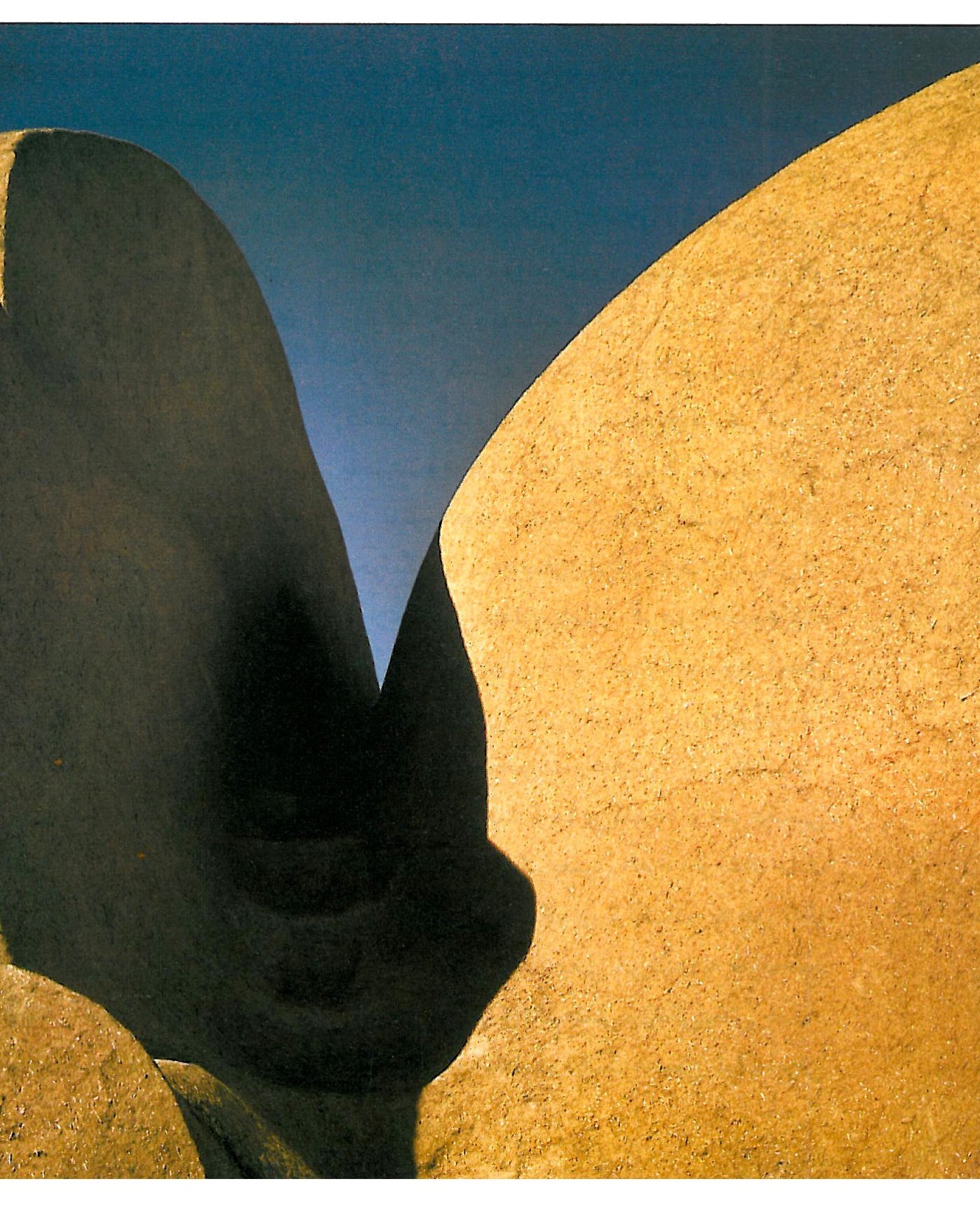
For example, the most important element of nature — namely the sun — as a source of light, a symbol of the essence of existence and life-giver of the world, has been introduced in various forms within the culture of Iranian architecture. Skylights, orosi windows, clerestories, and lattice screens are among the elements that express the connection and fusion of architectural space with the external environment; therefore, the primary role of the photographer-artist is to find the point at which light and color converge in the most complete and finest form possible. Understanding how an architectural space constructs its form with the aid of light is of the utmost importance. In other terms, the constituent parts of a building and the decorative elements of architecture are like elements that establish the dialogue between humankind and nature, environment, and the sky. Domes, arches, porticos, wind-catchers, entrances, the manner of combining horizontal and vertical surfaces, changes in surface and volume and the rhythm of these changes, the manner of employing materials, attached symbols, motifs and the most delicate manifestations of moments expressing the personality and creativity of an artist-architect — all these are counted among such elements. To perceive these values that elevate the mind and public culture, one must seek the aid of the image.
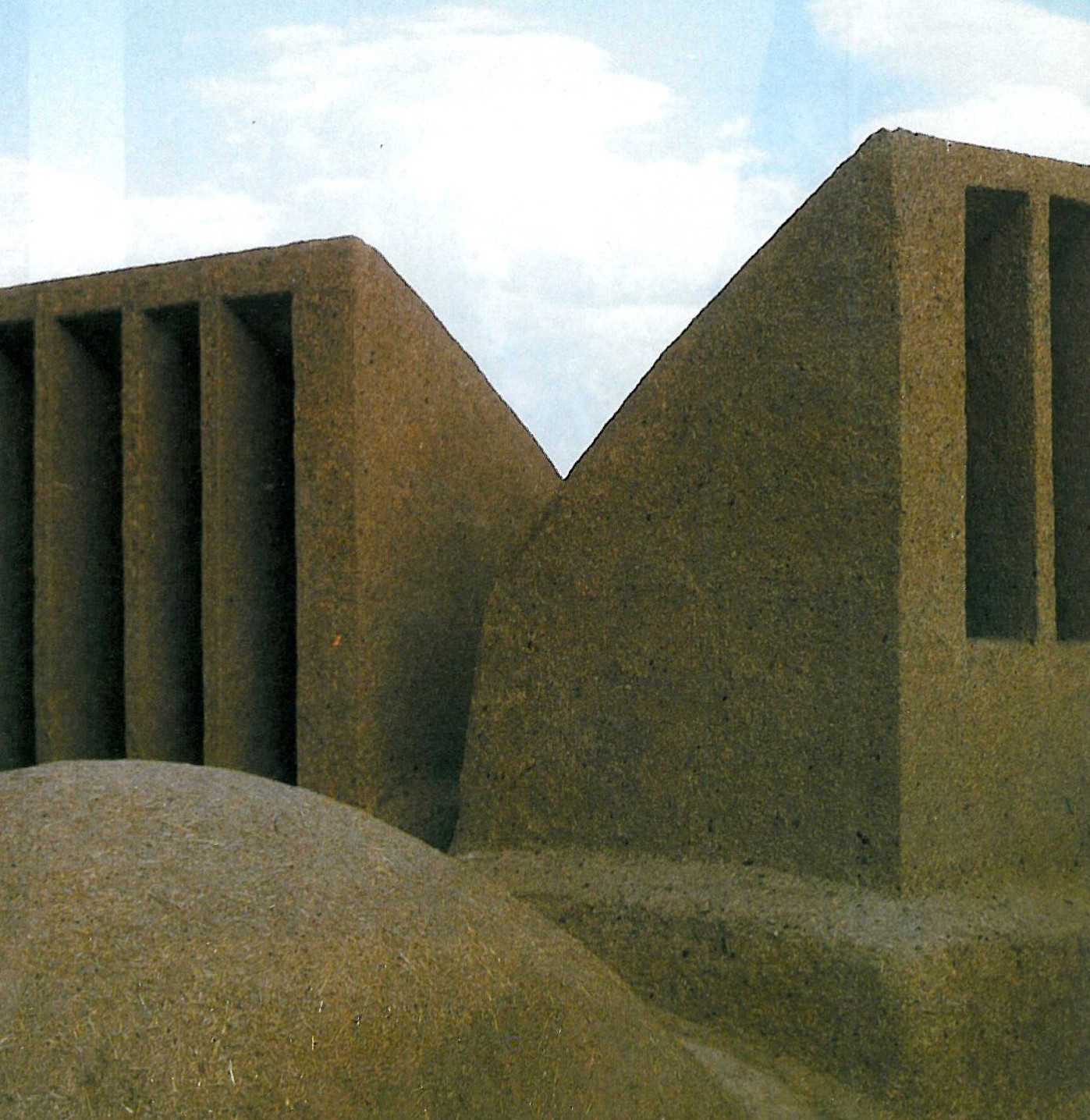
Images must not only show the physical body of architecture, but must also convey it as it is perceived and felt. Therefore, the effort of the perceptive artist who, through the power of mental visualization, sees beyond the veil of appearances, is entirely directed toward understanding the characteristics and variable effects of the light source across different seasons and hours, and toward emphasizing the play of light precisely when it is the primary subject. The study of form, the understanding and sensing of color, symmetry, proportions and dimensions, the feeling of space, the suggestion of stillness, and ultimately the semi-hidden keeping of the work’s trace within the image, and the evocation of the mysteriousness of nature — in truth, it is a third eye in the artist’s mind that the camera lacks.
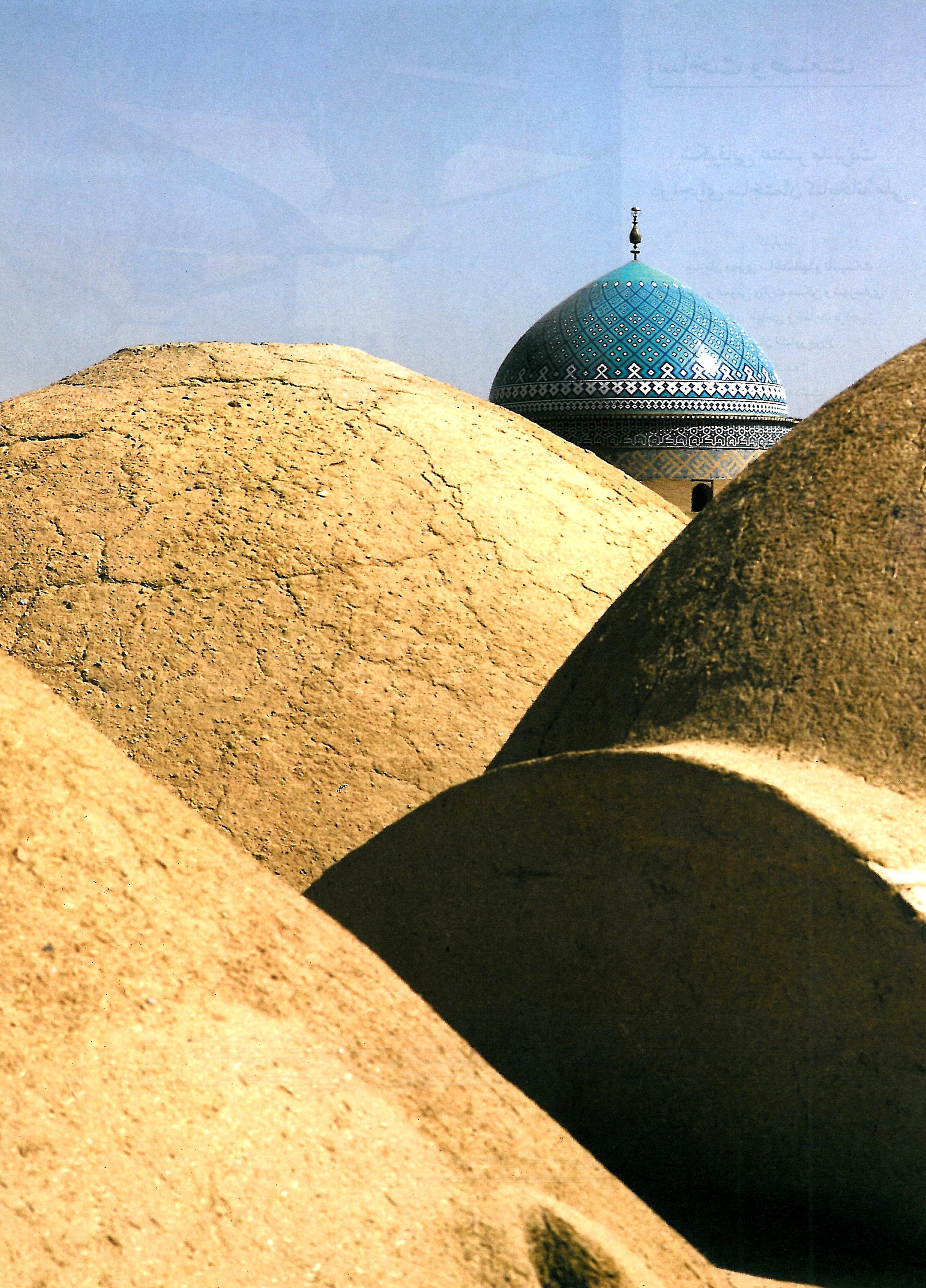
What is generally observed in all works of Iranian architecture is a philosophical-mystical gaze that, in harmony with indigenous characteristics and the most exalted geographical conditions, has fostered manifestations of creativity in all artistic domains. The art of truly seeing is the essential condition for knowing and understanding our way of engaging with the environment and nature of Iran — that is, a portal opening toward awareness and deeper insight into that which we call national identity and culture. Whenever human beings have become estranged from the understanding of their ancient and indigenous architecture and alienated from their environment, in order to find their way back to the natural environment of life, they must see and truly perceive ancient and indigenous architecture.



