Seven Essays by Adolf Loos
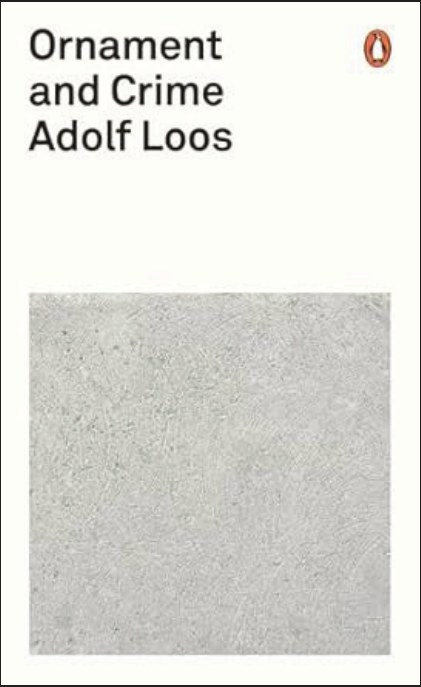
Taken from the book Ornament and Crime, Adolf Loos, Shaun White
ORNAMENT AND CRIME, ADOLF LOOS, 2019, PENGUIN BOOKS
Is architecture still a form of art? People seem more or less to be trying to deny it. The architect enjoys artistic standing neither in the world of art nor in society. The most insignificant painter, the least important sculptor, the most mediocre actor and the least productive composer never give up their boundless claim to artistic standing, and the world graciously grants them that place. But the architect, before being counted among the artists, must have a remarkable achievement to show.
Two factors have undermined the standing of architects. First the state, second the architects themselves. The state holds examinations in the technical colleges, and those who take part consider themselves entitled thereafter to use the professional title of “architect”, because they have passed the examination. This farce has gone so far that some intended to ask the government to give the title “architect” legal protection, like the technicians who have graduated in structural engineering. That the whole cultured society of Vienna did not respond to this with loud and liberating laughter perhaps shows clearly how far, through these examinations, the view has penetrated among people that architecture is a subject one can learn, and that one’s mastery is proven by obtaining a certificate. This whole development need only be transferred to music. Then composition, which has a deep affinity with architecture, would have to be regarded in the mind of the conservatory student as the preserve of whoever has passed the conservatory examination. It sounds absurd, because we still recognise music as a form of pure art.
For the true artist, the arguments of the certificate-addicted technicians are entirely indefensible. Because from then on every bricklayer’s assistant can consider themselves an “architect”. And if that makes someone happy, no matter, why not? Is the fame of Beethoven and Wagner tarnished because the writer of a comic couplet1 considers themselves a composer? If every doubter2 considers themselves a painter, does that harm the reputation of Lenbach3 or Menzel4? Certainly not. But how ridiculous both of them would have made themselves if they had asked the state, for this reason, to protect the title “painter” for them! The pen trembles at such a possibility.
But even more than the examining board, the architects have harmed themselves; they have belittled themselves, and the world has responded to that. Most of our young people, despite the title they claim for themselves, despite artistic talent, are only architectural draughtsmen5. For a monthly salary equal to the wage of a cashier, who is poorly paid and not very talented either, they become employees of building firms, large contractors and architects whose financial means allow them to keep their offices going. Their working hours are like those of clerks in commercial offices. Whether or not their artistic convictions agree with their employer’s is a matter this “architect” pays no heed to; in most cases it makes no difference to them anyway; today they work in Gothic, though in another office their only salvation is to take inspiration from the Italian Renaissance; they respond positively to everything; among like-minded colleagues they may mock the boss – you realise how mercenary the language of architects is – they imagine that when they take on a job for an eccentric old codger6 they are doing something extraordinary. And the next day, at eight o’clock sharp, they are back at work.
If the rising generation of our artists also wanted to give powerful expression to their convictions, despite all the financial challenges, its beneficial consequences would soon appear in the renown of our art. Look at your brothers in painting, sculpture and music! If need be they go hungry for their art, and that is the business of anyone who wants to bear the finest title of honour: artist!
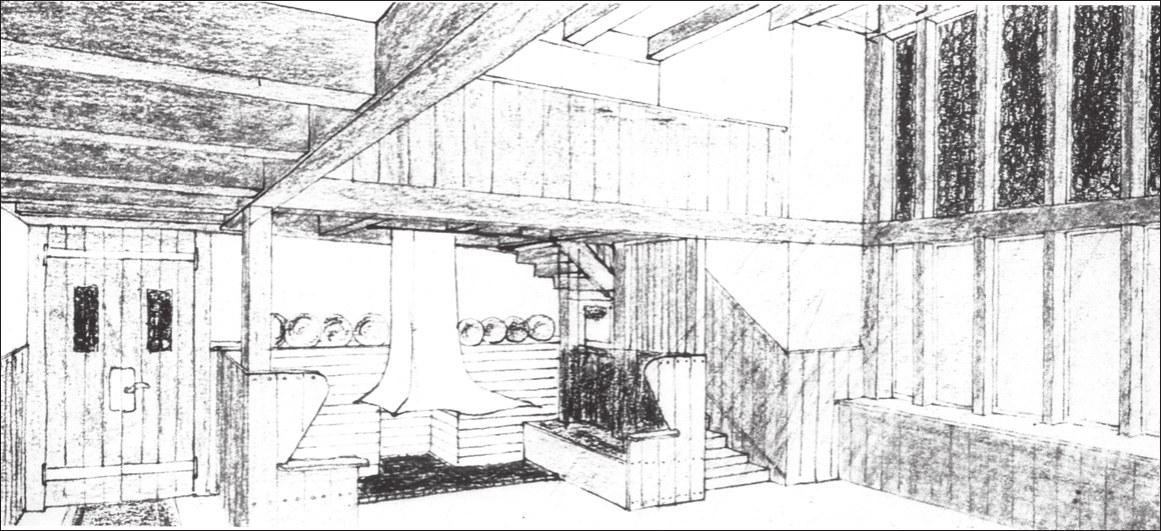
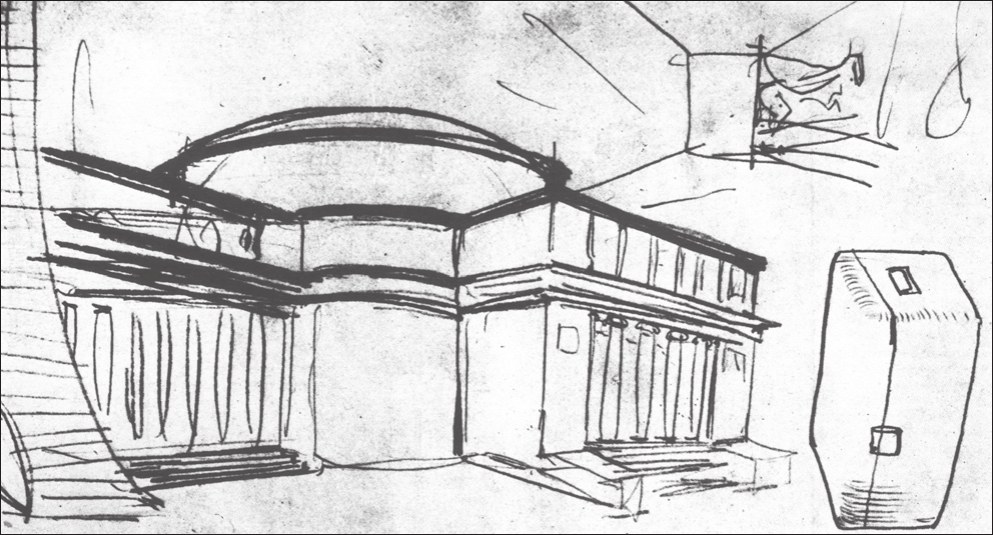
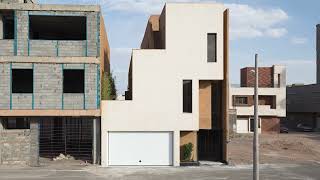
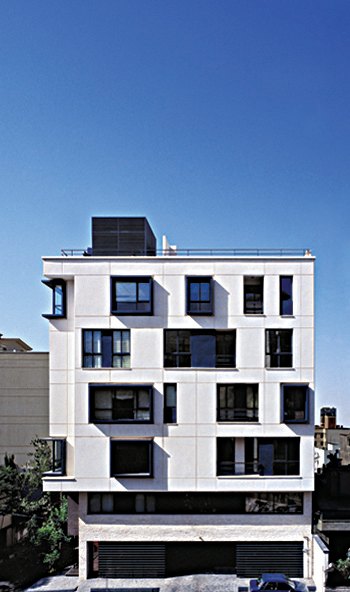
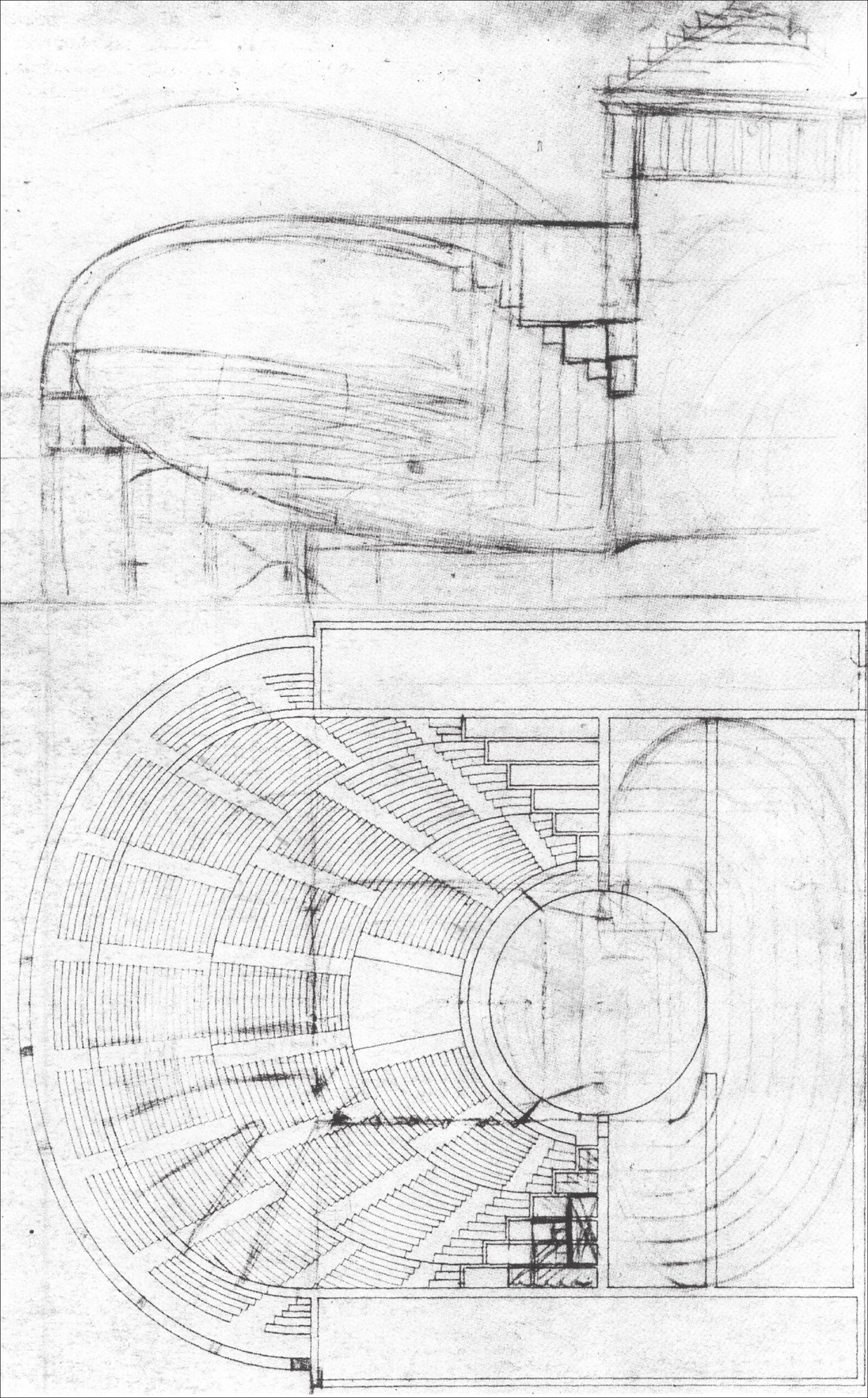
The images were added at the magazine’s choice.
Footnotes:
1- comic couplet
2- doubter
3- Lenbach
4- Menzel
5- draughtsman
6- Codger