2001
Memar AwardMembres du jury

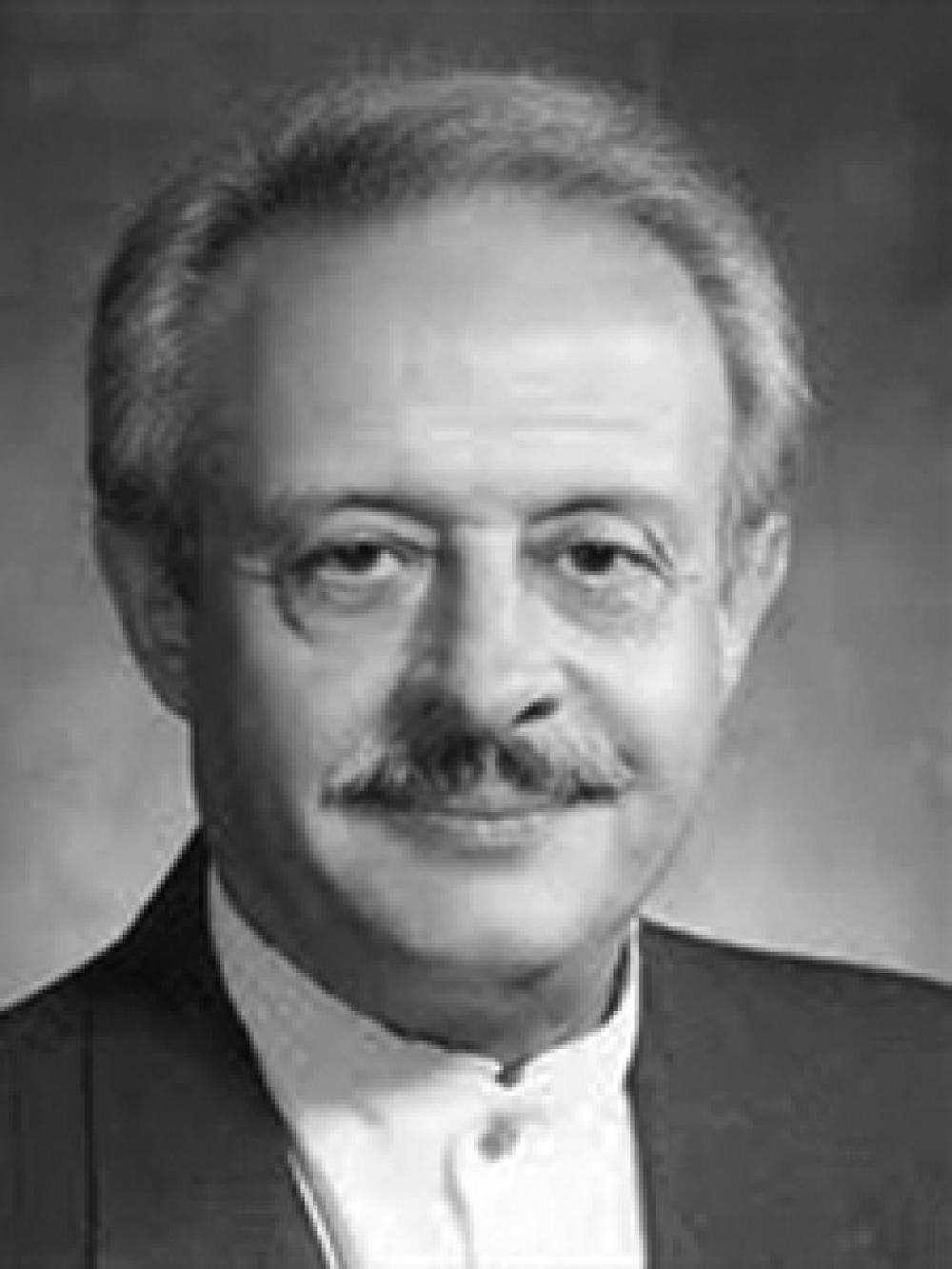
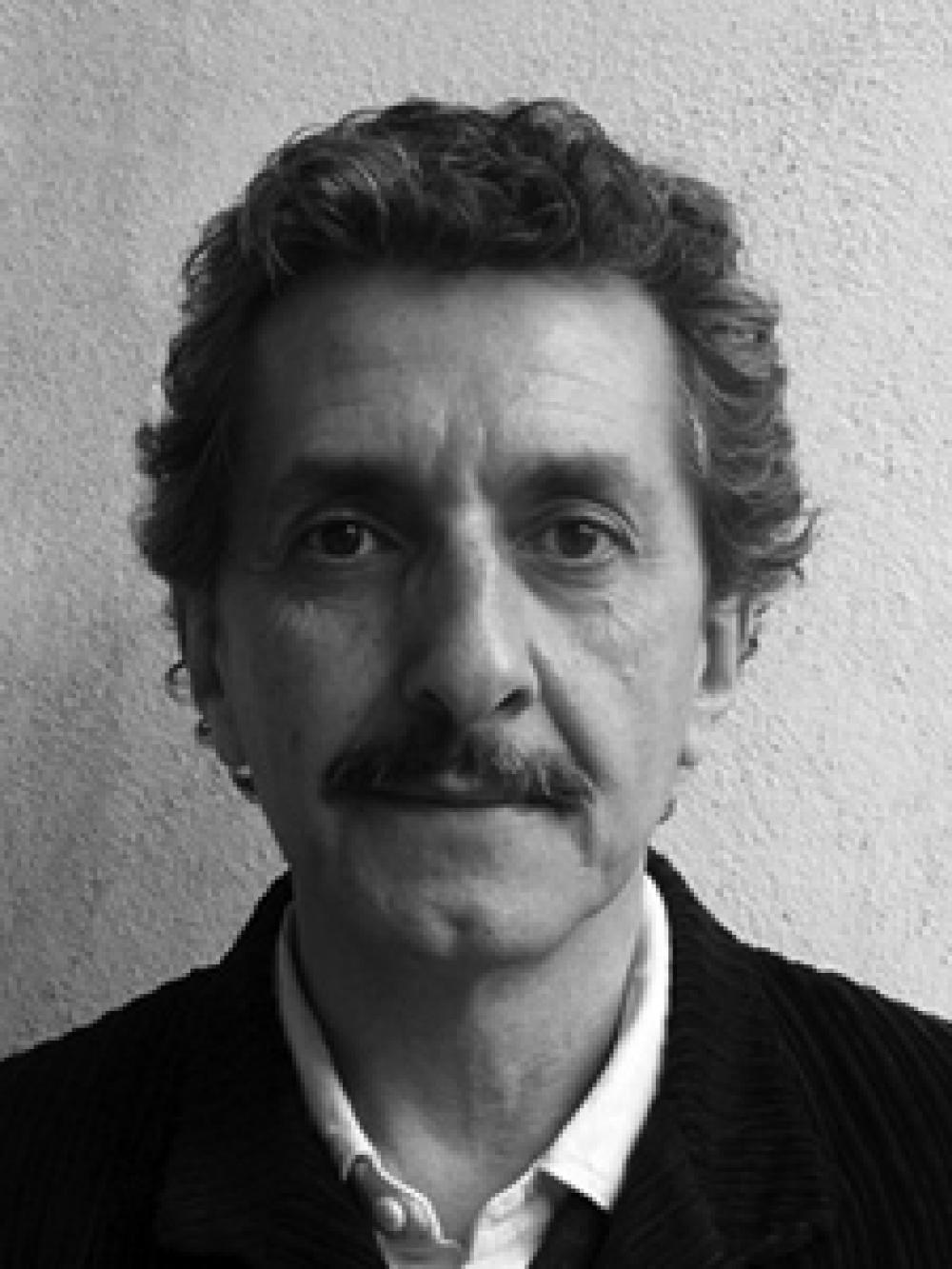
Iranian architect (b. 1951) internationally recognized for his work in interdisciplinary architecture and fold/folding architecture. Graduated from the University of Toronto (1978). Has taught at the Architectural Association (London), Harvard GSD, University of Houston, Georgia Tech, University of Chicago, SCI-Arc, and Ohio State University. Founded Shirdel and Partners in Tehran (1997), previously practicing as Shirdel and Kipnis Architects in London and Aks-Runo in Los Angeles. Recipient of the Christopher Wren Medal (Canada) and CGA Gold Medal for city planning (China). Work exhibited at Venice Biennale (1984) and MoMA New York (1992). Notable projects include the Alexandria Library (Egypt), Sara conference hall (Japan), and the National Museum of Water (Iran).

Iraj Kalantari Taleghani (b. 1938, Tehran) is a renowned contemporary Iranian architect. He graduated with an MA in Architecture from the Faculty of Fine Arts, University of Tehran in 1964. In 1974 he founded Bavand Consultants, where he still holds the position of chairman of the board. With over 20 years of teaching experience at the University of Tehran, Azad University, and the University of Science & Technology. In 2005 he was selected as Architect of the Year by the Society of Iranian Architects.

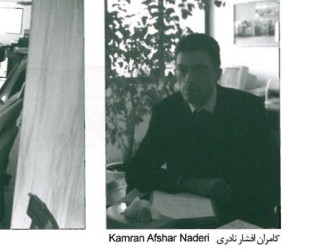
Iranian architect, critic, and editor (b. 1959, Mashhad). Studied at University of Genoa (1985). Worked with Renzo Piano Building Workshop (1986-1993) on projects including Kansai Airport. Co-founded Memar Magazine (1998) — the very publication this database documents. Published ~150 articles and 3 books. Teaching at Azad and Soureh universities since 1993. Co-founded POL Institute, Isfahan.
Iranian architect and urban planner, born in Tehran (1943). Graduate of the École des Beaux-Arts, Paris (1971). Worked in the offices of ARS (1987), André Remondet (1973-1976), and Studio Grumbach (1976-1981). Founder and director of Studio Grumbach and Associates (1979). Has designed numerous projects in architecture and urban planning. Lecturer at the École d'Architecture de Paris La Villette and other institutions. Member of the board of directors of the French Institute of Architecture. Served as juror for the 1st Grand Memar Award (2001).

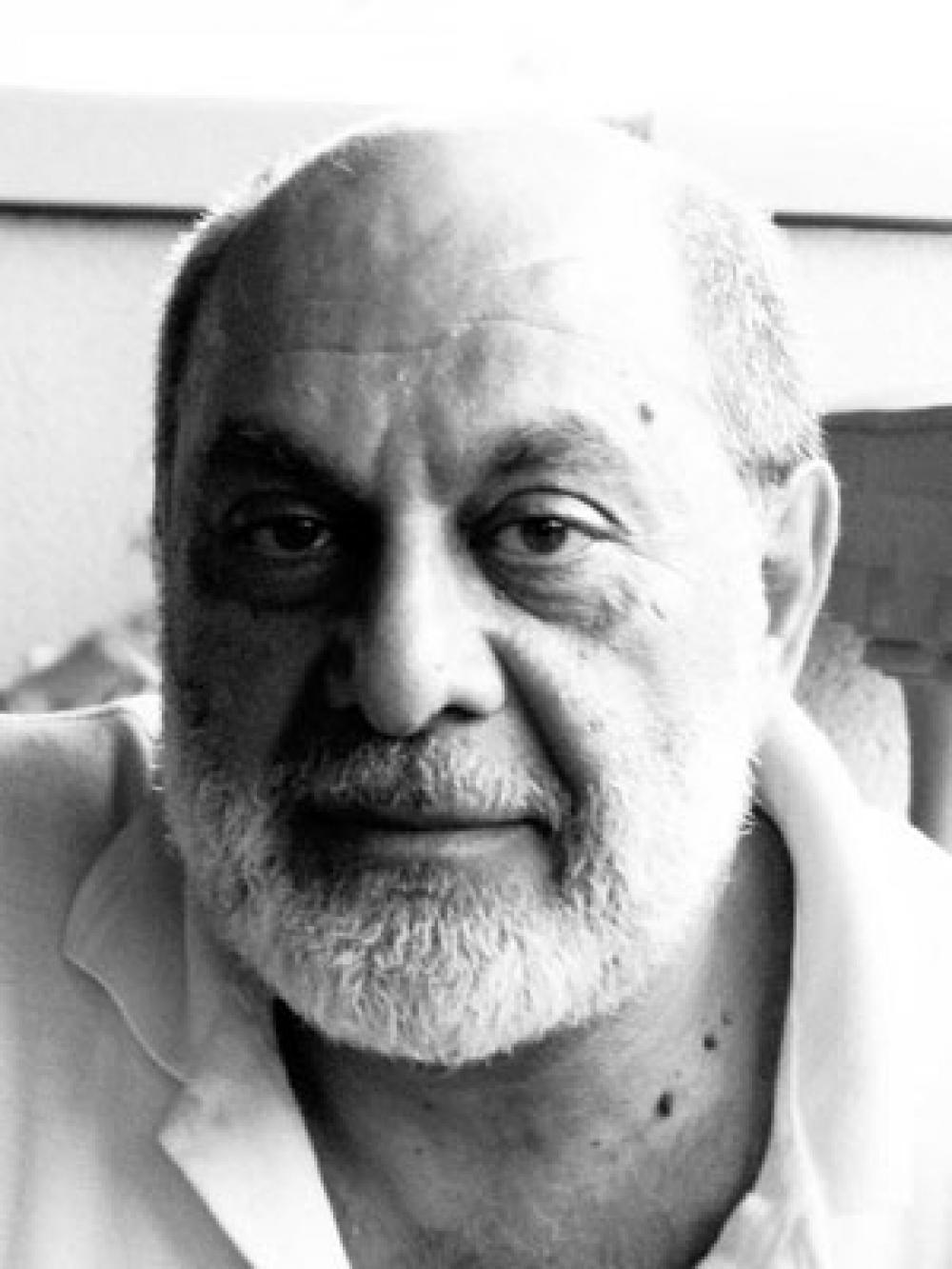
Mohsen Mirheydar is the founder and chairman of the board of Pirraz . PROJECT LIST National Library of Iran Grand Project of Extending the Holy Shrine of Hazrat Masoomeh Tractor assembling plant administration building Cinema Rivoli Takestan Motel and Restaurant
À propos de cette édition
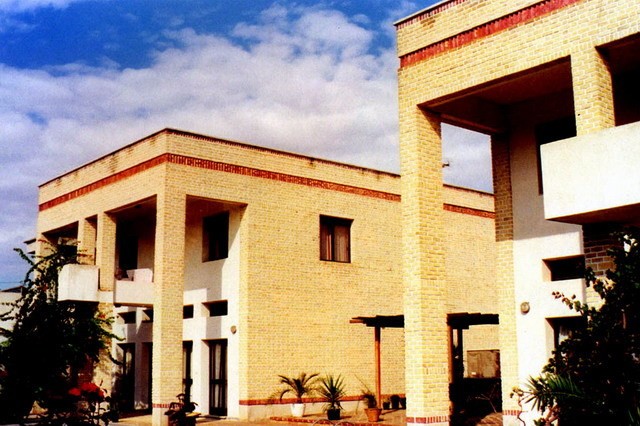
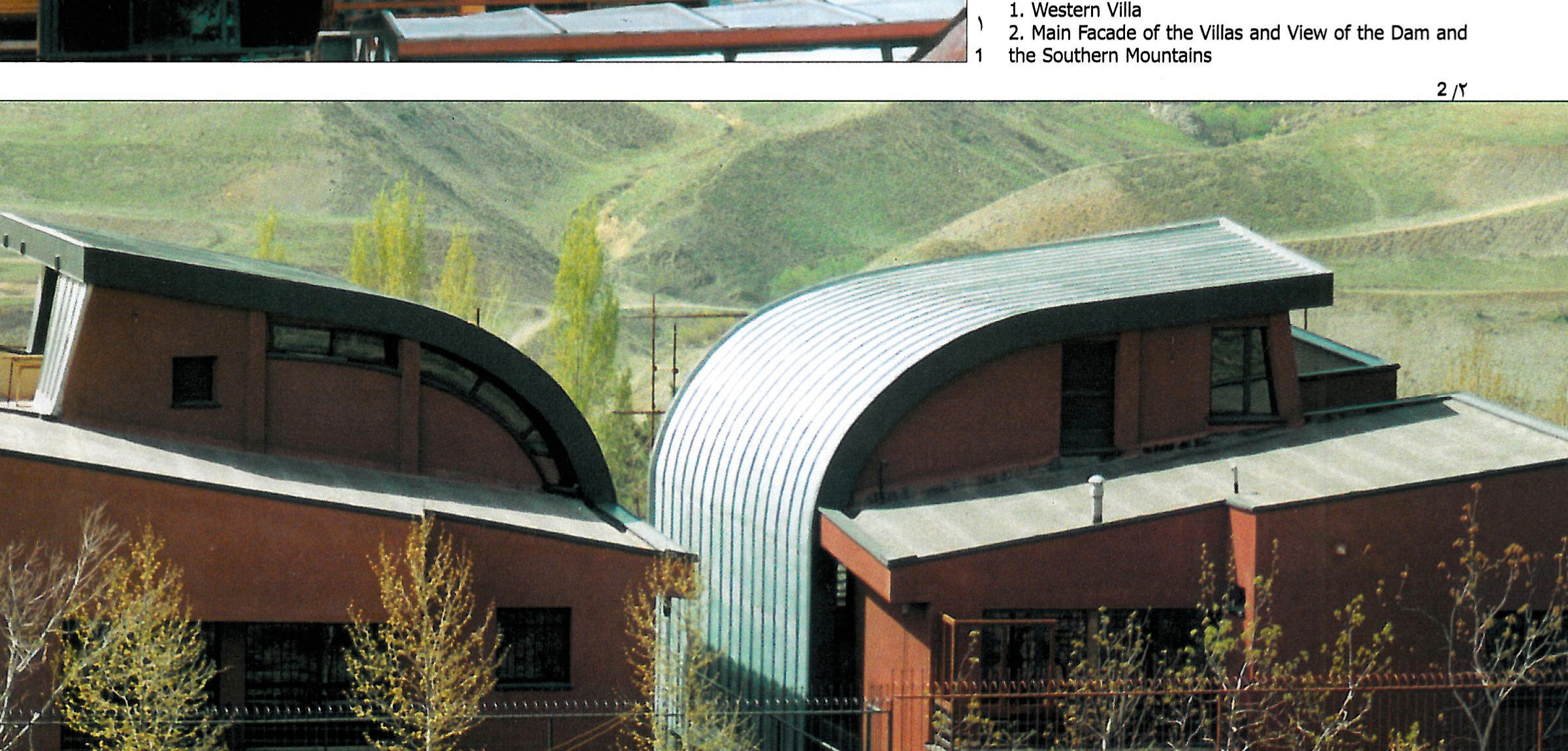
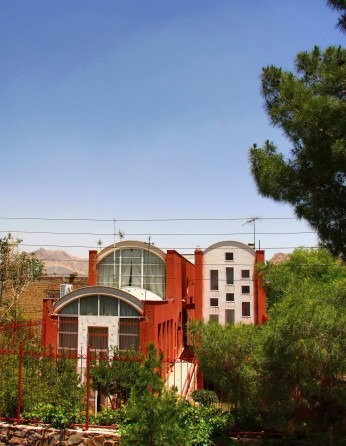
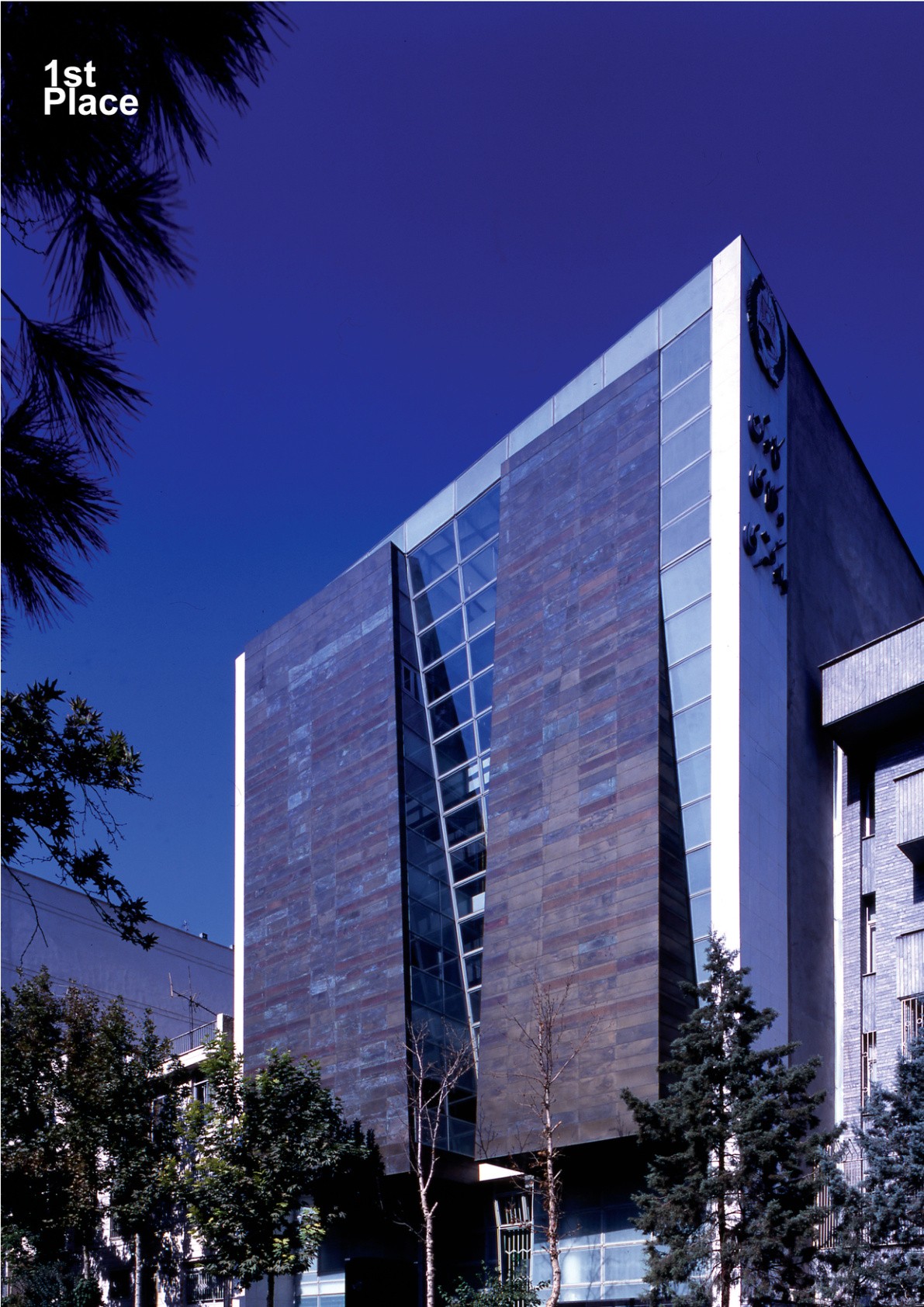
The inaugural Grand Memar Award was held in 2001, marking the beginning of Iran's most prestigious architecture prize. A jury of five distinguished architects — Kamran Afshar Naderi, Mohsen Mirheydar, Mohammadreza Joudat, Iraj Kalantari, and Bahram Shirdel — evaluated 155 submitted works across three intensive judging sessions held at the House of Artists and the Memar Nashr Institute in Tehran. The jury's deliberations were notably rigorous, producing detailed transcripts of their discussions about each finalist project. From an initial pool of 155 entries, 29 works survived the elimination rounds, from which 7 finalists were identified. The five winners were selected through a scoring system where each juror assigned ranks from 7 (highest) to 1 (lowest) to the finalists. The winning projects ranged from a modest pair of houses in Gonbad-e Kavus to an industrial factory in Eshtehard, reflecting the jury's appreciation for architectural quality across scales.
Statistiques
Processus de jugement
The judging process consisted of three main stages conducted over several days in December 2001. Stage 1 — Elimination: All 155 entries were reviewed by the five-member jury. Works were eliminated only by unanimous vote; if even one juror favored keeping a project, it advanced. Through multiple rounds of elimination, 29 works survived to the second stage. An additional 5 works were set aside due to insufficient documentation. Stage 2 — Selection: The 29 remaining works were reviewed with greater care. Each juror selected their top 5 preferred projects without ranking. This produced 13 candidates, some with only a single vote. Through extended discussion, the jury reached consensus on 7 finalists. Stage 3 — Ranking: Each juror assigned scores from 7 (highest) to 1 (lowest) to all 7 finalists. The total scores determined the final rankings from first to fifth place. In cases of tied scores, an additional round with scores from 1 to 16 was conducted. The jury also formulated official statements about each winning project, which were drafted from recorded deliberations, reviewed in session, and signed by all five jurors.
Lauréat

Gonbad-e Kavus · 2001

Firouz Firouz
فیروز فیروز
Deuxième place
Mention honorable
Présélectionné
Articles
Memar Award — 2001
Photos de la cérémonie
Sponsors
Building Hardware
Karimzadeh · Managing Director