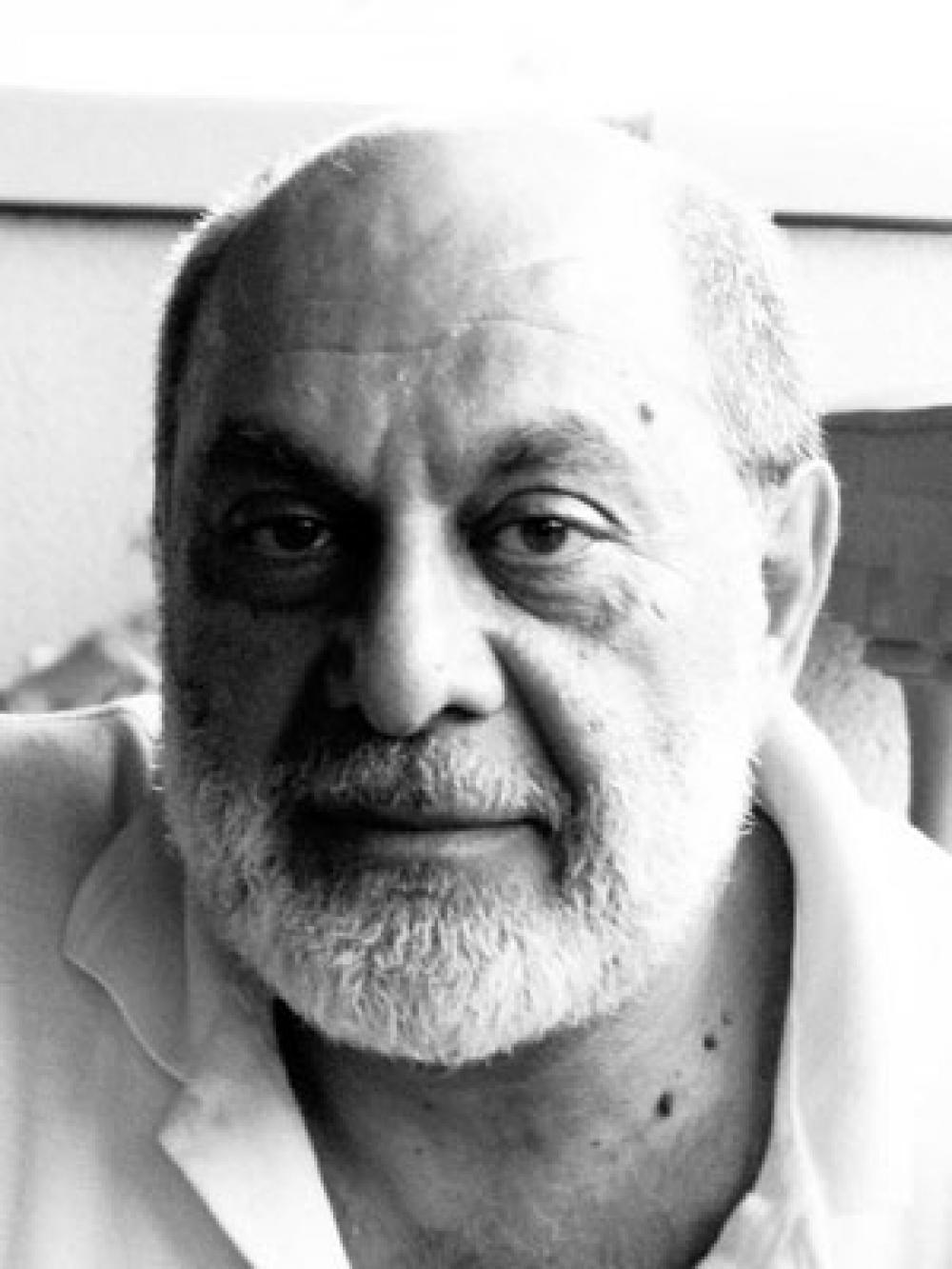
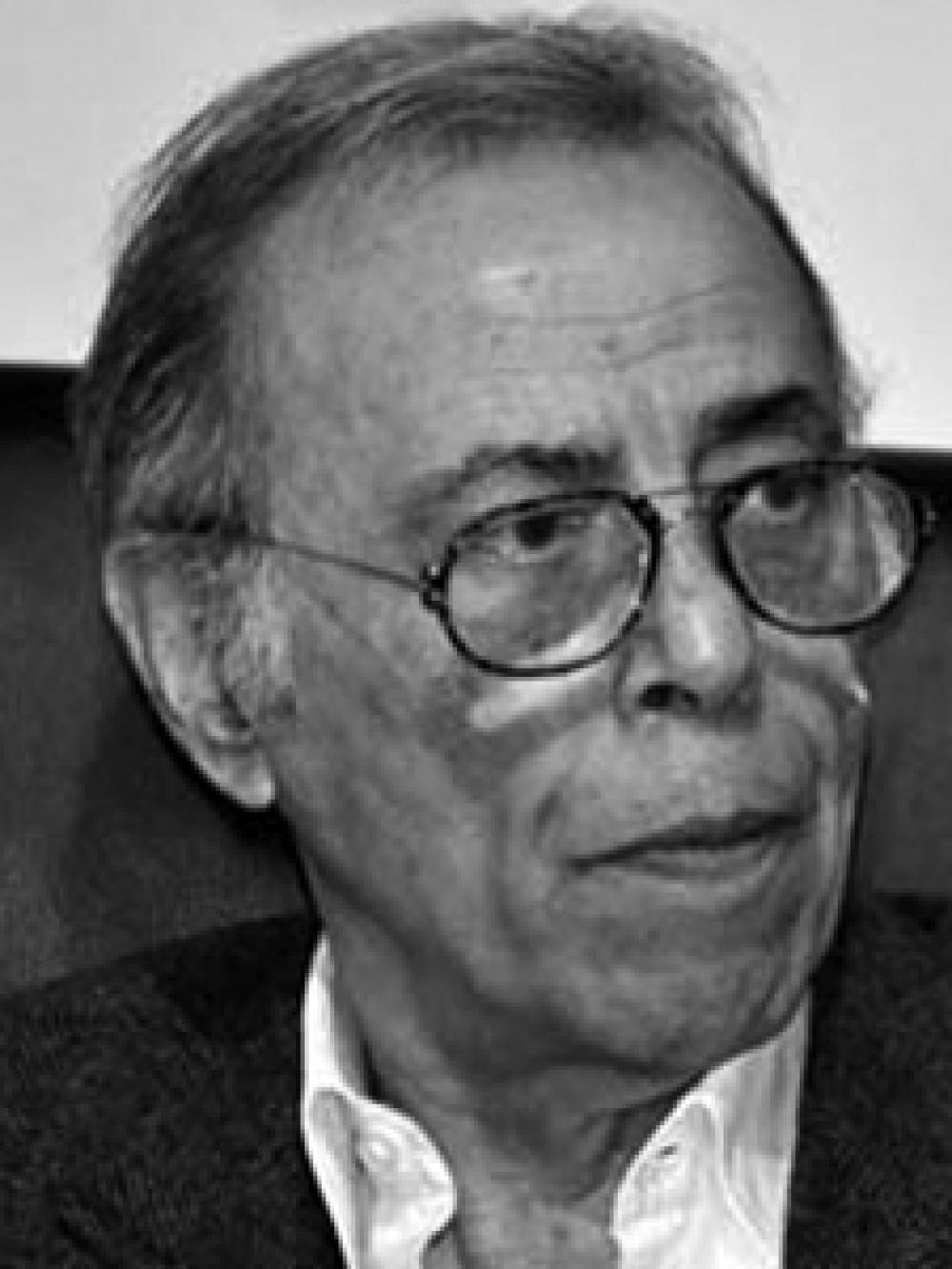
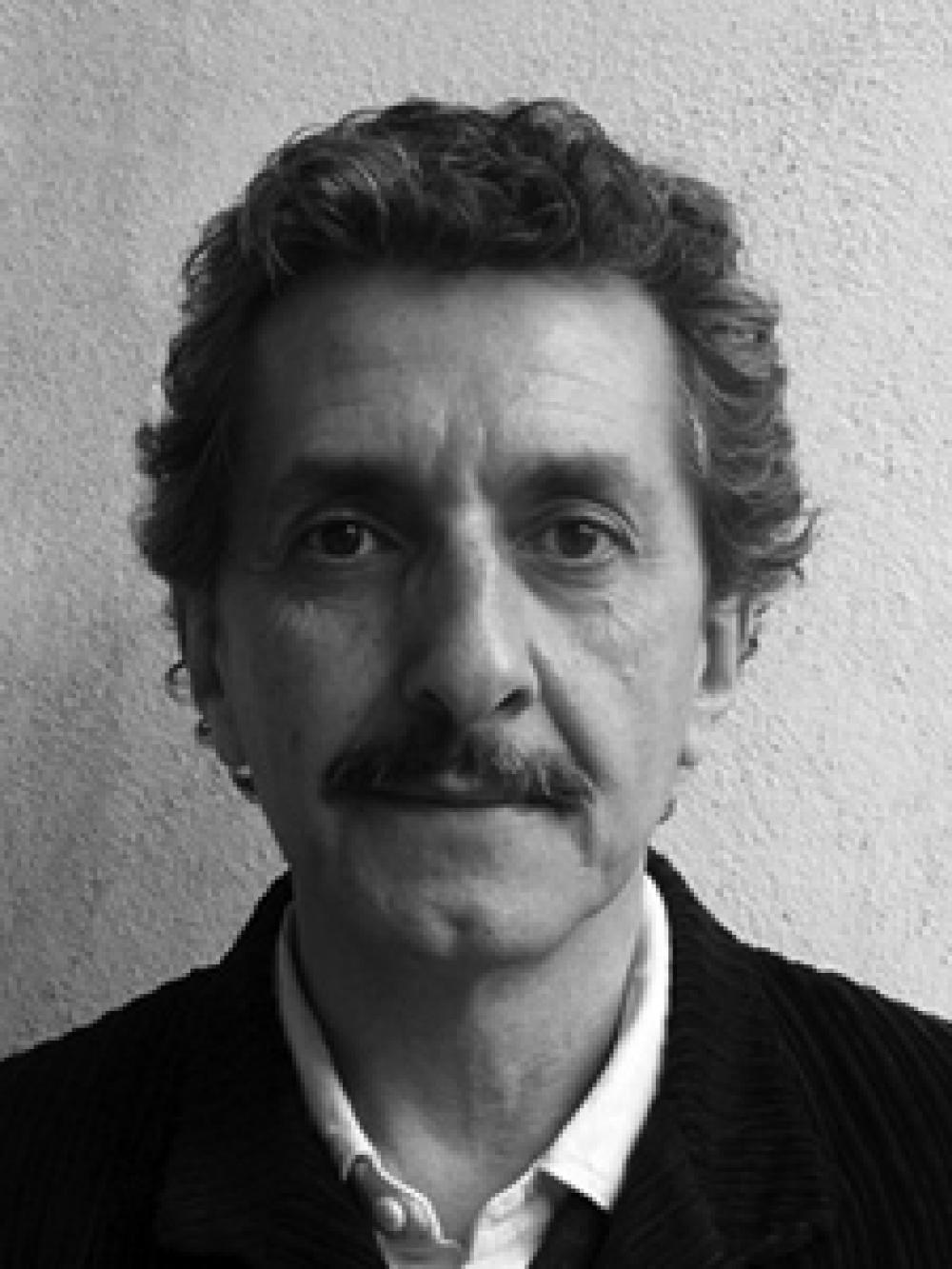
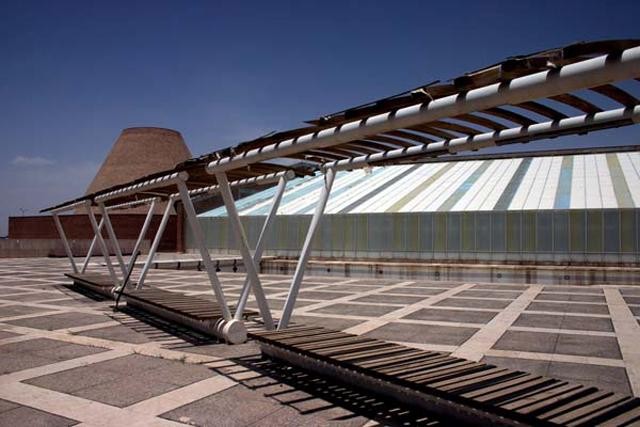
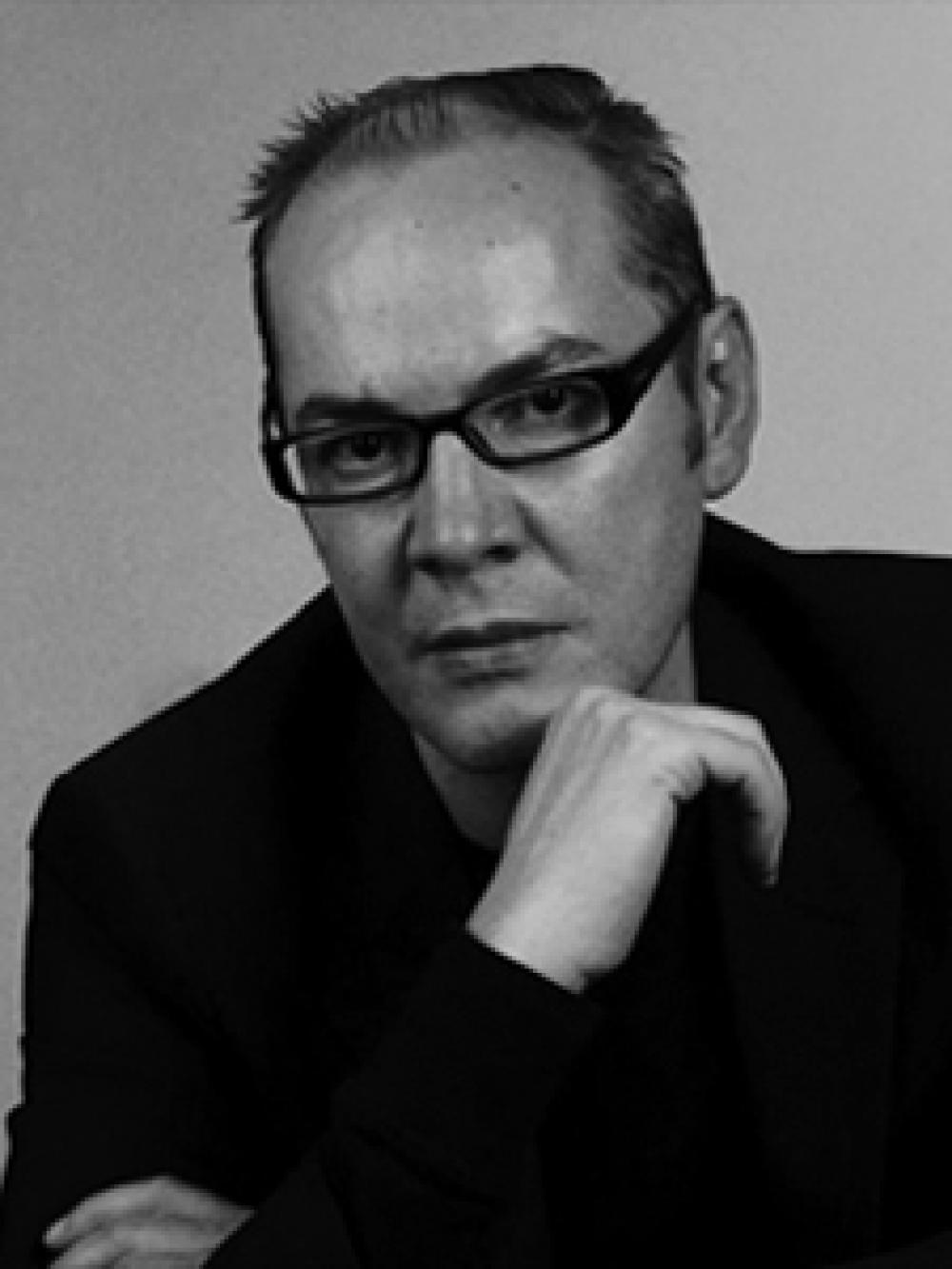
Iranian architect (b. 1951) internationally recognized for his work in interdisciplinary architecture and fold/folding architecture. Graduated from the University of Toronto (1978). Has taught at the Architectural Association (London), Harvard GSD, University of Houston, Georgia Tech, University of Chicago, SCI-Arc, and Ohio State University. Founded Shirdel and Partners in Tehran (1997), previously practicing as Shirdel and Kipnis Architects in London and Aks-Runo in Los Angeles. Recipient of the Christopher Wren Medal (Canada) and CGA Gold Medal for city planning (China). Work exhibited at Venice Biennale (1984) and MoMA New York (1992). Notable projects include the Alexandria Library (Egypt), Sara conference hall (Japan), and the National Museum of Water (Iran).

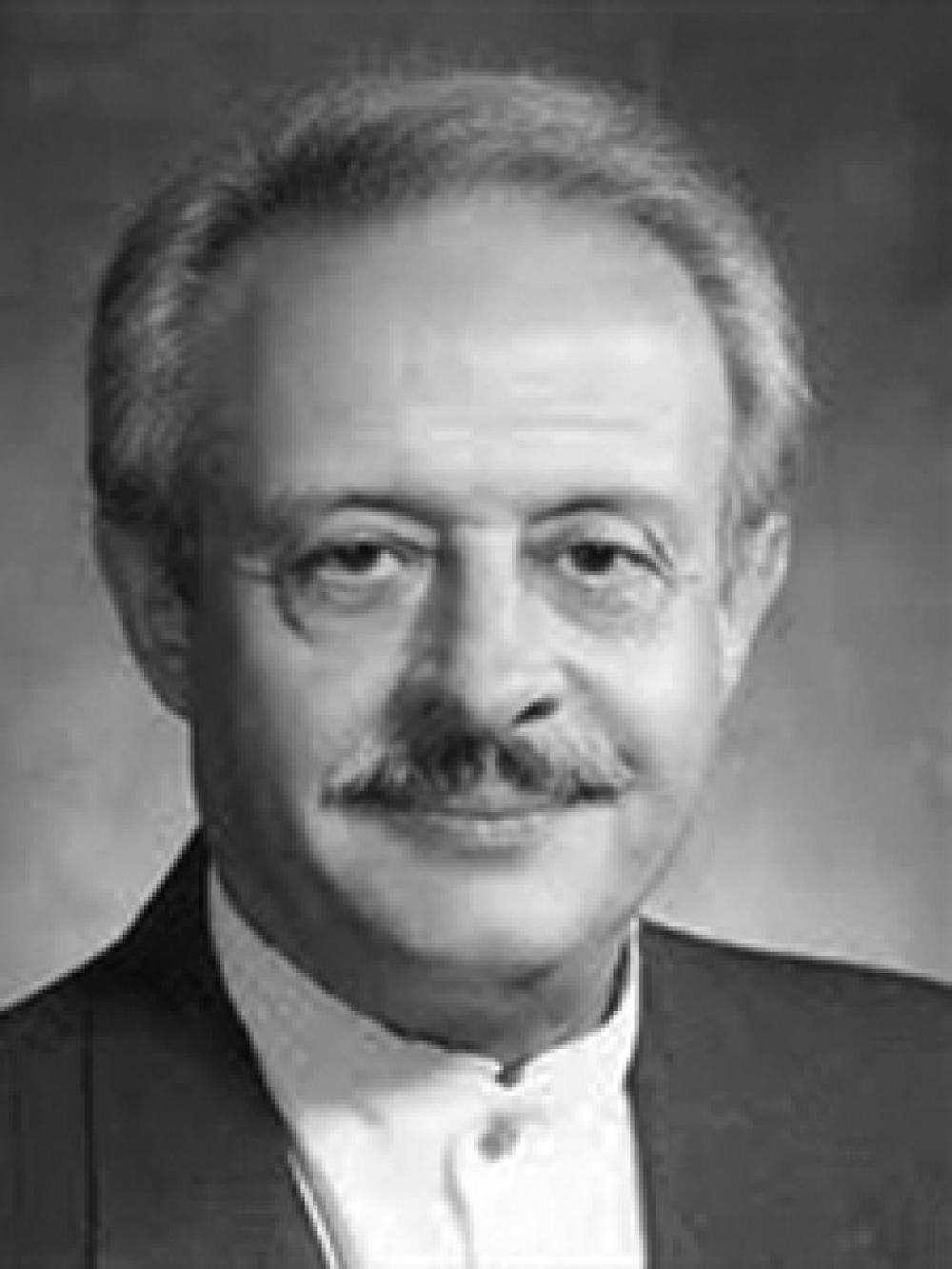
Iraj Kalantari Taleghani (b. 1938, Tehran) is a renowned contemporary Iranian architect. He graduated with an MA in Architecture from the Faculty of Fine Arts, University of Tehran in 1964. In 1974 he founded Bavand Consultants, where he still holds the position of chairman of the board. With over 20 years of teaching experience at the University of Tehran, Azad University, and the University of Science & Technology. In 2005 he was selected as Architect of the Year by the Society of Iranian Architects.

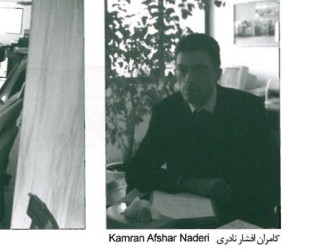
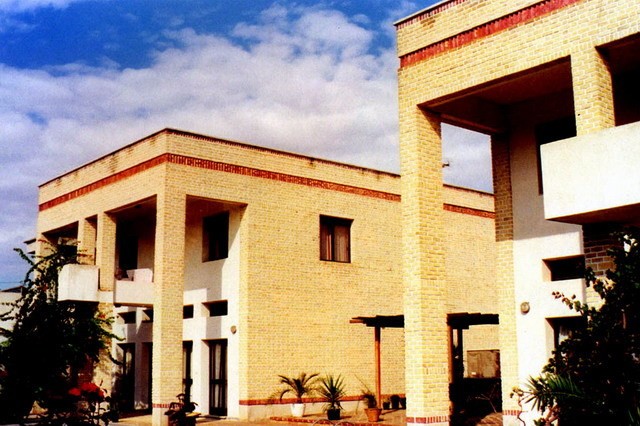
The inaugural Grand Memar Award was held in 2001, marking the beginning of Iran's most prestigious architecture prize. A jury of five distinguished architects — Kamran Afshar Naderi, Mohsen Mirheydar, Mohammadreza Joudat, Iraj Kalantari, and Bahram Shirdel — evaluated 155 submitted works across three intensive judging sessions held at the House of Artists and the Memar Nashr Institute in Tehran. The jury's deliberations were notably rigorous, producing detailed transcripts of their discussions about each finalist project. From an initial pool of 155 entries, 29 works survived the elimination rounds, from which 7 finalists were identified. The five winners were selected through a scoring system where each juror assigned ranks from 7 (highest) to 1 (lowest) to the finalists. The winning projects ranged from a modest pair of houses in Gonbad-e Kavus to an industrial factory in Eshtehard, reflecting the jury's appreciation for architectural quality across scales.
Semifinalists — Public Buildings
The Editor
Iranian architect, critic, and editor (b. 1959, Mashhad). Studied at University of Genoa (1985). Worked with Renzo Piano Building Workshop (1986-1993) on projects including Kansai Airport. Co-founded Memar Magazine (1998) — the very publication this database documents. Published ~150 articles and 3 books. Teaching at Azad and Soureh universities since 1993. Co-founded POL Institute, Isfahan.
The judging process consisted of three main stages conducted over several days in December 2001. Stage 1 — Elimination: All 155 entries were reviewed by the five-member jury. Works were eliminated only by unanimous vote; if even one juror favored keeping a project, it advanced. Through multiple rounds of elimination, 29 works survived to the second stage. An additional 5 works were set aside due to insufficient documentation. Stage 2 — Selection: The 29 remaining works were reviewed with greater care. Each juror selected their top 5 preferred projects without ranking. This produced 13 candidates, some with only a single vote. Through extended discussion, the jury reached consensus on 7 finalists. Stage 3 — Ranking: Each juror assigned scores from 7 (highest) to 1 (lowest) to all 7 finalists. The total scores determined the final rankings from first to fifth place. In cases of tied scores, an additional round with scores from 1 to 16 was conducted. The jury also formulated official statements about each winning project, which were drafted from recorded deliberations, reviewed in session, and signed by all five jurors.

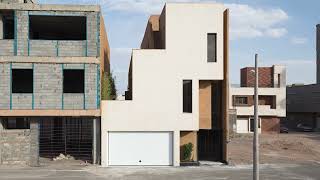
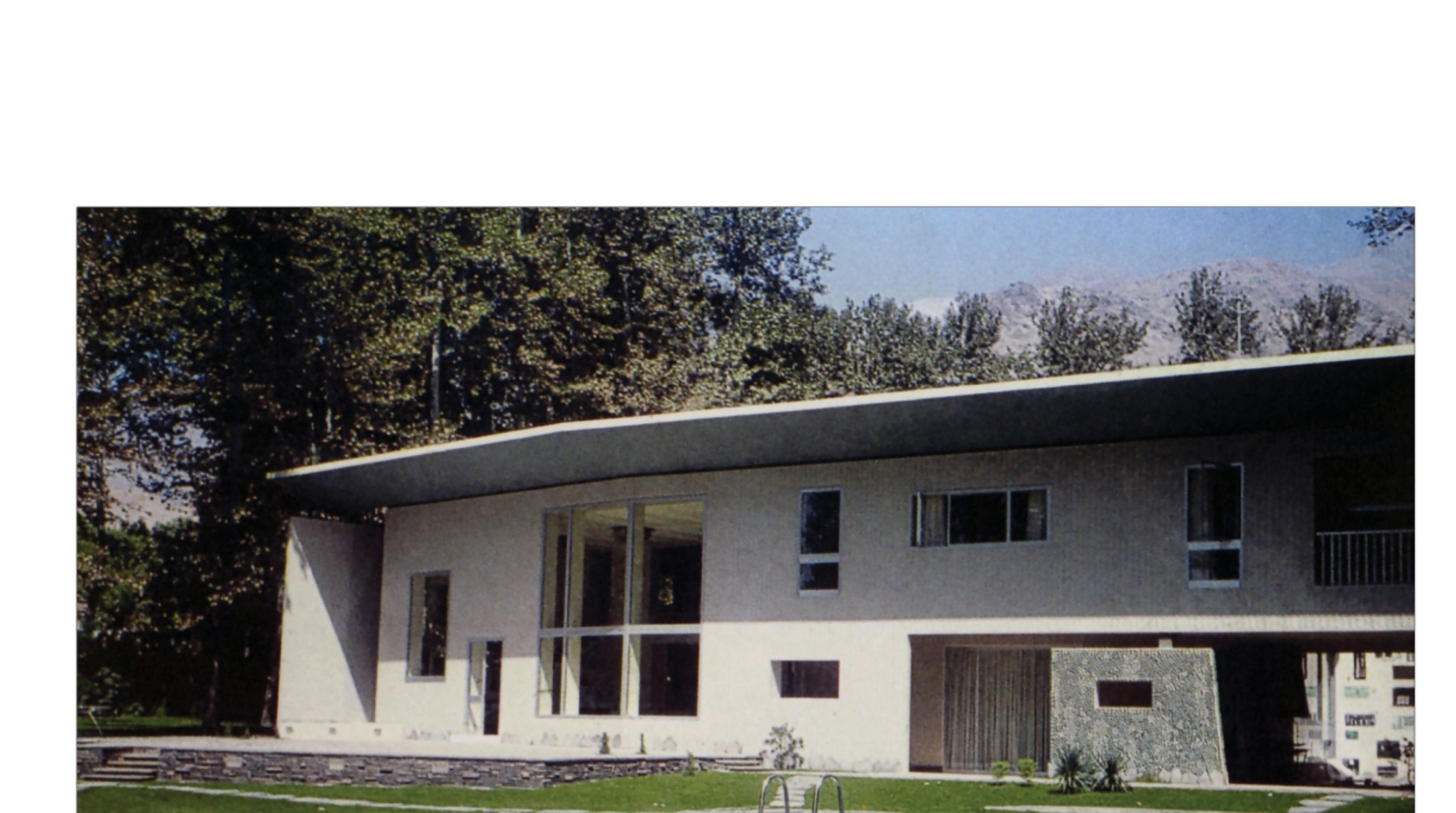
Gonbad-e Kavus · 2001

Firouz Firouz was born in a garden house in Tehran in 1954. He finished his architecture studies at Pratt University in New York in 1984, where he worked in close collaboration with Victoria Georgini for two years. Later in his professional pursuits he worked on adobe architecture with Hassan Fathi in Egypt for eight months between 1980 and 1981. In 1985 he started a partnership with Nasser Ahari. They established their design office in New York which was active until 1990. Ahari and Firouz Architecture Office carried out several administrative, commercial and residential

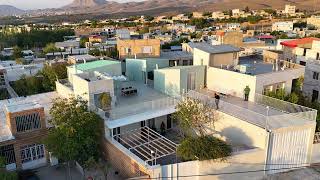
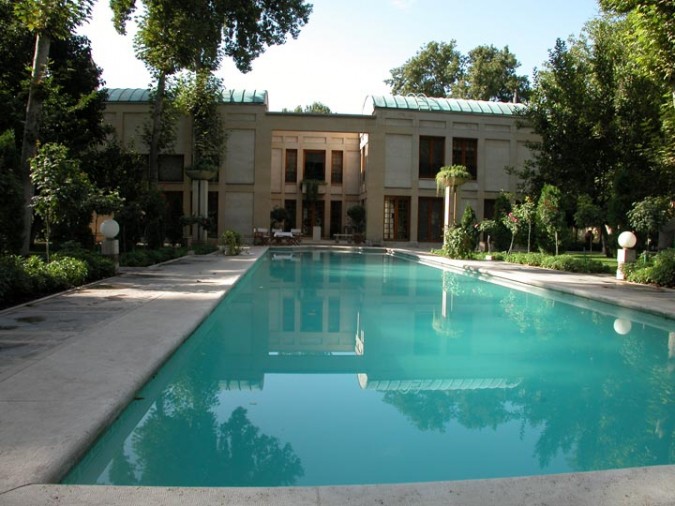
Rafsanjan · 1995
Iranian architect (1945-2006). Born in Qazvin. M.A. from Tehran University (1968). Career spanned three periods: National Iranian Steel Company (1968-79), Khanesazi-e-Iran and Isfahan Housing (1980-88), and founding director of Naghsh-e Jahan Pars Consulting Engineers (1988-2006). Won numerous competitions including National Library of Iran, Ministry of Energy HQ, and Export Development Bank. Won 2nd Place Memar Grand Award 2001 for Rafsanjan Sport Complex.

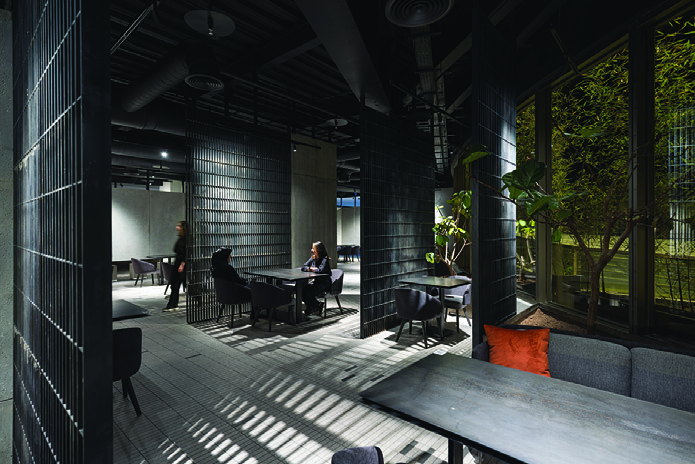
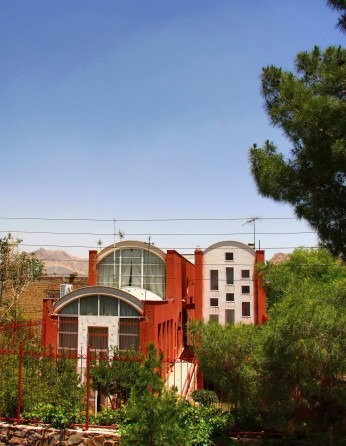
Karaj · 1998
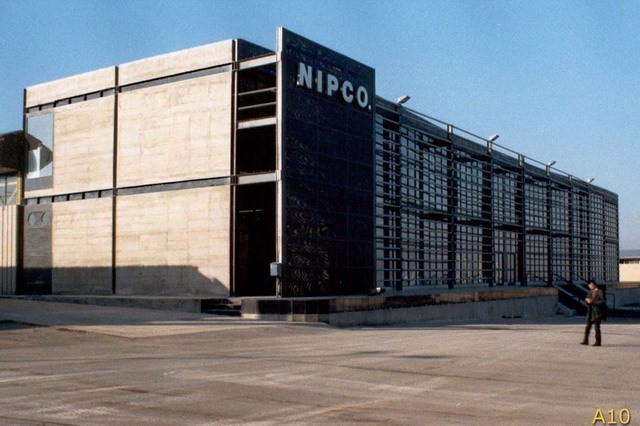
Iranian architect. Projects include Khazar-Abad Sport Hall, Niavaran House, NIPCO Factory, Sport Complex for the Disabled, and Qasr Prison Garden Museum.
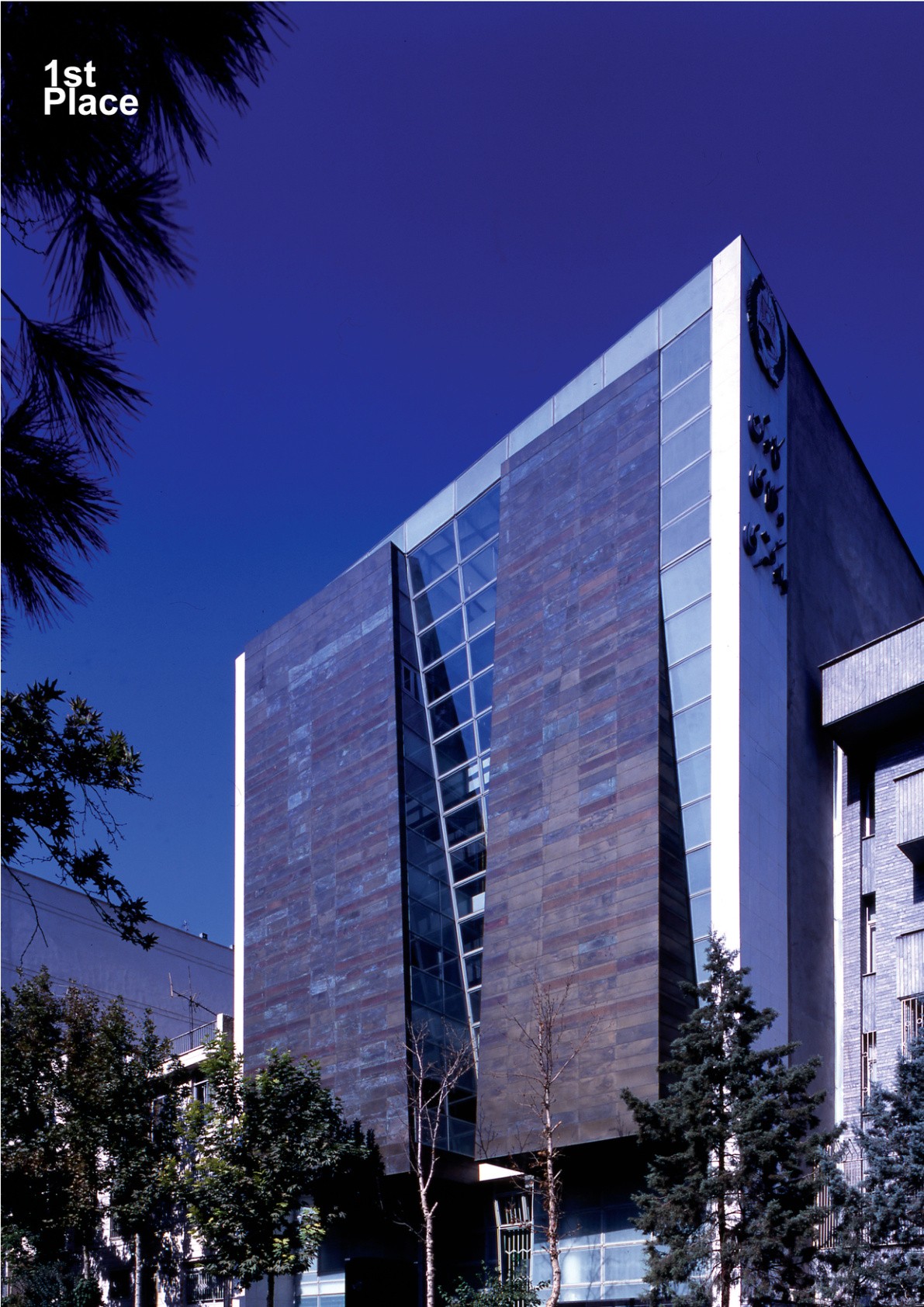
Tehran
Iranian architect born in 1965 in Tehran. Graduated in architecture and urban planning from the Iran University of Science and Technology (1991). He taught architecture at Azad University in Tehran, Tabriz, and Hamadan from 1994, while collaborating with leading firms including Jahan-Pars and Shirdel & Associates. His early competition entries — the National Sports Complex (1995-96) and the International Kashan Library Competition in Japan (1996-97) — both received awards. He established his independent practice in 1999, with Gallery Salmaan in Tehran as his first built work. He later co-founded Fluid Motion Architects, which has become one of Iran's most recognized contemporary architecture studios.
Tehran
Shamil Mohammadzadeh (born 1945) is an Iranian architect who received his M.Arch. from Shahid Beheshti University in 1972. He began his career in 1967 cooperating with consulting engineers and engineering offices, participating in several domestic and international architectural competitions. Through his extensive collaboration with Artec Consulting Engineers, Mohammadzadeh designed sport complexes, the Women's Multi-purpose Sport Hall in Tabriz, Tabriz Stadium, and the Esfahan Stadium. His independent works include Maghzi's Office Building, Saremi's Office Building, the Karoon Cement Factory Administrative Building, the Booshehr Cement Factory Control Building, and the Islamic World Communication Center. Critic Kamran Afshar Naderi described him as an architect who gives technology a "poetic dimension," positioning his work against what he calls Iran's "technocratic architect" tradition. Mohammadzadeh has served on the jury of the Memar Award and is recognized for his contributions to contemporary Iranian architecture.
Building Hardware
Karimzadeh · Managing Director