← Retour au programme Alireza Sherafati
 Elham Geramizadeh
 Faramarz Sharifi
2019
Memar AwardÉdition 1979 résultats1 octobre 2019
Membres du jury
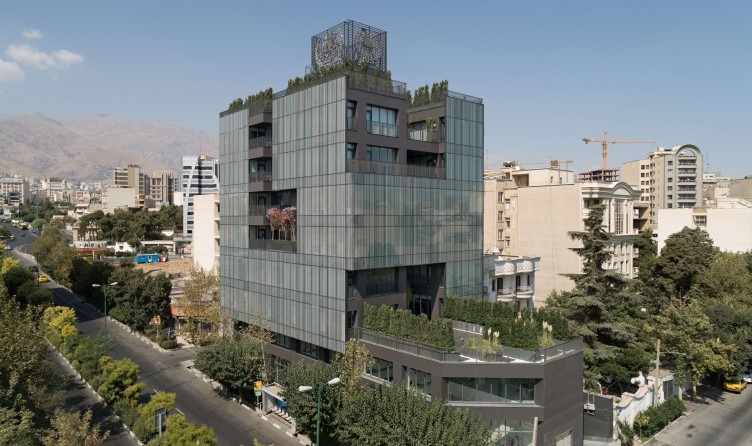
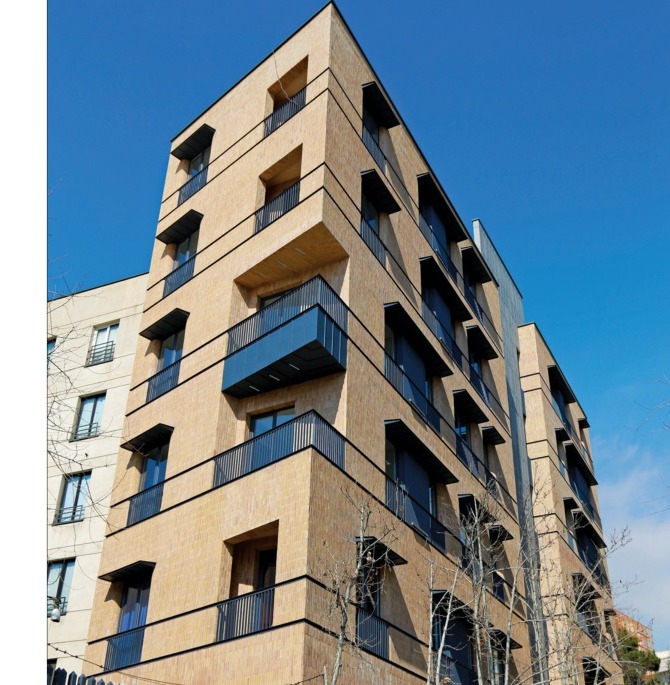
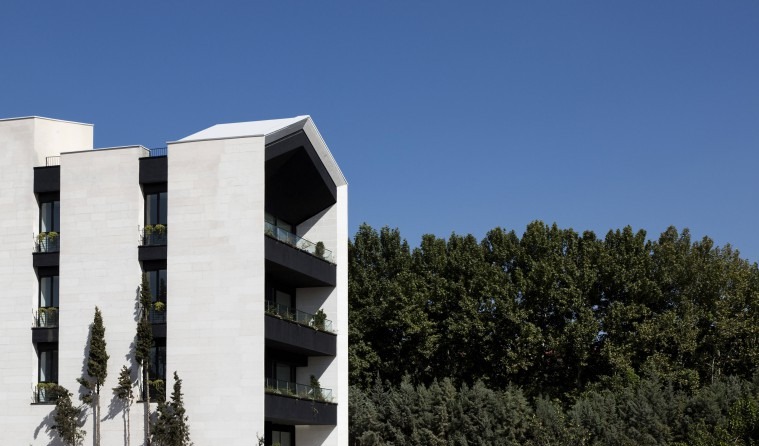
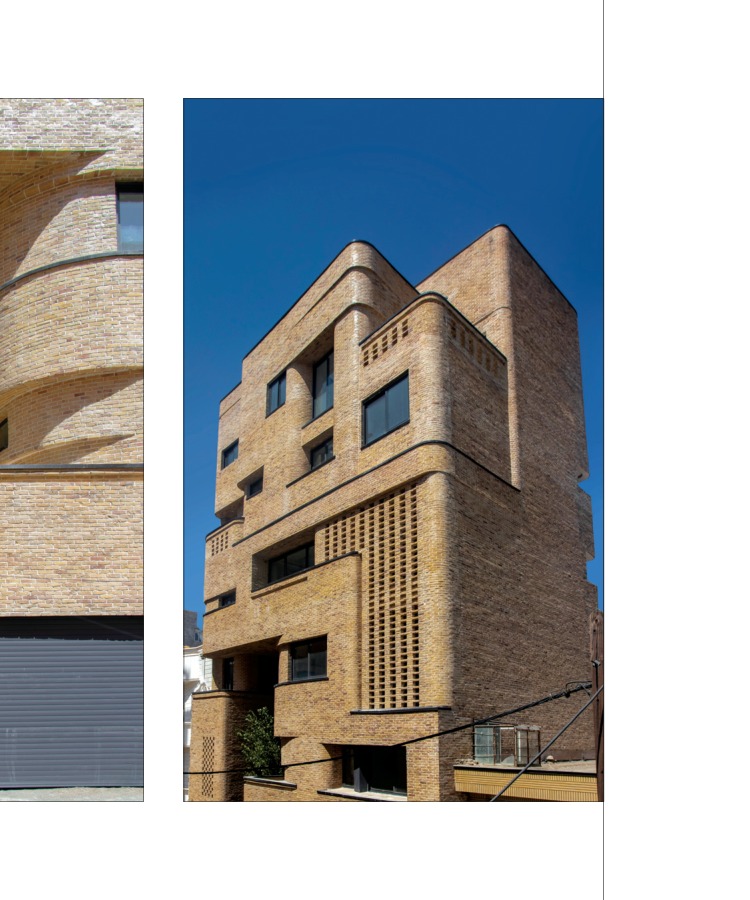
Alireza Sherafati is an Iranian architect and co-founder of Arsh 4D Studio (formerly Arsh Design Studio), established in 2012 with Pantea Eslami. The firm, ranked among the top 30 architecture firms in Iran by Architizer, has received multiple prestigious awards. His Villa Residential Building won First Place at the Memar Award in the residential apartment category in 2015 and was exhibited at Iran's Pavilion in the Venice Art Biennale the same year. The DEUXLOFT Residential Apartment won First Prize at the 23rd Memar Award in 2023 in the Residential Apartment Buildings category. The Arg Commercial Center in Tajrish, Tehran, earned recognition for its innovative renovation approach. His practice spans residential, commercial, and mixed-use projects across Tehran.
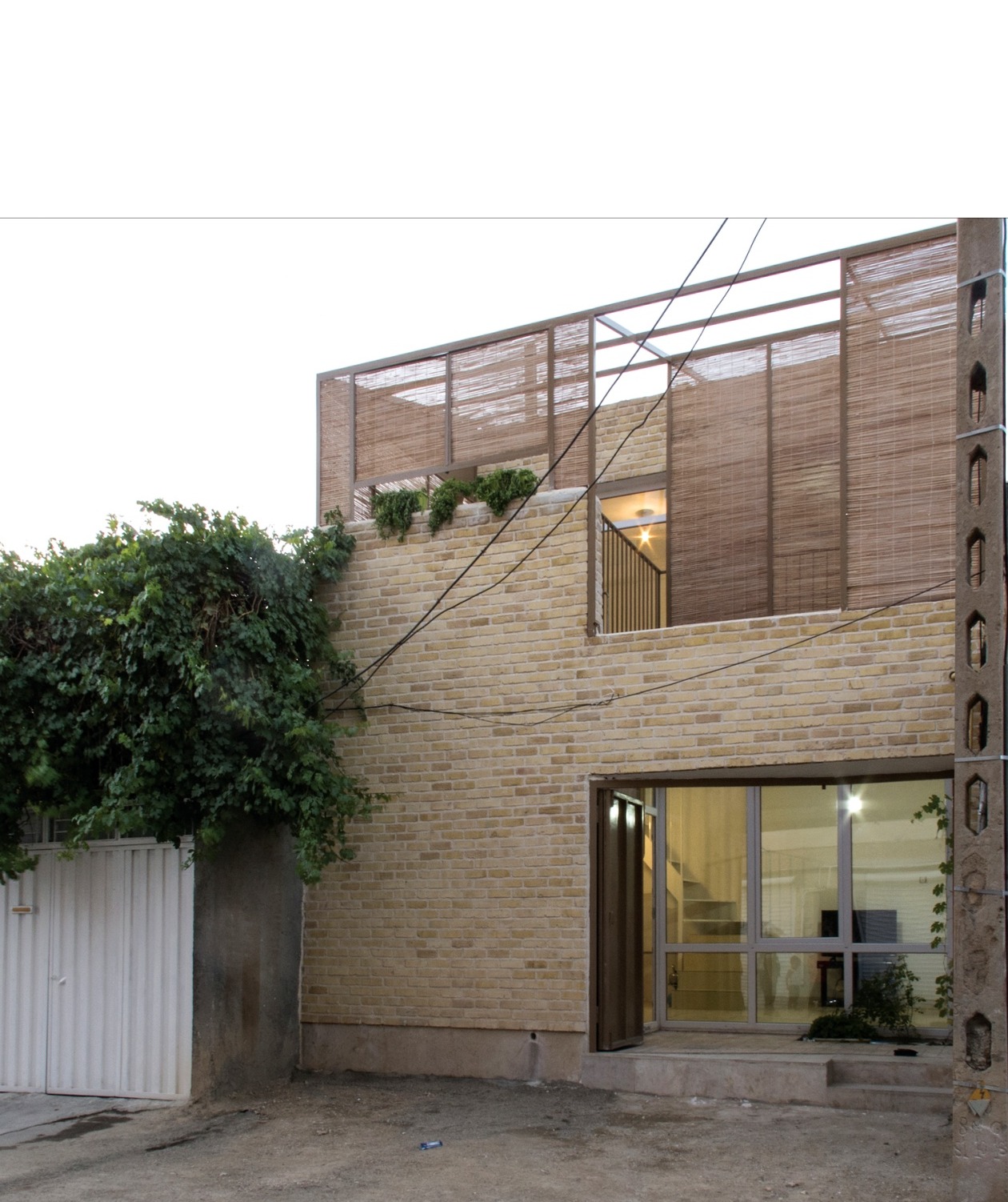
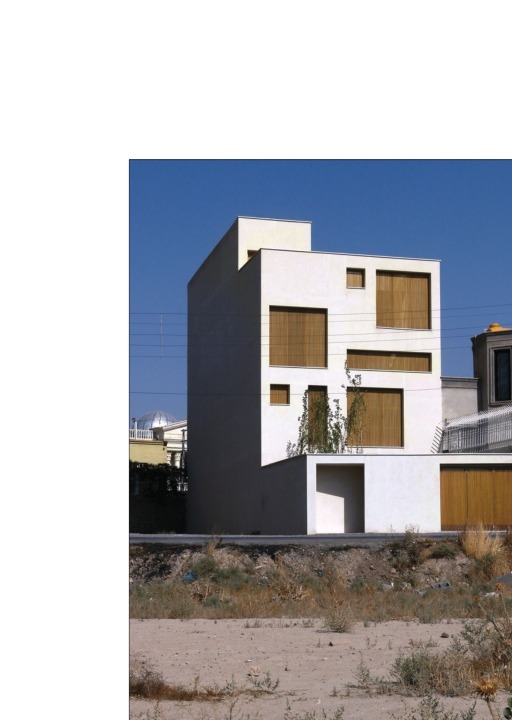
Iranian architect. Projects include Sepanta Residential Building, Nadjvan Residential Building, House in Isfahan, and Bidabad House.
1937 - Born in Tehran 1956 - Entered Faculty of Fine Arts, University of Tehran 1964 - Graduated from university 1969 to 1994 - Worked as managing director of "Artiman Consultants, Architects and Planners Co." since 1994 - Works as an independent architect .
À propos de cette édition
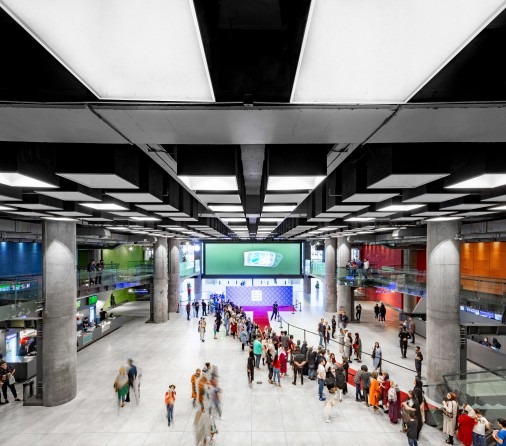
The 19th Memar Award (2019) received 243 project submissions across four categories: Individual Dwellings, Apartment Buildings, Renovation, and Public Buildings. The competition was conducted in two stages: the first round (elimination) was held on 9-10 Shahrivar (August-September 2019), advancing 84 projects to the semifinal. The second round on 6-8 Mehr (September-October 2019) selected 33 finalists, from which 17 projects were chosen as winners and honoured. A documentary about Baluchistan, related to issue 117 on local and vernacular architecture, was screened at the ceremony.
Statistiques
243Soumissions
84Demi-finalistes
33Finalistes




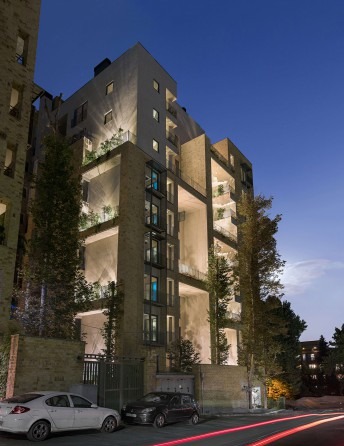
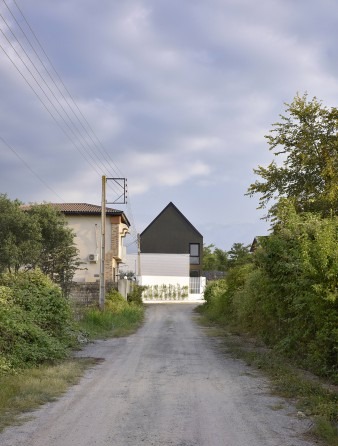
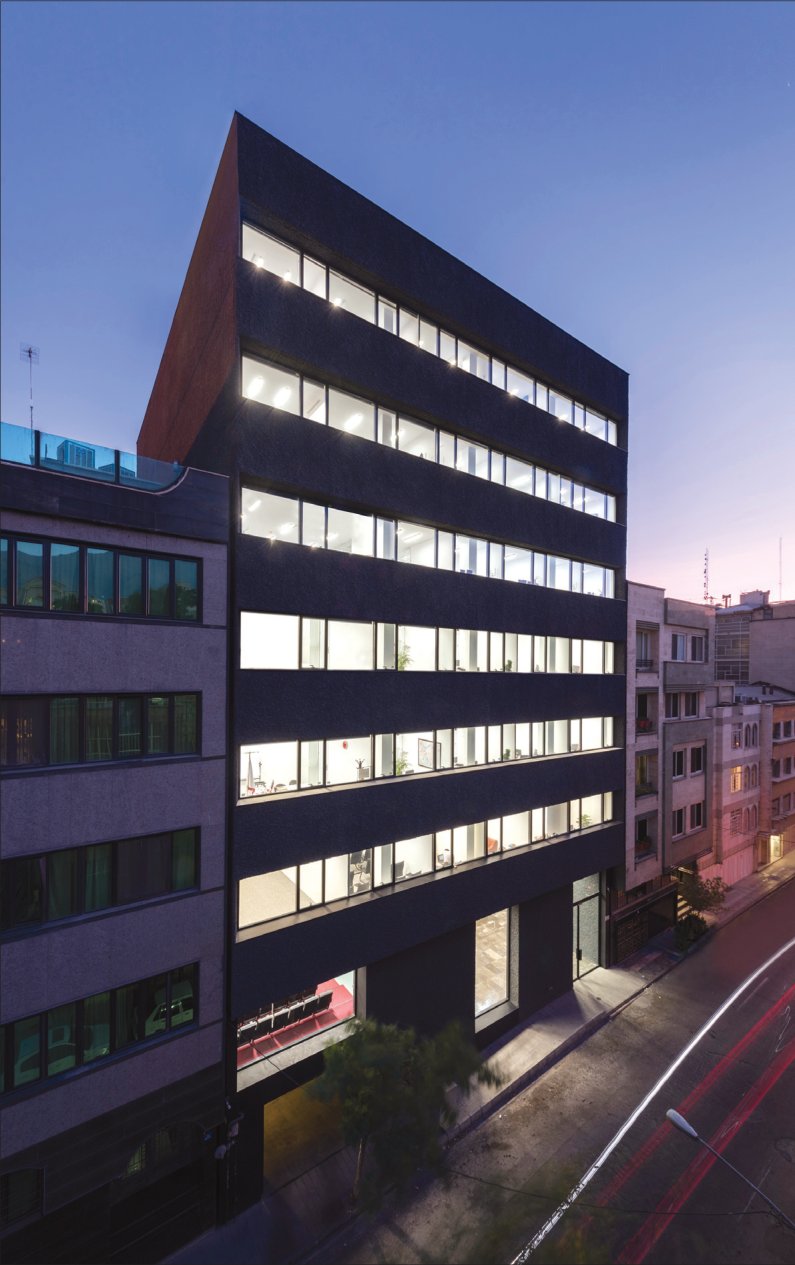
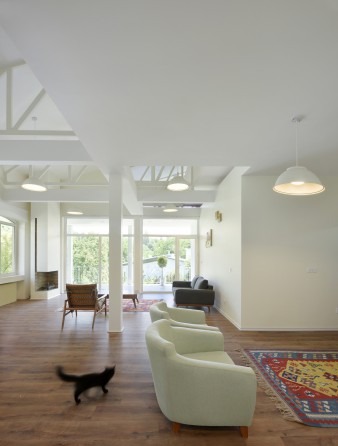
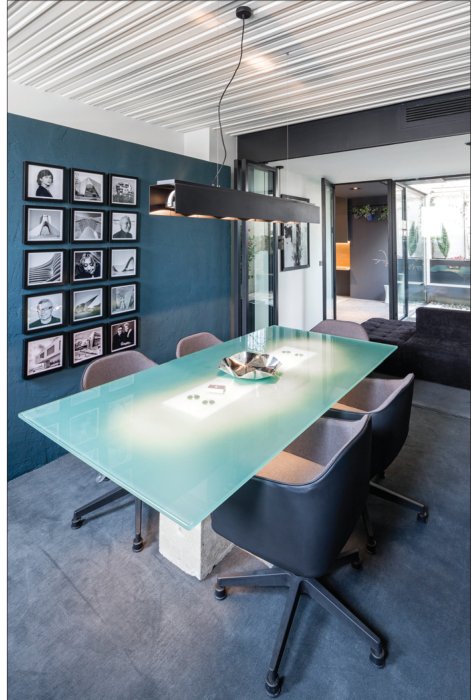
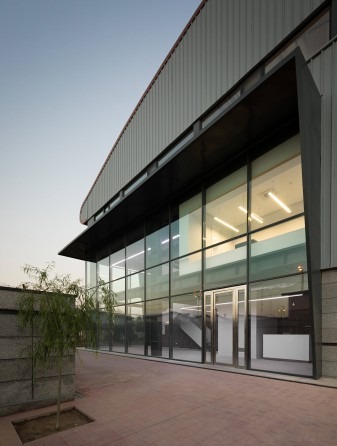
![Saba office building [Fereshteh st.]](https://images.memar.io/projects/saba-office-building-fereshteh-st-tehran/001.jpg)